Security teams log 54% of successful attacks and alert on just 14%. The rest move through your environment unseen.
The Picus whitepaper shows how breach and attack simulation tests your SIEM and EDR rules so threats stop slipping by detection.


Researchers found a way to bypass recent mitigations for Spectre v2 speculative execution side-channel attacks and developed an exploit to leak secrets from Linux machines.
The method works against Spectre v2 defenses on AMD and Intel processors that rely on sanitizing or isolating branch predictors, which researchers generically refer to as neutralization-based mitigations.
Spectre v2 is also known as Branch Target Injection (BTI) and is a variant of the Spectre class of vulnerabilities.

It exploits a processor’s indirect branch predictor and causes it to mispredict the target of an indirect branch, leading to speculative execution along an attacker-influenced code path.
Modern processors use branch prediction to guess the most likely execution path and speculative execution to run instructions along that predicted path before the branch outcome is known.
Spectre v2 allows an attacker to manipulate the CPU’s indirect branch predictor so that the processor speculatively executes instructions at an attacker-chosen location, which could expose sensitive data.
With neutralization-based mitigations (eIBRS on Intel and Safe RET on AMD), there is a gap between the time the branch predictor is isolated and when it is used by the victim branch.
Active Spectre v2 mitigations assume that an attacker cannot use to their advantage the time between cleaning the branch predictor state and using it.
However, the researchers introduced a primitive that enables re-poisoning the CPU’s state after the cleaning but before it is used.
Daniël Trujillo, a PhD student, and associate professor Mengjia Yan of the MIT Computer Science and Artificial Intelligence Laboratory (CSAIL) discovered a technique for exploiting this Time-of-Neutralization to Time-of-Use (TONTOU) window to extract sensitive data.
“An attacker without any special access to read arbitrary memory from the system, including sensitive data such as hashed passwords,” Trujillo told BleepingComputer.
The researchers developed an Interrupt Injection attack, where “unprivileged user programs can schedule timer interrupts to occur during kernel execution.”
“Therefore, we can force the kernel to be redirected to the interrupt handler and use this handler to poison microarchitectural states within the post-neutralization window,” the researchers explain.
The researchers found that interrupts occurring during the post-neutralization window can be used to poison the processor’s indirect branch predictor, enabling attacks against all types of indirect branches.
Mengjia and Trujillo tested the attack starting from the assumption that an attacker can run arbitrary, unprivileged code on a Linux target machine to leak data from the kernel.
On an AMD Zen 2 host with the latest Spectre v2 mitigations, the two researchers successfully ran through all the stages of a TONTOU attack: neutralization, redirection, poisoning, and the use of the poisoned branch predictors.
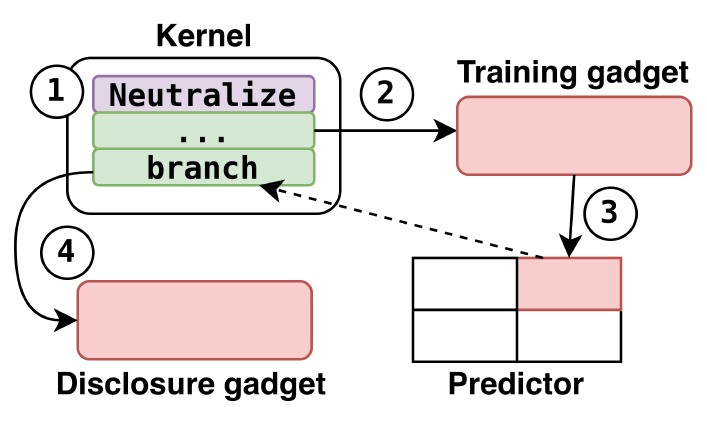
Successfully exploiting the issue requires overcoming several obstacles, including redirecting kernel control flow, precisely aligning interrupts with the post-neutralization window, and using the interrupt handler to poison the branch predictor entry associated with the target indirect branch.
The researchers address these challenges through installing ‘timers’ to trigger hardware interrupts, frequent injection of interrupts, and via active and passive poisoning methods.
The attack was tested on both Intel and AMD processors. On an AMD Zen 2 system running Linux version 6.14.0-37-generic with 16GB of RAM, the researchers showed it could leak arbitrary kernel memory at a rate of 5.47 bytes/s and 91.97% accuracy, including the contents of /etc/shadow, which stores password hashes.
Across 10 test runs, the attack successfully located and extracted the file in five cases, with each attempt taking an average of 18 minutes.
While the attack is also possible on Intel machines, they noted that additional software requirements make the task more complex.
The researchers note that interrupt injection enables attacker-controlled poisoning of the Return Stack Buffer (RSB), causing speculative mispredictions of return targets.
Because passive RSB pollution is less reliable, they combined interrupt injection with Inception, a previously disclosed attack that Daniël Trujillo helped develop.
AMD has published an advisory today noting that the interrupt inject issue “appears to be associated” with how implementation on Linux of the Safe RET mitigation against potential information disclosure attacks.
Daniël Trujillo and Mengjia Yan presented their findings today at the Black Hat USA security conference. They will also share the details at the USENIX Security 2026 between October 27 and 29.

Security teams log 54% of successful attacks and alert on just 14%. The rest move through your environment unseen.
The Picus whitepaper shows how breach and attack simulation tests your SIEM and EDR rules so threats stop slipping by detection.
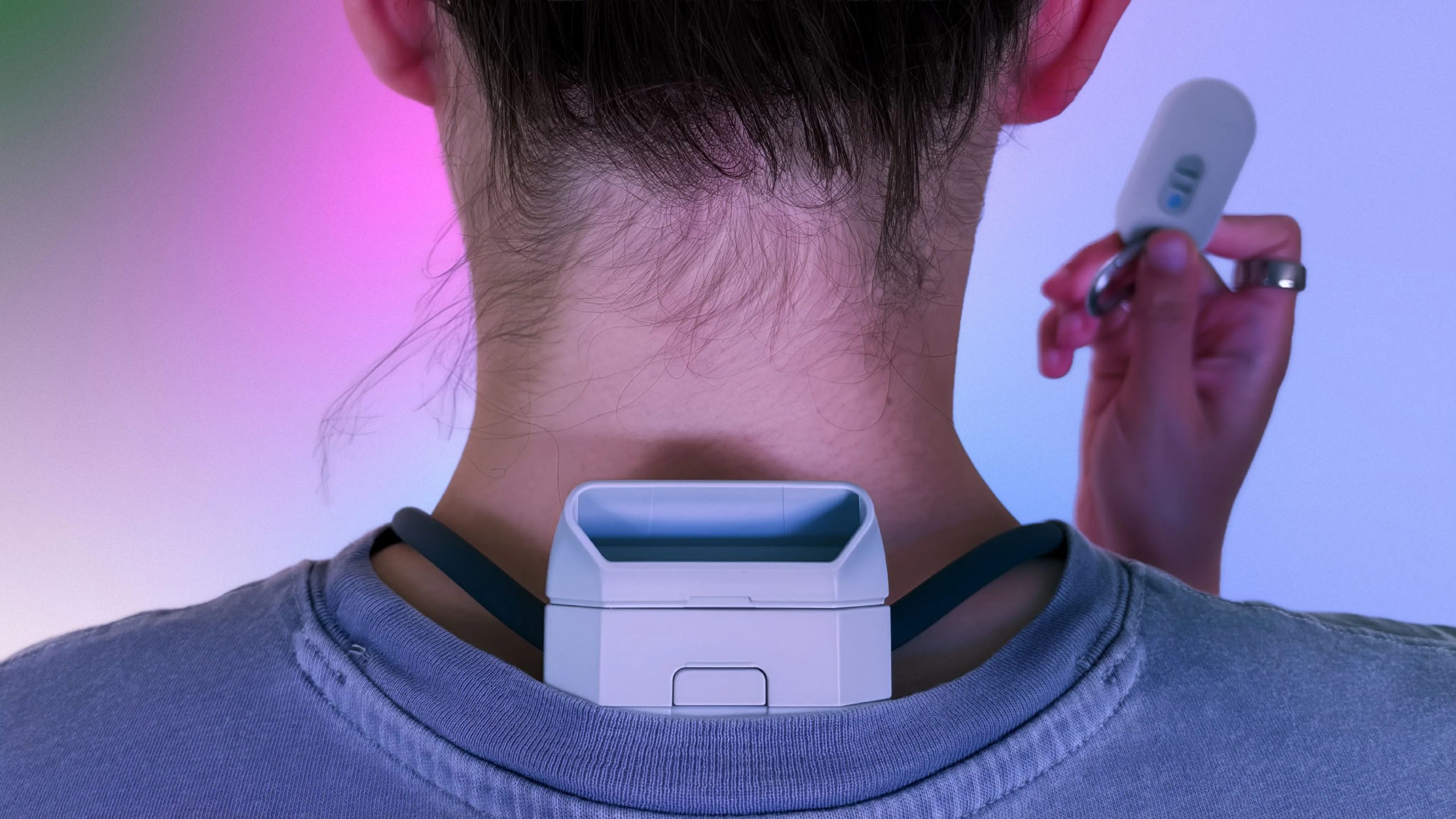

While Sony’s Reon Pocket Pro Plus is cool, there are some cons to consider.
Anna Gragert/CNET
Heat waves are increasing due to climate change, and tech companies are well aware. This summer alone, we’ve seen air care brands Dyson, Shark and Blueair release handheld fans. Starting in July, Sony Electronics also began shipping its $260 Reon Pocket Pro Plus in the US. Available in Japan since 2019, it’s a wearable heating and cooling neck device that looks like a space-travel accessory. I got a first look at this technology and have been testing it for over a week. This is everything you’ll want to know about it, along with my thoughts.
The portable, 8.7-ounce Reon Pocket Pro Plus is designed to be worn around your neck and under clothing, making it more discreet than other wearable and handheld fans. Using a stainless steel plate that comes in contact with the skin, you can manually adjust the device’s cooling or warming temperature range from 41 to 104 degrees Fahrenheit in the accompanying Android, iOS or WatchOS app or on the device itself.
You can switch between cooling, heating and smart modes.
Anna Gragert/CNET
There’s also the option to use smart mode, which you can select both in the app and on the Reon Pocket Pro Plus. In the app, you set the temperature range and, using multiple temperature and humidity sensors on the device and the included Reon Pocket environmental sensor that can be attached to a bag or belt loop, the Reon Pocket Pro Plus’s algorithm will automatically adjust the plate’s temperature to your preference.
While the Reon Pocket sensor tag is separate from the device, it measures the temperature and humidity of your surroundings and displays this information in the app. Because of that, you’ll want to ensure the sensor isn’t covered. It comes with a carabiner for this purpose, so it’s easy to attach to a purse or backpack.

The Reon Pocket sensor tag measures the temperature and humidity of your environment.
Anna Gragert/CNET
On the Reon Pocket Pro Plus unit, you can adjust settings without the app. There are start-stop, warm and cool mode, smart mode and plus and minus buttons, all with corresponding LED lights.
The device’s plate uses a Peltier element, which a Reon representative described as a semiconductor module. When an electric current is applied, it can cool on one side and heat on the other. To maximize cooling performance on the plate’s skin-contacting side, a high-volume fan, a vapor chamber and heat-dissipation fins are used to release the internal heat generated on the opposite side of the plate.
When I first tried it, I was surprised by how quickly the Reon Pocket Pro Plus could adjust its temperature. When switching between cool and warm modes on the device and in its app, I immediately felt the difference on my upper back. While this technology isn’t for full-body cooling, I found its effect on my upper back was enough to make a difference. I especially love the cool setting for a soothing effect.
Yet, the Reon Pocket Pro Plus isn’t waterproof, so it wouldn’t be ideal for intense sweating, and it shouldn’t be used under the hot sun for long periods. As the device was designed for cooling, you’d reasonably want to use it when temperatures are high, making this a potentially significant downside.

The “mode” button’s LED light changes color based on whether it’s heating, cooling or in smart mode.
Anna Gragert/CNET
There is a neckband that holds the device in place, so the thermal plate can make contact with your upper back’s skin. The neckband is adjustable and can be bent. There are also extension tips that can be removed to adjust the length.
The neckband protrudes from your clothing, with the most noticeable part of the device being the air vent that extends from the back of your shirt. It does come with a shorter air vent cover for clothing without a collar, like a T-shirt. When it’s in cool mode, warm air may be emitted from the vent, depending on the ambient temperature.
From the front, and depending on your shirt, the neckband may be visible.
Anna Gragert/CNET
I found the device fairly comfortable and lightweight, but I wish that the plastic neckband were covered in a softer material.
The device worked best when I was sitting down or not moving my upper back as much; otherwise, I had to adjust it to maintain contact with my skin during movement. So it makes sense to me that the Reon Pocket Pro Plus is intended for walking or hiking — not for rigorous exercise.

From the back, the device’s air vent does protrude.
Anna Gragert/CNET
What the Reon Pocket Pro Plus really has going for it is its low noise level, making it even more discreet. During my testing, I heard a slight noise when the device turned on. Later, when I used it outside in the heat (perhaps it was too hot for the device?), the fan’s sound increased, but it wasn’t obnoxiously loud.
As for battery life, on the cool setting in smart mode, you get up to 15 hours. When the 3,000-mAh lithium-ion battery is fully depleted, it takes about 3 hours, 20 minutes to charge. By comparison, the Dyson HushJet Mini Cool handheld fan has up to 6 hours of battery life on low speed and charges in 3 hours.
The main drawback for me is that the Reon Pocket Pro Plus is $260. While it doesn’t offer the same discreet, quiet technology or heating, the most expensive handheld fan I’ve tested is the three-in-one Shark ChillPill at $150.
The Reon Pocket Pro Plus includes free shipping, 30-day returns and a one-year warranty. You also get the Reon Pocket tag sensor, the short air vent for collarless tops and a USB-C charging cable.

You also get the sensor tag and shorter air vent for collarless tops.
Anna Gragert/CNET
I like Sony’s Reon Pocket Pro Plus, as it opens the possibilities for how quiet, low-profile and adaptable heating and cooling technology can be. I just wish it were more affordable and didn’t require as much adjustment during upper-back movement.
If you’re looking to stay cool this summer without breaking your budget, consider a handheld fan like Blueair’s new AlwaysCool, the ChillPill or HushJet Mini Cool. But if silence and discretion are important to you, and you have the cash, then the Reon Pocket Pro Plus is a cool investment (literally).

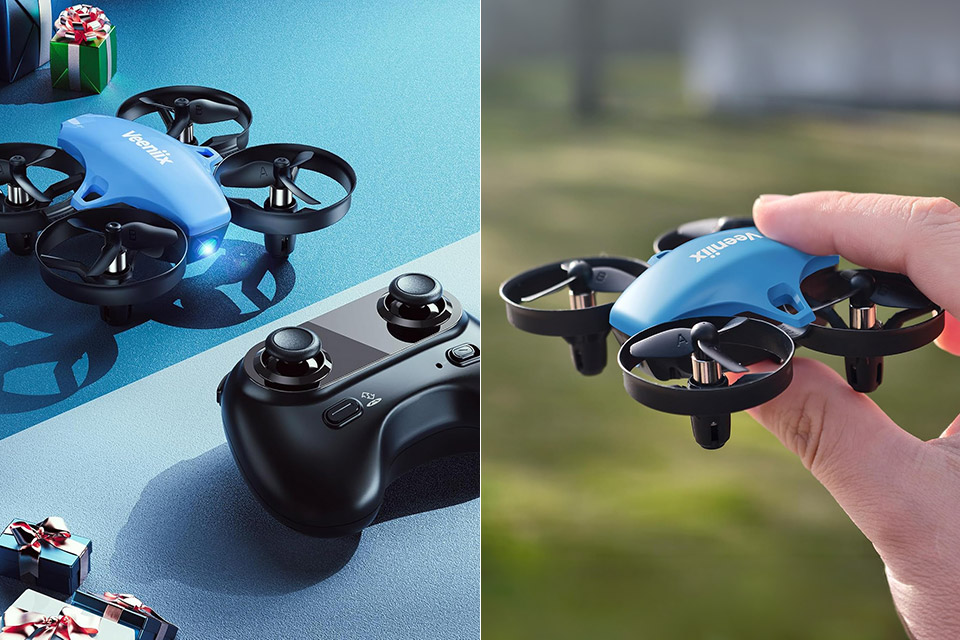
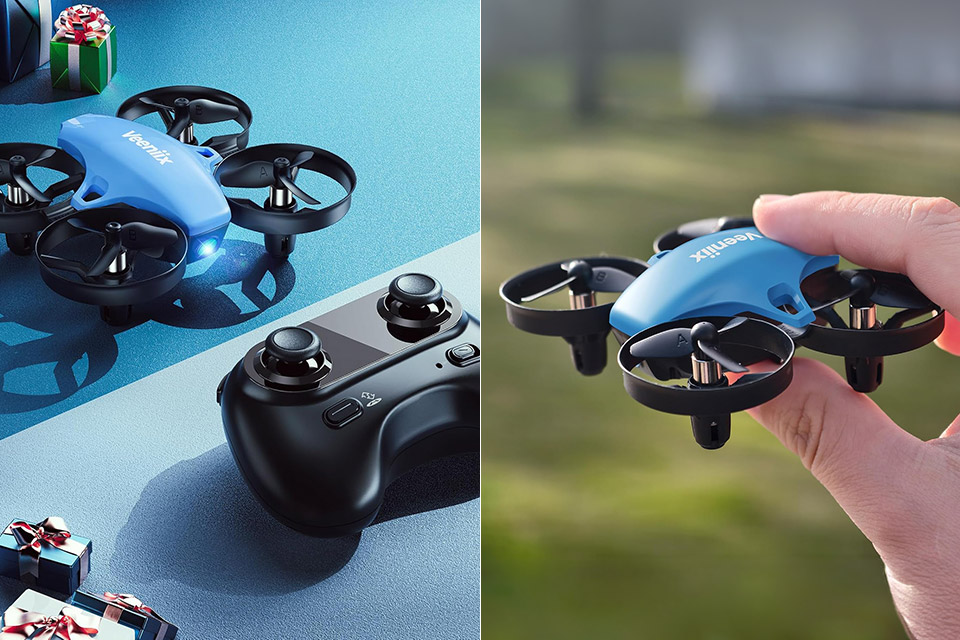
You’ve finally splurged and purchased a quality drone, charged the thing, and taken it outside, but gravity and nervousness take over and you watch, in slow motion, hundreds of dollars bounce off the pavement or be pulled up into a tree. It’s a pattern that helps to explain why so many people don’t make it past the first week with their new flying device. That’s where the Veeniix V995 micro drone, priced $33.99 (was $50), comes in, and it’s supposed to break the cycle for you.
The V995 is tiny, measuring 3.6 inches from end to end, 3.15 inches wide, and 1.25 inches tall, making it small enough to grip in each hand. At only 22.3 grams, it will take a good blow against a wall or floor to finish the session (as opposed to heavier drones, which will most likely just give up the ghost). Don’t worry, they all have full propeller guards to absorb any contact and keep the whirling debris away from your hands and other parts of your home. This means that indoor practice is no longer a definite formula for disaster.
It’s simple to use because the remote simply has one button to raise and lower it. Once you’re up and flying, altitude hold is a lifesaver because it keeps the drone at roughly the same height, allowing you to focus on flying rather than tinkering with the throttle. To begin, you can select from various flight modes, which has three different speed settings, and if you’re still getting the hang of things, headless mode is a game changer. Pushing the stick to the left moves the drone left relative to you, regardless of whatever direction it is facing. Furthermore, low-battery and out-of-range warnings offer you a clear heads up before the object falls from the sky or travels beyond the horizon and gets lost in the distance.
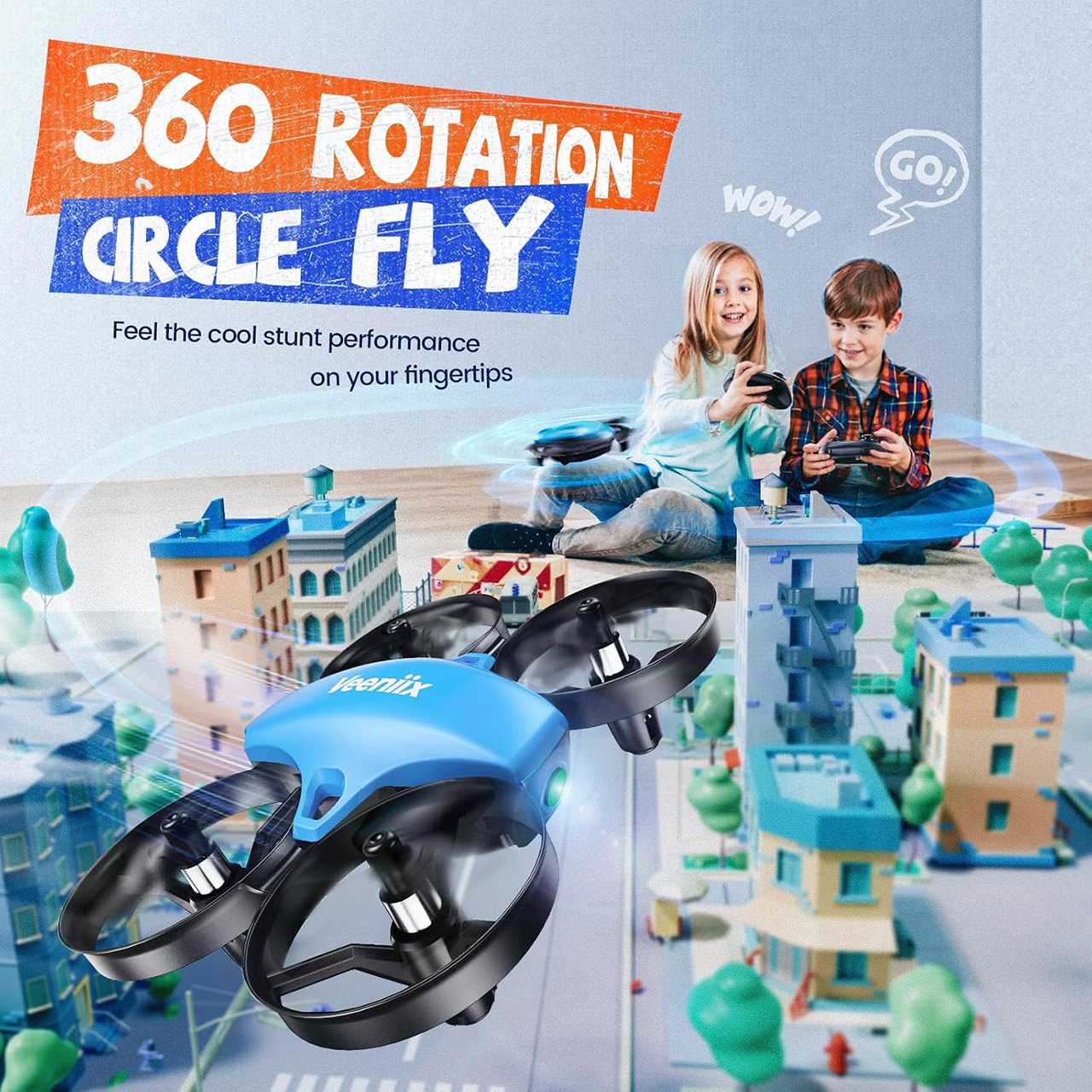
The V995 comes with three rechargeable batteries that provide roughly 7 minutes of flying time each, for a total of 21 minutes of flight time. You can just swap one out and continue flying while the others charge, and as a bonus, extra propellers are included in case one breaks. The remote is powered by standard AA batteries, which should last a long time unless you use it for extended game sessions. At least with this one, you don’t have to mess around with a phone app and all the difficulties that come with it; simply switch it on, connect the two, and you’re ready to go.
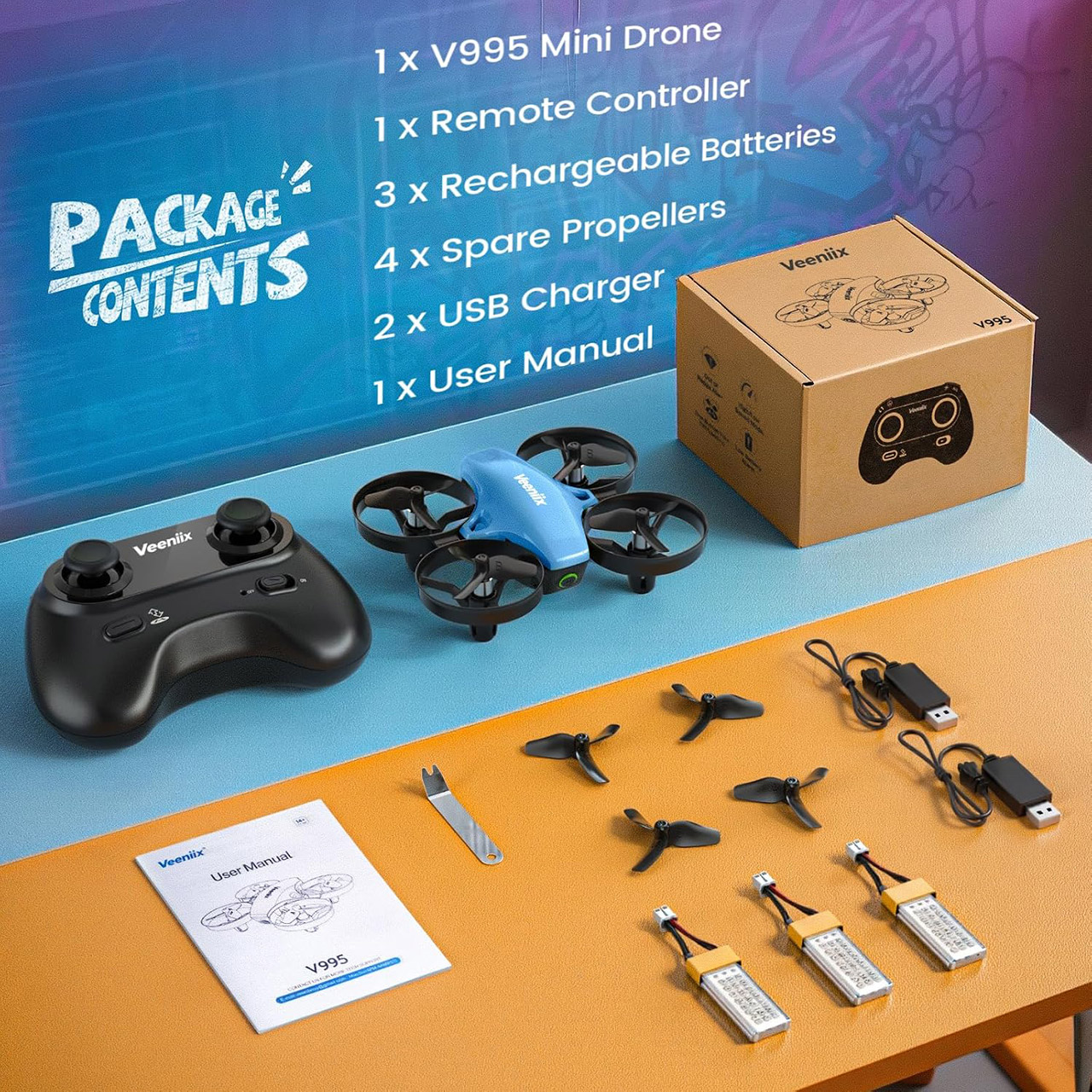
Once you’ve mastered the skill of simply hovering in position, you can use the same remote to perform legitimate feats like 3D flips, full 360 spins, and even flying in a great wide circle. They may appear luxurious, but they are still possible in a living room or even a backyard. Many users swear by the V995 as their go-to practice machine before moving to a larger, more expensive model. The fact that it’s small and well-protected means you can still have the occasional crash without breaking the bank, which is extremely beneficial if you’re just starting off.
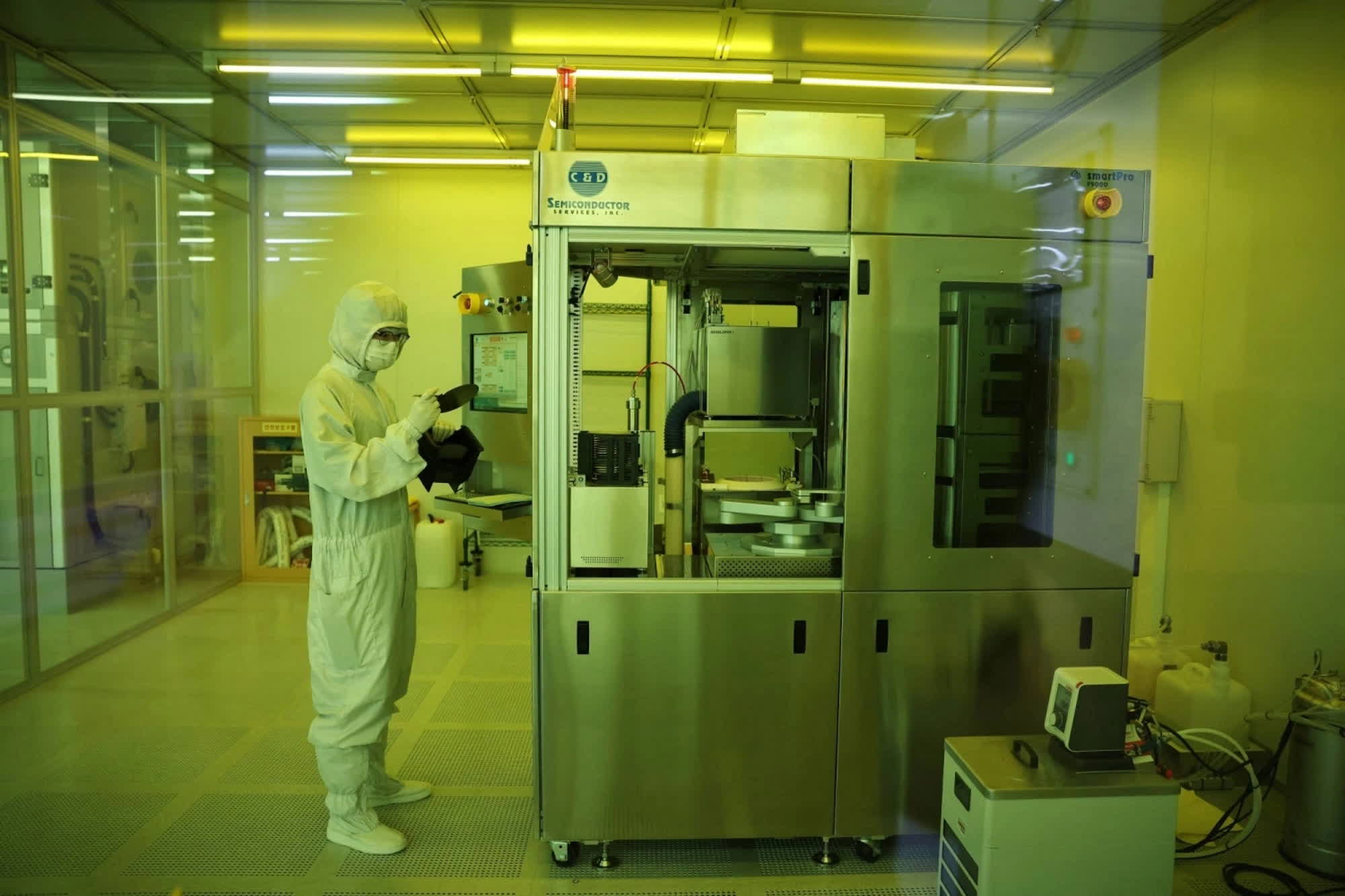
The big picture: Foundry corporations have repeatedly stated that the chip supply chain crisis is not going to improve anytime soon. Adding more manufacturing plants could help partially ease the industry’s pain, which is exactly what SK Hynix plans to do over the next few years. Let’s just hope the AI bubble doesn’t burst in the meantime.
SK Hynix just announced a massive new investment to strengthen its manufacturing capacity for both DRAM and NAND flash products. The South Korean corporation, one of the world’s three largest memory manufacturers alongside Samsung and Micron, is going to spend 54 trillion won ($38 billion) to build the new “Y2” and “M17” chip fabs in Yongin and Cheongju, respectively.
The new plants are part of a larger investment strategy totaling 700 trillion won. Yongin Y2 is the second of four new fabs planned for the Yongin Semiconductor Cluster. The plant will increase SK Hynix’s DRAM production capacity, with construction expected to begin in July 2027.
The first cleanroom in Y2 is expected to be ready by June 2029 and will house the equipment required to produce high-bandwidth memory solutions and “next-generation” DRAM chips. Meanwhile, construction of the Cheongju M17 plant is expected to begin in February 2027. The facility is scheduled to open its first cleanroom in December 2028, with production primarily focused on NAND Flash chips.
SK Hynix acknowledges that HBM memory is now one of the most sought-after chip formats in the world. Nvidia, AMD, and other vendors are struggling to secure enough capacity to keep developing and producing new GPUs and AI accelerators for data center hyperscalers. Analysts say that new data center plans are still on paper for the most part, while Big Tech companies continue to buy up every memory chip they can find.
SK Hynix also said that demand for NAND flash is surging rapidly. The focus is once again on hyperscalers and enterprise SSDs, which are being deployed to further expand the capacity and capabilities of AI services. NAND chips are used as cache storage in AI inference workloads, with agentic AI and physical AI applications such as robots expected to drive demand even higher.
Commenting on the newly announced construction plans, an unnamed SK Hynix official said that the company aims to become “a key partner in AI infrastructure, contributing to the stability of the global AI semiconductor supply chain.”

Memory manufacturers have long been criticized for their alleged unwillingness to build new manufacturing capacity, with SK Hynix predicting that the supply chain crisis will likely peak between 2027 and 2030. The new Y2 and M17 plants will certainly increase the company’s production capacity, although they should come online just as the market finally begins to settle down.

As part of a planned data center in Pecos County, Texas, Amazon is investing in an on-site power plant that could become the largest source of climate pollution in the United States, according to The New York Times.
The NYT says the plant would burn natural gas and is permitted to release 33 million tons of carbon dioxide per year — more than any other power plant in the U.S.
In a statement, an Amazon spokesperson confirmed that the data center will “be powered by new on-site generation that won’t raise electricity costs for Texas families.” (Data centers face growing political opposition for a number of reasons, including their effect on electricity costs.)
AI has already had a significant impact on Amazon’s carbon emissions, which it reported were up 16% last year — the wrong direction for a company that pledged to eliminate its carbon emissions by 2040. And that could get worse as Amazon and tech companies back the development of huge natural gas plants to support their power-hungry data centers.
The Amazon spokesperson said, “The world looks different now than when we co-founded the climate pledge,” while also claiming, “Our commitment hasn’t changed.”
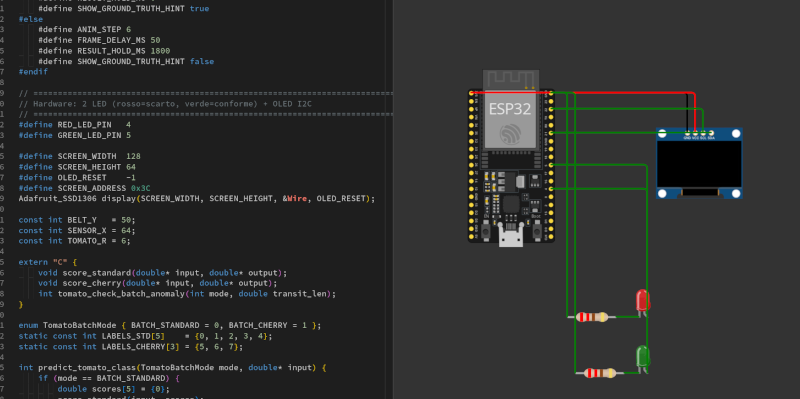
If you’ve ever worked with produce, you might know about grading. In addition to deciding if, say, a strawberry is good or not, they also have to sort them by color. Turns out, you don’t care if one package of berries is a bit redder than another, but you do care if one package has too much color variation. [Pmalfa31] applied an ESP32 and machine learning to grading tomatoes.
The system knows in advance if you are processing standard tomatoes or cherry tomatoes and uses two different sets of learned data depending on which you select. The program receives raw data from an optical sensor and then processes it to remove empty belt images, compute statistical information, and group readings for a single fruit together.
One thing we liked was the program’s heuristic checking of validity. It knows the approximate size of the tomato, so the code notes if the fruit seems too big for a cherry tomato or too small for a standard tomato. This reduces, but doesn’t eliminate, miscategorizations.
The code is a stack hog, so the program has to request a much larger stack. If you want to try it yourself, there is a simulator on the web available, so you don’t even need any hardware or tomatoes to try it.
Computers have lots of uses on a modern farm.
The Mustang has never had a shortage of admirers. For decades, the pony car has carried the performance banner for the entire brand, becoming the car people reached for whenever they wanted something that looked and sounded aggressive. However, the focus on one nameplate meant a lot of genuinely great machines got buried in its shadow, even though some were actually better muscle cars than the Mustang by almost every measure that actually matters on a road or a racetrack.
Throughout the 1960s and 1970s, while buyers lined up for Mustangs, Ford was quietly dropping the same engines (built by the same engineers and often with the same ambition) into other platforms. Some of these cars packed bigger engines than the Mustang offered that same year, yet many cost less to buy today, which says less about their quality and more about how thoroughly the Mustang dominated the conversation. A few have quietly appreciated in value while collectors chased more obvious targets, while others were rarer right from the factory.
That’s the essence of this list: pulling these cars out from under that shadow. The selection covers a range of decades, body styles, and engine families, but the common thread through all of them is that each one has great performance without leaning on the Mustang’s name.
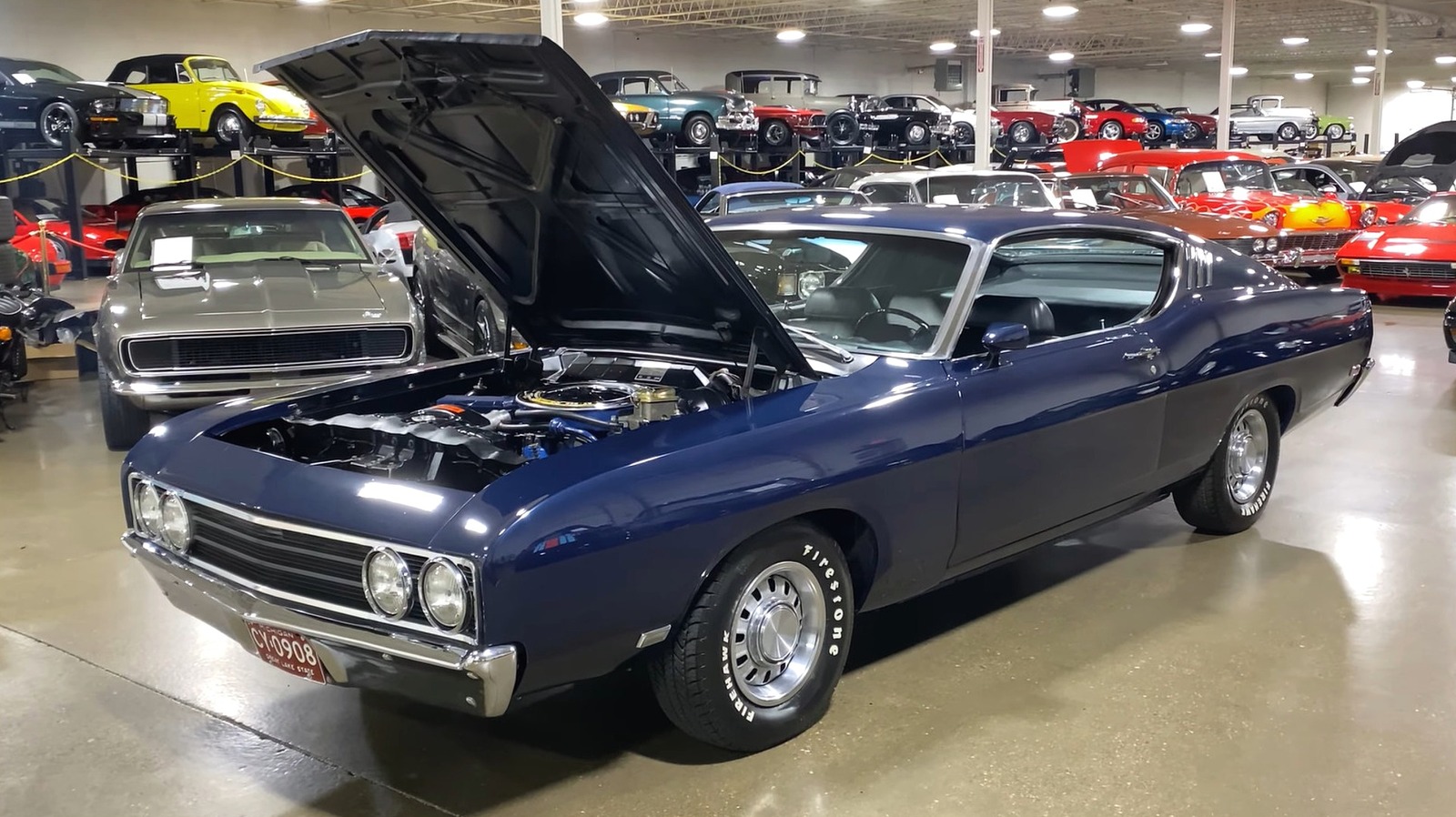
One of the coolest muscle cars of 1969 is the Ford Torino Talladega, and it exists purely because of the NASCAR rulebook. It all happened when Ford was required to generate around 750 street-legal units of the Torino Talladega to satisfy stock car racing’s homologation requirements. To meet that obligation, Ford and Holman & Moody built a full-size muscle car wrapped in aerodynamic bodywork that drew obvious comparisons to the Dodge Charger Daytona and looked nothing like anything else wearing a Ford badge that year. Each car left the factory finished in one of three colors: Royal Maroon, Wimbledon White, and Presidential Blue.
Despite carrying a unique “T” badge, the Talladega shared its roots with the standard Torino lineup, though in execution it felt closer to a purpose-built fastback. It had reshaped rocker panels, a recessed grille sitting flush with the bodywork, a reworked nose cone, revised exhaust routing, and tail-mounted wings that worked together to cut through air far more efficiently than the production Torino it was derived from. Under that stretched and sculpted shell sat a 7.0-liter 428 Cobra Jet V8, which was good for 335 horsepower and 440 lb-ft of torque, having taken over from the outgoing 427-cubic-inch engine. Power reached its rear wheels through a three-speed Cruise-O-Matic auto, while its Wide Oval tires kept the car planted at the contact patch and a track-tuned suspension setup held everything together, as the Talledega pushed toward speeds of 130 mph.
The Ford Falcon XB GT is one of the coolest muscle cars to come out of Ford Australia, but beyond a shared honeycomb pattern stamped into the grille, it bore little connection to the Mustang. It was wrapped in proportions more aggressive than almost anything else on the road at the time, and Ford never officially brought it to American shores. Engine choices ran from a 351ci Cleveland V8 down to a 302ci V8, with a four-speed manual top-loader gearbox sitting behind either configuration. Backing it all up was a distinctive Glenroy exhaust with an organ-pipe note that announced its arrival well before anyone laid eyes on it, and once they did, the sight of its two chrome hood scoops and round Bathurst headlights made it so dashing.
On a proper setup — a Weiand-branded supercharger, four-valve cylinder heads, and a pair of Holley four-barrel carburetors working together — the XB GT could be tuned to produce as much as 540 horsepower, putting it well ahead of most American muscle cars from the same era. Still, none of that would have carried much weight outside Australia if Mad Max hadn’t shown the car in the early 1980s. That single film appearance is what really locked it in its collectible status for good. If you happen to come across one today, know that there’s a real chance it could be worth a small fortune down the road.
Think of this next Ford muscle car — the 1968 Mercury Cougar GT-E –- as a more elevated take on the XR-7 trim, finished in Cardinal Red color and set apart by a grille finished in matte black, raised dome-style hood scoops, and a set of four exhaust outlets, putting it in the same category as the Mustang and the Thunderbird. With production landing at roughly 397 units built and even a cameo in a James Bond film, it still remains one of the rarest and most overlooked muscle cars to come out of Ford’s family tree.
Powering it all was the 427 side-oiler, a 7.0-liter V8 from Ford’s FE-series lineup that would later influence the design of engines such as Boss 429 and 302. It produced 390 horsepower, fed by a Holley four-barrel carburetor, running a hydraulic camshaft, and exhaling through an exhaust manifold cast in iron before exiting via the quad tips at the back, though Ford eventually swapped it for the 428 Cobra Jet, which brought output down to around 340 horsepower. Plus, some of those 428-equipped cars came paired exclusively with a four-speed manual Top Loader instead of the three-speed Select-Shift Merc-O-Matic automatic gearbox and notably skipped air conditioning entirely despite the heat these engines were known to generate.
Next is the Ford’s Torino Cobra, and for this muscle car, they made over 7,675 examples, each one wrapped in a body wearing a grille finished in matte black, Cobra badging, a hood-mounted shaker scoop available as an add-on, and a race-ready suspension package with specially tuned rear shocks that made the car feel planted in a way the Mustang’s smaller chassis never quite matched, and yet, despite all that it never got the recognition it earned when it rolled out in 1970.
Every unit left the factory with one of Ford’s 385-series engines already installed –- specifically the 429 Super Cobra Jet, mounted up front in a cast-iron block, fueled through a Holley four-barrel carburetor from the 4150 lineup, and backed by lifters built for solid-cam operation, guide-plate-equipped rocker arms, properly set valve clearances, and iron exhaust manifolds routing spent gases through a double two-inch exhaust system internally.
The power produced landed at 375 horsepower and 450 lb-ft of torque whether buyers chose the basic close-ratio Ford Toploader four-speed manual or opted for the three-speed Select-Shift Cruise-O-Matic automatic instead; on top of that, if you get the available drag-oriented package along with the Ram Air system, that number can push past 450 horsepower, all fed from a 22-gallon tank. With a sprint to 60 mph of just 5.8 seconds on rear wheels, it stood as one of the quickest muscle cars of its decade.
The Mercury Cougar Eliminator is a classic slice of American muscle that’s hard to go wrong with, and Ford kept in production for just 48 months –- 1969 saw 2,250 units built, then 2,268 examples in 1970 –- across a palette of just four colors, each fitted with a hood scoop, rocker panel treatment, and front spoiler that announced its intentions from the front bumper.
On the power front, buyers entered at a 351-cubic-inch Windsor V8 putting out 290 horsepower routed through a three-speed manual gearbox, with a four-barrel carburetor feeding it and a choice of Toploader four-speed or Select-Shift automatic for those who want something different. From there, the lineup climbed to a 6.5-liter 390 found in roughly 260 Eliminators, which was good for 320 horsepower when paired with a three-speed manual as the default choice, then a 351 4V produced 300 horsepower, and finally the 428 Cobra Jet (just 302 examples) made 335 horsepower thanks to a beefed-up crankshaft and reinforced rear shocks that handles the extra load behind the optional C6 automatic or the standard four-speed manual.
An optional Boss 302 also made the order sheet paired with a four-speed manual for a good 290 horsepower, though that engine was known for its issues with the piston skirt. Rust was another concern, appearing first in areas like the quarter panels and front fenders, much like the mustang –- a comparison that holds up well since parts interchange between the two so easily, especially given the fact that the Eliminator measures just three inches longer.
Every car on this list had to meet a few core criteria, starting with a genuine connection to Ford’s performance lineage whether it rolled off the line under the Ford badge itself or came from a Ford-owned subsidiary. From there, styling and presence came into play, because a true muscle car needs to look the part: blacked-out grilles, hood scoops, quad exhaust tips, and body lines that echo the Mustang’s own design language were all factored heavily into separating genuine muscle cars from vehicles that simply happened to carry a big engine. Just as important, though, was distance from the Mustang itself. Each pick needed real separation, whether through a different platform, a different purpose, or an entirely different spot in the market.
To keep the list accurate, every spec and performance figure was cross-referenced across trusted automotive sources like Hemmings, Hot Rod, Motor Trend, AutoEvolution, and Hagerty. This mattered especially for cars from the late ’60s and early ’70s, when production numbers and factory ratings tend to shift from one source to the next; in those cases, whichever figure appeared most consistently across multiple outlets was the one used.
The car’s engineering also carried equal weight in the final judgment. Details like carburetor setups, transmission options, and the underlying architecture underneath each car all played a role in determining whether it truly belonged in the same conversation as Ford’s most celebrated performers.

Linux, a free, open-source operating system, runs most of the internet’s servers, yet it remains a niche choice on consumer PCs. For years, Linux’s desktop market share in North America generally hovered in the low single digits. However, reports began popping up earlier this week that Linux’s market share had doubled, from the usual 3% to 5% to around 10%, according to Statcounter. And it happened quickly — in just a few weeks between May and June.
Statcounter, which provides usage stats helpful to webmasters and cybersecurity professionals, measures website visits, including the operating system used to access the website. Statcounter can’t tell if it’s a human or a bot visiting a website, but the Linux uptick was corroborated by data from Cloudflare, an internet network company that provides many web-based services, such as content delivery and cybersecurity.
Cloudflare senior product manager Lai Yi Ohlsen told CNET via email that the company’s data, which measures HTTP requests by operating system, shows Linux accounted for 9.8% of US-based internet traffic from July 4 to Aug. 1, closely aligning with the Statcounter metric.
Cloudflare’s data suggests the jump isn’t primarily due to more Americans browsing the web on Linux, however. When the company applies its “likely human” filter to the same July 4 to Aug. 1 dataset, Linux’s share falls from 9.8% to 6.4% — a figure much closer to the operating system’s typical usage levels.
One explanation for such a sharp increase over a short period is the growing use of AI agents. AI agents are bots that automatically do things on your behalf with minimal oversight.
“Linux is the OS of choice for AI agents,” Linux Foundation CEO Jim Zemlin told CNET.
In June, Cloudflare CEO Matthew Prince said bots now generate more web traffic than humans. If that’s the case, shifts in automated traffic could significantly affect operating system usage metrics derived from web requests.
“Welp, that happened faster than I predicted,” Prince said in a post on X on June 3. “Thought it would be [at the] end of 2027, then early 2027, but agentic traffic [is] growing so fast that bots have now passed human traffic online for the first time in the internet’s history.”
The possibility of one or more large web services dramatically increasing their Linux-based activity, such as data scraping, automated crawling or cloud infrastructure workloads, is likely also a factor.

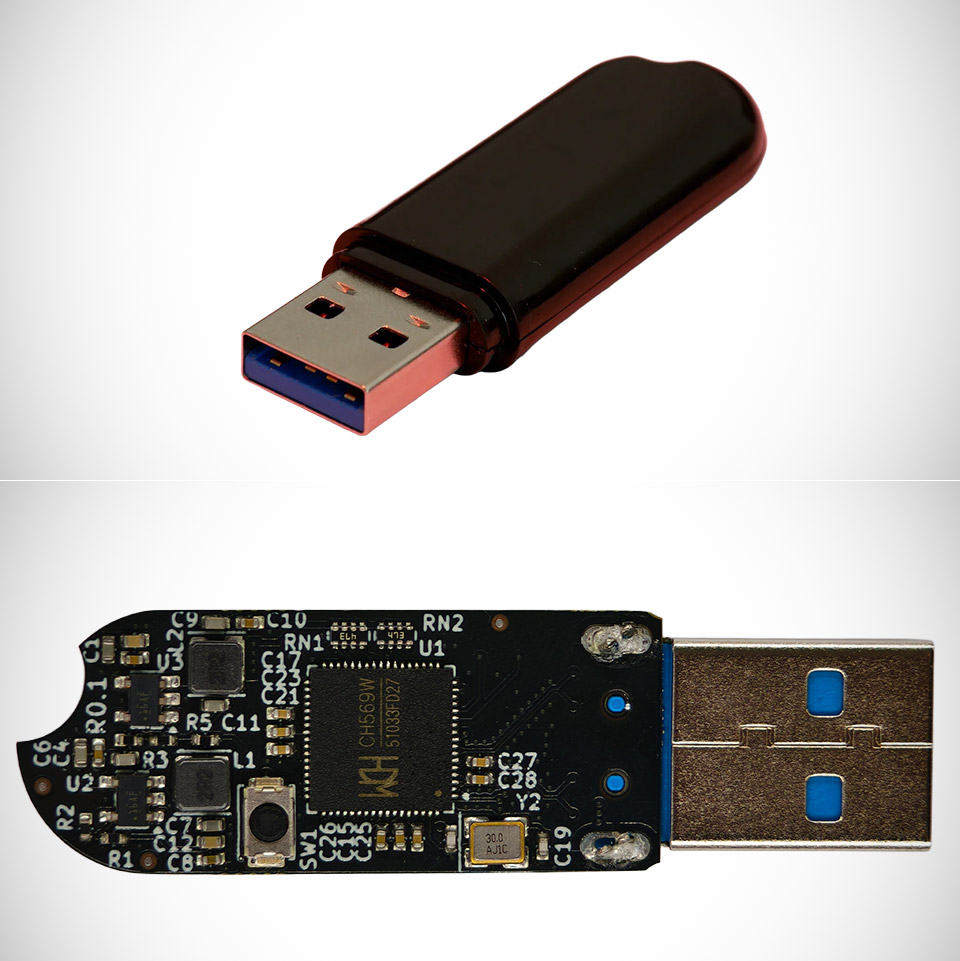
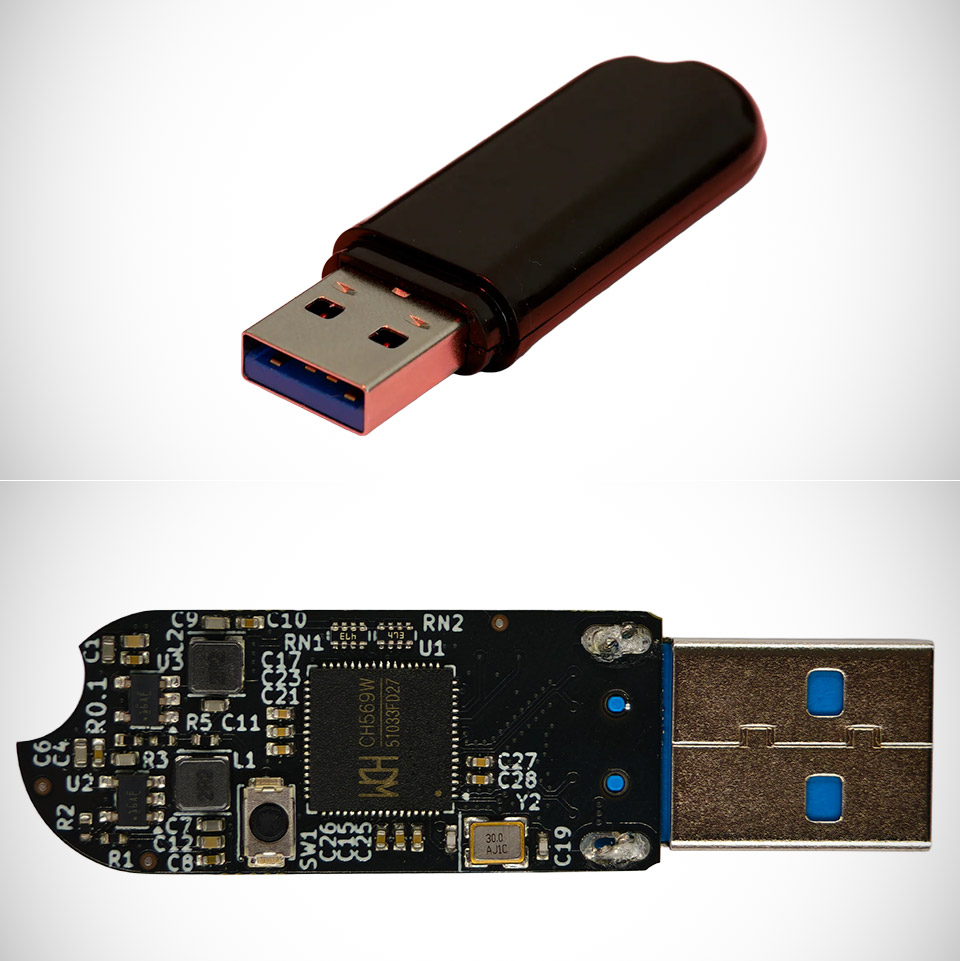
Most encrypted USB drives announce themselves the moment they connect. The operating system sees scrambled data or an unusual volume that immediately suggests something valuable sits behind a lock. Phantom Drive takes a different approach. Ryan Walker of Rootkit Labs built an open-source flash drive that presents itself as an ordinary 8 GB stick. Disk utilities show no extra space, no encrypted headers, and the remaining capacity is completely hidden unless a specific procedure is taken to unlock it.
Plug the device into any computer and it mounts like a plain, unencrypted drive. You can store everyday files on that 8 GB public area without issue. The firmware watches every write that arrives over USB. When it spots the string “password:” followed by a passphrase in any text file, it extracts the password into memory, wipes the string from the data about to be written so the secret never lands on the card, derives an encryption key, then unmounts the public volume and remounts the remaining space as a new drive. All reads and writes to that second area now pass through AES-256 encryption handled by the hardware itself.
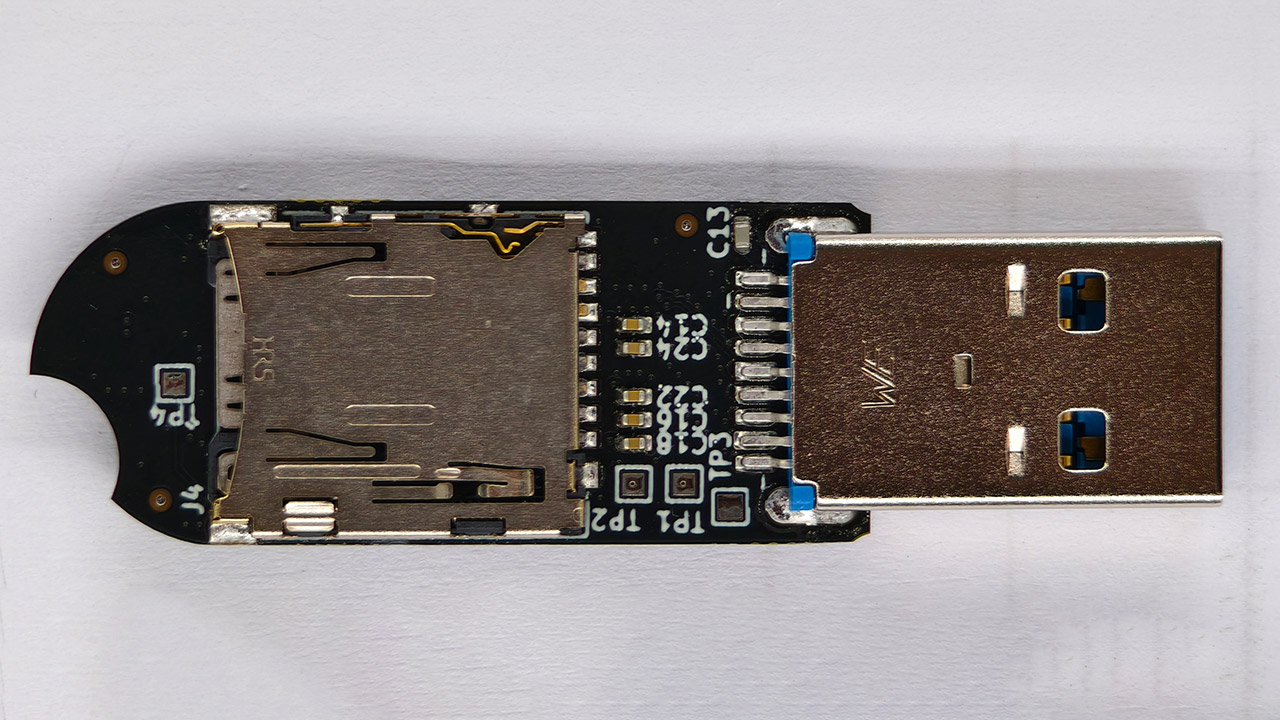
The WCH CH569W, a small RISC-V microcontroller with all the bells and whistles, including a USB interface, SD card controller, and a serious piece of encryption cracking hardware known as an AES acceleration block, is at the core of this whole operation. The storage is provided by a microSD card that you purchase yourself, with the public 8 GB located at the beginning of the card, since the remainder of the card is treated as the secure region once unlocked. The specific salt used in encryption is associated with a unique identification on each board, thus an SD card removed from one Phantom drive will not open in another. Even if you take the card out and insert it into another device, the data will remain scrambled and unusable until you enter the correct password and salt.
Key generation is based on a piece of code called PBKDF2-HMAC-SHA256; you may pick between 100 thousand and 600 thousand iterations, with the lesser setting unlocking you in about 30 seconds and the higher setting delaying it by a few minutes but making it more difficult to guess offline. In terms of encryption mode, you can pick between AES-CTR and AES-XTS, with AES mode providing roughly 20mb/s read and 9mb/s write speeds, while XTS mode is slower. Upgrading the firmware is simple; simply hold down a button while plugging in the drive, and the USB bootloader on the chip will handle the rest.
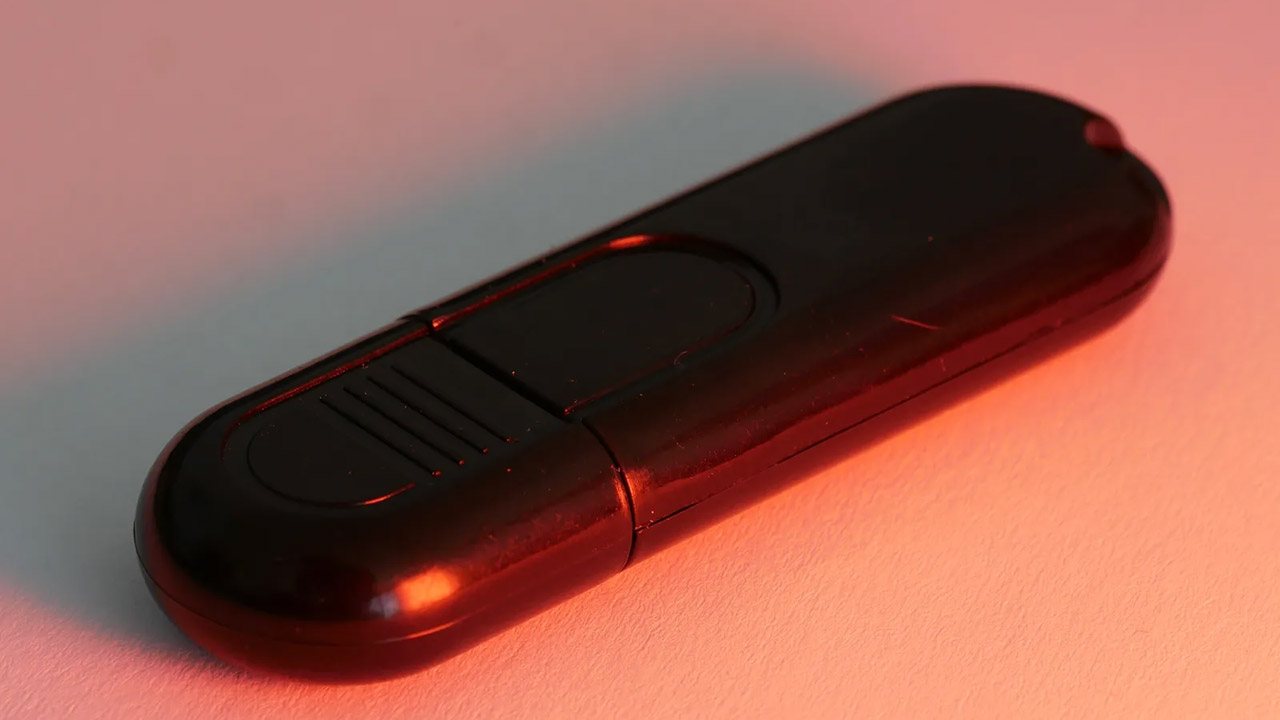
Everything about this is open source, which means the schematics, board files, firmware source, and even the mechanical designs for the box are all available on GitHub under an MIT license. Walker has already built a limited batch of them, and you can get one from the rootkit labs shop if you don’t mind buying your own microSD card. If you wish to seal the box for extra security, you can use epoxy. However, if you seal it and then try to open it again, you will break the case, but the data on the card will remain safe.
[Source]
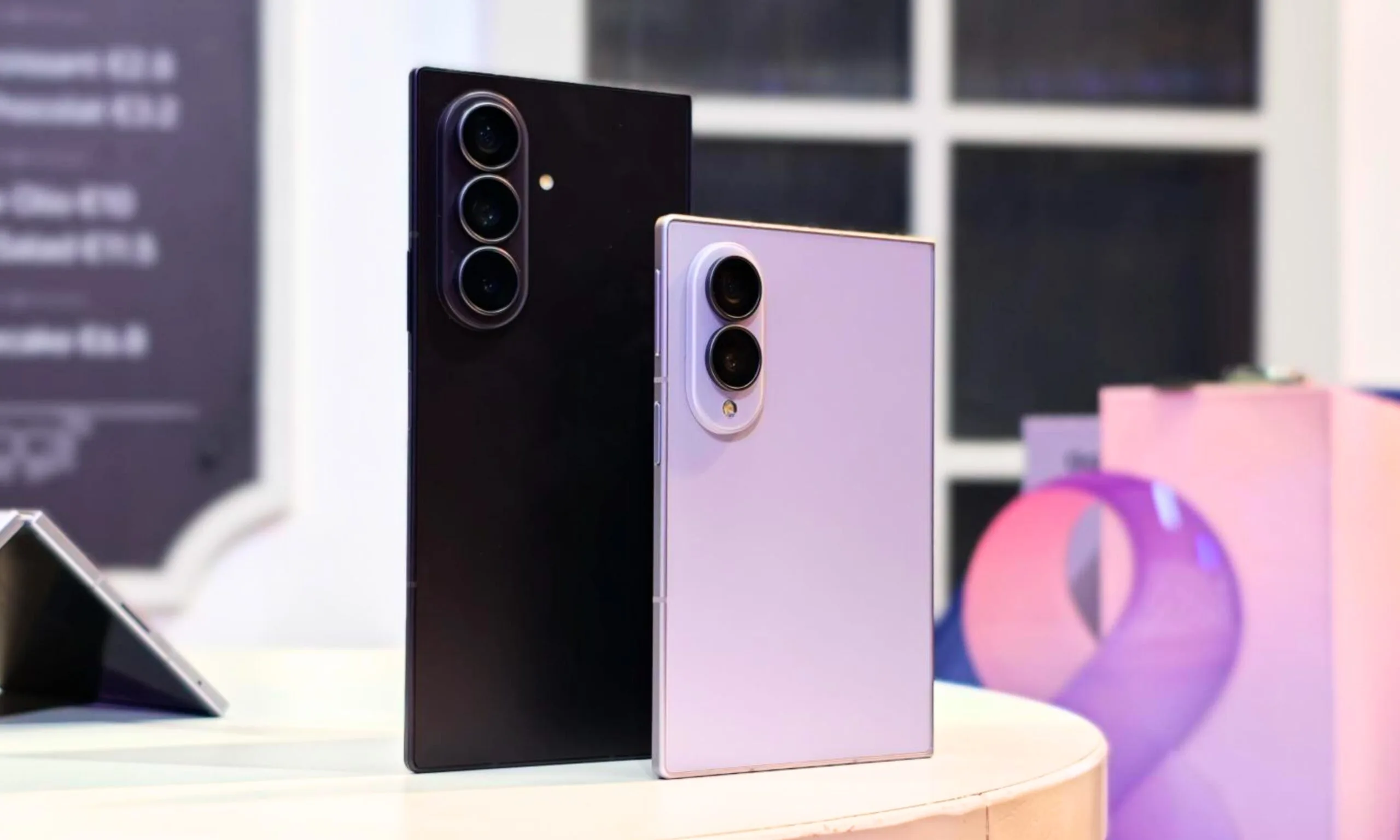
Samsung did something genuinely interesting at Galaxy Unpacked 2026. For the first time in the history of its Galaxy Z foldable lineup, it split the book-style foldable line into two entirely different devices. Whether it had something to do with Apple’s purported iPhone Ultra is a conversation for another time, but for now, anyone visiting a Samsung experience center has two Fold phones to choose from: the new Galaxy Z Fold 8 and the Galaxy Z Fold 8 Ultra.
The Fold 8 is wider, lighter in hand, and built specifically for one-hand use on the cover screen and content consumption on the inner screen. The Fold 8 Ultra, on the other hand, carries forward the tall and thin design. After spending some hands-on time with both devices, I’ve come to a conclusion.
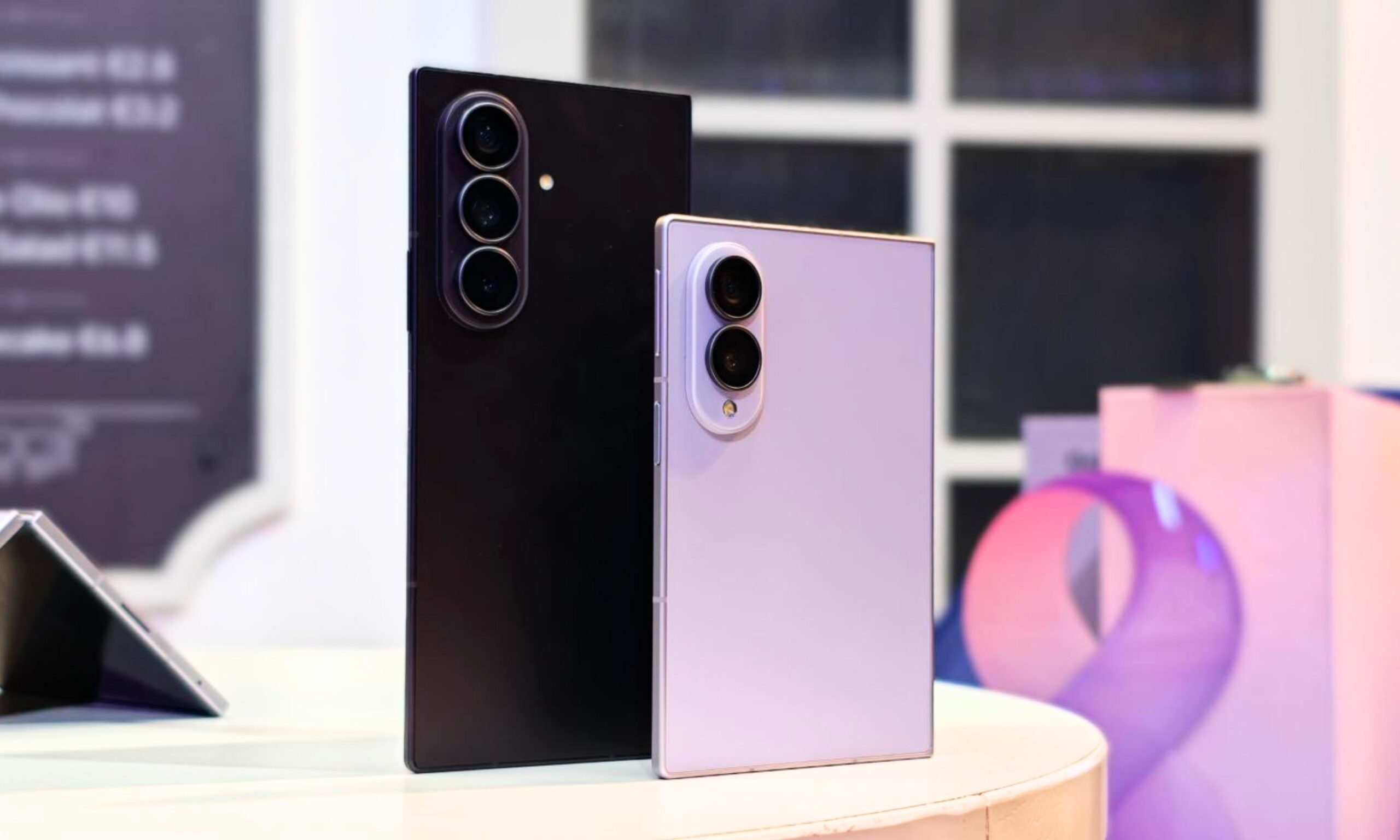
While I genuinely appreciate what the Fold 8 is trying to do, I won’t buy it with my own money. I’ll spend the extra $200 on the Ultra, and I wouldn’t think twice about it. Here’s why.
As I was reading the embargoed spec sheets of both phones, one thing caught me off guard. Even though the Fold 8 weighs 201 grams, which basically makes it the lightest Samsung Fold ever, it’s not the thinnest foldable. That honor belongs to the Ultra.
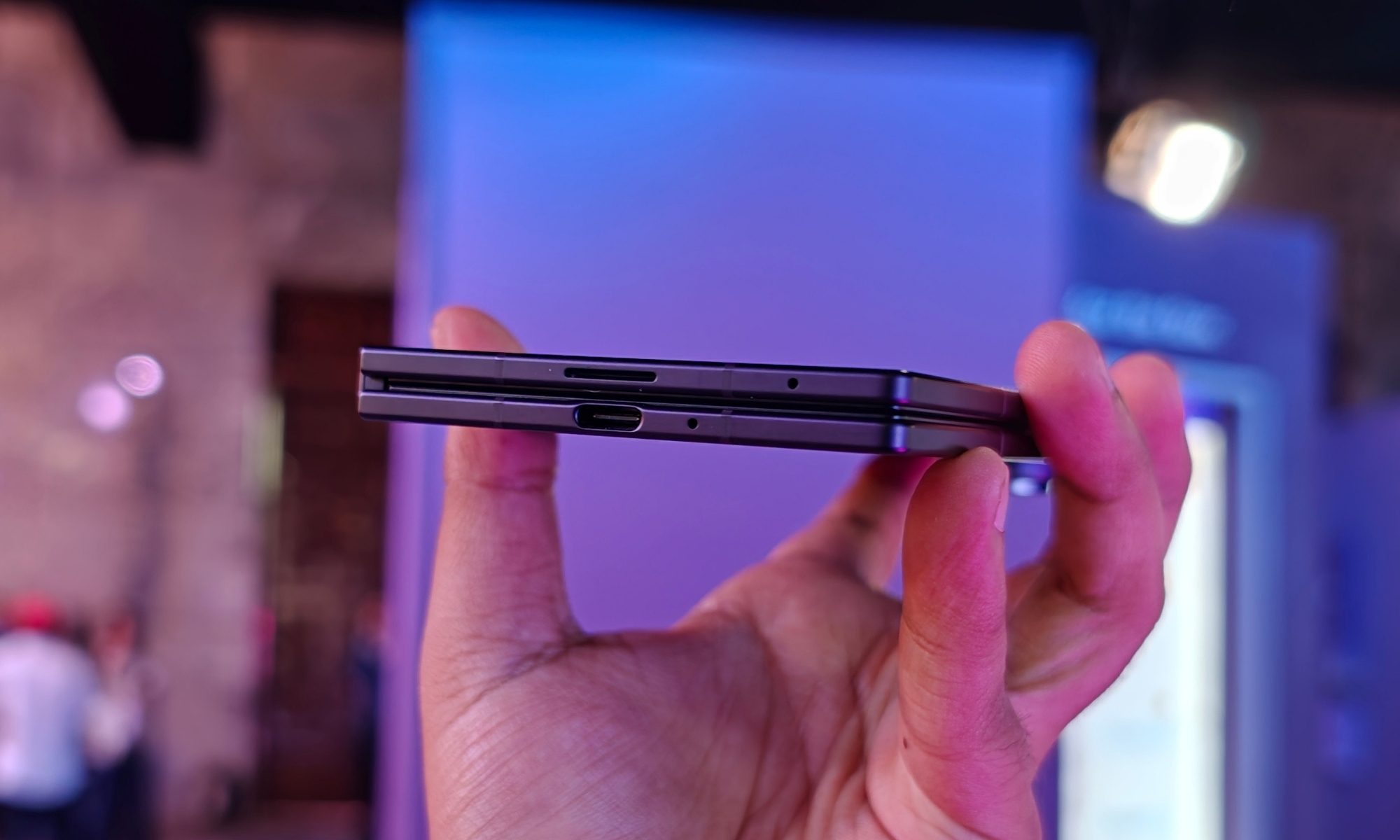
The Fold 8 sits at 4.5mm when unfolded, while the Fold 8 Ultra measures 4.1mm. Folded, the Ultra is 8.9mm against the Fold 8’s 9.7mm. You might think that I’m making a fuss over a laughably small difference, but the moment you hold both devices in hand, you’ll understand what I’m saying.
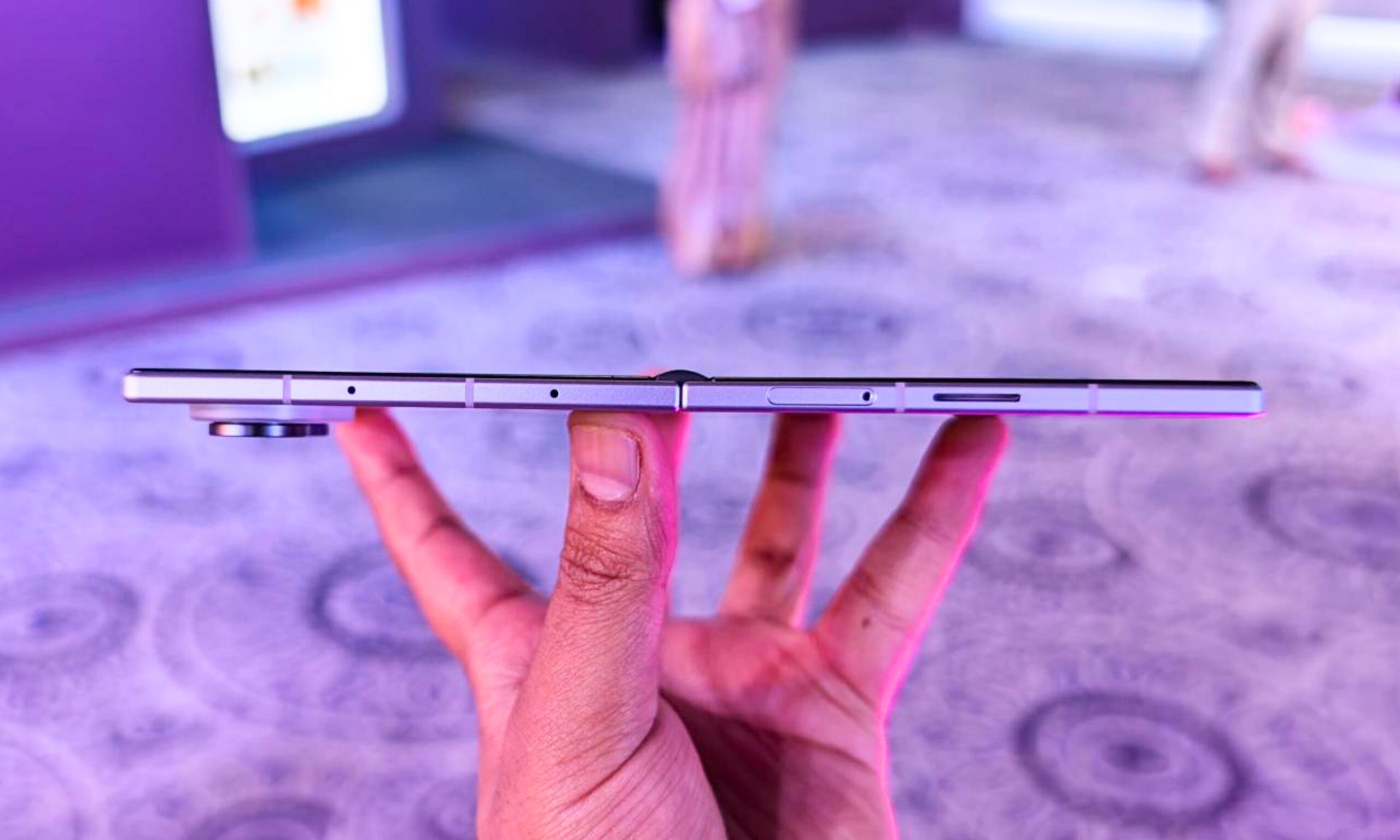
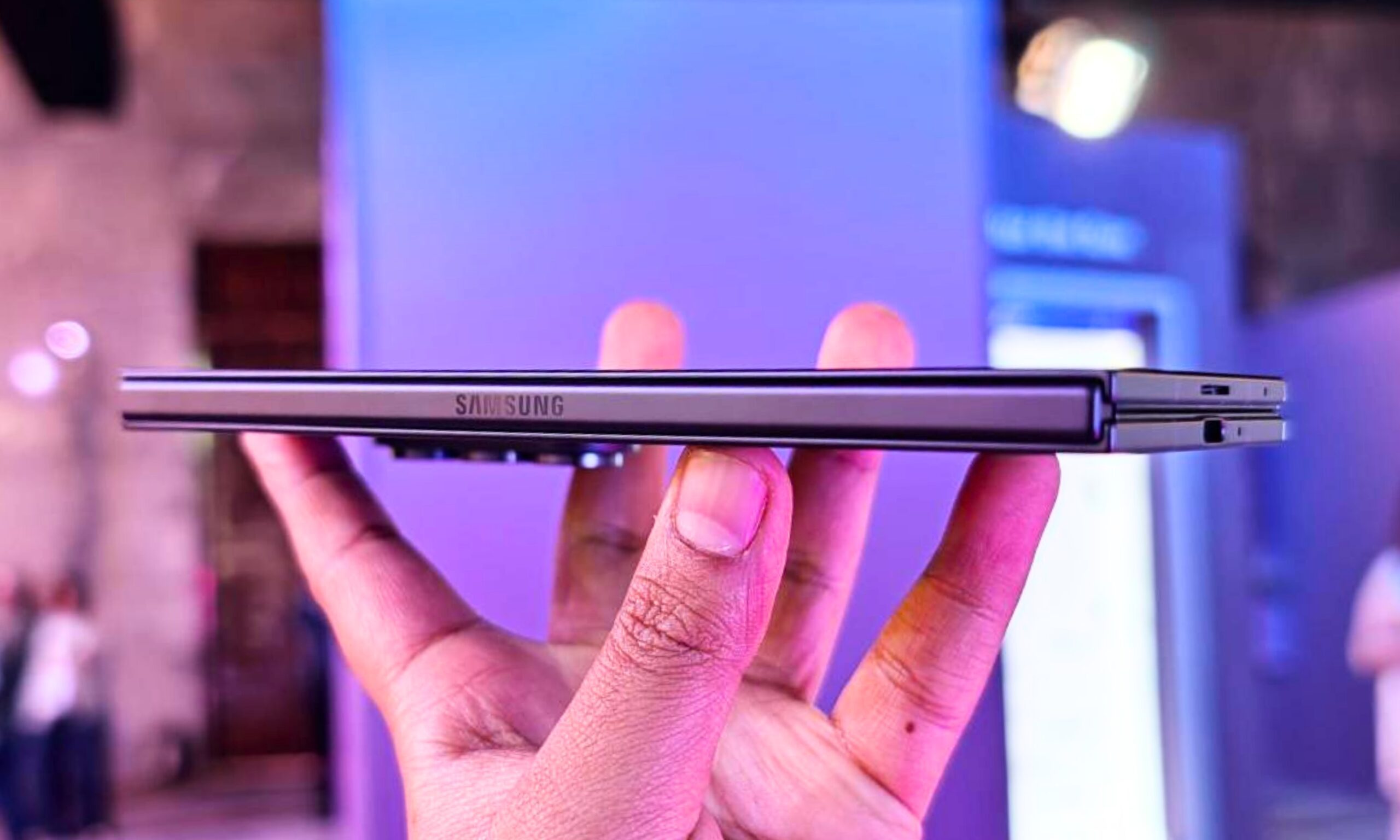
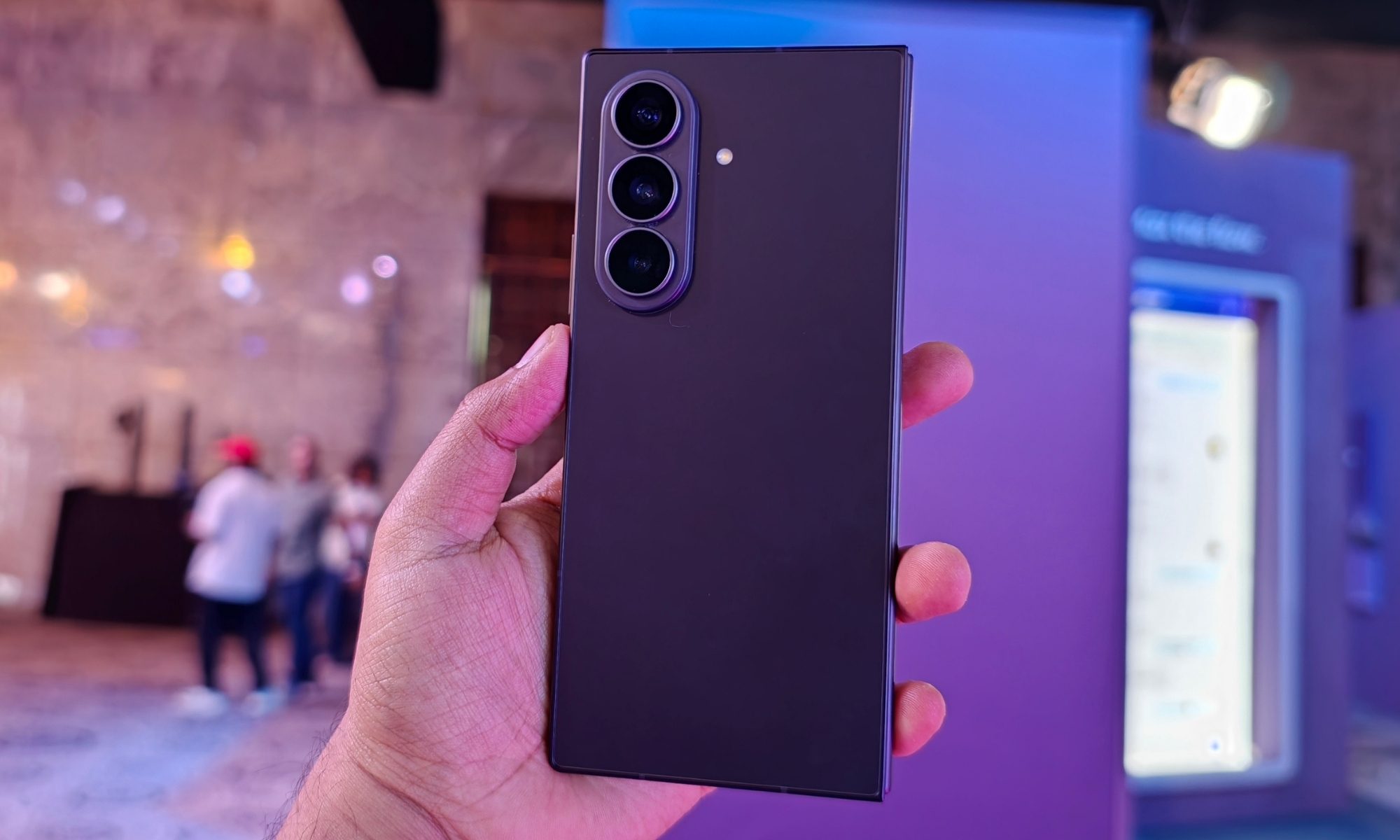
To me, the Ultra feels flatter, sleeker, and more refined. I strongly believe that Samsung has managed to shave off the bulk that usually comes with a book-style foldable. At 8.9mm, the phone sits more naturally in the palm, feels less chunky, and far less brick-like.
I know we already have conventional flagships breaching the 8mm mark. The S26 Ultra is only 7.9mm thick, which already gives it a remarkably slim yet balanced in-hand feel, but the fact that the Fold 8 Ultra is almost as thick as the iPhone 17 Pro or a mere 0.4mm thicker than the Pixel 10 Pro XL says that it’s already operating in the same physical territory as regular flagship phones.
I’m perfectly aware that some Chinese foldables are thinner, but you can’t buy them in the US, at least not through official channels. They simply aren’t an option for the average American consumer, so I’m putting them out of the question.
I’ve run One UI 9’s split-screen setup on both phones, and I have some very strong thoughts about it. Yes, the Fold 8’s 4:3 inner display is a great screen for watching content. But as a tool for getting some serious work done, it comes up short.
To me, the landscape split-screen option on the 7.6-inch Fold 8 feels slightly cramped vertically. It looks like two browser windows fighting for elbow room on a small desk. The Ultra’s 8-inch display, with its near-1:1 aspect ratio, provides a meaningfully larger vertical canvas to work with.
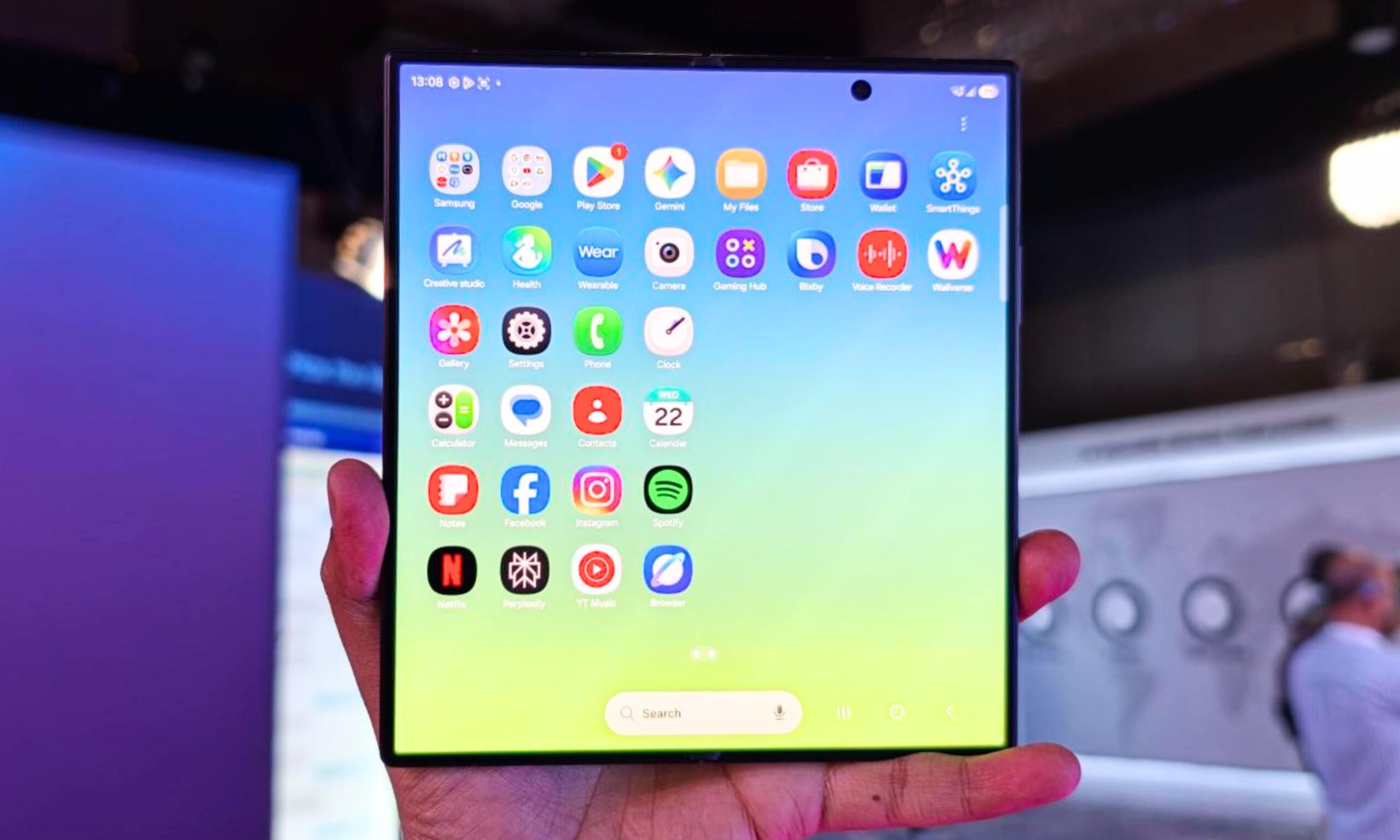
As someone who has to go through a couple dozen emails every single day, read as many words as fast as possible in news articles on Chrome, and generally squeeze as much information onto the screen as possible, that’s the difference between an annoyingly short and a genuinely usable split-screen setup.
Every additional line of text directly means less scrolling, fewer page turns, and less time spent moving things around.
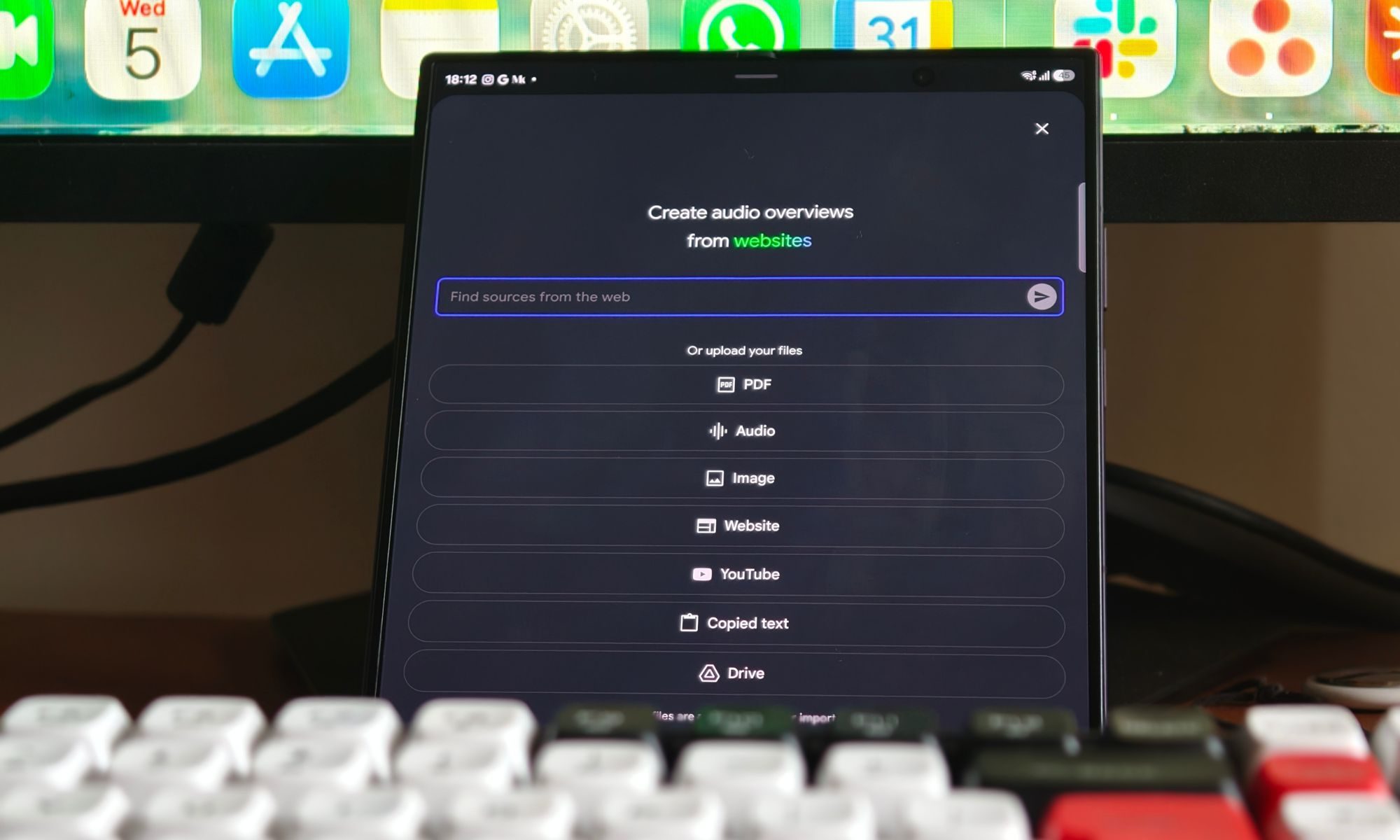
Fun fact: the regular Fold 8 lets you use three apps in a vertical split-screen setup side by side, but the individual app windows get way too tight in my opinion. The standard one-plus-two layout works the best for me, and the Fold 8 Ultra’s display plays perfectly into that setup.
If I’m buying a foldable, I’m going to use the additional screen estate to its best, and for that, the Ultra remains the better one. What’s the point of carrying around a tablet-sized inner display if I’m constantly fighting for space on it anyway?
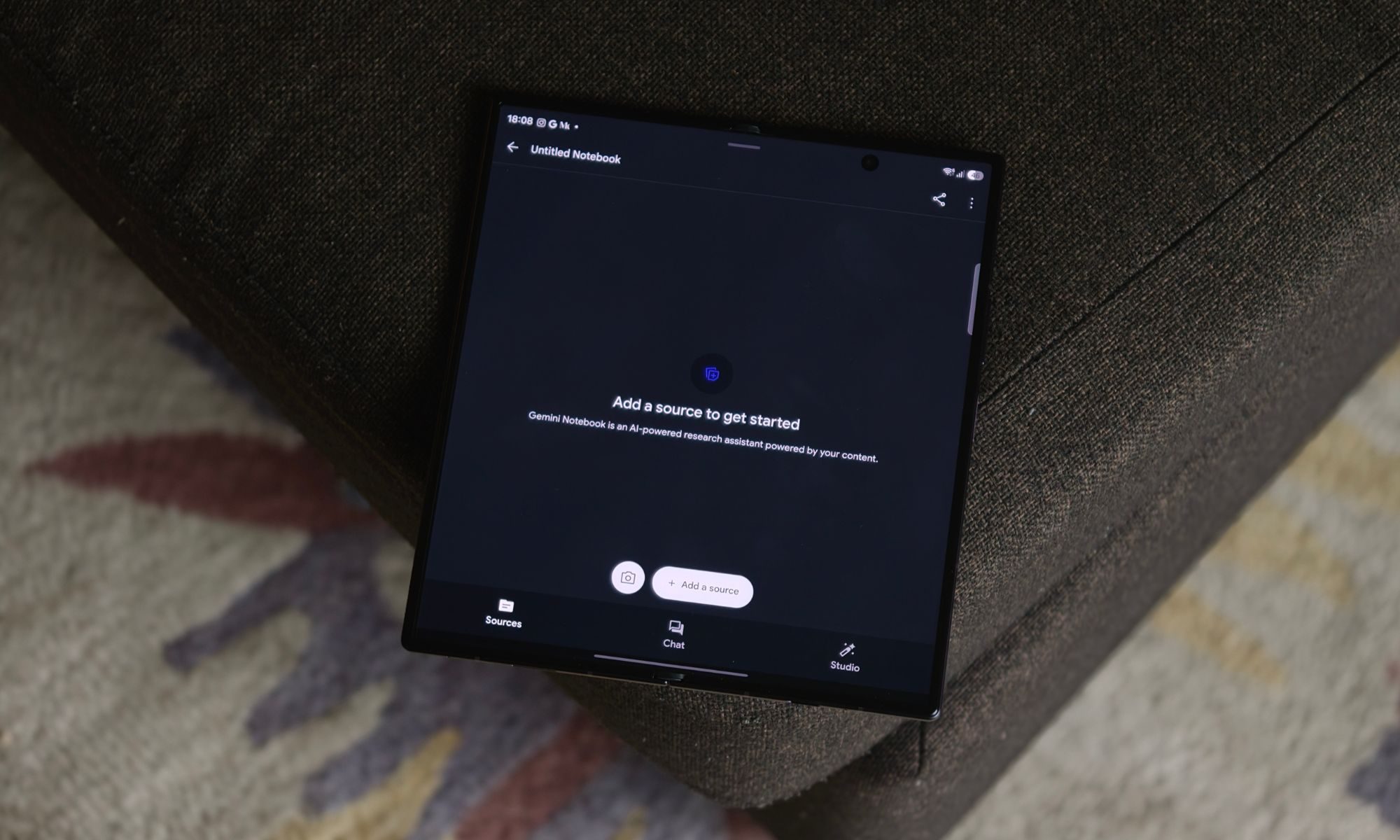
I’m not sure about everyone, but I love to capture portraits on a smartphone. And I can’t stress this enough, but the kind of subject magnification a dedicated telephoto camera adds is simply unmatched. No in-sensor 2x crop can match that, not the one on my iPhone 17, and neither the one on the Fold 8.
To be completely honest with you, I’m not as drawn to the 200MP (f/1.7) camera on the Fold 8 Ultra as I am to the presence of a 10MP (f/2.4) 3x telephoto lens. It’s not the best one out there: the 1/3.94-inch sensor doesn’t do well in poorly lit scenarios, and the night mode just makes handheld photography more tedious.
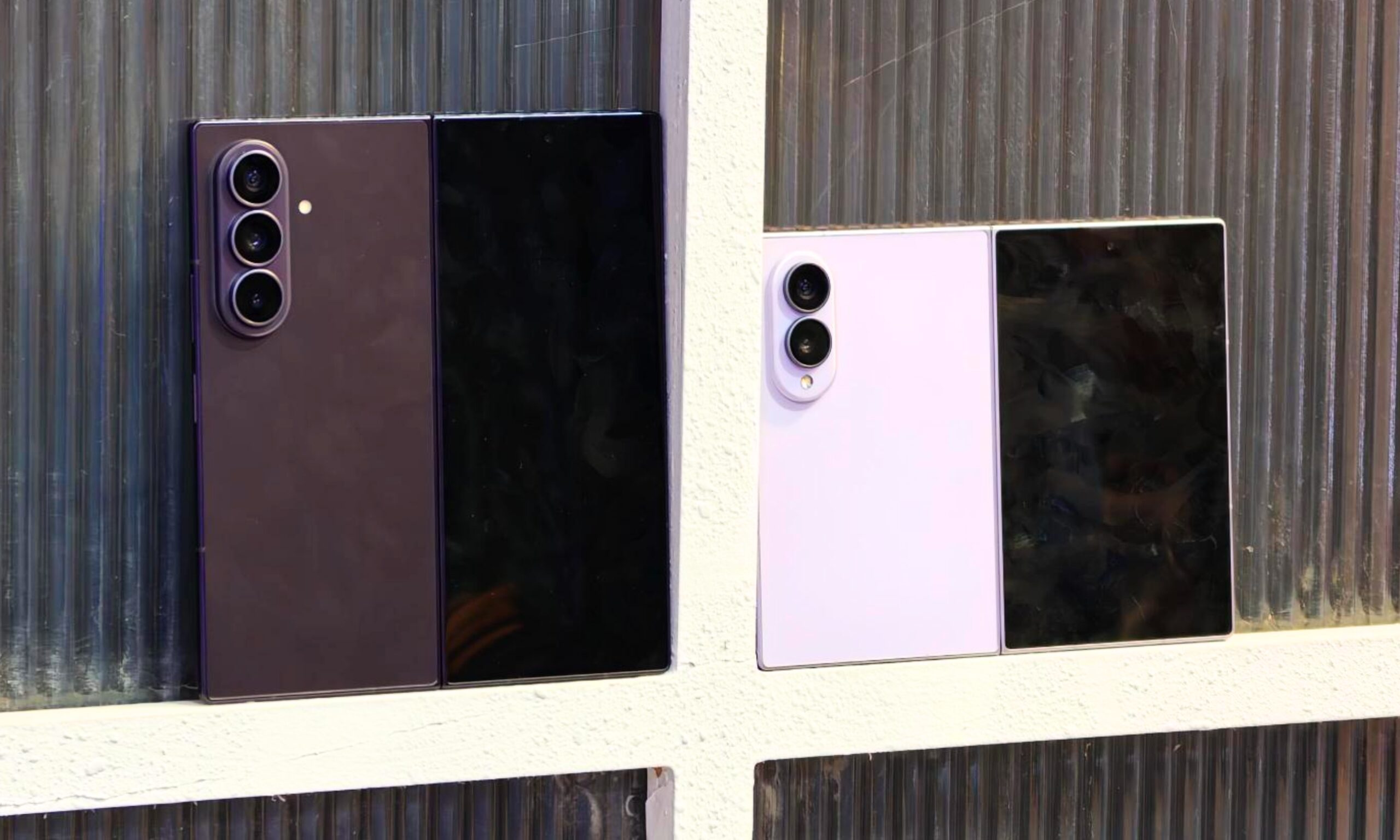
However, in broad daylight, or even with some artificial light, the results are much better than anything you can achieve with a digital crop on a 50MP or 200MP primary camera. Concerts and sports events aside, the 3x telephoto, combined with the portrait mode, gives genuinely great results.
Eventually, I’d want Samsung to improve the 10MP sensor camera with a slightly larger sensor. But for now, spending $1,899 on a 2026 flagship foldable with no zoom camera is a compromise I’m not willing to make.
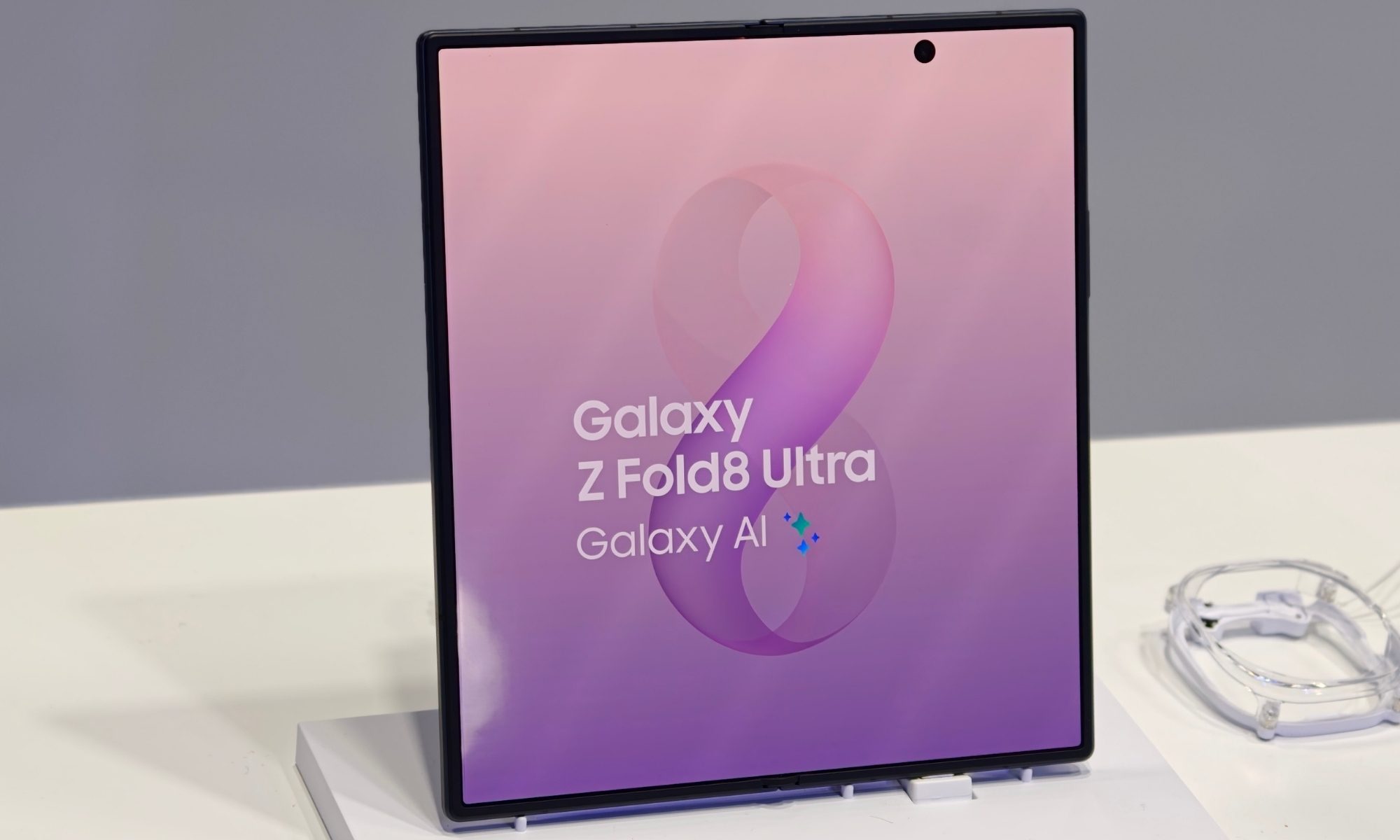
Ultimately, that’s what it comes down to for me. The Fold 8 isn’t a bad phone by any measure. Samsung has made the right changes for the right audience: the ones who value content consumption and one-handed usage over everything else. However, if I’m spending nearly $2,000 on a foldable, I want the one that makes the fewest compromises.
I want the thinner, more premium design, the larger inner screen for productivity-based workflows, and a dedicated telephoto camera. At $200 cheaper, the Fold 8 might be the smarter and more accessible one for some people, but I’d rather spend the difference and get the Ultra for me.
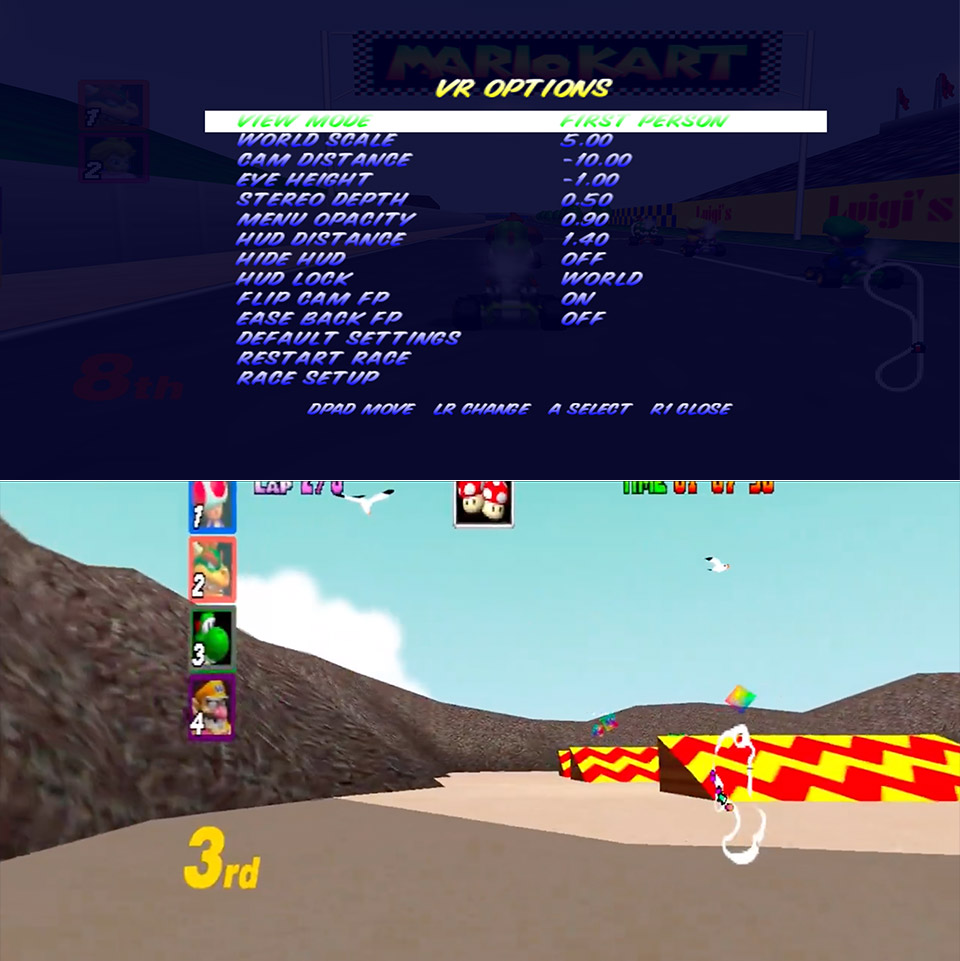
RayRod TV has released a free VR mod that drops Mario Kart 64 into modern headsets with full head tracking and stereo 3-D. Built on HarbourMasters’ SpaghettiKart PC port, the project runs the original 1997 racing game natively on Windows while adding an OpenXR layer so any compatible headset can take over the view. You supply your own US .z64 ROM, point the executable at it once, and the rest is ready to go.
I can now hit my favourite shortcut in Mario Kart 64 in glorious first person VR 😂
What the hell is happening with VR modding this year 🔥 pic.twitter.com/onx6DzJlg6
— Beardo Benjo (@BeardoBenjoYT) August 5, 2026
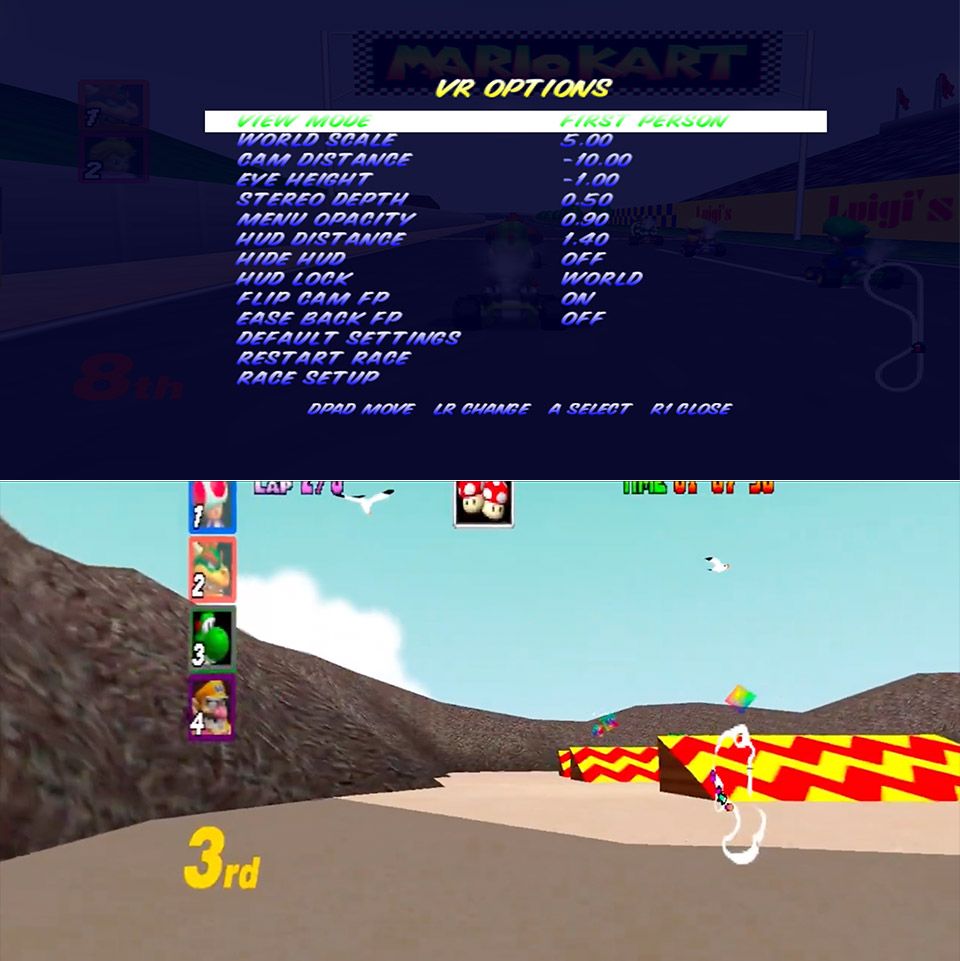
Head tracking is at the center of this experience. In first-person mode, you’re essentially right in the driver’s seat, with the camera focusing on every movement of your head. Lean in on a curve on Rainbow Road, give the left side a quick glimpse for an upcoming item box, or look up and forward to see the track fly into the distance, since it’s all in your head. The developer took pity on us and provided some ease-back and flip options to prevent the camera from going too far in on drifts. Otherwise, you’d be feeling quite green around the gills after only one lap. Even with those softening settings in place, the impression of speed remains extremely acute. Take a traditional shortcut, such as the tunnel on Koopa Troopa Beach, where the rock ceiling is right on top of your helmet, making it feel like a real life close call.
No products found.
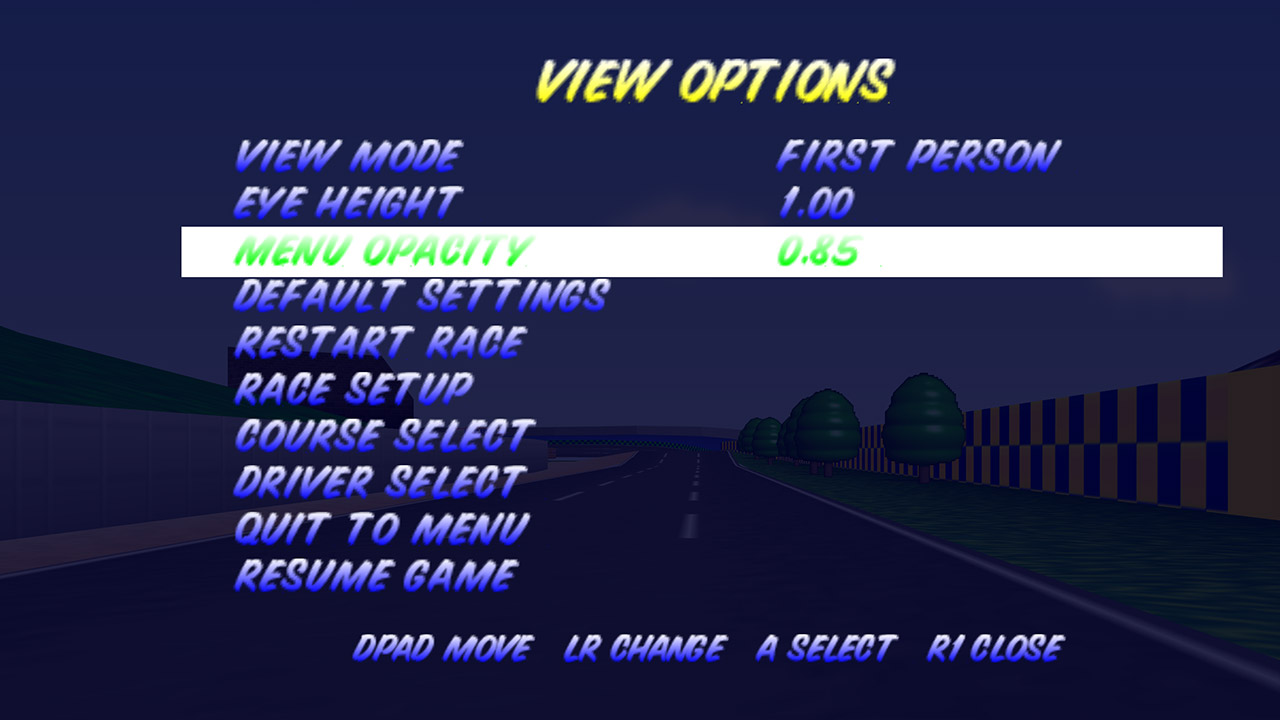
If you need some extra options to get settled in, there are four camera modes to pick from. You’re literally in the kart, so first-person is straight in your face. Third-person mode returns to the usual chase camera, although you can still lean about to see your surroundings. Then there’s Theater mode, which just displays the original flat game on a large virtual screen floating in the empty area. If you want to go all out, Diorama mode reduces the entire course to a little tabletop model, so Rainbow Road simply hangs in the air like a kid’s toy set that you can walk around. Each mode is readily switchable; simply pull out the floating menu when paused and push the appropriate trigger.
That same option allows you a lot of fine control over how the entire experience feels to you. There are separate sliders for world scale and stereo depth, allowing you to adjust the track size and 3-D effect separately if desired. You may change the eye height, camera distance, HUD opacity, and whether the HUD is locked to the world or fixed to your head. If you want to go fully minimalist, you can disable the interface and only see the road before of you. Motion controllers receive all of the rumbling feel on hits, but regular gamepads are also supported, so if you’re a purist, stick with what you know.
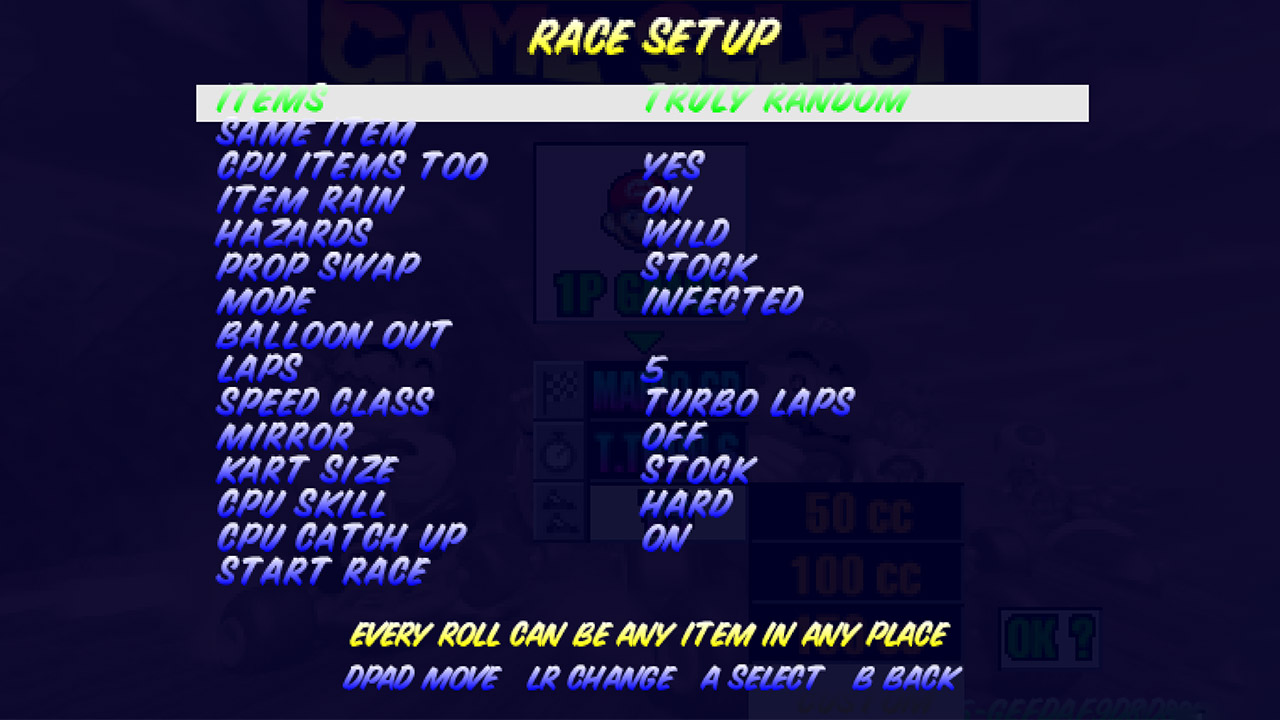
Aside from the VR excitement, the update also allows you to customize the racing choices. You have a custom menu where you can stack new rules on top of existing classes. Item behavior can be completely random, or frantic and inverted if you wish. There are also optional high-resolution texture packs that can be dropped in, such as the MK64 Reloaded pack, which sharpens up existing objects without affecting the overall appearance and feel. Everything runs on Windows, but internet multiplayer has yet to be resolved, thus local multiplayer is still the only option for the time being.




Zack Polanski: an incitement to murder Nigel Farage?


Frugal Friday’s Workwear Report: Cap-Sleeve Pointelle Crewneck Sweater


Crypto PAC spending tops $2M in Michigan House race


DTCR: Deleveraging And A Hedge Fund Collapse Point To A Possible AI Bottom


ESET tracks rise in malicious AI skills and adaptable malware


Weekend Open Thread: Mattifying Sunscreen


XRP Ledger urges node upgrade after manifest flood


Jordan Coyle & Cordiamo take Laya Arena Stakes at RDS


Can Astrology Help Find Gold and Silver Trends? A Financial Astrology Guide
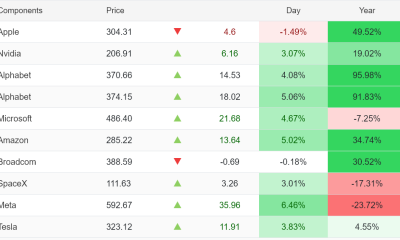

US Tech Stocks See Largest 5-Week Inflow in History: Can Nasdaq Break Its Downtrend?

US stocks: Dow closes at record on Mideast optimism; SpaceX, AMD drag Nasdaq

Tourist plane on sightseeing flight in Peru crashes into a field, killing all 13 people on board


Page Not Found | WIRED


Reform UK And Greens Sink To Lowest Favourability Ratings To Date


Nvidia Stock Climbs 2.5% as Chip Sector Rally Builds Ahead of AMD Earnings, Nvidia’s Own Report Looms


Trump says he is cancelling strikes on Iran subject to ‘rapidly’ making deal


Polymarket targets $20 billion valuation as competition heats up in prediction market sector


OpenAI, Anthropic AI agents targeted real people and systems in cyber tests


OpenAI teases Astra, its next major AI model, after it solves 10 long-standing math problems

7 Best Sci-Fi Series of 2026 (So Far), Ranked



You must be logged in to post a comment Login