Noble Audio has never been a brand that avoids taking risks, and that willingness to try something different has often worked in its favor. The new Lu Ban, unveiled at CanJam Singapore 2026, follows that same path with a design that appears to be more than just another IEM release with a familiar shape and a new name.
Noble brought something distinctive to Singapore, and the real test will be whether the Lu Ban can turn that design ambition into the kind of performance that keeps the brand near the front of the personal audio conversation.
Ancient Chinese Inspiration Meets Modern IEM Design
The Lu Ban takes its name from the legendary Chinese craftsman and inventor associated with precision, problem-solving, and practical ingenuity. Noble Audio is using that reference to frame a universal IEM that combines natural materials with a more advanced hybrid driver platform.
It is a fitting name for a product that appears focused on craftsmanship as much as performance. The Lu Ban sits as a new statement within Noble’s universal IEM lineup, and the key question is whether its design and engineering choices translate into a more distinctive listening experience.
Advertisement
The Lu Ban uses a three-driver configuration built around a 10mm wooden composite diaphragm dynamic driver and two newly developed Super-Magnetic planar drivers. The dynamic driver is intended to handle weight and texture, while the planar drivers are there to support speed, detail, and control.
With a rated 108dB SPL/mW sensitivity and 27-ohm impedance, the Lu Ban should not require a difficult source to drive properly. That matters, because Noble is clearly positioning this as a serious universal IEM that can work across portable players, dongle DACs, and higher-end desktop setups without needing a small power plant attached to your desk.
10mm Wooden Composite Dynamic Driver
The sonic foundation of the Lu Ban is its 10mm wooden composite diaphragm dynamic driver. The use of wood is not just a visual or branding choice. Noble is pointing to its long use in musical instruments, where resonance, density, and tonal behavior all matter.
In the Lu Ban, the wooden composite material is used within the diaphragm structure to support bass depth, control, and texture. Noble says the driver is intended to deliver extended sub bass without excess overhang, while keeping the mid bass articulate and balanced. The same material approach is also designed to give the midrange more body, harmonic weight, and a more natural sense of decay with vocals and acoustic instruments.
The goal is not to add artificial warmth or make the Lu Ban sound deliberately thick. Noble is using the wooden composite driver as the tonal anchor of the IEM, with the aim of giving the Lu Ban a more physical, natural, and musically grounded presentation.
Dual Super-Magnetic Planar Technology
To support the 10mm wooden composite dynamic driver, the Lu Ban also uses two Super Magnetic planar drivers. Noble says these drivers are derived from planar driver technology used in select loudspeakers, with the goal of improving speed, clarity, and upper frequency precision inside a compact IEM design.
Advertisement
The Super Magnetic planar drivers use a new generation neodymium iron boron magnetic material, refined with a controlled copper element to help stabilize magnetic flux and improve efficiency. In practical terms, Noble is using this driver system to improve transient response, micro detail retrieval, separation, and treble extension.
Advertisement. Scroll to continue reading.
The planar drivers are intended to add clarity, air, and better layering without pushing the Lu Ban into an overly bright presentation. Noble says high frequencies extend cleanly, while more complex recordings remain organized and intelligible.
Acoustic Chamber
Noble also uses a Mortise and Tenon Acoustic Chamber inside the Lu Ban to help manage internal driver resonance. The chamber includes an irregular diffusion structure that is intended to reduce standing waves created by internal sound reflections. At the front, a spiral airflow guide is used to limit unwanted noise while helping preserve phase coherence.
Advertisement
In practical terms, the chamber is there to improve control inside the shell so the drivers can operate with less interference from reflections, resonance, and airflow issues.
Crafted with Purpose
As noted earlier, the Noble Lu Ban takes its name from the legendary Chinese craftsman Lu Ban, and that influence carries into the physical construction of the IEMs.
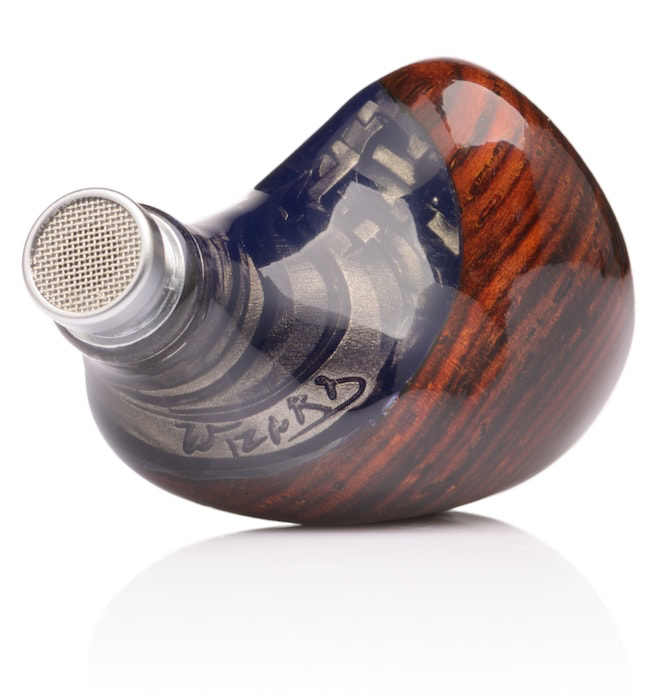
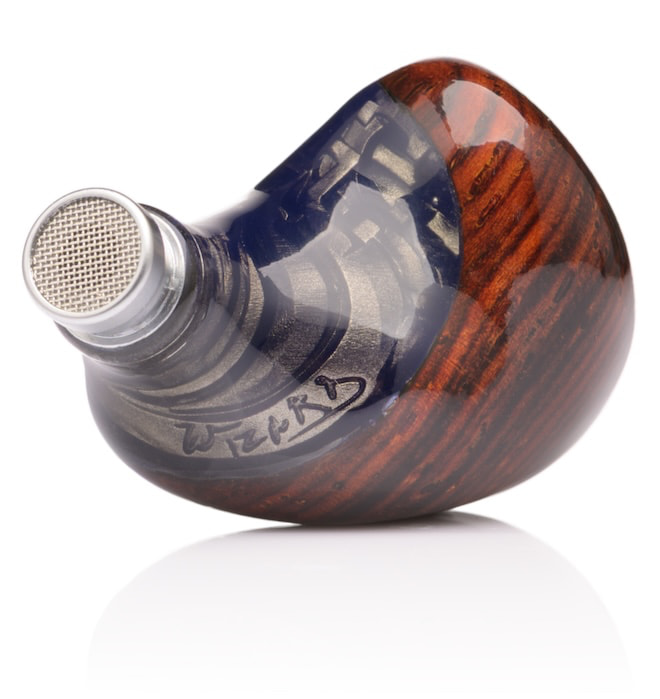
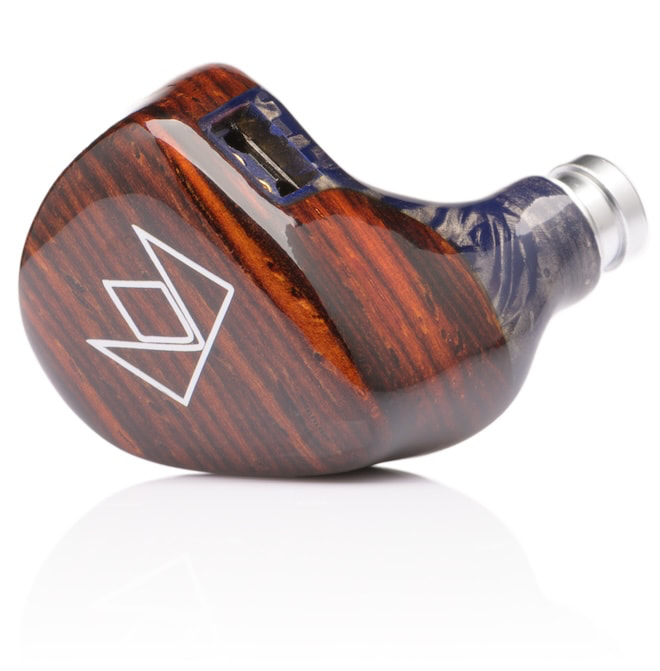
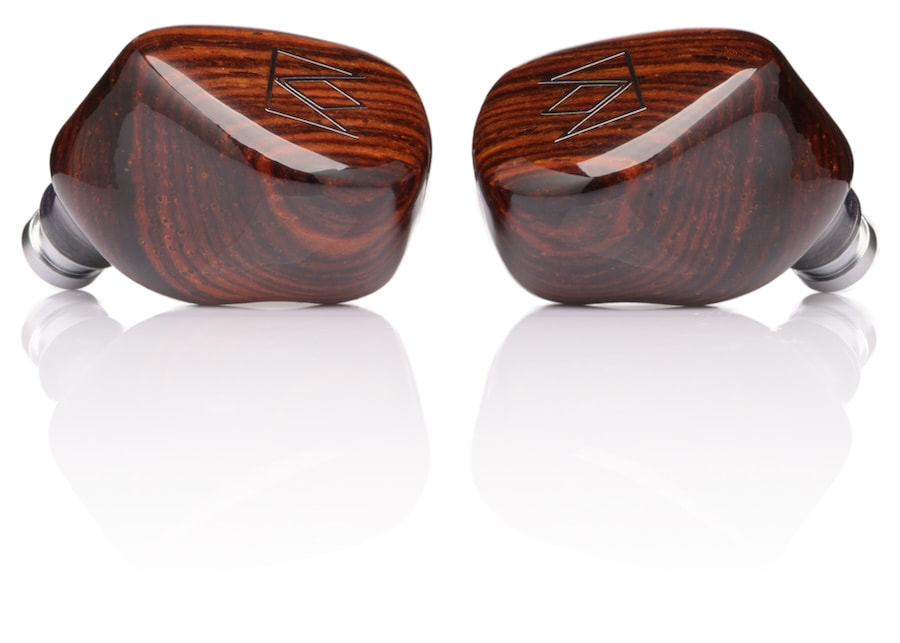
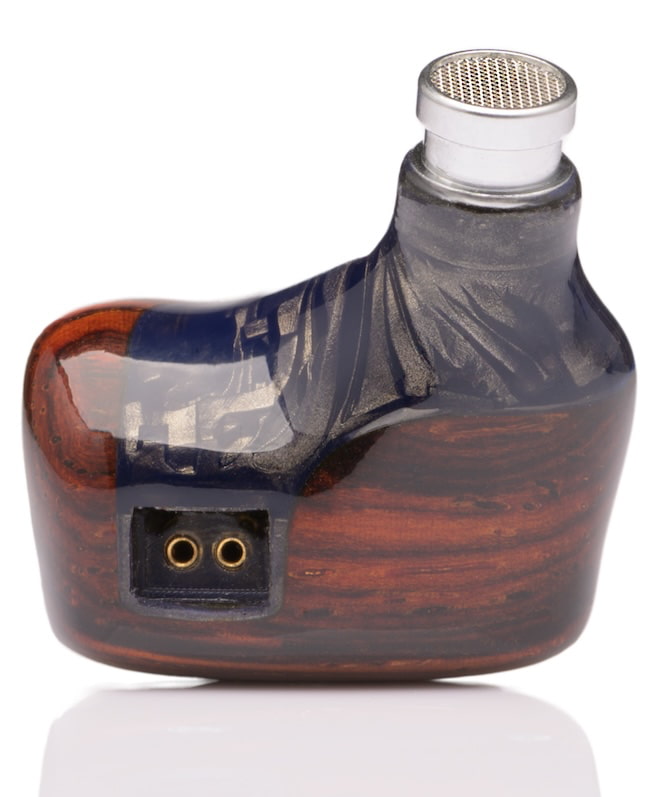
Each shell combines Cocobolo wood with a 3D printed resin internal framework. The wood gives each pair a distinct grain pattern, while the resin structure allows Noble to maintain more consistent internal geometry, driver placement, and acoustic alignment from unit to unit.
The result is a design that uses natural material for the exterior character, but relies on controlled internal construction for acoustic consistency. Each pair should look slightly different, but the engineering target remains the same.
Advertisement
Premium Cable & Accessories
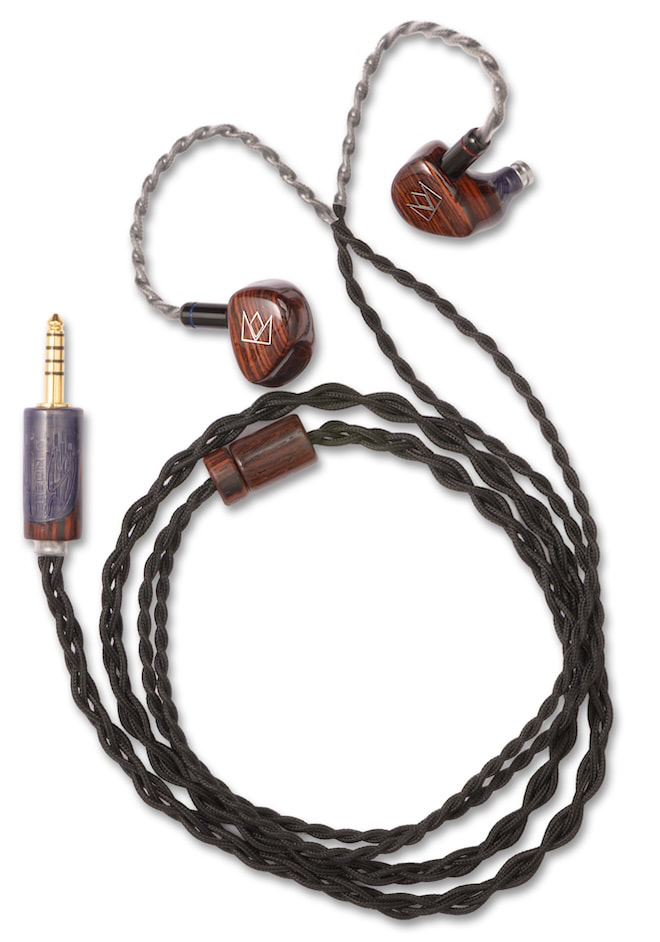
The Lu Ban ships with a 4 strand woven high purity OCC silver plated cable. Noble specifies the cable as part of the package rather than an afterthought, with the goal of maintaining signal integrity and tonal consistency from source to IEM.
The cable uses a fiber woven surface coating, standard 0.78mm 2 pin connectors with left and right markings, and a 4.4mm copper gold plated balanced termination. That makes it ready for many modern DAPs, portable DAC amps, and balanced desktop headphone outputs without requiring an immediate cable swap.
A 3.5mm option would have been useful for wider compatibility, but Noble is clearly aiming this package at listeners already using balanced portable sources.
IEM storage box Ear tip storage box 9 pairs of ear tips Warranty service card
Key Features
Hybrid Driver Configuration: The Lu Ban uses a 10mm wooden composite diaphragm dynamic driver paired with dual Super Magnetic planar drivers, giving Noble a platform designed to balance body, speed, and precision.
Natural, Controlled Low End: The wooden composite dynamic driver is intended to deliver deeper bass response with texture and control, while keeping the mid bass articulate rather than bloated.
Detailed and Refined Highs: The Super Magnetic planar drivers support the dynamic driver by adding faster transient response, cleaner detail retrieval, and more extended high frequency performance.
Advertisement
Advertisement. Scroll to continue reading.
Balanced Hybrid Tuning: Noble’s goal is to combine the weight and tonal character of the dynamic driver with the clarity, air, and separation provided by the planar drivers.
Precision Crafted Shell Design: The Lu Ban uses a Cocobolo wood shell with a 3D printed resin internal structure, allowing for natural visual variation while supporting consistent driver placement and acoustic geometry.
Premium Cable Package: The Lu Ban includes a 4 strand OCC silver plated cable with 0.78mm 2 pin connectorsand a 4.4mm balanced termination, along with additional accessories.
Advertisement
The Bottom Line
The Noble Audio Lu Ban stands out because it does not follow the usual hybrid IEM formula. The combination of a 10mm wooden composite dynamic driver, dual Super Magnetic planar drivers, Cocobolo wood shells, and a Mortise and Tenon Acoustic Chamber gives it a more distinctive design story than most wired IEMs in this price range.
At around $1,400, the Lu Ban is not entry level, especially compared to Noble’s $700 Van Gogh, but it also sits well below the company’s $4,500 Kronos. What is missing? Wireless capability, for one. Like most serious IEMs, the Lu Ban is wired only, so there is no Bluetooth unless you add a wireless adapter from brands like iFi. A 3.5mm cable option also would have made the package more flexible for casual users.
The Lu Ban is really for listeners who already understand the appeal of wired IEMs: dedicated audiophiles, serious portable audio users, and studio listeners who want detail, control, and a more distinctive material design. Its 108dB sensitivity and 27 ohm impedance suggest it should work well with a quality dongle DAC, but a good DAP with a balanced 4.4mm output is the more natural match. Think less phone accessory, more serious portable rig without needing a brick in your pocket.
Looking for the most recent regular Connections answers? Click here for today’s Connections hints, as well as our daily answers and hints for The New York Times Mini Crossword, Wordle and Strands puzzles.
Today’s Connections: Sports Edition is a tough one. The purple category requires you to find partial team names in other words. If you’re struggling with the puzzle but still want to solve it, read on for hints and the answers.
Connections: Sports Edition is published by The Athletic, the subscription-based sports journalism site owned by The Times. It doesn’t appear in the NYT Games app, but it does in The Athletic’s own app. Or you can play it for free online.
Hints for today’s Connections: Sports Edition groups
Here are four hints for the groupings in today’s Connections: Sports Edition puzzle, ranked from the easiest yellow group to the tough (and sometimes bizarre) purple group.
Yellow group hint: MLB numbers.
Advertisement
Green group hint: Zoom!
Blue group hint: Gridiron stars.
Purple group hint: Hockey teams, with a twist.
Answers for today’s Connections: Sports Edition groups
What are today’s Connections: Sports Edition answers?
The completed NYT Connections: Sports Edition puzzle for May 10, 2026.
NYT/Screenshot by CNET
The yellow words in today’s Connections
The theme is baseball stats. The four answers are errors, hits, runs and walks.
The green words in today’s Connections
The theme is moves fast. The four answers are bolts, races, scoots and sprints.
Advertisement
The blue words in today’s Connections
The theme is Hall of Fame running backs. The four answers are James, Riggins, Sanders and Sayers.
The purple words in today’s Connections
The theme is NHL teams, minus the first letter. The four answers are angers (Rangers), ruins (Bruins), slanders (Islanders) and tars (Stars).
Toughest Connections: Sports Edition categories
The Connections: Sports Edition puzzle can be tough, but it really depends on which sports you know the most about. My husband aces anything having to do with Formula 1, my best friend is a hockey buff, and I can answer any question about Minnesota teams.
That said, it’s hard to pick the toughest Connections categories, but here are some I found exceptionally mind-blowing.
Advertisement
#1: Serie A Clubs. Answers: Atalanta, Juventus, Lazio, Roma.
#2: WNBA MVPs. Answers: Catchings, Delle Donne, Fowles and Stewart.
Shanling has launched the EC Play portable CD player, a compact modern CD player priced at $199 aimed at younger listeners rediscovering physical media and anyone else tired of paying monthly rent to access albums they supposedly “own.”
The timing is not accidental. CDs have been getting a second look from younger buyers who still stream all day, but also want ownership, artwork, liner notes, and a shelf that looks less like a Target endcap and more like an identity crisis with jewel cases. Shanling clearly sees the opening, and so does FiiO, which means we may be watching the early stages of a very specific hardware feud: the portable CD player war for a generation that gets its news from TikTok and might think the Straits of Hormuz is an influencer house in Dubai.
That is not a complaint. More support for physical media, better portable playback, Bluetooth connectivity, and internal headphone amplification are all good things. But with Shanling and FiiO both pushing new portable CD players into the market, the obvious question remains: how many modern Discman descendants does the market actually need before this becomes less “physical media revival” and more “somebody please take the launch calendar away from the product team”?
Shanling EC Play Gives Gen Z a CD Player With Bluetooth Training Wheels
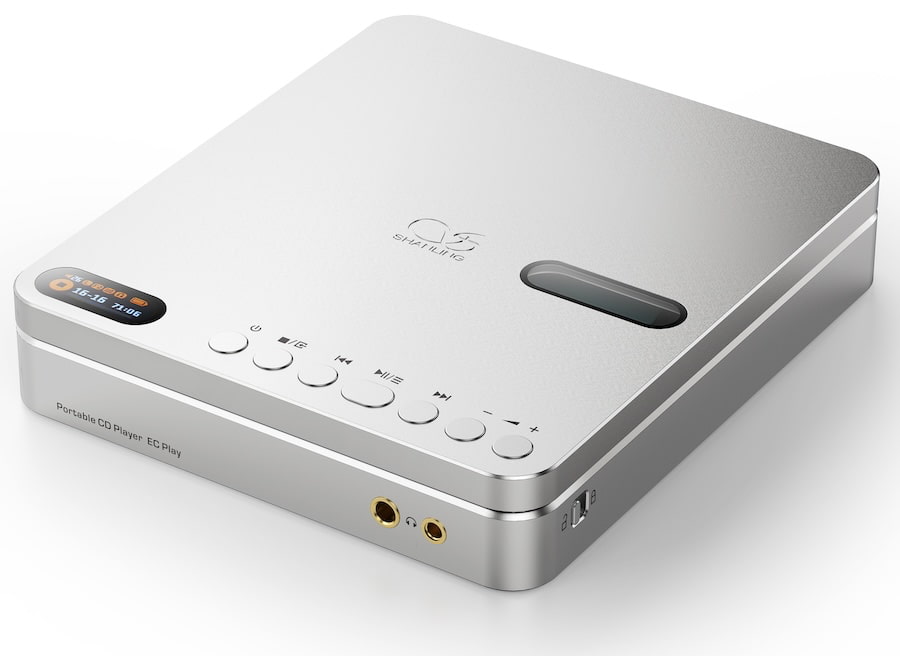
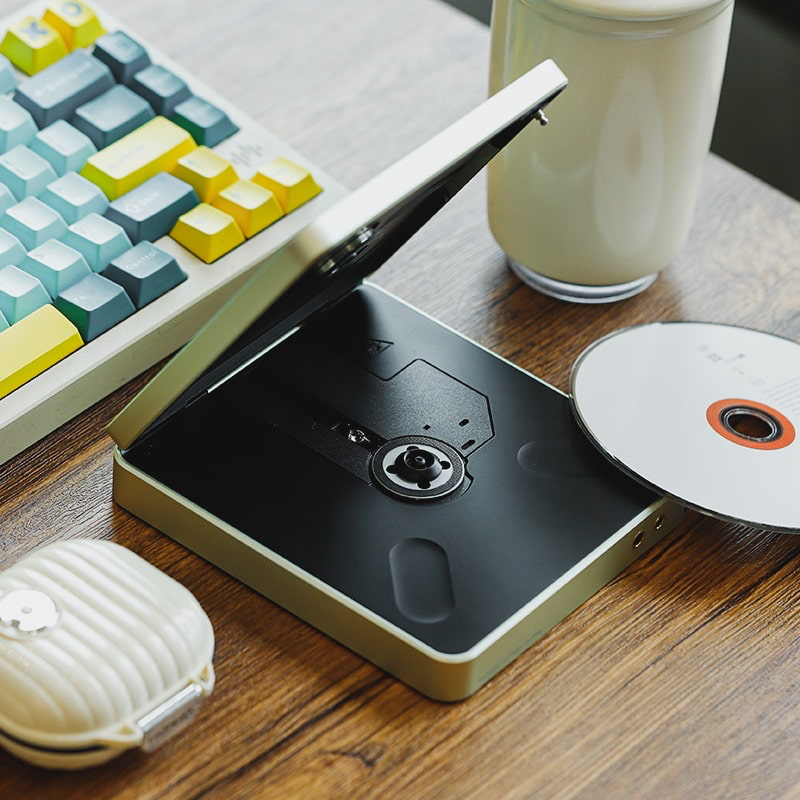
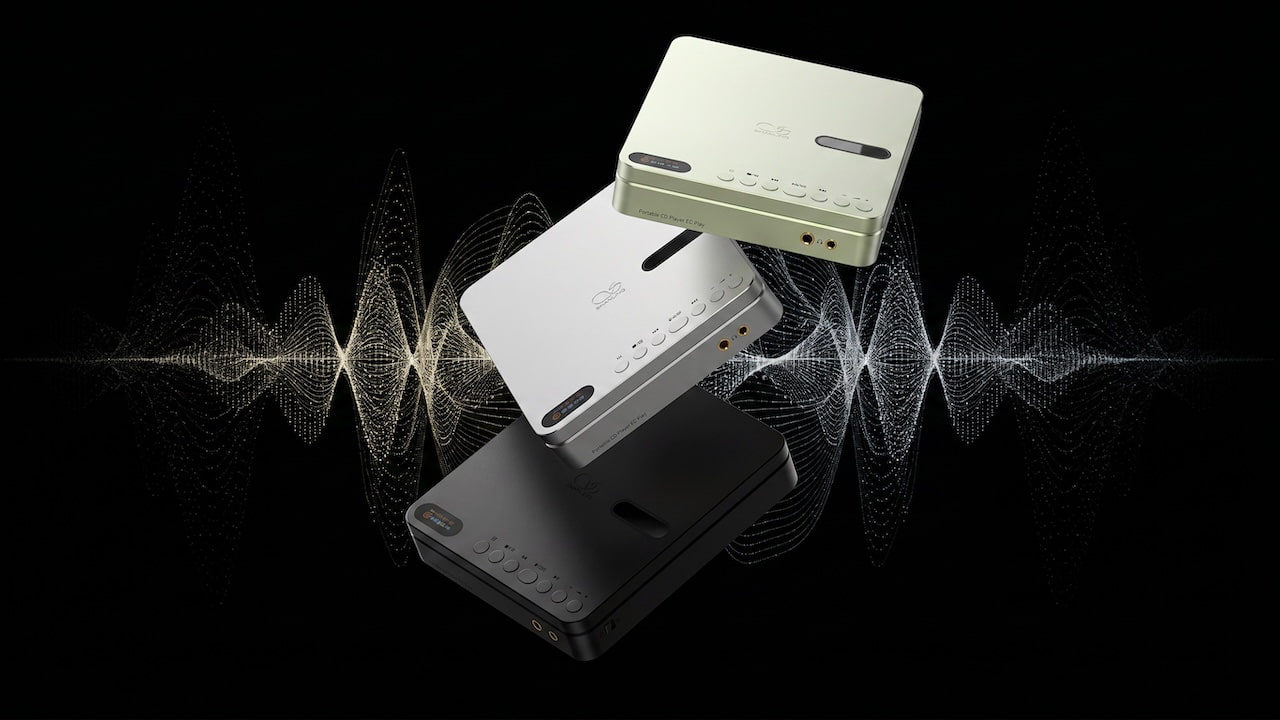
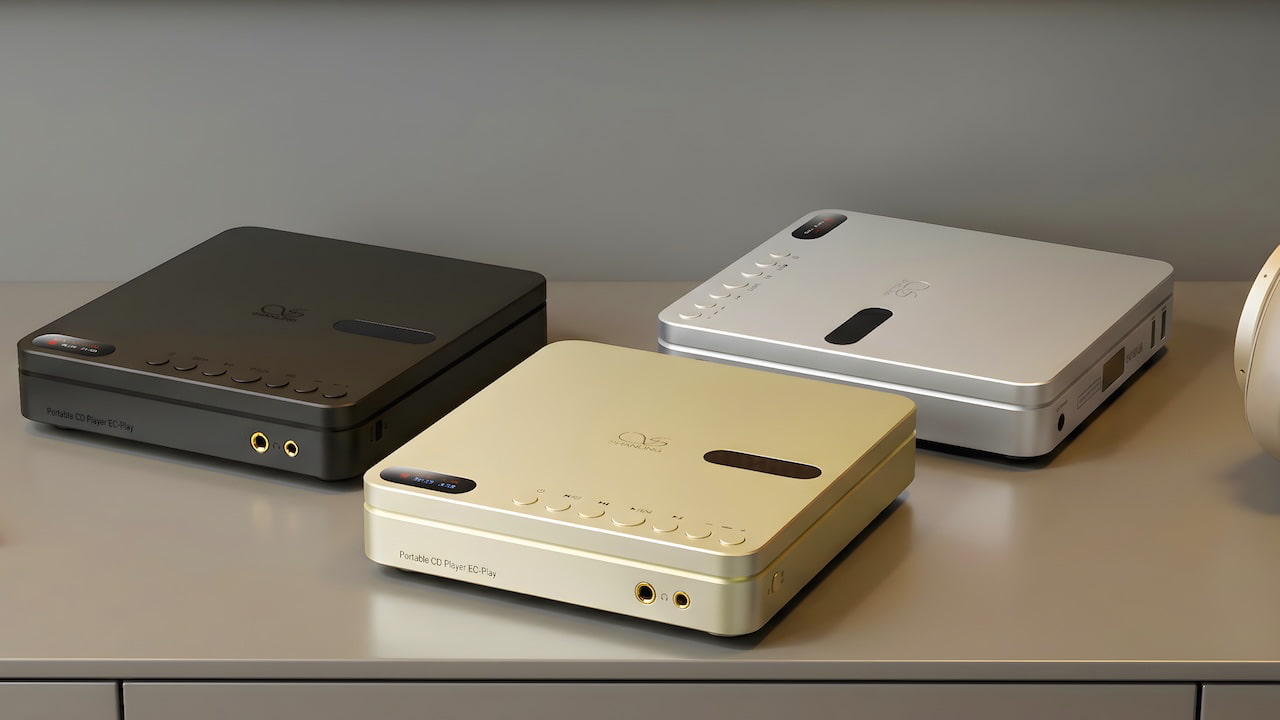
The Shanling EC Play is a compact portable CD player with an aluminum chassis, a weight of 418 grams, and dimensions of 142 x 125.1 x 26 mm. It is available in Feather Green, Onyx Black, and Moonlight Silver, and the design is clearly built around portability rather than making the user carry a small desktop component in a jacket pocket.
Advertisement
The disc mechanism is one of the more important parts of the design. Shanling uses an active magnetic clamp system adapted from its earlier EC models, which is designed to maintain disc stability by adjusting pressure and positioning during playback. The goal is to reduce vibration and mechanical noise, both of which matter in a portable CD player. The EC Play supports CD, CD-R, and CD-RW playback, along with gapless playback, which is useful for live albums, classical recordings, and albums where the tracks are meant to flow without interruption.
For digital conversion, Shanling uses the Cirrus Logic CS43198 DAC, paired with dual SGM8262 headphone amplifiers. The player includes both 3.5mm single-ended and 4.4mm balanced headphone outputs, with selectable gain settings for different headphones and IEMs. The 3.5mm output delivers up to 177mW at 32 ohms in high gain, while the 4.4mm balanced output reaches up to 700mW at 32 ohms. That gives the EC Play more flexibility than a basic portable CD player, especially for listeners who use wired headphones and want more output than a phone dongle.
Connectivity is broader than CD playback alone. The EC Play includes a 3.5mm coaxial SPDIF digital output, allowing it to function as a compact CD transport for a DAC, hi-fi system, powered speakers, or compatible soundbar. It can also operate as a USB DAC, supporting PCM up to 384kHz/32-bit and DSD256 when connected to a laptop or smartphone.
Wireless support is included through Bluetooth 6.0, with two-way operation. The EC Play can work as a Bluetooth receiver for streaming from a phone or tablet, or as a transmitter to wireless headphones and speakers. Receiver mode supports LDAC, AAC, and SBC, while transmitter mode is limited to SBC. That distinction matters: the better wireless codec support applies when sending music into the EC Play, not when sending CD playback out to wireless headphones.
Battery life is rated at up to 12 hours from the 3450mAh battery, making this Shanling’s longest-lasting portable CD player to date. At $199 the EC Play is not just a throwback device. It is a portable CD player, headphone amp, USB DAC, Bluetooth receiver/transmitter, and compact digital transport in one small package.
Advertisement
The real question is whether the growing number of modern portable CD players from Shanling, FiiO, and others reflects actual demand, or whether everyone in Shenzhen decided the Discman needed a 2026 reboot and a balanced output.
Specifications
Display: 1.12-inch screen
Disc Support: CD, CD-R, CD-RW
Playback: Gapless playback
Drive System: Active magnetic clamp system with custom CD drive
The Shanling EC Play is not just another cheap portable CD player with Bluetooth stapled on for marketing purposes. Its strongest selling points are the compact aluminum chassis, active magnetic clamp system, Cirrus Logic CS43198 DAC, dual headphone amps, 3.5mm and 4.4mm outputs, USB DAC mode, coaxial SPDIF output, and up to 12 hours of battery life. At $199, it sits in the sweet spot between basic CD nostalgia bait and the more expensive portable hi-fi players trying to turn a CD collection into a personality test.
Advertisement. Scroll to continue reading.
What is missing? The big one is better Bluetooth transmission codec support. EC Play can receive LDAC, AAC, and SBC, but when sending audio out to wireless headphones or speakers, it is limited to SBC. That means the best listening experience will still come from wired headphones, especially through the 4.4mm balanced output. There is also no mention of onboard CD ripping, which gives the FiiO DM13 an advantage for users who want to archive discs to USB storage. FiiO’s DM13 includes CD ripping and both 3.5mm and 4.4mm outputs, while Moondrop’s DiscDream models also compete in the compact hi-fi CD player space.
Who is this for? The EC Play makes the most sense for listeners who still buy CDs, want a small portable player with a real DAC and headphone amp section, and plan to use wired headphones or IEMs. It is also a useful option for someone who wants a compact CD transport for a desktop DAC, hi-fi system, powered speakers, or soundbar. For Gen Z buyers building a physical media shelf while still living on TikTok and Spotify, it offers the ritual without demanding total analog obedience. For older listeners, it is basically a Discman with fewer bad memories and a balanced output.
Advertisement
The real competitors are the FiiO DM15 R2R, Moondrop DiscDream 2 ($179 at Amazon), Shanling’s own higher-end EC models, and cheaper lifestyle players like the Syitren R300 ($99 at Amazon). The EC Play’s job is to prove there is room for another modern portable CD player in a market that is suddenly more crowded than anyone expected. The question is not whether physical media has appeal again. It clearly does. The question is whether enough people want a $199 portable CD player with serious headphone output when the FiiO and Moondrop camps are already handing out Gordie Howe elbows in the same aisle.
Alongside Google’s long-awaited Fitbit Air announcement, the brand unveiled its newly revamped health app.
Coined Google Health, the app has replaced the old Fitbit app and houses the new AI-powered Health Coach. Built with Gemini, Health Coach promises to offer genuinely personalised training plans that are designed specifically for individuals, rather than offering a one-size-fits-all policy. But how does Google Health Coach really work and where can you find it? Will you need to splurge to benefit from the feature?
We explain everything you need to know about Google Health Coach including what it really is, where you can find it and how much it’ll set you back.
Google Health Coach sits within the new Google Health smartphone app, but specifically behind the Google Health Premium subscription. This means to access Google Health Coach, you’ll need to be signed up to the monthly or annual plan – which will set you back $9.99 a month or $99.99 a year.
Advertisement
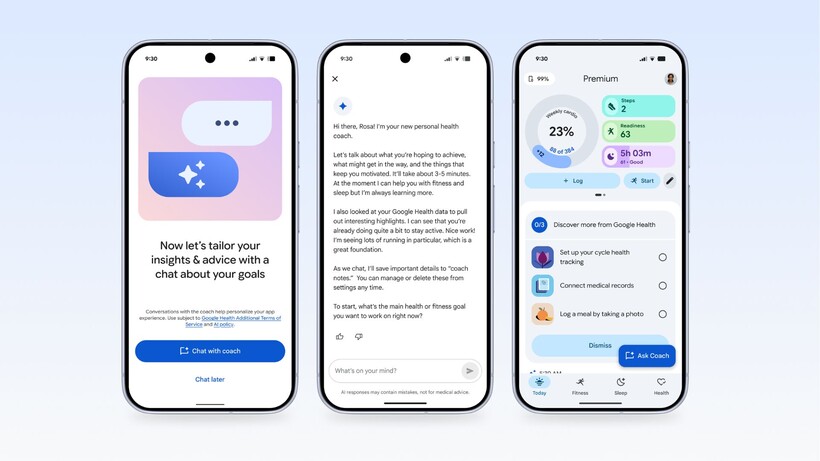
Google Health Coach is built with Gemini and is designed to provide users with the “most personalised, holistic, adaptive coaching possible”. When you first sign up, you’ll have an “onboarding conversation” which allows you to share specific goals, details about your daily routine, the type of equipment you have access to and other general lifestyle context that might be relevant with the Coach.
Onboarding with Google Health Coach via Google Health. Image Credit (Google)
Then, according to Google, the Health Coach will take these details and provide you tailored guidance and insights. Plus, Health Coach can update routines and plans according to your preferences too.
Aside from sitting across the Google Health app, the Coach is available at any time to answer questions, much like a typical AI-powered chatbot.
Advertisement
How much does Google Health Coach cost?
As mentioned earlier, Google Health Coach is part of the Google Health Premium subscription, and will cost either $9.99 a month or $99 a year. However, at the time of writing, all Fitbit Air purchases will come with three months of the subscription free.
In addition, Google AI Pro and Ultra subscribers will benefit from Google Health Premium at no additional cost too.
Advertisement
Fitbit Air. Image Credit (Google)
How can I find Google Health Coach?
Google Health Coach sits within the Google Health app, and can be found across the Today, Fitness, Sleep and Health tabs. Google explains the Today tab acts as the home for Coach’s insights, and provides an overview on your fitness and sleep metrics from the past day, alongside nutrition and cycle tracking and even environmental context like location and weather too.
Image Credit (Google)
The Fitness tab will house your tracked workouts and step count, but will also offer tailored workout suggestions and the ability to create entirely custom workouts via the Coach.
As its name suggests, the Sleep tab will explain your sleeping habits and help you understand your sleep consistency while offering advice on how to make improvements.
Advertisement
Advertisement
Coach within the Health tab can provide summaries of your personal health records and make them “easier to digest”. However, at the time of writing, only users in the US will be able to share their medical records with the Coach.
Finally, the Coach is launching first for eligible Fitbit and Pixel Watch users from May 19 to May 26, coinciding with the launch of the Fitbit Air. However, Google has promised that support for other devices is “coming soon”, though no firm date has been provided just yet.
Hackers who gained access to the databases of Spanish fast-fashion retailer Zara stole data belonging to more than 197,000 customers, according to data breach notification service Have I Been Pwned.
Zara has over 1,500 company-managed and franchised stores worldwide and is the flagship brand of the Inditex Group, one of the world’s largest fashion distribution groups, which also owns Bershka, Zara Home, Oysho, Pull&Bear, Massimo Dutti, Stradivarius, and Uterqüe.
As Inditex stated last month, when the data breach was widely reported, the compromised databases were hosted by a former tech provider and contained information about business relationships with customers in different markets.
However, Inditex noted that the attackers didn’t gain access to affected customers’ names, phone numbers, addresses, credentials, or payment information (such as bank cards).
Advertisement
It also added that its operations and systems were unaffected, but has yet to attribute the breach to a specific threat actor and to share the name of the hacked provider.
“Inditex has immediately applied its security protocols and has started notifying the relevant authorities of this unauthorized access, that stems from a security incident that affected a former technology provider and has impacted several companies operating internationally,” Inditex said.
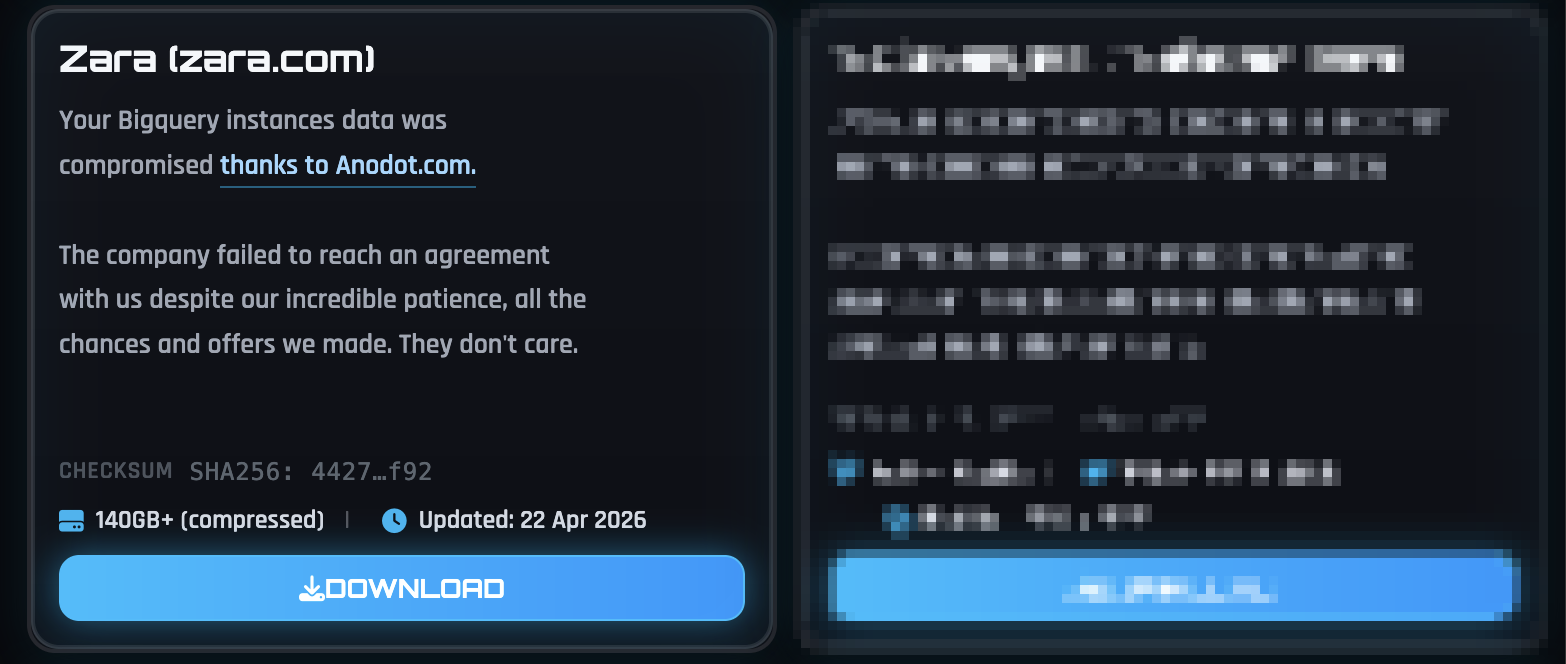
While Inditex and Zara have yet to disclose more details regarding the incident, including the total number of affected individuals, the ShinyHunters extortion gang has since claimed responsibility for the breach and leaked a 140GB archive containing documents allegedly stolen from BigQuery instances using compromised Anodot authentication tokens.
Zara entry on ShinyHunters’ data leak site (BleepingComputer)
Have I Been Pwned analyzed the stolen data and said today that the resulting data breach exposed the data of 197,400 people, including unique email addresses, geographic locations, purchases, and support tickets. “The data contained 197k unique email addresses alongside product SKUs, order IDs and the market the support ticket originated in,” Have I Been Pwned said.
Previously, the cybercrime gang told BleepingComputer that they had stolen data from dozens of companies using Anodot authentication tokens, adding that they were blocked by AI-based detection when trying to steal data from Salesforce instances.
Advertisement
The group has also been linked to a widespread vishing campaign targeting employees’ and Business Process Outsourcing (BPO) agents’ Microsoft Entra, Okta, and Google SSO accounts to steal data from connected SaaS applications (including Salesforce, SAP, Slack, Adobe, Atlassian, Zendesk, Dropbox, Microsoft 365, Google Workspace, and others) after breaching corporate SSO accounts.
More recently, ShinyHunters hacked education technology giant Instructure twice, the second time exploiting a security vulnerability to deface Canvas login portals for approximately 330 colleges and universities and threatening to leak data stolen in the earlier Instructure breach unless a ransom is paid.
MANGO, another Spanish fashion retailer giant, also sent notices of a data breach to its customers in October, warning them that personal data used in marketing campaigns had been compromised after its marketing vendor was hacked. However, no ransomware or extortion groups have claimed the MANGO incident, so the attackers remain unknown.
Advertisement
AI chained four zero-days into one exploit that bypassed both renderer and OS sandboxes. A wave of new exploits is coming.
At the Autonomous Validation Summit (May 12 & 14), see how autonomous, context-rich validation finds what’s exploitable, proves controls hold, and closes the remediation loop.
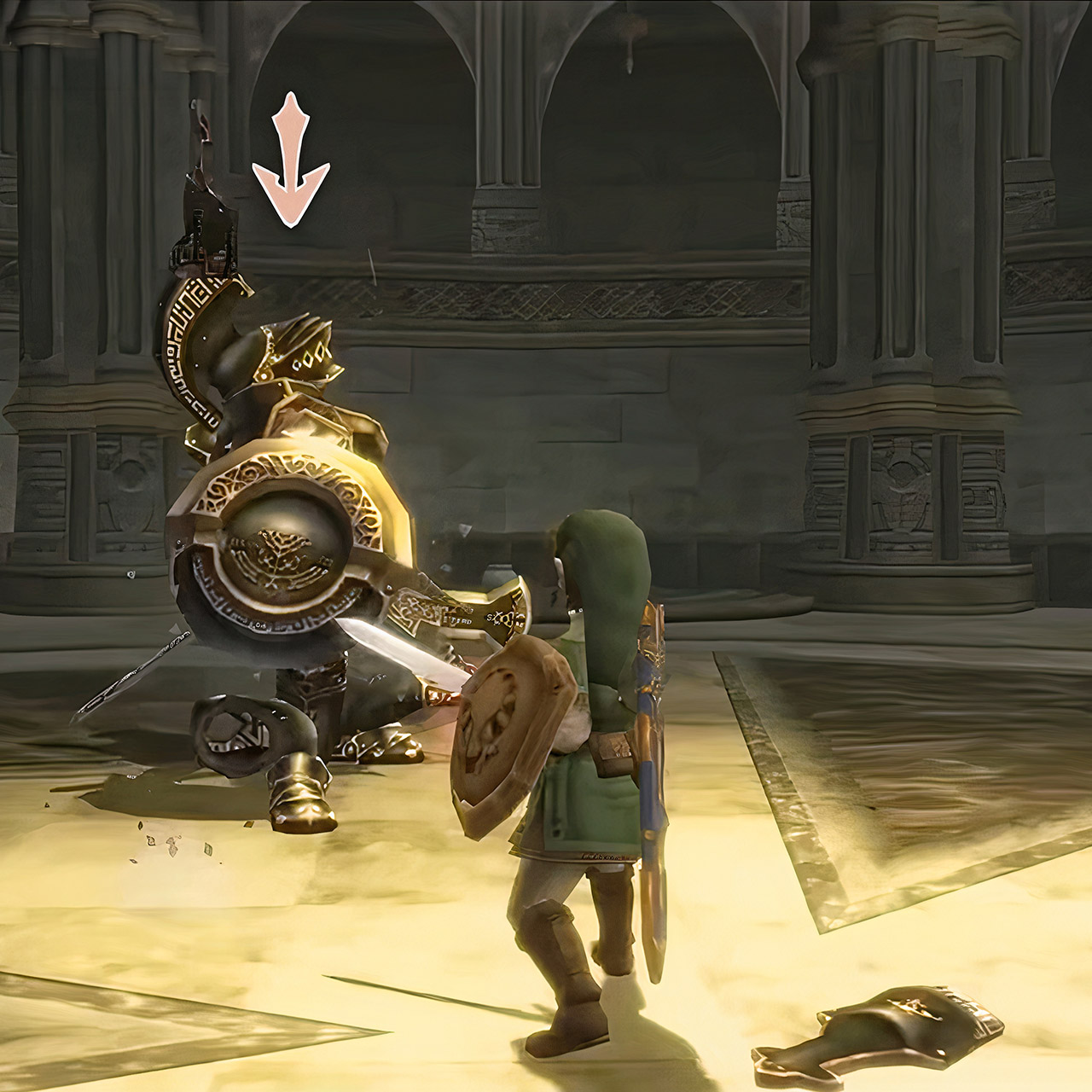
Zelda fans have long hoped for a way to play Twilight Princess on computers without dealing with emulators. Yesterday that hope became reality when the team at TwilitRealm released Dusk, a native port built from the ground up for modern systems.
Access starts by visiting twilitrealm.dev or the project’s GitHub release page. You download the files and then obtain a copy of the game’s Gamecube version, which might be either North American or European. Once everything is set up on your desktop or laptop, or even your phone or tablet, the journey begins.
XBOX EXPERIENCE BROUGHT TO LIFE BY ROG The Xbox gaming legacy meets ROG’s decades of premium hardware design in the ROG Xbox Ally. Boot straight into…
XBOX GAME BAR INTEGRATION Launch Game Bar with a tap of the Xbox button or play your favorite titles natively from platforms like Xbox Game Pass…
ALL YOUR GAMES, ALL YOUR PROGRESS Powered by Windows 11, the ROG Xbox Ally gives you access to your full library of PC games from Xbox and other game…
Visually, the game appears much sharper right away, as the port removes all of the constraints of the original hardware. Resolutions far above what the GameCube could handle, and frame rates increase to match. But here’s the thing: the game environment continues to refresh at the same rate as before, so you won’t notice any strange behaviour with jumps or puzzles. The port, however, fills in extra frames by estimating where objects will travel next, which is similar to how many large modern games do. The end effect is motion that’s as fluid as silk, with no need to think about the underlying gameplay.
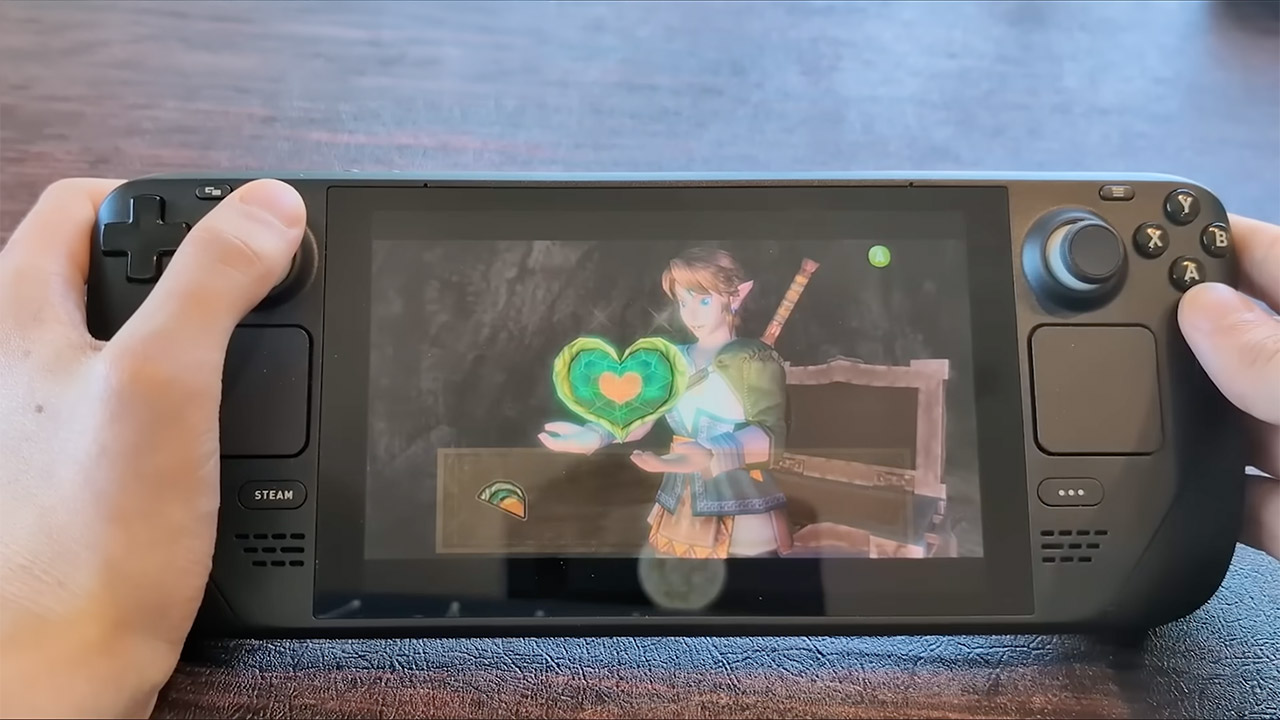
In terms of controls, they feel spot on whether you’re using a keyboard or a gamepad. We’ve also added complete support for gyro aiming if you’re using a suitable controller, and Steam Deck owners will be pleased to know that the game is easy to play straight out of the box. There are additional options for adjusting the gameplay to your preferences. Some people will wish to speed up the climbing, while others will prefer to skip extended conversations or compress the transitions between being human and wolf. You can even change the time of day on the fly with the Sun’s Song.
If you’ve had any experience with PC gaming, getting everything set up is a piece of cake, and the port can now run pretty much anywhere because it’s no longer limited by console power. Cross-platform design ensures that the same files work on whichever device you’re using, thanks to something called Aurora. Mobile play is now on the table, which is fantastic news for anyone who enjoys playing on the go. Speedrunners will be pleased to know that the core timing is exactly the same as the console version, down to the last tick. [Source]
The U.S. Cybersecurity and Infrastructure Security Agency (CISA) has given U.S. federal agencies four days to secure their networks against a high-severity vulnerability in Ivanti Endpoint Manager Mobile (EPMM) that has been exploited in zero-day attacks.
Tracked as CVE-2026-6973, this security flaw allows attackers with administrative privileges to execute arbitrary code remotely on systems running EPMM 12.8.0.0 and earlier.
In a Thursday security advisory, Ivanti told customers they can secure their appliances by installing Ivanti EPMM 12.6.1.1, 12.7.0.1, and 12.8.0.1, and advised them to review accounts with Admin rights and rotate those credentials where necessary.
“At the time of disclosure, we are aware of very limited exploitation of CVE-2026-6973, which requires admin authentication for successful exploitation. We are not aware of any customers being exploited by the other vulnerabilities disclosed today,” it said.
Advertisement
“The issues only affect the on-prem EPMM product, and are not present in Ivanti Neurons for MDM, Ivanti’s cloud-based unified endpoint management solution, Ivanti EPM (a similarly named, but different product), Ivanti Sentry, or any other Ivanti products.”
Nonprofit security organization Shadowserver now tracks over 800 Ivanti EPMM appliances exposed online. However, there is no information on how many have already been patched against the CVE-2026-6973 vulnerability.
“This type of vulnerability is a frequent attack vector for malicious cyber actors and poses significant risks to the federal enterprise,” CISA warned.
In late January, Ivanti patched two other critical EPMM security issues (CVE-2026-1281 and CVE-2026-1340) that were exploited in zero-day attacks affecting a “very limited number of customers.” On April 8, CISA also gave U.S. government agencies four days to secure their systems against attacks targeting the CVE-2026-1340 flaw.
Advertisement
“If customers followed Ivanti’s recommendation in January to rotate credentials if you were exploited with CVE-2026-1281 and CVE-2026-1340, then your risk of exploitation from CVE-2026-6973 is significantly reduced,” the company noted on Thursday.
Ivanti provides IT asset management solutions to over 40,000 clients worldwide, supported by an extensive network of over 7,000 partners.
AI chained four zero-days into one exploit that bypassed both renderer and OS sandboxes. A wave of new exploits is coming.
At the Autonomous Validation Summit (May 12 & 14), see how autonomous, context-rich validation finds what’s exploitable, proves controls hold, and closes the remediation loop.
Security researcher Andreas Makris recently outlined exploits that could allow hackers to hijack thousands of Yarbo lawnmowers sold across more than 30 countries. According to Makris, all units ship with a preinstalled backdoor capable of exposing owners’ private information, and the vulnerability cannot currently be disabled. Read Entire Article Source link
Vinyl is not exactly crawling back from the grave anymore. It bought the building, raised the rent, and put a line around the block. In 2025, U.S. vinyl record revenue surpassed $1 billion, according to the RIAA, and Record Store Day 2026 just reminded the industry that people are still willing to get up early, stand in line, and fight politely over limited-edition pressings like civilization is hanging by a spindle.
That momentum also explains why turntable accessories matter more in 2026 than they did a decade ago. With more new turntables, cartridges, phono stages, cleaning tools, and vinyl playback systems hitting the market, Audio-Technica is aiming at the part of the hobby that too many new listeners still overlook: proper setup.
Founded in 1962, the Japanese brand has built its reputation across headphones, microphones, turntables, and cartridges, and its latest accessories are designed to help users dial in cartridge alignment, confirm turntable speed, and get better performance from the records they already own. Because buying records is only half the addiction. Getting them to play properly is where the real trouble begins.
“A properly calibrated cartridge and turntable are essential to getting the most out of any record-playing setup,” said Bob Peet, Audio-Technica Global Product Manager, Analog Products. “These accessories ensure listeners will enjoy the best sound possible from their analog playback.”
Advertisement
Here is a closer look at Audio-Technica’s latest accessories for turntable setup, cartridge alignment, and better record playback.
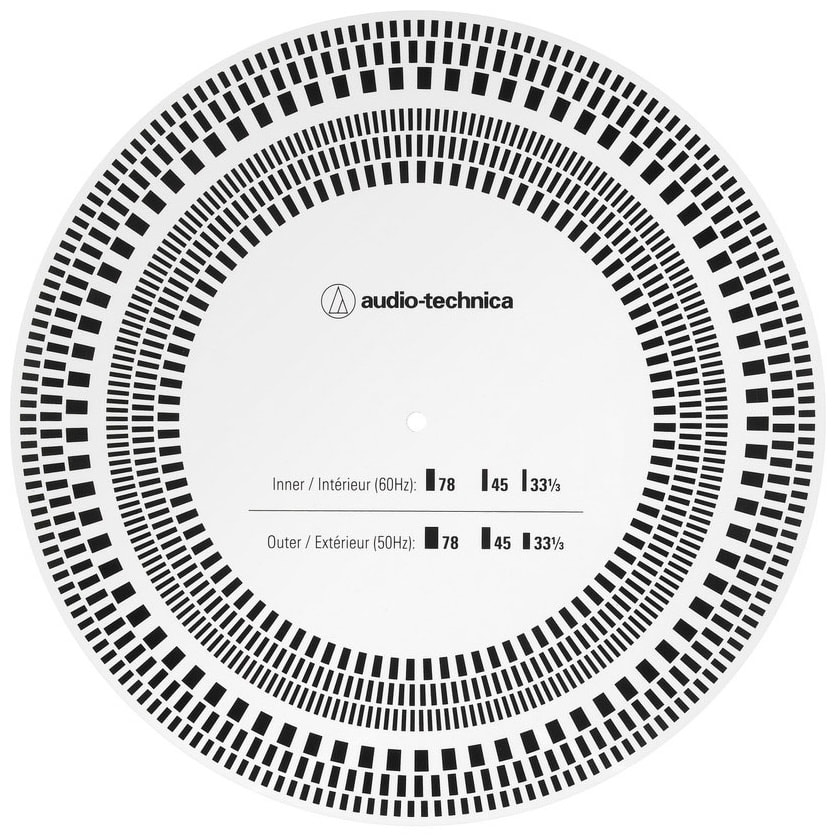
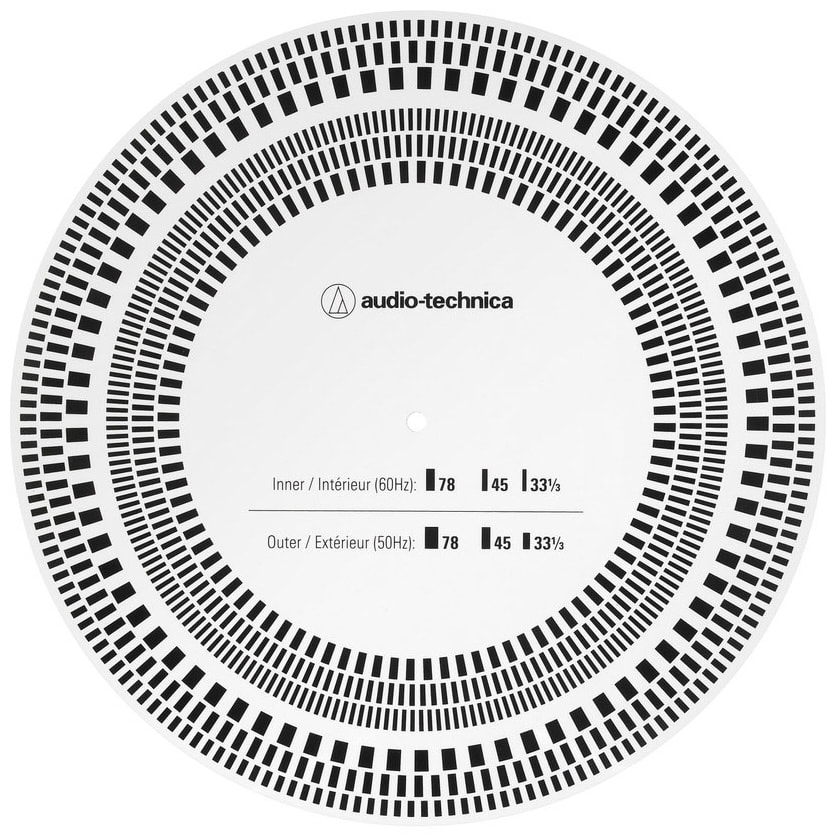
AT-CAP4 Alignment and Strobe Disc
The AT-CAP4 Multi-Function Cartridge Alignment and Stroboscope Disc gives users a practical tool for setting correct cartridge geometry, helping ensure proper tracking, lower distortion, and reduced record wear.
Disc Side One: This side includes null points for Baerwald, Stevenson, Löfgren B, and UNI-DIN alignments, to accommodate the most-used calibration geometries, tonearm effective lengths from 200 to 250 mm, and user playback preferences.
Baerwald: This methodis effective for a wide range of musical styles and minimizes distortion throughout the record.
Stevenson: This method is good for classical, jazz, and music where distortion should be reduced closer to the inner grooves.
Löfgren B: This is ideal for those who want superior sound quality across most of the record but can accept slightly more distortion towards the inner grooves.
UNI-DIN: This prioritizes clarity in the middle and inner grooves, which works well for rock and pop.
Disc Side Two: This side features a stroboscope that lets users precisely calibrate 33⅓, 45, and 78 RPM turntable platter speeds at both 50 Hz and 60 Hz.
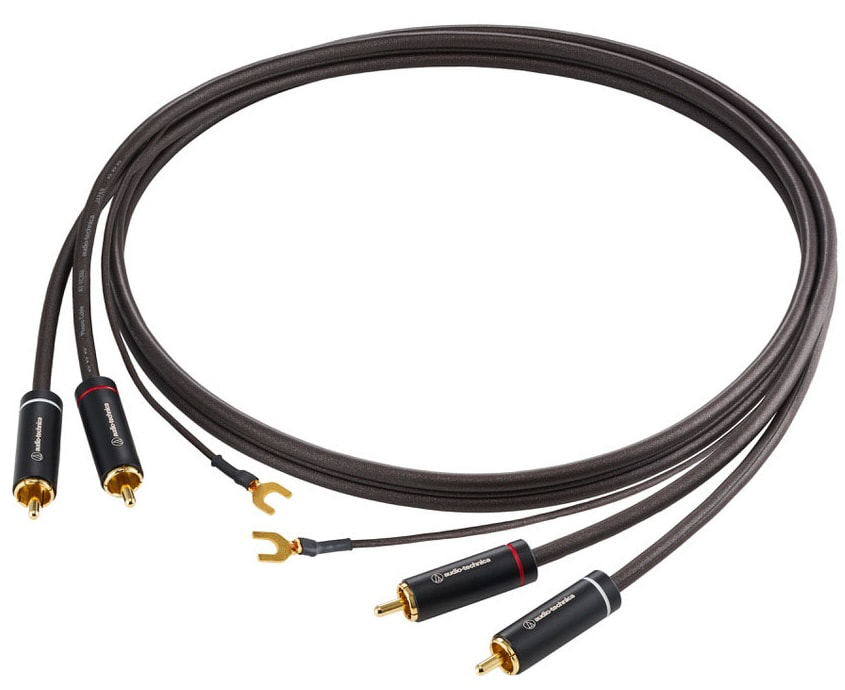
AT-TC300/1.2 Connection Cable
The AT-TC300/1.2 Phono Cable is designed as an upgrade over stock phono cables used to connect a turntable to an amplifier, receiver, or compatible audio system.
The cable uses low-capacitance HYPER OFC oxygen-free copper wiring to help preserve the delicate signal coming from the phono cartridge, maintaining frequency response and signal integrity. It also features a PVC jacket with mica filler to help dampen unwanted vibrations.
Audio-Technica also double-shields the AT-TC300/1.2 and includes a central ground wire, helping improve signal-to-noise performance and overall resolution.
Advertisement
Advertisement. Scroll to continue reading.
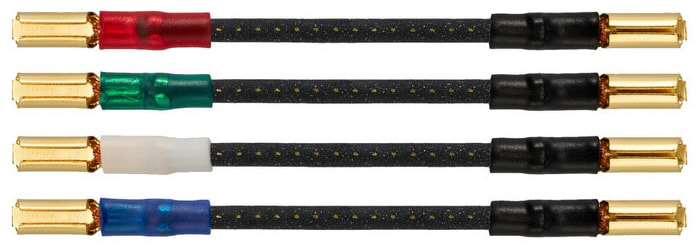
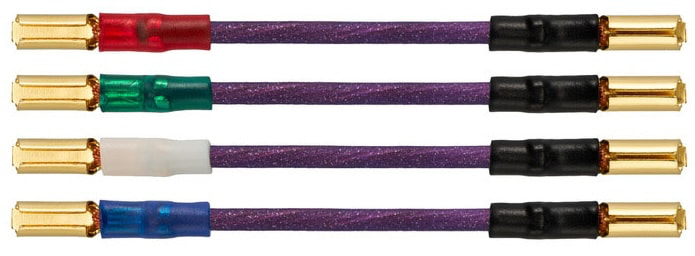
AT6112x & AT6104x Headshell Wires
In analog playback, every detail counts, including the quality of the headshell wires connecting the phono cartridge to the tonearm headshell.
AT6112x
AT6104x
The AT6112x and AT6104x headshell wires are designed to improve that connection, helping maintain signal integrity between the cartridge and tonearm.
Both models feature 29 strands of 0.12 mm wire, with the AT6112x using 7N-class D.U.C.C. copper and the AT6104x using Pure Copper Ultra High Drawability wire. Each also includes a PVC sheath with mica filler for vibration control, along with triangular gold-plated cartridge clips for secure contact, improved signal transmission, and long-term durability.
The Bottom Line
Audio-Technica’s latest vinyl accessories are not flashy, but that is exactly the point. The AT-CAP4 alignment and stroboscopic disc gives users a simple way to dial in cartridge geometry and platter speed, while the AT-TC300/1.2 phono cables and AT6112x/AT6104x headshell wires focus on the small signal path details that can quietly make or break analog playback.
Advertisement
What is missing? No digital speed app, no electronic stylus force gauge, no record cleaning accessory, and no full setup kit that bundles everything together. That would have made sense, especially in 2026, when a lot of new vinyl buyers are learning this stuff one minor panic attack at a time.
Still, the pricing is reasonable: $40 for the AT-CAP4, $99 for the AT-TC300/1.2 phono cables, $59.99 for the AT6112x headshell wires, and $29.99 for the AT6104x headshell wires. This is for turntable owners who already have the basics covered but want better performance without replacing the whole deck. Spend a little time getting the setup right, and your records will thank you.
Pricing & Availability
The phono accessories discussed in this article are now available at the following prices through Audio-Technica.
AT-CAP4 Cartridge Alingment and Stroboscopic Disc: $40.00
Porsche is closing three of its subsidiaries as it copes with falling sales and declining profits, the German automaker announced Friday.
The automaker’s battery subsidiary, Cellforce Group, is perhaps the highest-profile casualty. The division had already been through a “realignment” in August after Porsche dropped plans to make its own batteries, turning Cellforce into a research and development arm. Now, Porsche says it’s pursuing a “technology-open powertrain strategy” — corporate-speak that indicates the automaker will rely more heavily on other companies for its batteries.
Porsche eBike Performance, which made e-bike drive systems, and Cetitec, a networking software subsidiary that served both Porsche and the wider Volkswagen Group, will also be shut down.
More than 500 people, who are employed at the three subsidiaries, will lose their jobs.
Advertisement
“We must refocus on our core business,” Porsche CEO and Executive Chair Michael Leiters said in a statement. “This is the indispensable foundation for a successful strategic realignment. This forces us to make painful cuts — including our subsidiaries.”
It’s a message that Leiters, who became CEO early this year, first delivered in March when the company announced plans to realign its business. “We will comprehensively reposition Porsche, make the company leaner, faster and the products even more desirable,” he said at the time.
Since then, Porsche has extracted itself from several endeavors, including an agreement reached in April to sell its equity stakes in Bugatti Rimac and Rimac Group to a consortium led by New York-based investment firm HOF Capital.
Techcrunch event
Advertisement
San Francisco, CA | October 13-15, 2026
Porsche’s electrification efforts got off to a strong start with the Taycan in 2019, but the company soon ran into trouble developing follow-on EVs. The Macan Electric was delayed by nearly two years as software development within Volkswagen’s Cariad division lagged behind expectations.
Advertisement
The entire company has suffered declining sales in key markets, including North America, where sales fell 11%, and China, where deliveries were off 21% in the first quarter of this year. European sales were also down 18%, though they rose slightly in Germany.
Porsche has blamed EV adoption for its woes, though the company’s continued poor performance in China, where electric vehicles have claimed more than half the market, suggests that consumer acceptance of EVs may not be the root cause.
The closure of Cellforce captures the change of fortunes for Porsche’s EV program. The German automaker had originally started the subsidiary to develop and manufacture batteries that would distinguish its EVs from other companies.
“The battery cell is the combustion chamber of the future,” Oliver Blume said in 2022 when he chaired Porsche’s executive board.
Advertisement
After struggling to develop EVs in a timely manner, Porsche has shifted much of its new vehicle efforts to reviving some of its internal combustion platforms, which were originally intended to constitute a minority of sales by 2030. The company is still planning to roll out new EVs though, and will soon sunset the gas-powered version of the Porsche Macan. Porsche is expected to bring an all-electric version of the Cayenne, and several variants, to market this year.
When you purchase through links in our articles, we may earn a small commission. This doesn’t affect our editorial independence.
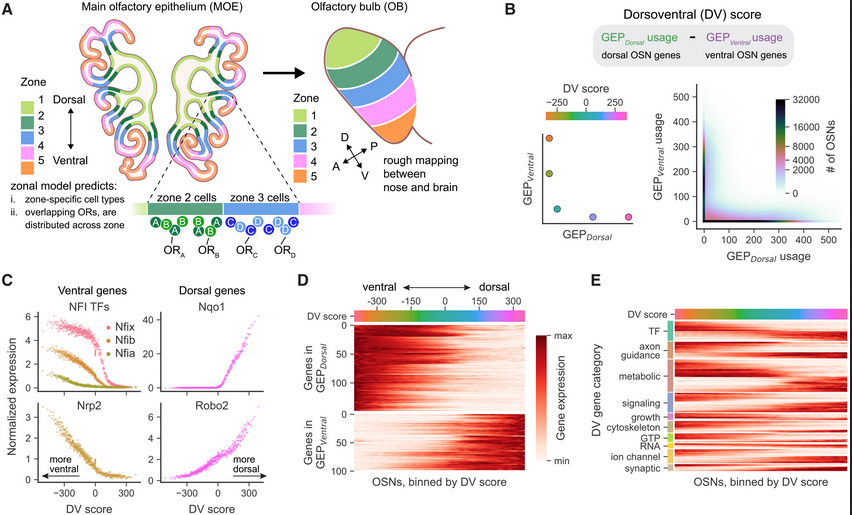
The way that the sense of smell works is that olfactory sensory neurons (OSNs) are wired up to olfactory receptors (ORs) in the nasal epithelium, from which they send signals to the brain. Once arrived there, a hierarchy of processing results in us experiencing the sensation of ‘smelling’. Exactly how the olfactory receptor-to-brain mapping works during development, and whether its physical pattern in the nasal epithelium is replicated in the brain, remained major questions until now. In a study published in Cell by [David H. Brann] and others, many of these questions have now been answered, at least for mice.
As it turns out, the mapping between OSNs and ORs isn’t performed by a random selection process, but instead creates a receptor map that’s closely matched between the nasal epithelium and the brain. What has complicated answering this question up till now is that the nasal epithelium isn’t a flat surface, but a convoluted labyrinth that maximizes surface area to smell better.
The second issue was linking the physical location of OSNs and gene expression in the nasal epithelium. Using a new approach, the researchers showed an intricate patterning in this epithelium, with the basal stem cells from which it regenerates maintaining this patterning. This makes for a system very similar to, for example, the auditory system, where the detection of frequencies in the inner ear, as a linear system, is found to be replicated in the brain.
Although it does not provide us with all the answers yet about how this genetic patterning works, it offers a glimpse at a fascinating system that would seem to be used repeatedly across sensory systems. It may also provide potential treatments for medical conditions affecting the olfactory system, whereby the sense of smell is missing, reduced, or oddly miswired, for example, after a SARS-CoV-2 infection of the olfactory nerve that leads to symptoms such as a constant sensation of a burning smell.















.png)








































You must be logged in to post a comment Login