




Connect with us

Tech

Nothing shows off its next phone in fun new colors, just a day after a big leak

Published

on

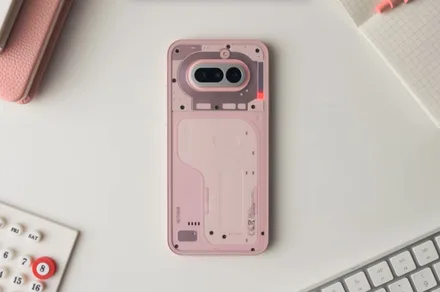
Nothing has officially teased the highly anticipated Phone 4a once again. After revealing the light pink variant last week, the full roster has now made a public appearance. But while we’re only getting tidbits from the brand, these pictures arrive just a day after a big leak revealed most of the important hardware details of the upcoming device.

Everything in the official teaser

Looking at the recent tweet, Nothing highlights the Phone 4a in bold color finishes. Sticking to the brand’s habit of making design a key talking point ahead of any specs being revealed, there’s no mention of the hardware details or pricing. Instead, we get to see the new budget phone in the basic White and Black options, along with the punchy Blue and Pink hues. From the looks of it, Nothing wants the Phone 4a to feel fun and expressive.

But what does the leak say?

While Nothing is maintaining the mystery behind the specs, a tipster has revealed plenty of details already. According to the fresh leak, the Nothing Phone 4a could start for Rs 31,999 (~$349) in the Indian market for the base 8GB + 128GB variant, with higher-tier options, like the 8GB + 256GB and the 12GB + 256GB configurations, also being available. This model will reportedly pack the Snapdragon 7s Gen 4 SoC and offer UFS 3.1 storage.

🚨 Exclusive 🚨

Nothing Phone 4a starting price will be 🔴 ₹31,999 for the 8+128GB ✅

Advertisement

There are also 8+256GB and 12+256GB

This time it got :
✅ 50MP 3.5x telephoto
✅ UFS 3.1

Also,
Phone 4a Pro will start ~40K and it’ll get a very polarising design is what I have heard‼️

— Debayan Roy (Gadgetsdata) (@Gadgetsdata) March 1, 2026

Advertisement

For photography, the rear will retain the triple camera setup like its predecessor, but bump up the optical zoom level on the telephoto lens to 3.5x. The main camera is another 50MP shooter, accompanied by an 8MP ultra-wide-angle lens and a 32MP selfie shooter. Lastly, we even get some early details of the Phone 4a Pro, which might start from around Rs 40,000 (~$437) and reportedly carry a “very polarizing design”. While this is still just a leak, the official announcement is for March 5.

Source link

Advertisement
Continue Reading
Click to comment

Leave a Reply

Your email address will not be published. Required fields are marked *

Tech

HBO Max and Paramount+ To Merge Into One Streaming Service

Published

on

Paramount Skydance plans to combine HBO Max and Paramount+ into a single streaming platform following its acquisition of Warner Bros. Discovery. “As we said, we do plan to put the two services together, which today gives us a little over 200 million direct-to-consumer subscribers,” said David Ellison, the company’s CEO. “We think that really positions us to compete with the leaders in the space.” The deal still needs regulatory approval. The Washington Post reports: He added that Paramount didn’t want to make changes to the HBO brand. “Our viewpoint is HBO should stay HBO,” Ellison said, noting that his favorite HBO product is “Game of Thrones.” If Justice Department regulators allow the deal to go through, it would place recent HBO Max hits, such as “The Pitt” and “A Knight of the Seven Kingdoms,” alongside Paramount offerings including “South Park” and “Yellowstone.” “They built a phenomenal brand,” he said. “They are a leader in the space, and we just want them to continue doing more of it.”

The deal to buy Warner Bros., valued at about $110 billion, will almost surely attract regulatory scrutiny from the Justice Department because — without divestments — it places major swaths of the film, television and news industries under one roof: Warner Bros. and Paramount studios, HBO Max and Paramount+, and CBS and CNN would all have the same parent company. Ellison expressed confidence on the call that the deal wouldn’t face hurdles with regulators.

Source link

Continue Reading

Tech

Last chance to grab early bird tickets for GeekWire’s AI summit in Seattle, March 24

Published

on

Agents of Transformation speakers, from left: Charles Lamanna of Microsoft; Deepak Singh of Amazon; and Angela Garinger of Outreach.

Early bird ticket pricing ends this week for GeekWire’s Agents of Transformation, a half-day summit in Seattle that will explore how agentic AI is redefining work, creativity, and leadership.

The event, presented by Accenture, will take place Tuesday, March 24, at Block 41 in Seattle. Grab tickets now via the event site or below.

The focus is on questions that are top of mind for many right now: What does the rise of AI agents mean for productivity, the future of work, and the way companies and industries operate? We’re bringing together people who can speak to both the big picture and the practical realities of putting AI to work inside organizations.

Here are a few of the leaders who will be joining us:

  • Charles Lamanna, president of Business Applications & Agents at Microsoft, where he leads efforts to embed AI agents into enterprise workflows across Microsoft’s customer base. A former startup founder, he previously led Microsoft’s Power Platform low-code technology.
  • Deepak Singh, vice president of Kiro at Amazon Web Services, where he leads a new approach to building software through AI agents and spec-driven development — with Kiro, an agentic development environment, at the center of that work. He previously led the development of agents for software development and code transformation including with Amazon Q Developer.
  • Angela Garinger, vice president of AI Go-to-Market Transformation at Outreach, where she helps organizations redesign revenue teams for the AI era. She leads the company’s human-and-AI integrated GTM strategy, combining AI Agents with modern sales workflows to drive predictable growth and operational resilience.
  • Vijaye Raji, CTO of Apps and head of engineering at OpenAI where he oversees the foundations of OpenAI’s applications, leads major products, and is responsible for scaling the engineering organization. A Microsoft and Meta vet, Raji founded product experimentation platform Statsig, which was acquired by OpenAI in 2025.

The afternoon will also feature a startup zone where early stage companies will showcase their work and pitch for a live audience, along with panel discussions, fireside chats, and interviews. The main program runs from 1:30 p.m. to 5:30 p.m., followed by a networking reception.

This event builds on an ongoing GeekWire editorial series, underwritten by Accenture, spotlighting how startups, developers and tech giants are using intelligent agents to innovate.

Thanks to presenting sponsor Accenture; gold sponsors Nebius and AWS Marketplace; and silver sponsors Prime Team Partners, Astound Business Solutions, Pay-i and Cascade for helping to make the event possible. For sponsorship opportunities, to participate in the startup zone, or any other inquiries about the event, contact events@geekwire.com.  

Advertisement

Details

  • When: Tuesday, March 24, 2026, 1:30–5:30 p.m.
  • Where: Block 41, 115 Bell St., Seattle
  • Tickets: Early bird pricing is $145 through March 5. 

Register here or below, and see you March 24 in Seattle! 

Source link

Continue Reading

Tech

Anthropic brings memory to Claude’s free plan

Published

on

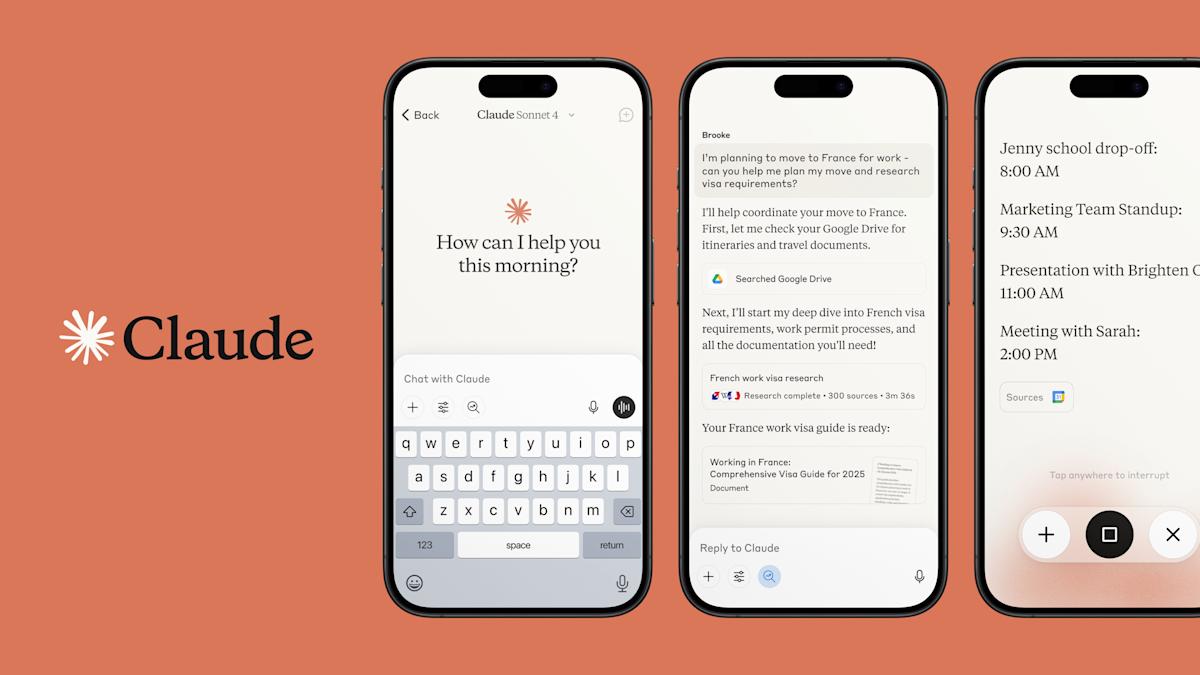
Anthropic is bringing another paid feature to Claude’s free tier. The next time you chat with Claude, you’ll have the option to have it reference your previous conversation to inform its outputs. Anthropic first made its chatbot capable of remembering past interactions last August, before giving it the ability to compartmentalize memories in the fall. Making memory a free feature is well-timed; earlier today Anthropic made it easier for users to import their past conversations with a competing chatbot to Claude. If after enabling memory you decide to turn it off, you can either pause the feature, preserving Claude’s memories for use down the road, or completely delete them so they’re not saved on Anthropic’s servers.

Claude is enjoying new-found popularity, having recently jumped to the number one spot in the App Store’s free app charts. This comes while Anthropic is engaged in a high-stakes contract dispute with the US government over AI safeguards. On Friday, US Defense Secretary Pete Hegseth labeled the company a “supply chain risk” after it refused to sign a contract that would allow the Pentagon to use Anthropic models for mass surveillance against Americans and in fully autonomous weapons. Following Hegseth’s announcement, Anthropic vowed to challenge the designation. As of right now, we’re waiting to see how things play out, and what it might mean for Anthropic.

Source link

Continue Reading

Tech

Fyne Audio’s Full-Bleed Bristol Takeover: Colorful F500SP Speakers Steal the 2026 Hi-Fi Show

Published

on

Scotland’s own Fyne Audio did not just show up at the Bristol Hi-Fi Show in 2026; it took over, trading polite reserve for a dose of bold Highland swagger. Claiming Bristol Suite 1, the event’s largest demonstration space, the Ayrshire-based loudspeaker specialist marked its biggest presence ever at the annual show while unveiling expanded color options and custom finishes across select models. The company also confirmed full UK availability of its S-Trax super tweeter, broadening access to its high-frequency enhancement platform.

Systems on demonstration ranged from the award-winning F500E series to the flagship F704SP floorstanders paired with the S-Trax, powered by reference electronics from Accuphase and spinning vinyl on a Linn LP12 — because if you’re going to bring Scottish loudspeakers to Bristol, you might as well show up properly dressed and louder than the bagpipes at Hogmanay.

Any Color You Like If You Happen to Live in the UK

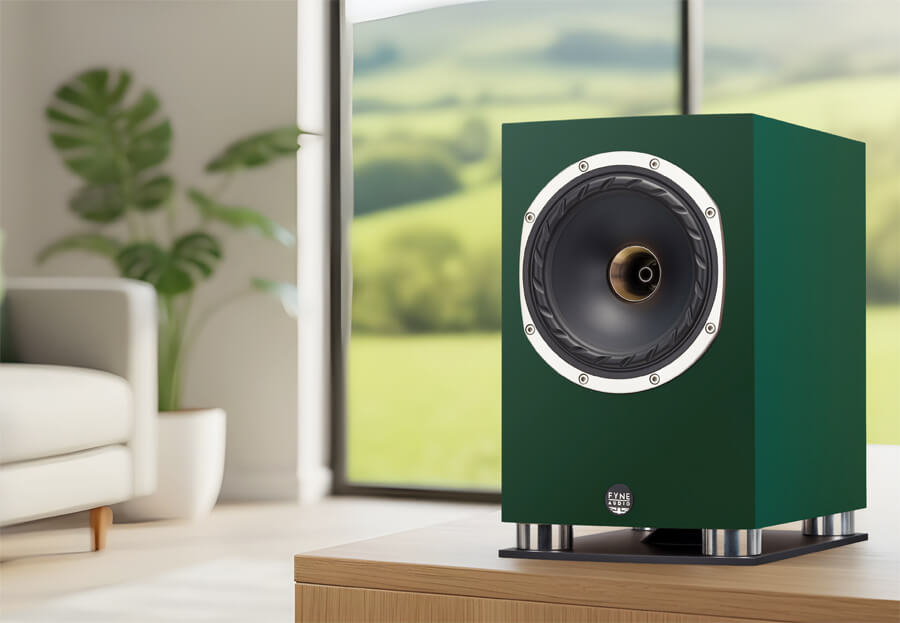
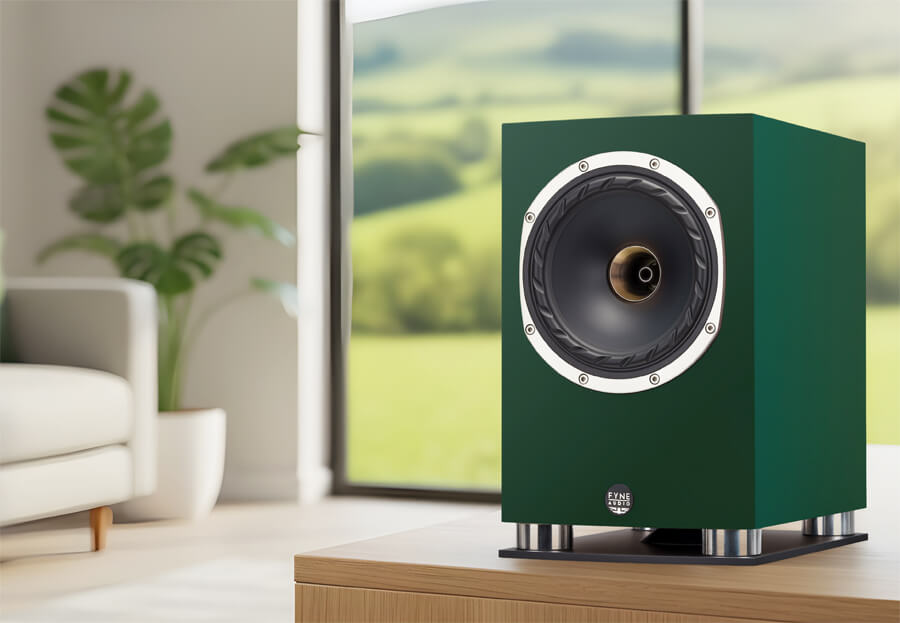
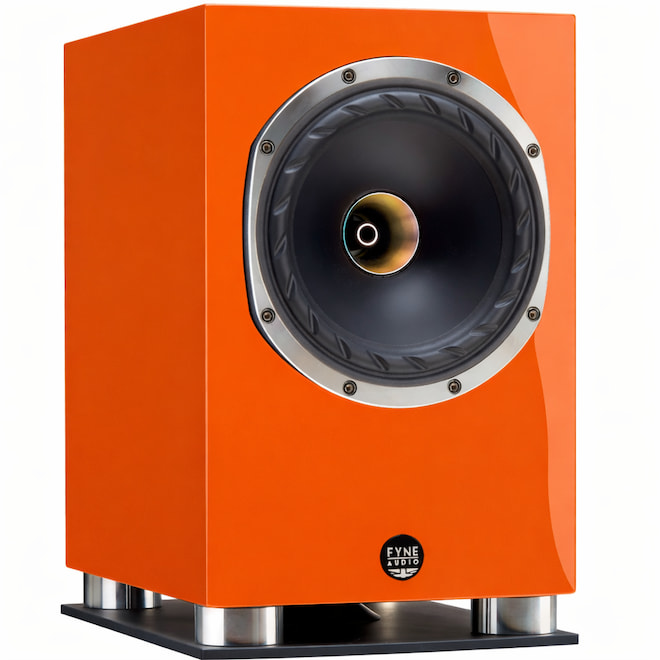
Fyne Audio F500SP Bookshelf Speaker in custom green lifestyle
Fyne Audio F500SP Bookshelf Speaker in Custom Green (UK only)

Fyne Audio has expanded its color and customization program for the F500SP Series under the Any Color You Like banner, giving UK buyers far more than the usual black, white, or walnut routine.

At the show, attendees and press previewed an expanded range of standard finishes across the F500SP models, along with a fully bespoke option. Customers can now order any F500SP loudspeaker in any RAL Classic color, matt or gloss, for a 30 percent SRP premium over standard finishes. The program is available exclusively through authorized Fyne Audio dealers in the UK.

Once a color is selected and a deposit placed, customers receive a painted swatch for final approval before production begins. Each pair is then painted to order, with delivery typically taking six to eight weeks from confirmation.

Advertisement

Pro tip: The F500S builds on the F500SP platform, incorporating the latest evolution of Fyne’s IsoFlare point source driver technology for improved clarity and dispersion.

S-Trax Super Tweeter

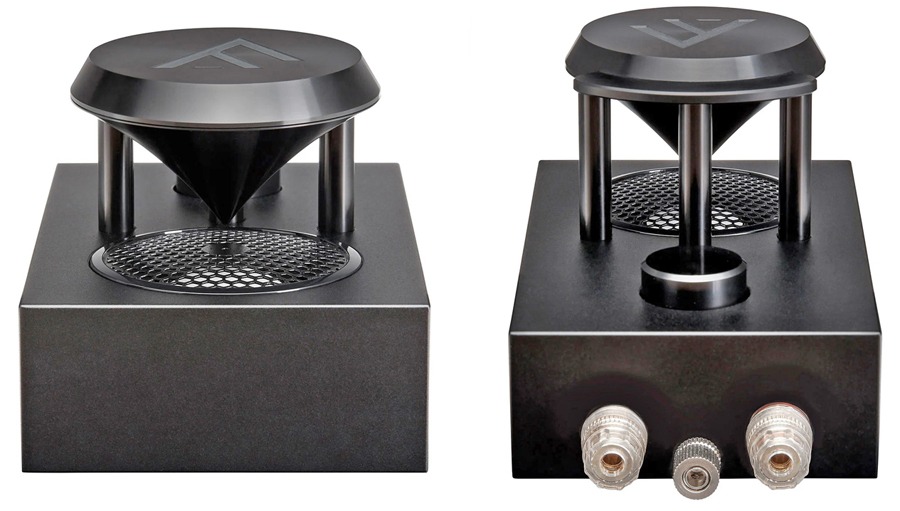
fyne-audio-s-trax-super-tweeter
S-Trax Super Tweeter

In addition to the Any Color You Like debut, Fyne Audio confirmed full UK dealer availability of its previously introduced S Trax omnidirectional super tweeter system. First unveiled in late 2025, S Trax is now shipping through Fyne’s premium retail network and was demonstrated at the Bristol Hi Fi Show paired with the F502S, giving listeners a clear sense of the added spatial scale and high frequency air it brings to performance systems.

S Trax sits below the flagship SuperTrax super tweeter launched in 2024 and is designed as a more accessible option, while the SuperTrax remains the more natural partner for Fyne’s F700 and F700SP loudspeaker models.

Fyne Audio S-Trax Specifications

Fyne Audio Model S-Trax
Product Type  Super Tweeter
Price (each) $1,299.99 / £999.99
Drive Unit 25mm (1”) Magnesium dome with neodymium magnet system
Recommended Amplifier Power 400 Watts RMS (Max)
Sensitivity (2.83 Volt @ 1m) Suitable for loudspeakers up to 98dB
Nominal impedance 8 Ohm
Frequency response (-6dB typical in room) 16kHz – 50kHz
Crossover Type and Frequency 3rd order high pass 16kHz, CryoLite treated
System adjustments +/- 4.5dB from nominal setting
Dimensions – (HWD) 79 x 82 x 149mm (3.1 x 3.2 x 5.6″)
Net Weight – Each 1kg (2.2lbs)
Finishes Black

Fyne Audio Speaker Technology

fyne-audio-speaker-technology

Across three active demonstration systems, visitors and press experienced the full scope of Fyne Audio engineering, from accessible, high value pairings of F55E loudspeakers with WiiM streaming electronics to reference level IsoFlare point source designs driven by Accuphase amplification and a dedicated vinyl front end.

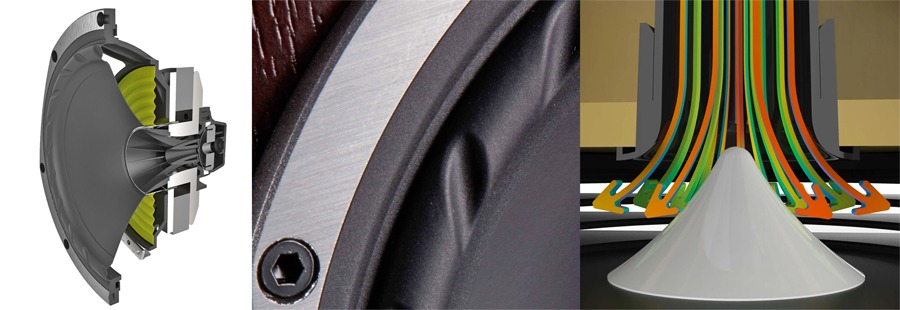
Fyne Audio’s presence at the Bristol Hi Fi Show focused on demonstrating the complete philosophy behind its point source loudspeaker technology. Through IsoFlare drivers, FyneFlute surrounds, and BassTrax porting, the systems highlighted the brand’s central objective: coherent, room filling musical realism achieved through engineering precision and purposeful design.

Comparison

F500S
(2025)
F500SP
(2021)
F704SP
(2025)
F502S
(2025)
F55E
(2025)
Product Type  Bookshelf Speaker Bookshelf Speaker Floorstanding Speaker Floorstanding Speaker Floorstanding Speaker
Price (pair) $1,299  $1,999
$2,299
$25,999 $3,499 $1,235
Speaker Type 2-way, downwards firing port, with BassTraxTM Tractrix diffuser 2-way, downwards firing port, with BassTraxTM Tractrix diffuser* 2 ½ way, downwards firing port, with BassTrax™ Tractrix diffuser, twin cavity loading system 2 ½ way, downwards firing port, with BassTraxTMTractrix diffuser. 2 ½ way, downwards firing port, with BassTraxTMTractrix diffuser.
Recommended amplifier power (Watt RMS) 30 – 100 30 – 120 30 – 300 30- 180 30 – 120
Continuous power handling (Watt RMS) 50 60 150 90 60
Sensitivity (2.83 Volt @ 1m) 89 dB 90 dB 96 dB 91dB 88 dB
Nominal impedance 8 Ohm 8 Ohm 8 Ohm 8 Ohm 8 Ohm
Frequency response (-6dB typical in room) 45Hz – 34kHz 42Hz – 34kHz 22Hz – 26kHz 30Hz – 34kHz 42Hz – 38kHz
Drive unit complement 1 x 150mm IsoFlare™, bass / mid
 
1 x  25mm magnesium dome compression tweeter
1 x 150mm IsoFlare™ point source driver Multi-fibre bass/midrange cone, FyneFlute™ surround
Advertisement

1 x 25mm magnesium dome compression tweeter, neodymium magnet system

1 x 300mm IsoFlare, point source driver, multi-fibre bass/midrange cone, FyneFlute surround 

1 x 75mm titanium dome compression tweeter, neodymium magnet system. 

1 x 300mm multi-fibre bass FyneFlute surround.

Advertisement
1 x 200mm IsoFlare™, bass / mid

1 x 25mm magnesium dome compression tweeter. 

1 x 200mm bass.

1 x 125mm IsoFlare™ multi-fibre bass / mid 
Advertisement

1 x 19mm titanium dome compression tweeter. 

1 x 125mm multi-fibre bass

Crossover frequency 1.7kHz 1.7kHz 250Hz & 850Hz 250Hz & 1.7kHz 350Hz & 1.8kHz
Crossover Type 2nd order low pass, 1st order high pass Bi-wired passive low loss, 2nd order low pass, 1st order high pass. Cryo-Lite treated. Bi-wired passive low loss, 2nd order low pass, 1st order high pass. Cryogenically treated 2nd order low pass, 1st order high pass 2nd order low pass, 1st order high pass
System Adjustments Presence control +/- 3dB (2.5 – 5.0kHz) Not Indicated Not Indicated Presence control +/- 3dB (2.5 – 5.0kHz) Not Indicated
Dimensions – (HWD) 325 x 204 x 317mm (12.8 x 8.0 x 12.5″) 323 x 200 x 320mm (12.7 x 7.9 x 12.6”) 1353 x 579 x 568mm (53.3 x 22.8 x 22.4″) 1112 x 300 x 382mm (43.8 x 11.8 x 15.0″) 925 x 210 x 236mm (36.4 x 8.3 x 9.3″)
Net Weight – Each 8.3kg (18.3lbs) 8.1kg (17.6lbs) 71.5kg (157.6lbs) 28.5kg (62.8lbs) 11.9kg (26.2lbs)
Finishes Natural Walnut

Black Oak

Advertisement

Piano Gloss Black

Natural Walnut 

Piano Gloss Walnut 

Piano Gloss Black 

Advertisement

Piano Gloss White

Also – Any Color You Like options (only available in the UK)

Natural Walnut 

Piano Gloss Walnut

Advertisement

Piano Gloss Black

 Piano Gloss White

Natural Walnut

Black Oak

Advertisement

Piano Gloss Black

Black Ash
Cabinet Construction Not Indicated Not Indicated Pressed High-Density Birch Ply with extensive internal bracing. High-rigidity MDF with extensive internal bracing Not Indicated
S-Trax Position (from cabinet front edge) 44mm (1.7″) 44mm (1.7″) 119mm 61mm (2.4″) 32mm (0.08″)
SuperTrax Position (from cabinet front edge) 20mm (0.8″) 20mm (0.8″) 95mm (3.7″) 37mm (1.5″) N/A
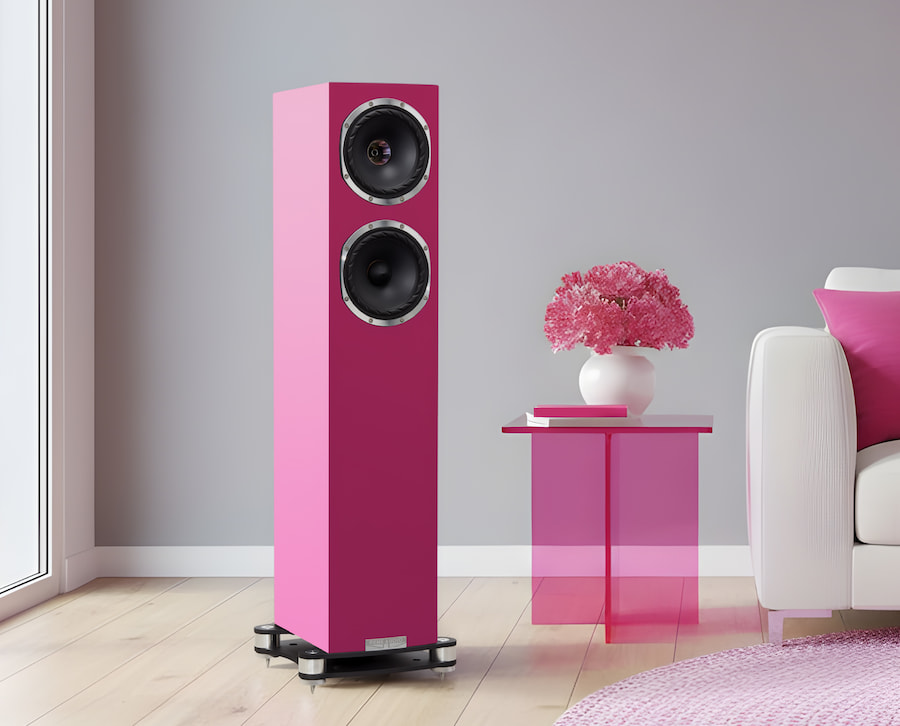
Fyne Audio F501SP Loudspeaker in Custom Pink Lifestyle
Fyne Audio F501SP Loudspeaker in Custom Pink

The Bottom Line 

With its largest ever presence at the Bristol Hi Fi Show, Fyne Audio made it clear that engineering alone is no longer the whole story. The Any Color You Like program opens the door for UK customers to step outside the traditional safe finishes that have long defined British loudspeakers. For once, it is not just about walnut, black, or polite understatement. It is about matching serious acoustic performance with a cabinet that does not look like it was designed to apologize for itself.

Advertisement. Scroll to continue reading.

Right now, that freedom belongs to UK buyers willing to pay the premium and wait for a made to order finish. If the response is strong, it would not be surprising to see the initiative expand. But as it stands, Fyne has handed its home market something rare in British hi fi: the chance to keep the stiff upper lip in the listening chair while letting the loudspeakers show a bit of personality.

fyne-audio-f500sp-ral-2017
Fyn Audio F500SP

Price & Availability

NOTE: Fyne Audio’s Any Color You Like option is only available in the UK. The regular color models are available at Upscale Audio in the U.S.

Advertisement

Source link

Continue Reading

Tech

Is my 7th grader falling behind? New Code.org leader offers insight and tips on the ‘tinkering age’ of AI

Published

on

One eye on AI: How much of the technology should a seventh grader be using and understanding? (GeekWire Photo / Kurt Schlosser)

I recently asked my 13-year-old daughter, a Seattle Public Schools seventh grader, how much she was currently learning about and/or using artificial intelligence. “Not at all?” she sort of asked me back.

For a kid with an iPhone who interacts with Amazon’s Alexa on a daily basis, Kate is using AI more than she realizes. But aside from a STEM class she took as an elective in sixth grade, where she learned how to code a simple game, she was not getting any formal AI or computer science education this year at her middle school.

So I checked in with Karim Meghji, the new president and CEO at Code.org, the Seattle-based computer science education nonprofit, about whether I should be concerned that Kate is going to get left behind and never command a $500,000 salary at OpenAI.

Karim Meghji, president and CEO of Code.org. (Code.org Photo)

Meghji is well positioned to know the answer. The tech vet spent 10 years at RealNetworks and is a former CTO at Seattle digital remittance company Remitly. He joined Code.org in 2022 to serve as chief product officer, leading a shift toward an AI-centered strategy at the organization, which was launched in 2013 by brothers Hadi and Ali Partovi with a goal of expanding computer science education to K-12 students.

Today, Code.org says its AI curriculum has already helped more than 6 million students learn foundational concepts around the technology, and more than 25 million students have completed activities in its “Hour of AI” campaign.

But while Meghji did briefly recommend some learning Kate could do through the Code.org curriculum, his goal was not promotional, and our conversation felt more like two parents, or a parent and a teacher, discussing the fundamentals of understanding a technology that will surely continue to shape the society Kate lives and works in.

Advertisement

A “glass box” approach: Meghji believes that middle school serves as the ideal transition point from basic AI literacy to true fluency, moving beyond introductory games to a “tinkering age” where students can finally look under the hood. Just as students dissect frogs to understand biology, Meghji believes this is the stage where they should begin “dissecting” AI models to understand the data and logic driving the technology.

“AI is this black box for most people today in the world. You put a prompt in, you get something back out,” Meghji said. “Our perspective is it needs to be a glass box, and we need to give them a screwdriver and a hammer and let them kind of get in there and unpack this thing.”

Students should learn about different kinds of data and how it all works, including the different ways information is input into AI models through prompts and context, and the how and why behind AI’s different outcomes.

Beyond the technical aspects: People who are older and allegedly smarter than Kate are fooled every day by content created by AI tools. That’s not going to slow down.

Advertisement

And Meghji said students today increasingly need to work in digital spaces where they understand such such things as how humans factors relate to design, and the ethics around AI.

“These are two very important components that are not technical, but about the application of technology that is really critical as more of us become builders and creators,” he said.

Students learning about technology also need to learn intangible skills that are important in almost any discipline. How do you work together? How do you communicate? How do you collaborate? How do you reflect, so that you can make something better?

What if she’s not going to be a software engineer? Kate shows more interest these days in ceramics than computer science, and I have a shelf of misshapen coffee mugs to prove it. But I’m smart enough to know — and have interviewed enough startup founders who agree — that AI is rapidly impacting all sorts of occupations and businesses.

Advertisement

“AI fluency and computer science foundations are so critical to just about every work experience you have,” Meghji said. “It doesn’t matter if you’re a software engineer, a biologist, a doctor, an architect, you are interacting and working with systems and tools, likely for a good portion of your day. And you have an ability to actually not only use those tools in the work you’re doing, but to make them better and make your work better if you understand what’s going on.”

So falling behind doesn’t just mean Kate isn’t learning how to build her own AI large language model, it means she might not understand how to use one to make herself a better doctor or welder.

Code.org aims to move students beyond “low literacy” interactions, which Meghji describes as simple, one-off prompts that treat AI like an “evolution of search.” Instead, he wants students to engage in deep, multi-step dialogues where they challenge the tool and inspect its “chain of thought” reasoning. By learning to guide and refine these autonomous systems, students can move from merely using technology to effectively collaborating with it.

Final tips for where to start with kids and AI: There are many things about AI that concern and confuse me, so pushing my kid toward adopting the skills to use the tech has admittedly been a slow roll. Meghji offered up a few ways to get started:

Advertisement
  • Experiment together in low-stakes ways: Sit down as a family and explore AI tools for text, images, and video as a team. The goal is to find a child’s specific passion and layer on a “parental construct” of guidance, ensuring they learn to use these tools responsibly rather than just consuming them in isolation.
  • Advocate for computer science in the classroom: Meghji encourages parents and students to ask for specific curricula, like Code.org’s “Computer Science Discoveries,” which teaches middle schoolers to build games and websites while working directly with AI models.
  • Embrace the “tinkering age”: He recommends using platforms like Scratch or Code.org to keep coding skills fresh through play. By “experimenting with the technology of building” — whether through block-based coding or generating apps with AI tools — students develop the builder mindset necessary for any future career, “whether she’s a welder or a cancer researcher.”

Source link

Continue Reading

Tech

TCL upgrades its eye-pleasing paper-like screen on an AMOLED panel for phones

Published

on

TCL is taking another swing at making phone screens easier on the eyes. At MWC 2026, the company unveiled the next generation of its Nxtpaper display technology, this time built on an AMOLED panel.

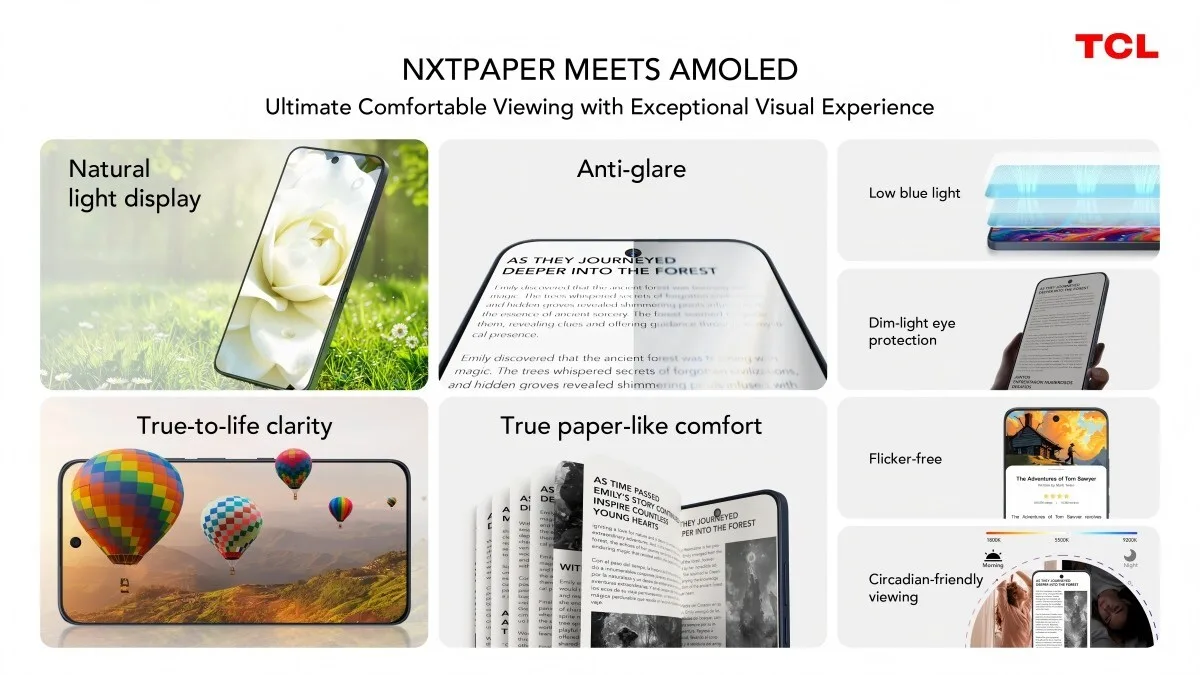
It delivers the rich colors and contrast people expect from OLED displays while maintaining the paper-like viewing comfort that Nxtpaper screens are known for. TCL says this upgrade reduces eye fatigue during long reading, browsing, or streaming sessions on smartphones.

Inside TCL’s next-gen Nxtpaper AMOLED display

NXTPAPER began as TCL’s answer to the problem of screen fatigue. Earlier versions appeared mainly on LCD-based devices. But the new version moves the tech onto AMOLED, bringing deeper contrast and brighter visuals while keeping the comfort features intact.

According to TCL, there are three major upgrades this time. First, the display reaches a 90% circular polarization rate, reducing glare significantly. Second, blue light purification technology lowers blue light emissions by 15%, dropping them to as low as 2.9%.

The third element is adaptive display tuning. The screen automatically adjusts brightness and color temperature to match surrounding lighting conditions. It also follows natural light patterns through the day, which supports healthier circadian rhythms for users.

Advertisement

To keep the screen comfortable for long sessions, TCL layers several technologies on top of the AMOLED panel. The panel includes an anti flare coating and a light homogenizing film that improves the reading experience, especially in the e-reader mode. These layers help soften reflections and create a more paper-like visual texture.

The display can reach peak brightness of 3200 nits and supports 100% coverage of the P3 color gamut, so the images and videos appear more accurate and vibrant. It also supports a 120Hz refresh rate for smoother scrolling and animations. Color performance is another focus.

TCL plans to launch its first AMOLED Nxtpaper smartphone before the end of the year. Meanwhile, it has already introduced the NXTPAPER 70 Pro phone with a paper-like display and stylus support.

Source link

Advertisement
Continue Reading

Tech

BlipBlox After Dark Review: a Synthesizer for Everybody

Published

on

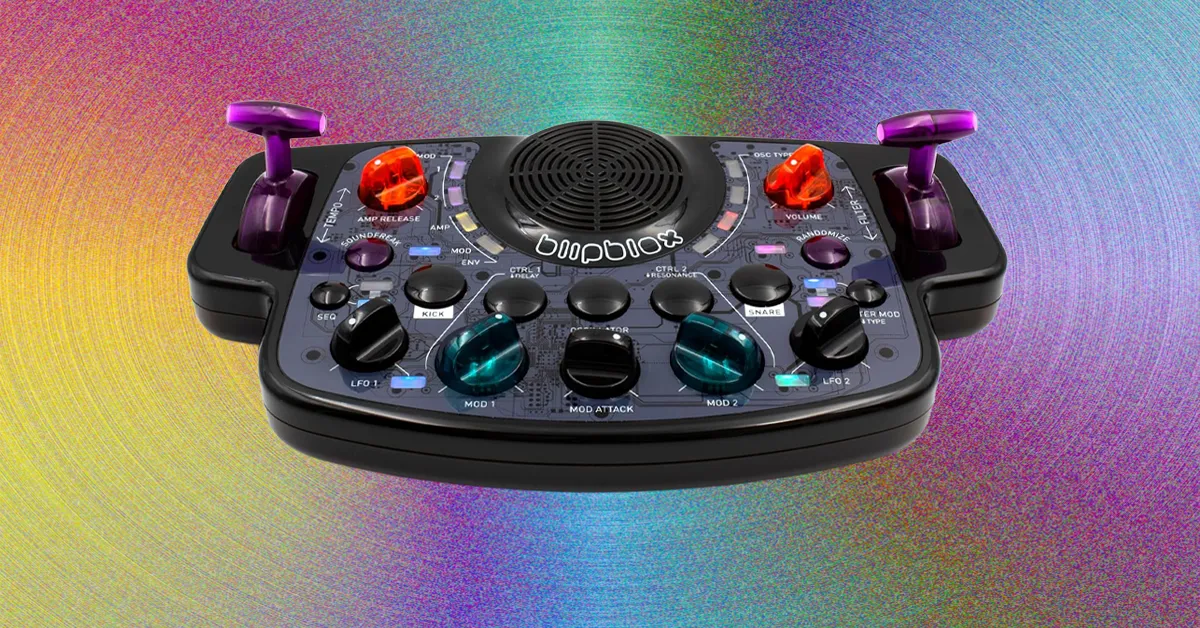
The housing doesn’t feel too cheap or too luxurious. It’s toylike, but not in a chintzy way. The unit can run on three AA batteries (a set is included) or on the included USB-A to DC adapter (you’ll need your own wall charger). The included instruction manual helps you make sense of what the heck all the knobs, levers, buttons, and lights mean.

You’ll start with the sequencer, which is where you’ll find a selection of hundreds of premade melodies with or without drum beats. Then you’ll use the other controls to manipulate this sound. The tempo lever controls the speed, the AMP(lifier) release controls how long or short each note is, and the filter lever adds or removes frequencies from the sounds you’re generating. There are also buttons for kick and snare drums to add percussion. An entire area of knobs and buttons is dedicated to sound modulation using either Low Frequency Oscillators or Modulation Envelopes.

That array already gives you a lot of control, but the BlipBlox After Dark also has two buttons that throw chance into the music-making mix: a Randomize button that resets everything (and saves the current settings, so you can press and hold it to go back to the most recent settings and parameters), and a Soundfreak button that adds a random sound or effect to whatever is currently playing. The latter button in particular is very entertaining to press.

Advertisement

It was fun sitting down and just winging it. I felt a little bit like Charli XCX at her Boiler Room set and a little bit like 8-year-old me trying to figure out how to make my church choir’s keyboard sound more like the chords in the background of Britney Spears’ “I’m a Slave 4 U.” I tested this machine heavily during the week I quit nicotine, and it was a welcome distraction. I lost hours just fiddling with it, trying to see what sounds I could elicit.

I realized at one point that this must have been how my friends felt during quarantine. I might not have had patch cables or seven rows of modules or whatever spark makes Fred Again … himself, but I could make the wompwompwomp … noise turn into different womps, and damn if that wasn’t the neatest thing in the entire world at that moment in time.

Button Mashing

Video: Louryn Strampe

Advertisement

The instruction manual does have some really good information that could answer all my burning questions, and there are YouTube videos galore that show you how to navigate the controls.

In the manual you’ll find a signal flow map, which helpfully shows exactly what the electrical signals are doing inside the unit, and how to manipulate them at any point. There are also detailed notes on what each button and component of synthesis does.

Source link

Advertisement
Continue Reading

Tech

Cybercriminals hire women for voice scams, promising up to $1,000 while exploiting IT helpdesks worldwide

Published

on


  • SLSH is recruiting women to increase effectiveness of social engineering on IT helpdesks
  • Applicants are paid between $500 and $1,000 per call depending on success
  • Participants must pass screening questions and follow a scripted set of instructions

The notorious hacker group Scattered Lapsus$ Hunters, also known as SLSH, is reportedly recruiting women to improve the effectiveness of its social engineering operations.

Telegram posts dated February 22 and collected by Dataminr indicate the group is offering payments between $500 and $1,000 per call, depending on “success and hit rate.”

Source link

Advertisement
Continue Reading

Tech

How MAGA and the manosphere are being tested by Trump’s Iran war

Published

on

About six months ago, I noted an interesting divide among the right-leaning or politics-adjacent podcasters and influencers who helped get Donald Trump reelected. They were either shutting up about politics, bending over backward to justify his policies, or citing a couple of issues — ICE and the Epstein files — as red lines causing them to turn on him.

What united them all was a loss of enthusiasm for him: not really championing him the way they did when they gave him a platform during the 2024 campaign season. That’s why I was especially curious to see how this MAGA-manosphere would process yet another breach of their trust, after the joint American-Israeli attacks on Iran that took out Iran’s senior leadership this weekend. This regional conflict has already cost us three American lives, let alone the billions of dollars funding the American military presence in the region.

As someone who has been following this universe of yappers and influencers for some time, I was expecting universal outrage — ending foreign entanglements and intervention abroad, in favor of investment and economic growth at home, were central to this media ecosystem’s support of Trump and distrust of Democrats. They fully bought into the idea of “Donald the Dove,” who spent years railing against neoconservatives, Middle East involvement, and the Democratic Party’s embrace of hawkish military action since the turn of the century.

Instead, what I’ve been seeing has surprised me: disparate reactions across the alternative media ecosystem that suggest, at least at the elite level, another splintering of the Trump coalition — though not one as straightforward as the pod bros and MAGA influencers simply turning on Trump.

Advertisement

What’s emerged is a collection of strange bedfellows: Some anti-war MAGA influencers have turned into foreign policy hawks, some MAGA influencers are speaking out about the action, and the pod bros seem to be reserving their commentary until they can see how this unfolds and get in front of microphones.

An unexpected MAGA influencer breakup is underway

Already, plenty of media reports suggest that Trump is facing “a furious MAGA backlash,” that his base is revolting, and that “MAGA stalwarts” are turning on him over the Iran attacks. The early polling, at least, indicates that these attacks are inspiring some caution among everyday Trump supporters. But at the elite and influencer level, the picture is a little more muddled.

Yes, Tucker Carlson and Marjorie Taylor Greene are condemning this military action and arguing that it’s another blatant betrayal of “America First” principles by the president. But that’s not new — they’ve been sounding that beat for the last four months at least, since both began to criticize not just the Trump administration, but Trump himself more forcefully around his foreign policy and his refusal to be transparent about the Epstein files.

Advertisement

Joining them this time around are an interesting collection of MAGA and manosphere figures: Andrew Tate, the misogynistic influencer who was accused of sex trafficking in Romania, also denounced the actions, tweeting, “NOBODY WANTS THIS WAR.” Popular pro-Trump Twitter accounts, like the Hodge Twins, are highlighting Israel’s role in getting America involved, saying, they “don’t care if we lose all our followers over this war we won’t stay quiet about Americans getting sent to die for Israel.”

More radical figures, such as Candace Owens and Nick Fuentes, are condemning the strikes as well. Charlie Kirk Show producer Blake Neff is calling this “extremely depressing” and a reason for “never voting in a national election again.”

And even Erik Prince, the mercenary army founder, was skeptical of the attacks while debriefing with Steve Bannon and Pizzagate conspiracist Jack Posobiec. Posobiec himself was urging caution over the weekend, telling Politico that “There is a MAGA generational divide on this. Older voters support it, younger voters do not… Gen Z MAGA wants arrests on Epstein, deportations, and economic relief, not more war.”

And there’s still the politics-adjacent comedians and podcasters to come, who are likely to weigh in more forcefully starting Monday when they publish their episodes — and who seem primed to rail against this. The comedian Tim Dillon, for example, spent the latter half of his last show before the weekend priming his audience for a war with Iran, sounding depressed and resigned.

Advertisement

“This whole thing is about remaking the Middle East,” he said. “America does not want this war. … We don’t need a war. Unless all those white-collar consultants join the military and go fight and die in Iran, we don’t need a fucking war in the Middle East. So we can either do something fake, which I’m for, a pretend show of force, but … it feels like we’re too far down the line. There’s a little bit of war fever in Washington, and that it’s gripped people, and that there’s an inertia that’s moving us forward towards this conflict, no matter what we do. And that once we’re on a path like this, it’s very hard to completely reverse course.”

Comedians like Andrew Schulz and Theo Von have not weighed in; they’re anti-interventionist for the most part and have railed against the last few Trump-led foreign strikes against Iran and in Venezuela. Podcasters Shawn Ryan, Lex Fridman, and Joe Rogan have not commented yet either, but given their past comments, their reactions will probably be lukewarm at best; Ryan has turned sharply on Trump and Republicans over their opposition to the release of the Epstein files, while Rogan has also soured on Trump’s immigration enforcement actions.

And their audiences, too, will probably be demanding analysis. Already, some of the comments on Fridman’s latest episode bemoan his silence on “current events” (the episode, which Fridman promoted on Saturday, was an interview with a musician).

But Trump still counts support among another part of this alternative media ecosystem: during an emergency show on Saturday, podcaster Patrick Bet-David, himself Iranian-born, tried to walk a careful line between feeling emotional and hopeful about a “free Iran,” and cautious about endorsing full-scale war.

Advertisement

“For Americans that are saying, ‘Pat, but we don’t want to go to war,’ I get that as well,” he said. “It’s not an easy thing. It’s going to be nasty. It’s going to be ugly. And god-willing, it’s not going to be something that’s prolonged. For all the people that are criticizing and saying, ‘What if this thing drags out?’ Fair criticism. I’m hopeful it goes a few weeks. God-willing, less, as soon as possible to get it done. … But we have to also be realistic and realize that this may not be a popular war that a lot of people want.”

This cautious line — “I don’t want to see another Afghanistan” — will likely be replicated by other influencers as time passes. But it will also be balanced with a different sentiment Bet-David shared: “I voted for this man to be in a negotiating room, having access to the information and make the decisions based on his instinct. And I give this man a lot of credit for having the courage to do what a lot of presidents couldn’t do.”

For now, there is a whole cohort of anti-war MAGA influencers who are pushing that line and staying loyal to Trump. One Democratic operative kindly assembled that list already.

But the next few days will be crucial to this limbo state in the manosphere: additional escalation, more American or civilian casualties, or domestic economic fallout will all help determine whether these divided voices close ranks as they have during previous moments of foreign entanglement in Trump 2.0, or turn more fully against Trump’s position, as they have during moments of domestic crises.

Advertisement

Source link

Continue Reading

Tech

Iran Is Still Flying These American-Built Fighter Jets Decades Later

Published

on


Ongoing fighting in Iran is giving the world a look at what the country’s current military hardware looks like. As one would expect, there is a fair amount of Russian and Soviet-era technology, including MiG and Sukhoi fighter jets like the MiG-29 and Sukhoi Su-30. Additionally, Iran constructs most of its own ballistic missiles and drones. 

For the people who are just taking a look at what Iran is flying, it may seem odd that there are some American-made planes in Iran’s inventory, as Iran and the U.S. have been politically opposed for decades. 

Aviation enthusiasts especially may notice that F-14 Tomcats, F-5 Tigers, and F-4 Phantom IIs have made an occasional appearance in both conversations online and in footage from the ongoing war. The F-4 Phantom II saw extensive service in the Vietnam War. The F-14, of “Top Gun” fame, of course went out of service with the United States in 2006 after having served continually since the closing years of the Vietnam War in 1973. 

Advertisement

How are the jets still flying?

SlashGear has reported on how Iran got a hold of Tomcats and its extensive operational history during the Iran-Iraq War. 

Now, several decades after the war and more than 50 years after the Tomcat first entered service, Iran still fields the plane. Concrete information about how the planes are maintained and whether or not most of them are even airworthy is hard to come by. As late as 2007, Iran was able to still buy surplus F-14 parts until American lawmakers banned the sale of technology they deemed sensitive. The United States even went through great effort to destroy remaining parts. Since then, it has relied on smuggling and the black market. Plus, given the high-profile nature of the plane itself, parked Tomcats and Phantoms have a high likelihood of being targeted or destroyed during Israeli and American sorties. 

Advertisement

However, Global Security, a defense-related think tank, reported that Iran had as many as 43 Tomcats and 60 Phantom IIs in its inventory as of 2025. It is unknown how many have been destroyed since.


Advertisement

Source link

Continue Reading

Trending

Copyright © 2025