Tech
NSF’s Inoyue Solar Telescope Captures Tiny Swirls Covering the Sun That May Explain Its Superheated Atmosphere

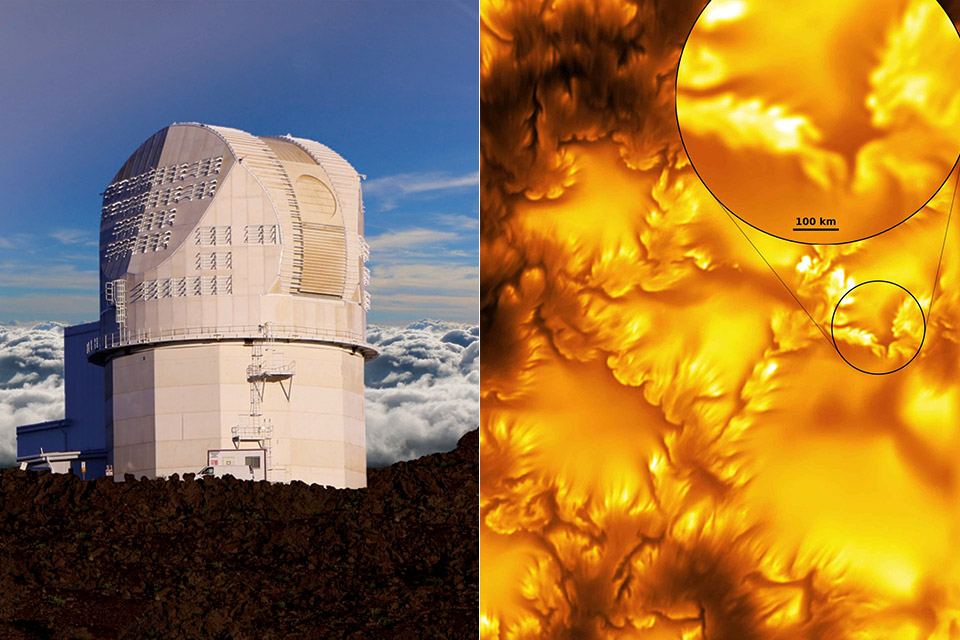
Scientists pointed the world’s largest solar telescope at our star and came back with the sharpest photographs ever made of its surface. Those frames, captured at a wavelength of 416 nanometers by the NSF Daniel K. Inouye Solar Telescope on Maui, resolve features only tens of kilometers across. What they show is a restless landscape of bright granules ringed by darker, corrugated edges that twist and fold into miniature vortices.


Those tiny whirlpools are characteristic of Kelvin-Helmholtz instability, a fluid phenomena first observed in the late 1800s. When two streams of plasma slide past each other at differing speeds, the border between them becomes wavy and eventually forms spiral formations that resemble breaking ocean waves. On the sun, shear is formed by conventional convective flows colliding with intense magnetic fields, resulting in a continuous field of tiny whirlpools ranging in size from 25 to 170 kilometers, with the bulk clustering around 50 to 65 kilometers.
Sale


LEGO Technic Planet Earth and Moon in Orbit 42179
- Interactive model – Inspire kids to build a representation of the Earth, Sun and Moon in orbit with this LEGO Technic Planet Earth and Moon in Orbit…
- Educational space toy – Kids can turn the crank to see how the Earth and the Moon orbit around the Sun
- Includes months and moon phases – This solar system toy includes printed details, like the month and moon phases to help kids see how the Earth’s…

The motion is clearly visible in time sequences captured by the telescope’s fastcam sensor, since the magnetic limits that were smooth in earlier images are now distorted and striped, with dark narrow striations appearing and disappearing in minutes. The apparent speeds of the vortices range from 0.7 to 3 km/s, whereas the growth rates measured from the expanding waves range from 0.014 to 0.054 per second, all of which are consistent with linear theory predictions.
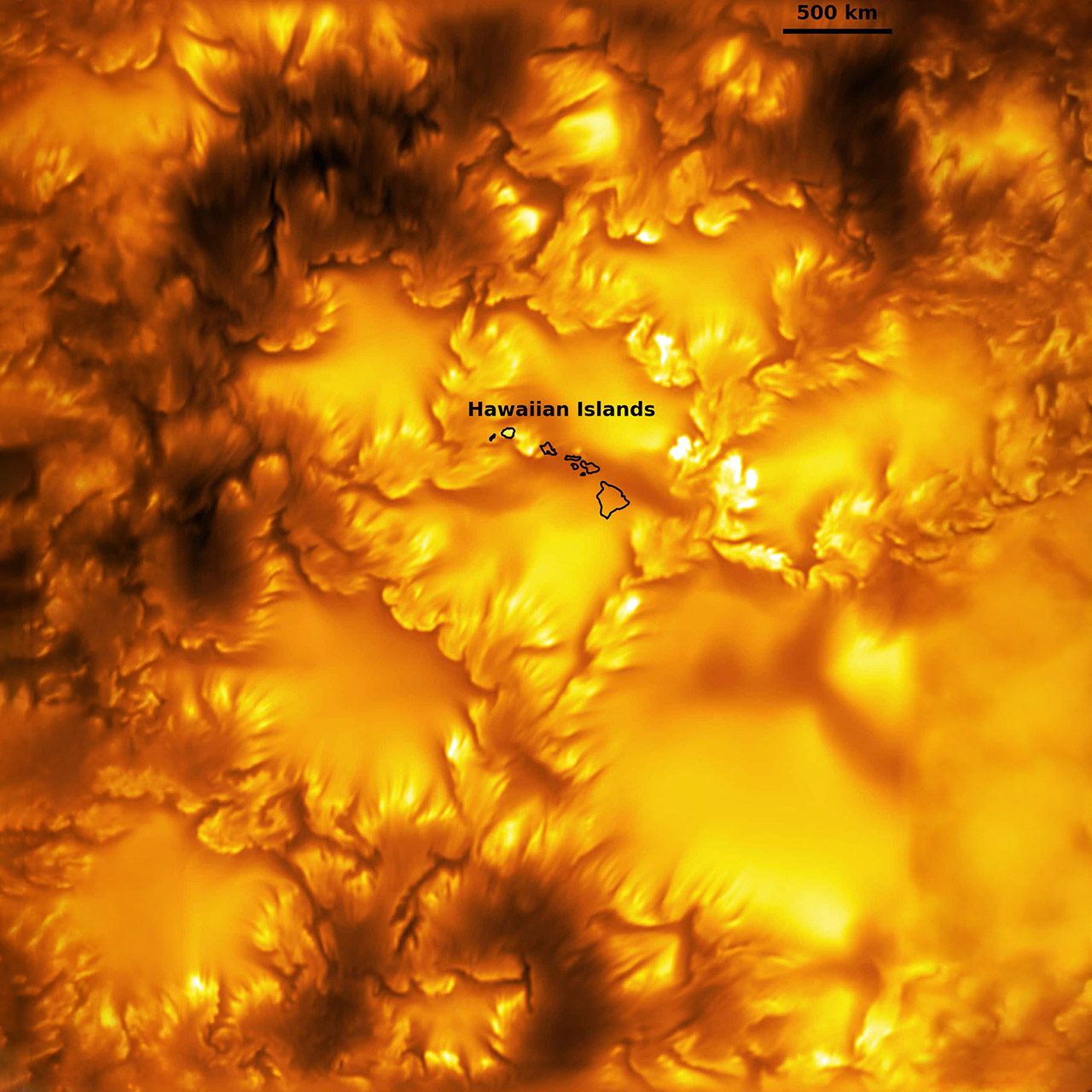
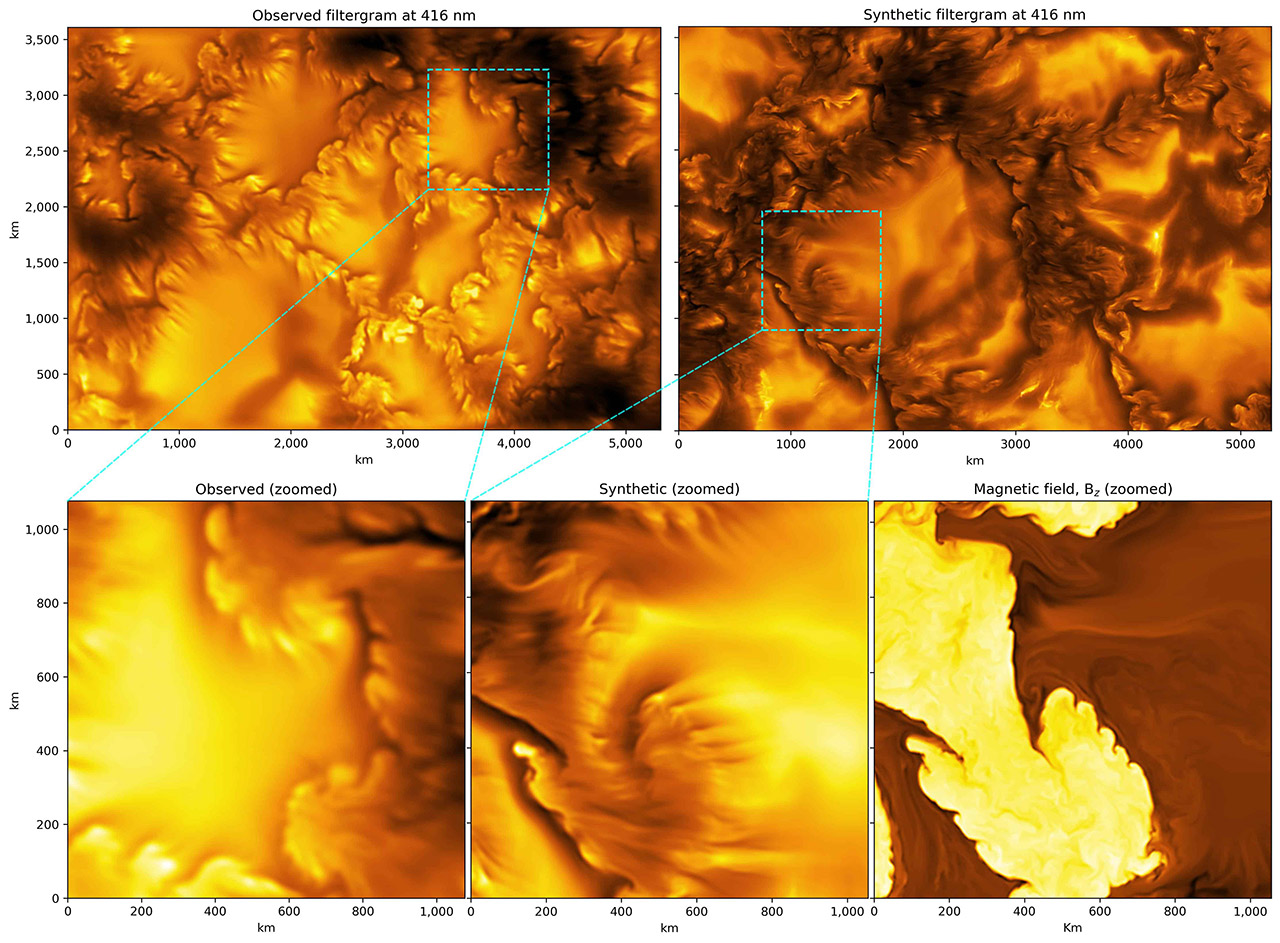
Computer simulations using the MURam magnetohydrodynamic code were able to generate the exact same patterns. When you input authentic magnetic maps to the models and let them run their course, the synthetic images at 416 nanometers match the real ones in shape and timing. This level of concordance with the real thing gives the researchers high confidence that the instability is genuine and pervasive.

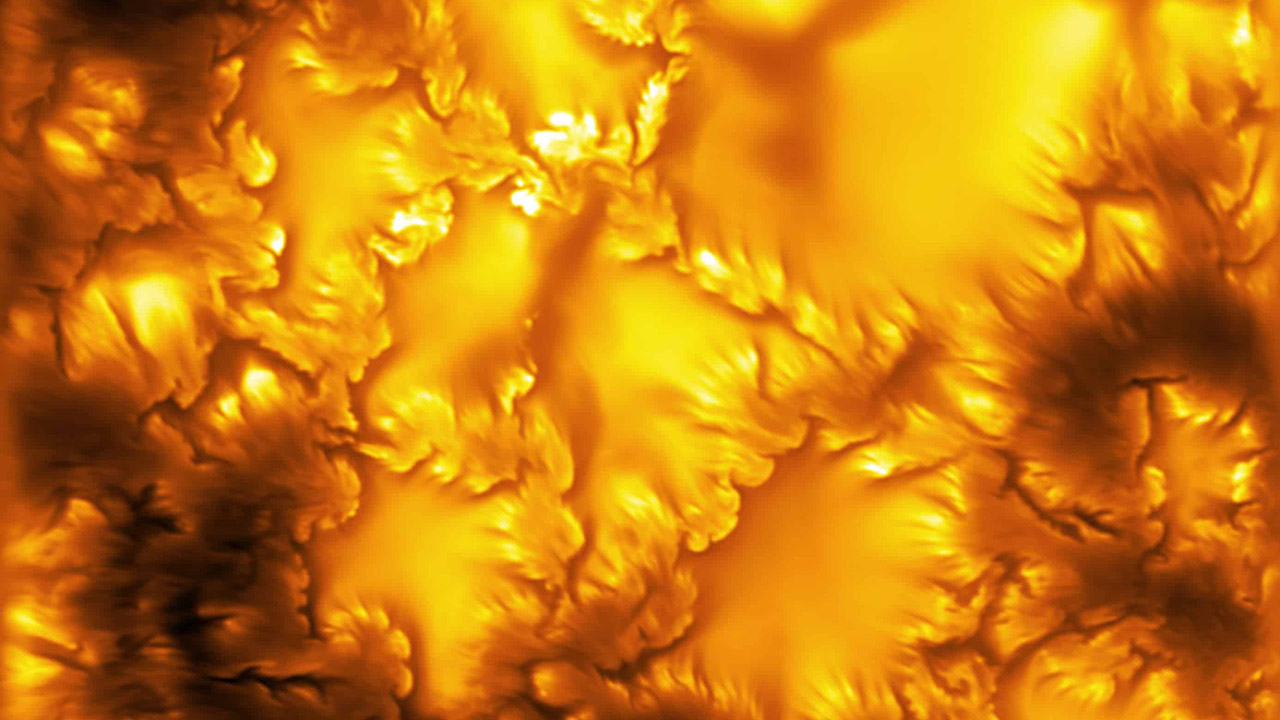
The vortices form anytime the magnetic flow is strong enough, therefore they are active almost everyplace on the tranquil sun. The mixing of magnetized and non-magnetized plasma stirs the magnetic field lines and allows them to diffuse faster than earlier models suggested, potentially providing the “missing” diffusion required to explain the sun’s eleven-year magnetic cycle. The same twisting action that generates all of this also braids field lines together, accumulating free energy that can later be used to power flares, jets, and coronal mass ejections.

The corona, the sun’s outer atmosphere, has long been a source of concern for solar physicists because it can reach temperatures of a million degrees while the visible surface remains about 5800 degrees, implying that energy must be able to move upwards despite the temperature differential. The new vortices may have a part of the explanation, as they continuously agitate the magnetic field at the base of the atmosphere, perhaps driving the heating that has been a mystery for decades.
[Source]

You must be logged in to post a comment Login