Tech
Opening Day 2026, Eyes Wide Shut, Sennheiser’s Uncertain Future, and Kaleidescape at 25: Editor’s Round-Up

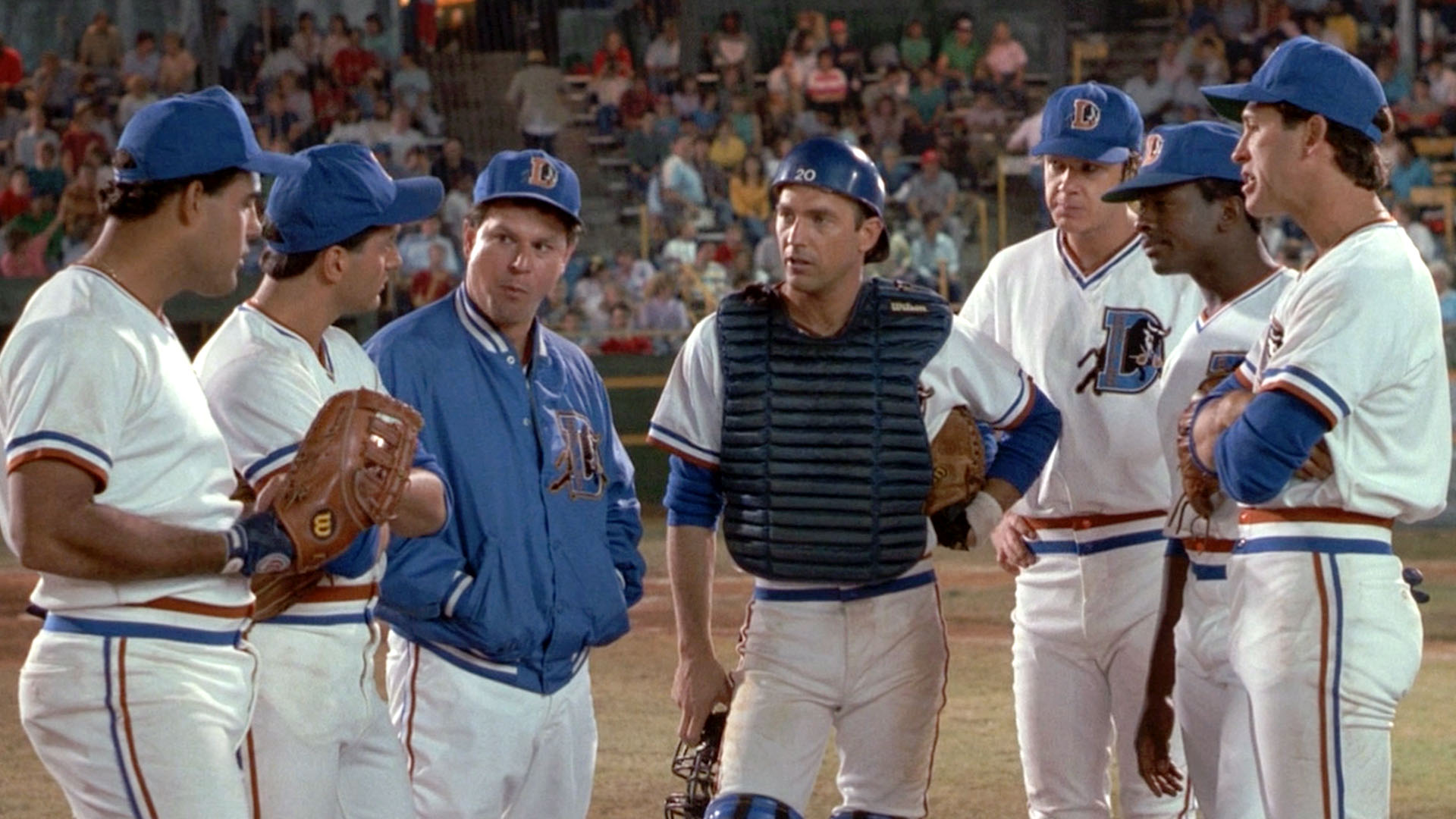
Opening Day doesn’t ask for permission. It just shows up with crisp air, misguided optimism, and 30 teams convincing themselves this is finally the year. Baseball still sells the lie better than anyone, and Hollywood has been riding shotgun on that con for decades; from Bull Durham to Moneyball, reminding us that the game is never just about the game. It’s about belief, failure, and the slow realization by mid-June that your bullpen is a crime scene.

Which brings us to audio, where this week’s more interesting question isn’t whether people are fooled by price tags and polished aluminum. It’s whether we actually hear differently with our eyes open or closed. A recent study raises that very question, and it’s a good one. Does shutting out visual input sharpen focus, improve spatial perception, or change the way we process music in a meaningful way?
Audiophiles have been treating that like gospel for years, but now science is at least poking around the edges instead of leaving the whole thing to late night forum theology. Turns out “close your eyes and listen” may not just be ritual. There might be something real going on there, which is both fascinating and mildly annoying for anyone who thought posture in the chair was the whole game.
Meanwhile, Sennheiser sits in limbo, waiting to see who picks up the tab and what kind of future they’re buying. We’ve seen this movie before; sometimes it ends with innovation, sometimes with accountants slowly draining the life out of something that used to matter. For a brand that helped define personal audio, the next move isn’t just business, it’s legacy. And those don’t always survive the handoff.


And then there’s Kaleidescape, quietly turning 25 while the rest of the industry chases streaming like it’s the only game in town. They’re still selling ownership in a world obsessed with access. Physical media without the fingerprints. No buffering, no licensing roulette, no “sorry, not available in your region.” It’s stubborn. It’s expensive. It also works.
Four stories. Same problem, different crime scenes. Opening Day is all sunshine and bad decisions waiting to happen. Sennheiser is stuck in a back room while someone else counts the money. Kaleidescape keeps selling ownership in a world hooked on rentals. And in audio, we’re finally asking whether something as simple as opening or closing your eyes changes what you actually hear.
Different games, same angle: perception isn’t clean. It’s messy, conditional, and easy to manipulate. Change the setup, change the outcome. And that gap between what you think is happening and what actually is? That’s where the bodies usually end up.
Opening Day Lies, Hollywood Truths, and the Long Season Ahead

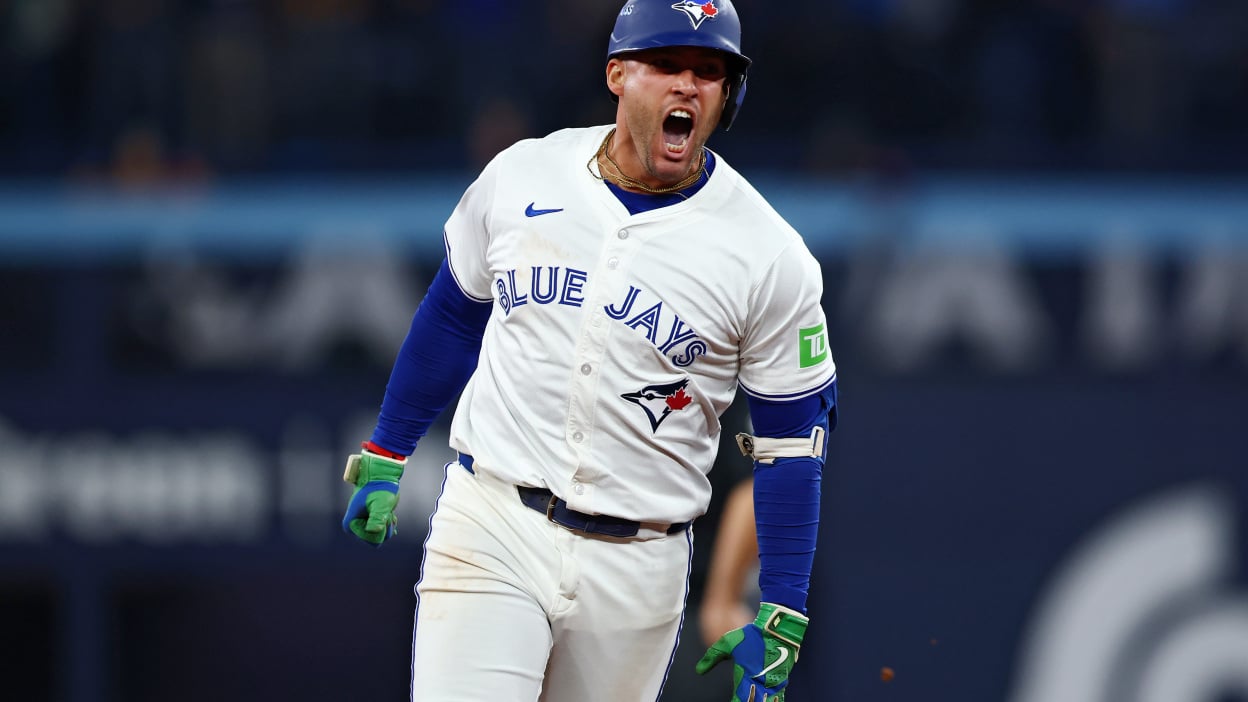
Winter didn’t leave quietly; it got shoved out the door with a great deal of relief in 2026. One day you’re scraping ice off the windshield, the next you’re standing in sunlight that actually feels like something. Opening Day has that effect. It resets the mood whether you asked for it or not.
Up in Toronto, the Toronto Blue Jays aren’t pretending this is just another start. They’re carrying October with them; the kind of loss that sticks because it came down to feet, inches, and a stuck baseball against the Los Angeles Dodgers. That doesn’t fade over the winter. It sits there, waiting for the first pitch to give it somewhere to go.
Even if your head is still buried in the NHL standings, counting down to the Stanley Cup Playoffs, you can feel the shift. Fans of the New York Rangers, Toronto Maple Leafs, Florida Panthers, and New Jersey Devils already know how this ends—no parade, no miracle run, just a quiet exit and a long offseason.
Which means it might be time to start pretending you always cared about the New York Yankees, New York Mets, Toronto Blue Jays, Philadelphia Phillies, or Florida Marlins. Baseball doesn’t ask questions. It just hands you a clean slate and lets you pencil in the score and avoid those texts from the boss.
And when it does, it brings the details the other sports can’t fake. The smell of real grass. The way an open-air stadium breathes compared to an arena. I’ve played on astroturf; it’s faster, cleaner, and completely soulless. Give me dirt under my cleats and a bad hop off third any day. New hats are already here, Tigers and Blue Jays, because this is the one sport where you buy in before you know better.
It’s also the only game that Hollywood keeps coming back to. More movies than any other sport, and not by accident. Baseball understands something the others don’t: the season is long, the failure is constant, and the story always feels bigger than the box score.
Five Baseball Movies That Still Get It Right (Even When the Game Doesn’t)
Bull Durham

This one never gets old because it doesn’t pretend baseball is clean or noble. It’s messy, repetitive, and full of people trying to hang on a little longer than they probably should. Crash Davis talking about “the church of baseball” still lands because every fan knows exactly what he means, even if they won’t admit it out loud. And “I believe in long, slow, deep, soft, wet kisses…” is a speech has nothing to do with baseball and somehow everything to do with it. It works because it understands the grind, the failure, and the weird romance of a game that doesn’t love you back sometimes.
The Natural

Total myth. Completely unrealistic. Still works every single time. Roy Hobbs stepping into the light with that bat feels like something bigger than the sport, and when he says, “I just want to say… I’m sorry,” you realize this isn’t about winning. It’s about redemption, or at least the illusion of it. The final swing, the sparks, the music, it’s over the top, but baseball has always had room for legends that don’t quite make sense. Long live the War Memorial and that ball that never came back down.
The Sandlot
https://www.youtube.com/watch?v=D0a3jkcTAe4
This is the one that sneaks up on you. You think it’s a kids’ movie until you realize it’s about memory, time, and everything you don’t get back. “You’re killing me, Smalls” became a joke, but it stuck because everyone knew a Smalls. And “Heroes get remembered, but legends never die” hits differently once you’re not a kid anymore. It works because it reminds you why you fell in love with the game before stats, contracts, and $32 beers got in the way; yes, even in the bleachers at Camden Yards, where nostalgia now comes with a receipt. And not even a decent bratwurst.
42
![Jackie Robinson Hits a Homerun to Take The Dodgers to the World Series in 42 [CLIP] | TNT](https://i.ytimg.com/vi/ip952AasX4c/hqdefault.jpg)
No nostalgia here. Just pressure and consequences. “I’m looking for a ballplayer with guts enough not to fight back” isn’t just a line—it’s the entire weight of what Jackie Robinson had to carry. The film works because it doesn’t try to make it comfortable. It shows what the game looked like when it actually mattered beyond the scoreboard, and why some players had to be more than just players in order to completely change the sport.
And shame on those of us who haven’t shown the same respect to the Negro Leagues Baseball Museum. We celebrate the story when Hollywood tells it, nod along when 42 reminds us what it cost, and then go right back to ignoring where that history actually lives. If you care about baseball, really care, not just box scores and nostalgia—you owe that place a visit in Kansas City, Missouri.
Moneyball

This one shouldn’t work as well as it does. It’s mostly conversations, spreadsheets, and people arguing in rooms. But “He gets on base” became a punchline for a reason. And when Billy Beane says, “If we win with this team, we’ll have changed the game,” you know it’s not just about baseball. It’s about control, or chasing it, in a system designed to remind you that you don’t have much. It works because it strips the game down to what wins and what doesn’t and then shows you how little that guarantees. Just ask the Blue Jays about that one.
Eyes Open or Closed? Science Just Complicated Your Listening Ritual
A new study reported by the American Institute of Physics and published in the Journal of the Acoustical Society of America takes a flamethrower to one of audio’s oldest habits: closing your eyes to “hear better.”
Turns out, that instinct might be working against you.
Researchers at Shanghai Jiao Tong University tested how people detect faint sounds in noisy environments under different visual conditions—eyes closed, eyes open with nothing to look at, and then with images or video that matched the sound. The result? Closing your eyes didn’t sharpen hearing; it made it worse. Participants actually struggled more to detect faint sounds with their eyes closed, while relevant visual cues made it easier to hear what mattered.
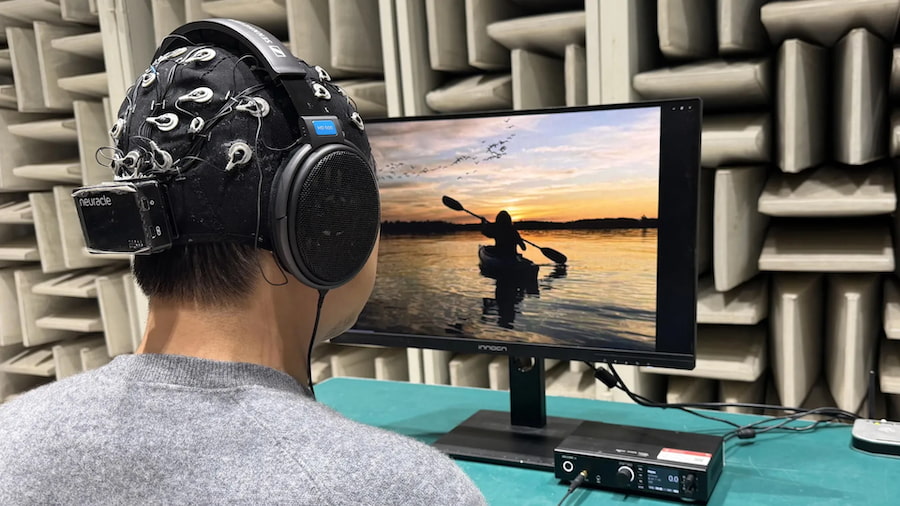

The why is where it gets interesting. Brain scans showed that closing your eyes pushes the brain into a state of aggressive filtering, which might be great for blocking noise, not so great when it also filters out the signal you’re trying to hear. In other words, your brain gets a little too confident and starts throwing out the good stuff with the bad.
Even more telling: the biggest improvement didn’t come from just having your eyes open, it came from seeing something that matched the sound. A video synced to the audio gave the brain a target, anchoring what it should be paying attention to. That’s not just hearing—that’s multisensory teamwork.
There’s a catch, of course. In a quiet room, the old advice still holds; closing your eyes can help you focus on subtle sounds. But in the real world, where HVAC systems hum, traffic never stops, and someone is always talking, keeping your eyes open might actually give you the edge.
So now the uncomfortable part—the questions this raises:
- If visual input improves hearing in noise, what exactly are we doing when we sit in a dark room trying to “critically listen”?
- Are we training ourselves to hear differently…or just removing useful information?
- Does a two channel system without visual cues put us at a disadvantage compared to live music or even video based playback?
- And the big one—how much of what we think we hear is actually shaped by what we see, expect, or believe is happening?
For a hobby built on the idea of control and precision, this is the kind of study that messes with the narrative. Not destroys it—but definitely pokes a few holes in it.
How do you listen?
Kaleidescape at 25: The Long Game Finally Pays Off
I’m not going to pretend this one is neutral. Seeing Kaleidescape hit 25 years actually makes me happy and a little relieved. Because there were plenty of moments where it felt like they weren’t going to make it. Wrong business model, wrong timing, too expensive, too stubborn. Pick your criticism. Meanwhile, the rest of the industry sprinted toward streaming like it was the only exit in a burning building.
And yet…here we are.
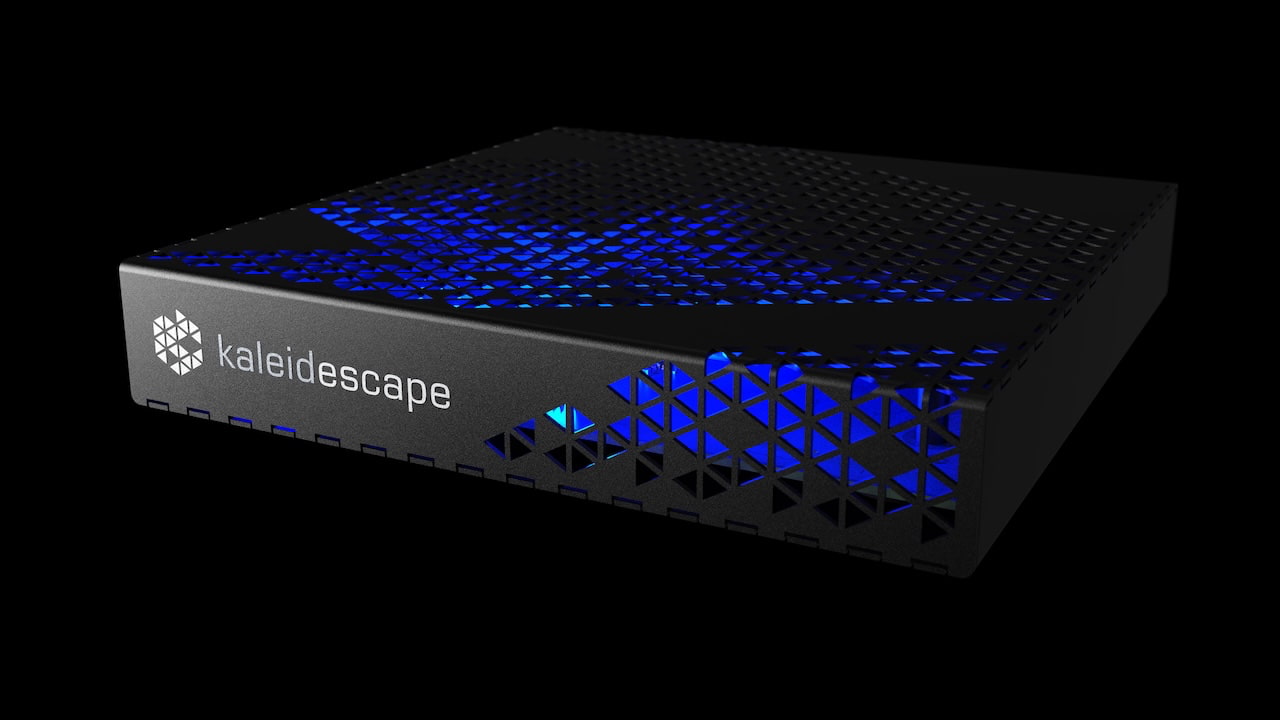
What Kaleidescape figured out early and refused to abandon, is something most people are just starting to realize: access isn’t ownership. Streaming is convenient, sure. Until your favorite film disappears. Until the bitrate collapses during the one scene that matters. Until the version you bought quietly changes because someone upstream decided it should. Kaleidescape doesn’t play that game. You get full-bitrate video, lossless audio, and a library that doesn’t vanish overnight because of licensing roulette. It’s not about convenience. It’s about control.


For someone like me with close to 3,800 physical films staring back at me like a second mortgage, that actually matters. The idea of consolidating even a portion of that into a system that actually respects the material? That’s not a luxury, it’s a solution. Yes, I’m fully aware I’ll have to pay again to build out a digital library on their platform. No, I’m not thrilled about it. But also…complaining about curating 1,000 of my favorite films into a system that preserves them properly feels like a first-world problem in the most literal sense. There are bigger things happening in the world than whether my copy of Double Indemnity streams in Dolby Vision at the right bitrate.
Kaleidescape exists for people who care about movies as objects, not just content. People who want the best version, every time, without compromise or excuses. People who understand that “good enough” is usually neither.
People like “Leia” who is the real authority in the room and their logical target customer. My ultimate movie-watching partner from across the galaxy; equal parts film historian and ruthless critic. She doesn’t care about specs, marketing, or what some influencer said last week. She knows what holds up and what doesn’t. Her taste in cinema would embarrass most critics, and frankly, most of you. Also better taste in shoes, food, and furniture. Not even close. Golden hair that would make Michelle Pfeiffer reconsider everything, pack it in, stay in Montana, and quietly dunk her head in the Madison like she just lost an argument she didn’t know she was having with Kurt.
Kaleidescape makes sense for people like that. People who don’t want to hunt for a film across five apps or settle for whatever version happens to be available that night. It’s a system built for commitment—to the medium, to the experience, and to the idea that some things are worth doing right the first time.
Twenty-five years later, that doesn’t look stubborn anymore. It looks like they were right.
Sennheiser’s Future Is for Sale and Nobody Should Feel Comfortable About That
Earlier this week, I wrote that this wasn’t a shutdown, it’s an exit. And that distinction matters. Sennheiser isn’t disappearing tomorrow, but its consumer division is officially back on the market as Sonova refocuses on what it actually understands: hearing aids and medical tech.


This is the second ownership shakeup in just a few years, and that’s not exactly how you build confidence in a brand that’s supposed to represent stability, engineering, and long term thinking. Sonova bought the business in 2022, decided it didn’t fit, and now wants out. That’s not strategy, that’s a reset button with consequences.
And then there was CanJam NYC 2026. I’ve seen Sennheiser booths for decades. They’re usually tight, focused, and intentional. This one felt scattered. Disorganized. Like nobody was fully in charge of the narrative. For a legacy brand that helped define the category, that should never happen, especially not at the one show where personal audio is the entire conversation.
Looking at it now, Axel Grell walking away and launching his own thing feels less like a side project and more like the right move at exactly the right time. If you’ve been paying attention to how fast the headphone and IEM world is moving in 2026, new players, faster cycles, more aggressive pricing, Sennheiser hasn’t exactly been leading that charge. And in this category, standing still is just a slower way of falling behind.


If Sennheiser doesn’t survive this intact, it’s not just another brand disappearing. It’s one of the pillars. The HD 600 series alone carries more weight than entire product lines from other companies. Losing that kind of legacy would hit the industry harder than people want to admit.
But let’s be honest, this wouldn’t be the first time a legacy brand failed to adapt to a market that stopped waiting for it. And it won’t be the last.
So now we wait. Strategic buyer? Tech giant? Private equity with a spreadsheet and a stopwatch?
Or someone who actually understands why this brand mattered in the first place.
Because if this ends with the wrong owner, don’t call it evolution. Call it what it is: ordentlich vermasselt.
Related Reading:
- Paramount Wins Warner Bros Battle, Purim, Qobuz Goes To War On AI, Robert Duvall, And Empire Ears Goes Kaput: Editor’s Round-Up
- Audiophile Excess Runs Wild In Denmark, Qobuz Fixes CarPlay, Wes Montgomery’s Timeless Groove, And The Marantz M1: Editor’s Round-Up
- Jazz Dispensary At 10, Integrators In The Keys, Wireless Headphones On The Road, Catherine O’Hara, And Sinners Leading The Pack: Editor’s Round-Up
- CanJam NYC 2026 & The Rebirth Of Physical Media: Editor’s Round-Up
You must be logged in to post a comment Login