Tech
Pocket-Sized Screens and Wristwatch Dreams Teased in a 1983 BBC Segment Looking at Flatter Television

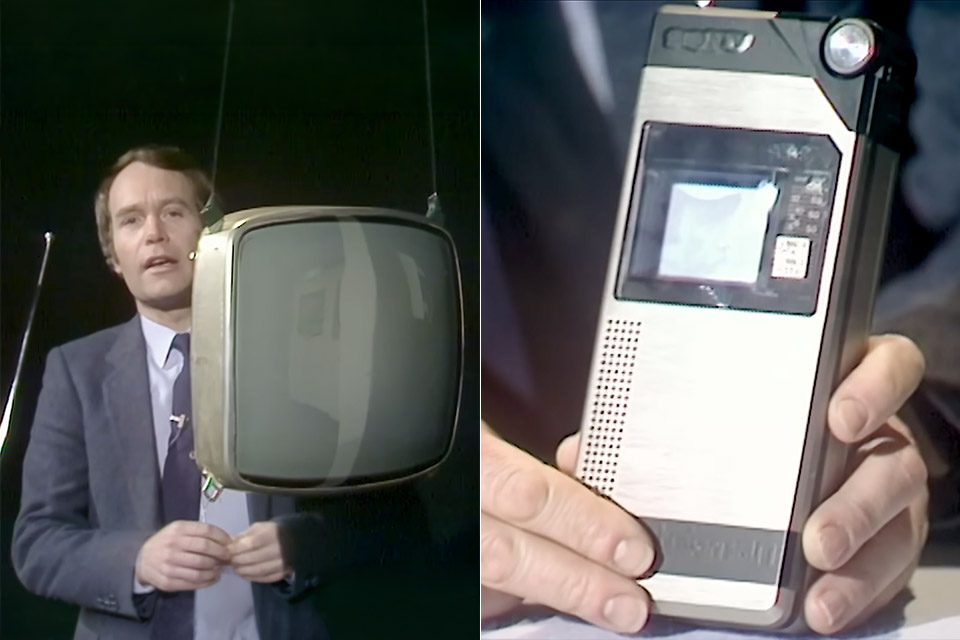
Viewers who caught the January 27, 1983 episode of BBC’s Tomorrow’s World saw presenter Peter Macann lay out real hardware that tried to solve an old complaint. Television sets of the day sat deep and heavy because their cathode ray tubes needed space for an electron gun to fire straight at the screen. Macann began with a plain observation: a set flat enough to hang on the wall like a picture would free up room and change how living spaces worked. The demonstration that followed showed both how close engineers had come and how many practical hurdles still stood in the way.


Macann begins with a small Sony pocket TV. It’s the same cathode ray tube idea everyone knows, but the engineers placed the electron gun to the side of the case, essentially sideways. The electron beam is then bent downward onto a small phosphor surface by charged plates. That clever method eliminates the majority of the depth that ordinarily extends from the back of the set. It still runs for about three hours on penlight batteries and receives BBC and the newer Channel 4 signals directly in the studio. The image quality is a little hazy, as if it were taken in a studio, but it appears to be something you could easily put into your pocket and take with you.
Sale

Monster Vision 2 | Portable Entertainment System with 15.6″ 1080p Display & 60W Speakers | up to 25 Hours…
- Monster Vision 2 features a brilliant 15.6” Full HD IPS Display and 60W audio power – the ultimate all-in-one experience for movies, music, and…
- UP TO 8 HOURS OF VIDEO PLAYBACK: Connect your favorite smart streaming device or gaming console via the dual HDMI ports (3ft USB-C to HDMI cable…
- UP TO 25 HOURS OF AUDIO PLAYBACK: Experience upgraded 60W sound performance for powerful, immersive audio. Stream wirelessly with Bluetooth 5.3, enjoy…
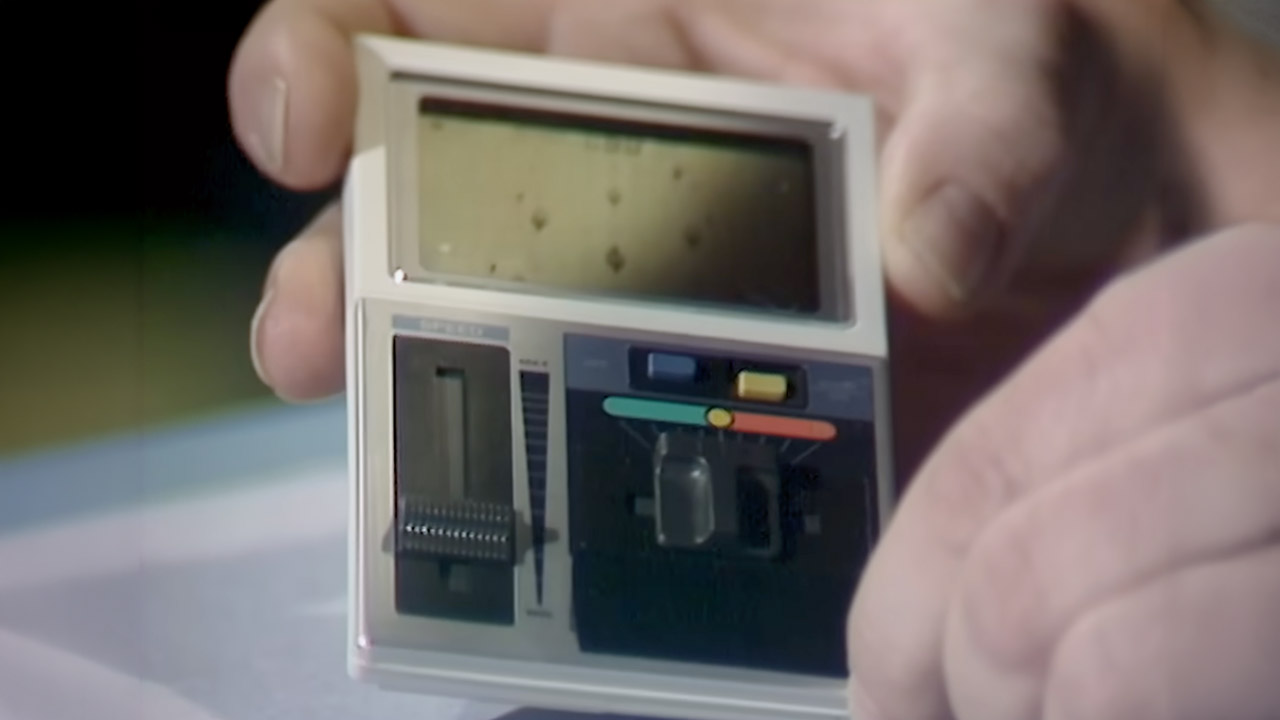
The segment then looks at an entirely new approach, this time with liquid crystals. This material requires significantly less electricity because it does not generate its own light. Instead, it twists under electric current to control how much light passes through or bounces back. Macann is holding up a modest handheld game with a screen comprised of small liquid-crystal shapes carved out to resemble motorcycles. By turning those shapes on and off in sequence, you can create the illusion of racing bikes without using a light tube or constant high voltage. The similar low-power approach is used in a portable oscilloscope, where the display consists of hundreds of small square cells that turn black or white when exposed to voltage. This implies that technicians may now bring the tool into the field using only battery power, which was previously impossible with classic tube-based scopes that required mains power and bulk.


Tomorrow’s World kept its most visually appealing example for last. A Japanese prototype packed a liquid-crystal screen into a casing the size of a wristwatch. The screen is simply sitting there, ready to display moving images, but the rest of the circuitry and power supply are in a separate pack connected by a wire. Sound travels through a set of headphones. Macann demonstrates the device and then explains its limitations in plain English. Since the crystals simply reflect the light surrounding them rather than creating their own, the image can appear faint or washed out in a regular room. The detail is obviously a little rougher than what you’d get from a traditional tube, but the fact that a moving image appears on something tied to someone’s wrist is a step ahead that goes beyond simple whiteboard sketching.
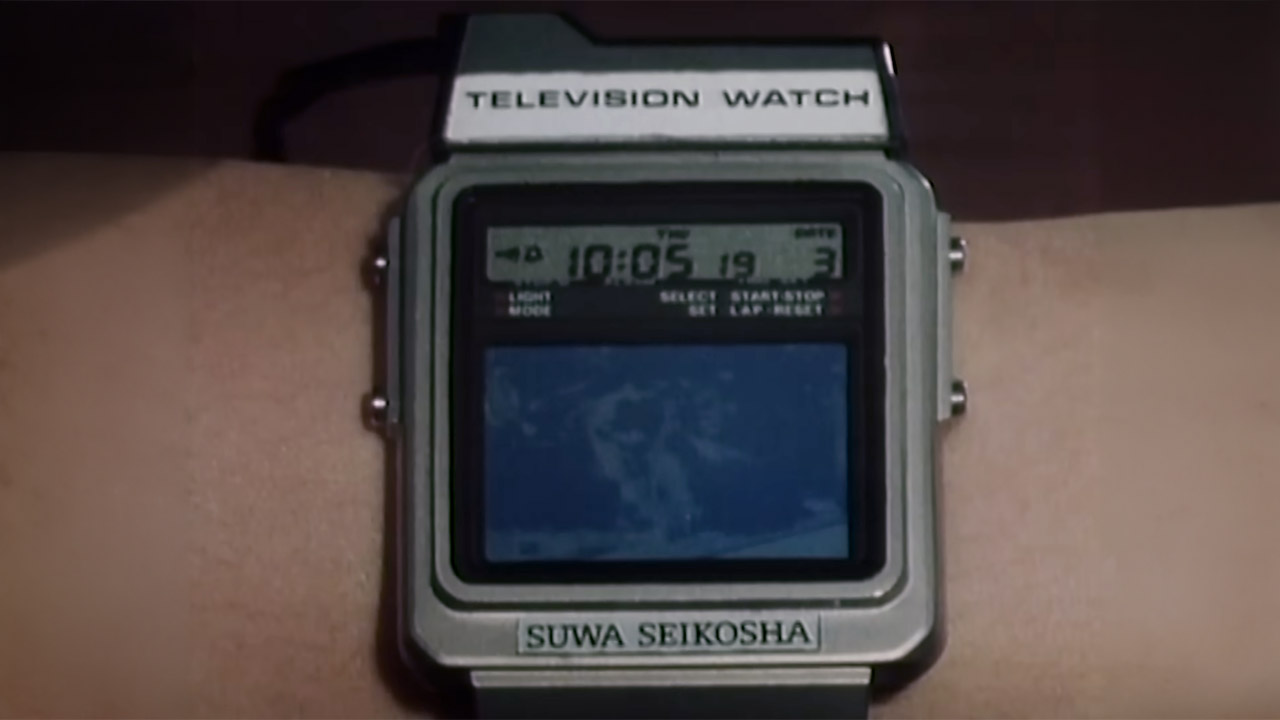
Macann concludes by pointing out that liquid-crystal panels have already achieved several of the characteristics that TV designers have sought for years, such as thinness and low power consumption. With some more effort on brightness and viewing angle, the existing playthings could become something you’d want to watch at home. Macann is cautious, refusing to declare that the future has arrived. The team is only demonstrating what was accomplished in early 1983 and leaving viewers to wonder how long it would take before things are good enough to utilize in real life.
You must be logged in to post a comment Login