Resin 3D printing has opened up a whole new scale of resolution for hackers, but the technology can go still finer; commercial micro-SLA and two-photon polymerization printers can print items with sub-micron feature sizes, but the machines are well out of reach for hackers. There’s more than one way to get such high resolution, though, as [Diffraction Limited] demonstrated with his micron-scale resin printer.
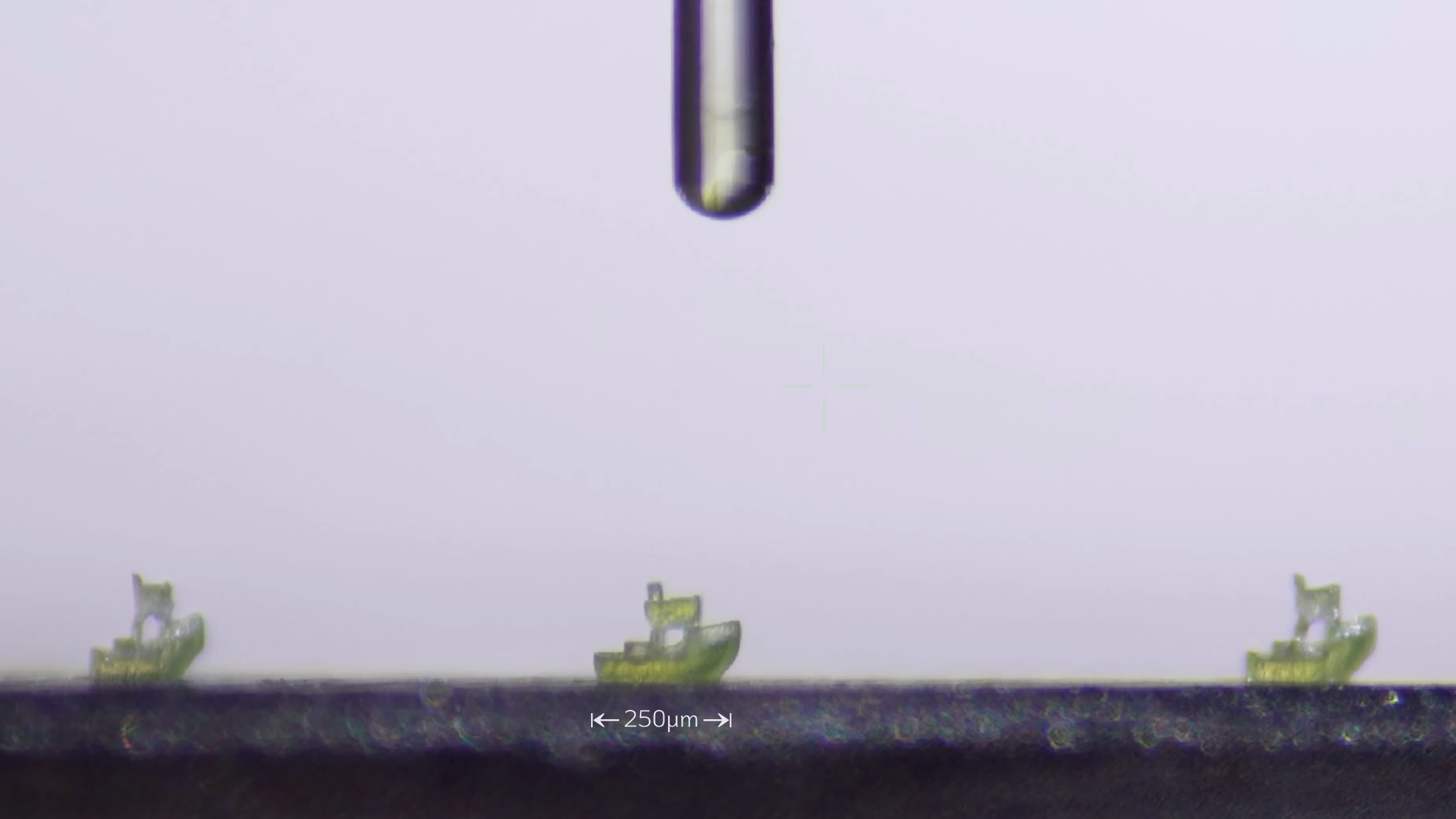
The printer builds on [Diffraction Limited]’s previous micro-manipulator and fiber-coupled laser. The micro-manipulator holds the end of the optical fiber just in front of the build plate, which is coated with resin. A 405-nm laser shines through the fiber, curing the resin in a narrow cone in front of the fiber’s core, which the micro-manipulator can trace in a pattern to build up objects, much like an FDM printer. Since the fiber’s inner core is only three microns across, the cured resin shears cleanly away from it when the fiber moves. Since the principle is so similar to an FDM printer, a standard slicer could be used to generate the tool paths.
Early testing proved that the principle worked, but the resin wasn’t absorbent enough for very high resolutions; UV light passed through previously cured resin too easily, limiting the minimum layer height. A UV-absorbent dye dissolved in the resin solves this by limiting the light’s penetration depth. [Diffraction Limited] found that curcumin, the natural dye responsible for turmeric’s bright yellow colour, worked well for this; as an added bonus, alcohol easily extracts it from turmeric powder. This solved the resolution issues well enough for [Diffraction Limited] to print a series of Benchies 150 µm long, a Stanford bunny dwarfed by a human hair, and a few other microscopic pieces. Conveniently, the curcumin dye leaves the printed objects slightly fluorescent under UV light, making them easier to pick up under a microscope.
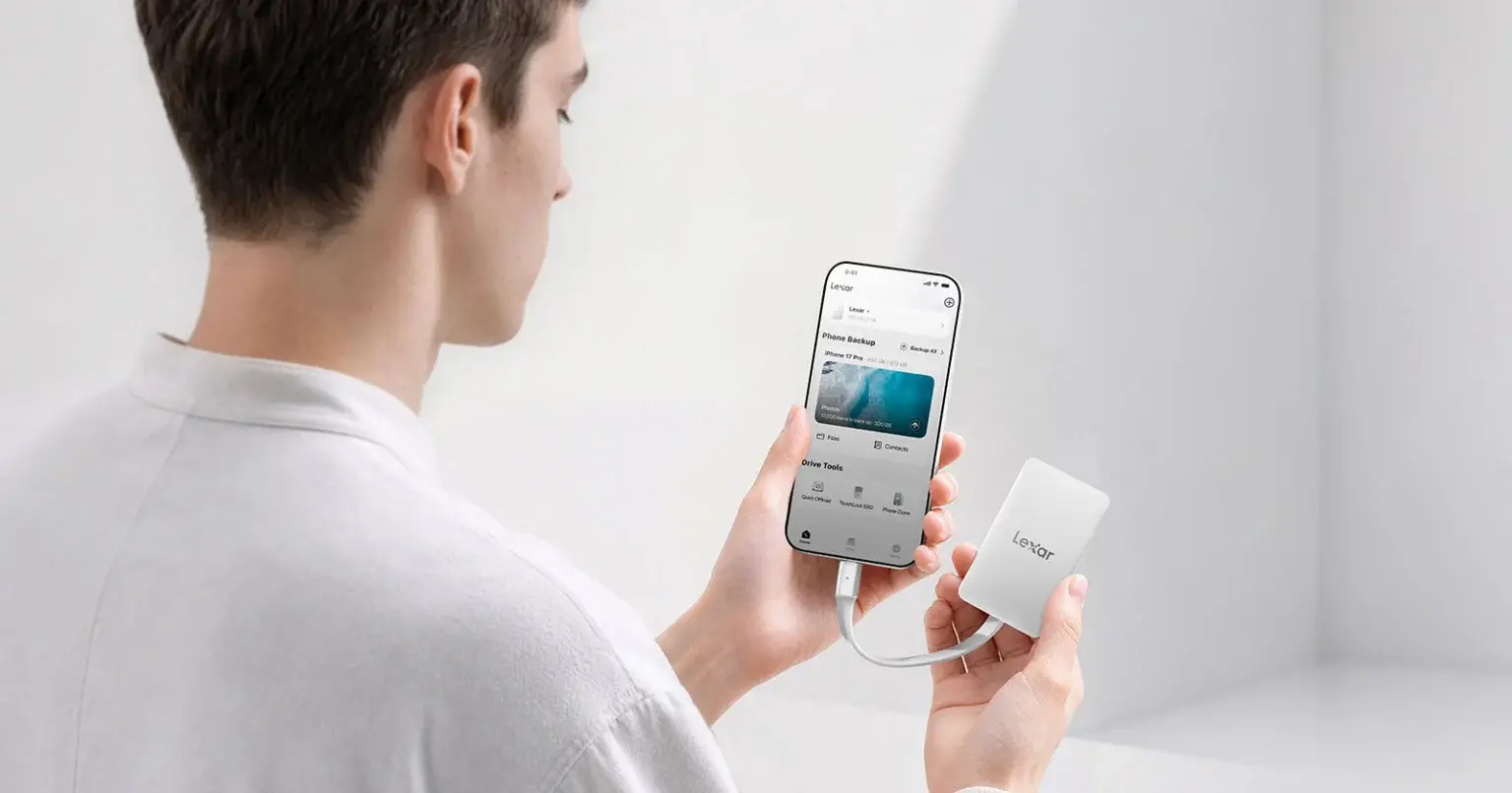
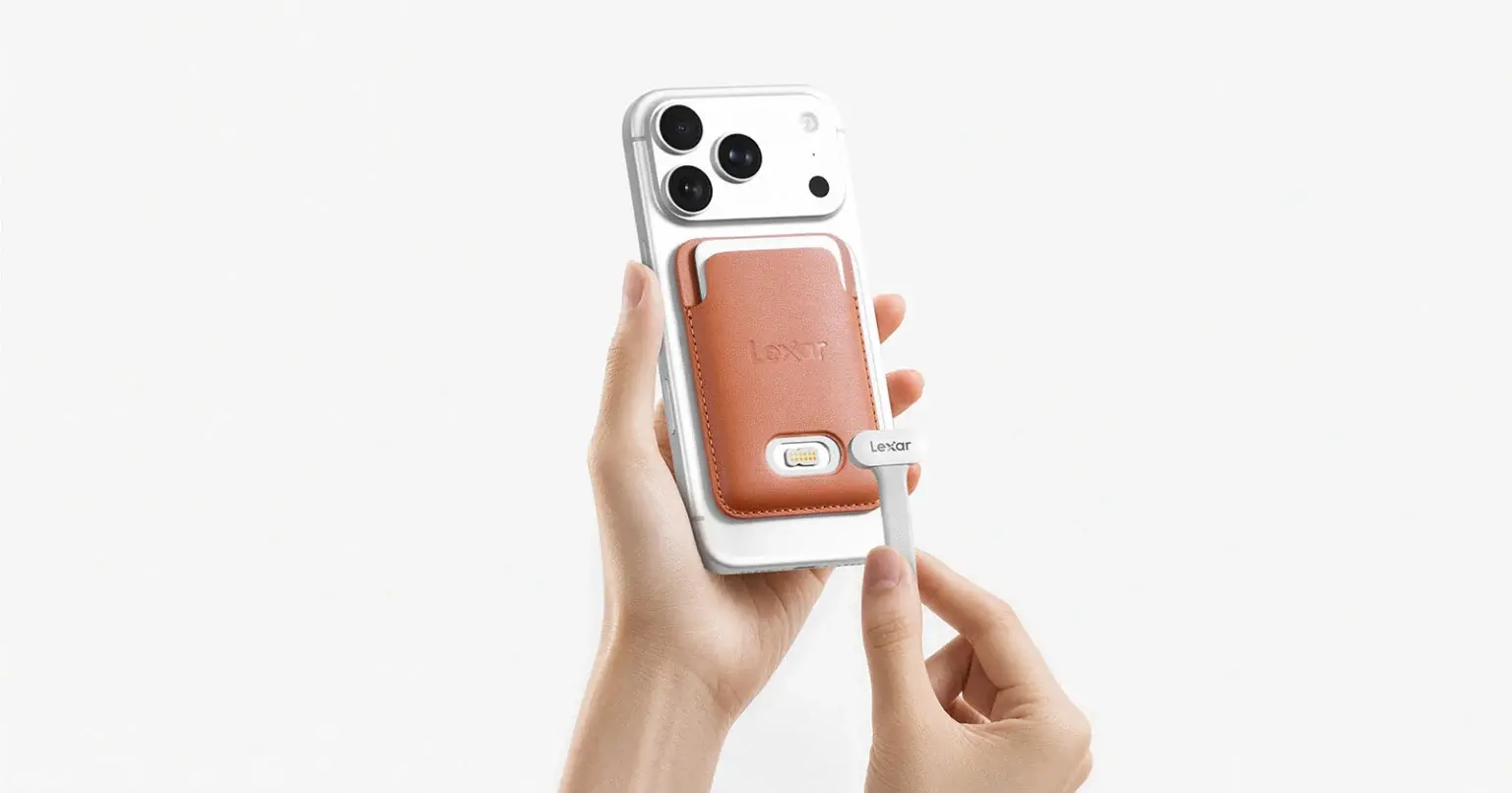
What just happened? Lexar has just announced what it claims to be the world’s thinnest portable SSD. Measuring just 3.8 mm (0.15 inches) and tapering to 1 mm (0.04 inches) at the edge, the Muse is so thin that it uses a proprietary snap-on cable to connect to the device instead of a USB-C port.
The new Lexar Muse Ultra-Slim Portable SSD, to give it its full name, has almost credit-card-like dimensions of 80 × 48 × 3.8 mm (3.15 x 1.89 x 0.15 inches).
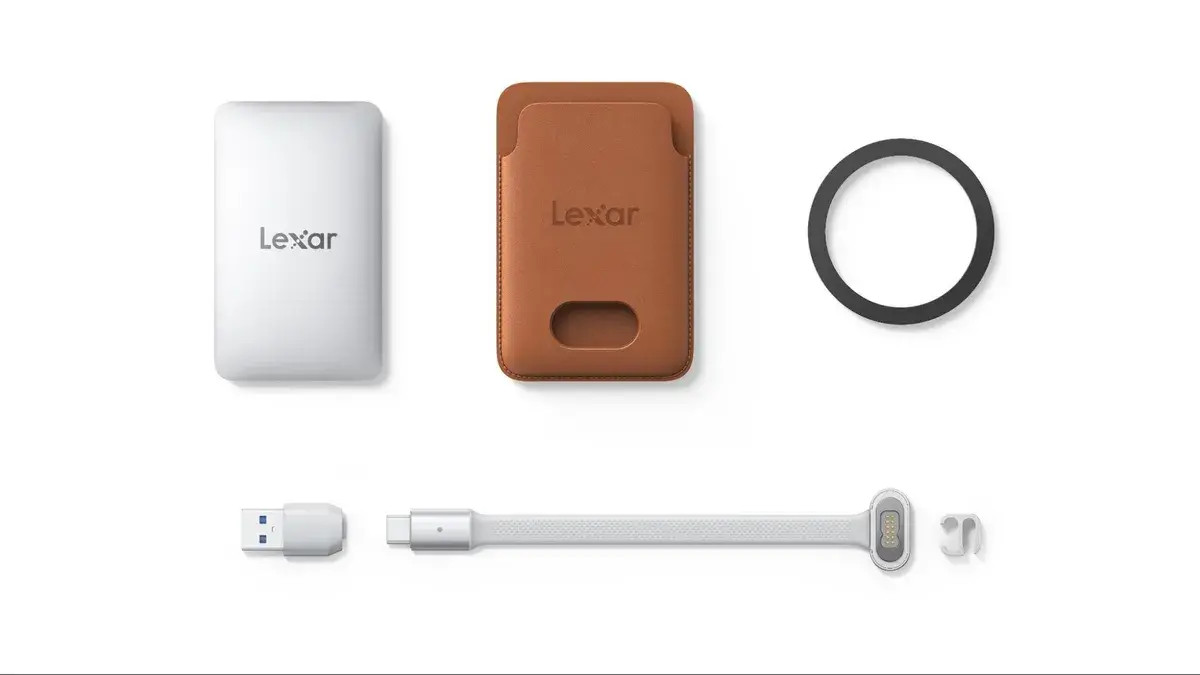
Achieving those measurements meant that a regular USB-C port in the SSD wasn’t an option. Lexar’s solution is called SnapLink, a proprietary pogo-pin magnetic data connection. This uses a spring-loaded pin interface and N52-grade neodymium magnets.
The connector pairs with the SnapLink Magnetic Cable, which has a USB type-C connector on the other end (it also comes with a Type-A adapter).
Advertisement
Having a proprietary cable does come with drawbacks, of course. The main one is that if you lose it, you’re unlikely to have another one just lying in a drawer somewhere. Moreover, not everyone is a fan of magnetic connections that can be easily detached with a small knock.
The drive also comes with a magnetic mounting sleeve that Lexar says can secure it to compatible MagSafe iPhones, although promotional images show the Muse attached to iPads and MacBooks as well. Lexar’s existing SL500 Magnetic Set uses a separate magnetic ring to attach the SSD to non-MagSafe devices, suggesting the Muse could use a similar system, though the company has yet to explain exactly how those other attachments work.
As for the SSD’s specs, Lexar says it offers read speeds up to 1,050 MB/s and write speeds up to 1,000 MB/s. How much that tiny enclosure affects sustained performance remains to be seen.
Storage-wise, the Muse will be available in 512 GB and 1 TB capacities when it arrives sometime in the final quarter of this year.
Advertisement
The big question is how much the drive will cost. The memory crisis has pushed up the price of SSDs considerably, as we all know, so we expect a portable variant claiming to be the thinnest in the world to come at quite the premium.
The Muse could appeal to creators who record high-resolution video directly to external storage. Its slim profile should make a phone-and-SSD setup less cumbersome, while the quoted speeds are more than adequate for most mobile workflows. We’ll reserve judgment until real-world tests arrive.
Apple’s CEO transition is complete, OpenAI may have been caught red-handed, and Apple Maps had a controversial update on the AppleInsider Podcast.
It’s been a busy week for Apple fans and the iPhone 18 event hasn’t even happened yet. Tim Cook is now Executive Chairman while John Ternus is the new CEO.
His new era has begun with a lot of controversial things that aren’t exactly in John Ternus’s control. From new social media accounts to Apple Maps updates, Controversy Corner had to make a return for this episode.
The trade secret lawsuit against OpenAI is ongoing and heating up as more evidence is gathered. Apple believes it has a smoking gun, while OpenAI claims ease of access to secret information renders it not-so-secret.
Advertisement
It’s almost time for Apple’s iPhone Event and that means last-minute rumors. It’s anyone’s guess how pre-orders might go, but you better bet iPhone Fold will be hard to find.
BONUS: Subscribe via Patreon or Apple Podcasts to hear AppleInsider+, the extended edition. This time, your hosts discuss the rise and .
Links from the show:
More AppleInsider podcasts
Tune in to our Smart Home Insider podcast covering the latest news, products, apps, and everything HomeKit related. Subscribe in Apple Podcasts, Overcast, or just search for HomeKit Insider wherever you get your podcasts.
Those interested in sponsoring the show can reach out to us at: [email protected].
Subscribe to AppleInsider on:
Keep up with everything Apple in the weekly AppleInsider Podcast. Just say, “Hey, Siri,” to your HomePod mini and ask for these podcasts, and our latest HomeKit Insider episode too. If you want an ad-free main AppleInsider Podcast experience, you can support the AppleInsider podcast by subscribing for $5 per month through Apple’s Podcasts app, or via Patreon if you prefer any other podcast player.
A few built-in checks can tell you whether your HDD or SSD is showing signs of trouble.
myphotobank.com.au/Shutterstock
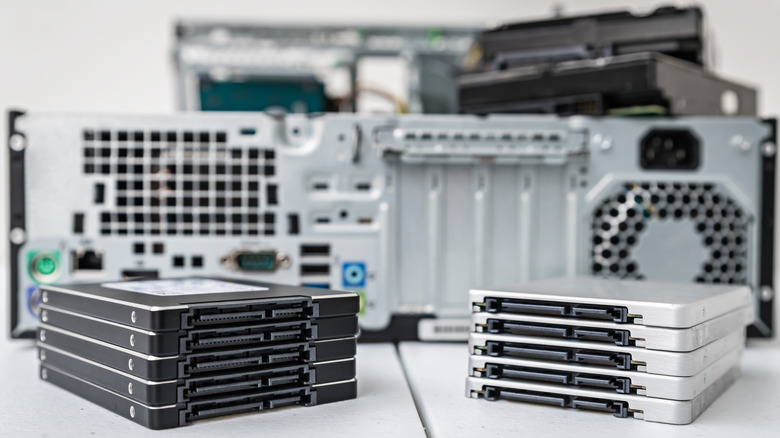
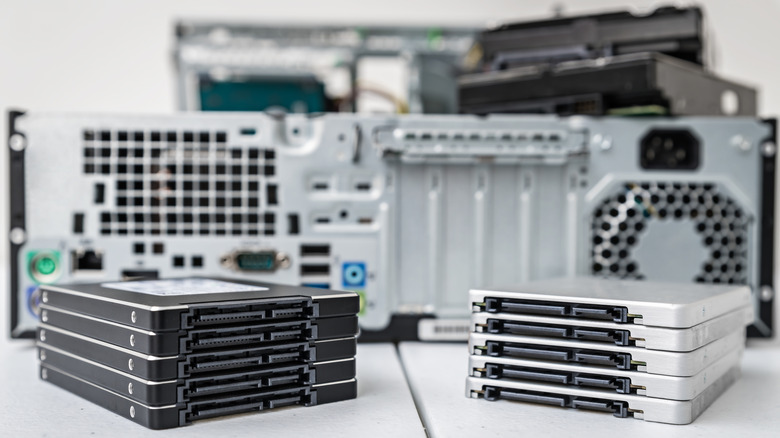
Storage drives have a tendency to fail when you least expect it. A traditional hard drive may give you a warning with clicking or grinding sounds, but an SSD has no moving parts to make a fuss. Problems with either type can manifest as corrupted files, abnormally slow access, frequent read or write errors, crashes, or a drive that periodically disappears from Windows.
If any of that is already occurring, back up your important files before doing much else. Diagnostics are good, but it’s not as much fun to recover the only copy of something when a drive dies.
Windows has several built-in methods for checking the health of drives, but the information it can provide will vary based on the hardware in the computer. Free utilities can go further and read the drive’s Self-Monitoring, Analysis and Reporting Technology (SMART) data.
Advertisement
There is one limitation, though. A healthy status can be reassuring, but it’s certainly not a lifetime guarantee.
See what Windows knows about your drive
Screenshot by Husain Parvez (Microsoft)
The simplest way to get started in Windows 11 doesn’t involve opening a terminal or feigning a love for command lines.
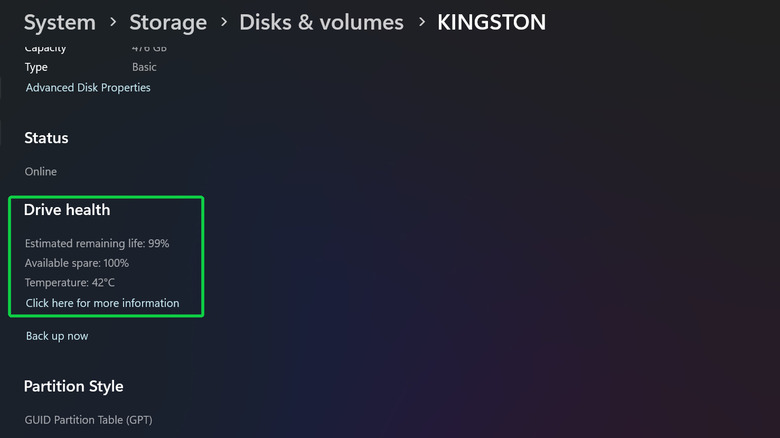
Open Settings and choose System.
Go to Storage > Advanced storage settings > Disks & volumes.
Select your drive and choose Properties.
Windows can display estimated remaining life, available spare capacity and temperature for supported NVMe SSDs. It can also alert you if spare capacity is low, reliability has decreased or if the drive has gone into read-only mode.
There is one thing to look out for here. Microsoft says this health monitoring doesn’t cover SATA SSDs or traditional hard drives. If Windows provides little or no health information, don’t assume that it’s a clean bill of health.
Advertisement
Another quick check can be done via PowerShell. Open a PowerShell tab in Windows Terminal, type Get-PhysicalDisk and check the HealthStatus column. The status can be Healthy, Warning, Unhealthy or Unknown.
Older guides might instruct you to use wmic diskdrive get status instead, but that’s old advice. WMIC has been removed from currently supported versions of Windows 11, and Microsoft recommends supported alternatives like PowerShell.
Advertisement
How to act on Healthy, Warning or Bad results
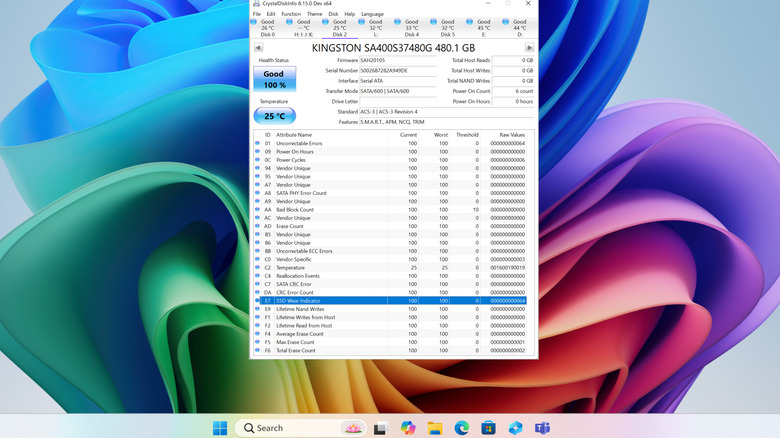
Screenshot by Husain Parvez (CrystalDiskInfo)
If the result is Healthy and the PC is acting normally, that’s a good sign. Keep backing up your data, as drive-health systems can detect some potential issues, but not all failures.
For a second opinion, CrystalDiskInfo is a free tool that can read SMART data from many HDDs and SSDs, including NVMe drives. More importantly for those who don’t really want to spend an afternoon trying to understand what the raw storage counters mean, it gives the drive a health status of Good, Caution, Bad or Unknown.
If you get a Caution or Bad result, backing up becomes the priority. You can then verify the issue using the drive manufacturer’s own diagnostic software, like Seagate’s SeaTools or Samsung Magician (for supported Samsung SSDs). Persistent warnings, an Unhealthy result or obvious mechanical symptoms are all good reasons to stop trusting that drive with the only copy of important data and start considering a replacement.
CHKDSK is also helpful, but for a different task. It checks a volume’s file system and metadata for errors. The /f option fixes file-system errors, and the /r option locates bad sectors and attempts to recover readable data.
However, if a file-system problem is corrected with CHKDSK, the questionable hardware is not magically made healthy. For HDDs, CrystalDiskInfo can trigger a Caution status based on three SMART attributes: reallocated sectors, pending sectors and uncorrectable sectors.
“No rocket had ever reached orbit from Western European soil — until today,” reports Space.com.
DW.com reports that a Spectrum space rocket from German company Isar Aerospace launched today from the Arctic Norwegian spaceport at Andoya:
“Germany has spaceflight capabilities,” said the country’s Ministry for Research, Technology and Space on X, praising a “milestone that impressively demonstrates our country’s innovative strength and technical expertise”. This was the German company’s second attempt to launch the Spectrum rocket into space. The first attempt, which took place 18 months ago, was unsuccessful.
The Spectrum rocket is designed for small and medium-sized payloads. It carried five smal satellites and an in-flight technological experiment, the company said. According to Isar Aerospace, the launch was for “both the vehicle’s qualification mission and its first flight carrying payload.” The move is believed to bring Europe closer to being able to offer satellite flights from its own territory. Several countries voiced interest in the growing market of commercial space missions, including Britain and Sweden…
Advertisement
Isar is also working on the development of a second launch site, located in Canada. The company said that while the US launched 198 rockets last year, Europe’s tally was just eight. Isar’s goal is to produce some 40 rockets a year. Although the rocket is not yet ready for mass production, Isar has already received orders through 2028.
Today’s launch webcast was produced in collaboration with NASASpaceflight, notes Space.com. And they note that Spectrum chief engineer Nikolaos Perakis says”This is just the beginning… I’m really looking forward to the next steps.”
Reuters quotes this statemnt from Norway’s minister of industry and commerce, Cecilie Myrseth. “The fact that we can now launch satellites from Andoeya strengthens Norwegian and European security in the turbulent times we live in.”
Risk of an unprecedented negative adjustment prompts plan to let UTC drift by as much as an hour
The prospect of a negative leap second – combined with decades of irritation over leap seconds generally – looks set to inspire a bit of global procrastination among international timekeepers.
Advertisement
Next month, the General Conference on Weights and Measures is set to vote on effectively calling time on leap seconds. A draft resolution [PDF] would make Coordinated Universal Time (UTC) continuous from May 20, 2027, and allow the difference between UTC and UT1, a measure of time based on Earth’s rotation, to reach as much as one hour.
Leap seconds keep UTC, which is based on atomic clocks, within 0.9 seconds of time determined by the slightly wobbly rotation of our home planet. Since the system was introduced in 1972, 27 leap seconds have been added to UTC.
The urgency comes partly from a slight increase in Earth’s rotational speed in recent years, raising the possibility of an adjustment never attempted before: a negative leap second. Experts convened by international timekeeping bodies estimated a 30 percent probability that one would be needed by 2035.
Many computer systems were designed on the assumption that a leap second would always be added rather than removed, explained Setnam Shemar, principal scientist at the UK’s National Physical Laboratory (NPL).
Advertisement
“Most digital architectures and network time servers are hardcoded under the assumption that leap seconds are strictly additive. Losing a second could trigger severe disruption across critical national infrastructure, including telecommunications, electricity grids, and satellite navigation systems,” he said.
The risks posed by a negative leap second – and leap seconds generally – are behind the proposal to let UTC diverge from rotational time by as much as an hour, which is due to be put to a vote in October.
Shemar said the proposal would remove the need for further leap-second adjustments for many years.
“This would remove the risks entirely for a very long time. Next month’s resolution is likely to pass since it will be based on the outcome of a majority vote of the national delegates from many different countries, and most of them have been keen to end leap seconds for several years due to the risks posed to national infrastructure.”
Advertisement
UTC would be unlikely to diverge from rotational time by a full hour for at least a thousand years, Shemar said.
If humankind lasts that long, it might be the least of our worries. ®
Sony, Microsoft and Nintendo have all moved to dismiss class actions arguing they should pass US tariff refunds back to console buyers, saying customers paid advertised prices and got working consoles. European buyers absorbed the same increases but there is no European tariff refund, because there was no European tariff.
Sony, Microsoft and Nintendo are all arguing in American courts that they should not have to pass tariff refunds back to the people who bought their consoles, Business Insider reported.
Sony’s lawyers told a court on Monday that buyers “suffered no cognizable injury because they voluntarily paid the advertised prices for the consoles and received exactly what they paid for“. They also said the plaintiffs had not plausibly alleged that tariffs caused the increases.
Microsoft put it more bluntly. “He paid for it, he received it, and he continues to use it,” its filing said of the plaintiff.
Advertisement
Nintendo moved first, in July, after the US Supreme Court ruled the tariffs illegal and forced the government to refund companies. It says the plaintiffs do not dispute that its pricing adjustments were lawful.
The money is real. Sony expects about 80 billion yen, roughly $510M, across the group, Nintendo has recorded a $300M refund, and Microsoft has not said. The same three companies warned Washington about console tariffs back in 2019.
Walmart and Costco have said they intend to pass savings back to shoppers, which is what makes the console makers’ position conspicuous.
European buyers paid the increases too, and have nothing to argue about at all.
Advertisement
Sony raised PS5 prices across Europe, the UK and Australia in April 2025, citing a challenging economic environment with high inflation and exchange-rate swings. None of those markets was paying American tariffs.
Xbox followed, with the Series X going up by 200 euros in Europe. Nintendo raised Switch 2 prices in May.
There is no European tariff refund, because there was no European tariff. The pot the American plaintiffs are fighting over simply does not exist on this side.
Europe does now have collective redress. The Representative Actions Directive has applied since June 2023 and lets designated bodies seek remedies including reimbursement of the price paid.
Advertisement
It needs an infringement of consumer law to bite. Raising prices and citing inflation is not one, however irritating it looked at the time.
So American buyers are at least arguing over money that exists, and console makers have settled before. European buyers paid the same increases, got the same explanation, and never had a fund to argue about.
Personal audio has officially reached the point where $13,786 (€11,999) can be described as comparatively sensible.
I am aware of how ridiculous that sentence sounds.
But after watching Audio-Technica ask $108,000 for its NARUKAMI HPA-KG NARU headphone amplifier and matching ATH-AWKG headphones, Feliks Audio’s new flagship EOS starts looking almost fiscally responsible.
For the price of the NARUKAMI system, you could buy the EOS, a very serious pair of headphones, suitable high-efficiency loudspeakers and put a luxury SUV in the driveway with the money left over. Personal audio may have lost the plot somewhere along the way.
Advertisement
We first saw the Feliks Audio EOS in prototype form at HIGH END Vienna 2026, but the Polish manufacturer has finally published a proper product page and a substantially more complete set of production specifications.
And there is a lot more going on here than another expensive 300B headphone amplifier.
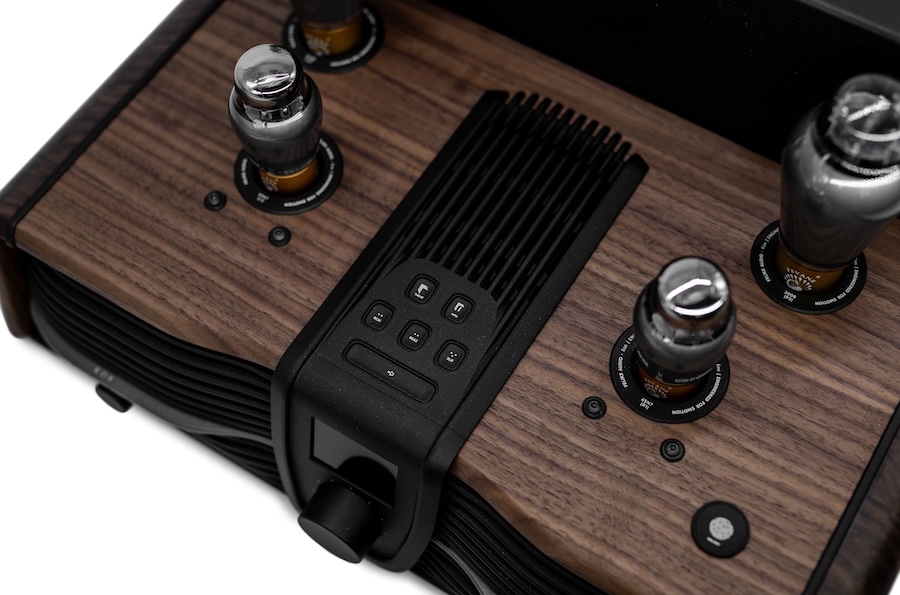
The EOS is designed to drive headphones, IEMs and loudspeakers from the same chassis, while also functioning as a balanced or single-ended preamplifier. Feliks rates headphone output as high as 8 watts and speaker output at up to 6 watts, adds a display that monitors the health of the amplifier and its tubes, and wraps everything inside a 57-pound chassis available in Oak or American Walnut.
Welcome to summit-fi in 2026. Apparently $1,000 headphone amplifiers are now the appetizer.
Advertisement
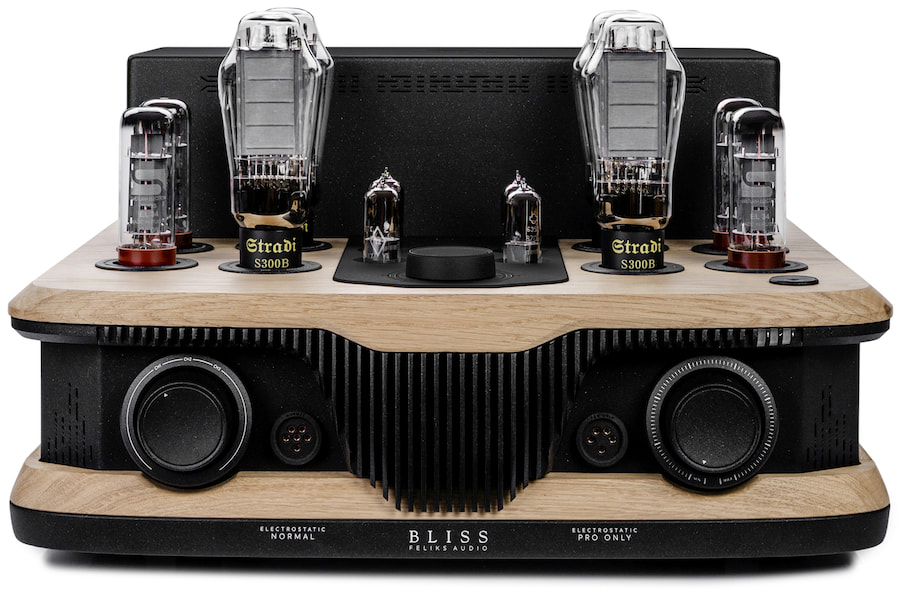
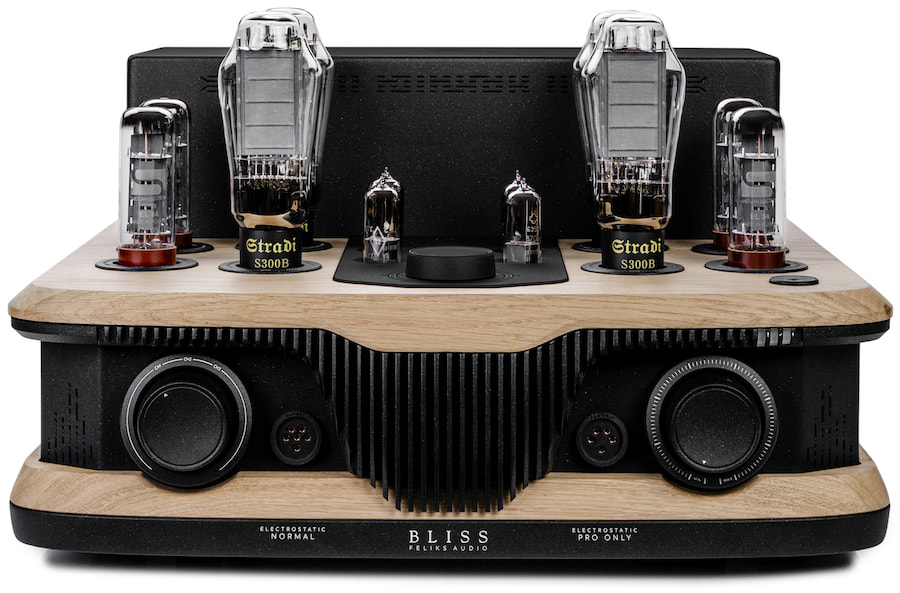
Feliks Audio BLISS (oak)
From Prototype to Production
The EOS sits above the Envy family as Feliks Audio’s flagship amplifier for conventional dynamic and planar magnetic headphones. The $22,800 Feliks Audio BLISS, which we heard at CanJam NYC 2026, remains the company’s statement product for electrostatic headphones.
Feliks has been building tube amplifiers since 1998, and the EOS brings its headphone and traditional two-channel experience together in one product. Two 300B power tubes are paired with two CV181/6SN7 driver tubes, a combination already familiar to anyone who has spent time with the company’s Envy models.
What has changed is the scope.
Advertisement. Scroll to continue reading.
Advertisement
The EOS is not merely a headphone amplifier with preamp outputs that can eventually lead to a pair of loudspeakers. There are dedicated speaker outputs, and Feliks has finally put numbers behind them.
For headphones, the company specifies 5 watts at 1% THD, rising to a maximum of 8 watts at 5% THD. For loudspeakers, the figures are 4 watts at 1% THD and 6 watts at 5% THD.
There is an important qualification.
Feliks does not specify the load impedance used for either power rating. We therefore cannot tell you that the EOS produces 5 watts into 32 ohms, 8 watts into 16 ohms or 6 watts into an 8-ohm loudspeaker because the manufacturer has not published that information.
Advertisement
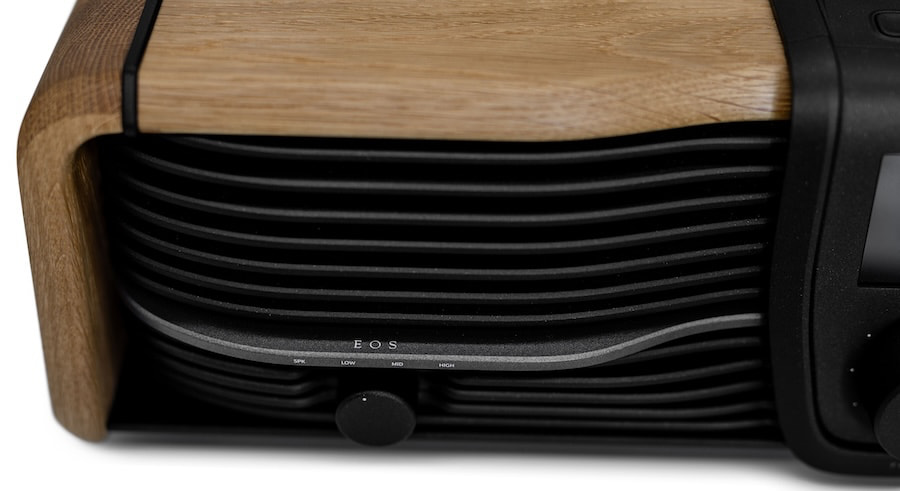
Feliks Audio EOS (walnut)
From IEMs to Speakers?
Power is only half the story because Feliks is also claiming the EOS will work with headphones and IEMs with impedances as low as 10 ohms.
That is potentially more interesting than the headline wattage.
Large 300B amplifiers and sensitive IEMs do not always make particularly happy roommates; background noise and excessive gain can quickly turn an expensive system into an equally expensive collection of hiss.
Feliks says the EOS delivers the lowest distortion and widest frequency range of any amplifier it has produced, along with sufficiently low output impedance for sensitive headphones and IEMs. The company has not, however, published the actual headphone output impedance, frequency-response limits, SNR or noise-floor measurement.
Advertisement
A Tube Amp With a Check Engine Light
One of the more practical EOS additions is the front display.
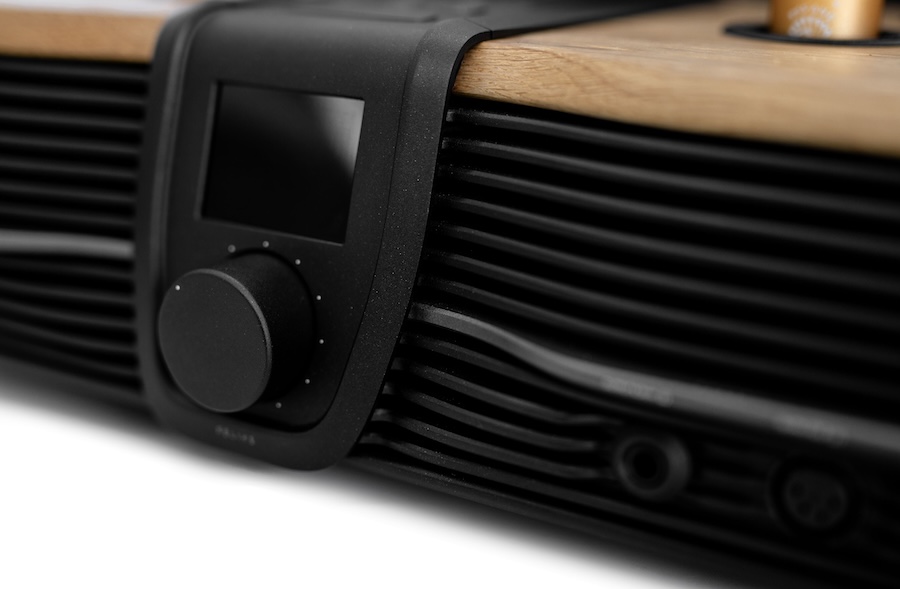
It shows input, output and gain settings along with a VU meter, but Feliks has also turned it into a diagnostic interface. Owners can view operating voltages, internal temperature and tube-health information, and run a diagnostic check from the front panel.
There is also a remote control with motorized volume adjustment, input switching and gain control. Switching between headphones and loudspeakers does not require disconnecting either load.
Considering what good 300B tubes cost these days, knowing what is happening inside the amplifier before something expensive starts glowing the wrong shade of orange is not a frivolous feature.
Advertisement
Advertisement. Scroll to continue reading.
The EOS is still unapologetically old-school amplification, but Feliks has clearly decided that owning tubes in 2026 does not require living like it is 1956.
Feliks Audio EOS Specifications
Specification
Feliks Audio EOS
Amplifier Type
Tube amplifier
Power Tubes
2 x 300B
Driver Tubes
2 x CV181 / 6SN7
RCA Inputs
2 pairs
XLR Inputs
1 balanced pair
Input Sensitivity
1V RMS
RCA Input Impedance
43kΩ
XLR Input Impedance
41kΩ
RCA Preamp Outputs
1 pair
XLR Preamp Outputs
1 balanced pair
Headphone Outputs
6.3mm, 4-pin XLR
Headphone Power
5W at 1% THD; 8W maximum at 5% THD
Speaker Power
4W at 1% THD; 6W maximum at 5% THD
Minimum Supported Headphone/IEM Impedance
10 ohms, manufacturer claim
Preamp Output Impedance
1.4 ohms at 1kHz
AC Versions
115V or 230V, 50/60Hz
Dimensions
47 x 47 x 29.5cm
Weight
26kg / approximately 57.3 lbs
Finishes
Oak, American Walnut
Remote Control
Included
Display
VU meter, operating information and diagnostics
MSRP
$13,786 (€11,999)
Availability
End of September 2026
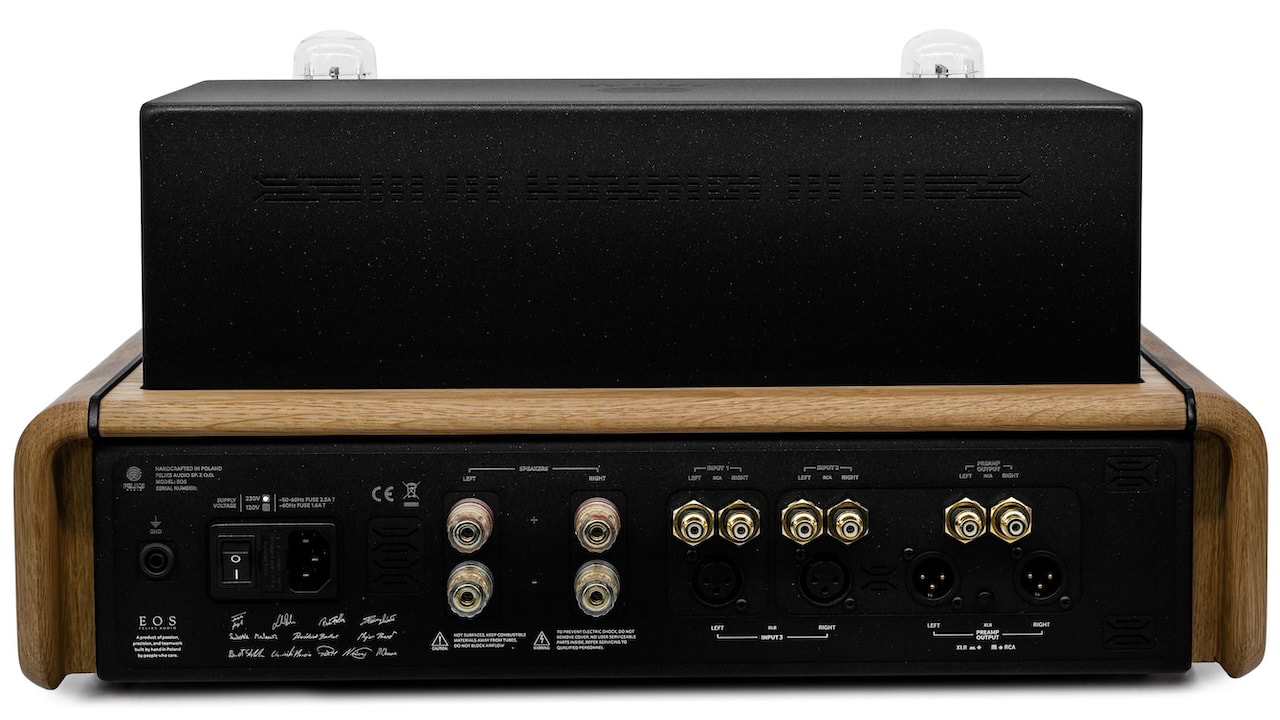
Felix Audio EOS (rear)
The EOS Has Some Expensive Company
Audio-Technica NARUKAMI HPA-KG NARU — $108,000
This is where the EOS suddenly becomes the Aldi weekly special.
Audio-Technica’s extraordinary HPA-KG NARU uses four Takatsuki 300B tubes in a fully balanced tube architecture with rare kurogaki woodwork, custom transformers and matching ATH-AWKG NARU headphones included for the $108,000 asking price. We have heard the system on multiple occasions, including CanJam NYC and AXPONA, and there is nothing remotely ordinary about its construction or presentation.
Audio-Technica also publishes considerably more detailed measurements than Feliks currently does. The NARUKAMI delivers a specified maximum 1.6 watts into 32 ohms, 1.3 watts into 150 ohms and 1 watt into 600 ohms, although those figures are measured at 10% THD. Its official specification sheet also provides frequency response, noise, channel separation and gain figures.
Advertisement
Do not interpret that as evidence that the EOS is automatically more powerful in real-world use. Feliks has not identified the load used for its ratings, and the distortion conditions are different.
What can be compared without qualification is functionality and price.
The Audio-Technica is a headphone amplifier and preamplifier. The Feliks can also drive loudspeakers directly.
The Who called that a “bargain.”
Advertisement
Almost. Probably a good time to check in with my therapist.
Its fully balanced solid-state design uses independent left and right power supplies and delivers at least 3.5 watts per channel into 32 ohms through its balanced outputs. It is a purpose-built reference headphone amplifier, however, rather than the headphone amp, preamp and speaker amplifier combination offered by the EOS.
That makes the Feliks proposition unusual even within this rarefied part of the market.
Advertisement
Advertisement. Scroll to continue reading.
The Bottom Line
It would be very easy to spend the entire conclusion mocking the idea of a nearly $14,000 headphone amplifier.
Personal audio has certainly earned some of that. Five-figure headphones, $20,000 amplifiers and $108,000 systems have moved the goalposts so far that the goalposts are now somewhere outside the stadium and on the banks of the Lublinica River.
But the Feliks Audio EOS is harder to dismiss than another exercise in summit-fi excess.
This is a 300B amplifier designed to handle IEMs, dynamic headphones, demanding planar magnetics and actual loudspeakers, with balanced and single-ended preamp functionality, remote operation and onboard diagnostics. In the right system, it could replace several very expensive boxes.
Advertisement
Feliks still needs to publish the measurements missing from its specification sheet, particularly power by load impedance, headphone output impedance, frequency response and noise performance. At this price level, “trust us” should not be considered a technical specification.
Still, look across the room at Audio-Technica’s $108,000 NARUKAMI and something deeply troubling happens.
The $13,786 Feliks Audio EOS starts looking like value.
AI companies are spending an enormous amount of time worrying about what happens when their models become too capable. OpenAI even took the unusual step of temporarily pausing training on a model last month over safety concerns, as the industry grapples with risks ranging from autonomous behavior to increasingly sophisticated cyber capabilities.
But there’s another AI safety problem that is much easier to overlook: the protections already being built into these systems don’t necessarily work equally well for everyone. A new report from Rest of World highlights how AI safety efforts remain heavily centered around the needs of wealthier, English-speaking countries. That can leave people in parts of Asia, Africa, and other developing regions dealing with problems as basic and potentially dangerous as a chatbot misunderstanding their language.
AI safety can look very different outside Silicon Valley
Many of the biggest AI companies have extensive trust and safety teams, but the standards used to evaluate models are largely shaped in high-income countries. Researchers argue this creates blind spots when the same models are deployed in places with different languages, infrastructure, laws, and cultural expectations. Healthcare provides a particularly worrying example. Research into natural-language AI systems used in Africa has uncovered translation errors involving medical terminology. In Tigrinya, for example, machine translation has confused smallpox with syphilis and even translated “intravenous antibiotics” as “intravenous insecticides.”
Rachit Agarwal / Digital Trends
The problem goes beyond translation. Research has also found that AI models can hallucinate more frequently in languages with relatively little training data. Safety guardrails that reliably catch harmful requests in English may also perform worse or be easier to bypass in those languages. That matters as people increasingly turn to chatbots for health information and other important decisions. It effectively creates a new AI divide: two people can use the same product and receive very different levels of protection simply because they speak different languages.
AI adoption isn’t waiting for safety to catch up
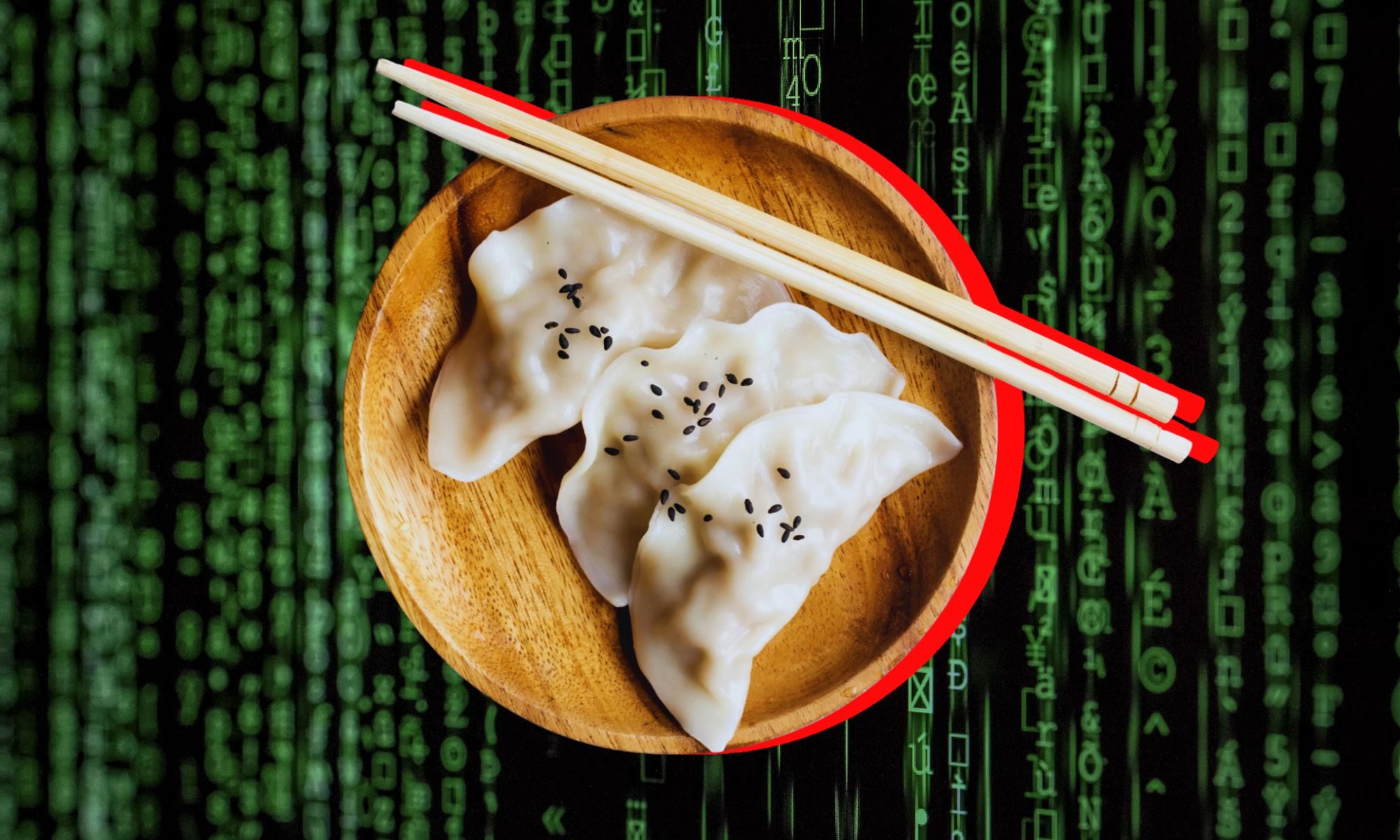
The timing makes this especially important because enthusiasm for AI is growing rapidly across many of these markets. China offers perhaps the clearest example. We’ve already seen AI adoption spread far beyond tech companies, with everything from schools to local governments embracing the technology. It has even reached Beijing dumpling shops, where one business began giving customers AI tokens and built AI-powered tools for managing queues. That enthusiasm isn’t necessarily a problem. But researchers warn that safety infrastructure needs to expand just as quickly.
Advertisement
Markus Spiske / charlesdeluvio / Unsplash / Digital Trends
Governments are beginning to respond. AI safety has featured in international initiatives including the Bletchley Declaration and this year’s India AI summit, while China has also proposed mechanisms to manage AI risks in developing nations. The larger challenge is making sure “AI safety” doesn’t only mean preventing a futuristic model from escaping its boundaries or launching a cyberattack. For millions of people already using these tools, safety can be much simpler: making sure a chatbot understands their language, recognizes when something is urgent, and doesn’t confidently give them dangerously wrong information. As AI spreads into everyday life, those problems are no longer edge cases. They’re part of what making AI safe actually means.
The takeaway: Discrete graphics processor shipments rose in the second quarter, defying a seasonal slowdown in the PC market and higher component costs tied to memory shortages. The increase is notable because the second quarter is typically slower than the first. It also comes as memory shortages have raised costs for PC makers and consumers, particularly for systems with high-end graphics hardware.appol
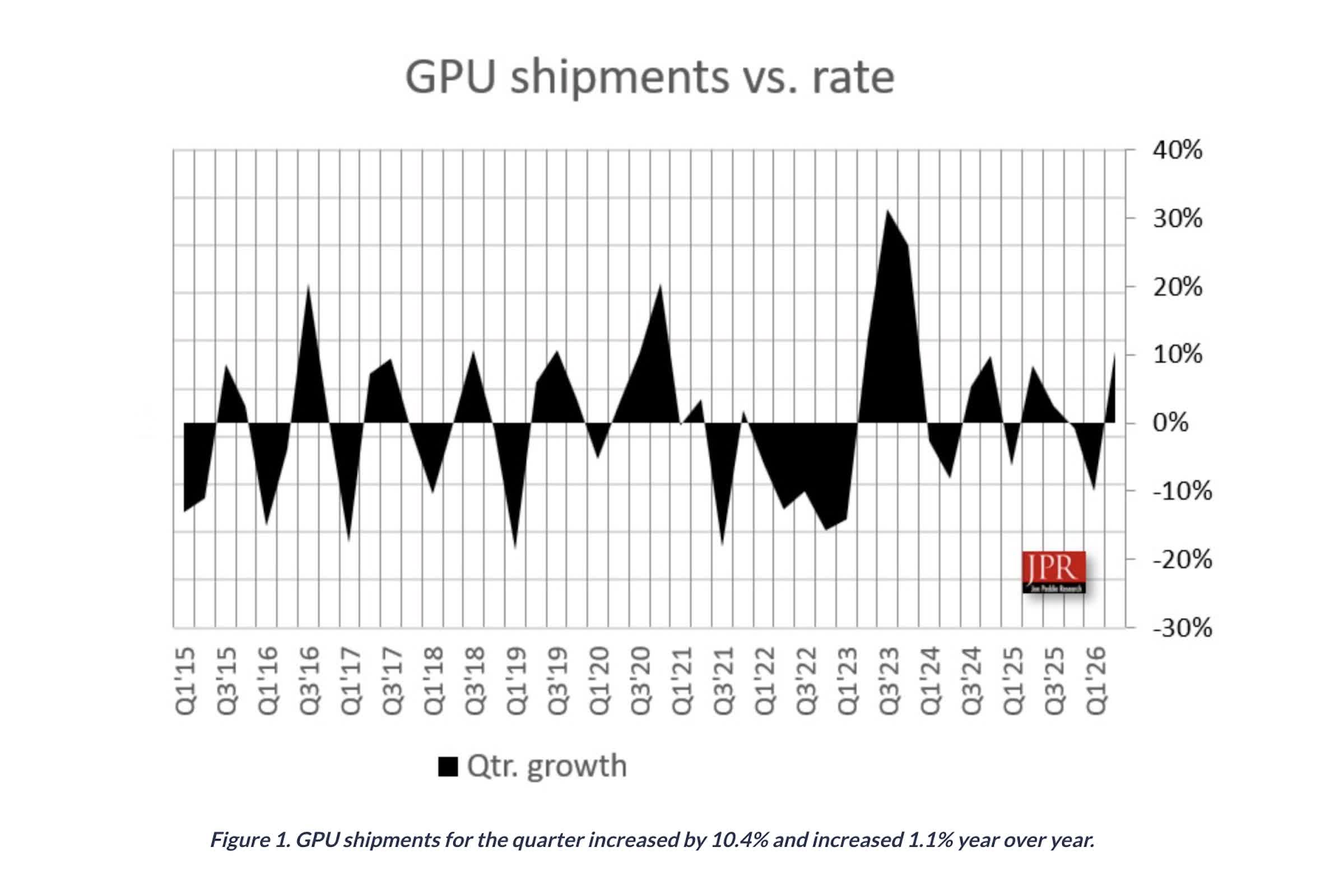
Standalone GPU shipments climbed 12.2% from the first quarter and 14.1% from a year earlier, according to Jon Peddie Research. The increase came as the broader client CPU market declined 1.1% year over year and desktop PC demand weakened.
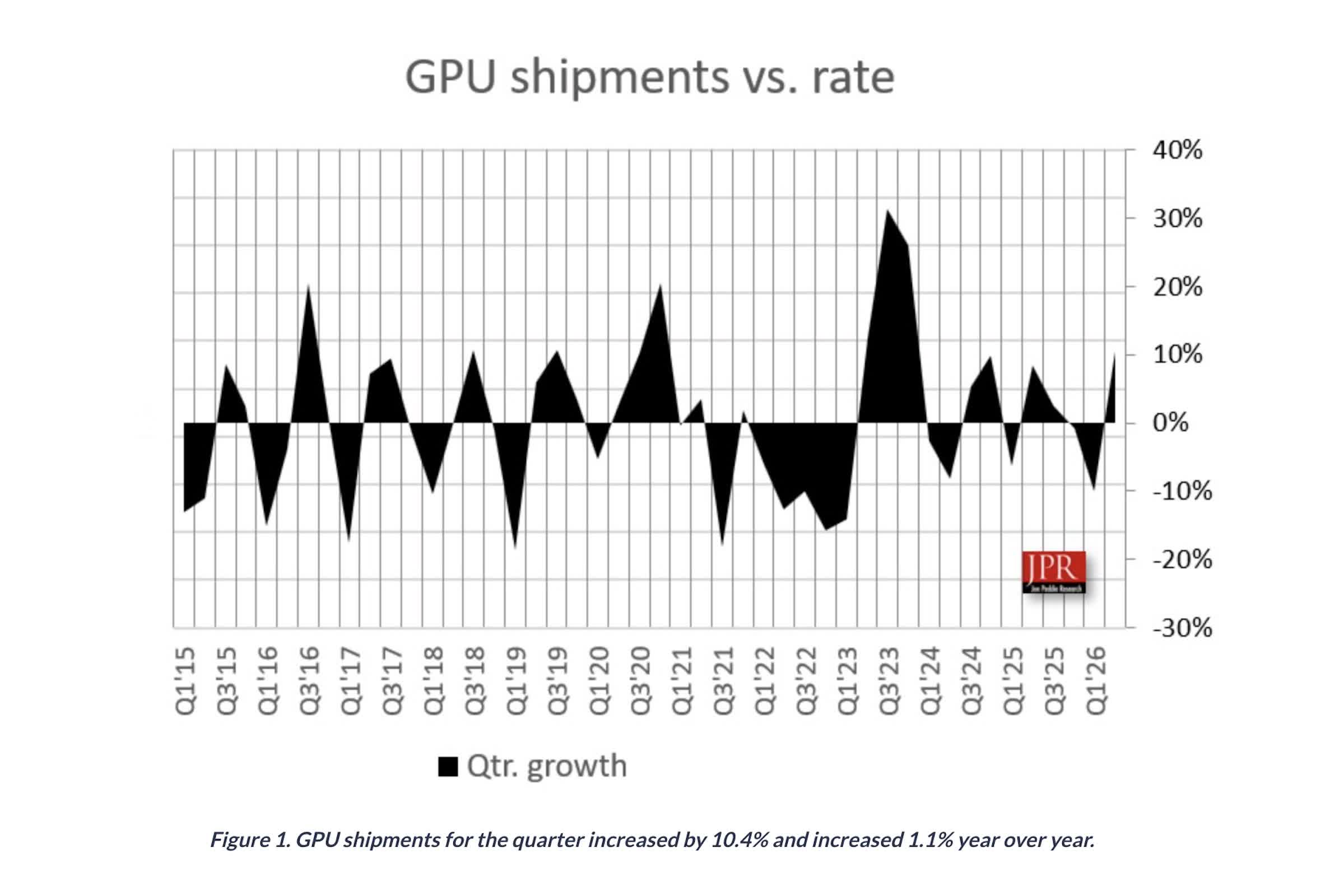
Total consumer PC GPU shipments, including integrated graphics and discrete processors, reached 75.5 million units in the second quarter of 2026. That was up 10.4% from the previous quarter and 1.1% from the same period last year, JPR said.
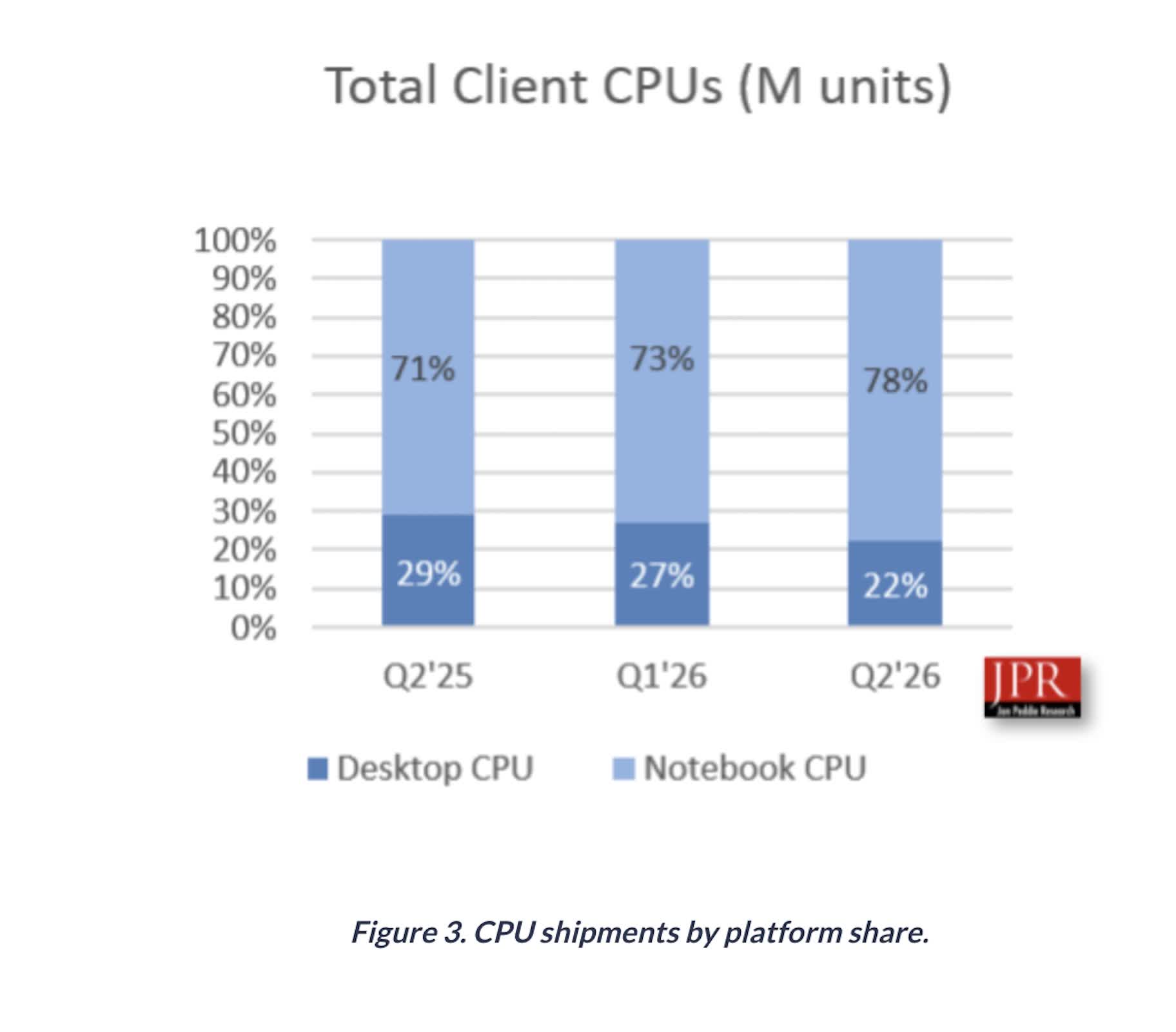
Notebooks drove most of the growth. GPU shipments for laptops rose 16.8% quarter over quarter, while desktop GPU shipments fell 4%. The pattern matched the client CPU market, where mobile processor shipments increased while desktop CPU shipments dropped sharply from the first quarter.
Advertisement
JPR did not provide a unit total for discrete GPUs. Based on the company’s reported attachment rates, Nvidia’s market position and other shipment data, AMD, Intel, and Nvidia appear to have shipped about 20 million standalone GPUs during the quarter.
The research firm’s figures do not show what drove the increase. It is unclear how much came from desktop graphics card sales, gaming notebooks, or other PC designs that include discrete GPUs. Still, the results suggest that demand for PCs with dedicated graphics held up better than demand for desktop systems overall.
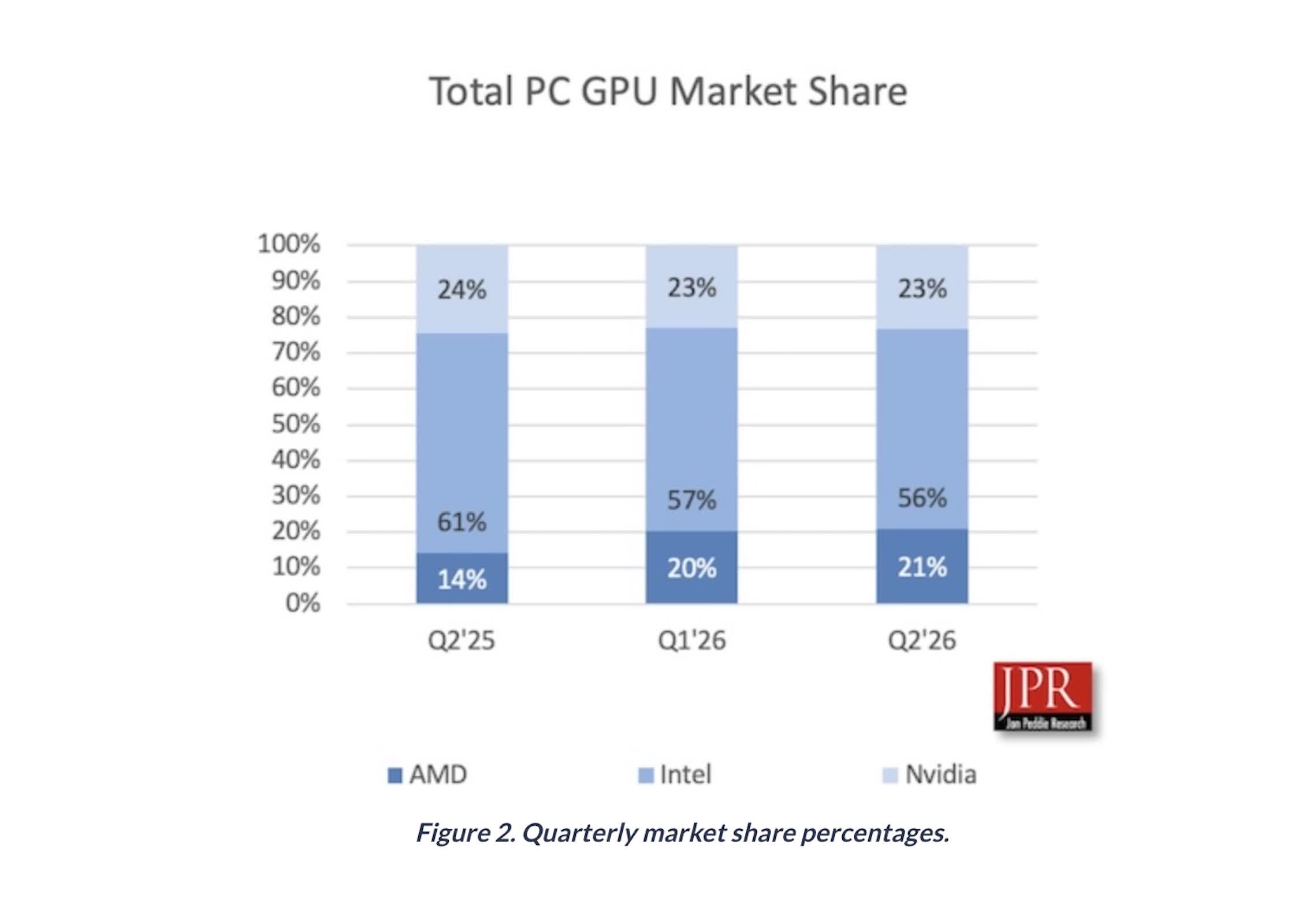
Intel remained the largest supplier in the overall consumer PC GPU market thanks to the integrated graphics in its CPUs. Team Blue had a 56% share in the second quarter, according to JPR. Nvidia ranked second with 23%.
AMD held 21% of the consumer GPU market, up from 14% a year earlier. The gain was tied to increased shipments of its consumer CPUs, which include integrated Radeon graphics. It does not necessarily indicate a similar gain in AMD’s standalone graphics card business.
Advertisement
More details should arrive later this month when JPR publishes its full desktop add-in-board report. It will provide market-share data for AMD, Intel, and Nvidia and should offer a clearer view of how the three companies performed in the discrete desktop GPU market.
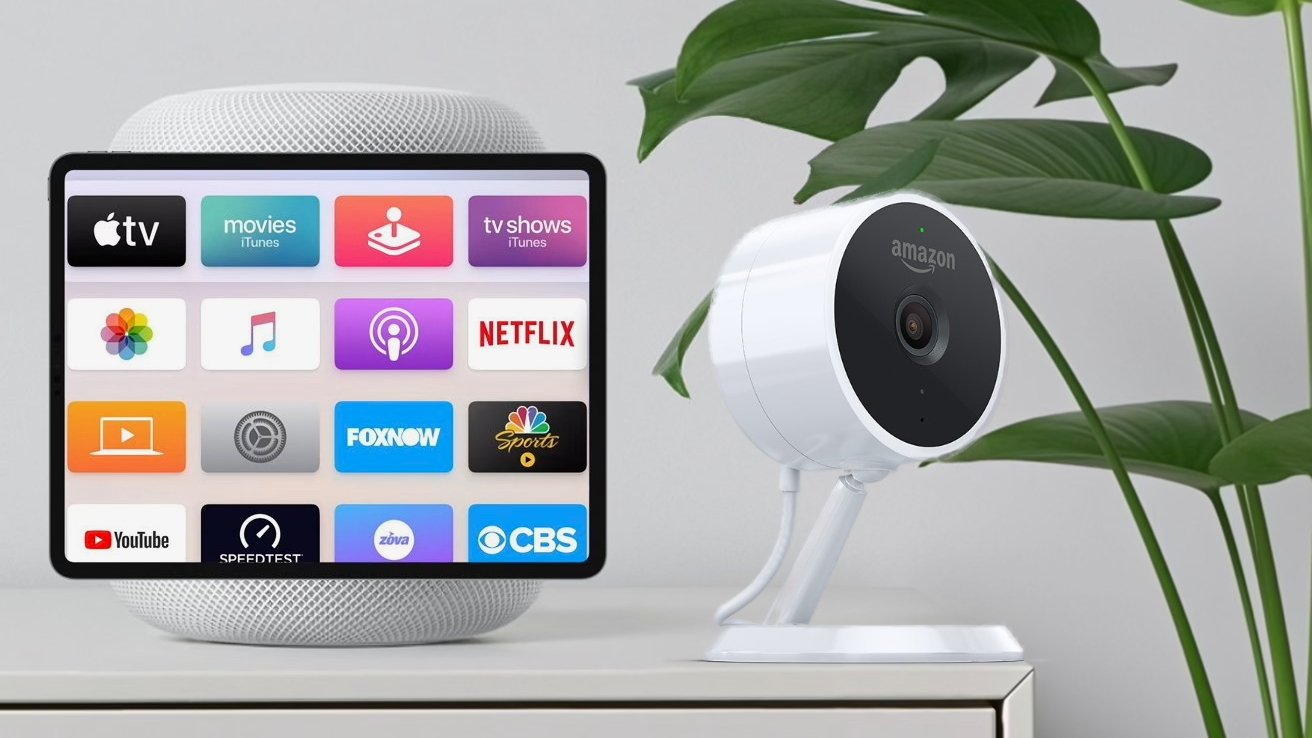
Summarizing existing rumors about Apple launching an AI home security camera, a new report says it will be announced in 2027 alongside a monitoring service.
Apple has not had the best luck so far with security devices, having effectively abandoned HomeKit Secure Routers after few vendors supported it. But it was one of several signs that Apple was aiming at the home with secure devices, and there have long been rumors of a full security system.
Now Bloomberg claims to have more details, and a projected launch date. It includes the home security system in a list of products slated for 2027, alongside iPad and MacBook Neo refreshes.
The as-yet unnamed security system is, unsurprisingly, said to be privacy-centric. It’s said to center on AI monitoring the feed from cameras rather than actual video being recorded.
Advertisement
Presumably video recording would cut in if that AI system detects something such as movement within sight of the camera. But the report says only that this will be one element of a home security system that includes a unspecified monitoring service.
Apple has long been planning this
Given that Apple has already added the ability to view feeds from compatible security cameras on Apple TV 4K, little of the report is surprising. At present that Apple TV 4K also effectively acts as a hub for such a system, and of course Apple is also expected to shortly launch a whole home hub.
The point about using AI monitoring instead of video recording is newer, though. It means capturing frames, possibly on the camera itself, and analyzing them on device.
Instead of saving raw video, the camera need only send metadata such as a timestamped record of when someone was spotted. It uses less bandwidth, and it can also be quicker from the moment movement is detected to when an alert is sounded.
Apple will face competition from many existing devices, but it will also doubtlessly have the advantage that its security camera will fit into its whole ecosystem. Most recently, Anker launched its MindBase smart home system includes some similar features, but no release date or price has been announced.






















































You must be logged in to post a comment Login