PTC Inc. is warning of a critical vulnerability in Windchill and FlexPLM, widely used product lifecycle management (PLM) solutions, that could allow remote code execution.
The security issue, identified as CVE-2026-4681, could be leveraged through the deserialization of trusted data.
Its severity has prompted emergency action from German authorities, with the federal police (BKA) reportedly sending agents to affected companies to alert them to the cybersecurity risk.
Fix under development
There are no official patches available, but PTC states that it is “actively developing and releasing security patches for all supported Windchill versions” to address the issue.
Advertisement
According to the vendor, the flaw impacts most supported versions of Windchill and FlexPLM, including all critical patch sets (CPS) versions.
Until patches become available, system administrators are recommended to apply the vendor-provided Apache/IIS rule to deny access to the affected servlet path. PTC noted that the mitigation does not break functionality.
The same mitigation should be applied to all deployments, including Windchill, FlexPLM, and any file/replica servers, not just internet-facing systems. However, PTC advises prioritizing mitigations on internet-facing instances.
If mitigation is not possible, the vendor recommends temporarily disconnecting the affected instances from the internet or shutting down the service.
Advertisement
IoCs available
The company says that it has not found any evidence that the vulnerability is being exploited against PTC customers. However, PTC published a set of specific indicators of compromise (IoCs) that include a user agent string and files.
Additionally, the bulletin lists detection advice, including checks for webshells (GW.class, payload.bin, or dpr_.jsp files), suspicious requests with patterns such as run?p= / .jsp?c= combined with unusual User-Agent activity, errors referencing GW, GW_READY_OK, or unexpected gateway exceptions.
“Presence of the GW.class or dpr_<8-hex-digits>.jsp on the Windchill server indicates the attacker has completed weaponization on the system prior to conducting remote code execution (RCE)” – PTC
Additionally, in an email to customers seen by BleepingComputer, the company said that “there is credible evidence of an imminent threat by a third-party group to exploit the vulnerability.”
Advertisement
According to Heise, BKA officers were dispatched over the weekend to alert companies nationwide of the risk of CVE-2026-4681, even some that did not use any of the affected products.
The German outlet reports that the BKA woke up system administrators in the middle of the night to hand them a copy of PTC’s notification, and also alerted the state criminal investigation offices (LKA) in various federal states.
This unusual and urgent response by the authorities has sparked concerns that CVE-2026-4681 may be exploited or is likely to be exploited soon.
Given that PLM systems are also used by engineering firms in weapons system design, industrial manufacturing, and critical supply chains, the authorities’ response could be justified on grounds of protection from industrial espionage and other national security risks.
Advertisement
Malware is getting smarter. The Red Report 2026 reveals how new threats use math to detect sandboxes and hide in plain sight.
Download our analysis of 1.1 million malicious samples to uncover the top 10 techniques and see if your security stack is blinded.
The creative minds behind Mortal Kombat II know precisely how to make an awful ’90s-style action movie. We get a glimpse of that with footage from “Uncaged Fury,” an in-film demonstration of Hollywood playboy Johnny Cage’s replete with one-liners, glacially slow choreography and ridiculous stunts, all of which would have felt right at home in a forgettable Van Damme flick. By nodding to schlocky action cinema — which definitely includes Mortal Kombat (1995)— director Simon McQuoid and screenwriter Jeremy Slater are also making a statement: They know what not to do. That self-awareness ultimately makes it the best Mortal Kombat film yet.
This sequel is practically a point-by-point refutation of everything in “Uncaged Fury.” McQuoid, Slater and crew made the action far more complex than what we’ve seen before in the franchise. Moves hit harder, characters make more inventive use of their surroundings and everything is shot to emphasize the profound level of skill involved in constructing a modern fight scene. There are quips, to be sure (including a nod to Big Trouble in Little China, which directly influenced the Mortal Kombat games), but they’re more than just throw-away lines.
Perhaps most importantly, it balances those (slightly) loftier cinematic aspirations against the campier aspects of Mortal Kombat. It’s still about a tournament that determines the fate of the world. People have superpowers. There’s a necromancer. But there’s still room to find the humanity in these ridiculous characters.
Advertisement
Warner Bros
The best example of this is Johnny Cage himself, who is typically just presented as an annoying movie star in the games. In this film, he’s a washed up action star attending a geek convention where nobody recognizes him. As played by Karl Urban — a genre actor who’s appeared in Xena: The Warrior Princess, Lord of the Rings and currently stars in The Boys — Cage is the quintessential sad sack. He hates himself so much, he can’t even accept a modicum of praise from a former fan. Urban captures a man who is both past his prime, and whose prime was giving up a legitimate martial arts career to make schlock movies.
When he’s chosen to fight in Mortal Kombat, it’s impossible for Cage to see himself as an actual hero — after all, he’s only ever pretended to be one. Urban gets to show off his physical comedy chops as he’s thrown about in his first fight, showing us the campy side of the character. But he’s compelling enough as an actor to make us believe in Cage’s gradual heroic transformation.
Warner Bros.
While Johnny Cage steals the show, Mortal Kombat II starts off by introducing us to Kitana as a child princess who is forced to watch her father be brutally murdered by the tyrant Shao Kahn. That loss puts her realm, and all of its people, under Kahn’s rule. Inexplicably, he chooses to adopt her and take her mother on as a consort. Kitana’s focus becomes revenge, all the while putting on the face of a loyal warrior for Kahn. Given the weight of her storyline, there’s less room for Kitana to lean into camp like Johnny Cage, but at least she gets a sick combat fan made of knives.
Everyone else from the Mortal Kombat reboot returns, including Jessica McNamee as Sonya Blade, Ludi Lin as Liu Kang and Lewis Tan’s Cole Young, a new character invented for that film. They all get their time to shine with more elaborate fight scenes, which also appear more frequently, since the tournament serves as the spine of the film. In an interview for my film podcast, The Filmcast, McQuoid mentioned that his stunt team spent more time visualizing choreography and set pieces, which led to far more dynamic action sequences than the first film. It’s something I think even general audiences, who aren’t as particular about fight choreography, will notice.
Now I’m not going to pretend that Mortal Kombat II is a perfect film. It leans so much on the previous entry that it’ll be completely nonsensical to anyone jumping straight in. And people who are less enamored with the world of martial arts films may not appreciate that the characters spend more time punching and kicking than talking. But if you can appreciate the wordless ballet of a well-choreographed fight scene, where character depth is revealed through action itself, you’ll likely have a great time with Mortal Kombat II.
In an increasingly AI-driven and digital world, analog instant film and retro-style cameras remain popular, fueled by a combination of both nostalgia and charm. Instant cameras, in particular, stand out for their simplicity and an experience that has remained largely unchanged over time.
Fujifilm’s $175 Instax Wide 400 builds on the familiar instant photography experience and expands it with a wider format. As someone who appreciates simple, easy-to-use instant cameras and often shoots with an Instax Square, I was interested in trying a model that offers larger prints and support for landscape photography.
The Instax Wide 400 is built for capturing group shots, scenic landscapes, and moments where fitting more of the scene into the frame really matters. It produces 62 × 99 mm prints, about twice the size of Instax Mini photos, giving you a lot more space to work with in every shot.
Since it’s a simple point-and-shoot camera, it requires no prior photography experience and is designed to be easy and intuitive to use. Its appeal lies in fun and simplicity rather than advanced controls.
Advertisement
With its one-button design, the camera offers no manual exposure controls. It automatically manages flash, focus, and other settings, leaving you to simply frame the image and take the shot.
Image Credits:TechCrunch /
When lighting is ideal, the images print with nice color and a good amount of detail with some extra saturation. I was quite impressed by the quality because it managed to pick up accurate colors and distant details.
However, the simplicity of the camera does have some trade-offs because there isn’t much you can do to make photos brighter if you’re not in an ideal lighting situation. I did end up with some less-than-ideal shots because, in scenes with strong contrast, like dark trees against a bright sky, the details tended to blur together.
Techcrunch event
San Francisco, CA | October 13-15, 2026
Advertisement
The rest of the camera is equally straightforward. To power on the camera, you rotate the lens counterclockwise. The first click activates close-up mode for subjects about 0.9 to three meters away. Turning it once more switches to landscape mode for distant subjects beyond three meters. Rotating the lens clockwise powers the camera off.
The camera comes with a close-up lens attachment that snaps onto the front for close-up shots. I found the attachment was good at helping for avoiding focus and blur issues when taking close-ups.
Advertisement
Loading the cartridge is simple, with guide lines to help you align it correctly in the camera. The door closes securely using a twist lock that latches shut. There is also a small indicator on the back that shows how much film is left.
Image Credits:TechCrunch
Coming in at 162 mm x 98 mm x 123 mm and 1.4 pounds, the camera is quite bulky. It’s noticeably bigger than the Instax Mini cameras and the Instax Square models. However, I wasn’t too surprised by the size, since it makes sense that larger photos would require a bigger camera.
That said, it’s not something you’d want to carry around without a bag, and while the shoulder strap helps, I was still very conscious of it and careful not to bump it into people or objects in busy spaces. Although Instax does offer a camera case sold separately, I didn’t receive one alongside my review unit, so I can’t speak to it.
Since it’s a bit bulky, it’s pretty noticeable, and it ended up attracting the attention of a few people when I was testing it. A worker at a downtown gelato shop even stopped to compliment it, calling it a “cool looking camera.”
That kind of attention is part of the appeal.
Advertisement
Image Credits:TechCrunch
The camera’s self-timer is a nice feature, as it makes it possible to include everyone in a shot without needing someone to press the shutter button. It works by pushing a lever on the side and choosing one of four durations, ranging from two to 10 seconds. The camera emits a ticking sound to indicate that the timer is active, and red lights provide a visual countdown.
If you don’t have a tripod, the camera’s strap includes two angle adjustment accessories that can help prop and position the camera on a flat surface. To use one, slide it into the indented space on the camera’s underside, set the self-timer, and step back into the frame.
Film for the camera is available in standard white frame, black frame, metallic borders, and monochrome. Fujifilm sent me the standard white film alongside my review unit, which is the film I used for this review. Each box of film comes with 20 sheets and costs between $25-$28.
As for colors, the Instax Wide 400 comes in two options: green and jet black. As someone who loves a good shade of green, I liked that the color of the camera gave it a more playful, fun vibe.
Overall, I think this camera is a great option for people of all ages, as it offers high-quality images while remaining simple enough for kids and teens who are just starting out in photography.
Advertisement
When you purchase through links in our articles, we may earn a small commission. This doesn’t affect our editorial independence.
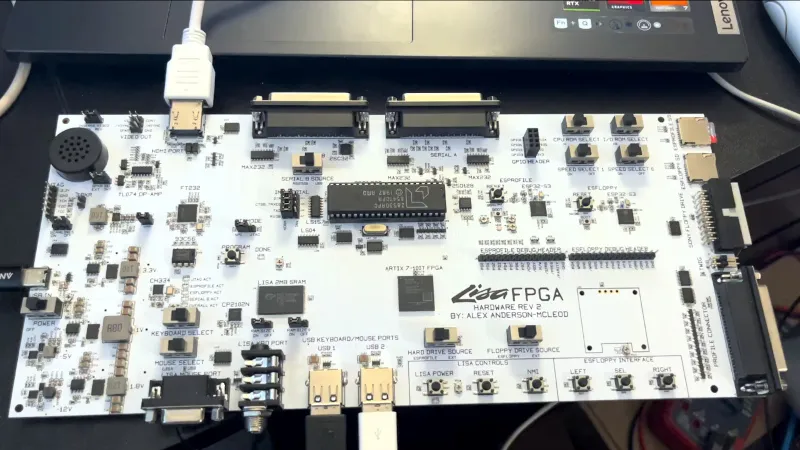
Most of us will know that Apple’s precursor to the Macintosh series of computers was a machine called the Lisa. Something of a behemoth compared to those early Macs, it had a price to match and wasn’t a commercial success. Working Lisas survive, but unlike a Mac you won’t find many at your local swapmeet. But what if you really must try this early Apple GUI? Never fear, because [AlexElectronics] is here with a much more accessible version on a FPGA.
This Lisa has a surprisingly large PCB compared to the size of the FPGA, because of the number of connectors. It takes the approach of mixing new and old in interfaces, for example as well as original Lisa keyboard and mouse support, you can also use modern USB versions. There’s also an HDMI output for a modern monitor, and an SD card. Unexpectedly alongside the FPGA there’s a 40-pin DIP, it’s a UART chip because there’s no handy pre-built one for that particular chip. We’re told it will be up on GitHub when finalized.
Keeping old computers alive, especially rare ones, is hard. We like projects like this one, and we hope to see more developments. Meanwhile you can see the machine in the video below.
The 2026 World Cup starts on June 11, and while a lot of people will be thinking about a new TV, there’s still one crucial component that can make or break the whole experience: audio.
A new soundbar can really add another dimension to the World Cup viewing experience, delivering clearer commentary and a more immersive atmosphere by capturing the roar of the crowds. Let’s face it, even the best TVs have average built-in audio, and it’d be a shame to miss out on the full World Cup feeling.
Below, I’ve picked four of the best soundbars you can buy right now that will be more than up to the task of delivering the atmosphere of the World Cup, whatever your budget.
Advertisement
Latest Videos From
Best overall: Samsung HW-Q800F
(Image credit: Future / Aardman Animations)
Currently sitting at the top of our best soundbars list is the five-star-rated Samsung HW-Q800F. One of the brand’s mid-range 2025 soundbars, the Q800F really does cover all the bases.
The Q800F is a soundbar-and-sub combo that delivers everything you could need. We found in our testing that the bass delivered by the new, compact subwoofer was still suitably powerful and sizeable, accurately delivering the ignition of the Darkstar jet in Top Gun: Maverick.
It also demonstrated excellent precision with surprisingly effective Dolby Atmos height effects in movies such as The Mask, accurately capturing the chaotic nature of the titular character as he tears around Edge City. Expect it to accurately deliver the ball’s movements around the field during the World Cup.
Advertisement
Dialogue was crystal clear throughout our testing as well, which is a good sign that a commentary track during the World Cup should be delivered with real clarity.
Sign up for breaking news, reviews, opinion, top tech deals, and more.
The Q800F is brilliant value too. You can expect to pay around $799 / £599 / AU$849, which is a great price for this soundbar. Expect prices to drop in the lead-up to the World Cup, too.
Advertisement
Best premium: Samsung HW-Q990F
(Image credit: Future)
For those looking for a complete soundbar system, it doesn’t get much better than the Samsung HW-Q990F, the brand’s 2025 flagship model. This 11.1.4 channel soundbar is a beast, composed of four separate units and really delivers the full surround sound experience.
I personally tested the Q990F and was blown away by its performance. The new compact subwoofer delivers room-filling bass that is mighty, but also well controlled. The rumble of the Batmobile’s engine in The Batman was room-shaking but dynamic and precise, with the subwoofer accurately delivering the chunky gear changes.
Advertisement
The Q990F boasts a wide soundstage that’s not only great for big musical numbers from movies like Wicked, but also action-packed scenes such as the Death Star attack in Star Wars: A New Hope. The sound is expansive with pinpoint placement, such as the TIE Fighter’s screeching flight path in Star Wars. The stadium atmosphere in the World Cup will sound sensational through this system.
Speech was perfectly clear throughout my testing, whether it was hushed conversation in The Batman or the loud, soaring vocals of ‘Defying Gravity’ from Wicked. Expect the same with commentary in the World Cup.
The Q990F is at the more premium end of the market, costing $1,599 / £999 / AU$1,599, but this mammoth soundbar system will cover you for sports, movies, and gaming, and do a superb job with all of them.
Advertisement
Best budget US: Sonos Beam
(Image credit: Future)
The Sonos Beam (Gen 2) may be compact, but don’t let that fool you. It delivers a beefy sound that you wouldn’t expect from a soundbar this size and is easily one of the best models for music on the market.
Advertisement
The Beam (Gen 2) has been around for a while now, but it still consistently delivers a satisfying sound that works for a diverse range of genres. I tested it alongside the Sony HT-S2000 and Denon Home 550, two compact rivals, and I was always pleased with the Beam’s performance.
The bass it delivers for a small unit is tightly controlled and punchy, as it accurately delivered the roar of jet engines in Top Gun: Maverick. Its soundstage was also spacious, giving effects room to breathe with a great balance overall. As The Mask tornadoes around his bedroom in The Mask, the Beam did an excellent job mapping the direction of the whirlwind, connecting the sound accurately to the picture.
Dialogue is nice and clear despite its smaller stature, so commentary should be nice and clear for the World Cup. It also has a diverse sound profile that makes it great for music.
Sonos‘ soundbars often get some nice discounts throughout the year, but even at the full $499 / £449 / AU$799 price, it’s a superb soundbar that’s real value for money.
Advertisement
Best budget UK: Hisense AX5125H
(Image credit: Future)
The Hisense AX5125H is one of the most impressive budget soundbars I’ve ever used. Not only are you getting a great 5.1.2 channel Dolby Atmos system, but you’re getting it for a ridiculously low price.
Advertisement
Using the Death Star attack from Star Wars: A New Hope, I was seriously impressed with the AX5125H’s clarity and control. It accurately delivered the whirring engines of the X-Wings and did a solid job with height channels, recreating the screech of the TIE Fighters as they flew overhead.
The AX5125H also has a wide soundstage, which helped pick up subtleties in The Batman‘s opening crime scene, with camera clicks, mumbled conversations, and the sparse, scratchy strings of the score all presented clearly. This should do a great job picking out the dynamics during the World Cup, from a travelling ball to the crowd noise.
Speech was also clear throughout testing, coming through loud and clear during both quieter conversations and action-packed scenes. This will have no problem delivering clear commentary in a packed stadium atmosphere.
The AX5125H’s real highlight is its low price. A 5.1.2 channel system for £249 is ridiculous. This would have been my pick for the US budget option, but sadly, it’s out of stock. For UK readers, this one is a no-brainer if you’re on a budget.
‘Significant’ patient population unresponsive to existing schizophrenia treatments, highlighting ‘major unmet clinical need’, according to PhD researcher Keelin Harrison.
Keelin Harrison is a PhD student researching the role of neuroinflammation in the pathology of schizophrenia.
“What is becoming increasingly clear”, Harrison says, “is that neuroinflammation is a highly dynamic process, and understanding how it interacts with structural and circuit-level changes in the brain remains an evolving area of research.
“Building on this foundation, my PhD project aims to further investigate these mechanisms and explore their potential role as therapeutic targets.” She is a researcher at the FutureNeuro Research Ireland Centre for Translational Brain Science, based at RCSI University of Medicine and Health Sciences.
Advertisement
Harrison’s research career began in biological and biomedical sciences first, before she specialised in neuroscience midway through her undergraduate degree from Trinity College Dublin. Later, she completed her masters’ degree in translational neuroscience at Imperial College London, where she developed a strong interest to research the role neuroinflammation plays across neurological and psychiatric disorders.
Harrison says she engages with patient and public involvement initiatives through FutureNeuro to better ensure that her research is informed by the perspectives of those it ultimately aims to benefit.
What kind of impact do you foresee from your research?
Schizophrenia affects approximately 1pc of the population and is a profoundly debilitating condition, impacting cognition, perception, emotion and social functioning.
While current antipsychotic medications can be effective in treating positive symptoms such as hallucinations and delusions, they do not adequately address cognitive deficits or broader functional impairments. In addition, a significant proportion of patients do not respond to existing treatments, highlighting a major unmet clinical need.
Advertisement
My research aims to advance understanding of the biological mechanisms underlying schizophrenia – particularly the role of inflammation – and to identify potential targets for future therapeutic development. Ultimately, the goal is to support the development of more effective treatment strategies for patients.
What inspired you to become a researcher?
Growing up, I was always naturally curious and inclined to ask questions about how things work. When I was first introduced to neuroscience, I was struck by how many fundamental questions remain unanswered – and in some cases, whether we are even asking the right ones.
Being in an environment that encourages curiosity, critical thinking and intellectual challenge is what initially drew me to research and continues to motivate me. I find it genuinely rewarding to step back, question assumptions and contribute to a field that is still rapidly evolving.
What are some of the biggest challenges or misconceptions you face as a researcher in your field?
One of the central challenges in neuroscience and psychiatric research is the difficulty of modelling human psychiatric conditions in preclinical systems. There is often a disconnect between biological findings in animal models and their relevance to human disease, which can limit translation.
Advertisement
Another challenge is the persistence of stigma and misunderstanding surrounding psychiatric disorders, which can influence how research in this area is perceived and supported.
More broadly, there remains a misconception that conditions like schizophrenia are well understood or primarily defined by their symptoms alone, when in reality, they involve complex and heterogeneous biological and environmental factors.
Do you think public engagement with science and data has changed in recent years?
Public engagement with science has become increasingly important, particularly in the context of the Covid-19 pandemic, which highlighted both the value of clear scientific communication and the risks posed by misinformation. Effect communication between researchers and the general public is essential for building trust, preventing misunderstandings and ensuring that findings are accessible and accurately represented.
Furthermore, involving public and patients in the research process helps ensure that scientific questions are aligned with real-world needs and priorities.
Advertisement
Don’t miss out on the knowledge you need to succeed. Sign up for the Daily Brief, Silicon Republic’s digest of need-to-know sci-tech news.
We got asked a great question in the mailbag segment on the Podcast this week: are there hacks that we have read about on Hackaday that we use in our everyday life? The answer was absolutely yes, and I loved Tom’s take it often goes the other way – he sees a hack, tests it out, and then writes it up.
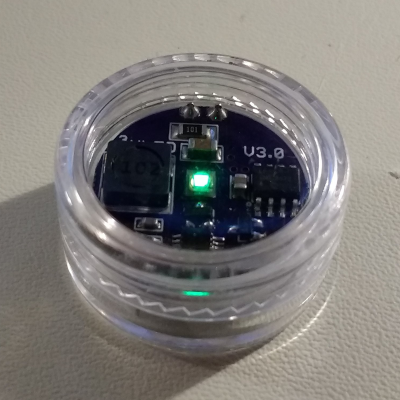
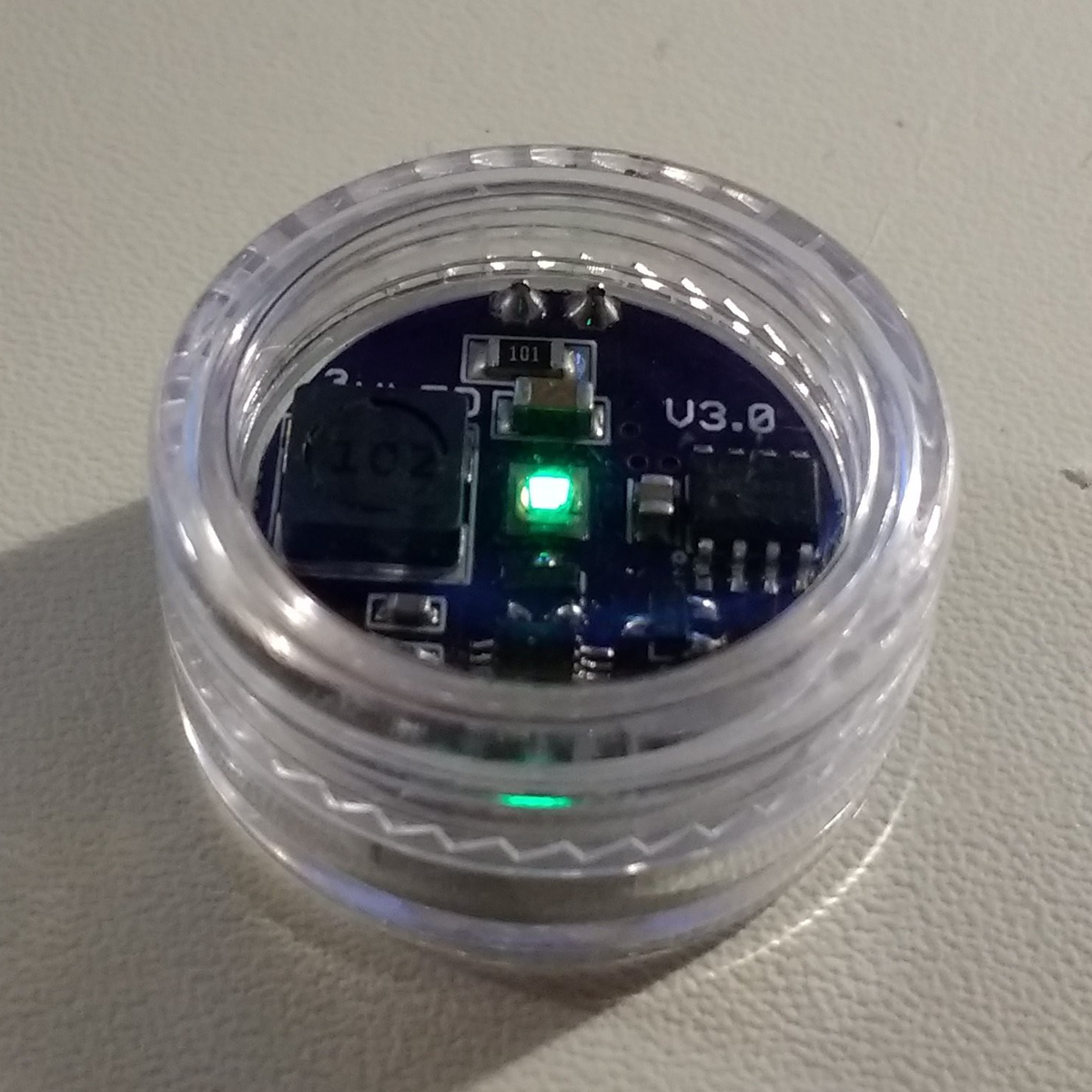
But I started looking around the office and I found more examples of projects that were absolutely inspired by projects I had seen on Hackaday, yet weren’t the same. I made a DIY mechanical keyboard because I saw someone else do it. There are a few home-made battery packs that I probably wouldn’t have attempted without having read about someone doing the same thing. I riffed on [Ted Yapo]’s Tritiled project, making a slightly inferior, but workable knockoff, and they’ve been glowing for many years now.
That got me to thinking about reproducing a project versus taking inspiration from it, and though I enjoy both, I’m find myself most often in the “inspiration” mode. I just can’t leave well enough alone, even when I’m fundamentally copying someone. NIH syndrome? Expediency? Probably both, and sometimes with a dose of hubris or feature creep.
Looking back at [Ted]’s TritiLED, though, I found some great examples in both the rebuild and redesign modes on Hackaday.io. [schlion]’s Making Ted Yapo’s TritiLED couldn’t be a clearer example of the former, and it’s great to look over his shoulder and appreciate all the lessons he learned along the way. [Stephan Walter]’s Yet another ultra low power LED is inspired by [Christoph Tack]’s Ultra low power LED, which is in turn inspired by [Ted]’s project, like a conceptual grandchild.
In a way, I look at this like with music: sometimes you play the notes the way they were written down, and sometimes you riff on someone else’s theme. Both are equally valid, and both owe a debt to the upstream source. Is Hackaday the hackers’ jazz club? And which of these modes do you find yourself working in most?
Apple has updated its education pricing in several countries, now including the US, to offer educators and students discounts on Apple Watch for the first time.
Starting on May 7, Apple Store will now offer discounted pricing on Apple Watch SE 3, Apple Watch Series 11, and Apple Watch Ultra 3 to qualifying users. They include faculty and staff of higher education institutions as well as students who are enrolled or accepted into said institutions.
The new Apple Watch pricing is not available globally, however. Apple has been updating the list of countries where the new pricing is applicable, though, and as of May 8 at 6 AM ET, It’s available in:
Australia
Canada
Chile
China (via AliPay)
France
Germany
Hong Kong
India
Italy
Japan
Malaysia
Saudi Arabia
Singapore
South Korea
Spain
Taiwan
Thailand
Turkey
UK
US
Vietnam
Education customers will verify their eligibility in store and online via Unidays. Most will receive approval instantly, though it can take up to 24 hours.
This joins Apple existing education pricing that largely applies to Mac and iPad purchases. Currently, education customers in the U.S. are still limited to discounts on new Mac and iPad devices.
Advertisement
Discounts vary, but education pricing can save users up to 10% on their qualifying purchases.
At press time, U.S. customers can save across the wearable range in our Apple Watch Price Guide, even without EDU status. Deals found in the price guide include a $100 discount on the Series 11, bringing the price down to $299, while the SE 3 can be found for as low as $219.
Update May 8, 6:00 AM ET: Apple has now brought its Apple Watch education discounts to North America.
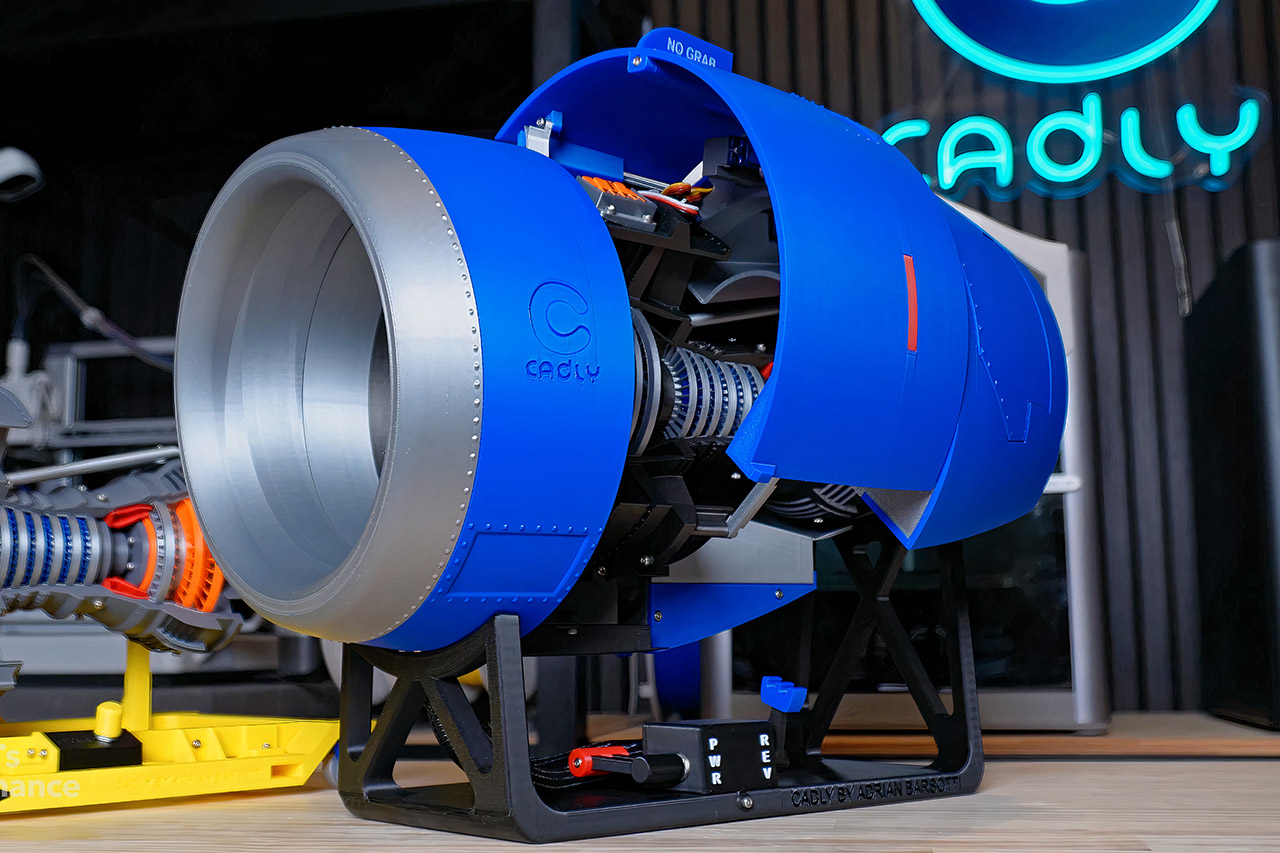
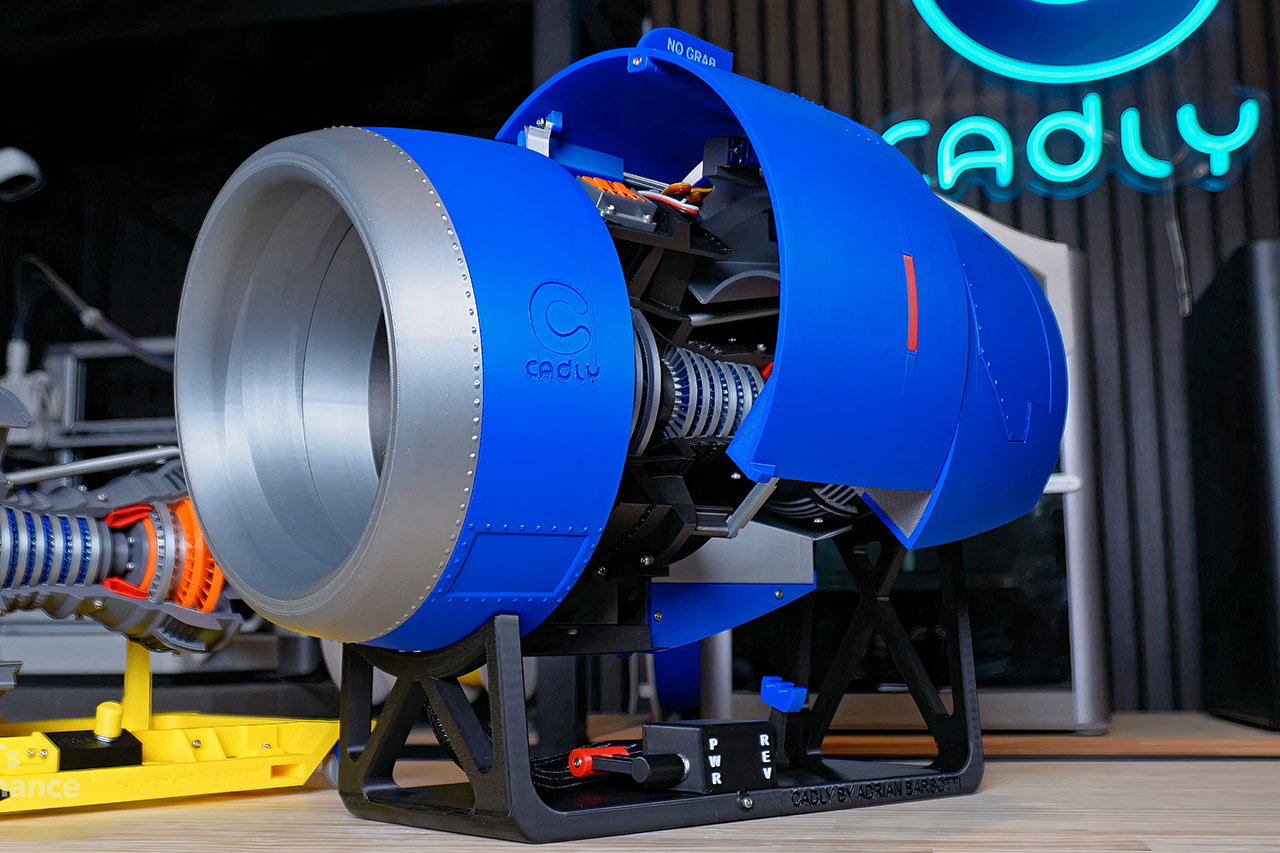
CADLY poured months of design effort into creating an electric turbofan model that anyone can produce at home. Files sit ready for download from the maker’s own site or the Printables page, and a standard 3D printer handles every major piece. The finished unit draws direct inspiration from the CFM56 engines found on Airbus A320 airliners, yet it runs on basic electronics and a small motor instead of jet fuel.
Every major section is printed in five bolted segments for easy handling. Builders slice the pieces using normal software and run the job on a machine like a Bambu Lab X1C, which completes the entire set in about 37 hours. In a few places, the walls are just two or three millimeters thick, but the design remains solid after the screws and nuts are tightened. A short length of filament even serves as a fine active clearing system surrounding the low-pressure turbine, preventing the spinning elements from rubbing.
High-Speed Precision: Experience unparalleled speed and precision with the Bambu Lab A1 3D Printer. With an impressive acceleration of 10,000 mm/s…
Multi-Color Printing with AMS lite: Unlock your creativity with vibrant and multi-colored 3D prints. The Bambu Lab A1 3D printers make multi-color…
Full-Auto Calibration: Say goodbye to manual calibration hassles. The A1 3D printer takes care of all the calibration processes automatically…
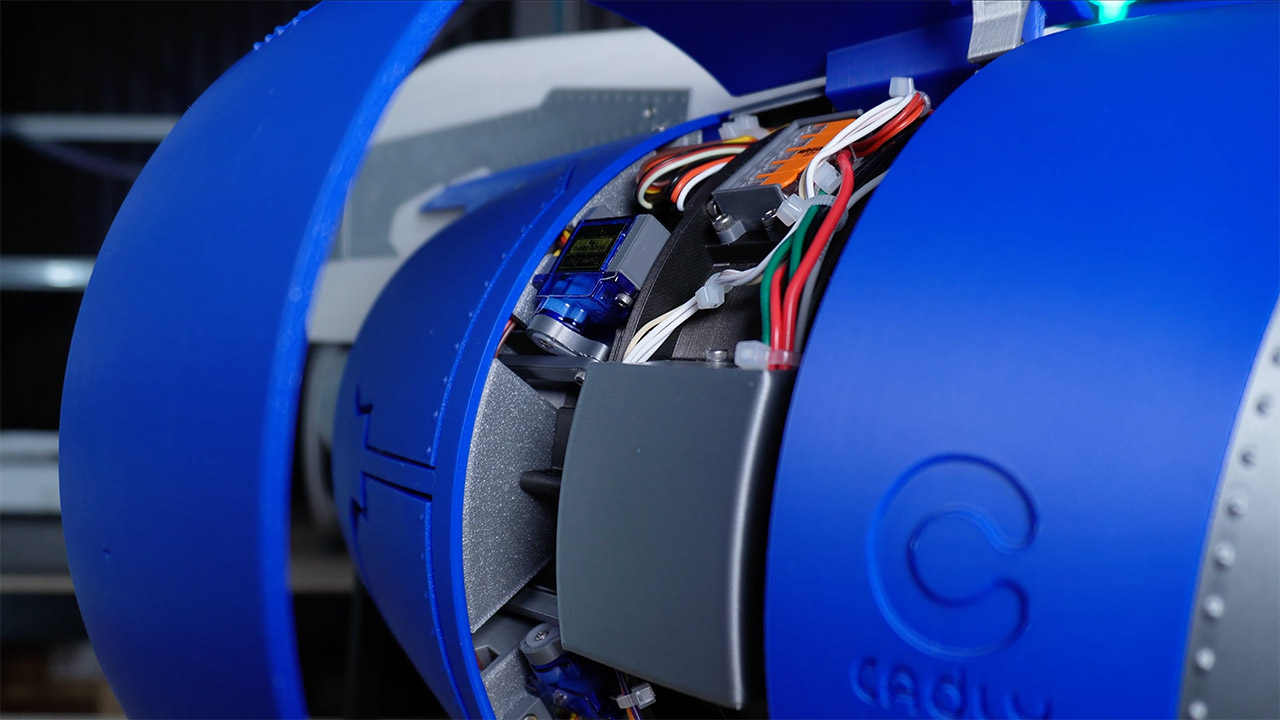
The model features a big front fan, various compressor stages, and turbine wheels that all rotate around a single central shaft. Bearings and an adjustable screw allow owners to dial out any shaft play, ensuring that the blades spin neatly without hitting the housing. The bypass duct contains four rotating doors that operate as thrust reversers. When the doors swing outward, they steer airflow forward, just like full-size engines do during landing.
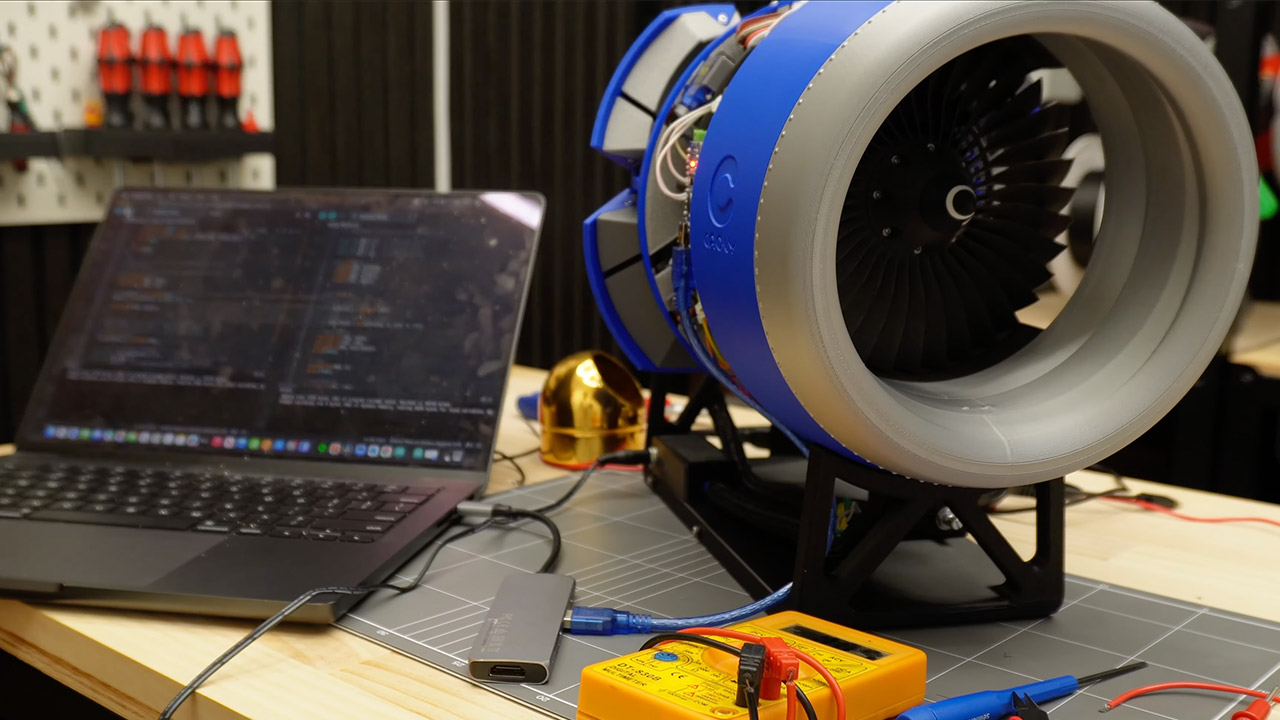
Openable cowlings cover the exterior and swing on self-locking hinges. Small magnets implanted in the edges clamp the panels close in exact alignment, preventing gaps from forming. Lifting the C-ducts reveals the whole core, providing a clean view right through the engine. Electronics transform the printed shell into a functioning machine. An Arduino Nano controls the show, while a 70-revolution-per-minute motor runs the fan at a steady rate suitable for display. The thrust reverser doors are operated by four SG90 micro servos, each installed in a custom housing and joined by a printed arm. A potentiometer installed on the accompanying stand provides instant control over the fan speed. Power is routed from a 12-volt supply via an L298N driver, but a separate buck converter keeps five volts constant for the servos and board when early tests revealed that the driver alone could not manage the entire load.
Wiring runs neatly through gaps in the ducts and is kept tidy with zip ties and wrap. Before anything else rotates, the Arduino code performs a short startup function that moves the doors to a safe closed state. Builders who use the provided circuit diagram and print profile table have a few surprises during final hookup. Assembly begins with the core shaft and bearings, then progresses to the fan and compressor. The servos are next to slide in, followed by the outer cowlings and the stand. The entire unit is mounted on a two-piece transportation stand that also serves as a display base, with the control panel integrated right in. Once turned on, the fan spins smoothly and the doors pivot open and closed on command, demonstrating how reverse thrust works in real time.
Amazon is opening its logistics network to outside businesses through a new offering called Amazon Supply Chain Services. (Amazon Photo)
Amazon launched a new business that opens its entire logistics network to outside companies — sending shares of UPS and FedEx tumbling and marking the latest example of the tech giant under CEO Andy Jassy turning its internal capabilities into products and services for sale.
Amazon Supply Chain Services, announced Monday morning, brings together the company’s freight, distribution, fulfillment, and parcel shipping operations into a single offering available to any business, regardless of whether they sell on Amazon’s marketplace.
Initial customers include Procter & Gamble, which is using Amazon’s freight network to transport raw materials; 3M, which is using it to move products to distribution centers; Lands’ End, which is fulfilling orders across sales channels from Amazon’s warehouses; and American Eagle Outfitters, which is using Amazon’s parcel service for last-mile delivery.
The service can fulfill orders placed through platforms that compete with Amazon’s own marketplace, including Walmart, Shopify, TikTok, and others.
Shares of UPS dropped nearly 10% and FedEx fell more than 9% in trading early Monday. Amazon’s stock rose slightly. Amazon had already surpassed both carriers to become the nation’s largest parcel shipper by volume, according to parcel-analytics firm ShipMatrix.
Advertisement
Peter Larsen, vice president of Amazon Supply Chain Services, compared the launch to the origins of Amazon’s cloud business. Larsen, an 18-year Amazon veteran who previously led internal transportation and delivery technology operations, said Amazon is bringing its supply chain to outside businesses “much like Amazon Web Services did for cloud computing.”
In addition to putting Amazon in competition with existing players in the logistics industry, the move also raises questions about data privacy. Amazon has faced accusations of using nonpublic seller data to compete against merchants on its marketplace, which it has denied.
Larsen told the Wall Street Journal that the company prohibits using supply chain customer data for its own marketplace decisions, noting that hundreds of thousands of Amazon sellers already trust the company to fulfill orders placed on rival platforms.
The launch follows a recent pattern of Amazon reviving its tradition of turning internal capabilities into external businesses.
In his annual shareholder letter, Jassy said the company is also exploring selling its custom AI chips and robotics to outside customers.
In shipping, the company is not exactly starting from scratch: Amazon’s logistics network includes more than 200 fulfillment centers in the U.S., more than 80,000 trailers, 24,000 intermodal containers, and 100 aircraft. The company says it delivers 13 billion items annually.
Amazon did not disclose specific pricing for the new Amazon Supply Chain Services, saying costs will vary based on the services businesses use.
The scale of Apple’s hardware business makes even a limited manufacturing shift significant. The company sells more than 200 million iPhones each year, along with large volumes of Macs and iPads. Apple and Intel both declined to comment. Read Entire Article Source link



























































You must be logged in to post a comment Login