















If you’re in motorsport, or maritime, or mining fields, you can always call on a technician to come down and fix something when it’s broken. You can lay hands on the parts, reconfigure things, make repairs, and get something working again. In space, that’s seldom possible. If you’re lucky enough to have a manned mission, you might be able to make some running repairs; if you’re working with an unmanned robot, probe, or satellite, your potions are altogether more limited. If you can’t find a fix, it’s game over—a particularly brutal result when huge budgets and years of work are on the line.
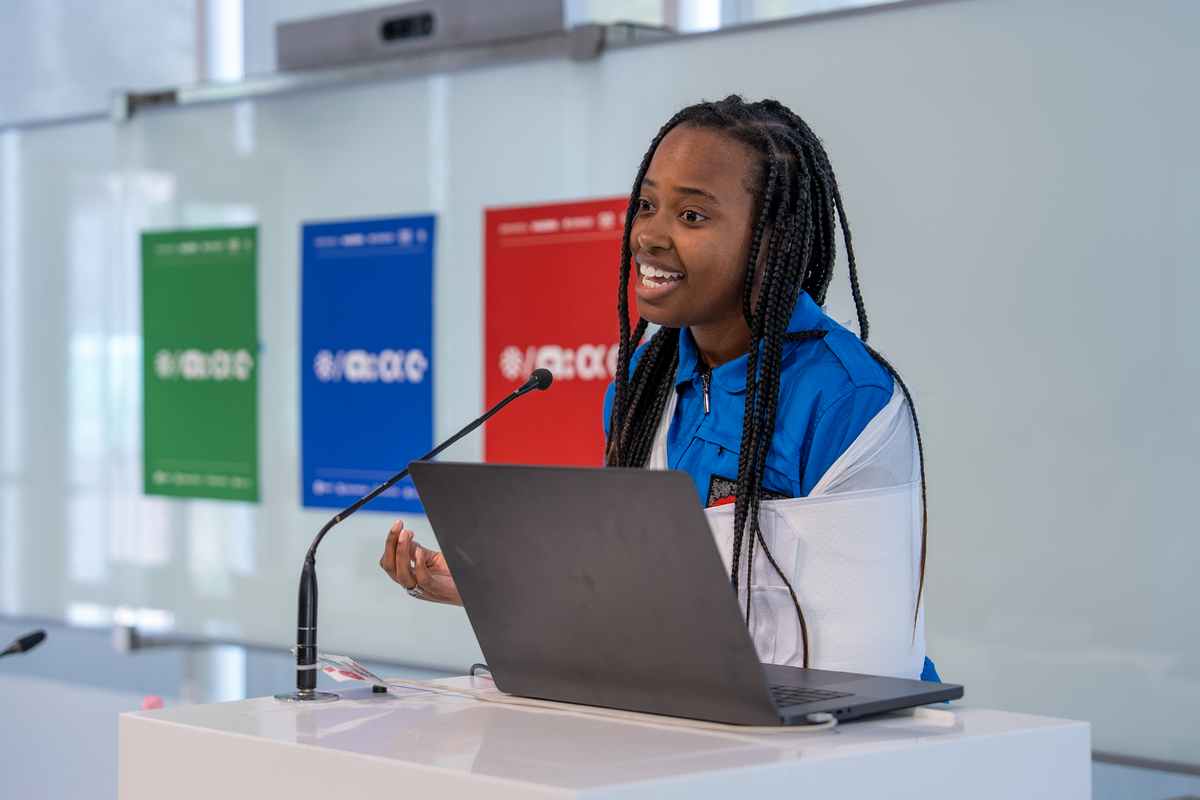
Janelle Wellons came down to Hackaday Europe to talk about space. More particularly, the engineering and debugging operations that keep all sorts of space programs alive. Her talk dives into some of the creative solutions engineers have had to come up with to save million-dollar missions from becoming unrecoverable boondoggles.
Janelle came down to Hackaday Europe to talk about space, because she lives and breathes it. An experienced aerospace engineer, she’s worked at NASA JPL and iSpace, contributing to the success of missions taking place far from our humble globe. She drew on that experience to talk through what it takes to keep a mission on the rails when things go a little sideways, which happens in space, just as it does anywhere else.
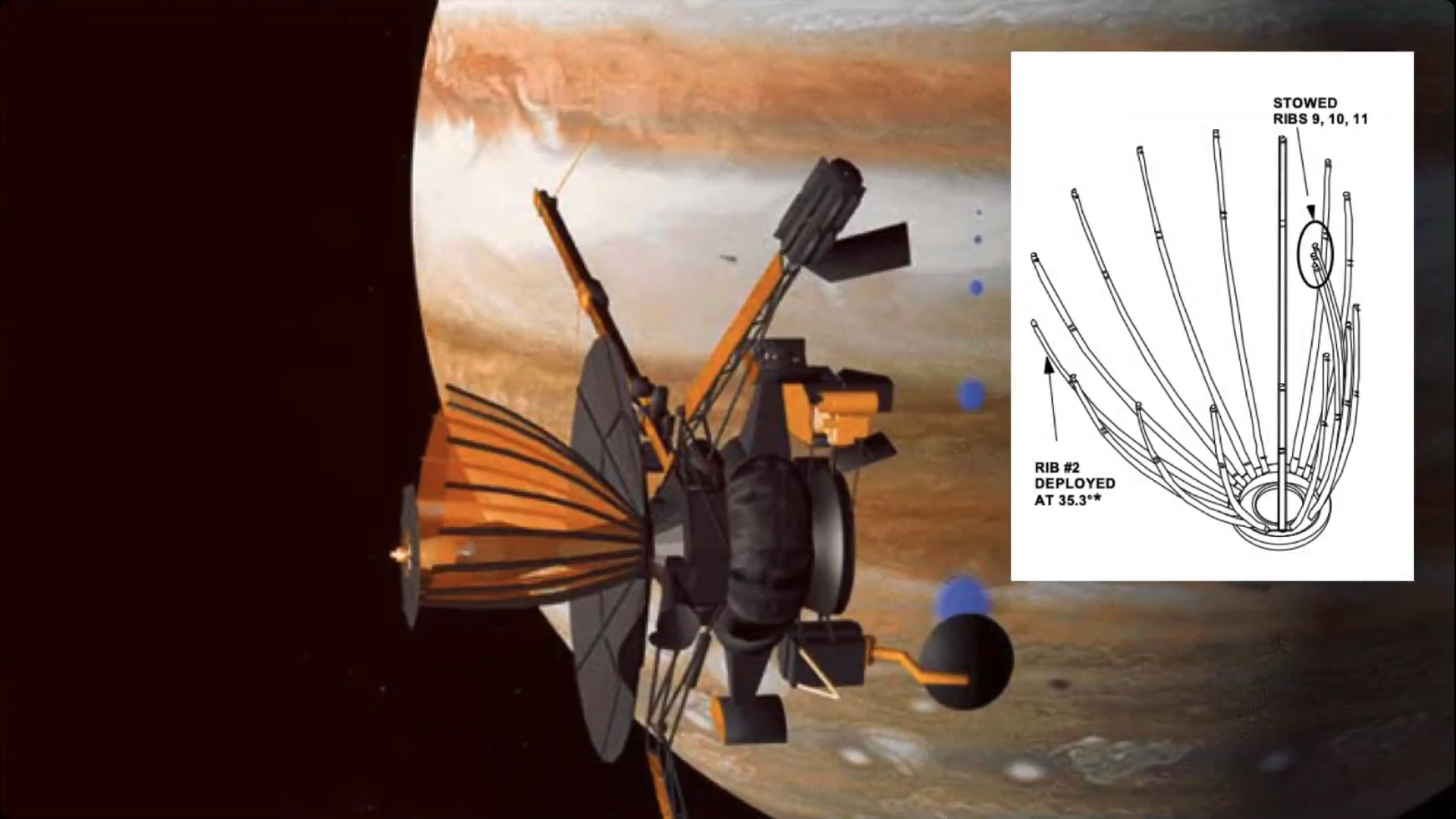
A fantastic example of that, retold in her talk, is the Galileo mission. It was built to travel far across the solar system, eventually winding up at Jupiter to study the Red Giant and its moons. The probe was engineered with a pair of communication systems—a low-gain antenna for vital signs and management, and a high-gain antenna for sending science data and images back to Earth. The high-gain antenna was key to the mission, capable of offering 10,000 times the bandwidth of the low-gain antenna.
Tragically, though, the high-gain antenna never got to play its starring role. It didn’t deploy properly after launch, and that left NASA with a probe capable of capturing all this fantastic science data, but no way to send it home at a reasonable data rate. Janelle steps through the multiple hacks that make the most of the communication link with the low-gain antenna. NASA engineers whipped up compression algorithms for images and science data, and figured out how to array several Deep Space Network antennas for better signal. This netted an effective data transfer rate of 1,000 bits/second with the low gain antenna. It was still a far cry from the 134 kilobits per second that should have been possible with the high-gain antenna, but a huge leap forward from the 8-16 bits originally possible with the low-gain rig. Ultimately, it saved the mission, allowing the capture of mountains of scientific data on the largest planet in the solar system.
“NASA Astronaut Christina Cook is also working through troubleshooting steps of the waste management system that’s aboard the Integrity spacecraft.” – Ground control, Artemis II mission, 2026
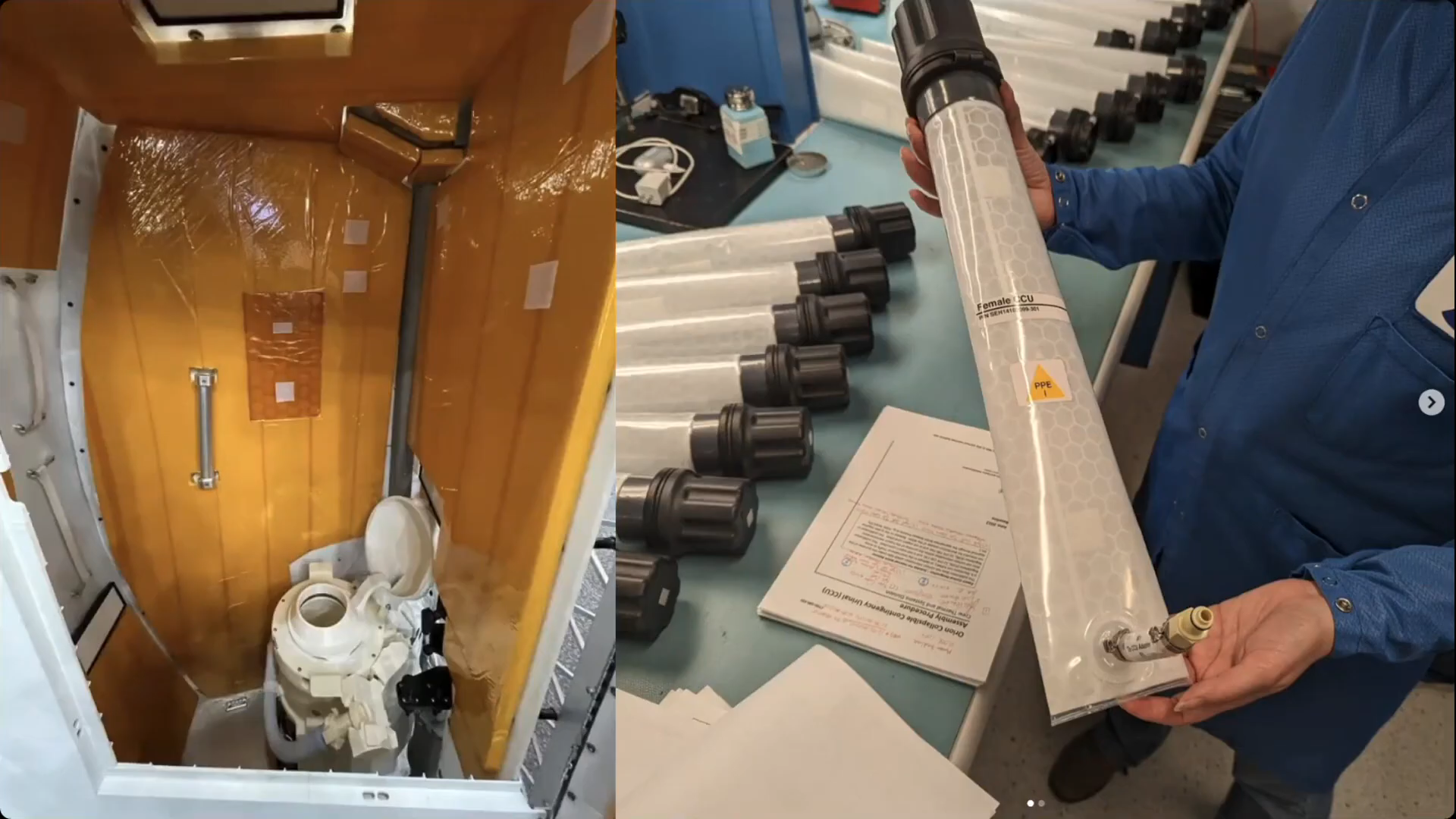
Another great story told by Janelle concerned the Artemis II mission. The lunar flyby was part of NASA’s efforts to eventually return to the Moon itself, and was notable for debuting some special new hardware—the toilet. Unlike previous visits to the moon as part of the Apollo program, Artemis astronauts travel in luxury, with a proper commode built to handle the specific requirements of the zero-gravity space environment. Unfortunately, though, this new hardware had plenty of teething problems.
Early attempts to repair the system involved attempting to reprime the toilet’s pump by adding water to the system. It wasn’t long before the toilet threw another error, though. On the short-duration Artemis II mission, the toilet was set up to vent urine to space. Only, venting wasn’t working—with the suspicion being that the vent pipes had frozen over. The trick to solve this was simple—turning the spacecraft to face the vents towards the sun, so as to heat them enough to melt the blockage. Janelle also notes that during the multiple periods the toilet was down, the astronauts had to rely on alternative means of passing waste—showing a slide of the “collapsible contingency urinals” that did the job.
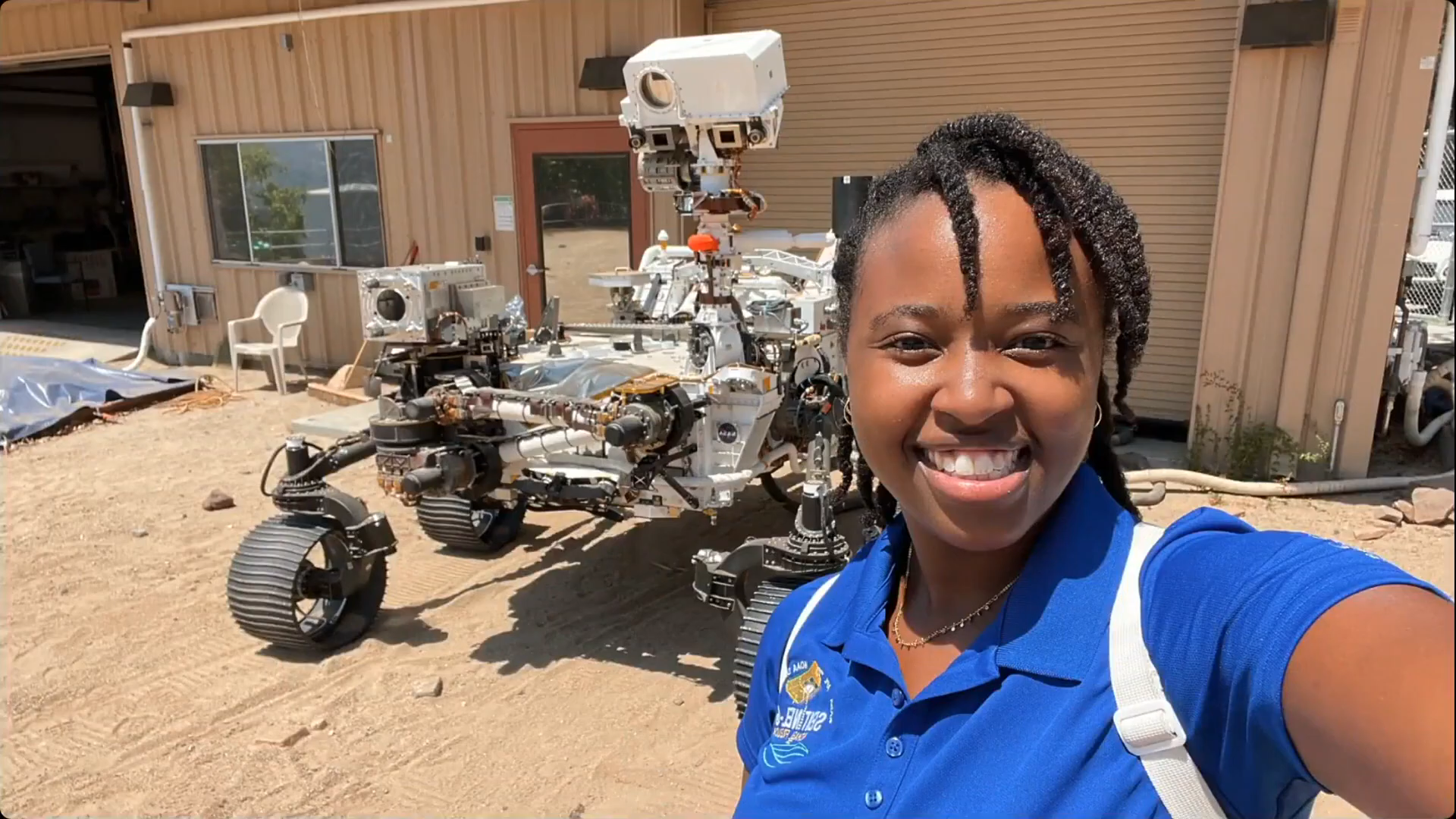
There’s also a great look at Perseverance’s twin, which lives here on Earth. Janelle has been down to the Mars yard at NASA’s Jet Propulsion Laboratory, where engineers, in her words—”test before you do.” The problem is, when you’re driving a robot on a foreign planet, you can’t just send someone over to repair a broken wheel or flip it back up if it tips over. Thus, many maneuvers and operations are rehearsed in the Mars yard with the twin of Perseverance, running it over recreated obstacles to determine a safe plan of attack.















































You must be logged in to post a comment Login