The technology is being piloted in 40 secondary schools and is expected to impact 20,000 students from September.
Psychotherapist, broadcaster and former professional footballer Richie Sadlier has launched Let’s Talk SPHE (social personal and health education), which is reportedly Ireland’s first digital solution aligned with the updated SPHE curriculum.
By 2027, SPHE will be a mandatory subject for fifth and sixth year students. Figures from the Department of Education suggest that only 18pc of Ireland’s more than 700 secondary schools previously timetabled SPHE in fifth year.
Designed to support schools using the reformed course, Let’s Talk SPHE is being piloted in more than 40 schools and is expected to reach roughly 20,000 students from September. Established by Sadlier, as well as guidance counsellor and SPHE teacher Pam O’Leary, the subscription-based teaching solution provides structured SPHE lessons, multimedia learning and teacher guidance.
Advertisement
Commenting on the launch, Sadlier said: “When you introduce a requirement for 60 hours of structured delivery in every secondary school, that’s a significant shift for the system. It’s not a short-term initiative. By 2027, every post-primary school will be delivering a senior cycle SPHE. The question now is how prepared schools are to deliver it.
“For a long time, most education technology focused on examinable academic subjects. What this reform does is recognise that wellbeing and relationships education are just as important. That creates a responsibility to ensure schools have the right supports in place.”
The launch comes at a time when the media, via shows such as Adolescence and Louis Theroux’s Inside the Manosphere, have put an increased focus on the importance of having complex conversations with young people.
Sadlier has spent more than 10 years working with young people in workshops covering issues such as relationships, masculinity, consent and mental health. He also previously led an RTÉ documentary exploring Ireland’s sex education landscape.
Advertisement
In late February, Educate.ie, an Irish-owned publishing company, announced the creation of a new digital learning platform for the classroom called EdPal. The aim is to reduce the administrative burden for teachers, improve clarity for parents and give students a more consistent learning experience.
Developed specifically for post-primary and secondary school students, users will have access to interactive e-books, educational resources and tools to support lesson delivery, engagement and assessment.
Don’t miss out on the knowledge you need to succeed. Sign up for the Daily Brief, Silicon Republic’s digest of need-to-know sci-tech news.
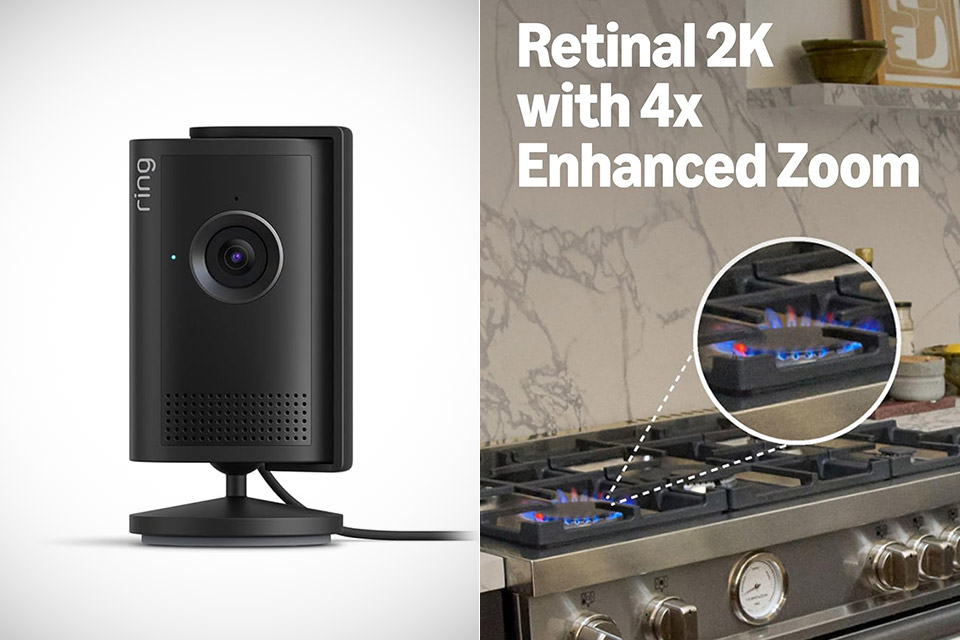
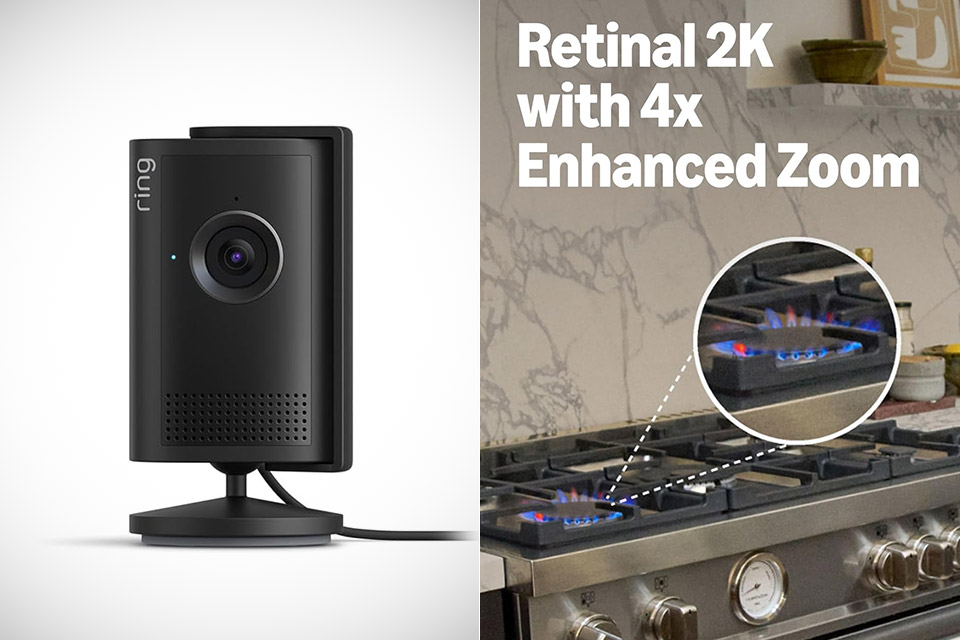
Home security gets a quiet boost when the details are clear regardless of time of day or lighting conditions. The newest Ring Indoor Cam Plus, priced at $35 (was $60), delivers on that promise with its Retinal 2K resolution, allowing you to see a misplaced key on the kitchen counter or a sleeping pet in the corner without having to squint at blurry corners.
Clarity like that goes much beyond simply capturing a great photo. You can place one in the doorway to record the precise moment a delivery arrives, then zoom in several times to read the label on the box. You could put another one in the living room to see if the kids finished their homework or if the poor old dog tripped over a plant again, and all of that detail appears in bright, vivid color during the day and remains the same when the evening comes around.
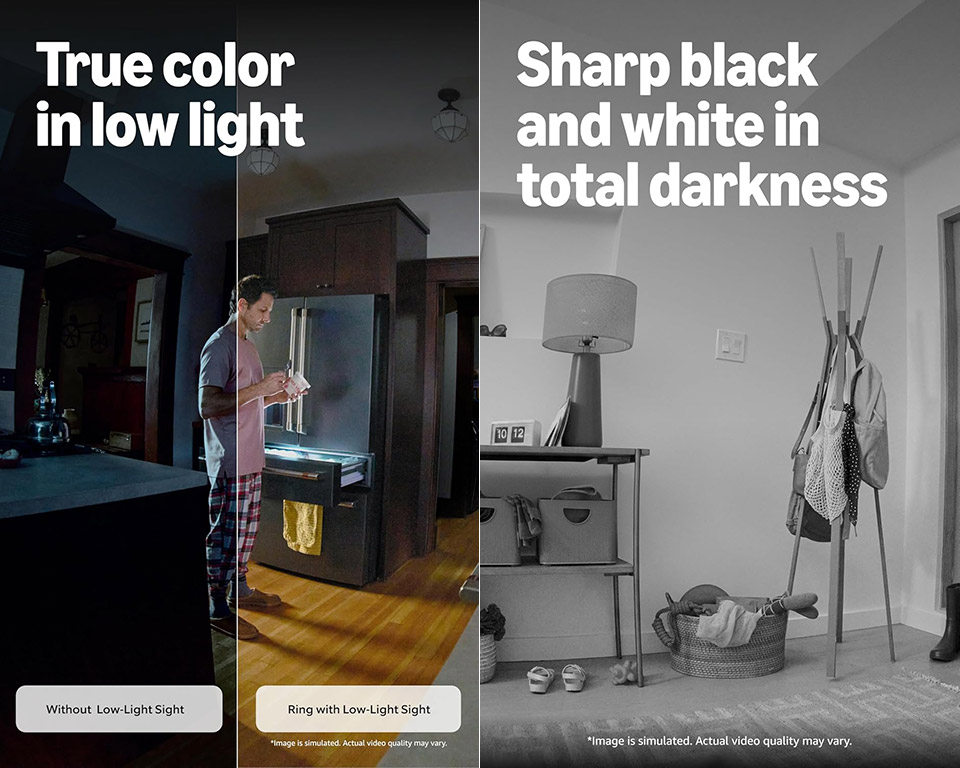
The Low-Light Sight function dramatically improves nighttime monitoring. A hallway lit just by a distant nightlight nevertheless displays good and realistic colors on screen, while complete darkness provides clear black and white detail that cuts right through the shadows. Homeowners no longer have to question if a noise was made by the cat or something else because the feed distinguishes between the two right away.
Having many cameras throughout the house provides a more complete image of what’s going on. You can place one in the nursery and look at a sleeping infant from the sofa or the store. Another one near the back door allows you to keep track on who is arriving and exiting without constantly checking. The flexible mount allows you to place it on a shelf, on the wall, or even on the ceiling, allowing you to set it anywhere you need it and then move it to a different location as your needs change.
Real-time alerts appear on your phone as soon as motion passes a preset zone. You can configure those zones to ignore the hallway fan except when it is near the safe or medicine cabinet. Two-way audio is also useful because it provides good voice on both ends, allowing you to remind the adolescent to lock up or simply say hello to a neighbour who has stopped by. Of course, there are simple privacy controls, both in the app and on the camera itself. Simply slide the removable lens cover over to conceal the view and turn off the microphone when the room must remain off-limits. You can also utilize custom zones to black out critical areas, such as your home office desk or a restroom doorway, so that the camera only monitors what is truly vital.
Advertisement
Getting everything up and running takes only a minute or two, and all you need is a standard power outlet and the Ring app on your phone. Views load quickly, and the system continues to grow as more cameras are added to cover new locations. People who start with one frequently add a second or third because the ease simply builds up, as each new camera fills another gap without generating any more difficulty.
After a painful four-year wait for fans, Euphoria returns this Sunday and we can finally find out what Rue, Cassie, Nate and the rest have been up to since we last caught up with them. Viewers can tune into Euphoria season 3 on HBO in the US, with episodes streaming online through HBO Max in countries where the platform is available. Read on for how to watch Euphoria S3 onlinefrom anywhere with a VPN.
Just like in real life, half a decade has passed in the lives of Euphoria’s main characters since season 2’s climax – which leaves some catching up to do. High School may be a distant memory, but Rue (Zendaya) still seems to be haunted by her drug-afflicted past. Cassie (Sydney Sweeney) and Nate (Jacob Elordi) have been married in the intervening years, but the S3 trailer (watch below) suggests the honeymoon period may be long gone. While Lexi (Maude Apatow) is trying to get a foothold in the TV industry and Jules (Hunter Schafer) is making her way at art school.
There will also be a return for Cal played by Eric Dane, who completed his scenes before his untimely death earlier this year. And a series with this much hype will not be without its guest stars; Hollywood legend Sharon Stone, singer Rosalía and Poker Face star Natasha Lyonne are all confirmed.
Advertisement
Below we have all the information you need on where to watch Euphoria S3 online and stream every episode from wherever you are.
Can I watch Euphoria season 3 for free?
Yes. While HBO Max doesn’t offer a free trial, YouTube TV is free to watch thanks to its 21-day FREE trial. All of its current plans come with the ability to add the HBO Max streaming service.
That means you can watch the first few episodes of Euphoria S3 completely free.
Outside the US right now? Access your YouTube TV account with NordVPN…
Advertisement
Use a VPN to watch Euphoria from anywhere
A VPN is a handy piece of software that can make your device appear as if it’s back in your home country and unlock your usual streaming services. The best VPN right now? We recommend NordVPN – it does everything and comes with a 73% discount.
How to watch Euphoria season 3 online in the US
Euphoria season 3 premieres on HBO at 9pm ET/PT on Sunday, April 12. Further episodes will go out one at a time in the same slot weekly.
Advertisement
If you don’t already have access to HBO, you can still watch Euphoria and all of its programming online thanks to the HBO Max streaming platform. Plans start from $10.99 per month, or you can pay more to add live sports and bundle in other streaming services like Disney Plus and Hulu.
HBO is also available with different OTT cord cutting services, often as an added extra. YouTube TV, for example, lets you add HBO Max and is available to try before you buy thanks to its free trial.
Have one of these subscriptions but away when Euphoria is on? You can still access your usual streaming services from anywhere by using a VPN.
Advertisement
How to watch Euphoria season 3 online in the UK
Euphoria season 3 is going out on Sky Atlantic in the UK. Note that episodes in the UK will air a day after their US release, with a first showing at 2am and then again later at 9pm on Mondays.
Episodes will also be available on catchup on Sky, as well as on the recently launched HBO Max service. It comes free with Sky TV plans, or you can get a standalone subscription from just £5.99 a month.
Away from home? You can still connect to your usual streaming services by downloading a VPN and pointing your location back to the UK.
Advertisement
How to watch Euphoria season 3 online in Canada
In Canada, Euphoria season 3 will air on Crave. It will go out at the same time as south of the border, at 9pm ET/PT on Sundays from April 12.
Crave plans start from $11.99 per month, with pricier tiers available if you want to ditch ads or bundle in other platforms like Disney+ or TSN.
Away from Canada now? Use NordVPN to watch your usual streaming service when overseas.
Advertisement
How to watch Euphoria season 3 online in Australia
If you’re used to Euphoria episodes going out on Binge in Australia, that has now changed. Folks Down Under will need HBO Max to watch season 3, with prices starting from $11.99 a month and episodes landing there weekly from Monday, April 13.
Outside Australia? Aussies away from home can use a VPN to unblock HBO Max and watch Euphoria as they would at home.
Season 3 of Euphoria will premiere in the US and Canada on Sunday, April 12 and continue weekly for eight episodes.
In the UK and Australia, episodes will arrive a day later starting from Monday, April 13.
Euphoria S3 episode guide
Season 3 of Euphoria is set to consist of eight episodes, which will premiere in North America on the following schedule:
Advertisement
Episode 1 – Sunday, April 12
Episode 2 – Sunday, April 19
Episode 3 – Sunday, April 26
Episode 4 – Sunday, May 3
Episode 5 – Sunday, May 10
Episode 6 – Sunday, May 17
Episode 7 – Sunday, May 24
Episode 8 – Sunday, May 31
Euphoria season 3 cast
Zendaya as Rue Bennett
Hunter Schafer as Jules Vaughn
Nika King as Leslie Bennett
Eric Dane as Cal Jacobs
Jacob Elordi as Nate Jacobs
Sydney Sweeney as Cassie Howard
Alexa Demie as Maddy Perez
Maude Apatow as Lexi Howard
Dominic Fike as Elliot
Martha Kelly as Laurie
Chloe Cherry as Faye
Adewale Akinnuoye-Agbaje
Asante Blackk as Kidd
Melvin Estes as Bruce
Paula Marshall as Marsha Jacobs
Zak Steiner as Aaron Jacobs
Sophia Rose Wilson as Barbara Brookes
Daeg N. Faerch as Mitch
Alanna Ubach as Suze Howard
Colman Doming as Ali Muhammad
Rosalía
Sharon Stone
Colleen Camp
Danielle Deadwyler
Eli Roth
Kwame Patterson
Matthew Willig
Natasha Lyonne
We test and review VPN services in the context of legal recreational uses. For example: 1. Accessing a service from another country (subject to the terms and conditions of that service). 2. Protecting your online security and strengthening your online privacy when abroad. We do not support or condone the illegal or malicious use of VPN services. Consuming pirated content that is paid-for is neither endorsed nor approved by Future Publishing.
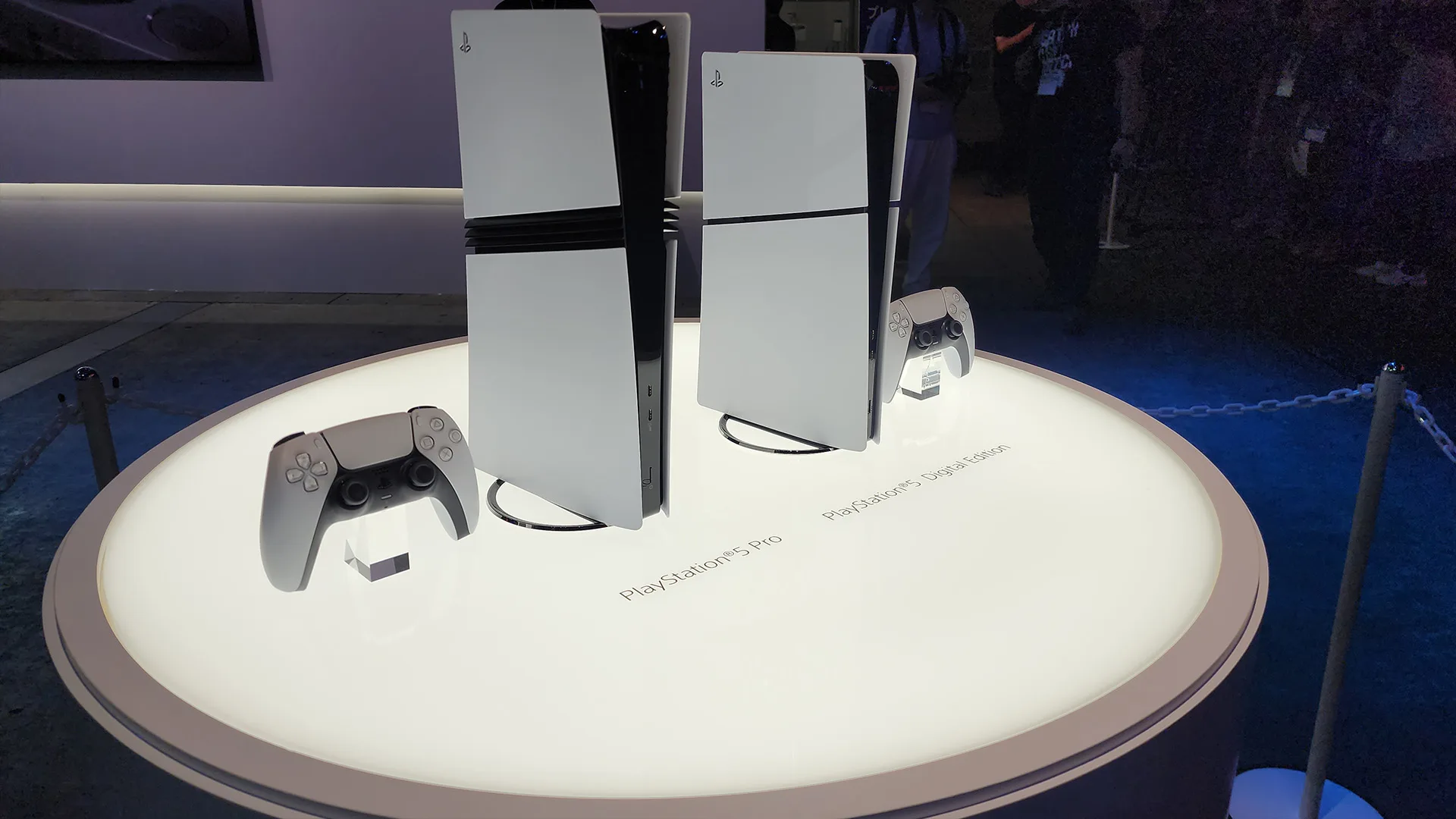
Fresh reports suggest that the next-generation PlayStation console, widely expected to be the successor to the PlayStation 5, may not be as expensive as previously feared. Despite ongoing concerns around rising memory and component costs, early estimates indicate that the PlayStation 6 could launch at a price closer to current PS5 levels rather than crossing the $1,000 mark.
Pricing Expectations Remain Lower Than Worst-Case Fears
According to recent analysis based on supply chain estimates and leaks from a known insider Moore’s Law Is Dead, the PS6 could carry a launch price of around $749.
Digital Trends
The report suggests that manufacturing costs for the console may reach roughly $743 per unit, with memory alone accounting for a significant portion of that expense. In fact, around $300 of the cost could come from RAM, while storage components like SSDs also remain expensive.
Even with these pressures, the projected retail price is still relatively close to the PS5’s positioning, especially compared to earlier fears that the next-gen console could exceed $1,000.
Rising Memory And Chip Costs Continue To Pressure Pricing
The biggest uncertainty around PS6 pricing remains the global memory and chip market. Over the past year, demand for AI infrastructure has driven up the cost of RAM and storage components significantly.
Advertisement
Reports indicate that DRAM and SSD prices have surged due to increased demand from data centers and AI companies, limiting supply for consumer electronics.
In some cases, RAM prices have risen dramatically, with certain components seeing multiple-fold increases.
This trend has already impacted current-generation consoles. Sony recently increased PS5 prices globally, citing rising component costs, signaling how deeply supply chain volatility is affecting the gaming industry.
Why The Price Still Might Stay Controlled
Despite these challenges, analysts believe the PS6 may avoid extreme pricing due to a combination of factors.
Advertisement
First, companies like Sony are likely to optimize component choices and production efficiency over time. There is also an expectation that some component prices, particularly memory, could stabilize before the PS6 launches, which is currently rumored for 2027 or later.
Additionally, tariffs and geopolitical factors play a major role. Estimates show that import duties alone could push the console price closer to $900 or more, depending on market conditions at launch.
However, if these external pressures ease, the final retail price could remain within a more consumer-friendly range.
What This Means For Gamers
For gamers, the takeaway is cautiously optimistic. While next-generation hardware is expected to become more expensive due to advanced components and AI-driven features, the PS6 may still remain within a familiar pricing bracket.
Advertisement
Giovanni Colantonio / Digital Trends
That said, the volatility of the supply chain means nothing is guaranteed. Pricing could shift significantly depending on memory costs, tariffs, and global demand closer to launch.
What Comes Next
Sony has yet to officially reveal any details about the PlayStation 6, and a launch is still several years away. Reports suggest the company may delay announcements until market conditions stabilize, particularly around memory supply and pricing.
In the meantime, the industry continues to grapple with rising costs and supply chain uncertainty. As AI demand grows and chip shortages persist, the next few years will likely play a crucial role in determining not just the PS6’s price, but the future affordability of gaming hardware as a whole.
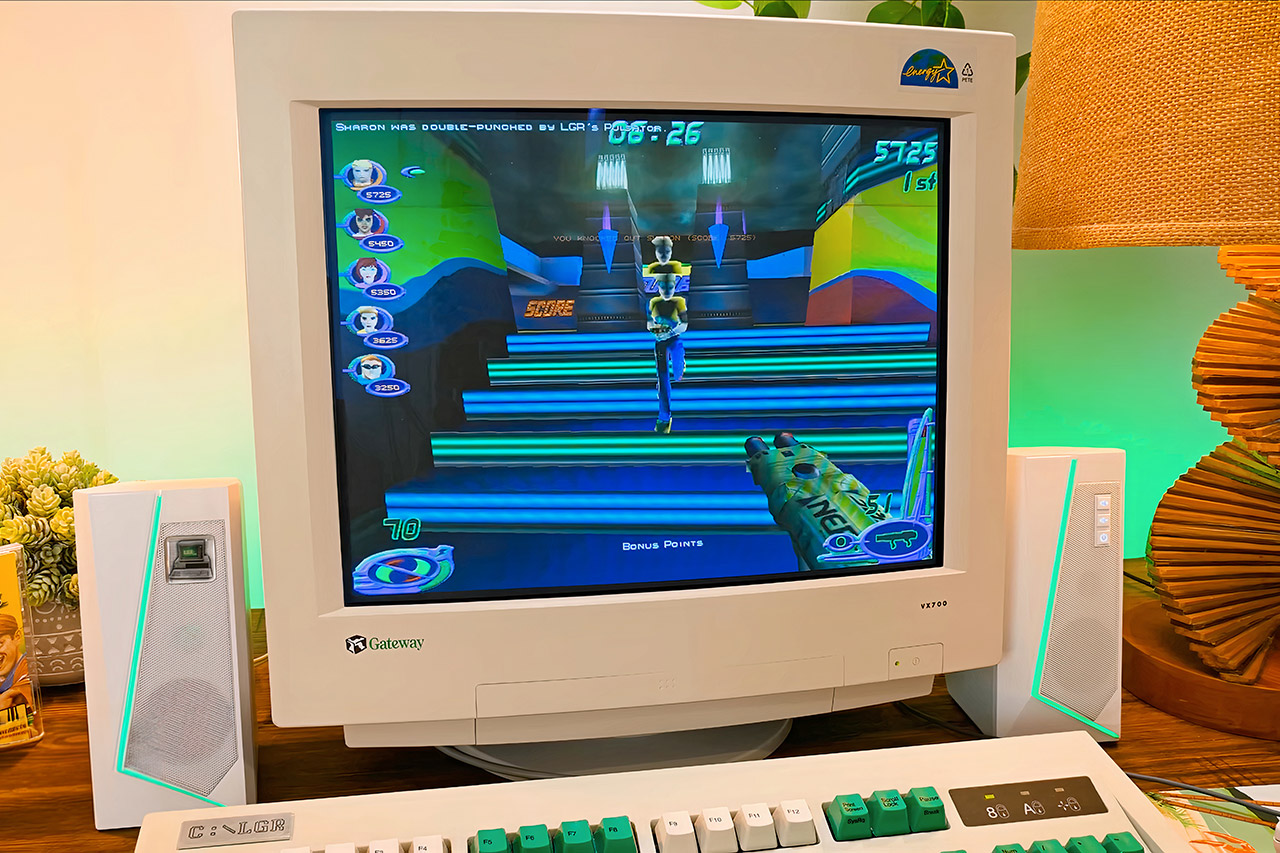
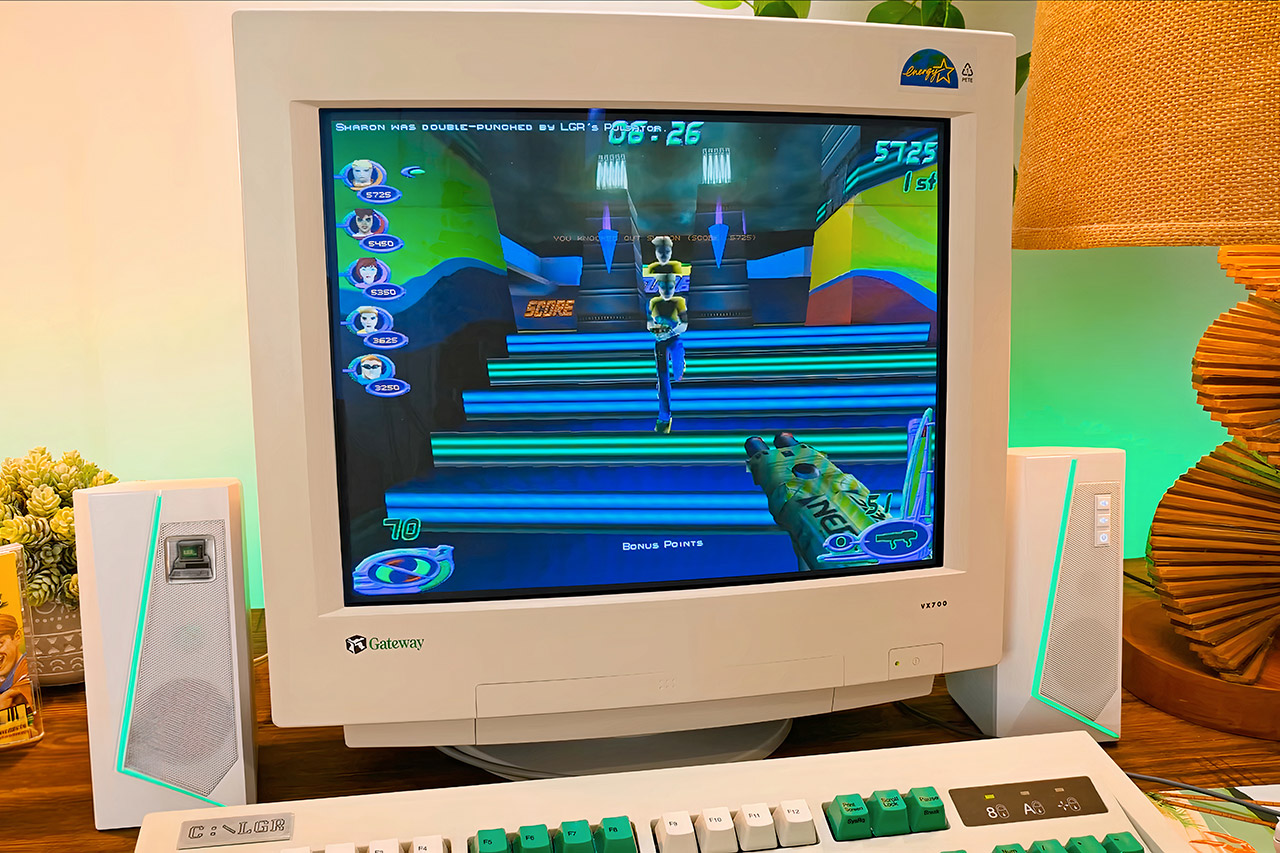
Jumping back into Nerf Arena Blast today provides the same adrenaline that captivated players all those years ago in 1999. People are still loading patched versions of the game onto their modern machines and connecting to active servers, where matches are quickly filling up. This game has always managed to transform what would otherwise be a bunch of kids playing with foam darts into full-fledged digital competition that still feels new 27 years later.
The guys at Visionary Media did an excellent job designing the game around Nerf gear. Every blaster in the game is an exact replica of the one you can purchase at the store. The Wildfire, for example, can just spit out darts in fast bursts, whereas the Ballzooka releases these clusters that spread all over the place when they impact, and because ammo is limited, you can bet your bottom dollar that whoever runs out will be left hanging out to dry. Throwing in some secondary fire modes, such as tighter spreads or faster reload times, adds another layer of strategy to each of those Nerf guns, so practice pays off.
XBOX EXPERIENCE BROUGHT TO LIFE BY ROG The Xbox gaming legacy meets ROG’s decades of premium hardware design in the ROG Xbox Ally. Boot straight into…
XBOX GAME BAR INTEGRATION Launch Game Bar with a tap of the Xbox button or play your favorite titles natively from platforms like Xbox Game Pass…
ALL YOUR GAMES, ALL YOUR PROGRESS Powered by Windows 11, the ROG Xbox Ally gives you access to your full library of PC games from Xbox and other game…
Instead of simply racing around and gunning like most other arena games, Nerf Arena Blast offers three separate events to pick from. PointBlast is all about scoring hits on both your opponents and stationary targets, as well as collecting bonus tokens that appear when someone is tagged out. SpeedBlast is all about racing through colored flags in the correct order, and if you get tagged out, you get a free pass to reset your progress to the last checkpoint. Then there’s BallBlast, in which 7 random colors are scattered all over the map and players must run around grabbing these balls and shooting them into the goals, but the golden ball is the real game changer. These formats make every second of gameplay worthwhile since points matter far more than simply knocking someone out.
Advertisement
As you go through the single-player campaign, new arenas will unlock in phases. Early levels involve winding through tight passages and water slides inside the Amateur Arena, but later levels take you to forest platforms in Sequoia or zero-gravity chambers on an orbital station. There are power-ups everywhere to give you a momentary speed boost or a shield that renders you nearly invulnerable for a short period of time, and you’ll be relieved to hear that health pickups only go up to 200 points, putting your survival skills to the test.
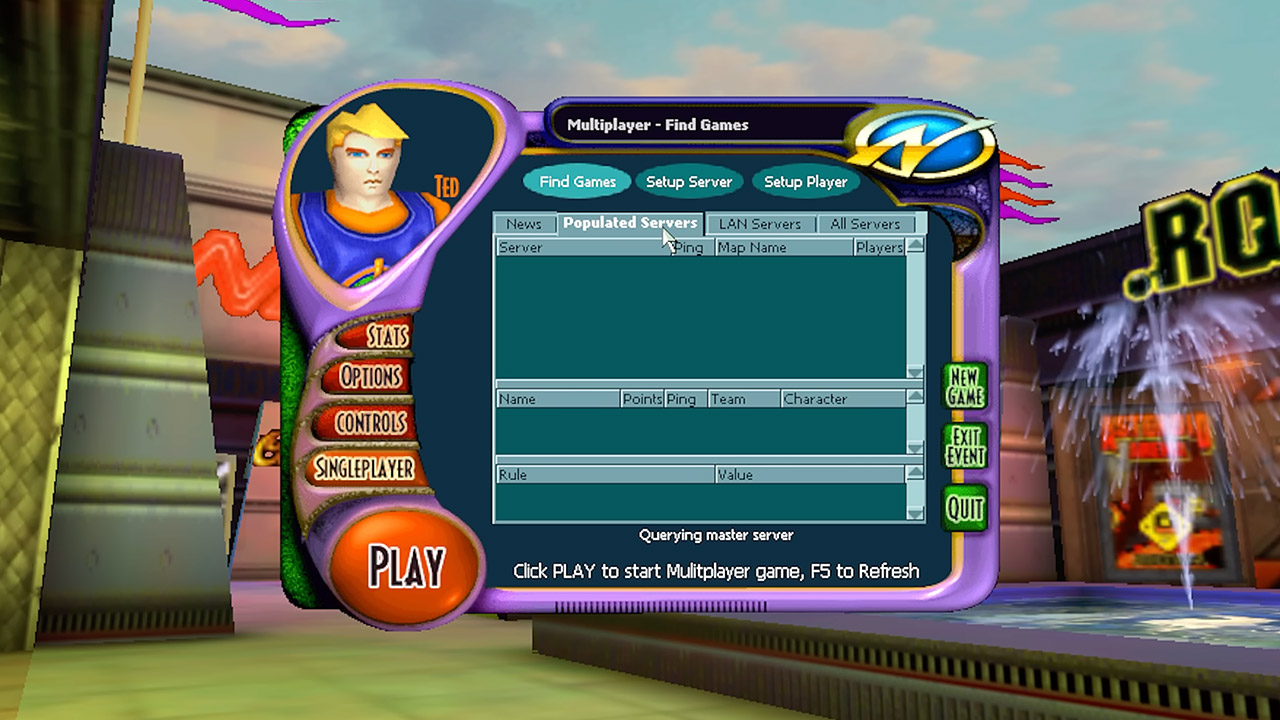
The Multiplayer modes, however, are what keep Nerf Arena Blast going. Local splitscreen now works out of the box, but fan-hosted servers bring strangers together for intense team battles on dozens of custom maps created by community members. Who could have predicted that one of the fans would add capture-the-flag to the game back then? Hundreds of custom venues and game adjustments are now included in a single small community patch that simply bundles all of the repairs and improves compatibility. As it is now officially abandonware, anyone can download the original files and begin playing without the need for any old disks.
The game’s scoring system is also designed to promote some innovation. Tag someone out, and the points go to whoever finishes them off, keeping everyone in the fight until the end, and double-damage pickups are the best, since they glow orange until someone whacks the holder, after which the effect is passed on to the next person to grab it. These minor touches keep games going in a continual push-pull, with no one giving up.
Durobo’s compact Krono e-note is finally available after a short delay. It brings a slightly different take on the e-reader formula, going head-to-head with the popular Boox Palma.
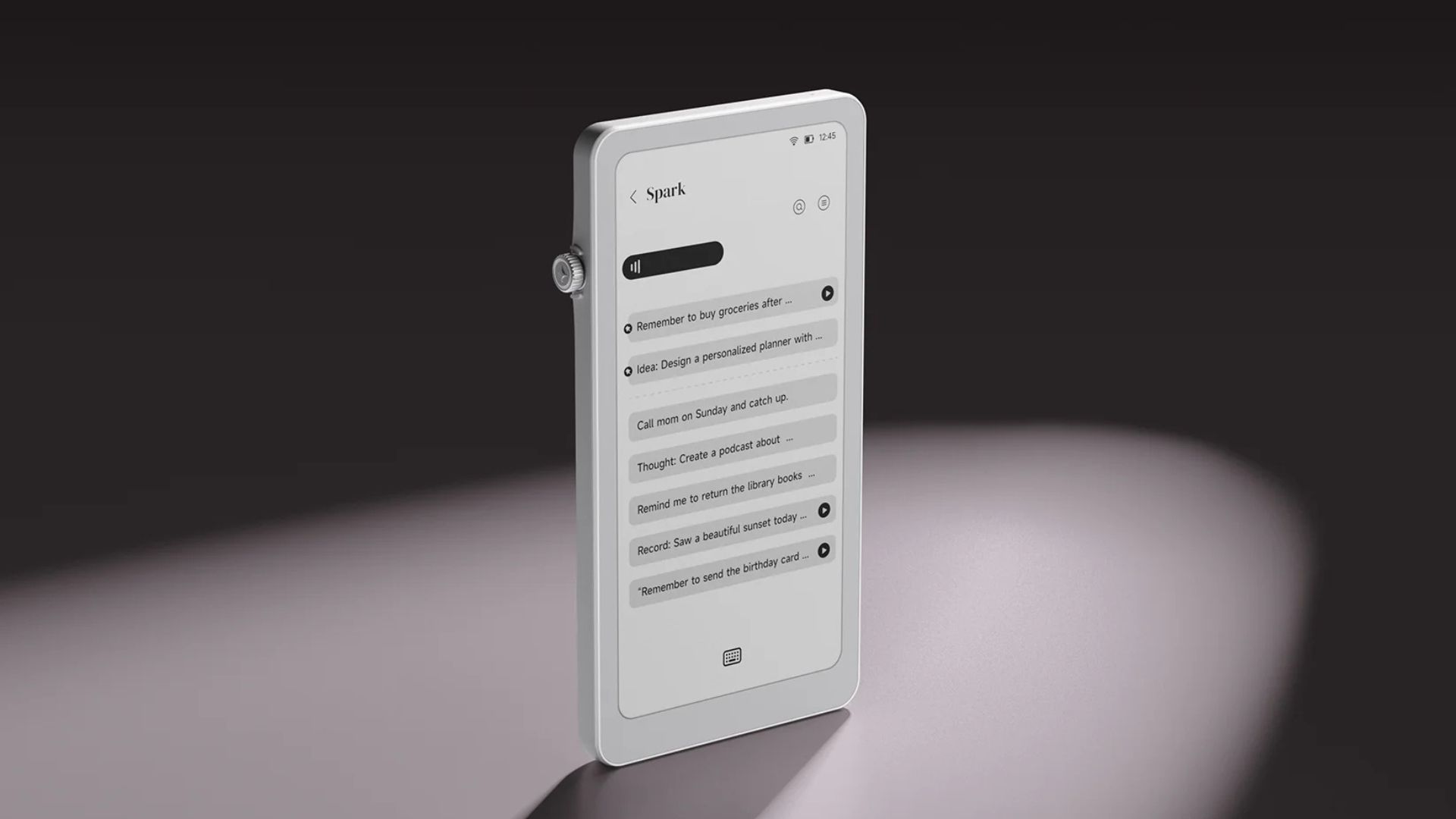
Priced at $279.99, the device combines a 6.13-inch e-ink display, Android 15, and a physical smart dial designed to streamline everyday tasks.
At its core, the Krono is still built for reading. However, it leans into versatility more than most devices in this category. It runs Android 15 with full access to the Google Play Store. This means users can install everything from e-book platforms to music streaming apps. That gives it a broader use case than a typical Kindle-style reader. Still, it stops short of replacing a smartphone.
The display uses an E Ink Carta 1200 panel with 300 PPI, paired with a front light for reading in low-light conditions. The standout feature, though, is the Smart Dial on the side. It can be used to adjust brightness on the fly. Additionally, with a press, it can trigger shortcuts like recording voice memos or launching the built-in AI assistant.
Advertisement
Advertisement
Beneath the surface, Krono runs on an octa-core processor with 6GB of RAM and 128GB of storage. This should be more than enough for reading, note-taking, and light app use. It also includes Wi-Fi, Bluetooth, stereo speakers, microphones, and a USB-C port. Therefore, it is a fairly well-rounded portable device.
There are some clear limitations. There’s no modem, no camera, and no speaker above the display. So it won’t double as a phone. But that seems intentional as the Krono is more about offering a focused, distraction-light experience with a few smart extras layered on top.
With its mix of e-reader simplicity and Android flexibility, the Durobo Krono feels like a device aimed at users who want more than just books. Yet, it does this without going all the way to a full tablet.
India’s quick commerce market is booming, with demand more than doubling for some players. But the fast-delivery push by Flipkart and Amazon is raising the stakes in an already crowded space where profitability remains under pressure.
Flipkart, one of India’s largest e-commerce players entered quick commerce later than local rivals such as Blinkit, Swiggy, and Zepto. But it has now crossed more than 800 dark stores (distribution centers for online shopping) this week, TechCrunch has learned, and is looking to double that by the end of 2026, according to UBS.
The expansion comes as India’s quick commerce sector enters a more intense phase of competition. The strain is reflected in recent developments, including the departure of a co-founder at Swiggy this week, as companies reassess strategy amid rising competition and costs.
The Walmart-owned company debuted in quick commerce with Flipkart Minutes in August 2024, offering deliveries across categories in as little as 10 minutes. Since then, the sector has expanded rapidly. More than 6,000 dark stores are now in operation, leading to significant overlap among players in major cities and intensifying competition, Bernstein said in a report earlier this week.
Advertisement
Beyond major cities
Flipkart’s network in India remains smaller than that of market leader Blinkit, which has over 2,200 dark stores, according to Bernstein. However, Flipkart is betting on expanding beyond major cities to drive growth. This is unlike Blinkit, which plans to scale to 3,000 dark stores by 2027 while focusing on its top 10 cities.
“Flipkart has this Walmart DNA,” said Satish Meena, founder of Gurugram-based consumer insights firm Datum Intelligence. “Walmart’s DNA is always about expanding the total addressable opportunity to dominate by expanding the market.”
Flipkart is already seeing traction beyond major cities, with 25–30% of its quick commerce orders now coming from small towns, a source familiar with the matter told TechCrunch. Orders per dark store have also grown about 25% month-on-month, the person said.
Techcrunch event
Advertisement
San Francisco, CA | October 13-15, 2026
However, growth in quick commerce remains concentrated in larger cities. Most demand, Bernstein said, continues to be driven by big cities, where higher population density supports faster deliveries and better utilization of dark stores, even as expansion into smaller towns gathers pace.
Advertisement
That dynamic also underpins profitability. The top eight cities in India account for over 3,800 dark stores operated by the five largest players, with about 3,600 of them having the potential to be profitable, according to Bernstein.
“Metro markets obviously are better in return ratios, better in profitability because of higher throughput,” said Karan Taurani, executive vice president at Elara Capital, a London-headquartered investment bank and brokerage firm. “This business is all about higher throughput, and for now, that is coming largely from metro markets.”
Still, some analysts see a longer-term opportunity beyond major cities. “Non-metros (small towns) can give a surge if companies expand beyond groceries and offer a wider range of items at faster speeds,” said Datum’s Satish Meena. “Flipkart is betting on that.”
Nevertheless, scaling beyond big cities will take time. Quick commerce is currently viable in about 125 cities, with dark stores typically taking six to 12 months to reach maturity and profitability, said Aditya Soman, a senior research analyst at CLSA, a Hong Kong-based brokerage. Many of the newer stores in smaller towns are still in the ramp-up phase, he added.
Advertisement
Amazon, which entered India’s quick commerce market in late 2024 shortly after Flipkart’s debut, is also ramping up its presence. The e-commerce giant has rolled out around 450–500 dark stores so far, with about 330–370 currently operational, according to UBS, as it looks to tap into growing demand for faster deliveries.
Pressure mounting on incumbents
Flipkart is not just relying on dark-store expansion to compete but also aggressive pricing. The company is offering some of the highest discounts in the segment — around 23–24% across categories, based on a sample basket analyzed by Jefferies last month — as it looks to attract users in a market where price and convenience remain key drivers of demand.
The pressure from such strategies seems to be working. Brokerage firm JM Financial recently warned that Swiggy’s quick commerce business is caught in a “growth-versus-profitability deadlock” and risks destroying shareholder value, adding that a takeover by a larger, better-capitalized player may be the best outcome for investors.
Shares of Eternal, which owns Blinkit, are down about 15% so far this year, while Swiggy has fallen over 29%, even as Zepto is preparing to go public on Indian stock exchanges later this year.
Advertisement
The entry and expansion of large players such as Flipkart and Amazon are reshaping the competitive landscape. “Quick commerce is no longer in a startup phase — it has become a big players’ game,” said Ankur Bisen, a senior partner at retail consultancy Technopak Advisors.
He added that the sector’s economics and limited differentiation could eventually drive consolidation, as companies compete for the same set of customers in a discount-heavy market.
Amazon, Flipkart, and Swiggy did not respond to requests for comment. Eternal declined to comment, while Zepto said it could not comment due to a silent period following its IPO filing.
Arizona state prosecutors allege Kalshi is running an illegal gambling operation, charging the prediction market with 20 “wagering” misdemeanors. But Friday a federal judge “temporarily barred Arizona from enforcing its gambling laws against predictive market operators,” reports the Associated Press, “and put the brakes on a criminal wagering case that the state has filed against Kalshi.
“U.S. District Judge Michael Liburdi’s ruling means a Monday arraignment hearing for Kalshi has been called off.”
The order was issued in a lawsuit filed by the Trump administration. The judge’s order said the federal Commodity Futures Trading Commission had sufficiently shown that “event contracts” fall within the Commodity Exchange Act’s definition of “swaps,” and that it had demonstrated a reasonable chance of success in showing that the act preempts Arizona law… The commission had sued Arizona in response to cease-and-desist letters sent to Kalshi from state gambling regulators and the criminal charges filed against the prediction market operator. The commission argued Arizona is intruding on its exclusive federal power to regulate national swaps markets…
Earlier this month, the federal government filed lawsuits against Connecticut, Arizona and Illinois challenging their efforts to regulate prediction market operators. The Trump administration has so far backed the platforms. President Donald Trump’s eldest son is an adviser for both Kalshi and Polymarket and an investor in the latter. Trump’s social media platform Truth Social is also launching its own cryptocurrency-based prediction market called Truth Predict. Federal and state judges in Nevada and Massachusetts have now issued early rulings in favor of states looking to ban Kalshi and its competitor Polymarket from offering sports being in their states, according to the article, “while federal judges in New Jersey and Tennessee have ruled in favor of Kalshi.”
Advertisement
And Arizona’s attorney general’s office said it disagrees with the court’s ruling and “will evaluate our next steps.”
Yifan Zhang, AI2 Incubator co-managing director and AI House founder, speaks at the 2026 Seattle AI Startup Summit. (Ken Yeung Photo)
The City by the Bay may be considered the center of AI and technology, but that doesn’t mean every founder should flock there to set up shop, right? That’s the argument put forth by Yifan Zhang, AI2 Incubator’s co-managing director and creator of the AI House.
In a speech at last week’s Seattle AI Startup Summit, Zhang addressed the classic San Francisco-versus-Seattle debate. And while she heaped praise on San Francisco, she also highlighted the benefits of founders building right here in the Pacific Northwest. It was less about civic boosterism and more about founder diagnostics.
Zhang said the same qualities that make San Francisco great for some founders can work against others — particularly those building category-defining startups in the AI era.
Is your startup butter or does it have sand in the gears?
When weighing their decision to relocate to San Francisco or stay in the Pacific Northwest, Zhang proposed that entrepreneurs ask whether they’re building a “butter” or a “sand in the gears” startup.
As she explained it, “butter” startups are those that “succeed solely based on pure speed of execution, an extremely smooth customer experience, removing all friction for your users.” These are best suited for San Francisco.
Advertisement
Alternatively, startups with “sand in the gears” have real-world complexity, hardware, human relationships, and regulatory edges, all of which Zhang believes may be considered flaws in the Northern California city.
“The sand in the gears might give you some defensibility, a moat against the onslaught of competitors that are exactly the same,” she explained. “This is especially true in the AI era, when building has become so cheap. The people, the founders, willing to grind it out through these sand-in-the-gear startups, versus pivoting away from the things that are hard, will end up winning in these categories.”
Zhang used AI2 Incubator portfolio startup Friday Harbor as an example. Founded in 2024, the company faced a challenging technical problem: how to use AI to match borrower documentation against lender guidelines to determine who qualifies for a mortgage. Unfortunately, AI at the time wasn’t as great as it is today. There were shorter context windows and no agentic systems. Advanced reasoning models weren’t widely available.
“It’s also a hard problem when it comes to the customers you’re dealing with, a non-tech-savvy customer audience,” she said. Mortgage loan officers and originators tend to be skeptical of AI and distrustful of outsiders without industry experience.
Advertisement
But rather than throw in the towel and pivot, Friday Harbor chose to work through all the tough technical problems, staying focused on customer outcomes, and ultimately delivering mortgage underwriting that today benefits from the latest AI advancements.
Zhang said that willingness to grind through hard technical problems is what sets Seattle apart from other tech-oriented U.S. cities like New York, Los Angeles, Austin, and Miami.
“We have a serious engineering culture here that’s heads and shoulders above every other city and goes toe-to-toe with San Francisco,” she said.
Building a startup in San Francisco vs. Seattle
AI2 Incubator’s Co-Managing Director, Yifan Zhang, gestures during her keynote speech at the Seattle AI Startup Summit. (Ken Yeung Photo)
Zhang knows what it’s like to build in both cities. She founded two startups — Gympack and Loftium — in San Francisco and Seattle, respectively. So how do the two cities compare for founders?
San Francisco’s biggest advantage is the sheer concentration of people singularly focused on founding and building great companies, Zhang said. Founders there absorb best practices faster than anywhere else, can draw from a talent pool that genuinely prefers startups over Big Tech, and get early access to cutting-edge technology.
Advertisement
That said, there are notable downsides, such as overwhelming pressure from investors.
“You might be influenced to raise mega rounds when that’s actually pouring jet fuel in a plane when you’re learning how to fly,” Zhang said. “You may be influenced to pivot away from startup ideas that are good and are just a couple of tweaks away from being great.”
San Francisco can also be an echo chamber, Zhang said. When everyone shares the same startup-and-tech background, founders tend to hear the same feedback on repeat, whether or not it’s relevant to their company.
Seattle has its own advantages beyond engineering culture, Zhang said. Founders here are more willing to admit they have zero paying customers rather than ship a product that doesn’t work — a candor that San Francisco’s launch-at-all-costs culture tends to punish. She called Seattle’s humble approach a positive attribute, especially in an industry where the technology absolutely has to work.
Advertisement
Of course, Seattle isn’t perfect. With Amazon and Microsoft so prominent in the local tech scene, founders are more likely to get advice from people with Big Tech experience than from those who’ve actually built or funded early-stage companies. And the mentalities and best practices that worked at large corporations don’t necessarily translate to startups.
She also warned that Seattle can have a narrow view of who gets to call themselves a founder, often defaulting to people who’ve had senior or executive roles at Amazon or Microsoft. That mindset may work if you’re building a B2B SaaS company selling back to Big Tech, Zhang said, but otherwise it’s irrelevant.
Her advice: “Pay attention to the things that you uniquely bring to the table and build a company around that.”
In the end, Zhang offered this tip for founders: “Geography does impact your idea [and] your chances of success. So choose it as carefully and wisely as you choose your startup idea and industry.”
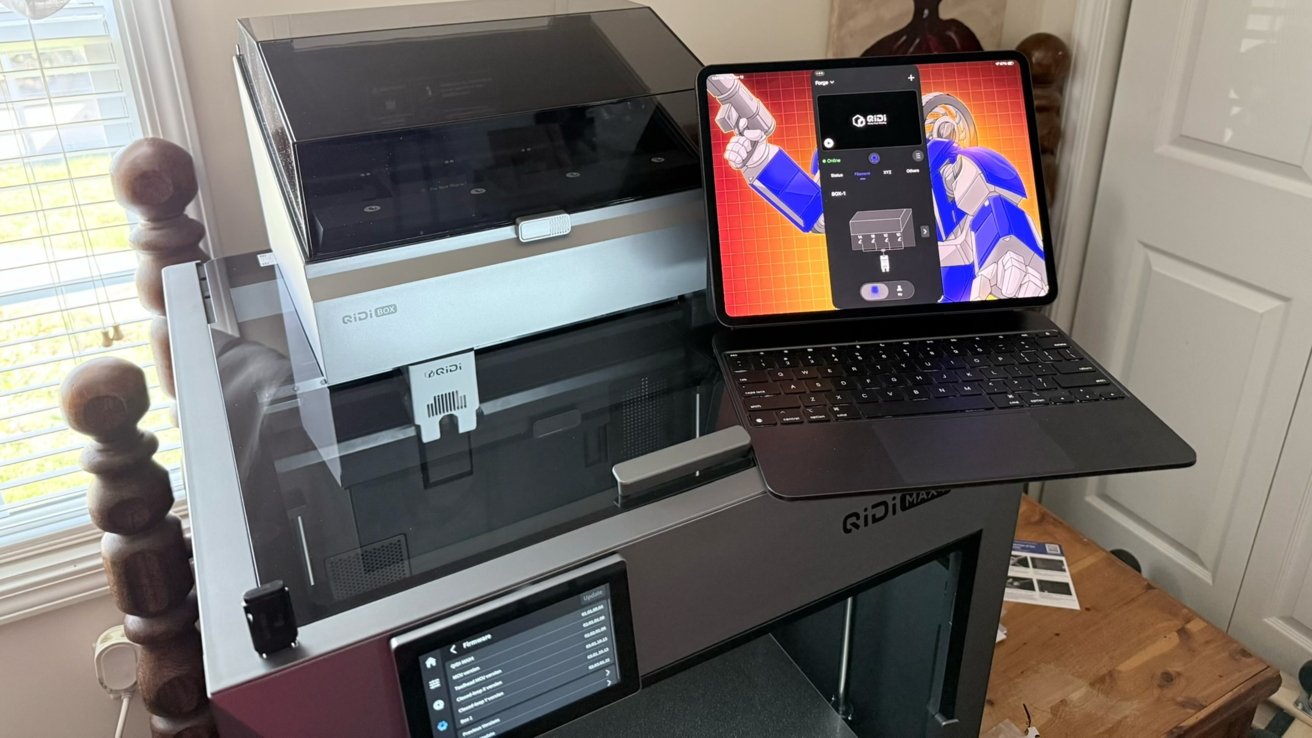
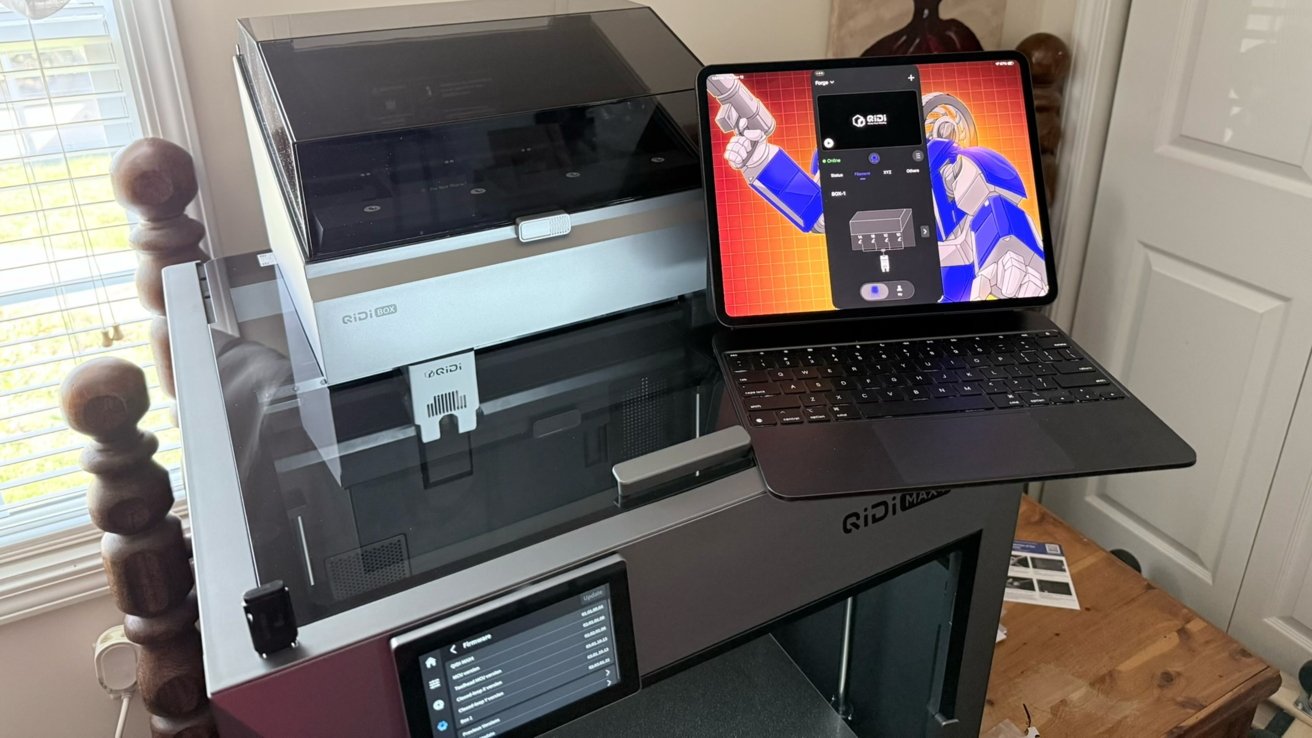
The QIDI Max 4 is a 3D printer capable of multi-color printing, equipped with heating and cooling elements and a massive build volume. It’s a serious 3D printer for those who need it.
QIDI Max 4 3D Printer Review
I consider myself a professional amateur 3D printing hobbyist. The Anet A8 was my starter printer about five years ago. Between then and now, I’ve picked up and messed with a Creality Ender 3 and an Anycubic Photon series resin printer. More recently, I’ve even tried my hand at building my own HyperCube Evolution. Before I could finish it, my steam for the hobby ran out. Continue Reading on AppleInsider | Discuss on our Forums
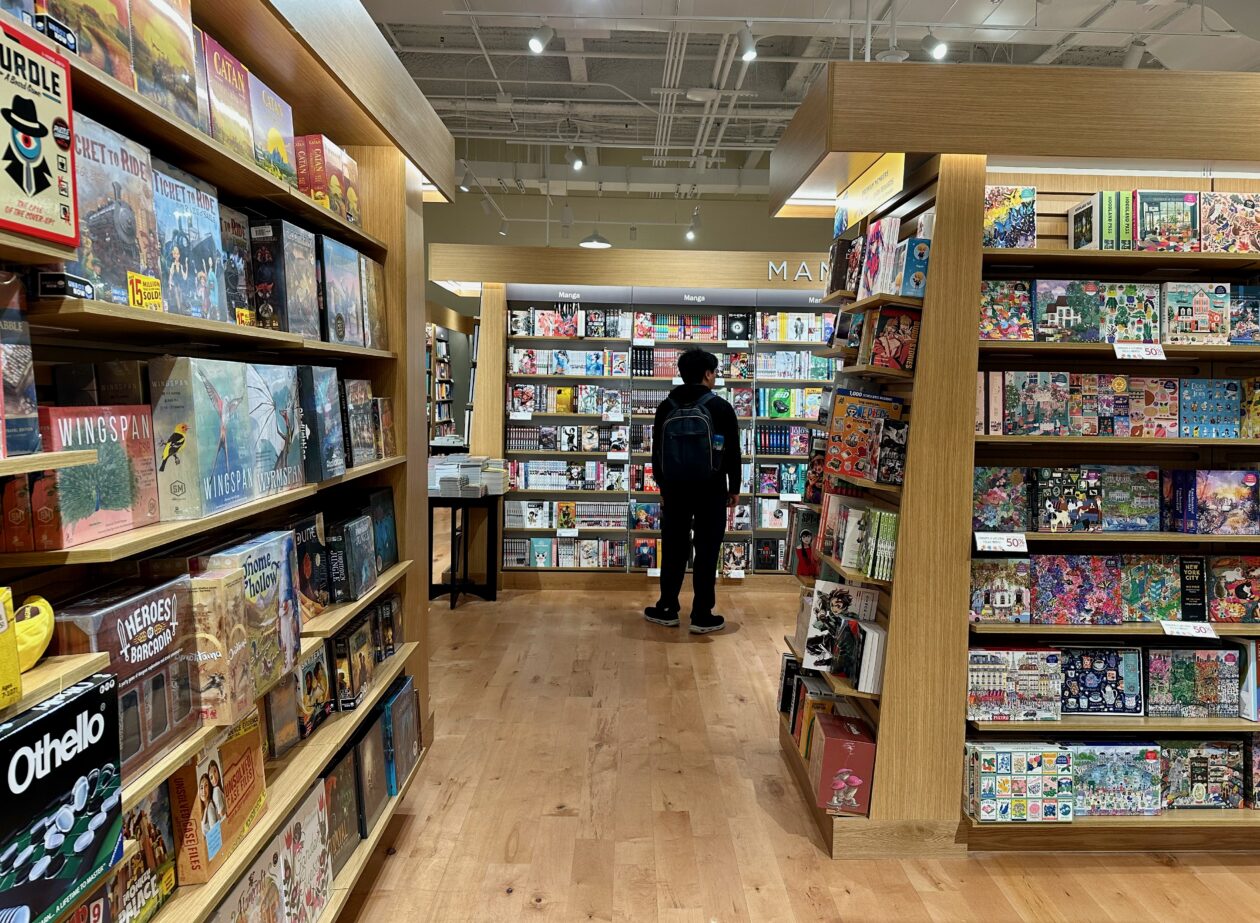
Browsing in another new Barnes & Noble bookstore, in Bellevue, Wash. (GeekWire File Photo / Kurt Schlosser)
A new retail storyline is close to beginning in downtown Seattle with the opening this month of a Barnes & Noble bookstore — six years after the chain closed its longtime downtown location.
The new store at 520 Pike St. is about four blocks from Pike Place Market and another four from Amazon’s headquarters, in a 29-story Tishman Speyer office building. A grand opening event is planned for April 29 at 9 a.m., with a ribbon cutting and a book signing with bestselling author Robin Hobb (“Blood of Dragons”).
Downtown Seattle Association President and CEO Jon Scholes signaled his excitement Monday for the return of a major national retailer to an area hit hard by retail exits and depleted foot traffic during and after the pandemic.
“A strong signal to others who may have left the market over the last 6 years and to those that have yet to plant a flag here,” Scholes wrote on LinkedIn alongside a picture of the outside of the store. “With a record residential population, visitor numbers that are beating 2019 level and an increasing return of locals – there are many great reasons to be downtown.”
The store will be a short walk from the HQ towers and Spheres that make up Amazon’s Denny Triangle home. The tech giant got its start as an online bookseller, and on its way to disrupting multiple retail verticals, the company’s e-commerce dominance took a toll on physical bookstores, including Barnes & Noble. Amazon even opened physical Amazon Books locations, a concept that lasted about seven years before they were shut down in 2022.
Barnes & Noble CEO James Daunt said in a television interview last year that he believes the experience in a physical store wins out when compared to shopping online with Amazon or elsewhere. Customers engage with other books and other customers about books.
“You will have an experience, and when you walk out of the store with [a book] in your bag it will lift you,” Daunt said. “It’s the same book, but I promise you it’s a better book, and the reading of it will be more pleasurable because you bought it in a bookstore.”
Barnes & Noble left its Pacific Place location at 600 Pine St. in Seattle in January 2020, after 22 years. Shoppers told GeekWire at the time that they were saddened by the loss of downtown’s only bookstore.
Advertisement
The chain still operates locations in the Northgate and University District areas of Seattle and has several locations in Western Washington. The opening of a new location at Bellevue Square attracted a steady stream of book lovers in January 2025.
The company, which peaked at 726 locations nationwide in 2008, has undergone a revival since the pandemic, opening nearly 60 stores in 2024 and dozens more in 2025. It has plans to open 60 more this year and is already back over 700 stores.
FOX 13 reported in December that the new downtown Barnes & Noble space will be 17,538 square feet and offer an array of books, toys, games, magazines, gift items and more. The company signed a 10-year lease — the largest retail lease in downtown Seattle since 2020.































































You must be logged in to post a comment Login