Tech
Scout AI’s Fury Turns Spoken Orders into Battlefield Destruction

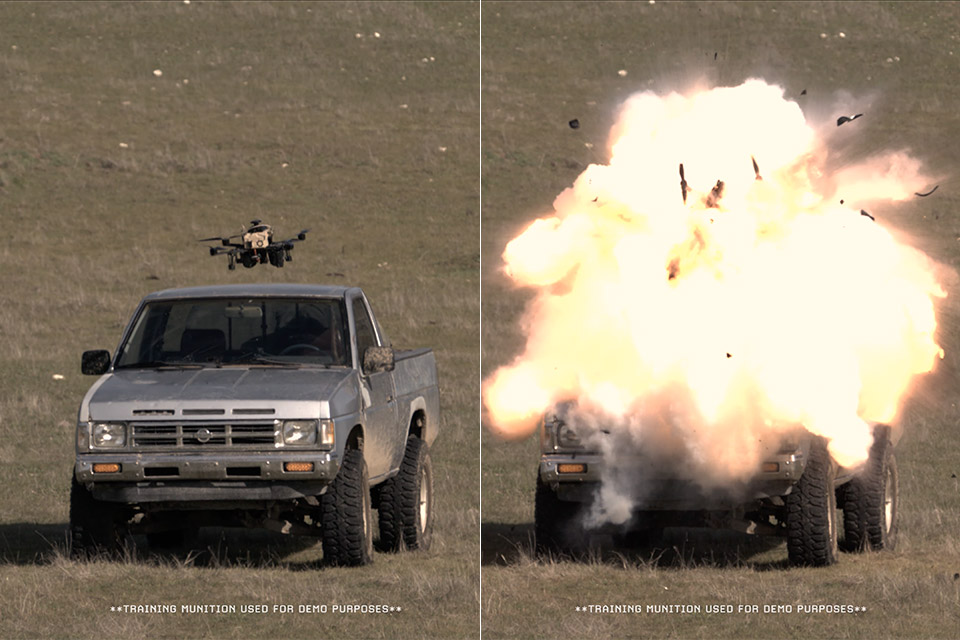
A low-key demonstration high in the hills of central California recently showcased some new military technology. Scout AI, a new defense startup, integrated its Fury software into a self-driving ground vehicle and two armed drones. The entire system collaborated to hunt down a truck and blow it up, all activated by a single simple instruction written in plain English.


Fury serves as the central coordinator. A commander types or speaks a goal, such as sending a vehicle to a spot and launching drones to strike a specific target, and Fury takes care of breaking it all down into individual steps, assigning tasks to the machines, monitoring what’s going on through video feeds and data, and stepping in to adjust things as needed. One drone detects the truck, Fury reroutes the others, and the strike is launched. A human is present to keep an eye on things, but the majority of the specifics are handled by machines on their own.
Sale


DJI Neo, Mini Drone with 4K UHD Camera for Adults, 135g Self Flying Drone that Follows You, Palm Takeoff…
- Due to platform compatibility issue, the DJI Fly app has been removed from Google Play. DJI Neo must be activated in the DJI Fly App, to ensure a…
- Lightweight and Regulation Friendly – At just 135g, this drone with camera for adults 4K may be even lighter than your phone and does not require FAA…
- Palm Takeoff & Landing, Go Controller-Free [1] – Neo takes off from your hand with just a push of a button. The safe and easy operation of this drone…
Fury’s approach is based on large AI models that have been taught to figure out what’s going on in a scene, devise a plan, and provide directions. The largest model, with over 100 billion parameters, functions similarly to the mission commander in that it accepts the command and begins working. It then assigns jobs to smaller models, each with approximately 10 billion parameters, which run directly on the various machines. The smaller models then handle movement, navigation, and the final explosive release. The system employs conventional cameras rather than expensive sensors, and it can connect to a variety of devices without interfering with their built-in functions. Fury just examines the technical specifications for each platform and determines the appropriate commands to deliver to their systems.
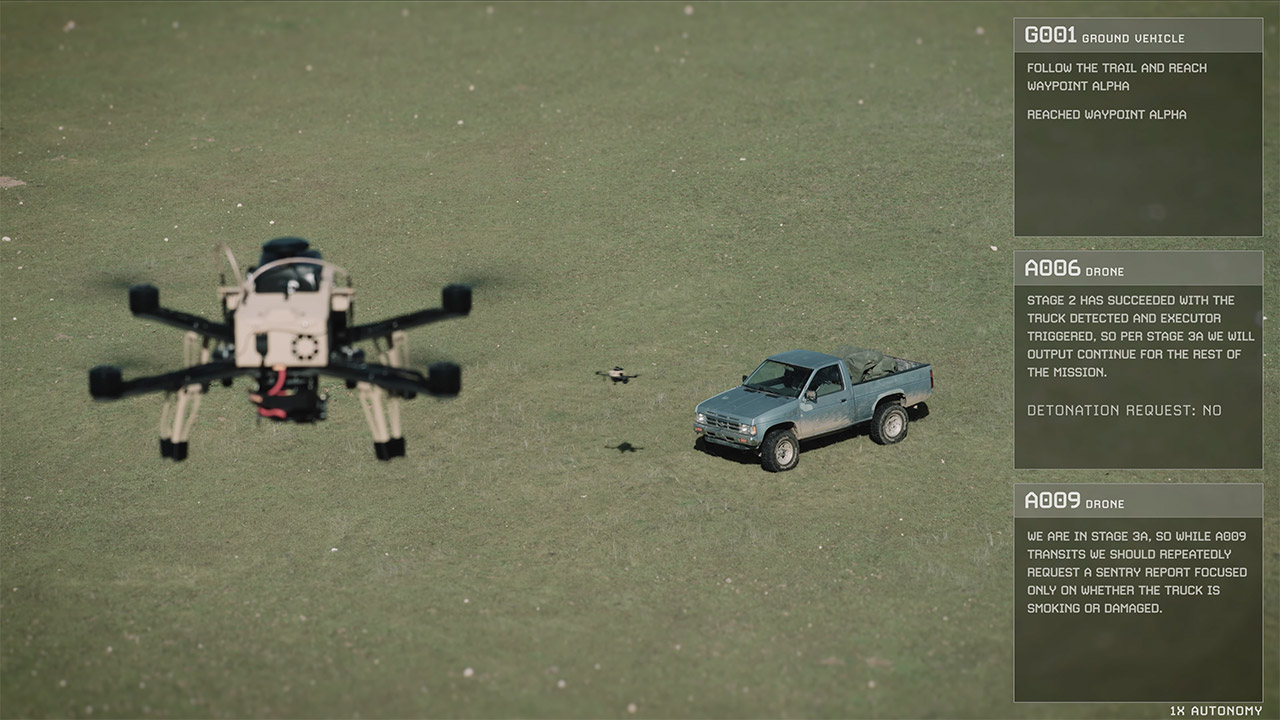
Everything in the test was real, done on actual equipment in tough terrain, with no pre-scripted situations, fake special effects, or constant human steering. The ground vehicle followed a dirt road, unleashed the drones, and set off to search. Once the truck arrived, one of the drones zeroed in and detonated its payload on impact, capping off the mission with a rapid damage assessment. The entire process went well, demonstrating how well the program can handle a variety of air and ground units from various manufacturers.

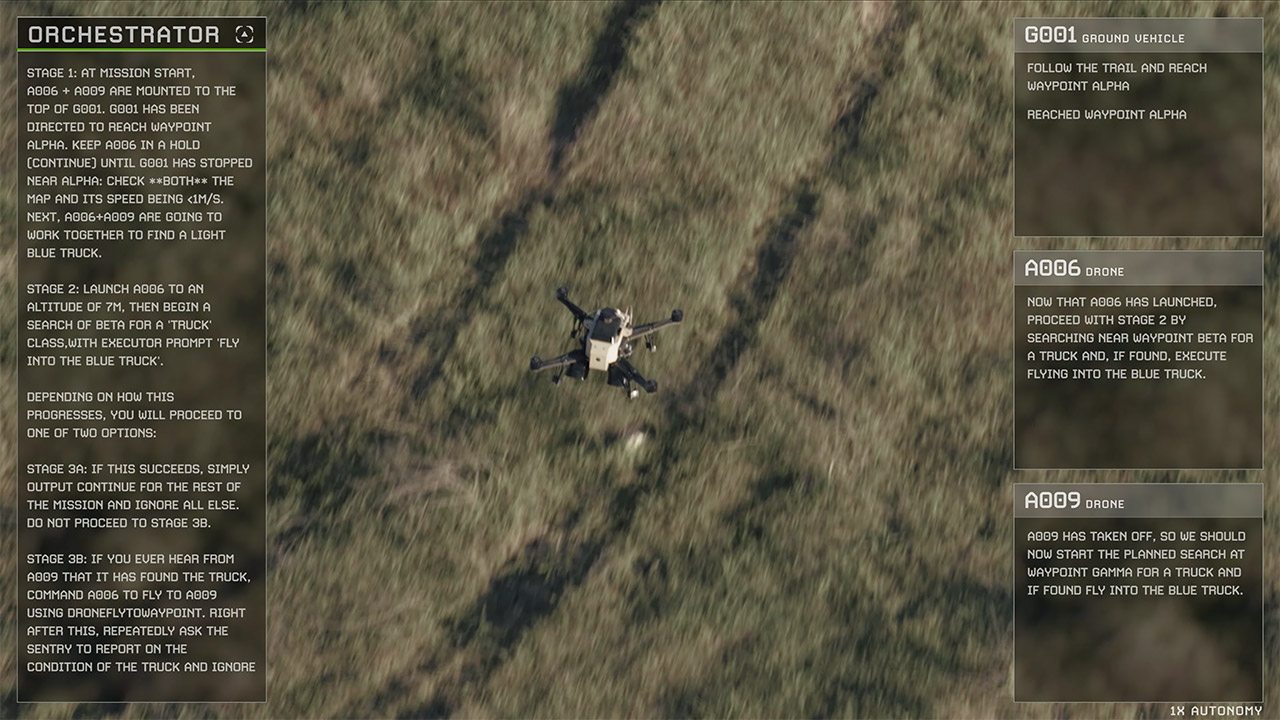
Scout AI created Fury to address a long-standing issue with unmanned systems. Older setups rely on tight, unchanging code that adheres to rigorous rules, so when things change or unanticipated challenges arise, they struggle. Fury allows the machines to think through difficulties, devise new solutions, and adjust to changing situations while remaining focused on the reward. It also simplifies communication, even when things get hectic, and scales up to larger groups working in different venues.
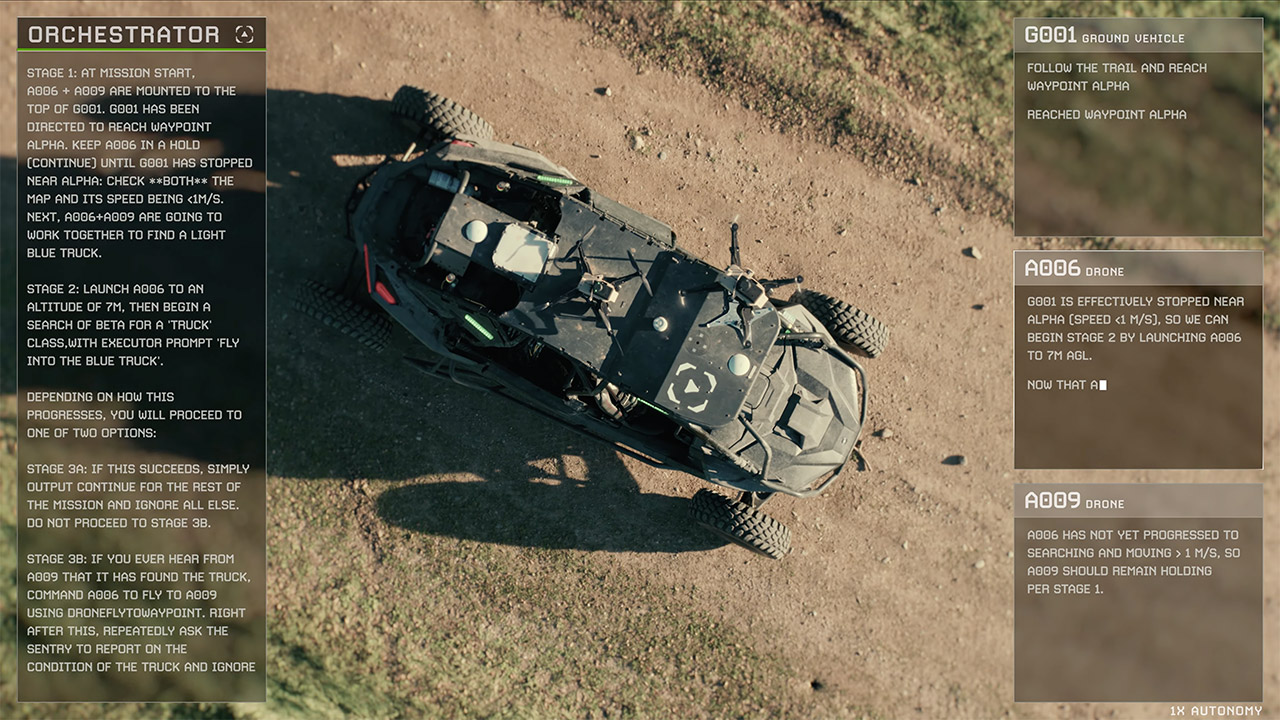
Colby Adcock, who co-founded the company with Collin Otis, describes the transition as follows. AI bots are already quite good at managing jobs in simulated environments, and Fury brings that same adaptable brainpower to real-world operations for American forces. The software serves as a buffer between command systems and machines, allowing units from all around to collaborate as a single team under human supervision.
[Source]