Tech
Sharp, Toshiba, and the Screen That Stayed Sharp Without Constant Power Showcased on 1986 BBC Micro Live Segment

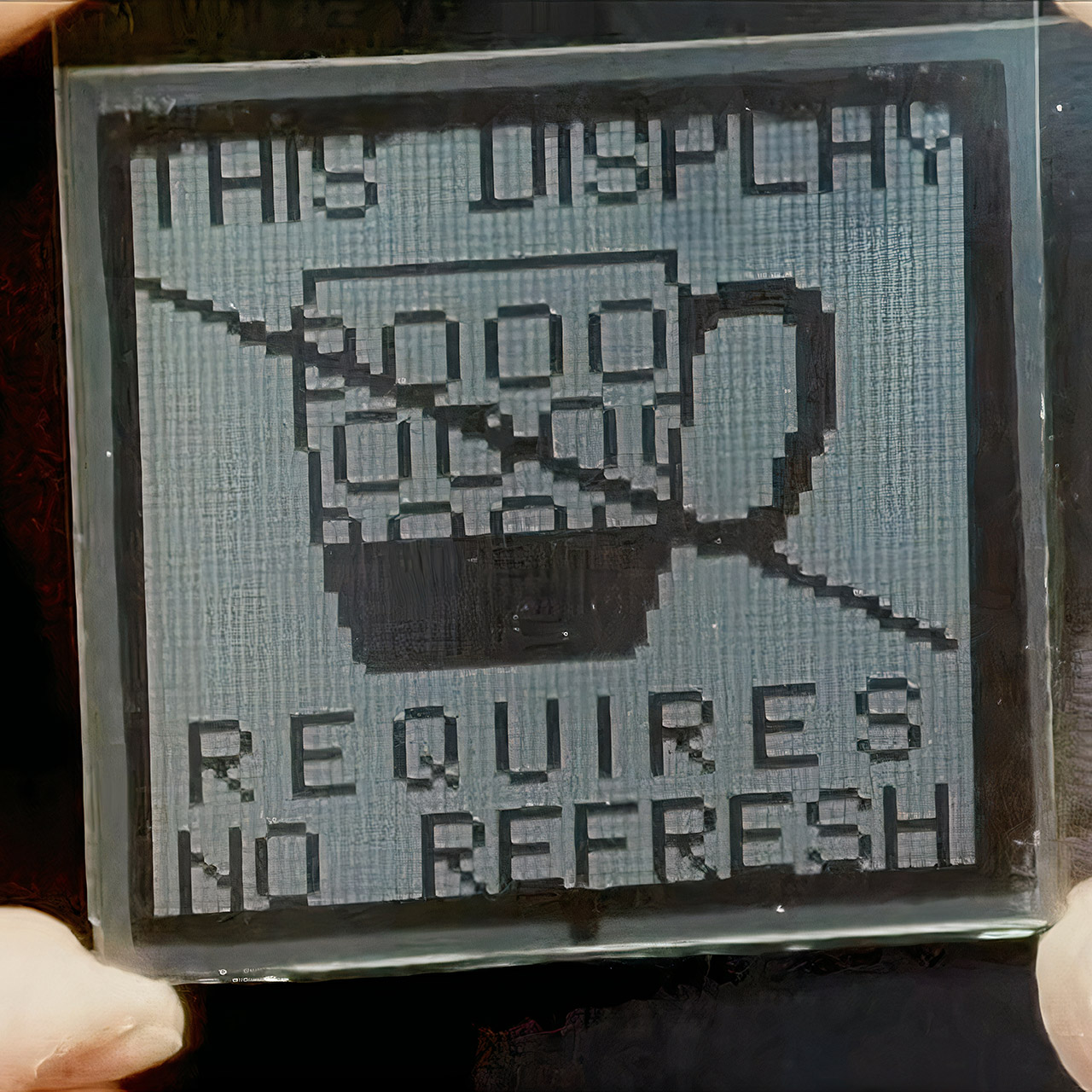
Portable computers in the mid-1980s were finally small enough to carry, yet their screens kept pulling users back toward desks and power outlets. The BBC program Micro Live used a January 1986 episode to lay out exactly why that gap existed and what might close it.

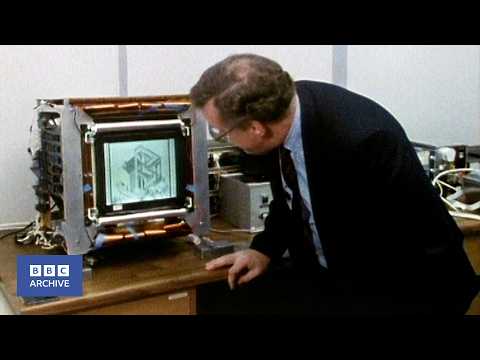
The segment began at the Which Computer Show, where two new approaches were presented side by side. Sharp provided a laptop with a backlit liquid crystal display. The extra light made the image easier to read in normal surroundings, but the underlying LCD still confined users to a narrow sweet zone directly in front of the screen. When I moved slightly to the side, the contrast collapsed. Colors and details simply disappeared. Toshiba displayed a plasma panel beside it. A fine grid of wires spanned inside the screen, illuminating a gas in bright spots when voltage crossed the lines. On camera, the image appeared clear and vivid. In actuality, the design consumed significantly more electricity than a battery could provide for an extended period of time, ran hot, and required frequent refreshing. That refresh cycle produced apparent flicker, which many users previously blamed for tired eyes after extended sessions.


MNN Portable Monitor 15.6inch FHD 1080P 60Hz USB C HDMI Gaming Ultra-Slim IPS Display w/Smart Cover…
- Full HD Portable Monitor – MNN 15.6inch portable laptop monitor with 1920*1080 resolution, advanced IPS matte screen support 178° full viewing angle…
- Double Type-C Port -For Plug & Play, the MNN monitor provides 2 Full Feature Type-C ports. Only One USB Type-C Cable is required to connect to the…
- Lightweight Ultra Slim for Travel – As a portable external monitor,MNN portable laptop monitor easily accommodate to every suitcase and backpack and…
Presenters pointed out the common flaws without drama. LCDs remained cool and consumed little electricity while providing poor contrast and narrow viewing angles. Plasma screens provided more brightness and greater angles in some situations, but they required mains electricity and caused the flutter associated with constant image refreshes. Neither provided the clarity that people expected from paper or typical desk monitors. One presentation summarized the aim that everyone kept missing. What portable users actually required, he claimed, was a screen that remained vast in area while being compact overall, cost little to make, emitted no radiation, remained flicker-free, provided strong contrast, traveled smoothly, and consumed nearly no power.
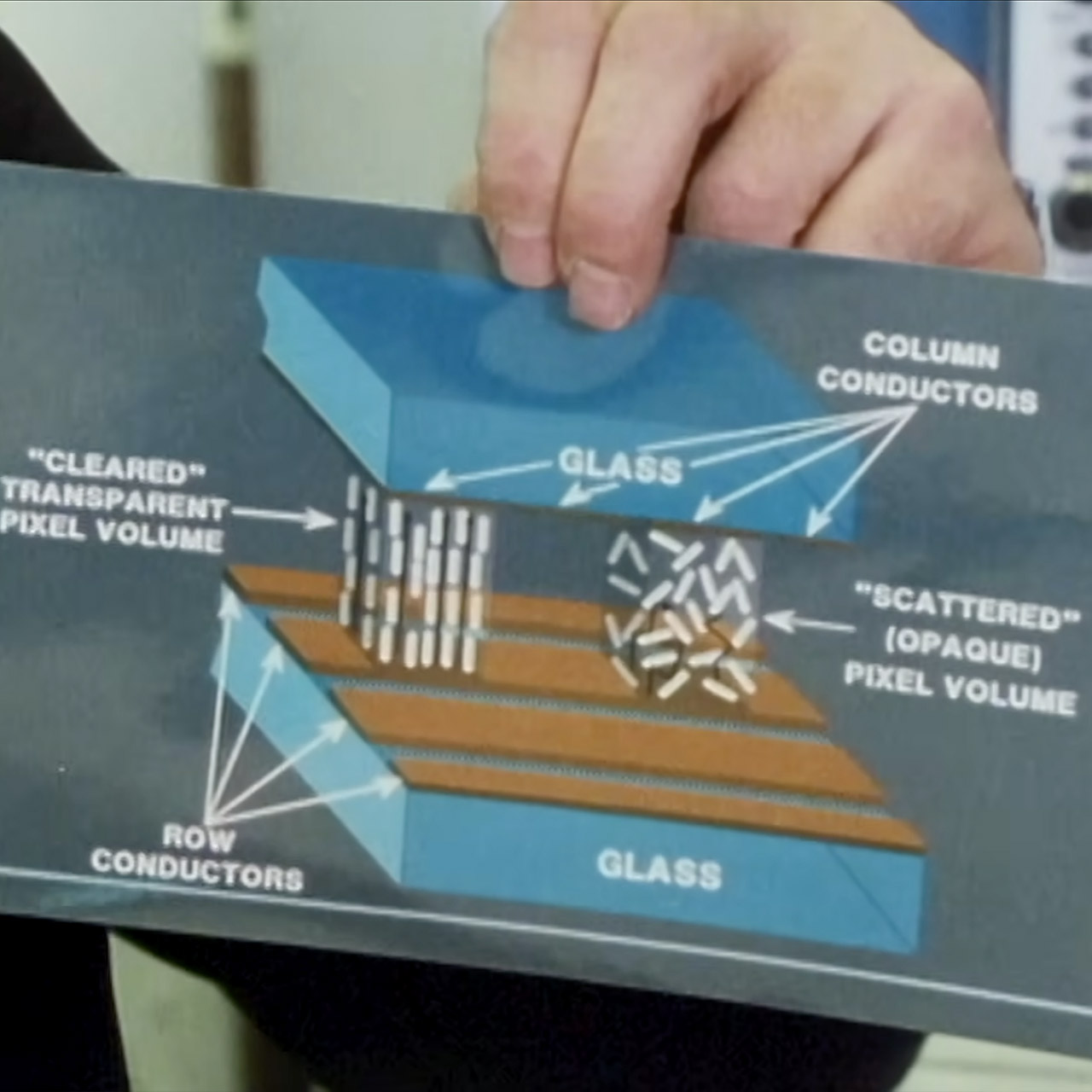
The program then moved to Harlow’s research laboratory. Engineers had created a functioning prototype that approached the refresh problem from a new perspective. Two sheets of glass were only 11 microns apart. Tiny glass threads kept the gap stable. The tight slot was filled with a unique fluid that required only a few drops to cover the entire panel. Each glass sheet had parallel lines of conductive material. Each crossing of those lines produced a controllable point on the image. The fluid behaved differently based on the electrical signal used. A high-frequency pulse aligned the molecules, allowing light to pass right through. Instead, they were scattered by a low-frequency signal, which blocked or redirected light. Once the molecules had settled into any arrangement, they remained there. No further electrical push was required to hold the image. As a result, the prototype could maintain a stable image even after power had been removed from the panel, something ordinary LCD and plasma panels could not.
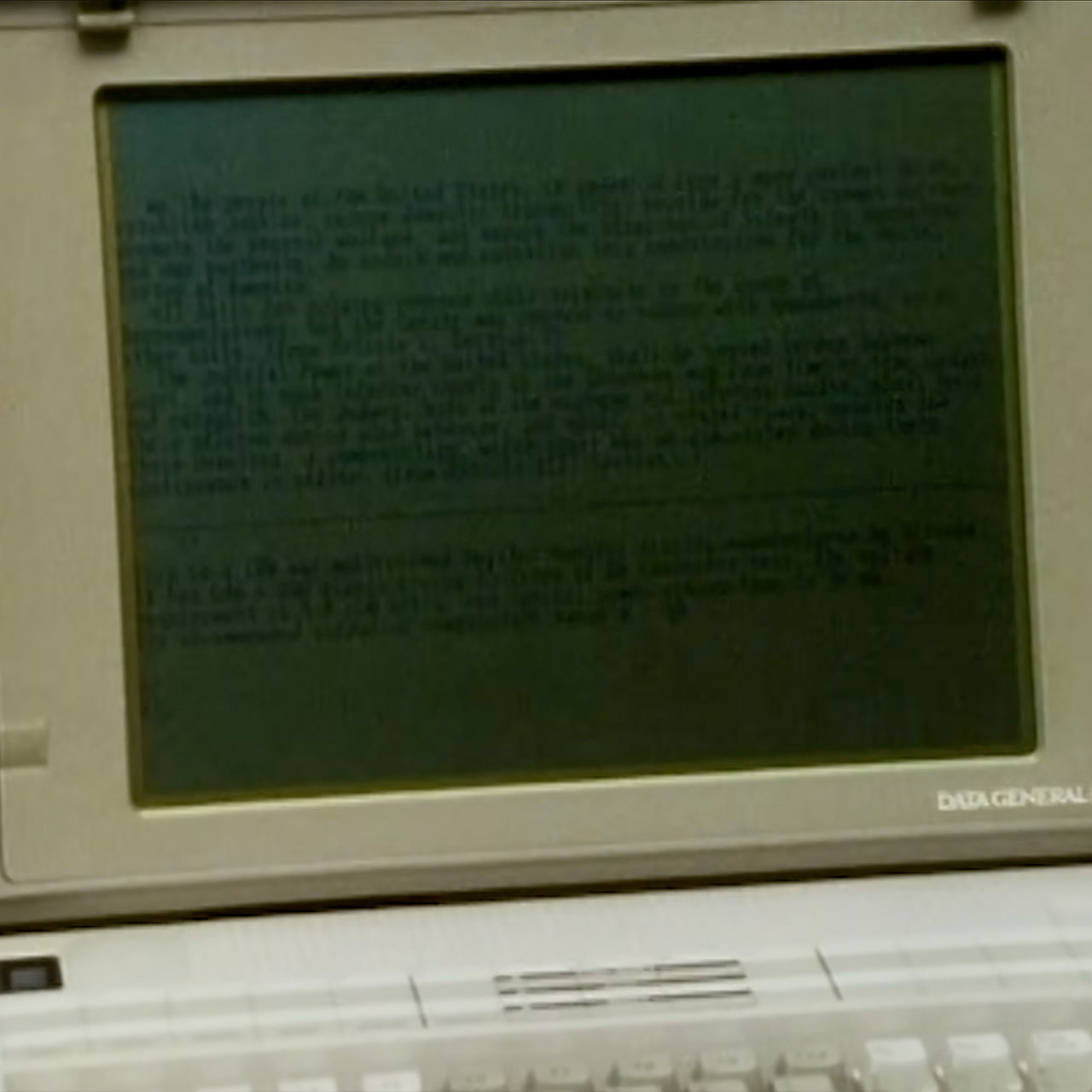
Demonstrations made the difference clear, since a typical laptop screen went black when the power was turned off and lost detail as the viewer switched position. The new panel kept its image viewable and the contrast consistent across far broader angles. The effect was more like to a printed page than the flickering electrical displays most people had seen on portable devices. Because the design did not include the polarizing filters that are often required by LCD displays, construction remained easier. Fewer layers resulted in less light loss and potentially lower manufacturing costs. Once an image was saved, power consumption remained minimal because nothing needed to cycle to keep it.
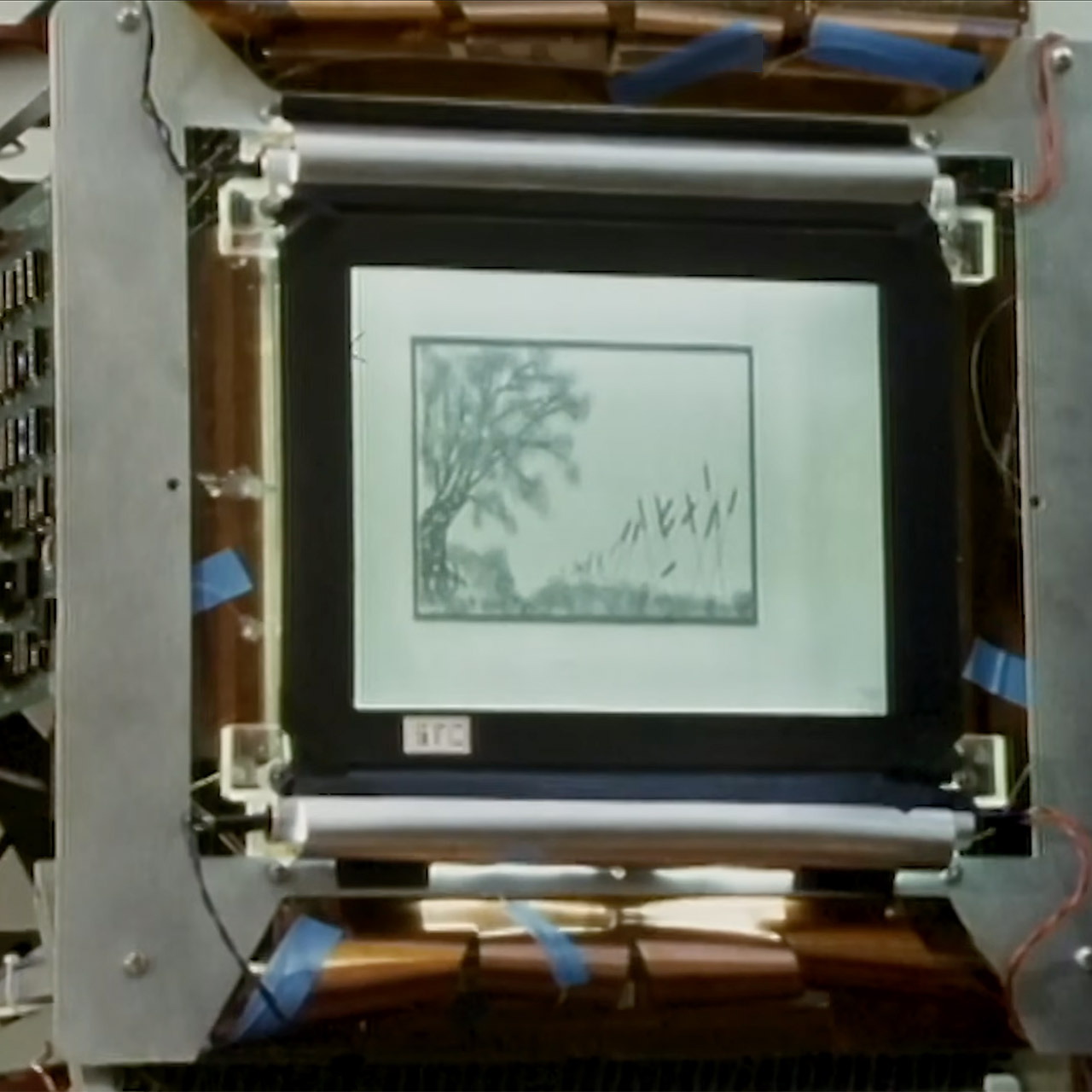
Practical hurdles remained, as each pixel required approximately 200 volts to flip states, which was far more than typical logic voltage. A full-size prototype has hundreds of thousands of discrete connections along its edges. Engineers have already begun gluing special driver chips directly to the glass, reducing the number of external cables.
You must be logged in to post a comment Login