Connect with us
DAPA Banner
DAPA Coin
DAPA
COIN PAYMENT ASSET
PRIVACY · BLOCKDAG · HOMOMORPHIC ENCRYPTION · RUST
ElGamal Encrypted MINE DAPA
🚫 GENESIS SOLD OUT
DAPAPAY COMING

Tech

Sharp, Toshiba, and the Screen That Stayed Sharp Without Constant Power Showcased on 1986 BBC Micro Live Segment

Published

on

1986 Micro Live BBC Sharp Toshiba Screens
Portable computers in the mid-1980s were finally small enough to carry, yet their screens kept pulling users back toward desks and power outlets. The BBC program Micro Live used a January 1986 episode to lay out exactly why that gap existed and what might close it.


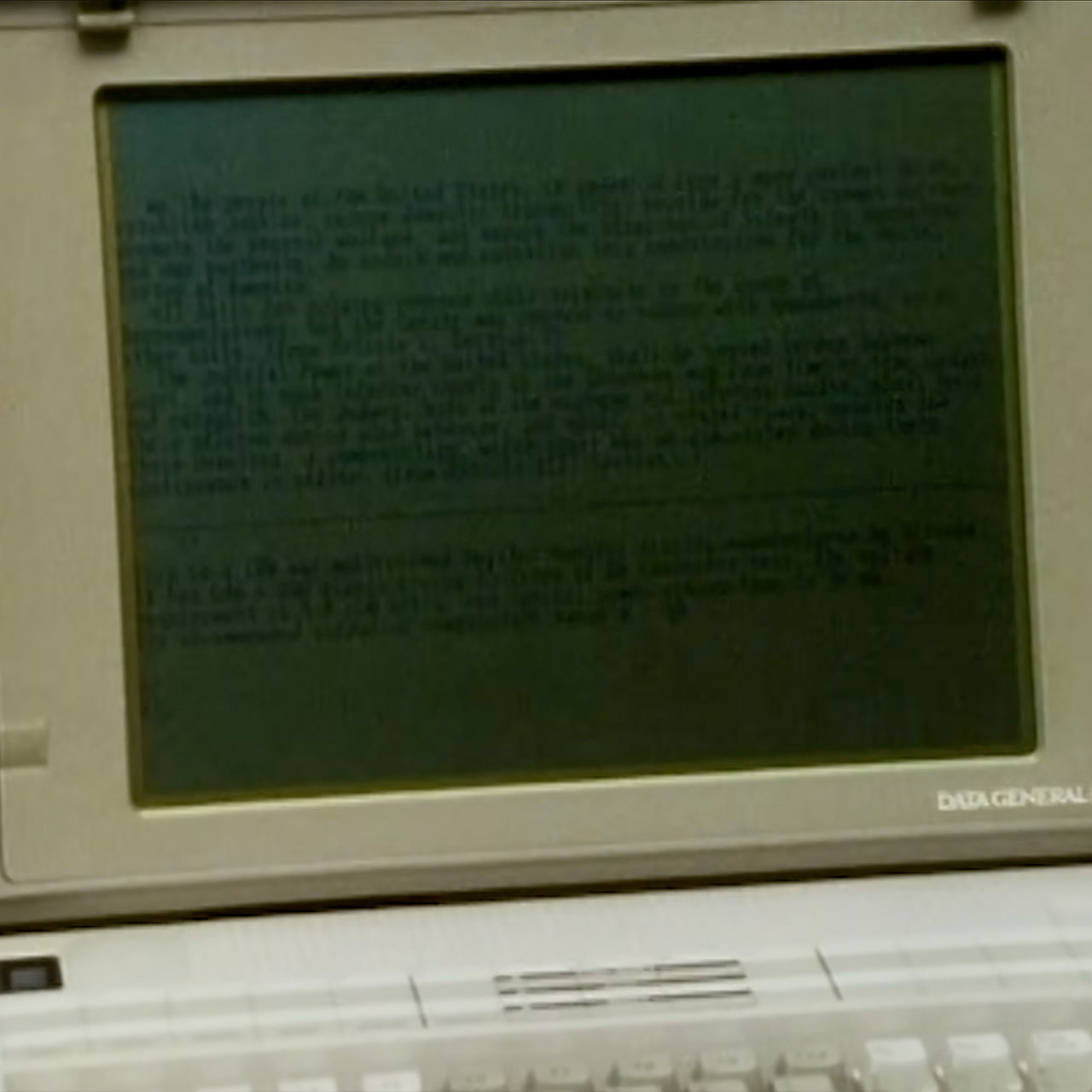
The segment began at the Which Computer Show, where two new approaches were presented side by side. Sharp provided a laptop with a backlit liquid crystal display. The extra light made the image easier to read in normal surroundings, but the underlying LCD still confined users to a narrow sweet zone directly in front of the screen. When I moved slightly to the side, the contrast collapsed. Colors and details simply disappeared. Toshiba displayed a plasma panel beside it. A fine grid of wires spanned inside the screen, illuminating a gas in bright spots when voltage crossed the lines. On camera, the image appeared clear and vivid. In actuality, the design consumed significantly more electricity than a battery could provide for an extended period of time, ran hot, and required frequent refreshing. That refresh cycle produced apparent flicker, which many users previously blamed for tired eyes after extended sessions.


MNN Portable Monitor 15.6inch FHD 1080P 60Hz USB C HDMI Gaming Ultra-Slim IPS Display w/Smart Cover…
  • Full HD Portable Monitor – MNN 15.6inch portable laptop monitor with 1920*1080 resolution, advanced IPS matte screen support 178° full viewing angle…
  • Double Type-C Port -For Plug & Play, the MNN monitor provides 2 Full Feature Type-C ports. Only One USB Type-C Cable is required to connect to the…
  • Lightweight Ultra Slim for Travel – As a portable external monitor,MNN portable laptop monitor easily accommodate to every suitcase and backpack and…

Presenters pointed out the common flaws without drama. LCDs remained cool and consumed little electricity while providing poor contrast and narrow viewing angles. Plasma screens provided more brightness and greater angles in some situations, but they required mains electricity and caused the flutter associated with constant image refreshes. Neither provided the clarity that people expected from paper or typical desk monitors. One presentation summarized the aim that everyone kept missing. What portable users actually required, he claimed, was a screen that remained vast in area while being compact overall, cost little to make, emitted no radiation, remained flicker-free, provided strong contrast, traveled smoothly, and consumed nearly no power.

1986 Micro Live BBC Sharp Toshiba Screens
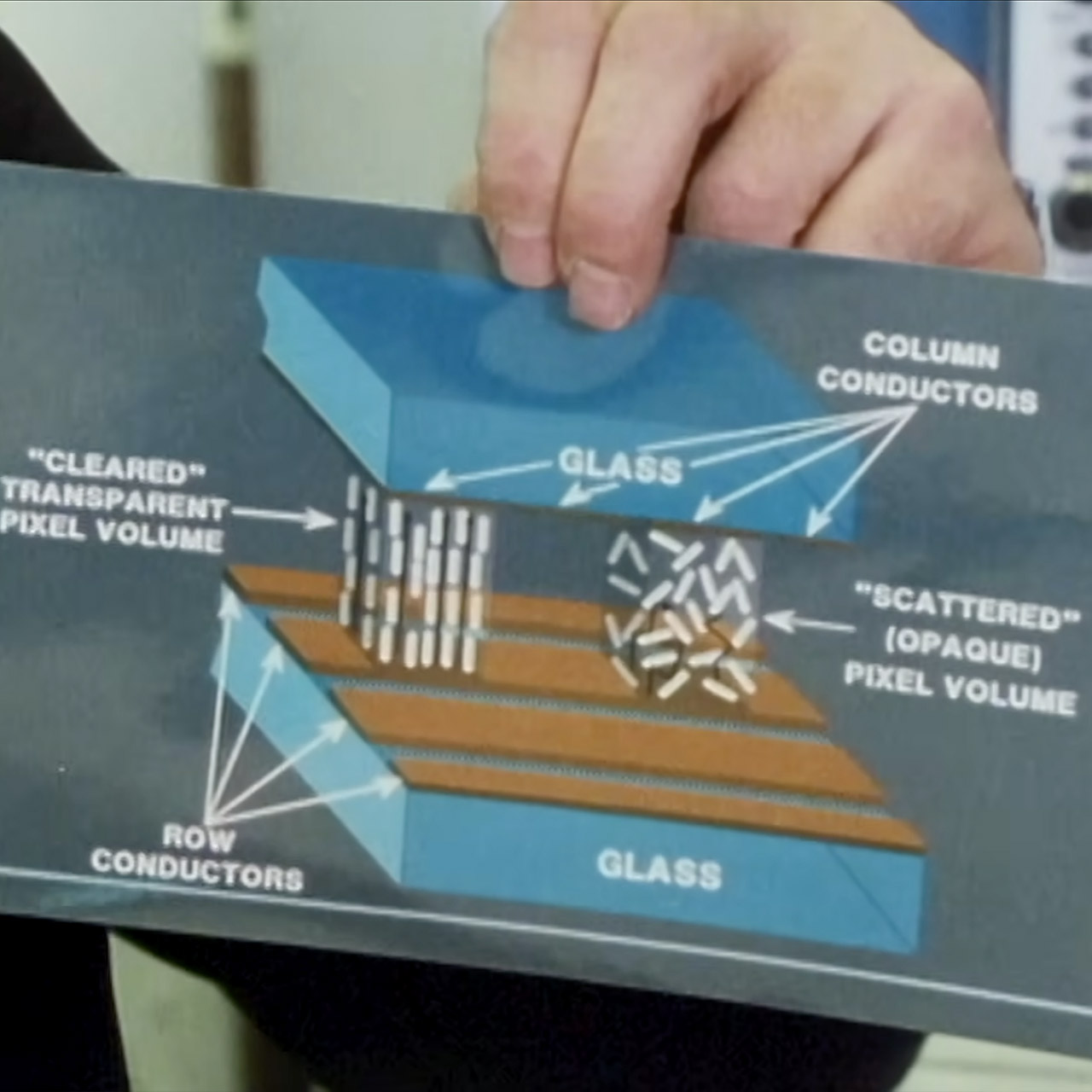
The program then moved to Harlow’s research laboratory. Engineers had created a functioning prototype that approached the refresh problem from a new perspective. Two sheets of glass were only 11 microns apart. Tiny glass threads kept the gap stable. The tight slot was filled with a unique fluid that required only a few drops to cover the entire panel. Each glass sheet had parallel lines of conductive material. Each crossing of those lines produced a controllable point on the image. The fluid behaved differently based on the electrical signal used. A high-frequency pulse aligned the molecules, allowing light to pass right through. Instead, they were scattered by a low-frequency signal, which blocked or redirected light. Once the molecules had settled into any arrangement, they remained there. No further electrical push was required to hold the image. As a result, the prototype could maintain a stable image even after power had been removed from the panel, something ordinary LCD and plasma panels could not.

1986 Micro Live BBC Sharp Toshiba Screens
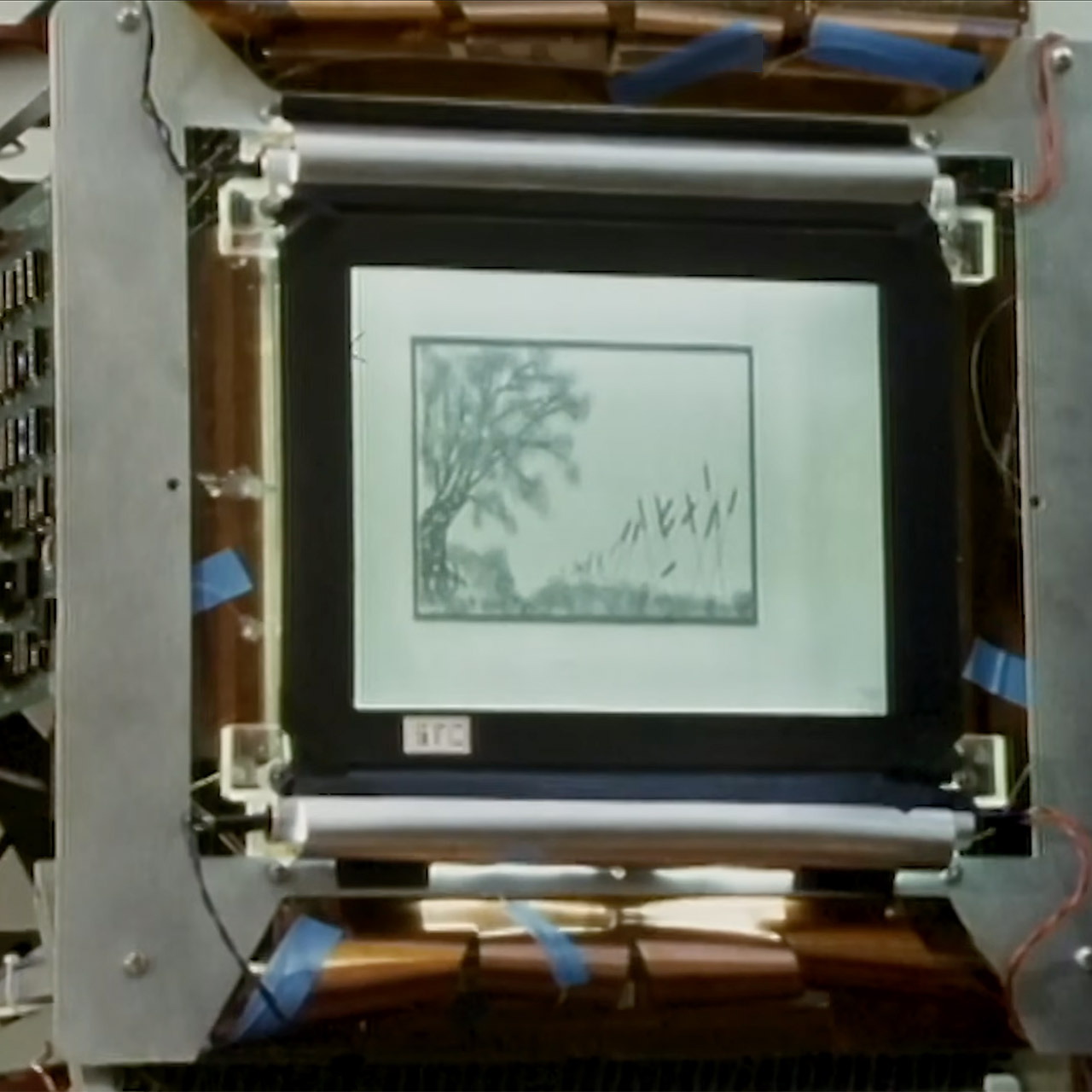
Demonstrations made the difference clear, since a typical laptop screen went black when the power was turned off and lost detail as the viewer switched position. The new panel kept its image viewable and the contrast consistent across far broader angles. The effect was more like to a printed page than the flickering electrical displays most people had seen on portable devices. Because the design did not include the polarizing filters that are often required by LCD displays, construction remained easier. Fewer layers resulted in less light loss and potentially lower manufacturing costs. Once an image was saved, power consumption remained minimal because nothing needed to cycle to keep it.

1986 Micro Live BBC Sharp Toshiba Screens
Practical hurdles remained, as each pixel required approximately 200 volts to flip states, which was far more than typical logic voltage. A full-size prototype has hundreds of thousands of discrete connections along its edges. Engineers have already begun gluing special driver chips directly to the glass, reducing the number of external cables.

Advertisement

Source link

Continue Reading
Click to comment

You must be logged in to post a comment Login

Leave a Reply

Tech

watchOS 27 beta 3 brings Siri AI to the Apple Watch

Published

on

Apple Watch owners can now finally use the new-and-improved Siri AI, thanks to watchOS 27 beta 3.

At WWDC 2026, Apple’s virtual assistant received a long-overdue upgrade. Siri AI, available on iOS 27 beta, supports contextual awareness and understands natural language, effectively making it an Apple-designed chatbot.

Initially, Siri AI was made available to developers with an iPhone, iPad, Mac, or Apple Vision Pro. With Monday’s watchOS 27 developer beta, however, the revamped digital assistant has made its way to the Apple Watch, in the form of a dedicated Siri app.

Siri AI conversations held on one Apple device will appear across all linked and compatible products. This means that, even though Siri AI is new to the Apple Watch, developers can still pick up where they left off on their iPhone or iPad.

Advertisement

With watchOS 27 beta 3, the Siri app can be launched from the Dynamic App Grid, which acts as the default Home Screen. The Siri app is now front and center, with five surrounding context-aware applications chosen based on the wearer’s routines.

Monday’s developer beta, and watchOS 27, controversially require an Apple Watch Series 9, Apple Watch Ultra 2, Apple Watch SE 3, or newer. Essentially, the operating system only supports six Apple Watch models, as Apple says newer hardware works best with Siri AI.

Source link

Advertisement
Continue Reading

Tech

12 Gadgets Under $25 That Deserve A Spot In Your Home Office

Published

on


We may receive a commission on purchases made from links.

What began for millions as a hasty laptop setup at the dining table has evolved into a dedicated workstation where they spend most of their productive hours. Contrary to what you may think, you don’t have to spend thousands of dollars to enjoy the comforts of a professional workspace. 

Ergonomic furniture is vital for your posture and productivity, but it’s only a piece of the puzzle. To work at your best, you need to iron out the small bottlenecks that hurt productivity, like tangled cables or poor lighting that makes you rearrange your setup for video calls. 

Advertisement

Luckily, it doesn’t cost much to fix these issues. We’ve compiled 12 sub-$25 gadgets to elevate your home office productivity and comfort without burdening your wallet. Our suggestions span several product categories, including peripherals, connectivity hubs, digital storage, and ergonomic mounts, so you can optimize every inch of your home office real estate.

Advertisement

Multi-button mouse

If you use a regular three-button mouse, you’re leaving efficiency wins on the table. The standard middle-click is handy, but extra buttons will supercharge your workflow, letting you bypass the keyboard finger gymnastics for switching windows and tabs or copying and pasting.

The Redragon M612 Predator is a wired mouse with nine physical buttons. All buttons are programmable, and you can customize the scroll-up and scroll-down functions, giving you 11 mappable inputs. Amazon users and reviewers at TechGearLab laud its comfortable and supportive shell and the value it offers despite its low price tag. TechGearLab highly recommends the M612 for gamers on a tight budget and has given it their Best Buy Award.

But for a liberating wireless setup, the Tecknet Bluetooth Mouse is probably the better option. Users love its build quality and comfort, and it supports 2.4GHz USB and Bluetooth 5.0/5.3, connecting up to three devices simultaneously — excellent for multi-device workspaces. There are seven buttons, including a side scroll for tackling broad spreadsheets. The manufacturer states that the buttons are non-programmable, but you can remap them using third-party software. Irrespective of your choice, the additional buttons will save you minutes of navigation daily.

Advertisement

Laptop stand

A laptop is designed for portability at the expense of ergonomics. Unlike a desktop, you can move around with it and work on the couch or the dining table, but none of these makeshift workspaces is good for your productivity, posture, and long-term health. Even a laptop flat on your desk forces a steep downward angle, hunching your neck, spine, and shoulders. 

For a more ergonomic posture, you need a stand to elevate your screen — like this Amazon Basics Laptop Stand. Its Z-shaped, hinged frame raises the height by 7 inches, and non-slip silicone pads keep your device in place. The hollow aluminum frame also boosts ventilation.

Both Amazon buyers and the pro reviewers at Wired compliment its remarkably sturdy and stable build that doesn’t sag under the laptop’s weight. A common complaint across both camps is the stiff hinges that take effort to adjust. But it’s reassuring because it proves that the stand can support heavier hardware, including the robust workstations ranking among the best laptops of 2026.

Wrist comfort tends to be a compromise with laptop stands because of the elevated keyboard height. To maximize ergonomics, use an external keyboard and mouse with the stand so that your arms are at desk level. The split configuration allows your upper body to effortlessly maintain a more natural and relaxed posture.

Advertisement

Wireless keyboard

A wireless keyboard is a must when using a monitor or an elevated laptop stand. It’ll ensure a more ergonomic wrist position along with a neat, cable-free aesthetic. A full-size keyboard gives your fingers more breathing room than a cramped laptop keyboard, and the 10-key design can make spreadsheets easier. Media keys and programmable hotkeys can also tighten your workflow.

The Logitech MK270 is a low-cost wireless mouse and keyboard combo. Customers on Amazon like the simple setup because the keyboard and mouse connect to the computer with a unified 2.4GHz USB dongle and work immediately. Wireless connectivity is stable and highly responsive.

Advertisement

PCWorld noted that it worked perfectly during testing and favored the responsive typing experience, but criticized the keyboard’s cheap build. The advertised battery life is three years, with many users reporting it lasts beyond eight to 10 months.

The keyboard has four multimedia keys (play/pause, mute, and volume) and four hotkeys (home, e-mail, PC power, and calculator). Three hotkeys are programmable using Logitech’s old SetPoint software — you can assign keystrokes or open apps. Despite lacking premium materials, this entry-level keyboard delivers excellent bang for the buck for remote workers.

Advertisement

Adjustable monitor arm

The benefits of an adjustable monitor stand extend beyond ergonomics and healthy posture. Most monitors come with tabletop stands, but along with limited adjustability, they eat up your desk’s real estate. An adjustable monitor arm clamps to your desk’s edge and lifts the monitor, freeing space for peripherals and documents. And if you have a multiple-monitor setup, you get precise screen alignment for multitasking. Monitor arms often have integrated cable channels to route wires for a more organized layout.

The Wali Single Monitor Mount is an absolute steal — many Amazon users compliment its easy assembly, sturdy build quality, and overall functionality.

The mount supports 13 to 34-inch screens and works with most flat and curved models. It has a weight capacity of up to 26.4 pounds for flat screens and 19.8 pounds for curved ones. The arm extends nearly 20 inches outward and 17 inches upward, offering 180 degrees of swivel, 360 degrees of rotation, and 70 degrees upward and 45 degrees downward tilt.

BTOD rated it the best monitor arm for vertical height range under $50 (it’s currently priced under $25). It praised the mount’s thick steel construction and liked that its integrated cable management didn’t require a screwdriver for routing cables. Although not suited for expensive or heavy displays, the Wali mount could be great for someone using regular monitors.

Advertisement

Cable management box

Work can be hard enough — you don’t want a tangled mass of cables worsening it. Other than disrupting your workspace’s feng shui, messy cables are a visual distraction that overwhelm the senses and increase stress. Plus, there’s the safety concern of tripping over cords, or children and pets fiddling with them.

A smart way to clear the clutter is with an aesthetic container like the Naeety Large Cable Management Box. Cable ties and magnetic cable clips are handy for bundling wires, but they don’t hide them entirely. The Naeety box pack has a 16-inch and a 12.6-inch plastic bin with wooden tops. The large size fits a six or eight-plug power strip, while the medium size can house a four-plug extension.

Advertisement

Since there are no openings at the top or sides, cables exit only from the two endpoints, making routing restrictive. Some Amazon customers complain that the wooden lids don’t sit securely with too many wires or large charging blocks, but the included adhesive cable clips and ties somewhat alleviate these concerns. It does clasp securely once the lid is locked in place, so small children can’t easily open it.

Writers at The Spruce note that it’s made from materials resistant to fire, impact, and scratches, making it a durable and elegant home office upgrade.

Advertisement

Two-port GaN fast charger

All the devices at your home office desk need power, making space on a power strip precious. A multi-port charger will help you power more devices while freeing up outlets on your extension cord. And to take advantage of recent advancements, consider a gallium nitride (GaN) fast charger. Unlike older silicon chargers, GaN chargers are smaller, cooler, and more efficient, making it easier for them to output higher wattage and power multiple devices.

Belkin Dual-Port GaN Charger’s 50W output is advertised to charge the iPhone 16 Pro and Samsung S25 Ultra from 0 to 50% in 27 and 28 minutes, respectively. Each port outputs 50W when connected to a single device and splits the wattage when two devices are connected. Buyers on Amazon liked its speedy charging, dual port connectivity, foldable prongs, and travel-friendly compactness that’s also handy for fitting into crowded cable management boxes. However, many wished it included a USB-C cable. 

CNN reviewers ranked the Belkin 45W GaN charger as the best USB-C charger for phones after testing it against the Mophie Speedport 45W and the Anker Nano. While the writers tested the 45W model, the higher-tier 50W version is currently a smarter purchase because of its lower price. You can further maximize this accessory by pairing it with USB-C cables that do more than charge your phone.

Advertisement

Ring light

Although upgrading to the best laptops with high-quality cameras is wise, hardware specs can’t do much without good lighting. Proper lighting elevates your video quality during digital meetings and makes you appear more polished and professional. Natural window light is superb, but outdoor light is unpredictable (and useless for evening meetings). For greater control over your lighting, you need a ring light, which is a circular LED device that casts even light on your face. It prevents harsh shadows, making you appear brighter and minimizing skin imperfections.

The UBeesize 12-inch Desk Ring Light is a budget favorite on Amazon. User reviews extensively praise its ease of setup, brightness, and adjustability. Along with 10 levels of brightness, it has three color temperatures — warm white, cool white, and daylight.

TechGearLab liked the swift setup and gave the ring light its Best Buy award. The light also includes a stable mini tripod with a textured ball joint for precise angle adjustment. Pro tip: during meetings, ensure the light is at eye level and slightly off-center to avoid unflattering shadows and eye strain.

Advertisement

The phone holder’s handy, but TechGearLab notes that it’s not very compatible with bulky phone cases, like Otterbox. Nonetheless, if the focus is on the webcam feed, this wallet-friendly light won’t disappoint.

Advertisement

Webcam

Remote work is bound to get you on video calls, but most built-in laptop webcams offer subpar camera quality. Underpowered laptop webcams are common because manufacturers prioritize performance, display quality, and sleek designs, leaving you with a grainy, washed-out feed.

You can improve image quality by adjusting your laptop’s placement or lighting, but the hardware eventually limits you. A more effective solution is an external webcam. While the best 4K webcams will set you back over $99, the NexiGo N60 is wallet-friendly at under $25.

Although it delivers 1080p at 30fps, reviewers at CNET commend its performance and find it outshines the 720p webcams on most laptops. Amazon users appreciate its noise-cancelling mic, but the CNET reviewer criticized its tinny sound.

It has a wide 110-degree field of view, which is helpful if more than one person needs to be in frame. The webcam’s shutter boosts privacy, and its mount tilts and swivels to improve framing without adjusting the entire display. Since it connects via USB-A, you may need an adapter if your laptop has only USB-C ports, but it’s a minor trade-off for a more professional video conferencing experience.

Advertisement

Smart lights

Smart lights bring varied benefits to a home office, and there’s no going back to regular lights once you get used to them. For starters, you can auto-schedule or manage these lights through your smartphone or voice assistant, so you don’t have to interrupt your flow to control them. (Still, standing up hourly is beneficial for your health — don’t let automation make you a desk potato.)

And often, your home office may share space with your bedroom or other living spaces. Smart lights can change from white to warm (or another hue, if you’re feeling creative) to signal to your brain that the working hours have concluded.

The TP-Link Tapo Smart Light Bulbs L535E are a two-pack set with millions of colors and adjustable brightness up to 1,100 lumens. They’re Matter-certified with built-in Wi-Fi, allowing you to control them directly using Apple’s HomeKit and Siri, Google Home, and Alexa. PCMag reviewers have rated it the best smart bulb overall in 2026 and note that it’s among the brightest in the publication’s roundup.

Advertisement

Lots of Amazon users appreciate the simple setup and app usability, though a few experienced platform-syncing bugs. The majority, however, applauded its fast response time, wide color range, and hub-free ecosystem flexibility. For a smoother transition, make sure you learn these three things before installing smart lights.

Advertisement

Surge protector

Your home office desk will likely house more gadgets beyond the laptop. Printer, monitor, table lamp — all these devices require outlets, making an extension cord vital for consolidating your desktop layout. But an unprotected power strip is risky because voltage spikes can fry connected hardware, damaging devices worth thousands of dollars. Electrical fluctuations can also overheat circuitry to become a major fire hazard.

For device safety, you’ll need robust surge protection, like the Belkin 12-Outlet Surge Protector Power Strip. Popular Mechanics highly recommends it to protect gadgets against power surges and spikes. Its 12 outlets can power all your gear at once and the 8-foot cable lets you position your workstation away from the wall socket.

The power strip’s protection indicator uses dual lights to confirm your devices are protected, and changes if the protection fails or there’s a grounding issue. Crucially, it provides 3,780 joules of surge protection, meaning it can survive many minor and a few major power fluctuations. For greater assurance, you get Belkin’s Connected Equipment Warranty, under which the company will fix or replace products damaged by electrical charge when connected to the surge protector — up to $300,000. No wonder it tops our surge protector brand rankings.

Amazon buyers appreciate its sleek profile, ample well-spaced outlets, indicator lights, and hefty warranty. Although it’s missing USB ports, its diverse premium features more than make up for it.

Advertisement

USB-C hub

Modern laptops are great — easy on the eyes and highly portable. Sadly, they sacrifice ports to achieve a slender profile, retaining barely one or two USB-C and a USB-A port. If you’re using a keyboard, monitor, and mouse, you’ll run out of ports, and it’s a hassle swapping cables. And USB-C-only connectivity on your laptop means USB-A accessories are incompatible without an adapter. 

Your one-stop solution is a USB-C hub for additional connectivity. The Anker Multi-Port Adapter offers seven ports — two USB-A 3.0, two USB-C (one data and one charging), one HDMI, and one SD and microSD card. Only the HDMI port has video output, but it supports 4K at 60Hz for smooth visuals. 

Customers on Amazon praise its reliable performance and ports, though a few would’ve liked an additional USB-C data port. There are a few mixed reviews about the HDMI output, with some users getting 4K at 60Hz but others capping out at 30Hz. This drop in refresh rate, however, occurs only if your device has DisplayPort 1.2 and not 1.4.

Advertisement

A reviewer at How-To Geek aptly described the Anker USB-C Hub as the best boring upgrade he’d ever bought, sharing that while it’s not flashy, it’s still a quality-of-life improvement. Consolidating your connections through this slim hub will eliminate your laptop’s port hiccups. 

Advertisement

Portable flash drive

As convenient as online transfer is, it can stall when your internet speed isn’t blazing. And emailing large files or uploading them to transfer across machines can feel sluggish. Sometimes, it’s faster to use a local flash drive. Ideal for moving large files, the “sneakernet method” dates back to floppy disks, when people physically carried storage between computers. Compared to slow internet, it now ensures swift and reliable data transfer.

The SanDisk Ultra Dual Drive is apt for modern home offices because it has a USB-C and USB-A connector, so you can share files without needing an adapter. It’s available in sizes from 32 GB to 256 GB, with the 64 GB drive under $25 on Amazon. Amazon buyers loved the dual drive compatibility. Most of them liked the read/write speeds, but some wanted it faster. Since this is a flash drive, its speeds are limited — up to 150 MBps.

TechGearLab rated this the best flash drive featuring a Type-A and Type-C combo. The reviewer appreciated the transfer speeds, but noted slowdowns when transferring many small files. In the reviewer’s test, the flash drive took 26 minutes to transfer 5 GB of small files. If you need something massively faster and have a bigger budget, don’t miss the market’s fastest portable SSDs with transfer speeds above 1,000 MBps.

Advertisement

Methodology

We finalized all the gadgets on this list through a multi-tier evaluation. At the time of publishing, all products were under $25 and available on major platforms, like Amazon, Best Buy, and Walmart.

We compiled the gadget categories based on our remote-work experience, but we selected individual items based on personal experience and research. The products averaged over four stars with more than 1,000 verified buyer reviews, signifying consistent real-world performance across diverse home office setups. We made one exception to the 1,000-review count for a more recent hardware release from a well-established brand whose reliability is widely endorsed by industry experts.

The devices were also tested by reviewers at established consumer-tech publications, so you’d get a balanced perspective of how well they work from both regular remote workers and expert hardware analysts. Not to mention, all the items solve specific home office pain points to enhance comfort, productivity, or both.

Advertisement


Source link

Advertisement
Continue Reading

Tech

Nintendo stops selling the original Switch in Europe

Published

on

Nearly ten years after launch, the original Nintendo Switch will vanish from European shops next year. Blame a new EU rule on batteries, not the Switch 2.

Nintendo will stop selling every version of the original Switch in Europe from mid-February 2027, The Verge reports. That lands weeks before the console’s tenth birthday. The cull covers the Switch, the Switch Lite and the Switch OLED model. Sales to retailers and through the Nintendo Store will both end.

Blame the battery rules

A new EU regulation drives the change. From 18 February 2027, portable devices sold in the bloc must let owners swap out their own batteries. Nintendo will phase out current models and roll out revised ones that comply, starting this summer. It promises “no difference in functionality” between the old and new versions.

The Switch 2 gets the biggest overhaul. A version with a user-replaceable battery should reach shops in the autumn, Engadget reports. The trade-offs are tiny. The new battery holds 5,172mAh against 5,220mAh, a drop of about 1 per cent, and the console gains roughly 10g. Revised Joy-Con controllers, the Switch 2 Pro Controller and the N64 and GameCube pads follow on a rolling basis.

Advertisement

What Nintendo drops

Not everything survives the switch. Nintendo will retire the original Switch Pro Controller, its Sega Mega Drive and SNES pads, and the Pokémon Go Plus+ accessory. None of them get a replaceable-battery successor. The rules apply across the 35 markets Nintendo of Europe serves, from the UK and Germany to Saudi Arabia and South Africa.

The 💜 of EU tech

The latest rumblings from the EU tech scene, a story from our wise ol’ founder Boris, and some questionable AI art. It’s free, every week, in your inbox. Sign up now!

A quiet end, for now

Nintendo has not said whether the cull reaches beyond Europe. Stopping production of the ageing hardware everywhere may prove tempting, given rising manufacturing costs and the shift to the Switch 2. Even so, the old machine has life in it yet. Fresh first-party games are still on the way, including Rhythm Heaven Groove and Tomodachi Life: Living the Dream.

Advertisement

The battery rules were first aimed at phones. Now they will quietly close the book on one of gaming’s best-selling consoles in its home region.

Source link

Advertisement
Continue Reading

Tech

Voltify’s new model for freight rail electrification

Published

on

Freight rail is often described as the most energy-efficient way to move goods over land, yet it still runs on one of the dirtiest inputs in modern infrastructure: diesel. As rail operators face mounting pressure from volatile fuel costs, tightening emissions rules, and aging locomotive fleets, the question is no longer whether rail should decarbonize, but how.

One company argues the industry has been approaching the problem from the wrong direction. Voltify, co-founded by Daphna Langer, is pursuing a model that aims to leapfrog conventional electrification strategies, seeking to electrify freight rail without rebuilding the entire network or sacrificing operational range.

The Electrification Trap

On paper, the logic of electrifying rail is straightforward. Replace diesel locomotives with electric ones and connect them to clean power. In practice, freight rail in the United States spans roughly 140,000 miles of privately owned track, making full overhead electrification via catenary wire prohibitively expensive. This approach works for dense passenger corridors but collapses under the scale and fragmentation of freight networks.

The alternative use of battery-electric locomotives appears simpler but introduces a different constraint: energy density. Batteries store less energy per kilogram by over ten times than diesel fuel, which means a fully battery-dependent locomotive quickly runs into range limitations unless it is frequently recharged. That leads to an operational bottleneck: either stop often or carry too much battery weight to remain economically viable.

Advertisement

The industry, in other words, is stuck between two imperfect extremes: “wire everything” or “charge at a depot for hours.”

Leapfrogging Conventional Electrification

Voltify’s premise is that freight rail doesn’t need to choose between full network electrification and battery-only locomotives. Instead, it rethinks where electrification is actually needed, combining battery-electric locomotives with strategically placed charging infrastructure that powers trains while they’re in motion.

The key idea is scale compression. Rather than electrifying the entire rail network, Voltify’s model electrifies roughly a fraction of the track using high-power charging segments that can deliver energy while trains are in motion. The remaining route is covered by onboard battery storage. Static charging at depots complements this dynamic charging system, allowing locomotives to top up during natural breaks in operations.

This approach reframes electrification not as an all-or-nothing infrastructure overhaul, but as a selective augmentation of the highest-value segments of the rail network.

A Three-Pillar System

Voltify’s architecture is built around three tightly integrated layers: locomotives, charging infrastructure, and energy systems.

Advertisement

The first pillar is the locomotive itself. Rather than designing entirely new locomotives, Voltify retrofits existing diesel units into battery-electric locomotives. This approach reduces capital expenditure and leverages the rail industry’s existing asset base.

The second pillar is charging infrastructure. Voltify uses an overhead conductor bar and pantograph system capable of both static and dynamic charging, supported by an unmanned architecture designed for rail environments. A manual charger complements this system for depot-based energy replenishment. The goal is not continuous electrification but targeted, high-throughput energy transfer where trains naturally pass or pause.

The third pillar is power and optimization. Voltify integrates solar generation, grid power, and battery storage into localized microgrids. These are managed by proprietary software that dynamically decides when to buy, store, or dispatch electricity based on cost and demand conditions.

Together, these layers form a system designed not just for electrification, but for energy orchestration.

Advertisement

Where the Business Case Actually Works

While the decarbonization narrative is compelling, Voltify’s real traction point is economic.

Diesel is one of the largest and most volatile operating expenses for rail operators. Voltify argues that its system can reduce energy costs by up to 30%, reframing electrification as an operating margin improvement rather than only a sustainability initiative. For Class I railroads, where fuel is among the largest operating expenses, the opportunity to reduce energy costs without rebuilding the network is a compelling financial proposition.

Another driver is regulatory pressure tied to local air quality. Although freight rail contributes a relatively small share of global CO2 emissions, locomotives emit nitrogen oxides and diesel particulate matter that concentrate heavily in rail yards and port-adjacent communities. These facilities often sit next to densely populated, lower-income neighborhoods, making emissions a localized health burden rather than a diffuse global one.

The Concentration Problem

The critical nuance in rail emissions is not their total size, but their geography.

Advertisement

Rail yards operate around the clock, with switcher locomotives idling and maneuvering in fixed locations often adjacent to residential neighborhoods. This creates concentrated exposure to pollutants such as NOx and soot. Research on rail-related pollution has linked it to substantial public health costs nationwide, including thousands of premature deaths annually and tens of billions of dollars in health damages.

In California, studies of major rail yards have identified elevated cancer and asthma risk zones extending beyond facility boundaries, disproportionately affecting lower-income and minority communities. Compounding the issue, locomotive fleets are slow to modernize, with engines often remaining in service for nearly three decades under grandfathered emissions standards.

Beyond Carbon: A System Redesign

The result is a more complex reality than a simple climate narrative suggests. Rail emissions are significant in localized health outcomes. The problem is simultaneously technical, economic, and justice-oriented (environmental and economic).

Voltify’s approach sits at that intersection. By avoiding full-network electrification while still achieving meaningful decarbonization and cost reductions, it seeks to unlock a leapfrog path that traditional models have overlooked. Whether that model scales will depend not only on engineering execution, but on whether rail operators are ready to rethink electrification as a distributed system rather than a binary choice.

Advertisement

Source link

Continue Reading

Tech

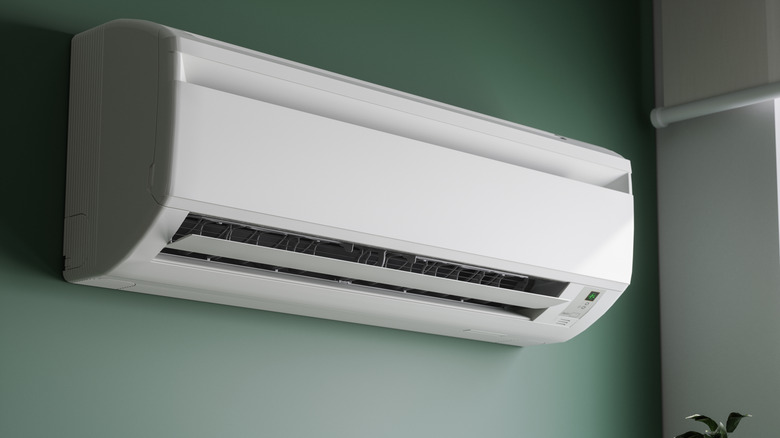
What Is The 3-Minute Rule For Air Conditioners?

Published

on


Summer heat is scorching across the United States and people are likely adjusting their air conditioners from the ideal temperature in an effort to cool down. Though it seems like a quick and easy fix, there’s a complex process happening inside an AC unit, which is where the 3-minute rule comes in. This rule involves the AC’s components and how they function during normal operation.

The “3-minute rule” describes compressor control behavior built into HVAC systems. This control determines the restart timing after the AC unit shuts down, which is typically around 3 to 5 minutes. These systems manage the compressor’s operation through timed cycles which are linked to thermostat demand. This includes set limits on how quickly the compressor can turn on and off, instead of tracking a fixed number of cycles.

The reason for the 3-minute gap is to keep the system from starting up too quickly after it shuts down. Without it, an AC unit would cycle on and off too frequently and put mechanical strain on the system and decrease the unit’s operational efficiency. Air conditioners already share some common problems, and a unit that cycles too much could result in a house feeling cool but humid at the same time. At the very least, it could cause inconsistent temperatures from one room to the next.

Advertisement

Inside AC compressors and alternative solutions

The compressor is the main part of the air conditioning system and it’s responsible for circulating refrigerant through the unit. This is done through a process in which the low-pressure refrigerant gas is compressed into a high-pressure state, which allows for heat to be released through the condenser coil. When that happens, the refrigerant cycles back indoors, which allows cool air to be circulated back into the home as heat is pulled out. Because of the work it does, the compressor’s effectiveness impacts how efficiently the unit performs.

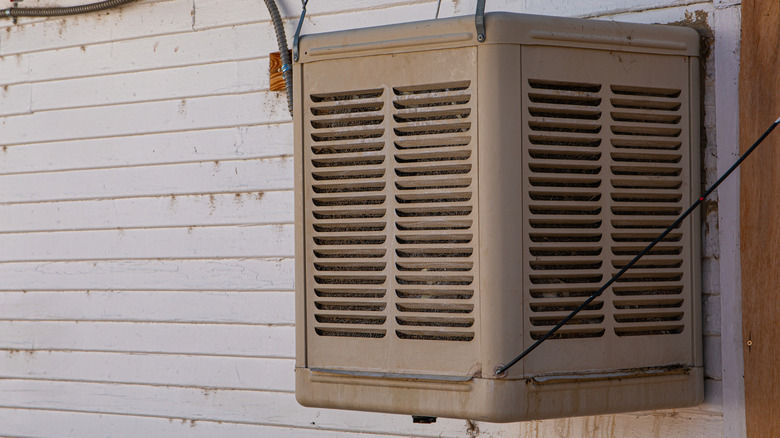
In contrast, evaporative coolers, also known as swamp coolers, use water evaporation instead of refrigerant-based compression. These systems work through a process in which water-soaked pads cool outdoor air passing over them, and that air is then pulled into the home. Unlike AC compressors that rely on a timed restart schedule, evaporative coolers bring in fresh air continuously. These units are typically more energy efficient, though they do need a constant water supply to be effective. They also tend to work best in dry climates.

Advertisement

Absorption heat pumps/coolers also do not use compressors in order to provide cool air, though this technology is typically installed in large residential or commercial environments. These systems utilize a cycle in which a heat source like natural gas drives an ammonia-water process to move heat. A low-power pump then circulates the solution and restarts the cycle. This allows the space to cool as heat is transferred out.


Advertisement

Source link

Continue Reading

Tech

Seattle’s Cascade PBS spins out Local Public, a tech platform that builds streaming apps for stations

Published

on

A screengrab of the Cascade PBS streaming app as built by Local Public. (Local Public Image)

Seattle’s Cascade PBS has spun out its streaming app technology into a standalone company called Local Public, which is now building connected-TV and mobile apps for public media stations across the country.

The goal is to provide local PBS stations nationwide their own branded, station-curated streaming apps — plus tools for fundraising and audience data — as an alternative to a one-size-fits-all national app.

Local Public was originally created within Cascade PBS (KCTS-TV channel 9) to build apps for that station, which serves Western Washington and part of British Columbia. Supported by 10 Founding Sponsor partner stations, a Local Streaming Initiative (LSI) was launched to expand the platform to serve stations nationwide.

On July 1, Local Public launched as a public benefit corporation. Cascade PBS owns 100% of Local Public, but it’s expected to take on investment and be co-owned by a coalition of other PBS stations in the near-future.

In a blog post announcing the launch, Local Public CEO Kevin Colligan wrote that the company is aiming to build “a growing coalition of independent public media organizations working together while remaining deeply rooted in their own communities.”

Advertisement

Eighteen stations are currently using Local Public, according to Cascade PBS, including Arizona PBS (Phoenix), Houston Public Media, OPB (Oregon), Rocky Mountain PBS (Denver), Vegas PBS, WETA (Washington, D.C.), WHYY (Philadelphia), WQED (Pittsburgh), and others.

Colligan framed the launch against the backdrop of media consolidation, arguing that a shrinking number of corporations increasingly control what Americans watch and read, while local newsrooms have been gutted and replaced by centralized programming.

He also pointed to the rise of low-effort, AI-generated content as a further threat to authentic local journalism and storytelling — one he said makes trusted, community-rooted public media more valuable, not less.

“We bring a startup mentality to public media’s longstanding tradition of community service,” Colligan wrote. “We are building technology that allows stations to move faster, collaborate more effectively, and reach audiences wherever they are.”

Advertisement

Local Public apps currently run on 10 platforms, including Roku, Fire TV, Apple TV, Google TV, Android TV, LG and Samsung smart TVs, iPhone, Android and a web video portal. NPR, radio and podcast integration is in development and expected to launch in fiscal year 2027.

The apps run on a centralized content management system, letting stations publish their own programming, build featured-content carousels and pull real-time viewer analytics. Stations can also message members and prospective donors directly within the app. The platform fully supports PBS Passport, the streaming benefit for recurring donors, and PBS Media Manager, the system stations use to manage and distribute video.

TheDesk.net reported that Sacramento’s KVIE has already relaunched its streaming app through Local Public as KVIE Plus (stylized KVIE+), offering free access to the station’s full lineup of broadcast channels over streaming alongside local programming and acquired shows, movies and documentaries. Denver’s KRMA has relaunched its connected-TV app through the platform as well

Pricing for Local Public is tiered by station size, based on how many Passport-eligible members a station has at signup. Small stations (fewer than 15,000 members), for instance, pay an $8,000 onboarding fee and $60,000 annually.

Advertisement

Source link

Continue Reading

Tech

The Ninja Luxe Cafe Premier is an “espresso machine anyone can master” and it’s dropped to an all-time Aussie low for Prime Day

Published

on

Amazon Prime Day is now live in Australia, and I’m spending the majority of my time seeking out the very best Prime Day coffee machine deals. Fortunately, I’ve not been disappointed, with huge savings on many of our favourite machines here at TechRadar.

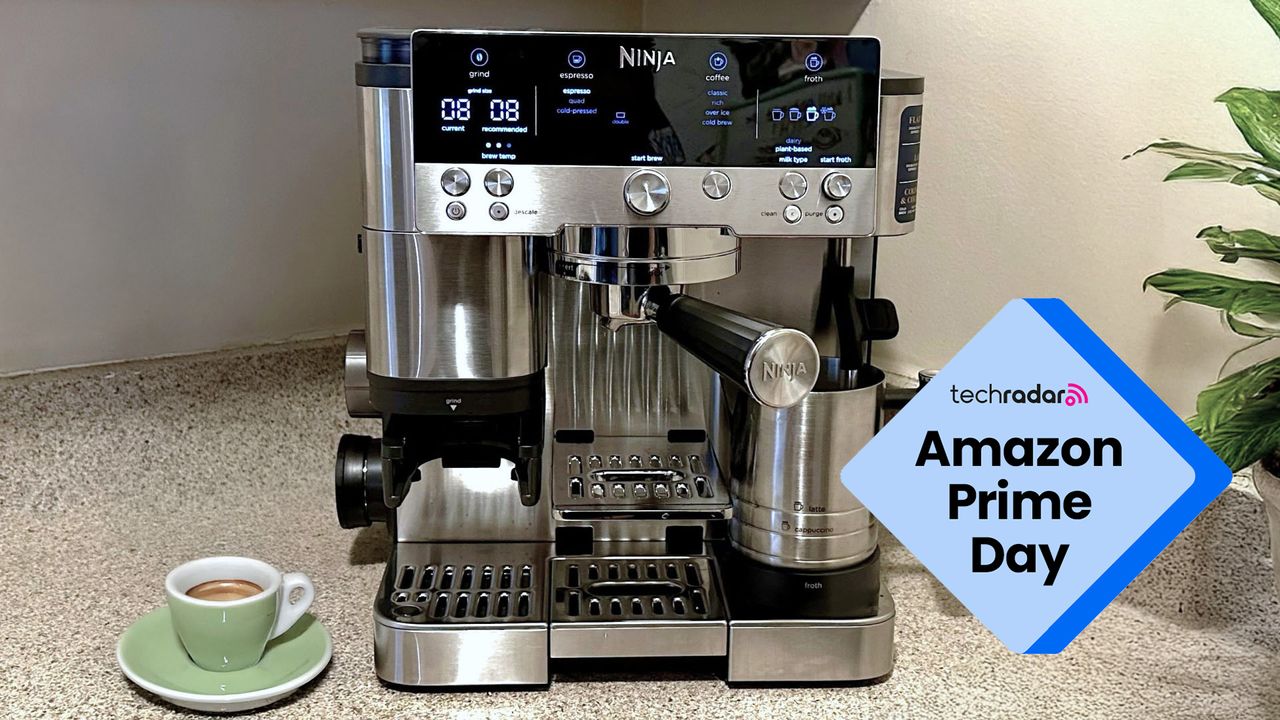
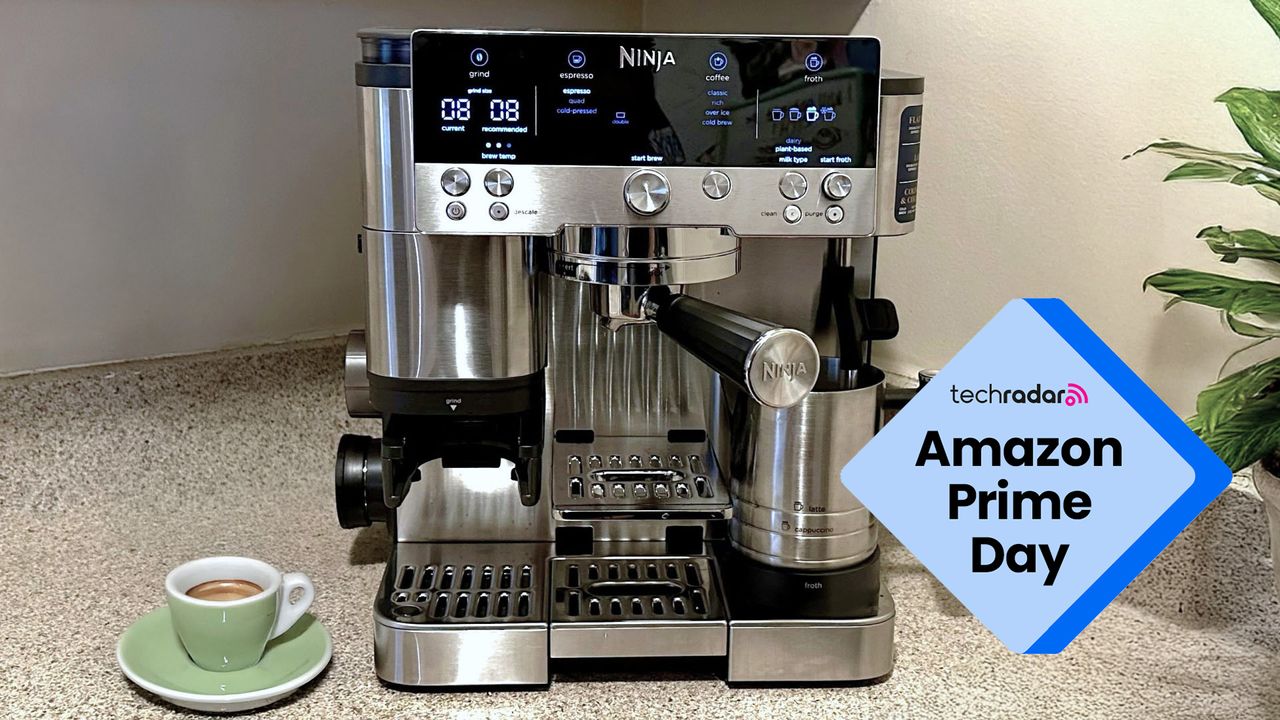
The highlight, however, has to be a mega saving on the superb Ninja Luxe Café Premier espresso machine, which drops to a new all-time low in Australia of AU$497.99 for the stainless steel model.

That smashes a previous low price of AU$629 that I spotted during Black Friday last year, and means that if you’ve been holding out on getting the viral-hit coffee maker, this Prime-exclusive deal presents the perfect opportunity.

Advertisement

If you have yet to come across this popular Ninja machine, it is essentially a versatile three-in-one bean-to-cup system designed to cater to a wide range of coffee preferences. It is capable of extracting a quality espresso, preparing cold brew, and delivering classic drip coffee.

An automatic steam wand is also included for those who favour milk-based drinks. Ninja describes it as “the ultimate guided experience,” with its Barista Assist Technology offering step-by-step support throughout the process.

In practical terms, whatever your coffee of choice, the Ninja Luxe Café Premier espresso machine is equipped to handle it. It also encourages experimentation with different recipes, without the need for proper barista training.

A selection of single-, double-, and quad-shot filter baskets is included, making it equally suited to preparing multiple coffees at once or a stronger, more concentrated serve when needed.

Advertisement

While it’s sensibly priced in the world of premium coffee machines, AU$1,049.99 is still a hefty purchase. That said, our reviewer identified only a few reasons not to buy it: if you need to brew large batches of coffee, want a dedicated hot water line or are looking for a compact machine.

If this doesn’t sound like you, or you’re simply swayed by the AU$552 saving, then you’ll likely want to be quick to snap one up, as they tend to sell out fast.

Source link

Continue Reading

Tech

Apple iPhone Buried for 250 Years Probably Won’t Work, Report Says

Published

on

An Apple iPhone 17 Pro Max that’s been buried as part of an America250 time capsule is unlikely to work when it’s time to unearth it. America’s Time Capsule, due to be dug up in 2276, includes an iPhone with a Notes app featuring “digital artifacts” for future readers. 

White time capsule with the words America250 written on it

America’s Time Capsule includes physical artifacts, archival documents, and digital records from all 50 states. 

Advertisement

America250

However, a Forbes report suggests that the iPhone will be unusable for future generations. The battery is a “fundamental failure point” because lithium-ion batteries degrade over time. The report also suggests that Apple’s “restrictive practices,” such as dropping support for older models, would prevent the phone from being unlocked at all, even if it survives. 

That’s assuming humans will even be using wall outlets, chargers and the same kinds of energy supply and voltage in 250 years — and that Apple servers will still be active.

America Innovates is an event co-hosted by Forbes and America250. It’s unclear whether including Apple’s device was intended as a commentary on the company’s “planned obsolescence” business strategy, where products are designed with a limited lifespan.

Representatives for America Innovates did not respond immediately to CNET’s request for clarification.

Advertisement

This was state-of-the-art technology…

Burying technology in a time capsule may be functionally useless for preservation, but still valuable as a cultural mirror. Sure, the hardware will fail long before two centuries pass, but it serves a historical purpose rather than a practical one.

Still, it’s probably useful to include a disclaimer that we honestly believed we were living in the ultimate digital age when the capsule went underground. That state-of-the-art technology will probably be glorified, nonbiodegradable plastic trash in 250 years. 

The America250 constitution with signatures in front of Supreme Court building

The pocket constitution is included inside America’s Time Capsule. 

Advertisement

America250

The 900-pound time capsule is also filled with photos, documents and other items from the three branches of the government, as well as from all 50 states and territories. These items include a stainless steel rosary from Puerto Rico and a Pocket Constitution signed by Supreme Court justices.

Experts warn that time capsules are an ineffective way to preserve information for several reasons, including the presence of groundwater. A 2019 article said that 99% of unearthed capsules are destroyed or, perhaps worse, simply boring.

“Burying something is literally the worst way to preserve it for future generations,” Paleofuture blogger Matt Novak told Mental Floss, “but we continue to do it.” 

The iPhone is also not the first Apple product to be buried underground for later digging up. In 2013, a once-lost “Steve Jobs time capsule” buried 30 years prior was discovered with an Apple mouse inside. Also included was a six-pack of Ballantine beer and a Rubik’s Cube.

Advertisement
screenshot-2026-07-06-at-4-26-00pm.png

For 30 years, the location of the “Steve Jobs Time Capsule” was lost to history, until it was uncovered in 2013, containing the Apple founder’s Lisa mouse.

Screenshot by CNET

Source link

Advertisement
Continue Reading

Tech

Yet Another Study Finds No Causal Link Between Tylenol & Autism

Published

on

from the can-we-be-done-with-this? dept

As you will recall, the combination of RFK Jr.’s announcement that he’d find a root cause for all this autism going around combined with Donald Trump’s idiotic claim that there must be some external environmental cause of all this autism going around resulted in both of these clowns telling America that pregnant women taking Tylenol is causing all this autism going around. Never mind how dehumanizing this all is towards the many, many human beings who are on the autism spectrum, nor the other causes RFK Jr. has magically found for autism.

There is no scientific reason to believe that any causal link between autism and prenatal use of Tylenol exists. But that hasn’t stopped people with far too much faith in this particular government from refusing to take Tylenol. It also hasn’t stopped from governmental bootlickers making asses of themselves with lawsuits against Kenvue, makers of Tylenol. Not long after this bullshit announcement, even RFK Jr. acknowledged that there is no proven causal link to be had here.

But if that isn’t good enough for you, quality scientific studies continue to be performed and demonstrate that no link between Tylenol and autism can be found.

Another large study has found no link between autism and Tylenol use during pregnancy, refuting claims by President Trump and anti-vaccine Health Secretary Robert F. Kennedy Jr. In the new study published in JAMA Internal Medicine, researchers analyzed electronic health records from 2001 to 2023 for more than 700,000 pairs of mothers and children in Hong Kong. Of those pairs, about 43 percent of children had exposure to acetaminophen in utero.

The researchers saw no link between prenatal acetaminophen use and either condition. It didn’t matter what dosage of acetaminophen was taken, when it was taken during the pregnancy (which trimester), how often it was taken, or how old the mother was at the time. There was simply no link between acetaminophen and autism or ADHD.

Advertisement

Now, as has been the case with some previous studies, and what RFK Jr. and his cronies point to when they make this dumb claim, you do get some correlative linking if you drop the sibling-matched design and instead just correlate between prenatal Tylenol exposure and a diagnoses of autism. The problem is that if you perform what is called a “negative control” analysis, that link disappears again.

Interestingly, there was a link when the researchers dropped the sibling-matched design and instead compared acetaminophen-exposed with unexposed children, which is a finding that has come up in other studies. But when the researchers performed a “negative control” analysis and compared children whose mothers had taken acetaminophen before ever getting pregnant or after they had given birth compared to mothers who didn’t use the painkiller, they also saw an association—one that is “biologically implausible.”

The idea behind a negative control analysis is to analyze a cohort of conditions that should not produce the experimental result, an autism diagnosis in this case. When it does anyway, you know that the previously perceived link isn’t really there. In this case, instances in which a mother took Tylenol before or after pregnancy and had a child that was diagnosed with autism shows that what could have been thought to be a link between the two is actually more likely exposing family, genetic, or environmental factors that are resulting in both a child with autism and a trigger for the mother, or future mother, to be taking Tylenol.

This is what we mean when we say there is correlation, but not causation. It is still a useful clue, in other words, but not in the way that Trump and Kennedy would have you believe. It indicates that the mothers who have taken Tylenol are experiencing something that is a trigger for doing so and may indicate some associated reason for producing a child with autism.

In other words, just because the paint is peeling off your walls and there is a blaring sound going off in your ears doesn’t mean that the blaring sound caused the paint to peel. Your house is on fire, causing both paint to peel and the smoke alarms to go off.

Advertisement

Which, frankly, happens to be a wonderful analogy for what it’s like to have RFK Jr. in charge of public health.

Filed Under: autism, quacks, rfk jr., tylenol

Companies: kenvue

Source link

Advertisement
Continue Reading

Tech

Sony Bravia 7 Mark II: Midrange but Priced High (2026)

Published

on

During a demo reel test, the color quality and contrast weren’t great. Mist over a white mountain didn’t look distinct; grass behind a fence should have looked greener; brown buffalo roaming a field didn’t look varied enough in color. To test contrast, I viewed a scene with dark trees in the foreground, but they blended too much into the background.

Another component of color contrast is that dark colors should look deep and rich, but dark scenes in The Creator and Awake on Netflix both just looked too dull. None of the picture modes helped, including the XR Contrast Booster. In Awake, the main character rides a bike at night, and you can see her face but not the background or a guy in a blue shirt.

The movie Hoppers on Disney+ did sell me a bit more on True RGB. (Though, to be fair, the animated movie with vibrant colors looked great on my iPhone 17 Pro.) The Bravia 7 Mark II’s understated backlighting and average contrast gave Hoppers a more artistic look. Project Hail Mary on the Fandango at Home app looked similarly pulled back, reminding me of the matte display on an art television.

To test the Bravia 7 Mark II’s ability to cast, I streamed Dune II using the HBO Max app. It worked perfectly, unlike the Hisense UR9 Mini RGB, which was a bit glitchy. On YouTube TV, I tested multiple news broadcasts (which appeared flat and slightly washed out) and a few World Cup 2026 games (which had smooth and fluid motion, with mostly vivid colors). A screensaver mode that shows static images and artwork looked too dark with poor contrast, especially when I flipped through some oil paintings of shipwrecks.

Advertisement

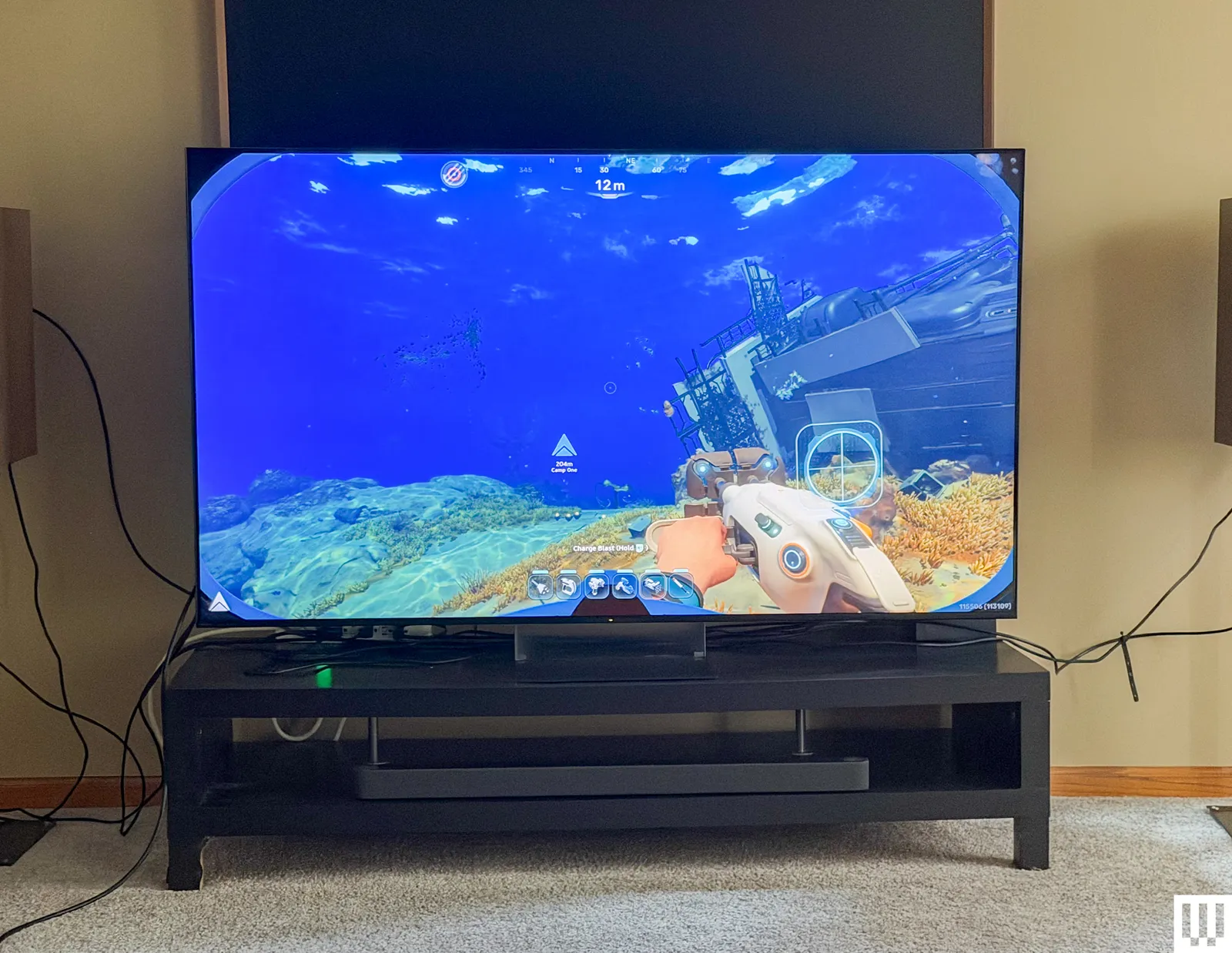
To test surround sound, I watched the movie Unbroken because it’s my ultimate benchmark for Dolby Atmos. After I connected Klipsch the Nines II speakers to the television, sounds of planes, explosions, and voices emanated throughout the room. The same battle scene using the same speakers was not as immersive in terms of surround sound using the Hisense UR9 television. However, the built-in speakers on the Hisense UR9 are much better for surround sound than the Bravia 7 Mark II’s built-in speakers.

Let the Games Begin

Image may contain Animal Aquarium Fish Sea Life Water Electronics Screen Computer Hardware Hardware and Monitor

Photograph: John Brandon

Like movie and TV show picture quality, gaming on this model also lacked impressiveness. I started by playing through the Vietnam level of 007 First Light on a PC. This spectacularly vivid segment, with James Bond driving a boat on sun-kissed water surrounded by rocky cliffs, was a mixed bag in terms of quality. In scenes with the sun pouring down, the contrast was amazing and clear, but when Bond drove into a darker area, the contrast suddenly looked washed out. The 120-Hz refresh rate was fine, but not at all as vivid, responsive, and clear as the Hisense UR9 Mini RGB.

Source link

Advertisement
Continue Reading

Trending

Copyright © 2025