Tech
Smart rings focus on the heart. I saw the future, and it’s a sweat-sensing lab on your finger.

We have entered the age of biohacking now. And no, I am not talking about the extreme cases like Bryan Johnson, who is spending millions of dollars on ambitious health and de-aging goals. The average audience for wearables is now asking for more. They are feeding the sensing data collected by smartwatches, bands, and rings to AI agents, and pulling in more insights about their bodies. I created one such dashboard for myself using Claude in less than 10 minutes to make sense of the data collected by my smart ring.
But there is only so much you can do with these wearables. And that’s owing to the limitations of the underlying light-based sensor. These sensors started with measuring heart rate, and in a decade, they made impressive advancements and can now measure ECG, blood pressure changes, temperature fluctuations, and blood oxygen saturation levels. They can’t, however, dig into the biochemical side of things, the kind of stuff that requires a hospital visit or sophisticated medical gear.
When it comes to health and wellness, light-based analysis of the human blood is not the holy grail. Far from it, actually. There are a bunch of other fluids that are a treasure trove of health data. Saliva, urine, tears, and cerebrospinal fluid are among them. But in the realm of wearables, sweat has long been seen as the next big avenue for biosensing, especially for mass-market wearables. The challenge? It’s an entirely different kind of engineering challenge.
But why sweat?

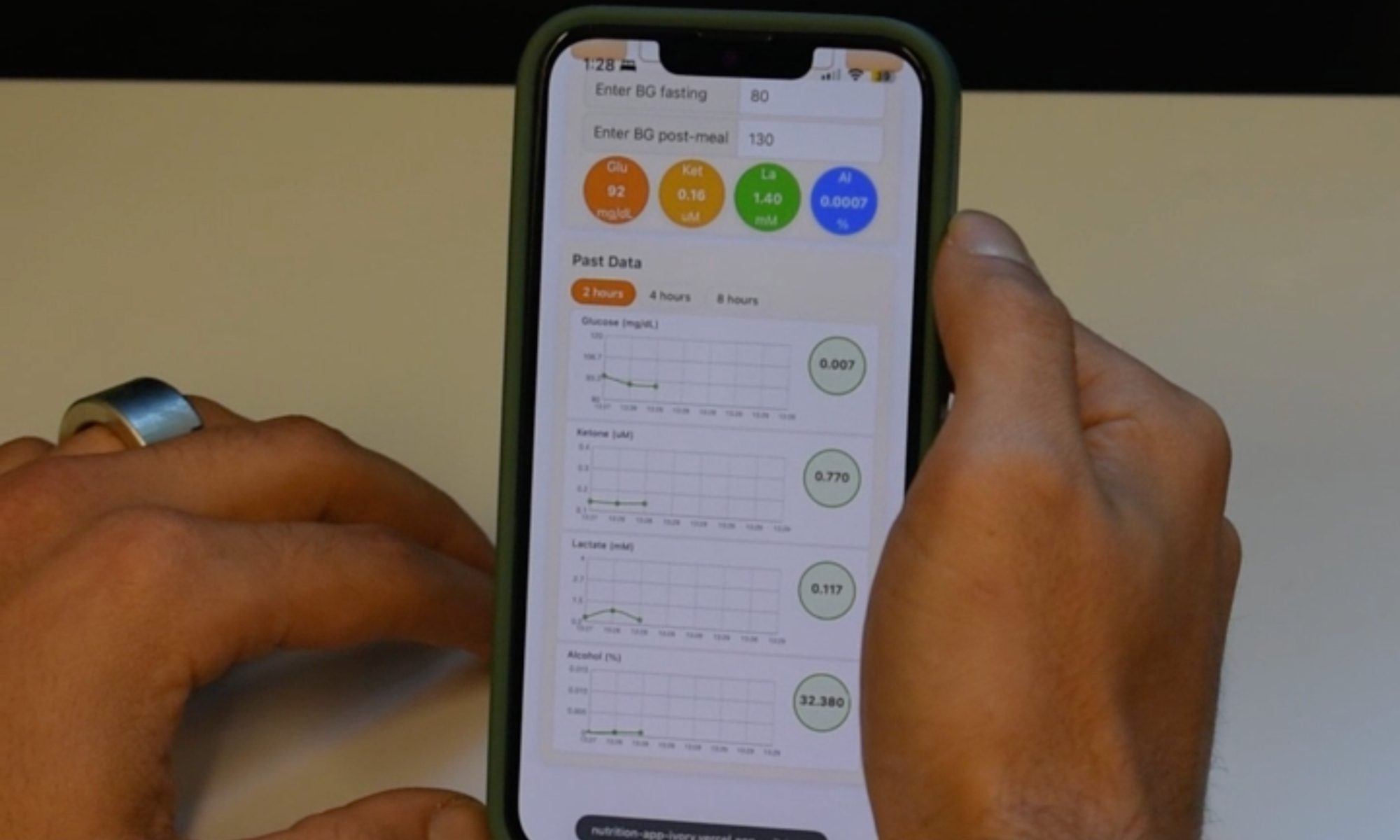
We are dealing with fluids here, and to perform a chemical analysis, one needs nothing short of a mini lab. Microfluidics is the field that has been trying to create these mini labs. Caltech researchers recently made a skin patch that can measure cholesterol levels using a sweat sample. The folks over at Pennsylvania State University also developed a similar patch back in 2023. But cramming all that sensing kit into something as small as a ring that enables continuous monitoring (and that too, for multiple chemicals at the same time) has been a daydream, so far.
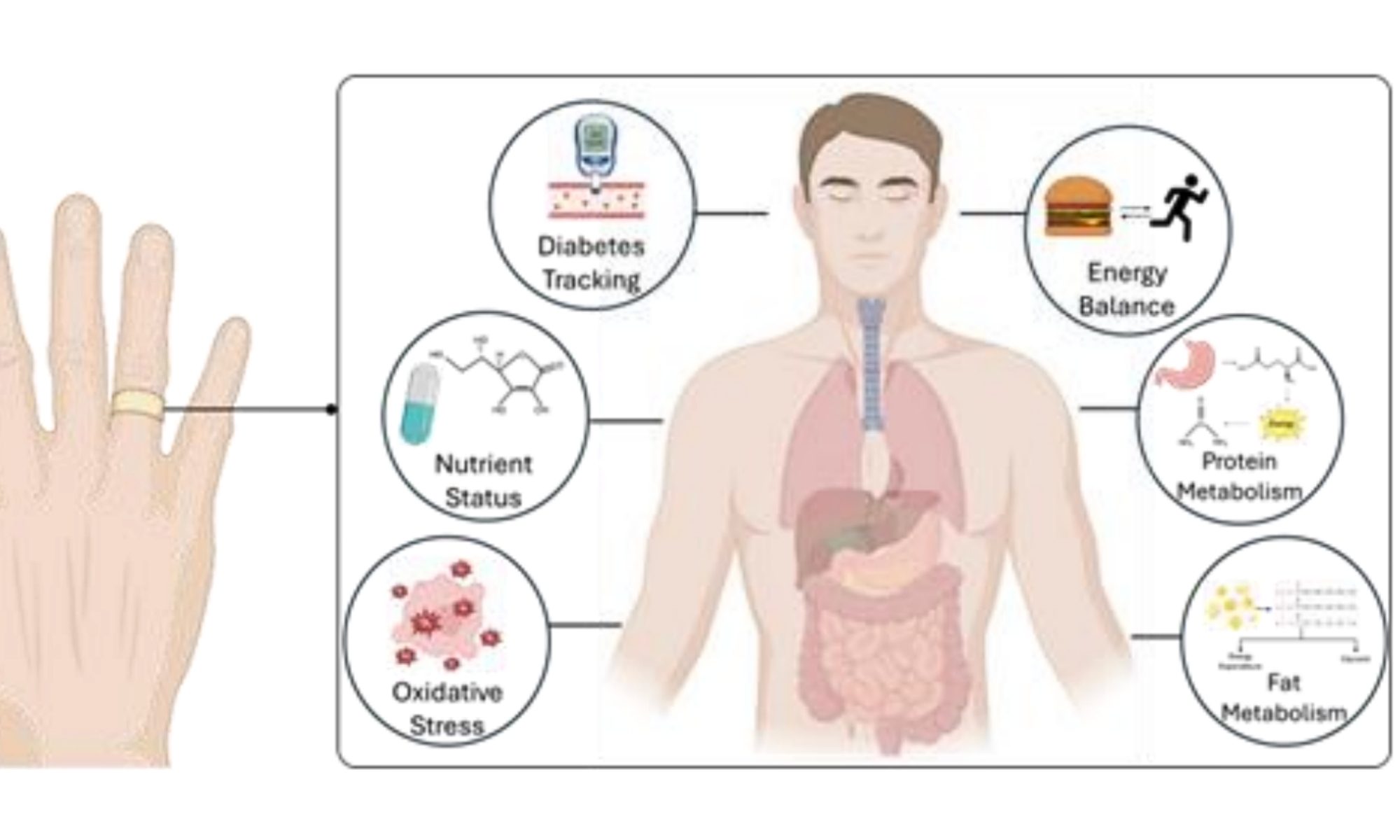
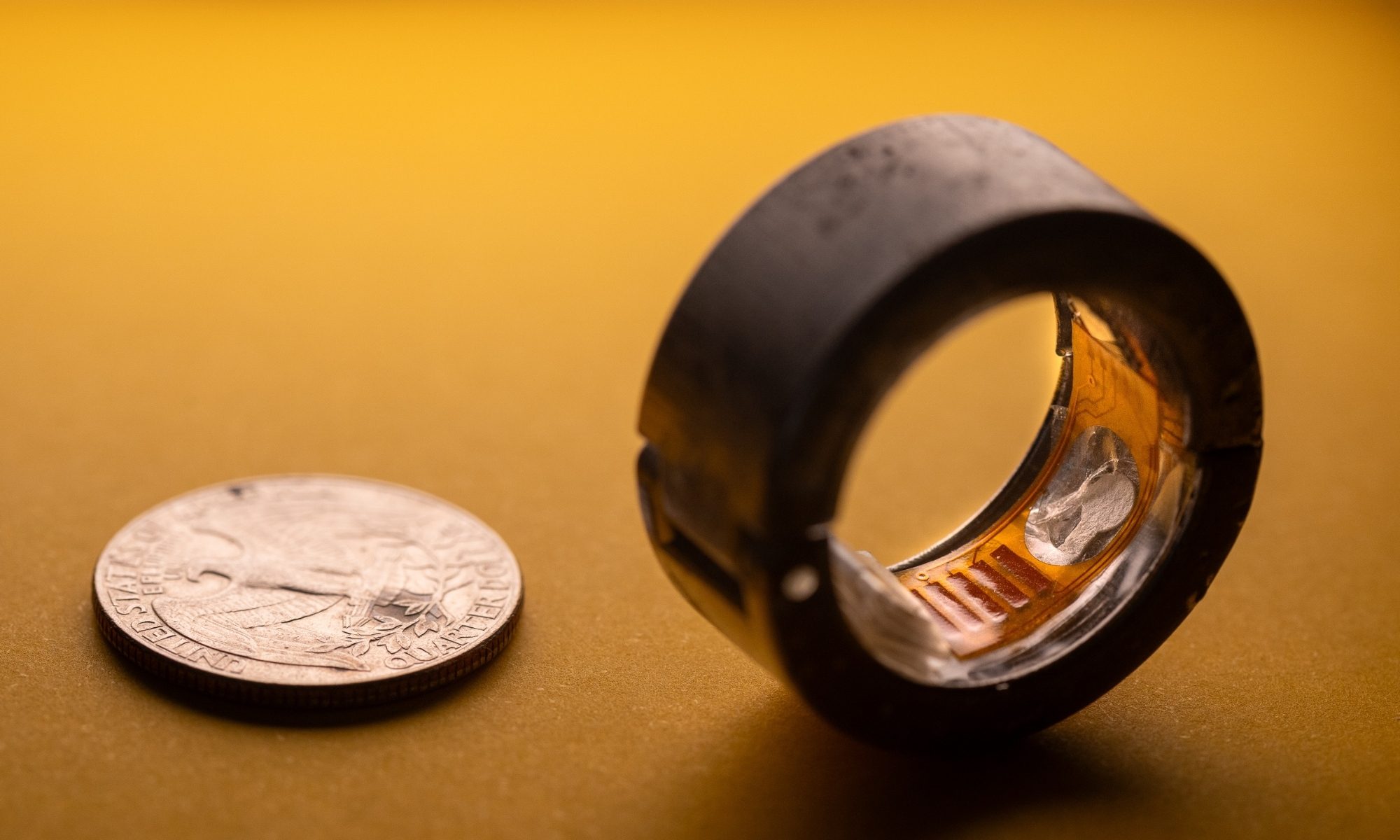
Enter Tamoghana Saha, whose team at the University of California San Diego has developed a smart ring that can keep an eye on glucose, ketones, vitamin C, uric acid, lactate, and even alcohol levels by reading a sample of your sweat. And it’s not a one-off analysis. The ring, which the team calls the Continuous Health Analyzing Ring Module (CHARM), can perform continuous sweat analysis for a spell of 12 hours per charge, and maintain its calibration for a spell of two months.
It’s a huge milestone that just needs some time and polish.
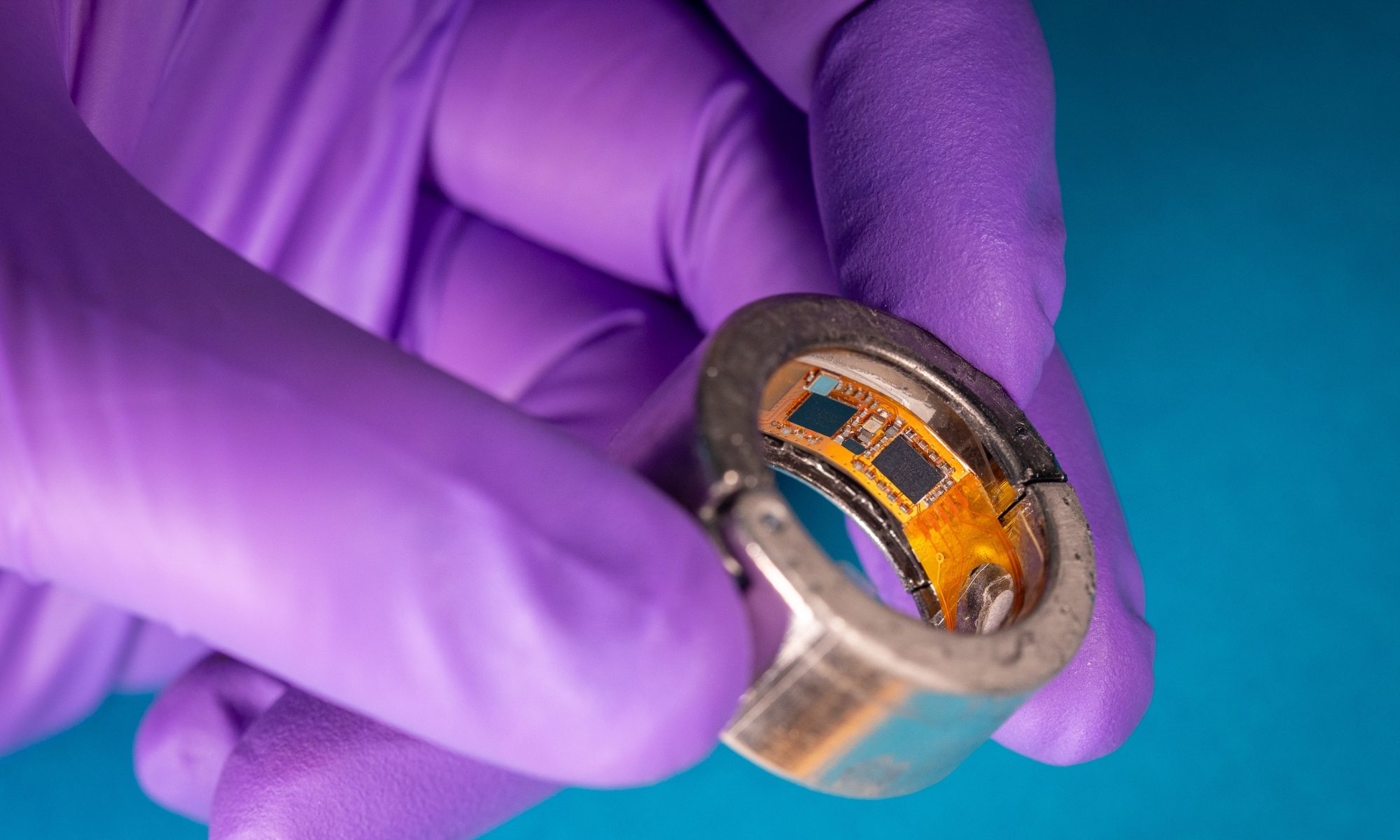
The ring is bulky. It’s not waterproof. It has not been validated in clinical settings on human subjects. It can’t do multi-day monitoring. But it’s still a ring, with upgradability and repairability as a key design principle. But above all, it’s living proof that chemical analysis of your sweat is now possible right on your index finger. And it’s going to be far more versatile than a typical smart ring that can only perform a proxy light-based analysis of the blood flowing in the vessels under your skin.
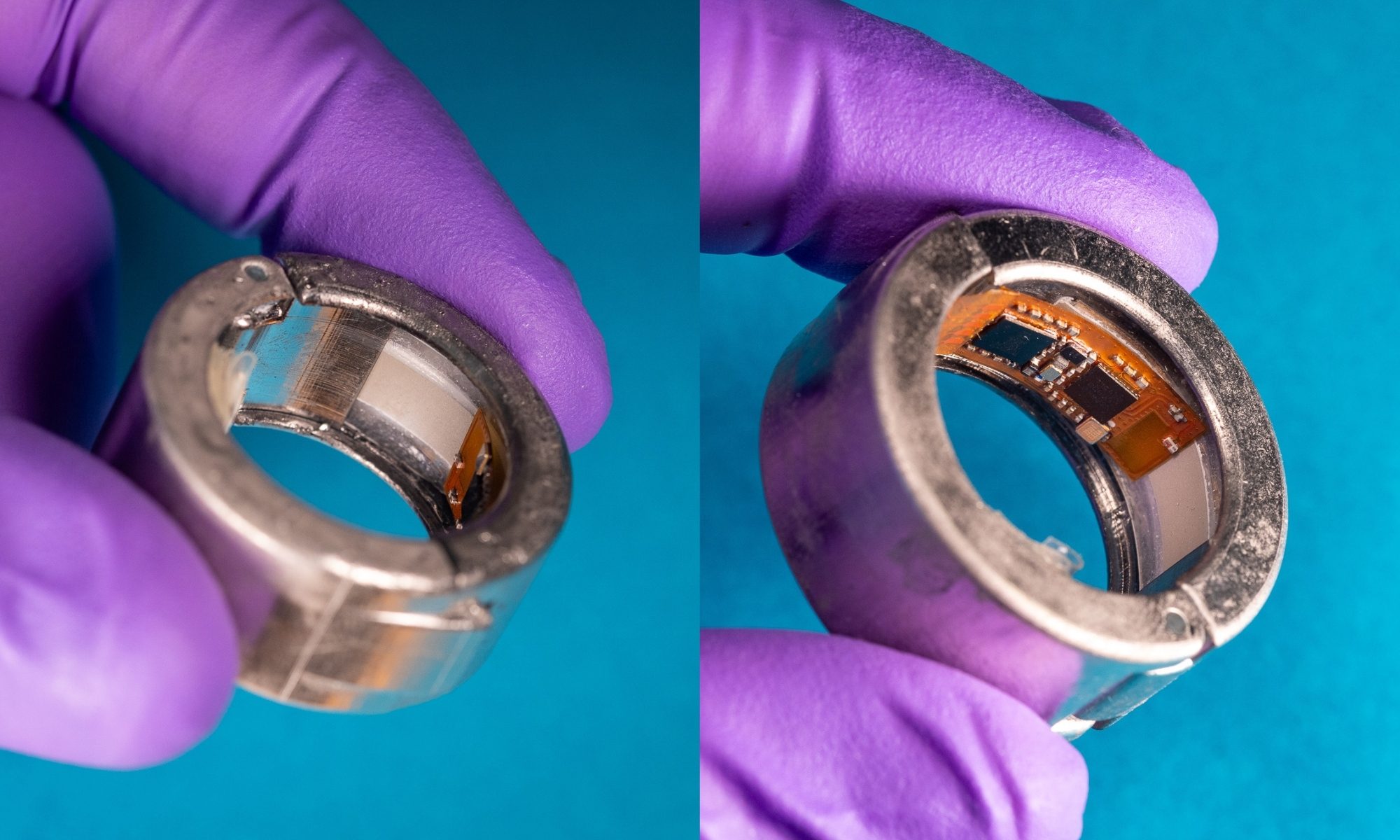
Digital Trends sat down for an interview with Saha to discuss the CHARM ring, the challenges, and what it says about the future of smart rings. Let’s start with the basics. The CHARM smart ring is capable of measuring glucose, ketones, vitamin C, uric acid, lactate, and alcohol levels from your sweat. That’s a sizeable selection of biomarkers, and what they can reveal about your health and fitness levels is even more diverse.
Check out this brief overview of what an analysis of these chemicals can reveal about body health and recovery in response to medication, diet changes, and workouts in general:
| Glucose | • Type 1 & Type 2 Diabetes: Linked to glycemic excursions (postprandial hyperglycemia, hypoglycemia).
• Metabolic Syndrome & Insulin Resistance: Flags impaired fasting glucose and early metabolic dysfunction. |
| Ketones | • Diabetic Ketoacidosis (DKA): Linked with dangerous acid accumulation in insulin-deficient states.
• Nutritional Ketosis: Helps track fat oxidation during ketogenic diets, fasting, or endurance exercise. |
| Vitamin C | • Nutritional Status: Helps identify dietary insufficiency, hypovitaminosis C, and scurvy risk.
• Immune & Tissue Health: Assesses antioxidant status, collagen synthesis, and wound-healing support. |
| Uric Acid | • Gout & Hyperuricemia: Monitors purine metabolism dysfunction and inflammatory flare risks.
• Cardiorenal Health: Serves as a marker for chronic kidney disease (CKD) risk and hypertension. |
| Lactate | • Athletic Performance: Identifies anaerobic threshold, exercise intensity zones, and muscle fatigue.
• Clinical Hypoxia: Detects systemic tissue hypoperfusion, shock, and metabolic acidosis. |
| Alcohol | • Intoxication & Sobriety: Tracks transdermal ethanol excretion and estimated blood alcohol concentration (BAC).
• Liver & Behavioral Health: Aids alcohol-related liver disease risk assessment and addiction recovery. |
Here’s the most encouraging bit. What you see in the table above is just surface-level analysis. Once you combine it with data collected from other wearables — let’s say a smartwatch or fitness band — the potential is nearly endless. Interestingly, that’s also a long-shot goal for the team at UC San Diego.
It’s a whole new lab
But why not just focus on the current crop of light-based sensors you get on the likes of the Apple Watch Series 11 or Oura Ring? Why explore sweat instead of taking an optical peek at the blood vessels?

“We wanted to target nutrition and diabetes in general, because if you take the individual biomarkers, their sensing mechanisms are quite well established,” Saha tells Digital Trends. “This project was mostly about showing that if you miniaturize everything, you can integrate the necessary sensors, and you can shove everything into a small form factor like that of a ring.”
It wasn’t just the technical feasibility that was a crucial victory here. The team also demonstrated that a small portion of our finger was enough for sweat analysis, and that you don’t necessarily have to stick a sensor patch on a wider area like your biceps, thighs, or back.
“I think, through this paper, we conveyed that, first of all, your ring location area, which is called the proximal phalanx, is a viable location to do sweat sensing, which people hadn’t done. I think this was a major, major message that we wanted to send out to everyone who works in these fields.”
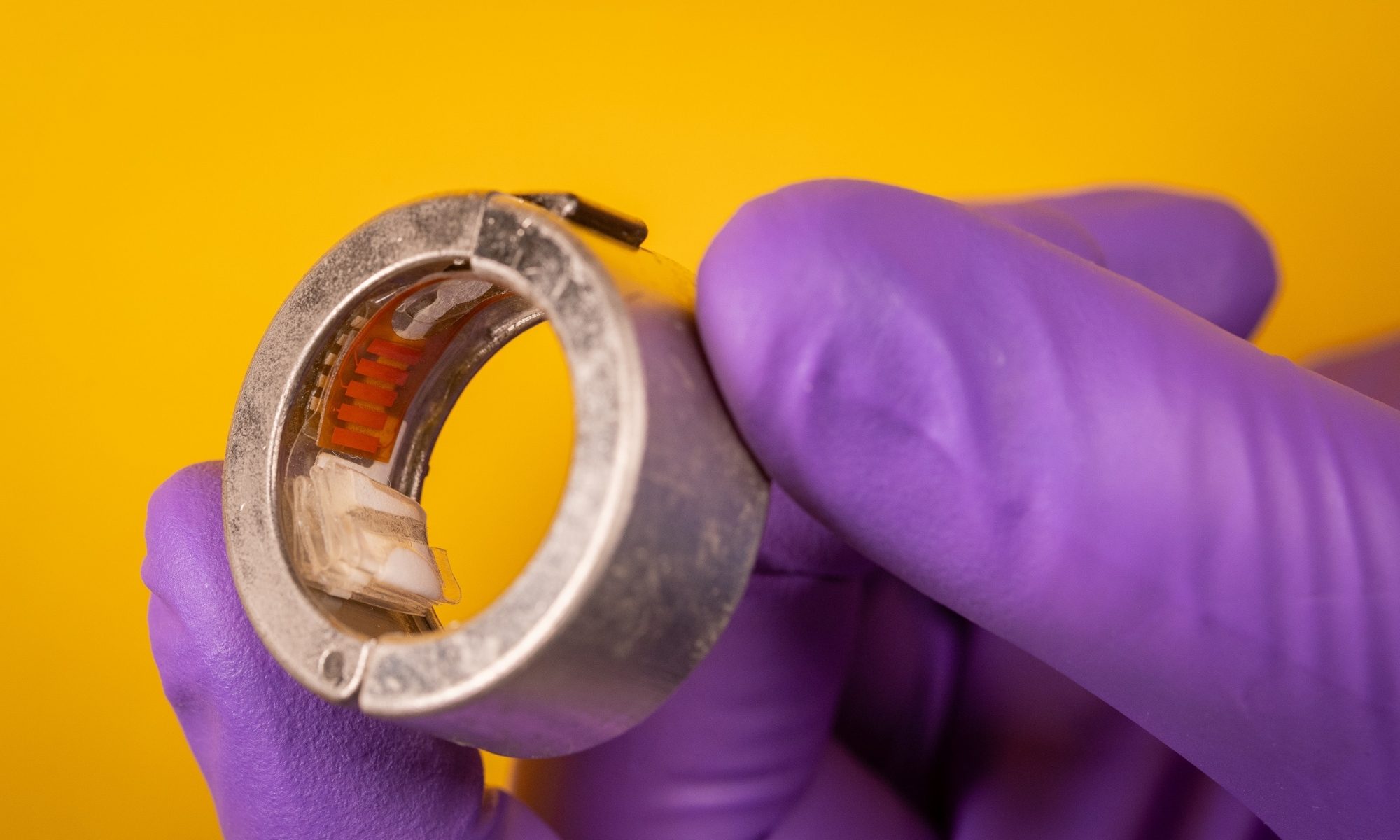
And finally, it’s the convenience of having a non-invasive, low-effort system to analyze sweat without you even noticing it. “Unlike other existing sweat-based wearables, which mostly function with exercise, or use chemical stimulation (they inject a drug that makes you sweat), we work with passive sweat.”
That means you won’t have to exercise to generate sweat, or worry about a chemical acting in your body to pull sweat on your skin. Instead, the team relied on a compact circular slot on the ring that contains hydrogel, which uses osmotic pressure difference to draw out sweat from the skin.
“So that’s the unique part, and the thing is completely passive. The hydrogel is acting like a pump. There is no power consumption in sweat extraction,” Saha tells me. Talking about power consumption, the team created its own rechargeable battery that lasts up to 12 hours per charge.
Trust and versatility
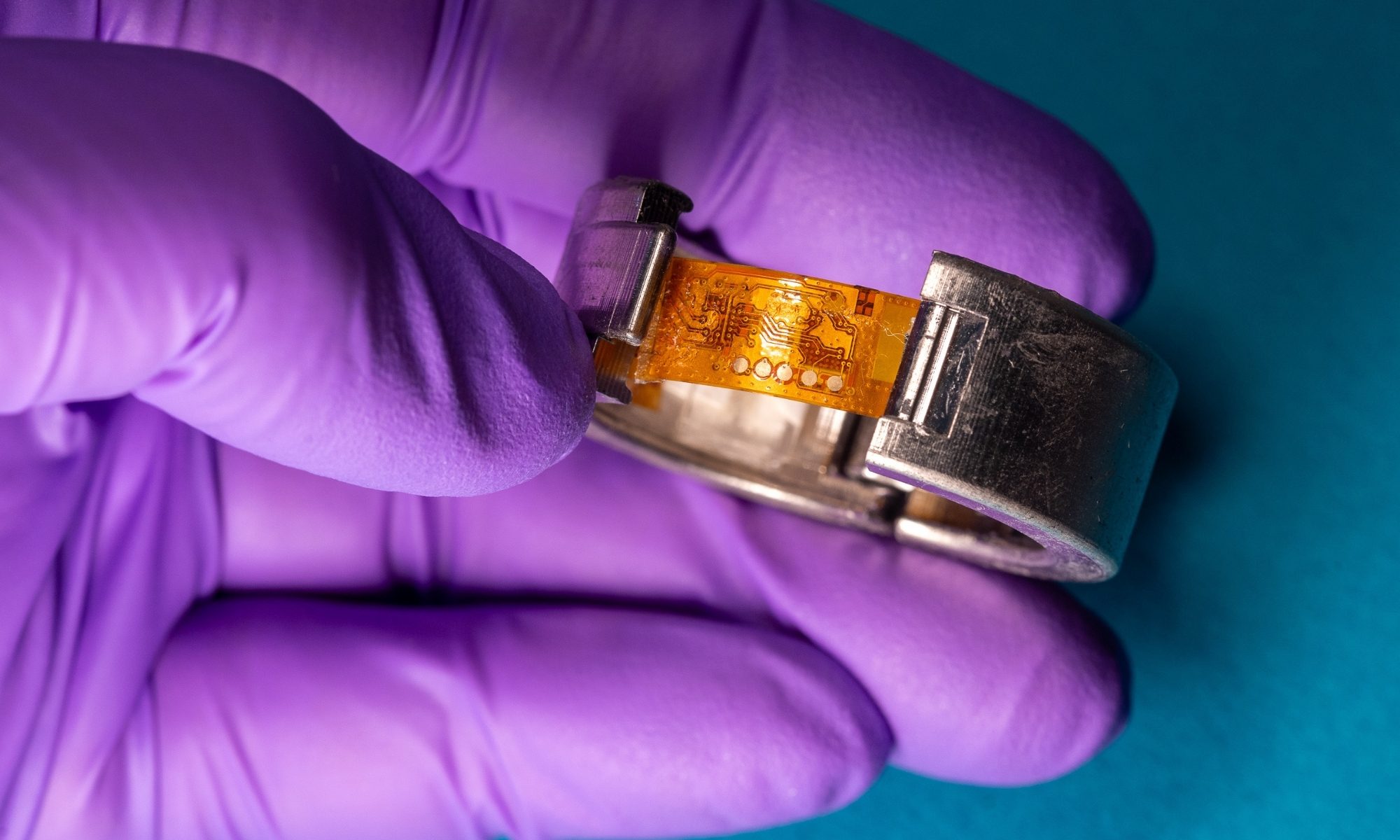
The biggest victory is the versatility. The CHARM ring can measure four biomarkers simultaneously. Additionally, the sensing system, which is based on a sensor–microfluidic assembly, can maintain its stability for two months, which means you won’t have to frequently calibrate it based on the readings you get from a traditional blood-based test.
But what about the accuracy? Saha says the team measured the ring’s accuracy against commercially available blood meters and continuous glucose monitors (CGMs), and the accuracy was analyzed across multiple metrics. Readings were taken in different scenarios, such as after alcoholic drink consumption, having a candy, and post-dinner, in order to measure the rise and fall in biomarker levels such as glucose, lactate, and alcohol.
When compared against devices that are used in clinical settings, the CHARM ring impressed with a low error range and high reliability in measuring the spikes and drops in biomarker levels. Additionally, all the data points collected by the ring fell in the A and B Zones (as per the Clinical Error Grid accuracy metric used by the US FDA), which means the results are either accurate or they are safely within a range where they won’t cause any harm if the readings are slightly off.
The team also went with paper-based microfluidics instead of the traditional microfluidic channel architecture. Saha tells me that conventional microfluidics is susceptible to fouling, with one of the core issues being salt accumulation. Using paper also proved to be the more cost-effective choice, while the hydrogel acts like a passive pump to draw out sweat without using any energy.
It’s still a work in progress. Beyond the engineering challenges, there’s the long process of clinical validation, which can easily take years, before the underlying tech makes it to the market. Why not just put it out there with a disclaimer? The likes of Google, Apple, and Samsung make it clear that their watches and rings can measure heart rate and sense blood pressure, but they are not meant as a replacement for medical-grade devices for measuring biomarkers, even though these mass-market wearables offer a high degree of accuracy.
For now, Saha’s team has no such plans, but there are a few bright prospects. When asked where he envisions the device to be a better fit — at home or in a hospital setting — he tells me it could be suitable for both.
“I would say that such a form factor, to be honest, is applicable everywhere, even in a hospital setting. For example, if a person is septic. Now, lactate is a key biomarker for septic patients, and sepsis is a slow process where your blood lactate levels are very high, and then they become extremely high over a period of time,” he explains. “So, I think if a patient comes to the clinic, instead of hooking up wires or bulky devices, a smart ring like CHARM can give information about their well-being by continuously recording their blood lactate levels and warning them about any worrisome spikes.”
Fixing historical flaws
I also asked about the repairability and upgradability aspects, because these happen to be the biggest weak spots of modern-age smart rings, and even smart watches with a fused sensor assembly. They can handle splashes, but if anything goes awry, the only option left is an expensive replacement. Repairs are simply out of the question. For the CHARM team, it is “a key consideration,” Saha tells me.
The team is currently focused on fixing a few underlying problems. Making the ring waterproof is one of the key areas of improvement. The ring currently has an open hinge-lock design, but the team hopes to achieve a fully enclosed architecture, like the current crop of smart rings. Replaceable modular components are a key objective, alongside a rechargeable battery format and sustained multi-day biosensing.
The team also aims to conduct clinical tests among a wider pool of patients with different tiers of diabetic ailments, and hopes to add more biomarkers to the support pool. How about merging a light-based sensor with a microfluidic-based sensing module on the same ring?
“That is possible,” Saha tells me, adding that we might see such an all-in-one model in a year or two. The CHARM team refers to that vision as a multimodal chemo-physical hybrid ring. The ultimate goal is to develop a “practical, user-friendly multi-biomarker wearable monitoring platform” that looks like a ring.
It’s an extremely ambitious idea, but Saha is also extremely cautious about giving a definitive roadmap. Biosensing is a field that has been built atop decades of work, and measuring biomarkers is not a straightforward lab-to-body journey. The painstakingly monitored clinical analyses and external validation are the real litmus test. It takes years, if not decades, before one can confidently push an entirely new kind of multi-biomarker wearable device.
You don’t want a repeat of what Oura is going through right now, after all!
Thankfully, CHARM is in the hands of an academic institution, and not a corporate entity hell-bent on maximizing profits riding atop zealous claims. Saha notes that the CHARM ring is a proof-of-concept with promising results. It would, however, take some time before we see a ring with the underlying tech appear in a retail shop. The future of wearable sensing, nonetheless, is full of possibilities.
You must be logged in to post a comment Login