Connect with us
DAPA Banner

Tech

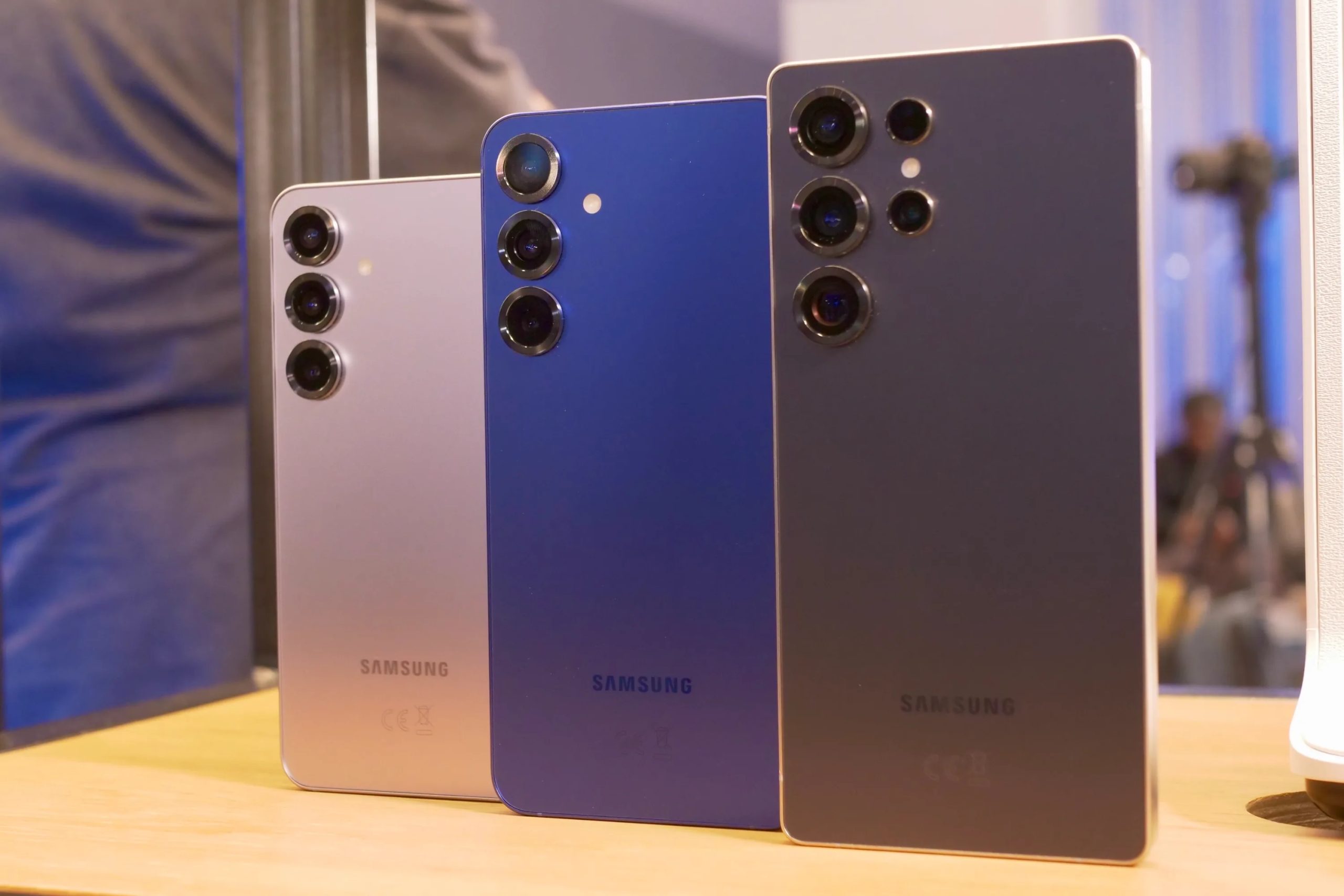
Some of Samsung’s best new Galaxy S26 AI features are headed to the S25

Published

on

Samsung is apparently not keeping all of the best new Galaxy AI tricks locked to the Galaxy S26 series. The company has confirmed that it is working on a software update that will bring over newer AI features that were first introduced on the latest flagship lineup.

How Samsung’s community backlash worked

After the Galaxy S26 announcement, reports hinted that new software features may not trickle down to the Galaxy S25 series, which led to backlash from the community. But a Samsung Community moderator shared a post that thanked users for their feedback and confirmed that certain features are arriving on older flagships.

Breaking 🔥

Galaxy S25 Series users 👋

A moderator confirms a new update is coming, bringing Galaxy S26 AI features:

Advertisement

• Call Screening
• User-friendly enhancement improvements

REPOST 🔁 pic.twitter.com/vmvgxbAw6z

— Tarun Vats (@tarunvats33) April 6, 2026

What’s coming with the new update?

The biggest confirmed addition so far is AI-powered call screening. Samsung specifically mentioned this feature in the moderator message. To recall, this feature debuted with One UI 8.5 on the Galaxy S26 series, and is now planned for the Galaxy S25, Galaxy S25+, and Galaxy S25 Ultra via a future update. So, the brand may have changed its decision following backlash from Galaxy S26 owners who were unhappy about the possibility of missing out on some of Samsung’s latest AI tools.

Advertisement

Finer details of the big update are still at large, and Samsung hasn’t published a final list of every Galaxy S26 AI feature that is coming to the S25 series yet. The company has promised “additional features and usability improvements” for the Galaxy S25 series, suggesting call screening may not be the only upgrade in the pipeline.

The One UI 8.5 update is expected to arrive as the next major stable update, though Samsung hasn’t announced a rollout date. But at least part of the Galaxy S26’s AI packaging is heading to the Galaxy S25 models.

Source link

Advertisement
Continue Reading
Click to comment

You must be logged in to post a comment Login

Leave a Reply

Tech

Debugging A Stopped Foucault Pendulum’s Electronics

Published

on

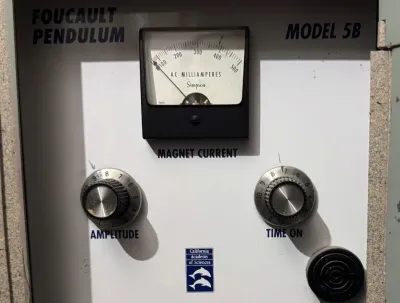
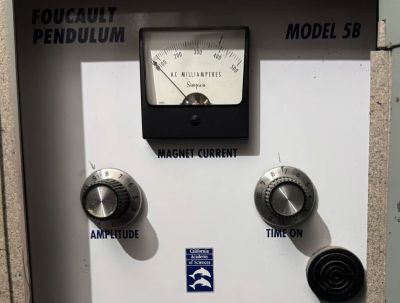
After the Foucault pendulum at the Houston Museum of Natural Science stopped working a while back after maintenance on the building, workers set out to determine what was wrong with the mechanism that normally keeps it in motion. Fortunately, it turned out that all they had to do was fiddle with some knobs to get everything dialed back in proper-like.

When we previously covered this dire event, it was claimed that this was a one-off system, hacked together by some random bloke. But as can be seen in the video and further detailed in the comments to the video the reality is far more interesting.

This particular Foucault pendulum is one of many that were created by the California Academy of Sciences, with hundreds of them installed throughout the US and possibly elsewhere. That said, since a pendulum of any description will never be a perpetual motion device, the electromagnet installed near the top of the installation has to carefully add some kinetic energy back that was lost due to friction as the pendulum moves around.

Advertisement

Sadly the video doesn’t go into much detail on what exactly was wrongly configured with this particular pendulum. Keeping a weight at the end of a long cable moving around at a set velocity is a tricky business, so it’s little wonder that getting some parameters wrong would engage and disengage the electromagnets at the wrong times and making the pendulum stop swinging.

Advertisement

Source link

Continue Reading

Tech

Coatue has a plan to buy up land for data centers, possibly for Anthropic

Published

on

Coatue, one of the biggest names in venture capital and hedge funds, has a new plan to generate bigger returns on AI beyond its sizable stakes in Anthropic, OpenAI, xAI, and data center companies like Singapore’s DayOne and CoreWeave.

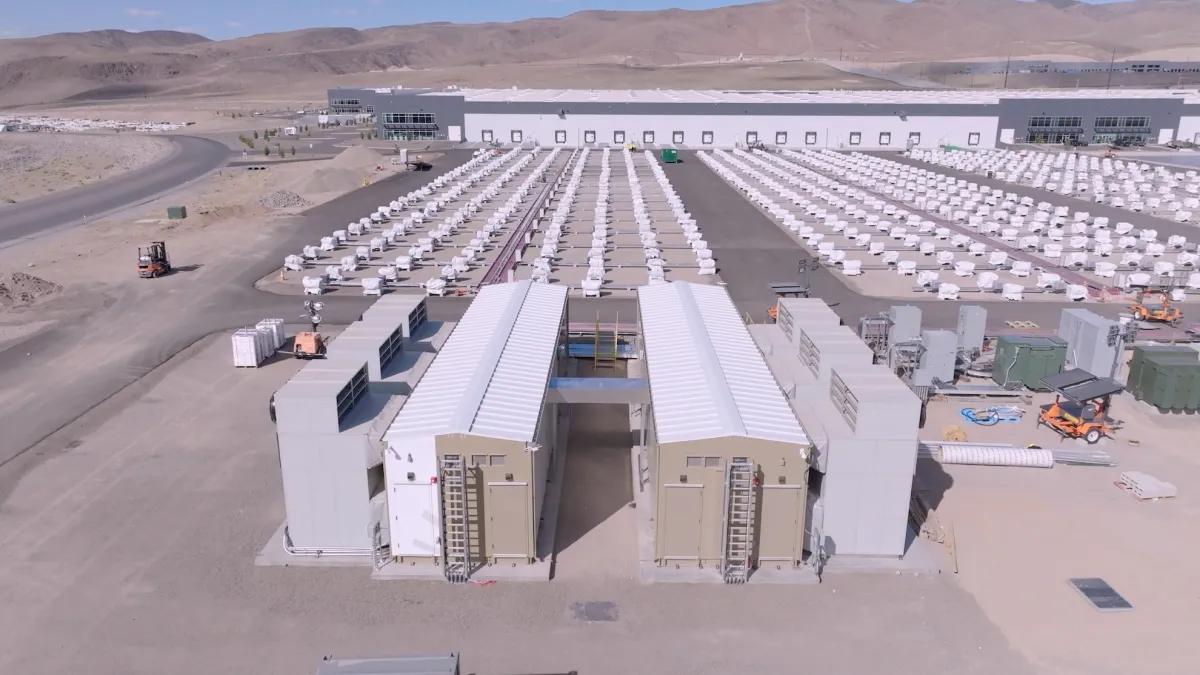
It has launched a venture called Next Frontier to buy up land near large power sources with the goal of turning those parcels into data centers, the Wall Street Journal reports. Sources tell the WSJ that Next Frontier has already signed a joint venture with Fluidstack, a cloud infrastructure startup that penned a $50 billion deal to build data centers for Anthropic. (Coatue did not respond to a request for comment.)

Although the U.S. already has 3,000 data centers, more than 1,500 new ones are in various stages of being built, according to Pew Research, most of them in rural areas. The frenzy is enticing land speculation and data center financing projects from lots of players, ranging from Blackstone to Kevin O’Leary from “Shark Tank.”

.

Advertisement

Source link

Continue Reading

Tech

Meta buys robotics startup to bolster its humanoid AI ambitions

Published

on

Meta has acquired humanoid robotics startup Assured Robot Intelligence (ARI) for an undisclosed sum, the social media giant said.

“We acquired Assured Robot Intelligence, a company at the frontier of robotic intelligence designed to enable robots to understand, predict, and adapt to human behaviors in complex and dynamic environments,” a Meta spokesperson told TechCrunch in an emailed statement.

ARI’s team, including its co-founders, will join Meta’s AI unit, the Superintelligence Labs research division. ARI had raised an undisclosed seed round from AI seed firm AIX Ventures.

The startup was building foundation models for humanoid robots to perform all types of physical labor such as household chores. Co-founder Xiaolong Wang was previously a researcher at Nvidia, and an associate professor at UC San Diego, with a list of prestigious awards to his name. Co-founder Lerrel Pinto, who previously taught at NYU and co-founded the kid-size humanoid startup Fauna Robotics before Amazon snapped it up last month, has also won a string of prestigious awards.

Advertisement

ARI will help Meta with its humanoid ambitions. “This team, led by Lerrel Pinto and Xiaolong Wang, will bring a deep expertise in how we can design our models and frontier capabilities for robot control and self-learning to whole-body humanoid control.”

Meta researchers have been working on humanoid robotics tech for years. A leaked memo from a year ago discussed Meta’s ambitions to build such a robot, including AI models and hardware, aimed at consumers.

Even if Meta never releases a consumer humanoid product, many AI experts these days believe that the path to artificial general intelligence (AGI) — the theoretical point at which AI reaches or surpasses human-level intelligence across all domains — will require training AI models in the physical world, where robots learn through direct interaction rather than data alone.

Techcrunch event

Advertisement

San Francisco, CA
|
October 13-15, 2026

The ARI and Fauna deals reflect a broader industry sprint — one where forecasts vary wildly, from Goldman Sachs’ projection of $38 billion by 2035 to Morgan Stanley’s estimate of $5 trillion by 2050 — a spread that reflects both the enormous potential and the uncertainty around tech that’s still finding its footing.

Advertisement

When you purchase through links in our articles, we may earn a small commission. This doesn’t affect our editorial independence.

Source link

Continue Reading

Tech

No new Macs or iPads before September

Published

on

Apple’s earnings call revealed a few things that make it easy to see what products we can and can’t expect between now and September. The “not coming” list is much longer than the “is probably coming” one.

The Mac is supply-constrained, the iPad isn’t being updated, and iPhones don’t release again until the fall. So, there’s not much left that could arrive in the intervening months.

The Mac mini, Mac Studio, and iMac are all awaiting their M5 upgrades, but Apple’s supply chain is already backed up quite a bit. You can’t purchase an M4 Mac mini if you wanted to.

Memory prices and scarce parts could mean a longer-than-usual wait for new Macs. It’s pretty safe to say based on Tim Cook’s remarks during earnings that there won’t be any through the summer.

Advertisement

The iPad is a gimme because Apple said one isn’t coming without directly saying so. During the earnings call, Apple made it clear that it would be a tough compare since the iPad with A16 was released a year ago.

So if you’re holding your breath for that new budget iPad with A19 and Apple Intelligence, you’ll be waiting a little while longer.

We’ve already got iPhone 17e, so there won’t be any new iPhones until September. Also, Apple Watch won’t get touched until then either.
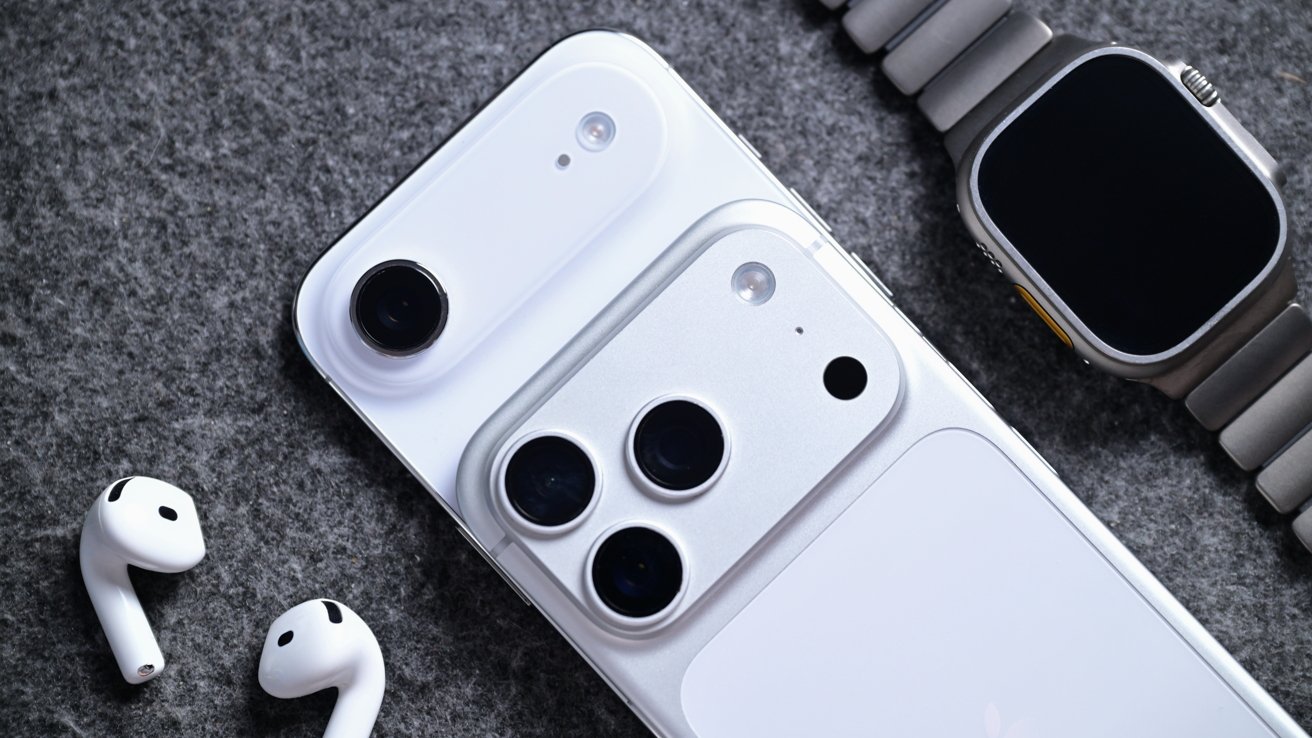
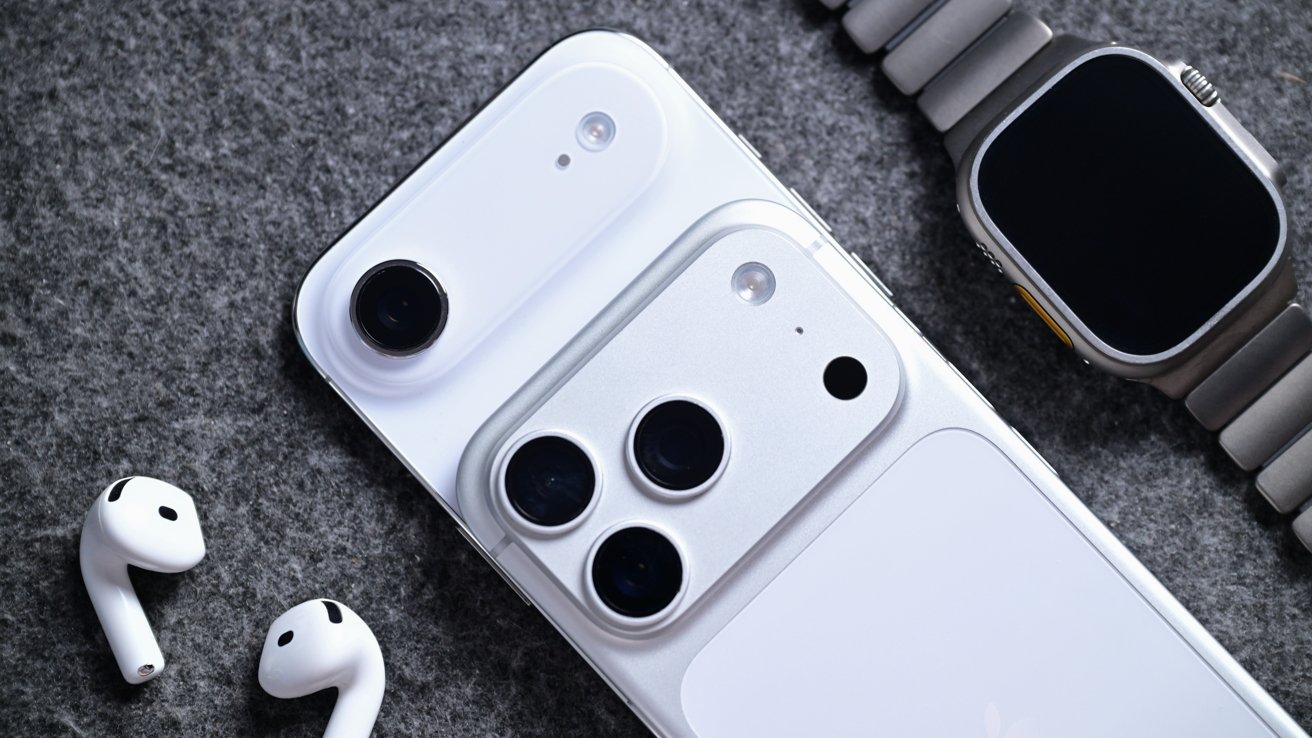
Close-up of two white iPhones with large rear cameras, wireless earbuds, and a silver smartwatch on a gray felt surface

iPhone, Apple Watch, and AirPods are done with updates for now

Advertisement

AirPods and AirPods Pro tend to be announced alongside iPhone too. AirPods Pro were just upgraded in September 2025, but if AirPods 5 are ready, those likely won’t be announced until the iPhone event.

Apple Vision Pro just got the M5 chip in October 2025 after about 20 months on the market, so that won’t be touched anytime soon. And no, that product line hasn’t been abandoned even if rumors attempted to say as much.

There is one product category Apple could touch upon due to its unpredictable release cycle.

Apple Home products are always possible

The Apple TV 4K is still rocking the A15 processor that first debuted in the iPhone 13 in 2021. It is still supported by Apple’s modern operating systems, but at nearly 5 years old, it’s time for an update.
Advertisement
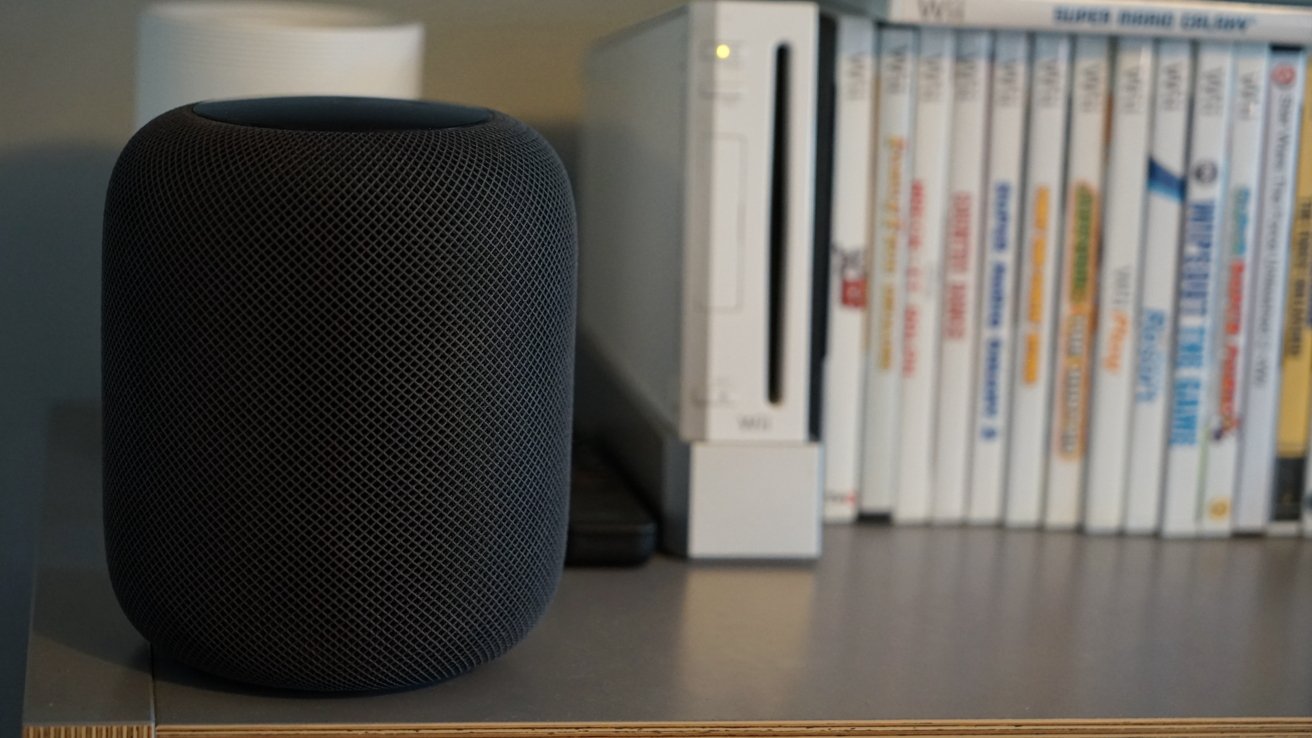
Black HomePod on a shelf beside a white Wii and a row of vertically stacked video game cases in the background

It’s time for Apple to update the HomePods

Since Apple TV 4K is the brains of an Apple Home, it might make sense to make that product capable of Apple Intelligence. I know I’d appreciate the upgrade to my new smart home.

The HomePod and HomePod mini are both rocking Apple Watch processors — the S7 and S5 respectively. The S7 debuted in Apple Watch Series 7 in 2021, while the S5 was included in the Apple Watch Series 5 in 2019.

It might not be entirely relevant, but watchOS doesn’t even support the S5 chipset anymore. While HomePods run a version of tvOS, that does indicate exactly how old these chipsets are.

Advertisement

It might be time for Apple to do a basic chipset upgrade of the HomePod and HomePod mini. While they likely won’t support Apple Intelligence natively, it would do them good to have modern networking standards for use in Apple Home.

Those are the only Apple Home products Apple offers today, but there are some rumored products too.

Home Hub and cameras are unlikely

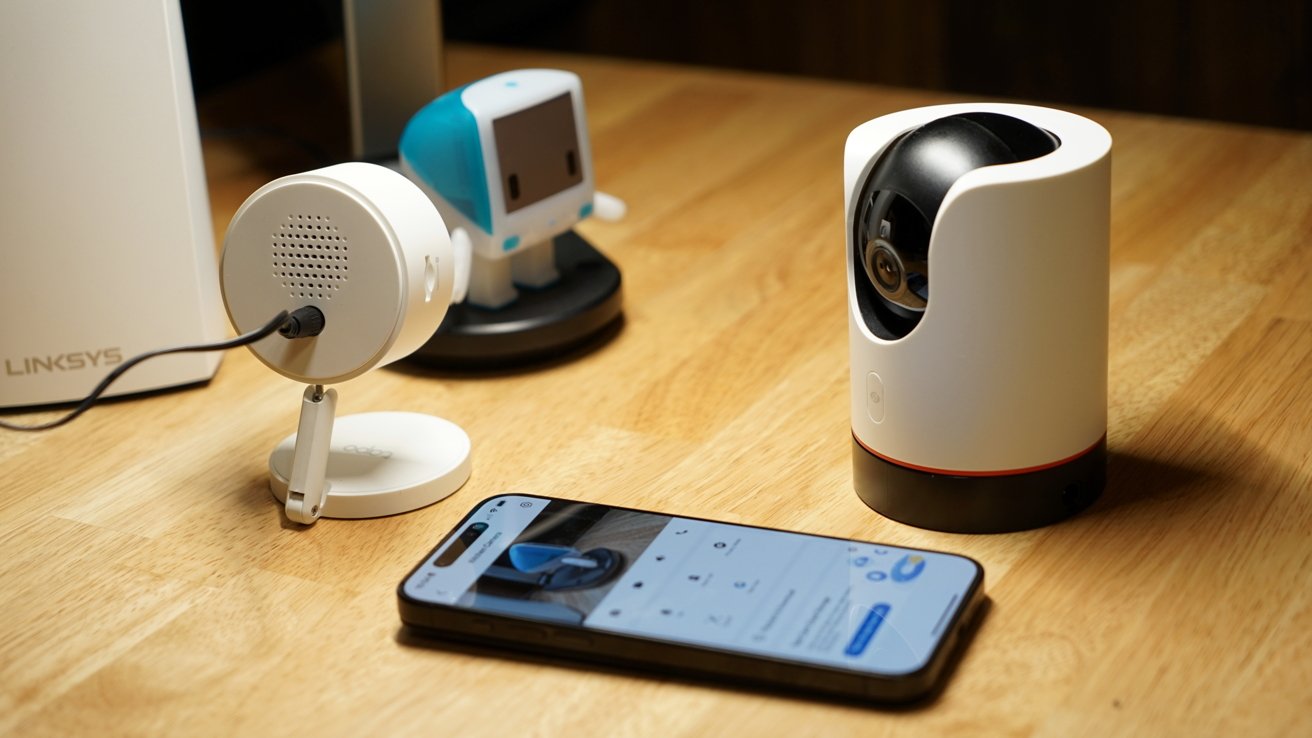
Apple is expected to debut what we’ve been calling the Home Hub tablet at some point in 2026. There are also Apple security cameras in the pipeline, or at least a doorbell, but that release window isn’t known.
Smart home setup on wooden desk with two security cameras, a smartphone displaying a camera app, a small toy-like monitor figure, and a Linksys networking device in the background

Apple security cameras, doorbell, and Home Hub are all waiting on AI

Advertisement

WWDC 2026 is expected to be filled with announcements regarding Apple Intelligence. One of the biggest announcements will be about Siri and its new Apple Foundation Model backend.

That Siri upgrade is what the Home Hub has been waiting for. However, while Apple could show off the Home Hub during WWDC to demonstrate AI advancements, it is unlikely to put it for sale until later.

Since the Home Hub product and Apple doorbell don’t have an Apple-equivalent, the company can safely pre-announce them at any point. I believe WWDC would be the best place to demonstrate the Home Hub, but the already-packed event may not have room for it.

Likely nothing until the fall

Since Apple has a bundle of smart home products waiting in the wings, it is safe to assume there might be an Apple Home-focused event in the future. So, even if Apple TV and the HomePods are ready to go, Apple might hold off on them for now.

Advertisement

If you’ve been keeping count, that means we should all have little to no expectations for hardware before the iPhone event in September. While many are likely waiting for their pet product to get an update, they’ll just have to make do with WWDC instead.

The OS 27 cycle will be an important one for Apple. It will be among the first things released to the public under the new CEO John Ternus.

Source link

Advertisement
Continue Reading

Tech

Apple Vision Pro isn’t dead, Ternus talk, & AI rumors

Published

on

An odd rumor led to premature calls of Apple Vision Pro’s death, rumors of AI and Home Hubs abound, and Apple’s App Store troubles continue on the AppleInsider Podcast.

AppleInsider Managing Editor Mike Wuerthele joins host Wesley Hilliard as a guest this week to catch up on CEO transition news. It’s clear that the silly coverage surrounding the upcoming transition is already becoming exhausting.


The Apple vs Epic trial continues to be an ongoing event that seems to have no end. This time, Apple has to go to the Supreme Court and Circuit Courts at once.

Your hosts dive into the odd Apple Vision Pro rumor that said Apple had given up on the product. They discuss why this likely isn’t the case and how the Vision product line will continue forward.

Advertisement

There’s also a lot to discuss around incoming products like the Home Hub and security cameras. Wes asks Mike if Apple makes too many products.

The show concludes with a discussion around WWDC and Apple’s AI efforts.

BONUS: Subscribe via Patreon or Apple Podcasts to hear AppleInsider+, the extended edition. This week, Wes and Mike discuss their work at AppleInsider and some odds and ends surrounding that.

More AppleInsider podcasts

Tune in to our Smart Home Insider podcast covering the latest news, products, apps and everything HomeKit related. Subscribe in Apple Podcasts, Overcast, or just search for HomeKit Insider wherever you get your podcasts.

Advertisement

Podcast artwork from Basic Apple Guy. Download the free wallpaper pack here.

Those interested in sponsoring the show can reach out to us at: [email protected].

Subscribe to AppleInsider on:

Keep up with everything Apple in the weekly AppleInsider Podcast. Just say, “Hey, Siri,” to your HomePod mini and ask for these podcasts, and our latest HomeKit Insider episode too. If you want an ad-free main AppleInsider Podcast experience, you can support the AppleInsider podcast by subscribing for $5 per month through Apple’s Podcasts app, or via Patreon if you prefer any other podcast player.

Advertisement

Source link

Continue Reading

Tech

Resident Evil's next reboot leans into horror, not just action

Published

on


Resident Evil promises an all-new story that follows a medical courier called Bryan, who isn’t having a good night.
Read Entire Article
Source link

Continue Reading

Tech

Self-driving cars will no longer go scot-free in California as penalties go into effect

Published

on

For years, California’s streets have hosted a quiet double standard: a human driver caught making an illegal U-turn got a ticket, but a driverless car doing the same thing got away with it, with perhaps a call to the manufacturer. That changes now.

The California DMV has announced what it calls the most important autonomous vehicle regulations in the United States. For the first time, self-driving cars can now be formally cited for breaking traffic laws (via Futurism). 

What exactly can authorities do now?

Quite a lot, actually. Under the new rules, authorities can issue a “Notice of AV Noncompliance” directly to manufacturers whenever their autonomous vehicle (AV) commits a moving violation. All the notices add up as a formal paper trail that feeds into the DMV’s permit review process. 

Beyond traffic citations, AV companies are bound to respond to first-responder calls within 30 seconds, provide access to manual override systems, and comply with emergency geofencing directives (clearing restricted zones within two minutes of being notified).

If self-driving carmakers fail to comply, they risk suspension of permits, fleet size restrictions, speed caps, and geographic operation limits, all of which could have a negative effect on the companies’ operations and revenue. 

Advertisement

Does this affect self-driving trucks, too?

The same set of regulations also opens California roads to heavy-duty self-driving vehicles for the first time, with new permits now available for trucks weighing over 10,000 pounds. Aurora, which has been operating autonomous freight trucks in Texas, has welcomed the development.

What’s good is that AV companies have until summer 2026 to comply with the new communication, after which, the DMV’s enforcement kicks in. Given that the robotaxi services in America are scaling quickly, establishing a citation system tied directly to operating permits could keep things in check. 

The regulations, in totality, were partly inspired by a September 2025 incident in San Bruno, where police were powerless in front of a Waymo that had allegedly made an illegal U-turn, and by repeated cases of robotaxis clogging emergency response routes across San Francisco. 

Source link

Advertisement
Continue Reading

Tech

New Lithium-Plasma Engine Passes Key Mars Propulsion Test

Published

on

NASA engineers have tested a next-generation lithium-plasma electric propulsion system that reached 120 kilowatts, a new U.S. record and about 25 times the power of the electric thrusters on NASA’s Psyche spacecraft. “Designing and building these thrusters over the last couple of years has been a long lead-up to this first test,” said James Polk, who is a senior research scientist at NASA Jet Propulsion Laboratory. “It’s a huge moment for us because we not only showed the thruster works, but we also hit the power levels we were targeting. And we know we have a good testbed to begin addressing the challenges to scaling up.” Universe Today reports: While 120 kilowatts is a new record, NASA estimates it a future human mission to Mars will require 2 to 4 megawatts of power consisting of several thrusters and requiring more than 23,000 hours (958 days/2.6 years) of operation. To accomplish this, the thrusters would have to withstand more than 2,800 degrees Celsius (5,000 degrees Fahrenheit), which the thrusters achieved during testing.

The reason for the extended operation is due to the estimated time of an entire human mission to Mars, which is estimated to be approximately 2.6 years. This is because the launch window to Mars only opens once every two years due to the orbital behaviors of both planets. While no mission has ever returned from the Red Planet, this same launch window works from Mars to Earth, too. When launched within this window, robotic spacecraft have traditionally taken approximately 6-7 months to reach Mars.

However, a human mission would require a much larger spacecraft to accommodate the astronauts, food, fuel, water, and other mission-essential items. For the approximate 2.6-year mission, this would entail approximately 6-9 months traveling to Mars, followed by approximately 18 months on the surface of Mars until the next launch window opens, then another approximate 6-9 months back to Earth. However, having much less fuel due to the electric propulsion system could potentially alter this timeframe.

Source link

Advertisement
Continue Reading

Tech

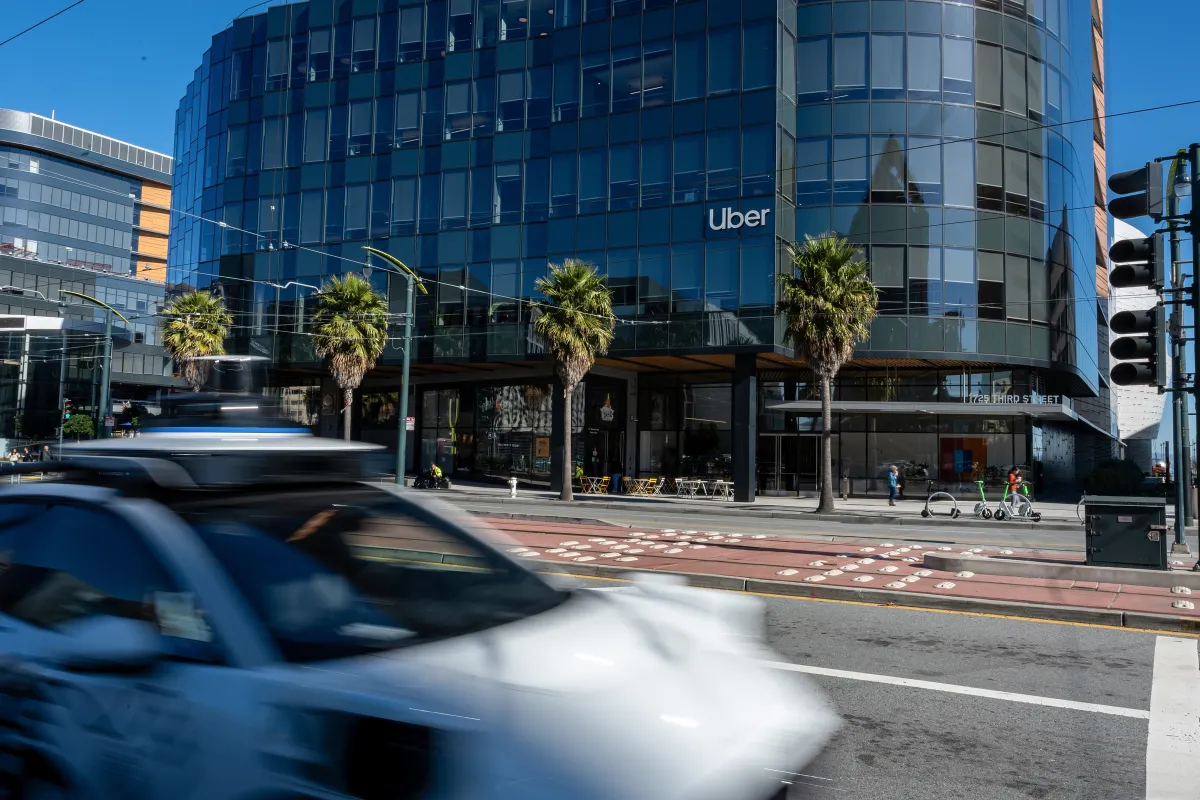
Uber wants to turn its millions of drivers into a sensor grid for self-driving companies

Published

on

Uber has a long-term ambition that goes well beyond shuttling passengers: the company eventually wants to outfit its human drivers’ cars with sensors to soak up real-world data for autonomous vehicle (AV) companies — and potentially other companies training AI models on physical-world scenarios.

Praveen Neppalli Naga, Uber’s chief technology officer, revealed the plan in an interview at TechCrunch’s StrictlyVC event in San Francisco on Thursday night, describing it as a natural extension of a nascent program the company announced in late January called AV Labs.

“That is the direction we want to go eventually,” Naga said of equipping human drivers’ vehicles. “But first we need to get the understanding of the sensor kits and how they all work. There are some regulations — we have to make sure every state has [clarity on] what sensors mean, and what sharing it means.”

For now, AV Labs relies on a small, dedicated fleet of sensor-equipped cars that Uber operates itself, separate from its driver network. But the ambition is clearly much larger. Uber has millions of drivers globally, and if even a fraction of those cars could be transformed into rolling data-collection platforms, the scale of what Uber could offer the AV industry would dwarf what any individual AV company could assemble on its own.

Advertisement

The insight driving the program, Naga said, is that the limiting factor for AV development is no longer the underlying technology. “The bottleneck is data,” he said. “[Companies like Waymo] need to go around and collect the data, collect different scenarios. You may be able to say: in San Francisco, ‘At this school intersection, I want some data at this time of day so I can train my models.’ The problem for all these companies is access to that data, because they don’t have the capital to deploy the cars and go collect all this information.”

Becoming the data layer for the entire AV ecosystem is a pretty smart play, particularly considering Uber years ago abandoned its own ambitions to build self-driving cars (a move that co-founder Travis Kalanick has publicly lamented as a big mistake). Indeed, many industry observers have wondered if, without its own self-driving cars, Uber might one day be rendered irrelevant as AVs increasingly spring up around the globe.

The company currently has partnerships with 25 AV companies — including Wayve, which operates in London — and is building what Naga described as an “AV cloud”: a library of labeled sensor data that partner companies can query and use to train their models. Partners, which Uber plans to more aggressively invest in directly, can also use the system to run their trained models in “shadow mode” against real Uber trips, simulating how an AV would have performed without actually putting one on the road.

Techcrunch event

Advertisement

San Francisco, CA
|
October 13-15, 2026

“Our goal is not to make money out of this data,” Naga said. “We want to democratize it.”

Advertisement

Given the obvious commercial value of what Uber is building, that positioning may not last long. The company has already made equity investments in numerous AV players, and its ability to offer proprietary training data at scale could give it significant leverage over a sector that right now depends on Uber’s ride marketplace to reach customers.

When you purchase through links in our articles, we may earn a small commission. This doesn’t affect our editorial independence.

Source link

Advertisement
Continue Reading

Tech

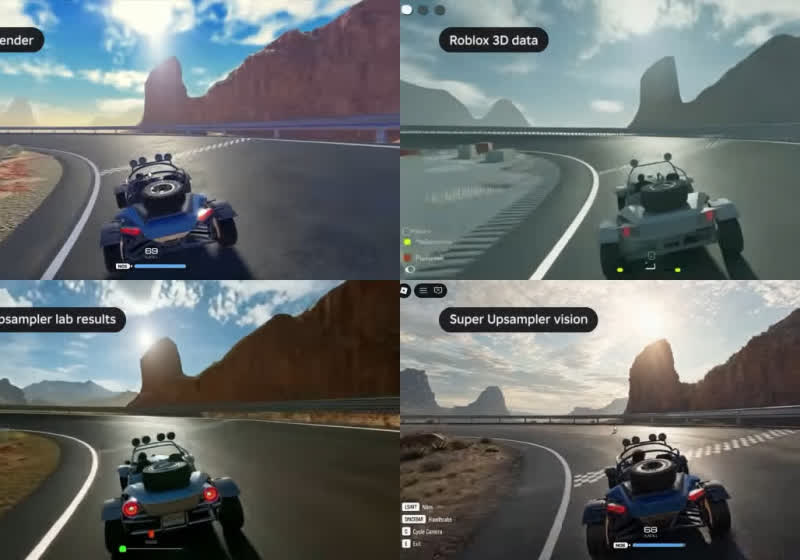
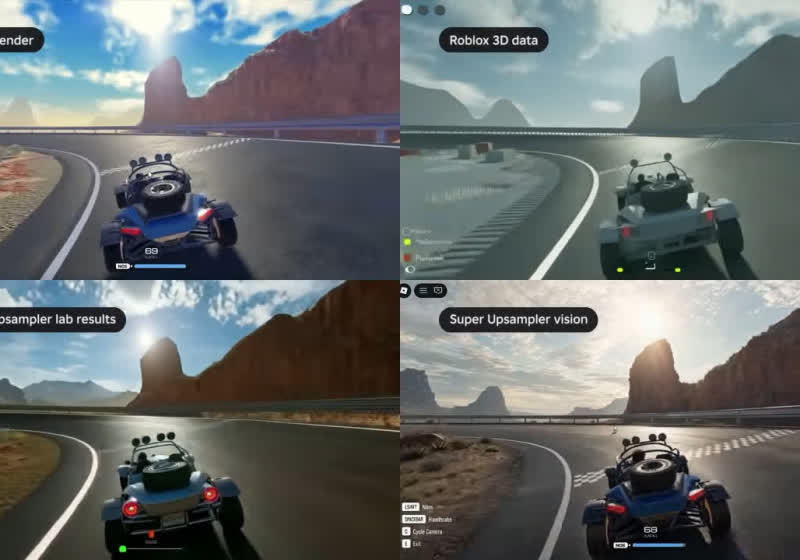
Roblox Reality is like DLSS 5 for Roblox, except it invents photorealistic details the game never had

Published

on


Roblox Reality combines the popular game creation platform’s real-time graphics engine with an AI-powered video generator to dramatically increase the visual quality of user creations. The hybrid architecture does not yet run in real time, but Roblox aims to launch the first iteration in late 2026 or early 2027.
Read Entire Article
Source link

Continue Reading

Trending

Copyright © 2025