Until the fall of the Soviet Union around 1990 you’d be forgiven as a proud Soviet citizen for thinking that the USSR’s technology was on par with the decadent West. After the Iron Curtain lifted it became however quite clear how outdated especially consumer electronics were in the USSR, with technologies like digital audio CDs and their players being one good point of comparison. In a recent video by a railways/retro tech YouTube channel we get a look at one of the earliest Soviet CD players.
A good overall summary of how CD technology slowly developed in the Soviet Union despite limitations can be found in this 2025 article by [Artur Netsvetaev]. Soviet technology was characterized mostly by glossy announcements and promises of ‘imminent’ serial production prior to a slow fading into obscurity. Soviet engineers had come up with the Luch-001 digital audio player in 1979, using glass discs. More prototypes followed, but with no means for mass-production and Soviet bureaucracy getting in the way, these efforts died during the 1980s.
During the 1980s CD players were produced in Soviet Estonia in small batches, using Philips internals to create the Estonia LP-010. Eventually sanctions on the USSR would strangle these efforts, however. Thus it wouldn’t be until 1991 that the Vega PKD-122 would become the first mass-produced CD player, with one example featured in this video.
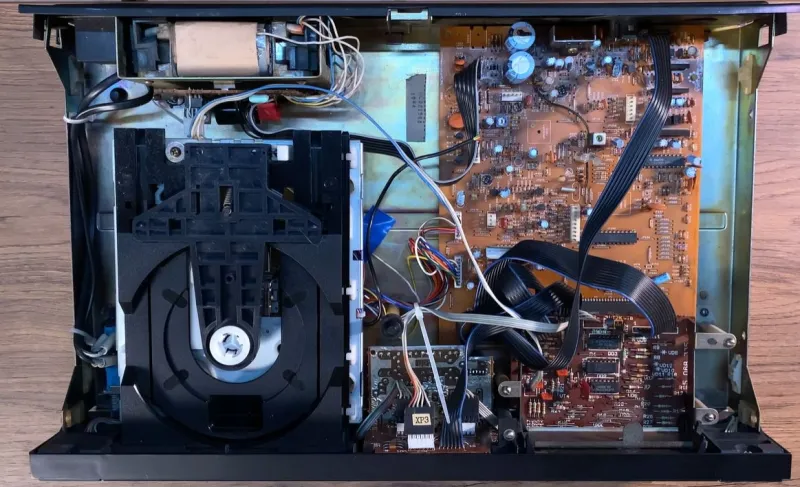
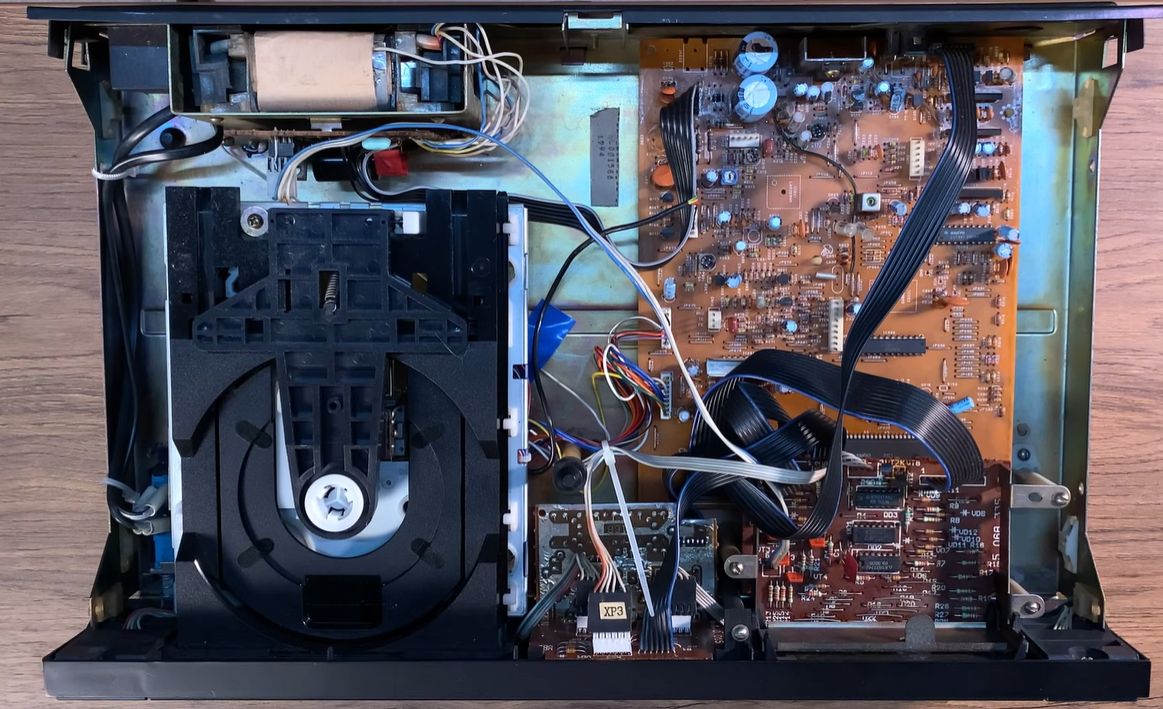
The video helpfully includes a teardown of the player after a rundown of its controls and playback demonstration, so that we can ogle its internals. This system uses mostly localized components, with imported components like the VF display and processors gradually getting replaced over time. The DAC and optical-mechanical assembly would still be imported from Japan until 1995 when the factory went bankrupt.
Advertisement
Insides of the Vega 122S CD player. (Credit: Railways | Retro Tech | DIY, YouTube)
This difference between the imported and localized part is captured succinctly in the video with the comparison to Berlin in 1999, in that you can clearly see the difference between East and West. The CD mechanism is produced by Sanyo, with a Sanyo DAC IC on the mainboard. The power supply, display and logic board (using Soviet TTL ICs) are all Soviet-produced. A sticker inside the case identifies this unit as having been produced in 1994.
Amusingly, the front buttons are directly coupled into the mainboard without ESD protection, which means that in a Siberian winter with practically zero relative humidity inside you’d often fry the mainboard by merely using these buttons.
After this exploration the video goes on to explain how Soviet CD production began in the 1989, using imported technology and know-how. This factory was set up in Moscow, using outdated West-German CD pressing equipment and makes for a whole fascinating topic by itself.
Finally, the video explores the CD player’s manual and how to program the player, as well as how to obtain your own Soviet CD player. Interestingly, a former employee of the old factory has taken over the warehouse and set up a web shop selling new old stock as well as repaired units and replacement parts.
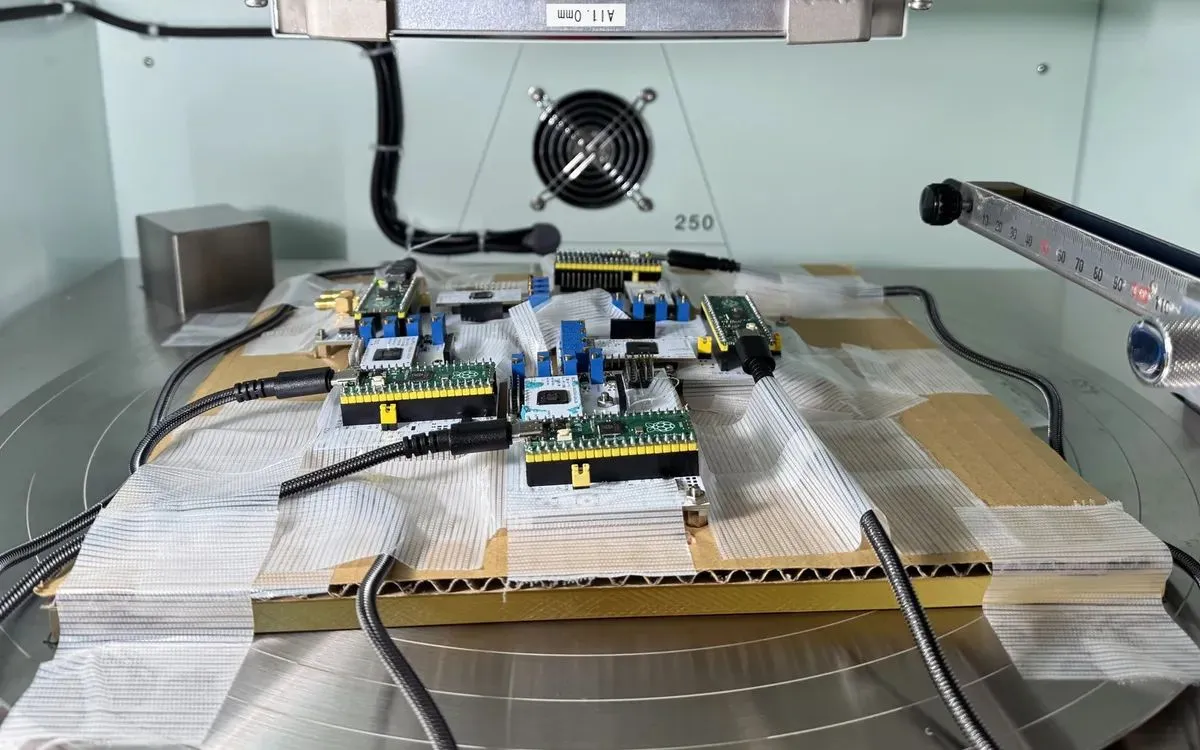
Ionizing radiation damage from electrons, protons and gamma rays will over time damage a CMOS circuit, through e.g. degrading the oxide layer and damaging the lattice structure. For a space-based camera that’s inside a probe orbiting a planet like Jupiter it’s thus a bit of a bummer if this will massively shorted useful observation time before the sensor has been fully degraded. A potential workaround here is by using thermal energy to anneal the damaged part of a CMOS imager.
The first step is to detect damaged pixels by performing a read-out while the sensor is not exposed to light. If a pixel still carries significant current it’s marked as damaged and a high current is passed through it to significantly raise its temperature. For the digital logic part of the circuit a similar approach is used, where the detection of logic errors is cause for a high voltage pulse that should also result in annealing of any damage.
During testing the chip was exposed to the same level of radiation to what it would experience during thirty days in orbit around Jupiter, which rendered the sensor basically unusable with a massive increase in leakage current. After four rounds of annealing the image was almost restored to full health, showing that it is a viable approach.
Advertisement
Naturally, this self-healing method is only intended as another line of defense against ionizing radiation, with radiation shielding and radiation-resistant semiconductor technologies serving as the primary defenses.
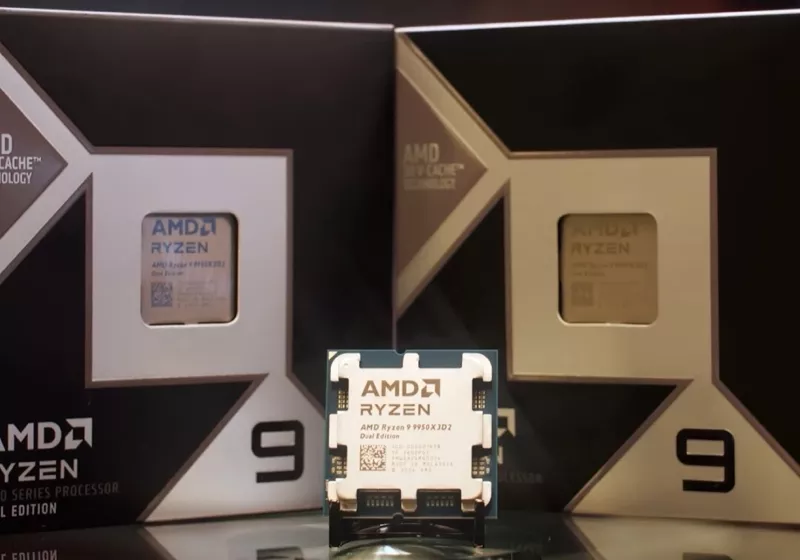
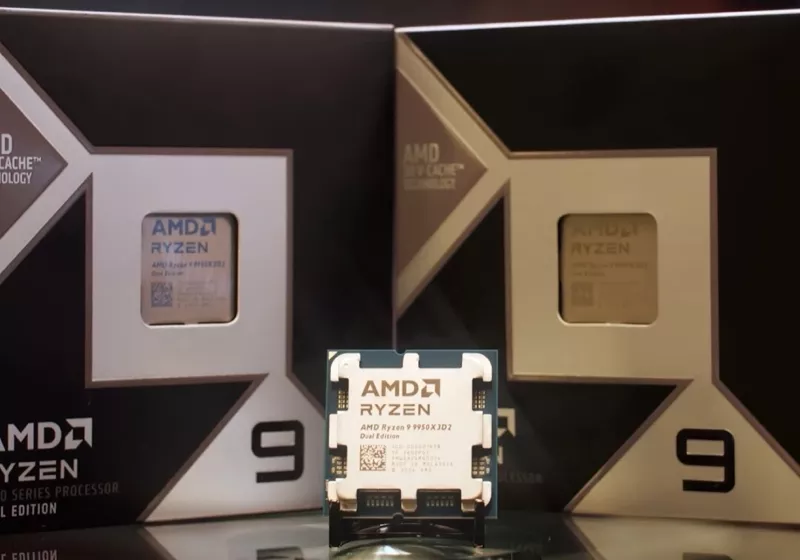
The Ryzen 9 9950X3D2 doubles down on AMD’s V-Cache formula by equipping each of its two CCDs with stacked cache memory. The design results in a massive 208MB of total cache, a configuration that AMD claims can yield 5% to 10% faster performance in select rendering and content creation workloads… Read Entire Article Source link
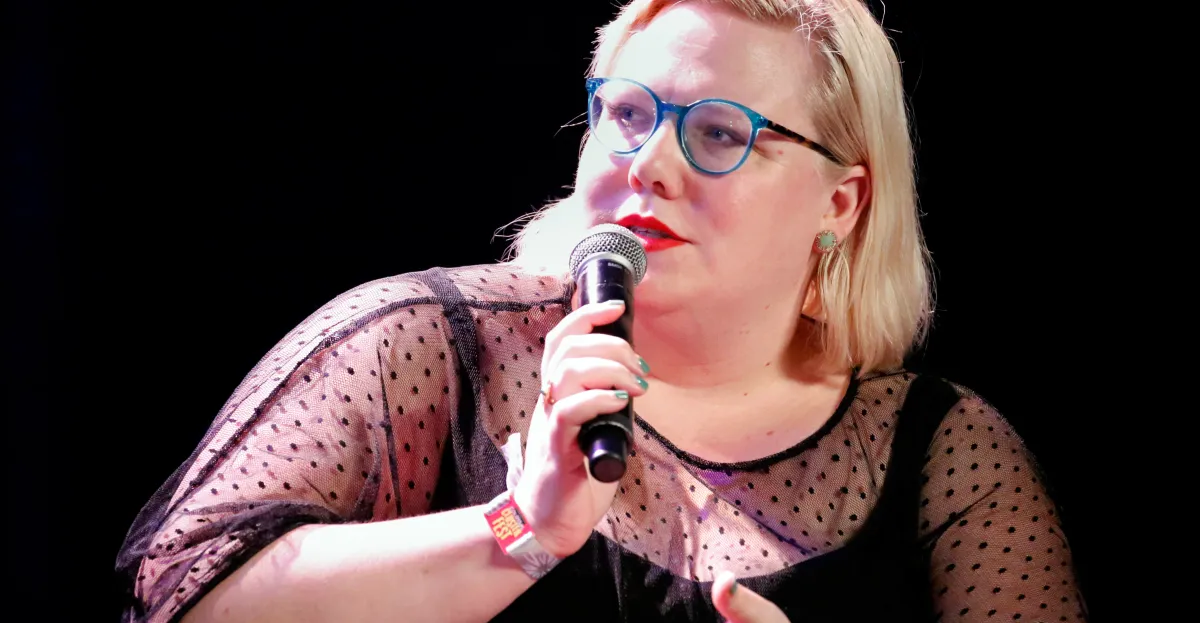
You might remember feminist writer Lindy West from her days on X (né Twitter) yelling at sexist, anti-fat trolls. Or from her book Shrill. Now, West is back with Adult Braces, a memoir detailing her journey, a literal road trip, to accepting her husband’s request to open up their marriage. Except it wasn’t really a request, as West tells it. And this time, people across social media had very strong opinions about it.
Slate senior writer Scaachi Koul joined Today, Explained co-host Noel King to talk through the internet’s reaction to West’s new book, and all that came after.
Below is an excerpt of Koul’s conversation with Today, Explained, edited for length and clarity. There’s much more in the full episode, so listen to Today, Explained wherever you get podcasts, including Apple Podcasts, Pandora, and Spotify.
Tell me about Adult Braces.
Advertisement
It’s a very digestible book. Adult Braces is Lindy’s memoir. This is her fourth book. She’s written a lot of political polemics, social polemics, a lot of personal writing, but this is some of her most personal. It’s a memoir about her taking a cross-country road trip, but also about her reformatting her marriage and turning towards polyamory with her husband.
Why do you think [the polyamory] has got people so upset here?
I think there’s a few trains of controversy here, and some is legitimate and some is really not. So the illegitimate complaints are kind of about this narrative having to do often with Lindy’s weight. She’s fat. She writes a lot about being fat. Or some people are saying that it has a lot to do with gender. Her partner, Aham, who is her husband — Aham goes by he/him and they/them — is nonbinary. So there’s been a lot of needless jabs at this particular facet of the story.
The other side of it is that the story that Lindy tells in this memoir — and all we really have to go on is what she tells us — is pretty brutal to her. Their entry into polyamory is not necessarily honest. A lot of people have been using the word “coercive polyamory.” It’s not a term I’ve ever heard before, but the idea that you kind of tell your partner, “it’s this or nothing.”
Advertisement
She’s clearly a reluctant participant for the first spell of their jaunt into polyamory. They meet someone, he falls in love with her first, and then she also falls in love with this person, Roya. And now the three of them are together.
When we frame this as it was coercive, as she was talked into it. There’s an opposite side of this that says: No, Aham, her husband, was honest with her right from the beginning, and she sort of hoped that it would never come to pass.
It’s clear that he told her, A condition of our marriage will be polyamory.
I think she understood some of the risks. She’s an adult. Lindy does not want to be infantilized. She said that several times — that she had and has autonomy, and these are her decisions. I believe that they are her decisions.
Advertisement
I want to bring the third into this, as the marriage did: Roya. Tell me about where Lindy starts with Roya, where Lindy ends with Roya, and why you think the ending has also made people uncomfortable.
When Roya is brought into the picture, it is true that Aham had more than one other girlfriend in addition to his wife. And so Lindy is a little…I would say she was reticent to kind of learn anything about this person and was sort of like, go do what you must. Aham starts to travel to Portland once a month to spend a weekend with Roya.
He has a big medical issue come up while she’s touring, and Roya is there to help. That starts to change the nature of their dynamic. Lindy talks a lot about — Wow, is this what it’s like to get a wife? Somebody who’s so organized, who takes care of the medical details and listens to me?
Over time, they start to develop a friendship, and then their relationship turns, and it becomes romantic. It fundamentally reshapes the entire nature of their polyamory and of their marriage and of their family. And then after that, Roya, she moves into the woods with them, and that’s where she is now.
Advertisement
You went out to the place where the family lives now. You wrote a profile of Lindy West. When you were there, did you push her at all on the question of coercion?
She preempts that question. I think it’s something that people have already said to her. She says that that’s just not true, and I kind of understand what she’s saying, which is, How can I prove it to you other than living in this life?
But if you try to write anything to convince other people, especially when it comes to memoir, it will feel dissatisfying. And I know that intimately. There’s only so much I can do. What I can offer is a perspective and a version of events. But as soon as I cross a threshold into feeling like I’m evangelizing for something, if you don’t believe me about my own experience, then it doesn’t mean anything.
I think people look at Lindy as a one-way mirror in a lot of ways. They see themselves in her. And when she makes decisions — when anybody in that position, [whether] a celebrity, influencer, writer, [or] creative, makes decisions that their audience doesn’t like, [that audience] takes it really personally.
Advertisement
Lindy is someone who I think a lot of people, especially her fan base, have viewed as bombastic and confident and bawdy and fun. And [then] compare that with the version that we read in Adult Braces — who is anxious and insecure, and being harmed by this person in her life.
As the audience, your proxy is her. You feel defensive of her.
What do you think about this argument that Lindy West’s memoir about coming to polyamory is like the death of millennial feminism?
We can have feelings about anybody’s relationship as it is displayed to us. We are entitled to that, especially when we’re being offered a commodity like a book which you purchase. But one person’s personal story, discomfort, misery, contentment, fulfillment, or lack of fulfillment does not speak to the end of a social movement that was knit together over several decades, and has more to do with Lindy West’s corner of the internet.
Advertisement
Social movements flex. They change. I don’t think it’s the death of anything. It is just where that version of it maybe ended up.
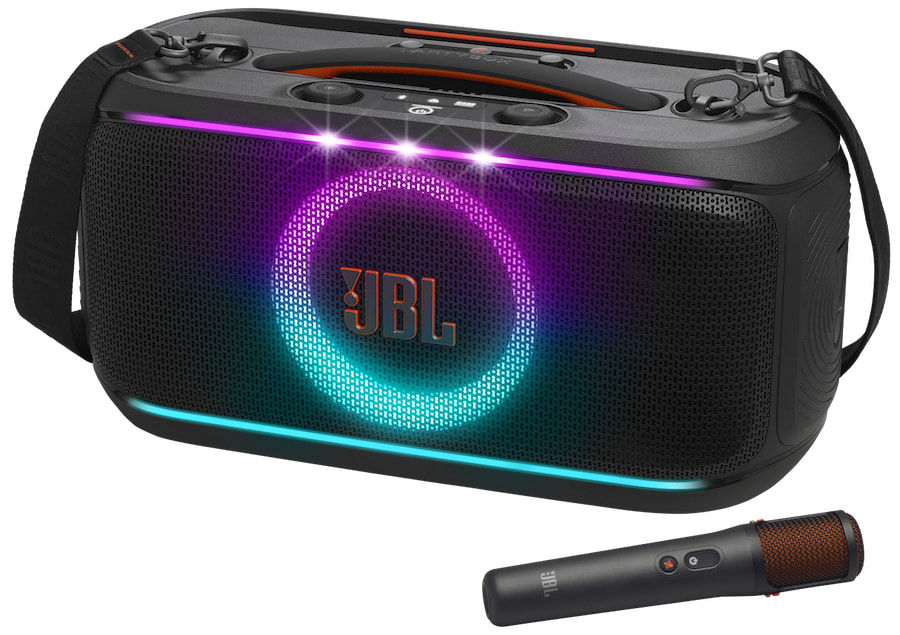
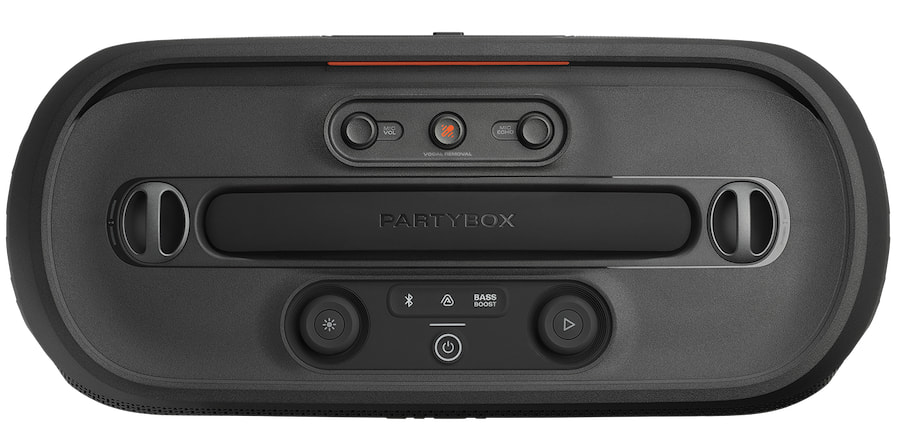
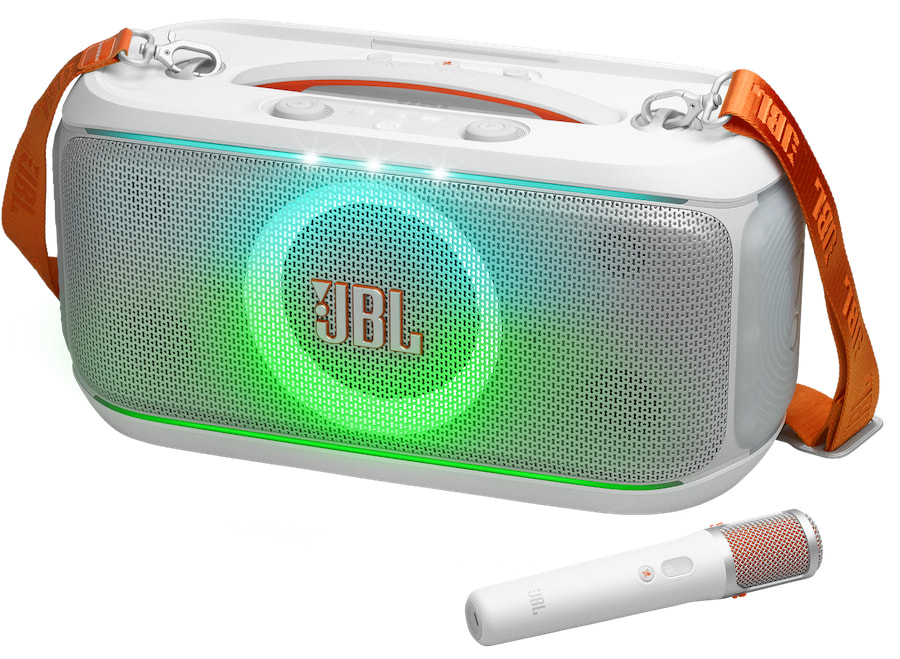
JBL is doubling down on portable party speakers with a clear focus on karaoke, expanding its PartyBox lineup with the new PartyBox On-The-Go 2 Plus alongside the EasySing microphone ecosystem. At the center of the launch is AI-powered EasySing technology, which uses on-device processing to separate vocals from music in real time—allowing users to reduce or remove the original singer without relying on cloud services or pre-processed tracks.
The system goes beyond simple vocal stripping. JBL integrates pitch support, Voice Boost for high-frequency clarity, and built-in effects like reverb, echo, and noise suppression to create a more controlled and customizable performance. Paired with the new EasySing microphones, the platform is designed to turn any song into an instant karaoke track while keeping latency low and setup straightforward—no apps, subscriptions, or external processing required.
“As music continues to evolve, so does the way people experience it together,” said Carsten Olesen, President of Consumer Audio at HARMAN. “At JBL, we’re harnessing advanced AI technologies like real-time vocal separation and intelligent vocal enhancement to transform passive listening into shared, interactive moments. By integrating AI directly into our products, we’re creating new ways for people to connect and celebrate.”
JBL PartyBox On-the-Go 2 Plus
Designed to elevate both parties and karaoke nights, the JBL PartyBox On-The-Go 2 Plus combines JBL’s signature sound and dynamic lightshow with its new EasySing AI technology. Using the JBL One app, users can adjust sound and lighting settings, while the system brings vocals forward in real time to instantly transform any track into a performance-ready experience.
Portability gets a practical upgrade with a redesigned central handle for better weight balance, along with a wider, thicker shoulder strap that makes it easier to carry between locations.
Advertisement
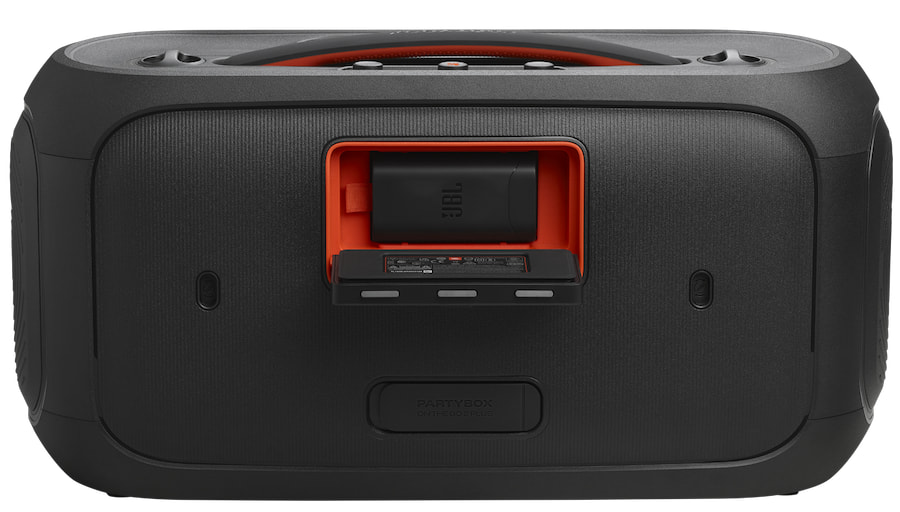
Under the hood, the speaker delivers up to 100 watts of power, driven by dual silk-dome tweeters and a 5.25-inch woofer for solid bass and clear, detailed highs. Battery life is rated at up to 15 hours, and the inclusion of a replaceable battery means it’s built for extended sessions without cutting the party short.
For even more party flexibility, the PartyBox On-The-Go 2 Plus is also Auracast compatible for easy multi-speaker pairing with JBL Auracast-enabled speakers
USB Playback Formats Supported (Disable for EMEA region)
MP3, .WAV, FLAC
MP3, .WAV, FLAC
MP3, .WAV, WMA
USB File Format
FAT16, FAT32
FAT16, FAT32
FAT16, FAT32
Bluetooth Version
5.4
5.4
4.2
Bluetooth® Profile
A2DP V1.4, AVRCP V1.6 (SW), TMAP1.0, PBP1.0
A2DP V1.4, AVRCP V1.6 (SW), TMAP1.0, PBP1.0
A2DP 1.3, AVRCP 1.6
Bluetooth Auracast
Yes
Yes
No
Bluetooth® Transmitter Frequency Range
2.4 GHz – 2.4835 GHz
2.4 GHz – 2.4835 GHz
2.4 GHz – 2.48 GHz
Bluetooth® Transmitter Power
≤ 16 dBm (EIRP)
≤ 16 dBm (EIRP)
10dBm (EIRP)
Bluetooth® Transmitter Modulation
GFSK, π/4 DQPSK, 8DPSK
GFSK, π/4 DQPSK, 8DPSK
GFSK, π/4 DQPSK, 8DPSK
2.4G Wireless Transmitter Frequency range
2404 – 2478 MHz
2404 – 2478 MHz
Not Indicated
2.4G Wireless Transmitter Power
< 10 dBm (EIRP)
≤ 8.5 dBm (EIRP)
Not Indicated
2.4G Wireless Modulation
GFSK
GFSK, π/4 DQPSK, 8DPSK
Not Indicated
Aux-In
370 mV RMS (3.5mm connector)
370 mV RMS (3.5mm connector)
(3.5mm connector)
Mic-In
20 mV RMS
20 mV RMS
Yes – voltage not indicated
Battery
Battery Type: Li-ion 34 Wh (7.2 V / 4722 mAh)
Battery Charge Time: < 3.5 hours (Speaker off mode)
Music Play Time: up to 15 hours (varies by volume level and xaudio content)
Fast Charging: 10 minutes provides up to 80 minutes of playtime
Advertisement
Battery Type: Li-ion 34 Wh (7.2 V / 4722 mAh)
Battery Charge Time: < 3.5 hours (Speaker off mode)
Music Play Time: up to 15 hours (varies by volume level and xaudio content)
Fast Charging: 10 minutes provides up to 80 minutes of playtime
Advertisement
Battery type: Lithium-ion 18Wh (7.2V @ 2500mAh)
Battery charge time: <3.5hrs Music play time: <6 hrs
USB Charge Out
11 V / 2 A (Max) (Speaker off mode)
USB charge out: 11V / 2A (Max) (Speaker off mode)
Not Indicated
Power Input
100 – 240 V ~50/60 Hz
100 – 240 V ~50/60 Hz
100 – 240 V ~50/60 Hz
Power Cable Type
AC power cable (type varies by region)
AC power cable (type varies by region)
AC power cable (type varies by region)
AC Cable Length
2.0m / 6.6 ft
2.0m / 6.6 ft
2.0m / 6.6 ft
IPX Rating
IPX4
IPX4
IPX4
Dimensions (WHD)
501 x 258 x 221 mm
19.72 x 10.16 x 8.70 inches
Advertisement
501 x 258 x 221 mm
19.72 x 10.16 x 8.70 inches
489 x 244.5 x 224 mm
19.3 x 9.6 x 8.8 inches
Advertisement
Weight
6.45 kg / 14.22 lbs
6.36 kg / 14.02 lbs
6.5 kg / 14.3 lbs
Wireless Microphone
EASYSING with AI vocal removal included
Frequency response: 50 Hz – 15 kHz (-6 dB)
Transmitter transmitting power: < 8.5 dBm (EIRP)
2.4G wireless transmitter frequency range: 2404 – 2478 MHz
Distance between transmitter and receiver: ≤ 30 m
Advertisement
Microphone playtime: up to 10 hours
Rechargeable battery: 240mAh 3.7V Li-ion battery
Carrier frequency: 2404~2478MHz
Receiver Max Output Level: <1VRMS
Advertisement
JBL Standard Mic Included
Frequency Response: 50Hz – 15kHz(-6dB)
Signal-to-Noise: >59dBA
Transmitter transmitting power: <8.5dBm (EIRP)
Advertisement
2.4G wireless transmitter frequency range: 2404 – 2478MHz
Distance between transmitter and receiver: ≤30m
JBL Standard Mic Included
Frequency response: 65Hz – 15kHz
Advertisement
Signal-to-noise (S/N) ratio: >60dBA
Transmitter transmitting power: <10mW
Microphone battery play time: <10hrs
Distance between transmitter and receiver: >10m
Advertisement
Wireless Microphone Dimensions (WHD):
46.5mm x 225mm x 43mm
1.83’’ x 8.86’’ x 1.69’’
Not Indicated
Not Indicated
Wireless Microphone Weight
197g / 0.434lbs Mic
Not Indicated
Not Indicated
What’s in the Box
1 x JBL PartyBox On-The-Go-2 Plus
1 x Quick-start guide
1 x Safety Instruction and Warranty Card
Advertisement
1 x wireless microphone (EASYSING)
1 x microphone holder
AC power cord – quantity and plug type vary by regions
1 x shoulder strap
Advertisement
1 x JBL PartyBox On-The-Go-2
1 x Quick-start guide
1 x Safety Instruction and Warranty Card
1 x wireless microphone
Advertisement
1 x microphone holder
AC power cord – quantity and plug type vary by regions
1 x shoulder strap
1 x JBL PartyBox On-The-Go
Advertisement
1 x Quick-start guide
1 x Safety Instruction and Warranty Card
1 x wireless microphone
1 x microphone holder
Advertisement
AC power cord – quantity and plug type vary by regions
JBL EasySing Mics & JBL EasySing Mic Mini
Pro Tip: Images and full specifications for the JBL EasySing Mic Mini were not available at the time of publication.
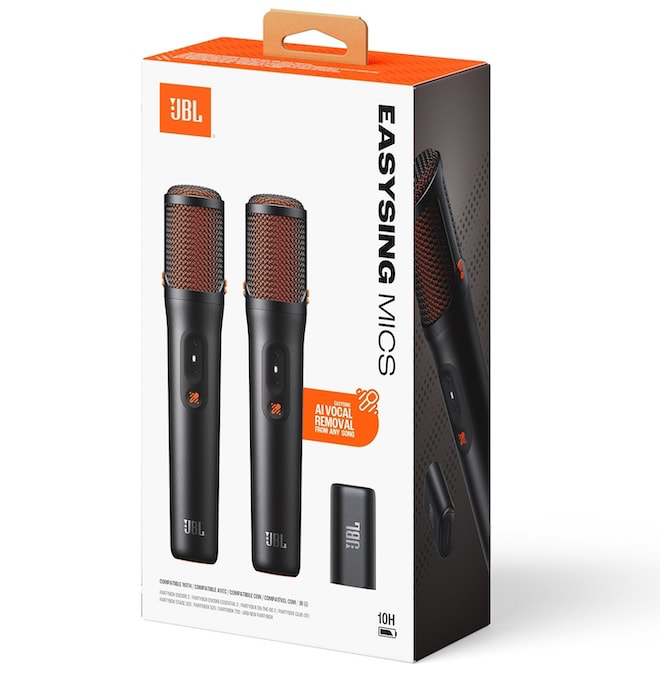
Expanding the EasySing ecosystem, JBL is also introducing the EasySing Mics and the EasySing Mic Mini. These AI-powered microphones integrate real-time vocal separation and enhancement into a compact, performance-ready design.
Built for flexibility, they offer users greater control over vocals with improved clarity and processing, making them a natural extension of the PartyBox experience for karaoke sessions, parties, and casual performances.
Advertisement
The JBL EasySing Mics provide real-time, AI-powered vocal removal from any track while maintaining clear, balanced audio. Users can adjust the level of original vocals to 25%, 50%, or fully removed, while JBL’s EasySing algorithm enhances live vocals with Voice Boost for improved high-frequency clarity, along with natural reverb, echo, and noise suppression.
Advertisement. Scroll to continue reading.
The JBL EasySing Mic Mini takes a more compact approach, offering a pocket-sized solution for singing and content creation. It includes Voice Boost for high-pitch support and AI-based noise suppression to reduce background interference, making it suitable for a wider range of environments.
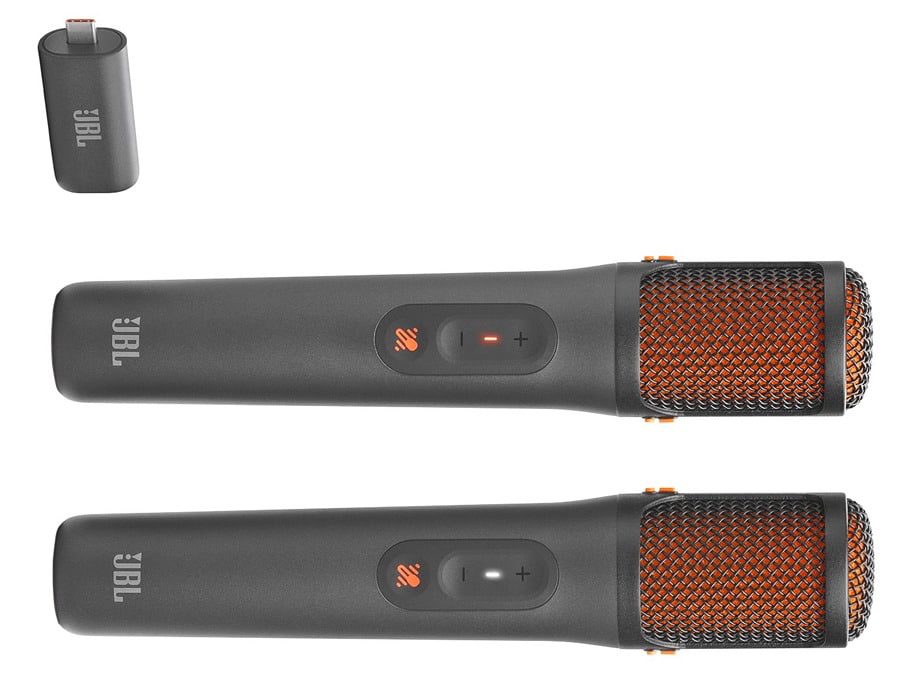
Setup is intentionally simple. There are no apps or complicated pairing steps—just plug the included USB-C dongle into a compatible JBL speaker and start using the microphones immediately. It’s a straightforward, wireless approach that keeps the focus on performance rather than setup.
Advertisement
Portability is also a priority. A compact carrying bag makes it easy to store in a pocket or small bag, while the microphone design includes a ring handle for a secure grip and a magnetic clip for hands-free use.
Each set includes two microphones, offering up to 10 hours of battery life on average and a 30-meter wireless range for duets and group performances. A USB-C dongle is also provided for seamless plug-and-play. EQ customization is provided by the JBL One App
JBL EasySing Mic Mini is compatible with JBL Go 5, JBL Grip, JBL Flip 7, JBL Charge 6, JBL Xtreme 5, JBL Boombox 4, and all JBL PartyBox models through Aux. (Aux cable not included.)
Microphone rechargeable battery: 240 mAh, 3.7 V Li-ion polymer battery
Microphone battery charge time: < 3.5 hours in off mode
Playtime: Up to 10 hours
Dimensions (WHD)
Microphone: 45.5 x 224.5 x 42.7 mm / 1.79” x 8.84” x 1.68”
Dongle: 24 x 45.4 x 15.6 mm / 0.95” x 1.79” x 0.61”
Advertisement
Weight
Microphone: 195 g / 0.43 lbs
Dongle 12 g / 0.026 lbs
What’s in the Box
2 x Microphone 1 x AI Dongle 2 x Microphone Holder 1 x USB to USB-C Adaptor 1 x QSG (Quick Start Guide) 1 x Safety Sheet
The Bottom Line
JBL knows exactly where this category is heading and isn’t standing still. The PartyBox On-The-Go 2 Plus leans hard into AI-driven karaoke with EasySing, combining real-time vocal removal, onboard vocal processing, and Auracast support into a portable speaker that’s built as much for participation as it is for playback. That’s the hook—this isn’t just background music anymore, it’s the main event. The addition of dedicated EasySing microphones pushes JBL further into a more complete ecosystem that feels purpose-built for social listening and performance.
What’s missing? This isn’t an audiophile product and doesn’t pretend to be. You won’t find high-resolution streaming features, advanced codec support, or the kind of system integration that serious hi-fi buyers expect. And if you don’t care about karaoke or AI vocal tricks, the standard PartyBox On-The-Go 2 might make more sense—and cost less—since it sticks to the basics with a traditional wireless mic.
Who is this for? Anyone who wants to turn a backyard, beach day, or living room into a low-effort karaoke setup without messing around with apps, subscriptions, or complicated gear. If your idea of a good night involves a microphone, questionable song choices, and zero patience for setup, JBL just made your life easier.
Advertisement
Price & Availability
JBL PartyBox On-The-Go 2 Plus comes with one EasySing Mic and is available for pre-sale for $419.95 on JBL.com with a sale date of April 12, 2026.
JBL PartyBox On-The-Go 2 (without EasySing Mic and AI) – $419 at Amazon
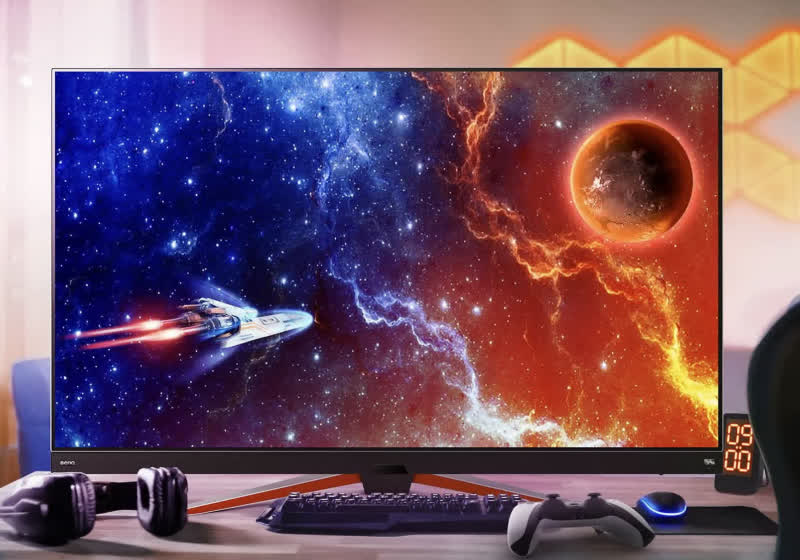
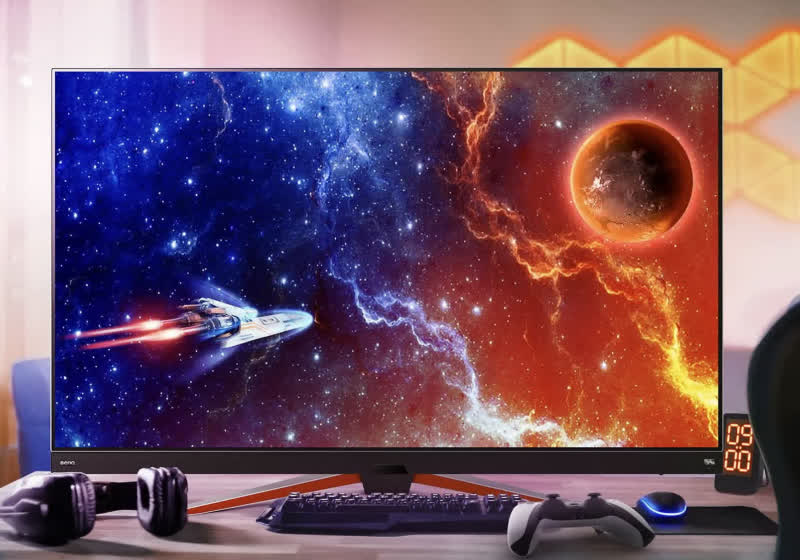
According to TrendForce’s latest data, shipments of OLED monitors saw massive growth in 2025. Manufacturers shipped a total of 2.7 million units, marking a 92% increase compared to the previous year. The consulting firm noted that the impressive momentum has been largely sustained by substantial promotional campaigns from major industry brands. Read Entire Article Source link
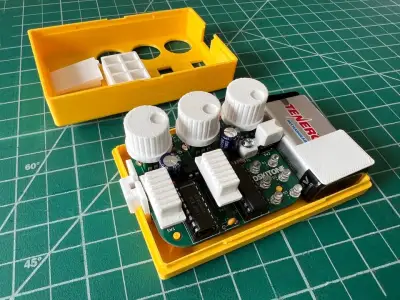
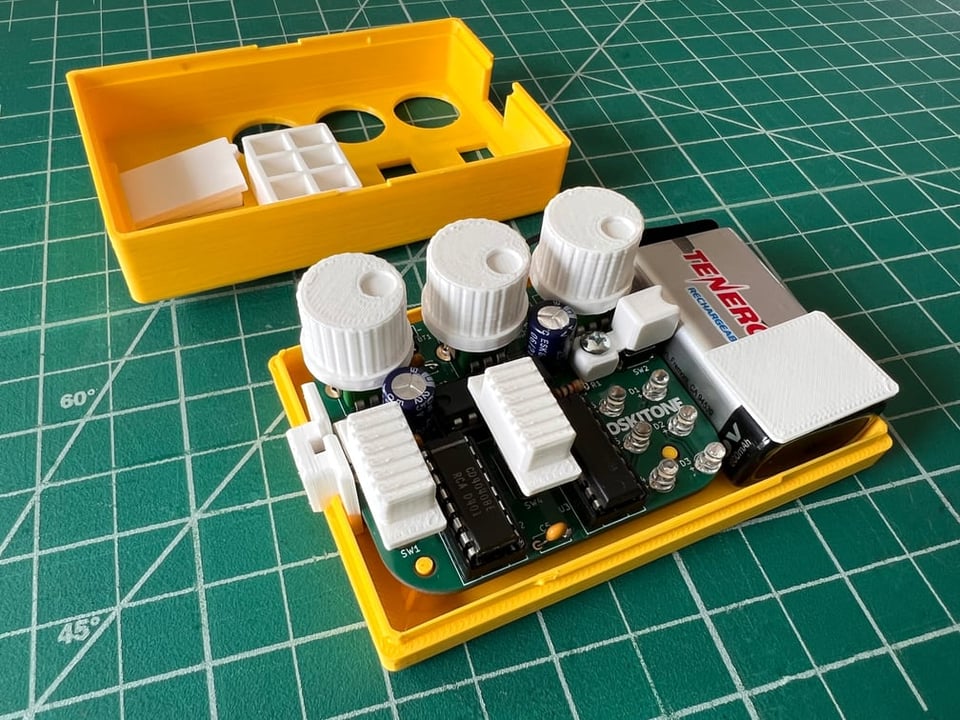
[Tommy] at Oskitone has been making hardware synth kits for years, and his designs are always worth checking out. His newest offering Space Dice is an educational kit that is a combination vintage sci-fi space laser sound generator, and six-sided die roller. What’s more, as a kit it represents an effort to be genuinely educational, rather than just using it as a meaningless marketing term.
There are several elements we find pretty interesting in Space Dice. One is the fact that, like most of [Tommy]’s designs, there isn’t a microcontroller in sight. Synthesizers based mostly on CMOS logic chips have been a mainstay of DIY electronics for years, as have “electronic dice” circuits. This device mashes both together in an accessible way that uses a minimum of components.
There are only three chips inside: a CD4093 quad NAND with Schmitt-trigger inputs used as a relaxation oscillator, a CD4040 binary counter used as a prescaler, and a CD4017 decade counter responsible for spinning a signal around six LEDs while sound is generated, to represent an electronic die. Sound emerges from a speaker on the backside of the PCB, which we’re delighted to see is driven not by a separate amplifier chip, but by unused gates on the CD4093 acting as a simple but effective square wave booster.
In addition, [Tommy] puts effort into minimizing part count and complexity, ensuring that physical assembly does not depend on separate fasteners or adhesives. We also like the way he uses a lever assembly to make the big activation button — mounted squarely above the 9 V battery — interface with a button on the PCB that is physically off to the side. The result is an enclosure that is compact and tidy.
We recommend checking out [Tommy]’s concise writeup on the design details of Space Dice for some great design insights, and take a look at the assembly guide to see for yourself the attention paid to making the process an educational one. We love the concept of presenting an evolving schematic diagram, which changes and fills out as each assembly step is performed and tested.
Advertisement
Watch it in action in a demo video, embedded just below. Space Dice is available for purchase but if you prefer to roll your own, all the design files and documentation are available online from the project’s GitHub repository.
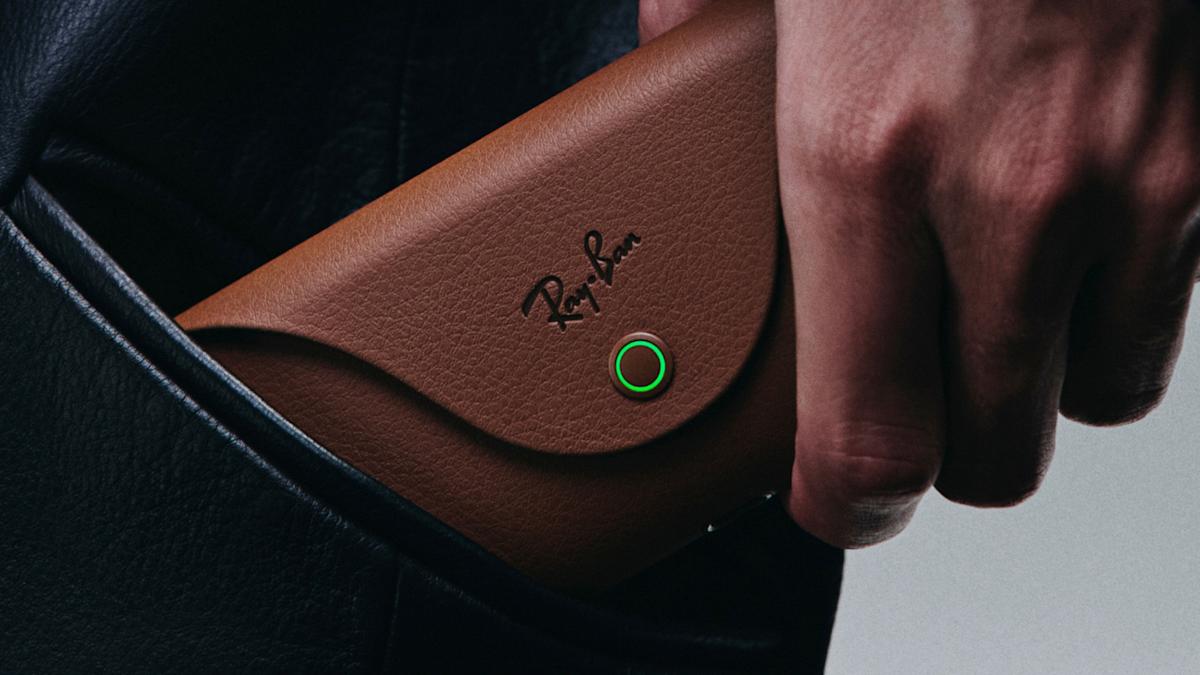
Two new models of Meta Ray-Ban AI glasses are on the way, and they’re going to be catered towards those who use prescription lenses, according to a Bloomberg report. While these are supposed to be announced next week, Bloomberg noted that these won’t be a “new generation” of Meta’s smart glasses.
You can already add prescription lenses to Meta Ray-Ban’s AI glasses, but the upcoming models will come in rectangular and rounded styles and will be sold through traditional prescription eyewear channels. Bloomberg didn’t specify how these new glasses will differ from existing options, but noted that it’s the first time Meta and Ray-Ban are releasing a pair of AI glasses specifically designed for this demographic.
The two models are likely the codenamed products Scriber and Blazer, which were first spotted by The Verge in filings with the Federal Communications Commission. The filings described the devices as production units, meaning Meta could be close to the actual product launch. Looking at the filings, it’s unlikely these upcoming prescription AI glasses will have a display like the Meta Ray-Ban Displays.
Meta CEO Mark Zuckerberg has hinted at AI glasses that are meant for prescription glasses wearers in a previous earnings call. As noted by Bloomberg, Zuckerberg previously said that “billions of people wear glasses or contacts for vision correction,” adding that, “it’s hard to imagine a world in several years where most glasses that people wear aren’t AI glasses.”
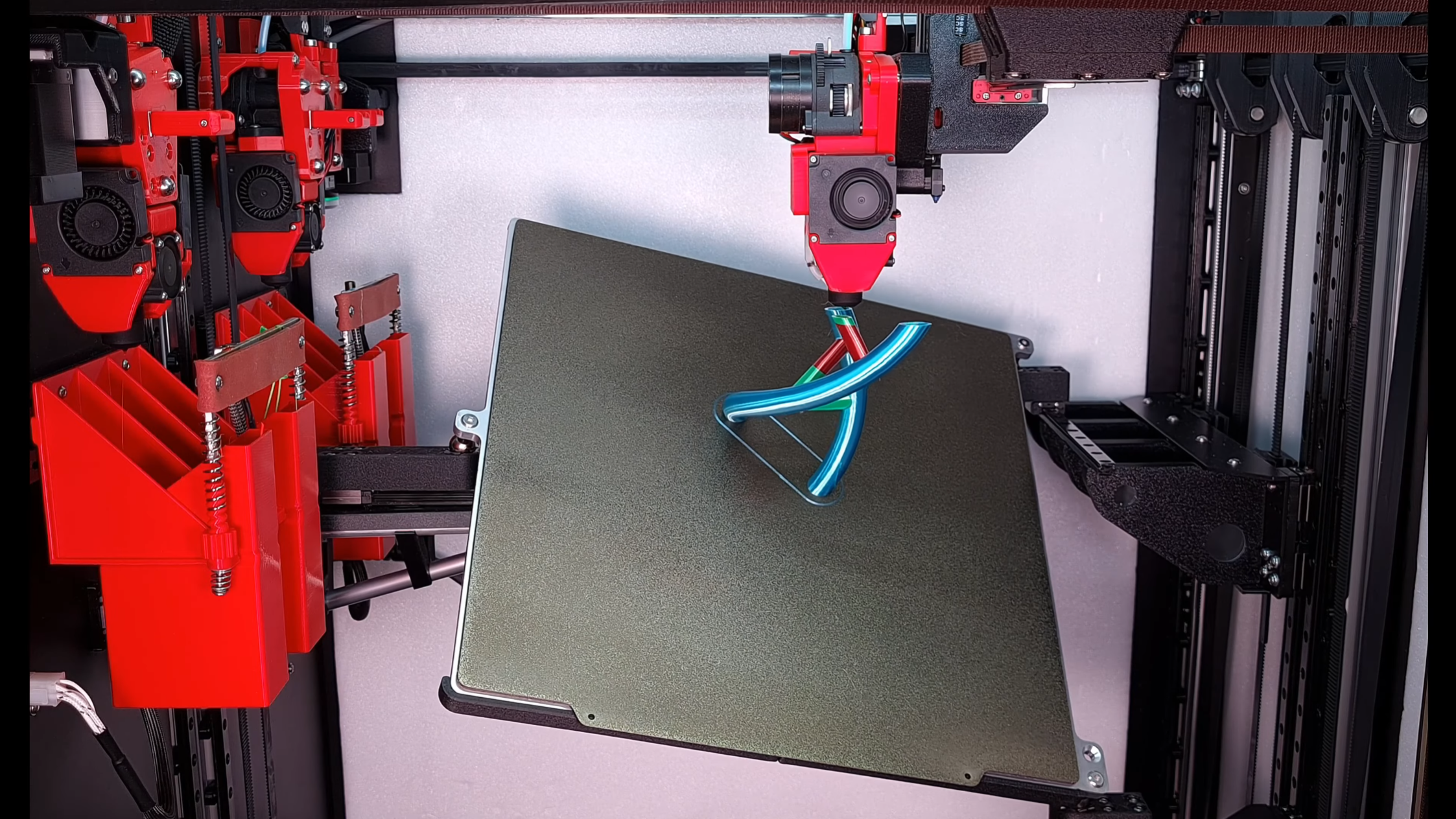
Usually, when we see non-planar 3D printers, they’re rather rudimentary prototypes, intended more as development frames than as workhorse machines. [multipoleguy]’s Archer five-axis printer, on the other hand, breaks this trend with automatic four-hotend toolchanging, a CoreXY motion system, and print results as good-looking as any Voron’s.
The print bed rests on three ball joints, two on one side and one in the center of the opposite side. Each joint can be raised and lowered on an independent rail, which allows the bed to be tilted on two axes. The dimensions of the extruders their motion system limit how much the bed can be angled when the extruder is close to the bed, but it can reach sharp angles further out.
The biggest difficulty with non-planar printing is developing a slicer; [multipoleguy] is working on a slicer (MaxiSlicer), but it’s still in development. It looks as though it’s already working rather well, to the point that [multipoleguy] has been optimizing purge settings for tool changes. It seems that when a toolhead is docked, the temperature inside the melt chamber rises above the normal temperature in use, which causes stringing. To compensate for this, the firmware runs a more extensive purge when a hotend’s been sitting for a longer time. The results for themselves: a full three-color double helix, involving 830 tool changes, could be printed with as little as six grams of purge waste.
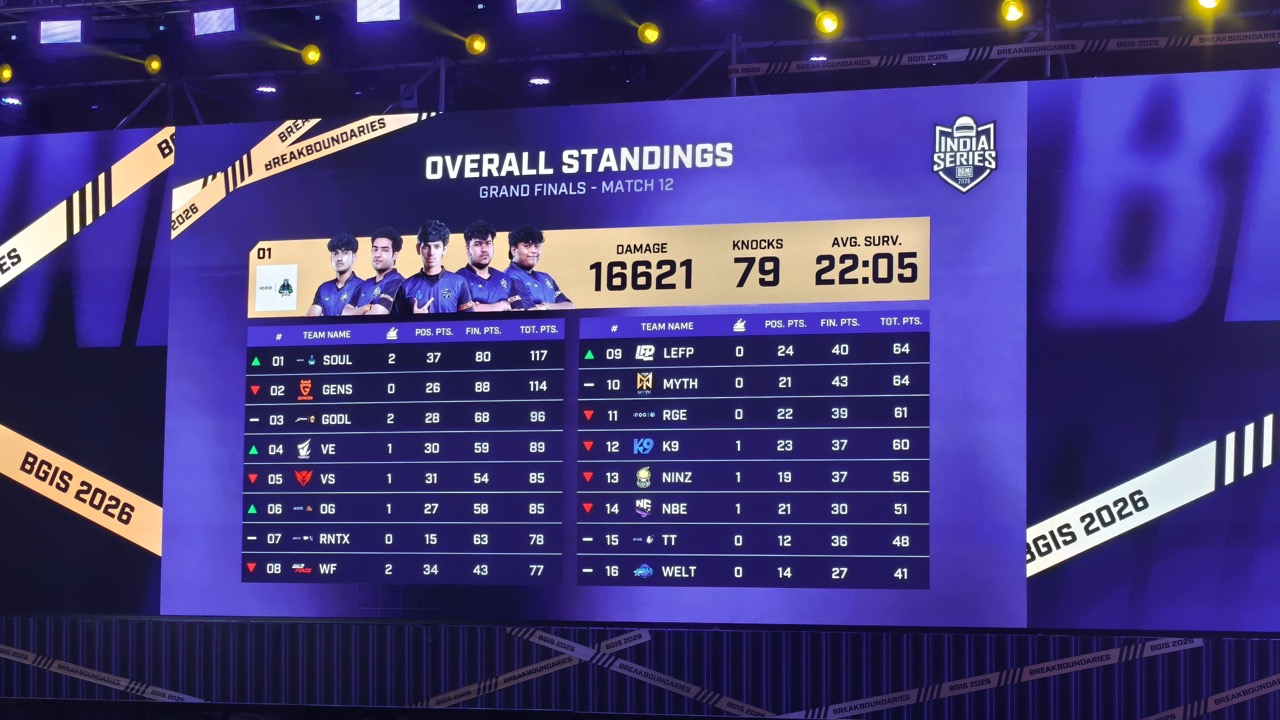
We said day two of the BGIS Grand Finals would be the day of comebacks. While we did see some amazing games from the likes of K9 and NINZ, nobody could challenge SOUL, who were undefeated from their top position. Several teams occupied the top three throughout the day, but ultimately, it was Soul, Genesis, and GodLike. The losers of today included the likes of Team Tamilas and WELT, who couldn’t get the hang of their game and strategy. Here’s what the standings look like after day two of BGIS Grand Finals.
BGIS 2026 Grand Finals Standings After Day 2
Team Name
Wins
Pos. Pts
Fin. Pts
Tot. Pts
SOUL
2
37
80
117
GENS
0
26
88
114
GODL
2
28
68
96
VE
1
30
59
89
VS
1
31
54
85
OG
1
27
58
85
RNTX
0
15
63
78
WF
2
34
43
77
LEFP
0
24
40
64
MYTH
0
21
43
64
RGE
0
22
39
61
K9
1
23
37
60
NINZ
1
19
37
56
NBE
1
21
30
51
TT
0
12
36
48
WELT
0
14
27
41
The final day of the BGIS Grand Finals awaits us tomorrow. The top three look pretty settled, but a few bad games, and we could have a new face at the top. If you missed today’s games, check out our highlights for both the first and second day.
If you’re looking to explore your creativity, there are a number of iPad apps that can help you get started. Although the iPad started off as a simple device that could be used to stream content or browse the web on the go, Apple has essentially turned its iPads into powerful machines that can be used to do things like create digital art and edit videos.
We’ve compiled a list of some of the best iPad apps for creativity that are available on the App Store.
Before we delve in, it’s worth noting that although Adobe’s creative apps are often top choices for creativity on the iPad, this list won’t include them because they are already well-known. We’re focusing instead on somewhat lesser-known apps that you’ll want to know about and try.
Lake
Image Credits:Lake
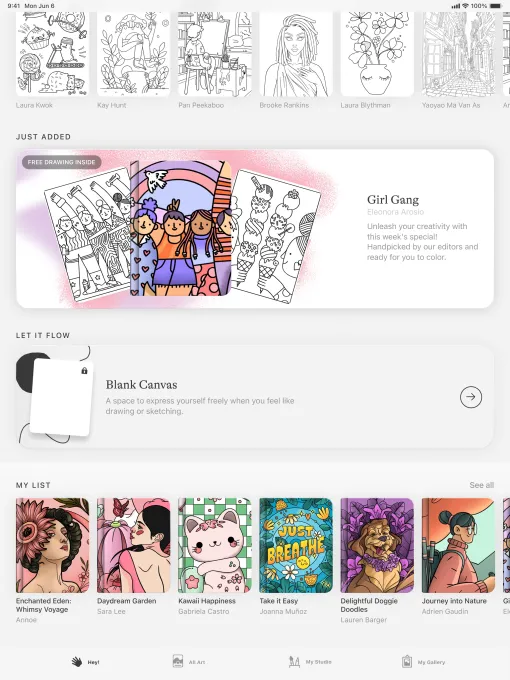
Not every creative app has to involve a blank page staring back at you. Lake takes a more relaxed approach, letting you digitally color hand-drawn illustrations by independent artists using more than 700 colors and a selection of brushes.
If you want to let your imagination run wild, you can also color and draw on a blank canvas. You can also jot down your thoughts in a coloring journal.
Advertisement
The app is great for people who are just getting started with exploring their creativity or for those who just want a moment to de-stress. You don’t have to be artistic to use it, either; there’s no penalty here for drawing outside the lines.
Lake offers free access to a limited number of illustrations. To unlock the full catalogue of illustrations and features, you’ll need to pay a $9.99 monthly subscription fee.
Techcrunch event
San Francisco, CA | October 13-15, 2026
Advertisement
Procreate
Image Credits:Procreate
Procreate is one of the most popular drawing apps for the iPad, and for good reason. The app lets you create digital paintings, sketches, and illustrations using dozens of different types of brushes. Procreate is easy to use and features built-in gesture controls, along with a simple interface.
The app allows for high-resolution canvases up to 16K by 8K on compatible iPad Pros. It also lets you create storyboards, GIFs, animatics, and simple animations. Plus, you can import image files such as JPG, PNG, and TIFF. Procreate includes several features that are designed to help you during the creative process on your iPad, such as QuickShape, StreamLine, Drawing Assist, and ColorDrop — tools that handle the technical heavy lifting so you can focus on the fun part.
Once you’re finished creating your piece, you can relive your creative journey with the app’s time-lapse “Replay” feature — a surprisingly satisfying way to watch your work come together — and share a 30-second clip on social media.
Advertisement
You can access Procreate with a one-time payment of $12.99.
LumaFusion
Image Credits:LumaFusion
LumaFusion is a great app for editing videos if you’re ready to graduate from iMovie. The app features numerous user-friendly features that make it perfect for aspiring videographers or indie filmmakers on a budget.
With LumaFusion, you can create multiple layer edits with 4K ProRes and HDR media. You can add different effects, choose from dozens of transitions, and record voice-overs. The app lets you create multilayer titles and import fonts and graphics. Plus, you can fine-tune audio with Graphic EQ, Parametric EQ, Voice isolation, and more.
The app lets you create projects with a variety of aspect ratios, including 16:9 landscape, 9:16 portrait, square, widescreen film, anamorphic, and more.
LumaFusion is available for a one-time payment of $29.99. You can also purchase additional features, such as multicam editing and the ability to send your project to Final Cut Pro for Mac.
Advertisement
Canva
Image Credits:Canva
Canva offers a user-friendly platform that allows anyone to create visual content, even without graphic design experience. You can use it to create presentations, infographics, videos, websites, social media posts, and more with over 250,000 templates.
Canva features tools for editing photos, personalizing content with logos and images, adding audio, and cropping and speeding up video.
The platform also has a series of AI features that are designed to make the creation process easier. For instance, you can extend an image using “Magic Switch” or turn ideas into images with “Magic Media.”
Canva is free but offers a $12.99 monthly subscription if you want unlimited access to its AI features, premium templates, and more.
Affinity Designer 2
Image Credits:Affinity
Affinity Designer 2 is a graphic design app that combines vector design, pixel-based textures, and retouching into a single platform. It’s great for professional illustrators, web designers, game developers, and other creatives.
The app lets you create illustrations, branding, logos, icons, UI/UX designs, typography, posters, labels, fliers, stickers, concept art, digital art, and more. It supports Apple Pencil’s precision, pressure sensitivity, and tilt functionality.
Advertisement
Affinity Designer 2 features gesture controls to speed up your workflow, and it lets you customize keyboard shortcuts. You can also do things like create your own custom font and zoom to over 1,000,000% for absolute precision.
You can access the app through a one-time payment of $18.49.
Concepts
Image Credits:Concepts
Concepts is a great app for exploring your ideas and experimenting with designs. You can use the app to sketch plans, make notes and mindmaps, and draw storyboards and designs.
The app features Nudge, Slice, and Select tools that allow you to easily change any element of your sketch without redrawing it. The app features realistic pens, pencils, and brushes that flow with pressure and tilt.
Concepts gives you access to scale and measurement tools that calculate real-world dimensions, and also features a tool wheel or bar that you can personalize to your liking.
Advertisement
The app’s basic features are free. Concepts offers a $4.99 monthly subscription if you want access to additional features, such as the ability to create your own brushes and premium editing tools.
Tayasui Sketches
Image Credits:Tayasui Sketches
Tayasui Sketches is a good, user-friendly sketching and drawing app. It has several different features such as a realistic watercolor brush, digital acrylic brushes, the ability to blend two colors to get the perfect shade, gradient and depth tools, and more.
The app lets you multitask by opening up another app and dragging lawyers and documents between the two. There’s also a “Zen Mode” that lets you create without distractions.
You can also upload your images to incorporate them into your creations. Tayasui Sketches lets you store your creations into personalized folders.
Tayasui Sketches’s basic features are free. The app offers a $2.99 monthly subscription that unlocks unlimited layers, new brushes and markers, an extended brush editor, the ability to backup your drawings, and more.
Advertisement
Dudel Draw
Image Credits:Dudel Draw
Dudel Draw is a bit different from the other apps on this list: It’s designed to unleash your creativity by giving you a new shape every day that serves as a starting point to sketch on top of.
These daily shapes vary from basic geometrical forms to more complex and abstract designs. Plus, you can explore your creativity further by choosing to view the shape from all angles with the app’s “flip” and “rotate” features.
You can also get your friends in on the creativity with some fun competition by comparing your different creations each day. Dudel Draw offers a great way to sharpen your artistic skills, challenge yourself to create something new every day, and just simply express yourself.
Dudel Draw is available for free.
Sketchbook
Image Credits:Sketchbook
Sketchbook is an easy-to-use app for sketching, painting, and drawing. The idea behind the app is to make it feel like you’re drawing on paper, as the digital brushes and pens behave like the real thing.
The app’s interface is simple and lets you tuck away palettes and tools to make it easier to focus on drawing.
Advertisement
You can customize brushes by tweaking the size, opacity, flow, and more to align them with your personal style. There’s also a “predictive stroke” feature that helps smooth out the lines of your drawing.
Sketchbook is available for free, but you can unlock premium features for a one-time payment of $2.99. Premium features include the ability to import additional brushes and color palettes, adjust the size of your canvas after you’ve started working, export multiple canvases or an entire album as a PDF, and more.
This story was originally published in December 2024 and is updated regularly with new information.









































You must be logged in to post a comment Login