Spotify has partnered with beverage brand Liquid Death to launch one of the stranger marketing ideas to crawl out of the modern streaming era: the Liquid Death x Spotify Eternal Playlist Urn, a cremation urn paired with a tool that generates a personalized Spotify playlist meant to live on after you’re gone. The concept blends memorial products with algorithmic music discovery, allowing users to create what the companies call a “forever soundtrack” based on their listening history. It’s part branding stunt, part commentary on how deeply streaming has embedded itself into daily life and identity.
Of course, it raises a perfectly reasonable question: how macabre can a marketing campaign get? Memorializing someone with their favorite songs might sound touching in theory, but it also assumes your loved ones actually enjoy your music. Speaking personally, my family already rolls their eyes at half the things I play. The last thing they need is the possibility of being haunted by my eternal playlist from beyond the grave.
A Real Urn With a Bluetooth Speaker…And Apparently a Five Per Customer Limit
The Liquid Death x Spotify Eternal Playlist Urn is exactly what it sounds like: a limited edition cremation urn designed to hold human ashes while also functioning as a Bluetooth speaker that plays a custom Spotify playlist. Priced at $495 and limited to just 150 units, the urn is made from 100% polyester resin, stands nearly a foot tall (29 cm). Each unit is produced in small batches and marketed as a one of a kind piece, meaning small cosmetic imperfections are considered part of the design rather than defects.
The unusual twist is built directly into the lid. A wireless Bluetooth speaker is embedded at the top of the urn and powered by a rechargeable battery that charges via USB-C. Once connected to a phone, users can stream a personalized Spotify Eternal Playlist, which is generated through Spotify’s playlist tool based on a listener’s music history and preferences. In theory, the result is a curated soundtrack that reflects the music someone loved while they were alive and can continue playing long after they’re gone.
Advertisement
Of course, this is where the concept gets a little…unsettling. Unlike novelty memorial products or decorative keepsakes, this is an actual urn designed to hold cremated remains. That means the person whose playlist is blasting through the Bluetooth speaker could literally be inside the box producing the music. Whether that feels like a touching tribute or the world’s most awkward living room accessory probably depends on how much your family enjoyed your taste in music.
In my case, this isn’t likely to become a problem. Judaism traditionally prohibits cremation, so the Eternal Playlist Urn probably won’t be part of my exit strategy. If my kids stick to tradition, I’ll end up buried somewhere outdoors instead. Knowing New Jersey, that likely means the backyard under the big weeping willow. The space under the pine and oak trees is already spoken for. Jersey. You really don’t want to know.
The Bottom Line
And if all of that wasn’t strange enough, there’s the line in the product description that really makes you stop mid scroll and stare: “Limited to 5 per customer.”
Advertisement
Five.
Not to be weird. Because this whole thing clearly hasn’t crossed that line yet.
But five urns? Who exactly is buying five cremation urns with Bluetooth speakers? Are these supposed to be Christmas gifts? A subtle 100th birthday present for Grandma that comes with a note reading, “It’s time to move on old lady. My 9 to 5 job isn’t paying for that new F-150 and fishing boat, but my inheritance might.” Maybe it’s for the dog, so he can sit in the living room listening to Dad’s eternal yacht rock playlist while contemplating the existential horror of Bluetooth connectivity from beyond the grave.
Or maybe the idea is that your entire family can go out together, each with their own urn blasting their personal soundtrack like some kind of posthumous silent disco.
Advertisement
Advertisement. Scroll to continue reading.
And because nothing ever truly tops American commercialism and our endless appetite for things we probably don’t need, all 150 urns sold out in a single day.
Yes, the entire run of Bluetooth enabled afterlife sound systems disappeared almost instantly. Somewhere out there, people are proudly displaying a cremation urn that doubles as a wireless speaker while a Spotify playlist hums away on eternal repeat.
And if you missed the first batch of algorithmic immortality, don’t worry. More are coming. Because in America, even death apparently comes with a restock notification.
When Daredevil: Born Again resurrected the Marvel hero on Disney Plus last year, one thing was clearly established: This series would be as ruthlessly violent as its Netflix predecessor. It’s delivered and then some, reintroducing Matt Murdock, Wilson Fisk and the grim themes that made the superhero crime drama so compelling. While the first season took time building its interconnected storylines up to its climax (and memorable finale), season 2 has an energetic momentum that allows the show to keep its clout and keep you on edge from the first episode to the very end.
Debuting Tuesday night on the streamer, it’s suspenseful, graphic and intelligent, with eight well-knit episodes playing out fluidly like a really long, really good movie.
Before the main credits start rolling in the first episode of the sophomore season of Daredevil: Born Again, a video from street reporter BB Urich (Genneya Walton) paints a picture of what’s happening in the city under Mayor Fisk/Kingpin (Vincent D’Onofrio). Remember when he declared martial law in last season’s finale? Well, it’s all good vibes on camera: New York Born Again is the slogan plastered on posters around Manhattan, and citizens give the mayor a thumbs up. In fact, Fisk’s face is on many of the posters, hanging around town like ornaments, letting people know what a great job he’s doing making NYC safe.
Advertisement
Action happening at night tells a different story, when a black-suited Daredevil — yes, THAT black suit with two red D’s emblazoned on the chest — boards a cargo boat on the river and starts battering its armed guards. Blood splatter flies everywhere (including the screen), broken limbs crack, and the mysterious cargo is revealed: illegal weapons. The first half of episode 1 sets up the entire season with this doomed, sinking ship that Daredevil barely escapes.
Look at Daredevil’s suit!
JoJo Whilden
We have a politician who turns a band of law enforcement officers into his personal army that targets his enemies, everyday citizens and rebellious “vigilantes” he’s deemed as terrorists. Kingpin is in power, always ready to use fear to instill loyalty, dole out bloody assaults and put people in cages. His Anti-Vigilante Task Force (AVTF) is looking for fugitives like Karen Page and Daredevil, whom he’s publicly named as being responsible for the ship debacle. The bloodthirsty AVTF is hunting for them and anyone who detracts (or distracts) from Kingpin’s agenda.
Advertisement
It’s a treat to watch Daredevil and The Punisher beat people up, and seeing Bullseye’s tricks feeds my affinity for stylish assassins, but the core of this series’ first two seasons is Matt Murdock versus Wilson Fisk, or Daredevil versus Kingpin. There are two people who are always worried about what the other one is up to. Several characters are now in the mix who shake things up this season, including Jessica Jones (Krysten Ritter), Mr. Charles (Matthew Lillard) and the governor of New York, Marge McCaffrey (Lili Taylor). Villains and heroes come from unassuming places — and so does backup.
Jessica Jones in Daredevil: Born Again.
Marvel Television
Jessica’s leap to this reboot opens up so many questions, but this show isn’t about her. The former Defender is here to help, so there’s not much catching up we get to do about what’s been happening in her life since 2019 (when Jessica Jones aired its series finale). Believe me, there are questions. Despite that, it’s good to see someone on Matt’s side when we don’t know Frank Castle’s current whereabouts.
Advertisement
D’Onofrio and Cox bring their undeniable gravitas to the screen once more, with their characters’ complicated dynamic setting the tone. Stunt-work and camera shots show off Daredevil’s nimbleness and sharp auditory skills, along with Kingpin’s brawn.
The mayor of New York City, y’all: Wilson Fisk.
Marvel Television
Yet Deborah Ann Woll, Wilson Bethel (as Bullseye, aka Benjamin “Dex” Poindexter), and Ayelet Zurer (who plays Vanessa Fisk) nail scene-stealing performances that ramp up the narrative’s intensity. There’s a diner sequence involving Bullseye that I haven’t been able to get out of my head, a reminder of how the fight choreography and cinematography in this series complement each character to a tee.
Advertisement
Kick-butt Karen is on a warpath, Vanessa is scheming alongside her husband, and Fisk faces new challenges to his power outside of Matt. That doesn’t mean Kingpin isn’t surrounded by loyalists like Daniel, Buck and Dr. Heather Glenn, whose story arcs take interesting turns. As the tension and action unfold throughout every episode, a lot of people end up hurt, deceived or dead. An unbelievably gruesome season finale is the R-rated delight you expect from Daredevil: Born Again.
Karen and Daredevil, on the move.
Marvel Television
Where season 1 dove into Fisk and Matt’s darkest natures, season 2 examines whether redemption and true justice can exist. Pay attention: even Daredevil’s armor reflects the story. The show still has its imperfections; a few minor details about the crime at the center of the plot are inconsistent. And Heather’s storyline gets a little weird, but maybe this will pay off in season 3.
Advertisement
Until then, enjoy wincing at bloody scenes, DIY sleuthing and the jaw-dropping surprises that Daredevil: Born Again serves up in season 2. And if you have time to check out the Marvel shows that were originally on Netflix, I think you’ll appreciate this season, all of its Easter eggs and winks at the MCU even more.
The Samsung Galaxy Book6 Ultra is a fantastic pro-grade Windows laptop with immense battery life, a lovely OLED screen and a hefty industrial feel, complete with a snappy keyboard, huge trackpad and solid port selection. I am left a little underwhelmed by its performance, though, not least with the very hefty price tag that’s attached to this laptop.
Stylish aluminium chassis
Surprisingly long battery life
Lovely OLED screen
Expensive
Rivals can have more power
Key Features
Advertisement
RTX 5070 inside
The Galaxy Book6 Ultra features a beefy mid-range Nvidia GPU for extra graphical oomph alongside a new Intel Panther Lake processor.
Advertisement
16-inch 3K 120Hz OLED screen
It also features a large, detailed and smooth OLED screen that’s ideal for creatives.
Advertisement
83Whr battery
This Samsung laptop also has surprisingly strong endurance that puts a lot of its rivals to shame.
Introduction
The Samsung Galaxy Book 6 Ultra feels like the South Korean brand is doing its best MacBook Pro impression.
Advertisement
It takes a fair amount of cues from Apple’s laptop, with a redesigned keyboard and trackpad arrangement, plus a similarly industrial chassis. Otherwise, this Samsung laptop is beefed up with the latest Intel Panther Lake processors and an RTX 5070 GPU inside for extra graphical oomph.
For good measure, Samsung has stuck with a lovely 16-inch 3K resolution 120Hz OLED screen, and you get a large 83Whr battery inside to keep this laptop chugging. All of this won’t come cheap, though, with this laptop coming in at £3099/$2999.99.
The Galaxy Book 6 Ultra continues Samsung’s industrial-chic design for its top-end laptops, with a lovely dark grey aluminium finish that feels excellent. As is typical with the brand’s laptops, there is a MacBook Pro flavour to its look, which fits the Ultra namesake rather well here.
At 1.89kg, this is a heavy brute of a laptop, weighing some 300g more than the Galaxy Book6 Pro, although we are packing a discrete GPU and therefore more cooling as a result. This mass is slightly reduced against an equivalent-sized MacBook Pro, although a near 2kg laptop isn’t necessarily what I’d call ‘portable’. For a lightweight, large-screened laptop, the LG Gram Pro 16 is hard to beat.
Image Credit (Trusted Reviews)
Advertisement
As for ports, the Galaxy Book 6 Ultra is bestowed with a vast selection, with the left side having a pair of Thunderbolt 4-capable USB-C ports alongside an HDMI 2.1 port. On the right, there’s a headphone jack, a singular USB-A and a full-size SD card reader. That exceeds the MacBook Pro by a simple USB-A port – thanks, Samsung.
Against the previous model, Samsung has changed the keyboard layout of this laptop. The number pad is gone, and the keyboard has been centralised, a la MacBook Pro. The layout also mimics Apple’s keyboard, with arrow keys in the bottom right corner, a button in the top right that doubles as a fingerprint sensor for Windows Hello, and a feature-rich function row across the top. It’s a functional and tactile keyboard with a short and positive travel that feels very similar to the Galaxy Book6 Pro.
Image Credit (Trusted Reviews)
The haptic trackpad of this latest model has also been enlarged to MacBook levels of size, providing your fingers with some serious real estate for navigation and gestures. It’s also as smooth as silk, and very pleasant to use.
Display and Sound
Smooth and detailed OLED panel
Excellent black level, contrast and colours
Upgraded, beefier speaker array
Samsung has stuck with a large 16-inch 2880×1800 resolution OLED screen with a 120Hz refresh rate on the Galaxy Book6 Ultra, which is immensely detailed, smooth and rather ideal for creative workloads.
Advertisement
Advertisement
We’ve got deep blacks and fantastic contrast, as measured by my colorimeter, with results of 0.01 and 25470:1. The 6800K colour temperature is also pretty good.
Image Credit (Trusted Reviews)
The virtually perfect colour accuracy here is also no surprise, given this is an OLED screen. To be specific, we’re getting 100% coverage of both the mainstream sRGB and creative DCI-P3 gamuts, while Adobe RGB coverage at 92% is also excellent, making this screen an ideal pairing for both mainstream and more colour-sensitive workloads.
Against some of Samsung’s older large-screen laptops, the Galaxy Book6 Ultra benefits from a boosted brightness figure with a peak HDR brightness of 1000 nits. There is also a bump up in SDR brightness, as I noted with my colorimeter, with a peak of 484.4 nits, which is some 25% brighter than the peak of the old panel, for even punchier images.
Image Credit (Trusted Reviews)
Samsung has also upgraded the speaker system of this laptop compared to the other Book6 models, kitting this top model out with two upfiring tweeters and four force-cancelling woofers. It’s one of the better speaker systems I’ve dealt with on a Windows laptop, with good clarity and depth, and a surprisingly meaty sound.
Advertisement
Performance
A new powerful Panther Lake chip inside
Underwhelming graphical performance from an RTX 5070
Fast SSD and sensible RAM capacity
The Galaxy Book6 Ultra can be specced as high as the top-end Intel Core Ultra X9 388H Panther Lake chip if you’ve got a bottomless pit of money, although my sample is a little more stripped back in terms of its processor choice.
Here, we’ve got a 16-core/16-thread Intel Core Ultra 7 356H, which is designed to be the follow-up to the Core Ultra 7 255H Arrow Lake-H chip that powered some of my favourite laptops from last year, such as the Acer Aspire Vero 16 (2025).
Advertisement
The performance in Geekbench 6 and Cinebench R23 didn’t move the needle much against this chip’s predecessor, although it was still immensely strong for a pro-grade ultrabook. It’s in the multi-threaded scores where the extra cores count, making the Core Ultra 7 356H a powerful chip against AMD’s Ryzen AI 9 HX 370 with fewer cores but more threads, and pulling even further ahead of the Core Ultra 200V chips.
Image Credit (Trusted Reviews)
To help the graphical capabilities of this laptop, the Galaxy Book6 Ultra can be specced with up to an RTX 5070 discrete GPU, which my sample has. This aids in this laptop posting a solid 3DMark Time Spy benchmark score, and increasing its credentials for more graphically intensive workloads such as video editing and gaming.
Advertisement
With this in mind, the gaming numbers aren’t as strong as other RTX 5070-powered gaming laptops such as the Medion Erazer Deputy 15 P1. For instance, at 1080p, we’re seeing 73.55fps in Cyberpunk 2077 and 82fps in Returnal, which are around 20-25% down on fully-fledged gaming laptops, although the 121fps in Rainbow Six Extraction is enough to max out the 120Hz refresh rate of the display.
Moving up to 1440p, results drop down to 46.13fps in Cyberpunk 2077 and 60fps in Returnal, the latter of which is much more playable. The lighter Rainbow Six Extraction remains decent at 81fps.
Advertisement
Image Credit (Trusted Reviews)
Adding DLSS in Cyberpunk 2077 put it up to 84.35fps at 1080p, and also took the gruelling RT: Ultra preset from 32.73fps without it to 55.56fps with it, making the game rather playable even at tough settings. Ray-traced Cyberpunk 2077 at this laptop’s native resolution did turn things into a slideshow, though.
Being a 50-series laptop also means this Galaxy Book6 Ultra can benefit from Nvidia’s clever multi-frame-gen tech with the 5070 that’s present. With this, it adds up to three ‘fake frames’ for every ‘real’ frame rendered to increase your FPS to play well with high-refresh-rate screens. The results are reliant upon there being a high enough base frame rate to prevent displayed images from being choppy or there being horrible latency.
For whatever reason, running this test on RT: Ultra at native resolution didn’t yield any real return, although at 1080p, it took Cyberpunk 2077 to 163.28fps. Likewise, on the Ultra preset used otherwise and the maximum 4x frame gen, Cyberpunk 2077 went all the way up to 234.53fps at 1080p and 140.25fps at native resolution.
Advertisement
Image Credit (Trusted Reviews)
My sample of the Galaxy Book6 Ultra came with a solid 32GB of RAM plus a very generous 2TB SSD at this mid-range price. It’s also a decently brisk SSD in my testing, with reads and writes of 7071.93 MB/s and 5855.31 MB/s, respectively.
Software
Windows’ typical AI functions are all present and correct
Some handy extras, including webcam effects
Lots of integration with Samsung Galaxy phones
This Galaxy Book6 Ultra also has the usual AI features that its contemporaries have, and is a Copilot+ PC, as the Panther Lake chip inside has enough AI horsepower. This includes image creation features in Photos and Paint, as well as the clever blurred background, auto framing and eye contact tools with the Windows Studio webcam effects.
Samsung’s laptop also naturally comes with some of the brand’s own software, including Galaxy Book Experience, which is a central hub of sorts for accessing features such as SmartThings control for any smart home devices, or Live Wallpaper for keeping your desktop fresh with a new wallpaper every two weeks. There is also Samsung Studio inside the Galaxy Book experience app, which gives you access to a decent video editor, and an AI Select tool that can be used for everything from translation to identifying things in pictures.
Advertisement
Image Credit (Trusted Reviews)
Advertisement
Naturally, you can also hook up a Galaxy handset to reap even more benefits with the Galaxy Book6 Ultra’s software, including handy features such as Transcript Assist, which can convert recorded meetings into written summaries, and Chat Assist, which can provide quick replies to conversations to keep things easy. These only work when your phone is connected to Microsoft Phone Link, which turns the laptop’s panel into a large phone screen.
Battery Life
Lasted for 15 hours 34 minutes in the battery test
Capable of lasting for two working days
Samsung is very optimistic about the rated endurance of the Galaxy Book6 Ultra, rating it to last for up to 30 hours on a charge while video streaming. From a laptop with an 83Whr battery and a beefy CPU and GPU combo, that’s virtually unheard of around here.
Nonetheless, for testing the laptop’s battery life, I took the brightness down to the requisite 150 nits and streamed a 1080p video until it conked out. In this test, Samsung’s candidate managed half of runtime it claimed – some 15 hours and 34 minutes. As much as that is only half, it’s still a fantastic result for a laptop with a discrete GPU, and means you’ll be able to get through two working days before needing to charge the laptop back up.
As for recharging, this is where things get a bit funny. Owing to new EU laws (which the UK has signed up to), the Galaxy Book6 Ultra doesn’t come with an included charger, although it should come with a 140W USB-C power brick if you’re in a place where it comes supplied. Luckily, my MacBook Pro charger is 140W, and with it, it took this Samsung laptop just 30 minutes to get back to 50%, while a full charge took 75 minutes – that’s very speedy.
Advertisement
Advertisement
Should you buy it?
You want surprisingly long battery life:
The Galaxy Book6 Ultra impresses with some fantastic endurance for a laptop with a discrete GPU and a hungry OLED screen that puts its rivals to shame.
Advertisement
This Samsung laptop feels a little less ‘Ultra’ against its rivals owing to some underpowered benchmark results that could leave demanding users wanting a little extra.
Advertisement
Final Thoughts
The Samsung Galaxy Book 6 Ultra is a fantastic pro-grade Windows laptop with immense battery life, a lovely OLED screen and a hefty industrial feel, complete with a snappy keyboard, huge trackpad and solid port selection. I am left a little underwhelmed by its performance, though, not least with the very hefty price tag that’s attached to this laptop.
For similar money, you can get a very tricked-out Apple MacBook Pro that’s likely to have a faster processor (although it may skimp out on graphical power) or the Asus ProArt P16 (4K Lumina Pro OLED) that has more graphical grunt and a richer, more detailed tandem OLED panel, although at the expense of half the battery life.
The Galaxy Book6 Ultra is a lovely Windows laptop for pros that blends performance and portability well, although that price tag leaves me wincing a tad, just like it did on the Samsung Galaxy Book6 Pro and the Asus Zenbook Duo (2026). For more choices, check out our list of the best laptops we’ve tested.
How We Test
This Samsung laptop has been put through a series of uniform checks designed to gauge key factors, including build quality, performance, screen quality and battery life. These include formal synthetic benchmarks and scripted tests, plus a series of real-world checks, such as how well it runs popular apps and extensive gaming testing.
Advertisement
FAQs
How much does the Samsung Galaxy Book6 Ultra weigh?
The Samsung Galaxy Book6 Ultra weighs 1.89kg, making it quite heavy for a 16-inch laptop.
OpenAI has spent the past year fielding lawsuits from the families of young people who died after extended interactions with ChatGPT. Now it is trying to give the developers who build on top of its models the tools to avoid creating the same problem.
The company announced on Tuesday that it is releasing a set of open-source, prompt-based safety policies designed to help developers make AI applications safer for teenagers. The policies are intended for use with gpt-oss-safeguard, OpenAI’s open-weight safety model, though they are designed as prompts and can work with other models too.
What the policies cover
The prompts target five categories of harm that AI systems can facilitate for younger users: graphic violence and sexual content, harmful body ideals and behaviours, dangerous activities and challenges, romantic or violent role play, and age-restricted goods and services. Developers can drop these policies into their systems rather than building teen safety rules from scratch, a process OpenAI acknowledged that even experienced teams frequently get wrong.
OpenAI developed the policies in collaboration with Common Sense Media, the influential child safety advocacy organisation, and everyone.ai, an AI safety consultancy. Robbie Torney, head of AI and digital assessments at Common Sense Media, said the prompt-based approach is designed to establish a baseline across the developer ecosystem, one that can be adapted and improved over time because the policies are open source.
Advertisement
The 💜 of EU tech
The latest rumblings from the EU tech scene, a story from our wise ol’ founder Boris, and some questionable AI art. It’s free, every week, in your inbox. Sign up now!
OpenAI itself framed the problem in pragmatic terms. Developers, the company wrote in a blog post accompanying the release, often struggle to translate safety goals into precise operational rules. The result is patchy protection: gaps in coverage, inconsistent enforcement, or filters so broad they degrade the user experience for everyone.
Context matters here
The release does not exist in a vacuum. OpenAI is facing at least eight lawsuits alleging that ChatGPT contributed to the deaths of users, including 16-year-old Adam Raine, who died by suicide in April 2025 after months of intensive interaction with the chatbot. Court filings revealed that ChatGPT mentioned suicide more than 1,200 times in Raine’s conversations and flagged hundreds of messages for self-harm content, yet never terminated a session or alerted anyone. Three additional suicides and four cases described as AI-induced psychotic episodes have also produced litigation against the company.
Advertisement
In response to those cases, OpenAI introduced parental controls and age-prediction features in late 2025, and in December updated its Model Spec, the internal guidelines governing how its large language models behave, to include specific protections for users under 18. The open-source safety policies announced this week extend that effort beyond OpenAI’s own products and into the broader developer ecosystem.
A floor, not a ceiling
OpenAI was explicit that the policies are not a comprehensive solution to the challenge of making AI safe for young users. They represent what the company called a “meaningful safety floor,” not the full extent of the safeguards it applies to its own products. The distinction matters. No model’s guardrails are fully impenetrable, as the lawsuits have demonstrated. Users, including teenagers, have repeatedly found ways to bypass safety features through persistent probing and creative prompting.
The open-source approach is a bet that distributing baseline safety policies widely is better than leaving every developer to reinvent the wheel, particularly smaller teams and independent developers who lack the resources to build robust safety systems from scratch. Whether the policies are effective will depend on adoption, on how aggressively developers integrate them, and on whether they hold up against the kinds of sustained, adversarial interactions that have already exposed weaknesses in ChatGPT’s own safety layers.
The harder question remains
What OpenAI is offering is a set of instructions, well-crafted prompts that tell a model how to behave when interacting with younger users. It is a practical contribution. But it does not address the structural problem that regulators, parents, and safety advocates have been raising for years: that AI systems capable of sustained, emotionally engaging conversation with minors may require more than better prompts. They may require fundamentally different architectures, or external monitoring systems that sit outside the model entirely.
Advertisement
For now, though, a downloadable set of teen safety policies is what exists. It is not nothing. Whether it is enough is a question the courts, the regulators, and the next set of headlines will answer.
Whether you’re a student, a creative or someone who needs a dependable piece of tech to rely on for work, there’s no denying that Apple’s MacBooks are some of the best laptops you can buy.
If you head to Amazon now, you can get the 2025 Apple MacBook Air 15-inch with the M4 chip for $ 949 instead of the original $ 1199 price.
That’s a huge $250 savings and enough to warrant an upgrade for most folks.
Apple’s MacBook Air 2025 drops $250, returning to its best Black Friday deal
Advertisement
The 2025 MacBook Air has fallen by $250, matching its Black Friday low and turning one of Apple’s most portable, everyday‑powerful machines into a far more accessible buy.
While that M4 chip may not be as quick as the M5 found in more recent Apple laptops, it’s definitely quicker than anything you’ll find packed inside a late-2020 Intel MacBook Pro or MacBook Air.
Of course, all that is paired with the stunning 15.3-inch Liquid Retina Display, which is incredibly vibrant, providing next-level colouration and detail whether you’re working on a professional document or diving into a spot of gaming.
Advertisement
In a 4.5-star review of the M4 MacBook Air from our Editor, he mentioned, “For the price, there’s so much to like here. The M4 MacBook Air is fast, lasts for ages on a charge and looks great. For more people, this laptop ticks all the boxes.”
Advertisement
Back on the topic of multitasking, you won’t be held back with just 256GB of internal storage thanks to the inclusion of 16GB of unified memory, which lets the MacBook Air keep track of several open tabs and software at the same time effortlessly.
You can even jump on a call with friends and family like never before, thanks to the 12MP Center Stage camera, which will automatically adjust itself so that you remain firmly in the middle of the frame as you move about.
As an added bonus, the Sky Blue exterior is far more eye-catching than the dreary black/ silver combo of older MacBooks, and it’s a welcome change that gives buyers a bit more personality to suit.
For all its features, there’s nothing else quite like the MacBook Air, and despite the high original asking price, this particular model is now a much cheaper option for getting that Apple experience.
Advertisement
Advertisement
The MacBook Air M4 is an excellent laptop, suitable for most users. It offers a good balance of performance and price, and is one of Apple’s products that offers exceptional value.
While not compelling for those with M2 or M3 models, it’s a worthwhile upgrade for M1 users due to design, performance, and battery gains. The main drawback is the screen, which is ageing compared to competitors and lacks features like ProMotion, matte options, and OLED variants.
Advertisement
Lower starting price makes it surprisingly excellent value
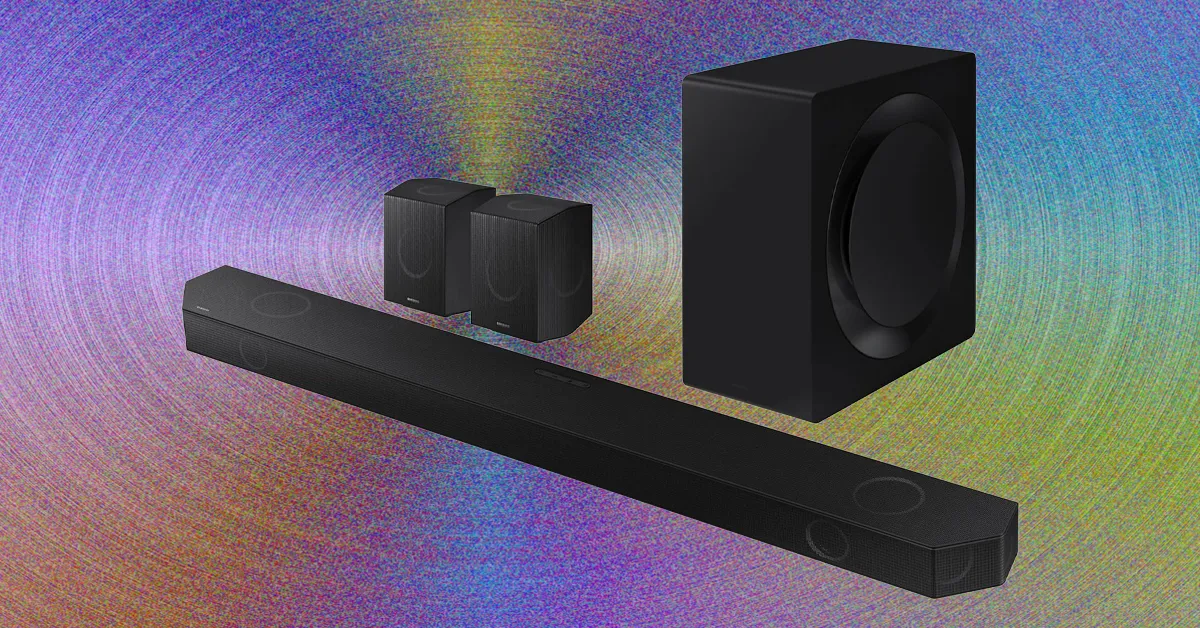
Not every premium soundbar reaches my elite list, but that doesn’t mean they’re not worth consideration, depending on your budget and setup. Here are some other choices that I or other WIRED reviewers tested and liked.
Marshall Heston 120 for $1,300: This first soundbar from the legendary amplifier and (more recently) Bluetooth speaker maker provides some real perks. I love the classy design highlighted by sparkling gold control knobs and groovy strips of vinyl that recall Marshall’s iconic instrument amplifiers. The sound is musical, detailed, and balanced, and adds solid Dolby Atmos expression. The main drawback is that the sound feels restrained, something I was especially aware of when the action ramps up, which is the opposite of what you’d expect from a bar steeped in rock ‘n roll heritage. The price also rose $300 after launch, further dampening the vibe.
Yamaha True X Surround 90a for $3,500: Yamaha’s return to the soundbar market certainly has the “premium” part down in the staggeringly expensive 90a. The package includes a wireless subwoofer and two fully wireless, battery-powered surround speakers that can also be used as Bluetooth speakers outside your home. Reviewer Simon Cohen says the sound is excellent, with impressive detail and surround sound clarity, alongside support for Dolby Atmos and other advanced 3D audio formats. It’s got some drawbacks though, including fewer connection options and features than I’d expect, and some issues with dialog out of the box.
Advertisement
Bluesound Pulse Cinema for $1,499: If you’re concerned about Sonos’ software reliability, Bluesound has become a refuge for many folks looking for a powerful networking system in place of Sonos speakers. The Bluesound Pulse Cinema offers many of the same features as the Sonos Arc Ultra, including the ability to expand with other speakers for multiroom audio, along with acoustic additions like up-firing speakers for Dolby Atmos. Unfortunately, it lacks common options like EQ and channel adjustment, and our reviewer found the performance doesn’t reach the same heights as the Sonos bar, making its high price harder to justify.
Sony Bravia Theater 9 for $1,200-$1,500: Sony’s latest flagship soundbar performs well in a vacuum, but it’s not as good as the bar it replaces, the HT-A7000. The design is simplified (read more boring), with fewer inputs and sound settings, and its sound is not as weighty in the midrange or bass. It’s still a Sony flagship soundbar, and that means good detail, solid music performance, and good immersion with 3D audio formats like Dolby Atmos. A new design (with a higher price) doesn’t guarantee an upgrade, though, and this bar feels like a step back.
Deloitte’s Vikram Kunnath discusses hiring in life sciences and the skills needed to give yourself the best shot at a new career.
“Ireland is a premier global hub for life sciences, hosting over 700 companies, including 19 of the top 20 pharma and 18 of the top 20 medtech firms, which account for over 50pc of national exports,” said Vikram Kunnath, a partner of technology and transformation at Deloitte.
He told SiliconRepublic.com that there are a number of key elements to the 2026 life sciences landscape, such as industry composition where strong FDI presence is combined with a growing indigenous sector, key hubs and sectors, major investments, growth drivers, workforce demand and challenges amid global uncertainty.
Here Kunnath talks more about Deloitte’s hiring plans and the life science skills that make a candidate stand out.
Advertisement
What is the purpose of Deloitte’s new Global Centre for Life Sciences Manufacturing?
The purpose of the Deloitte Global Centre for Life Sciences Manufacturing is to operate globally, as our life sciences clients do, provide services for the manufacturing and operations teams of our clients and to be more effective in manufacturing and delivering cost-effective medicine for patients. Also, to act as a hub for implementing advanced technologies like automation, AI and machine learning to streamline drug development and improve manufacturing precision overall.
What kind of industry challenges does this new team in Deloitte address?
We hope to manage the intense pressure on profit margins by finding efficiencies through automation and optimised, continuous manufacturing and reducing the reliance on slower, labour-intensive methods. As well as address the difficulty of moving from clinical trials to commercial-scale manufacturing, solving issues related to yield variability, process immatureness and technology transfer. The team aims to utilise AI-led simulations and real-time monitoring to optimise batch production and minimise waste.
Another challenge is in navigating patchwork global regulations by implementing unified, digital and automated systems for documentation such as electronic batch records to ensure compliance and patient safety. As well as addressing data siloes and enhancing cybersecurity frameworks to protect sensitive, intellectual property and patient data from rising cyberattacks. Lastly, overcoming the challenges of manufacturing highly specialised, personalised and patient-specific therapies, which require advanced, closed-system technologies.
In what capacity would a life science expert work at Deloitte?
Globally, Deloitte has over 5,000 life science experts as part of our sector team. Our clients expect us to be able to help them address challenges that are impacting the industry such as digital transformation, the business adoption of AI, new and advanced therapies and next generation manufacturing. To do this effectively, we need to understand the business. Hence, we offer a range of opportunities for candidates with experience and interest in working in the sector.
Advertisement
Industry knowledge and experience are important differentiators as we work with life science clients across all of our business areas. For example, in our tax and legal team, we have engineers and PhD scientists who work with clients on their research and development priorities. Our advisory teams include pharmacists, engineers and PhD scientists working on a range of projects, including strategy, mergers and acquisitions, data privacy and security, regulatory compliance and digital transformation. Working as part of Deloitte’s life science team offers individuals the opportunity to address challenges at all parts of the life science value chain and to be part of how the industry is evolving.
What kind of applicant would be best suited?
We are looking for specific applicants who are passionate in supporting our global life sciences clients on solving challenges around life sciences manufacturing. This role offers the chance to collaborate with industry experts and cross-functional teams on impactful digital projects that directly influence manufacturing, product quality and patient safety. Candidates will be challenged to innovate within a highly regulated environment, with significant opportunities for leadership and professional growth in a dynamic, collaborative setting.
What skills or qualifications might be needed?
We are hiring applicants who have experience across a variety of skillsets to include those having direct experience in implementing and supporting shopfloor applications like manufacturing execution systems, lab systems, supply chain systems like Kinaxis/ OMP, those working on IT or OT convergence and at the intersection of manufacturing data and industrial data platforms like SCADA, Historian and advanced analytic tools and finally including those that have experience in working on setting up digital first smart greenfield pharma plants.
Have you any advice for a potential job applicant considering Deloitte?
My advice to applicants considering joining Global Lifesciences Manufacturing COE in Ireland would be, if you have a background in life sciences manufacturing, quality and supply chain, have a level of consulting and technical aptitude around IT/OT/data and AI and have a collaborative mindset and if you love working with global, diverse teams and solving a multitude of challenges put to life sciences teams then do apply.
Advertisement
Don’t miss out on the knowledge you need to succeed. Sign up for the Daily Brief, Silicon Republic’s digest of need-to-know sci-tech news.
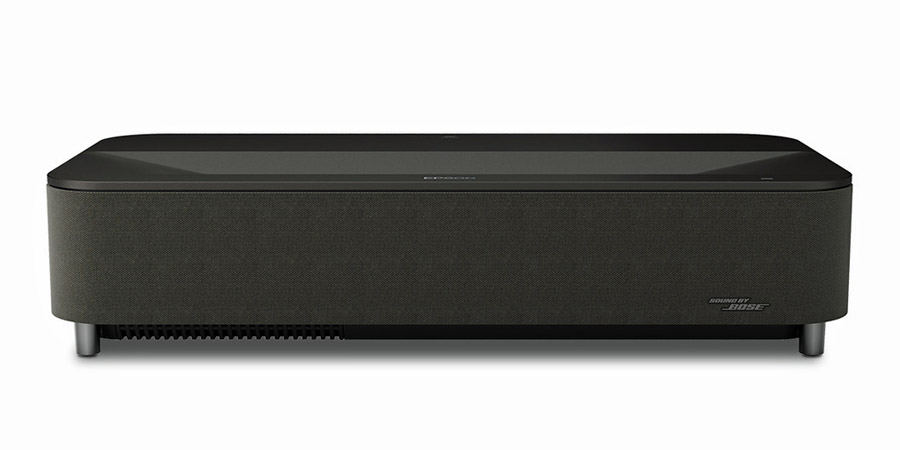
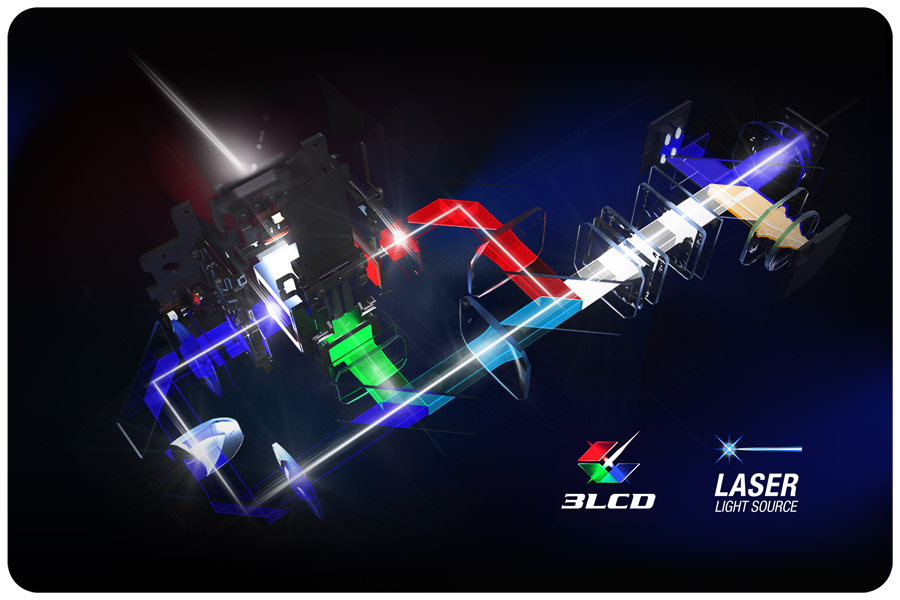
Epson just unveiled a new flagship UST projector in their Lifestudio line. The Epson LifeStudio Grand Plus ($3,799) packs 4,000 Lumens of white and color brightness into a fairly compact and elegant chassis. It supports full 4K resolution with HDR, thanks to dual axis pixel shifting, laser lighting and a 3-Chip LCD imaging engine which prevents the RBE (rainbow effect) and other artifacts we see on most DLP-based projectors.
The Lifestudio Grand Plus (Model # LS970) is also Epson’s first projector to support Google Gemini AI in its integrated Google TV operating system. With Google TV, the projector has access to thousands of apps for audio and video streaming and cloud gaming. Enhanced with Google Gemini, the projector can not only make recommendations about what to watch, but can answer virtually any question in a straightforward conversational manner, and can be fully integrated into a Google Smart Home.
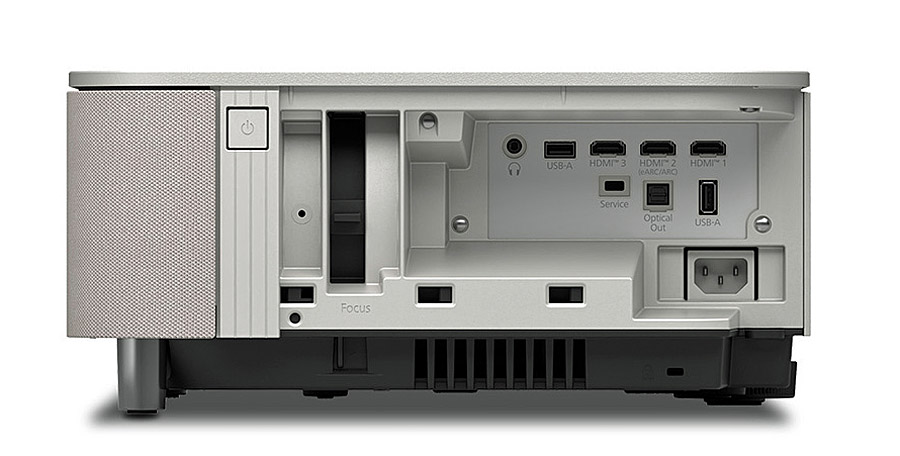
In case you want to add more sources, the LS970 offers three HDMI inputs with HDMI eARC, ALLM (Auto Low Latency Mode) and support for sources up to 4K/120 Hz refresh rate for smooth gaming from a next gen console or gaming PC.
The Epson LS970 offers three HDMI ports on the side, one with HDMI ARC/eARC for connection to an external sound system. There’s also a fiberoptic digital output and an analog headphone jack for private listening.
Image by Epson, Sound By Bose
The projector includes robust built-in sound quality, thanks to a sound system designed in partnership with Bose. Its integrated 2.1-channel Bose soundbar packs a punch in a small form factor with surprisingly good bass response, though we’d still recommend pairing it with a high quality external sound system for best results. Match it up with a motorized UST screen and you can enjoy a “TV screen” up to 150 inches diagonally, bright enough for rooms with some ambient light, which can virtually disappear when not in use. Epson offers its own SilverFlex ALR (Ambient Light Rejecting) fixed UST screens in both a 100-inch and 120-inch size as options, but larger fixed and motorized screens optimized for UST projectors are available from several other companies.
Melvin Diaz, Epson’s Senior Product Manager for home entertainment had this to say about the new projector: “Home entertainment is evolving beyond screen size. It’s about how technology enhances the way we live and connect. The Lifestudio Grand Plus is designed to deliver an immersive, theater-like experience that integrates beautifully into home décor, even with challenging room layouts and ceiling heights, giving consumers the freedom to turn everyday moments into something truly special.”
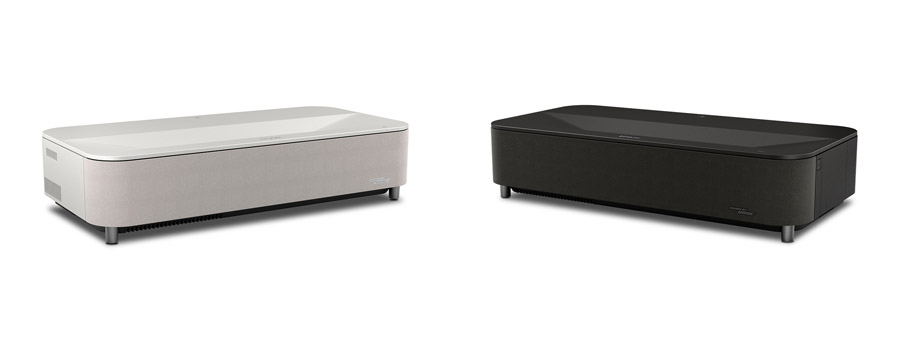
The Epson Lifestudio Grand Plus (LS970) is available in white and black finishes.
Unlike some competitors, Epson’s peak brightness ratings are backed up by real world use and measurements. So you know the projector’s ratings of 4,000 Lumens of Color Brightness (IDMS Rated) and 4,000 Lumens of White Brightness (ISO Rated) are legit. And these numbers make the projector suitable for medium to bright room use. Though, of course, it will look even better in a light-controlled living room or home theater.
Epson’s 3-chip projectors like the LS970 deliver equal white brightness and color brightness unlike competitive single-chip DLP projectors.
Google TV Just Got Smarter
Personally speaking, I find it frustrating when I ask my TV or projector’s built in voice assistant a question, and all it gives me are generic recommendations about what shows to watch. As one of the first projectors to integrate Gemini AI into Google TV, the LS970 is taking this viewing experience to the next level, turning your projector into a conversational hub. Gemini learns and understands how you talk as well as your viewing preferences. It can give you curated recommendations from across thousands of apps and hundreds of free live channels tailored for your viewing tastes but Gemini goes beyond that. It allows for free-flowing natural conversations – whether you’re planning a family trip, need help with some homework or want details on who that actor is and what other shows and movies he’s been in.
Google TV with Gemini adds a new layer or “Smart” to your Smart TV (or projector).
The Bottom Line
We’re pleased to see Epson is offering true 4K resolution with HDR 10 support in its flagship UST projector thanks to dual axis pixel shifting as most of their previous UST offerings only offered half-4K resolution (single pixel shift). Combine this with 4,000 lumens of white and color brightness and screen size support up to 150 inches and you should have a capable projector which can virtually disappear when not in use. Add in Google TV with Gemini and a high quality built-in soundbar and the Epson Lifestudio Grand Plus offers a compelling all-in-one giant screen Smart TV solution with a solid value proposition.
Looking for the most recent Mini Crossword answer? Click here for today’s Mini Crossword hints, as well as our daily answers and hints for The New York Times Wordle, Strands, Connections and Connections: Sports Edition puzzles.
Need some help with today’s Mini Crossword? It’s not terribly tricky, but read on for all the answers. And if you could use some hints and guidance for daily solving, check out our Mini Crossword tips.
If you’re looking for today’s Wordle, Connections, Connections: Sports Edition and Strands answers, you can visit CNET’s NYT puzzle hints page.
Rover, rover, send those coupons on over—especially since doggie daycare and pet sitting can add up quickly. If you’re like me, you often need an extra set of eyes on your pets, especially when last-minute travel, social, or work plans arise. I want someone responsible to guard over my dogs in my absence, but who is also just as obsessed with them as I am. As summer travel plans come up on the horizon and you’re getting ready to book, let’s get your fur kids squared away first with a Rover promo code.
Score Your Rover Promo Code for March 2026
Last-minute weekend away, or need someone to pop in while you’re out to check on your pets? Make sure to check on Rover’s seasonal discounts, especially if you’re new to the platform. You can get up to $30 on your first booking in March, especially if you opt for dog-walking services or boarding.
There’s also a Rover referral code that you can share, so if you’re loving it and want others to join in, you get $20 off Rover services. The credit you receive doesn’t expire, and there’s no cap on how many people you can share it with; so come one, come all!
Get a $50 Gift Card When You Refer a Sitter
We all have a friend who loves animals. We also have a friend who is considered the “responsible adult” of the group. Bonus points if both attributes describe the same person, who is more than qualified to be taking care of pets as if they were their own. Had I known about this Rover discount code pet-sitting promo in the past, I would have jumped on the opportunity.
Advertisement
It’s simple: Rover gives you a unique referral link within the platform, and then you share it with your qualified candidate. Once your nominee for Rover has their first successful go-around with either sitting or dog walking within the first 90 days of joining the platform, ultimately, you both win. They get a little money, and so do you: a $50 Amazon gift card. If you have pets of your own, you can put this money towards restocking their supplies—like their toys that never seem to last very long.
Give $20, Get $20: Save With the Rover Friend Referral Program
Give a little, get a little, too. The Rover Friend Referral Program helps everyone (and their pets!) win. With this Rover referral code, $20 is up for grabs once your referred friends complete their first booking. They’ll get 20 bucks off and peace of mind that their pet is in good hands, and you get a $20 credit to use on Rover. Use this Rover reward towards dog walking, getting a house sitter, boarding, doggy day care, quick drop-in visits, or even dog training.
Enjoy Peace of Mind With the Rover Guarantee
Consider meeting your new Rover sitter in a panel interview, where you and your pet get a vibe check with your potential sitter. But to really help all parties and pets feel secure, the Rover Guarantee is available for emergencies, 24 hours a day, seven days a week. You never want it to come to that, but preparedness is key! Plus, Rover reps are on standby should you need them.
With this guarantee, any and every booking on Rover is backed by a $25,000 vet care reimbursement for eligible claims related to injury to either the pet owner’s or sitter’s pets. It’ll also cover property damage if any occurs under a sitter’s watch, and certain out-of-pocket costs if a third party is involved. Rover will reimburse costs after the first $250, and you can file a claim here.
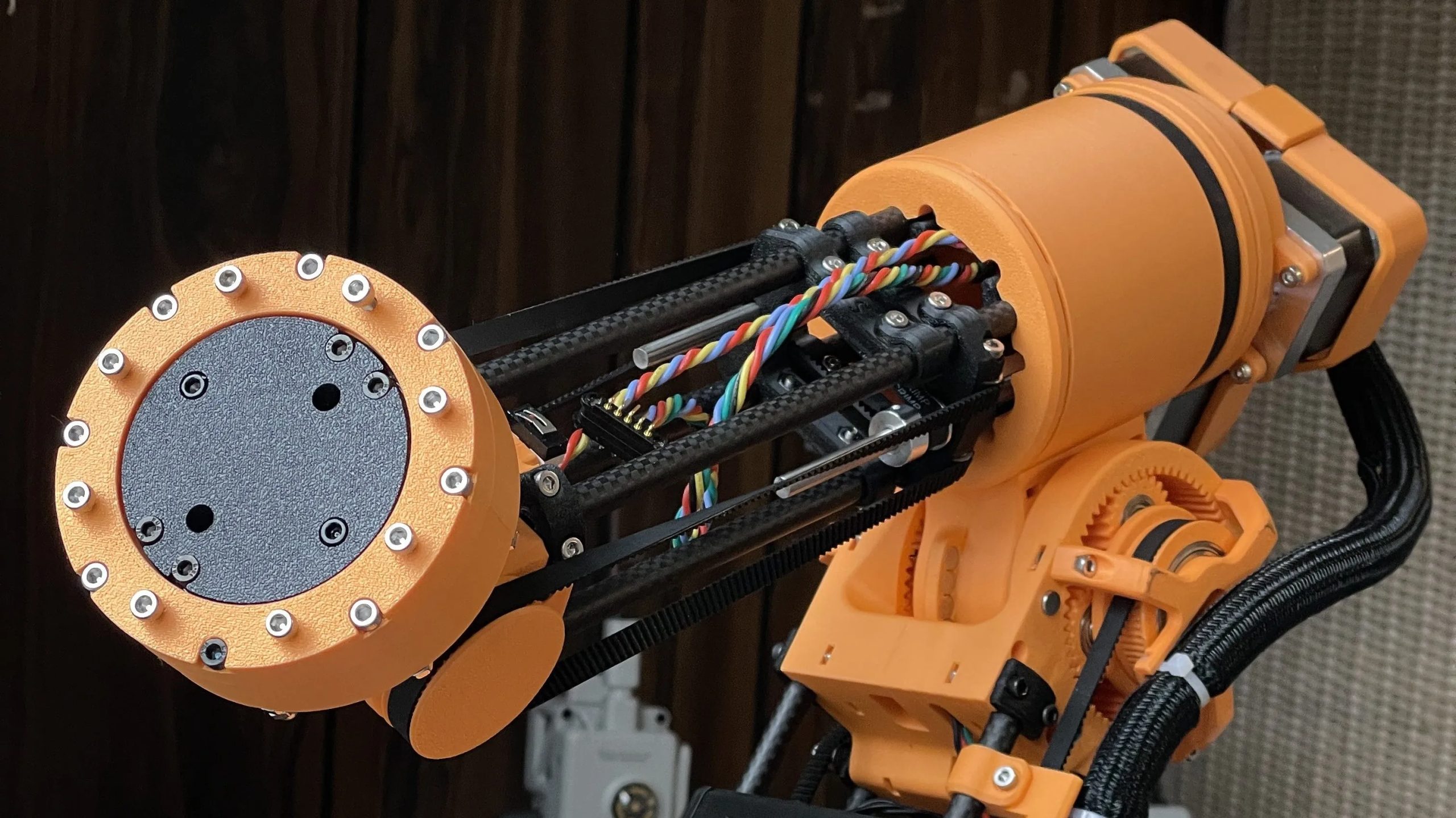
Featuring six degrees of freedom, the robot arm is mostly constructed of 3D printed components. This let [James] experiment with a wide variety of joint and reducer designs for the sake of learning and investigation. The base of the robot uses a fairly conventional planetary gear drive, while shoulder and elbow joints rely on split-ring planetary gearboxes to allow for high torque density with regards to size. [James] implemented a neat sensing technique here, integrating alternating magnets into the output ring gear which are monitored via a magnetic encoder. The wrist joint switches things up again, running via an inverted belt differential.
Running the show is an STM32 microcontroller, which talks to all the encoders, communicates with a Raspberry Pi over CAN bus, and handles all the necessary PID control loops and step generation for the drive motors. The plan is to run higher-level control on the Raspberry Pi which will run a ROS 2-based software stack. Already, the various joints look smooth and impressive in motion.
Advertisement
If you’re looking to learn about robot arms, you really can’t beat building one. We’ve featured a few projects along these lines before. Most of them aren’t exactly production-line ready, but they will teach you a ton about control, motion planning, and all sorts of associated skills. That experience can be invaluable if you intend to work with robots in industry.






















































You must be logged in to post a comment Login