Healthcare, as we’ve known it for decades, has largely been built around a simple premise: you seek help when something goes wrong. Symptoms appear, you visit a doctor, you run tests, and then you treat the issue. But that model is increasingly being challenged by a new category of companies – platforms that aim to predict, prevent, and optimize health before disease ever sets in.
At the center of this shift is a rapidly growing industry often referred to as preventive health, longevity tech, or health optimization platforms. And within this space, Superpower is positioning itself as one of the most comprehensive solutions available today.
This article breaks down what this industry is, why it matters, who it’s for, and how Superpower compares to its closest competitors.
What Industry Does Superpower Belong To?
Superpower operates in the preventive healthcare and longevity technology space – a sector that brings together advanced biomarker testing, AI-driven health insights, continuous monitoring, and personalized medical guidance into a unified system. Rather than treating these as separate services, this industry merges them into a cohesive experience designed to give users a deeper and more ongoing understanding of their health.
Advertisement
Unlike traditional healthcare systems, which are reactive, this industry focuses on early detection, long-term optimization, and data-driven decision-making. The underlying philosophy is straightforward but transformative: if you can measure your body deeply and consistently, you can identify risks years before they develop into full-blown diseases.
This space has grown rapidly in recent years as consumers have become more proactive about their well-being, wearable technology has entered the mainstream, and artificial intelligence has made it possible to interpret complex biological data in a way that was previously inaccessible.
Why This Industry Is Suddenly So Important
Modern lifestyles have created a paradox. We have access to better medical technology than ever before, yet chronic conditions such as diabetes, cardiovascular disease, and hormonal imbalances continue to rise at an alarming rate.
The issue is not the availability of treatment but the timing of intervention. Most conditions are diagnosed only after symptoms become visible, at which point treatment becomes more complicated, more expensive, and often less effective.
Advertisement
SuperpowerSuperpower
Preventive platforms like Superpower are designed to address three interconnected challenges. The first is the lack of visibility into one’s own body, as most individuals rely on infrequent and limited testing that fails to capture early warning signs. The second is the fragmentation of health data, where medical records, fitness metrics, and lab results exist in isolation without a unified view. The third is the complexity of medical information, which makes it difficult for individuals to interpret results and take meaningful action without expert support.
By bringing these elements together, Superpower creates a system that continuously tracks, analyzes, and guides health decisions, effectively turning scattered data into a coherent and actionable narrative.
What Superpower Does Differently
At its core, Superpower combines multiple layers into a comprehensive health ecosystem that goes well beyond traditional testing platforms.
Deep Diagnostics
Users undergo testing across more than a hundred biomarkers, spanning 13 distinct health categories that collectively map the body’s internal state. These include key systems such as metabolic health, hormonal balance, inflammation, nutrient status, and long-term disease risk. This level of depth allows Superpower to establish a meaningful baseline for every user, turning what would otherwise be a generic health check into a highly personalized starting point.
Advertisement
This baseline membership experience is critical because it defines the user’s entry into the platform. Rather than offering fragmented insights, Superpower builds a structured understanding of the body from day one, enabling early detection of imbalances long before they manifest as symptoms.
The Superpower Baseline Panel is a comprehensive entry-level diagnostic test designed to give users a detailed snapshot of their health through the analysis of over 100 biomarkers across key systems like metabolism, hormones, inflammation, and disease risk. It serves as the starting point for Superpower’s broader preventive health platform, establishing a personalized baseline that can be tracked over time. The blood draw can be completed in a lab visit or an optional at-home appointment, with results typically delivered within a week. These insights are then used to generate tailored health recommendations and ongoing guidance within the Superpower ecosystem.
But the Baseline Panel is called “baseline” for a reason. Superpower offers a suite of advanced add-on panels for users who want to go deeper into specific systems, including expanded hormone, advanced cardiovascular, heavy metals, micronutrient, and toxin panels. These optional tests layer onto the baseline to give users a more granular view of the areas most relevant to their goals, symptoms, or family history.
Unified Health Platform
Advertisement
Superpower integrates lab results, medical records, wearable data, and lifestyle inputs into a single, continuously evolving dashboard. Instead of forcing users to piece together their health story across multiple apps and reports, it presents a unified view that reflects how different systems in the body interact with one another.
This integration extends beyond diagnostics into actionable pathways. Based on biomarker insights, users can access a built-in marketplace that offers curated supplements, often recommended directly in response to their test results. This creates a seamless transition from insight to intervention, removing the guesswork that typically follows health testing. Another important point we would like to mention here is that the marketplace has member-exclusive discounts of up to 25 per cent.
AI + Human Expertise
Superpower’s approach is not limited to data interpretation. It combines artificial intelligence with real medical oversight to deliver guidance that is both scalable and clinically grounded. The platform goes a step further by integrating access to a pharmacy, allowing members to obtain prescription treatments such as GLP-1 therapies, NAD+ support, and testosterone optimization when medically appropriate.
Advertisement
This combination of diagnostics, recommendations, and access to treatment creates a closed-loop system where users are not just informed about their health but are also equipped to act on it immediately.
The Competitive Landscape
Superpower is not alone in this space. Several companies are attempting to redefine preventive healthcare, each approaching the problem from a different angle.
Function Health stands out as one of the closest competitors, offering extensive biomarker testing and detailed reports. While its strength lies in diagnostics, Superpower provides more tools for members to turn their results into action plans.
InsideTracker has built a strong reputation among athletes and fitness enthusiasts by focusing on performance optimization. Its insights are valuable, but they are often centered around fitness outcomes, while Superpower expands the conversation to include long-term health and disease prevention.
Advertisement
Mito Health offers biomarker testing alongside biological age tracking, giving users a sense of how their body is aging. Mito Health offers a more premium experience (such as a 1:1 consultation about results), but at a more expensive price point ($349 vs $199), and does not have an at-home blood draw option as Superpower does.
Empirical Health takes a specialized approach by focusing on cardiovascular biomarkers. This depth is useful within its niche, but it lacks the broader, multi-system perspective that Superpower provides.
Vitals Vault emphasizes the scale of data, offering a larger number of biomarkers. While this appeals to users seeking detailed insights, the platform leans heavily on data collection, whereas Superpower focuses on translating that data into clear and actionable recommendations.
SelfDecode approaches preventive health through DNA analysis, offering insights based on genetic predisposition. While valuable, genetic data is inherently static, and Superpower complements this by focusing on dynamic, real-time biological signals.
Advertisement
SiPhox Health prioritizes convenience through at-home testing kits, making health tracking more accessible. However, it does not offer the same level of integrated care and continuous guidance that defines the Superpower experience, which includes a team of trained medical professionals for blood draws instead of home test kits, so that the results are as reliable as possible. The reason being self-administered at-home test kits are at a higher risk of being contaminated or done incorrectly.
WHOOP brings wearable-based insights into recovery, sleep, and strain. While useful for daily monitoring, it lacks the diagnostic depth and medical-grade analysis that Superpower integrates into its platform. Also, members can also integrate data from Whoop wearables into the Superpower platform.
Why Superpower Stands Out
Across this competitive landscape, most platforms excel in specific areas, whether it is deep diagnostic testing, fitness tracking, genetic insights, or accessibility through at-home solutions. Superpower distinguishes itself by combining these capabilities into a single, unified system that prioritizes both depth and usability.
SuperpowerSuperpower
Its differentiation lies in three core strengths. The first is its ability to pair extensive data collection with meaningful context, ensuring that users are not overwhelmed by numbers but guided by clear explanations of what those numbers mean. The second is its focus on continuous health management, transforming what is typically a one-time testing experience into an ongoing journey that evolves with the user. The third is its integration of artificial intelligence with human medical expertise, creating a system that is both scalable and deeply personalized.
Who Should Use Platforms Like Superpower?
Preventive health is no longer confined to niche audiences such as biohackers or elite athletes. It is becoming increasingly relevant for a wide range of individuals who want greater control over their well-being.
Advertisement
High-performance professionals, including entrepreneurs and executives, can use these platforms to optimize energy levels, focus, and productivity. Individuals with a family history of chronic conditions such as diabetes or heart disease can benefit from early detection and proactive risk management. Fitness enthusiasts who already track their activity can gain deeper insights into underlying biological processes, moving beyond surface-level metrics. At the same time, a growing number of people who simply want to understand their bodies better are turning to these platforms as a more informed alternative to reactive healthcare.
Why Preventive Health Will Define The Next Decade
Healthcare is undergoing a fundamental transformation that is reshaping how individuals interact with their own bodies. The shift from episodic care to continuous monitoring is changing expectations around how often and how deeply people engage with their health. Similarly, the move from generalized advice to personalized insights reflects a broader demand for precision and relevance in medical guidance.
SuperpowerSuperpower
This evolution is being driven by advances in diagnostics, the growing capabilities of artificial intelligence, and a cultural shift toward proactive health management. As these forces converge, platforms like Superpower are emerging as central tools in this new ecosystem, acting as the interface through which individuals understand and manage their health.
The Bottom Line
The preventive health industry is no longer a niche category but an essential part of the future of medicine. While competitors such as Function Health, InsideTracker, and WHOOP each offer valuable capabilities, most remain focused on specific aspects of the health journey.
Superpower’s advantage lies in its ability to bring these elements together into a single, cohesive system that prioritizes clarity, continuity, and action. It does not merely present data but transforms it into a guided experience that helps users understand their bodies, make informed decisions, and improve their health over time.
Advertisement
In a world where health is increasingly recognized as the most valuable asset, this shift from information to action is not just meaningful – it is essential.
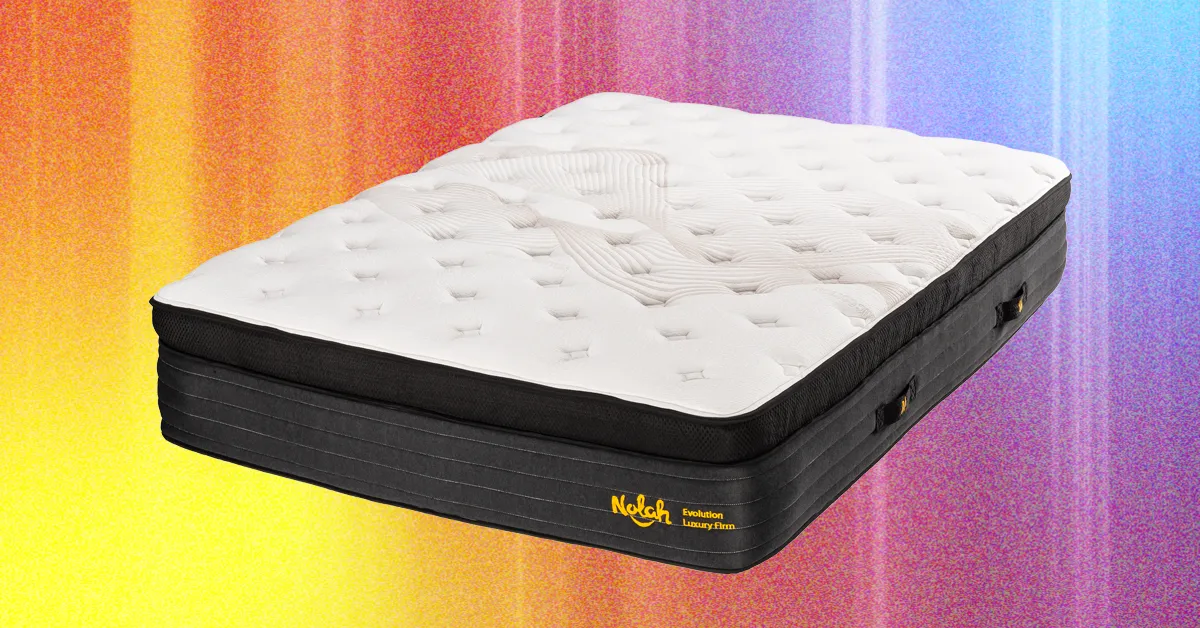
Plush, medium, cushion firm, firm, extra firm (each side can have different firmnesses)
12 inches
Global Organic Latex Standard (GOLS), Global Organic Textile Standard (GOTS), Made Safe, EWG verified, GreenGuard Gold, Formaldehyde-Free Claim Verified by UL Environment, Organic Content Standard certified, Organic Trade Association certified, Responsible Wool Standard Certified, Forest Stewardship Council certified
100 nights; 30-day break-in period required before initiating return
Arrives in a box as part of standard shipping. For contiguous US shoppers, mattress setup is $299; setup and old bed removal is $349
Uber’s forthcoming luxury robotaxi service with Lucid Motors and Nuro is getting a fourth partner: Hertz.
The companies announced Thursday that Hertz will provide “day-to-day vehicle asset management, including charging, maintenance, repairs, cleaning, and depot staffing.” The service, announced last year, is supposed to launch by the end of 2026 in the San Francisco Bay Area, using Lucid’s Gravity SUVs and Nuro’s self-driving tech.
Hertz is handling this work through a newly-established affiliate it’s calling Oro Mobility, which the rental company says will “provide integrated fleet management solutions across a range of mobility segments.”
“As the industry transitions from personally owned vehicles to commercially operated driver-led and autonomous fleets, Oro aims to fill a critical orchestration and operations gap,” the Hertz press release reads.
Advertisement
This is not the first time Hertz, which went through a bankruptcy restructuring process in 2020, has followed new mobility trends.
The company made a big splash in 2021 when it announced it was buying 100,000 EVs from Tesla, news that helped Elon Musk’s car company reach a $1 trillion valuation for the first time (and helped Hertz’s image as it emerged from bankruptcy). Hertz also announced plans in 2022 to buy up to 175,000 EVs from General Motors, and another 65,000 from Polestar.
None of those deals were ever fully realized, and Hertz started a fire sale of the EVs it had bought in early 2024. It did that in part because of higher-than-expected maintenance costs due to Uber drivers renting the EVs, and because Tesla slashed prices to stave off competition and boost sales.
Techcrunch event
Advertisement
San Francisco, CA | October 13-15, 2026
Starting up a fleet management and operations arm, though, should be closer to Hertz’s core competencies as a rental car giant. Competitors like Avis are already doing this kind of work for Waymo. And with robotaxi companies seemingly keen to use third parties to manage this piece of the puzzle, Hertz could build a decent business with Oro.
Advertisement
To wit, Hertz and Uber said Thursday that they will “explore expansion opportunities in 2027.” Uber has deals with dozens of autonomous vehicle companies around the world, and has plans to order at least 35,000 robotaxi-ready vehicles from Lucid Motors alone in the coming years. It’s starting with 10,000 Gravity SUVs, and recently announced plans to order another 25,000 EVs from Lucid Motors that will be based on its upcoming mid-sized platform. (Uber also now owns more than 11% of Lucid Motors as part of investments it has made alongside the vehicle orders.)
When you purchase through links in our articles, we may earn a small commission. This doesn’t affect our editorial independence.
Google says Wardrobe will be perfect for streamlining those “nothing to wear” mornings, evenings, and vacations. Essentially, the feature catalogs the clothes you’re wearing in Google Photos to create a so-called digital closet. Read Entire Article Source link
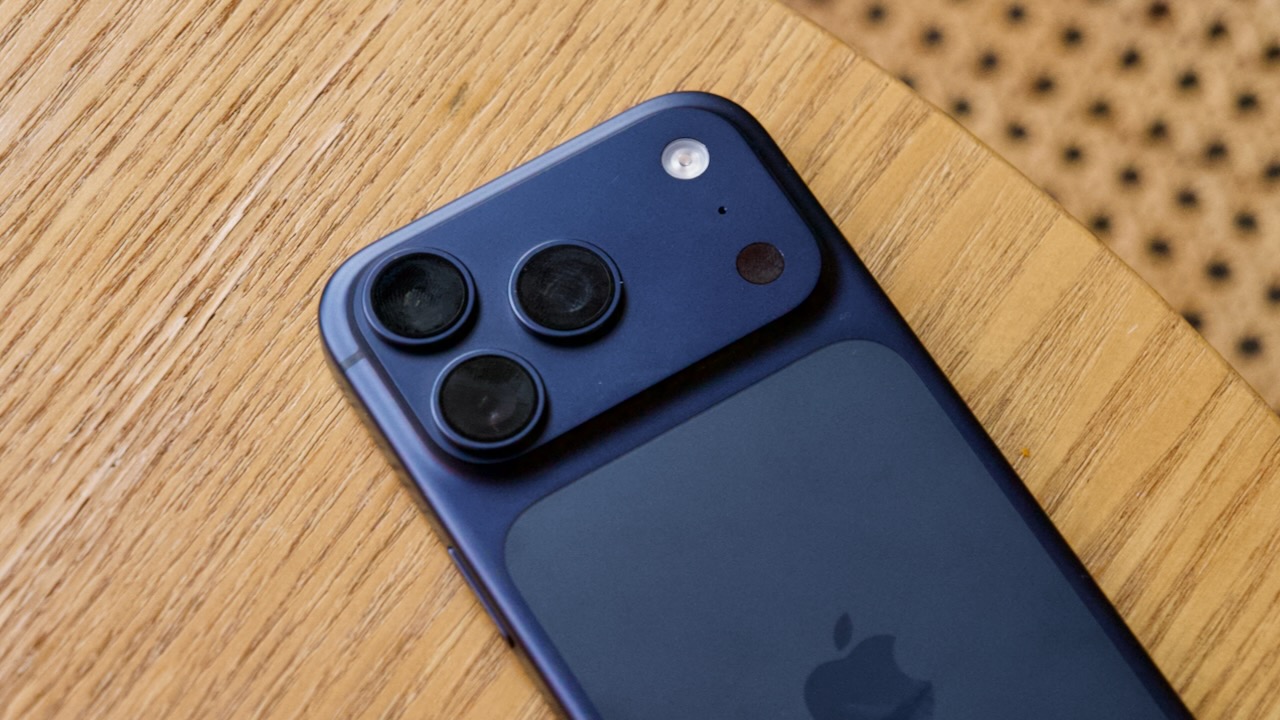
That’s a strong claim, especially given how incremental iPhone camera updates have been in recent years. However, the report itself is light on specifics. Instead, it mostly frames the upgrades as part of a broader shift happening across Apple’s imaging ecosystem.
Moreover, separate reports also point to new AI-powered editing tools arriving in Photos. This suggests Apple is tightening the link between hardware capture and on-device image processing.
Advertisement
As for the hardware itself, earlier rumours give a slightly clearer (but still incomplete) picture. The iPhone 18 Pro’s main camera is said to feature a variable aperture system that’ll allow users to adjust depth of field and exposure more manually than before. Meanwhile, the telephoto camera may gain a wider aperture, which should help in low-light zoom shots.
But beyond that, details are thin. And that’s part of why Bloomberg’s “biggest upgrades ever” framing stands out. It’s more of a hint than a breakdown, and doesn’t yet line up with known changes.
Advertisement
On paper, variable aperture and improved optics are meaningful steps, but not necessarily the kind of generational leap Gurman’s wording suggests. This leaves some uncertainty around what else might be coming. It’s unclear whether it’s sensor improvements, computational upgrades, or something that hasn’t leaked yet.
For now, the iPhone 18 Pro camera story feels like it’s still forming. The direction is deeper integration between AI tools and camera hardware. However, the full picture likely won’t land until Apple gets closer to launch.
Matthew Lloyd Davies discusses the steps companies must take to stay ahead of malicious behaviours and advanced threats.
“Periods of geopolitical instability have historically been accompanied by increased cyber activity and today’s situation is no different,” Matthew Lloyd Davies, a principal security author at Pluralsight, told SiliconRepublic.com.
He explained, state-aligned threat groups, criminal networks and politically motivated hacktivists often exploit periods of heightened tension, in order to launch harmful campaigns targeting world governments, infrastructure providers and organisations in the private sector.
In April alone there were multiple breaches and security incidents reported by organisations dealing with sensitive information. For example, Dublin recruitment platform Healthdaq recently suffered a cyberattack from hacker group XP95, which claims to have accessed hundreds of thousands of files.
Advertisement
Also in April, OpenAI said that the organisation would be working on safeguarding and updating the certification process for its apps running on MacOS following reports of a security issue around a third-party development tool. It was also reported that a private Discord group possibly gained unauthorised access to Anthropic’s new AI model Mythos.
“Operations vary widely in sophistication,” noted Lloyd Davies, who added, “Some involve advanced espionage or long-term infiltration carried out by highly capable threat actors, while others are less complex but still disruptive, such as distributed denial-of-service attacks, defacement campaigns, or the release of stolen data.”
He said, “Crucially, organisations do not need to be directly involved in a geopolitical dispute to feel the impact. Shared infrastructure, third-party suppliers and cloud platforms create indirect pathways through which cyber activity can spread globally. This means cybersecurity teams must prepare not just for highly sophisticated attacks, but also for waves of opportunistic disruption that often accompany geopolitical events.”
The skills safety net
The security industry is evolving quickly to a point where threat actors and genuine professionals alike are increasingly using AI and other advancements to create new opportunities. On top of that employers are finding it difficult to create a consistent talent pool in a space where cyber resilience is now dependent on the defensive skills evident across the wider workforce, not just within specific teams.
Advertisement
“Developers, cloud engineers, IT administrators and security teams must all understand how to build, deploy, and maintain secure systems. Without continuous upskilling across these roles, as global tensions rise and attacks become more complex, even well-funded security programmes can struggle to keep pace with evolving threats,” he said.
The organisations that invest in developing their cloud and cybersecurity skills, across the workforce, will find themselves better positioned to detect security threats earlier, respond faster and adapt.
“This means moving beyond reactive security measures and embedding cybersecurity capability into the broader technology workforce. Upskilling developers in secure coding, strengthening cloud security expertise and ensuring security teams can effectively use emerging technologies like AI all contribute to a stronger defensive posture.”
He suggested that organisations could benefit from letting go of traditional ideas of training such as the one-size-fits-all model and instead of assuming proficiency based on roles or certifications, should consider merit-based hiring, wherein companies quickly identify gaps, creating teams that can adapt, learn new skills and keep pace with threats as they occur.
Advertisement
Lloyd Davies said, “Training programmes need to be aligned to real-world operational demands, directly drawing on the evolving attack vectors that security teams encounter daily and the conflict scenarios behind them. Infrastructure can’t be secured by theory alone. Scenario-based learning is crucial.”
To be truly effective he said, “Cyber teams must be given opportunities to practice and hone their skills in safe sandbox environments and as cyber threats evolve continuously, upskilling must too. Organisations need to invest in simulation platforms and scenario-based exercises that mirror modern attack vectors including ransomware and identity compromise.
“Continuous learning without the risk of real-world consequences can allow teams to build confidence while being updated on emerging threats. Equally important is embedding this learning into regular workflows, avoiding skill development being seen as a ‘one-off,’ so that professionals remain agile and prepared to respond effectively to cyber attacks.”
Don’t miss out on the knowledge you need to succeed. Sign up for the Daily Brief, Silicon Republic’s digest of need-to-know sci-tech news.
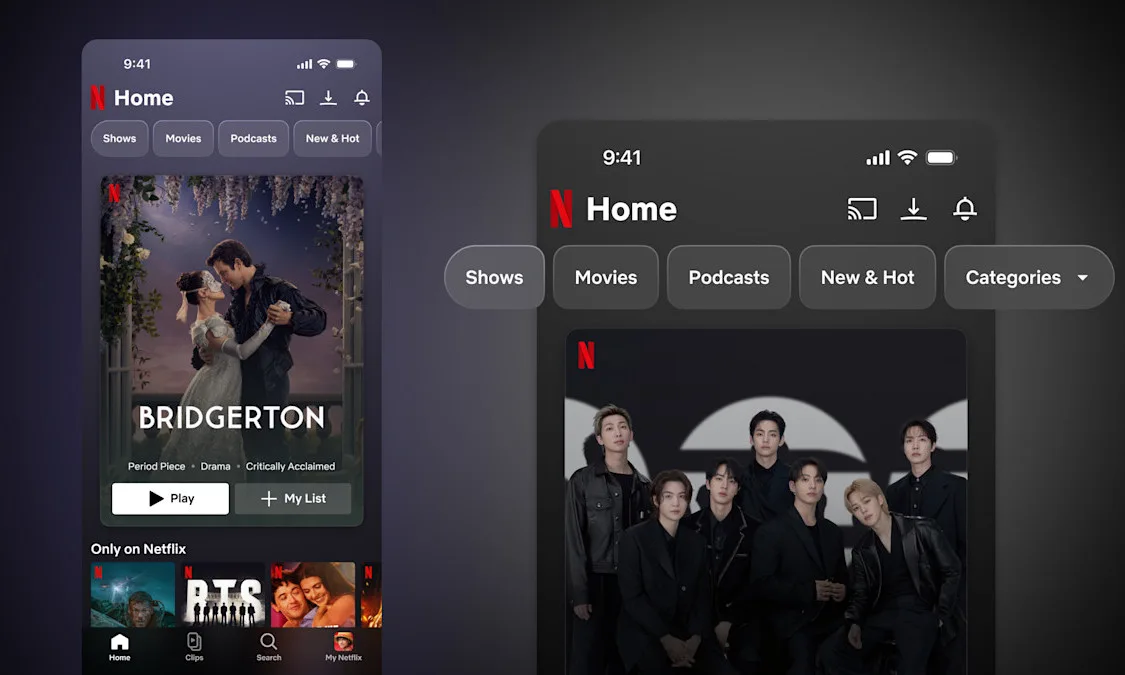
Netflix is adding a new way for you to watch content on its app. The company’s latest rework is bringing the vertical TikTok and Instagram Reels-style system with “Clips”, which is designed to make the process of finding something to watch more interactive.
The new vertical video feed shares short snippets of movies and shows, blending the addictive interactive experience of social media with the streaming platform.
How this isn’t a TikTok rip-off
Netflix
While such a format was popularized by apps like TikTok, Netflix Clips has a bigger angle than just showing short-form video content. The company has been testing this for a while, and the main goal is to make discovery faster and more intuitive. You’ve probably been through that tedious process of deciding what to watch on Netflix, which is where Clips comes in.
It lets users get a quick taste of the movies and shows on Netflix. Clips also focuses entirely on Netflix’s own content. The broader plan is also expected to include other forms of media, like podcasts and live events, over time.
Why Netflix made this for smartphone users
Netflix
Netflix wants to keep users engaged throughout the day, and not just during long viewing sessions at home. Executives have said the platform is aiming to become more of a “daily companion,” using features like Clips to fill shorter attention windows that are already dominated by social media apps like TikTok, Instagram Reels, and YouTube Shorts.
The redesign also introduces a more streamlined navigation system that can curate collections based on genres or moods, turning the app into a more personalized experience.
Advertisement
The Clips section lets users add movies or shows straight to the list from their feed and share the snippets with friends. Even if Netflix isn’t outright saying it, this does make it closer to a social app.
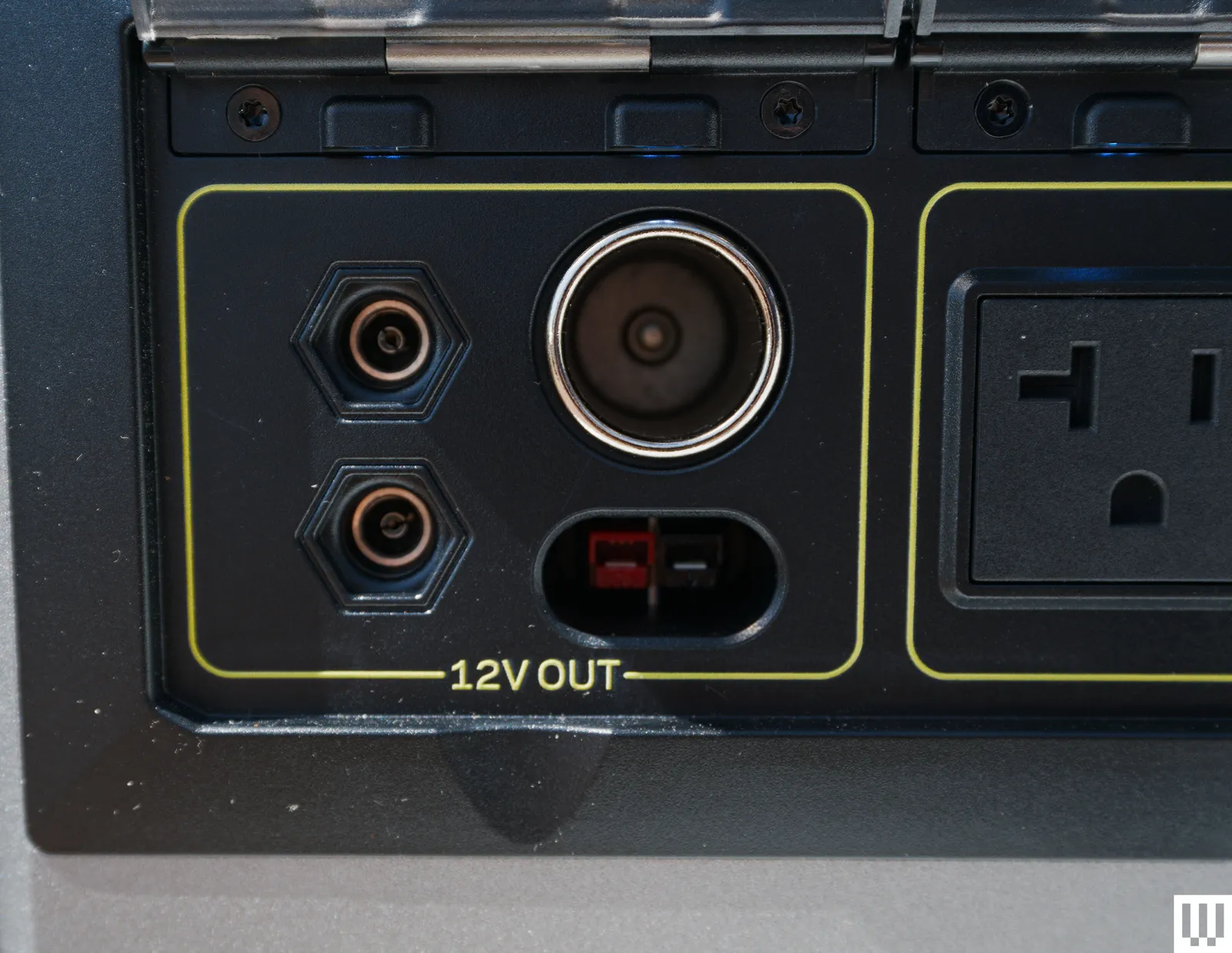
All those ports are fairly standard for a power station in this class, and similar to what was on the previous model—although the 140-W USB port is new and very nice to have. Where the new Yeti 1500 shines is the 12-V charging options, which include a high-power 12-V port capable of 30 amp output. That’s enough for most van and overlanding vehicle power systems, meaning you can tie the Yeti 1500 directly to your house power 12-V distribution panel. There’s also standard Anderson connector outputs and a cigarette-lighter-style outlet available.
There are three ways to charge the Yeti 1500. There’s AC wall power, which can charge at up to 1,800 watts, getting you from 0 to 100 percent in just over an hour. (There’s a switch to slow this down to 1,500 W if you’re plugged into a campground pole, which typically can’t handle the full draw.) You can also hook the Yeti up to a max of 900 watts of solar panels. There are both 8-mm inputs and HPP inputs for Goal Zero solar panels. You don’t need Goal Zero panels, though; you can use just about anything so long as you get the right adapters and stick within the charging limits (I use an adapter like this to plug just about any solar panel into just about any power station/charger). The rear charging panel is also where you’ll find the ground lug for semi-permanent installs in a vehicle or off-grid tiny home.
Goal Zero’s Yeti app allows you to control the system from your phone, potentially from the other side of the world if you have the battery connected to your Wi-Fi. I opted for direct connection via Bluetooth, bypassing the network, since I don’t always have my Starlink network up and running in my camper. This still allows me to toggle all the output types on and off, get basic battery status like charge state, current power draw (by type), change the charge profile (there are four), and some charge and discharge history information. The latter is not as full-featured with direct connection as it would be with a network connection, and I found it often had trouble loading, but overall I found the app handled everything I needed it to do. I particularly like the ability to turn off the 12-V output from bed at night, shutting off all power to eliminate any phantom drains on the battery.
The Only One
Photograph: Scott Gilbertson
I’ve relied on a fourth-gen Yeti 1500 as supplemental power for many years now. I’ve run everything from power tools to space heaters to full-size refrigerators, and as a backup for my RV when I needed to do something to the built-in system. In all that time it’s never let me down, and in my experience strikes the best balance between portability and power. It’s heavy, but the dual handles make it pretty easy to carry. I’ve also tested the 1000X and the 500X models, which while lighter and smaller, lack some of the things that make the 1500 great.
The telephone was an invention that revolutionized human communication. No more did you have to physically courier a letter from one place to another, or send a telegram, or have a runner carry the message for you. Instead, you could have a direct conversation with another person a great distance away. All well and good if you can speak and hear, of course, but rather useless if you happen to be deaf.
Those hard of hearing were not left entirely out of the communication revolution, however. Well before IP switched networks and the Internet became a thing, there was already a way for the deaf to communicate over the plain old telephone network—thanks to the teletypewriter!
Over The Wires
The teletypewriter (TTY) has been around for a long time. The first device came into being in 1964, developed by James C. Marsters and Robert Weitbrecht, both deaf. Their idea was to create a method for deaf individuals to communicate over the phone network in a textual manner. To this end, the group sourced teleprinters formerly used by the US Department of Defense, and hooked them up with acoustic couplers that would allow them to mate with the then-ubiquitous AT&T Model 500 telephone. Thus, the TTY was born. A user could dial another TTY machine, and key in a message, which would print out at the other end. The receiving user could then respond in turn in the same manner.
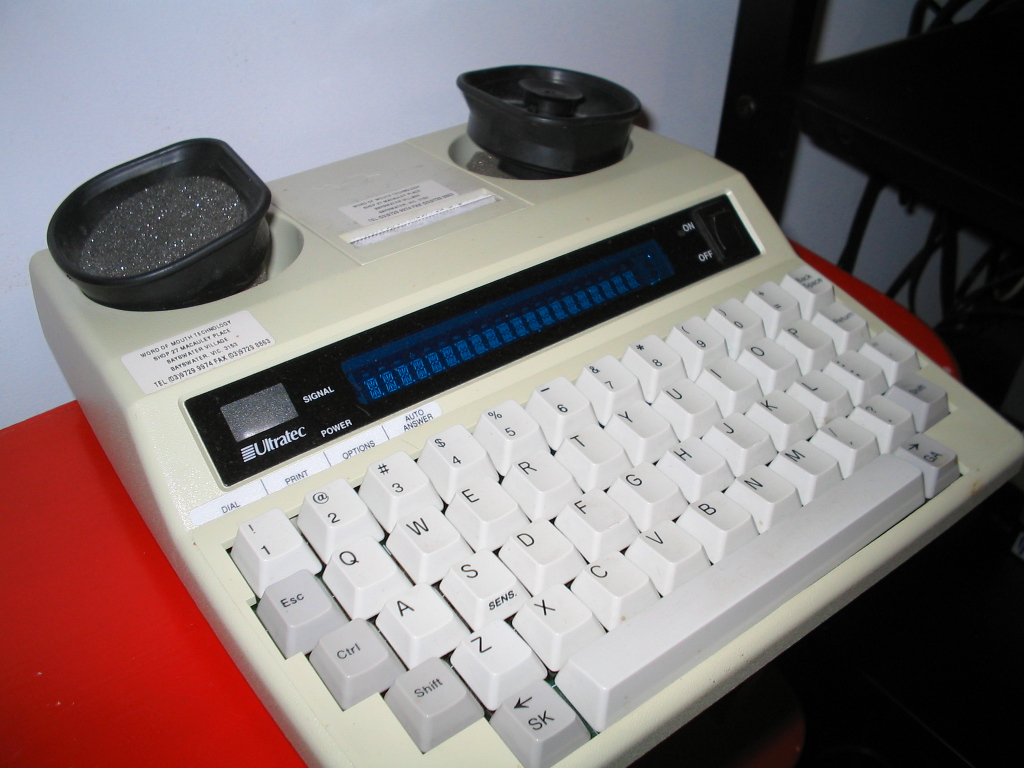
A Miniprint 425 TDD device. Note the acoustic coupler on top, the VFD for displaying messages, the printer, and the SK and GA keys which automatically key in these regularly-used abbreviations. Credit: public domain
The early machine used simple frequency-shift keying to encode the characters of the alphabet and some basic control codes, allowing text messages to be sent back and forth via a regular analog telephone call. In the US, where the devices eventually became known as telecommunications device for the deaf (TDDs), the devices used an improved development of Baudot code (the USA-TTY variant of ITA-2) to send signals over the phone lines.
This involved representing characters with five bits, which was enough to cover the 26 characters of the English alphabet, plus 0-9 and a few control codes. Transmission rates were slow—typically just 45.5 to 50 baud. With a 5-bit code, this limited transmission to approximately 10 characters per second.
Advertisement
The sign on the left indicates a payphone with a TTY device attached. These were rare installs back in the landline era, and vanishingly few remain today. Credit: CC BY-SA 4.0
TTYs quickly caught on as a useful device for the deaf and hard of hearing, and developed its own norms similar to other textual telecommunications methods that came before. Users would key “GA” for “go ahead,” to indicate the other party could “speak” on the half-duplex link, as two users typing at the same time would lead to garbled messages. “SK” stood for “stop keying” to indicate the ending of a call. Abbreviations were common to save effort, such as “CU” (see you) and “TMW” (tomorrow).
Relay Service
At its heart, the TTY was a very useful device for allowing its users to communicate via textual means to others with compatible hardware. However, alone, a TTY could not allow a deaf user to communicate effectively with regular telephone users. To enable greater accessibility, many organizations developed telecommunications relay services.
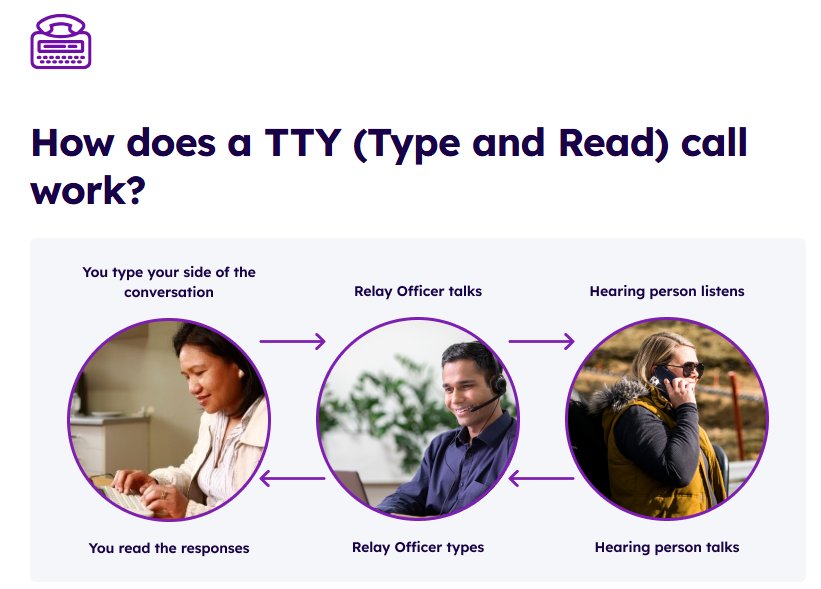
TTY machines led to the establishment of relay services that allowed deaf users to make regular phone calls with assistance from an operator. Credit: screenshot, Australian National Relay Service
These first existed as a number that deaf TTY users could call in order to connect to a human operator with their own TTY machine. This operator would place calls on behalf of the deaf individual, speaking on their behalf to other parties based on the deaf user’s inputs to their TTY device. In turn, the operator would key out the responses from the called party so the deaf individual could read back the conversation.
The first relay service was established by Converse Communications in Connecticut in 1974. The concept was quickly picked up by many other telecommunications operators around the world to provide an accessibility aid to those who needed it. These days, relay services still exist, though a great many relay services now operate over IP-based systems rather than via phone lines and TTY devices.
Hanging On
TTY still exists to some degree out in the world today. There are still subscribers with analog phone lines, and the basic TTY technology still fundamentally works over these links. However, the rise of SMS text messaging and widespread Internet connectivity have somewhat negated a lot of use cases for TTY technology these days. There have also been cases where digital upgrades to the phone network have made TTY operation more difficult, though some efforts have been made to ensure compatibility in some networks, particularly for emergency uses.
Ultimately, TTY was a technology that brought telecommunications access to a greater number of people than ever before. Like the landline phone and the fax machine, it’s no longer such a feature of modern life. However, it was an important link to the world for many in the deaf and hard of hearing community, and was greatly valued for the connection and accessibility it provided.
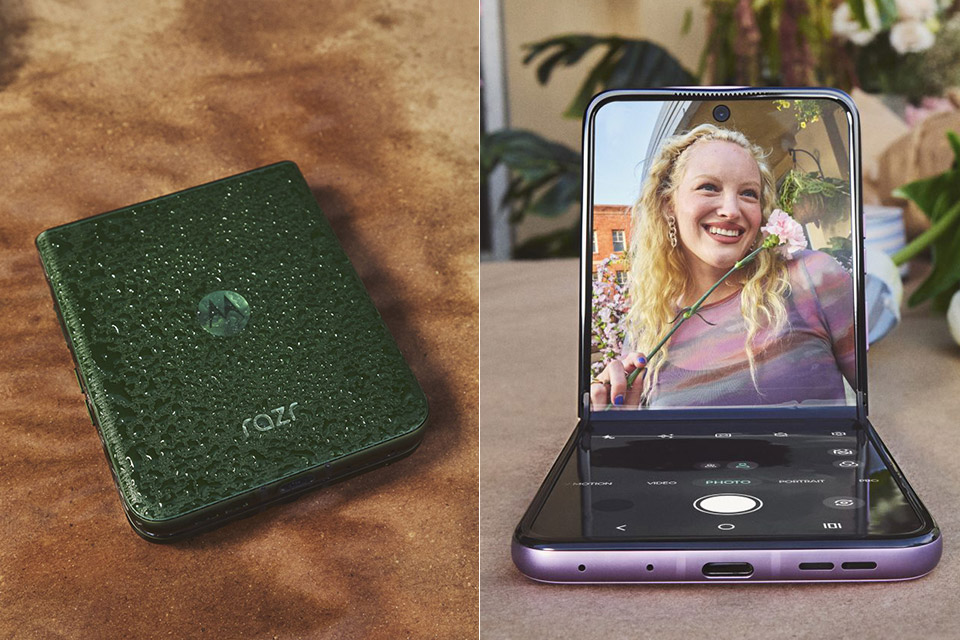
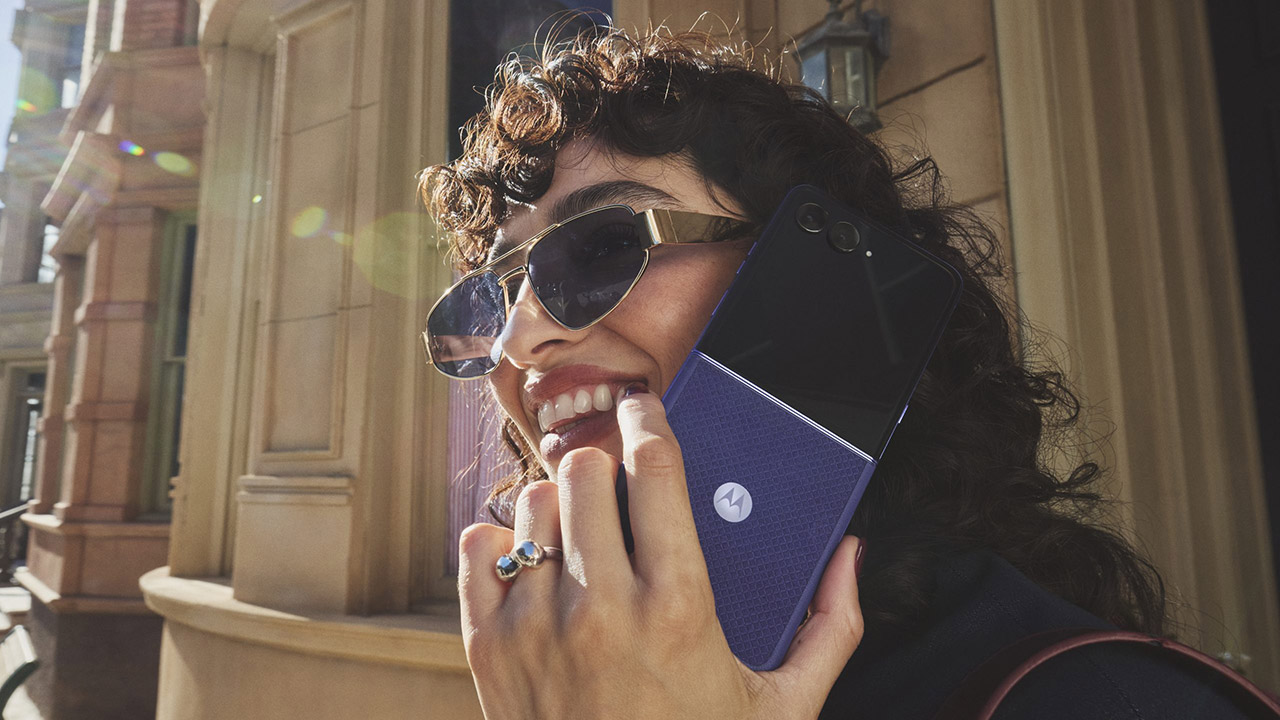
Spring brought three fresh flip phones from Motorola, and one rises above the rest in every measurable way.The Motorola RAZR Ultra 2026 takes the basic flip phone design and adds some completely sensible features that make carrying it around a joy.
From the time you pick it up, the RAZR Ultra 2026 has a very quality feel to it. There are various finishes available, including one in a stunning Pantone Orient Blue with a slight texture that catches the light, and the cloth is even imported from Italy. Another option is a natural wood veneer in a warm Pantone Cocoa tone, which gives the overall look a very unique, earthy feel. But whichever finish you choose, it’s all kept together by a pretty robust titanium-reinforced hinge designed to resist years of opening and closing. Don’t get me started on the glass, which has built-in drop protection and meets some major military standards for heat, cold, and humidity.
PRIVACY DISPLAY: Automatically hide your screen from those beside you. The built-in privacy display can be preset¹ to turn on when receiving…
TYPE IT IN. TRANSFORM IT FAST: Enhance any shot in seconds on your smartphone by using Photo Assist² with Galaxy AI.³ Add objects, restore details…
NIGHTS, CAPTURED CLEARLY: From gigs to city lights, record and capture moments after dark with clarity using Nightography so your photos and videos…
The screens on both sides are the real deal, with the brightness and speed you’d expect from a high-end smartphone. When you open it, you’ll see a stunning seven-inch screen that just lights up with color and brightness and is silky smooth to scroll around. To top it all off, it’s bright enough to be read in direct sunshine. Close it, and the four-inch exterior display takes over, which is more than enough to keep track of messages, notifications, and even whole apps without having to unlock the phone. Simply hover your palm over the top and the screen will come to life, or fall to sleep if you like. If you need to accomplish something quickly, simply give the phone a voice command and it will take care of it.
Advertisement
Under the hood, the RAZR Ultra 2026 is extremely well-specced, with a strong Snapdragon 8 Elite processor, 16GB of RAM, and a whopping 512GB of storage, allowing you to jump between programs in the blink of an eye while still having enough of memory for all your games and videos. The battery life is the best in class, with 5,000mAh and over 36 hours of mixed use from a single charge. If you need a charge, simply plug it into the 68w charger for a full day’s worth of juice in eight minutes, or leave it on the 30w wireless charger overnight and it will take care of itself.
Finally, there are three fifty-megapixel lenses to play with, so whether you’re attempting to record a bright sunset or a dark room, they’ll still catch all of the detail, plus there’s a super-wide shot for landscapes and a macro mode for microscopic subjects up close. The front camera is also impressive, with automatic framing adjustments to ensure you always get the perfect group image. Then there’s the AI, which helps out without complicating matters. Want to zoom in on a specific subject in a video? Simply rotate the phone as if it were an antique video camera. Want a group shot in which everyone looks their best? Just let the AI handle it. If you consistently utilize the same editing styles, the system will learn your tendencies and automatically apply them to new photographs.
Preorders begin on May 14th for $1,499.99 at all major retailers and on the Motorola website, with unlocked phones available on May 21st. In other regions of the world, the device is called as the Razr 70 Ultra with similar timing. [Source]
This post is brought to you in paid partnership with SKG
Buying a meaningful Mother’s Day gift is harder than it sounds, and most of the usual options don’t hold up beyond the day itself. The SKG G7 Pro Fold 3.0 neck massager and the SKG W9 Ultra 2.0 lower back massager, engineered for daily, intelligent recovery, are a different kind of gift. Both are 15% off from April 25th to May 8th, both are built around daily use rather than novelty, and both address the kind of neck and back discomfort that tends to build up quietly over years of desk work, commuting, and everything in between.
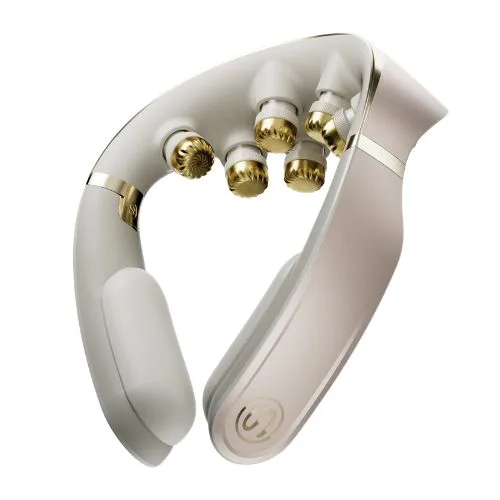
The SKG G7 Pro Fold 3.0 is the definitive upgrade for daily neck care. The nine independent floating massage heads are coated with TiN-treated 316L stainless steel, which gives them a matte gold finish and a durability advantage over plastic-headed competitors, while remaining hypoallergenic and incredibly gentle on the skin. The heads move independently to maintain contact across different neck shapes, delivering a targeted, human-like massage.
The heating system pairs 640nm red light with 850nm near-infrared across four heat levels, covering the kind of deep tissue warmth that superficial heat pads don’t reach. Beyond surface-level relief, the device integrates a dual-pulse system that combines TENS and EMS technologies. By delivering 4-7 kHz mid-frequency pulses, it actively bypasses the skin to stimulate deeper muscle layers, effectively blocking pain signals and accelerating real recovery. These technologies power eleven distinct massage modes, all seamlessly managed through intuitive app control. Rather than fumbling for buttons behind her neck, she can easily adjust heat levels, fine-tune pulse intensity, or select the app-exclusive “Dopamine Tech” mode directly from her smartphone, while the 2,400mAh battery delivers up to 140 minutes of use between charges.
Advertisement
What makes the SKG G7 Pro Fold 3.0 neck massager particularly well-suited as a gift is the foldable design. Weighing just 0.6 pounds and folding down smaller than popular over-ear headphones like the AirPods Max, it slips easily into a daily tote or carry-on, making recovery accessible on a long flight, at the office, or on the sofa. Its first generation won the German iF Design Award in 2024, which speaks to the care in the industrial design as much as the functionality. As a bonus, it also arrives in packaging that reads like a considered present rather than a last-minute purchase.
Where the G7 Pro Fold 3.0 targets the neck, the SKG W9 Ultra 2.0 addresses the lower back with the same commitment to intelligent recovery. The wearable belt wraps around the lumbar region and delivers kneading through eight TiN-coated titanium heads, each mimicking the layered pressure of a hand massage rather than the flat vibration that cheaper belts rely on. A mid-frequency pulse combines TENS and EMS technologies to bypass the surface and stimulate deeper muscle layers, effectively blocking pain signals and accelerating lumbar recovery.
The dual-spectrum light system runs 11 near-infrared emitters alongside 31 red light sources across a 20,000mm² heating zone, which is a meaningfully larger coverage area than most competing back massagers offer. Three temperature levels can run independently or in combination with the kneading function, and eight independently controlled zones let you focus on exactly where the discomfort sits rather than treating the entire back as a single area.
The W9 Ultra 2.0 runs cordlessly for up to 100 minutes on a single charge and comes equipped with a dedicated remote control. It also has a 30cm extension strap so it can comfortably fit different waists. This thoughtful design makes it genuinely wearable during everyday activity. It charges via USB-C and can be worn discreetly under clothing, which makes it as practical during a workday as it is during a recovery session after exercise. Plus, whether she uses the included remote or the companion app on her phone, she can fine-tune settings instantly—no reaching for hidden buttons required.
Why they make good Mother’s Day gifts
Both the SKG G7 Pro Fold 3.0 neck massager and the W9 Ultra 2.0 lower back massager are designed to be used daily. That’s what separates a useful gift from one that ends up in a cupboard after a few weeks. Neck and back tension are among the most common physical complaints for people who spend significant time at a desk or on their feet, and both devices address those complaints with technology that goes beyond what a heating pad or standard massage cushion can offer.
Advertisement
At $169.99 each during the Mother’s Day sale, they hit that sweet spot of high-end tech and profound personal care. Choose one for targeted relief, or bundle both for the ultimate wellness package. (Make sure to grab the 15% discount before the promotion ends on May 8th.)
The gift that gets it right
If you’re looking for a Mother’s Day gift that holds up well past the occasion itself, the SKG G7 Pro Fold 3.0 neck massager and the SKG W9 Ultra 2.0 lower back massager are both worth serious consideration. The neck massager covers travel and desk use with a foldable design and deep tissue heat, while the back massager wraps around the lumbar region with targeted kneading and infrared therapy. Either one makes a considered gift; both together make a complete one.
If you’re looking to introduce her to intelligent active recovery at a different price point, SKG offers a complete ecosystem of wellness devices. They deliver the brand’s signature targeted relief and smart features, ensuring you can find the perfect, thoughtful gift no matter your budget.























































You must be logged in to post a comment Login