Connect with us
DAPA Banner

Tech

SXSW rebounds as a top networking, ideas festival for founders and VCs

Published

on

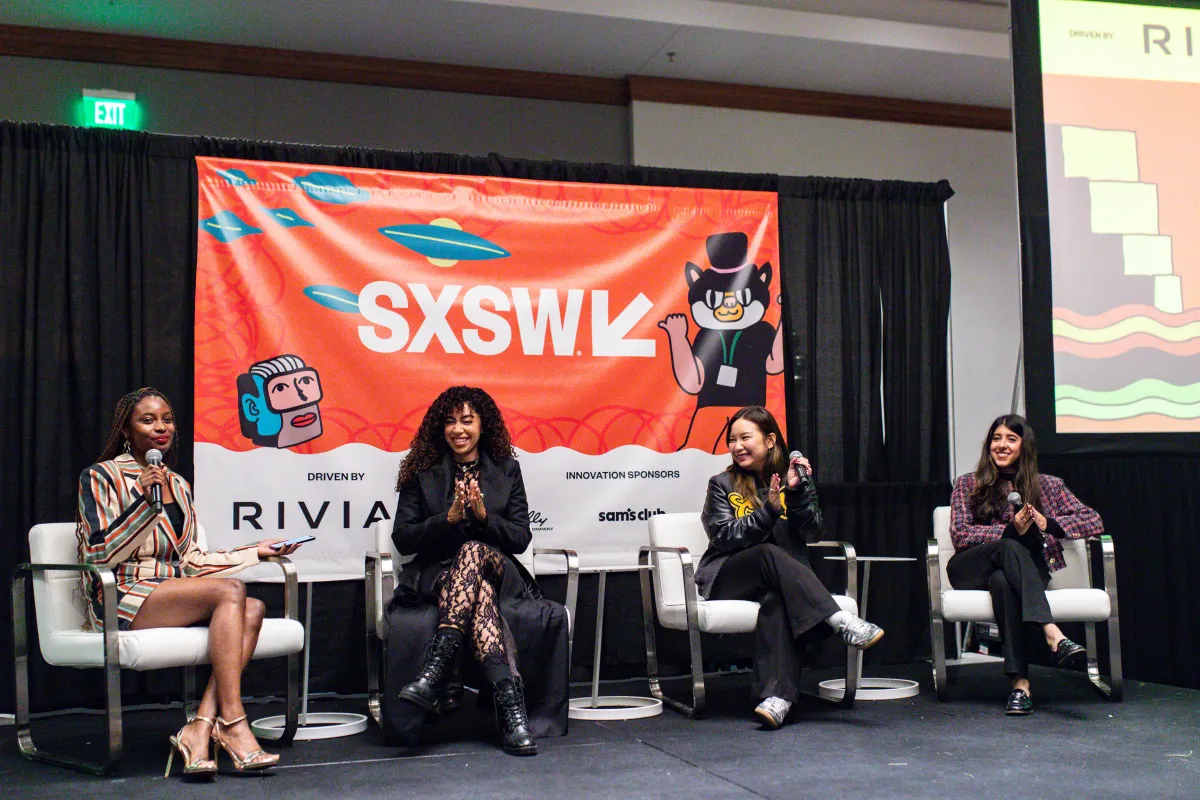
The air felt different at this year’s SXSW, the annual March festival where tech meets pop culture in Austin. I was reminded of the 2019 SXSW when people packed downtown, and snake lines formed out of local ventures. 

Attendees said it was like that again this year, though my friend, who lives in the area and has attended many times, admitted that some stuff has changed. For instance the festival is now two days shorter than it used to be. It was also “decentralized,” mainly due to the demolition of the Austin Convention Center, which scattered events and panels throughout downtown venues. That made the whole conference feel less overwhelming but also less connected.

The event is also still recovering from the pandemic, during which it laid off staff and went two years without much income. It’s switched hands since then and, as of this year, has adopted a new strategy.

Greg Rosenbaum, the SVP of programming at SXSW, said this year, the conference’s 40th anniversary, was its most “ambitious reinvention” yet. He cited changes like the new Clubhouses, for recharging, networking, and special programming, that attracted 5,000 people daily. He noted how attendees were experiencing “more of Austin and the downtown community.”

Advertisement

For at least the tech founders I spoke with, the conference remains immensely valuable, and everyone had the same advice: conferences like these, you get what you give. 

After all, there were people to meet and panels to speak on. The Grammy-nominated Lola Young performed, Vox threw a hot party, the new Boots Riley film premiered, while Serena Williams and Steven Spielberg had keynotes. (I also moderated a panel about AI and taboo topics like relationships and money, which was pretty good if you ask me.) 

Ashley Tryner-Dolce, an investor and founder, said the conference was still an “incredible gathering of ideas.” Like many festivals, though, she found the most “meaningful moments” happened at the side events — like INC’s Founder House party, where she connected with other founders and CEOs. 

Techcrunch event

Advertisement

San Francisco, CA
|
October 13-15, 2026

“It’s less about the main stage and more about who you’re sitting across from,” she said. 

Advertisement

James Norman, a managing partner at Black Ops VC, didn’t even have a proper badge to the festival. He threw an event to connect founders with opportunities and attended some film screenings and dinners.

“If you’re just showing up without the right connections or proximity to the rooms and conversations that matter, you’re going to struggle to unlock the real value of the event,” he said, which is exactly what Jonathan Sperber, a founder who participated in the SXSW pitch competition, also expressed. 

“The value tends to depend on how well you prepare for it,” Sperber said, adding that his team made sure to have meetings lined up and a clear strategy going in. He called it an “effective setting for connecting with large enterprises and other key stakeholders.” 

The talk of SXSW being dead has circled the industry for years, but that never seems to be the case. For every batch of tiring founders, emerges a crop of fresh eyes and ambition, ready to take advantage of what lies in the festival’s wake. 

Advertisement

For example, this was Simon Davis’ first SXSW. He said that his overall impression was that it was “a media conference with a tech angle, not the other way around.” He praised the diversity of the event compared to other tech events (which we will spare to mentioning).

“At SXSW, you get a much wider range of people, backgrounds, and experience levels,” he continued. “The live music programming reinforces that. It’s a different energy entirely. Not somewhere you’d necessarily go to do deals as a tech company, but a great place to share and learn.” 

This year, SXSW introduced a new badging system, meaning each person had a different experience, depending on what track badge they bought — film, music, or tech. I, for example, felt surrounded by conversations about AI and technology, and overheard other tech people talking about how the festival once had a stronger music focus (though it did seem, for sure, that there were more tech-focused panels this year than music showcases or film opportunities).

The conference also eliminated the secondary access that let people with, say, music badges get into film events. Instead, people had to buy the all-in-one premium badge for around $2,000. It also introduced a reservation system (to help with lines), where badge holders had to book time for whatever they wanted to do. That was true even for those with a platinum badge, like Sperber. 

Advertisement

As a result, he said the festival didn’t feel like a place where anyone could just show up, and noted that some events booked up so quickly they were difficult to get into. The decentralized bit also made it harder to get around than he would have liked. 

“I liked the openness and the ability to meet folks from all life experiences, got to really understand the city, and some of the interactive exhibits were very interesting,” he said. 

Rosenbaum said the team made the decision to get rid of secondary access after hearing feedback that attendees want more of a “streamlined access across the badges, as well as more benefits for Platinum badges.” They also lowered the price of the platinum badge to make the all-in-one option more affordable. Reservations, meanwhile, will return next year, he said, citing positive feedback (aside from a few technical errors and capacity confusion). “We will certainly adjust and refine them as needed,” he said.

Norman described it as more of an “unconference” now, at least from his perspective. He said the event was more flexible, allowing people to move around, meet people, and then go to other places. 

Advertisement

Rodney Williams, the co-founder of the fintech SoLo Funds, has also noticed a change, but again, it’s not necessarily a bad one. He’s been going to SXSW for more than a decade and has hosted events and spoken on panels. Usually, he goes for the entire festival, but this year, he decided to go only for a few days, throwing his own events and avoiding lines.  

He said that for tech founders, SXSW has “moved from an intimate, scrappy discovery zone to a high-cost, high-competition space,” focused on “investor interaction and experiential marketing” — meaning companies with big budgets can put on the big activations and get more eyeballs. 

“If you are attending for the first time or don’t have access to the right events or connections, the event can definitely prove to be tricky,” Williams said. 

Adweek reported fewer spectacles overall and said that there was an absence of big tech companies advertising. Williams elucidated that even with the lack of big tech companies, advertising is still a big-bucks game.

Advertisement

“Companies with massive marketing budgets are usually the only ones participating, launching products, or throwing pricey events,” he said. “It wasn’t always like this, and that shift has taken away opportunities from the emerging tech companies that used to participate.”

Williams added, “Now, standing out requires more than just a great product, demanding significant marketing investment that only companies with huge budgets can do.” 

That didn’t stop him from throwing a party this year. Norman either. In fact, the organizers expected around 300,000 people to show up this year (final numbers won’t be available until April), revealing that the conference has yet to lose its steam or its magic. 

“I always enjoy it and make the most out of it,” Williams said.

Advertisement

Source link

Continue Reading
Click to comment

You must be logged in to post a comment Login

Leave a Reply

Tech

S’pore digital publication RICE Media gets acquired

Published

on

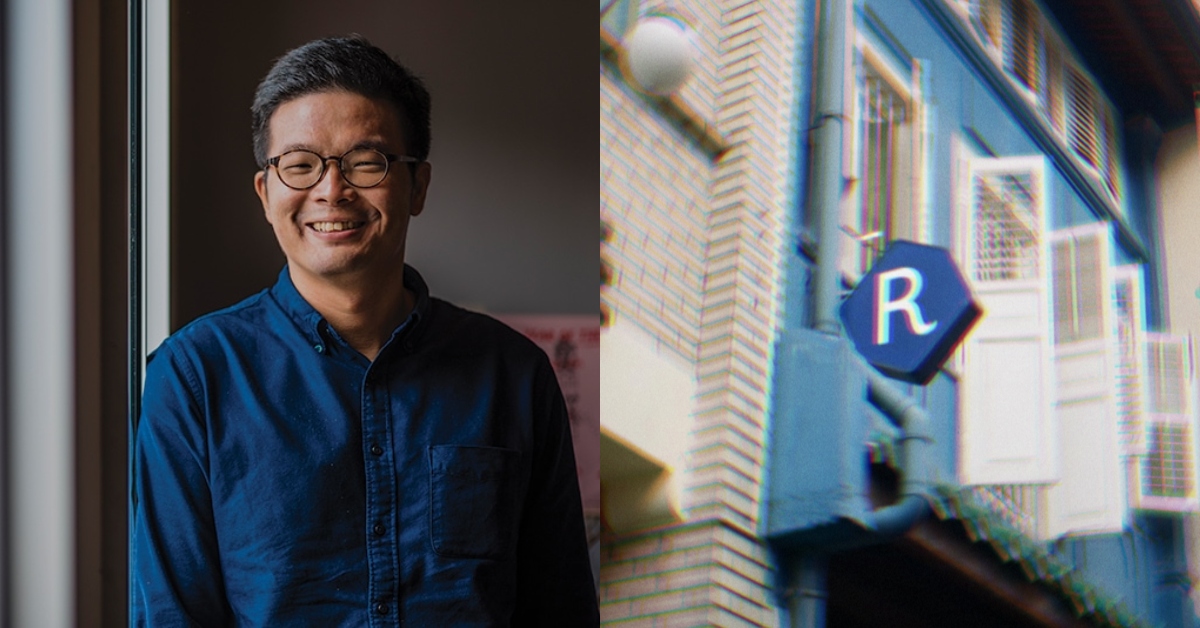
Co-founder Mark Tan had initially considered shutting down the site

Homegrown digital publication RICE Media has been acquired by Hustle Studios, the content agency arm of creative academy Hustle Singapore.

According to an announcement made on RICE Media’s website, the acquisition marks a new chapter for the publication, bringing together its editorial voice and audience community with Hustle’s expertise in creative training, facilitation, and industry programmes.

The deal formalises a long-standing partnership between the two organisations, which have previously collaborated on initiatives aimed at developing creative skills for Singapore audiences.

Under Hustle Studios, RICE is expected to expand beyond publishing into workshops, community programmes, and other experiences that engage readers in more interactive and participatory ways.

Advertisement

Financial terms of the deal were not disclosed.

RICE Media was founded in 2016

Founded in 2016 by former lawyer Mark Tan and Julian Wong, RICE Media billed itself as an independent publication that offered an unfiltered take on Singapore and Asia. It became known for its long-form stories and commentaries on Singapore’s news and culture.

“We started RICE because we believed Singaporeans deserved honest, thoughtful storytelling about their own lives,” said Mark Tan, outgoing founder and CEO. “I think we’ve largely accomplished that mission.”

Co-founder Wong added that the acquisition aligns with the publication’s long-term vision. “We’ve built more than just content… we’ve built a community. Hustle shares that vision, and we’re confident they’re the right partners to help RICE evolve,” he said.

Advertisement

Tan said he had initially considered shutting down the site but ultimately decided the publication still had a role to play. “The transaction and the money coming in would allow me to settle most of the liabilities and also pay people a severance package, so I think it’s really the most responsible thing for me to do,” he said.

The goal is not merely to maintain what RICE has been, but to “grow into what its community has been asking for.” During this transitional phase, Tan and Wong will remain involved in an advisory capacity, while RICE continues to publish content for its audience.

Further announcements about new programming and community initiatives will follow in the coming months.

Featured Image Credit: RICE Media/ High Net Worth

Advertisement

Source link

Advertisement
Continue Reading

Tech

Microsoft VP’s memoir of growing up in India makes unexpected case for what matters in the age of AI

Published

on

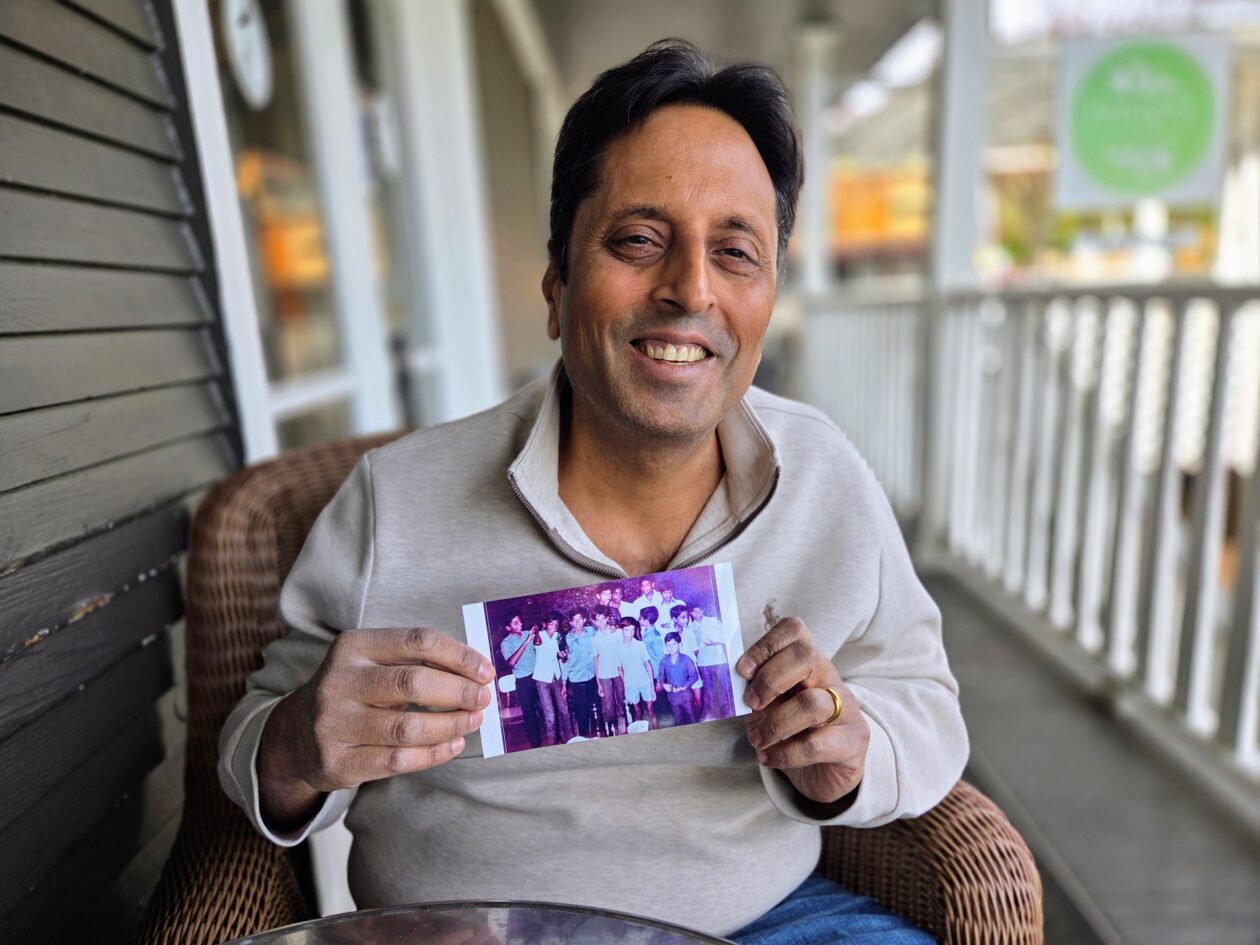
Ravi Vedula holds a photograph of himself and his childhood friends from their housing colony in Panjagutta, Hyderabad, taken more than 40 years ago. The boys went on to become leaders at Microsoft, Coca-Cola, Rivian, and other companies. (GeekWire Photo / Todd Bishop)

One of Ravi Vedula‘s strongest memories from childhood is seeing his name in the Deccan Chronicle. He and his friends in a government housing colony in Hyderabad, India, had been solving the Sunday Jumble puzzle in the newspaper every week, mailing in postcards with their answers, and he’d finally been chosen as the winner.

The reward was 25 rupees. They used the money to buy a set of cricket wickets, a prized possession shared by kids who had very little and came together to make the most of it.

Vedula is now a corporate vice president at Microsoft, a 25-year veteran of the company, leading the data and insights organization behind Microsoft 365 and Copilot as the software giant and the rest of the tech world charge all-out into the fast-paced world of AI.

His new book, “Hyderabad Days: The code we lived by before we coded,” is filled with vignettes from a different place and time. But the lessons in humanity are more relevant than ever.

“This book isn’t about the past,” Vedula said over coffee in Seattle on Friday afternoon. “It’s about the value system that we carry forward into the future.”

Advertisement
Writing to remember

Vedula leads IDEAS (Insights, Data Engineering, Analytics, and Systems) the Microsoft organization that manages data and analytics across the Experiences and Devices division, covering Microsoft 365, Copilot, Office, Windows, and Microsoft security initiatives. Before that, he was the first engineering manager for Microsoft Exchange Online.

He is also a heart transplant recipient. He had been living with heart failure since 2001, telling almost nobody at work. By 2015, he was hospitalized, and used a mechanical heart assist device for 18 months while waiting for a donor. He received the transplant in January 2017.

“Hyderabad Days: The code we lived by before we coded,” by Ravi Vedula, published by 8080 Books. (GeekWire Photo / Todd Bishop)

Vedula wrote much of what would become “Hyderabad Days” on medical leave. He wasn’t working on a book at the time. He was just getting everything down, unsure about his future.

The book is filled with scenes from colony life. On Sunday mornings, three generations of his family crowded around the TV set to watch Mahabharata, a mythological show that was popular across India in the late 1980s. He and his friends played cricket with a ball bought from everyone’s pooled pocket change. His mother cooked for a house full of family and guests and never sat down to eat with them, scraping her meal together from what was left in the pan.

Each chapter is followed by a postscript connecting the memory to a lesson about leadership, engineering, or life. The device was inspired by “The Wonder Years,” the TV show where an adult narrator caps each episode by reflecting on the meaning of childhood events.

Advertisement

In one postscript, Vedula recalls how a fishing trawler cut an undersea cable and took down Microsoft’s Dublin data center while he was managing Exchange Online. Everyone panicked. He thought of Parimal, his colony cricket captain, who never lost his cool. He wasn’t the best player on the team, but he kept everyone on track when things fell apart.

“My education in computer science did not prepare me for this moment,” Vedula said last week. “Did I miss the class about fishing trawlers?”

He told himself he didn’t need to know everything. He needed to be level-headed and help his team through the process, just like Parimal had always done on the cricket pitch.

The AI disclosure

A note in the preface says “the telling has been shaped with the assistance of AI,” which initially made me question which passages were Vedula’s and which weren’t as I read, wondering if some parts seemed a little too polished. But in our conversation on the side porch of a Fremont coffee shop, I quickly realized that Vedula’s voice in person was the same as in the book.

Advertisement

He explained that he used Microsoft 365 Copilot primarily for proofreading and formatting, and as what he called a “thought partner,” interrogating each chapter for weaknesses. 

In one case, the AI helped him come up with a parallel to make pesarattu, a traditional Hyderabad breakfast, relatable to Western readers in terms of the memories and feelings it evoked. The suggestion was pancakes and eggs, and after running the comparison by a few people to be sure, he went with it.

He hired human proofreaders, one in the U.S. and another in India, and worked with Greg Shaw, the editor of 8080 Books, who co-authored Microsoft CEO Satya Nadella’s “Hit Refresh.”

But the stories and the words are clearly Vedula’s from start to finish. 

Advertisement

“I was very adamant that my voice was preserved,” he confirmed.

The disclosure in the preface, and my reaction to it as a reader, raised a question worth considering as AI-assisted writing becomes more common: can a well-intentioned acknowledgment undermine the perception of the work more than the use of AI warrants?

The boys from the colony

During our conversation, Vedula pulled a photograph from his bag, taken more than 40 years ago in the colony, and pointed out the boys. One is now a high-ranking executive at Barry Callebaut chocolates, who was previously with Coca-Cola. Another is a vice president at Rivian. Another runs a company in India. Another is an accomplished anesthesiologist.

They’ve all been reading the book. In their WhatsApp group, they’ve been debating why Vedula left out certain stories, and why he acts like he was the only one with a crush on a certain Bollywood actress, just as they might have debated the batting order as kids on the pitch.

Advertisement

“In some sense, we grew up with nothing,” Vedula said. “But it really was everything.”

“Hyderabad Days: The code we lived by before we coded,” by Ravi Vedula, published by Microsoft’s 8080 Books, will be out March 31. It’s available for preorder now.

Source link

Advertisement
Continue Reading

Tech

All 11 xAI co-founders have now left Elon Musk’s AI company

Published

on

Every co-founder Elon Musk recruited to build xAI has now reportedly left the company. Manuel Kroiss, who led the pretraining team, told people this month that he was departing. Ross Nordeen, described by Business Insider as Musk’s “right-hand operator,” left on Friday. They were the last two of eleven co-founders, all of whom have exited a company that was valued at $250 billion when SpaceX acquired it in February and that Musk himself described two weeks ago as having been “not built right the first time around.”

The departures are not ordinary startup attrition. The researchers Musk assembled in 2023 were among the most accomplished in artificial intelligence. Jimmy Ba co-authored the 2014 Adam optimisation paper, the most-cited paper in AI with more than 95,000 citations. Igor Babuschkin, the chief engineer, came from Google DeepMind. Christian Szegedy came from Google. Tony Wu led the reasoning team. Greg Yang, Toby Pohlen, Zihang Dai, Guodong Zhang, and Kyle Kosic brought experience from DeepMind, Google, Microsoft, and OpenAI. That entire cohort is now gone, and the company they helped build is being, in Musk’s words, “rebuilt from the foundations up.”

A timeline of unravelling

The exodus accelerated sharply in early 2026. Christian Szegedy left in February 2025, an early signal. But the cascade began in earnest when Tony Wu, one of the most operationally central co-founders, announced his departure on February 10, 2026. Jimmy Ba resigned within 24 hours, reportedly amid tensions over demands to improve model performance. By mid-March, only Kroiss and Nordeen remained. Their departures this week complete the sweep.

The timing is difficult to separate from the corporate restructuring happening around xAI. On February 2, SpaceX acquired xAI in an all-stock transaction that valued SpaceX at $1 trillion and xAI at $250 billion, creating a combined entity worth $1.25 trillion, the largest corporate merger by valuation in history. The deal brought xAI, X (formerly Twitter), and SpaceX under a single corporate umbrella, with SpaceX now preparing for a potential IPO in mid-2026 that could target a $1.75 trillion valuation.

Advertisement

The 💜 of EU tech

The latest rumblings from the EU tech scene, a story from our wise ol’ founder Boris, and some questionable AI art. It’s free, every week, in your inbox. Sign up now!

Weeks earlier, in January, Tesla invested $2 billion in xAI’s Series E round at an approximate $230 billion valuation. Tesla shareholders are suing Musk for breach of fiduciary duty over the investment, arguing that the company’s chief executive effectively directed shareholder capital into his own private venture. The lawsuit gained additional force on March 13, when Musk publicly acknowledged that xAI’s products, particularly its coding tools, were not competitive with Anthropic’s Claude Code or OpenAI’s Codex. Tesla had invested $2 billion in a company whose founder admitted it needed to be rebuilt from scratch.

What “not built right” means at $250 billion

Musk’s admission on March 13 was unusually candid for a chief executive whose company had just been acquired for a quarter of a trillion dollars. He said xAI’s AI coding tools simply did not work, and that the underlying system needed to be rebuilt. The statement appeared to validate the co-founders’ decision to leave: if the company’s own leadership acknowledges that the product failed, the researchers who built it have limited incentive to stay for the rebuild, particularly when they can command extraordinary compensation at competitors.

Advertisement

The AI talent market in 2026 is the most competitive it has ever been. Meta has reportedly offered packages worth up to $300 million over four years to retain top AI researchers. OpenAI, Google DeepMind, and Anthropic are all expanding their research teams aggressively. The eleven researchers who left xAI represent a concentration of talent that any of those companies would pay handsomely to acquire. Where they end up will say as much about the industry’s future direction as their departure says about xAI’s past.

xAI is not without assets. The Colossus supercomputer, built with more than 200,000 NVIDIA H100 GPUs, remains one of the largest AI training clusters in the world. Grok, the company’s chatbot, has a distribution channel through X’s user base. And the SpaceX merger provides access to capital, infrastructure, and engineering talent at a scale that few AI companies can match. The question is whether infrastructure and distribution are sufficient when the research leadership that was supposed to make the product competitive has entirely departed.

The pattern

The xAI co-founder exodus follows a pattern that has repeated across Musk’s companies. Twitter lost the majority of its senior leadership and roughly 80 per cent of its workforce within months of his 2022 acquisition. Tesla’s senior ranks have thinned steadily as Musk’s attention has divided across six companies. The common thread is a management style that produces extraordinary results in hardware engineering, where Musk’s tolerance for risk and pace of iteration have built SpaceX and Tesla into industry-defining companies, but appears less effective in research-driven fields where the most valuable people have abundant alternatives and low tolerance for instability.

Artificial intelligence research is, in 2026, the most competitive labour market in technology. The researchers who co-founded xAI did not need to be there. They chose to be, attracted by the resources Musk could deploy and the ambition of the project. That every one of them has now chosen to leave, during a period when the company received a $250 billion valuation and access to the resources of SpaceX, suggests that the problems at xAI are not principally financial or infrastructural. They are organisational. And no amount of capital can rebuild a research culture once the people who created it have gone.

Advertisement

Source link

Continue Reading

Tech

Apple at 50: John Sculley, Apple's most maligned CEO

Published

on

John Sculley’s ten years as Apple CEO saw huge financial growth and innovative ideas like the Newton — but also a financial crash and the ousting of Steve Jobs.

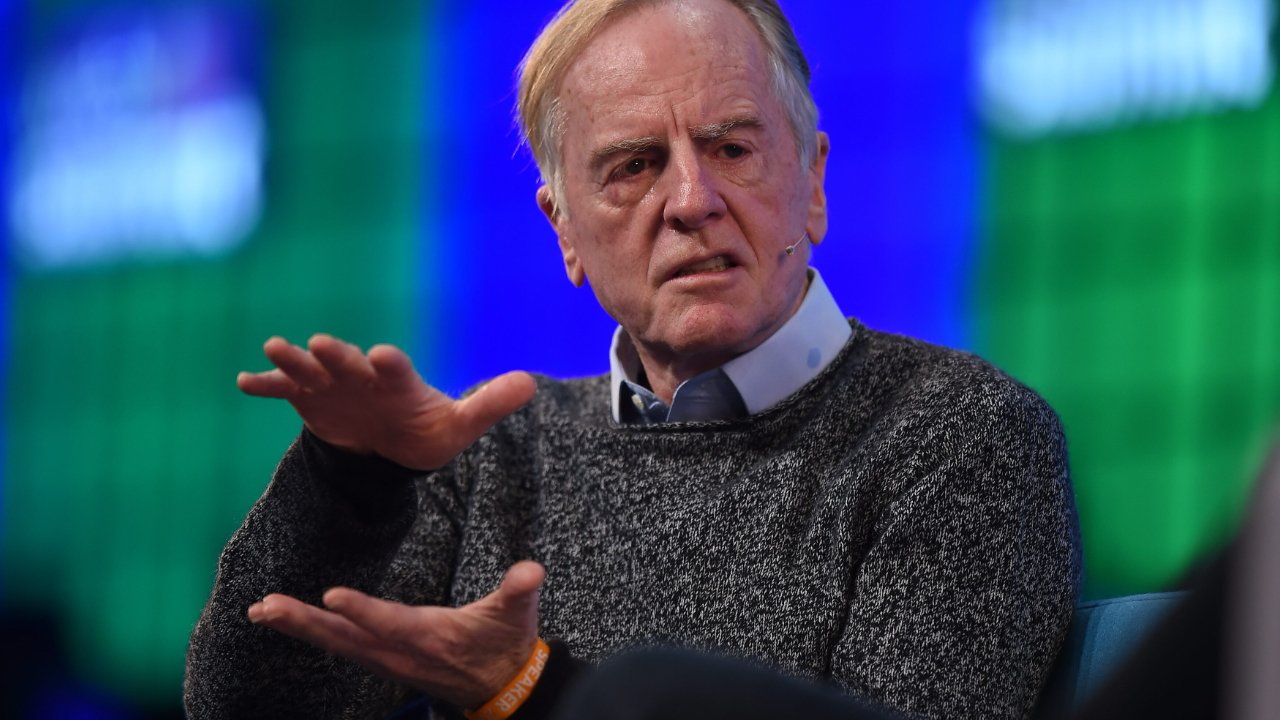
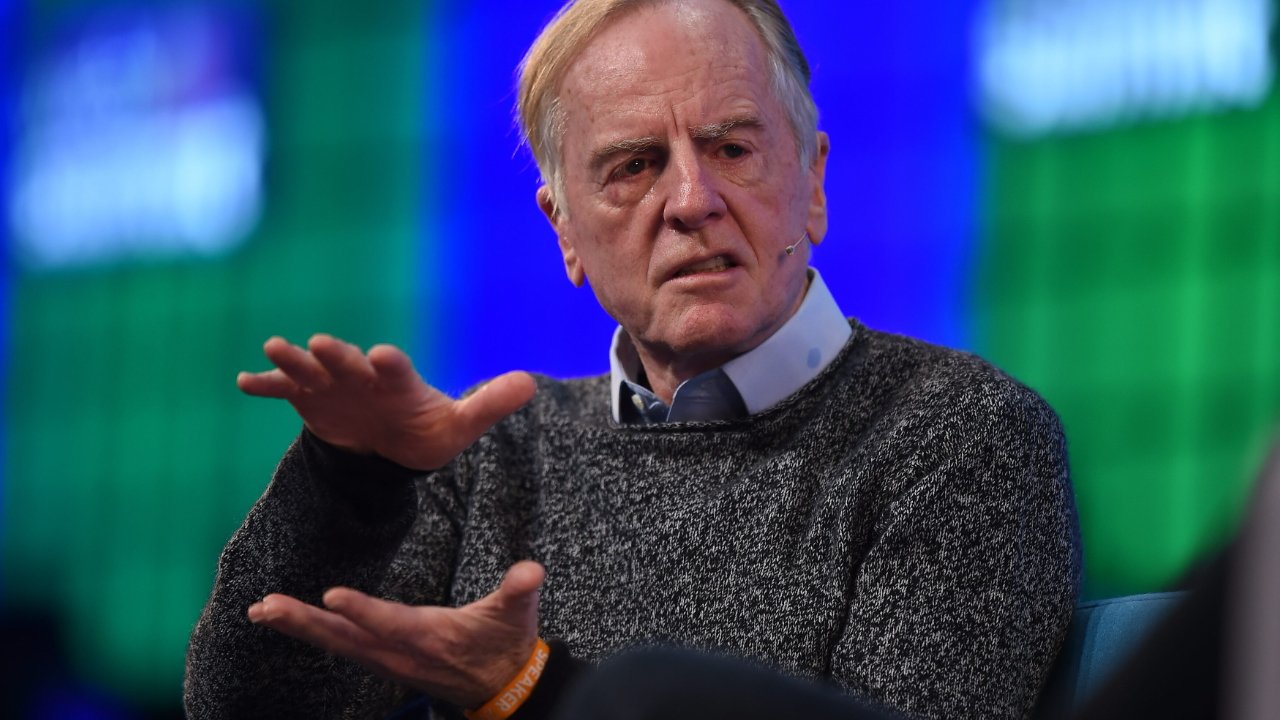
Elderly man in gray sweater speaking onstage, gesturing with both hands, wearing a headset microphone, against a colorful blurred background of green and blue panels
John Sculley in 2015 — image credit: Web Summit

If you can just stick around long enough, your reputation is likely to change. Today it’s common to see ex-Apple CEO John Sculley praised, or at least described as having been unfairly treated by history.
There are reasons to back that up, most specifically to do with how he didn’t actually fire Steve Jobs as years of rumors would have it. That’s a little bit hair-splitting, though, because the situation between the two men had deteriorated so badly, but it is true.
Continue Reading on AppleInsider | Discuss on our Forums

Source link

Continue Reading

Tech

All iPhone 18 models will get a smaller Dynamic Island, says optimistic leak

Published

on

It could be wishful thinking, but a tiny new leak appears to suggest that Apple will shrink the Dynamic Island on every iPhone 18.

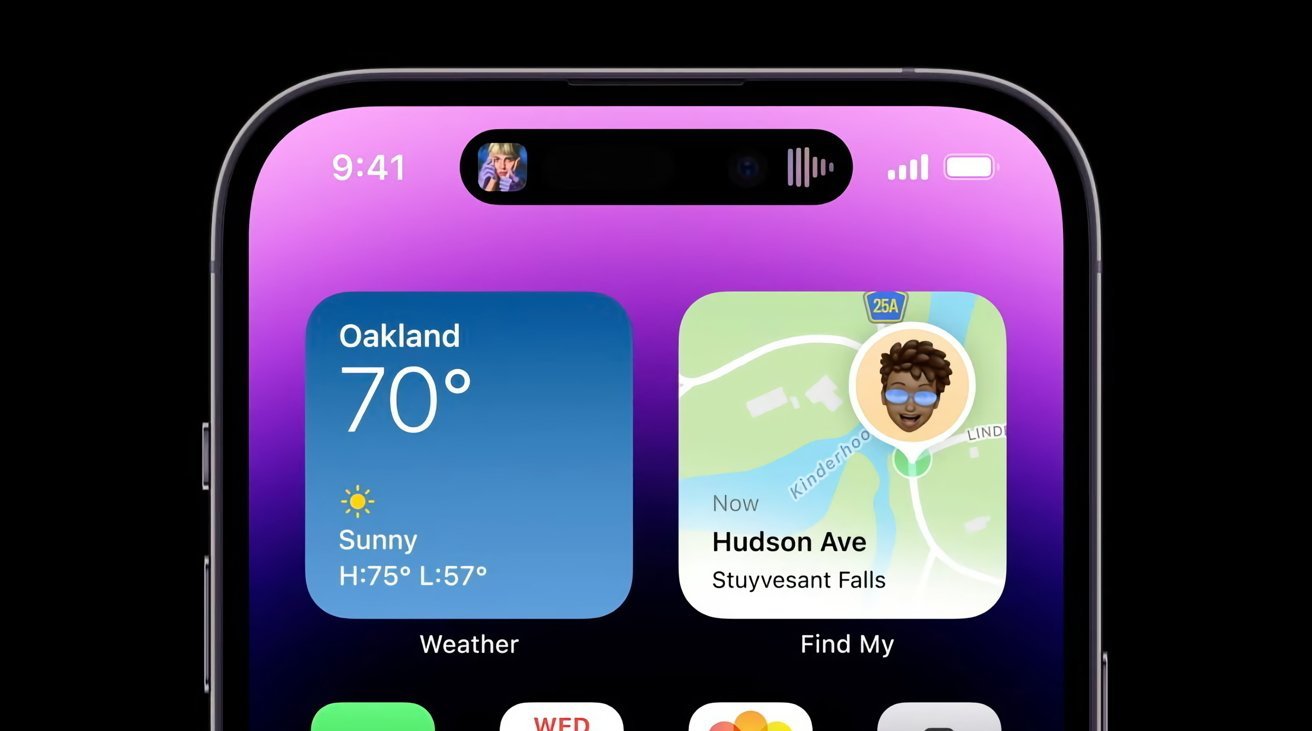
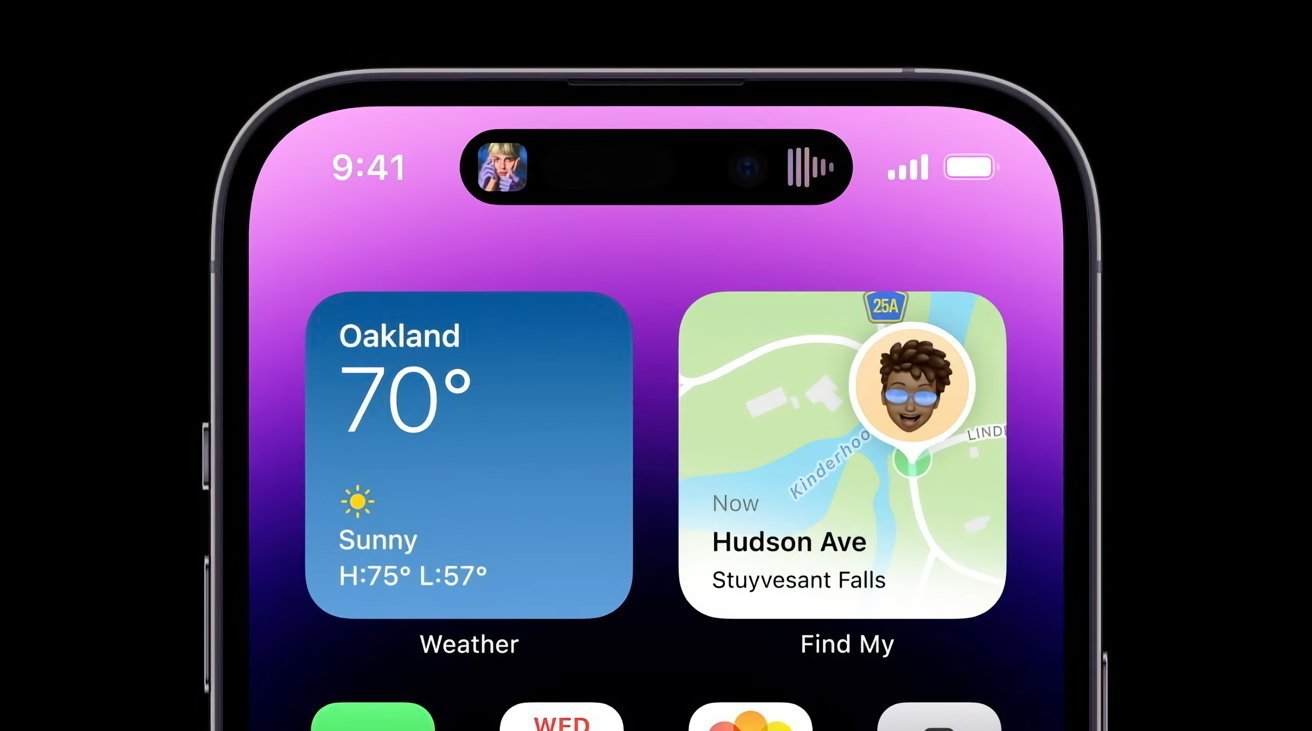
Close-up of an iPhone screen showing Dynamic Island at top and home screen widgets below, including Oakland weather at 70 degrees and a Find My map with friend's Memoji location
The Dynamic Island is Apple’s way of making a virtue out of the necessary Face ID and camera notch

Since the very day the iPhone X was launched with its Face ID notch, there have been rumors that Apple will switch to an all-screen display with no visible cutouts. The company is surely working toward this, but the most recent claims have focused on how it might reduce the current Dynamic Island.
Now according to leaker Ice Universe, that smaller Dynamic Island is definitely coming to the iPhone 18.
Continue Reading on AppleInsider | Discuss on our Forums

Source link

Continue Reading

Tech

Week in Review: Most popular stories on GeekWire for the week of March 22, 2026

Published

on

Get caught up on the latest technology and startup news from the past week. Here are the most popular stories on GeekWire for the week of March 22, 2026.

Sign up to receive these updates every Sunday in your inbox by subscribing to our GeekWire Weekly email newsletter.

Most popular stories on GeekWire

Source link

Continue Reading

Tech

Jupiter’s Lightning May Have the Force of Nuclear Weapons

Published

on

How powerful is Jupiter’s lightning? Thick clouds cover the view, notes Science magazine. But using an instrument on NASA’s Juno spacecraft (orbiting Jupiter for the past decade), researchers determined Jupiter’s lightning bolts are 100 to 10,000 times more energetic than earth’s:

A single bolt of lightning on Earth releases about 1 billion joules of energy. That means the most extreme bolts of jovian lightning carry 10 trillion joules of energy, equivalent to 2400 tons of TNT, or one-sixth the power of the atomic bomb dropped on Hiroshima, Japan. Based on the rates of flashes seen by Juno, storms on this tempestuous world can unleash the force of multiple nuclear weapons every minute…

The four storms Juno studied were monstrous, says Michael Wong, a planetary scientist at the University of California, Berkeley and one of the study’s authors. There were three flashes per second on average, often emerging from the hearts of storms that are 3000 kilometers across, longer than the distance from New York City to Denver.
The researchers used the Hubble Space Telescope (and photographs from Juno’s camera) to track Jupiter’s storms with such precision that their radiometer could then pick out individual lightning flashes, according to the article.

“It’s just a massive ball of gas. It makes sense that there’s very energetic lightning happening,” says Daniel Mitchard, a lightning physicist at Cardiff University who wasn’t involved with the new study. But confirming such suspicions “is exciting,” he says, because lightning plays an important role in forging complex chemistry — including the sort that primordial life is built on.
Thanks to Slashdot reader sciencehabit for sharing the article.

Advertisement

Source link

Continue Reading

Tech

File read flaw in Smart Slider plugin impacts 500K WordPress sites

Published

on

File read flaw in Smart Slider plugin impacts 500K WordPress sites

A vulnerability in the Smart Slider 3 WordPress plugin, active on more than 800,000 websites, can be exploited to allow subscriber-level users access to arbitrary files on the server.

An authenticated attacker could use it to access sensitive files, such as wp-config.php, which includes database credentials, keys, and salt data, creating the risk for user data theft and complete website takeover.

Smart Slider 3 is one of the most popular WordPress plugins for creating and managing image sliders and content carousels. It offers an easy-to-use drag-and-drop editor and a rich set of templates to choose from.

The security issue, tracked as CVE-2026-3098, was discovered and reported by researcher Dmitrii Ignatyev and impacts all versions of the Smart Slider 3 plugin through 3.5.1.33.

Advertisement

It received a medium severity score due to requiring authentication. However, this only limits the impact to websites with membership or subscription options, a feature that is common on many platforms these days.

The vulnerability stems from missing capability checks in the plugin’s AJAX export actions. This allows any authenticated user, including subscribers, to invoke them.

According to researchers at WordPress security company Defiant, the developer of the Wordfence security plugin, the ‘actionExportAll’ function lacks file type and source validation, thus allowing arbitrary server files to be read and added to the export archive.

The presence of a nonce does not prevent abuse because it can be obtained by authenticated users.

Advertisement

“Unfortunately, this function does not include any file type or file source checks in the vulnerable version. This means that not only image or video files can be exported, but .php files can as well,” says István Márton, a vulnerability research contractor at Defiant.

“This ultimately makes it possible for authenticated attackers with minimal access, like subscribers, to read any arbitrary file on the server, including the site’s wp-config.php file, which contains the database credentials as well as keys and salts for cryptographic security.”

500K websites still vulnerable

On February 23, Ignatyev reported his findings to Wordfence, whose researchers validated the provided proof-of-concept exploit and informed Nextendweb, the developer of Smart Slider 3.

Nextendweb acknowledged the report on March 2 and on March 24 delivered a patch with the release of Smart Slider version 3.5.1.34.

Advertisement

According to WordPress.org stats, the plugin was downloaded 303,428 times over the past week. This means that at least 500,000 WordPress sites are running a vulnerable version of the Smart Slider 3 plugin and are exposed to attacks.

CVE-2026-3098 is not flagged as actively exploited as of writing, but the status may change soon, so prompt action is required by website owners/administrations.

Automated pentesting proves the path exists. BAS proves whether your controls stop it. Most teams run one without the other.

This whitepaper maps six validation surfaces, shows where coverage ends, and provides practitioners with three diagnostic questions for any tool evaluation.

Source link

Advertisement
Continue Reading

Tech

Self-healing CMOS Imager To Withstand Jupiter’s Radiation Belt

Published

on

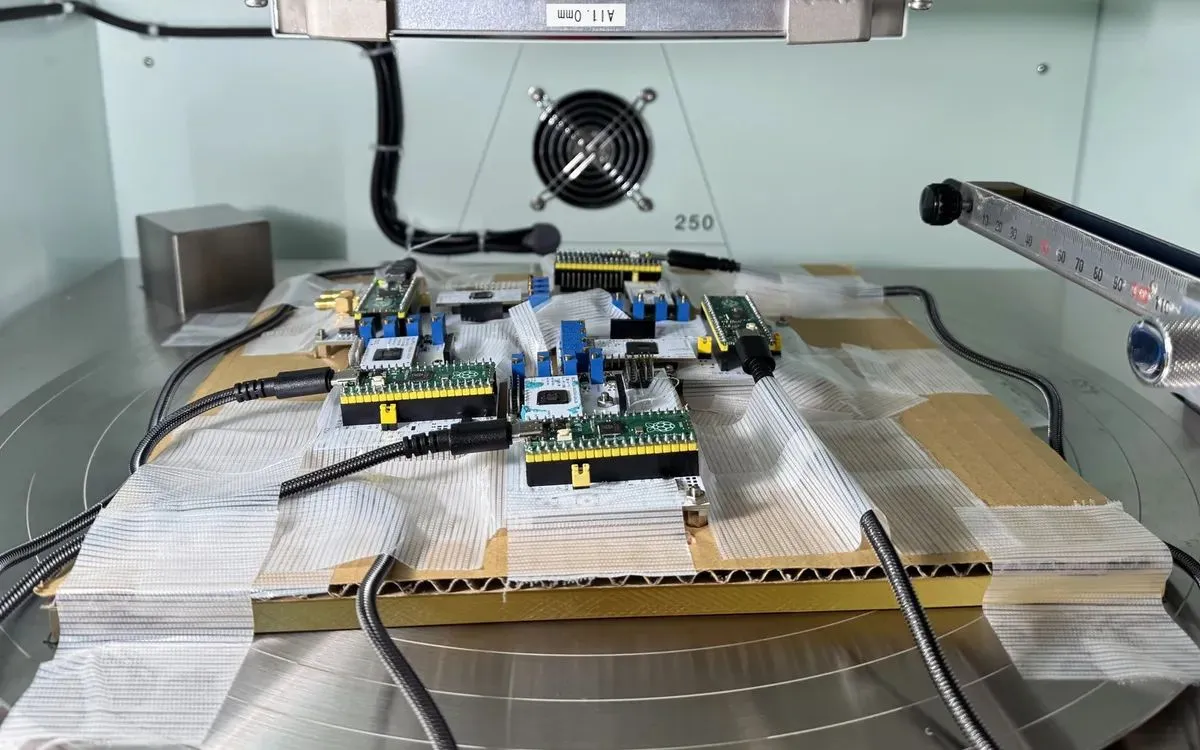
Ionizing radiation damage from electrons, protons and gamma rays will over time damage a CMOS circuit, through e.g. degrading the oxide layer and damaging the lattice structure. For a space-based camera that’s inside a probe orbiting a planet like Jupiter it’s thus a bit of a bummer if this will massively shorted useful observation time before the sensor has been fully degraded. A potential workaround here is by using thermal energy to anneal the damaged part of a CMOS imager.

The first step is to detect damaged pixels by performing a read-out while the sensor is not exposed to light. If a pixel still carries significant current it’s marked as damaged and a high current is passed through it to significantly raise its temperature. For the digital logic part of the circuit a similar approach is used, where the detection of logic errors is cause for a high voltage pulse that should also result in annealing of any damage.

During testing the chip was exposed to the same level of radiation to what it would experience during thirty days in orbit around Jupiter, which rendered the sensor basically unusable with a massive increase in leakage current. After four rounds of annealing the image was almost restored to full health, showing that it is a viable approach.

Advertisement

Naturally, this self-healing method is only intended as another line of defense against ionizing radiation, with radiation shielding and radiation-resistant semiconductor technologies serving as the primary defenses.

Source link

Advertisement
Continue Reading

Tech

AMD's Ryzen 9 9950X3D2 arrives as Intel scraps Core Ultra 9 290K Plus

Published

on


The Ryzen 9 9950X3D2 doubles down on AMD’s V-Cache formula by equipping each of its two CCDs with stacked cache memory. The design results in a massive 208MB of total cache, a configuration that AMD claims can yield 5% to 10% faster performance in select rendering and content creation workloads…
Read Entire Article
Source link

Continue Reading

Trending

Copyright © 2025