Tech
Taking Photos with Scotch Tape is Possible, Just Not Practical

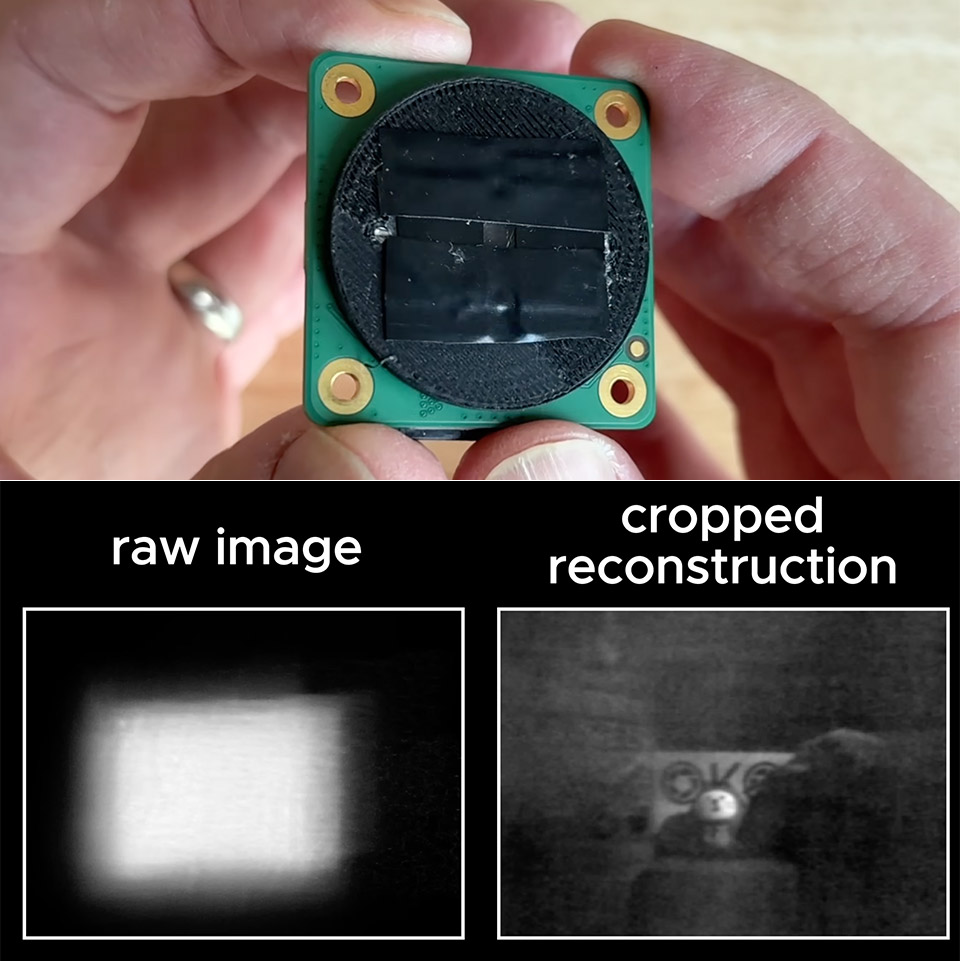
A roll of Scotch tape can do some truly unexpected things, such as completely replacing a camera lens. Maker okooptics puts this to the test in a recent project, transforming an ordinary sensor into a functioning camera using only Scotch tape, smart rigging, and some math after the fact.


Lensless imaging works on a fairly simple principle: light from a scene strikes the sensor in all directions rather than in a focused beam. Traditional lenses perform the job by bending light to create precise projections, but in this case, the Scotch tape diffuses the light in a predictable way, spreading each point in the scene across the sensor in what’s known as a point spread function, or PSF. The raw grab is a confused mess, yet the information is still contained inside it.
Sale

DJI Osmo Pocket 3, Vlogging Cameras with 1” CMOS & 4K/120fps Vlog Camera, 3-Axis Stabilization, Fast…
- Capture Stunning Footage – This vlogging camera features a 1-inch CMOS sensor and records in 4K resolution at an impressive 120fps. Capture…
- Effortlessly Frame Your Shots – Get the ideal composition with Osmo Pocket 3’s expansive 2-inch touch screen that rotates for both horizontal and…
- Ultra-Steady Footage – Say goodbye to shaky videos. Osmo Pocket 3’s advanced 3-axis mechanical stabilization delivers superb stability. Enjoy smooth…
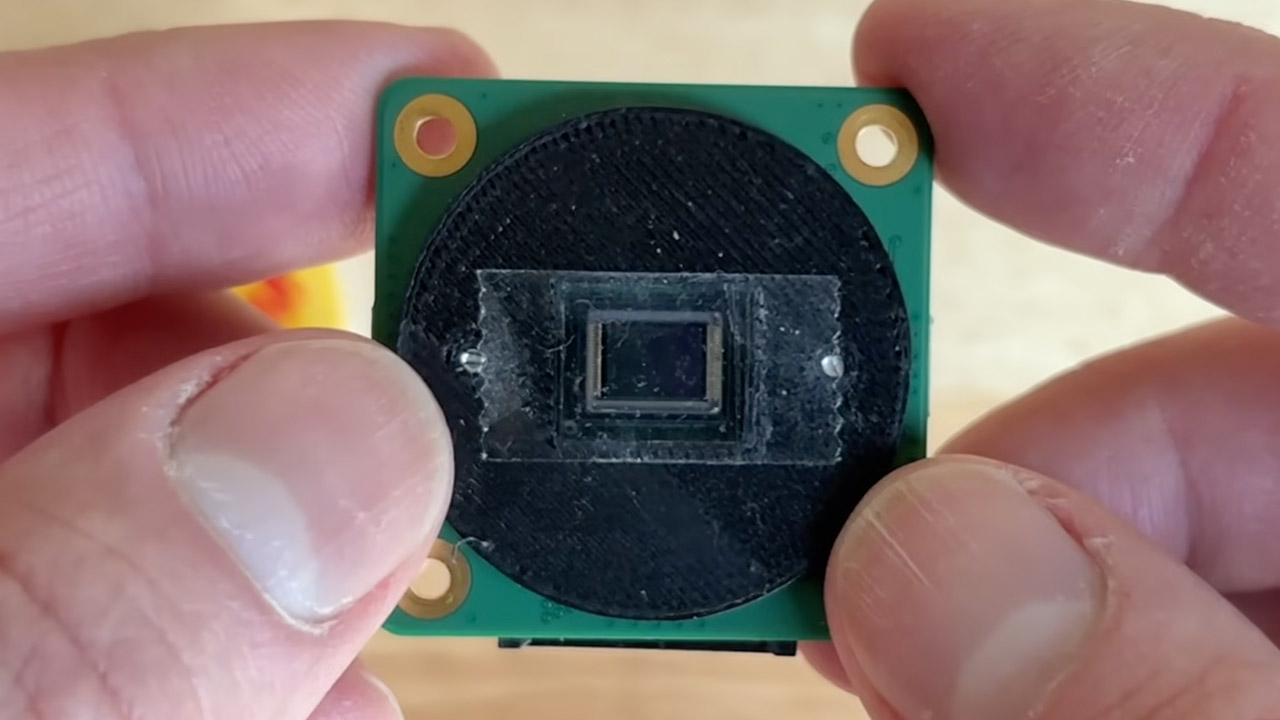
He starts with a Raspberry Pi camera and puts a small piece of Scotch tape around a 3D printed bit only 3 millimeters away from the sensor. A piece of electrical tape holds the tape in place and creates a frame for the image, ensuring that no PSF escapes and causes additional difficulties. Only 3mm was the sweet spot since it kept the PSF nice and small in the center of the sensor, which is where you want it for optimum results.

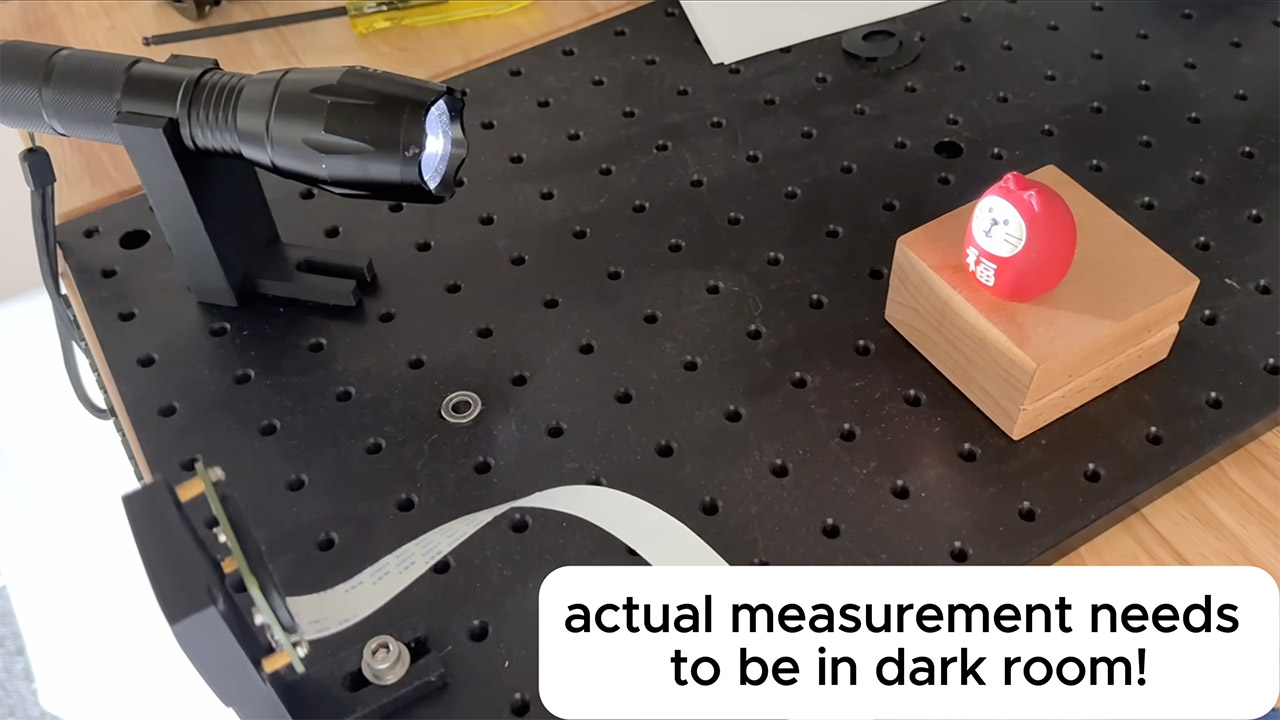
You set it up, point it at a subject, such as a cat, smartphone screen with text, or a turtle silhouette, and capture the shot. The sensor then catches the dispersed light field, which means there’s no need to mess with manual focus or particular exposure settings because everything is handled by the computer.
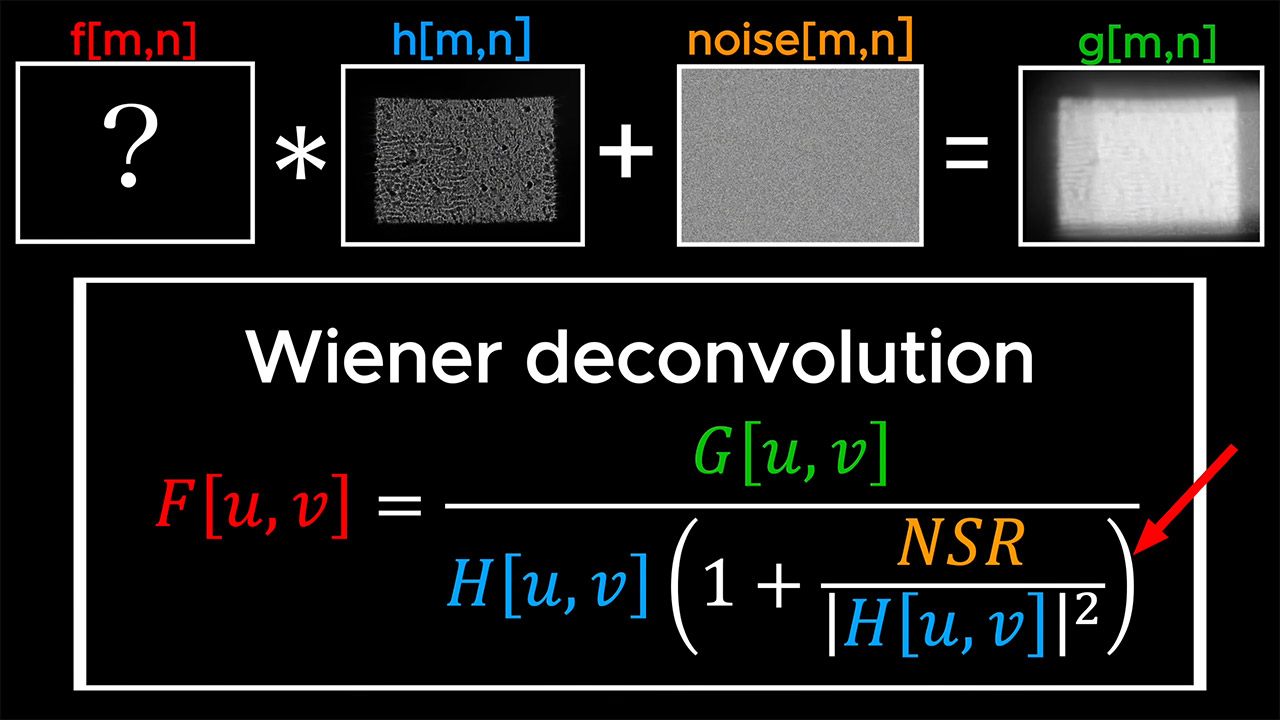
The magic happens during reconstruction, which uses a technique known as Wiener deconvolution. That’s because the PSF wiped out the true scene, resulting in the hazy image. In the Fourier domain, the convolution converts to a very easy multiplication, so all you have to do is divide by the PSF’s Fourier transform. However, there’s a catch: all that noise in the image causes issues. Wiener deconvolution adds a little extra math to balance out the noise, resulting in a cleaner image if the settings are correct.
[Source]