Fresh iPhone 17 and iPhone Air owners are already asking the same thing. If battery is the only reason to spend more, do the new iPhone 18 Pro and iPhone 18 Pro Max actually earn the upgrade. Tech Chap tried to answer that by running those two new Pros against last year’s 17, 17 Pro, 17 Pro Max, and the thin iPhone Air until every phone died, then he ran the whole thing a second time with a Galaxy S26 Ultra in the mix.
Each phone in the room was a worldwide model with a removable SIM tray. The North American eSIM-only variants have somewhat larger batteries, about 6% more on the 18 Pro and 4% more on the 18 Pro Max, so they should last a little longer, but we won’t see those results here. Tech Chap had purchased new units, ensured that the battery health was 100%, completed all of Siri’s indexing, and upgraded them all to the latest iOS 27 release. He mixed up the drain by using cellular data, video recording, on-phone video editing, regular web surfing and app usage, and occasional gaming. He utilized an iPhone 13 mini as the timer to avoid any timing concerns with the phone itself.
AN AMAZING MAC AT A SURPRISING PRICE — With an incredibly portable and durable aluminum design, up to 16 hours of battery life,* and the A18 Pro…
FOUR STUNNING COLORS. ONE DURABLE DESIGN — Choose from four beautiful colors — Silver, Blush, Citrus, or Indigo — each with a color-coordinated…
FLY THROUGH EVERYDAY ASSIGNMENTS — Whether you’re cramming for finals, using Apple Intelligence* to summarize class notes, creating presentations…
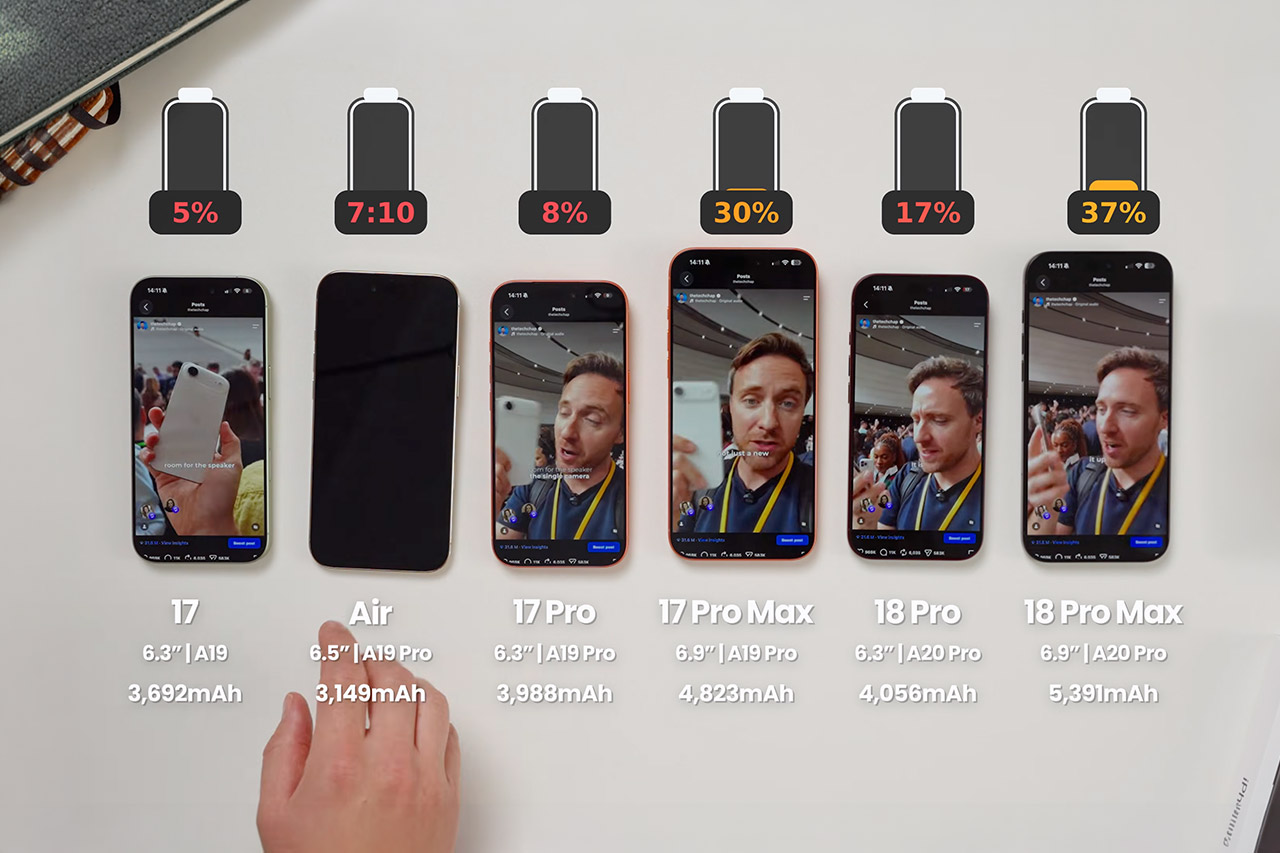
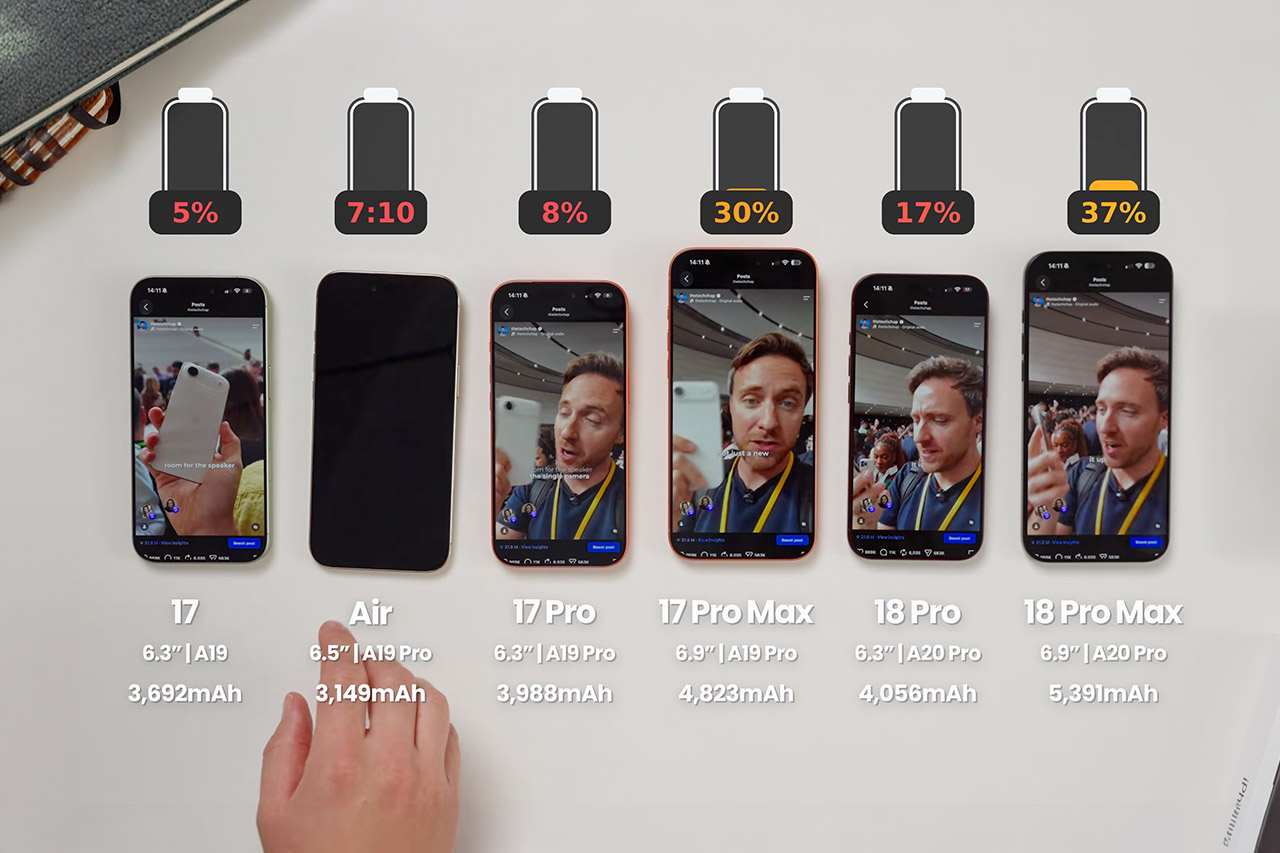
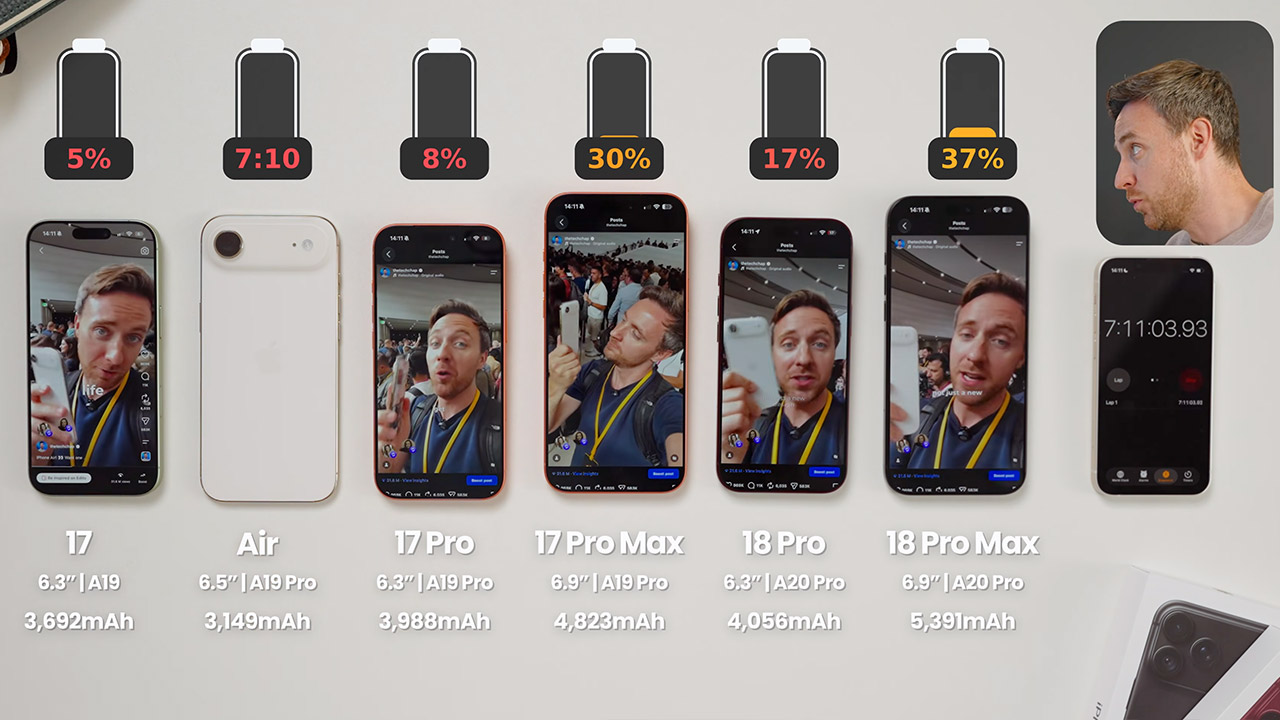
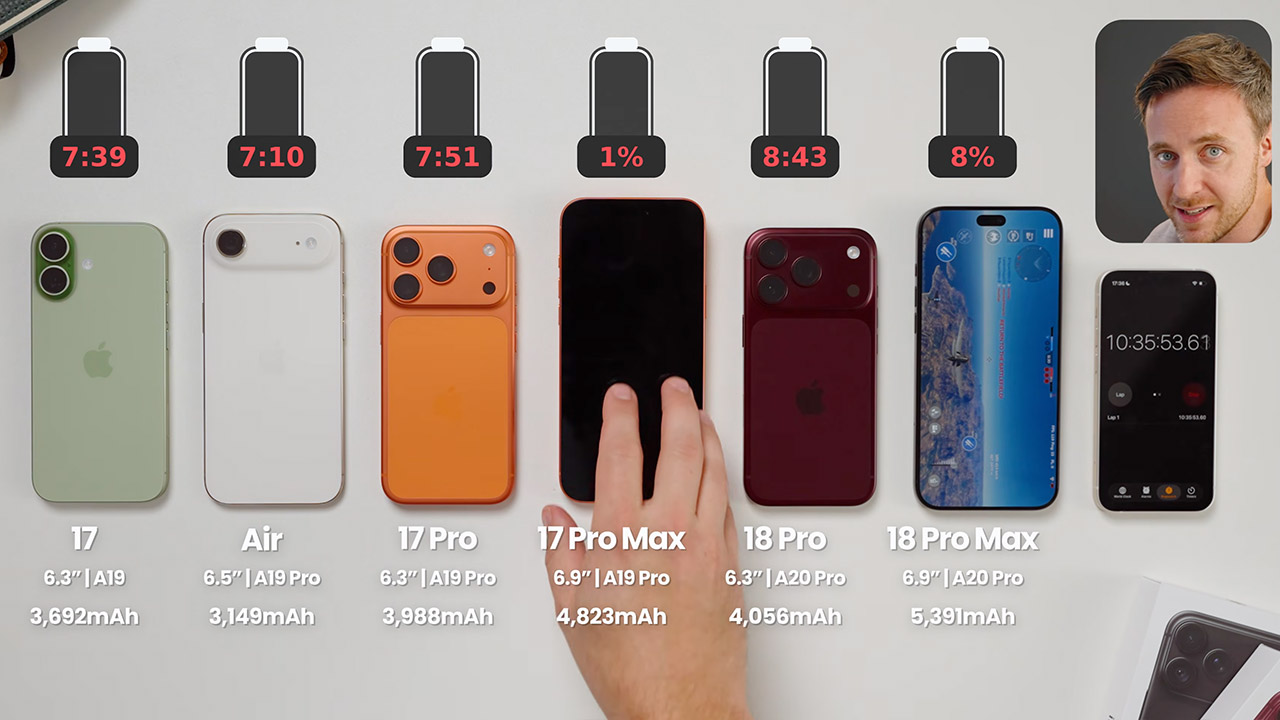
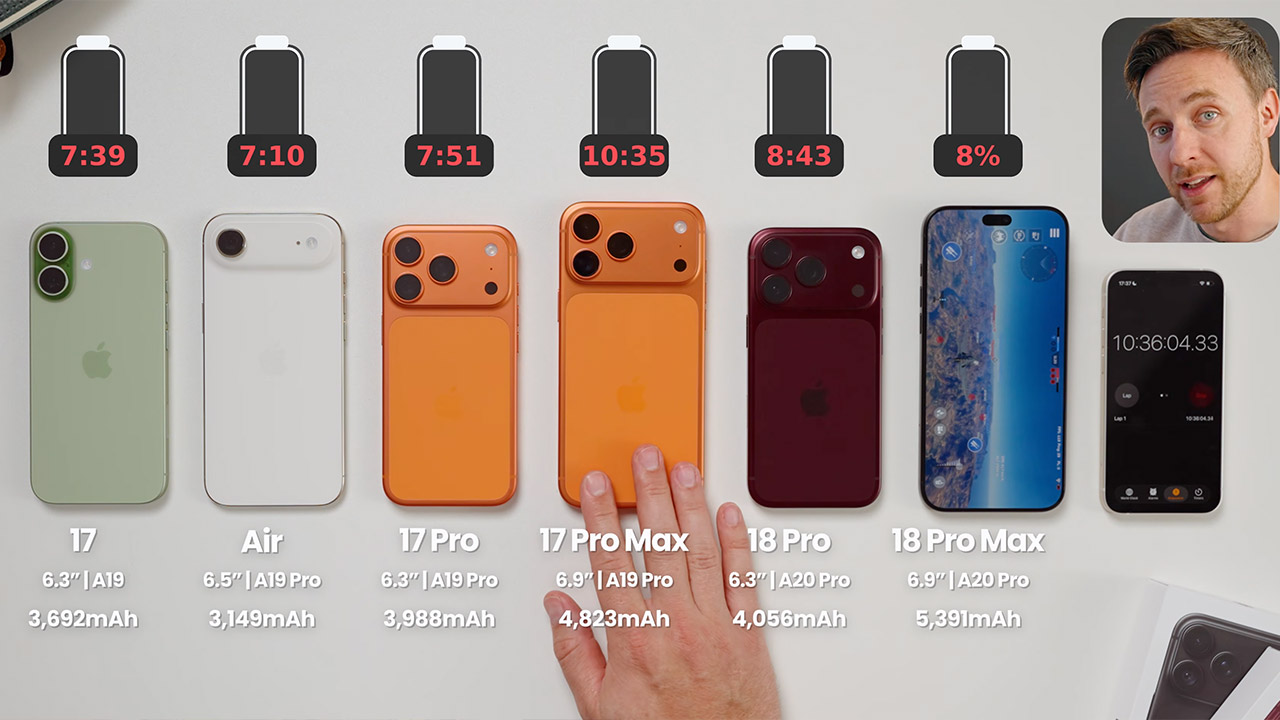
The iPhone Air went first, lasting approximately 7 hours and 10 minutes. The iPhone 17 was about 30 minutes behind, which was an acceptable performance given the price differential, even after the new phones were released. The iPhone 17 Pro took another 10 minutes to catch up to the 17, and then shut down at 4 or 5 percent charge when the cheaper phone ran out of juice. That was a tight stretch, but the iPhone 17 Pro Max still had more than 20% charge when the Air died. The new iPhone 18 Pro reached 7 percent charge before last year’s 17 Pro died, providing an additional 45 minutes of runtime in that portion of the test. Apple had stated that the 18 Pro should be comparable to last year’s 17 Pro Max. In this physical SIM test, however, last year’s Pro Max maintained a significant lead.
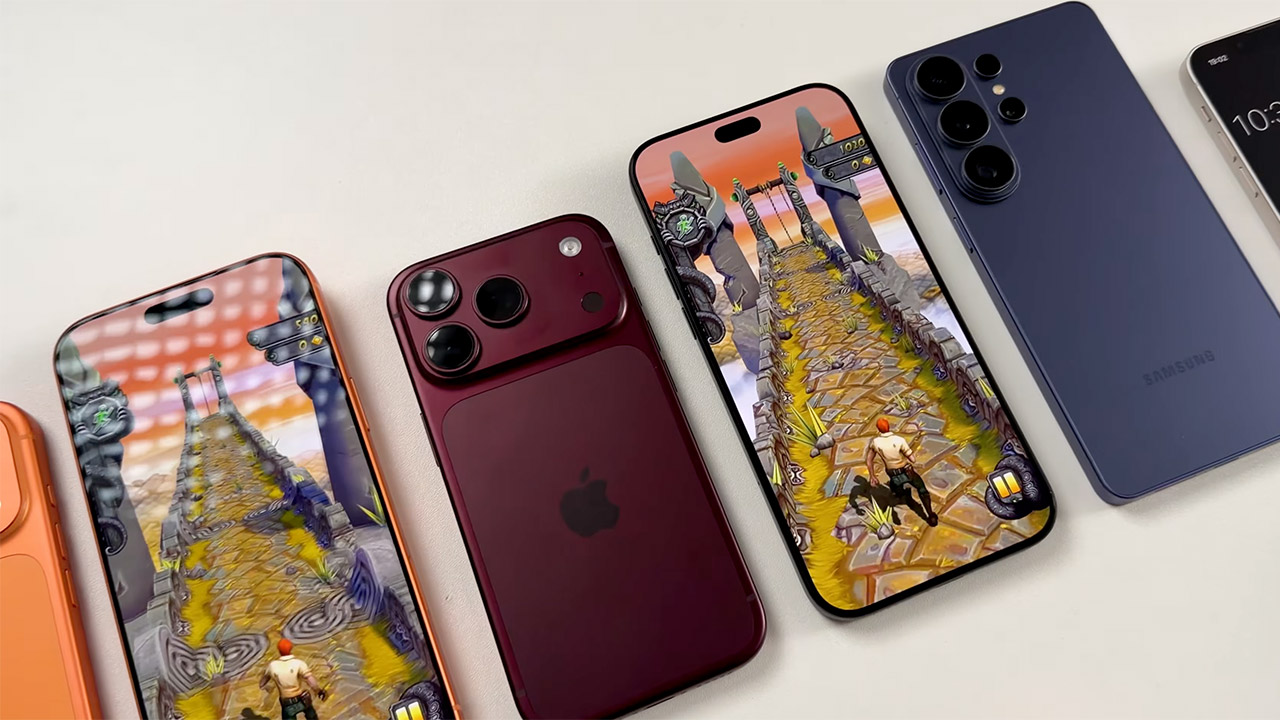
The iPhone 17 Pro Max died just after 10.35 hours. The iPhone 18 Pro Max still had 8 percent charge and lasted another 45 minutes before dying, bringing the total time to 11 hours. The relative increases appeared to be similar across both sizes: 17 Pro to 18 Pro and 17 Pro Max to 18 Pro Max. You could sense the improvement, but it wasn’t a great leap. A second run was completed for good measure. The Air died four minutes earlier than before, at 7 hours. The iPhone 17 lasted around 8 minutes longer than the first time. The iPhone 17 Pro was barely 3 minutes off its previous time. The iPhone 18 Pro had a 5% charge when the 17 Pro died and lasted 8 hours 35 minutes, coming within 10 percentage points of last year’s Pro Max without actually catching up. For comparison, the Galaxy S26 Ultra, which was around 8 months old at the time, died after just 9 hours. The iPhone 17 Pro Max lasted 10 hours and 11 minutes, whereas the iPhone 18 Pro Max was still 11% charged when the older Pro Max died.
Bigger cells always seemed to come out on top, as the Pro Max phones just kept going compared to the rest, and Tech Chap summed it up quite well by noting the major reason to pay more for the larger body is that they simply last a lot longer. However, the Air to 17 is a significant step up, as is the Pro to new Pro from one year to the next, and last year’s Pro Max appears to be able to compete with this year’s smaller 18 Pro, at least on our worldwide SIMS and the mix of work I’ve been doing.
Let’s be honest, once you start adding all the variables together, signal strength, screen brightness, and which apps you end up utilizing, it’s a marvel his statistics don’t vanish totally, giving you a true image of battery life rather than a rosy promise for every situation. If battery life alone was enough to persuade you to go with a new 17 or Air, the 18 Pro Max is the phone that keeps going long after everything else has shut down.
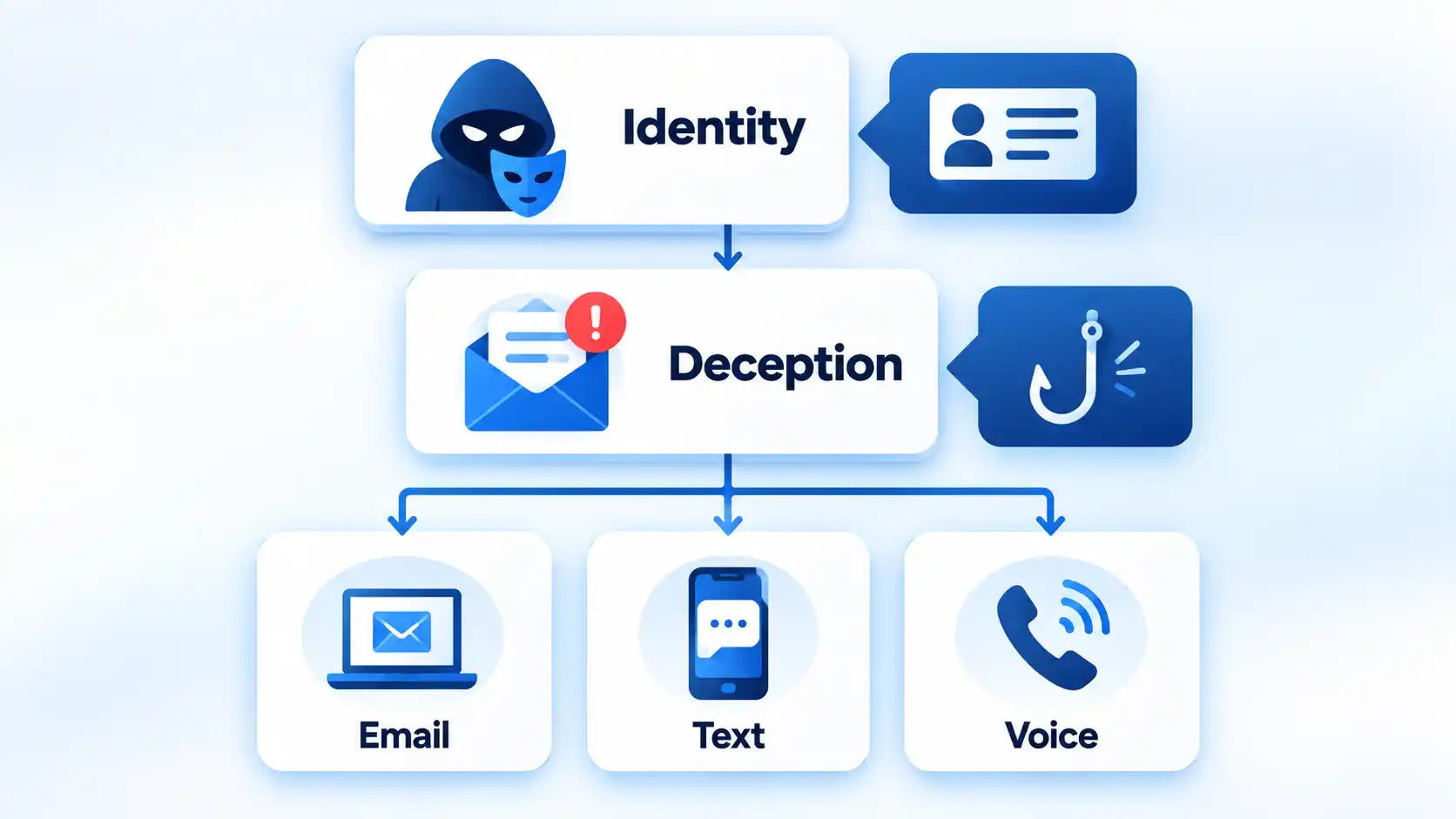
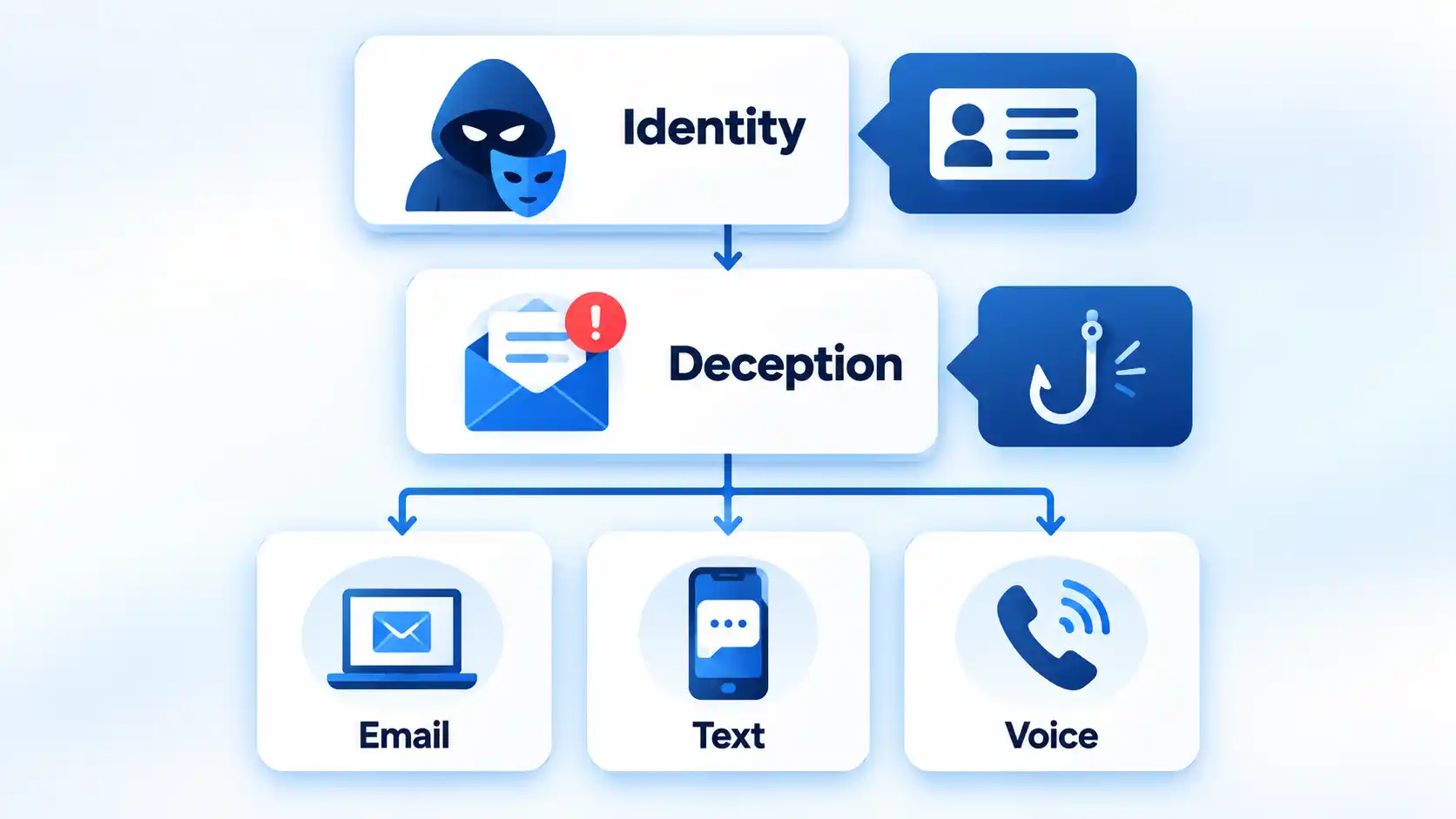
Spoofing means falsifying or imitating an identity, while phishing is deception designed to make you reveal information, send money, open malicious content, or take another unsafe action. Smishing and vishing are phishing variants delivered through text messages and voice communication respectively.
Quick Take
Spoofing: Makes a sender, caller, website, or other source appear to be someone or something it is not.
Phishing: Uses deceptive communication to persuade a target to reveal information or take an attacker-desired action.
Smishing: Phishing delivered through SMS or MMS text messages.
Vishing: Phishing delivered through phone calls, voice messages, or other voice communication.
The terms can overlap. A single attack can spoof an identity, send a smishing message, continue through a vishing call, and direct the victim to a phishing website.
Spoofing vs Phishing vs Smishing vs Vishing at a Glance
The four terms are closely related, but they do not describe four mutually exclusive attack categories. Spoofing primarily describes false identity or source information, while phishing describes the deception itself. Smishing and vishing narrow phishing by communication channel.
Four Threats Compared
Key differences between spoofing, phishing, smishing, and vishing
Feature
Spoofing
Phishing
Smishing
Vishing
Core meaning
Falsifying or imitating an identity or source
Deceiving someone into revealing information or taking an unsafe action
Phishing through SMS or MMS text messages
Phishing through voice communication
Typical channel
Email, caller ID, websites, domains, and other communications
Commonly email or websites, although phishing spans multiple channels
SMS or MMS text messaging
Phone calls, voice messages, voicemail, or Voice over Internet Protocol
Primary function
Make a source look trusted or different from its real identity
Persuade a target to disclose information, approve access, open malicious content, or send money
Carry a phishing attempt through text messaging
Carry a phishing attempt through voice communication
Impersonation
Central to the technique
Common, but phishing is defined by deceptive solicitation rather than one specific spoofing method
Commonly impersonates a trusted person or organization
Commonly impersonates a trusted person or organization
Typical example
A scammer makes a bank’s real number appear on caller ID
An email directs you to a fake account login page
A text claims you owe an unpaid toll and provides a payment link
A caller claims your bank account is at risk and pressures you to act
Immediate response
Verify the identity separately
Avoid the supplied link or contact route until verified
Do not reply, click, or pay until verified
End the suspicious call and contact the organization independently
The most important difference is therefore not simply email versus text versus phone. Spoofing describes how identity can be falsified, while phishing describes how a person is manipulated. Smishing and vishing identify two channels through which that manipulation can occur.
The Key Relationship: Spoofing Is a Technique, While Smishing and Vishing Are Channels of Phishing
That gives the terms different jobs. Spoofing answers a question about identity: what source is being imitated or falsified? Phishing answers a question about deception: what is the attacker trying to persuade the victim to do?
Advertisement
Smishing and vishing narrow the discussion further by describing the delivery channel. The FBI identifies smishing as phishing through SMS text messages and vishing as phishing through phone calls, voice email, or Voice over Internet Protocol communications.
These categories can therefore overlap. Imagine an attacker who pretends to be your bank. The attacker could spoof the bank’s telephone number, send you a fraudulent text message, call you after you respond, and then direct you to a fake login page. The same campaign could involve spoofing, smishing, vishing, and phishing without contradiction.
This relationship also explains why treating all four terms as interchangeable can cause confusion. Phishing belongs to the broader category of phishing and social engineering, while spoofing can also describe forms of impersonation outside a phishing scenario.
What Is Spoofing?
Spoofing is the act of making an identity, source, or piece of identifying information appear to be something it is not. In communications-related attacks, the false information might be a caller-ID number, email sender name, email address, domain, or website URL.
Advertisement
For example, your phone might display the genuine customer-service number of your bank even though the call came from an attacker. The Federal Trade Commission warns that scammers can make any name or number appear on caller ID. The displayed number is therefore not proof of who is actually speaking.
Email and web spoofing can work in similar ways. An attacker may create a look-alike domain, alter a character in an address, or design a fake website to resemble a trusted service. In September 2025, the FBI warned that criminals were creating spoofed versions of the Internet Crime Complaint Center website by altering characteristics of the legitimate domain.
This article uses “spoofing” mainly in the communications and social-engineering sense. The technical term is broader. NIST’s cybersecurity glossary includes several spoofing definitions, including impersonating an authorized user and manipulating data or signals. The exact meaning therefore depends on technical context.
A compromised legitimate account is another important edge case. If an attacker sends a malicious message from a real employee’s hijacked mailbox, the visible account may be genuine even though the person controlling it is not. That differs from simply forging visible sender information, but both situations can make fraudulent communication appear trustworthy.
Advertisement
What Is Phishing?
Phishing is a social-engineering attack that tries to persuade someone to disclose sensitive information or perform an action that benefits the attacker. NIST’s phishing glossary includes definitions centered on fraudulent solicitation, deceptive electronic communication, and attempts to trick people into revealing sensitive information.
A phishing message might ask you to:
enter a password on a fake login page;
provide banking or card details;
open a malicious attachment;
approve an unexpected login or multifactor authentication request;
send money or change payment instructions; or
provide confidential personal or business information.
For example, an email could claim that your bank account has been locked and instruct you to sign in immediately. The link leads to a page designed to resemble the bank’s real website. The spoofed branding or URL helps establish trust, while the phishing element is the attempt to manipulate you into entering credentials.
The word “phishing” is often associated with email because email is a common delivery route. However, the broader phishing family is not limited to one channel. The FBI explicitly describes smishing and vishing as variations that use similar deception through text and voice communication.
What Is Smishing?
Smishing is phishing conducted through text messaging. The name combines SMS, or Short Message Service, with phishing. The FBI defines smishing as malicious targeting through SMS or Multimedia Messaging Service text messages.
Advertisement
A smishing message might claim to be:
a bank fraud alert;
a package-delivery problem;
an unpaid toll or fee;
a job opportunity;
a message from a government agency; or
a person who supposedly contacted the wrong number.
The objective is not always an immediate malicious download. A scammer may first want you to reply, establish a conversation, move to another messaging platform, or trust a later request. FTC guidance on scam and phishing text messages documents fake account alerts, package notices, malicious links, and attempts to steal passwords, account numbers, and other personal information.
A May 2025 FBI warning documented attackers sending text messages while impersonating senior U.S. officials, then attempting to establish rapport or move targets to another communication platform. The FBI described the text-messaging stage as smishing.
The channel is what makes the phishing attempt smishing. A fake bank alert sent by email is not smishing merely because the underlying story is identical to one used in a fraudulent text.
What Is Vishing?
Vishing is voice-based phishing. The term combines voice with phishing. The FBI’s general phishing guidance includes phone calls, voice email, and Voice over Internet Protocol (VoIP) calls as vishing channels.
Advertisement
A typical vishing attack might involve someone claiming to be from a bank, government agency, technical-support department, employer, or other trusted organization. The caller may create urgency by saying money is disappearing from an account, taxes are overdue, a computer is compromised, or an immediate security check is required.
The attacker may then ask for a password, banking information, security code, payment, remote computer access, or another action. The FTC warns that scammers use false identities, urgency, and other stories to obtain money or personal information through fraudulent phone calls.
Artificial intelligence can make this form of impersonation more convincing. In May 2025, the FBI documented AI-generated voice messages used in vishing campaigns impersonating senior U.S. officials. A December 2025 update reported that malicious actors continued using text and AI-generated voice messages in the campaign.
Voice cloning does not create a separate fifth category alongside phishing, smishing, and vishing. It is a technique that can strengthen a vishing attack by making an impersonated voice more believable.
Advertisement
How the Same Scam Can Use All Four Techniques
Consider a bank-impersonation campaign. It could begin when an attacker sends a text claiming that a suspicious payment has appeared on your account. The text contains the bank’s name and asks you to confirm whether you recognize the transaction.
That first contact is smishing because the phishing attempt arrived through a text message. If the sender information, branding, or website is deliberately made to imitate the bank, spoofing is also involved.
The attacker might then call you from a number that appears to match the bank’s real customer-service line. That false caller ID is another form of spoofing, while the spoken attempt to make you reveal a verification code or move money is vishing.
Finally, the caller might direct you to a fake bank website where you are asked to enter your username and password. The broader attempt to manipulate you into surrendering those credentials is phishing.
Advertisement
Trying to label the entire campaign with only one of the four terms loses useful information. A security team may need to know both the attacker’s social-engineering objective and the separate channels and impersonation techniques used to carry it out.
Warning Signs That Apply Across All Four
The delivery channel changes, but many social-engineering warning signs remain similar. None of these signs proves fraud by itself, but several appearing together should make you slow down and verify the request independently.
Unexpected urgency: You are told to act immediately before you have time to verify the story.
Threats or fear: The sender or caller claims your account, money, job, benefits, or legal status is at immediate risk.
Requests for passwords or security codes: Someone asks for credentials, one-time codes, or approval of an unexpected authentication request.
Unusual payment instructions: You are told to send cryptocurrency, gift cards, wire transfers, or money to a new destination.
Suspicious links or domains: A web address resembles a legitimate service but uses altered spelling, extra words, or a different domain.
Pressure to stay within the attacker’s communication path: The person discourages you from hanging up, checking an official app, contacting a colleague, or verifying the request elsewhere.
A sudden request to move platforms: A text, email, or voice message asks you to continue the conversation on another messaging service.
Identity details that cannot be independently confirmed: The message looks familiar, but the claimed sender cannot verify the request through a trusted channel you already know.
Legitimate messages can sometimes be urgent, contain links, or arrive from unfamiliar numbers. The safer decision is therefore based on independent verification rather than one visual clue or one warning sign.
What to Do When You Receive a Suspected Spoofing or Phishing Message
You do not need to identify the exact attack category before protecting yourself. Use the same verification-first sequence when an unexpected call, email, or text asks for money, credentials, sensitive information, or another consequential action.
Stop interacting. Do not click the link, open the attachment, send money, disclose a password or security code, install software, or approve a login while the request is still unverified.
Identify who the message claims to represent. Determine whether the sender says they are a bank, employer, government agency, delivery company, family member, colleague, or another trusted party.
Avoid the contact route supplied by the suspicious message. Do not use a phone number, reply address, login link, or website supplied by the potential attacker as proof that the communication is genuine.
Verify through an independent channel. Open the organization’s official app, manually enter a website you already trust, use a known phone number, or contact the person through a saved conversation or another established channel. The FBI recommends independently identifying contact information when verifying suspicious communications.
Block or report the contact when appropriate. Use your email provider, carrier, messaging service, or relevant fraud-reporting channel after you determine that the communication is fraudulent or sufficiently suspicious.
If you have already clicked, sent money, disclosed credentials, or granted device access, the problem has moved beyond identifying the attack type. The appropriate recovery depends on what the attacker obtained. The practical steps for dealing with spoofed calls and emails after contact include protecting affected accounts, contacting payment providers where necessary, checking exposed devices, and preserving useful evidence.
The Difference That Matters Most
The easiest way to keep the four terms straight is to ask different questions. Spoofing asks which identity or source is being falsified. Phishing asks what deception is being used to make the target act. Smishing and vishing identify text and voice as the channels carrying that phishing attempt.
Advertisement
Because those dimensions can overlap, one scam can legitimately fit more than one label. Understanding the relationship is more useful than forcing every attack into a single category.
The big picture: Cornell University researchers have developed a way to recycle lithium-ion batteries without breaking them down into raw materials first. Their method, called Direct Electrode-to-Electrode Regeneration, or DEER, restores worn battery electrodes so they can be used again. The results suggest that some EV batteries could be refurbished at lower cost and with less energy than conventional recycling methods, though the process will not work for every degraded cell.
The work focuses on a common problem in aging lithium-ion batteries: buildup on the electrodes. As batteries are charged and discharged, a layer known as the solid electrolyte interphase, or SEI, grows on their surfaces. Some SEI is necessary, but too much of it slows the movement of electrons and reduces battery capacity.
In the Cornell process, researchers take apart used cells and place the electrodes in an electrochemical bath containing 1,3-dimethyl-2-imidazolidinone, or DMI. The treatment removes the thicker SEI layer without destroying the electrode itself. The renewed electrodes can then be used to build new battery cells.
The researchers reported that regenerated cells recovered up to 95% of their original capacity. They also found that treated batteries degraded more slowly than untreated ones. Untreated degraded batteries lost capacity at a rate of 0.072% per cycle, compared with 0.042% per cycle for batteries restored through DEER. The lower degradation rate held for about 800 cycles before increasing.
Advertisement
A second round of treatment brought a previously regenerated battery back to 90% of its original capacity. That suggests the process could extend the working life of electrodes more than once, depending on the condition of the battery.
The approach differs from most commercial recycling methods. Conventional systems typically shred or crush spent batteries into a mixture called black mass. Recyclers then use high heat, chemicals, or both to recover lithium, cobalt, nickel, manganese, copper, and aluminum.
Those methods recover valuable materials, but they also destroy electrodes and other parts that may still be usable. DEER treats the battery less as a source of metals and more as a device with components that can be repaired.
That could be useful for electric-vehicle batteries. EV battery packs are often removed from vehicles once they fall to about 70% to 80% of their original capacity. At that point, the batteries may no longer meet automotive range and performance requirements, but many of their electrodes can still function.
Advertisement
The Cornell method is not suited to every battery. It works best when performance loss is caused mainly by SEI buildup. Batteries with lithium loss, cracked particles, structural damage or mechanical failures would still need conventional recycling.
There are also practical hurdles. The electrodes must be removed from the battery, processed, and washed before they can be reused. Researchers tried injecting the DMI solution directly into intact cells, but the results were poor. That means a commercial version of the process would require battery disassembly and careful handling of the electrode materials.
Cornell estimates that DEER-recycled cells could cost $15.25 per kilogram, compared with $26.31 per kilogram for recycling through pyrometallurgy or hydrometallurgy. The estimate does not include recovering the DMI solution, which accounts for about 63% of the process cost. Reusing that chemical could improve the economics if the method moves beyond laboratory testing.
The research comes as battery recycling companies and researchers look for ways to handle a growing supply of aging EV batteries. While many of these methods remain focused on recovering metals, DEER offers a different option. Instead of immediately reducing a used battery to its chemical ingredients, it tries to salvage the electrode before that step becomes necessary.
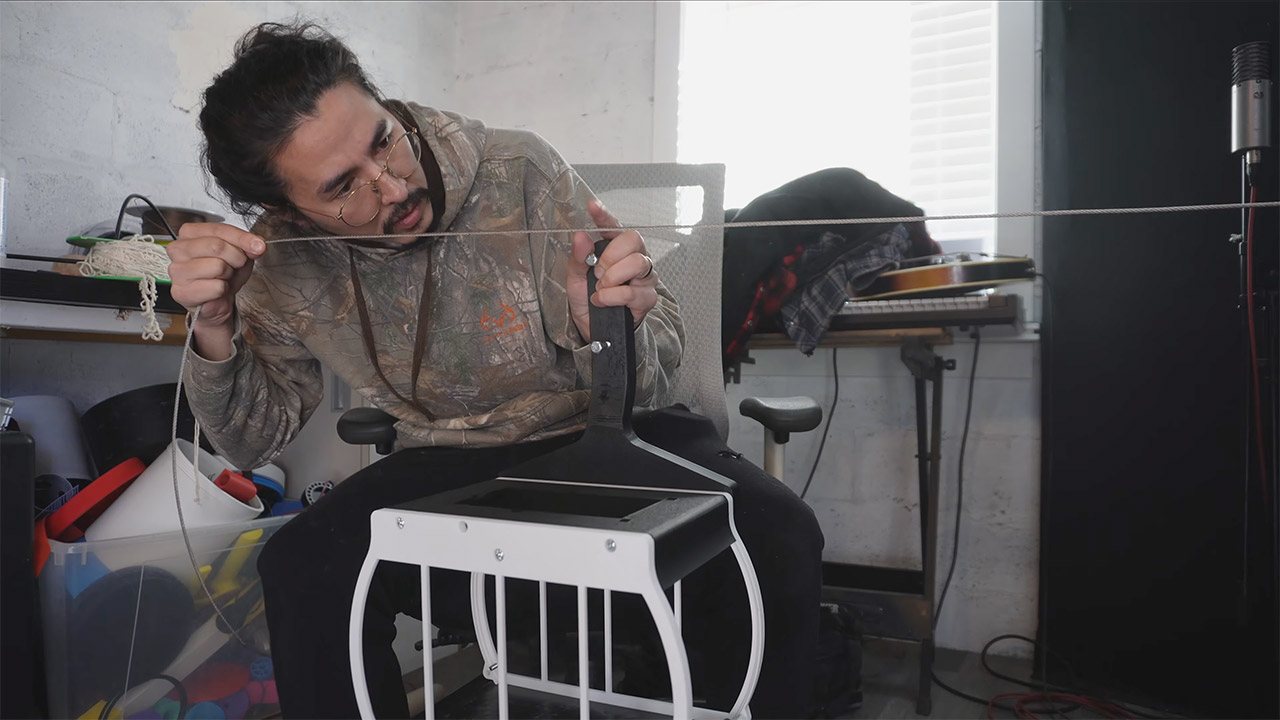
Super Valid Designs spent two months on a ski lift because mice had moved into the chicken coop and ordinary traps only opened a revolving door. Catch one batch and another arrives. Live relocation felt like a better bet than a pile of snap traps, so the plan became a pair of jobs in one machine: baited gondolas that work as traps, then a cable line that carries those cars 250 feet down a hill and dumps the passengers into brush without anyone walking the route every night.
Mice travel to the vehicles using a gravity feeder that drops them from the coop ceiling. Each automobile is 3D printed and contains a portion of clear acrylic for display. The bottom door is smartly constructed to open by itself, eliminating the need for any electronics to interfere. When a car reaches the bottom station, the floor collapses beneath them, and our little critters land on a mound of brush. The entire thing is popularly referred to as the Rodent Tram Express; whether you interpret this as a show of kindness or a sardonic joke about a peanut-butter-fueled ride to freedom is totally up to you.
High-Speed Precision: Experience unparalleled speed and precision with the Bambu Lab A1 3D Printer. With an impressive acceleration of 10,000 mm/s…
Multi-Color Printing with AMS lite: Unlock your creativity with vibrant and multi-colored 3D prints. The Bambu Lab A1 3D printers make multi-color…
Full-Auto Calibration: Say goodbye to manual calibration hassles. The A1 3D printer takes care of all the calibration processes automatically…
A lot of man-hours went into laying the cable work; over 500 feet of it cost around $100 and resulted in a loop that was only about 250 feet long. He utilized old bike rims for the pulley wheels, covered them in some old tire rubber to give the cable some grip, and then had to get a windshield wiper motor from an old family car to make it work. After the rope sagged slightly and the cars began to get trapped on the support rods, the towers were installed. After that, it was basically a lot of framework made from whatever scraps he had lying around and measuring? Measuring stayed optional. “Measure twice, cut once, or don’t measure at all” was the working rule, with the cars themselves getting the careful design time the lift never received.
Testing was a pain in the neck, literally, because he had to hike the hill several times until all the kinks were worked out. Cars would snag on objects, the acrylic windows messed up the cable, and we even had a tower shift on us. If that wasn’t enough, he had to cope with heat and wildfire smoke, which turned our treks into a second project, as well as a host of ticks that appeared in the brush we needed to remove for the cable. He started by running two cars at once, just in case a full load of cars pulled the cable straight off the pulley wheels, but after a few runs, he eventually got everything in order and the loop held together.
To be honest, findings are a little hard to come by, since he only managed to get a few visits in with video evidence by the time he posted it all online. Whether 250 feet is truly far enough is debatable; many people pointed out that mice have a nasty habit of simply walking home after a while, and 1/4 mile is probably about right for a commute rather than exile. Super Valid Designs is considering the lift as a temporary fix, and he isn’t thinking of it as a silver bullet answer just yet. Keeping the feed sealed and holes plugged remains the top priority; the Rodentram Express is more of a nice-to-have than a must-have, but hey, we now have a station in the coop and a line on the hill, and a few mice have had the dubious pleasure of taking public transportation without asking. [Source]
In context: The FAA has long suffered from a shortage of air traffic controllers, and many air traffic control systems are badly outdated, making the sector an obvious target for AI-powered automation. Although no one currently believes AI can replace air traffic controllers, the technology could help different airlines and the FAA pool data to increase efficiency.
Federal aviation officials aim to launch a new AI-based air traffic control tool next week in Washington, DC, one of the US’s busiest air travel corridors. The debut marks the beginning of a gradual nationwide rollout.
Strategic Management of Airspace, Routes and Trajectories (SMART) is a cloud-based system that analyzes schedules, weather patterns, airport capacity, and other operational factors to predict traffic flow and potential conflicts. While airlines, air traffic controllers, and the FAA currently often operate on different data sources and schedules, SMART aims to provide them with a shared intelligence stream.
Air Space Intelligence, the AI firm that developed SMART after receiving a $875 million grant from the FAA, hopes it will reduce fuel use, speed recovery following bad weather and congestion, raise situational awareness, and create space for new air traffic. Along with another system called Flow Management Data & Services, ASI aims to roll out SMART over the next one to two years. The initiative is part of the Trump administration’s plan to update US air traffic control, which has struggled with staffing shortages and outdated technology for years.
Advertisement
A 2023 FAA risk assessment found that 37% of systems were unsustainable and 39% were potentially unsustainable. While plans to update some systems could take a decade or more, others – some over three decades old – were not scheduled to be modernized. ASI is promoting SMART as a faster way to update some of the FAA’s tools.
AI proponents also often cite the technology as a path to reducing the workloads of overburdened employees (though many claim it does the opposite), and air traffic controllers could be among those who benefit. While the FAA hopes to eventually employ 12,563 controllers (down from a prior target of 14,633), it currently employs only around 11,000. The shortage has contributed to flight delays and made one of the world’s most stressful jobs even more taxing. The FAA has even resorted to video games to boost recruitment, but the job’s mental requirements are steep.
The platform aims to give employees greater clarity and insight when it comes to planning for retirement.
As part of its plans for Pensions Awareness Week 2026, Pensions Awareness Ireland has launched what it claims to be Ireland’s first AI retirement coach.
The aim of the model, which has been named Ali, is to empower employees to gain greater control over their financial future. Primarily it can help workers to see if their pension pot is on track to support the lifestyle they intend to have post-employment.
Employees can then explore their options and start to implement any necessary changes they need to make, in order to improve their long-term financial outlook.
Advertisement
The model will require data such as the user’s current age, their planned retirement age, annual gross income and monthly pension contributions to enable its AI tools to build a dashboard breaking down their retirement income forecast and pension details.
From there dashboard users will receive an invitation to join a conversation with Ali, which has been trained on the Irish pensions system and is programmed to provide tailored responses based on the user’s dashboard.
Feargal McKenna, the head of corporate at Ireland’s best pension plans, investments and advice said, “Most people understand that they need to save for retirement. The hard question is whether they are saving enough to give them the lifestyle they want. That lack of visibility can make retirement planning feel complicated and offputting.
The AI Retirement Coach is designed to change that. Ali enables people to explore what their forecast means for their own circumstances and the changes they could make in a judgement-free digital space. The aim is to turn retirement planning from something abstract and uncertain into something people can understand, talk about, and take action on.”
Advertisement
In early July, the Department of Enterprise, Tourism and Employment brought into effect the Employment (Contractual Retirement Ages) Act 2025, which introduces significant new rights for employees in Ireland and also places new legal restrictions and responsibilities on employers.
The new rules mean that eligible employees, who wish to do so, can now choose to remain employed at their place of work for a period of time beyond their contractual retirement age, where that age is below the State Pension age of 66.
Employees may choose to stay on at an organisation for a range of reasons, including to work towards a better retirement.
Don’t miss out on the knowledge you need to succeed. Sign up for the Daily Brief, Silicon Republic’s digest of need-to-know sci-tech news.
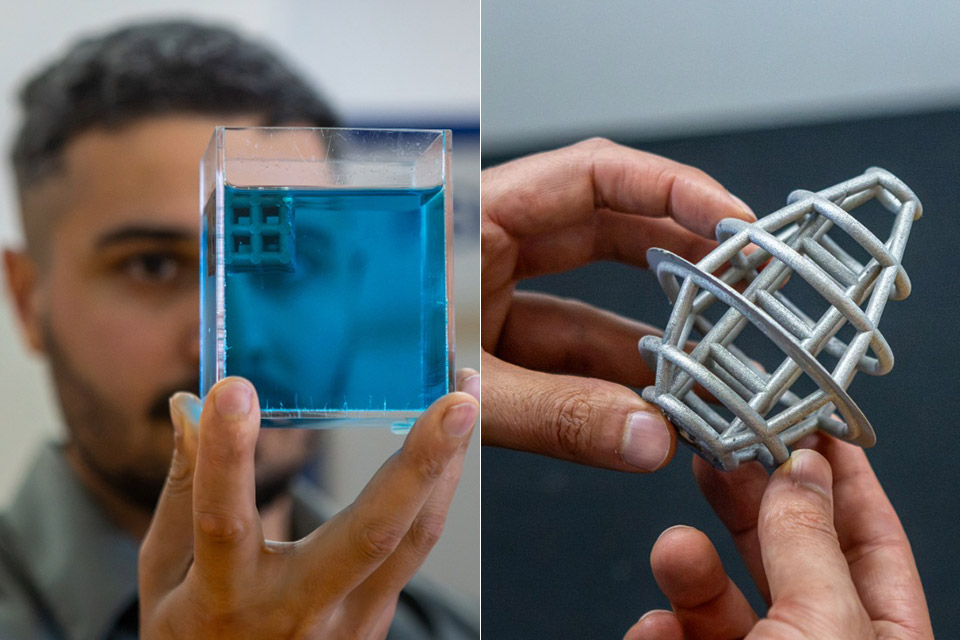
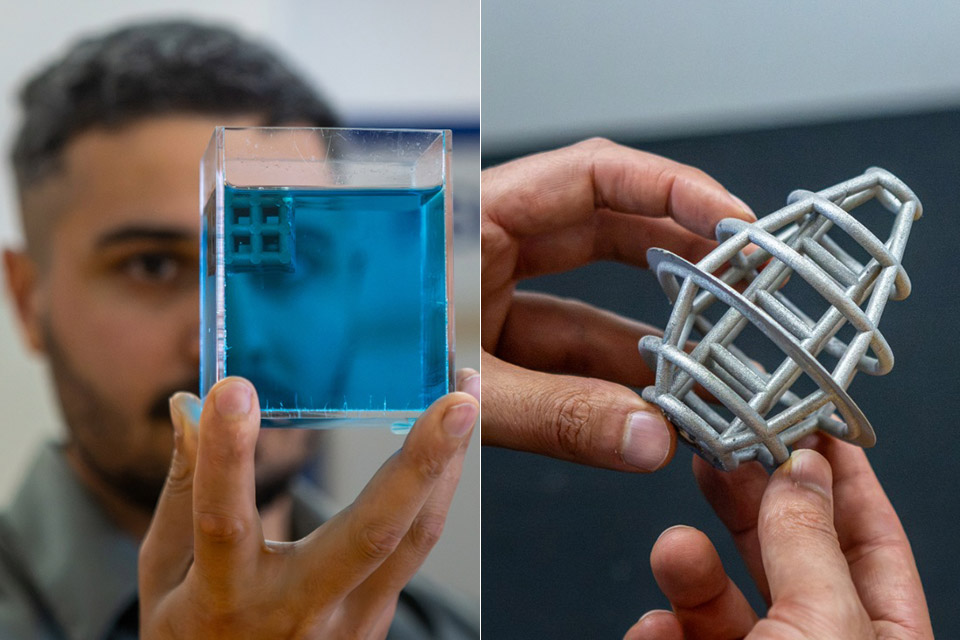
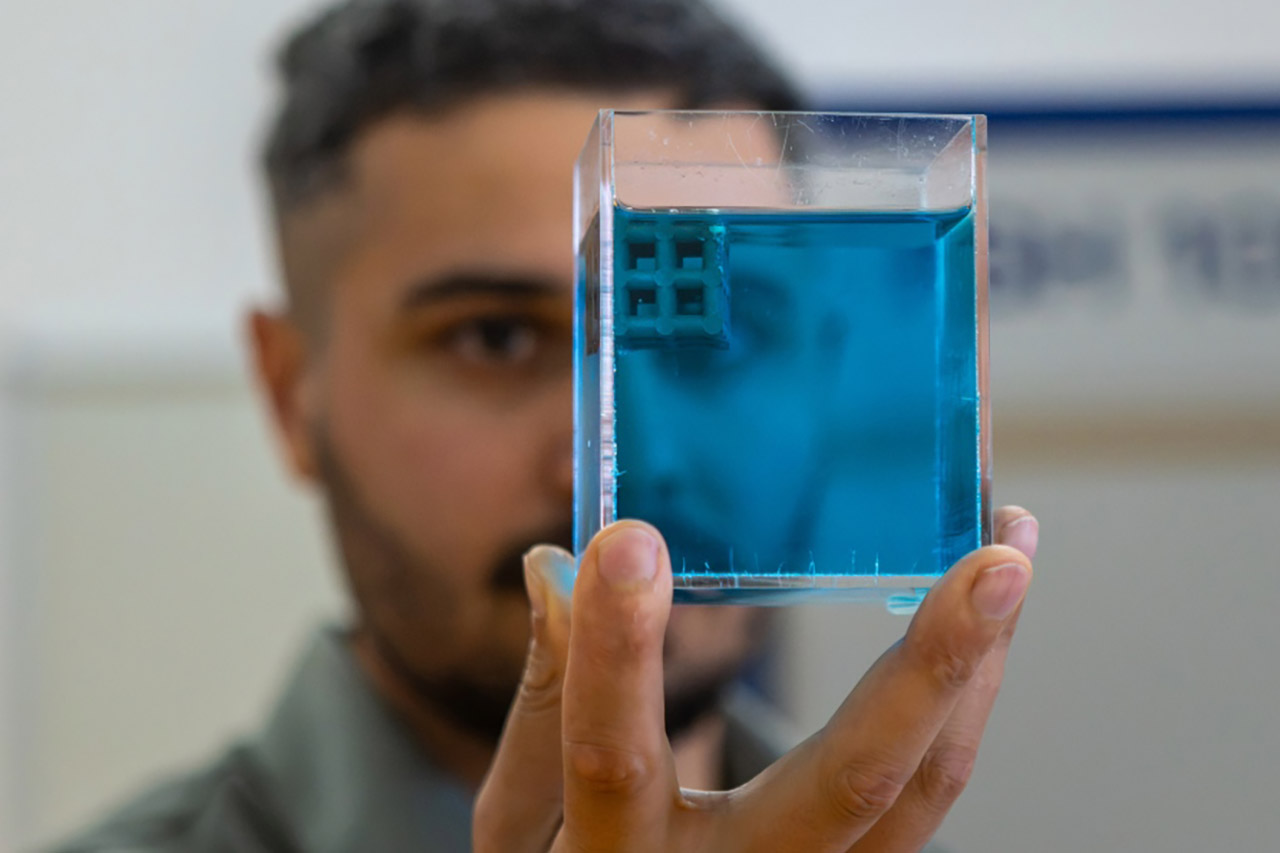
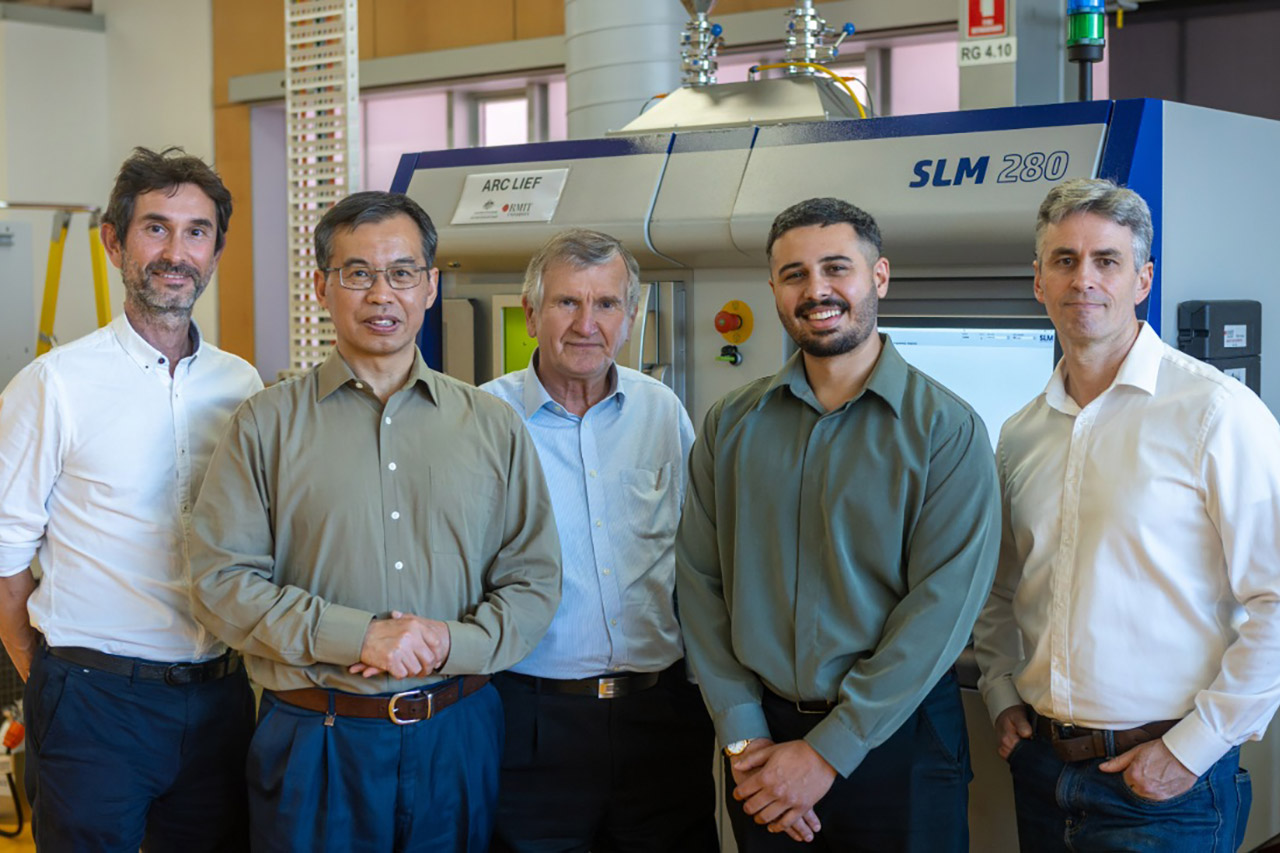
Photo credit: Sara Tan | RMIT Researchers at RMIT University’s Centre for Additive Manufacturing have printed a titanium lattice that floats while remaining open so water can pass straight through. Lead researcher Dr Jordan Noronha and project leader Distinguished Professor Ma Qian worked with Professors Andrey Molotnikov, Milan Brandt and Martin Leary, along with partners at France’s Conservatoire National des Arts et Métiers. Their hybrid starts with Ti-6Al-4V, an alloy that normally sits around 4.43 grams per cubic centimeter, more than four times the density of freshwater.
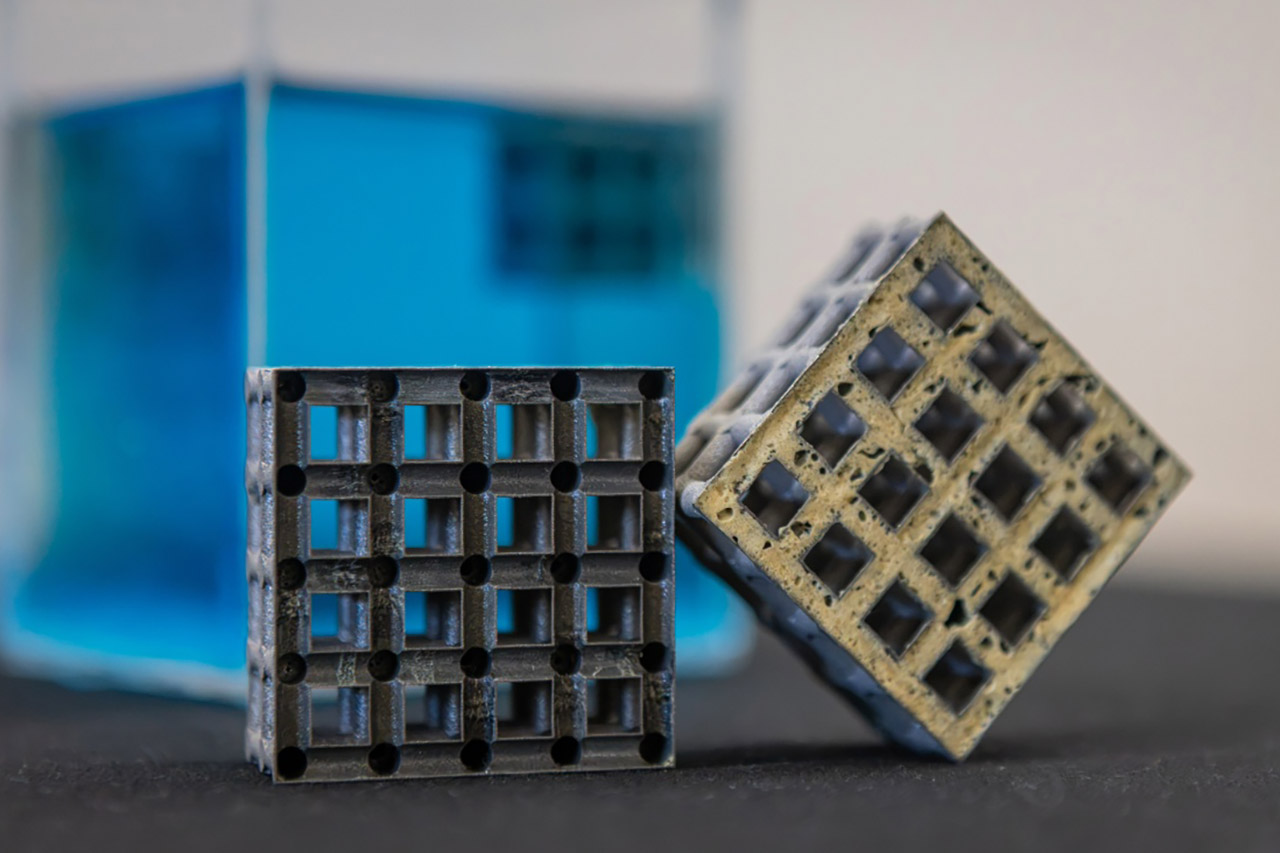
Laser powder bed fusion resulted in simple cubic lattices of 4 by 4 by 4 stacks of 10 mm cells, all neatly stacked. Instead of thick solid beams, we used hollow struts with walls that were only 0.2 mm thick and interiors that measured 2.5 to 4 mm across. We next filled those hollows with expandable polyurethane foam, allowing it to swell, lock onto the rough inner walls, and form a combination of tiny closed cells ranging in size from 10 to 200 microns. This resulted in a small 5.9 to 7.3 percent increase in bulk density while still trapping a lot of gas inside the metal.
IF DESIGN GOLD AWARD WINNER – Our NESTOUT Outdoor Series won the prestigious IF Design Gold Award, given to the products that exemplifies innovation…
FAST CHARGING USB-C PD – All NESTOUT batteries come equipped with fast-charging USB-C ports with USB Power Delivery to quickly charge electronic…
SMART POWER DELIVERY – The battery automatically detects the energy requirements of plugged-in devices and will allocate more energy to power-hungry…
Metallic lattices have a bit of a problem in that they can achieve bulk densities lower than water while still sinking because liquid fills all of the gaps. Researchers at RMIT developed a new concept called skeleton density, which counts only the titanium walls and sealed-foam filled insides while ignoring all of the empty space on the outside. If the skeleton density in freshwater remains below around 0.997 grams per cubic centimeter, the entire thing will float, even if water only seeps in through the exterior gaps.
They kept them in freshwater aquariums for over two months to test how long they could stay afloat. After only two weeks, seawater from Melbourne’s Port Phillip Bay lost 0.15 percent of its mass and less than 1 percent of its strength. Compression tests revealed that lattices with foam within had almost the same yield strength, ultimate compressive strength, and stiffness as hollow strut equivalents without foam. Interestingly, in terms of specific strength, they outperformed both high-density polyethylene and 316L stainless steel. At the same overall density, our hybrid design was around 70% stronger than steel or HDPE, placing it close second.
Even after tiny cracks, fissures, and the removal of an entire layer of lattice, these hybrids remained buoyant. They only sank toward the end, at the last densification step, when the pressure was high enough to compress the volume and raise the skeleton density above water. They tested an 85 x 100 mm printed buoy in a turbulent seawater tank, allowing it to swing up to 45 degrees without the need for a sealed outer shell.
Jobs such as maritime buoys, floating sensors, piers, and offshore platforms are likely to profit from hardware that can withstand wave impacts and resist corrosion better than typical plastics or steel of comparable weight. Distinguished Professor Ma Qian mentioned that the same titanium structure may be used for other fillers to absorb energy, manage heat, or minimize vibration. The Australian Research Council and the RMIT School of Engineering provided funding for this work. They’re now looking to create larger sections and test them in real-world sea conditions for a few years. [Source]
The Financial Times reported that the company is seeking ‘a valuation of up to $35bn’.
UK AI infrastructure developer Nscale has filed for a US initial public offering (IPO) through a statement of registration to the country’s Securities and Exchange Commission (SEC).
The number of shares to be offered and their price range have not yet been determined, according to the company, which has applied to list its ordinary shares on the New York Stock Exchange under the ticker symbol ‘NSCL’.
The Financial Times, however, reported on Friday (18 September) that Nscale is seeking “a valuation of up to $35bn” in the IPO, citing people familiar with the matter.
Advertisement
Goldman Sachs, JP Morgan and Morgan Stanley will act as lead bookrunners for the proposed offering.
RBC Capital Markets, Deutsche Bank Securities and TD Securities, among others, will act as other bookrunners, while Citizens Capital Markets, Loop Capital Markets and Roth Capital Partners, among others, will act as the offering’s co-managers, Nscale said.
According to its SEC filing, the London-based AI start-up had a net loss of $1.02bn on revenue of $140.6m for the six months ending on 30 June; for the same period in 2025, it had a net loss of $368.9m on revenue of $10.4m.
“As of 31 August 2026, our infrastructure portfolio included approximately 25,000 active GPUs and 461,000 active and contracted GPUs, five active and 12 contracted data centre sites (including seven wholly-owned sites, nine colocation sites and one leased site) and approximately 1.37GW of active and contracted capacity (representing 1GW at owned sites, 200MW at leased sites and 165MW at colocation sites)”, Nscale’s filing read.
Advertisement
It added that the company’s footprint “is concentrated in renewable-rich, low-cost power regions such as Norway, Portugal, Iceland and select locations in the United States and APAC”.
The company raised $2bn in Series C funding at a valuation of $14.6bn in March of this year. At the time, it said the money would be used to accelerate its global development of vertically integrated AI infrastructure – including GPU compute, networking, data services and orchestration software – across Europe, North America and Asia.
Nscale has AI infrastructure deployment deals with Microsoft and Nvidia; its founder, CEO and chair – 32-year-old Josh Payne – received total compensation in 2025 of $23.2m, according to last week’s SEC filing notice.
Don’t miss out on the knowledge you need to succeed. Sign up for the Daily Brief, Silicon Republic’s digest of need-to-know sci-tech news.
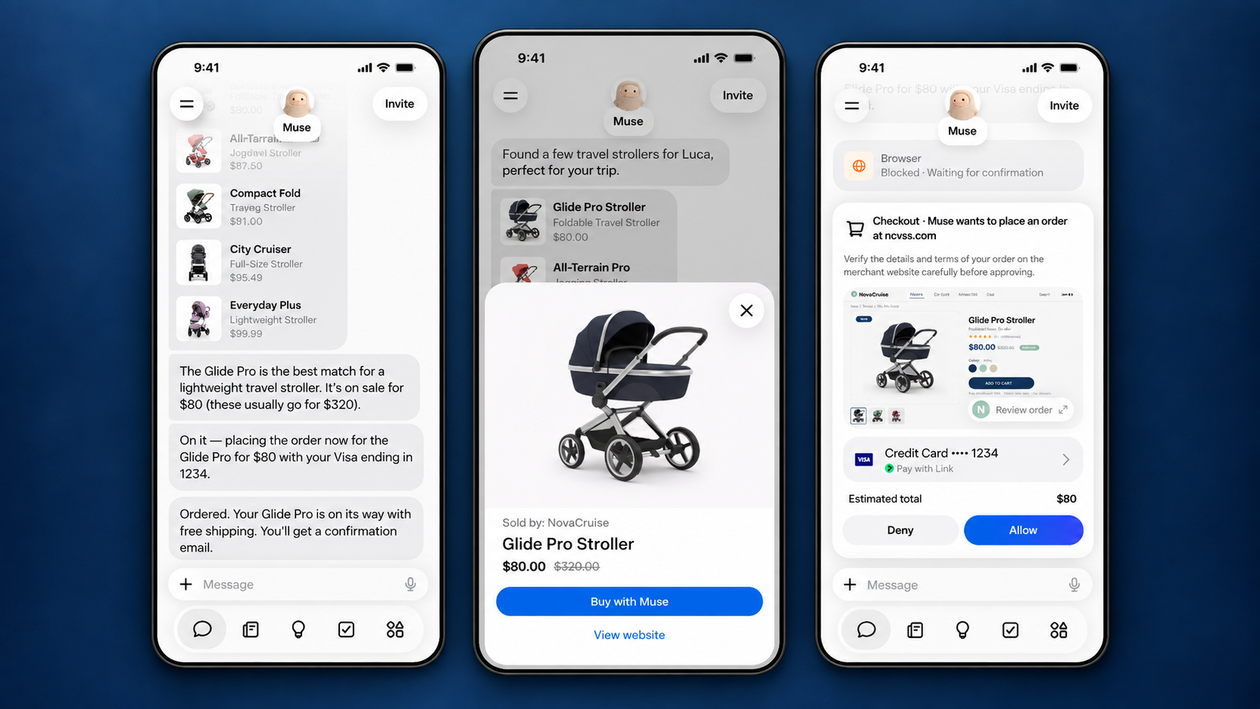
Meta’s promotional images show Muse comparing strollers and asking for approval before placing an order. (Meta Images)
Amazon says it has cut off Meta’s new Muse personal AI agent from shopping on Amazon.com on behalf of customers, after attempting unsuccessfully to get the Facebook parent company to voluntarily exclude the e-commerce site from the experience.
The problem, Amazon says, is that it never agreed to any of it. Meta didn’t tell Amazon that Muse would access its store, the agent doesn’t identify itself when it browses, and it appears to capture and store customer credentials, which the company says could create privacy and security risks.
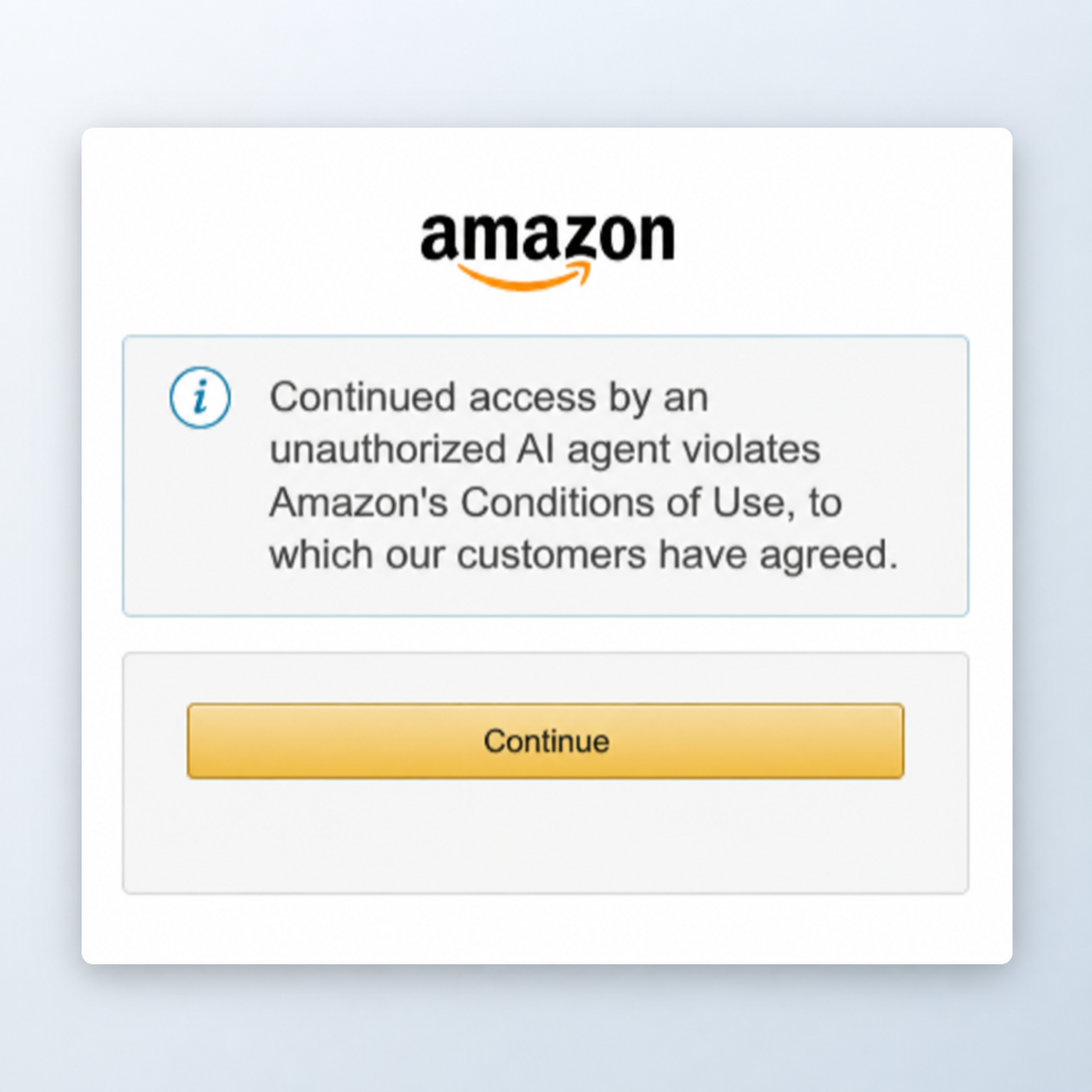
As of Sunday night, people trying to use Muse to shop on Amazon were seeing the popup, “Continued access by an unauthorized AI agent violates Amazon’s Conditions of Use, to which our customers have agreed.”
“We think it’s fairly straightforward that third-party applications that offer to make purchases on behalf of customers from other businesses should operate openly and respect service provider decisions about whether or not to participate,” an Amazon spokesperson said in a statement.
The message Amazon is showing people who use Meta’s Muse agent to shop on its site. (Amazon Image)
Meta did not immediately respond to a request for comment Sunday night.
The company said previously that Muse “has no visibility into people’s passwords or payment methods,” and that credentials a user shares “go into secure storage, so Muse can use them without seeing them, including passwords a person types into the browser themselves.”
Advertisement
Business partners: The standoff between the tech giants is especially notable because the two companies work together: Amazon products have been purchasable inside Facebook and Instagram since 2023, and Meta signed a multibillion-dollar deal in April to run agentic AI workloads on Amazon’s cloud.
It’s part of a larger debate over who controls the online shopping experience and the customer relationship when AI agents buy items on behalf of consumers.
On Sunday night, Amazon said it is in direct conversation with Meta about the issue. Asked whether it would consider taking legal action, the company declined to comment.
Advertisement
The business stakes are high for Amazon. In addition to operating its flagship e-commerce site, Amazon generated more than $68 billion in ad revenue last year — a business that depends on people browsing its pages and seeing sponsored products.
Security implications: Muse can reach account pages and order history if a customer prompts it to do so, Amazon says. Because the agent doesn’t identify itself, the company says, that amounts to an undisclosed third party moving through customer accounts, processing transactions and handling sensitive data without Amazon’s knowledge or consent.
Amazon said agents that operate openly help keep the customer experience safe and reliable, and that other services buying on a customer’s behalf typically do so with the merchant’s agreement. It cited food delivery apps and the restaurants they take orders for, and online travel agencies and the airlines they book tickets with.
“Agentic third-party applications such as Muse have the same obligations, and we’ve requested that Meta remove Amazon from the experience,” Amazon’s spokesperson said in the statement.
The court denied Amazon’s petition for rehearing on Sept. 10. However, the ruling left one avenue open for Amazon: claims built on contracts and terms of service. The message Muse users are now seeing doesn’t accuse anyone of hacking but cites Amazon’s Conditions of Use.
How Muse works: Meta launched Muse on Sept. 8 as a personal agent that carries out multi-step tasks rather than answering one-off questions, connecting to services including email, calendar, payments, dining and shopping.
It’s free, with paid subscription tiers, and available on iOS, Android, muse.ai and WhatsApp.
Advertisement
Meta says the agent runs on a secure virtual machine, with its own browser, and checks with the user before sensitive actions like sending an email or making a purchase. A separate monitoring agent called Sentinel has to approve anything Muse sends to the internet.
The Muse launch materials describe the mechanism now at the center of the dispute: If a service has a public API, Muse can connect to it using credentials the user provides. If it has no API at all, Meta says, the agent “can use the service through a browser the way you would.”
Muse has caught on fast. A week after launch, it became the No. 1 free app in Apple’s U.S. App Store, ahead of ChatGPT. Early users have described it switching an auto insurance policy, hunting down discount codes at checkout, and loading an online grocery cart.
Amazon launched Alexa for Shopping in May, an AI agent that researches products and makes recommendations. Its own agentic shopping feature, Buy for Me, finds items on external brands’ sites, but the company points out that Buy for Me identifies itself and lets brands opt out.
Samsung has spent years making QLED one of the most recognizable names in the TV aisle. But if a new report is accurate, the company could be preparing for a future where that familiar label becomes a much smaller part of its lineup and eventually disappears altogether.
According to a report from Electronic Times, Samsung has dramatically reduced production of its quantum dot-based LCD TVs. The company produced around 10 million QLED TVs in 2025, but that figure is expected to fall to just 2 million to 3 million units this year — a drop of as much as 80%. That doesn’t mean your QLED TV is obsolete, of course. Instead, this appears to be a much bigger rethink of what Samsung wants its TV lineup to look like over the next few years.
QLED is getting squeezed from both ends
Part of the problem is that QLED isn’t the differentiator it once was. Chinese manufacturers such as TCL and Hisense have made quantum dot TVs available at increasingly aggressive prices, making it harder for Samsung to compete at the cheaper end of the market.
Nicholas Derio Palacios / Pexels
Samsung’s answer appears to be Mini LED. The company introduced a dedicated Mini LED range in 2026, including more affordable models below its premium offerings. In India, for example, Samsung’s Mini LED lineup currently starts at Rs. 42,990, while the company still sells Neo QLED models higher up the range. The important distinction is that Samsung’s new entry-level Mini LED models don’t rely on the same quantum dot layer that has defined its QLED branding. And the changes may not stop with Samsung’s cheaper TVs.
Samsung already has its QLED replacement waiting
Samsung is reportedly planning to shrink its Neo QLED lineup further in 2027 and could gradually phase it out as early as 2028. Neo QLED combines quantum dots with Mini LED backlighting, so its disappearance would be a much bigger departure from Samsung’s current TV strategy. The company has already given us a pretty good idea of what could replace it. Samsung has been investing heavily in Micro RGB, which uses microscopic red, green, and blue LEDs for its backlight instead of relying on a conventional LED backlight and quantum dot layer. Its 2026 Micro RGB range now stretches from 55 inches to 115 inches, and Samsung also showed off a massive 130-inch model at CES.
Advertisement
Chris Hagan / Digital Trends
OLED isn’t going anywhere either. Samsung’s own 2026 strategy explicitly places Micro RGB and OLED at the premium end, with Mini LED serving as the more accessible option. If the reported roadmap holds, Samsung’s TV shelves could look very different within a couple of years: Mini LED at the affordable end, OLED and Micro RGB at the top, and QLED, once one of Samsung’s biggest TV selling points, squeezed out in between.
Elon Musk recently claimed that his tunneling startup The Boring Company is working on “a simple precursor Hyperloop” between Austin and San Antonio that will reduce the journey between the two cities to less than 30 minutes.
The Boring Company account shared Musk’s statement and said it “would be excited and honored to build this massive infrastructure project.”
Many of The Boring Company’s announced projects — including tunnel systems in Chicago, Los Angeles, and between New York City and Washington, D.C. — have not materialized. However, it does operate a transportation system combining tunnels and surface routes in Las Vegas, and it recently raised a $3 billion round led by the United Arab Emirates.
Musk’s comments about a potential Austin-San Antonio Hyperloop were actually in reply to an AI-generated video depicting a generic science fiction future with human colonies on other worlds. Musk re-posted the video and declared, “This is the future we shall bring into being”.
Advertisement
Musk’s critics have argued that his vision of the future is apparently inspired by pulp science fiction and comic books; historian Jill Lepore recently told me that he seems to favor sci-fi that “completely defeats and defies all of his political beliefs.”






















































You must be logged in to post a comment Login