




Connect with us
DAPA Banner

Tech

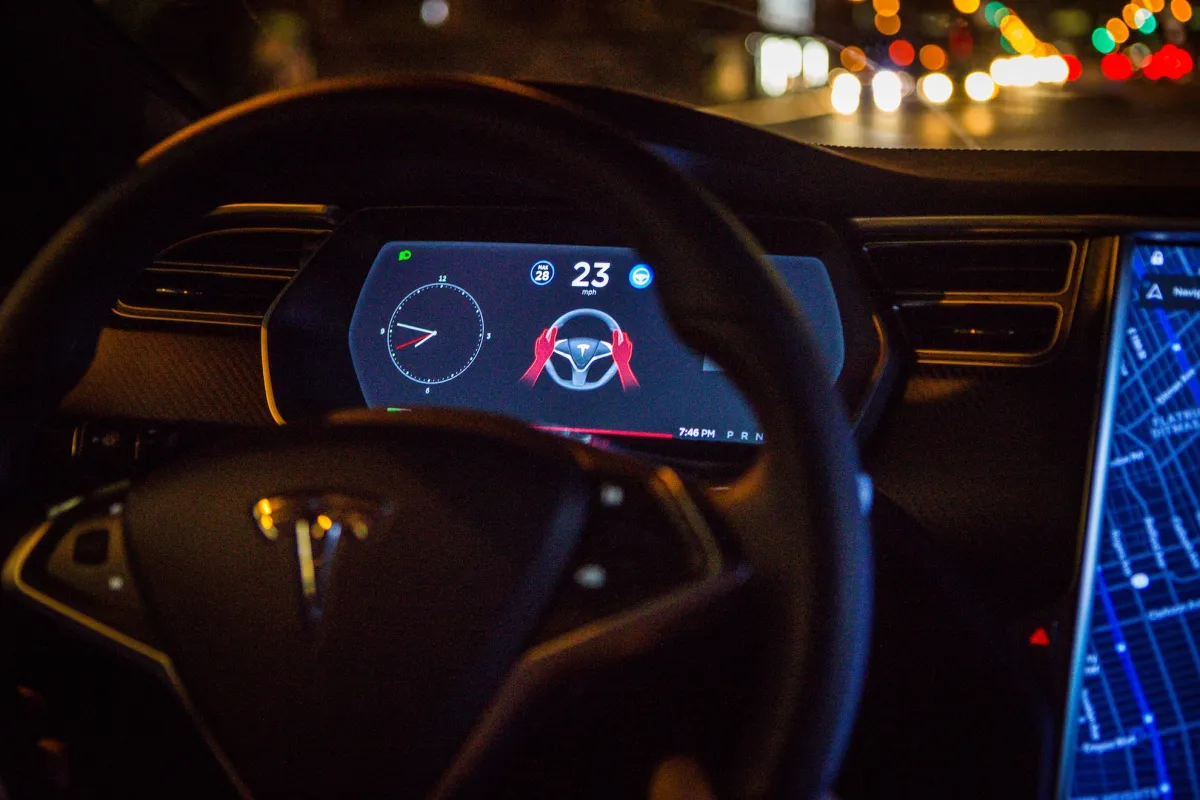
Tesla dodges 30-day suspension in California after removing Autopilot

Published

on

The California Department of Motor Vehicles will not suspend Tesla’s sales and manufacturing licenses for 30 days because the EV maker has stopped using the term “Autopilot” in the marketing of its vehicles in the state.

The decision, issued late Tuesday, means Tesla can continue selling its EVs in California without interruption and officially settles a case that has been dragging on for nearly three years. California is Tesla’s biggest U.S. market.

In November 2023, the DMV filed accusations that Tesla violated state law by using deceptive marketing of Autopilot, its basic advanced driver assistance system, as well as its more capable Full Self-Driving driver assistance software. The state regulator argued that the terms mislead customers and distorted the capabilities of the advanced driver assistance systems.

Tesla stopped using the term “Full Self-Driving Capability,” and instead used Full Self-Driving (Supervised) to more accurately describe the system and clarify that drivers were still required to monitor it. But Tesla held on to the Autopilot term, prompting the DMV to refer the case to an administrative law judge at the California Office of Administrative Hearings.

Advertisement

In December, the administrative law judge agreed with the DMV’s request to suspend Tesla’s sales and manufacturing licenses in the state for 30 days as a penalty for its actions. The DMV agreed with the ruling, but didn’t pounce; instead, the state regulator gave Tesla 60 days to comply.

“Since then, Tesla took corrective action and has stopped using the misleading term ‘Autopilot’ in the marketing of its electric vehicles in California,” the DMV stated in a release posted on its website. “Tesla had previously modified its use of the term ‘Full Self-Driving’ to clarify that driver supervision is required. By taking this prescribed action, Tesla will avoid having its dealer and manufacturer licenses suspended in the state for 30 days by the DMV.”

Tesla didn’t just stop using the term Autopilot, though. In January, the company discontinued Autopilot in the U.S. and Canada altogether. The move not only helped it comply with the DMV but was also viewed as a way to boost adoption of FSD, which unlike Autopilot, requires the owner to pay for the upgraded system.

Techcrunch event

Advertisement

Boston, MA
|
June 23, 2026

FSD Supervised, which until February 14 required an $8,000 one-time fee, is now only available through a monthly subscription of $99. That subscription fee is expected to increase as the system becomes more capable, Tesla CEO Elon Musk has said.

Advertisement

Source link

Continue Reading
Click to comment

You must be logged in to post a comment Login

Leave a Reply

Tech

These Michelin Tires Have The Highest Customer Satisfaction Scores, According To Consumer Reports

Published

on


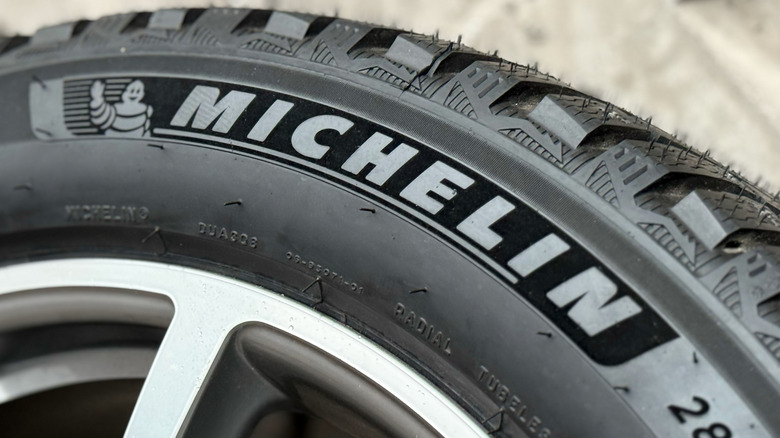
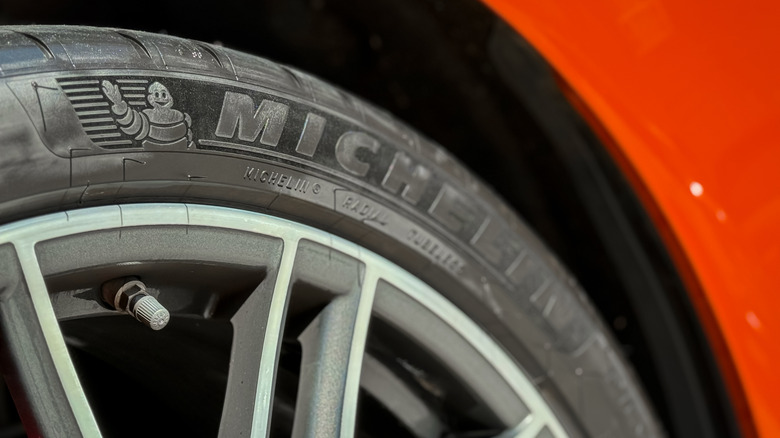
There are a number of high-quality tire brands on the market, but it’s hard to find one more consistently rated for its quality than Michelin. It came out on top in SlashGear’s own ranking of every major tire brand, and Consumer Reports (CR) places it at the top of its list as well. Across Michelin’s entire selection of tires, you see high marks for just about everything you could put a tire through, from braking on dry ground to handling on ice. It’s very rare to see CR rate something about one of these tires as below average.

With Consumer Reports, there are two sides to what data it provides. There are its in-house experts testing these tires, but then there’s also the opinions of actual drivers that CR surveys. These are folks who drive with these Michelin tires day-to-day, and they can sometimes come to a different conclusion than the experts as to which tires are best. Out of the eight Michelin tires rated by CR, the one with the highest owner satisfaction score is the Michelin LTX A/T2. These are all-terrain tires designed for trucks. What makes this high satisfaction score so interesting is that these tires actually have the lowest overall score from CR experts. They found its wet braking and noise generation to be below average, while dry and ice braking, ride comfort, and handling to be no more than average. Regardless of these tests, CR owners gave the Michelin LTX A/T2 tires a near-perfect satisfaction score, so perhaps CR’s tests don’t fully capture the real world experience with these tires.

Advertisement

The experts’ top Michelin tire

Although the Consumer Reports experts do not hold the same high opinion of the Michelin LTX A/T2 tires as the owners surveyed, they’re not too far apart when it comes to owners’ second-highest satisfaction rating. That would be the Michelin Pilot 4s tires. These tires are categorized as ultra high performance summer tires and are made for sports cars that you’d obviously want to drive quite fast. Out of all the tires tested, these are the ones with the highest overall score from the CR experts, and it’s actually a significant first place finish among Michelin tires. Being number one for the experts and number two for the owners shows a level of consensus you just don’t get with the LTX A/T2 model.

The thing about Consumer Reports’ findings on the owner satisfaction of Michelin tires is that they are universally high. The previously mentioned ones are ranked one and two, but the remaining six Michelin tires tested all tie for third place, demonstrating a remarkable level of consistency across the brand’s offerings. For a broader perspective, every single Michelin tire tested has the highest CR owner satisfaction rating for whatever category it is in compared to every other brand. There is one exception with the Michelin X-Ice Snow tires, but it still ranks second among all winter/snow tires. For owners surveyed by CR, there is not a single Michelin tire they’re not incredibly pleased with. If you don’t have a truck suitable for the Michelin LTX A/T2 tires, owners don’t think you’re settling for less with a different Michelin tire better suited to your vehicle.

Advertisement


Source link

Advertisement
Continue Reading

Tech

Ground control to Microsoft: Artemis 2 astronauts deal with Outlook hiccup in deep space

Published

on

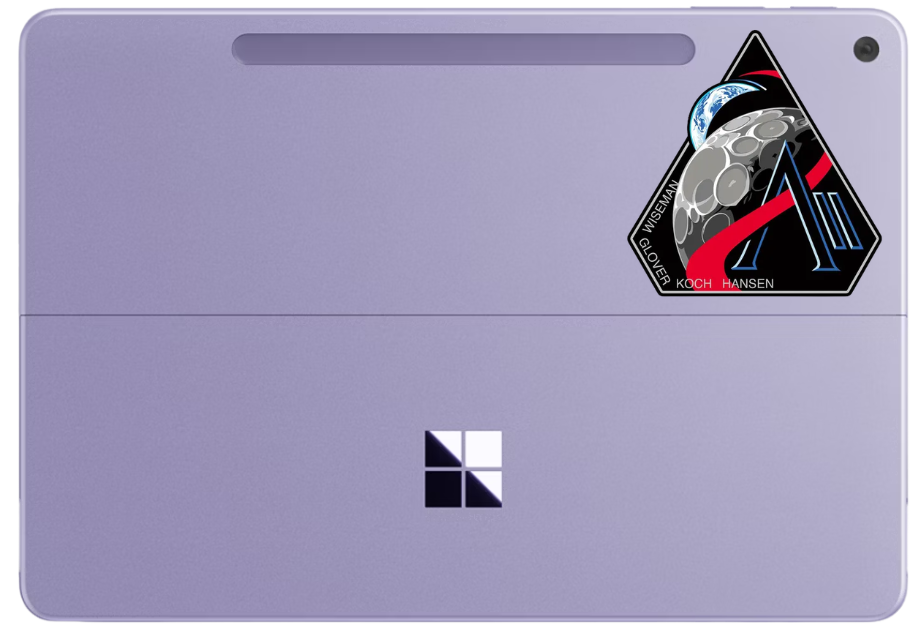
Artemis 2 astronauts are using Microsoft Surface Pro computers on board the Orion spacecraft. (GeekWire Illustration)

Bound for the Moon, astronauts aboard NASA’s Artemis 2 Orion spacecraft experienced a challenge familiar to many of us back here on terra firma: Microsoft Outlook.

Commander Reid Wiseman radioed Mission Control on the crew’s first day in space to report that he had two instances of Outlook running on his computer — a Microsoft Surface Pro — and neither seemed to be working. 

Like any good IT support team, Houston said it would jump in remotely and take a look. About an hour later, ground controllers reported they had resolved the issue and gotten Outlook open, though it would display as offline, which they said was expected.

The moment, captured on NASA’s livestream, quickly went viral. A Bluesky user clipped the exchange, writing, “I’m so sorry we’ve sent these souls to the moon and they’re using outlook?”

Outlook is part of the commercial off-the-shelf software NASA provides astronauts for scheduling, personal communications and other routine tasks. The spacecraft’s primary flight systems run on separate, radiation-hardened hardware.

Advertisement

The Outlook glitch wasn’t the crew’s only mundane challenge. Shortly after launch, the toilet fan jammed, though ground teams managed to fix that, too.

We contacted Microsoft for comment and a rep said they’d let us know if the company had anything to say. At least we know the message went through.

Source link

Advertisement
Continue Reading

Tech

Why TikTok shelved its second Irish data centre

Published

on

TikTok points to capacity constraints and slow infrastructure development as the deciding factors in shelving its planned second data centre, but leaves door open to future opportunities.

The need for greater capacity, and the infrastructure development environment – these were the two key factors behind TikTok shelving a planned second data centre in Dublin, a company spokesperson told SiliconRepublic.com today (2 April) while confirming the reported decision.

Instead, the ByteDance-owned company will focus its European data storage expansion in some of its other locations – in particular, sites in Norway and one in Finland.

TikTok said that when looking at its various sites across Europe, it considered where could best meet its growing capacity demands as regards infrastructure and the speed of development, and that the Nordic countries were a better fit for those considerations.

Advertisement

The company said Ireland remained one of its biggest and most important strategic sites in Europe and, should future opportunities arise that did meet its capacity needs in particular, it would remain open to exploring them.

The spokesperson emphasised that the existing data centre operation in Ireland, which came online in 2023, remains fully operational as an important part of its Project Clover, and that TikTok is still very much committed to Ireland.

Project Clover is the Chinese-owned platform’s initiative designed to update its data security practices across Europe, so as not to fall foul of strict European data privacy regulations.

Part of that commitment involves storing the data of more than 150m monthly TikTok users in Europe locally across three data centres. The original stated plan was for two in Dublin and one in Norway.

Advertisement

TikTok had originally planned to lease data centre space at Echelon’s campus in Clondalkin, Dublin, as part of a three-site strategy. However, as Irish newspaper the Business Post was first to report earlier this week, plans for the second Irish data centre have been shelved.

Don’t miss out on the knowledge you need to succeed. Sign up for the Daily Brief, Silicon Republic’s digest of need-to-know sci-tech news.

Source link

Advertisement
Continue Reading

Tech

How a Protective Layer Gave Circuit Boards Their Signature Green Color

Published

on

Why PCB Circuit Boards are Green
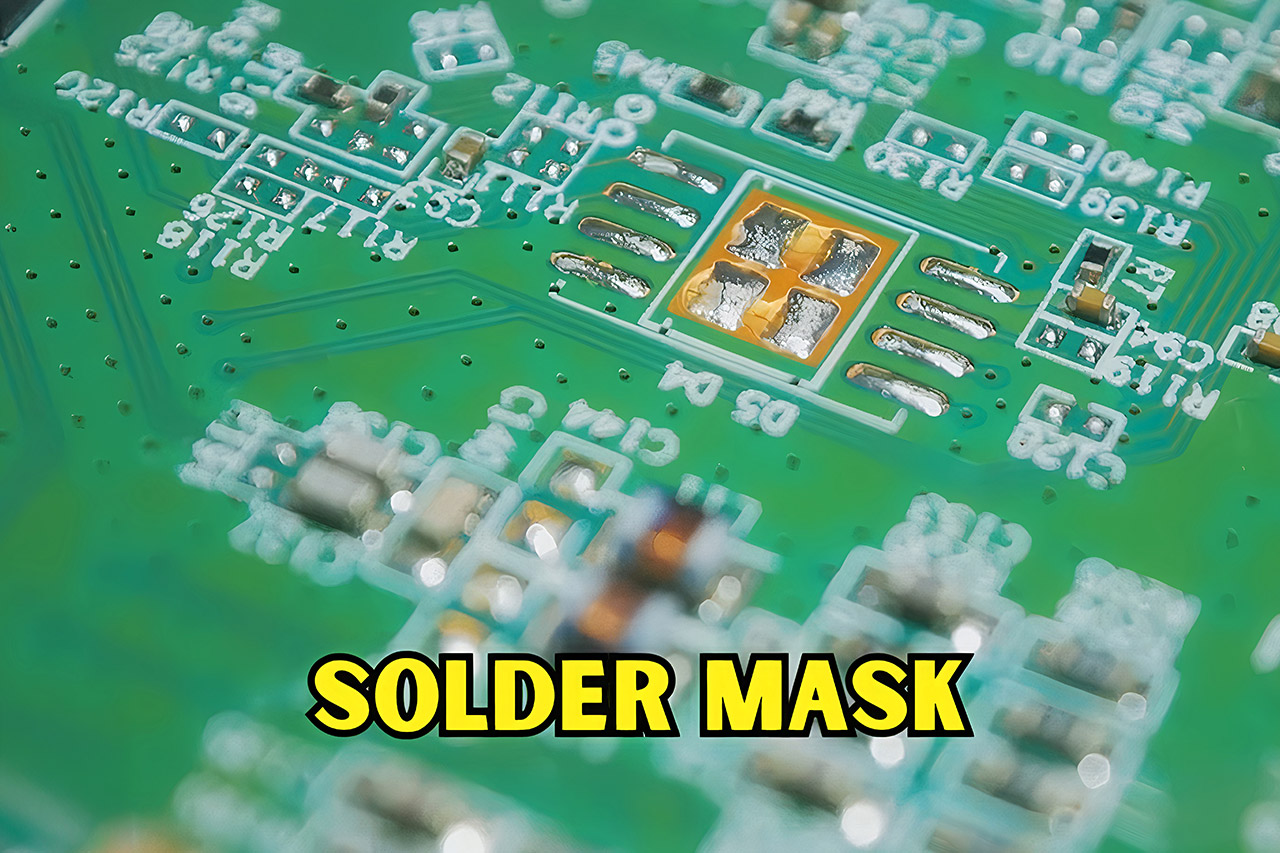
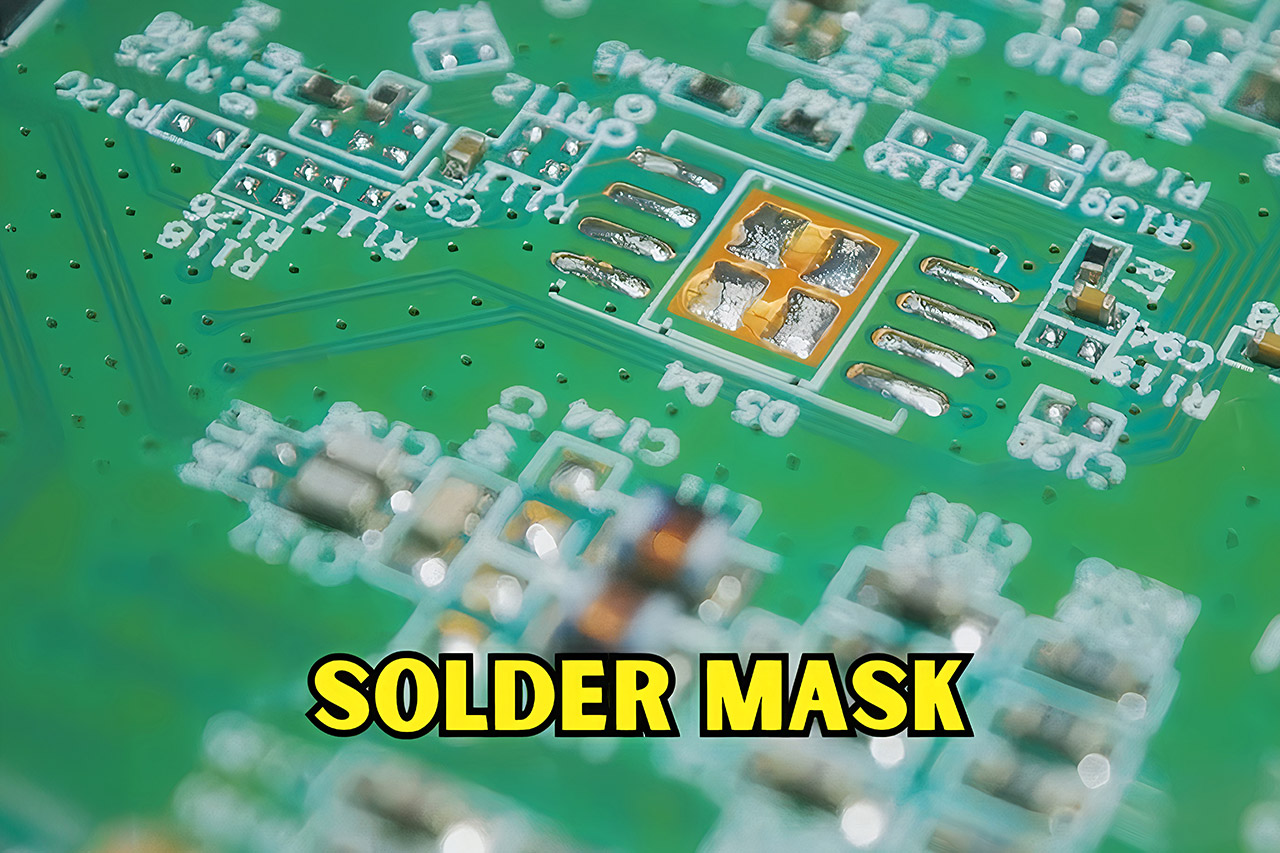
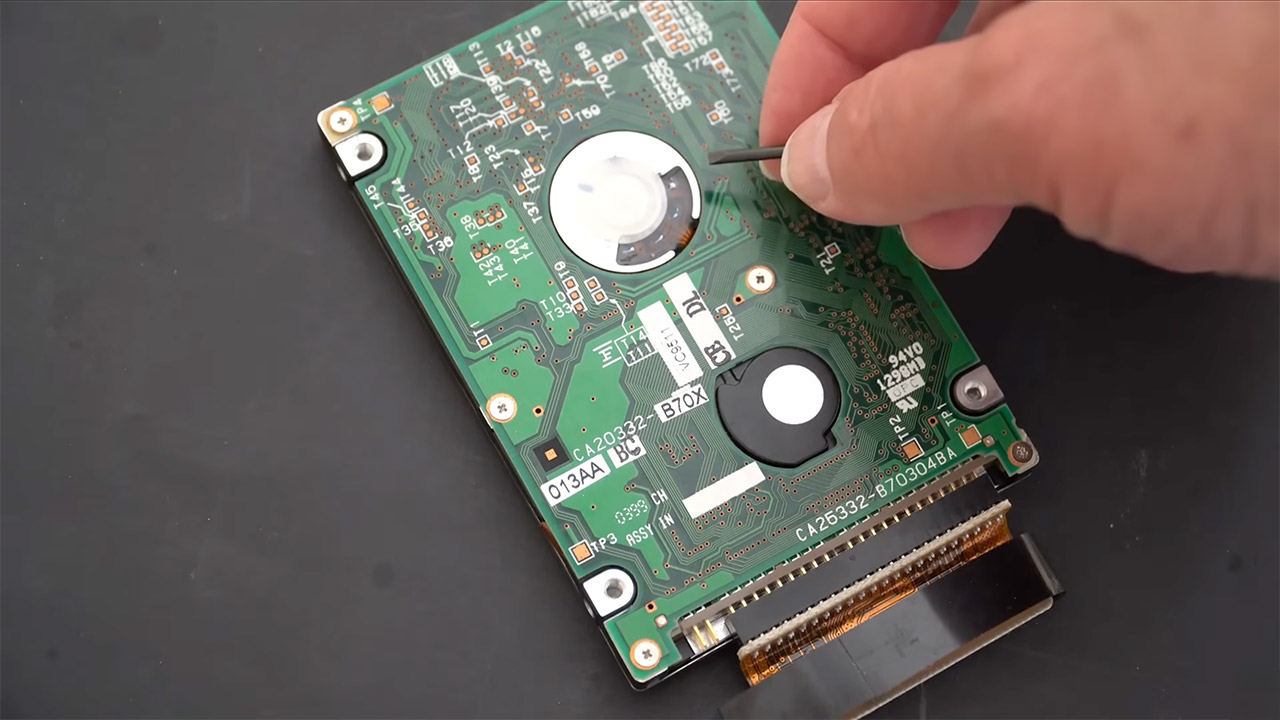
Circuit boards are found in almost every electronic device that consumers use today. When you open your phone, computer, or a basic remote control, green is the first thing you notice. That famous green hue, however, does not come from the board material itself; it is due to a special coating known as solder mask, which covers the copper traces and gives them a green tint.



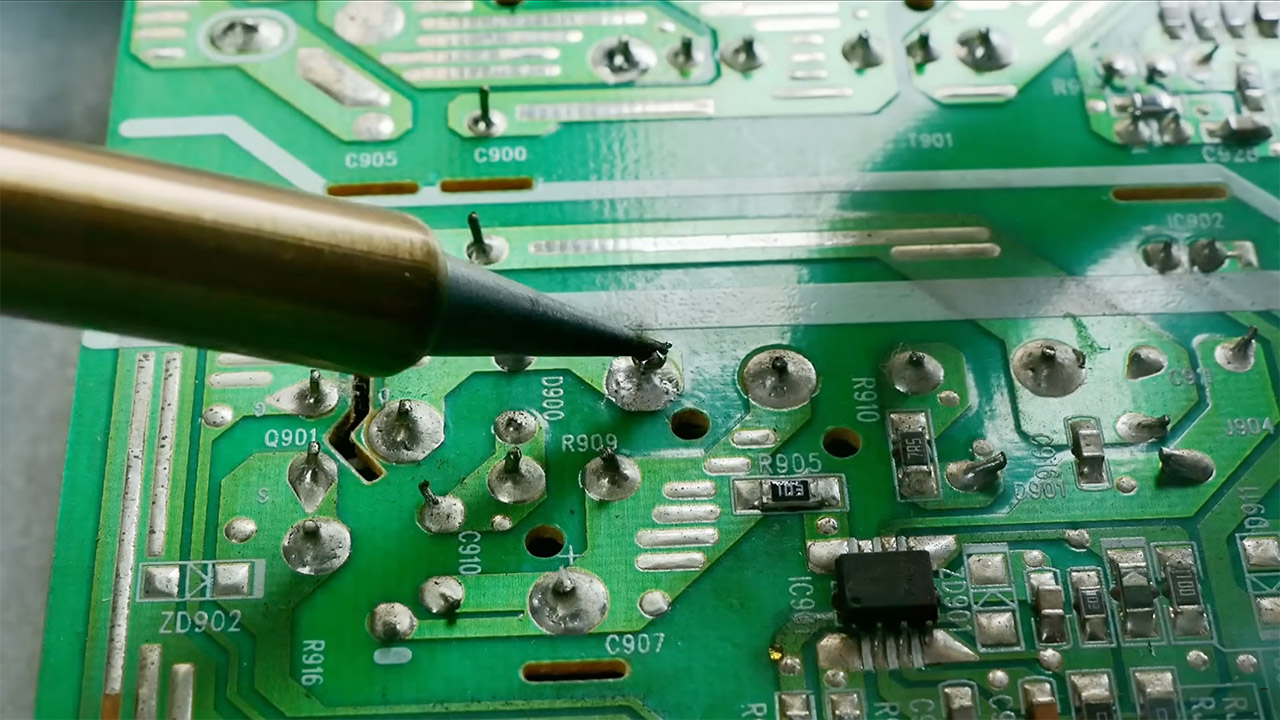
The solder mask is an essential tool for any board. After etching the copper paths onto the fiberglass basis, they apply a thin layer of polymer. The mask serves two important functions: it protects the copper from oxidation and moisture, which could cause harm, and it prevents solder from bridging between close connections while you’re assembling the item, which can result in short circuits. Without the mask, fragile circuitry could easily be damaged by regular handling or exposure to the environment.

Sale


KAMRUI Pinova P2 Mini PC 16GB RAM 512GB SSD, AMD Ryzen 4300U(Beats 10110U/3500U/N150/N95,Up to…
  • 【AMD Ryzen 4300U Processor】KAMRUI Pinova P2 Mini PC is equipped with AMD Ryzen 4300U (4-core/4-thread, up to 3.7GHz), Based on the advanced Zen…
  • 【Large Storage Capacity, Easy Expansion】KAMRUI Pinova P2 mini computers is equipped with 16GB DDR4 for faster multitasking and smooth application…
  • 【4K Triple Display】KAMRUI Pinova P2 4300U mini desktop computers is equipped with HDMI2.0 ×1 +DP1.4 ×1+USB3.2 Gen2 Type-C ×1 interfaces for…

Why PCB Circuit Boards are Green
Green became the go-to color all those years ago, when reliable solder masks first started rolling off the assembly line. The early ones used a combination of certain resins and hardeners that gave out a green tone, and it just so happened that there was an abundance of the green material available at the suppliers. So that became the industry norm. Over time, the industry has developed its entire process around this uniform green colour.

Why PCB Circuit Boards are Green
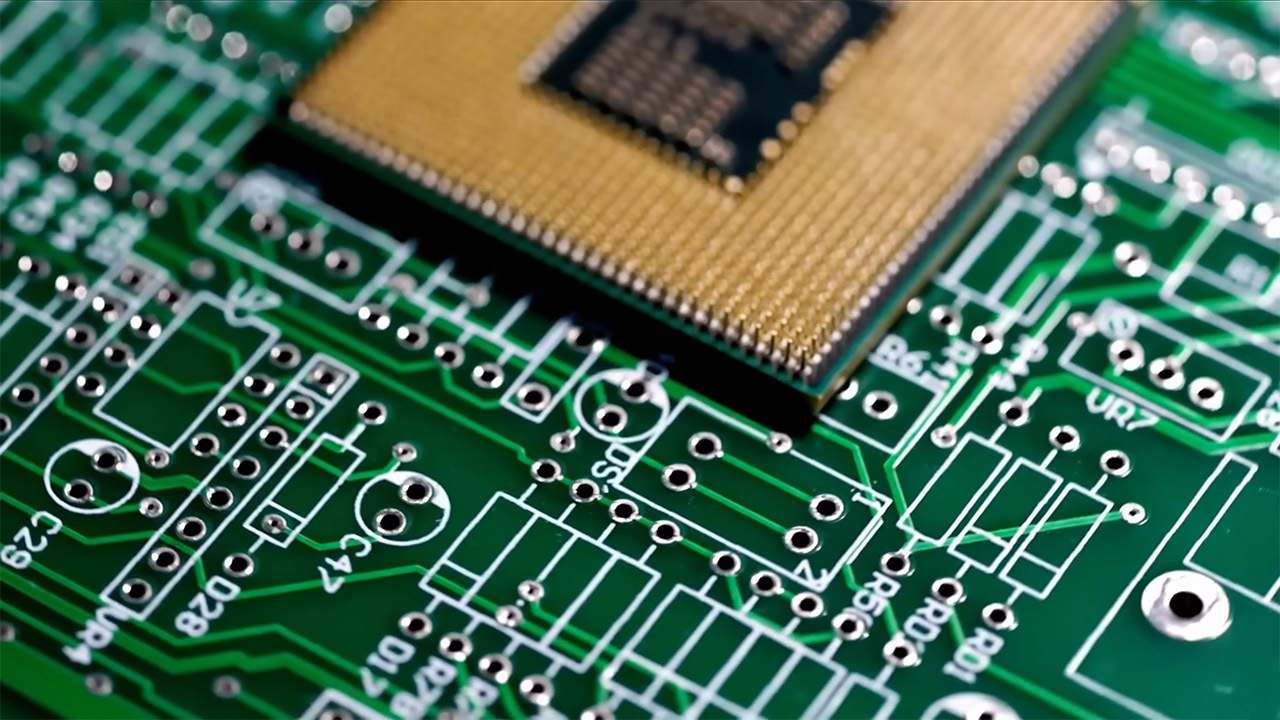
The human eye can tolerate green fairly well, especially when individuals stare at boards for hours on end under strong lighting. Green offers a fantastic contrast against the glossy copper pads and the white letters on top, reducing eye fatigue caused by staring at them for an extended period of time, since other hues have been found to be less durable. Automatic optical inspection equipment also operate better with green boards because their cameras and software have been tuned to work best with that color over time.

Why PCB Circuit Boards are Green
The cost of changing colors is also not high enough to make a significant difference. The green mask material requires less pigments in some formulations, making the production process easier because they don’t have to complicate the imaging and development procedures. The tighter design requirements associated with the conventional green color also provide them with more accurate control when exposed to ultraviolet radiation.
[Source]

Advertisement

Source link

Continue Reading

Tech

New Rowhammer attacks give complete control of machines running Nvidia GPUs

Published

on

So where do we go now?

The researchers said that both the RTX 3060 and RTX 6000 cards are vulnerable. Changing BIOS defaults to enable IOMMU closes the vulnerability, they said. Short for input-output memory management unit, IOMMU maps device-visible virtual addresses to physical addresses on the host memory. It can be used to make certain parts of memory off-limits.

“In the context of our attack, an IOMMU can simply restrict the GPU from accessing sensitive memory locations on the host,” Kwong explained. “IOMMU is, however, disabled by default in the BIOS to maximize compatibility and because enabling the IOMMU comes with a performance penalty due to the overhead of the address translations.”

A separate mitigation is to enable Error Correcting Codes (ECC) on the GPU, something Nvidia allows to be done using a command line. Like IOMMU, enabling ECC incurs some performance overhead because it reduces the overall amount of available workable memory. Further, some Rowhammer attacks can overcome ECC mitigations.

GPU users should understand that the only cards known to be vulnerable to Rowhammer are the RTX 3060 and RTX 6000 from the Ampere generation, which were introduced in 2020. It wouldn’t be surprising if newer generations of graphics cards from Nvidia and others are susceptible to the same types of attacks, but because the pace of academic research typically lags far behind the faster speed of product rollouts, there’s no way now to know.

Advertisement

Top-tier cloud platforms typically provide security levels that go well beyond those available by default on hobbyist and consumer machines. Another thing to remember: There are no known instances of Rowhammer attacks ever being actively used in the wild.

The true value of the research is to put GPU makers and users alike on notice that Rowhammer attacks on these platforms have the potential to upend security in serious ways. More information about GDDRHammer and GeForge is available here.

Source link

Advertisement
Continue Reading

Tech

iPhone 18 may get little more than a new color while iPhone Fold gets 3D printed hinge

Published

on

A new leak suggests that the hinge of the iPhone Fold will use “chip-level polymer printing 3D technology” and the iPhone 18 upgrades will be limited to color changes.

Silver foldable smartphone partially open, showing dual rear cameras with flash on one side and a tall display with colorful wavy abstract pattern and centered front camera cutout on the other
The iPhone Fold will allegedly feature a 3D-printed hinge.

With Apple’s first foldable expected to debut in late 2026, we’re now seeing more and more claims about its hardware. Following multiple rumors suggesting Liquid Metal would be used for the hinge of the iPhone Fold, another tipster has provided a new tidbit about the component.
To be more specific, a translated post from leaker Fixed Focus Digital on Weibo said that Apple is putting considerable effort into its foldable iPhone. This reportedly “involves chip-level high-molecular 3D printing technology, with further developments in the hinge design still to be revealed.”
Rumor Score: 🤔 Possible
Continue Reading on AppleInsider | Discuss on our Forums

Source link

Continue Reading

Tech

IBM Teams Up With Arm To Run Arm Workloads On IBM Z Mainframes

Published

on

IBM and Arm are teaming up to let Arm-based software run on IBM Z mainframes. Network World reports: The two companies plan to work on three things: building virtualization tools so Arm software can run on IBM platforms; making sure Arm applications meet the security and data residency rules that regulated industries must follow; and creating common technology layers so enterprises have more software options across both platforms, IBM said in a statement.

IBM has not said whether the virtualization work will happen at the hypervisor level, through its existing PR/SM partitioning technology, or via containers — a question enterprise architects will need answered before they can assess the collaboration’s practical value. IBM described the effort as serving enterprises that run regulated workloads and cannot simply move them to the cloud, the statement said. IBM mainframe customers have largely missed out on the efficiency and price-performance gains Arm has already delivered in the cloud. “Arm says close to half of all compute shipped to top hyperscalers in 2025 runs on Arm chips, with AWS, Google, and Microsoft deploying their own Arm silicon through Graviton, Axion, and Cobalt, respectively,” reports Network World.

That gap is precisely what IBM and Arm’s collaboration intends to address. “This is a mainframe adjacency play,” says Rachita Rao, senior analyst at Everest Group. “The intent is to extend IBM Z and LinuxONE environments by enabling Arm-compatible workloads to run closer to systems of record. While hyperscalers use Arm to lower their own internal power costs and pass savings to cloud-native tenants, IBM is targeting the sovereign and air-gapped market.”

Source link

Advertisement
Continue Reading

Tech

HP EliteBook 6 G2q promises endless 5G data and AI power, but hides significant limitations

Published

on


  • HP EliteBook 6 G2q delivers up to 85 TOPS for local AI tasks
  • Always-connected 5G experiences require specific hardware and preinstalled eSIM modules
  • Service works only on compatible commercial PCs running Windows 11

HP has unveiled the EliteBook 6 G2q, an ultraslim AI PC that relies on Snapdragon X2 Elite or X2 Plus processors to deliver up to 85 TOPS of NPU performance for local AI tasks.

This lightweight laptop, up to 15% thinner than its predecessor, claims to offer always-connected experiences through HP Go 5G service.

Source link

Advertisement
Continue Reading

Tech

Amazon Imposes 3.5% Fuel Surcharge For Many Online Merchants

Published

on

An anonymous reader quotes a report from Bloomberg: Amazon will start charging sellers who use its shipping services a 3.5% “fuel and logistics” surcharge later this month, joining the ranks of shipping companies raising prices as the war in Iran pushes oil prices higher. The fees take effect on April 17 for customers of the company’s Fulfillment by Amazon service — which is used by many of the independent sellers who list their products on Amazon’s retail sites — in the US and Canada. Items shipped by Amazon on behalf of merchants who sell on their own sites or at other retailers will carry the surcharge beginning May 2. “Elevated costs in fuel and logistics have increased the cost of operating across the industry,” Ashley Vanicek, an Amazon spokesperson, said on Thursday. “We have absorbed these increases so far, but similar to other major carriers, when costs remain elevated we implement temporary surcharges to partially recover these costs.”

Vanicek notes that the fee will apply to the sum Amazon charges to ship an item, not the product’s sale price.

Last month, USPS announced that it would impose its first-ever fuel surcharge on packages.

Source link

Advertisement
Continue Reading

Tech

Startup launched by former AWS energy team emerges with $7M to help solve data center power crunch

Published

on

Soma Energy’s co-founders, from left: CEO Ath Caramanolis, Chief Technology Officer Mario Souto and Chief AI Scientist Henrique Hoeltgebaum. (Soma Energy Photos)

Soma Energy, a startup founded by former Amazon energy managers, emerged from stealth Thursday with $7 million in funding.

The Vancouver, B.C.-based company has built an AI platform serving power producers and data centers, helping both optimize their energy assets in real time to save money and extend their available power. The technology coordinates resources including wind, solar and batteries and the management of energy demands such as data center workloads.

CEO Ath Caramanolis said you can visualize an electrical system as a complex network of roads and highways on which electrons — instead of cars and trucks — are traveling.

“Our software is sort of a control plane that helps provide the self-driving for electrons on these highway systems,” Caramanolis said in a GeekWire interview.

More efficient routing of electron traffic can bring more power to bear for the grid’s competing needs.

Advertisement

“There is low hanging fruit everywhere, and the opportunities for large energy users like data centers to better utilize the grid exist all across North America,” Caramanolis said.

Industries, utilities and elected officials worldwide are racing to expand energy supply as data centers and electrification of transportation, heating and other sectors drive surging demand. Data centers alone are expected to more than double their power draw — from 82 gigawatts in 2025 to 219 by 2029 — with most of that growth fueled by AI, according to McKinsey.

Amazon hired Caramanolis in 2018 to create the energy optimization team at AWS, which managed about 10 gigawatts of renewable energy across its global network of data centers. Seattle City Light, by comparison, has a generation capacity of about 2 gigawatts.

Caramanolis then recruited Mario Souto, Soma Energy’s co-founder and chief technology officer, to build the machine learning platform AWS used to optimize its renewable portfolio. The startup’s third co-founder, Chief AI Scientist Henrique Hoeltgebaum, is an expert in AI-driven forecasting and anomaly detection for energy systems.

Advertisement

Soma Energy launched in February 2024 and has 18 employees. The startup has deployed 2 gigawatts of assets in the U.S. with customers including several independent power producers and five data center companies — among them H5 Data Centers, whose sites include a large facility in downtown Seattle.

“By coordinating existing resources, we were able to access capacity significantly sooner than expected, accelerating our time to power and removing a critical constraint on expansion,” said Josh Simms, CEO of H5 Data Centers, in a statement.

The seed round was led by Category Ventures, with participation from Haystack, Panache Ventures, RRE Ventures, TO.VC, Uncork Capital and Walter Kortschak. The investment will allow the team to hire new employees in engineering and commercial roles and expand its reach across North America.

“Having managed hyperscale power systems firsthand, the founders built Soma Energy as if they were the customer themselves,” said Villi Iltchev, partner at Category Ventures.  

Advertisement

Source link

Continue Reading

Trending

Copyright © 2025