TL;DR
Tesla filed a bespoke Roadster badge trademark, its first standalone vehicle branding apart from the Cybertruck. The car was promised in 2017 for 2020 delivery and remains unbuilt, with a reveal now expected in late May or June 2026.





Tesla filed a bespoke Roadster badge trademark, its first standalone vehicle branding apart from the Cybertruck. The car was promised in 2017 for 2020 delivery and remains unbuilt, with a reveal now expected in late May or June 2026.
TL;DR
Tesla has filed a trademark for a bespoke Roadster badge that looks like it belongs on a Lamborghini. The car it will adorn was first promised nine years ago.
A prototype debuted in November 2017 with a 200 kilowatt-hour battery, a claimed 620-mile range, a 1.9-second zero-to-60 time, and a starting price of 200,000 dollars. Production was set for 2020. It did not happen in 2020, or 2021, or 2022, or any year since.
The trademark filing, submitted to the United States Patent and Trademark Office on 28 April on an intent-to-use basis, covers a stylised triangular shield bearing the Roadster wordmark and four vertical lines that, according to the filing, represent “speed, propulsion, heat, or wind.” It is the most tangible thing Tesla has produced for the Roadster in nearly a decade.
The trademark application is unusual for Tesla. Apart from the Cybertruck’s angular two-part emblem, the company has never given one of its vehicles a standalone badge. The Model S, 3, X, and Y use Tesla’s corporate T logo. The Roadster is getting the kind of bespoke branding treatment normally reserved for supercar marques: a dedicated shield, a custom wordmark in a stretched angular font with segmented letterforms, and a separate silhouette mark consisting of three flowing curved lines that form the vehicle’s profile.
Tesla filed two distinct trademark applications. The first is a stylised “ROADSTER” wordmark in a triangular shield. The second is the vehicle silhouette. Both were filed on an intent-to-use basis, meaning Tesla has declared a plan to put these marks into commercial use but has not yet done so.
Elon Musk explicitly deprioritised the Roadster in favour of the Cybertruck in 2022, telling investors the truck would come first. The Cybertruck eventually launched in late 2023 after its own multi-year delay. The Roadster has remained in a state of perpetual imminence since, with Musk offering periodic updates that have served primarily to push the timeline further out.
During Tesla’s first-quarter 2026 earnings call, Musk said the Roadster would be unveiled “maybe in a month or so,” pushing the reveal to late May or early June 2026. He described the upcoming event as “one of the most exciting product unveils ever.” If the reveal happens on schedule, it will be the first time in nine years that any public commitment regarding the Roadster has been met.
The Roadster’s specification sheet has not remained static during the delay. It has escalated. The 2017 prototype claimed a 1.9-second zero-to-60 time. In 2021, Musk revised the target to 1.1 seconds. In 2024, he announced the goal had been pushed below one second.
The optional SpaceX package, first described in 2018, would reportedly include approximately 10 cold-air rocket thrusters integrated into the vehicle body to enhance cornering, braking, and acceleration. Musk has suggested the thrusters could enable the car to “fly,” though the definition of flight in this context remains unclear. The 620-mile range claim from 2017 has not been revised. The 200,000 dollar base price, announced nearly a decade ago, has also not been updated.
Tesla has raised its 2026 capital expenditure to 25 billion dollars, allocated across six simultaneous new production lines covering the Cybercab robotaxi, the Semi truck, next-generation vehicle platforms, Optimus humanoid robots, energy storage, and battery manufacturing. The Roadster is not named as a priority in the capex allocation.
Production, by Musk’s own framing during the earnings call, would follow 12 to 18 months after the demonstration, pointing to a start date somewhere in mid-to-late 2027 or into 2028. The customers who placed 50,000 dollar deposits for the Founders Series edition in 2017 will have waited more than a decade for delivery if that timeline holds.
The electric supercar market that existed when the Roadster was announced in 2017 was effectively empty. The Rimac Concept Two was a prototype. The Lotus Evija was years from production. The Pininfarina Battista had not been announced.
Nine years later, the market has filled in around the space the Roadster was supposed to occupy. Rimac has been delivering the Nevera since 2023, holding the production electric vehicle acceleration record at 1.74 seconds to 60 miles per hour. The Lucid Air Sapphire delivers 1,234 horsepower for 249,000 dollars. Porsche has accelerated its electrification strategy, launching the all-electric Cayenne and iterating on the Taycan. BYD’s premium Denza brand has unveiled a 1,000-horsepower electric sedan targeting Porsche and Tesla simultaneously.
Former Tesla and Polestar executives have launched their own electric sports car ventures, targeting the sub-100,000 dollar segment that the Roadster’s 200,000 dollar price point leaves open. The Roadster’s original specifications, revolutionary in 2017, are now achievable by multiple manufacturers.
The sub-two-second zero-to-60 time that made the Roadster prototype a sensation is now a threshold that the Rimac Nevera, Pininfarina Battista, and Lucid Air Sapphire have all crossed. The SpaceX thruster package remains the only specification that no competitor has attempted, and it remains the specification that has never been demonstrated in a production vehicle.
The trademark filing is the kind of signal that Tesla’s investor and fan communities parse with the intensity of Kremlinologists reading a Pravda editorial. A bespoke badge implies a product distinct enough from the Tesla brand to warrant its own identity. The intent-to-use filing implies a legal expectation that the mark will be commercially deployed. The timing, weeks before a promised reveal, implies coordination on a product launch. None of this constitutes a car.
What the trademark does reveal is how Tesla wants the Roadster to be perceived. The shield shape, the angular typography, and the vehicle silhouette are the visual language of a supercar brand, not a technology company. The Cybertruck’s aesthetic was aggressively anti-automotive, a stainless steel polygon that rejected every convention of vehicle design. The Roadster badge suggests the opposite: a deliberate embrace of the iconography that Ferrari, Lamborghini, and Porsche have used for decades to signal exclusivity and heritage.
Tesla is not trying to disrupt the supercar market with the Roadster. It is trying to join it. The badge is the application letter. The car, if it arrives, will determine whether the application is accepted. And if the pattern of the past nine years holds, the badge will remain the most beautifully designed element of a product that exists primarily as a promise. The vertical lines, according to the filing, represent speed. For the moment, they represent patience.
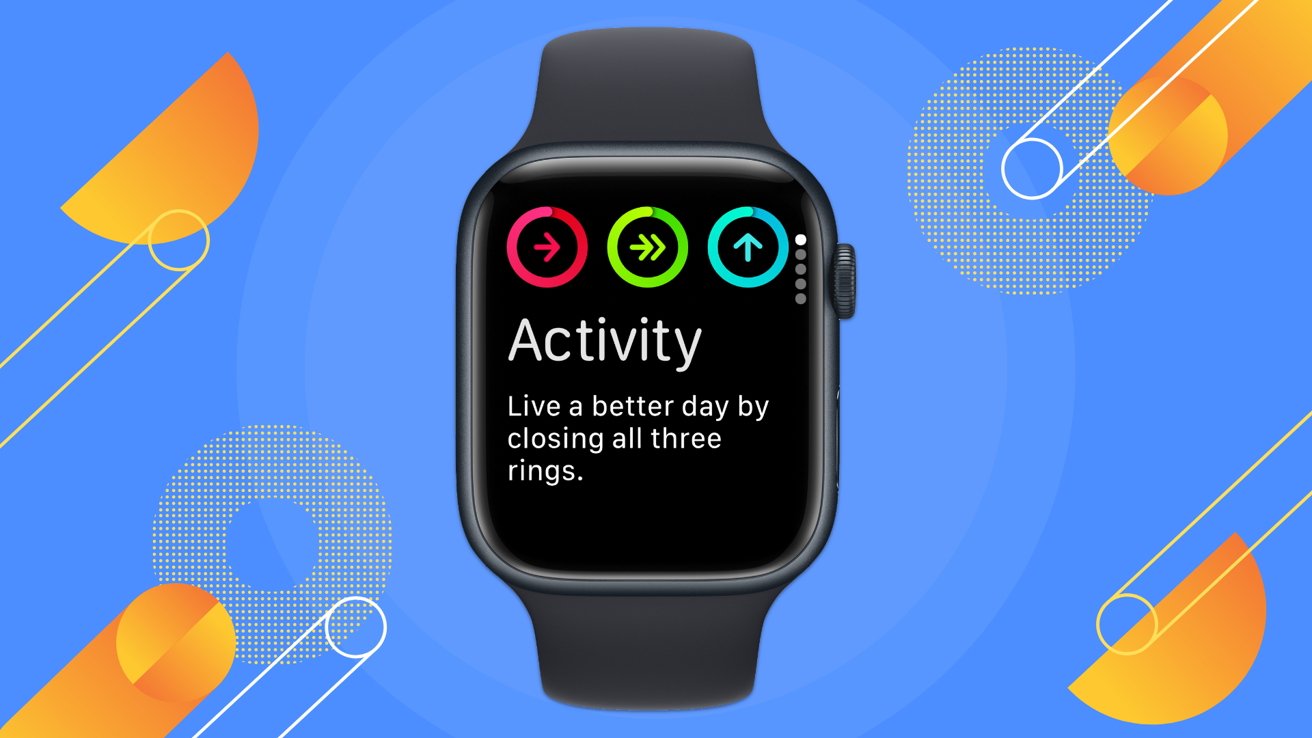
While Activity Rings are a staple for fitness enthusiasts, there might be times when you need to pause them. Here’s how you can do it in watchOS 26.
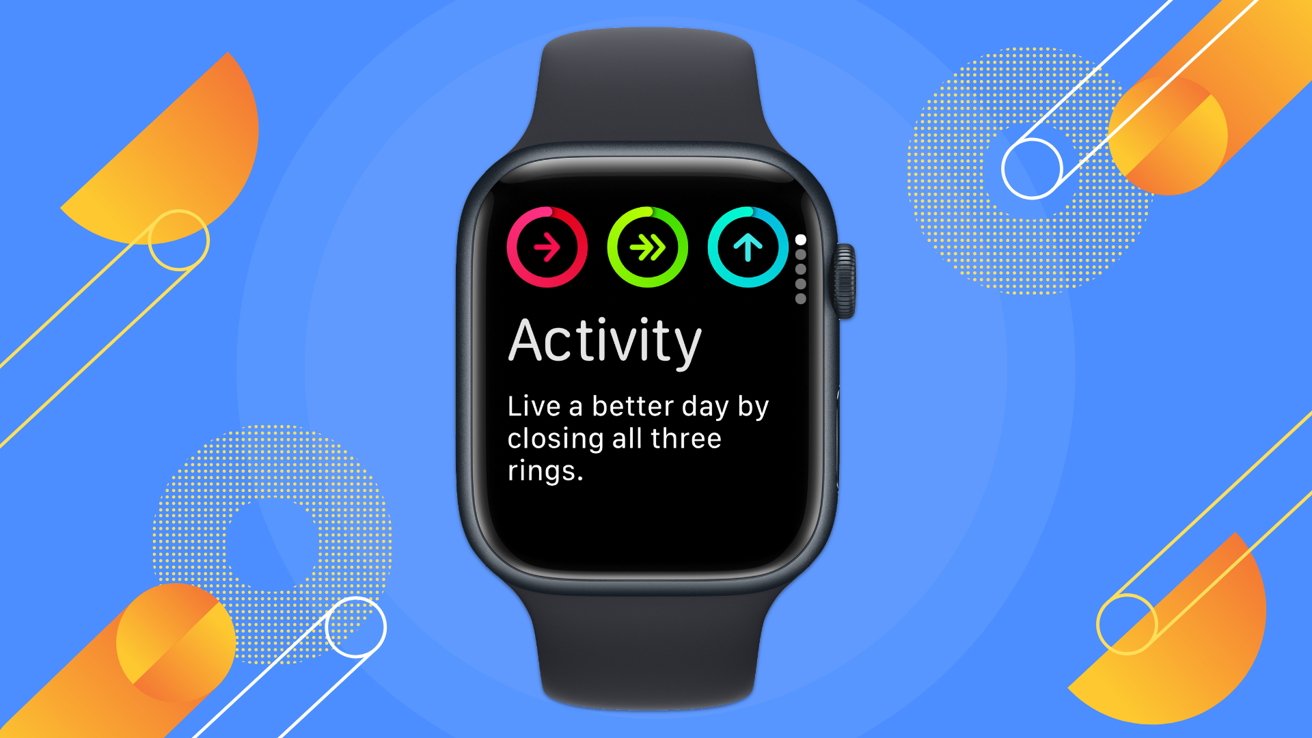
The Activity Rings on the Apple Watch are a great way to keep track of your daily movement, exercise, and standing goals. However, there are situations where keeping them active isn’t practical.
For instance, maintaining your usual activity level could interfere with the recovery process if you’re recovering from an illness or injury. Pausing the rings allows you to prioritize healing without feeling pressured to meet daily goals.
Continue Reading on AppleInsider | Discuss on our Forums
The Philips 4000 Series (NA462) Stacked Dual Basket Air Fryer is a decent stacked air fryer that looks stylish, has a reasonable array of functions and cooks food evenly. The top 200°C temperature can feel quite restrictive for some food, though, and there isn’t as much going on as with rival appliances with as dear a price tag.
Sturdy build quality
Reasonably consistent cooking
Good capacity for family meals
200°C top temperature can be limiting
Not as many functions as key rivals
Expensive
10L capacity
This Philips air fryer has a large capacity across its two baskets, making it ideal for larger family cooking or for bulk arrangements.
Five cooking functions
It also has a decent array of food-specific functions, with everything from chips and fish to meat and vegetable covered.
Stacked dual-zone air fryers are all the rage at the moment, as folks seek to maximise capacity while retaining as much countertop space as possible – the Philips 4000 Series (NA462) Stacked Dual Basket Air Fryer is the brand’s first air fryer in this style.
On paper, everything looks to be in order, with a pair of five-litre stacked baskets, a bevvy of cooking functions and a stylish look that could make it a strong rival to the likes of the Ninja Double Stack XL 9.5 Air Fryer SL400UK and the Cosori Turbo Tower Pro 10.8L Dual Air Fryer.
At £269.99, though, it’s more expensive than both of those options, and will need to do quite a bit to come out on top as one of the best air fryers we’ve tested. I’ve been putting it through its paces for the last couple of weeks to find out.
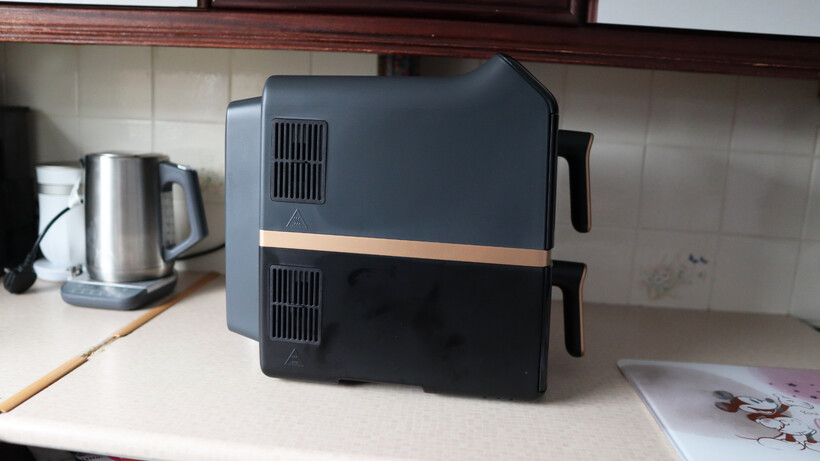
This 4000 Series stacked air fryer is certainly compact, sitting at just 233 mm wide and 399 mm high, meaning it takes up roughly half the space across a countertop as a dual-basket side-by-side model.
At 469mm deep, though, it will still take up a fair amount of lateral space. Plus, since the baskets vent out the left side rather than the back, you’ll need to make sure they aren’t butted up too close to a wall on that side.

The black and gold accented colourway provides a bit of style to an otherwise quite non-descript box, and everything feels reassuringly sturdy. This air fryer tips the scales at 9.8kg, giving it a fair amount of heft for a smaller unit in some respects.
The two narrow baskets are evenly split in capacity, and the two five-litre baskets add up to a total of ten litres of capacity, putting it in the middle of the Ninja and Cosori options I’ve tested. Philips says it’s enough for this 4000 Series stacked air fryer to cook up to a kilo of chips, 24 chicken drumsticks or two whole chickens. It’s a good amount of space for family cooking. I’m also a fan of the fact that the baskets come with windows to make keeping an eye on food while it cooks nice and simple.

The preset functions here are based around specific foods rather than dedicated cooking modes, with five to choose from. You get a frozen chips setting, steak, fish, vegetables, and chicken, plus a reheat function and the customary sync and match options. The control panel sits above the baskets and is slightly angled – it’s easy to use, although in use, the lack of a proper minutes and seconds countdown is a bit of a shame.
Once you’re done with the fryer baskets and crisper plates, they can both be put in the dishwasher. I avoided this in my testing and instead chose to handwash them. Doing so is easy, and they were clean, dry and put back in a matter of minutes.

This 4000 Series stacked air fryer will go as high as 200°C, which is fine for most use cases, although it means your cooked food may lack the extra crispiness that a higher max temperature can bring. Both Cosori and Ninja’s equivalent options can go as high as 230°C and 240°C, respectively.
There isn’t any form of smart features or app control, as you’ll find on a variant of the Cosori Turbo Tower, plus dearer single-basket air fryers such as the Dreo ChefMaker or Typhur Dome 2.
During my time with the 4000 Series stacked air fryer, I cooked a range of typical family foods to see how well it performs. In a general sense, I was happy with the results, although some items needed longer than in other air fryers I’ve used, such as frozen oven chips, and the array of functions is a little basic for the price.
Firstly, I cooked some breaded fishcakes at 190°C for 18 minutes on the Fish preset, and they came out well browned and piping hot after their time.

Similarly, some breaded chicken on the more ambiguous Chicken preset came out especially crispy in a very full basket after 20 minutes at 180°C.

Moving over to the Meat setting, I cooked a reasonably sized beef joint for a Sunday roast, which was put on 200°C for the first 20 minutes to brown and sear, before being turned down to 165°C for 40 minutes. The end result was a decent sear and a moist piece of meat that was slightly pink in the middle as desired.

To go with the beef, I used the Vegetable setting to cook cavalo nero and broccolini, which went on for 25 minutes at 180°C. Halfway through cooking, I added some more cavalo nero and sprayed it with oil and seasoned it with salt. The end result was crispy in places, but not necessarily everywhere.

I went back to the Chicken preset for some chicken cordon bleu at 180°C for 30 minutes, which came out crispy and piping hot.

The disappointment with this 4000 Series stacked air fryer was how it cooked some frozen oven chips, which were initially put in the basket and cooked for 25 minutes at the top temperature of 200°C on their dedicated setting. It ended up taking closer to 35 minutes for them to be ready, which feels a lot longer than other air fryers I’ve used.
This Philips air fryer cooks food evenly in my testing across a range of different types that makes it a good choice for families.
For the higher price, though, it feels quite basic in terms of functions and the top 200°C temperature when rival devices offer more in both senses.
The Philips 4000 Series (NA462) Stacked Dual Basket Air Fryer is a decent stacked air fryer that looks stylish, has a reasonable array of functions and cooks food evenly. The top 200°C temperature can feel quite restrictive for some food, though, and there isn’t as much going on as with rival appliances with as dear a price tag.
For instance, the Cosori Turbo Tower Pro 10.8L Dual Air Fryer provides more functions, a higher top temperature, a larger overall capacity and a bottom basket with dual elements for a similar price, while the Ninja Double Stack XL 9.5 Air Fryer SL400UK also has more functions and a higher top-end temperature. For more choices, check out our list of the best air fryers we’ve tested.
We test every air fryer we review thoroughly over an extended period of time. We use industry standard tests to compare features properly. We’ll always tell you what we find. We never, ever, accept money to review a product.
Find out more about how we test in our ethics policy.
The Philips 4000 Series (NA462) Stacked Dual Basket Air Fryer has a ten litre capacity, split evenly across the two five-litre baskets.
| Philips 4000 Series (NA462) Stacked Dual Basket Air Fryer |
|---|
| Philips 4000 Series (NA462) Stacked Dual Basket Air Fryer Review | |
|---|---|
| UK RRP | £269.99 |
| Manufacturer | Philips |
| Size (Dimensions) | 233 x 469 x 399 MM |
| Weight | 9.8 KG |
| Release Date | 2025 |
| First Reviewed Date | 30/03/2026 |
| Accessories | Crisper plates, baskets |
| Stated Power | 2750 W |
| Number of compartments | 2 |
| Cooking modes | Chips, Fish, Chicken, Vegetables, Meat, Reheat |
| Total food capacity | 10 litres |
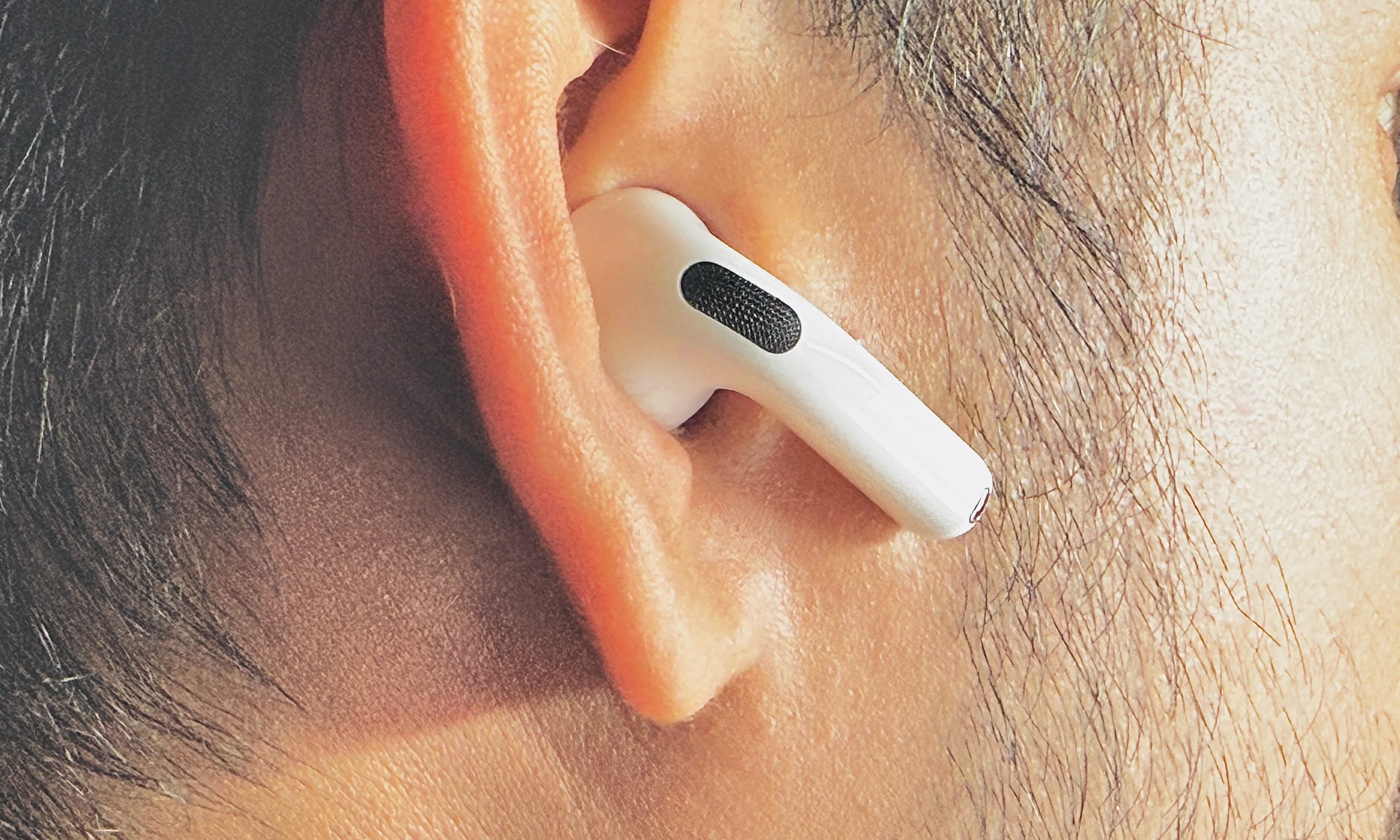
AI is still something most people have to consciously engage with. You open an app, type a prompt, take a photo, or ask a question. Apple’s next major AirPods upgrade could change that. According to Bloomberg’s Mark Gurman, the company is in late-stage development on camera-equipped earbuds that could put visual AI into a device that many people already use every day.
Bloomberg reports that the earbuds have reached design validation testing, one of the final hardware stages before early mass-production testing. That means the hardware may be close, but the launch appears tied to Apple’s delayed Siri overhaul.
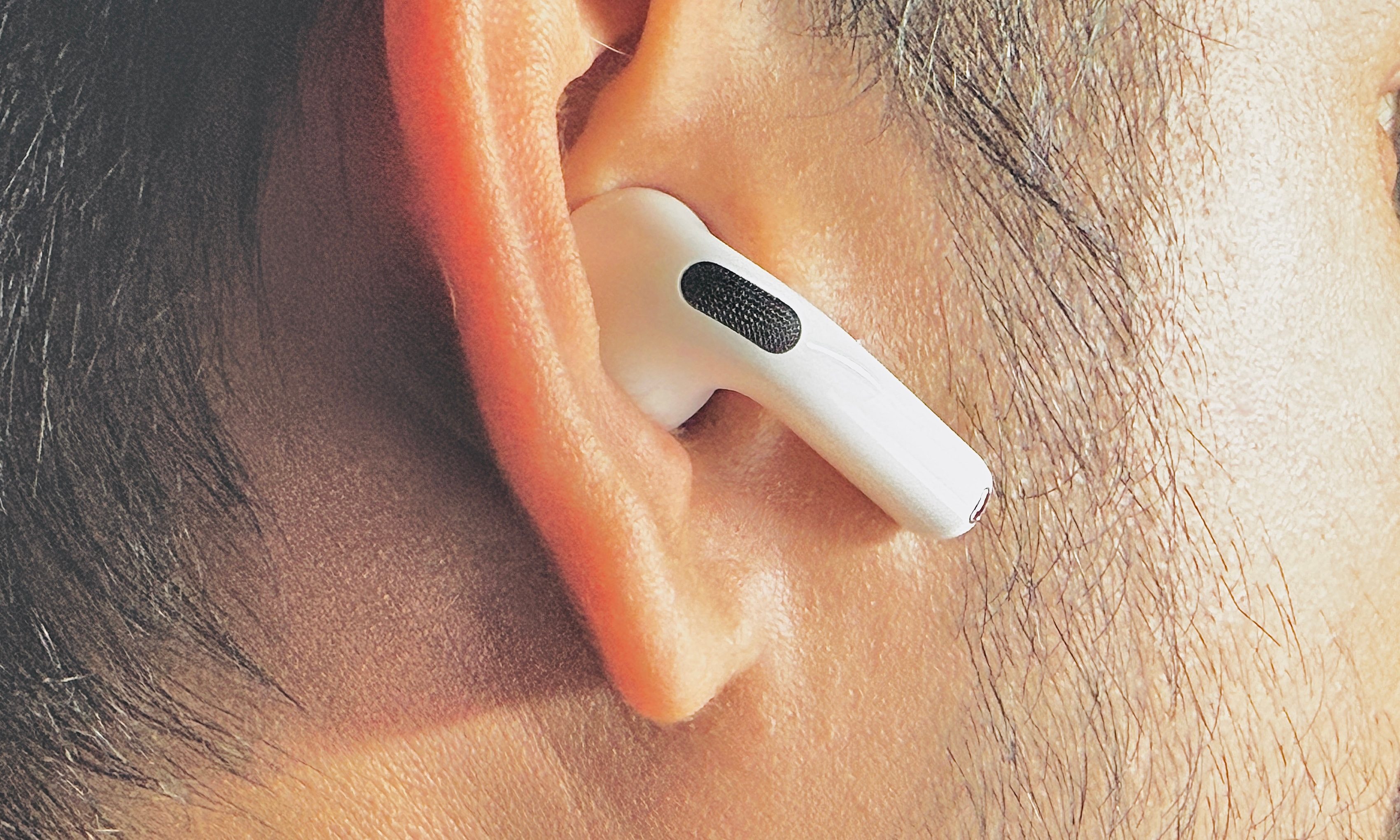
Gurman says Apple had planned to release the earbuds as early as the first half of this year, but the launch was pushed back after delays to a revamped Siri. That overhaul is reportedly on track for September after Apple upgraded its underlying models using Alphabet’s Gemini technology.
The cameras are reportedly not meant for regular photos or videos. They would feed low-resolution visual information to Siri, helping it answer questions about what the user is looking at.
That could make visual AI more practical. You could look at ingredients and ask what to cook, get walking directions based on landmarks, or receive reminders connected to something the earbuds see.

Privacy will be the hard part. Bloomberg says Apple has built a small LED light into the earbuds that notifies users when visual data is being sent to the cloud. Apple will need to make that signal clear, because camera-equipped earbuds will only work if people trust when and how they are being used.
Battery life is still unclear. These are earbuds at the end of the day, and the addition of cameras is likely to use more power. AirPods Pro 3 currently offer up to 8 hours of listening time with Active Noise Cancellation on, and up to 24 hours with the charging case. Apple will likely have to decide whether it is willing to take a hit on battery life for visual AI, or find a smarter way to keep battery life respectable.
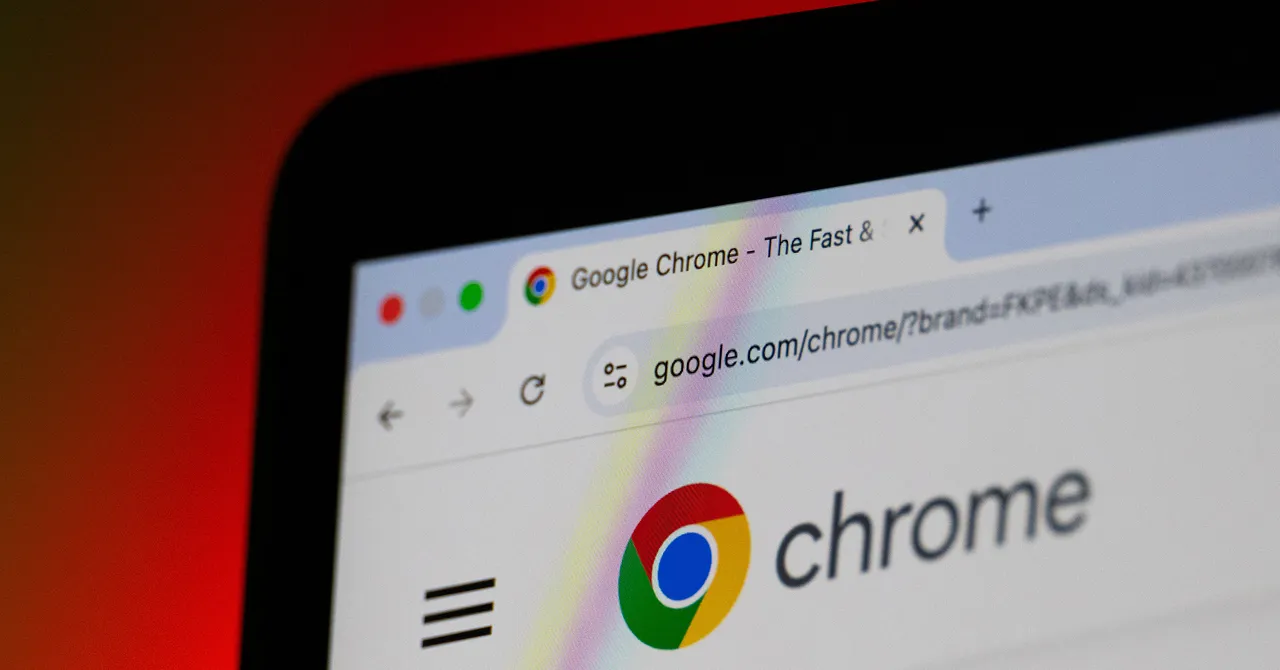
If you use Google’s Chrome browser for desktop, there’s probably a Gemini Nano AI model running on your computer right now and taking up about 4 GB of space. That’s not necessarily a bad thing, but if you didn’t know about it and don’t want it, there’s a way to turn it off.
The file started auto-downloading for Chrome users in 2024 after Google built Gemini Nano into the browser. But a report by That Privacy Guy this week and the ensuing reception it received highlighted how unaware many users were—perhaps a result of a flood of AI services and features across the tech industry that have been difficult for users to keep up with.
To uninstall the Gemini Nano file, open Chrome on your computer, in the top right corner click the “More” menu represented by three vertical dots, then go to Settings, System, and then toggle “On-device AI” to be off. The Privacy Guy article noted that if you directly uninstall the Gemini Nano file in the directory, Chrome will silently, automatically redownload it the next time the browser reboots.
A Google spokesperson tells WIRED that the company started rolling out the On-device AI toggle in February so users can turn off the features if they choose and remove the model. “Once disabled, the model will no longer download or update,” the spokesperson says in a statement. The company added, too, that the system is designed so Gemini Nano “will automatically uninstall if the device is low on resources.”
Google built the model into Chrome to enabled on-device AI scam-detection features. It was also aimed at providing a way for developers to integrate AI-related application programming interfaces while keeping data on users’ devices when possible and out of the cloud. These features are separate from Chrome’s AI Mode, which does not use the local Gemini Nano model.
Parisa Tabriz, Chrome’s general manager, emphasized in a post on X on Wednesday that integrating Gemini Nano “powers important security capabilities like on-device scam detection and developer APIs without sending your data to the cloud.”
Google certainly did announce the Gemini Nano integration into Chrome and discussed it publicly, but for users who simply use Chrome because it is the world’s biggest, most recognizable browser and don’t necessarily follow every granular update, the lack of an in-your-face notification about a large AI model file sitting and running on your computer may be upsetting.
Longtime security and compliance consultant Davi Ottenheimer says that he follows Chrome updates closely but could have easily missed the Gemini Nano integration. “An on-device model could be a hidden minefield,” he says. And the fact that Google launched the integration in 2024 but didn’t start rolling out a settings control for users to turn it off until February shows that, at least initially, the feature wasn’t conceived as something that users would interact with.
Just because you can remove Gemini Nano from Chrome doesn’t mean you necessarily should—or that doing so is better for your privacy.
Local processing is a more private way to utilize AI capabilities. If you remove the model, the features Google uses it for—including the AI-enabled scam detection—will cease to function. But since Gemini Nano is also used by Chrome to enable local AI processing for third-party developers, blocking this route could have a range of outcomes when interacting with non-Google web services in the browser. A Google spokesperson tells WIRED that if you turn off On-device AI, “certain security features will not be available, and sites that use the on device APIs will behave differently.”
Of course, if neither option seems right, there’s always an alternative: Use a different browser.
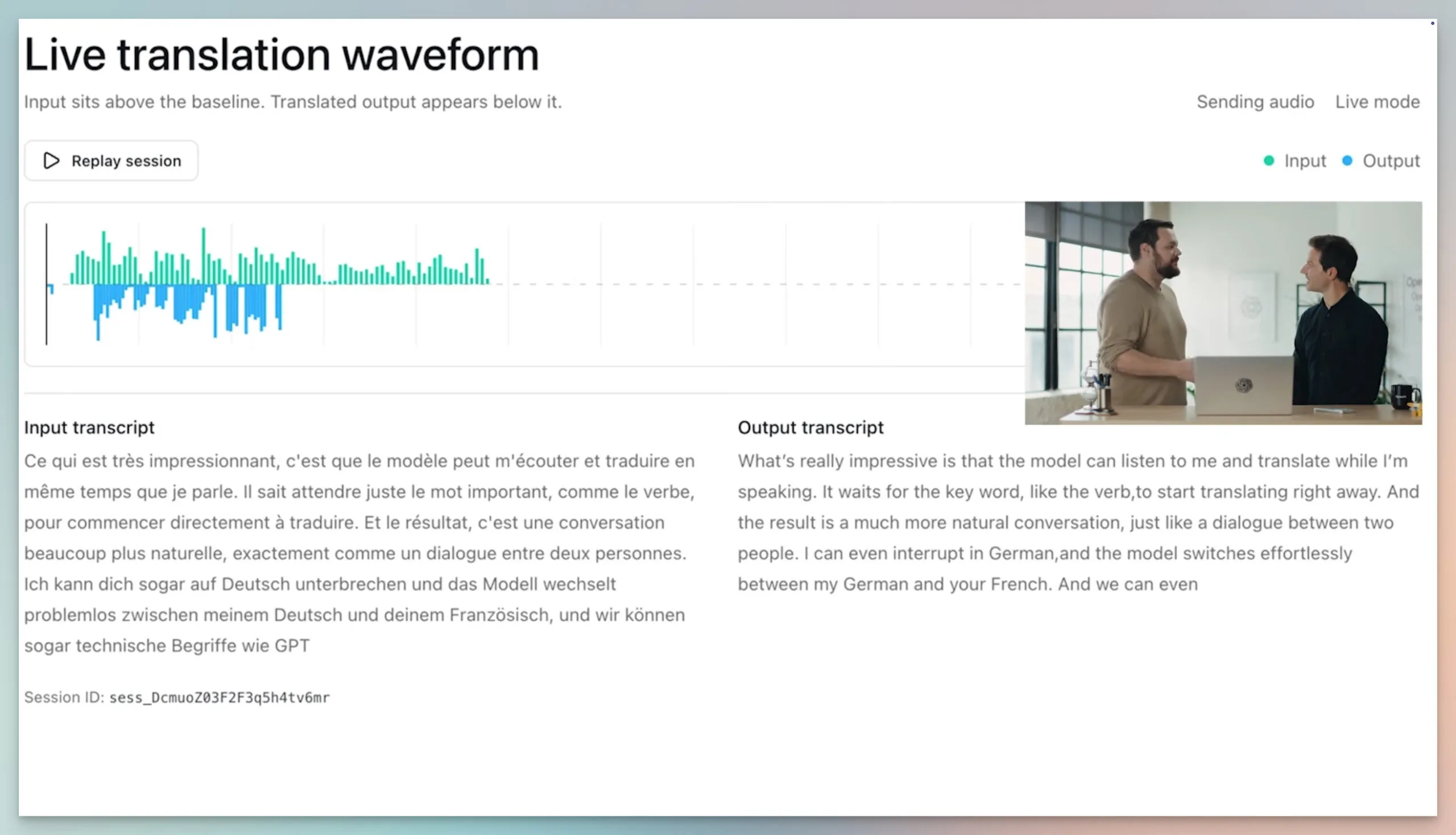
OpenAI has launched three new audio models in its Realtime API, and they are a big deal for anyone building voice-powered apps. The three models are GPT-Realtime-2, GPT-Realtime-Translate, and GPT-Realtime-Whisper.
Together, they move voice AI beyond simple back-and-forth responses toward something that can understand you, take action, and keep up with a real conversation.
If their demo is anything to go by, we have just seen the next evolution in how voice AI models work.
GPT-Realtime-2 is the headline act. It brings GPT-5-class reasoning to live voice interactions, meaning it can handle harder requests without dropping the thread of the conversation.
It can call multiple tools simultaneously and even narrate what it’s doing with phrases like “checking your calendar” or “let me look into that.” It also has a larger context window of 128K tokens, which means longer, more coherent sessions. Developers can even adjust the reasoning effort based on the complexity of the request.
GPT-Realtime-Translate is probably my favorite. It’s the closest we have come to having Star Trek’s Universal Translator in real life. It supports live speech translation across 70+ input languages and 13 output languages.
The best part of the demo was that even when a new person joined and spoke a different language, GPT-Realtime-Translate had no issues in translating both speakers into English in real time.
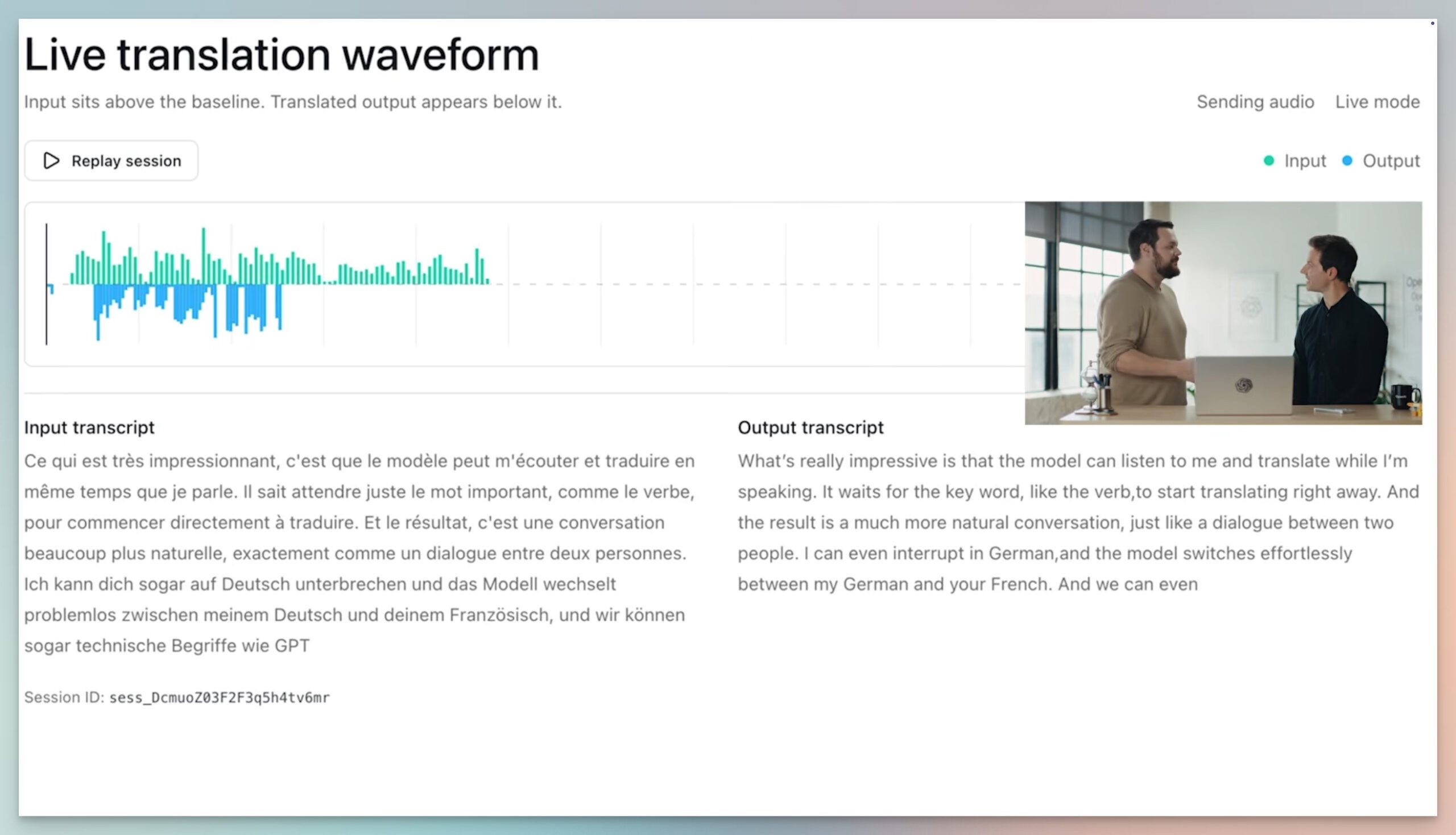
Finally, there’s the GPT-Realtime-Whisper. Most speech-to-text models wait for the speaker to finish before providing the full translation. This one is a streaming transcription model that converts speech to text as the speaker talks. It is useful for live captions, meeting notes, and any voice-powered workflow where waiting for a transcription is not an option.
Currently, OpenAI has released these models for developers. But the apps they build will affect everyone. For example, a developer can build a real-time translator app, allowing users to converse with people in different languages.
Many companies are already testing these new models. Zillow is building a voice assistant that can search homes and schedule tours from a single spoken request. Priceline can check your flights and hotels, cancel them, and book new ones. Vimeo is using it for real-time transcription, and so on.

Pricing starts at $0.017 per minute for Whisper, $0.034 per minute for Translate, and $32 per 1M audio input tokens for GPT-Realtime-2.

The first invoices arrive in September. Meta wants the basis changed before they do.
Meta has filed a judicial review against Ofcom over the way the regulator calculates fees and penalties under the UK’s Online Safety Act, the High Court was told on Thursday.
The dispute is narrow on its surface and substantial underneath. Ofcom’s methodology bills platforms based on what it calls qualifying worldwide revenue, the global income tied to a regulated service rather than just the UK slice.
Fines work the same way and can reach 10% of that worldwide figure. Meta’s position, restated outside court, is that any levy should reflect the country in which the service is regulated.

The 💜 of EU tech
The latest rumblings from the EU tech scene, a story from our wise ol’ founder Boris, and some questionable AI art. It’s free, every week, in your inbox. Sign up now!
“We and others in the tech industry believe (Ofcom’s) decisions on the methodology to calculate fees and potential fines are disproportionate,” a Meta spokesperson told reporters. “
We believe fees and penalties should be based on the services being regulated in the countries they’re being regulated in. This would still allow Ofcom to impose the largest fines in UK corporate history.”
Ofcom said the framework was set out in the legislation Parliament passed and that it had consulted at length on how to apply it. “Disappointingly, Meta is objecting to the payment of fees, and any penalties that could be levied on companies in the future, that are calculated on this basis,” the regulator said.
The fees themselves are not large in Meta’s terms. Ofcom has signalled the levy will fall between 0.02% and 0.03% of qualifying worldwide revenue, with a £250m revenue threshold for liability and a £10m UK-revenue floor below which providers are exempt. For Meta, that translates to a few tens of millions of pounds a year on a roughly $165bn revenue base.
The penalty exposure is the larger number. The Online Safety Act lets Ofcom fine in-scope services up to 10% of qualifying worldwide revenue, the same multiplier the GDPR uses. On Meta’s 2025 figures, the theoretical ceiling sits in the $16bn range. Whether the calculation starts from worldwide or UK-only revenue makes the difference between a remedy that hurts and one that does not.
Ofcom’s lawyer, Javan Herberg, told the court the regulator intends to issue the first round of invoices in the third quarter of this year, most likely September. If Meta wins, refunds may follow. That timetable explains the urgency: a methodology fight after invoicing would mean clawing back money already paid.
Meta’s challenge is procedural rather than constitutional. The company is not arguing the Online Safety Act itself is unlawful. It is arguing that Ofcom’s interpretation of “qualifying worldwide revenue” reaches further than Parliament intended and that the resulting calculation is disproportionate within the meaning of public-law principles.
That framing rhymes with the proportionality fight Meta is also running with Brussels, where Meta has argued the Commission’s interpretation of the Digital Markets Act exceeds what the text supports.
The High Court will not rule on the merits at this stage. Thursday’s hearing covered timing, refund mechanics and the procedural shape of the review. A substantive judgment is unlikely before the autumn, by which time Ofcom will already have issued the first invoices.
If Ofcom prevails, the methodology stands and the UK regime joins the EU’s GDPR and DSA in calibrating penalties to global revenue. If Meta prevails, Ofcom will have to recalibrate; the implications would also extend to TikTok, X, Snap, Pinterest and the other large platforms in scope, none of which has yet joined Meta’s filing publicly but most of which are believed to share the underlying objection.
Meta’s relationship with British and European regulators has been litigious for some time. Meta has now amassed more than €2.5bn in EU fines, more than half the cumulative GDPR penalties levied across the bloc, and the company has appealed most of them. Ofcom’s Telegram CSAM probe is one of several ongoing Online Safety Act investigations into large platforms, alongside Ofcom’s letters in March demanding evidence of further child-safety improvements from Facebook, Instagram, Roblox, Snapchat, TikTok and YouTube.
The judicial review lands in a moment when the Online Safety Act regime is moving from set-up to enforcement. Ofcom fined 4chan £520,000 in March and AVS Group £1.05m in December for age-check failings. The questions Meta is raising about how the meter is read are exactly the ones the next round of cases will turn on, and they sit alongside longstanding critique of the Online Safety Act from civil-society groups who argue the law’s scope is already too wide.
September will tell whether the company has bought itself a refund mechanism, a methodology change or simply a footnote in the first OSA bill of its life.


Off-Prem
Around 20 percent of staff get an ‘In one hour, you might not work here anymore’ email
Cloudflare
has revealed it will farewell 1,100 staff, due to its current and future use of
AI.
In a blog post that oozes
Orwellian “doublespeak,” CEO Matthew Prince and President/COO Michelle
Zatlyn used the headline “Building for the future” to share the email they sent
to all employees.
That mail opens: “We are writing to let you know directly
that we’ve made the decision to reduce Cloudflare’s workforce by more than
1,100 employees globally.”
The post explains, “Cloudflare’s usage of AI has increased
by more than 600% in the last three months alone. Employees across the company
from engineering to HR to finance to marketing run thousands of AI agent
sessions each day to get their work done.”
All that AI means “we have to be intentional in how we
architect our company for the agentic AI era in order to supercharge the value
we deliver to our customers and to honor our mission to help build a better
Internet for everyone, everywhere.”
Sackings are therefore needed, and are “about defining how a
world-class, high-growth company operates and creates value in the agentic AI
era.”
To rub salt into the wounds of sacked staff, the email went
out not long before Cloudflare announced quarterly results that included 34 percent
year-over-year revenue growth and guidance for 30 percent future growth.
Prince opened the company’s earnings call by stating “We had
a very strong start to 2026.”
Analysts on the earnings call asked Prince to explain the
layoffs and whether they will make Cloudflare stronger.
“We have seen that there are roles at Cloudflare that
are not the roles we need for the future,” Prince responded. “Just because you
are fit does not mean you cannot get fitter. Over the last six months
especially, the productivity gains from the people directly talking to
customers and directly creating code have been incredible, and a lot of the
support roles behind them are not going to be the roles that drive companies
going forward.”
The CEO said Cloudflare has “always lived a little bit in
the future” and said the company is an early beneficiary of AI.
And he said the company will keep hiring.
“The people embracing these tools are so much more
productive than we have ever seen before,” he said. “I would guess that in 2027
we will have more employees than we did at any point in 2026, but the roles are
changing dramatically, and you have to do something dramatic to make that
shift.”
“This is not about downsizing or saving costs,” Prince said.
“This is about having the right people in the right roles to build the future.”
As is often
the case these days, the email to staff warned them of a brief doomsday
countdown.
“Within
the next hour, every member of our global team will receive an email from both
of us clarifying how this change affects them,” the message states. “For those
departing today, we will send this update to both their personal and Cloudflare
addresses to ensure they receive the information immediately.”
The
Register imagines that went down well for workers in time zones where
employees might avoid their work email outside 9-5, but sneak an early-morning-or-late-night-glance
at their personal inboxes.
Prince and Zatlyn
told employees they hope “to do this only once” and then contradict themselves by
saying they “don’t want to do it again for the foreseeable future.”
“By taking decisive action now, we provide immediate clarity
to those departing and protect the stability of the team that remains,” they
wrote, before adding their view that one deep cut because “dragging a
reorganization out over multiple quarters creates prolonged emotional
uncertainty for employees and stalls our ability to build.”
Firing 1,100 people is therefore “the right thing to do;
it’s the honest thing to do; and it reflects the values of the company we are
continuing to build.” ®
A study published in the journal Science explains that while modern image generators are rapidly improving, the models behind them remain fundamentally ignorant of how light and geometry work in the real world. Measuring simple details like reflections or shadows can still give away a fake photo – that gap,…
Read Entire Article
Source link

What can I say about DoorDash to truly encapsulate what this company means to me? I could say it’s the father I never had; it’s the mother I’ve always wanted; the warm embrace of a friend you haven’t seen in a while; the sound of rain as you fall asleep… One of the greatest inventions of the 21st century has been the ability to get virtually any type of food you crave delivered to your front door without having to get up or even speak to another human. We’ve rounded up the best verified DoorDash promo codes, special offers, and free delivery deals.
Treat yo’self to staying inside and having your meals delivered to you in the comfort of your own home. Right now, you can get $8 off orders of $25 or more at participating restaurants. As well as a DoorDash promo code for up to $25 off your first order of $30 or more, and you can also get 25% off your first alcohol delivery with DoorDash. Make sure to use DoorDash promo code USDASHTRIAL2Q26 to get the best savings.
Beyond using Doordash promo codes above, you can save more with rotating weekly deals–plus these special offers.
The best coupons include 25% off your entire order, $5 off $20, and 30% off lunchtime delivery. Unlike the many promo codes only for new customers, existing customers can score too, and save 30% (up to $8) for a limited time. Now you have the perfect excuse to get your munch on.
There are also great BOGO deals (who doesn’t love a buy one, get one moment?) like buy 1 get 1 free entrees and a free appetizer when you spend $15 or more, up to $35 off. While discount codes are often only available for your first order, both new and existing customers can take advantage of these coupons. Keep the Deals section in mind to save big with limited-time offers based on your delivery location.
With this exclusive WIRED DoorDash promo code, first-time customers can get 15% off their first order placed through DoorDash, with savings up to $10 on a $15 minimum order using DoorDash coupon code USEG15OFF2Q26. This DoorDash promo code is only applicable for new customers only and cannot be applied toward alcohol orders.
Some might say that the best gift you can give your mom is the gift of not having to do anything. With this Mother’s Day doordash deal, you can get her gift cards to use at her favorite restaurants when she doesn’t feel like cooking. Or maybe you’re far away and want to send her a bouquet of flowers and her favorite bottle of vino. Whatever Mom wants, she can get—without leaving the house thanks to DoorDash.
DoorDash is the answer to 21st century America’s laziness, and was a godsend during the height of the Covid pandemic, when customers could get their favorite foods from restaurants, groceries and household products delivered right to their door without having to leave the safety of their couch. If you’re more of an Uber Eats type of person and haven’t signed up for DoorDash, now is a great time to sign up and get a $0 delivery fee on your first order. Whether you want a romantic night in with your favorite sushi spot across town, or are having a pounding early Sunday morning headache and in desperate need of Advil and Pedialyte from the gas station up the road (not speaking from personal experience or anything), DoorDash has you covered. Go ahead, stay in bed.
Once you’ve signed up and gotten free delivery on your first order, there are still more ways to save. DoorDash has a student discount, where students can receive 50% off a DashPass account. DashPass is a subscription offering unlimited deliveries from 1,000s of eligible restaurants with $0 delivery fees. All you have to do to sign up for student DashPass is verify your student status with Sheer ID. The student DashPass Plan is half off regular DashPass Plans at $4.99 a month or $48 annually.
If you’re not a student, don’t worry, there are tons of other great discounts available at DoorDash. Sign up for DashPass to get $0 delivery fees on orders, 5% back on pickup orders, and tons of other benefits.
If you bank at Chase, Chase cardmembers are eligible for exclusive DashPass benefits on DoorDash and Caviar when an eligible Chase credit card is added to their account. Chase is offering 3 months of Dash Pass free, plus 50% off the next 9 months of service.
Whether you’re wanting to go to tried-and-true chains for burgers and pizza like McDonald’s, Shake Shack, or Domino’s, or some true, authentic Mexican like Chipotle or Taco Bell (I kid! Don’t come for me), DoorDash is a great way to eat through the world without ever leaving your couch.
DoorDash has some really exciting updates happening, including the launch of their Going Out program, a new dine-in program for customers starting first in NYC and Miami. With this program, diners will be able to book restaurant reservations directly through the DoorDash app, and will get rewarded for their loyalty by earning exclusive offers when dining in, as well as earning rewards for regular visits to favorite spots. Plus, DashPass members will get even more exclusive perks and in-store rewards. Check it out for yourself—explore the new “Going Out” tab in the DoorDash app, redeem exclusive in-store offers, and earn rewards for repeat visits. Customers save an average of $9 when using these perks.
DoorDash is also launching DoorDash Dot, a robot that delivers food to you rather than humans. Which seems like a great idea. (Note the thick layer of sarcasm, reader.) The scary glimpse into our future continues as creators are rewarded. Short-form videos from local creators and foodies are now live in the DoorDash app; DoorDash hopes that consumers will be able preview dishes before they order, to more accurately see things like preparation style and portion size. This is starting in Atlanta, Austin, Miami and San Francisco, with more rolling out through the end of the year.
Looking for a new job with flexibility or a side gig? If you become a DoorDash Dasher, you can get major benefits. Whether you’re biking, driving, or delivering full-time, Dasher discounts can help you save as you earn money with deliveries. Dashers can access exclusive discounts from things like gas and auto care, to health benefits, phone plans, and tax tools. Plus, Dashers can save even more on purchases and get rewards with the DoorDash Crimson Visa Debit Card.
Dashers can get extra rewards on top of what was mentioned above with the DoorDash Crimson Card. With this special card, you’ll be able to get paid instantly after every dash (no more waiting for weeks), get cash back on purchases made using the card, and manage finances through the Dasher app. With the Crimson Card, Dashers have the choice to get paid instantly and automatically with no deposit fees after every dash or get rewards like cash back on gas. If you’re a Dasher and want to apply for DoorDash Crimson, just tap the ‘Earnings’ tab, and then ‘Learn More’ in your Dasher app to apply.

Higher education has long been a target of ransomware gangs and data extortion attacks. But never before, perhaps, has a cyberattack against a single software platform so thoroughly disrupted the daily operations of thousands of schools across the United States.
The widely used digital learning platform Canvas was put into “maintenance mode” on Thursday after its maker, the education tech giant Instructure, suffered a data breach and faced an extortion attempt by attackers using the recognizable moniker “ShinyHunters.” Though the hackers have been advertising the breach and attempting to extract a ransom payment from Instructure since May 1, the situation took on additional immediacy for regular people across the US and beyond on Thursday because the Canvas downtime caused chaos at schools, including those in the midst of finals and end-of-year assignments.
Universities like Harvard, Columbia, Rutgers, and Georgetown sent alerts to students about the situation in recent days; other institutions, including school districts in at least a dozen states, also appear to have been affected. In a list published by the hackers behind the attack on their ransom-focused dark web site, they claim the breach affected more than 8,800 schools. The exact scale and reach of the breach is currently unclear, though. And the fact that Canvas was down throughout Thursday afternoon and evening further complicated the picture.
In a running incident update log that began on May 1, Steve Proud, Instructure’s chief information security officer, said that the company had “recently experienced a cybersecurity incident perpetrated by a criminal threat actor.” He added on May 2 that “the information involved” for “users at affected institutions” included names, email addresses, student ID numbers, and messages exchanged by users on the platform.
The situation was ultimately marked as “Resolved” on Wednesday, with Proud writing that “Canvas is fully operational, and we are not seeing any ongoing unauthorized activity.” At midday on Thursday, though, the Instructure status page registered an “issue” where “some users are having difficulties logging into Student ePortfolios.” Within a few hours, the company had added another status update: “Instructure has placed Canvas, Canvas Beta and Canvas Test in maintenance mode.” Late Thursday evening, the company said that Canvas was available again “for most users.”
TechCrunch reported on Thursday that the hackers launched a secondary wave of attacks, defacing some schools’ Canvas portals by injecting an HTML file to display their own message on the schools’ Canvas login pages. According to The Harvard Crimson, attackers modified the Harvard Canvas login page to show a message that included a list of schools that the hackers claim were impacted by the breach.
The message from attackers “urged schools included on the affected list to consult with a cyber advisory firm and contact the group privately to negotiate a settlement before the end of the day on May 12—or else risk their data being leaked,” The Crimson reported. “It is unclear what information tied to Harvard affiliates was included in the alleged breach.”
Instructure did not immediately respond to a request for comment about Thursday’s outages and how they fit into the bigger picture of the breach. But the situation is significant given that a massive trove of student information has potentially been exposed, and the visibility of the incident across the country makes it a key example of a longstanding, yet endlessly escalating problem of data extortion and ransomware attacks.
The ShinyHunters name is associated with massive data dumps and has been linked to the infamous hacker collective known as the Com. But as the constellation of actors has shifted over the years, numerous attackers have taken up the most prominent Com-related monikers. A number of recent attacks have invoked other names, such as Lapsus$, with little or no connection to the original group that operated under the name.








Channel 5 – All Creatures Great and Small series 7 new post


Upbit adds B3 Korean won pair as Base token gains Korea access

Trump’s 25% EU auto tariff breaches Turnberry Agreement that also covers semiconductors and digital trade

NCP car park operator enters administration putting 340 UK sites at risk of closure

Paul Scholes issues Marcus Rashford reality check as agreement emerges over Man United star


Met Gala 2026 Rumored Guest List Is Turning Heads


Kylie Jenner Hit With Second Lawsuit From Ex-Housekeeper
New on Prime Video in May 2026 — Full List of Movies and Shows

Meta ends Sama contract after Kenyan workers report seeing intimate footage from Ray-Ban smart glasses users


Cavaliers vs. Raptors Game 6 live score, updates, highlights from 2026 NBA playoffs first-round series

David Benavidez responds to team Canelo saying the fight will never happen
New Netflix Movies in May 2026 — My Top 3 Picks to Stream


Melissa Joan Hart and More Stars Attend 2026 Kentucky Derby

IPL 2026: ‘Love you darling’- Hardik Pandya’s reaction to MS Dhoni steals the show |Watch | Cricket News


Young and the Restless Next Week: Cane Arrested & Matt’s Deadly New Scheme!

Pi Network Mandates Protocol 23 Upgrade for All Mainnet Nodes Before May 15 Deadline


Luka Doncic Injury Update: Doncic’s Hamstring Recovery Slows Lakers’ Hopes Against Thunder: Can He Run Yet?


Bayern won’t hand bottom side Heidenheim ‘gifts’ despite PSG game


What Preity Zinta Said After Punjab Kings’ First Defeat Of IPL 2026


Mother’s Day 2026 Gift Guide: Audio to Upgrade Mom’s Lifestyle


![[KPOP IN PUBLIC] LISA - 'MONEY' | Cover by BN DANCE TEAM FROM VIETNAM](https://wordupnews.com/wp-content/uploads/2026/02/1770893501_maxresdefault-80x80.jpg)

You must be logged in to post a comment Login