Tech
The Netherlands’ Offshore Wind Farms Are Doing A Lot More Than Generating Electricity


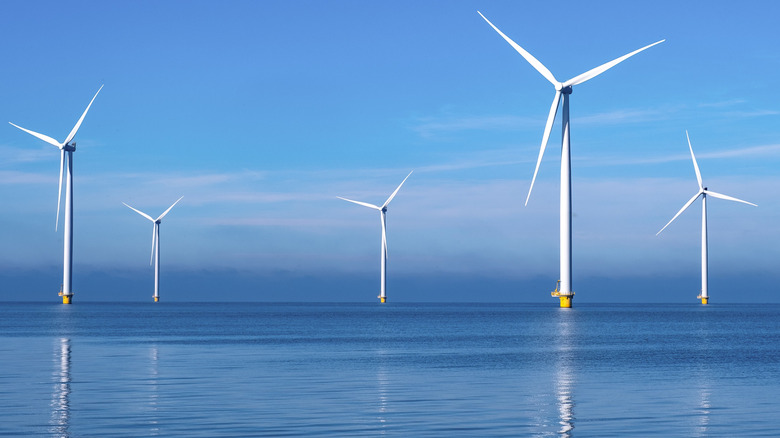
Renewable energy solutions are not only being explored by countries around the world; they’re also being heavily implemented into everyday life as well. The Netherlands is an excellent example of this. The country’s wind turbines, despite controversies surrounding their possible impact on human health, accounted for 18% of its total electricity output in 2022. However, thanks to an agreement between two energy companies and a marine solutions company, a new initiative is integrating artificial reef structures directly into wind turbine foundations in an effort to not just provide green energy but also safeguard the marine environment.
RWE AG, alongside TotalEnergies, is working with ARC marine to install specially-made reef cubes. The eco-friendly cubes will be part of the new OranjeWind offshore wind farm being constructed in the North Sea. Made from recycled materials, these cubes are expected to promote underwater habitats in the region. A total of 66 reef cubes will be spread among 11 different turbines, making it one of the largest man-made reefs in the area, though not the world’s biggest. The cubes are expected to be in place for the life of the turbines.
Erecting massive wind turbines directly into the ocean can heavily impact any underwater life that exists there. However, the use of artificial reefs is intended to prevent or at least mitigate any negative impact by encouraging marine growth and enhancing existing habitats that may be affected by turbine construction. This is apparent from the design of the reef cubes, as they are intended to attract local species such as cod and oysters that are beneficial to the local ecosystem.
Reaching new heights in offshore wind energy
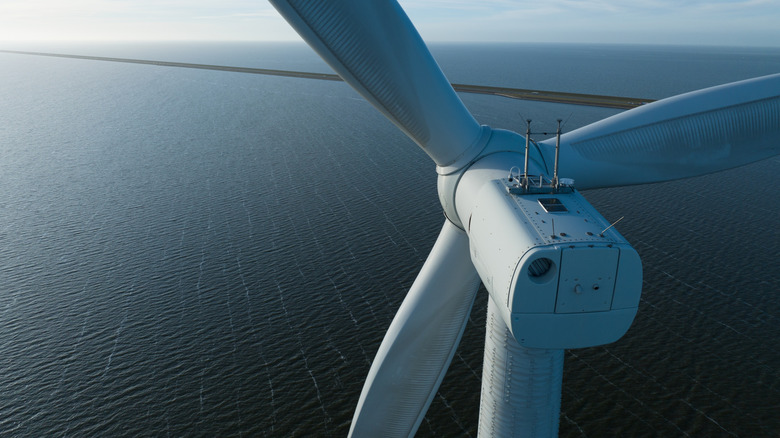
Plans for the OranjeWind offshore wind farm in the Netherlands moved forward when RWE and TotalEnergies formed a partnership in 2024. The facility is expected to produce around 795 megawatts of power, which will be used to provide electricity to several projects as well as create green hydrogen for local industry. The overall goal of the OranjeWind project is to reduce CO2 emissions by about 5 million tons per year while also cutting back on emissions produced by local refineries.
Offshore wind farms in the Netherlands, similar to the ones in China, require a solid foundation, as they’re not built on dry land. RWE accomplishes this by either installing turbine supports into the ocean floor or by using floating foundations in deeper waters. When these turbines generate electricity, it’s harnessed at a nearby offshore power station. The energy then transfers to a substation on land, where it’s then distributed to the local power grid.
The push to develop and harness wind energy in the Netherlands has resulted in the country taking some big leaps forward over the past several years. Wind energy capacity had increased overall by the close of 2024, reaching about 11.7 gigawatts of power. This figure also included a higher contribution from offshore wind farms, which accounted for about 19% in 2024. In fact, the country’s goal of increasing offshore wind was realized a full year earlier than planned.
You must be logged in to post a comment Login