The Pixel 10a might be Google’s latest affordable phone, but on paper it feels more like a gentle refresh than a true upgrade – especially when last year’s Pixel 9a is now cheaper than ever.
Both phones share the same core specs, the same Google-made Tensor chip and a near-identical design, yet one of them regularly dips well below its original asking price while the other launches at £499/$499.
Unless you’re absolutely set on having the newest model for the sake of it, the Pixel 10a has to work much harder than this to justify its existence.
SQUIRREL_PLAYLIST_10208265
Advertisement
The Pixel 10a is a very familiar phone
You’ll be forgiven if you can’t tell the difference between the Pixel 10a and last year’s Pixel 9a when looking at the spec sheet – the two phones are practically the same in key areas.
Advertisement
That extends to the chipset, with both the Pixel 9a and 10a sporting the same Tensor G4 chipset – a chipset that first debuted on the Pixel 9 collection in 2024. It was a solid addition to the Pixel 9a in 2025, as it represented the latest in Google’s processing power, but the absence of the G5 found in the Pixel 10 series means the same can’t be said here.
There’s no justification for Google not to include the chipset, aside from a way to protect the sales of the regular Pixel 10. The entry-level Pixel is often compared to the ‘a’ alternative, and much of the time, the ‘a’ alternative is the better buy. With an older chipset, that recommendation is no longer quite as easy.
Advertisement
It would’ve been an easier pill to swallow had Google introduced new game-changing features to balance that decision, but there isn’t really much else new about the Pixel 10a.
Google Pixel 10a. Image Credit (Google)
Generally, it looks a lot like last year’s Pixel 9a, sporting the same flat-edged, rounded-corner design with a completely flat rear – a stark contrast to the bar-style camera housing present on the flagship Pixel 10 range. It would’ve been easy for Google to score a win in this department by including support for PixelSnap magnetic accessories, but that’s sadly not the case.
There’s also an identical camera offering with a 48MP primary lens and a 13MP ultrawide on the rear and a 13MP selfie snapper up front, with no discernible changes to the underlying hardware.
Advertisement
Now, Google could’ve improved its image processing to provide a tangible boost, but I’d argue that the company’s processing tech was already pushed to the limits by the 9a’s hardware last year. It’ll be interesting to see how, if at all, it differs in actual performance.
Advertisement
You likely won’t see a battery life boost either; it uses the same 5100mAh battery as its predecessor, with Google claiming the same ‘over 30 hours’ battery life estimate. Another downside to not using a newer, more energy-efficient chipset.
Upgrades that don’t exactly get the heart racing
Despite all the above, the Pixel 10a does come with a few key upgrades – but these are what I’d describe as bog-standard niceties rather than trying to truly tempt consumers to the newer phone.
That’s best exemplified by the only tangible design difference aside from the new Berry finish and slightly improved IP68 dust- and water-resistance: a completely flat rear camera housing.
You might think ‘well, that was the case with the 9a too’, but there was an ever so slight bump around the edges of the module. That’s gone this year. It does mean that the 10a should sit completely flush on a table and not wobble at all, but the 9a’s wobble isn’t exactly egregious compared to some phones.
Advertisement
Advertisement
Google Pixel 10a. Image Credit (Google)
There are also improvements in the screen department; it’s still a 6.3-inch 120Hz AMOLED screen, but Google has slimmed down the infamously thick bezels of the latest ‘a’ series handset, giving it a more premium look in line with 2026 mid-range rivals. It’s also brighter at 3000nits, though that’s only a 300nit jump compared to the Pixel 9a.
The Pixel 10a should also charge a little faster than its predecessor despite using the same 5100mAh cell, thanks to boosted 30W charging, though again, this is only a 7W increase compared to the 9a and far from true fast-charging mid-rangers like the Xiaomi 15T Pro and its 90W charging.
Google is also keen to point out that the Pixel 10a will be ‘the first’ in the ‘a’ series to get flagship Pixel 10 AI features like Auto Best Take and Capture Coach – but the ‘first’ wording there suggests that the Pixel 9a may get the features in the future.
Google Pixel 9a. Image Credit (Trusted Reviews)
After all, it’s not like Google can rely on the usual excuse of needing the latest Tensor chipset to power the features – if they’re on the 10a, they can definitely run on the 9a. That’d be a massive win for existing Pixel 9a winners, but it’d mean one less reason to opt for the newer, more expensive model.
Advertisement
Advertisement
The Pixel 9a seems like the smarter buy
With that all in mind, it seems like the Pixel 9a is the smarter buy – especially when you can pick it up for as little as £345/$399 at the time of writing, compared to the £499/$499 price tag of the newer Pixel 10a.
Google Pixel 9a. Image Credit (Trusted Reviews)
The Pixel 9a offers an oddly familiar experience to the new model, complete with the same chipset, RAM configuration and storage, same design, same camera hardware and same battery.
Sure, the Pixel 10a has a slightly better screen, a reduction of the already unnoticeable camera bump and slightly faster charging, but without the Pixel 10’s G5 chipset, it’ll remain an unusually hard sell for what is usually one of the best mid-range smartphones around.
If you are tempted by the newer model, you can pre-order the Pixel 10a now via the Google Store ahead of release on 5 March.
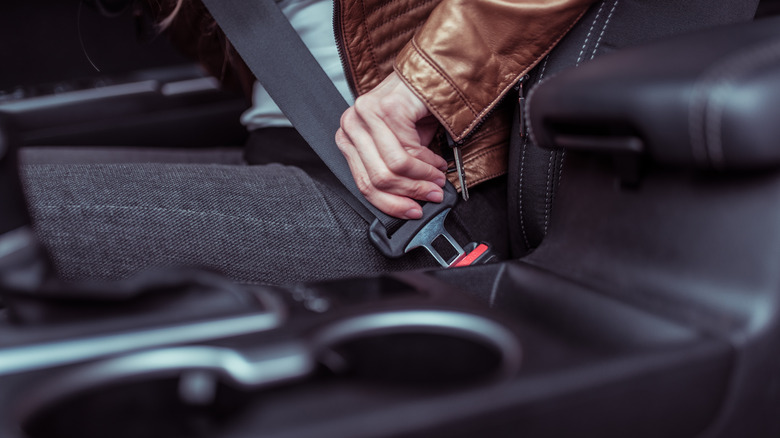
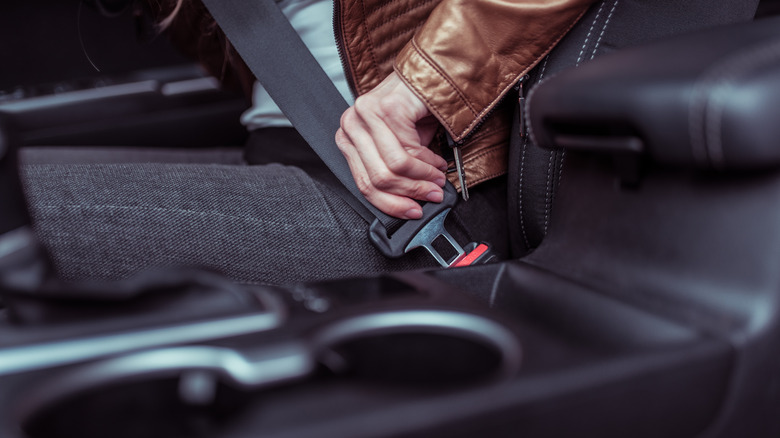
Curious what an automatic seatbelt even is? Well, you must be on the younger side. These were pretty common in the late 1980s into the 1990s. You’d sit down in your car, shut the door, and an automatic belt would be strapped across you. You’d then have to buckle the separate lap belt into place — automatic was a bit of an exaggeration.
The federal government didn’t require seatbelts until 1968 — it wasn’t something you automatically thought about when you sat in a car around that time. By 1981, only 11% of drivers were using a seatbelt at all. Cars also didn’t even have airbags — they were still a bit of a mystery. To reduce the number of deaths on the road, the Transportation Department proposed a regulation that would require all vehicles to have some form of automatic protection by 1984.
Advertisement
There was a lot of pushback over this requirement at first, largely from automakers. It was delayed multiple times over the backlash, but eventually they had to choose their form of automatic protection, either the automatic seatbelt or the airbag. Many automakers in the late ’80s went with the automatic seatbelt since it was cheaper to implement. Who even knew how those airbag things would work at the time, anyway?
Advertisement
Automatic seatbelts are no longer required
New Africa/Shutterstock
Remember how the automatic seatbelt wasn’t all that automatic? Yeah, that eventually became a problem. Raymond Peck, Head of the National Highway Traffic Safety Administration in the ’80s, felt that drivers would simply disconnect the chest belt and not even bother with the lap one. He stated: “Our latest survey evidence shows that there is a clear possibility that the automatic aspect of the new system could not only fail to increase usage but could itself create negative public reactions.”
By 1987, only 28.6% of drivers were clicking the lap belt. Drivers and passengers continued to get killed in car accidents at an alarming rate. Nationwide Insurance Co’s Ted Rodgers questioned why airbags were not required instead, pointing at the continued highway deaths.
Well, eventually, they were, but it took until 1998. Better late than never, right? With automakers forced to implement airbags, coupled with automatic seatbelts not working as intended, most models started arriving without them. Vehicle safety has continued to improve as technology expands — it’s hard to even imagine a time when airbags were seen as overpriced and complicated, causing carmakers to avoid them by offering automatic seatbelts. Oh, and new seatbelts will still save your life due to continuously advancing technology — definitely use them, even if it’s not the law.
The war in Iran has hammered global oil markets, with gas prices in the U.S. spiking significantly. Amid the rise in transportation costs, Amazon has instituted a new 3.5% fuel surcharge for sellers that use its distribution network. The policy has the potential to inflict significant new costs on the untold merchants that rely on the e-commerce giant to sell their products.
Amazon told TechCrunch that the surcharge would be in place for the foreseeable future, although the company said it will continue to evaluate a potential policy shift as market conditions evolve. The news was originally reported by Bloomberg.
“Elevated costs in fuel and logistics have increased the cost of operating across the industry,” a spokesperson said. “We have absorbed these increases so far, but similar to other major carriers, when costs remain elevated we implement temporary surcharges to partially recover these costs.” The spokesperson added that the surcharge was “meaningfully lower than surcharges applied by other major carriers.”
The new policy will take effect on April 17 and will impact sellers who use the company’s Fulfillment by Amazon service, Bloomberg writes. Fulfillment by Amazon, commonly known as FBA, allows companies to send their products to Amazon’s warehouses, where they are packed and shipped to buyers. Amazon doesn’t disclose how many merchants use FBA, but the program underpins the vast majority of third-party sales on its platform.
Iran is strategically located along the northern border of the Strait of Hormuz—a narrow but critical shipping lane for global oil supplies through which roughly 20% of the world’s oil supply passes—and the country has sought to block shipping lanes there, a move that has majorly impacted energy prices throughout the world.
A new NYT Strands puzzle appears at midnight each day for your time zone – which means that some people are always playing ‘today’s game’ while others are playing ‘yesterday’s’. If you’re looking for Thursday’s puzzle instead then click here: NYT Strands hints and answers for Thursday, April 2 (game #760).
Strands is the NYT’s latest word game after the likes of Wordle, Spelling Bee and Connections – and it’s great fun. It can be difficult, though, so read on for my Strands hints.
Want more word-based fun? Then check out my NYT Connections today and Quordle today pages for hints and answers for those games, and Marc’s Wordle today page for the original viral word game.
Advertisement
SPOILER WARNING: Information about NYT Strands today is below, so don’t read on if you don’t want to know the answers.
Article continues below
NYT Strands today (game #761) – hint #1 – today’s theme
What is the theme of today’s NYT Strands?
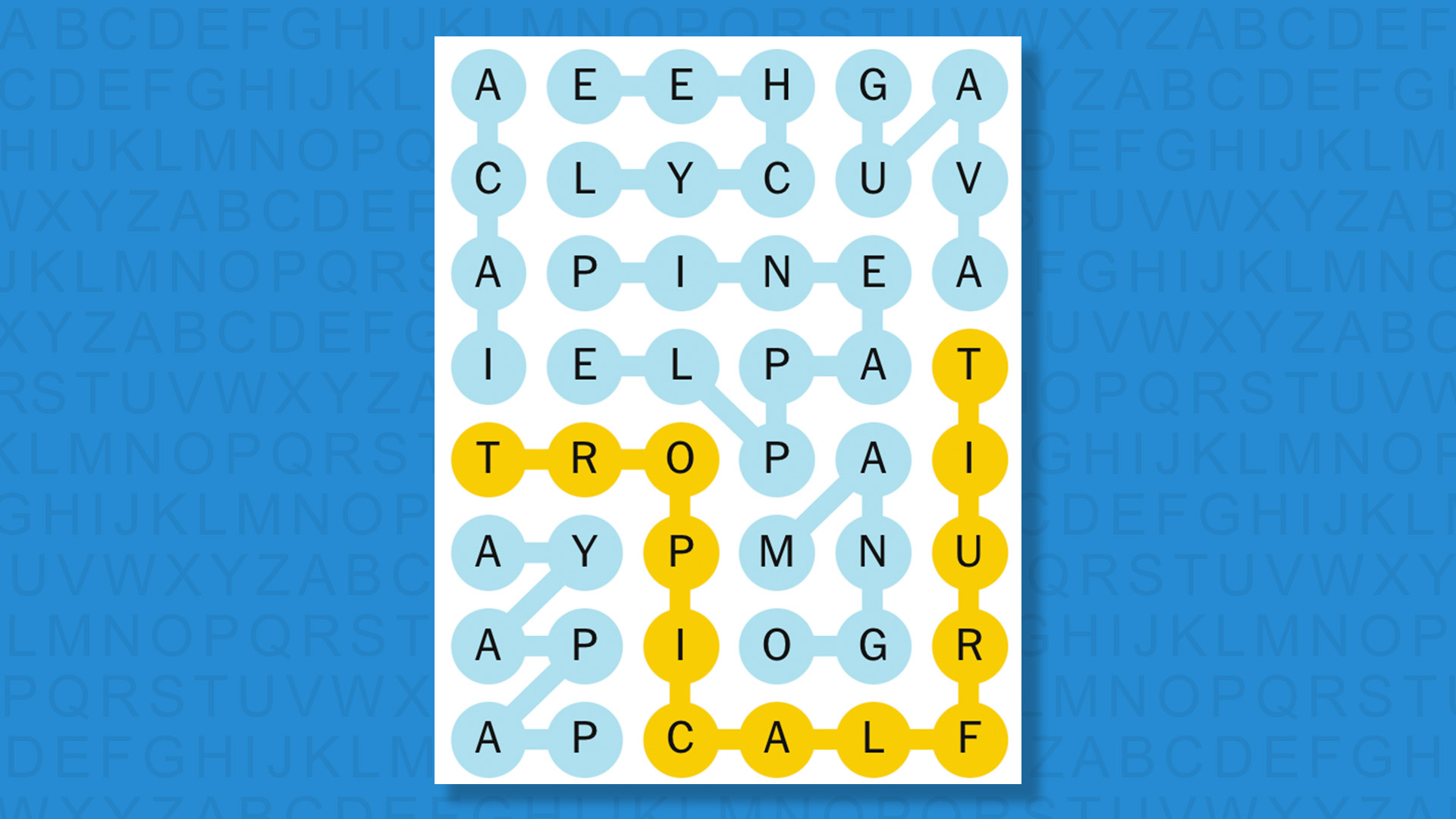
• Today’s NYT Strands theme is… Smooth(ie) operator
NYT Strands today (game #761) – hint #2 – clue words
Play any of these words to unlock the in-game hints system.
Advertisement
LINE
PLACE
CLAP
PINE
PYRE
FRUG
NYT Strands today (game #761) – hint #3 – spangram letters
How many letters are in today’s spangram?
• Spangram has 13 letters
NYT Strands today (game #761) – hint #4 – spangram position
What are two sides of the board that today’s spangram touches?
First side: left, 5th row
Last side: right, 4th row
Advertisement
Right, the answers are below, so DO NOT SCROLL ANY FURTHER IF YOU DON’T WANT TO SEE THEM.
Advertisement
NYT Strands today (game #761) – the answers
(Image credit: New York Times)
The answers to today’s Strands, game #761, are…
GUAVA
ACAI
PINEAPPLE
LYCHEE
MANGO
PAPAYA
SPANGRAM: TROPICALFRUIT
My rating: Easy
My score: Perfect
As opposed to the hits of ’80s legend Sade (who sang the brilliant Smooth Operator) it was immediately apparent that we were searching for smoothie ingredients.
Sign up for breaking news, reviews, opinion, top tech deals, and more.
It wasn’t immediately apparent that all the words would be TROPICALFRUIT, so my first thought was for banana — the key ingredient of most smoothies — a search you could say proved fruitless.
Smoothies are a key plot point in an HBO show I am currently watching — DTF St Louis — where one of the characters pretends to be a regular consumer of The Go Getter at her local juice store, where it is later revealed that she is a regular Watermelon Breeze consumer. It’s quite the twist!
Advertisement
Yesterday’s NYT Strands answers (Thursday, April 2, game #760)
AGENT
BETTOR
JOCKEY
TIPSTER
BOOKIE
TRAINER
SPANGRAM: HORSERACING
What is NYT Strands?
Strands is the NYT’s not-so-new-any-more word game, following Wordle and Connections. It’s now a fully fledged member of the NYT’s games stable that has been running for a year and which can be played on the NYT Games site on desktop or mobile.
I’ve got a full guide to how to play NYT Strands, complete with tips for solving it, so check that out if you’re struggling to beat it each day.
Zoë Schiffer: Wait, is the Pentagon Pizza thing a joke about the pizza predicting the war?
Advertisement
Makena Kelly: Yeah.
Zoë Schiffer: Oh, my God.
Makena Kelly: Because they had these Pentagon pizza trackers up. When I returned the second night, yes, I came back the second night. Everything was working for the most part. There were still some screens that were turned off, but I never saw any actual Bloomberg terminals. There were some monitory Bloomberg type terminal things that it looked like Polymarket had developed themselves, but the real $50,000 Bloomberg terminal was nowhere to be found. And yeah, the second night, again, it was mostly people looking to gawk at the event, except I did find a couple of people who placed some bets on platforms like Polymarket and Kalshi. One was named William, and he said he was a member of the military, wouldn’t give me his full name. And he last year got involved in this for the first time by putting in, I think, all of his tax return into Oklahoma City sports betting.
Makena Kelly, archival audio:So, you used Kalshi?
Advertisement
William, archival audio:Yes.
Makena Kelly, archival audio:When did you first start using the service?
William, archival audio:Probably when I got my tax return back.
Makena Kelly, archival audio:OK.
Advertisement
William, archival audio:So, I filed my taxes pretty early and I was like, “Oh, sweet. I got my tax return. What am I going to do with it?” So, I was like, “I’m going to just put it on Kalshi.”
Makena Kelly: He said that he goes up and down 100 dollars, but he hasn’t made any major winnings. Some of the stuff that we’ve heard. Some people making crazy insider bets making millions and millions of dollars. This is just a guy who was interested in this and just plays it for fun, it sounds like.
Brian Barrett: Kate, what do you see when you see a pop-up like this and Polymarket trying to—is it an attempt to legitimize itself to just a marketing stunt? And how does it tie into what you’re seeing with these companies anyway, that there’s the explosive growth that they’ve got trying to reach out to so many people and getting so many people hooked on what they’re offering?
Kate Knibbs: I mean, this particular event definitely seems like a very bald effort to woo DC-based journalists, if nothing else. One thing that Makena said sort of encapsulates what’s going on right now, the thing about the guys in the Palantir hoodies. So, I think it was the same week that this bar opened. Polymarket announced a partnership with Palantir and Palantir is helping them protect the integrity of their sports market. So, Palantir is going to be basically attempting to help Polymarket catch insider traders and market manipulators in all the sports games, which is kind of wild. I actually asked Polymarket last week whether they had any other deals with Palantir when I was trying to get them to say anything about whether they were investigating the Iran bets that have been raising a lot of eyebrows. And they said that Palantir was only helping them with sports, which I thought was freaking weird. And it speaks to how they’re rapidly expanding, but doing so in this really messy ad hoc way that doesn’t really make a lot of sense. Because I was like, “If you’re going to get Palantir involved, why wouldn’t you have them do this geopolitical stuff instead of March Madness?” Yeah, wild, wild times.
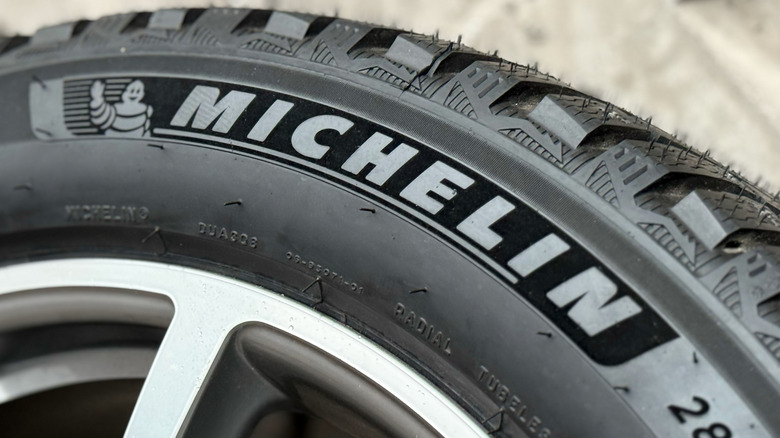
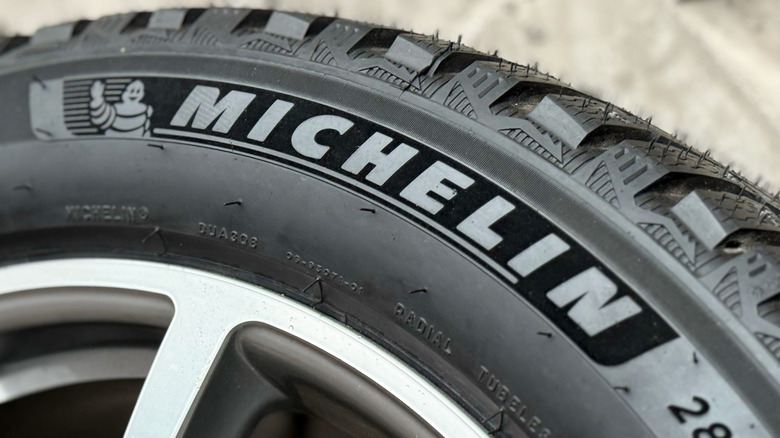
There are a number of high-quality tire brands on the market, but it’s hard to find one more consistently rated for its quality than Michelin. It came out on top in SlashGear’s own ranking of every major tire brand, and Consumer Reports (CR) places it at the top of its list as well. Across Michelin’s entire selection of tires, you see high marks for just about everything you could put a tire through, from braking on dry ground to handling on ice. It’s very rare to see CR rate something about one of these tires as below average.
With Consumer Reports, there are two sides to what data it provides. There are its in-house experts testing these tires, but then there’s also the opinions of actual drivers that CR surveys. These are folks who drive with these Michelin tires day-to-day, and they can sometimes come to a different conclusion than the experts as to which tires are best. Out of the eight Michelin tires rated by CR, the one with the highest owner satisfaction score is the Michelin LTX A/T2. These are all-terrain tires designed for trucks. What makes this high satisfaction score so interesting is that these tires actually have the lowest overall score from CR experts. They found its wet braking and noise generation to be below average, while dry and ice braking, ride comfort, and handling to be no more than average. Regardless of these tests, CR owners gave the Michelin LTX A/T2 tires a near-perfect satisfaction score, so perhaps CR’s tests don’t fully capture the real world experience with these tires.
Advertisement
The experts’ top Michelin tire
DiPres/Shutterstock
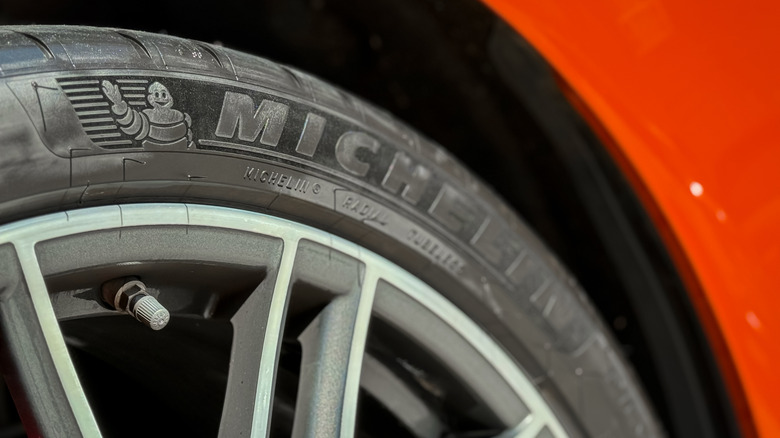
Although the Consumer Reports experts do not hold the same high opinion of the Michelin LTX A/T2 tires as the owners surveyed, they’re not too far apart when it comes to owners’ second-highest satisfaction rating. That would be the Michelin Pilot 4s tires. These tires are categorized as ultra high performance summer tires and are made for sports cars that you’d obviously want to drive quite fast. Out of all the tires tested, these are the ones with the highest overall score from the CR experts, and it’s actually a significant first place finish among Michelin tires. Being number one for the experts and number two for the owners shows a level of consensus you just don’t get with the LTX A/T2 model.
The thing about Consumer Reports’ findings on the owner satisfaction of Michelin tires is that they are universally high. The previously mentioned ones are ranked one and two, but the remaining six Michelin tires tested all tie for third place, demonstrating a remarkable level of consistency across the brand’s offerings. For a broader perspective, every single Michelin tire tested has the highest CR owner satisfaction rating for whatever category it is in compared to every other brand. There is one exception with the Michelin X-Ice Snow tires, but it still ranks second among all winter/snow tires. For owners surveyed by CR, there is not a single Michelin tire they’re not incredibly pleased with. If you don’t have a truck suitable for the Michelin LTX A/T2 tires, owners don’t think you’re settling for less with a different Michelin tire better suited to your vehicle.
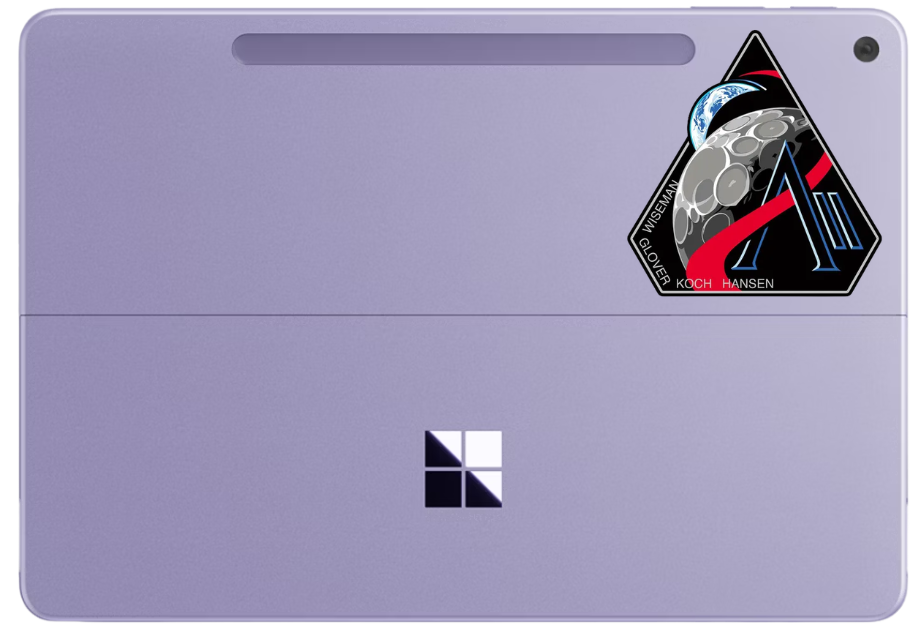
Artemis 2 astronauts are using Microsoft Surface Pro computers on board the Orion spacecraft. (GeekWire Illustration)
Bound for the Moon, astronauts aboard NASA’s Artemis 2 Orion spacecraft experienced a challenge familiar to many of us back here on terra firma: Microsoft Outlook.
Commander Reid Wiseman radioed Mission Control on the crew’s first day in space to report that he had two instances of Outlook running on his computer — a Microsoft Surface Pro — and neither seemed to be working.
Like any good IT support team, Houston said it would jump in remotely and take a look. About an hour later, ground controllers reported they had resolved the issue and gotten Outlook open, though it would display as offline, which they said was expected.
The moment, captured on NASA’s livestream, quickly went viral. A Bluesky user clipped the exchange, writing, “I’m so sorry we’ve sent these souls to the moon and they’re using outlook?”
Outlook is part of the commercial off-the-shelf software NASA provides astronauts for scheduling, personal communications and other routine tasks. The spacecraft’s primary flight systems run on separate, radiation-hardened hardware.
Advertisement
The Outlook glitch wasn’t the crew’s only mundane challenge. Shortly after launch, the toilet fan jammed, though ground teams managed to fix that, too.
We contacted Microsoft for comment and a rep said they’d let us know if the company had anything to say. At least we know the message went through.
TikTok points to capacity constraints and slow infrastructure development as the deciding factors in shelving its planned second data centre, but leaves door open to future opportunities.
The need for greater capacity, and the infrastructure development environment – these were the two key factors behind TikTok shelving a planned second data centre in Dublin, a company spokesperson told SiliconRepublic.com today (2 April) while confirming the reported decision.
Instead, the ByteDance-owned company will focus its European data storage expansion in some of its other locations – in particular, sites in Norway and one in Finland.
TikTok said that when looking at its various sites across Europe, it considered where could best meet its growing capacity demands as regards infrastructure and the speed of development, and that the Nordic countries were a better fit for those considerations.
Advertisement
The company said Ireland remained one of its biggest and most important strategic sites in Europe and, should future opportunities arise that did meet its capacity needs in particular, it would remain open to exploring them.
The spokesperson emphasised that the existing data centre operation in Ireland, which came online in 2023, remains fully operational as an important part of its Project Clover, and that TikTok is still very much committed to Ireland.
Project Clover is the Chinese-owned platform’s initiative designed to update its data security practices across Europe, so as not to fall foul of strict European data privacy regulations.
TikTok had originally planned to lease data centre space at Echelon’s campus in Clondalkin, Dublin, as part of a three-site strategy. However, as Irish newspaper the Business Post was first to report earlier this week, plans for the second Irish data centre have been shelved.
Don’t miss out on the knowledge you need to succeed. Sign up for the Daily Brief, Silicon Republic’s digest of need-to-know sci-tech news.
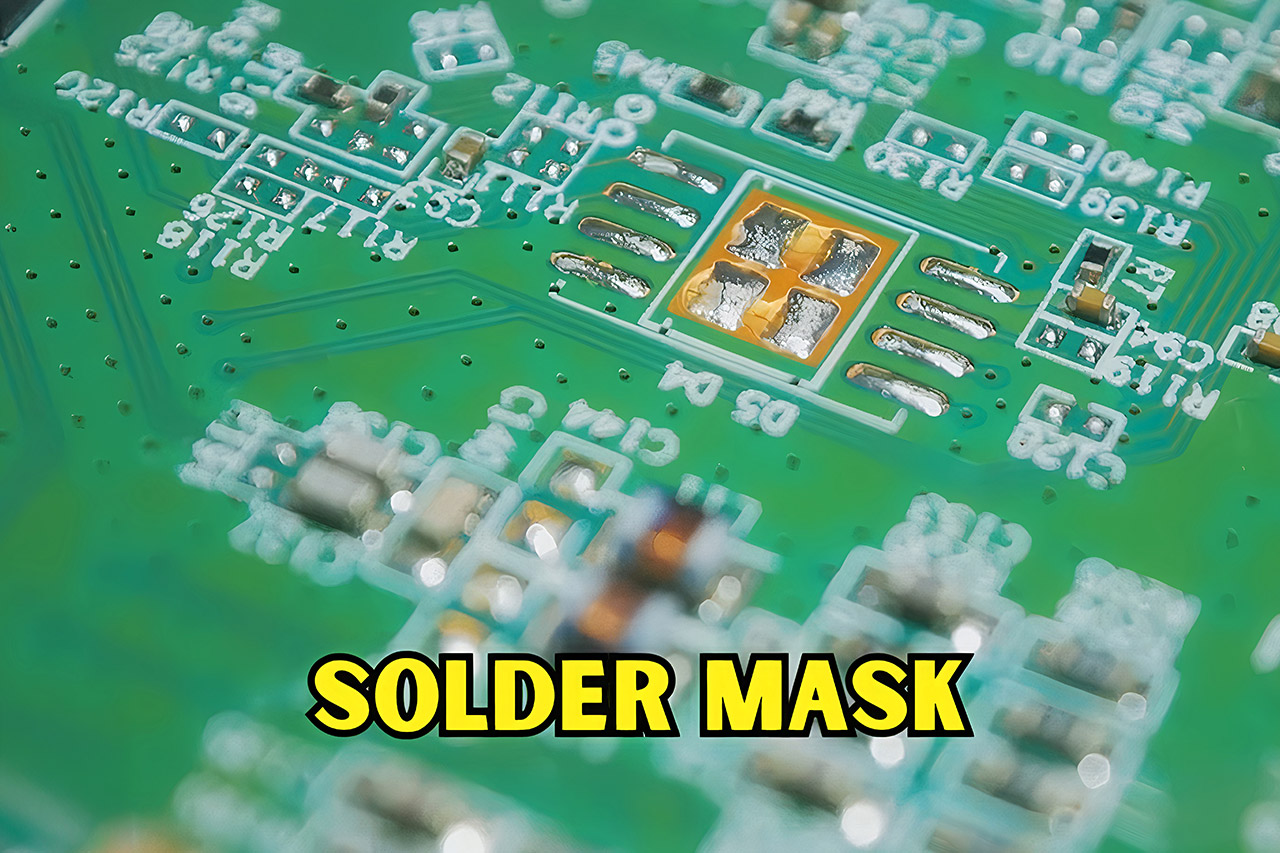
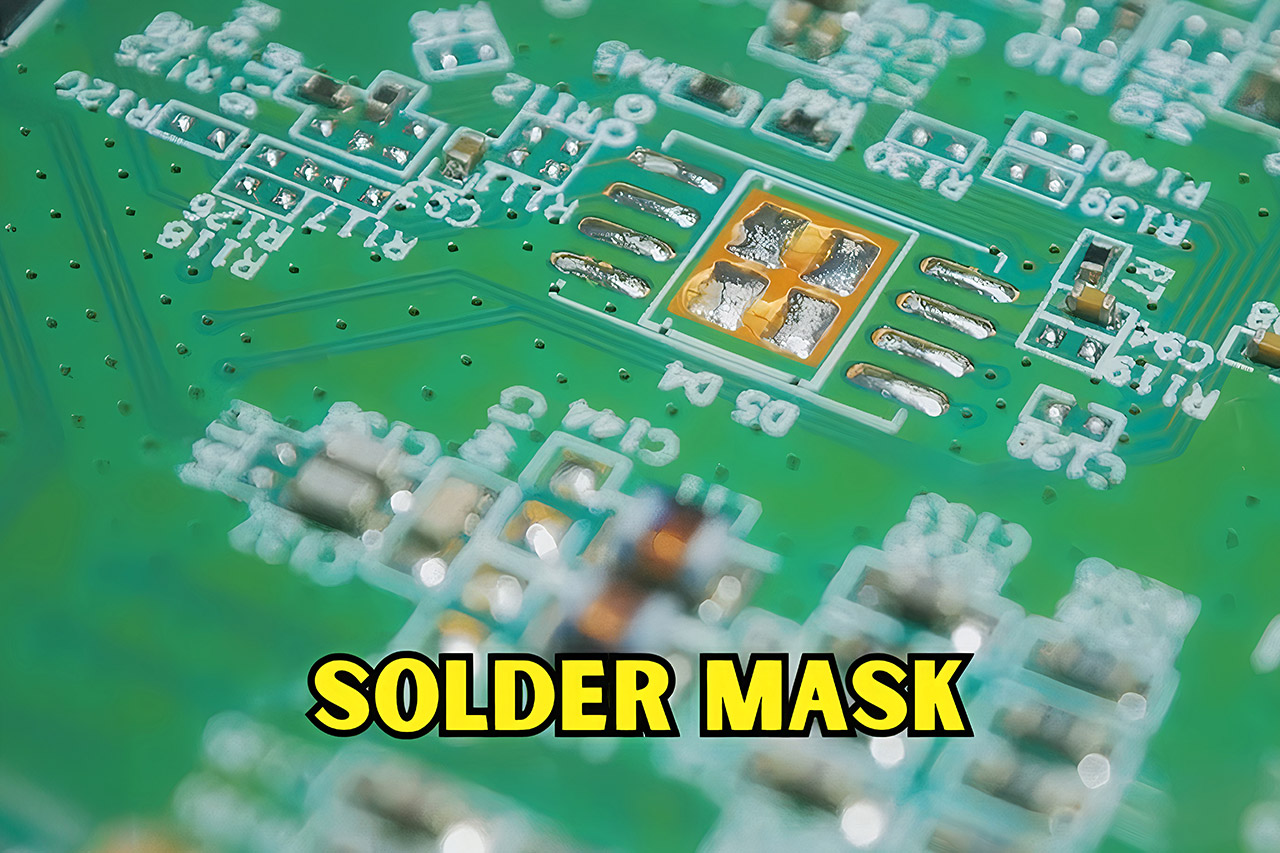
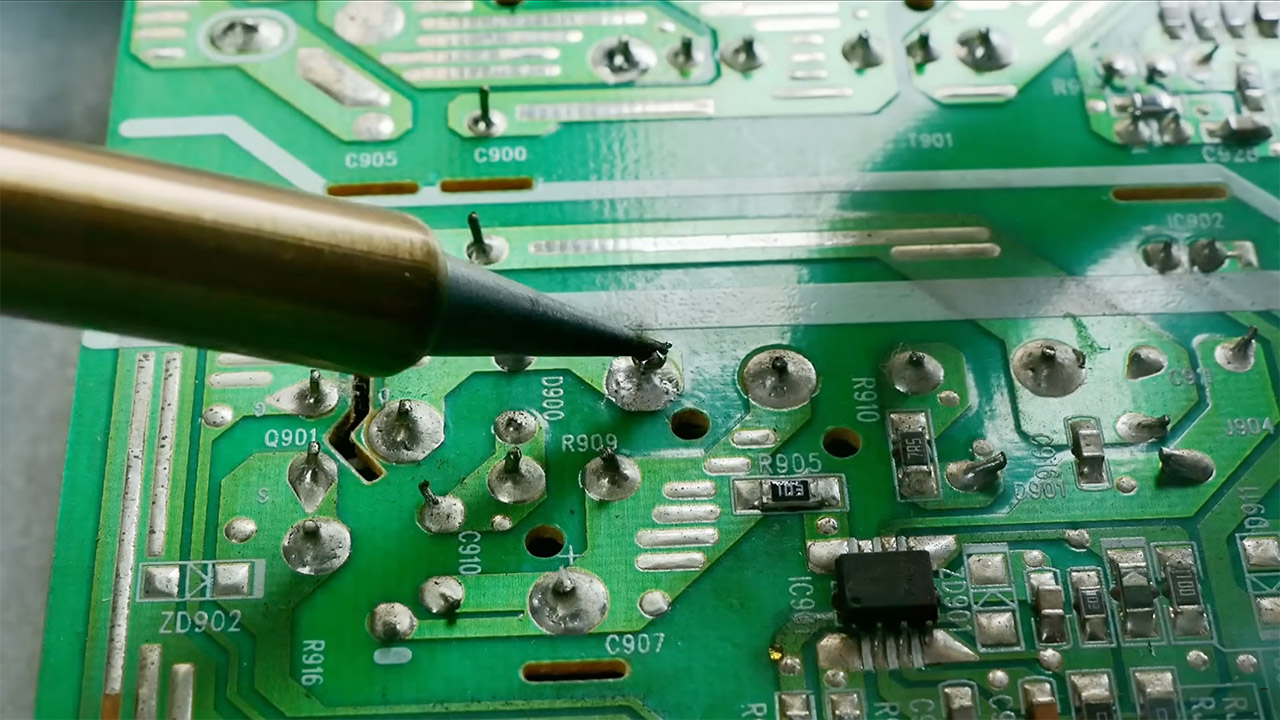
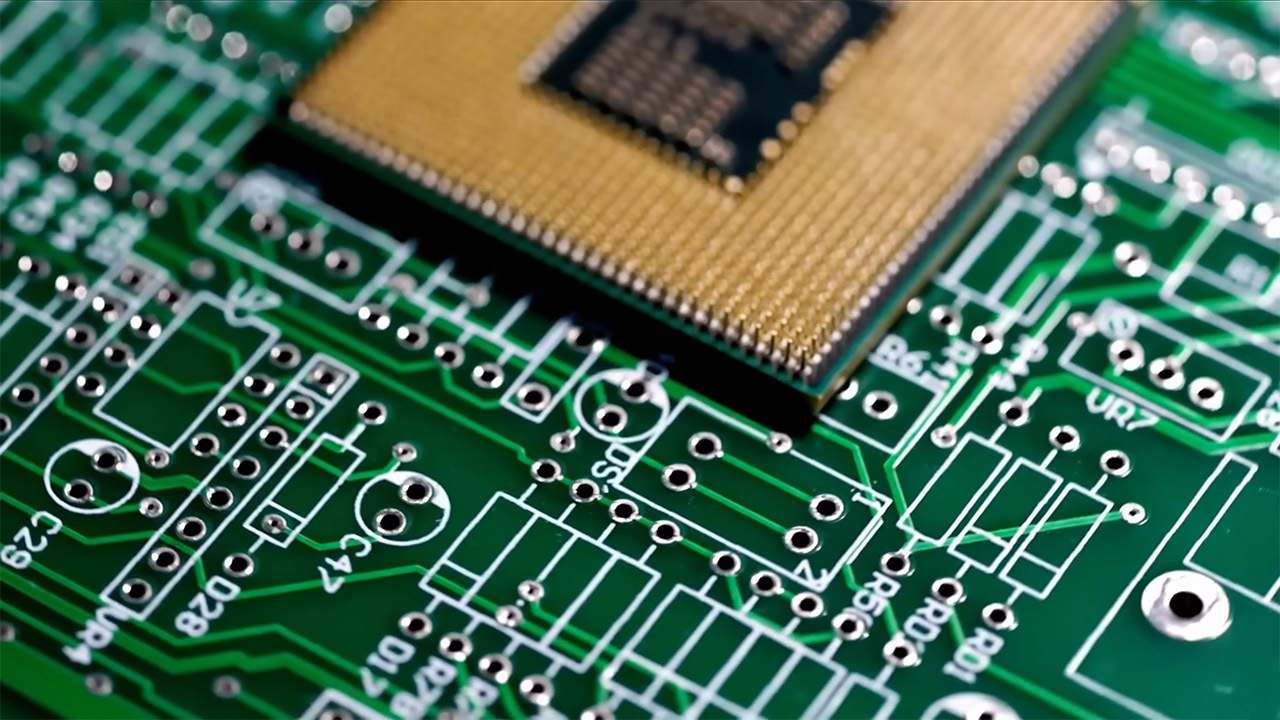
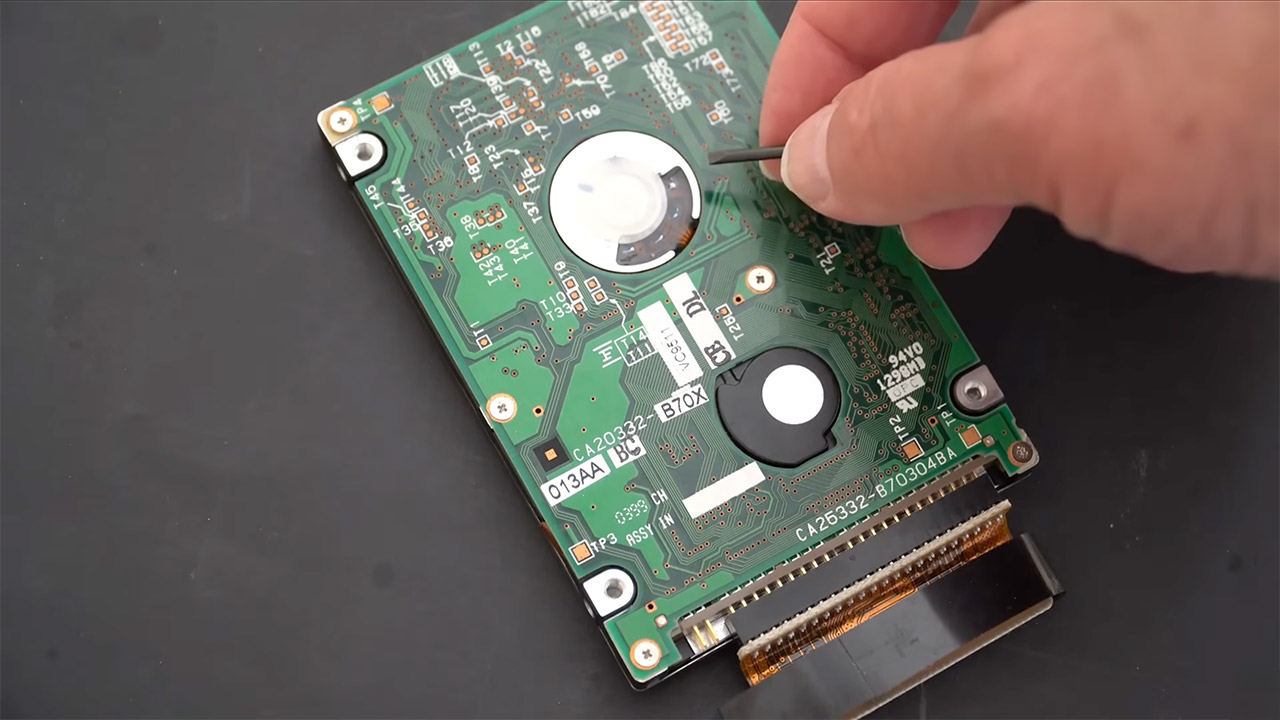
Circuit boards are found in almost every electronic device that consumers use today. When you open your phone, computer, or a basic remote control, green is the first thing you notice. That famous green hue, however, does not come from the board material itself; it is due to a special coating known as solder mask, which covers the copper traces and gives them a green tint.
The solder mask is an essential tool for any board. After etching the copper paths onto the fiberglass basis, they apply a thin layer of polymer. The mask serves two important functions: it protects the copper from oxidation and moisture, which could cause harm, and it prevents solder from bridging between close connections while you’re assembling the item, which can result in short circuits. Without the mask, fragile circuitry could easily be damaged by regular handling or exposure to the environment.
【AMD Ryzen 4300U Processor】KAMRUI Pinova P2 Mini PC is equipped with AMD Ryzen 4300U (4-core/4-thread, up to 3.7GHz), Based on the advanced Zen…
【Large Storage Capacity, Easy Expansion】KAMRUI Pinova P2 mini computers is equipped with 16GB DDR4 for faster multitasking and smooth application…
【4K Triple Display】KAMRUI Pinova P2 4300U mini desktop computers is equipped with HDMI2.0 ×1 +DP1.4 ×1+USB3.2 Gen2 Type-C ×1 interfaces for…
Green became the go-to color all those years ago, when reliable solder masks first started rolling off the assembly line. The early ones used a combination of certain resins and hardeners that gave out a green tone, and it just so happened that there was an abundance of the green material available at the suppliers. So that became the industry norm. Over time, the industry has developed its entire process around this uniform green colour.
The human eye can tolerate green fairly well, especially when individuals stare at boards for hours on end under strong lighting. Green offers a fantastic contrast against the glossy copper pads and the white letters on top, reducing eye fatigue caused by staring at them for an extended period of time, since other hues have been found to be less durable. Automatic optical inspection equipment also operate better with green boards because their cameras and software have been tuned to work best with that color over time.
The cost of changing colors is also not high enough to make a significant difference. The green mask material requires less pigments in some formulations, making the production process easier because they don’t have to complicate the imaging and development procedures. The tighter design requirements associated with the conventional green color also provide them with more accurate control when exposed to ultraviolet radiation. [Source]
The researchers said that both the RTX 3060 and RTX 6000 cards are vulnerable. Changing BIOS defaults to enable IOMMU closes the vulnerability, they said. Short for input-output memory management unit, IOMMU maps device-visible virtual addresses to physical addresses on the host memory. It can be used to make certain parts of memory off-limits.
“In the context of our attack, an IOMMU can simply restrict the GPU from accessing sensitive memory locations on the host,” Kwong explained. “IOMMU is, however, disabled by default in the BIOS to maximize compatibility and because enabling the IOMMU comes with a performance penalty due to the overhead of the address translations.”
A separate mitigation is to enable Error Correcting Codes (ECC) on the GPU, something Nvidia allows to be done using a command line. Like IOMMU, enabling ECC incurs some performance overhead because it reduces the overall amount of available workable memory. Further, some Rowhammer attacks can overcome ECC mitigations.
GPU users should understand that the only cards known to be vulnerable to Rowhammer are the RTX 3060 and RTX 6000 from the Ampere generation, which were introduced in 2020. It wouldn’t be surprising if newer generations of graphics cards from Nvidia and others are susceptible to the same types of attacks, but because the pace of academic research typically lags far behind the faster speed of product rollouts, there’s no way now to know.
Advertisement
Top-tier cloud platforms typically provide security levels that go well beyond those available by default on hobbyist and consumer machines. Another thing to remember: There are no known instances of Rowhammer attacks ever being actively used in the wild.
The true value of the research is to put GPU makers and users alike on notice that Rowhammer attacks on these platforms have the potential to upend security in serious ways. More information about GDDRHammer and GeForge is available here.
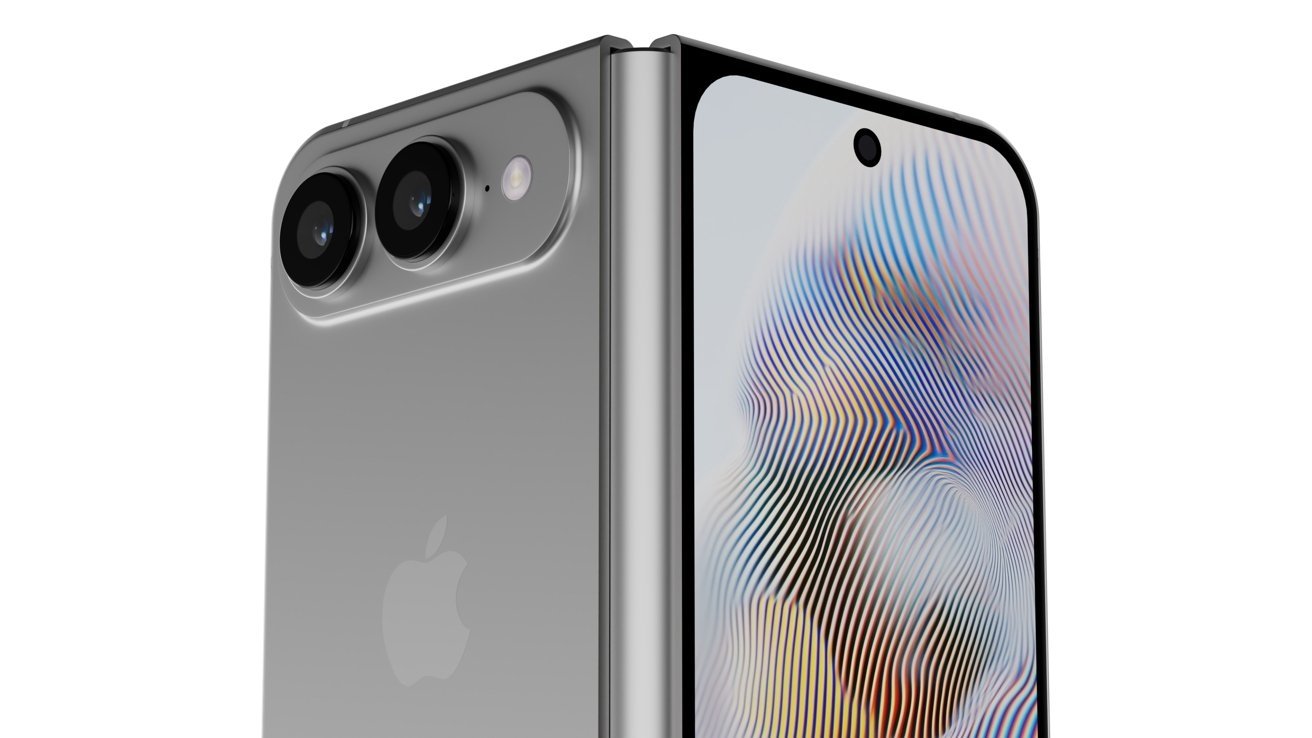
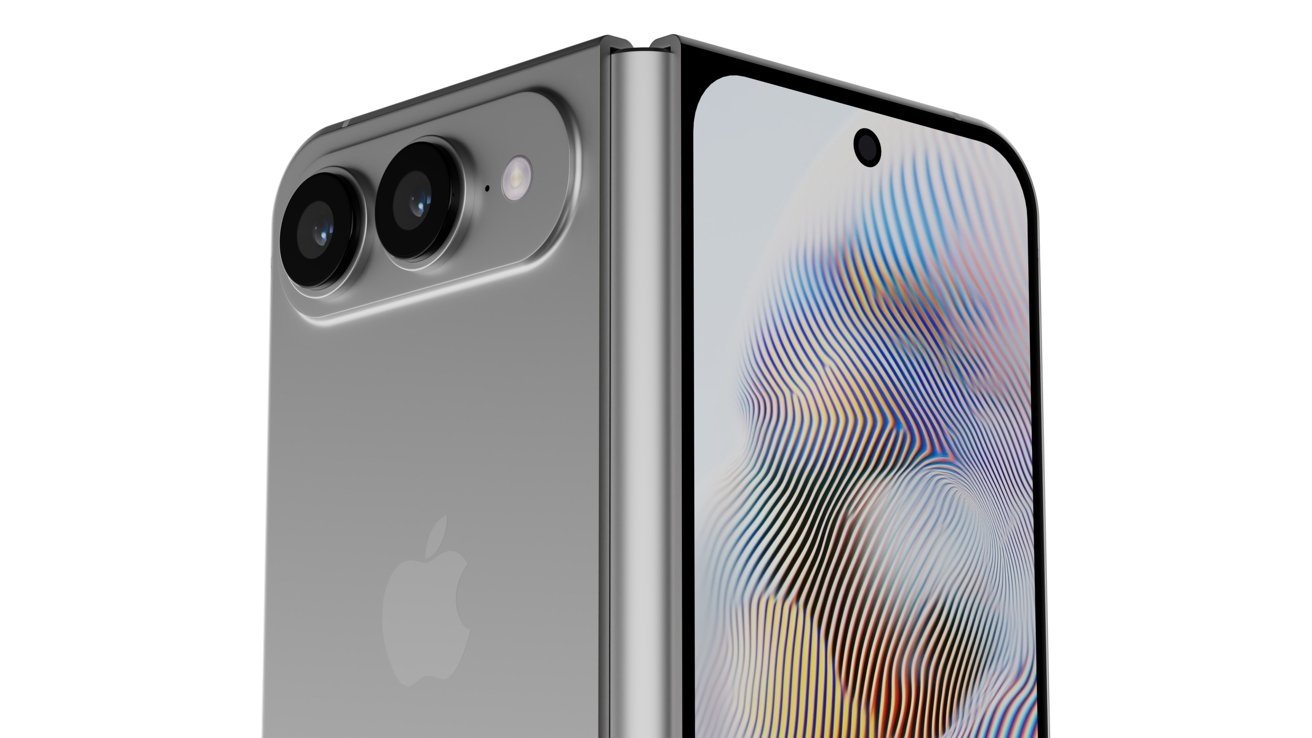
A new leak suggests that the hinge of the iPhone Fold will use “chip-level polymer printing 3D technology” and the iPhone 18 upgrades will be limited to color changes.
The iPhone Fold will allegedly feature a 3D-printed hinge.
With Apple’s first foldable expected to debut in late 2026, we’re now seeing more and more claims about its hardware. Following multiple rumors suggesting Liquid Metal would be used for the hinge of the iPhone Fold, another tipster has provided a new tidbit about the component. To be more specific, a translated post from leaker Fixed Focus Digital on Weibo said that Apple is putting considerable effort into its foldable iPhone. This reportedly “involves chip-level high-molecular 3D printing technology, with further developments in the hinge design still to be revealed.” Rumor Score: 🤔 Possible Continue Reading on AppleInsider | Discuss on our Forums

















![Bitcoin Will Drop Below $50K Unless... [Watch Today]](https://wordupnews.com/wp-content/uploads/2026/04/1775172669_maxresdefault-80x80.jpg)



































You must be logged in to post a comment Login