Connect with us
DAPA Banner

Tech

This Deep Sea Submersible Let Humans Explore the Abyss

Published

on

As a kid, I loved the 1980s aquatic adventure show Danger Bay. True to the TV show’s name, danger was always lurking at the Vancouver Aquarium, where the show was set. In one memorable episode, young Jonah and a friend get trapped in a sabotaged mini-submarine, and Jonah’s dad, a marine-mammal veterinarian, comes to the rescue in a bubble-shaped underwater vehicle. Good stuff! Only recently—as in when I started working on this column—did I learn that the rescue vehicle was not a stage prop but rather a real-world research submersible named Deep Rover.

What Was Deep Rover and What Did It Do?

Built in 1984 and launched the following year, Deep Rover was a departure from standard underwater vehicles, which typically required divers to lie in a prone position and look through tiny portholes while tethered to a support ship.

Deep Rover was designed to satisfy human curiosity about the underwater world. As the rover moved freely through the water down to depths of 1,000 meters, the operator sat up in relative comfort in the cab, inside a clear 13-centimeter-thick acrylic bubble with panoramic views—an inverted fishbowl, with the human immersed in breathable air while the sea creatures looked in. Used for scientific research and deepwater exploration, it set a number of dive records along the way.

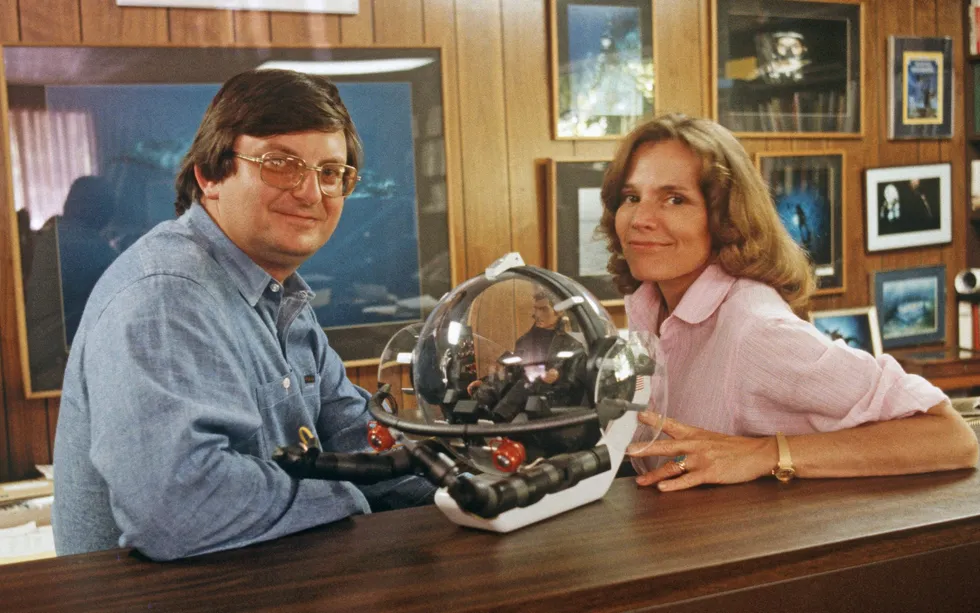
Photo of a man and a woman in a wood-paneled room with a scale model of an underwater vehicle in front of them.Submarine designer Graham Hawkes [left] and marine biologist Sylvia Earle [right] came up with the idea for Deep Rover.Alain Le Garsmeur/Alamy

The team behind Deep Rover included U.S. marine biologist Sylvia Earle and British marine engineer and submarine designer Graham Hawkes. Earle and Hawkes’s collaboration had begun in May 1980, when Earle complained to Hawkes about the “stupid” arms on Jim, an atmospheric diving suit; she didn’t realize she was complaining to one of Jim’s designers. Hawkes explained the difficulty of designing flexible joints that could withstand dueling pressures of 101 kilopascals on the inside—that is, the normal atmospheric pressure at sea level—and up to about 4,100 kPa on the outside. But he listened carefully to Earle’s wish list for a useful manipulator. Several months later, he came back with a design for a superbly dexterous arm that could hold a pencil and write normal-size letters.

Advertisement

Earle and Hawkes next turned to designing a one-person bubble sub, which they considered so practical that it would be an easy sell. But after failing to attract funding, they decided to build it themselves. In the summer of 1981, they pooled their resources and cofounded Deep Ocean Technology, setting up shop in Earle’s garage in Oakland, Calif.

Photo of a man sitting in an underwater vehicle with the words \u201cNewtsub DeepWorker 2000\u201d across the front and the logos of NASA and the National Geographic Society.Phil Nuytten, a Canadian designer of submersibles and dive systems, engineered Deep Rover.Stuart Westmorland/RGB Ventures/Alamy

They still found that customers weren’t interested in their crewed submersible, though, so they turned to unmanned systems. Their first contract was for a remotely operated vehicle (ROV) for use in oil-rig inspection, maintenance, and repair. Other customers followed, and they ended up building 10 of these ROVs. In 1983, they returned to their original idea and contracted with the Canadian inventor and entrepreneur Phil Nuytten to engineer Deep Rover.

Nuytten didn’t have to be convinced of the value of the submersible. He had grown up on the water and shared their dream. As a teenager, he opened Vancouver’s first dive shop. He then worked as a commercial diver. He founded the ocean- and research-tech companies Can-Dive Services (in 1965) and Nuytco Research (in 1982), and he developed advanced submersibles as well as diving systems. These included the Newtsuit, an aluminum atmospheric diving suit for use on drilling rigs and salvage operations.

Advertisement

Deep Rover’s first assignment was to boost offshore oil exploration and drilling in eastern Canada. Funding came from the provincial government of Newfoundland and Labrador and the oil companies Petro-Canada and Husky Oil. But the collapse of oil prices in the mid-1980s made it uneconomical to operate the submersible. So the rover’s mission broadened to scientific research.

Deep Rover’s Technical Specs

The pilot could operate Deep Rover safely for 4 to 6 hours at a depth of 1,000 meters and speeds of up to 1.5 knots (46 meters per minute). The submersible could be tethered to a support ship or move freely on its own. Two deep-cycle, lead-acid battery pods weighing about 170 kilograms apiece provided power. It had a VHF radio and two frequencies of through-water communications, plus tracking beacons.

Park ranger operates aircraft cockpit controls surrounded by cameras and instruments

Two photos, one showing a smiling man in the cab of a heavily instrumented vehicle, the other showing the underwater view out the front of the vehicle. From 1987 to 1989, Deep Rover did a series of dives in Oregon’s Crater Lake, the deepest lake in the United States. During one dive, National Park Service biologist Mark Buktenica [top] collected rock samples.NPS

The rover’s four thrusters—two horizontal fixed aft thrusters and two rotating wing thrusters—could be activated in any combination through microswitches built into the armrest. The pilot navigated using a gyro compass, sonar, and depth gauges (both digital and analog).

Much to Earle’s delight, Deep Rover had two excellent manipulators, each with four degrees of freedom, thus solving the problem that had started her down this path of invention. The pilot controlled the manipulators with a joystick at the end of each armrest. Sensory feedback systems helped the pilot “feel” the force, motion, and touch. The two arms had wraparound jaws and could lift about 90 kg.

Advertisement

If something went wrong, Deep Rover carried five days’ worth of life support stores and had a variety of redundant safety features: oxygen and carbon dioxide monitoring equipment; a halon (breathable) fire extinguisher; a full-face BIBS (built-in breathing system) that tapped into the starboard air bank; and a ground fault-detection system.

If needed, the rover could surface quickly by jettisoning equipment, including the battery pods and a 90-kg drop weight in the forward bay. In dire circumstances, the pressure hull (the acrylic bubble, that is) could separate from the frame, taking with it only its oxygen tanks, strobe, through-water communications, and wing thrusters.

Deep Rover’s achievements

From 1984 to 1992, Deep Rover conducted about 280 dives. It inspected two of the tunnels near Niagara Falls that divert water to the Sir Adam Beck II hydroelectric plant. In California’s Monterey Bay, the rover let researchers film previously unknown deep-sea marine life, which helped establish the Monterey Bay Aquarium Research Institute. At Crater Lake National Park, in Oregon, Deep Rover proved the existence of geothermal vents and bacteria mats, leading to the protection of the site from extractive drilling.

Deep Rover was featured in a short film shown at Vancouver’s Expo ’86, the first of several TV and movie appearances. There was Danger Bay. Director James Cameron used an early prototype of the submersible in his 1989 film The Abyss. Deep Rover also made an appearance in Cameron’s 2005 documentary Aliens of the Deep.

Advertisement

In 1992, Deep Rover came to the end of its working life. It now resides at Ingenium, Canada’s Museums of Science and Innovation, in Ottawa. For a time, Deep Ocean Engineering continued to develop later generations of the submersible. Eventually, though, uncrewed remotely operated and autonomous underwater vehicles became the norm for deep-sea missions, replacing human pilots with sensors and equipment. New ROVs can dive significantly deeper than human-piloted ones, and new cameras are so good that it feels like you’re there…almost. And yet, humans still long to have the personal experience of exploring the depths of the oceans.

Part of a continuing series looking at historical artifacts that embrace the boundless potential of technology.

An abridged version of this article appears in the April 2026 print issue as “All Alone in the Abyss.”

From Your Site Articles

Advertisement

Related Articles Around the Web

Source link

Continue Reading
Click to comment

You must be logged in to post a comment Login

Leave a Reply

Tech

‘Wood is wood’: WSU research finds Yankees’ viral ‘torpedo’ bats perform the same as traditional bats

Published

on

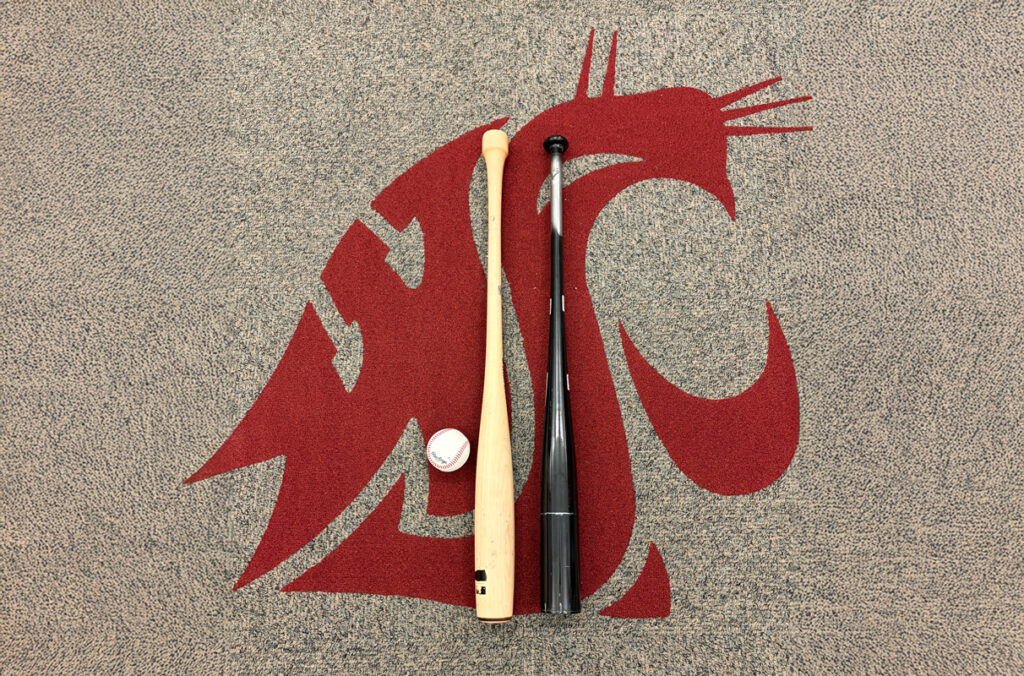
A research team determined that the torpedo bat, left, and traditional bat perform equally well in hitting power with only a slight difference in the location of the bat’s sweet spot (WSU Photo / Voiland College of Engineering and Architecture)

The New York Yankees just cruised through Seattle and won two out of three games against the Mariners. On the other side of Washington state, the Bronx Bombers’ “torpedo bats” were being scientifically scrutinized.

In what Washington State University is calling the first-ever laboratory experiments on the new baseball bat design, researchers found that torpedo bats and traditional bats basically perform the same.

It didn’t look that way last season, when the Yankees hit a franchise-record nine home runs in a game against the Milwaukee Brewers and drew viral attention to the bats that they were swinging.

The torpedo bat design relies on a slightly different shape in which wood is removed from the barrel tip and added to the bat’s sweet spot, so that the diameter tapers down, a little like a bowling pin. But the hype appears overblown.

“Wood is wood,” Lloyd Smith, a professor in WSU’s School of Mechanical and Materials Engineering and director of the university’s Sports Science Laboratory, told WSU Insider. “When it comes to baseball, there’s not a lot you can do with wood. If your goal is to keep the game steady and consistent and not have a lot of change, wood bats are good.”

Advertisement

Smith is part of a research team that includes Alan Nathan from University of Illinois and Daniel Russell from Penn State University. They’ll present their findings at the upcoming International Sports Engineering Association conference, June 1–4 in Pullman, Wash.

According to WSU Insider, the researchers created two maple bats that were duplicates of a standard Major League Baseball bat. Two additional maple bats were made with a torpedo-shaped barrel that gave them the same swing weight as the standard bat.

They measured how much energy the bat returns to the ball by firing baseballs from an air cannon at a stationary bat and using light gates and cameras to measure the speed of the incoming and rebounding ball.

The team found nearly identical performance for the torpedo and standard bats except that the sweet spot for the torpedo bat was a half inch farther from the bat tip than the standard bat.

Advertisement

“It was actually pretty phenomenal how close they were,” said Smith.

While some Yankees players said last year that any little tweak could provide an advantage, the team’s captain wasn’t convinced.

Aaron Judge hit an American League-record 62 homers in 2022, 58 in an MVP season in 2024 and 53 as repeat MVP in 2025. He had three homers using a traditional bat in that much-talked-about rout of the Brewers.

“The past couple of seasons kind of speak for itself,” Judge told ESPN last May. “Why try to change something?”

Advertisement

Source link

Continue Reading

Tech

Xteink’s X3 E-Reader Snaps Onto Your iPhone and Ready for Any Spare Moment

Published

on

Xteink X3 E-Reader
Slapping the Xteink X3 onto an iPhone takes only a few seconds. This is owing in part to its built-in magnets, which exactly align with MagSafe and allow it to be easily snapped into place. You get a thin black or white slab that sits flush against the phone’s back without adding any bulk. Anyone who is continually reaching for their phone dozens of times per day would appreciate having a book right at their fingertips, all from the same move.


At only 58 grams, this device is easy to forget about until you need it, and then, as if by magic, it appears. Its overall size is a modest 100mm long and 60mm wide, so it goes unnoticed in a pocket until reading time beckons. Commuters and individuals waiting in lines can just pull out their phones and start reading a chapter without having to dig through their bags for another device.


XTEINK X4 E-Book Reader, 4.3″ Portable Pocket E-Ink eReader with Physical Page-Turn Buttons, Ultra-Thin…
  • Pocket-Size Mini eReader for Reading Anywhere: Ultra-light at just 0.23 inch and only 2.72 oz, Xteink X4 is designed for true portability. Slip it…
  • 4.3″ Paper-Like E-Ink Display: The 4.3-inch E-Ink screen delivers a natural paper-like reading experience that’s gentle on the eyes. Enjoy clear…
  • Magnetic-Ready Design for Quick Access: Includes magnetic stick-on rings, so you can attach Xteink X4 to the back of your phone or other magnetic…


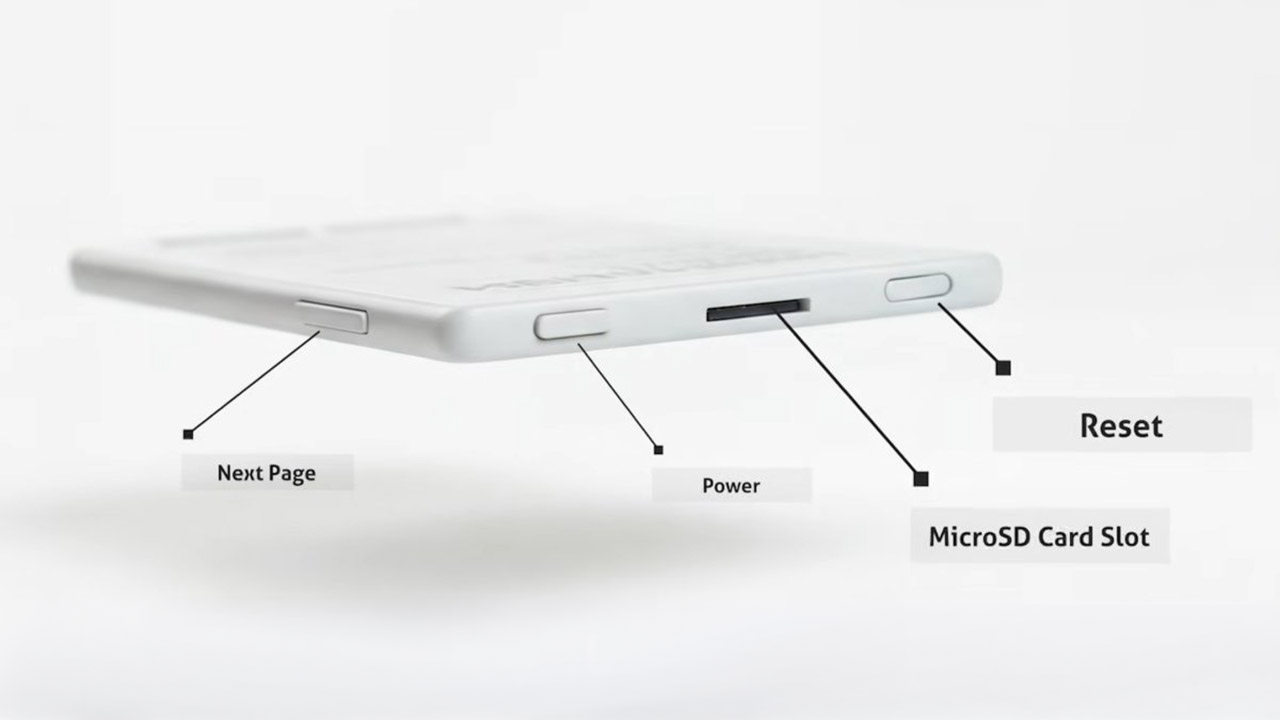
The 3.7-inch E Ink screen displays clear text, with over 250 pixels per inch. You can easily change the font size with a few simple adjustments, so even the smallest pages provide a comfortable reading experience. With adequate lighting, the characters simply pop, and there is no eye strain to contend with, as opposed to phone screens. You also have real buttons on the sides and bottom for turning pages and accessing menus. One-handed operation feels perfectly normal, whether you’re on a train or confined in bed. The gyroscope within detects even the tiniest shake and flips pages forward, allowing you to maintain a solid grip during those rapid reading periods.

Xteink X3 E-Reader
Navigation is straightforward, with a grid of icons instead of swipes or touches. Choose a book or change the settings with a few presses, and it remains dependable even when your fingers are clumsy. The strategy minimizes distractions and allows you to concentrate on the words themselves. You can load books onto the device using either the 16GB microSD card included in the box or a companion app on your phone. Transferring EPUB files is quick and easy over Wi-Fi or by inserting the card into your computer, and storage increases up to 512 gigabytes, allowing you to carry thousands of titles without running out of space.

Xteink X3 E-Reader
The battery will last you 10 to 14 days on a single charge, even if you only read for an hour or two every day, and charging is simple; simply insert the special cable with magnetic pogo pins into the gadget and it will clip right into place. Okay, there is one little flaw: there is no built-in front light (yet), but you can get a separate clip-on version for only $9.99 if you plan on reading late into the evening. If you need more connectivity, there are Bluetooth and NFC connections available, as well as Wi-Fi for the occasional update or transfer. It’s available now on the official Xteink website and can be purchased for $79.
[Source]

Advertisement

Source link

Continue Reading

Tech

'The Bonfire of the Vanities' series headed to Apple TV

Published

on

Maybe the third time is the charm. Writer/producer David E. Kelley is adapting Tom Wolfe’s “The Bonfire of the Vanities” novel into a series for Apple TV, with “The Batman” director Matt Reeves.

Apple logo followed by lowercase letters t and v, all glowing with soft pastel gradient colors on a solid black background
Apple TV is dramatizing “The Bonfire of the Vanities” — image credit: Apple

David E. Kelley is still best known for “The Practice” and “Ally McBeal” shows, but he’s also the writer of Apple TV’s “Presumed Innocent” and “Margo’s Got Money Troubles.” Now according to Deadline, he’s dramatizing Tom Wolfe’s famous 1987 novel of greed and Wall Street money.
Not to spoil the story, but as excellent as it is, Wolfe’s novel feels as if it fades out rather than have a big finish, which has made it difficult to successfully adapt. It was filmed in 1990, with Tom Hanks starring and Brian DePalma directing from a screenplay by Michael Cristofer, but that was a flop.
Continue Reading on AppleInsider | Discuss on our Forums

Source link

Continue Reading

Tech

The leadership dilemma: Governing the “Agentic AI” workforce

Published

on

Artificial intelligence is no longer a back office enabler or a set of isolated automation software tools. It is becoming a core component of how organizations operate, compete, and deliver value.

As businesses accelerate their adoption of increasingly autonomous systems, often referred to as agentic AI, a significant leadership dilemma is emerging. The workforce is no longer exclusively human.

Source link

Continue Reading

Tech

How CIOs can create a strong foundation for an AI-enabled workplace

Published

on

As with any new tech, there’s a scale for AI adoption among businesses leaving some are ahead of the curve and others much further behind as they continue to resist and delay.

But what’s clear is that adoption is happening with or without formal strategy because nearly two-thirds (65%) of employees now say they intentionally use AI for work.

Source link

Continue Reading

Tech

OpenAI purchases online tech talk show TBPN

Published

on

OpenAI said the purchase will be part of its strategy to further the conversation on the changes brought about by artificial intelligence.

OpenAI, in what is being described as an unusual move, is set to purchase the Technology Business Programming Network (TBPN), a daily, live tech talk show hosted by Jordi Hays and John Coogan, that often features high-profile tech leaders and entrepreneurs. OpenAI 

OpenAI’s chief executive officer of applications Fidji Simo said: “As I’ve been thinking about the future of how we communicate at OpenAI, one thing that’s become clear is that the standard communications playbook just doesn’t apply to us. We’re not a typical company.

“We’re driving a really big technological shift. And with our mission to ensure artificial general intelligence benefits all of humanity comes a responsibility to help create a space for a real, constructive conversation about the changes AI creates, with builders and people using the technology at the centre.”

Advertisement

While the full details of the deal have yet to be disclosed, OpenAI said the TBPN team will maintain editorial independence and make decisions on their guests and programming. According to the Wall Street Journal, TBPN stated that it generated $5m in advertising revenue last year and is on track to exceed $30m in revenue in 2026.

However, an OpenAI spokesperson told Bloomberg that the platform is not aiming to make TBPN a money-making enterprise. 

In a statement, Hays expressed excitement at the venture, while making note of the importance of a strong partnership where both parties work as a team to communicate change and innovation in the AI and tech spaces. 

He said: “While we’ve been critical of the industry at times, after getting to know Sam and the OpenAI team, what stood out most was their openness to feedback and commitment to getting this right. Moving from commentary to real impact in how this technology is distributed and understood globally is incredibly important to us.”

Advertisement

Earlier this week OpenAI closed a larger than expected funding round in which it raised $122bn, exceeding the projected figure of $110bn. Part of that funding is expected to be put towards the scale and growth of the platform’s AI technologies and research, in line with current global demands. 

Don’t miss out on the knowledge you need to succeed. Sign up for the Daily Brief, Silicon Republic’s digest of need-to-know sci-tech news.

Source link

Advertisement
Continue Reading

Tech

This State Has Costco’s First Stand Alone Gas Station

Published

on


The best thing about retail warehouse stores is obviously the selection. After all, where else can you buy a new T-shirt, birthday cake, and a set of tires on the same day? But the ability to fill up with gas before leaving the parking lot is a plus as well. That’s why stores like Costco, where you can use these tips to save time at the pump, are so convenient. But now the company is moving forward with standalone gas stations, and the company’s first in California is members-only.

Members will need to insert or scan their membership card to refuel, just as they would at Costco’s attached gas stations. However, non-members may be able to access the pumps using a Costco Shop card, as they currently can at on-site locations. Costco’s new gas station is located in Mission Viejo, California, and it’s a 17,000 square foot facility operated by company employees. It has 40 pumps covered by a large canopy, and it will run from 5 a.m. to 10 p.m. daily, Sunday through Saturday.

The station is expected to open by the end of June 2026. But if you don’t live in California, you may not have to wait long. Costco is planning to build more standalone gas stations, beginning in Honolulu, Hawaii. As of this writing, the company hasn’t publicly addressed this new program. But the belief is that stand alone stations can help reduce the heavy traffic flow that currently plagues many on-site locations.

Advertisement

Costco’s gas boom and competitive pricing strategy

Costco’s first standalone gas station (which will also strategically stay cheaper than most) was initially announced in the summer of 2025. The facility is located off Interstate 5 in Mission Viejo, California, at the site where a Bed Bath & Beyond once stood. At the time of the announcement, the company’s gas stations were experiencing a boom in business, thanks mostly to extended operating hours. The decision to move forward with a new test store may have been influenced by this positive reaction.

Costco members get access to gas prices that can often beat other competitors by anywhere from 10 to 25 cents per gallon. This is possible because of the company’s warehouse approach, which includes buying fuel in large quantities. Costco also works directly with suppliers to get the best cost and then passes that savings on to its members. 

Advertisement

Costco’s first gas station opened in 1995 and since then, their fuel business has grown. The company currently has over 700 stations around the world, serving millions of paid members every day. Those members can use the Costco app to check fuel prices in real time, as well as store hours, and locations near them.


Advertisement

Source link

Continue Reading

Tech

How To Know When It’s Time To Turn On Your Lawn Sprinklers This Spring

Published

on


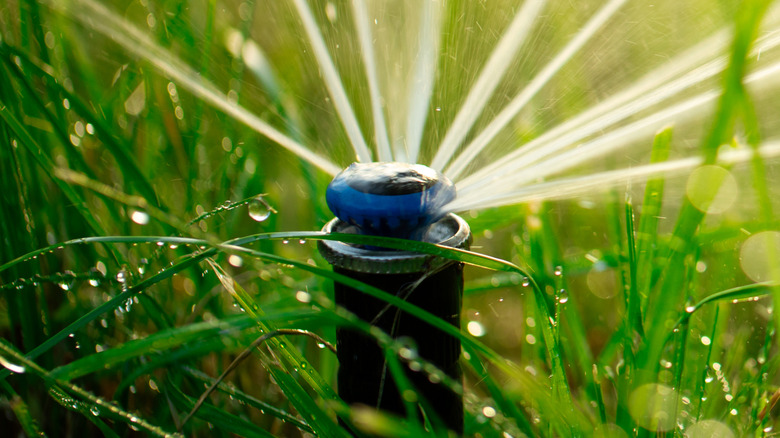
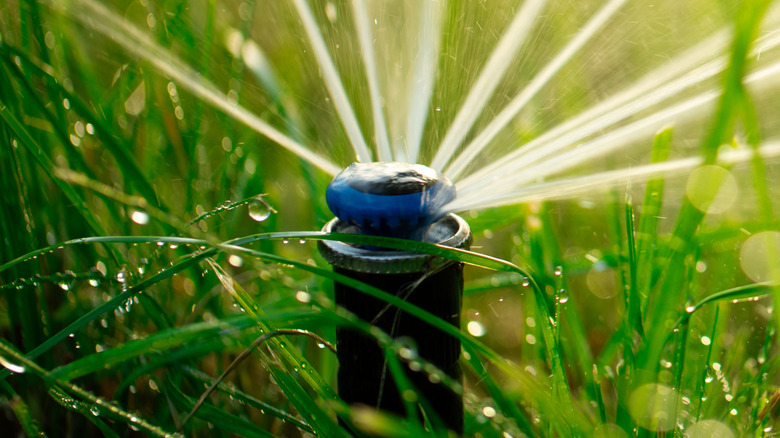
Getting a lush, green lawn sometimes requires a bit of help. This is where a lawn sprinkler system, be it an energy-saving smart sprinkler system or a more traditional setup, comes into the picture by providing a yard with sufficient moisture for sustained growth. Installing such a system is just the start, though, and it’s also crucial to know how to use it to the fullest. That means knowing the right time of year to power it up, which isn’t necessarily a specific day or month. Instead, it’s a decision that’s largely predicated on environmental factors that make it clear winter has come and gone, and that spring is finally in bloom.

First and foremost is the temperature. It’s recommended that a sprinkler system only be activated in spring once daily temperatures are higher than 40 degrees Fahrenheit for 10 days or longer. This way, you know for certain spring is here and you’re not experiencing a random warmer day within an overall cold period. In a similar vein, the ground itself should be completely thawed and free of frost, further indicating that sprinkler season has arrived. No matter where you live, you should also refer to previous years’ weather patterns to get a rough idea of when the final snowfalls and freezes usually happen. Some news outlets may also offer estimated dates for these, so be sure to check around.

If all else fails and you’re unsure whether it’s a good time to turn on your sprinklers, there’s no shame in playing it safe and waiting until temperatures are consistently warm and the last vestiges of winter are long gone. After all, erring on the side of caution is preferred to activating your system too early and suffering the consequences.

Advertisement

Why lawn sprinkler timing is so important

Turning on your lawn sprinkler system is anything but an arbitrary decision. It needs to happen when the environment is just right, or else there could be serious consequences. For one, it’s no secret that running and leaving water through unprepared pipes in freezing conditions can lead to damage. This water freezes, expands, and cracks pipes and fittings. If you manage to avoid pipe or sprinkler damage, you’re still at risk of shortening the lifespan of the system by running it when it’s not necessary. The longer you run your system, the more wear and tear it endures, potentially leading to it failing sooner than it should.


The consequences of activating a sprinkler system early go beyond the health of the system itself. Ice and snow melt takes time to soak into the ground, so any excess water from a sprinkler system may lead to sogginess and puddles at best, or leave your grass susceptible to disease at worst. Not to mention, running your sprinklers more than necessary will, of course, lead to a higher water bill. Thus, don’t be afraid to show some restraint, even if it looks like your lawn is in need of watering right out of winter.

Advertisement

Lawn care can very easily go wrong. There are many mistakes everyone makes with lawn mowers, for instance, and homeowners can also turn on their lawn sprinklers at the wrong time of year. That’s why it’s key to keep an eye on the weather and sustained temperatures before officially beginning your spring watering.


Advertisement

Source link

Continue Reading

Tech

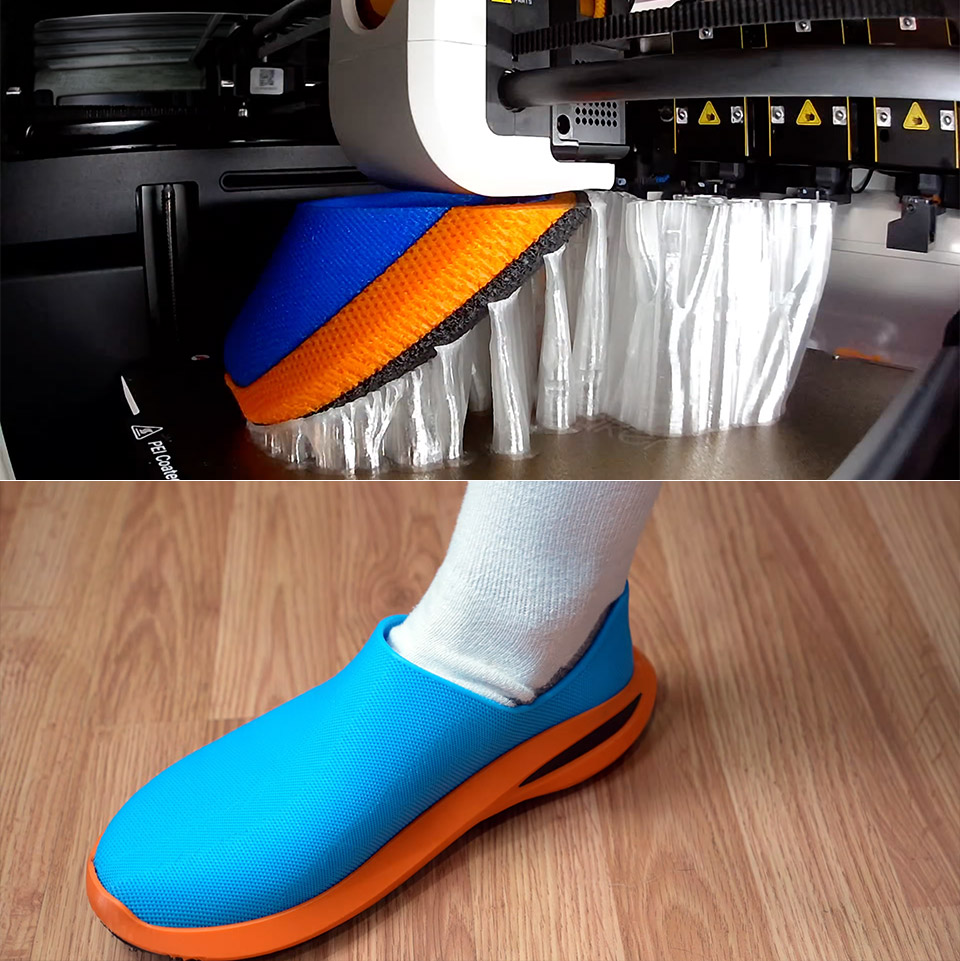
Maker 3D-Prints Shoes Layer by Layer, Successfully Goes from Printer to Pavement

Published

on

3D-Printed Shoes
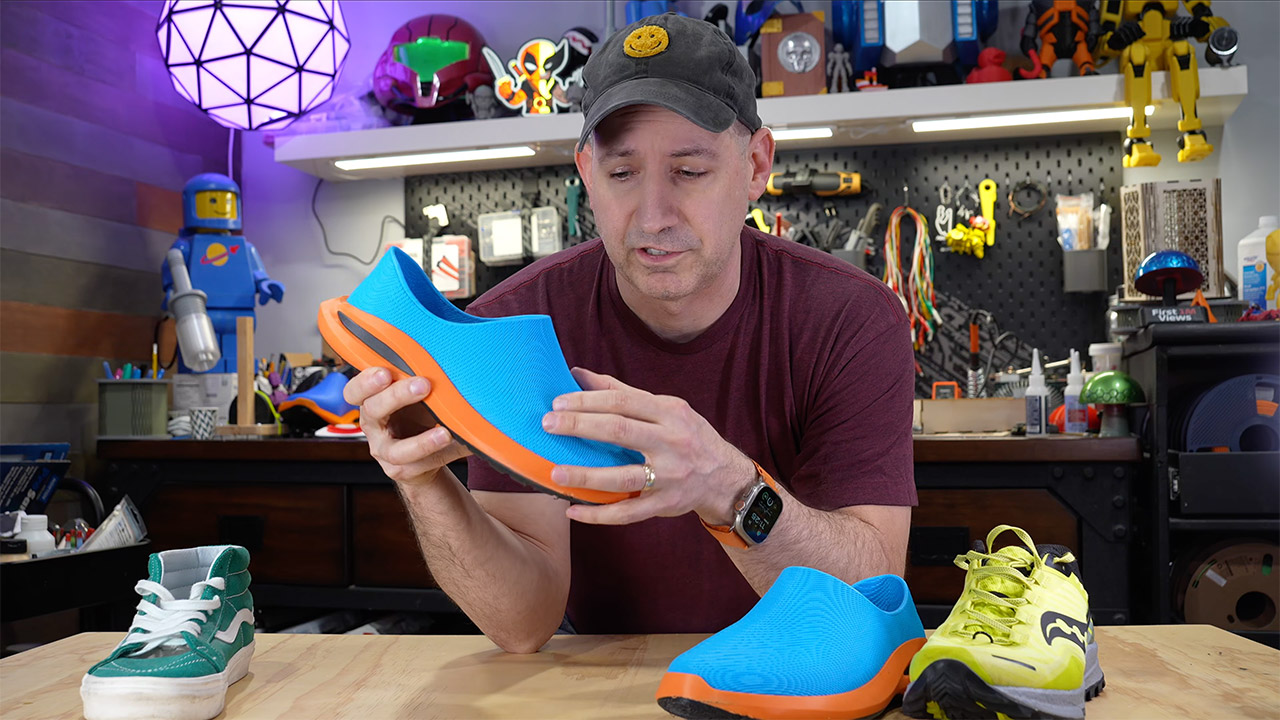
People are constantly pushing the boundaries of 3D printing, but shoes have long been the holy grail, or rather the holy nightmare, of the technology. They must be able to bend with each step, provide traction on a variety of surfaces, and withstand regular use without falling apart at the seams. DaveRig Design took on this exact task in a recent project, resulting in a pair of casual shoes that look and feel right at home on the street.


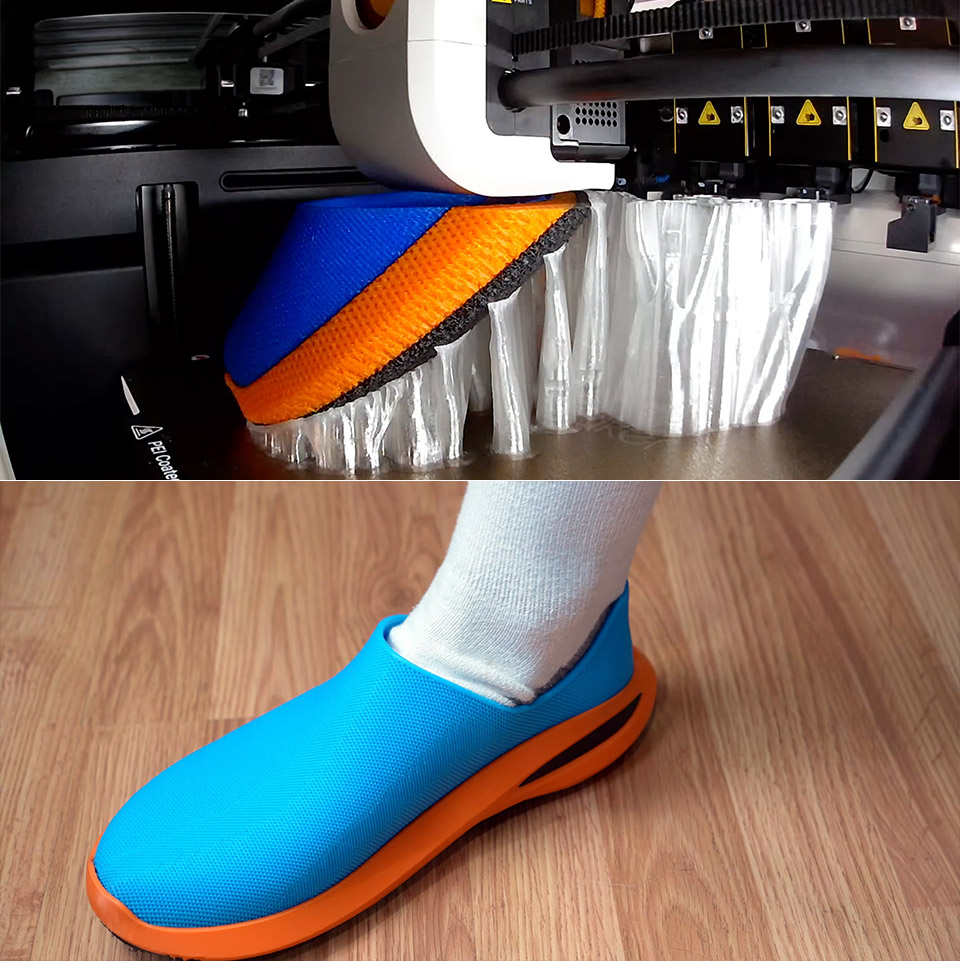
He started with the CityStep casual everyday sneaker design, which you can get at MakerWorld. This design features a slip-on form with a contoured profile that wraps around your foot snugly at the back and sides, while leaving the top of the shoe open and breathable. The design features a dense infill pattern on top to give it a knit fabric look and feel; there are no separate parts or glue jobs necessary, and the greatest part is that each shoe prints upright in one piece with a tiny heel stand to protect it from tumbling over while printing. Print times on typical machines are roughly sixty-six hours each pair, so you’re looking at around seventy-six hours on some machines due to the fine details and support structures.


Bambu Lab A1 3D Printer, Support Multi-Color 3D Printing, High Speed & Precision, Full-Auto Calibration…
  • High-Speed Precision: Experience unparalleled speed and precision with the Bambu Lab A1 3D Printer. With an impressive acceleration of 10,000 mm/s…
  • Multi-Color Printing with AMS lite: Unlock your creativity with vibrant and multi-colored 3D prints. The Bambu Lab A1 3D printers make multi-color…
  • Full-Auto Calibration: Say goodbye to manual calibration hassles. The A1 3D printer takes care of all the calibration processes automatically…

3D-Printed Shoes
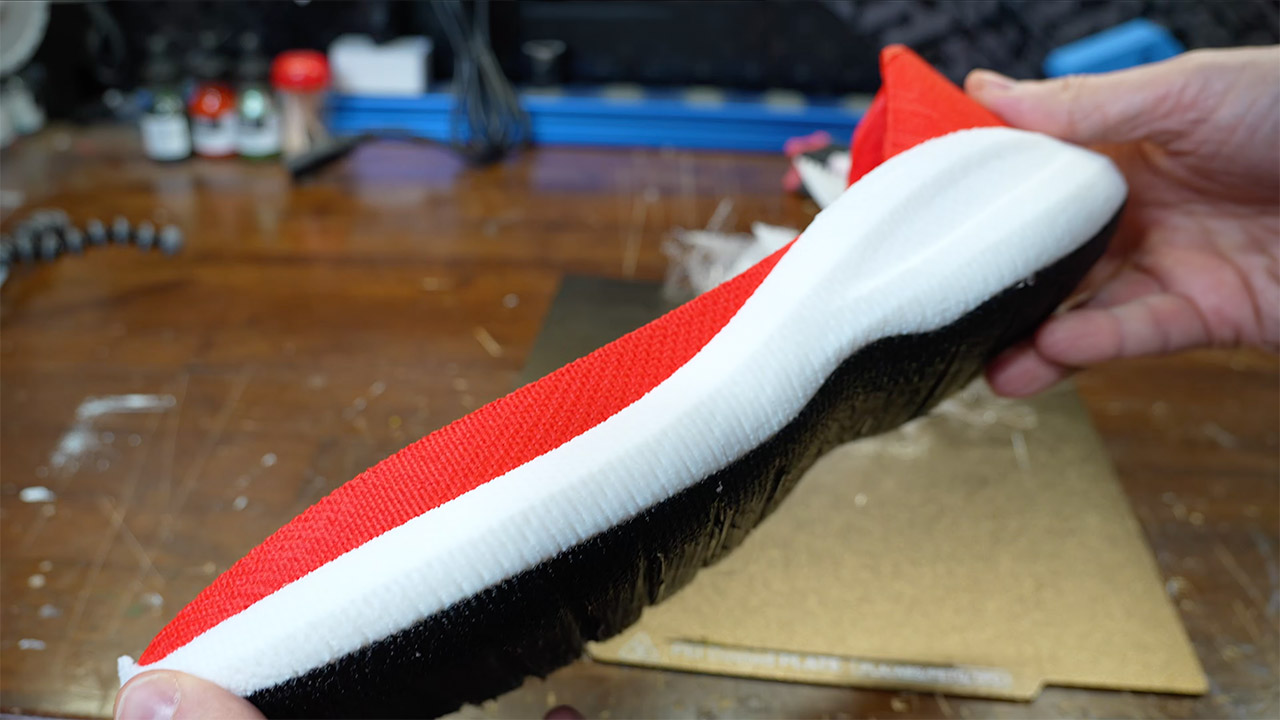
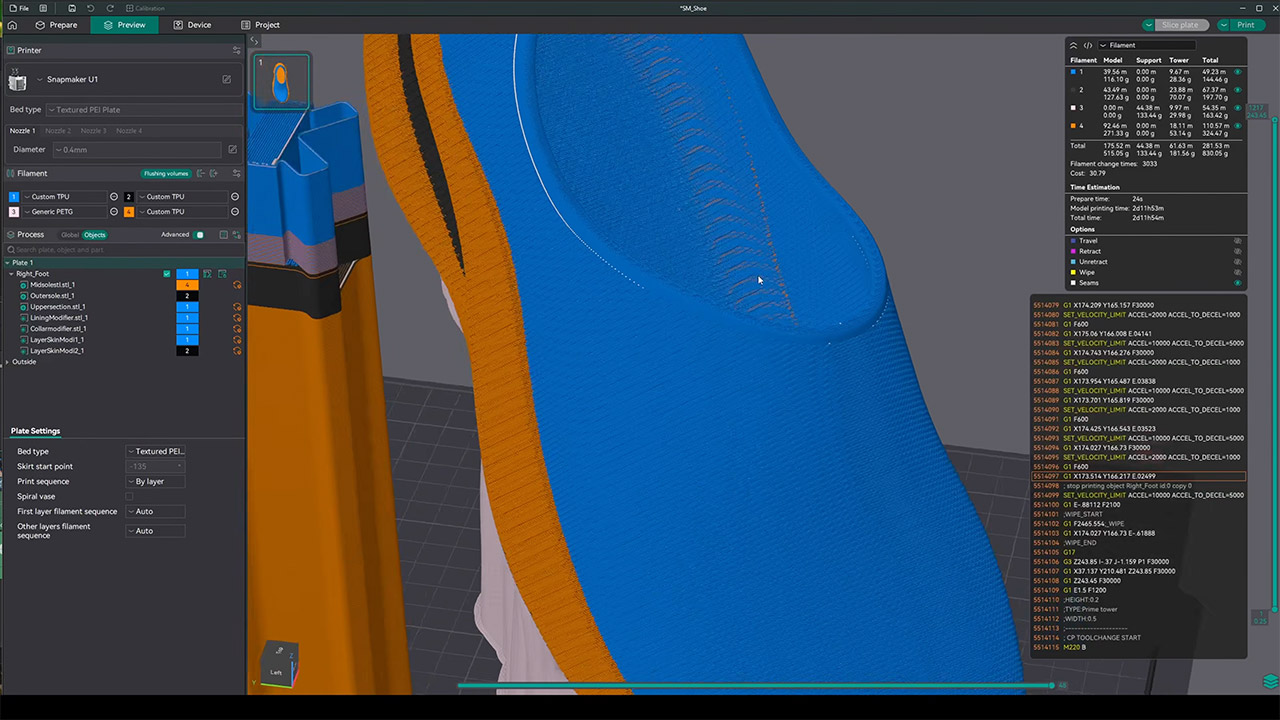
The actual game changer was the material he chose. DaveRig chose BIQU MorPhlex filament, a flexible choice that handles like ordinary TPU out of the spool, with a hardness of roughly 90 A, which is rigid enough to keep the printer from stringing and jamming, which is a common problem with softer filaments. Once the print is completed and the material has cooled, it transitions to a considerably softer seventy-five A rubber-like feel that provides cushioning and traction without the need for any additional post-processing gimmicks. He was using a Snapmaker U1 tool changer, a machine designed to automatically swap between four separate extruders, which came in handy for a project that required over three thousand swaps to blend colors and hardness levels across different parts of the shoe, ensuring that the sole remained grippy, the midsection flexed naturally, and the upper remained light and airy all at once.

3D-Printed Shoes
Before sending it to the printer, he spent some time in Blender fine-tuning the model, making subtle changes to get the layer bonding just perfect so the finished shoes wouldn’t split when stretched over your foot. Supports were made with a combination of flexible filament and conventional PLA to make them easy to remove when the print was completed, and he strengthened them to keep them from shifting around during the long print. To ensure perfect colour consistency, he ran both shoes side by side on the same build plate.

3D-Printed Shoes
When the print was finally completed and the supports were removed without a hitch, the results were a pleasant surprise, nearly factory-fresh polished. The upper has a nice textured surface that smoothes over the layer lines so they are scarcely noticeable, and they appear to have come off a production line rather than a homemade work. The sole provides just enough traction, the MorPhlex’s post-print softness makes it easy to grab surfaces, and the heel cup keeps everything held in place without slipping around during normal walking.

Source link

Advertisement
Continue Reading

Tech

CFTC sues three states for trying to regulate prediction markets

Published

on

The US Commodity Futures Trading Commission is suing Illinois, Arizona and Connecticut for attempting to outlaw or regulate prediction markets like Kalshi and Polymarket. The CFTC believes it has sole jurisdiction to regulate these platforms, and that states attempting to classify them as illegal gambling are overstepping their authority.

CFTC defines prediction markets as “designated contract markets” where futures contracts are traded, essentially letting people bet on the outcome of events (for example, who will be the Democratic nominee for president in 2028). And because futures contracts are financial instruments distinct from traditional bets, they arguably fall under the supervision of the CFTC rather than the sports gambling authorities of individual states.

Multiple states, including the three the CFTC is suing, have challenged that interpretation of what prediction markets are and how they operate. Nevada sued Kalshi in February for operating a sports gambling market without proper licenses, a lawsuit made possible because a federal appeals court declined to prevent Nevada from pursuing its case. Arizona’s attorney general filed a lawsuit against Kalshi in March along similar illegal sports gambling lines, and because the platform let people bet on Arizona elections, which violates state law. Both Illinois and Connecticut have also sent Kalshi and other prediction markets cease-and-desist letters, ordering them to stop advertising and offering their services in their respective states.

“The CFTC will continue to safeguard its exclusive regulatory authority over these markets and defend market participants against overzealous state regulators,” CFTC Chairman Michael S. Selig said in a statement. “This is not the first time states have tried to impose inconsistent and contrary obligations on market participants, but Congress specifically rejected such a fragmented patchwork of state regulations because it resulted in poorer consumer protection and increased risk of fraud and manipulation.”

Advertisement

Attempts to regulate, or in this case, stave off regulation of predication markets are complicated by the fact that President Donald Trump’s family has ties to the industry. Donald Trump Jr. is a paid advisor for Kalshi and investor in Polymarket. Major transactions made before recent US military actions in Iran have also suggested that people close to the government might be trading on prediction markets with insider knowledge. Some prediction markets have implemented new rules to prevent insider trading, but given the circumstances, it makes sense that states wouldn’t be satisfied with companies policing themselves.

Source link

Continue Reading

Trending

Copyright © 2025