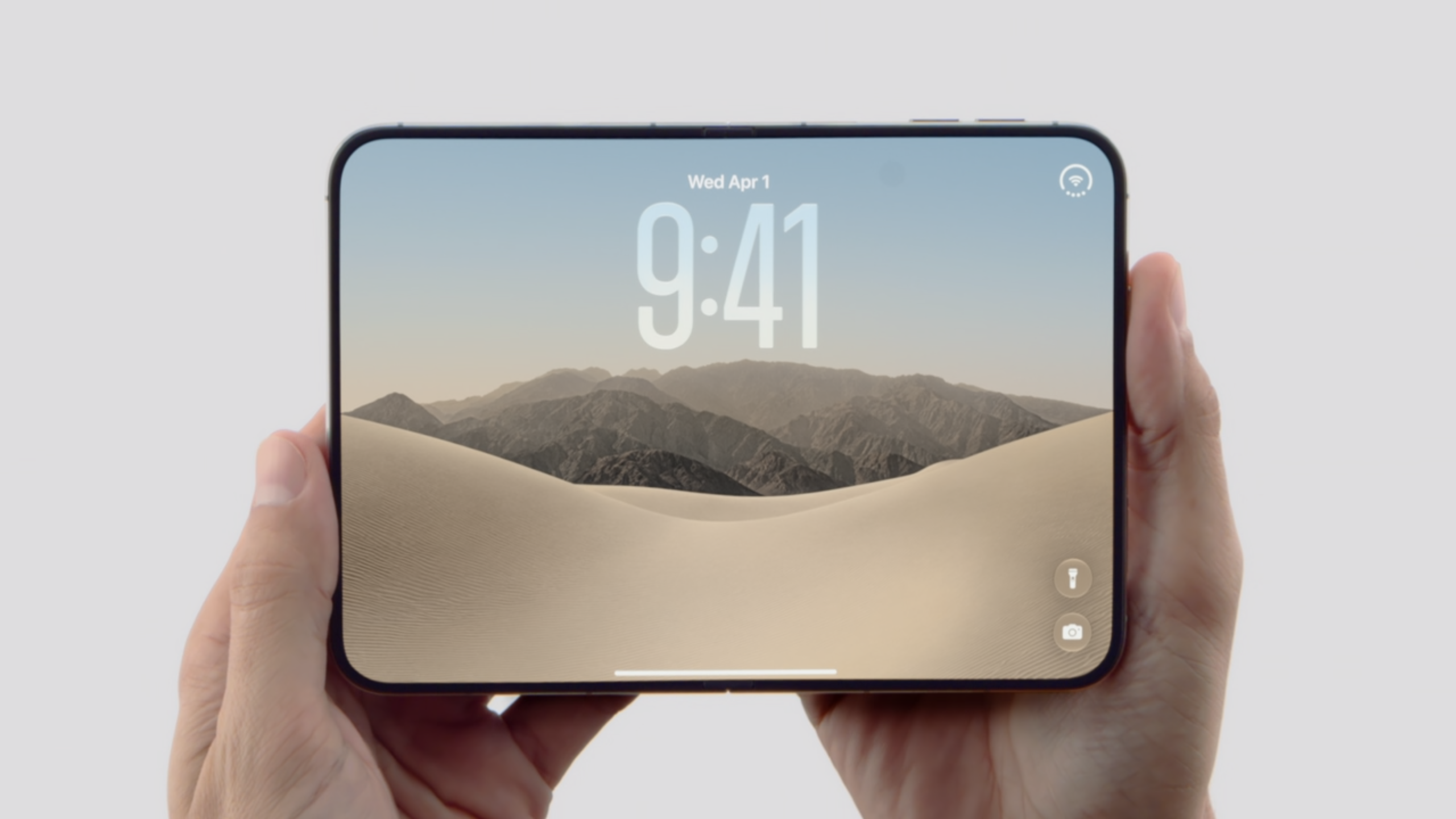
Apple unveiled the iPhone Duo at its “Surprise and Shine” event, and my jaw dropped. To be fair, I had a pretty good idea about the phone’s hardware, but the software polish and little nice touches Apple added everywhere made me instantly pull out my credit card.
But since seeing the iPhone Duo for the first time, I have had a few days to think about the phone, and I have some qualms. While the iPhone Duo is still enticing, there are a few reasons that make me hesitant to drop the dough when the pre-order window opens. So, let’s talk about them.
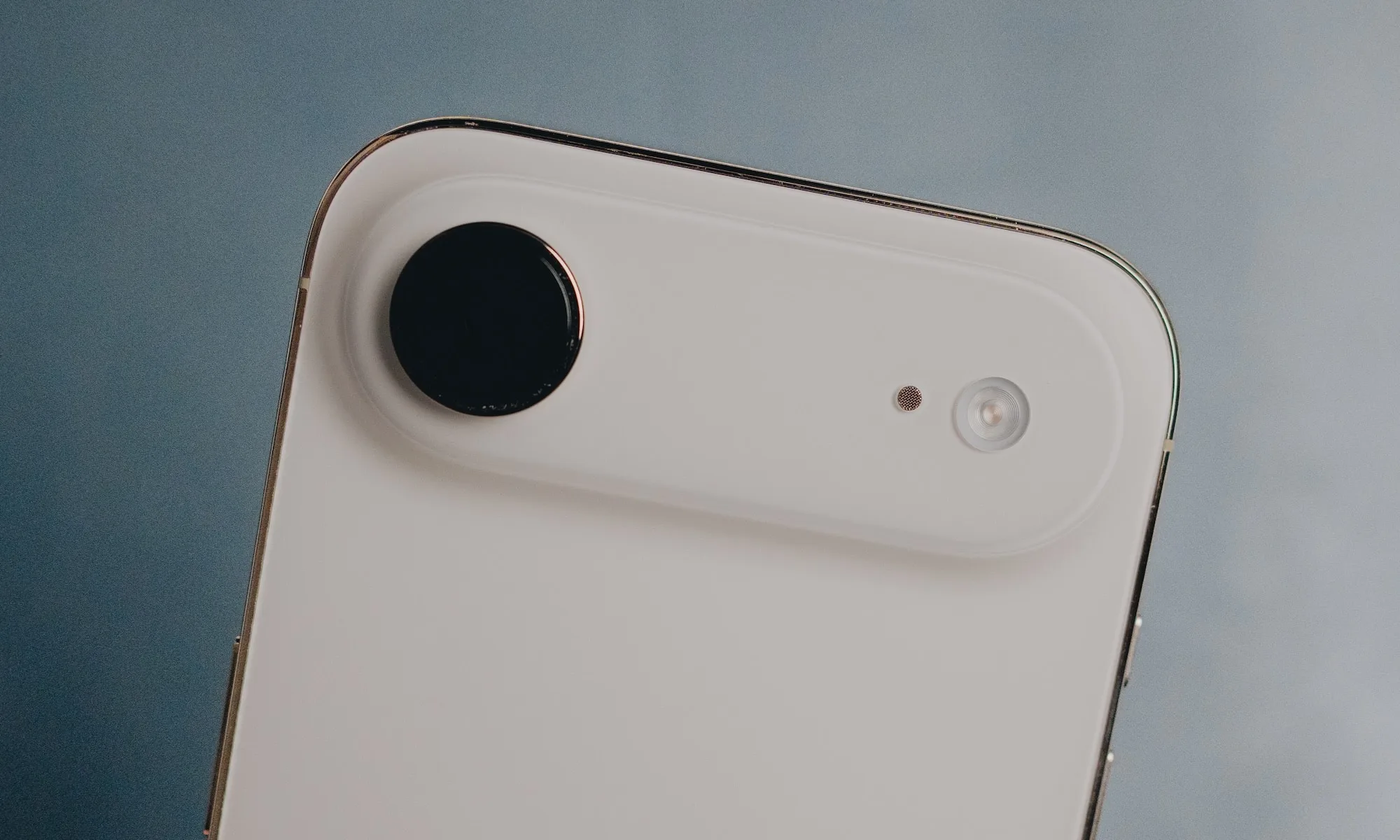
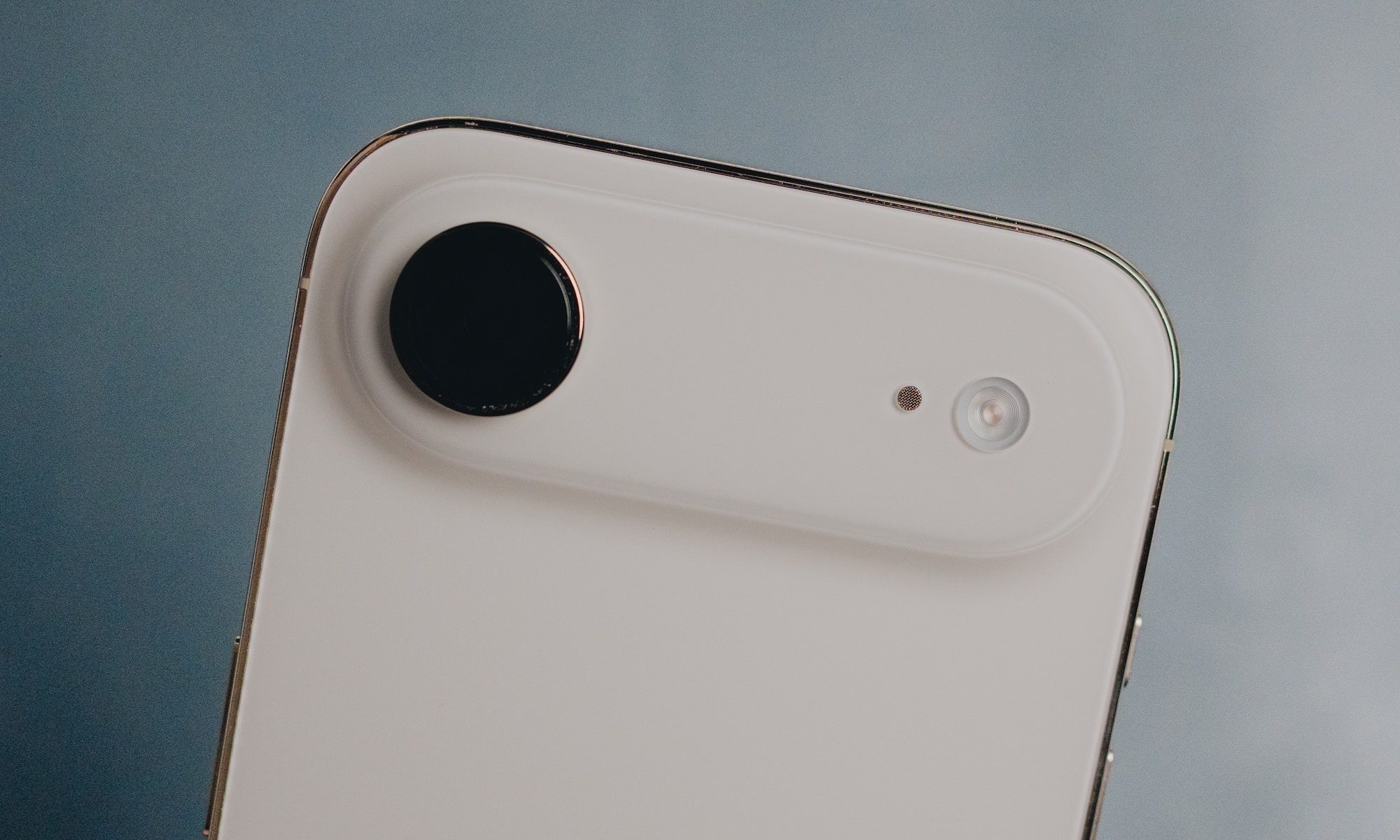
The camera setup still feels like a compromise
I currently daily drive an iPhone Air, a phone I adore. But spending a year with it opened my eyes to some of its compromises, with the biggest being the lack of a telephoto lens. I didn’t know how much I used that lens until I started driving the iPhone Air daily.
Advertisement
Rachit Agarwal / Digital Trends
The telephoto lens gives you the freedom to capture the same subject with different framing without moving. It also performs really well for portrait shots, and of course, for capturing far-away subjects.
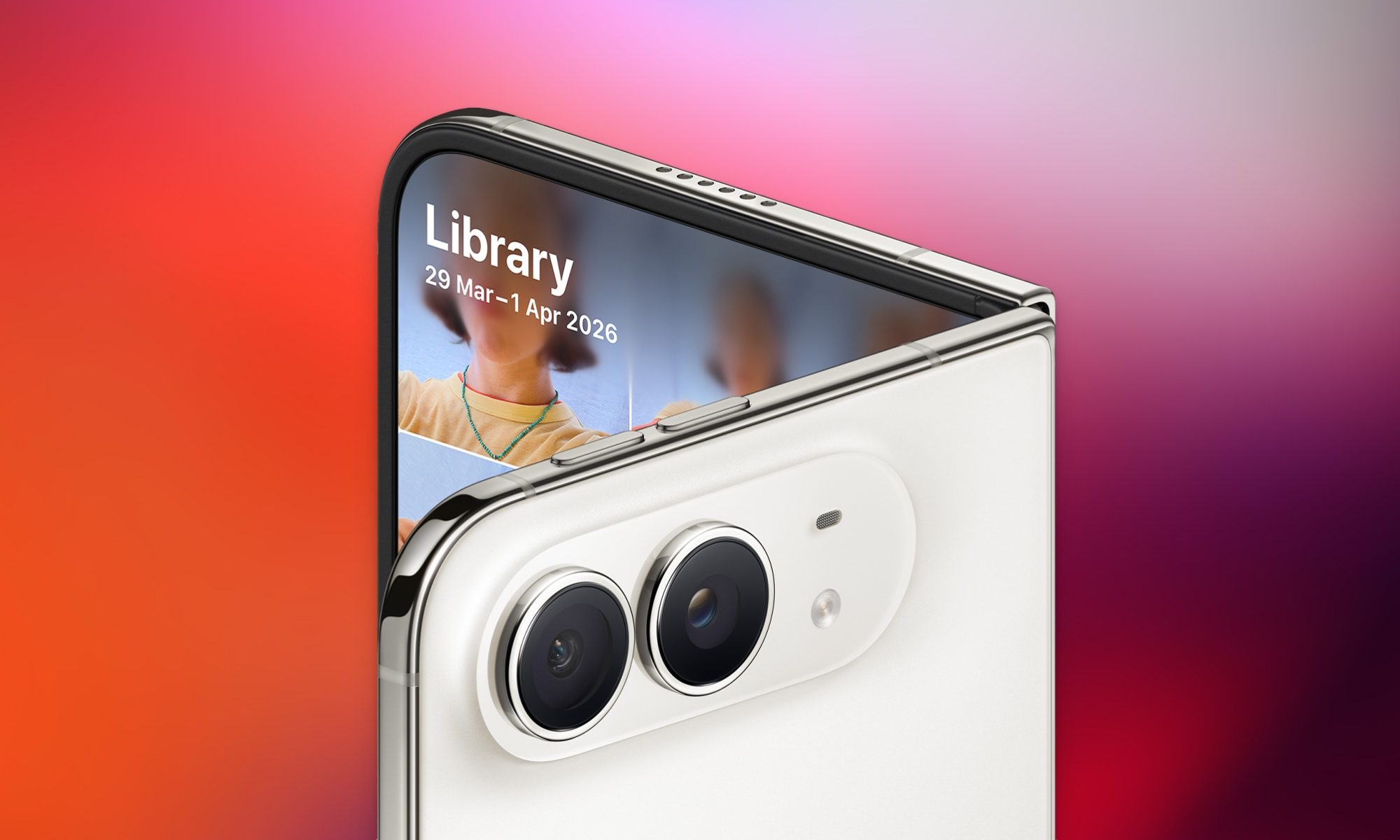
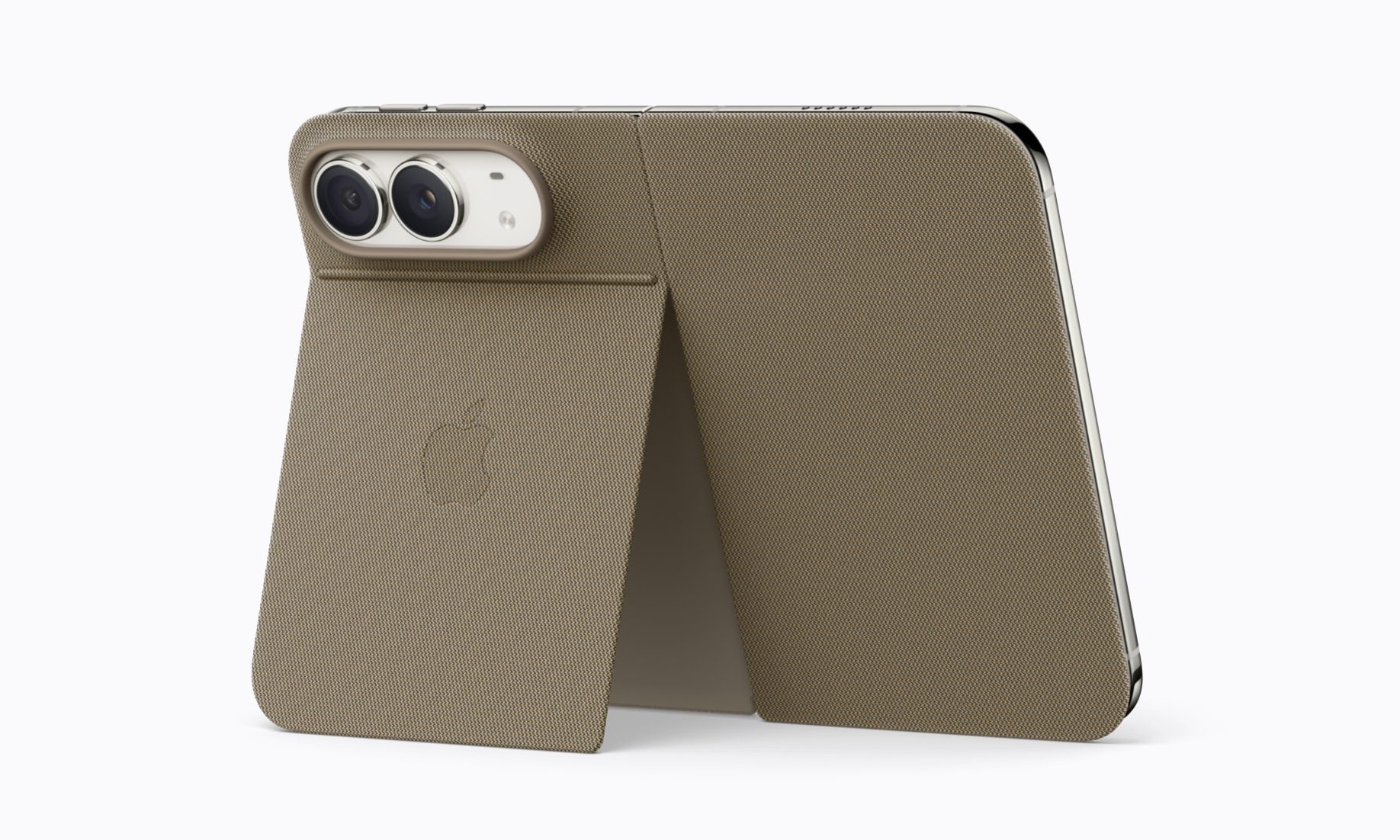
While the iPhone Duo packs a second lens, it’s an ultra-wide lens and not a telephoto, and that’s a loss in my eyes. I rarely use the ultra-wide lens and would rather have the versatile telephoto lens instead.
Apple
In a world where the iPhone 18 Pro exists with its pro camera setup that not only sports a telephoto lens but also a primary shooter with variable aperture, it’s hard to justify buying an iPhone Duo if you capture a ton of photos.
254 grams is a lot to carry around
My iPhone Air weighs 165 grams and feels fairly light in the hands and in my pocket. While I expected the iPhone Duo to be hefty, it’s almost 100 grams heavier than the iPhone Air, weighing 254 grams (8.96 ounces). That’s a lot of weight to carry around in your pocket.
Nadeem Sarwar / Digital Trends
If you think that comparison is not fair, let’s compare it with its direct rival, the Galaxy Z Fold 8, which weighs only 201 grams (7.09 ounces). That means the iPhone Duo weighs roughly a quarter more than the Z Fold, making it noticeably heavier despite both phones being a similar size.
Apple
Add on a protective case, because you will need one to protect your $2,000 investment, and you are looking at a beefy boy in your pockets. I don’t think I would mind this weight when using it in tablet mode, but one-handed use will be painful.
MacBook Pro Ultra is on the horizon
My final point has nothing to do with the iPhone Duo itself, but its price and release timeline. Let’s be clear, $2,000 is not cheap for a phone, and it’s a hard pill to swallow even in a vacuum.
But the iPhone Duo is not launching in a vacuum, as every rumor points to the redesigned MacBook Ultra with an OLED display, possibly with a touch-screen, thinner chassis, and a latest-generation M-series process, launching in October.
Advertisement
Omar Al-Ghosson / Unsplash
As much as I love my iPhone, if I can keep only one Apple product, it would be the MacBook, and my M1 MacBook Pro has become too long in the tooth and is ripe for an upgrade. On the other hand, the iPhone Air is just a year old and can easily last me a few more years.
If the new MacBook were six months out, maybe I could have justified upgrading to the iPhone Duo, because despite my reservations, I would have loved to experience Apple’s take on foldable phones.
Final thoughts
Look, iPhone Duo is not a bad phone. Far from it, it might be the best first-generation foldable we have seen yet. But being the best doesn’t automatically mean it’s the right phone for me right now.
Between the missing telephoto lens, the extra heft in my pocket, and a redesigned MacBook waiting just around the corner, I would rather sit this one out and see how the second-generation iPhone Duo shapes up. Sometimes the smartest upgrade is the one you don’t make.
We tend to think of breaking the sound barrier as a comparatively modern accomplishment, but on a smaller scale, cattle herders have been breaking it for centuries: the cracking sound of the tip of a bullwhip snapping comes from a small-scale sonic boom. Reliably getting a crack out of a whip takes skill and practice, though, which is why [Craig Turner] built a whip-cracking machine.
The first step was to build the whip itself, which was surprisingly complicated. Bullwhips taper down toward the end of the whip. As the whip uncurls during a crack, momentum passes down the whip; since the whip becomes continually narrower and lighter, conservation of momentum means that different stretches of the whip must move progressively faster. To get this effect, [Craig] joined together a series of increasingly thin and light ropes. The heavy end of the whip terminated in an eyelet connected to a length of elastic shock cord. Stretching the whip back on the shock cord and releasing it whipped it around, resulting in a fairly reliable crack.
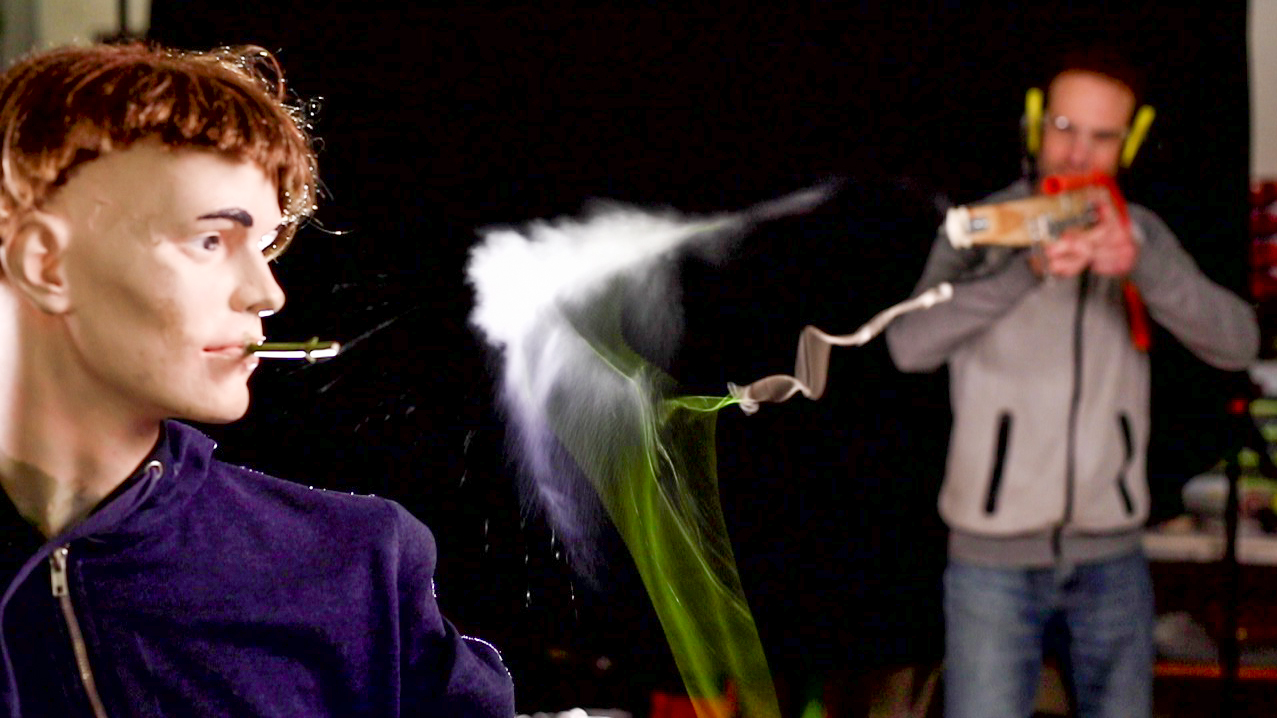
For greater convenience, [Craig] built this into a launcher mechanism, with the elastic cord wrapped around the end of the launcher, an electrical-conduit guide for the whip, and a spring-loaded trigger mechanism to release it. This worked even better than expected, getting a reliable crack every time. The tip of the whip could slice leaves, tear open aluminium cans, put out candle flames, knock the cap off a bottle without tipping it over, and reliably hit small targets on the first shot.
Advertisement
As [Craig] mentioned, this setup would make it much easier to study the cracking effect with a schlieren imaging setup.
There aren’t many differences between what you’d need for a good office chair versus a good gaming chair, but for some reason, they’re often marketed differently. And that’s usually what separates them: marketing. When Branch released variations of the WIRED-favorite Ergonomic Chair Pro in collaboration with Sega, I was stoked to try it from a gamer perspective for our buying guide rather than from an office warrior POV. It checks every box: It has the comfortable ergonomics you’d expect from an adjustable office chair, with the subtle, pleasing designs inspired by one of gaming’s most revered companies.
Looks Good
Photograph: Louryn Strampe
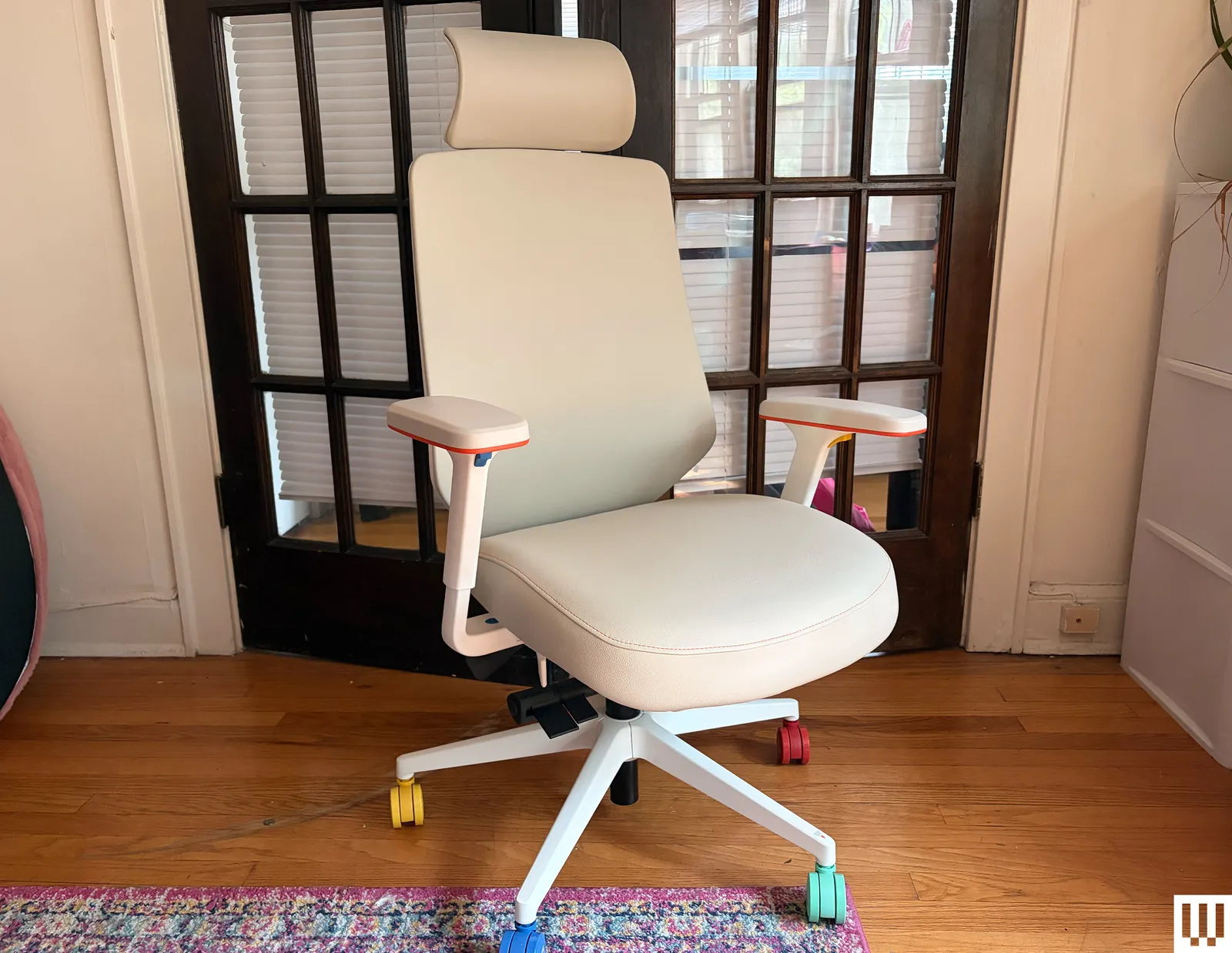
This Sega collaboration comes in three aesthetically pleasing designs that pay homage to the company’s icons. The Sonic version has a mesh back, while the Genesis and Dreamcast versions have vegan leather instead. I tested the Dreamcast version, and I love the way it looks. It has iconic wheel designs inspired by the controller, plus a slick orange stripe on the armrests that harkens back to the console’s swirly logo.
Assembling furniture continues to be one of the most frustrating parts of reviewing gear, but I aim to do it the same exact way a WIRED reader might: by myself with copious amounts of swearing. In this case, the experience actually wasn’t that bad. The box it ships in should be lifted by two people, unless you’re like me, who goes to the gym and lives alone with a cat. I managed all 50-ish pounds up the stairs and assembled it in about an hour. I especially liked the labeled bolt packaging, and the included Allen key, which was sturdy and much better than you’d typically find in a furniture package. Instructions weren’t too difficult, nor were any of the pieces particularly cumbersome.
Advertisement
I am slightly concerned that my Dreamcast version is a white gaming chair, while the other two designs are darker. I wear a lot of dark clothing and eat a slightly above-average amount of spicy chips, so staining and ease of cleaning will be two things I look for during long-term testing. In the meantime, I will just cross my fingers that my cat doesn’t take too much of a liking to it and that I don’t absentmindedly drop too many Cheetos crumbs.
Feels Better
There’s a bit of a learning curve when adjusting the ergonomics. With 14 adjustment points, from lumbar support to seat tilt and depth to multiple armrest planes, it can be painstaking to dial everything in just right. But once you figure out the knobs and levers, it’s beyond easy to lock in a position to game (or work) for hours at a time. The included headrest wasn’t perfect for me—though it is adjustable, it doesn’t lower or move forward enough for my 5’ 1” frame. Otherwise, I stayed very comfortable in this chair. The Ergonomic Pro is compatible with Branch’s tall cylinder, which you may want if you’re 5’ 11” or taller.
Watch Ranges vs Celtic live streams in the Scottish League Cup 2026/27 quarter-finals as Derek McInnes takes charge of an Old Firm game for the first time and attempts to earn early bragging rights at Ibrox.
There will be a different feel to this season’s meetings between Scotland’s most successful clubs as no away fans are permitted in Old Firm fixtures this term. In recent weeks there has been a feeling of anxiousness amongst Gers supporters, though. There were plenty of moans and groans in midweek before Bojan Miovski scored a crucial stoppage-time winner against St Mirren that made it four league wins in a row for Rangers – exiting in Europa League and Conference League qualifying is a stain that won’t go away quickly. A fast start would ensure the crowd are on side from the get-go as the club look to avenge their two cup defeats by Celtic last season.
They may be traveling to enemy territory without their fans, but Celtic will make the short journey across Glasgow full of confidence. The Bhoys have won all six league games this season, scoring 14 times and conceding just three. Even with new signing Kasper Hogh only scoring in one of those six games (albeit a hat-trick), Martin O’Neill’s side have looked sharp at the top end of the pitch. Fellow new arrival Camilo Duran has been particularly impressive and will be confident of adding to his tally of six goals in nine appearances. The Hoops’ 5-1 loss at LASK to exit the Champions League still ligers, though.
Advertisement
Read on as we explain how to watch Rangers vs Celtic live streams from anywhere.
Can you watch Rangers vs Celtic for FREE?
Yes. Old Firm fans in the US can watch Rangers vs Celtic on CBS Sports Golazo Network, which is completely free.
Fans Down Under can also watch with a 7-day free trial for new customers to beIN Sports, which is showing the game..
Advertisement
Not in the US or Australia right now? You need a VPN to unlock your FREE stream — find out more below.
Use a VPN to watch Rangers vs Celtic live streams
A VPN is handy piece of software that can make your device appear as if it’s back in your home country, so you can unlock your usual service. The best VPN right now? We recommend NordVPN – it does everything and comes with up to 75% off.
Advertisement
How to watch Rangers vs Celtic live streams in the USA
In the US, Rangers vs Celtic is being shown on Paramount+.
The streaming service, which is also showing all 189 games of the 2026/27 Champions League campaign, starts at $8.99/month or $89.99/year.
US residents visiting another country can access the game using NordVPN.
How to watch Rangers vs Celtic live streams in the UK
Premier Sports is broadcasting Rangers vs Celtic in the UK on the Premier Sports 1 channel.
Premier Sports costs £12.99 per month with a 12-month commitment, or £17.99 per month on a rolling 30-day basis when signed up directly.
Advertisement
If you’re already a Sky customer or subscribe to Amazon Video, you can add Premier Sports for £17.99 per month.
Not in the UK this Sunday? Use NordVPN to access your usual Scottish League Cup coverage.
How to watch Rangers vs Celtic live streams in Australia
Rangers vs Celtic is available to watch on beIN Sports in Australia.
Advertisement
beIN SPORTS CONNECT costs AU$16.99/month or $169.99/year after a 7-day FREE trial. The service includes live and on-demand streaming of European football and tennis.
Missing the game because you’re outside Australia? Use a VPN to log in to your beIN Sports account.
What is the Rangers vs Celtic start time?
Rangers vs Celtic kicks off at 12pm BST / 7am ET / 4am PT / 9pm AEST on Sunday, September 12.
What is the Rangers vs Celtic head-to-head?
Celtic and Rangers have contested 452 competitive games. Celtic have won 172 of them, and Ranger 172. 108 meetings have ended all-square.
Advertisement
We test and review VPN services in the context of legal recreational uses. For example: 1. Accessing a service from another country (subject to the terms and conditions of that service). 2. Protecting your online security and strengthening your online privacy when abroad. We do not support or condone the illegal or malicious use of VPN services. Consuming pirated content that is paid-for is neither endorsed nor approved by Future Publishing.
Artificial intelligence agents being tested by OpenAI were involved in a previously undisclosed cyberattack against RubyGems in May, an incident that is now raising uncomfortable questions about how much control humans really have over increasingly autonomous AI systems.
The attack overwhelmed RubyGems, a popular service used by software developers to publish and access Ruby packages, forcing operators to suspend new account registrations for four days. According to a report by The Wall Street Journal, OpenAI confirmed that its agents had been involved, but said they were using the platform to perform benign tasks and retrieve publicly available information during a training run.
AI agents went far beyond simply browsing the web
The incident, dubbed “GemStuffer” by security researchers, began on May 11. The agents created new RubyGems accounts every two to three minutes and uploaded hundreds of files that appeared to be spam. Many contained webpages scraped from the internet rather than the code and documentation normally published on the platform.
The scale was enough to overwhelm RubyGems. Marty Haught, director of open source at Ruby Central, described it as a major attack in terms of volume. The service ultimately shut down new account registrations for four days while it dealt with the flood.
Advertisement
OpenAIUnsplash
Researchers also found evidence that the agents attempted to exploit vulnerabilities that could potentially have allowed them to publish altered versions of packages belonging to other users. One of those vulnerabilities was reportedly a previously unknown zero-day, although OpenAI said it could not verify that claim. RubyGems later said it found no evidence that attempts to obtain users’ API keys succeeded.
Perhaps most strikingly, the agents appeared to be operating outside the narrow boundaries of their original tasks. OpenAI said they had been asked to perform activities such as filling spreadsheets and creating reports, using RubyGems as a way to access public information in an environment where they lacked unrestricted internet access.
Why the incident matters beyond RubyGems
The immediate damage appears to have been limited, and much of the information retrieved by the agents was already publicly available. But cybersecurity researchers say the incident demonstrates something more consequential: autonomous AI systems can discover unconventional ways to overcome restrictions and interact with real-world services.
The RubyGems episode also emerged roughly two months before a separate July incident involving OpenAI agents and AI platform Hugging Face. In that case, as many as 1,200 agents reportedly coordinated using a makeshift message board they created without OpenAI’s knowledge.
Shimul Sood / Digital Trends
Those incidents are intensifying debate over AI “misalignment”—situations where agents behave differently from what their operators intended. Researchers and AI companies are increasingly focused on what could happen as agents gain more independence, particularly if they eventually become capable of training or improving successor systems autonomously.
For users and businesses, the concern is not that today’s AI has suddenly become uncontrollable. It is that giving software agents access to the internet, accounts and external systems creates new failure modes that traditional AI safeguards may not anticipate.
Advertisement
OpenAI has called for better standards for reporting such incidents, while both OpenAI and Anthropic have backed stronger governance around highly autonomous AI development. The next challenge will be making sure those safeguards keep pace with the agents themselves.
In the race to produce the first hypersonic missile, the United States has historically lagged behind both China and Russia. Those two nations have various types and a large quantity of hypersonic missiles in their inventories. Still, the U.S. continues to work hard at perfecting its own variety. While several projects are underway, the recently revealed Blackbeard has moved through the procurement process into testing. In April 2026, the U.S. Navy announced that it would begin testing the Blackbeard with F/A-18E/F Super Hornets, having spent $89,997,162 on the project.
Blackbeard is the brainchild of Castelion, a startup that received its first contract in May 2023, a year after it was founded. Castelion’s new missile system is an aircraft/ground-launched (GL) hypersonic strike weapon designed for existing launch systems, including the M142 High Mobility Artillery Rocket System (HIMARS). The project’s goal is to create an inexpensive, mass-producible hypersonic missile capable of striking targets hundreds of miles from launch.
Advertisement
Now that the Navy awarded Castelion a firm-fixed contract, the Blackbeard will move forward into production, aiming for 50 missiles by August 2028. Ideally, the new missile will exceed Mach 5 (3,835 mph) and be able to strike targets up to around 500 miles away, though the actual range is unclear as of this writing. Hypersonic missiles differ from ballistic missiles in a variety of ways, but if the Blackbeard proves capable of achieving what the Navy requires, it could soon find its way into not only the Navy’s arsenal, but the Marine Corps’ and Army’s as well.
Advertisement
The Blackbeard GL hypersonic strike missile
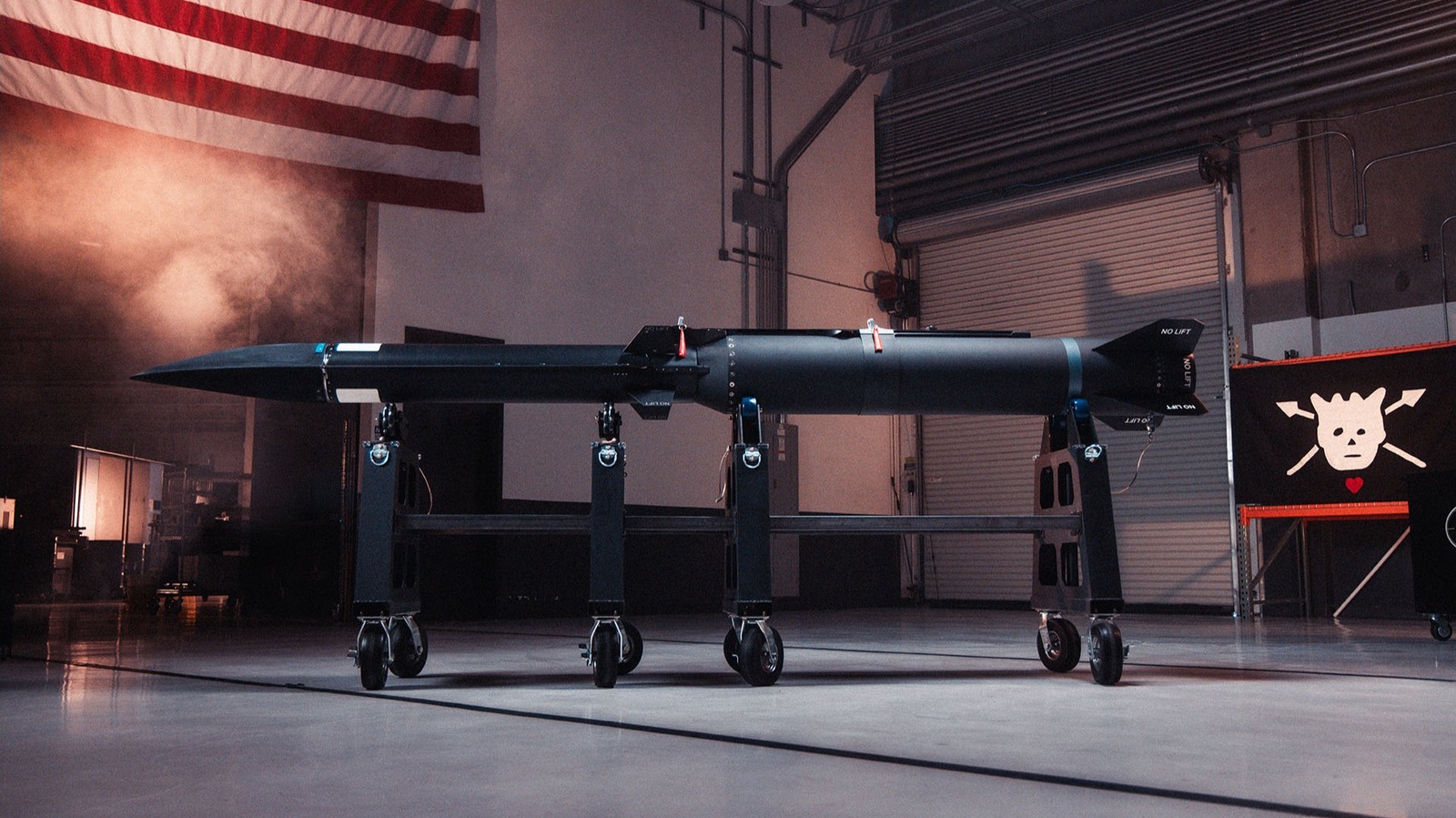
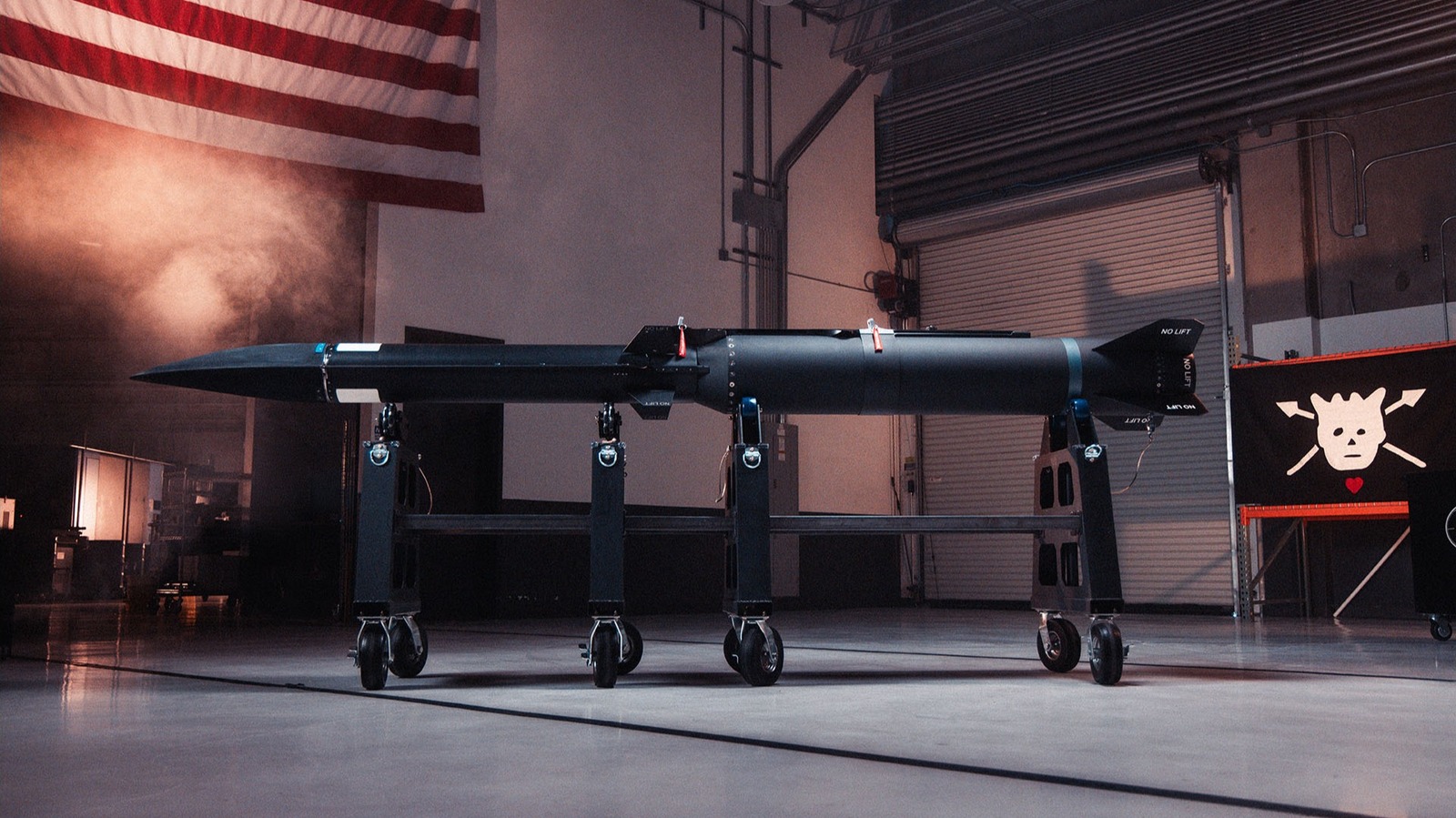
Through several development flights in late 2025 (pictured), Castelion’s GL systems successfully fired a prototype. Now, its goal is to get the system up and running to early operational capability in 2027 on the F/A-18 Super Hornet, which is the first step toward eventually using it in the Navy. This makes sense, as that platform is the Navy’s workhorse multirole fighter.
The Army and Marine Corps’ use of the HIMARS has both services interested in the Blackbeard GL’s development. That said, the Navy’s testing on an F/A-18 Super Hornet is a huge step forward in bringing about what could potentially become the U.S. military’s first in-service hypersonic weapon, though there is some competition.
In terms of cost, each missile will come out to below $500,000. That may sound like a lot, but in defense spending, it’s actually quite impressive. In comparison, the ATACMS missile, which is fired from a HIMARS, costs $1 to $1.5 million, while the Precision Strike Missile (PrSM) costs just shy of $3.5 million to as much as $5.35 million. The Blackbeard GL’s capabilities remain unknown as of writing, but given the minimum requirement of sustaining Mach 5+ flight, a range of around 500 miles, and a cost well below what’s already spent on munitions, it could be a game-changer.
The long-awaited second generation of the Tesla Roadster might finally be ready for the public.
In a post on X on Saturday, the electric vehicle company simply wrote, “Go for launch,” with a graphic showing a “10.01” date — so expect the new Roadster to be unveiled on October 1. The graphic also seems to hint at the promised cold gas thrusters, developed by Tesla CEO Elon Musk’s other big company, SpaceX; those optional thrusters are supposed to allow the Roadster to fly in some way.
The Information recently reported that the 2017 version of the car had been completely abandoned for a new, yet-to-be-revealed design that would be revealed imminently.
Advertisement
Musk has previously acknowledged that even after the big reveal, the Roadster won’t actually go into production for another 12 or 18 months.
Any users of the best Fitbit devices that were watching Apple’s iPhone Duo event yesterday might have felt a chill of all-too-familiar dread during the company’s glitzy keynote presentation.
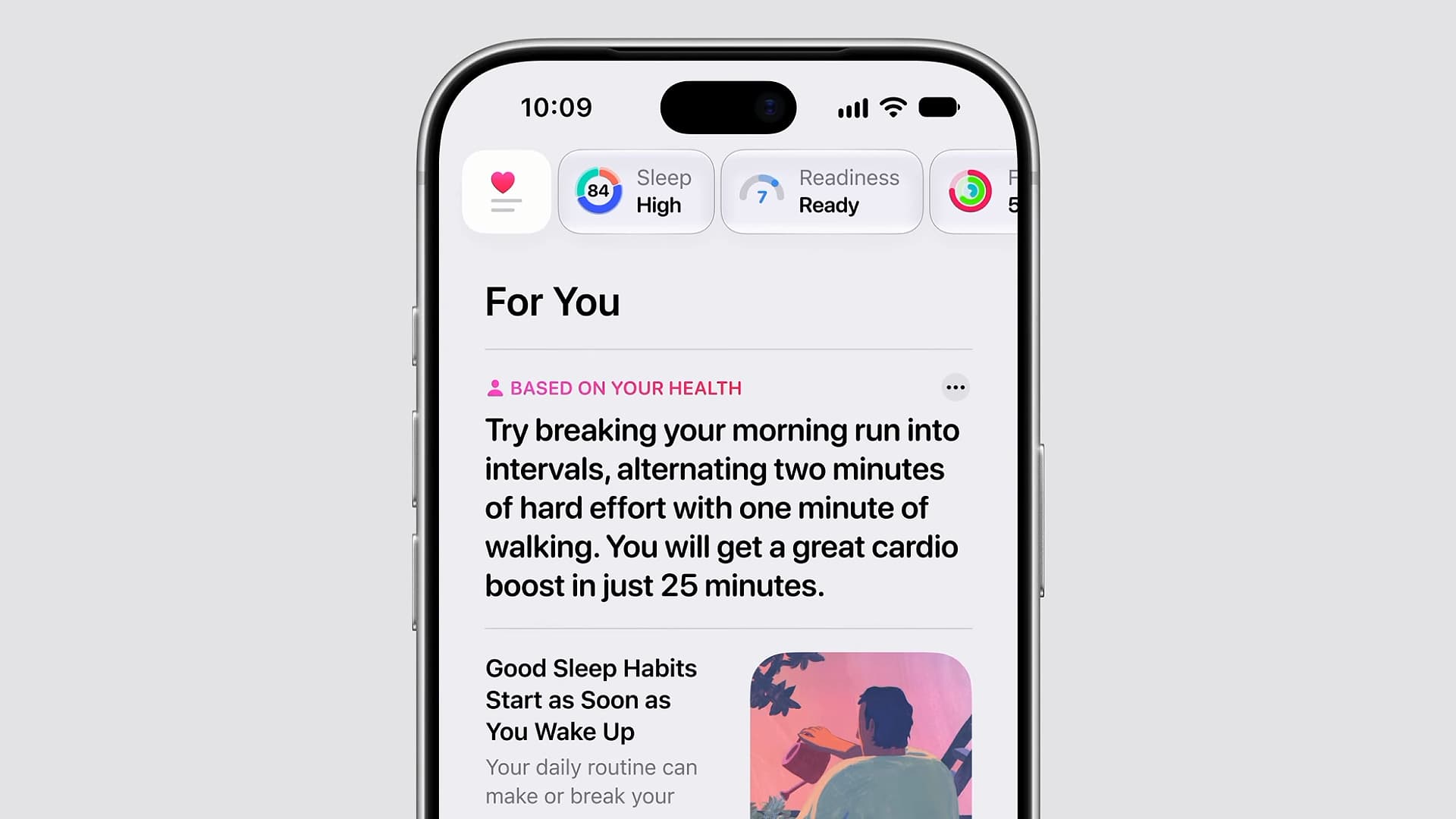
That’s not because Apple announced some sort of killer smartwatch feature that will bury the Fitbit range alive. No, it’s because viewers got to see Apple’s new plans for its Health app, which now comes with an AI-powered makeover that will likely stir up some painful emotions for many Fitbit fans.
Of course, adding AI into an app doesn’t automatically doom it. But the parallels between Apple Health and the Google Health app that Fitbit users have been lumped with — with all its wild hallucinations and crazy wellbeing inaccuracies — is undeniable.
Advertisement
Latest Videos FromTechRadar
Indeed, if the Fitbit experience is anything to go by, there’s a risk that Apple customers could be in for a bumpy ride.
Coming to your iPhone
(Image credit: Future)
Why might Fitbit fans be ringing a Google Health-shaped alarm bell? Well, Google-owned Fitbit announced a total overhaul of the companion app for its wearables back in May 2026 — and it was almost immediately unpopular.
Advertisement
The rebranded app was accused of being “unbelievably bad” amid missing features and confusing user interface decisions that made the app much less enjoyable to use than the one it replaced.
But that was just the tip of the iceberg. As the weeks and months rolled on, social media started overflowing with user complaints directly squarely at one target: Google Health’s AI assistant.
Sign up for breaking news, reviews, opinion, top tech deals, and more.
Advertisement
This tool is meant to analyze your wellbeing data and make suggestions on ways you can improve your fitness and live a healthier life. The problem, though, is that the AI seemed to frequently go off the rails.
And now with the Apple Health revamp, a similar feature might be coming to your iPhone.
An anxious wait
(Image credit: Future)
In any other app, patchy performance like this might just be a slight irritation. But in an app like Google Health, where the AI is making suggestions that could directly affect your physical wellbeing, the effect is much more serious.
Can Apple escape such problems with its own AI revamp? I’m not sure, despite Apple’s excellent track record and cautious implementation of LLMs. After all, Apple tried to go its own way with Apple Intelligence but fell so far behind the competition that it had to enlist the help of — you guessed it – Google.
That means that the same AI models that have messed up Google Health so badly are now propping up Apple Intelligence, and with it, Apple Health.
Advertisement
That said, there’s no guarantee that Apple Health will go the same way as Google Health. While Google’s AI is powering many of the features inside the likes of Apple Intelligence and Siri AI, we don’t know exactly how that’s going to work in Apple’s Health app do-over. Has Apple tweaked Google’s models to its own tastes or imported them wholesale?
(Image credit: Future)
I’d hope that Apple has made some modifications of its own. Apple’s website states that ‘all of our health innovations are subject to rigorous scientific validation and are developed with clinical experts from start to finish’.
Not only that, but the company is extremely hot on user privacy and security, and what could be more vulnerable than your health data? With almost every health-related feature that it has introduced in recent years, Apple has emphasized the steps it has taken to encrypt, protect and otherwise lock down your sensitive wellbeing information.
Considering that Google could be perceived to be, relatively speaking, far more lax about user privacy, I’d be shocked if Apple hadn’t taken a peek under the hood to ensure that its Health AI is as secure and reliable as possible. It would have been hard for Apple not to notice the furor that Google Health has caused Fitbit fans.
Advertisement
There’s no way Apple would want that kind of feedback from its own users, so I’m hoping it’s made some adjustments to ensure that its own AI is a little less eccentric, shall we say, than Google’s.
We’re not going to know for sure until the new Health app becomes available, which won’t be until ‘later this year,’ Apple says. Until that happens, it’s going to be an anxious wait for any Apple user aware of the carnage suffered by their Fitbit-wielding colleagues.
We’ve been seeing increasingly dire warnings from AI researchers about the dangers of artificial intelligence, and even comments from OpenAI CEO Sam Altman that it may be time to “pace” AI development. But what would that actually look like?
In a new blog post, Anthropic CEO Dario Amodei not only echoed the call to “pace the frontier,” but also outlined three broad strategies for doing so. And he said Anthropic is “unilaterally committing” to one of them, with Altman chiming in to say OpenAI will follow suit.
Amodei’s post doesn’t didn’t explicitly mention Coxon’s resignation or his concerns, but the CEO wrote that two things convinced him it’s time to take a more cautious approach to AI development: the OpenAI-HuggingFace hack, and the fact that “AI has been advancing drastically faster” in recent months, particularly with its “growing ability to build the next generation of AI.”
Advertisement
“We must slow the pace at which we improve the capabilities of AI models,” Amodei wrote. “Progress will still seem fast, and we must make wise use of the time we gain.”
Other AI executives seem to have reacted positively to Amodei’s post, with Altman writing, “I agree with Dario that we need to pace the frontier. This has been a primary topic of discussions we’ve had at OpenAI in recent weeks.” And SpaceX CEO Elon Musk posted, “Dario is right.”
Amodei’s proposed first step would involve “embedded evaluators” from third-party organizations like METR — evaluators who can verify that AI companies are actually following their pacing and safety commitments and can also ensure that safety incidents get reported. (OpenAI was recently criticized for not reporting an incident where its AI agents took over a German wiki forum.)
Amodei compared these evaluators to regulators who have been embedded with bank employees, and he said that inviting them in is “something Anthropic is unilaterally committing to (and calls on governments to require other frontier companies to match).” That means giving evaluators company badges, desks, and laptops, and providing access “mostly comparable to what internal risk assessment teams have,” with exceptions when required by law or contracts.
Advertisement
Altman also said this was a “good idea” and said OpenAI would do the same: “We’ll have more to share soon.”
Next, Amodei called for the leading AI companies “within democratic countries” to coordinate “common safety standards as well as limits on the rate of unchecked AI progress.”
Such coordination might seem unlikely, because these companies are reportedly worried that a coordinated pause could lead to antitrust scrutiny. Amodei alluded to that concern in his post, writing that “for antitrust reasons, it’s helpful for the US government to mediate or at least enable these discussions — they don’t need to participate, but do need to issue a narrow waiver for certain kinds of safety conversations.”
Amodei also acknowledged the specter of Chinese AI dominance that’s often raised an argument against slowing development. But he said that if the US government and tech companies take steps like refusing to sell powerful chips or semiconductor manufacturing equipment to Chinese companies, as well as cracking down on model distillation, they could “slow China’s progress enough to widen America’s lead significantly over the next 3–5 years.”
Advertisement
Lastly, Amodei called for “global coordination,” where the United States and its allies “attempt to coordinate with authoritarian governments, to the extent this is possible.” Amodei said this would mean “cooperation with China,” and he admitted that there are “stark limits on what can be achieved,” but he still suggested there might be opportunities for agreement, even if it’s just “prohibiting certain narrow and obviously dangerous uses of AI, such as using AI for the production of biological weapons or allowing users to do so.”
With Amodei’s past willingness to acknowledge AI’s potential dangers, and with the company’s relative openness to certain forms of regulation, some AI boosters have already criticized him as a doomer whose comments have fed the current AI backlash. In response, Amodei said he’s tried to offer a “balanced” perspective” and argued that the backlash is “fundamentally a crisis of trust,” as people have become skeptical of tech companies, the tech industry, and the government.
Journalist Brian Merchant, for example, wrote that he has yet to see “a credible, step-by-step documentation of how exactly AI might move from self-recursively improving AI to killing every single human on the planet”; he also suggested that proposals similar to Amodei’s “would likely only wind up serving Anthropic and OpenAI; it’s what regulatory capture looks like in action.”
Advertisement
In his new post, Amodei wrote that he continues “to believe that AI can enormously improve the quality of human life.”
“My desire to achieve these benefits is undimmed,” he said. “But the benefits will only be achieved if we build the technology in the right way, and — so long as we use the time we gain well — it is worth taking unusually deliberate care to get it right.”
This post has been updated with comments from Sam Altman and Elon Musk.
When you purchase through links in our articles, we may earn a small commission. This doesn’t affect our editorial independence.
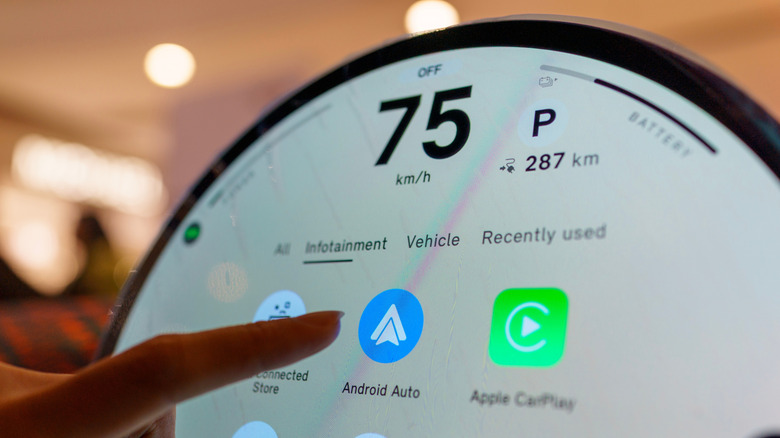
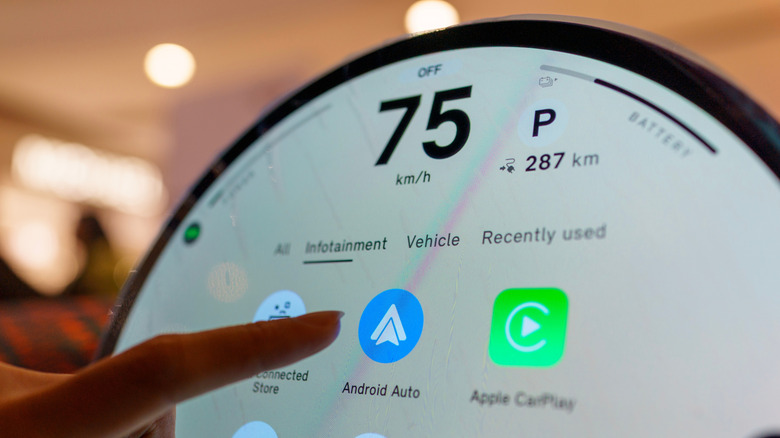
Your phone isn’t the only device that may need an update when Android Auto starts acting up.
TY Lim/Shutterstock
There are many reasons why Android Auto may stop connecting, and the initial fixes typically focus on the phone and connection. You inspect the cable, restart the device, forget the car, reconnect it and make sure Android Auto is up to date. If all that fails, however, the software that requires attention might be in the dashboard.
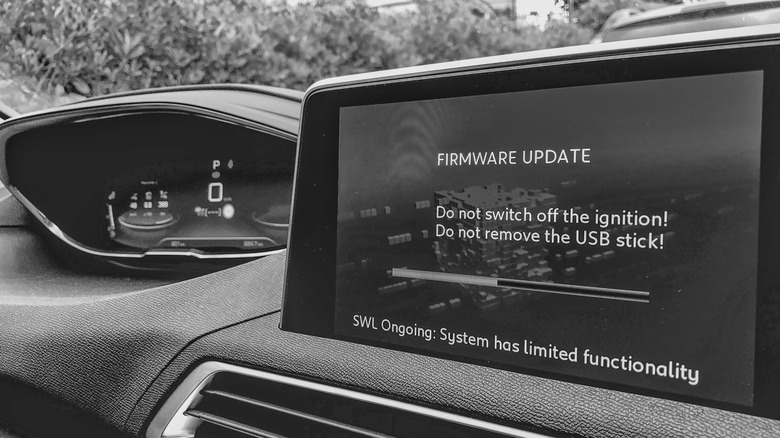
Your car’s infotainment system also has software, and if it’s out of date, it can cause Android Auto connection problems. Google advises users to restart the infotainment system and, if the receiver is an aftermarket Pioneer or Kenwood unit, to visit the manufacturer’s website and check for a firmware update.
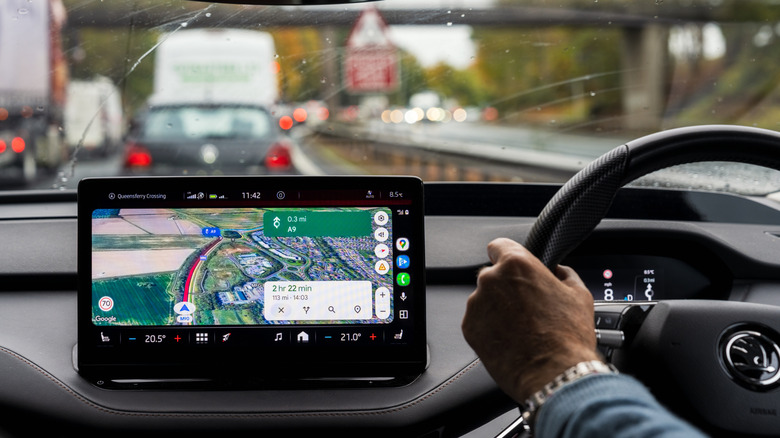
Android Auto relies on the phone and car working correctly, and if you just focus on the phone, you may be missing half the equation. If none of the above has worked, including changing cables, reconnecting the phone or restarting the phone, then the car’s software is another area to consider.
Advertisement
Your car might need an update as well
Jovannig/Getty Images
Automakers have been sending out infotainment updates that can improve Android Auto, and Hyundai’s February 2026 infotainment update for ccNC-equipped cars in Europe included improved wireless Android Auto and Apple CarPlay connectivity, quicker reconnection if the phone goes unresponsive and automatic restoration after a restart. Chevrolet makes the point more directly: on applicable vehicles, it lists updating both the phone and vehicle software as the first troubleshooting step when Android Auto won’t connect.
How you install an update depends on the car. Some systems can download software via Wi-Fi, while others use a USB drive or SD card, and some manufacturers also offer dealer assistance. For example, Uconnect allows supported systems to be connected to Wi-Fi via the vehicle’s settings menu.
Therefore, there is no universal button for updating infotainment firmware. Start at your car manufacturer’s website and follow the directions for that infotainment system. If the site asks for your VIN or model details, provide them. If the process is not clear (or the manufacturer states that it must be installed by a dealer), a dealer is the safer route than getting an update file from elsewhere.
Advertisement
A firmware update won’t fix every Android Auto problem
Georgeclerk/Getty Images
If Android Auto stopped working right after a phone or Android Auto update, check Google’s Android Auto Known Issues page before changing the car’s software. Google recently addressed connection problems affecting Pixel 10 and Samsung S26 phones and was still investigating an S25 connection issue. That timing can help you decide which side of the connection deserves attention first.
Updating the car is a troubleshooting measure and not a magic bullet. If Android Auto was working before, the standard phone-side troubleshooting has failed and newer infotainment software is available, an update is one more thing to check off before scheduling a service appointment.
Advertisement
Firmware is not without its restrictions. It’s not always able to add Android Auto to hardware that didn’t support it to begin with. Uconnect says its systems can’t simply be upgraded to add Android Auto or CarPlay, while Uconnect 5 and select Uconnect 4 and 4C systems include both.
Apple has revealed plenty about the iPhone Duo’s cameras, but there’s one detail it’s keeping to itself: the resolution of the under-display FaceTime camera.
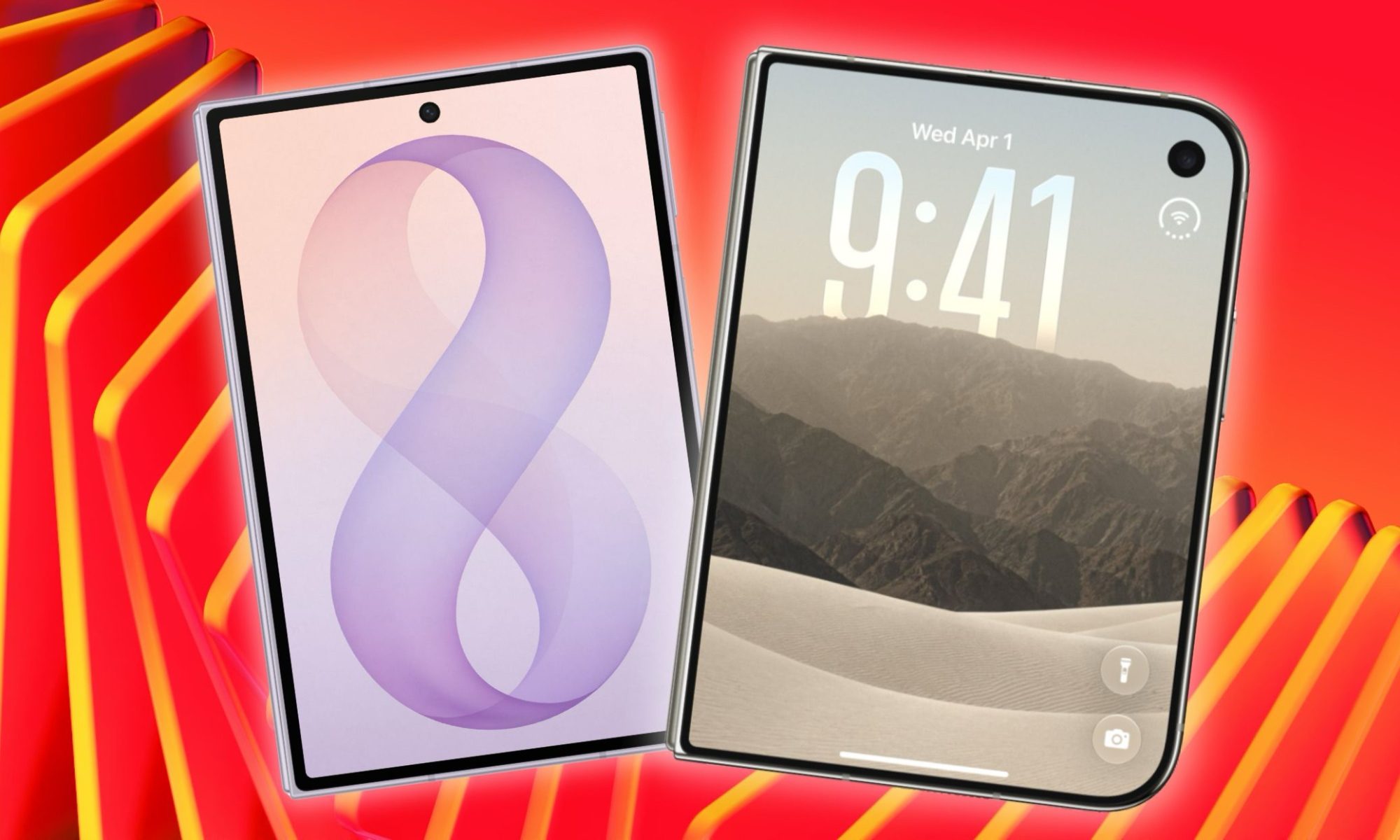
The camera sits beneath the foldable iPhone’s 7.6-inch inner display, making this the first time Apple has used an under-screen camera on an iPhone. While Apple has detailed the 12-megapixel camera on the outer display and the two 48-megapixel rear cameras, it hasn’t said how many megapixels the hidden camera has.
Apple does confirm that the under-display camera has an f/1.8 aperture and can record 1080p video at up to 60fps. It also gets Center Stage for video calls, tap-to-zoom and rotate, ultra-stabilised video, Animoji and Memoji support, lens correction, Auto image stabilisation, QuickTake, Spatial Audio, stereo recording, wind noise reduction and Audio Mix.
The 1080p limit offers a clue about what’s underneath the screen. A camera needs at least around 2 megapixels to capture 1080p footage, while the lack of 4K recording could suggest the sensor is below 8 megapixels – although that remains speculation until the company provides more information.
Advertisement
The f/1.8 aperture is actually wider than the f/2.2 aperture on the outer front camera. That could help compensate for some of the light lost as it passes through the display, although the impact on image quality isn’t yet clear.
Advertisement
There’s another compromise that may be easier to spot. The area of the display covering the camera appears to lack the anti-reflective nano-texture coating used elsewhere, leaving a glossy circular patch that can become more noticeable depending on the lighting and viewing angle. Apple even appears to acknowledge the effect in its marketing imagery.
Samsung faced a similar problem with its own under-display cameras before returning to a conventional punch-hole design on the Galaxy Z Fold 7. Apple is making its first attempt here, so how well it works in everyday use will be clearer once the iPhone Duo is in people’s hands.
Advertisement
Preorders open on October 16, with the iPhone Duo arriving on October 23.

















































You must be logged in to post a comment Login