Looking for the most recent Wordle answer? Click here for today’s Wordle hints, as well as our daily answers and hints for The New York Times Mini Crossword, Connections, Connections: Sports Edition and Strands puzzles.
First, Hyundai “is discontinuing its most affordable electric sedan after just three years on the market,” reports USA Today. After being introduced in 2022, the Hyundai Ioniq 6 “quickly gained the admiration of automotive critics because of its affordable pricing and capable performance specs.” But now, Hyundai “is axing the most affordable versions of the EV, leaving consumers with only one Ioniq 6 option.”
Hyundai will continue to produce the Ioniq 6 N performance trim, which is the quickest and most powerful iteration of the Ioniq 6. It’s also the most expensive. The South Korean automaker is getting rid of lower Ioniq 6 trims due to “disappointing sales and tariff considerations,” according to Cars.com. Hyundai sold 10,478 Ioniq 6 models in 2025, dropping 15% from 12,264 units in 2024, a company sales report stated. Hyundai’s Ioniq 6 is mainly produced in South Korea, so it faces high import tariffs.
Sales increased for their earlier IONIQ 5 model, reports the EV blog Electrek, “up 14% through the first two months of 2026, with 5,365 units sold… Meanwhile, IONIQ 6 sales slid 77% with only 229 units sold in February.”
Elsewhere they report that Kia’s EV6 and EV9 “didn’t fare much better with sales down 53% (600 units sold) and 40% (819 units sold), respectively.” Now a Kia spokesperson tells Car and Driver that the 2025 EV6 GT and 2026 EV9 GT “will be delayed until further notice.” They attributed the move to “changing market conditions,” but added that this delay “does not impact the availability of other trims in the EV6 and EV9 lineups.”
The news comes after Kia already said it was delaying the EV4, its entry-level electric sedan, “until further notice.” It was expected to arrive in the US this year alongside the EV3, Kia’s compact electric SUV that’s already a top-seller in the UK, Europe, and other overseas markets.
While Hyundai didn’t directly say it, since the EV3, EV4, EV6 GT, and Hyundai IONIQ 6 are built in Korea, the Trump administration’s import tariffs and other policy changes are likely the biggest reason to blame here. Kia and Hyundai, like many others, are hesitant to bring new EVs to the US due to the changes. The IONIQ 6, EV6 GT, and EV9 GT join a string of other models that have either been postponed or canceled altogether.
Over the past week, residents across the Gulf have watched missiles and drones cross the night sky—sometimes followed seconds later by bright flashes as air-defense systems intercept them. In cities like Dubai and Abu Dhabi, videos of interceptions have spread quickly across social media, turning what is normally a largely unseen security architecture into something suddenly visible.
Authorities have urged people not to film or share footage online of interceptions or military activity, warning that such videos could reveal sensitive information about defense operations.
Iran has launched waves of missile and drones toward several Gulf countries in retaliation for US-Israeli strikes which killed Iranian supreme leader Ali Khamenei. These attacks have triggered air-defense responses across the region.
Governments from the United Arab Emirates to Kuwait and Bahrain have reported detecting or intercepting hundreds of missiles and drones in recent days targeting airspace, military facilities, and infrastructure.
Advertisement
Here is how each country has responded.
United Arab Emirates
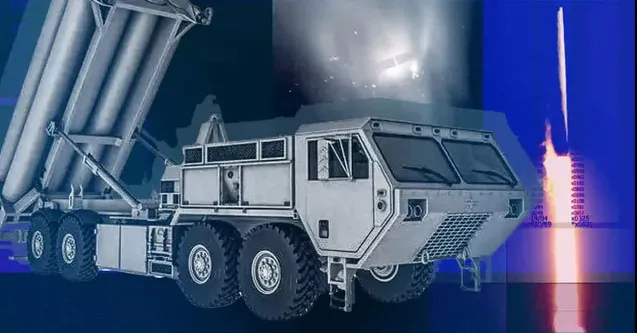
The UAE operates a layered air-defense network designed to intercept threats at different stages of flight. At the highest altitude sits the Terminal High Altitude Area Defense (THAAD) system, developed by Lockheed Martin, designed to intercept ballistic missiles during the final phase of their descent using a “hit-to-kill” method—destroying the target through direct impact rather than an explosive warhead.
Closer to the ground, Patriot missile-defense batteries developed by Raytheon provide another layer capable of intercepting missiles and other aerial threats at lower altitudes. Radar networks detect launches hundreds of kilometers away, allowing operators to calculate trajectories and launch interceptors within minutes.
As of writing, the UAE Ministry of Defense said that 196 ballistic missiles have been detected heading toward the country since the escalation began on February 28. Of those, 181 were destroyed by air-defense systems, 13 fell into the sea, and two missiles landed inside UAE territory. The attacks resulted in three fatalities and 78 injuries, most caused by falling debris rather than direct missile impacts.
Advertisement
Attacks have also affected digital infrastructure. Amazon Web Services facilities in the UAE and Bahrain were directly struck, causing structural damage and power disruptions.
The high interception rates highlight the effectiveness of the region’s layered defense architecture—but they also reveal the strain placed on these systems when attacks occur in repeated waves.
“I would assess Gulf missile-defense performance as tactically capable but strategically stressed,” says Andreas Krieg, an associate professor at the Department of Defense Studies at King’s College London.
“The real story of this escalation is not whether the Gulf can intercept,” he says. “It is whether it can sustain interception at the tempo these attacks create.”
Advertisement
Missile defense, Krieg notes, is increasingly a contest not just of technology but of endurance. Interceptors can cost millions of dollars each, while many drones used in attacks cost a fraction of that amount.
In prolonged conflicts, maintaining interceptor stocks and coordinating defense across multiple sites becomes a major strategic challenge. “Once you get into repeated raids, mixed salvos, and long-duration drone pressure, the limiting factor becomes magazine depth, resupply speed. and the economics of using very expensive interceptors against cheap, persistent threats,” he says.
The UAE has spent more than a decade building its missile-defense architecture, investing heavily in systems such as THAAD and Patriot and integrating them with regional radar and early-warning networks.
Saudi Arabia
Saudi Arabia operates one of the largest air-defense networks in the Middle East, shaped by years of defending against missile and drone attacks targeting its cities and energy infrastructure.
Advertisement
The kingdom relies heavily on the Patriot missile-defense system, supported by radar networks and additional air-defense assets designed to intercept ballistic missiles and aerial threats approaching major population centers and oil facilities. It also operates the PAC-3 MSE interceptor, a more advanced Patriot missile developed by Lockheed Martin, designed to destroy incoming ballistic missiles through direct impact.
Got a new Samsung Galaxy S26 on preorder? It’s time to get your case situation sorted, pronto. You might never have broken a phone in your life, but the mysterious laws of the universe state that if you try and leave the house with an expensive new case-less phone, you’ll immediately drop it. It’s inevitable.
At a glance, the new S26 might look a lot like its predecessors, but the proportions are different. That means you won’t be reusing an old case — you’ll need to stump up for a new one to go with your swanky new handset.
Below, I’ve rounded up my favorite Galaxy S26 cases across the US and UK, all from reputable brands that are known for delivering on quality while still looking good (opting for a weird, no-brand Amazon model is risky business, and I wouldn’t recommend it). Note: the S26 is only Qi2-ready, and doesn’t have its own built-in magnets, but most of these cases do.
Advertisement
A quick word of warning before we start: I’ve focused on the base S26 here, but some retailers have a sneaky habit of defaulting to the ‘Ultra’ version (in fact, it looks like the Ultra is the one that Samsung really wants you to buy, too). So be careful when you’re browsing cases that you’ve selected the correct one for the phone you’ve ordered.
US — Samsung S26 cases
Advertisement
UK — Samsung S26 cases
Sign up for breaking news, reviews, opinion, top tech deals, and more.
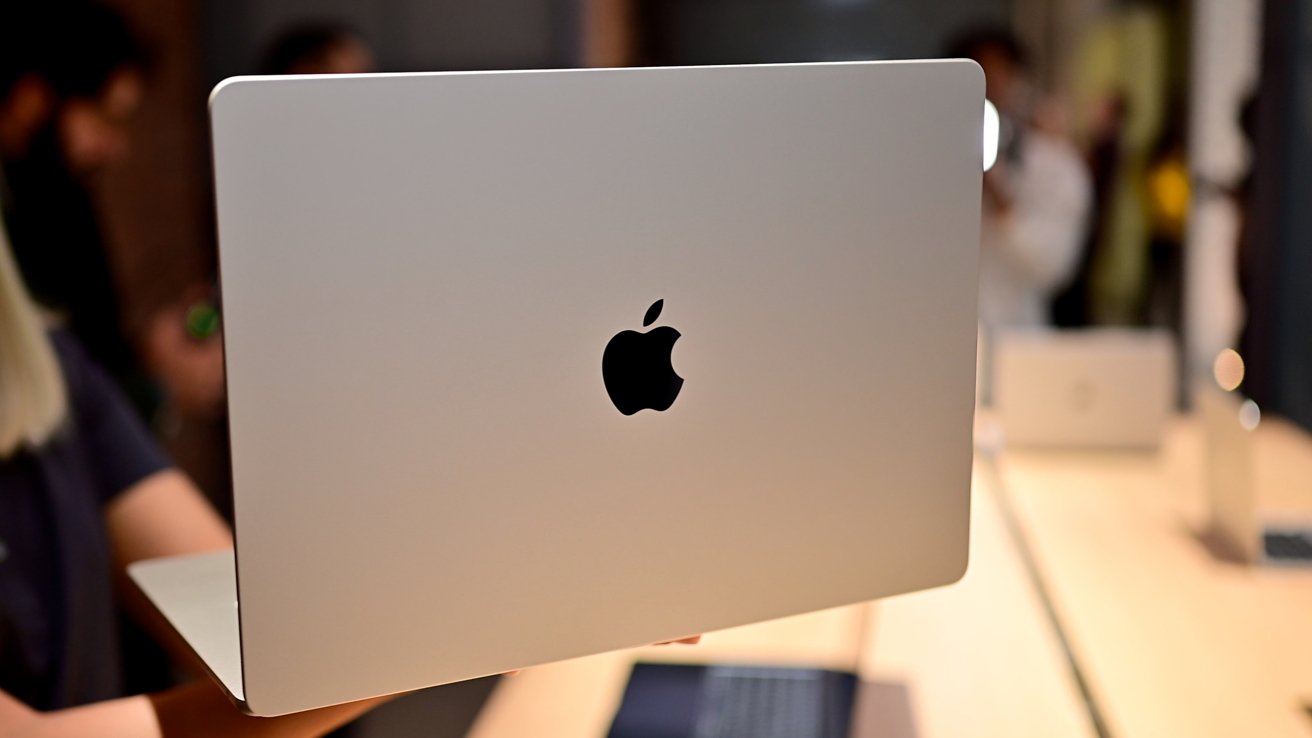
Apple’s M5 MacBook Air and 14-inch MacBook Pro share the same core chip, but there are big differences in the display, cooling, and more. Here’s how the specs compare.
MacBook Air M5
Both notebooks use the standard M5 chip with a 10-core CPU, integrated graphics, and Apple’s unified memory architecture. The MacBook Air uses a fanless chassis with passive cooling, while the MacBook Pro uses active cooling to sustain higher performance during longer workloads. For everyday tasks like web browsing, document editing, and light creative work, the two machines are very similar in short bursts. Heavier tasks such as compiling code, exporting video, or rendering graphics are where MacBook Pro’s thermal design begins to matter. Continue Reading on AppleInsider | Discuss on our Forums
A $1,000 Xbox would have sounded downright absurd not long ago, but Microsoft’s next-gen system, reportedly called Project Helix, may be heading into much pricier territory. According to analysis highlighted by Moore’s Law Is Dead, early estimates place the console somewhere between $999 and $1,200, largely due to the powerful hardware it’s rumored to pack. At first glance, that price feels wild. Then again, if the performance rumors hold up, the value equation might start looking very different.
If the hardware rumors hold up, this could be a beast
Speaking of performance, reports suggest Project Helix could deliver six times the rasterization performance of the Xbox Series X and up to twenty times the ray tracing performance, thanks to a next-generation AMD chip combining Zen 6 CPU cores with RDNA 5 graphics. If those numbers hold up, and that’s still a big “if”, Microsoft would essentially be shipping one of the most powerful consoles ever built. That kind of leap could also help the system push beyond the traditional console limits of 4K at 60 FPS, targeting 4K at 120 FPS or higher in many games.
Project HelixMicrosoft
That said, Project Helix isn’t just about more power; it’s about redefining what an Xbox could be. Microsoft has hinted that the system will support both Xbox and PC games, effectively blending the console and Windows ecosystems into one platform. That means players could access games from multiple storefronts while still enjoying the plug-and-play simplicity of a living-room console. If it truly delivers high-end gaming performance for around $1,000, Project Helix could end up feeling less like an expensive console and more like a surprisingly good value PC alternative.
Anthony / Unsplash
Another thing worth remembering is that console pricing has always been tied to the cost of comparable gaming PCs. Historically, consoles tend to punch well above their weight in terms of performance per dollar. When the $399 Xbox 360 launched in 2005, building a gaming PC with comparable performance often meant spending around $1,000 or more. The pattern repeated in 2020, where matching the $499 Xbox Series X typically required well over $1,200 in PC hardware. So if Project Helix ends up around $1,000, it wouldn’t exactly be breaking tradition. If anything, it might just reflect how expensive high-end gaming hardware has become.
Habib Dadkhah / Unsplash
Of course, a $1,000 console only makes sense if Microsoft absolutely nails the experience. Raw performance alone won’t cut it, and Xbox also needs to deliver stronger first-party games and rebuild some of the cultural momentum the brand has lost in recent years. Right now, Project Helix mostly lives in the land of leaks, speculation, and very ambitious promises. But if Microsoft actually pulls it off, offering a powerful, flexible gaming machine that sits comfortably between a console and a gaming PC, then suddenly that $1,000 price tag might start looking a lot less outrageous.
Arc’teryx’s Delta Jacket is an ultralight fleece made of Octa Fleece, one of the newer, high-tech fleeces to hit the market in the past couple of years. The name comes from the octopus-like weaving which creates air gaps, which help trap warmth while also allowing moisture to escape. It’s very popular with cottage industry ultralight brands, but Arc’teryx adopted it for the 2025 revamp of the company’s popular Delta fleece jacket.
I hesitated to put this jacket in this guide because, while I like it as an ultralight mid layer for summer trips, there is an older, heavier version of the Delta jacket. Judging by the angry reviews on Arc’teryx’s website, it was very popular. This jacket is something else entirely, but disgruntled fans of the older version aside, this is a great mid layer for summer trips, especially when paired with a sun shirt hoodie. At 8.5 oz for this, and 6 oz for a sun hoodie like the one from Kuiu below, you have a combo that allows multiple layering options and still weighs less than many more popular grid fleece options. My only gripe is that fashion was, um, not taken into consideration in the design of this jacket. One user review on the Arc’teryx site likens it to Mr. Roger’s sweater, which is about right. But hey, it’s light, it’s functional—who cares about fashion in the backcountry?
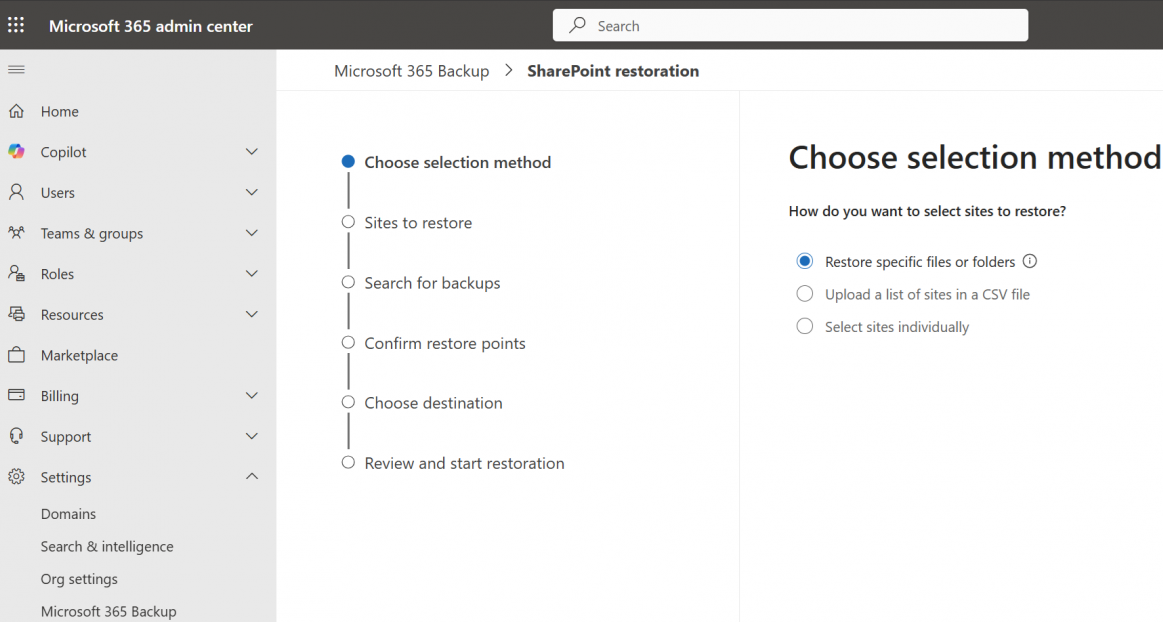
Microsoft will soon begin rolling out a significant upgrade to Microsoft 365 Backup to speed up recovery by allowing administrators to restore individual files and folders.
Microsoft 365 Backup is a SharePoint, OneDrive, and Exchange backup and restore service designed to protect against data loss from ransomware, accidental deletion, or data corruption.
Until now, Microsoft 365 Backup worked at the site or drive level, with a single corrupted or deleted file triggering a time-consuming full restore. With the new granular restore capabilities, admins can browse and search existing restore points for protected SharePoint sites and OneDrive accounts, then select only the specific files or folders they need to recover.
The feature is available exclusively to tenants with Microsoft 365 Backup already enabled and can only be used by admins assigned the SharePoint Backup Administrator role. End users are not directly affected by this change, as restore operations will only be initiated by admins and will be invisible to the user experience.
Advertisement
“Microsoft 365 Backup will enable admins to browse, search, and restore individual files or folders from SharePoint and OneDrive restore points starting early 2026,” Microsoft said in a Thursday message center update.
“This granular restore reduces recovery time, requires the SharePoint Backup Administrator role, and respects existing backup policies without impacting users.”
Microsoft 365 Backup granular restore (Microsoft)
The feature has entered public preview in early March 2026 and is expected to reach general availability worldwide between late April and early May 2026.
Before the rollout reaches their tenants, Microsoft advises customers to review Microsoft 365 Backup coverage for SharePoint and OneDrive, ensure backup administrators are familiar with the granular restore workflow, and update internal recovery runbooks to account for file- and folder-level restore scenarios.
“This feature introduces a new method for admins to access existing Microsoft 365 Backup restore points at a more granular level (file or folder), without changing where or how backup data is stored,” Microsoft added. “Admins gain finer control to restore specific files or folders containing personal data when responding to recovery, correction, or remediation scenarios.”
Advertisement
Last month, Microsoft also expanded Windows Backup for Organizations, an enterprise-grade backup tool that helps simplify backups, to allow enterprise users to restore personal settings and Microsoft Store apps from a previous Windows 11 device.
Malware is getting smarter. The Red Report 2026 reveals how new threats use math to detect sandboxes and hide in plain sight.
Download our analysis of 1.1 million malicious samples to uncover the top 10 techniques and see if your security stack is blinded.
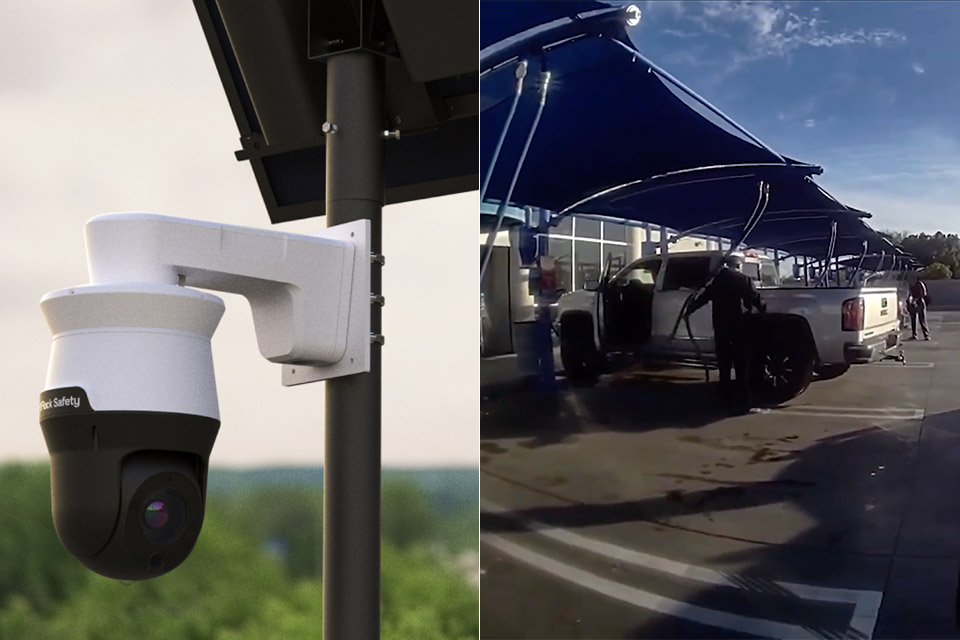
On January 5, a seemingly regular afternoon in Glendale, Arizona, became extremely stressful for the local cops. A Flock Safety camera at a local car wash saw a stolen GMC Sierra pickup truck traveling by and alerted the police, who were on the spot. That single alert prompted them to rush over to find the thief, John Graff, who was cleaning the truck’s interior as if he owned the place.
Flock Safety has installed a network of fixed cameras in areas such as busy intersections, company driveways, and residential streets. Each one is constantly scanning passing vehicles, and their unique software can read license plates as soon as a car passes by, cross-checking them against a list of stolen cars, people wanted by the police, and even those involved with crimes. Some of these cameras can also identify additional information, such as a vehicle’s color, make, and model, or a partial image if a plate is absent or fully covered up. It all goes straight into the police systems in real time, so any matches are reported to the officers in seconds. Departments connect these streams to their live crime centers, which are unique rooms where experts sit and view live feeds from hundreds or thousands of cameras, both public and private.
SONY STARVIS 2 SENSOR/SUPER NIGHT VISION – Equipped with a Sony IMX675 STARVIS 2 Image Sensor for the front camera, this dash cam delivers…
ULTRA FAST 5G WIFI/ UP TO 20MB/s DOWNLOAD SPEED – With its built-in dual-band 5GHz and 2.4GHz WiFi, you can use the ROVE dash cam app to view and…
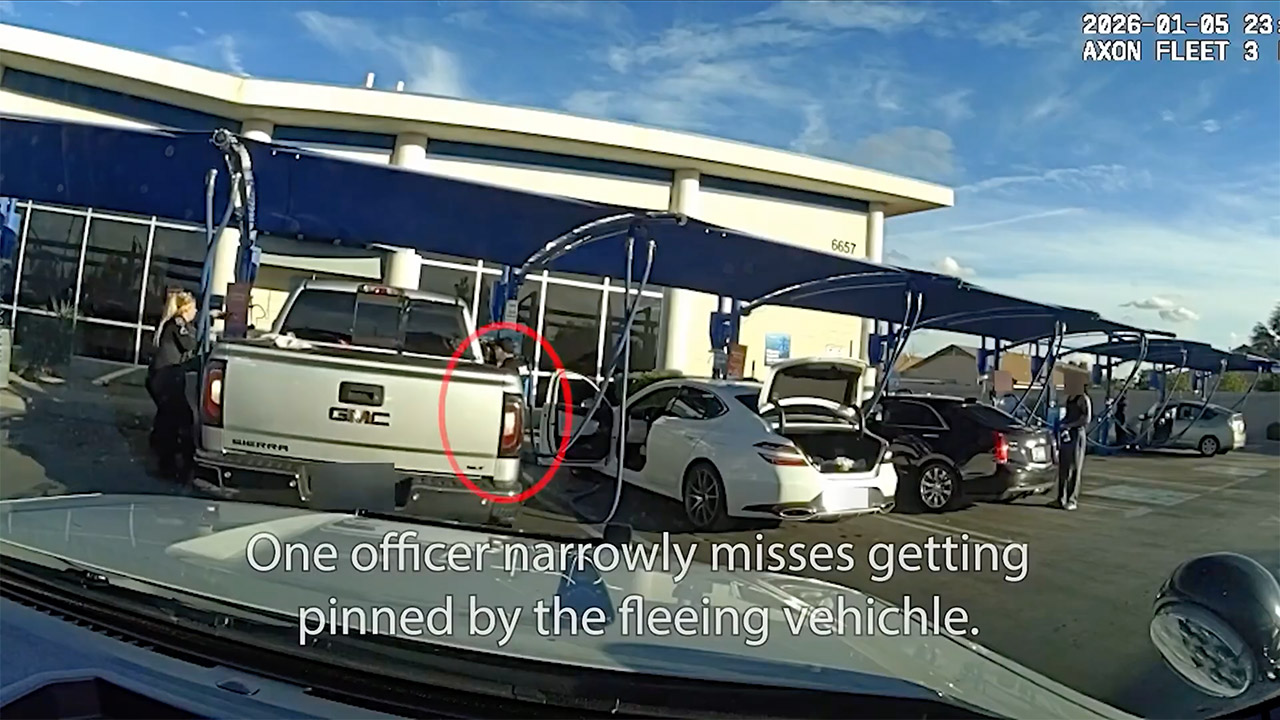
Glendale’s Real Time Crime Center monitors more than 1,700 cameras, including Flock units. When the stolen truck triggered the warning, the analysts at the center were able to trace it down and direct the police to the car wash where the trouble was. Within minutes, three police cruisers arrived quietly, and bodycam footage captured the moment when the policemen approached Graff with pistols drawn and urged him to step away from the truck. He pretended not to hear them, returned to the vehicle, and took off at high speed.
Advertisement
The truck ended up colliding with one of the cruisers, nearly trapping an officer between the two vehicles. Then he slammed another automobile before ditching his truck. The city’s cameras tracked him as he turned left into oncoming traffic, causing other vehicles to swerve out of the way to prevent a collision. He tore down the road, leaving a trail of destruction in his wake, eventually crashing through the gates of a nearby church. Fortunately, he did not hit anyone on the playground or inside the truck, and he escaped on foot.
The cops kept their cool throughout the incident thanks to the live crime center, which was tracking the truck via various streams. Graff went missing for a while, but the original alert provided the police with a promising lead, and they were able to locate him a week later, on January 12th, at a domestic location. One of the officers approached him, commanded him to turn around, and arrested him without incident.
Graff is now facing charges of aggravated assault, theft, endangerment, and criminal damage. Later, he told detectives that he was only a little worried from drugs and had lost his temper, but he never intended to harm anyone. Police applauded the policemen for remaining calm in the face of what could have been a very dangerous situation. [Source]
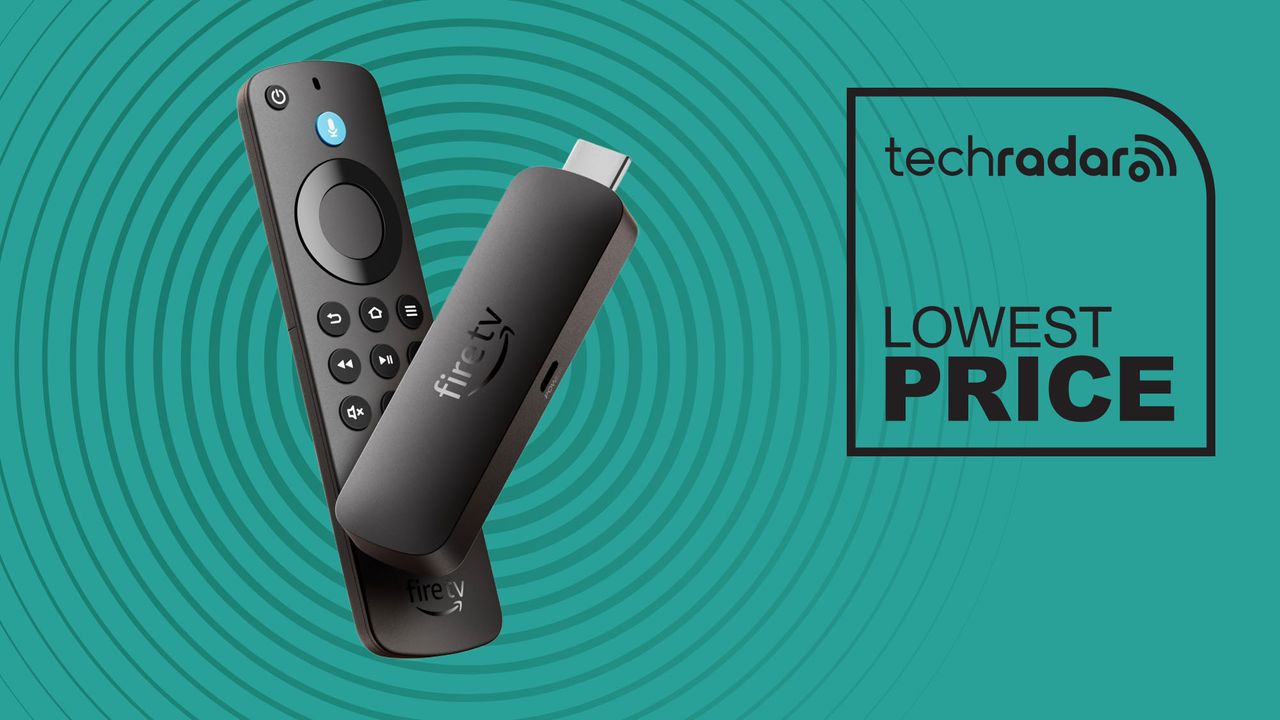
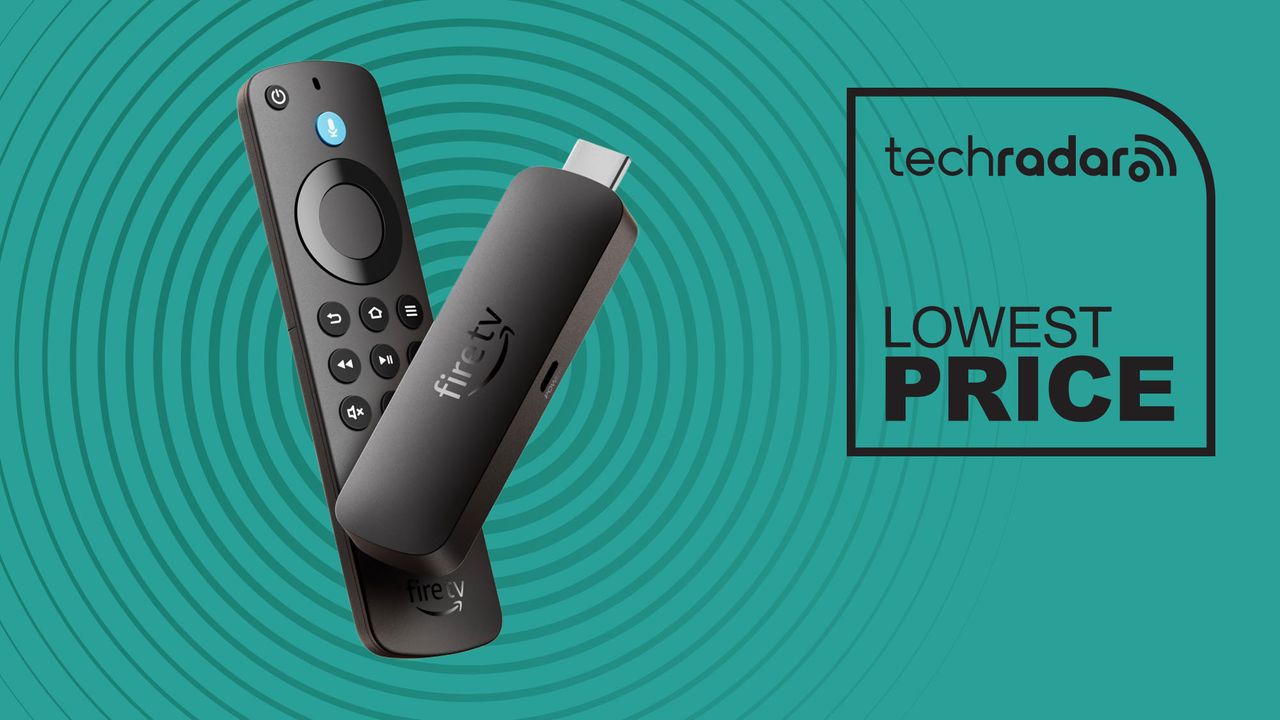
Also, as part of a wider sale on its streaming devices, both the Fire TV Stick 4K Plus and Fire TV Stick 4K Max are also reduced.
The biggest discount, though, is 50% off the latest Fire TV Stick 4K Select. It gets even cheaper if you have a used item to trade in. Just a few examples include an old Fire TV Stick, Roku, or other Amazon device like an Echo Dot.
For its lowest price yet, the 4K Select Stick is worth getting for anyone who just needs a basic streaming stick with 4K.
Advertisement
Fire TV Stick sale at Amazon
Is the Fire TV Stick 4K Select worth it?
The Amazon Fire TV Stick 4K Select just keeps getting cheaper. As Amazon’s most budget-friendly streaming stick, it already offered plenty with 4K streaming, HDR10+, Dolby-encoded audio (HDMI pass-through), and compatibility with Amazon Luna and Xbox Game Pass cloud gaming for under $40. Now for $19.99, this is its lowest price yet and is worth getting for your basic 4K streaming stick needs.
Advertisement
While we haven’t reviewed the Fire TV Stick 4K Select, we’ve regularly rated Amazon Fire TV Sticks four out of five stars or higher. The value for money is unbeatable for budget-conscious customers already familiar with the Amazon ecosystem, and it still offers 4K UHD and HDR10+ support. It also supports cloud gaming with Xbox Game Pass.
There aren’t many differences between the Fire TV Stick 4K Select and Fire TV Stick 4K Plus (formerly the standard Amazon Fire TV Stick 4K). That said, if you want Dolby Vision and Dolby Atmos, then I’d advise paying the extra $10 to buy the 4K Plus for $29.99 (was $49.99).
HUAWEI has returned this year with one of its greatest performance-centric smartwatch series; HUAWEI Watch GT Runner 2. Seamlessly running with both Android and iOS and engineered especially for fitness enthusiasts, marathoners, and runners who have looked for rich tracking metrics with longer battery life, all within a lightweight design. Simply put, it’s the star of 2026 smartwatches.
Regular smartwatches already do the job of tracking activities, but this one really blends years-long expertise of HUAWEI in their wearables into a single device that might be the rival to the best GPS smartwatches on the market right now.
Differences are clear as the sky as soon as you move ahead from casual jogging, because HUAWEI Watch GT Runner 2 understands performance rather than just measuring steps, GPS routes, distance and heart rates.
The standard smartwatches log the data for calories burned while calculating the pace, which can actually be sufficient for beginners, but pro runners and fitness enthusiasts need a notch higher.
Advertisement
That’s where HUAWEI Watch GT Runner 2 comes in, as marathoners need structured pace calculation, insights for training intelligently with metrics that accurately show how their body is responding, rather than only displaying the steps covered.
Bridging the Basic and Pro Training
HUAWEI has crafted this model to bring the “ultra-performance” feel for daily use and long workout periods, extremely lightweight with the aerospace-grade titanium alloy built that presents one of its core attributes.
It also consists slim profile of 43.5 × 43.5 × 10.7 mm, striking a perfect balance of wearability with screen visibility, a feature that is critical for athletes.
Comparing with mainstream smartwatches, running is taken to be a regular preset where distance is covered and calculated, duration is recorded, and heart rate is reviewed, but the Watch GT Runner 2 doesn’t just record, it interprets training with deeper analysis.
Advertisement
It covers the complex questions for runners, such as whether they are building endurance gradually or overtraining.
Elite Metrics made for Peak Performance
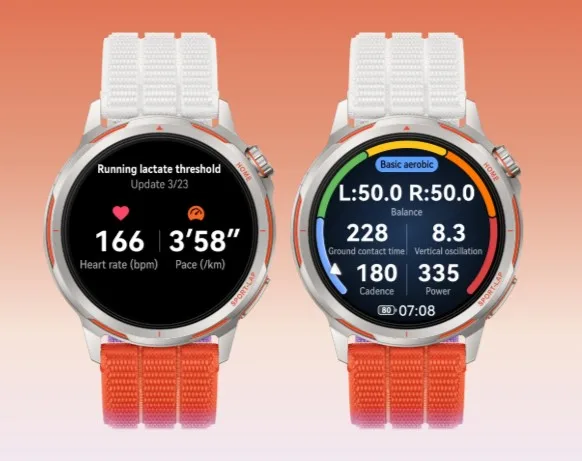
HUAWEI has created the GT Runner 2 to dive deeper into physiological analysis, where many smartwatches limit their potential to GPS and heart rate. This includes attributes like Running Ability Index, threshold estimation, as well as running power, which tracks every stride and the runner’s endurance capacity.
HUAWEI
Precisely made for high performance, the training load analysis calculates stress accumulated by the body over time while putting forward recommendations for recovery with the required duration of rest before the next workout.
Such data can help runners in estimating the intensity of their workout, avoiding injuries and maintaining consistency. So, this watch, instead of just merely telling you how far you have run, will explain how your body has responded to the training.
For example, rise in running power but a stagnated pace can signify a fall in efficiency, then an increased time of recovery can point to fatigue building up in the body. This testified data interpretation by Watch GT Runner 2 shows its uniqueness with the performance coaching ability.
Advertisement
Smash Personal Records with Intelligent Marathon Mode
Created with the collaboration of DSM-Firmenich Running Team as well as the elite runner’s expertise, the Intelligent Marathon Mode is the device’s heart. It is a core feature developed to assist long-distance training runners, helping the digital race strategist right at your wrist rather than sitting just as a passive tracker.
Depending on your race, level of endurance and performance, this smartwatch will create a personalised training plan.
It can also deliver real-timepace charts while comparing the current pace according to the race target, showing if the runner is behind or ahead of their miles plan.
HUAWEI
Moreover, it can display the estimated finish time and show the gaps between the current progress and the set goal.
Built-in digital pacer can simulate race pacing, which helps the runner in distributing their efforts as per the covered distance. As an error in pacing can undo a runner’s months of training, this real-time pacer system can guide them through with calculation and control productivity.
Advertisement
GPS Tracking with 3D Floating Antenna and GNSS
HUAWEI has not failed on enhancing the GPS aspect with a tracking system in the Watch GT Runner 2, like the 3D Floating Antenna on the side that enables 20% more precise tracking routes that come in handy throughout urban areas, tunnels or signal-challenging environments.
Also, the Dual-band GNSS (L1+L5) system is built in as it supports different satellite systems such as GLONASS, NavIC, BeiDou, QZSS and Galileo that can ensure a continuous pace positioning.
A strong GPS system like this, importantly show that accuracy is a must for runners in calculating the pace by seconds per kilometre. Improved route accuracy with stable satellite connectivity with this watch can assure the runners about their pace metrics and trust the consistency of the data during challenging conditions.
Intelligent Health Tracking
To be fair, gains come during recovery, not in active exertion; and it is something the Watch GT Runner 2 knows very well. Here’s why a wellness monitor has been put together in it.
Advertisement
Sleep quality tracking, with sleep-breathing awareness, can assess the quality of sleep and how it really affects performance, shaping runners’ training strategies.
ECG tracking, Pulse wave arrhythmia analysis, and Heart Rate Variability (HRV) tracking show nervous system balance alongside recovery period, as lower HRV levels indicate potential stress or fatigue.
HUAWEI
Stress Management adds to more insight, pressure from travel, work or lifestyle can affect recovery. Recognising stress levels can help in understanding the fluctuations and the recovery points to work on.
SpO₂ monitoring can support the runners on elevated terrains, reading the changes in oxygen saturation and heart rate, readily influencing endurance and pacing.
Smartwatch for more than Tracks
HUAWEI Watch GT Runner 2, at its core, is created for pro athletes; despite its high-level performance, it is very much capable of seamless everyday use. Perfectly supporting NFC payments (wherever available), QR code scanning, Bluetooth call and music playback serve as an added convenience.
Advertisement
Additionally, this watch has over 100 sports modes, can effortlessly hold up to 14 days battery life when lightly used, 32 hours of constant GPS tracking and has 5 ATM-rated water resistance.
It can easily shift from prepping for a marathon to office use or blend with social settings without coming off as a niche tool.
What’s in it for Runners
The introduction of the Watch GT Runner 2 by HUAWEI solves one of the core disconnects within the wearables market. For long, lifestyle smartwatches have focused on convenience, and, on the contrary, sports-dedicated smartwatches have prioritized performance over anything else, with only a few brands blending both.
Watch GT Runner 2 combines both, standing at a rare intersection while solving the issue, especially for marathoners needing to choose which can be a better smart companion, while it remains a full-fledged smartwatch at its core for regular users.
Advertisement
Digital Trends partners with external contributors. All contributor content is reviewed by the Digital Trends editorial staff.