But they add that the increase reflects “an ongoing uncertainty in tech as AI continues to play havoc with hiring. That’s according to analysis from consulting firm Janco Associates, which bases its findings on data from the U.S. Labor Department.” On Friday, the department said the economy added 115,000 jobs, buoyed by gains in industries including retail, transportation and warehousing and healthcare. The unemployment rate was unchanged at 4.3%. But the information sector lost 13,000 jobs in April.
While it’s still too early to say exactly how AI is affecting employment overall, some businesses, especially in the tech industry, have said it’s part of the reason they’re cutting staff. In April, Meta Platforms said it would lay off 10% of its staff, or roughly 8,000 people, as it seeks to streamline operations and pay for its own massive investments in AI. Nike will reduce its workforce by roughly 1,400 workers, or about 2%, mostly in its tech department, as it simplifies global operations. And Snap is planning to eliminate 16% of its workforce, or about 1,000 positions, as it aims to boost efficiency. In other areas of IT, which includes telecommunications and data-processing, employment is now down 11%, or 342,000 jobs, from its most recent peak in November 2022.
But there’s not just AI to blame. Inflation and economic uncertainty linked to the Iran conflict is giving some chief executives and tech leaders reason to pull back or pause their IT hiring, said Janco Chief Executive Victor Janulaitis. The article even notes that postings for software developer jobs “are up 15% year-over-year on job-search platform Indeed, according to Hannah Calhoon, its vice president of AI”. But employers do seem to be looking for experienced developers, which could pose a problem for recent college graduates.
Looking for the most recent Mini Crossword answer? Click here for today’s Mini Crossword hints, as well as our daily answers and hints for The New York Times Wordle, Strands, Connections and Connections: Sports Edition puzzles.
Need some help with today’s Mini Crossword? Read on for all the answers. And if you could use some hints and guidance for daily solving, check out our Mini Crossword tips.
If you’re looking for today’s Wordle, Connections, Connections: Sports Edition and Strands answers, you can visit CNET’s NYT puzzle hints page.
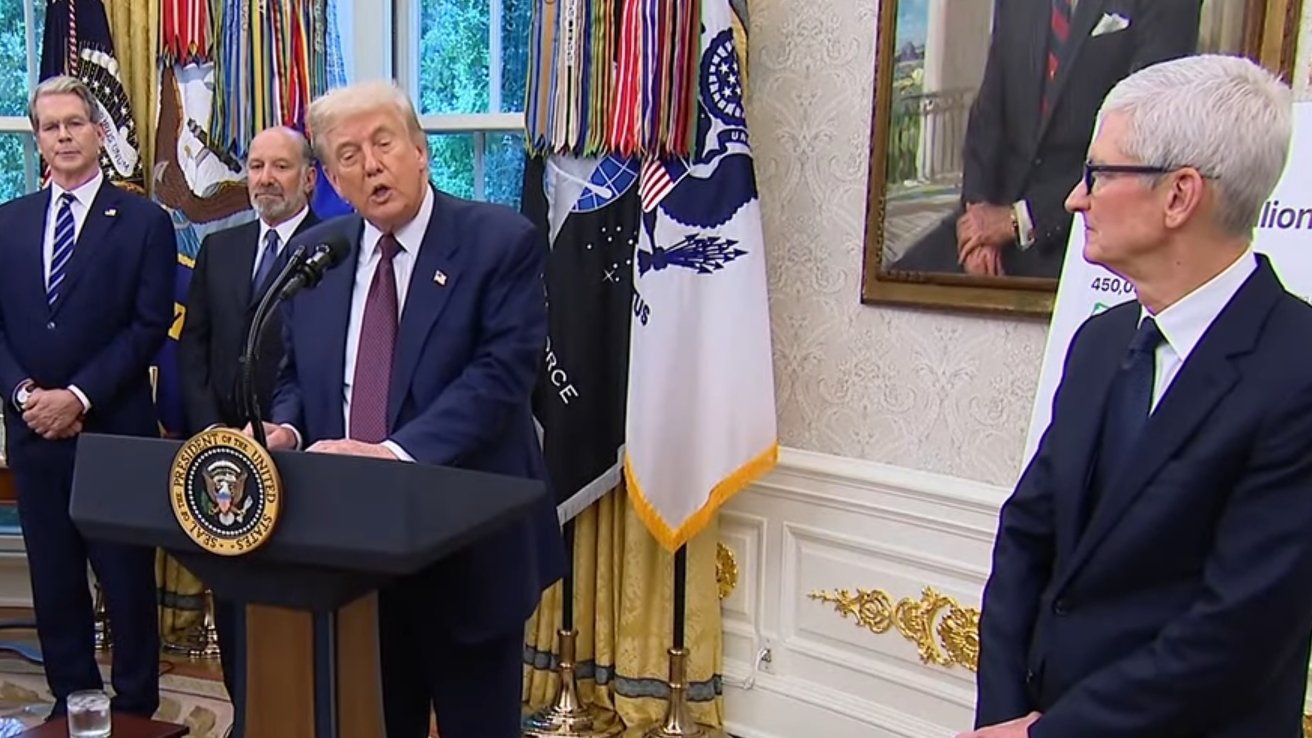
President Trump wants to show off the executives he has behind him on a trip to China, where he will discuss trade with President Xi Jinping. Still-CEO Tim Cook is rumored to be among the invitees.
If there’s one well-understood policy held by the Trump administration, it’s to show up when requested. One of the few times that Apple CEO Tim Cook didn’t show up resulted in a special tariff just for iPhones in May 2025.
It’s time for Cook to pick up the phone again, as President Trump is headed to China to speak to President Xi Jinping about trade. The discussions will likely be of little relevance to Apple, according to a report from Semafor, but Trump likes to have powerful individuals surround him on such trips.
These kinds of in-person events may increase for Cook as he steps down from his role as CEO on September 1. He’ll be the Executive Chairman where he will also act as a kind of political liaison.
Advertisement
It’s a role that Cook has likely chosen for himself, as he has borne the brunt of most of the political scandal that has occurred since Trump took office in both instances. It’s Cook’s name on the $1 million donation to the inauguration, the gold plaque in Trump’s office, and the reservation to each event after all.
And seemingly, Trump has taken the bait. Apple hasn’t changed anything about how the company operates in spite of immense pressure from the administration to do so.
For example, Apple just announced its latest Pride Band for Apple Watch even as other companies distanced themselves from progressive initiatives.
These interactions also meant Apple didn’t have to pay nearly as much as it could have when dealing with the illegal and seemingly random tariffs. It has also insulated Apple from being required to do the impossible and bring all iPhone production back to the United States.
Advertisement
Cook is also known for his diplomatic trips to China, so the latest invite will likely be just another day on the job. Time will tell if incoming CEO John Ternus will have to act similarly, or if Cook will be able to shield him from the responsibility.
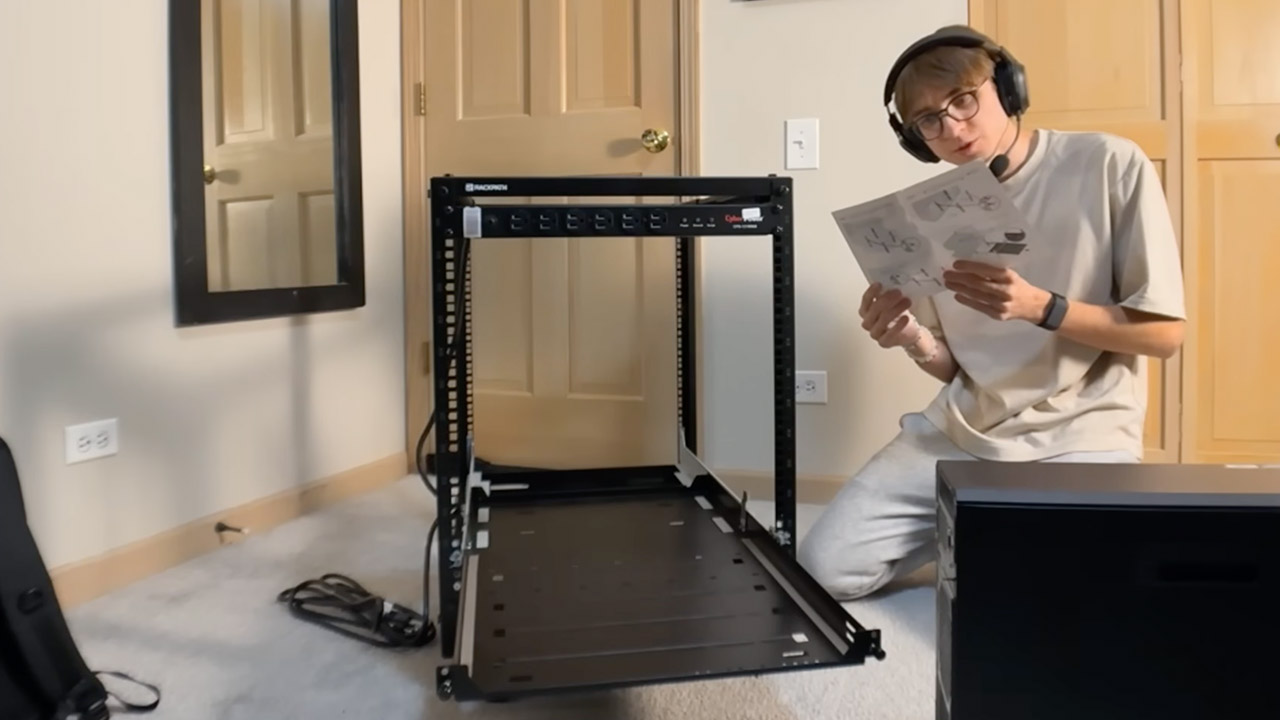
One computer enthusiast finally hit the wall with a crowded closet full of loose gear and realized something had to change. He set out to create a small data center that would run its own servers, manage networking, and keep everything neat enough to fit inside a regular room. He ended up with a 12U rack on wheels, complete with corporate hardware, unique cables, and smart mounts that kept everything accessible while remaining relatively compact.
The first step was to install the rack, as the adjustable rails and robust wheels made it simple to roll it into the closet to a reasonable depth without requiring any permanent adjustments to the area. It all came in at around $200, which is a fairly good value given that it gave him a lot of vertical space while also leaving flexibility to grow later if necessary. At the top of the rack, he installed a mountable power surge strip, which provided many outlets with built-in protection as well as ample distance to prevent the plugs from becoming jammed.
【AMD Ryzen 4300U True 4-Core CPU: Outperforms N95 & i3-10110U】KAMRUI P2 Mini PC is equipped with true 4-core AMD Ryzen 4300U processor built on…
【Integrated AMD Radeon Graphics: 2.5X Stronger for Tri 4K】The KAMRUI P2 AMD 4300U Mini PC have unlocked the full potential of the built-in AMD…
【Large Storage Capacity, Easy Expansion】KAMRUI Pinova P2 mini computers is equipped with 16GB LPDDR4 for faster multitasking and smooth…
The servers, the core brains of the operation, are essentially an HP Z4 G4 enterprise desktop put into a dedicated rack tray, providing him with considerable processing power for activities such as storage or virtual machines. He also has another tower-style machine with numerous drive bays that stacks alongside it, providing him with additional data storage capacity without the need for a full room. Both computers just bolt in using conventional hardware, and what was formerly a collection of distributed PCs became a single system ready to function 24/7.
Advertisement
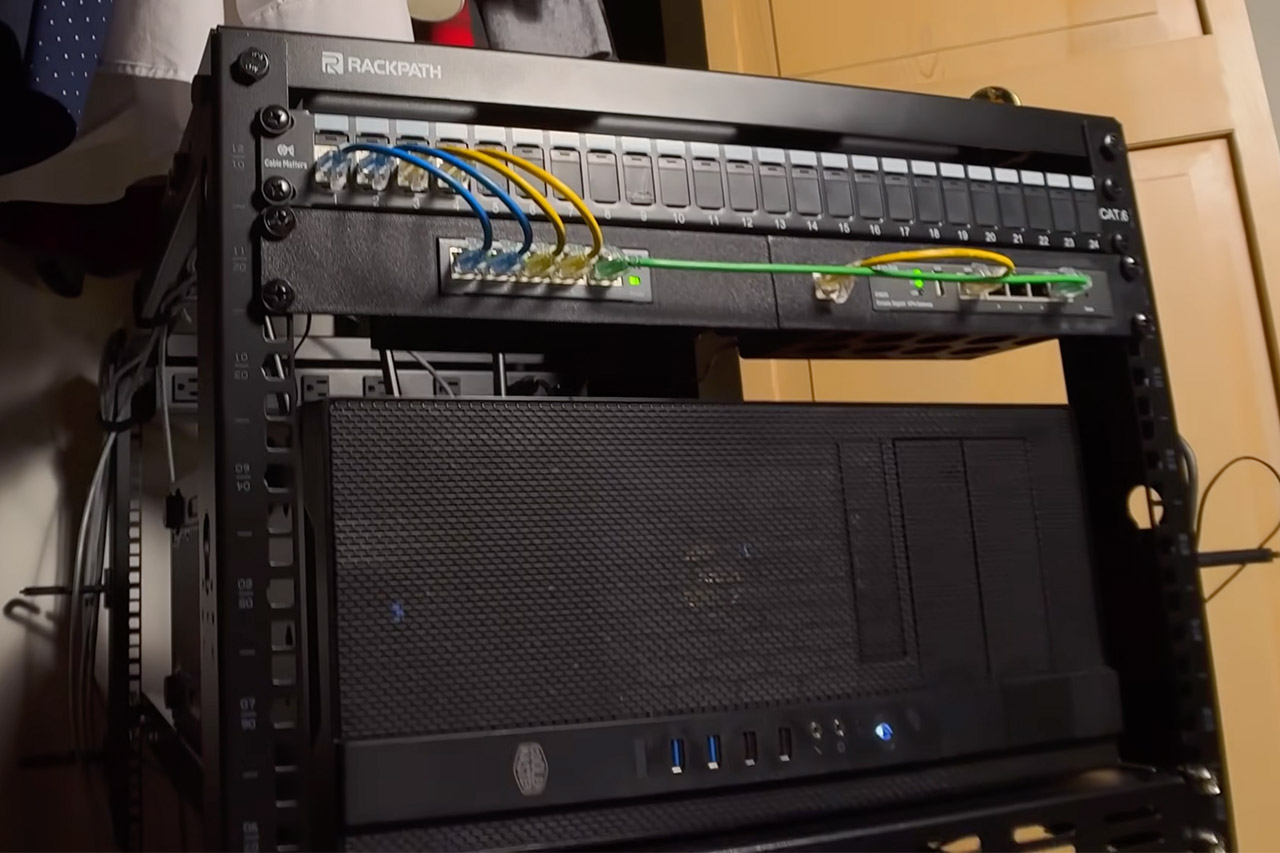
Networking equipment is all about getting data flowing smoothly, so he installed a 5-port Gigabit switch and a tiny router in some custom 3D-printed brackets that just clip onto the rack rail. The best part is that the library allowed him to 3D print them for nearly nothing, so he now has off-the-shelf gadgets converted into rack-friendly components. A patch panel at the front of the rack keeps all the wires neat and tidy, directing each connection through designated ports rather than dangling all over the place.
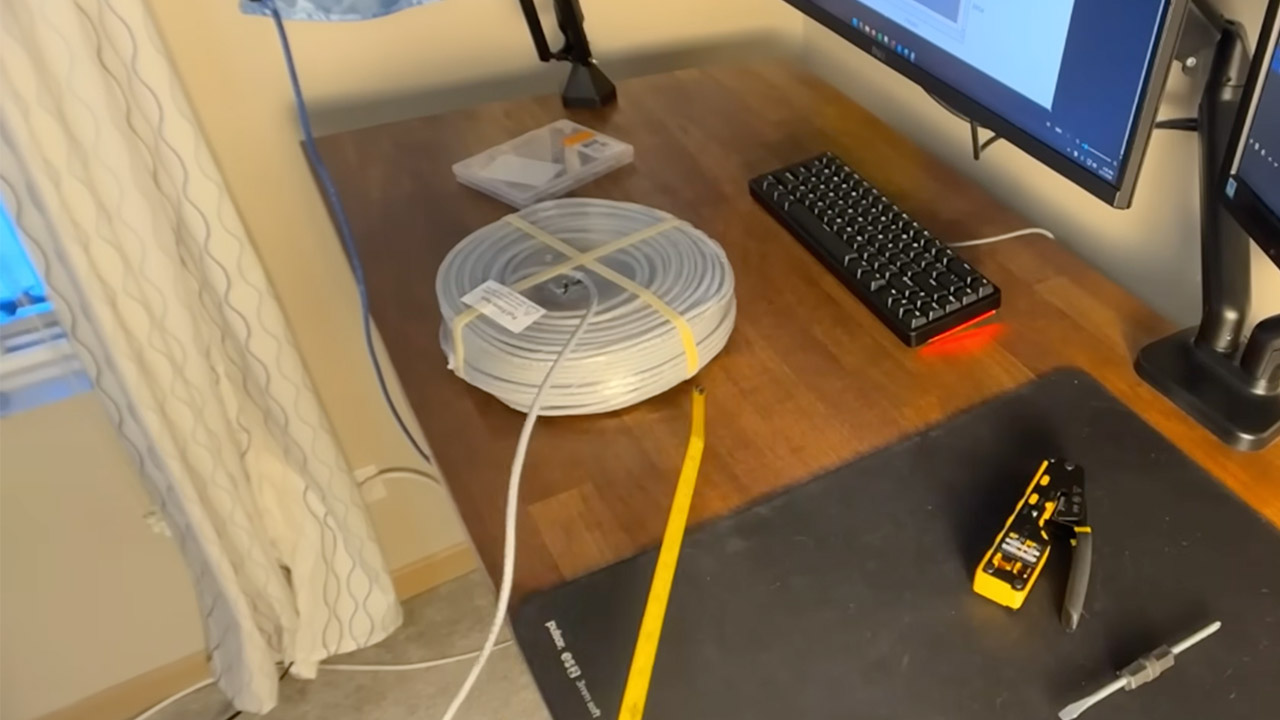
Cabling truly makes the difference between order and chaos, as he used 250 feet of Cat6e solid copper cable as the base material, then simply measured and crimped each segment before terminating on shielded jacks. He has varied lengths for different requirements, so he has a short one that goes to the modem and a longer one that connects the switch and router. He created a diagram of the entire system so that anyone could see how everything fits together at a glance. I learned a few lessons along the road, such as how to properly sequence the wires and which tools to use, but in the end, everything simply lays there looking flush and trustworthy.
So the power and accessories completed the package, as the surge strip provides electricity for the entire stack, and he included a mountable shelf to store tools or spare parts. The rack’s wheels allow the entire unit to slide in and out for repair before rolling back in without needing to be disassembled. The entire setup still fits within the closet footprint, demonstrating that real capabilities does not require a big warehouse.
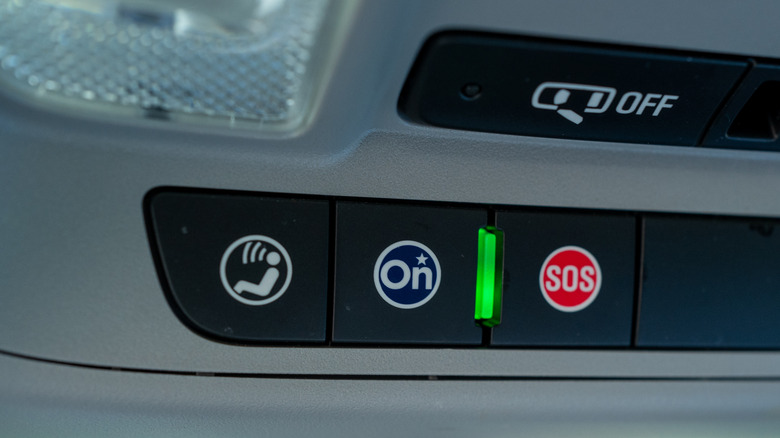
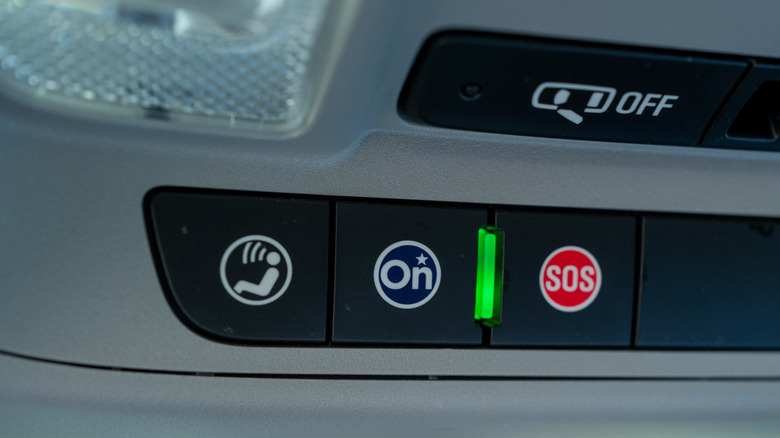
Following its settlement with the FTC earlier this year over its sale of drivers’ data to brokers, General Motors has now also reached a settlement in California. The company agreed to pay $12.75 million in civil penalties to settle the lawsuit led by Attorney General Rob Bonta on behalf of the people of California, and is banned from selling driving data to consumer reporting agencies for five years. The lawsuits came after a 2024 New York Times report revealed that GM collected consumers’ driving data through its OnStar program and sold this information to data brokers Verisk Analytics and LexisNexis Risk Solutions, which in turn could market the data to auto insurers.
In some cases, that driving data could be used by insurers to increase customers’ rates. However, in California, customers were likely spared this consequence, as laws in the state prohibit insurers from using driving data in this way. Nevertheless, the complaint alleges that GM violated consumers’ privacy by nonconsensually selling data that included people’s names, contact information, geolocation data and driving behavior data.
The settlement agreement stipulates that GM must delete any driving data it’s retained within 180 days “except for certain limited internal uses,” unless it has the customer’s express consent. It also requires GM to develop a privacy program to assess the risks of collecting data through OnStar, and report its findings to the DOJ and other agencies. In a statement on Friday, Bonta said, “Today’s settlement requires General Motors to abandon these illegal practices and underscores the importance of the data minimization in California’s privacy law — companies can’t just hold on to data and use it later for another purpose.”
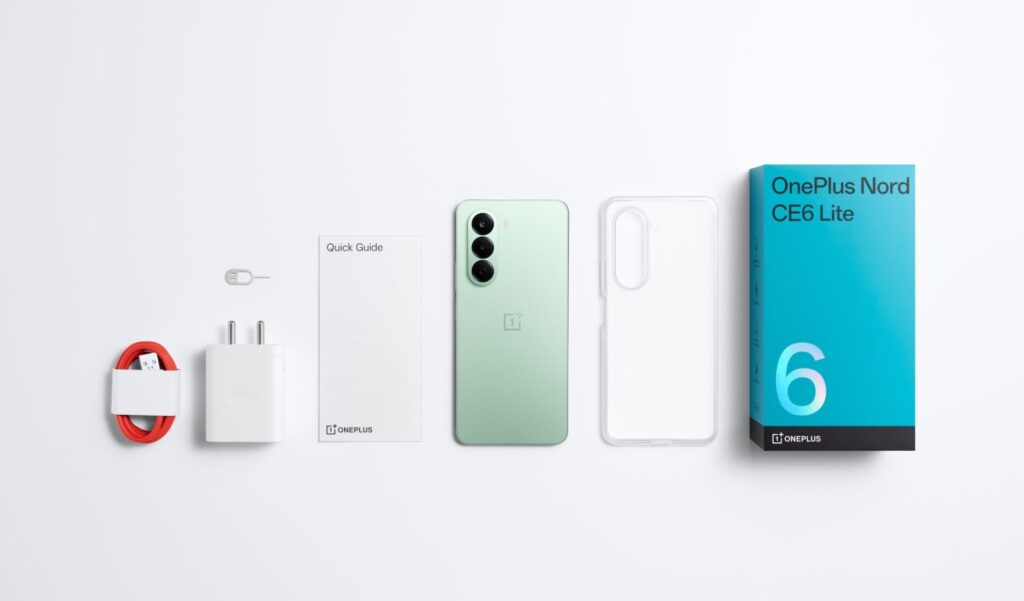
OnePlus has released its newest Nord CE 6 series phones in India. The new lineup includes the regular Nord CE 6 and the budget version, the Nord CE 6 Lite. The OnePlus Nord CE 6 is a phone that boasts an exquisite design, an AMOLED screen, and a Snapdragon chipset.
Design and Display Upgrades
The company OnePlus has made notable design changes to the new Nord CE 6 series. OnePlus has introduced some alterations to the design of its Nord CE 6 phone, including a different square-shaped rear camera module.
In terms of display, the Nord CE 6 features a large 6.78-inch AMOLED screen with a 144Hz refresh rate for smoother performance. On the other hand, the Nord CE 6 Lite includes a smaller 6.72-inch LCD screen. Both devices have been designed with a smooth visual experience in mind, especially when playing games or engaging with social media.
Performance & Cameras
The standard Nord CE 6 model comes with the Qualcomm Snapdragon 7s Gen 4 chip. This variant has been enhanced with a cooling mechanism to improve gaming and application speed.
The Nord CE 6 Lite model incorporates the MediaTek Dimensity 7400 Apex chip. It has been specifically designed for efficient performance and power consumption.
Advertisement
Both smartphones feature two rear cameras, with the 50MP main sensor as the most prominent feature. Video recording is supported at the 4K level, improving the quality of videos. The Nord CE 6 smartphone features a 32MP front camera, while the Nord CE 6 Lite has an 8MP front-facing camera.
Price and Availability
This OnePlus lineup ranges from Rs. 29,999 for the entry-level variant to Rs. 32,999 for the high-end variant. On the other hand, the OnePlus Nord CE 6 Lite is priced from Rs. 20,999 to Rs. 25,999. Also, an immediate discount of up to Rs. 2,000 is being offered on selected bank cards.
In terms of availability, the Nord CE 6 will go on sale in India starting May 8, while the Nord CE 6 Lite will become available from May 12. Both smartphones can be purchased through Amazon and the official OnePlus India online store.
How will work setups change if we spend more and more time talking to our computers? A recent feature in the Wall Street Journal looks at the rising popularity of dictation apps like Wispr, especially now that they can be connected to vibe coding tools, and what that might mean for office etiquette.
One VC said that visiting startup offices now feels like stepping into a high-end call center. And Gusto co-founder Edward Kim is apparently telling his team that in the future, offices will sound “more like a sales floor.” (As someone still scarred from the time his desk was briefly relocated to a sales floor, let me say: Oh no.)
Kim claimed that he only types now when he absolutely has to. But he admitted that constantly dictating in the office can be “just a little awkward.”
Similarly, AI entrepreneur Mollie Amkraut Mueller said her husband became annoyed with her new habit of whispering to her computer, so their late-night work sessions now involve sitting apart, or “one of us will stay in our office.”
Advertisement
But Wispr founder Tanay Kothari insisted that this will all seem “normal” one day, just as it’s become normal to spend hours staring at your phone.
Lower prices are in effect on Apple’s 14-inch and 16-inch MacBook Pro laptops, with fresh deals from just $1,499.
The steeper discounts can be found at Apple Authorized Reseller B&H Photo, with a wide range of sale prices offering up to $500 off MacBook Pro laptops. Grab new markdowns on M5, M5 Pro, and M5 Max models (and even a few blowout M4 Pro specials, too).
Whether you’re interested in a budget-friendly option, such as a 14-inch M5 MacBook Pro with 24GB of RAM and 512GB of storage that’s on sale for $1,499, or a loaded M5 Max 16-inch laptop with 128GB of RAM that’s $400 off, there’s a deal for nearly every budget.
Advertisement
We’ve included a breakdown of the offers by configuration below, but you can also peruse sale prices across retailers in our MacBook Pro Price Guide, which is organized by screen size and Apple Silicon chip.
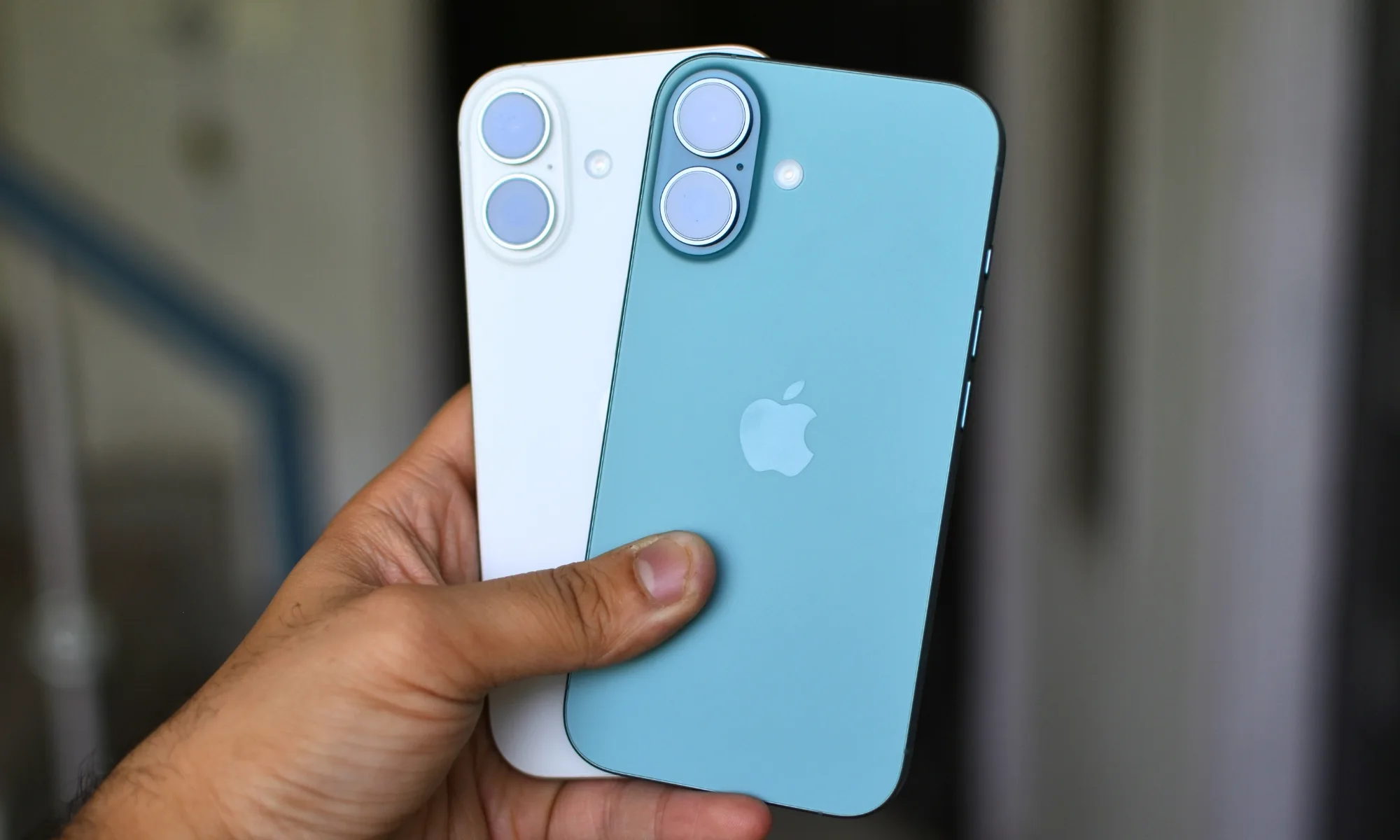
For a while, I had convinced myself that my next iPhone had to be a Pro. Not because I had genuinely thought about what I needed from a phone, but because the marketing slowly wore me down. The triple cameras, the titanium build, the ProMotion display, the idea that it could handle absolutely anything — it all created this lingering feeling that choosing the regular iPhone would somehow mean compromising. Like I would be missing out on the “real” experience. Then I stopped looking at spec sheets and started looking at my actual usage. And honestly, the entire argument for buying a Pro quietly fell apart.
Apple really knows how to make you doubt the regular iPhone
Apple is incredibly good at making the Pro feel essential. Every September, the keynote follows the same pattern. The regular iPhone gets its moment, sure, but the second the Pro models appear, the entire presentation shifts gears. Suddenly, it is all about the “best” cameras, premium materials, exclusive features, and cutting-edge performance. Even without saying it directly, the message lands pretty clearly: this is the iPhone you are supposed to want. The regular model almost starts to feel like the compromise option for people with simpler needs.
Shikhar Mehrotra / Digital Trends
And honestly, that strategy works. Not because Apple is misleading anyone, but because the Pro genuinely is a more capable phone. The cameras are better, the build feels more premium, the extra features are real, and for the people who actually use them, the higher price absolutely makes sense. The problem starts when “this is better” quietly turns into “I need this.” That is the leap many of us make without ever stopping to think about whether those extra features would actually change how we use our phones day to day.
I kept chasing Pro features I barely used
When I stopped thinking about how I imagined I used my phone and started paying attention to how I actually used it, the reality turned out to be pretty ordinary. Most of my day is spent doing the same things most people do: scrolling through social media, replying to messages, listening to music, watching the occasional YouTube video, reading things I am interested in, checking emails, using Maps, and taking calls.
And yes, I do take a lot of photos. But when I really thought about it, I realized I was not taking the kind of photos that truly demanded a Pro-level camera system. Most of my shots happen in good lighting, with little effort, and honestly, modern smartphones are already excellent at that. I was rarely in situations where I genuinely needed a dedicated telephoto lens or the extra computational photography tricks that Apple reserves for the Pro models. And on the few occasions where camera quality actually mattered for work, I usually had a proper camera with me anyway.
Then there was ProMotion — probably the feature I used most often to justify wanting a Pro iPhone. For years, the smoother 120Hz display felt like one of the clearest reasons to spend extra on the Pro models. And to be fair, the difference is real. Scrolling feels smoother, animations look nicer, and everything feels slightly more fluid. But over time, I realized something interesting: it was a feature I appreciated most when I was actively paying attention to it. In everyday use, my brain adapted pretty quickly, and the standard iPhone never really felt slow or frustrating to use. Now that the iPhone 17 lineup finally brings high refresh rate displays to the regular models as well, that whole justification has mostly disappeared for me. One of the biggest reasons to go Pro no longer feels exclusive, and the standard iPhone suddenly makes a lot more sense than it used to.
The vanilla iPhone is carrying lot more weight than people admit
The regular iPhone has become strangely easy to underestimate, mostly because the conversation around it is always framed by what the Pro models have that it doesn’t. But when you stop comparing spec sheets for a moment and look at the standard iPhone on its own, it is actually an incredibly complete device.
Shikhar Mehrotra / Digital Trends
The main camera is already excellent for the kind of photos most people take every day. Performance is rarely an issue either, especially now that the regular models often share the same core chip architecture as the Pro versions. Whether it is social media, gaming, multitasking, editing photos, or juggling a dozen apps at once, the phone handles it all effortlessly. The display is good, battery life has improved a lot over the years, and you still get the same software experience, the same long-term updates, and the same overall reliability that people buy iPhones for in the first place.
And honestly, for the way I actually use a phone — and probably for the way most people use one — the regular iPhone no longer feels like a compromise at all. It only starts to feel “lesser” when you compare it side-by-side with a checklist of Pro-exclusive features.
The moment I realized I was shopping for a fantasy version of myself
I am not trying to convince anyone not to buy a Pro iPhone. For some people, the extra features absolutely make sense. If you shoot a lot of video, regularly use the telephoto camera, care deeply about the premium build, or genuinely benefit from those advanced tools, then the higher price is probably justified. Those are real advantages. But they are also very specific advantages — the kind that come from understanding your own habits, not just getting swept up in the excitement.
Shikhar Mehrotra / Digital Trends
Before jumping ship, ask yourself one simple question: Which Pro features do I genuinely use right now? Not the ones that look impressive on paper, but the ones that actually show up in your daily routine. And once you look at your real usage honestly, the answer often becomes much clearer than you expect. Sometimes, the regular iPhone is not the “lesser” choice at all. It is simply the phone that already fits the life you actually live.
Watch it at 1080p, you get one thing; at 360p, the image is completely different. The hack relies on understanding precisely how YouTube cuts down videos — because if you haven’t uploaded a video there before, you might not know the creator doesn’t have to encode all of those options; they’re invited to upload in the highest possible definition, and YouTube reencodes the rest.
1080p and 720p films are shown at 60FPS, while 360p and below are 30FPS– so that’s one way to hide the difference. Since YouTube drops every second frame when encoding the lower-quality video, images you want in the HD version can be kept only in even-numbered frames that YouTube will remove. That seems easy enough, but how does [PortalRunner] avoid the low-quality image flickering in at 30 FPS when watching in higher definition?
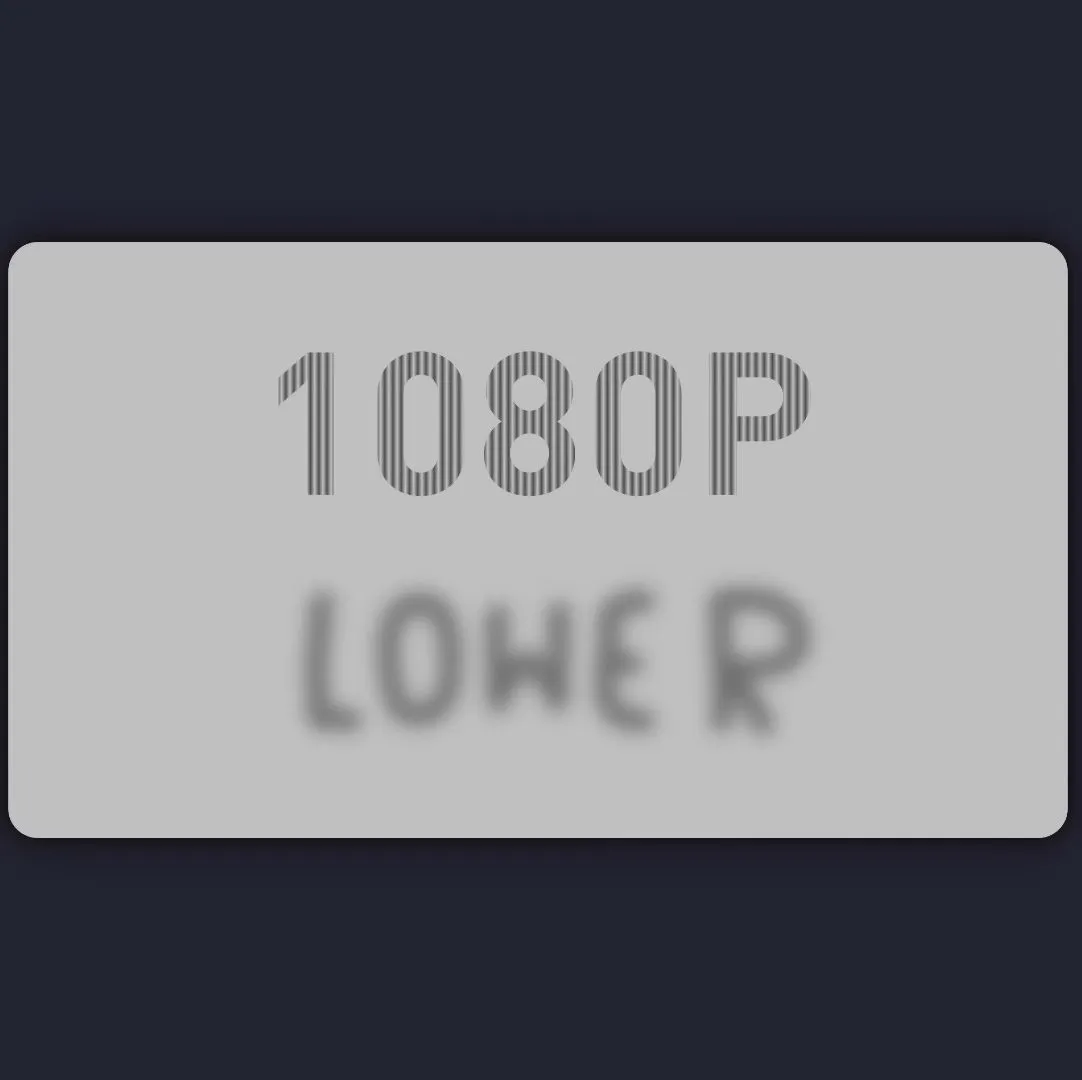
Well, that relies on understanding exactly how downsampling works: going from 1080p to 360p means tossing out every third pixel in both the horizontal and vertical directions. If you’re careful, it turns out you can craft an image that vanishes when the 3×3 grid of pixels it’s made of at 1080p is averaged to a single background-colored pixel at 360p. [Portal Runner] is using vertical stripes here, but that’s not the only way to do it. Just to be sure the message came through loud and clear at 1080p, though, the original image, not the stripy one, is used on the odd-numbered, discarded frames.
Advertisement
Hiding the 1080p video is only half the battle: he needs to get those frames not to average specifically to the background color, but to make his new images. That’s a bit tricky, which is why the demonstration uses “1080p” and “lower” as its easter eggs: they fit well inside one another, with the characters lining up one-to-one. That’s without even getting into the hack he’s using with extra i-frames to create thumbnails on the timeline to tell you to ‘subscribe’. Look, it is YouTube, what else can you expect? We’re just glad to see a totally benign hack of the platform that’s holding so many hacks these days.
Likely debuting at WWDC, Safari users will soon find it will be easier to create groups of tabs, with a test version of the browser for the 27 operating systems using AI to group them for you.
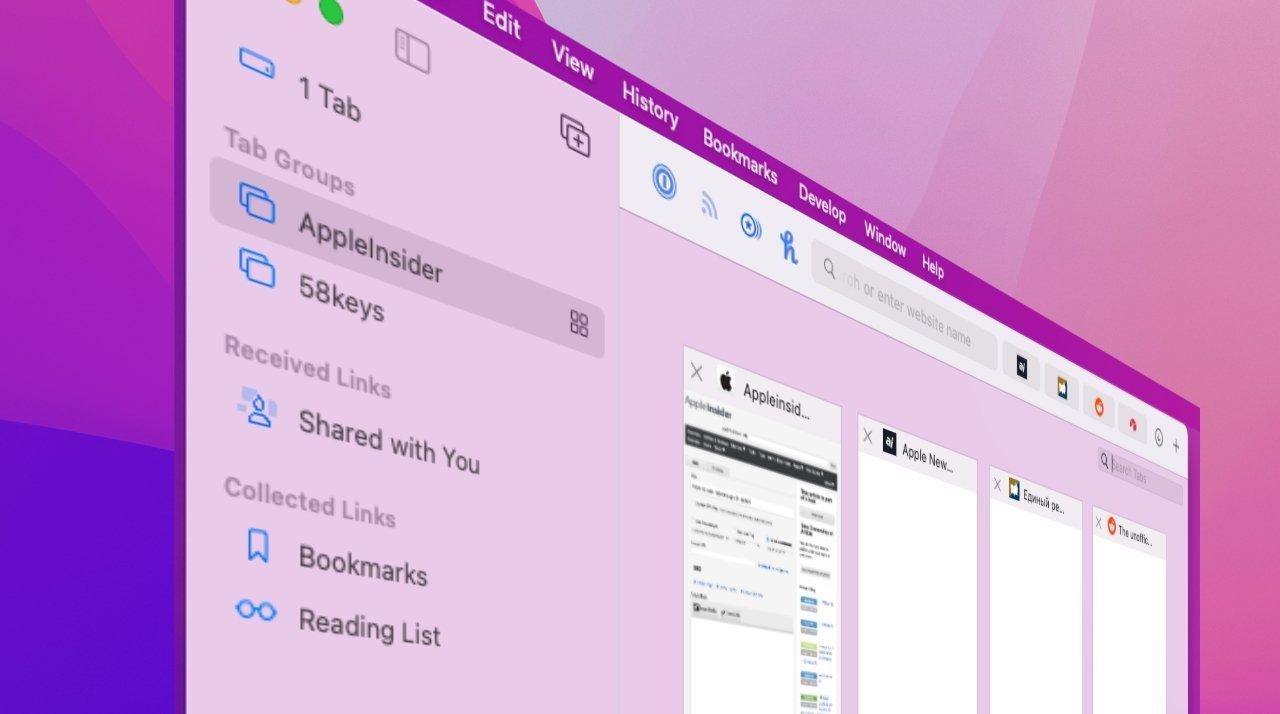
Apple introduced Tab Groups in Safari 15 back in 2021, to help users organize and save groups of frequently-used browser tabs. Five years later, it is planning another change to the feature.
A test version of Safari for iOS 27, iPadOS 27, and macOS 27 has updated the Tab Groups to include an automated organization feature, says Mark Gurman in his “Power On” newsletter for Bloomberg. The center-top button for moving between tab groups has a new test option, appropriately titled “Organize Tabs.”
This feature is used to tell Safari to automatically group tabs together, or to leave them be manually collated by the user. When selected, Safari says that “tabs will group into topics you browse.”
Advertisement
Apple apparently hasn’t labeled it as a feature that uses Apple Intelligence, but it is using some form of AI. This sounds similar in concept to the Reminders feature, which can group items from a list into categories, such as product types in a shopping list.
Part of a wider OS update
The Safari update is going to be one of a number of software changes introduced as part of the new 27-generation of operating systems, due to be shown off at WWDC 2026 in June. It’s also not the only AI-related feature that has cropped up in pre-WWDC reports.
So far, there have been rumors of users being able to select their preferred AI model in iOS 27, expanding on the existing ChatGPT-based capabilities. Visual Intelligence will also be updated for iOS 27, shifted to the Camera app to make it easier to access.
The Photos app is also anticipated to get AI changes, on top of the existing Clean Up feature. This includes extending, reframing, enhancing, and contextual editing of an image.

















![BITCOIN IS BREAKING CRITICAL RESISTANCE! [TRAP TRAP TRAP]](https://wordupnews.com/wp-content/uploads/2026/05/1778482707_maxresdefault-80x80.jpg)































You must be logged in to post a comment Login