










Connect with us
DAPA Banner
DAPA Coin
DAPA
COIN PAYMENT ASSET
PRIVACY · BLOCKDAG · HOMOMORPHIC ENCRYPTION · RUST
ElGamal Encrypted MINE DAPA
🚫 GENESIS SOLD OUT
DAPAPAY COMING

Tech

US auto regulators want to kill robotaxi brake pedals

Published

on

offbeat

Requiring driverless vehicles to keep human brake controls impedes innovation, the NHTSA says

If a self-driving car is going to stop, it may need to stop itself. US vehicle safety regulators are proposing to let robotaxi designers get rid of brake pedals, calling regulatory requirements for manually operated methods of stopping driverless vehicles a barrier to innovation. 

The US National Highway Traffic Safety Administration (NHTSA) published a notice of proposed rulemaking on Friday to modify federal brake safety standards for light vehicles by eliminating the requirement for vehicles equipped with automated driving systems (ADS) and no manual controls to have foot-operated service brakes or manually operated parking brakes.

Advertisement

The NHTSA argues the controls themselves could pose a safety risk by allowing passengers to intentionally or unintentionally override an ADS. Existing braking performance requirements would remain in place, the agency said, even as brake pedals and handbrakes are on the chopping block.

“Regardless of the manner of brake control application, the brake systems must be capable of safely stopping the vehicle, as already required by the standard,” the agency said in its proposal. “This rulemaking would remove unnecessary regulatory burdens and costs with no negative impact to vehicle safety.”

The NHTSA would keep existing stopping-distance requirements for robotaxis, thankfully, but said standardized methods for testing driverless vehicles may need further development. Vehicles equipped with ADS that still have steering wheels and other manual controls, as well as cars equipped with driver-assistance systems such as Tesla Autopilot, Ford BlueCruise, and similar technology, will still need to have brake pedals, naturally.

A number of automakers and driverless taxi operators (Tesla, Waymo, Amazon, etc.) have been developing vehicles that lack manual controls, but current FMVSS still require them to have a brake pedal. That’s simply not safe, says the NHTSA. 

Advertisement

“The inclusion of a manually operated driving control that directly overrides ADS operation could pose a safety risk through intentional or unintentional misuse by a vehicle passenger,” the proposal argues. All people in a driverless taxi, it continues, are passengers who “should also not be expected to perform driver functions such as engaging the parking brake.”

In other words, despite the NHTSA’s admission in the proposal that ADS tech “is still maturing and many of the potential benefits are yet to be realized,” the agency is prepared to remove mandatory brake pedals and handbrakes from ADS-only vehicles, even as robotaxis and driver-assistance systems continue to generate safety headaches, from Waymo vehicles entering flooded roads and running over dogs to fatal crashes involving Tesla’s Autopilot, without requiring a standardized method for passengers to tell the vehicle to stop.

It doesn’t want to completely eliminate manual overrides, mind you, but the agency isn’t going to force automakers to conform to any one method of giving passengers the ability to stop their driverless car.

“It is NHTSA’s expectation that if these controls are removed, passengers will still be provided with a means to direct an ADS-operated vehicle to come to a stop, though how a passenger would indicate they wanted the ADS-operated vehicle to stop would likely vary by manufacturer,” the NHTSA said. 

Advertisement

The NHTSA has frequently butted heads with automakers deploying controversial driver-assistance technology, like Tesla, but the agency was gutted during Tesla CEO Elon Musk’s time heading up the so-called Department of Government Efficiency, with the cuts falling particularly hard on staff responsible for regulating self-driving vehicles. 

Comments on the proposal are being accepted through July 27, but the docket number for the proposal (NHTSA-2026-0728) does not yet appear on the web portal for registering support or dissent. ®

Source link

Advertisement
Continue Reading
Click to comment

You must be logged in to post a comment Login

Leave a Reply

Tech

Apple’s next Mac Studio could get a new M5 Ultra chip and a cooler upgrade

Published

on

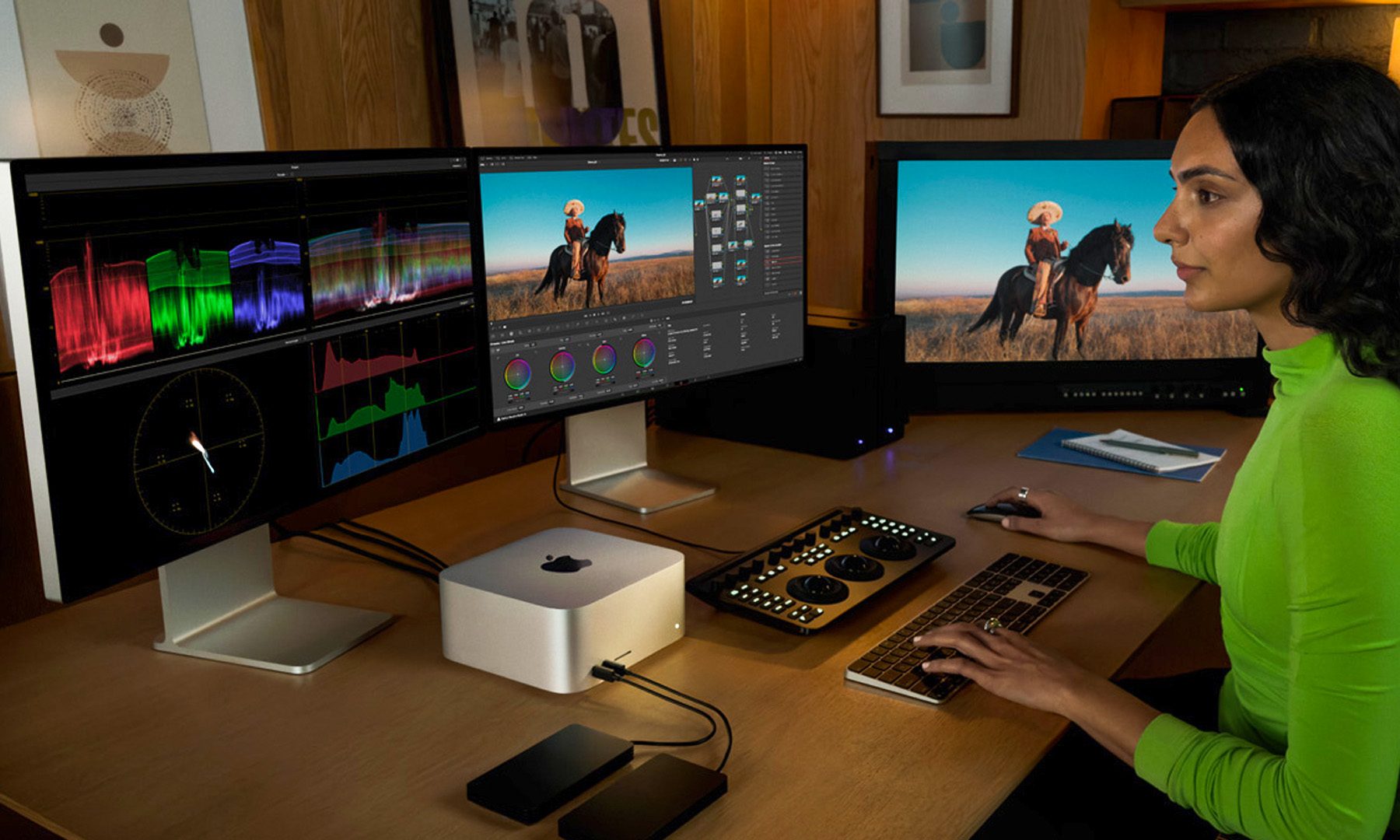
Apple’s Mac Studio may not be getting a fresh new look anytime soon, but it could be getting a meaningful upgrade where it matters most. According to Mark Gurman in the latest edition of his Power On newsletter, Apple is preparing an M5 Ultra-powered Mac Studio as early as this year, while an even more powerful M7 Ultra version is already on the company’s roadmap for 2028. Interestingly, the report also claims Apple is redesigning one component most users will never see: the heat sink.

More power is coming, and Apple wants to keep it cool

Gurman reports that the upcoming M5 Ultra Mac Studio won’t receive a major external redesign. Instead, Apple is reportedly focusing on internal improvements, including a redesigned heat sink, to better manage the additional power of its next-generation Ultra chip.

Apple’s Mac Studio plans include an M5 Ultra model as early as this year and an M7 Ultra model in 2028. Apple is also working on a redesigned heat sink to better support the additional power. https://t.co/q7fQ9IjMK9

— Mark Gurman (@markgurman) June 28, 2026

That makes plenty of sense. As Apple’s silicon continues to evolve, professional workloads such as 8K video editing, 3D rendering, software development, and on-device AI models are becoming increasingly demanding. Better thermal management could allow the Mac Studio to sustain peak performance for longer without throttling under heavy loads.

Advertisement

The roadmap doesn’t stop there. Gurman also says Apple is already planning an M7 Ultra Mac Studio for 2028, suggesting the company is thinking multiple generations ahead for its flagship desktop workstation.

If it isn’t broken, don’t redesign it

If you were hoping for a radical redesign, though, you may have to wait. According to Gurman, Apple appears happy sticking with the current Mac Studio chassis, choosing to refine what’s inside rather than reinvent the hardware itself.

Honestly, that’s probably the right call. The Mac Studio’s compact aluminum design has held up remarkably well since its debut, and professionals shopping for one are far more interested in sustained performance than cosmetic changes. If Apple can deliver a faster Ultra chip with better cooling while keeping the same footprint, it could end up being exactly the kind of upgrade Mac Studio users have been waiting for.

Source link

Advertisement
Continue Reading

Tech

Govee’s smart nugget ice maker makes every iced drink feel like a luxury

Published

on

For some people, the ice in a beverage is almost as important as the drink itself. That’s the audience Govee had in mind when designing its latest ice maker, the GoveeLife Smart Nugget Ice Maker Pro. This $500 premium smart home gadget is aimed at those who crave what’s called “the good ice,” the soft, chewable nugget ice often found in fast food or restaurant drinks. 

Govee says that the modern-design gadget delivers nugget ice in as little as six minutes. That’s a claim that proved true in my testing. It can make up to 60 pounds of ice per day, and has a 3.5-pound ice basket that automatically refills as you scoop out ice.

The hefty price tag means it’s not for people who are perfectly happy with refrigerator ice and don’t know what “good ice” even means. Instead, it’s for self-proclaimed ice enthusiasts willing to splurge on a fun, luxury gadget that makes everyday drinks a little more enjoyable. 

It’s simple to use, as you just need to fill the tank with water and press start on the screen. You can also control the ice maker with the GoveeHome app, which lets you start ice production from your phone or schedule it so ice is ready when you need it, such as before your morning coffee. 

Advertisement
Image Credits:TechCrunch/Aisha Malik

The app control is quite convenient. I could start ice production from my phone while working at my desk, and by the time I wanted an iced latte, there was fresh nugget ice ready to go without ever having to walk to the kitchen to turn the machine on. The app also shows ice production in real time and how much is currently in the ice bin, which is useful for wanting to stop production when you just want a certain amount. 

The ice maker also supports voice commands with Alexa and Google Assistant, which means a quick ““Hey Google, start the ice maker,” leads to fresh ice. 

The ice maker uses what Govee calls AI NoiseGuard technology to keep operating noise low, too. Designed to operate at around 40 dB, the system can automatically trigger defrosting cycles to minimize noise and help ensure a steady supply of ice. The machine does produce a steady hum while making ice, but I didn’t find the noise distracting or overtly loud. 

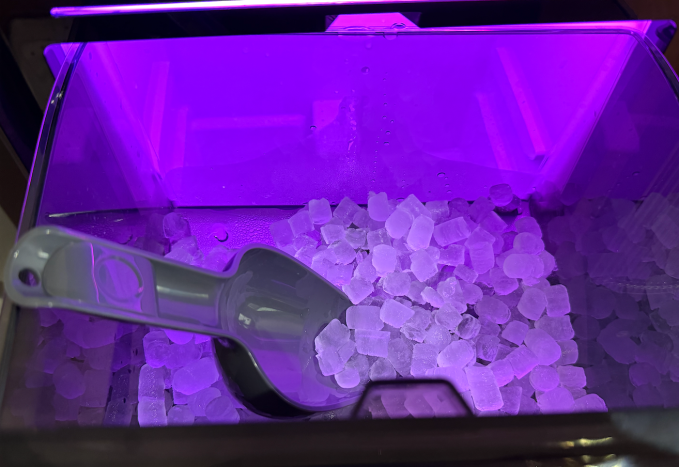
It wouldn’t be a Govee product if it didn’t offer customizable ambient lighting. The smart ice maker has a light that illuminates the ice basket and adds a fun visual element to the appliance. Through the app, you can choose from a variety of presets or create your own custom lighting effects. You can choose how bright you want the lights to be or turn them off altogether. 

I mostly kept it on a light pink setting, but occasionally switched to the “cyberpunk” mode, which casts a changing purple and red glow that felt fun and futuristic when I had people over. 

Advertisement
Image Credits:TechCrunch/Aisha Malik

Measuring 17.28 inches deep, 13.98 inches wide, and 17.01 inches tall, the ice maker takes up a lot of counter space and weighs a hefty 50 pounds. If you have a small kitchen, it can appear bulky, especially because its sleek design doesn’t exactly resemble an ice maker from afar.

As for setup, it was pretty straightforward, but afterwards I definitely needed my husband’s help to place it in our kitchen, and then again when I needed to move it around when it came to descaling and cleaning the machine. 

Overall, the nugget ice elevated my iced drinks, giving them a coffee shop feel at home and making my morning routine more enjoyable. I also observed that the ice melted more slowly than my fridge ice, so my drinks stayed colder for longer without getting watered down as quickly.

Another big plus was its speed. It made ice much faster than my refrigerator, so I always had enough on hand when hosting friends and family. The ice maker itself was something guests noticed when they came over, not just because of its size and beaming lights, but because the nugget ice was a hit with the other self-proclaimed ice connoisseurs in my life (some even threatened to steal it). 

Whether or not the GoveeLife Smart Nugget Ice Maker Pro is for you really comes down to how much you care about having nugget ice on demand and how often you’ll actually use it. If you aren’t much into ice, you obviously don’t need a fairly niche appliance.

Advertisement

But if you’re someone who regularly drinks iced beverages and loves “the good ice,” this ice maker could be the gadget you never knew you needed.

When you purchase through links in our articles, we may earn a small commission. This doesn’t affect our editorial independence.

Source link

Advertisement
Continue Reading

Tech

Lost access to your crypto wallet? Don’t Google your way out of it

Published

on

Forgetting the recovery phrase to a crypto wallet can be stressful enough. Unfortunately, that’s exactly the moment scammers are waiting for. A new warning highlights a growing scam in which cybercriminals disguise malware as cryptocurrency recovery software, tricking desperate users into handing over far more than just access to their wallets.

The fake recovery tool that’s actually malware

According to The Guardian, the scam begins when users search online for a way to recover a forgotten 12- or 24-word seed phrase, the recovery key that unlocks a cryptocurrency wallet. Fake websites then promote seemingly legitimate recovery tools with reassuring names like “Lost Crypto Wallets Finder”, claiming they can help recover lost wallets. The website hosting the malicious software has since been taken offline, but security experts warn that similar scams are likely to reappear under different names.

Instead of recovering anything, the downloaded software quietly installs malware. Researchers at HP Security Lab say it can harvest browser passwords, personal documents, photos, and other sensitive files before packaging everything into an archive that’s sent back to the attackers. Even though this particular website is no longer active, experts caution that cybercriminals often launch near-identical sites just as quickly, making the underlying scam far from over.

Security experts recommend taking a step back before downloading any recovery software. Legitimate recovery services do exist, but users should thoroughly research them, read independent reviews, and avoid downloading tools from unfamiliar websites. If malware has already been installed, experts advise removing it with reputable security software and immediately changing passwords, starting with banking and email accounts.

Crypto isn’t the target. Your panic is.

The funny thing is that this scam doesn’t rely on sophisticated hacking. It relies on human psychology. Losing access to a wallet that could contain thousands of dollars is enough to make almost anyone rush into downloading the first “solution” they find. That’s exactly the reaction scammers are banking on.

Advertisement

It’s also part of a broader trend. From fake Ledger letters and QR code scams to AI-powered phishing campaigns, cybercriminals are increasingly targeting crypto users through social engineering rather than breaking encryption. The lesson is surprisingly simple: if someone promises to magically recover a lost seed phrase with a free download, they’re probably trying to recover something else instead. And this time, that “something” is your personal data.

Source link

Continue Reading

Tech

The memory crisis isn’t going to ease, and you will pay the price for it, says a research firm

Published

on

If you were hoping the memory crisis was about to ease up, I have some bad news for you. It comes directly from Wall Street.

Your next smartphone, laptop, or tablet could cost even more, regardless of whether it has recently been subject to a price hike.

So how bad is it actually going to get?

Investment bank Jefferies has laid out the clearest and ugliest forecast yet. 

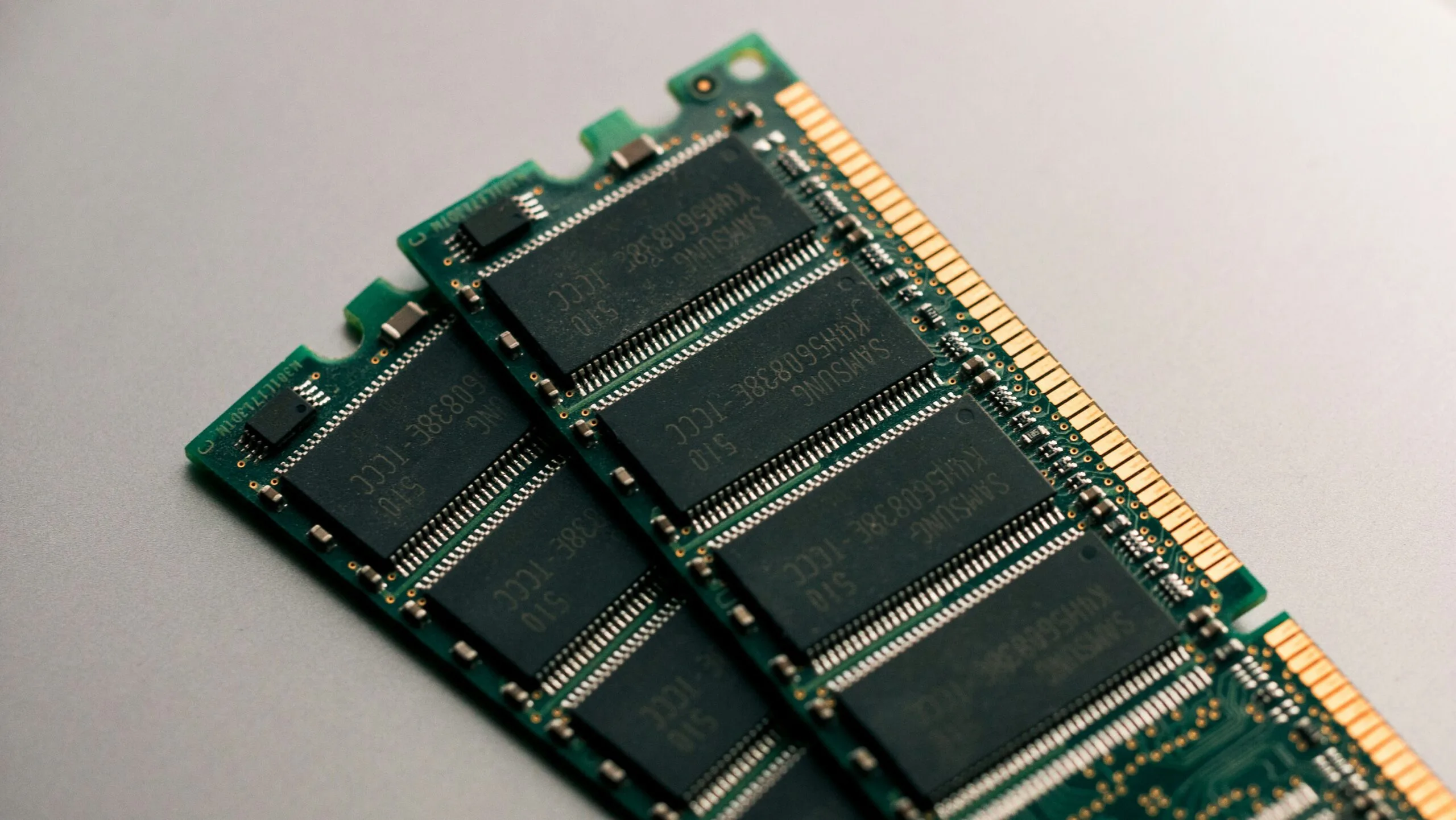
Memory prices are expected to jump by 40-50% in the third quarter of 2026 compared with the current quarter. While it would have been great if they had stopped there, prices could rise by another 30-40% in the fourth quarter of the year. 

For all of 2027, Jefferies projects a 40-45% year-on-year increase. Based on those sequential estimates, we’re looking at a compounded price increase of roughly 150-205% between today and the end of 2027. If I were in the market for a new smartphone or laptop, I’d be worried.

Advertisement

The only real relief comes in 2028, when roughly 15-20% of new manufacturing capacity is expected to come online. Even then, demand for AI and computing will continue to grow simultaneously. In other words, the new supply may not stretch as far (via Wccftech).

What does this mean for the price of your next phone or laptop?

Research firm Gartner had separately predicted that combined DRAM and SSD prices could surge 130% by the end of 2026, pushing average PC prices up 17% and smartphone prices up 13% compared to 2025 levels. 

That 13%, when you do the math, on a $1,000 phone, amounts to an additional $130 on your bill. Gartner also warned that the entry-level PC segment, devices costing less than $500, could effectively disappear by 2028, simply because companies might not be able to recoup their component costs, let alone earn a healthy margin.

Making things worse, 50% of total memory capacity is already locked into long-term contracts with major tech firms, a figure that could increase even further to 70%, leaving even less supply for consumer devices (via CNBC). 

Advertisement

Source link

Continue Reading

Tech

Why Do Some Road Signs Show A Speed Limit With An Arrow On Top?

Published

on


Every single sign you see while you’re driving is vital, even if some are quite confusing. Not only is it against the law if you don’t follow many of these signs, but they’re also there to make the driving experience on the road safer, both for you and for everyone else on it. One of the most important of these signs indicates the speed limit. While the white, rectangular speed limit sign is the most common, there are other speed limit markers you need to pay attention to.

One of those is a yellow diamond warning sign. Within that diamond is the standard speed limit sign, but it’s accompanied by an arrow pointing forward above it. This sign is indicating to drivers that the speed limit is going to decrease ahead, and you can then prepare to slow down your vehicle as you approach that next sign. 

These signs will always be warning of an upcoming speed limit decrease. With this added warning, you don’t have to immediately brake hard (and unsafely) to meet the new lower limit, which will also spare some wear and tear. This also gives you the opportunity to make sure you’re slowed down enough when you reach the new speed limit zone, as it’s pretty common for police to use these speed limit decreasing spots for speed traps. Sometimes, you will see the same yellow diamond sign with just the words that there’s an X MPH Speed Zone Ahead, which is just a different version of this arrowed road sign.

Advertisement

Other road signs with arrows and speed limits

While the ones mentioned above indicate that there’s a new speed zone approaching, there are other road signs with arrows and speed limits that also tell drivers that there’s a decreasing speed limit ahead. However, these are more to indicate temporary limits for specific situations rather than changing the overall speed limit for the road.

Mostly, these are two road signs stacked on top of each other. The one on top is the same yellow diamond shape as mentioned before, but here, that diamond is solely going to feature an arrow. These arrows can take a number of different shapes, such as a 90-degree arrow that points left or right or a long, wavy arrow ultimately pointing forward. 

Advertisement

These arrows tell drivers what the immediate shape of the road will be, warning them of sharp turns, winding roads, hairpin curves, and more. Below these diamond signs will be a yellow square sign. This indicates the maximum speed at which you should maneuver through these trickier roads. Once you make it through this section of road though, you’re free to return to the speed limit of this overall speed zone.

Another specific road sign that features an arrow and a speed limit are to show drivers that they’ll be on a highway exit or ramp that is an extreme curve. These signs are yellow rectangles and feature an arrow that nearly makes a complete circle with the recommended speed limit below it. Importantly, yellow speed limit signs are warnings, so if you’re driving a bit over the limits on these signs, you’re not technically breaking the law. You’re just more in danger.

Advertisement


Source link

Continue Reading

Tech

NYT Strands hints and answers for Monday, June 29 (game #848)

Published

on

Looking for a different day?

A new NYT Strands puzzle appears at midnight each day for your time zone – which means that some people are always playing ‘today’s game’ while others are playing ‘yesterday’s’. If you’re looking for Sunday’s puzzle instead then click here: NYT Strands hints and answers for Sunday, June 28 (game #847).

Strands is the NYT’s latest word game after the likes of Wordle, Spelling Bee and Connections – and it’s great fun. It can be difficult, though, so read on for my Strands hints.

Want more word-based fun? Then check out my NYT Connections today and Quordle today pages for hints and answers for those games, and Marc’s Wordle today page for the original viral word game.

Advertisement

Source link

Advertisement
Continue Reading

Tech

This AU$1,139 Dell 14 Plus is the EOFY deal I’d recommend

Published

on

Dell‘s EOFY laptop discounts can be a little less obvious than a normal retailer sale, because there’s no before price shown after a drop. Fortunately, I track Dell pricing, so I can spot when an easily missed price drop is actually worth paying attention to.

That’s why the Dell 14 Plus caught my eye: it’s a compact 14-inch Windows laptop with a pretty grunty Ryzen AI 7 350 processor, 16GB RAM and a roomy 1TB SSD. Just as importantly, there’s a TechRadar coupon code available that brings the price down to just AU$1,139.05.

Our review said the Dell 14 Plus “delivers pretty much exactly what you need to get the job done” for everyday use, school work and general productivity.

What more could you want?

Advertisement

One of the reasons I like this little laptop is that for the price, it doesn’t shortchange you on memory or storage space. And it might not feel as important now, but that 1TB SSD means you can store loads of photos and files without worrying about running out of space.

Our review gave the Dell 14 Plus 4.1 stars, and the scorecard sums it up neatly: “a solid general-use and productivity notebook that’s great for work or school”. The value score is a top-notch 5 out of 5, while performance and battery life each score 4 out of 5.

There are some caveats, of course. The display is only 300 nits, so it’s better suited to an office, home desk or lecture room than bright outdoor use. Our review also noted the keyboard, trackpad and speakers could be better, so I wouldn’t buy this expecting a premium MacBook Air feel.

Advertisement

But considering the price, those trade-offs make perfect sense if you mainly need a portable Windows laptop that handles everyday work without any fuss.

There’s also a related Dell deal that may suit some readers better: the Dell 14 Plus 2-in-1 with a Ryzen AI 7 350 processor, 16GB RAM and a 1TB SSD is AU$1,299.10 with the same FUTUREAU5% code, down from the early June price of AU$1,799.

The 2-in-1 makes more sense if you like using a touchscreen. Personally, I find that being able to fold the display back into tablet or tent mode is super handy for things like handwritten notes, reading on the couch, marking up documents or watching movies on a plane.

If you want to check out more laptop options before deciding, our main EOFY laptop deals hub is chock full of laptop deals. It covers everything from more Dell deals to MacBooks, Windows laptops, 2-in-1s and gaming laptops, so it has something for everyone.

Advertisement

For even more Dell discounts, check out our TechRadar Dell coupons page, or try one of the codes below.

  • FUTURE13% — Save 13% off selected XPS and Alienware laptops and desktops
  • FUTURE11% — Take 11% off select monitors and displays
  • FUTUREAU5% — Enjoy 5% off a wide range of laptops and desktops

Source link

Continue Reading

Tech

A YouTuber 3D printed an entire outfit, but the comfort and cost are more complicated than you’d think

Published

on

YouTuber Matthew Trahan has made a career out of 3D printing increasingly unusual things. He has printed musical instruments, bedroom furniture, and, in one particularly memorable video, himself.

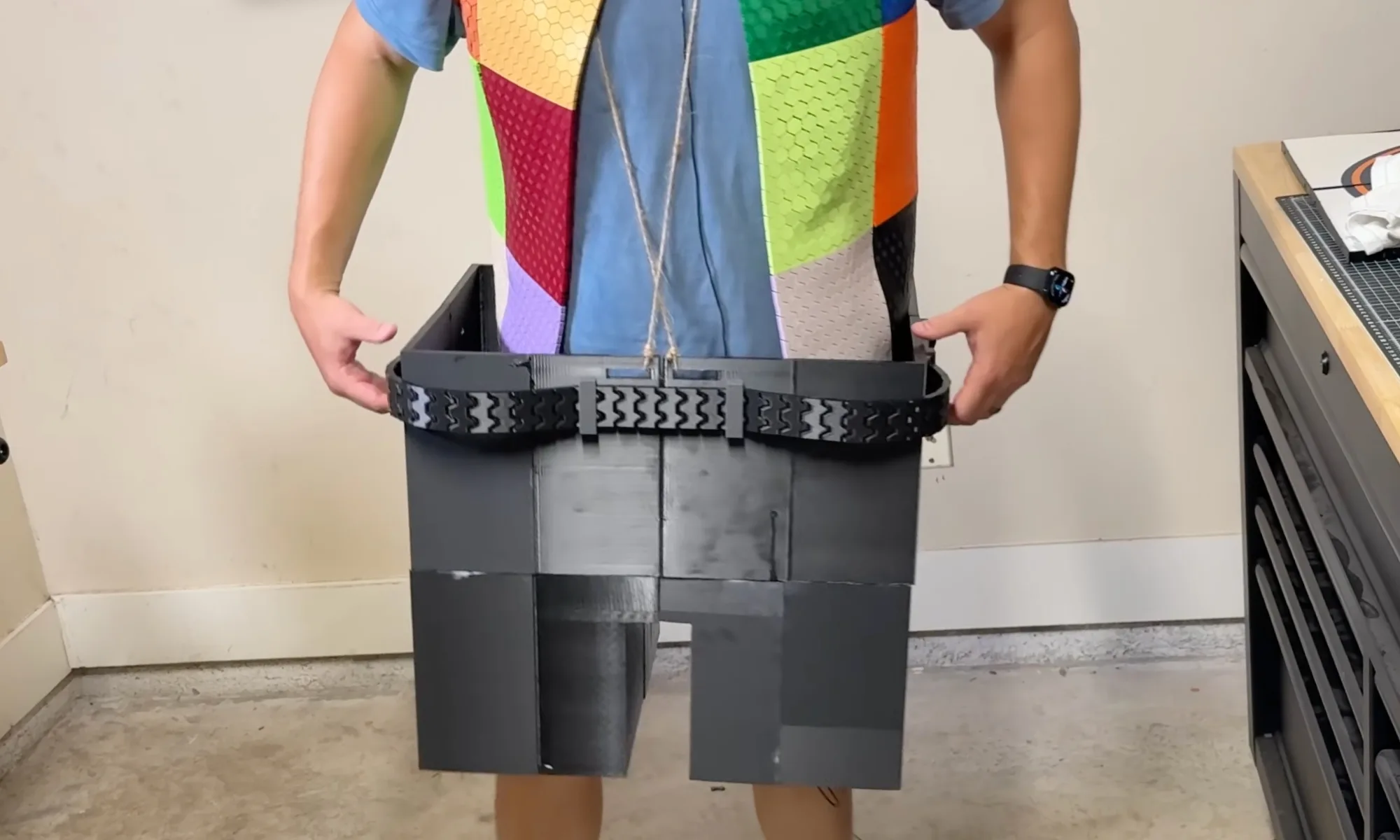
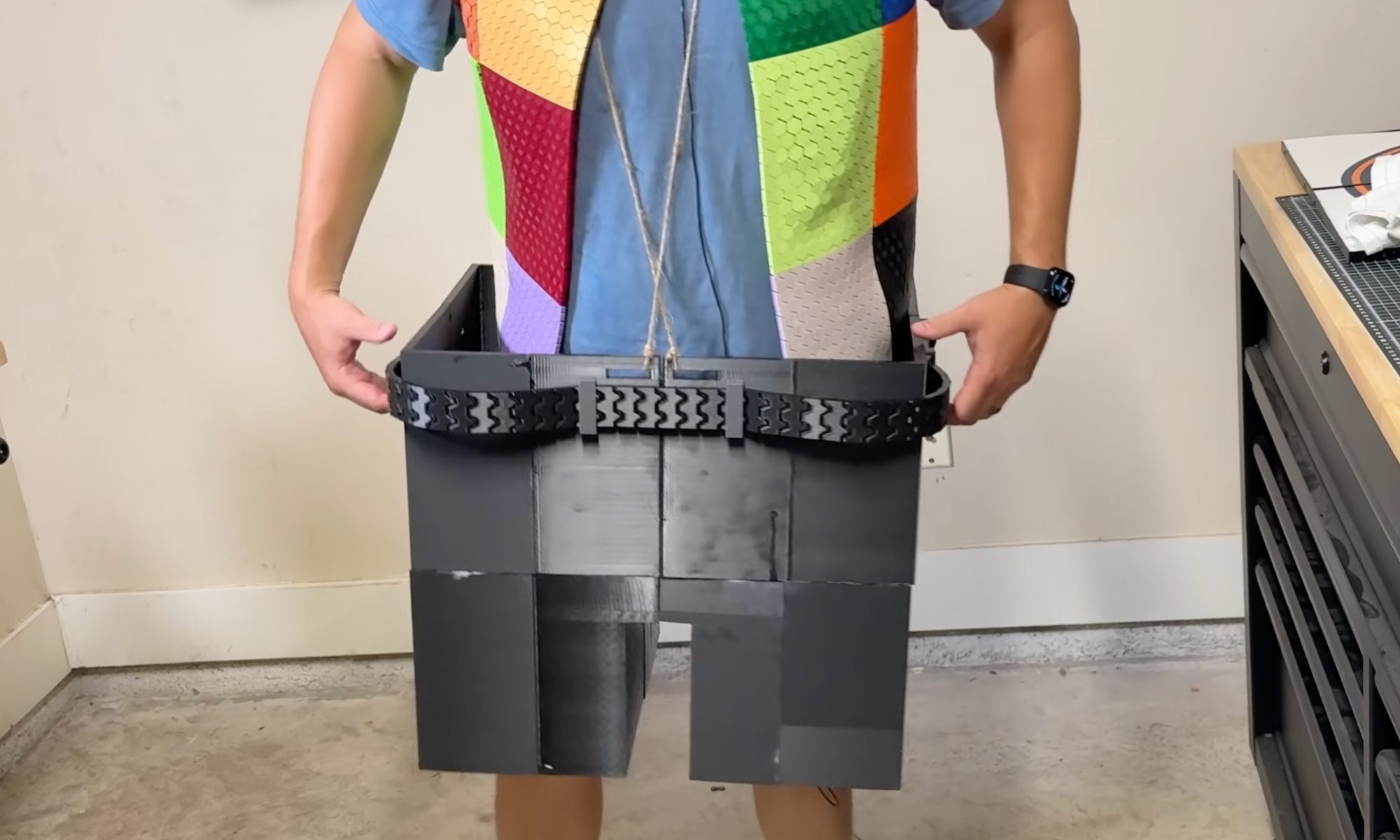
His latest project is a full outfit, from shirt to shoes, belt to glasses, because apparently nobody told him 3D printers are for creating engineering prototypes or structures that aren’t otherwise feasible, not for fashion week.

So how did it actually go, and what did it cost?

Trahan’s checklist for his latest video included ten items: a shirt, shorts, shoes, socks, a belt, a hat, a wallet, a bag, a tie, and glasses. He couldn’t print all of them successfully, though. 

Advertisement

The shorts, in particular, look like they belong to a Minecraft character. Some of the results were genuinely interesting, especially the Waveform shoe design by Stephen Drunks. 

On the cost side, however, the numbers tell a complicated story. The filament came to about $100, which might sound like a bargain until you add the Prusa Core 1L printer he needed specifically to print the shorts, which costs $1,999. He used several different machines across the project.

Is this actually the future of DIY fashion?

Trahan also spent 33 hours on modeling all the different items, but that wasn’t all. He also spent 560 hours, or about 23 days, printing all of them.

Using a power cost estimator, electricity for the 560 hours comes to about $13.30 at the US average rate of $0.16 per kilowatt-hour. The EIA’s April 2026 figure puts that average slightly higher at $0.19 per kWh, and Californians pay nearly $0.38 per kWh (via Gizmodo).

So, we’re looking at $100 in materials, $1,999 in equipment, 593 hours of your life, and a pair of questionable shorts. All the patterns are still available on MakerWorld if you want to give it a shot, but it might be an expensive affair.

Advertisement

Source link

Continue Reading

Tech

Malaysia ponders regulating management of IP addresses

Published

on

networks

Malaysia ponders regulating management of IP addresses

Wants to revive the lost art of the National Internet Registry, which APNIC has deprecated and isn’t keen to bring back

The government of Malaysia has commenced a consultation on whether it should regulate management of IP addresses and autonomous systems numbers, over objections from regional internet registry the Asian Pacific Network Information Center (APNIC).

Advertisement

Malaysia announced its consultation in June, when the nation’s Communications and Multimedia Commission (MCMC) posted a paper [PDF] in which it explains that a lot has happened since passage of the 1998 Act that governs its activities – so it probably needs an update.

One of the proposed changes would see Malaysia create a statutory authority with the power to manage electronic addressing “including the management of IP addresses, AS numbers and associated fees.”

“This is to support the development of a National Internet Registry model and to ensure a transparent and sustainable administration of electronic addressing resources in Malaysia which will be overseen by the Commission,” the consultation paper states. “This will contribute to a more robust and well-governed digital infrastructure environment in Malaysia.”

APNIC says its talks with the MCMC saw the Malaysian entity express a desire for “full operational and technical autonomy over resource assignments” – powers that existing NIRs don’t have.

Advertisement

National Internet Registries (NIRs) are a relic of the time before regional internet registries came into being. Only APNIC and LACNIC, the Latin American and Caribbean Internet Addresses Registry, allowed NIRs – and only nine exist, covering China, India, Indonesia, Japan, Korea, Taiwan, Vietnam, Mexico, and Brazil.

APNIC stopped accepting applications for new NIRs in 2012, and in 2024 made the moratorium on new applications permanent.

In 2024, APNIC’s executive chair Kenny Huang explained: “NIRs are a historical feature of the APNIC membership structure, recognizing that some IP address registries were already operating at a national or economy level when APNIC started, and some were in formation.”

“In the past, particularly while IPv4 address space was being rapidly allocated and needed careful management, NIRs provided important support to a fast-growing Internet with high demand for number resources and registry services.”

Advertisement

The internet governance community long ago decided that internet resource distribution and management works best when handled by sizable organizations which operate at regional scale, and that if every country had an NIR it would create unhelpful risks and overlapping authorities.

If Malaysia presses ahead with its desire to create its own National Internet Registry (NIR) and have it assume some of APNIC’s functions, it will therefore challenge the status quo. If it actually gets an NIR into operation, that would likely revive debate about whether national governments should have a role in allocating internet resources given the potential for such power to be used for political purposes such as denying resources to groups that a government opposes.

The United Nations last year had its say on that idea by re-affirming its support for multi-stakeholder governance under which governments are one of many voices that participate in debate about the future of the internet.

Kenny Huang has written [PDF] to the Communications and Multimedia Commission (MCMC), pointing out that it’s currently not possible to create a new NIR and that APNIC won’t revisit its policy on the matter – but he also notes that it’s always possible to commence a consultation and policy process that would see APNIC debate a new position. But that process could only start after the conclusion of work on ICP-2, the major revision of the rules that govern the operation of RIRs. The current ICP-2 timeline calls for a revised document to be in place by the end of 2026.

Advertisement

If MCMC decides to pursue creation of an NIR, it will be in conflict on a collision course with APNIC. In the past, most collisions in the world of internet governance occurred at low speed and involved mostly civil debate that plays out over years. ®

Source link

Continue Reading

Tech

How A Hyundai Lawsuit Was Responsible For The Rivian Brand’s Name

Published

on


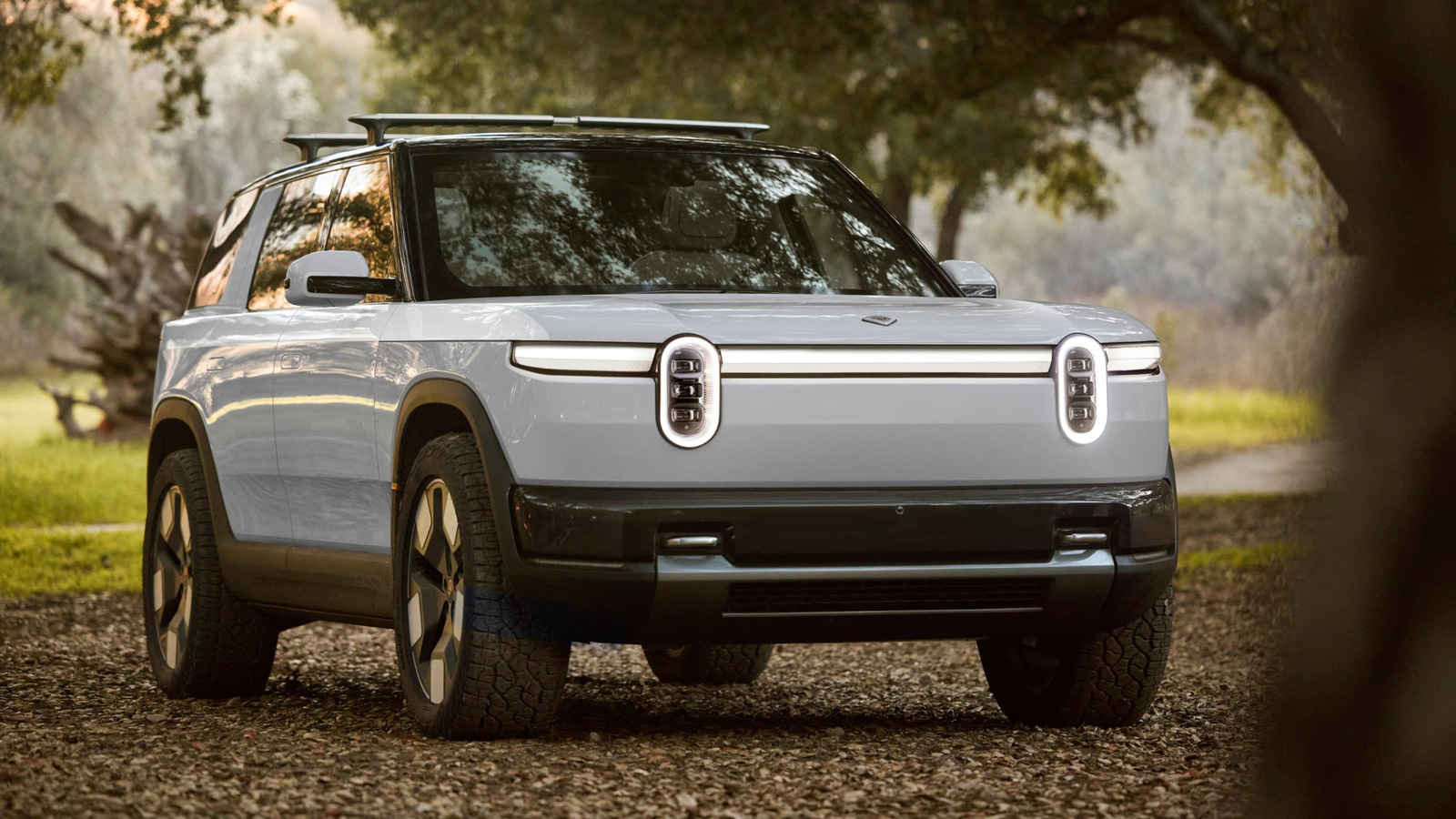
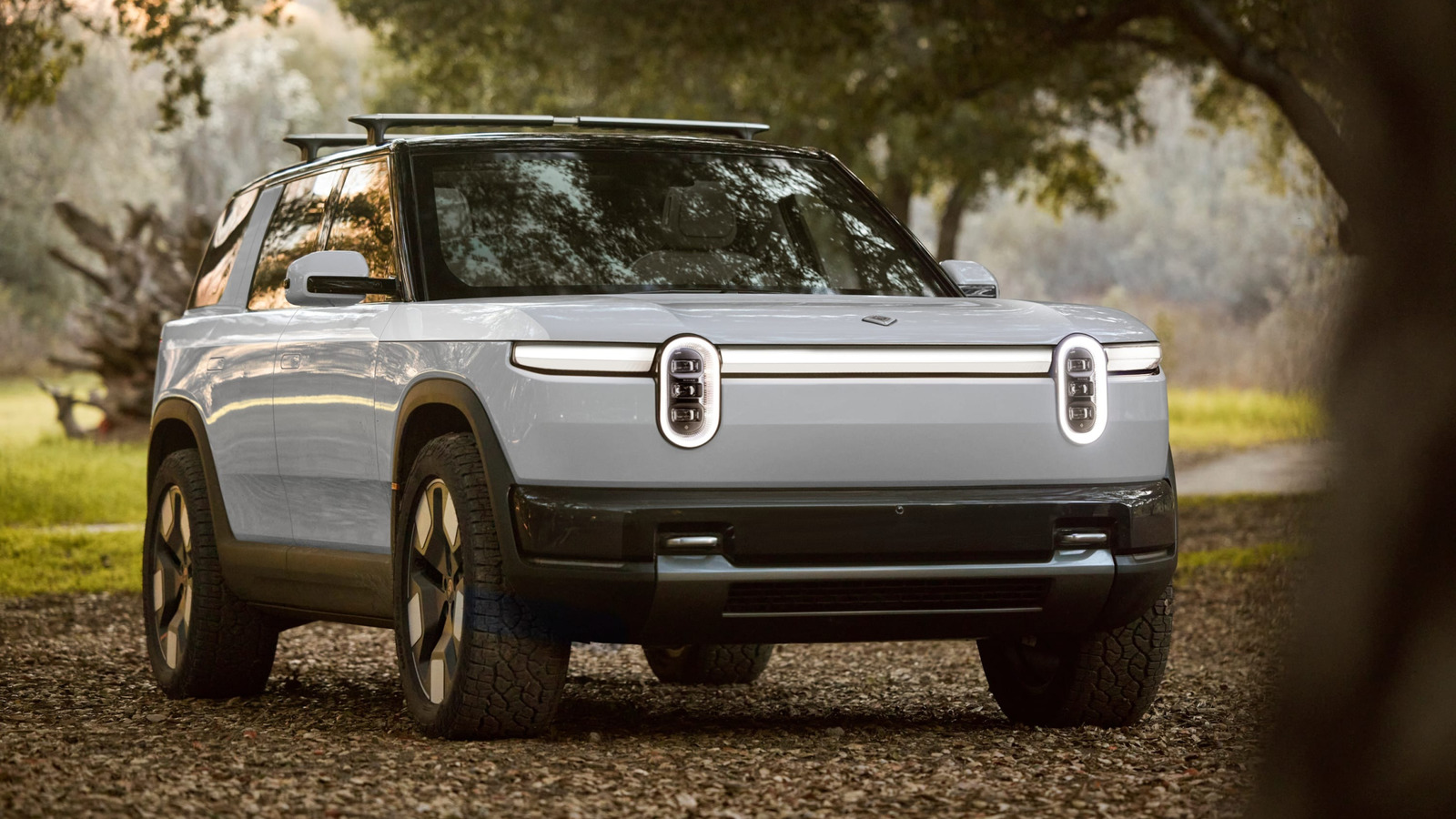
After making waves with the launch of the R1T and R1S, Rivian is now in the process of rolling out its mass-market offering, the R2. We’ve already driven it, and we think it’s very good indeed. So good, in fact, that we argued that it looks to be the best EV at its price point so far. It also represents a critical point for the company, since its CEO, RJ Scaringe, has made no secret of the fact that he’s relying on the R2 to push Rivian into becoming a household name.

If everything goes according to plan for the company, plenty more drivers will be finding out about Rivian in the coming years, although most of them won’t be aware that Rivian operated for around a year under a different name. Speaking to the How I Built This podcast, Scaringe recounted how a lawsuit from Hyundai was responsible for Rivian’s current name, as the South Korean carmaker took issue with its original name, Avera.

Advertisement

When Scaringe founded Avera in 2009, he originally intended the company to be a sports car manufacturer. He managed to construct a prototype sports car focused on fuel efficiency, but eventually decided that the company needed to go in a different direction. With funds still very limited at the time, Scaringe had little choice but to change the name after Hyundai sued the company in 2010. The complaint alleged that the Avera name was too similar to the name of Hyundai’s flagship sedan, the Azera.

Advertisement

How the Rivian name was formed

Scaringe told the podcast that “we said, okay, we’re not gonna fight Hyundai and use the very small number of dollars we have to fight over a name that very, very few people around the world had ever even heard of.” Instead, the founder and his team spent hours brainstorming other names for the company, eventually settling on Rivian.

The name was a portmanteau of the words “river” and “Indian,” because he’d grown up near the Indian River in Florida. The team reportedly chose the name because it was easy to say and didn’t mean anything in any other language. Plus, having a name based on the word river brought connotations of flowing and moving, according to Scaringe.

Settling on Rivian meant that Scaringe was happy and Hyundai was happy. Hyundai continued to sell its Azera sedan in America until 2017. The launch of its upmarket Genesis brand led to the nameplate being axed in the U.S., although Hyundai later launched a new generation of the Azera in other markets.

After its rebrand, Rivian would later disappear from the radar for a number of years as the team worked to develop the technology behind its current lineup. It built its first prototype truck in 2013, but continued to rework the design for several years until it finally settled on the design that would become the R1T. It remains on sale today, with the latest iteration of the R1 offering remarkable levels of power while still being comfortable both on the road and off-road.

Advertisement


Source link

Advertisement
Continue Reading

Trending

Copyright © 2025