Connect with us
DAPA Banner

Tech

Vinay Prasad: The One Man Roadblocking An mRNA Flu Vaccine

Published

on

from the one-flu-over-the-cuckoo’s-nest dept

Dr. Vinay Prasad is currently the FDA’s top vaccine regulator. He’s also one of many medical goons hand-picked by RFK Jr. to help lead his decidedly anti-vaxxer movement. In fact, the last time we discussed Prasad, it was over his selective censorship attempts at avoiding public criticism for his anti-vaxxer nonsense. If you show clips of Prasad spewing his anti-vaxxer views to critique them, he’ll have your YouTube channel axed. If you show those same clips to praise his nonsense, you get to continue on unmolested.

He’s an asshat, in other words. An anti-science, anti-medicine asshat. And he’s also someone who is unilaterally keeping us from making progress on vaccines, apparently out of pure joy in exercising such power.

Moderna is producing a new influenza vaccine, this one utilizing mRNA technology, a la the COVID vaccine. Moderna sent an application to the FDA for a review of the vaccine it has produced, as well as the data from the trials the company conducted to demonstrate its efficacy. We learned last week that the FDA flatly refused to review any of this data.

In a news release late Tuesday, Moderna said it was blindsided by the FDA’s refusal, which the FDA cited as being due to the design of the company’s Phase 3 trial for its mRNA flu vaccine, dubbed mRNA-1010. Specifically, the FDA’s rejection was over the comparator vaccine Moderna used.

In the trial, which enrolled nearly 41,000 participants and cost hundreds of millions of dollars, Moderna compared the safety and efficacy of mRNA-1010 to licensed standard-dose influenza vaccines, including Fluarix, made by GlaxoSmithKline. The trial found that mRNA-1010 was superior to the comparators.

Advertisement

Moderna said the FDA reviewed and accepted its trial design on at least two occasions (in April 2024 and again in August 2025) before it applied for approval of mRNA-1010. It also noted that Fluarix has been used as a comparator vaccine in previous flu vaccine trials, which tested vaccines that went on to earn approval.

This looks for all the world like Moderna did what it was supposed to do in getting the proper sign-offs from the FDA to conduct its trials. Prasad himself sent the refusal notice to Moderna, however, and cited within it that the trials Moderna conducted, which were signed off on by the FDA, were not appropriate. The letter didn’t bother to indicate why.

But in a letter dated February 3, Vinay Prasad, the FDA’s top vaccine regulator under the Trump administration, informed Moderna that the agency does not consider the trial “adequate and well-controlled” because the comparator vaccine “does not reflect the best-available standard of care.”

In its news release, Moderna noted that neither the FDA’s regulation nor its guidance to industry makes any reference to a requirement of the “best-available standard of care” in comparators.

Everyone at Moderna was understandably confused. The company has already reached out asking to meet with the FDA, ostensibly to sit down in a conference room with them, look them in the eye, and ask “wut?”.

Advertisement

The answer is unlikely to be satisfying. And it should be quite alarming to the rest of us. That’s because the rejection of a review of all of this data reportedly came from Prasad and Prasad alone, over the objections of his own scientists at the FDA.

Vinay Prasad, the Trump administration’s top vaccine regulator at the Food and Drug Administration, single-handedly decided to refuse to review Moderna’s mRNA flu vaccine, overruling agency scientists, according to reports from Stat News and The Wall Street Journal.

Stat was first to report, based on unnamed FDA sources, that a team of career scientists at the agency was ready to review the vaccine and that David Kaslow, a top career official who reviews vaccines, even wrote a memo objecting to Prasad’s rejection. The memo reportedly included a detailed explanation of why the review should proceed.

According to those same sources, Prasad’s reason for refusing to review Moderna’s vaccine makes little sense. The story goes like this. As Moderna was seeking guidance for its trials for the vaccine, it chose a currently licensed flu vaccine against which to compare its own vaccine. At one point, the FDA suggested a different comparative vaccine be used. Moderna declined that suggestion and moved forward with the comparative vaccine it originally chose. Despite that difference the FDA reviewed the company’s plans for its trial on several occasions and at no point suggested its choices were a show-stopper.

That’s it. That’s the whole thing. Prasad is claiming that the choice Moderna made for a comparative vaccine, for which the company received only mild feedback from the FDA, is why the FDA is refusing to review this mRNA flu vaccine entirely.

Advertisement

Because that reasoning is almost certainly bullshit. As evidence of that, these same sources from within the FDA offered up this:

This wasn’t enough for Prasad, who, according to the Journal’s sources, told FDA staff that he wants to send more such refusal letters that appear to blindside drug developers. The review staff apparently pushed back, noting that such moves break with the agency’s practices and could open it up to being sued. Prasad reportedly dismissed concern over possible litigation. Trump’s FDA Commissioner Marty Makary seemed similarly unconcerned, suggesting on Fox News that Moderna’s trial may be “unethical.”

The explanation here is remarkably simple. This current government is being run by anti-vaxxers. And these anti-vaxxers are particularly anti-vaxxer-y about mRNA vaccines. And so folks like Prasad are throwing up every roadblock they can dream up to make it as difficult as possible to get new vaccines utilizing new technology approved. Or, as in this case, even reviewed.

Now, if that reads like the opposite of scientific progress to you, give yourself a gold star, because you’re right. Thomas Jefferson once said “I tremble for my country when I reflect that God is just” when, hypocritically, discussing slavery in America. I think we should tremble for our country as well when I reflect that we are getting sicker as a nation, given that we have morons at the helm of the nation’s health.

Filed Under: fda, flu, flu vaccine, health & human services, mrna, rfk jr., science, vaccines, vinay prasad

Companies: moderna

Advertisement

Source link

Continue Reading
Click to comment

You must be logged in to post a comment Login

Leave a Reply

Tech

Why Did Car Manufacturers Stop Using Automatic Seat Belts?

Published

on


Curious what an automatic seatbelt even is? Well, you must be on the younger side. These were pretty common in the late 1980s into the 1990s. You’d sit down in your car, shut the door, and an automatic belt would be strapped across you. You’d then have to buckle the separate lap belt into place — automatic was a bit of an exaggeration.  

The federal government didn’t require seatbelts until 1968 — it wasn’t something you automatically thought about when you sat in a car around that time. By 1981, only 11% of drivers were using a seatbelt at all. Cars also didn’t even have airbags — they were still a bit of a mystery. To reduce the number of deaths on the road, the Transportation Department proposed a regulation that would require all vehicles to have some form of automatic protection by 1984. 

Advertisement

There was a lot of pushback over this requirement at first, largely from automakers. It was delayed multiple times over the backlash, but eventually they had to choose their form of automatic protection, either the automatic seatbelt or the airbag. Many automakers in the late ’80s went with the automatic seatbelt since it was cheaper to implement. Who even knew how those airbag things would work at the time, anyway?

Advertisement

Automatic seatbelts are no longer required

Remember how the automatic seatbelt wasn’t all that automatic? Yeah, that eventually became a problem. Raymond Peck, Head of the National Highway Traffic Safety Administration in the ’80s, felt that drivers would simply disconnect the chest belt and not even bother with the lap one. He stated: “Our latest survey evidence shows that there is a clear possibility that the automatic aspect of the new system could not only fail to increase usage but could itself create negative public reactions.” 

By 1987, only 28.6% of drivers were clicking the lap belt. Drivers and passengers continued to get killed in car accidents at an alarming rate. Nationwide Insurance Co’s Ted Rodgers questioned why airbags were not required instead, pointing at the continued highway deaths. 

Well, eventually, they were, but it took until 1998. Better late than never, right? With automakers forced to implement airbags, coupled with automatic seatbelts not working as intended, most models started arriving without them. Vehicle safety has continued to improve as technology expands — it’s hard to even imagine a time when airbags were seen as overpriced and complicated, causing carmakers to avoid them by offering automatic seatbelts. Oh, and new seatbelts will still save your life due to continuously advancing technology — definitely use them, even if it’s not the law

Advertisement


Source link

Continue Reading

Tech

Amazon hits sellers with ‘fuel surcharge’ as Iran war roils global energy markets

Published

on

The war in Iran has hammered global oil markets, with gas prices in the U.S. spiking significantly. Amid the rise in transportation costs, Amazon has instituted a new 3.5% fuel surcharge for sellers that use its distribution network. The policy has the potential to inflict significant new costs on the untold merchants that rely on the e-commerce giant to sell their products.

Amazon told TechCrunch that the surcharge would be in place for the foreseeable future, although the company said it will continue to evaluate a potential policy shift as market conditions evolve. The news was originally reported by Bloomberg.

“Elevated costs in fuel and logistics have increased the cost of operating across the industry,” a spokesperson said. “We have absorbed these increases so far, but similar to other major carriers, when costs remain elevated we implement temporary surcharges to partially recover these costs.” The spokesperson added that the surcharge was “meaningfully lower than surcharges applied by other major carriers.”

The new policy will take effect on April 17 and will impact sellers who use the company’s Fulfillment by Amazon service, Bloomberg writes. Fulfillment by Amazon, commonly known as FBA, allows companies to send their products to Amazon’s warehouses, where they are packed and shipped to buyers. Amazon doesn’t disclose how many merchants use FBA, but the program underpins the vast majority of third-party sales on its platform.

Advertisement

Amazon first instituted this type of surcharge in 2022—which, not so coincidentally, was the last time crude oil traded over $100 a barrel. What was happening in 2022? Russia had just invaded Ukraine, sending energy markets haywire. Today, the war in Iran—spurred by the Trump administration and the Israeli government’s assassination of the nation’s Supreme Leader—has similarly rocked markets.

Iran is strategically located along the northern border of the Strait of Hormuz—a narrow but critical shipping lane for global oil supplies through which roughly 20% of the world’s oil supply passes—and the country has sought to block shipping lanes there, a move that has majorly impacted energy prices throughout the world.

Source link

Advertisement
Continue Reading

Tech

NYT Strands hints and answers for Friday, April 3 (game #761)

Published

on

Looking for a different day?

A new NYT Strands puzzle appears at midnight each day for your time zone – which means that some people are always playing ‘today’s game’ while others are playing ‘yesterday’s’. If you’re looking for Thursday’s puzzle instead then click here: NYT Strands hints and answers for Thursday, April 2 (game #760).

Strands is the NYT’s latest word game after the likes of Wordle, Spelling Bee and Connections – and it’s great fun. It can be difficult, though, so read on for my Strands hints.

Advertisement

Source link

Advertisement
Continue Reading

Tech

‘Uncanny Valley’: Iran’s Threats on US Tech, Trump’s Plans for Midterms, and Polymarket’s Pop-up Flop

Published

on

Kate Knibbs: So, you went twice?

Makena Kelly: Yes, Kate. I went twice.

Kate Knibbs: I missed that.

Zoë Schiffer: Wait, is the Pentagon Pizza thing a joke about the pizza predicting the war?

Advertisement

Makena Kelly: Yeah.

Zoë Schiffer: Oh, my God.

Makena Kelly: Because they had these Pentagon pizza trackers up. When I returned the second night, yes, I came back the second night. Everything was working for the most part. There were still some screens that were turned off, but I never saw any actual Bloomberg terminals. There were some monitory Bloomberg type terminal things that it looked like Polymarket had developed themselves, but the real $50,000 Bloomberg terminal was nowhere to be found. And yeah, the second night, again, it was mostly people looking to gawk at the event, except I did find a couple of people who placed some bets on platforms like Polymarket and Kalshi. One was named William, and he said he was a member of the military, wouldn’t give me his full name. And he last year got involved in this for the first time by putting in, I think, all of his tax return into Oklahoma City sports betting.

Makena Kelly, archival audio: So, you used Kalshi?

Advertisement

William, archival audio: Yes.

Makena Kelly, archival audio: When did you first start using the service?

William, archival audio: Probably when I got my tax return back.

Makena Kelly, archival audio: OK.

Advertisement

William, archival audio: So, I filed my taxes pretty early and I was like, “Oh, sweet. I got my tax return. What am I going to do with it?” So, I was like, “I’m going to just put it on Kalshi.”

Makena Kelly: He said that he goes up and down 100 dollars, but he hasn’t made any major winnings. Some of the stuff that we’ve heard. Some people making crazy insider bets making millions and millions of dollars. This is just a guy who was interested in this and just plays it for fun, it sounds like.

Brian Barrett: Kate, what do you see when you see a pop-up like this and Polymarket trying to—is it an attempt to legitimize itself to just a marketing stunt? And how does it tie into what you’re seeing with these companies anyway, that there’s the explosive growth that they’ve got trying to reach out to so many people and getting so many people hooked on what they’re offering?

Kate Knibbs: I mean, this particular event definitely seems like a very bald effort to woo DC-based journalists, if nothing else. One thing that Makena said sort of encapsulates what’s going on right now, the thing about the guys in the Palantir hoodies. So, I think it was the same week that this bar opened. Polymarket announced a partnership with Palantir and Palantir is helping them protect the integrity of their sports market. So, Palantir is going to be basically attempting to help Polymarket catch insider traders and market manipulators in all the sports games, which is kind of wild. I actually asked Polymarket last week whether they had any other deals with Palantir when I was trying to get them to say anything about whether they were investigating the Iran bets that have been raising a lot of eyebrows. And they said that Palantir was only helping them with sports, which I thought was freaking weird. And it speaks to how they’re rapidly expanding, but doing so in this really messy ad hoc way that doesn’t really make a lot of sense. Because I was like, “If you’re going to get Palantir involved, why wouldn’t you have them do this geopolitical stuff instead of March Madness?” Yeah, wild, wild times.

Advertisement

Source link

Continue Reading

Tech

These Michelin Tires Have The Highest Customer Satisfaction Scores, According To Consumer Reports

Published

on


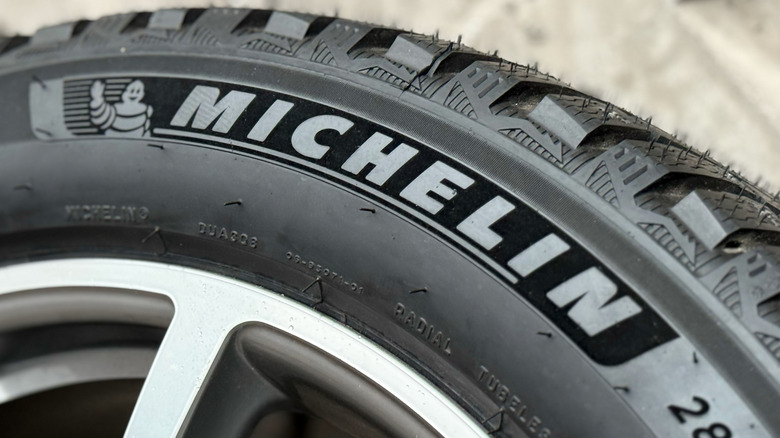
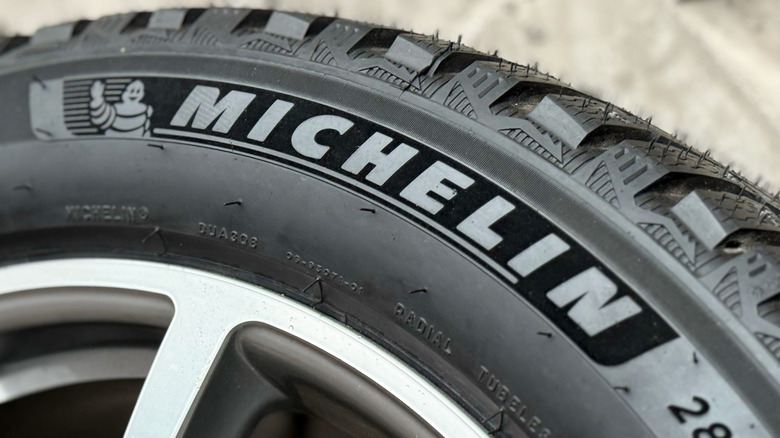
There are a number of high-quality tire brands on the market, but it’s hard to find one more consistently rated for its quality than Michelin. It came out on top in SlashGear’s own ranking of every major tire brand, and Consumer Reports (CR) places it at the top of its list as well. Across Michelin’s entire selection of tires, you see high marks for just about everything you could put a tire through, from braking on dry ground to handling on ice. It’s very rare to see CR rate something about one of these tires as below average.

With Consumer Reports, there are two sides to what data it provides. There are its in-house experts testing these tires, but then there’s also the opinions of actual drivers that CR surveys. These are folks who drive with these Michelin tires day-to-day, and they can sometimes come to a different conclusion than the experts as to which tires are best. Out of the eight Michelin tires rated by CR, the one with the highest owner satisfaction score is the Michelin LTX A/T2. These are all-terrain tires designed for trucks. What makes this high satisfaction score so interesting is that these tires actually have the lowest overall score from CR experts. They found its wet braking and noise generation to be below average, while dry and ice braking, ride comfort, and handling to be no more than average. Regardless of these tests, CR owners gave the Michelin LTX A/T2 tires a near-perfect satisfaction score, so perhaps CR’s tests don’t fully capture the real world experience with these tires.

Advertisement

The experts’ top Michelin tire

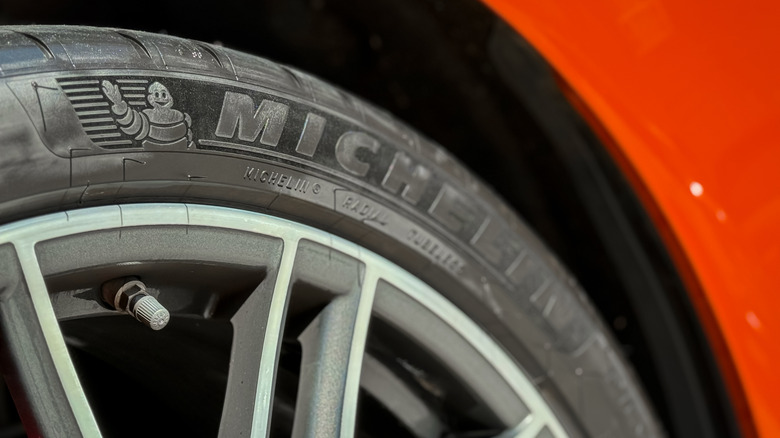
Although the Consumer Reports experts do not hold the same high opinion of the Michelin LTX A/T2 tires as the owners surveyed, they’re not too far apart when it comes to owners’ second-highest satisfaction rating. That would be the Michelin Pilot 4s tires. These tires are categorized as ultra high performance summer tires and are made for sports cars that you’d obviously want to drive quite fast. Out of all the tires tested, these are the ones with the highest overall score from the CR experts, and it’s actually a significant first place finish among Michelin tires. Being number one for the experts and number two for the owners shows a level of consensus you just don’t get with the LTX A/T2 model.

The thing about Consumer Reports’ findings on the owner satisfaction of Michelin tires is that they are universally high. The previously mentioned ones are ranked one and two, but the remaining six Michelin tires tested all tie for third place, demonstrating a remarkable level of consistency across the brand’s offerings. For a broader perspective, every single Michelin tire tested has the highest CR owner satisfaction rating for whatever category it is in compared to every other brand. There is one exception with the Michelin X-Ice Snow tires, but it still ranks second among all winter/snow tires. For owners surveyed by CR, there is not a single Michelin tire they’re not incredibly pleased with. If you don’t have a truck suitable for the Michelin LTX A/T2 tires, owners don’t think you’re settling for less with a different Michelin tire better suited to your vehicle.

Advertisement


Source link

Advertisement
Continue Reading

Tech

Ground control to Microsoft: Artemis 2 astronauts deal with Outlook hiccup in deep space

Published

on

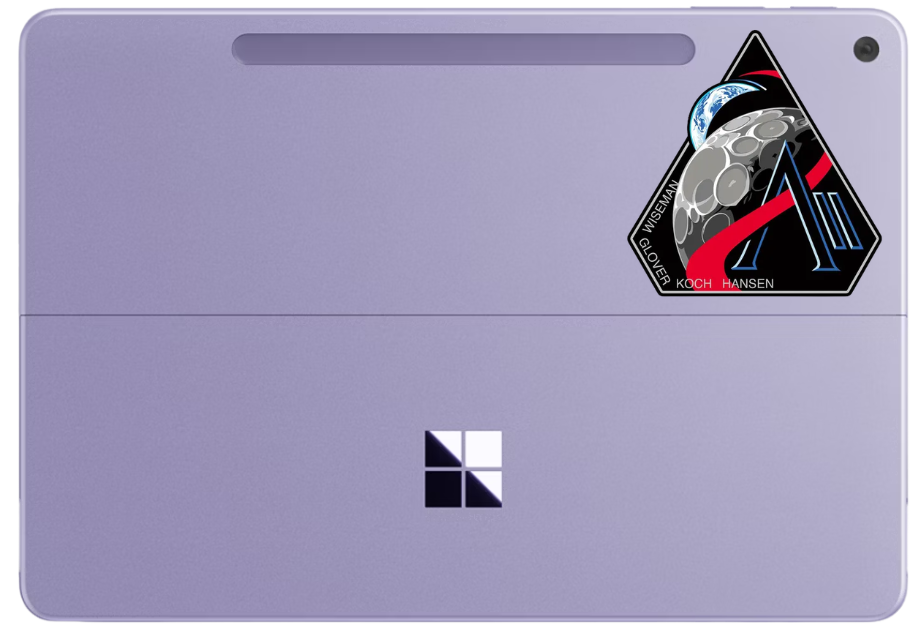
Artemis 2 astronauts are using Microsoft Surface Pro computers on board the Orion spacecraft. (GeekWire Illustration)

Bound for the Moon, astronauts aboard NASA’s Artemis 2 Orion spacecraft experienced a challenge familiar to many of us back here on terra firma: Microsoft Outlook.

Commander Reid Wiseman radioed Mission Control on the crew’s first day in space to report that he had two instances of Outlook running on his computer — a Microsoft Surface Pro — and neither seemed to be working. 

Like any good IT support team, Houston said it would jump in remotely and take a look. About an hour later, ground controllers reported they had resolved the issue and gotten Outlook open, though it would display as offline, which they said was expected.

The moment, captured on NASA’s livestream, quickly went viral. A Bluesky user clipped the exchange, writing, “I’m so sorry we’ve sent these souls to the moon and they’re using outlook?”

Outlook is part of the commercial off-the-shelf software NASA provides astronauts for scheduling, personal communications and other routine tasks. The spacecraft’s primary flight systems run on separate, radiation-hardened hardware.

Advertisement

The Outlook glitch wasn’t the crew’s only mundane challenge. Shortly after launch, the toilet fan jammed, though ground teams managed to fix that, too.

We contacted Microsoft for comment and a rep said they’d let us know if the company had anything to say. At least we know the message went through.

Source link

Advertisement
Continue Reading

Tech

Why TikTok shelved its second Irish data centre

Published

on

TikTok points to capacity constraints and slow infrastructure development as the deciding factors in shelving its planned second data centre, but leaves door open to future opportunities.

The need for greater capacity, and the infrastructure development environment – these were the two key factors behind TikTok shelving a planned second data centre in Dublin, a company spokesperson told SiliconRepublic.com today (2 April) while confirming the reported decision.

Instead, the ByteDance-owned company will focus its European data storage expansion in some of its other locations – in particular, sites in Norway and one in Finland.

TikTok said that when looking at its various sites across Europe, it considered where could best meet its growing capacity demands as regards infrastructure and the speed of development, and that the Nordic countries were a better fit for those considerations.

Advertisement

The company said Ireland remained one of its biggest and most important strategic sites in Europe and, should future opportunities arise that did meet its capacity needs in particular, it would remain open to exploring them.

The spokesperson emphasised that the existing data centre operation in Ireland, which came online in 2023, remains fully operational as an important part of its Project Clover, and that TikTok is still very much committed to Ireland.

Project Clover is the Chinese-owned platform’s initiative designed to update its data security practices across Europe, so as not to fall foul of strict European data privacy regulations.

Part of that commitment involves storing the data of more than 150m monthly TikTok users in Europe locally across three data centres. The original stated plan was for two in Dublin and one in Norway.

Advertisement

TikTok had originally planned to lease data centre space at Echelon’s campus in Clondalkin, Dublin, as part of a three-site strategy. However, as Irish newspaper the Business Post was first to report earlier this week, plans for the second Irish data centre have been shelved.

Don’t miss out on the knowledge you need to succeed. Sign up for the Daily Brief, Silicon Republic’s digest of need-to-know sci-tech news.

Source link

Advertisement
Continue Reading

Tech

How a Protective Layer Gave Circuit Boards Their Signature Green Color

Published

on

Why PCB Circuit Boards are Green
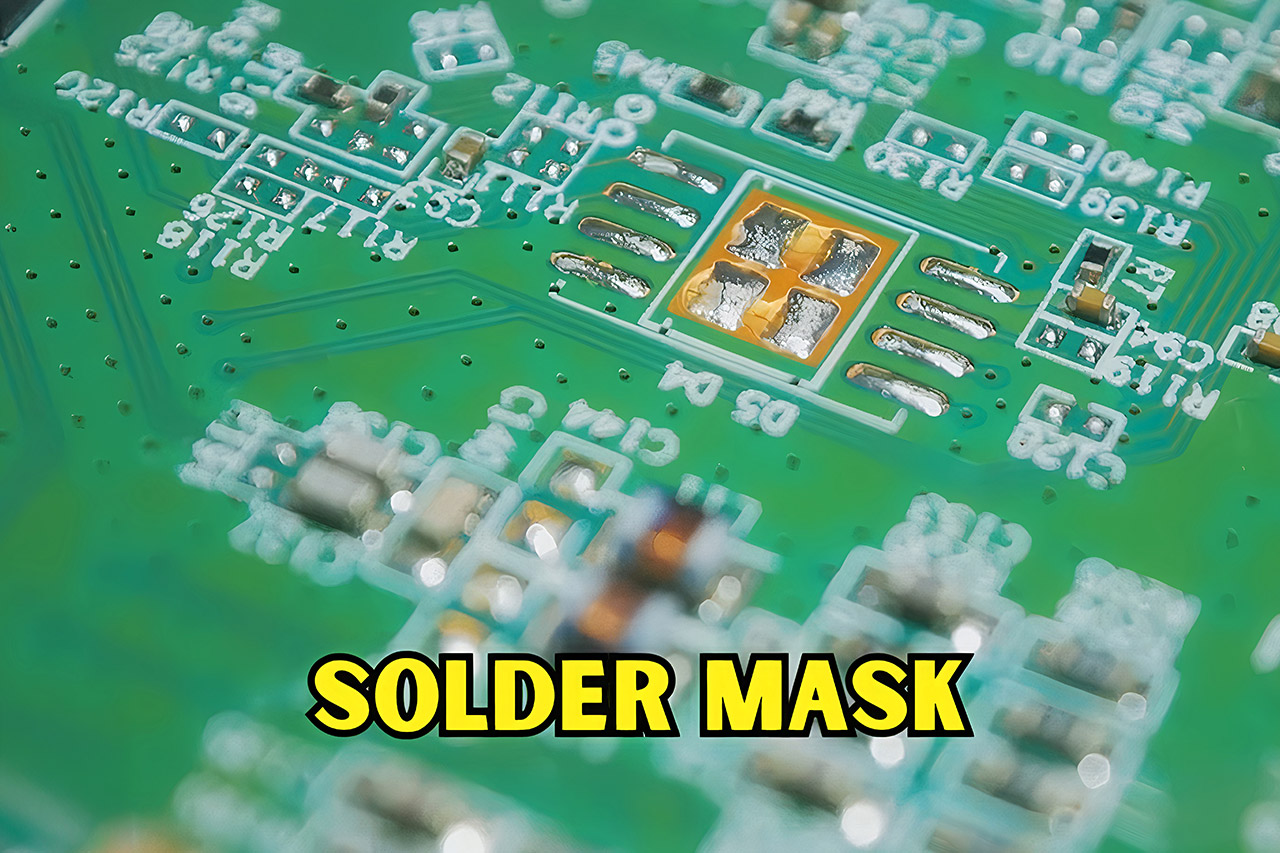
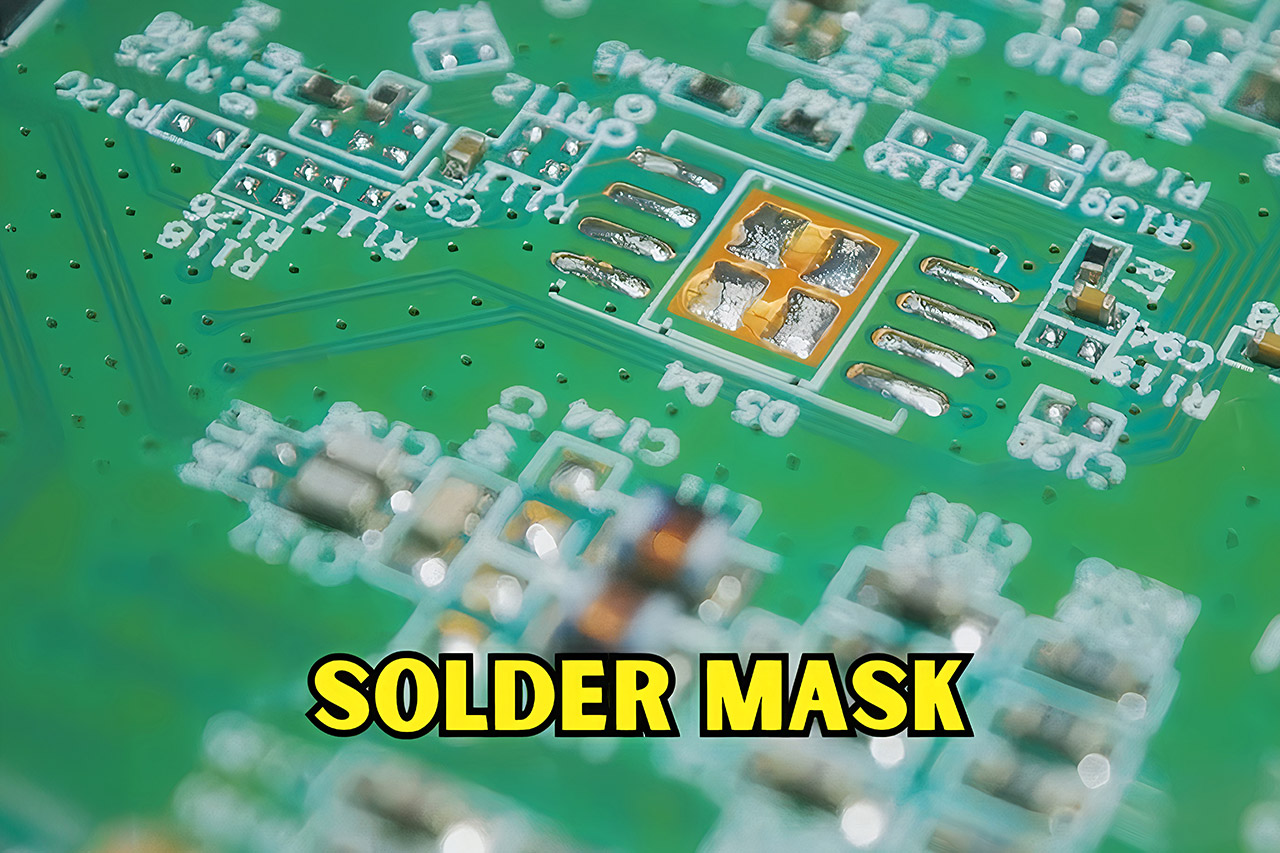
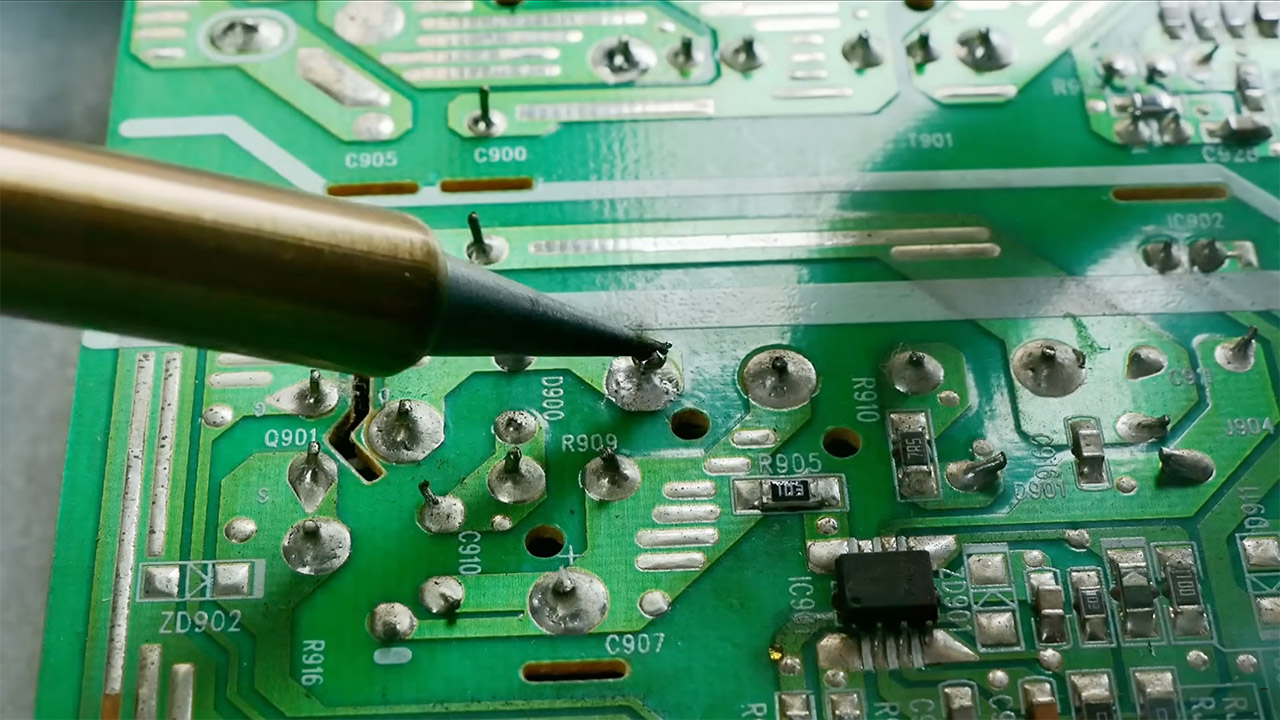
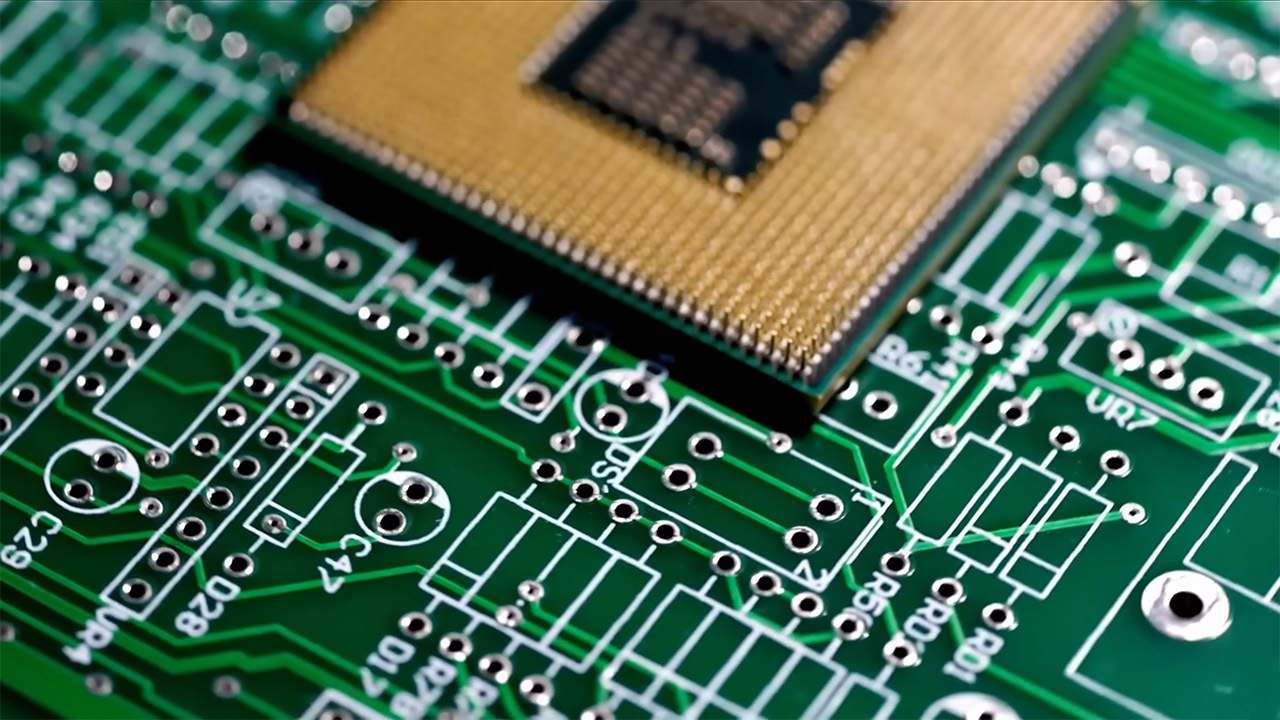
Circuit boards are found in almost every electronic device that consumers use today. When you open your phone, computer, or a basic remote control, green is the first thing you notice. That famous green hue, however, does not come from the board material itself; it is due to a special coating known as solder mask, which covers the copper traces and gives them a green tint.


The solder mask is an essential tool for any board. After etching the copper paths onto the fiberglass basis, they apply a thin layer of polymer. The mask serves two important functions: it protects the copper from oxidation and moisture, which could cause harm, and it prevents solder from bridging between close connections while you’re assembling the item, which can result in short circuits. Without the mask, fragile circuitry could easily be damaged by regular handling or exposure to the environment.

Sale


KAMRUI Pinova P2 Mini PC 16GB RAM 512GB SSD, AMD Ryzen 4300U(Beats 10110U/3500U/N150/N95,Up to…
  • 【AMD Ryzen 4300U Processor】KAMRUI Pinova P2 Mini PC is equipped with AMD Ryzen 4300U (4-core/4-thread, up to 3.7GHz), Based on the advanced Zen…
  • 【Large Storage Capacity, Easy Expansion】KAMRUI Pinova P2 mini computers is equipped with 16GB DDR4 for faster multitasking and smooth application…
  • 【4K Triple Display】KAMRUI Pinova P2 4300U mini desktop computers is equipped with HDMI2.0 ×1 +DP1.4 ×1+USB3.2 Gen2 Type-C ×1 interfaces for…

Why PCB Circuit Boards are Green
Green became the go-to color all those years ago, when reliable solder masks first started rolling off the assembly line. The early ones used a combination of certain resins and hardeners that gave out a green tone, and it just so happened that there was an abundance of the green material available at the suppliers. So that became the industry norm. Over time, the industry has developed its entire process around this uniform green colour.

Why PCB Circuit Boards are Green
The human eye can tolerate green fairly well, especially when individuals stare at boards for hours on end under strong lighting. Green offers a fantastic contrast against the glossy copper pads and the white letters on top, reducing eye fatigue caused by staring at them for an extended period of time, since other hues have been found to be less durable. Automatic optical inspection equipment also operate better with green boards because their cameras and software have been tuned to work best with that color over time.

Why PCB Circuit Boards are Green
The cost of changing colors is also not high enough to make a significant difference. The green mask material requires less pigments in some formulations, making the production process easier because they don’t have to complicate the imaging and development procedures. The tighter design requirements associated with the conventional green color also provide them with more accurate control when exposed to ultraviolet radiation.
[Source]

Advertisement

Source link

Continue Reading

Tech

New Rowhammer attacks give complete control of machines running Nvidia GPUs

Published

on

So where do we go now?

The researchers said that both the RTX 3060 and RTX 6000 cards are vulnerable. Changing BIOS defaults to enable IOMMU closes the vulnerability, they said. Short for input-output memory management unit, IOMMU maps device-visible virtual addresses to physical addresses on the host memory. It can be used to make certain parts of memory off-limits.

“In the context of our attack, an IOMMU can simply restrict the GPU from accessing sensitive memory locations on the host,” Kwong explained. “IOMMU is, however, disabled by default in the BIOS to maximize compatibility and because enabling the IOMMU comes with a performance penalty due to the overhead of the address translations.”

A separate mitigation is to enable Error Correcting Codes (ECC) on the GPU, something Nvidia allows to be done using a command line. Like IOMMU, enabling ECC incurs some performance overhead because it reduces the overall amount of available workable memory. Further, some Rowhammer attacks can overcome ECC mitigations.

GPU users should understand that the only cards known to be vulnerable to Rowhammer are the RTX 3060 and RTX 6000 from the Ampere generation, which were introduced in 2020. It wouldn’t be surprising if newer generations of graphics cards from Nvidia and others are susceptible to the same types of attacks, but because the pace of academic research typically lags far behind the faster speed of product rollouts, there’s no way now to know.

Advertisement

Top-tier cloud platforms typically provide security levels that go well beyond those available by default on hobbyist and consumer machines. Another thing to remember: There are no known instances of Rowhammer attacks ever being actively used in the wild.

The true value of the research is to put GPU makers and users alike on notice that Rowhammer attacks on these platforms have the potential to upend security in serious ways. More information about GDDRHammer and GeForge is available here.

Source link

Advertisement
Continue Reading

Tech

iPhone 18 may get little more than a new color while iPhone Fold gets 3D printed hinge

Published

on

A new leak suggests that the hinge of the iPhone Fold will use “chip-level polymer printing 3D technology” and the iPhone 18 upgrades will be limited to color changes.

Silver foldable smartphone partially open, showing dual rear cameras with flash on one side and a tall display with colorful wavy abstract pattern and centered front camera cutout on the other
The iPhone Fold will allegedly feature a 3D-printed hinge.

With Apple’s first foldable expected to debut in late 2026, we’re now seeing more and more claims about its hardware. Following multiple rumors suggesting Liquid Metal would be used for the hinge of the iPhone Fold, another tipster has provided a new tidbit about the component.
To be more specific, a translated post from leaker Fixed Focus Digital on Weibo said that Apple is putting considerable effort into its foldable iPhone. This reportedly “involves chip-level high-molecular 3D printing technology, with further developments in the hinge design still to be revealed.”
Rumor Score: 🤔 Possible
Continue Reading on AppleInsider | Discuss on our Forums

Source link

Continue Reading

Trending

Copyright © 2025