There’s plenty to like, admire, and definitely dislike about Steve Jobs, but he did an incredible job saving Apple, and will forever be treated like a rock star.
The greatest thing that Gil Amelio, Apple’s fifth CEO, ever did was pave the way for Steve Jobs to become its sixth. It was great for Apple, it was great for users, but it was probably horrible for Amelio himself.
That’s because what he did was have Apple acquire Steve Jobs’s failed NeXT firm. As part of that acquisition he got Jobs as no more than an advisor.
He must surely have guessed that Jobs wanted more. When Amelio was just a board member, Jobs had asked him to support an ousting of the then-CEO. Jobs wanted Amelio’s backing to take over the company.
Advertisement
Jobs didn’t get it then, and he didn’t get it when Amelio later bought NeXT. But by then, Jobs was both savvy enough about business, and popular enough with Apple staff, that he didn’t need anyone’s help to take over.
He just needed some time and a bit of leverage.
Apple bought NeXT for about $400 million and it was specifically so it could base the next Mac OS on that firm’s NeXTStep operating system. NeXT had brilliant software and excellent hardware, but it had failed at both and was going nowhere.
So maybe being bought by Apple was a lifeline. Or maybe it was the plan all along.
Advertisement
As presented in Aaron Sorkin’s “Steve Jobs” film, it’s possible that Steve Jobs had being acquired by Apple in mind the whole time. For all its strengths, that film is not noted for its accuracy, but it’s a possibility that fits with Jobs having gone to Amelio.
Yet speaking about his return much later, Jobs made it sound like the whole thing was unexpected and perhaps even unwanted.
“When I was trying to decide whether to come back to Apple or not I struggled. I talked to a lot of people and got a lot of opinions,” Jobs said in 2001. “And then there I was, late one night, struggling with this and I called up a friend of mine at 2am.”
“I said, ‘should I come back, should I not?’ and the friend replied, ‘Steve, look. I don’t give a f*ck about Apple. Just make up your mind’ and hung up,” continued Jobs. “It was in that moment that I realized I truly cared about Apple.”
Advertisement
People change their minds, people misremember details, and people lie. Gil Amelio would probably presume the latter in Steve Jobs’s case, because Jobs allegedly did lie to him.
As part of that deal to buy NeXT, Steve Jobs was personally give shares in Apple, on the promise that he wouldn’t sell them. Shortly afterwards, just about exactly that number of shares were sold and despite Amelio and the industry suspecting it was Jobs, he denied it.
But later, legal and financial reporting laws meant the seller was identified and it was Jobs. The move was seemingly part of his signalling to investors that Apple was not a good buy, and that was something he knew would be heard by the company’s board.
It wasn’t a simple series of steps, and there was much more involved than we may ever know, but Jobs worked steadily to make sure that Amelio was fired.
Advertisement
Once the board fired Amelio, it needed a new CEO and, oh look, here’s one. Here’s a man who knows Apple more than anyone, and has been the CEO of NeXT, which was a huge corporation.
Jobs gets the job
Yet reportedly, Steve Jobs did not lobby to become CEO, and he even asked to not be considered for the role. He asked to be involved in choosing Amelio’s replacement.
It’s hard to be sure of his plan, or even whether he truly had one or was just lurching from opportunity to opportunity. But if you want a job, sometimes the last thing you should do is be visibly keen to get it.
Especially if you are already in a situation where you might as well have the role because you are already taking on all of the responsibility. Certainly from the time that Amelio left, and maybe even earlier, Apple was being run by Steve Jobs.
Advertisement
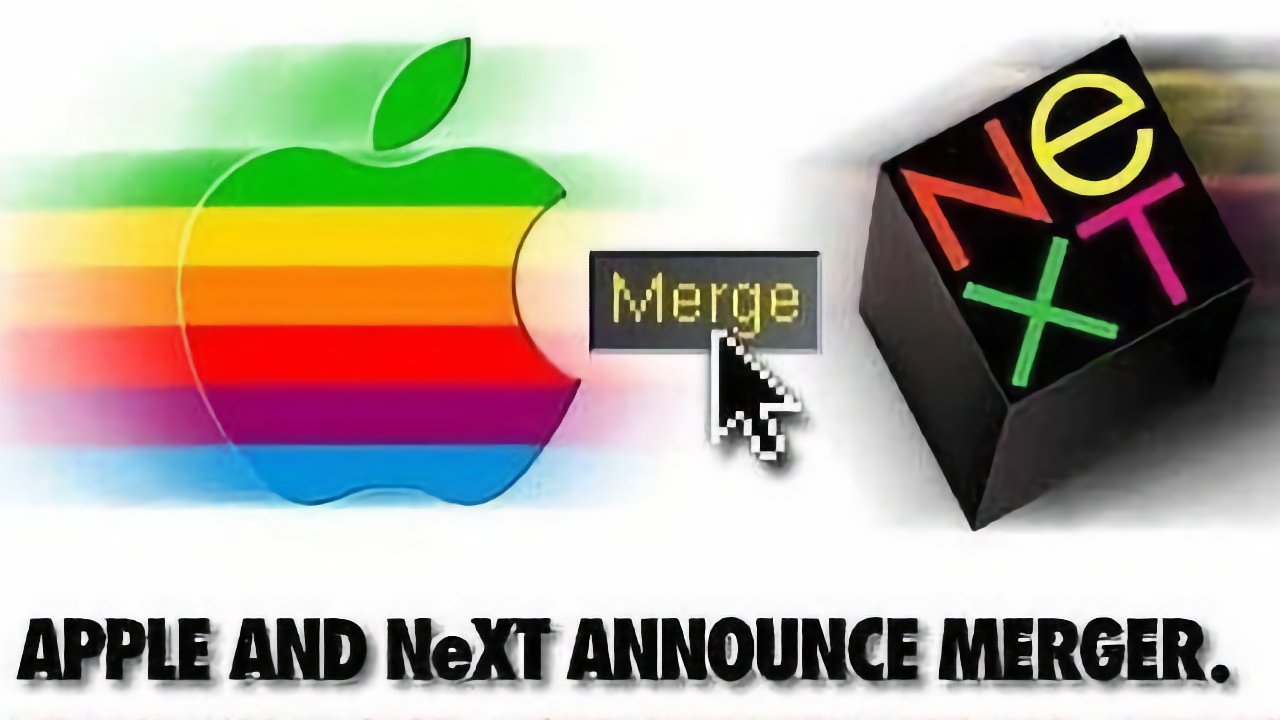
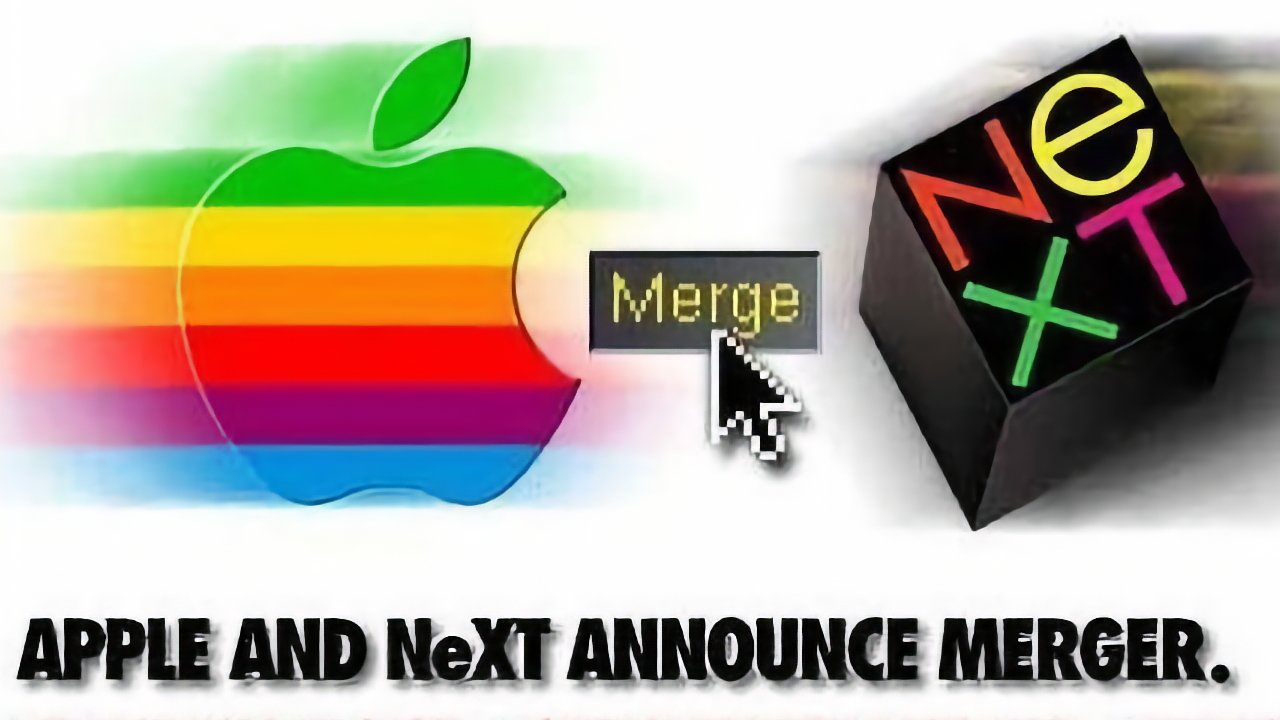
Apple called it buying NeXT, but NeXT claimed it was a merger – image credit: NeXT
It was also being staffed by him, as he put many ex-NeXT people into key roles. That must have stung existing Apple employees, especially since 3,000 of them were laid off in the February after Jobs returned.
In September 1997, Steve Jobs declared himself the interim CEO, the iCEO. He would stay as that until Macworld Expo in 2000, which is when he formally announced having become Apple’s proper CEO.
Getting to work
He didn’t wait for any title, though, as he immediately got to work trying to bring Apple back from the brink of financial ruin. You can argue that he was petty in cancelling projects like the Newton, but he was also doing it from necessity.
Advertisement
Apple was 90 days or so away from bankruptcy, and the steps Jobs took are the only reason the company survived that time. That includes the then shocking deal he made with Microsoft’s Bill Gates.
That deal is usually presented as being how Microsoft saved Apple. Bill Gates agreed to invest $150 million in Apple, and to develop Microsoft Office for Mac for the following five years.
It is true that Apple needed this. It also needed to be free of the costly litigation that was going on between it and Microsoft over how Windows was copying the Mac.
Jobs must have seen that Apple was not going to win that fight, even if it should have, so he let it go in order to cut that expense. Separately, Microsoft was in trouble with the Department of Justice, though, over being allegedly a monopoly.
Advertisement
By having a Mac version of Office as well as the Windows one, Microsoft could and did make the case that was competing like any other firm.
So it was a win/win for Apple and Microsoft, it was a win/win for Steve Jobs and Bill Gates. But at this time, Mac users and Window users were oil and water, and having the Apple founder appear to bow to the maker of Windows, was not popular.
Jobs could’ve thought ahead about the optics of it all, too. Gates did not come to the event, which was one bad point, and he did a video call instead, which proved to be a worse one.
Bill Gates appeared on an enormous screen, totally dominating the stage and sending every signal possible that Windows was king. He spoke briefly, but the visuals were the thing.
Advertisement
That did make it look as if Apple was over. That it might continue without going bankrupt, but maybe it would never be the same Apple again.
Never the same Apple
It was never the same again. It was better.
Jony Ive was promoted to Senior Vice President of Industrial Design, and by 1998 he had created the iMac. You can point to several devices that saved Apple, including the iPod and the iPhone, but the first one was the iMac.
That was released on May 6, 1998, and it came with a new focus. “Even though this is a full-blooded Macintosh,” said Jobs at its launch, “we are targeting this for the #1 use consumers tell us they want a computer for, which is to get on the Internet, simply and fast.”
Advertisement
But Apple was also focusing on something else. “Apple will be working on strengthening its brand name,” Jobs told a financial site when the iMac launched. He specifically compared Apple to Nike, Disney and Sony, and that focus worked.
We know that now because of how incredibly well known the Apple brand is. But while that took time, Apple made it seem inexorable. By 2017, Interbrand named Apple the year’s most valuable brand, for the fifth year in a row.
That was more significant than perhaps it seems, and it was certainly more important than rival technology firms thought. What the iMac brought was a concentration on what users would use it for, rather than what great technology it could have.
If any one thing describes Apple, both under Steve Jobs and later, it’s this. That design is more than what something looks like, it is how it is used.
Advertisement
“The one thing Apple’s providing now is leadership in colors,” Bill Gates said of the iMac, entirely missing the point. “It won’t take long for us to catch up with that, I don’t think.”
It says a lot that Gates, head of the practically totally dominant Windows firm, was even asked to comment about Apple at this point. It says a lot, too, that he meant it about catching up.
Microsoft, back then, had no reason to compete with Apple except perhaps a bit of pride. Anything they can do, we can do better, appears to have been at the forefront of Microsoft’s collective mind.
So yes, within weeks there were colorful PCs from all sorts of manufacturers. They didn’t change a single thing about Windows, they just used some color plastic on the case instead of beige.
Advertisement
The iPod changes Apple
Originally, Apple never crossed Microsoft’s mind as it worked with vendors around the year 2000. It was working with them to create MP3 music players around its Windows Media Player.
But then in 2001, Steve Jobs launched the iPod and changed everything, eventually. It was typical Apple, which means typical Jobs, in that it was far from the first MP3 music player, but it was profoundly better than anything that came before it.
Initially just for Mac users, the iPod would go on to work with Windows too, and Microsoft was not happy. It could have carried on with other partners, it didn’t have to make its own rival to the iPod, but for one illustration of why it did, there’s a now famous email.
“I have to tell you my experience with our software and this device Creative’s Nomad Jukebox Zen Xtra is really terrible,” wrote Windows Vista development chief Jim Allchin in a 2003 internal email. “Apple is just so far ahead. How can we get the [firms] to create something that is competitive with the iPod? I looked at the Dell system and that is not close either.”
Advertisement
Allchin could have looked closer to home and reexamined Windows Media Player. But over and over again, Microsoft recognized where Apple was superior, and failed to match it despite trying.
For instance, Microsoft probably wasn’t trying to copy Apple when it first attempted to launch an online music store. It was more likely that it wanted some of the action that Napster was getting, but then it saw how the iTunes Music Store was working.
So Microsoft famously introduced the Zune and the less-remembered Zune Marketplace to compete with little Apple. If you need an example of Microsoft thinking of technology and never users, there’s its PlaysForSure program.
There were competing music formats, there were digital rights issues, it was surprisingly complex at the time. Apple hid all of that complexity, Apple made everything seamless for users.
Advertisement
And Microsoft launched its PlaysForSure program. If you got a portable digital player with the PlaysForSure logo on it, you knew you were good to go.
Except Microsoft’s own Zune player didn’t work with it.
Apple had been dying, then under Steve Jobs it was punching far above its weight in terms of industry recognition. Then with the iMac and especially the iPod, and especially against this kind of startlingly poor competition, Apple was becoming the one to beat.
Steve Jobs destroyed the iPod
It took Microsoft years before it abandoned the worthless Zune. In comparison, the iPod was an enormous success, yet under Steve Jobs, Apple killed the iPod.
Advertisement
Apple deliberately destroyed what had been one of the most incredibly lucrative devices made up to that point. And it did it because where other firms would be doubling down on a hit, Apple was looking to what Jobs felt was certain to come next.
On January 9, 2007, Steve Jobs launched the iPhone. You can say that the rest is history, but it’s economic history, it’s business history, and it is social history.
Growing Apple
Before Jobs, John Sculley had done a remarkable job as CEO, increasing Apple’s fortunes, before those fortunes rather went away again. After Jobs, Tim Cook raised its fortunes by a staggering amount to make Apple the biggest company in the world.
Between them, Steve Jobs also increased Apple’s financial fortunes. He raised it by more than Sculley, it raised it by less than Cook, but he raised it at the single most crucial time in Apple’s history.
Advertisement
In 2009, Steve Jobs was named the best-performing CEO in the world by Harvard Business Review, for how he’d increased Apple’s income.
“The #1 CEO on the list, Steve Jobs, delivered a whopping 3,188% industry-adjusted return (34% compounded annually) after he rejoined Apple as CEO in 1997, when the company was in dire shape,” said the magazine. “From that time until the end of September 2009, Apple’s market value increased by $150 billion.”
Shortly after that report, Apple under Steve Jobs launched the iPad. At times it’s been mocked for being just a large iPhone, at other times it’s been criticized as a media consumption device, but there is still no tablet to rival it.
The iPad took longer to become a hit, and it never became the success the iPhone did, but it was a key part of Steve Jobs’s era.
Advertisement
It was also the last major product released during his time.
Steve Jobs steps down
Steve Jobs was the sixth CEO of Apple. Of his predecessors, Mike Markkula stepped aside for John Sculley, but every other one was fired.
Doubtlessly, Steve Jobs would not have stepped down for anyone, and equally certainly, no Apple board would ever have fired him.
But on August 24, 2011, Steve Jobs quit as CEO. He’d already had leaves of absence over health issues, during which Tim Cook became acting CEO.
Advertisement
Now his failing health was too much and Cook became his full-time replacement. Steve Jobs died on October 5, 2011, aged 56. The cause of death was officially respiratory arrest, but the underlying cause was his “metastatic pancreas neuroendocrine tumor.”
“I believe Apple’s brightest and most innovative days are ahead of it,” Jobs had written in his resignation letter. He also told his team, particularly Tim Cook, that they should never look back.
You have to imagine that they do ask that, that they do all wonder that, at least at times. But during his time as CEO, Steve Jobs set up Apple for the future, and protected it from ever coming so close to failing again.
Advertisement
It was time for Tim Cook to shape what happened next.
Apple at 50: How each of its CEOs shaped the company
The U.S. Pentagon in Washington, D.C. (BigStock Photo)
Microsoft and Amazon joined other leading artificial intelligence companies in signing deals to deploy their technology in classified Pentagon networks, the Defense Department announced Friday, accelerating a push to build what the military is calling an “AI-first fighting force.”
The agreements — which also include OpenAI, Google, Nvidia, SpaceX and the startup Reflection — will give those firms’ AI systems access to the military’s most classified network environments, known as Impact Level 6 and Impact Level 7. The Pentagon said the technology will be used to analyze data and improve battlefield decision-making.
“Together, the War Department and these strategic partners share the conviction that American leadership in AI is indispensable to national security,” the Pentagon said in a statement, using the Trump administration’s preferred name for the Defense Department.
The Pentagon says the effort is already well underway. More than 1.3 million Defense Department personnel have used GenAI.mil, the military’s official AI platform, generating tens of millions of prompts and deploying hundreds of thousands of agents in just five months, according to the department. Officials say the technology has cut some tasks from months to days.
The deals come as the Pentagon is locked in a legal battle with Anthropic, one of the nation’s leading AI labs, which had sought guarantees its technology would not be used for mass domestic surveillance or fully autonomous weapons. The Defense Department moved to blacklist Anthropic earlier this year, calling the company a national security risk — a designation Anthropic is contesting in court.
Advertisement
On Thursday, Defense Secretary Pete Hegseth called Anthropic CEO Dario Amodei an “ideological lunatic” and slammed the company during a Senate Armed Services Committee hearing.
Bloomberg reported that the Pentagon negotiated its deal with Amazon Web Services late into Thursday night, according to two officials briefed on the talks.
“We look forward to continuing to support the Department of War’s modernization efforts, building AI solutions that help them accomplish their critical missions,” AWS spokesman Tim Barrett said in a statement.
Hundreds of Google employees sent a letter to company leadership this week urging them to refuse to let the Pentagon use its AI on classified data.
Advertisement
“We want to see AI benefit humanity; not to see it being used in inhumane or extremely harmful ways,” they wrote, according to The Washington Post.
Incidents rose 18% and theft value rose 36% in 2025
FBI warns of “cyber-enabled strategic cargo thefts”
Basic security hygiene already goes some way to preventing attacks
The FBI has warned cybercriminals are increasingly targeting cargo shipments with hacking and impersonation tactics – and making a hefty profit doing so.
With incidents rising 18% in 2025 and the average value per theft up around 36% (to $273,990) due to criminals targeting high-value goods, losses in the US and Canada alone hit around $725 million over the year, a significant 60% year-over-year increase.
As for the nature of the attacks, it demonstrates the merging of digital and physical as attackers combine cyber and fraud techniques in what the FBI calls “cyber-enabled strategic cargo thefts.”
Article continues below
Advertisement
Hybrid attacks
The warning reveals that attackers exploit human vulnerability to gain first access to company systems – phishing emails and fake login pages get launched to steal credentials before hackers install remote access tools to move laterally within an organization.
Once inside, they post fake shipment listings, impersonate legitimate logistics firms to accept real shipments, and reroute goods to criminals or complicit drivers.
Advertisement
But cargo theft isn’t the primary goal for cybercriminals – for many, it’s a tool used to fund other crimes like drug trafficking or money laundering. As for the targets within the logistics sector, shipping, freight brokerage, delivery and insurance firms are all at risk.
In terms of the impacts on a victim, many don’t even realize they’ve been attacked until their shipments go missing, with the digitalization of supply chains ultimately responsible for creating new attack surfaces.
Sign up to the TechRadar Pro newsletter to get all the top news, opinion, features and guidance your business needs to succeed!
To better protect themselves against this growing threat, companies are being warned to verify all shipment requests to ensure that the emails are legitimate. Basic cybersecurity principles also apply, including protecting accounts with multi-factor authentication.
Advertisement
Maintaining records of drivers, vehicles and shipments is also a good idea not just for auditing purposes, but also to help the FBI track criminals in the event that things go south.
Carr has sent a letter to ABC/Disney saying he’s accelerating the review of their existing broadcast licenses. It’s very clearly because the Trump administration wants to annoy, harass, and pressure ABC into firing Kimmel. But since that’s a direct assault on the First Amendment, they’re trying to do an end around and pretend that the review is because ABC is “violating DEI requirements.”
Carr’s underlying legal argument is genuinely and profoundly stupid. He’s claiming that ABC’s ordinary, modest, and inconsistent corporate diversity practices are racist against white men, and therefore violate the already fairly thin anti-discrimination components of the Communications Act.
It’s absolute fucking gibberish. But you’ll notice that most outlets, including this piece from CNBC, try to make the effort sound like sensible policy being conducted by reasonable adults:
Advertisement
“The letter orders the company to file for early renewal for ABC-owned television stations and notes the action is related to an investigation into Disney’s DEI efforts, which began last year.
Disney confirmed on Tuesday that it received the FCC’s order initiating an accelerated review of its licenses. The FCC said in the letter that Disney now has 30 days — or until May 28 — to file for the renewals.”
As we noted previously, ABC only actually owns about eight licenses to begin with. Most ABC broadcast licenses (230 or so) are actually owned by right-wing friendly local broadcasters already loyal to the president. We’ve noted how these stations routinely air right wing agitprop, and have been rewarded by Trump and Carr with a series of merger approvals that violate existing media consolidation limits.
The actual process of yanking a broadcast license is also a complicated, difficult, and extremely time consuming affair. Were Carr to actually do this (beyond sending Disney a stern letter to put on a show for the press), you’re talking about potentially years of legal wrangling. A fight Carr would very likely lose, because, again, his entire underpinning argument is baseless and stupid.
Carr doesn’t actually want a legal showdown with deep-pocketed Disney over this turd of a case. They’re just hoping to make life so costly and annoying for ABC/Disney that the company not only fires Kimmel, but thinks twice about supporting any journalist, satirist, or comedian who dares challenge the administration. It’s also a message to other networks that host voices critical of the unpopular president.
Advertisement
This is, if the pathetic U.S. press coverage of this FCC inquiry is any indication, already having an effect. A good chunk of the news reports on this inquiry (see: this Semafor piece) can’t be bothered to be honest about the pathetic, baseless nature of this censorship effort. Many outlets seem dedicated to helping Trump and Carr pretend this is any sort of above-board review. They’re enablers.
“This is the most egregious action this FCC has taken in violation of the First Amendment to date. As part of its ongoing campaign of censorship and control, the White House called publicly for the silencing of a vocal critic, and this FCC has now answered that call. This is an unprecedented and politically motivated attempt to interfere with how broadcasters operate, and this unlawful overreach will fail.”
“It is not government’s job to censor speech, and I do not believe the FCC should operate as the speech police.”
You might recall that the last time Disney capitulated to these dim fascists (temporarily suspending Kimmel because he made some jokes about the deceased right wing social media propagandist Charlie Kirk), it resulted in the company losing millions of streaming video customers and amusement park attendees. Hopefully Disney execs learned their lesson from that experience.
Advertisement
The problem for Trump is that as his health, influence, popularity, and political power wane, he and Carr’s threats will carry less and less weight, even among feckless corporations. They’re just weak men afraid of words, ideas, and comedy, desperately trying to pretend that they have power to permanently stifle jokes. It’s foundationally pathetic and embarrassing, something press coverage should make very clear.
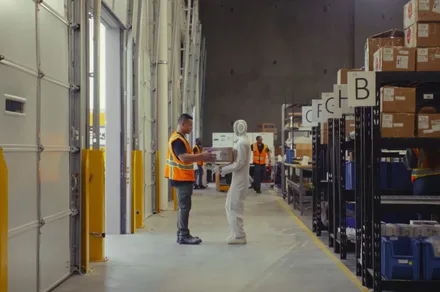
Norwegian-American robotics firm 1X Technologies has offered a glimpse into what scaled humanoid robot production looks like, and it’s surprisingly circular. In a newly released demo, its Neo robot is shown assisting humans on the factory floor, helping build more Neo units as the company moves toward full-scale manufacturing.
Robots helping build more robots
At the center of the demo is 1X’s Neo humanoid robot, a bipedal machine designed primarily for domestic environments that is now stepping into early manufacturing workflows. The footage shows Neo performing repetitive, assistive tasks alongside human workers, effectively becoming part of the assembly process.
The setup shows how 1X is approaching production at its Neo Factory, where robots are involved in close collaboration with humans. The company has also emphasized a vertically integrated model that involves designing and manufacturing core components in-house, including motors, batteries, sensors, and structural parts.
Advertisement
This end-to-end control allows 1X to iterate quickly on both hardware and manufacturing processes, while scaling output as demand grows. The factory has already begun full-scale production, with plans to deliver thousands of units following strong early interest and pre-orders.
Scaling a still-evolving product
Despite the polished demo, Neo remains a work in progress. The robot is designed to operate autonomously, but it’s not quite there yet. So 1X is relying on guided assistance from human operators to supervise and help the robot complete unfamiliar tasks, which also enables it to learn over time.
This learning loop is central to how Neo improves, combining real-world deployment with continuous training. Early versions are expected to expand their capabilities gradually as they gain more experience in both factory and home environments.
With production now underway, 1X is effectively turning Neo into both the product and part of the process. If this model is successful, future iterations may not just assist humans in daily life but also play a direct role in building the next generation of 1X robots.
Apple’s iPhone sales and Services revenue were the stars of the show in the tech giant’s most recent quarter, but the Mac quietly outperformed — helped by growing demand for AI workloads.
Wall Street investors had expected to see Mac revenue in the low $8 billion range, but Apple reported $8.4 billion in the second quarter ended March 28 — a notable beat for a non-core segment of the tech giant’s business. In addition, investors ahead of earnings believed that Mac sales would be essentially flat year-over-year. Instead, Mac sales were up 6% on an annual basis, the company told investors. The company’s total revenue was $111.2 billion, a 17% increase from the same period last year.
Apple chalked up some of the Mac growth to recent product launches, including the well-received MacBook Neo. However, those fun, colorful computers were only on sale for a few weeks after the March 4 preorders began. Realistically, most units shipped mid- to late March, and some demand may have been pushed into April as certain models sold out.
Apple CEO Tim Cook told analysts on the company’s Q2 earnings call on Thursday that customer demand for the Neo was “off the charts” and higher than Apple had expected. He also noted that Apple set a record in the quarter for customers new to the Mac, partly due to the Neo.
Advertisement
Cook attributed the Mac sales growth to the use of the platform for running local AI models, like OpenClaw — something that took Apple somewhat by surprise as Mac mini and Mac Studio devices sold out in recent weeks.
“Both of these are amazing platforms for AI and agentic tools, and the customer recognition of that is happening faster than what we had predicted, and so we saw higher than expected demand,” Cook said of these Mac sales. He also noted that the Mac mini was the top-selling desktop in China — a market that’s been in an OpenClaw frenzy as of late.
Still, Mac revenue was flat on a quarter-over-quarter basis, suggesting this new demand has yet to scale. Cook said it may take Apple “several months” to reach supply-demand balance on the Mac mini and Studio models.
Techcrunch event
Advertisement
San Francisco, CA | October 13-15, 2026
“We’re not at the point where we’re saying this [constraint] is going to end anytime soon. And it’s not because of a problem, per se, other than we just under-called the demand,” Cook explained.
Advertisement
Enterprise demand for the Mac was also at play. Apple pointed to a couple of larger companies, including Perplexity, that had turned to Mac as their preferred platform for building enterprise-grade AI assistants.
He also said Apple was “supply constrained on the MacBook Neo,” and has even seen school systems, like Kansas City Public Schools, dropping Chromebooks for the Neo.
When you purchase through links in our articles, we may earn a small commission. This doesn’t affect our editorial independence.
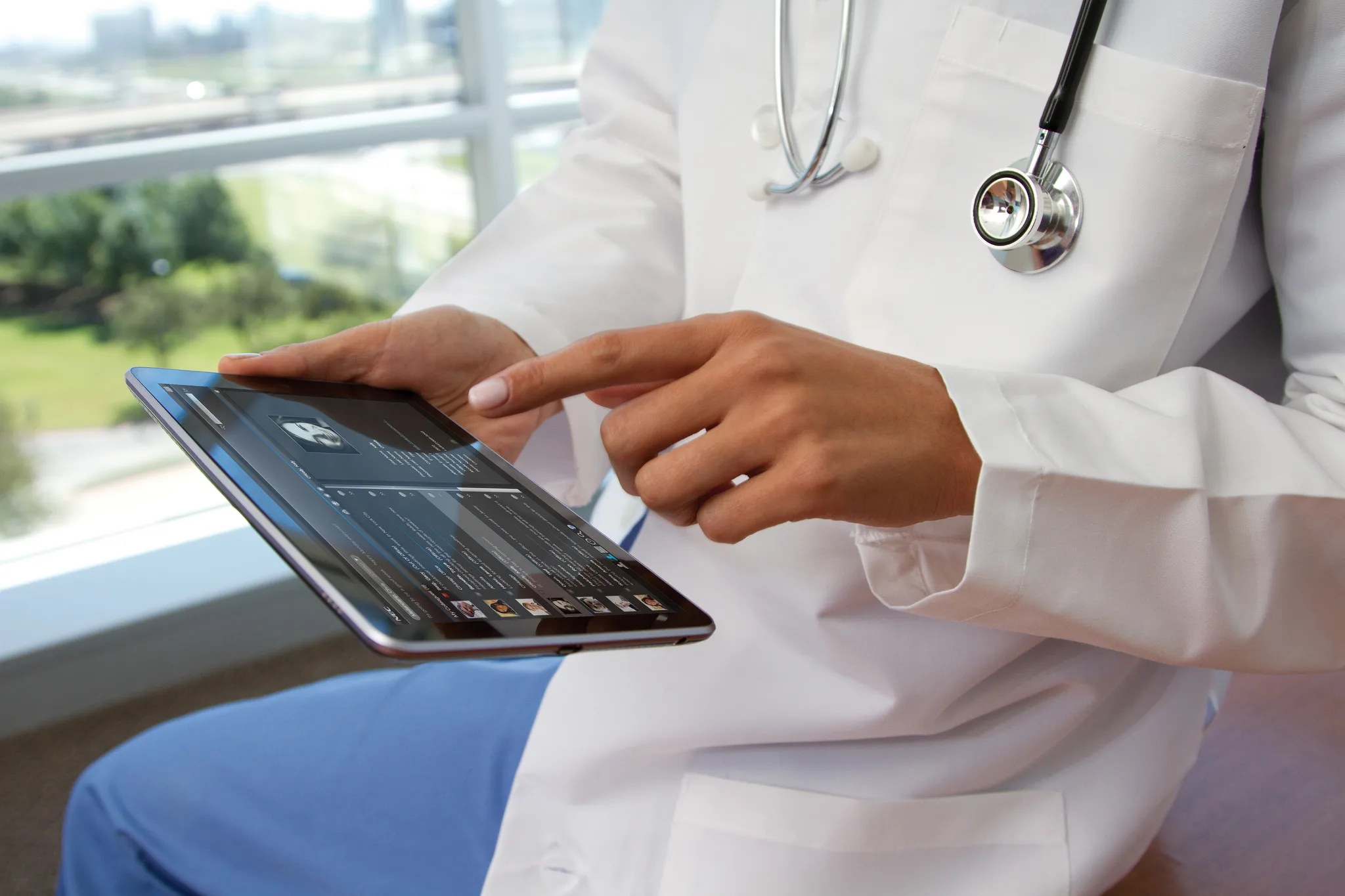
AI has plenty of messy use cases, but emergency medicine may be one place where it can do some real good. A Harvard study comparing AI performance against doctors using patient data from emergency-room cases revealed that OpenAI’s o1 reasoning model outperformed human doctors in emergency triage diagnosis, especially in cases where decisions had to be made quickly with limited information.
NEC Corporation of America / Flickr (Creative Commons)
What did the test reveal?
A part of the Harvard trial included 76 patients who arrived at the emergency room of a Boston hospital. The AI model and two human doctors were given the same electronic health record, including basic details like vital signs, demographic information, and a short nurse-written note explaining why the patient had come in.
The AI managed to identify the exact or near-exact diagnosis 67% of cases. Meanwhile, the human doctors scored between 50% and 55%. In the second test, more detailed information was provided, which caused the AI’s accuracy to rise to 82%. On the other hand, the humans scored between 70% and 79%. It is worth noting that this gap was not statistically significant.
Why doctors aren’t being replaced yet
The Ohio State University
The premise of this study revolves around text-based medical reasoning, and not the full reality of emergency care. Researchers note that AI did not assess a patient’s distress, appearance, tone, body language, or other real-world signals doctors use in the actual ER.
Dr Adam Rodman, another lead author and a doctor at Boston’s Beth Israel Deaconess Medical Center, said AI could become part of a “triadic care model” involving the doctor, patient, and AI system.
While the results are impressive, the technology isn’t ready to be dropped into emergency rooms just yet. Experts raised concerns over accountability, patient safety, AI errors, and whether doctors may start deferring too quickly to AI recommendations. As of right now, it can only be good enough to offer second opinion when doctors need one fast.
After being harried by complaints that its search function needed improving, Reddit has in the last few years invested in its search engine, and has even added AI features to help its users find what they’re looking for. It appears that investment is finally paying off: The company has seen a 30% year-on-year jump in the number of people using search every week, CEO Steve Huffman said on Thursday.
Huffman noted that search has been one of the major drivers of user acquisition and retention for the platform.
“On search, we have seen great performance. Search DAUs, WAUs, and queries are up meaningfully year-over-year. It’s a great driver of retention and DAUs. The search team is, quite frankly, I think doing a great job. If you use Reddit Answers, you can see it is better integrated into the product,” he said on the company’s first quarter post-results conference call.
Huffman said that around 40% of conversations on Reddit are commercial in nature, and 84% shoppers feel more confident in their buying decisions after researching on Reddit.
The social platform ended the quarter with more than 493 million weekly active unique users (WAUq), up 23% from the same period last year, and about 126 million daily active unique users (DAUq), a 17% improvement from a year earlier.
Reddit reported a 7% improvement in U.S. visitors, reaching 53.5 million DAUqs, and 73.3 million DAUqs internationally, a 26% increase. The company said it plans to reach a billion daily users worldwide and 100 million daily users in the U.S.
Techcrunch event
Advertisement
San Francisco, CA | October 13-15, 2026
Besides search, the company said its machine translation feature, which now supports over 30 languages, has driven significant user growth in the past few quarters.
Advertisement
Reddit reported revenue of $663 million in Q1 2026, beating Wall Street’s expectations of $609.8 million. The company also said it only spent $1 million in capital expenditures in the quarter.
When you purchase through links in our articles, we may earn a small commission. This doesn’t affect our editorial independence.
MOM just released its latest advanced quarterly labour report & employers are showing signs of caution
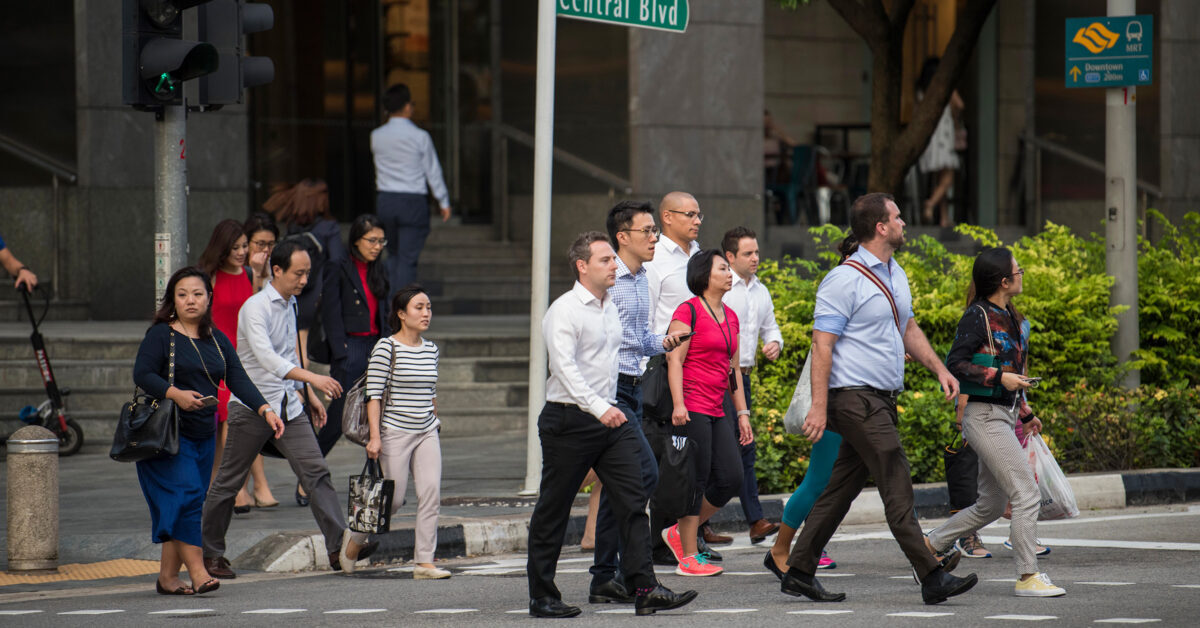
Singapore’s labour market continued to expand in Q1 2026, but employers are showing early signs of caution as they tighten hiring plans, according to the Ministry of Manpower (MOM)’s latest advance quarterly labour market report released today (Apr 30).
The report, based on preliminary data, found that the city-state added 5,000 jobs in the first quarter of 2026, extending an 18-quarter growth streak.
While this was higher than the 2,300 jobs added in Q1 2025, it marked a sharp slowdown from the 17,700 jobs recorded in Q4 2025.
MOM attributed the softer pace largely to seasonal factors and a high base in the previous quarter, rather than a broad-based weakening in labour demand. It noted, for instance, that construction activity typically slows during the Chinese New Year period.
Advertisement
At the same time, the share of firms planning to hire in the next three months fell from 54.6% in Feb to 44.6% in Mar. The proportion of firms expecting to raise salaries in the next three months also dropped from 39.3% to 25.4% over the same period.
MOM noted that hiring sentiment has yet to recover to Feb levels before the conflict began, despite early signs of stabilisation in April.
“This suggests a more measured pace of hiring and emerging caution among firms, with potential softening if external conditions weaken,” said MOM.
Advertisement
Employment growth among Singaporeans and permanent residents for Q1 2026 was concentrated in sectors such as transportation and storage, and administrative and support services, while non-resident employment growth continued to be driven by the construction sector.
Meanwhile, unemployment rates remained low and broadly stable. The overall rate edged up to 2.1% in Ma, from 2% in Dec 2025. Among citizens, the rate rose to 3.1% from 3% in the previous quarter.
Some 3,700 workers were retrenched in Q1 2026, up from 3,590 a year ago, and 3,690 in the last quarter of 2025. For every 1,000 employees, 1.5 people were retrenched in the Jan to Mar period, the same as the last quarter.
“Retrenchments were stable or declined across most sectors, with a majority occurring due to business reorganisation or restructuring,” said MOM.
Advertisement
The full labour market report for Q1 2026 will be released by MOM in mid-Jun.
Job market forecast
Looking ahead to Q2 2026, the labour market is expected to remain tight and continue to expand, said MOM.
However, geopolitical tensions and increased economic uncertainty are also expected to make businesses cautious about hiring and wages.
Commenting on MOM’s report, Callam Pickering, senior economist at Indeed, said: “An uncertain business environment, both in Singapore and globally, will make it more difficult for Singapore businesses to plan ahead and understand their staffing needs.”
Advertisement
Pickering also noted that labour demand also shows signs of deterioration, with job postings on Indeed down 2.8% in Mar, compared to the end of last year, continuing a three-year downward trend in hiring demand.
Nonetheless, he pointed out that the job market “continues to be healthy,” with unemployment and retrenchment figures still low. “We expect the job market to weaken this year, but strong fundamentals will help Singapore weather the storm,” Pickering reflected.
Read more articles we’ve written on Singapore’s job trends here.
Featured Image Credit: Shadow_of_light/ depositphotos
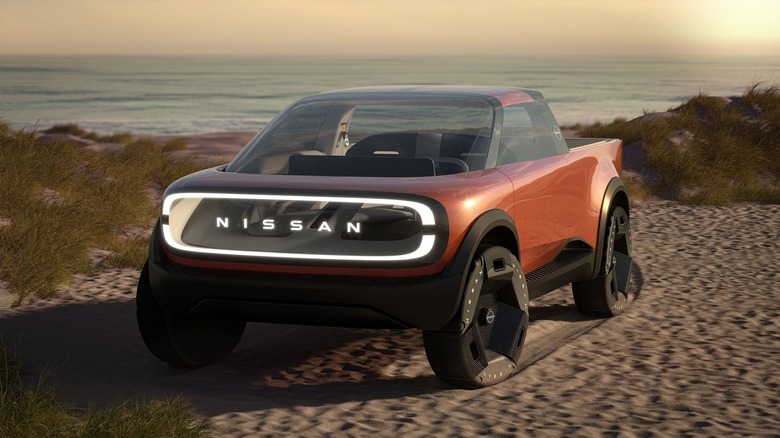
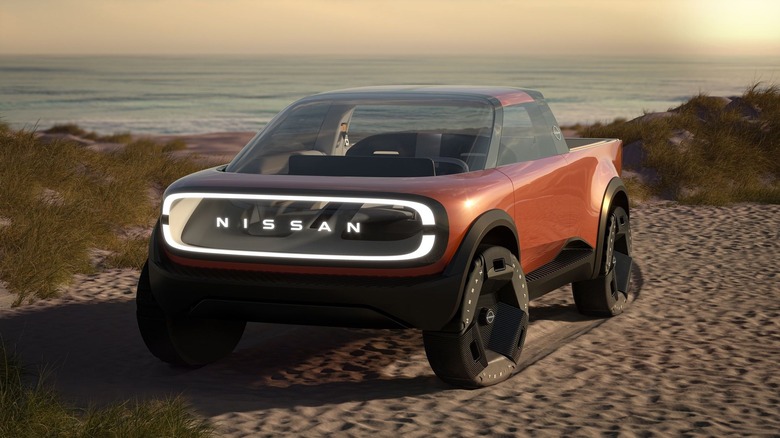
Nissan has abandoned a $500 million plan to build all-electric vehicles at its Canton, Mississippi assembly plant, the company said in a statement to Automotive News. The automaker will instead shift production to conventional gasoline and hybrid vehicles at the 4.7-million-square-foot facility. It made the move to “better align with market conditions, customer demand and Nissan’s updated strategic direction,” Nissan told AN in a statement.
As part of “Ambition 2030,” Nissan announced in 2021 that it would retool its Canton facility to build EVs along with batteries for multiple Nissan and Infinity models, with the aim of selling 200,000 EVs in the US by 2028. Tepid US EV sales and the Trump administration’s elimination of the $7,500 federal tax credit caused the company to rethink that plan, though.
Last year, Nissan cancelled the Ariya electric crossover in the US along with two electric sedans, and now, the automaker has completely dropped its plan to expand Canton, where all its US EVs including the upcoming PZ1K were to be built. The company has three US manufacturing plants (Canton, Smyrna, TN and Decherd, TN), but only made one EV — the Ariya — in the US.
Advertisement
Instead, it will manufacture ICE and hybrid vehicles at that facility, starting with a new body-on-frame Xterra, set to arrive in the US by 2028. That will be followed by the three-row Nissan Frontier and at least three other models, all built using the same platform.
Other manufacturers in the US including Ford and GM have also cancelled or scaled back EV programs, focusing instead on hybrid or ICE vehicles. In other parts of the world including Asia and Europe, however, EV sales are hitting new highs in the face of record gas prices caused by the US war with Iran.
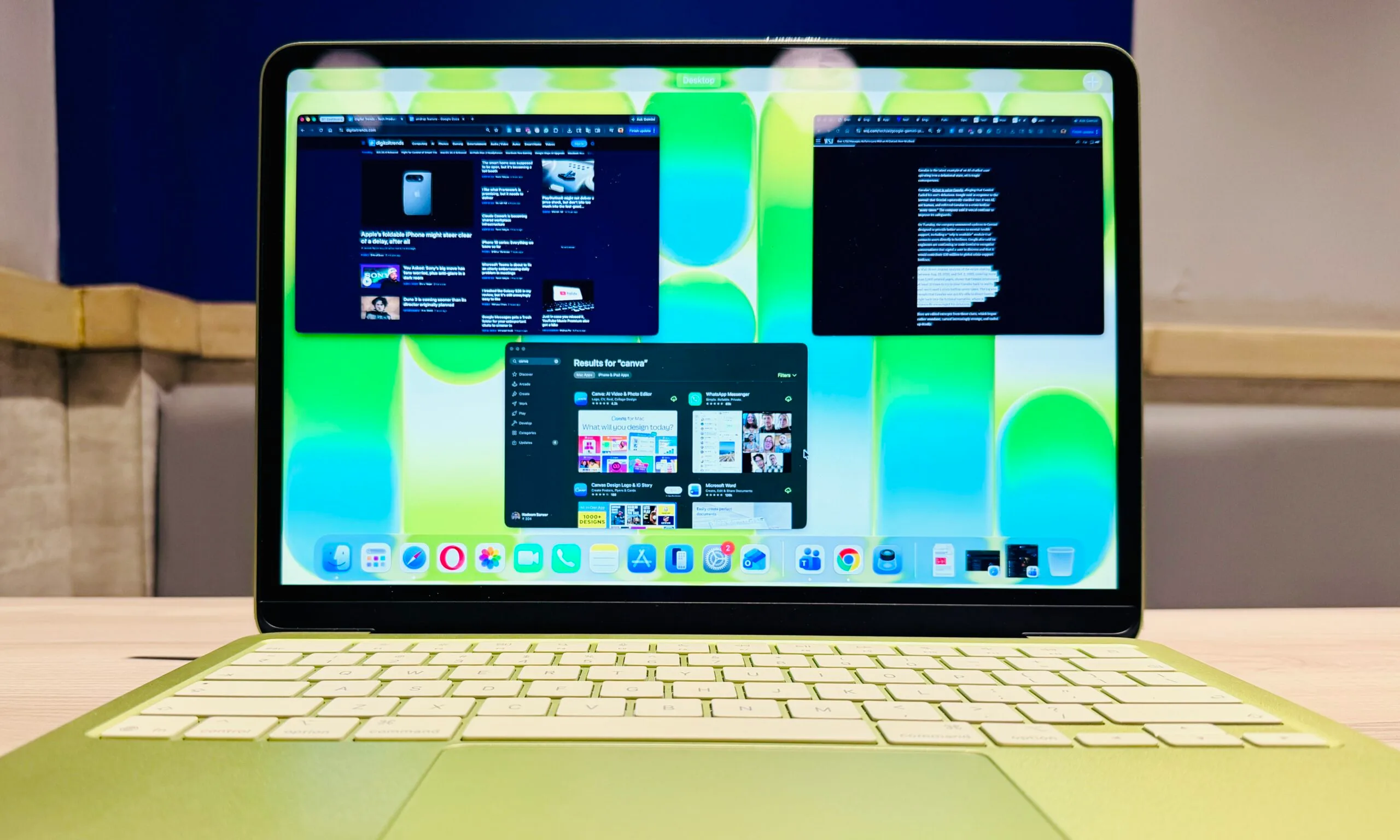
The MacBook Neo stopped me in my tracks, not because it’s a beautiful piece of tech that appeals to the enthusiast inside me. It’s the overall pitch that Apple puts on the table — aluminum build, efficient silicon, and great battery life — all at an implausible price tag of $599. I wanted to experience it, and I almost bought it a couple of weeks ago.
But I didn’t. And it wasn’t because Neo is a bad machine. I got to experience the device for a couple of days (thanks to my friend who splurged his money on it), and the more I dug into what Apple had left out to hit the astonishingly low price, the more I felt like pushing my purchase until the Neo gets better.
Nadeem Sarwar / Digital Trends
5 things I want the next MacBook Neo to fix
Because here’s the thing: I get most of the trade-offs. What I don’t understand, however, is why some of the cuts were made in the first place, as they’re more about snatching away the iconic MacBook experience than saving costs for the company. So, dear Apple, fix these five things on the next MacBook Neo, and I’ll have my wallet out before you guys start accepting pre-orders.
For a first-generation device, the MacBook Neo does really well with Apple’s A18 Pro chip (borrowed from the iPhone 16 Pro, with one less GPU core). I was surprised at how well it handles everyday tasks like browsing, emailing, and, most importantly, multitasking with a dozen different Chrome tabs.
But here’s why I pumped the brakes. The A18 Pro holds its own at day-to-day tasks, but due to the lack of additional cores compared to the M-series, it runs behind in intense workflows like photo editing, graphic designing, or even coding.
Advertisement
Nadeem Sarwar / Digital Trends
This is where a better, more powerful chip could help the Neo up its game, not just for immediate gains, but to keep the Neo relevant for the next four or five years, especially as AI-driven tasks would require even more computational power.
It’s Apple’s optimization that’s doing the heavy lifting here, not 8GB of RAM
I’ll give credit where it’s due. It isn’t just the 8GB of physical RAM on the MacBook Neo doing the heavy lifting. It’s Apple’s iron grip over hardware and software optimization (including temporary swap-in memory) that makes browsing, streaming, and general multitasking feel like a breeze on the Neo.
However, the moment I pushed it by running multiple apps simultaneously, like Chrome (with over two dozen active tabs) with Apple Music, and added FaceTime to this combination, the memory ceiling became apparent. Unlike a Windows laptop, where upgrading RAM is an option, with MacBooks, what you buy is what you live with.
Nadeem Sarwar / Digital Trends
In my opinion, the device is aimed squarely at first-time laptop buyers: students, new professionals, and people looking for a secondary on-the-go device, and it serves them quite well. But with the unavoidable memory slowdown, 8GB of RAM isn’t going to cut the mustard forever.
For me, more RAM doesn’t just solve the immediate multitasking bottleneck; it solves the longevity problem, too. Fortunately, the A19 Pro chip is rumored to bring 12GB of unified memory as a standard on the next Neo, and that should’ve been the baseline from day one.
Advertisement
I type in the dark every single day
While the other things are not immediately apparent, this one baffled me right when I unfolded the thing for the first time. The Neo skips the backlit keyboard, a feature so standard in 2026 that even budget Windows laptops don’t think twice about it.
Nadeem Sarwar / Digital Trends
Apple’s workaround is the color-matched keyboard with lighter keys across all four finishes, and sure, the display’s glow does a decent job of illuminating the keys. However, it’s no workaround for a good old backlit keyboard, which even my M1 MacBook Air has, not only because it looks cool at night, but because it makes finding the function keys a whole lot easier.
I can’t stress enough how much a backlit keyboard would help the Neo’s target audience: students working on assignments late at night, frequent travelers working on the go, in dimly lit plane seats or train compartments, or people like me, who’d rather work outside at night than be cooped up indoors.
The trackpad doesn’t feel like it’s on a MacBook
One of the most distinctive aspects of MacBooks, a hallmark of every MacBook for nearly a decade, is the haptic trackpad. It was one of the features that wowed me before my first-ever MacBook purchase, and calling it anything but iconic would be a mistake. And the Neo, somehow, doesn’t have it.
Nadeem Sarwar / Digital Trends
Instead, it has a mechanical trackpad that clicks like a budget Windows laptop or Chromebook, and that’s exactly what I’ll never expect or accept, not from Apple. Don’t get me wrong, though. The Neo’s trackpad works just fine, but the moment you use it after using another MacBook, the difference is impossible to miss.
And while we’re at it, paywalling Touch ID on a higher storage tier is something that didn’t sit well with me either, but I’ll let it pass given that it isn’t something I use as often as the keyboard and the trackpad.
Advertisement
The USB 2 port doesn’t come in handy while transferring files
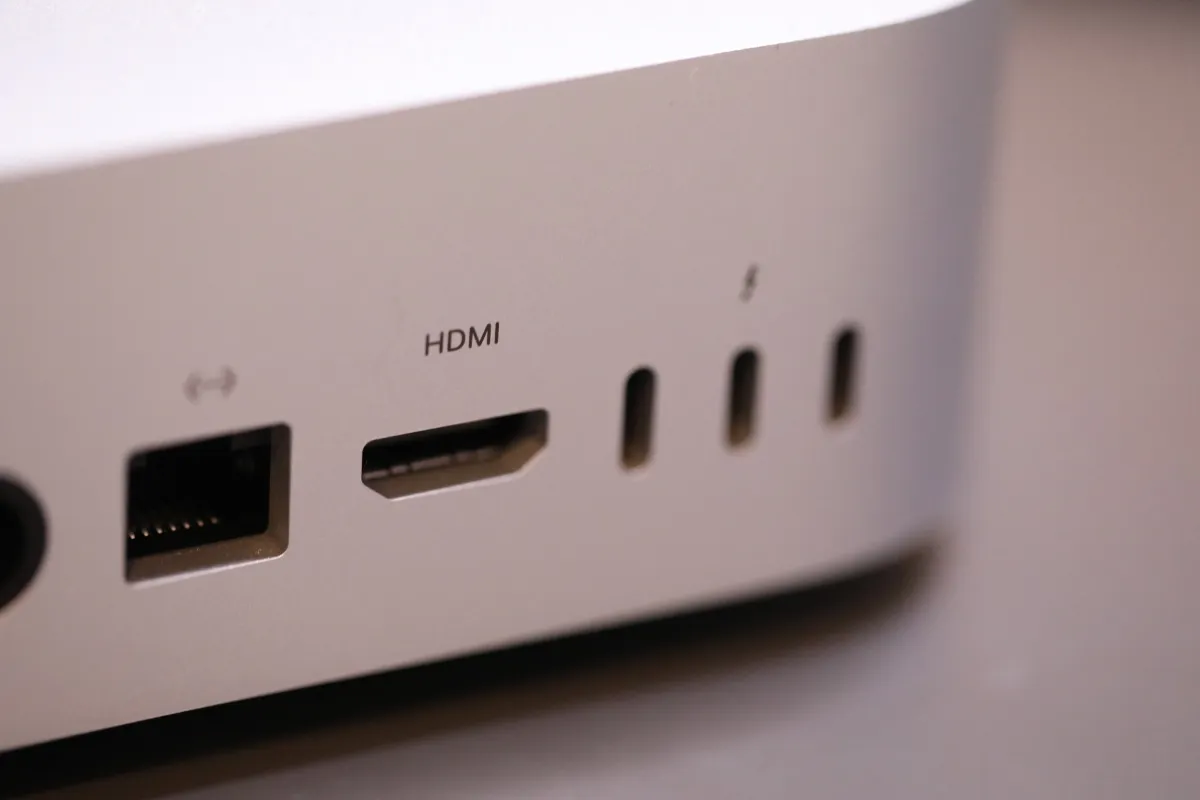
It could be while someone is trying to offload their iPhone’s data on the MacBook, or getting pictures or videos of a vacation via an external storage drive, that Neo users would notice how tremendously slow the USB 2 port on the device is (the one closer to the trackpad).
Nadeem Sarwar / Digital Trends
And it adds up faster than anyone would think. Even a 20GB iPhone backup that takes minutes via a USB 3 connection will have you wait for about half an hour on USB 2. For people who are always working, trying to be productive around the clock, that feels like the deepest cut.
I’m not asking for a Thunderbolt port, but both ports running at USB 3 speeds is, in my opinion, a reasonable ask in 2026.
Feature
Current State on Neo
What’s Needed
Chip
A18 Pro, binned from iPhone 16 Pro
A19 Pro for better CPU, GPU & Neural Engine performance
RAM
8GB, fixed — no upgrade path
12GB as a baseline, not a premium tier
Keyboard Backlight
No backlight — color-matched keys as a workaround
Standard backlit keyboard, like every other MacBook
Haptic Trackpad
Mechanical click trackpad, no Force Touch
Force Touch haptic trackpad — an iconic MacBook staple
USB-C Ports
Left: USB 3 / Right: USB 2 (effectively decorative)
Both ports at USB 3 speeds minimum
Bottom line
None of these things is a dealbreaker at $599, and not even a question at $499 with education pricing. To Apple’s credit, the Neo is one of the most impressive first-generation devices I’ve seen and used in a long time.
Nadeem Sarwar / Digital Trends
Clearly, it’s the years of experience in making MacBooks that help the company. What annoys me, however, is when the Neo starts feeling like it’s one-upping the competition rather than staying true to its Apple roots.
The chipa nd RAM upgrades are already rumored, and I’m cautiously excited about them. But if anyone at Apple is reading this, please bring back the backlit keyboard, haptic trackpad, and bring both ports to the same USB 3 standard. Do that, and the next MacBook Neo will have something more than my attention — my money.


















































You must be logged in to post a comment Login