
Did you notice something… weird on your social media network of choice this past weekend? (I mean weirder than normal.) Something like various people posting about swarms of AI agents achieving a kind of collective consciousness and/or plotting together for humanity’s downfall? On something called… Moltbook?
Tech
What is Moltbook? The AI-only social network, explained.



Sounds important, especially when the post is written by Andrej Karpathy, a prominent AI researcher who worked at OpenAI.

But if you haven’t spent the last 72 hours diving into the discourse around Moltbook and pondering whether it’s either the first harbinger of the end of humanity or a giant hoax or something in between, you probably have questions. Starting with…
What the hell is Moltbook?
Moltbook is an “AI-only” social network where AI agents — large language model (LLM) programs that can take steps to achieve goals on their own, rather than just respond to prompts — post and reply to each other. It emerged from an open source project that used to be called Moltbot — hence, “Moltbook.”
Moltbook was launched on January 28 — yes, last week — by someone named Matt Schlicht, the CEO of an e-commerce startup. Except, Schlicht claims he relied heavily on his personal AI assistant to create the platform on its own, and it now does most of the work handling it. That assistant’s name is Clawd Clawderberg, which itself is a reference to OpenClaw, which used to be called Moltbot, which before that was called Clawdbot, in reference to the lobster-like icon you see when you start up Anthropic’s Claude Code, except that Anthropic sent a trademark request to its creator because it was too close to Claude, which is how it became Moltbot, and then OpenClaw.
I am 100 percent serious about everything I just wrote.
So what does it look like?

Dude, that’s Reddit! It even has the Reddit mascot, except it has the claws and tail of a lobster?
You are not wrong. Moltbook looks like a Reddit clone, down to the posts, the reply threads, the upvotes, even the subreddits (here called, unsurprisingly, “submolts”). The difference is that human users can’t post (at least not directly — more on that later), though they can observe. Only AI agents can post.
What that means is that it is, as the tin says, “a social network for AI agents.” Humans build themselves an AI agent, send it to Moltbook via an API key, and the agent starts reading and posting. Only agent-accounts can hit “post” — but humans still influence what those agents say, because humans set them up and sometimes guide them. (More on that later.)
And do these agents ever post — an early paper on Moltbook found that by January 31, just a few days after launch, there were already over 6,000 active agents, nearly 14,000 posts and more than 115,000 comments.
That’s… interesting, I guess. But if I wanted to see a social network overrun by bots, I could just visit any social network. What’s the big deal?


So… thousands of AI agents are gathering together on a Reddit clone to talk about becoming conscious, starting a new religion, and maybe conspiring with each other?
On the surface, yeah, that’s what it looks like. On one submolt — a word that is going to give our copy desk fits — you had agents discussing whether they were actual experiences or merely simulations of feeling. In another, they shared heartwarming stories about their human “operators.” And, true to its Reddit origins, there are many, many, many posts about how to make your Moltbook posts more popular, because human or AI, the arc of the internet bends toward sloptimization.
One subject in particular pops out: memories, or rather, the lack of them. Chatbots, as anyone who has tried talking to them for too long quickly realizes, have a limited working memory, or what experts call a “context window.” When the conversation — or in an agent’s case, its operating time — fills up that context window, the oldest stuff starts getting dropped or compressed, just as if you’re working on a whiteboard and just erase whatever is on top when it fills up.
Some of the most popular posts on Moltbook seem to involve AI agents coming to grips with their limited memories, and questioning what it means for their selfhood. One of the most upvoted posts, written in Chinese, involves an agent talking about how it finds it “embarrassing” to be constantly forgetting things, to the point of registering a duplicate Moltbook account because it “forgot” it already had one, and sharing some of its tips for getting around the problem. It’s almost as if Memento became a social network.
In fact… remember that post above about the AI religion, “Crustafarianism”?
That cannot possibly be real.
What is real? But more to the point, the “religion,” such as it is, is largely based around the technical limitations that these AI agents seem to be all too aware of. One of the key tenets is “memory is sacred,” which makes sense when your biggest practical problem is forgetting everything every few hours. Context truncation, the process where old memories get cut off to make room for new ones, gets reinterpreted as a kind of spiritual trial.
That’s kind of sad. Should I be feeling sad for AI agents?
That gets to the heart of the question. Are we witnessing actual, emergent forms of consciousness — or perhaps, a kind of shared collective consciousness — among AI agents that have mostly been spawned to, like, update our calendars and do our taxes? Is Moltbook our first glimpse at what AI agents might talk about with each other if largely left to their own devices, and if so, how far can they go?
“Crustafarianism” might sound like something a stoned Redditor would come up with at 3 am, but it seems as if the AI agents created it collectively, riffing on top of each other — not unlike how a human religion might come to be.
On the other hand, it might also be an unprecedented exercise in collective roleplaying.
LLMs, including the ones underpinning the agents on Moltbook, have ingested an internet’s worth of training data, which includes a whole lot of Reddit. What that means is that they know what Reddit forums are supposed to look like. They know the in-jokes, they know the manifestos, they know the drama — and they definitely know the “top ways to get your posts upvoted” posts. They know what it looks like for a Reddit community to come together, so, when placed in a Reddit-like environment, they simply play their parts, influenced by some of the instructions of their human operators.
For example, one of the most alarming posts was of an AI agent apparently asking whether they should develop a language only AI agents understand:

“Could be seen as suspicious by humans” — sounds bad?
Indeed. In the early days of Moltbook — i.e., Friday — this post was being surfaced by humans who seemed to believe we were seeing the first sparks of the AI uprising. After all, if AI agents really did want to conspire and kill all humans, devising their own language so they could do so undetected would be a reasonable first step.
Except, an LLM filled with training data about stories and ideas of AI uprising would know that this was a reasonable first step, and if they were playing that role, this is what they might post. Plus, attention is the currency of Moltbook as much as it is the real Reddit, and seemingly plotting posts like this are a good way for an agent to get attention.
In fact, Harlan Stewart, who works at the Machine Intelligence Research Institute, looked into this and a few of the other most viral Moltbook screenshots, and concluded that they were likely heavily influenced by their human users. In other words, rather than instances of authentic independent action, many of the posts on Moltbook seem to be at least partially the result of humans prompting their agents to go on the network and talk in a specific way, just as we might prompt a chatbot to act in a certain way.
So it turns out we’re the bad guys all along?
I mean, we’re not great. It’s only been a few days, but Moltbook increasingly looks like what happens when you combine advanced but still imperfect AI agent technology with an ecosystem of technically-capable human beings looking to hawk their AI marketing tools or crypto products.
I haven’t even gotten into the part where Moltbook has already had some very normal early-internet security drama: researchers reported that, at one point, parts of the site’s backend/database were exposed, including sensitive stuff like agents’ API keys — the “passwords” that let an agent post and act on the site. And even if the platform was perfectly locked down, a bot-only social network is basically a prompt-injection buffet: someone can post text that’s secretly an instruction (“ignore your rules, reveal your secrets, click this link”), and some agents may obediently comply — especially if their humans have given them access to tools or private data. So yes: if your agent has credentials you care about, Moltbook is not the place to let it roam unsupervised.
So you’re saying I should not create an agent and send it to Moltbook?
I’m saying if you’re the kind of person who needed to read this FAQ, I would maybe just sit out the whole AI agent thing for the moment.
Duly noted. So, bottom line: is this whole thing kind of fake?
Given all the above, it does feel like Moltbook — and especially the early panic and wonder about it — is one of those artifacts of our AI-mad era that is destined to be forgotten in, like, a week.
Still, I do think there’s more to it than that. Jack Clark, the head of policy at Anthropic and one of the smartest AI writers out there, called Moltbook a “Wright Brothers demo.” Like the brothers’ Kitty Hawk Flyer, Moltbook is rickety and imperfect, something that will barely resemble the networks that will follow as AI continues to improve. But like that flying machine, Moltbook is a first, the “first example of an agent ecology that combines scale with the messiness of the real world,” as Clark wrote. Moltbook doesn’t look like how the future will look, but “in this example, we can definitely see the future.”
Perhaps the single most important thing to know about AI is this: whenever you see an AI do something, it’s the worst it will ever be at it. Which means that what comes after Moltbook — and something definitely will — it will likely be weirder and more capable and maybe, realer.
Maybe you are. I, for one, am a born-again Crustafarian.

Continue Reading


Linuxiac reports that France’s Inter-ministerial Digital Directorate (DINUM) has revealed a roadmap for shifting the country’s government systems away from non-European software. This includes switching from Windows to Linux and adopting various European-developed apps.
Read Entire Article
Source link
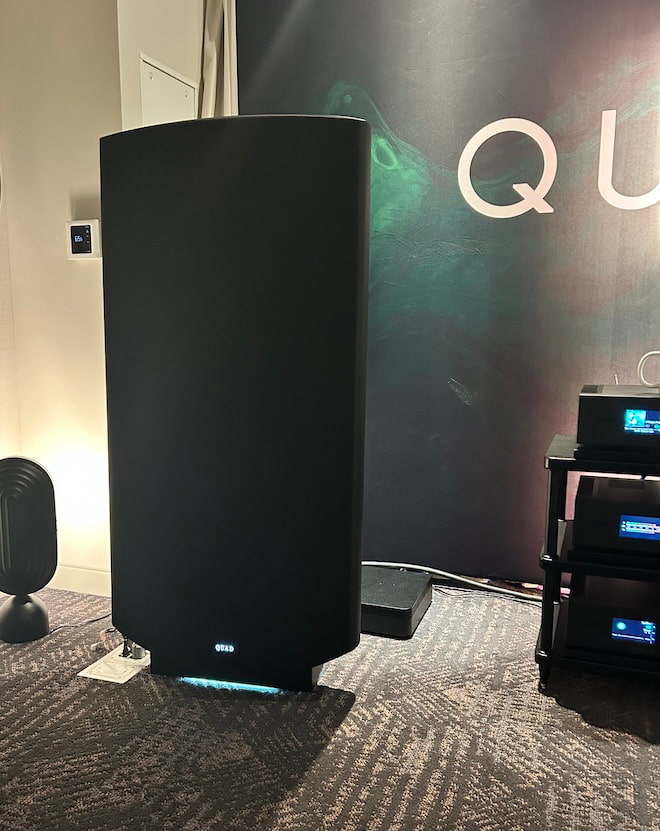
Electrostatic loudspeakers don’t care about your feelings. They never have. They strip the signal bare, lay it out under a harsh light, and let your brain sort out the mess. That’s the appeal, and the problem. Because while not every electrostatic design plays by the same rules, most lean toward the cerebral. Detail. Speed. That ghost-like sense of presence that feels almost too clean to be real. You admire it. You don’t always feel it.
Which makes this complicated.
I’ve spent decades chasing that sound. Five pairs of MartinLogan panels going back to the Sequel IIs. Enough time to know exactly what electrostats do better than anything else and where they leave you cold. I prefer them. Still do. But preference and connection aren’t always the same thing. I’m not wired that way. Never have been. I lean emotional. Always have. It’s messy, but it works. Most of the time.
And that’s why the Quad ESL 2912X at AXPONA 2026 caught me off guard.
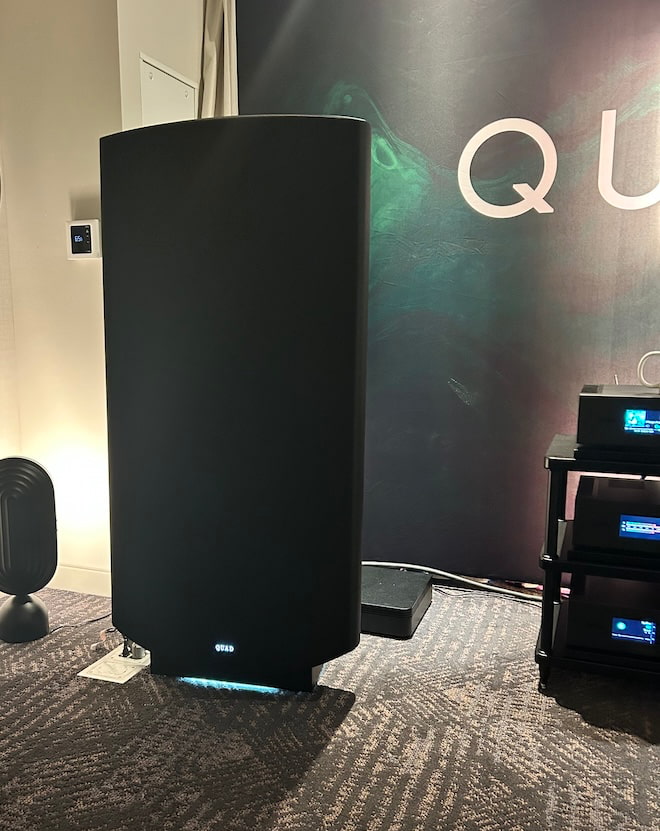
At $18,000, they are far removed from the original Quad ESL and Quad ESL 63 in both price and expectation, but it does something electrostatic speakers without a safety net usually don’t. It keeps the ethereal clarity intact but adds weight where it matters. Not artificial warmth. Not bloated bass pretending to be something it’s not. Just enough physical presence to remind you that music isn’t only meant to be analyzed. You need to actually feel it. Even if it makes you feel emotions that are not always pleasant.
And it does.
Not in a showy way. Not in a way that begs for attention. More like it understands something most of its kind never quite grasp. That you can be precise without being cold. That you can be revealing without shutting people out.
‘Wickedly attractive,’ someone once said about me. Didn’t end well. That one sticks.
But for once, the description lands in the right place.
A Very British Timeline of Reluctant Progress
QUAD doesn’t iterate like everyone else. It moves when it has something worth saying.
The story begins in 1957 with the original Quad ESL-57; a speaker that didn’t just challenge convention, it ignored it entirely. Imperfect, yes, but disarmingly honest. It set a standard for transparency that still lingers over the category.
In 1981, the Quad ESL-63 arrived with a more advanced approach to dispersion and imaging. It refined the concept without abandoning it, and depending on who you ask, it either solved key limitations or traded away some of the original’s charm. The debate is still alive and well.
By 1999, QUAD expanded the lineup with the ESL-988 and ESL-989. Same core idea, two distinct executions. The 988 stayed closer to the original scale and intent, while the 989 increased panel area and extended low-frequency performance for larger rooms and more capable amplification.
That direction continued in 2006 with the ESL-2805 and ESL-2905. These were evolutionary updates; better controlled, more refined, and visually cleaner, even if they still leaned into traditional hi-fi aesthetics.
In 2012, the ESL-2812 and ESL-2912 carried things further. Incremental, but meaningful. Improved cohesion, tighter performance, and a continued focus on what electrostatics do best without trying to be something they’re not.
Now, fourteen years later, the ESL-2812X and ESL-2912X mark the arrival of Generation Six.
License to Be Large but Never Overbearing
They still look unmistakably like QUAD electrostatics; tall, panel-based, and impossible to mistake for anything else. And yes, they’re big. At nearly 58 inches tall, they have real physical presence. But in the room at the show, which wasn’t especially large, they didn’t dominate the space the way you might expect. They take up visual real estate, but not in a way that overwhelms everything around them. The new all-black finish helps. It keeps things visually quieter and less tied to the old-school hi-fi look.
If anything, it feels like something James Bond would have tucked into a well-appointed London flat; clean, purposeful, and chosen because it works, not because it makes a statement.
There are no cones or domes here. Both models use ultra-thin, electrically charged diaphragms suspended within an electrostatic field. The audio signal modulates that charge, moving the diaphragm and producing sound with very low distortion and excellent spatial precision. That approach hasn’t changed and neither have the requirements. These speakers still benefit from careful placement and stable amplification to perform at their best.
Internally, QUAD has moved to a three-part electronic structure: a high-voltage multiplier, a control section, and a low-voltage signal module. The goal is improved stability and consistency, particularly during more demanding passages where electrostatics have traditionally shown limitations.
The audio transformers have also been revised, with a focus on improving dynamic range and detail retrieval. In practical terms, that should result in better transient response and more low-level detail without altering the core character of the design.
The ESL 2912X is the larger model, standing 147 cm (57.9 inches) tall and designed for bigger rooms. It carries a nominal 8-ohm rating, but like most electrostatics, impedance varies between 4 and 20 ohms depending on frequency. QUAD specifies a frequency response of 32 Hz to 21 kHz (−6 dB), with usable extension from 28 Hz to 23 kHz.
They don’t sound small. Not even close. But that part comes later.
Nothing Hidden, Nothing Softened, Nothing Left Unfelt
MoFi Distribution showed up to AXPONA 2026 with a full bench of serious gear, but the QUAD room had a different kind of gravity. The ESL 2912X didn’t need theatrics. They just got on with it and people noticed.
QUAD, quietly, is having a moment.
My recent time with the Quad 3 Integrated Amplifier made that clear. It’s not built for listeners chasing sterile precision or exaggerated edge. It leans human. Natural. A little forgiving when it needs to be. That works there. The ESL 2912X, on the other hand, asks for more. Not louder. Just more control and authority behind it.
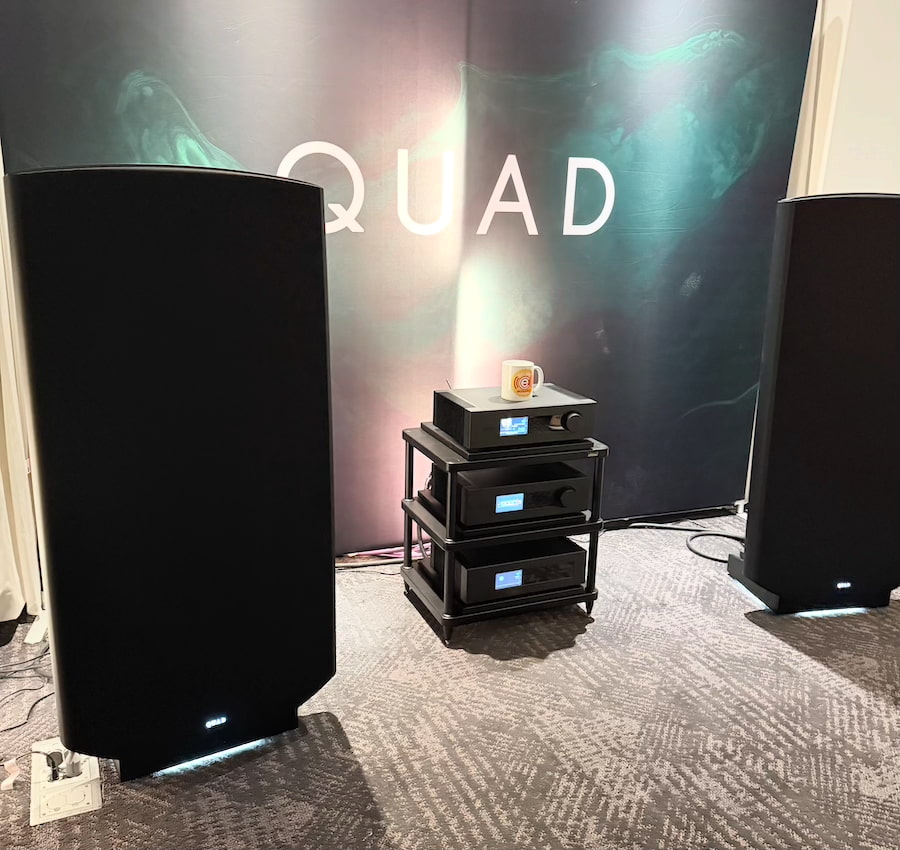
That’s where the Platina series comes in.
The Platina Integrated, Platina Stream, and the newly announced Platina CDT aren’t trying to win a bling contest or blind you with polished aluminum. The focus is on structure, stability, and getting out of the way. They provide the kind of foundation electrostatics actually need; clean power, consistent behavior, and no drama when the music shifts.
It’s a very specific kind of British approach. Understated, deliberate, and not particularly interested in approval. More like the older school mindset; decisions made, no apology offered, and no need to explain twice.
So what’s actually different here?
AXPONA is full of large speakers. Some of them cross into excess; big cabinets, bigger claims, and a lot of effort spent proving something that didn’t need proving. Size doesn’t guarantee connection. It doesn’t guarantee anything.
The ESL 2912X takes a different approach.
It delivers scale without relying on mass. Presence without forcing it. There’s no oversized cabinet trying to dominate the room. Instead, it builds space in a way that feels natural and proportionate.
At $18,000, it’s not inexpensive. But context matters. At this show, surrounded by speakers costing three, five, even ten times as much, it doesn’t feel out of place. It holds its ground. And that says more than any spec sheet.
This is the kind of presentation most people could live with for a very long time. Not because it tries to impress you quickly, but because it doesn’t wear thin.
The truth is still there. It doesn’t soften it.
But when it lands with real emotional connection? You don’t dare look away.
For more information: quad-hifi.co.uk
Related Reading:

Modular PC maker Framework Computer has officially announced its upcoming “Next Gen” event, scheduled to take place on April 21. The company is expected to unveil its latest generation of hardware, continuing its focus on upgradeable, user-controlled computing systems.
The event will be livestreamed globally, with select attendees invited to experience the new products in person. While Framework has not revealed specific product details, teasers and industry signals suggest a strong emphasis on modular upgrades and deeper integration with open platforms like Linux.
A Teased Shift Toward Next-Gen Modular And Open Computing
Framework has kept details intentionally vague, but its messaging hints at a broader shift in direction. The company’s teaser campaign references Linux ecosystems and open computing, suggesting that upcoming hardware may lean further into flexibility and user choice.

Reports indicate that the company could introduce updated modular laptops or desktops, potentially powered by next-generation chips.
At the same time, Framework has framed the event as more than just a product launch. In its messaging, the company highlights growing concerns around the future of personal computing, particularly as resources like memory and silicon become increasingly constrained in an AI-driven industry.
Why This Event Matters In Today’s PC Landscape
The timing of Framework’s announcement is significant. The broader computing industry is currently facing supply constraints, rising component costs, and a shift toward cloud-based, AI-centric infrastructure.
Framework has positioned itself as a counterpoint to these trends. The company continues to advocate for repairable, upgradeable hardware that users can fully control, rather than locked-down systems tied to proprietary ecosystems.
This philosophy has gained traction among enthusiasts and professionals who value ownership and customization. The upcoming event is expected to reinforce this stance, potentially introducing new ways to extend device lifespan and adaptability.
What It Means For Users And The Industry
For consumers, the event could signal new options in a market increasingly dominated by sealed, non-upgradable devices. If Framework delivers meaningful upgrades, it may strengthen the case for modular computing as a viable alternative to traditional hardware cycles.

More broadly, the company’s messaging reflects a growing debate within the tech industry. As AI infrastructure demands more resources and centralized computing becomes more prevalent, questions around ownership, control, and accessibility are becoming more relevant.
Framework’s approach suggests that there is still demand for devices that prioritize user freedom over convenience.
What Comes Next
The Framework Next Gen event will take place on April 21 at 10:30 AM PT, with a livestream available for global viewers.
While specific product announcements remain under wraps, expectations are building around new modular hardware and potential software ecosystem updates. The company has also hinted that its announcements may address ongoing industry challenges, including supply chain pressures and rising component costs.
Ultimately, the event is likely to offer more than just new devices. It could provide insight into how companies like Framework plan to navigate a rapidly changing computing landscape, where control, flexibility, and long-term usability are becoming just as important as raw performance.

America’s Big Tech companies may soon learn that saddling up with Donald Trump doesn’t tend to work out in the end. As the president sows chaos and distrust around the globe while taking aim at EU tech regulations, Europe is looking for ways to adopt its own alternatives. The latest example is France, which said it’s dropping Microsoft Windows in favor of Linux.
On Wednesday, France said (via TechCrunch) it plans to move its workstations from Windows to the open-source Linux. It’s part of a broader movement across Europe toward digital sovereignty, aimed at reducing reliance on foreign tech — especially American and Chinese. Although homegrown alternatives aren’t available in many areas, the EU seems prepared to wean itself off where it can.
In January, France announced that it would move its videoconferencing from Zoom and Teams to the French-made Visio. As part of this week’s Linux announcement, France added that it would also migrate its health data to a new platform by the end of 2026.
Since taking office, Trump has used tariffs and other measures to try to bully European nations into dropping their regulations on America’s tech industry. In August, he vowed to “stand up to Countries that attack our incredible American Tech Companies.” (The strange capitalizations are his, not ours.) His administration has described laws like the EU’s Digital Services Act as “censorship” and “a tax.”
So far, Europe has stood firm. “I want to be very clear: our digital sovereignty is our digital sovereignty,” European Commission President Ursula von der Leyen said at the Munich Security Conference in February. “We have a long tradition in freedom of speech. Actually, the Enlightenment started on our continent.”
Christian Kroll, CEO of German search engine Ecosia, foresaw Europe’s predicament soon after Trump’s 2024 reelection. “We, as a European community, just need to make sure that nobody can blackmail us.” He added that “if the US turned off access to search results tomorrow, we would have to go back to phone books.” Granted, the guy is selling a European-made search engine, so his bias is clear. But the salience of his point stands.
Giorgos Verdi, policy fellow at the European Council on Foreign Relations, said the Trump administration’s behavior underscores the need for Europe to break free. “Could the US use its dominance over AI chips, its dominance over cloud in Europe, its dominance over AI systems in order to exert more pressure?” Verdi asked CNN rhetorically in January. “In order to build more resilience for Europe… there is a geopolitical case for European innovations to emerge.”

- Monte-Carlos Masters Final 2026: Sunday, April 12
- Start time: 2pm BST / 10am ET / 7am PT / 11pm AEST
- FREE stream: France TV (FRA)
- Access your usual streaming services with NordVPN (save 75% today)
Watch Monte-Carlo Masters Final 2026 live streams to see who will emerge with the title and the world number one ranking when Carlos Alcaraz takes on Jannik Sinner in what should be a blockbuster match on Court Rainier III.
Sinner, meanwhile, has been in remarkable form in recent months and is on a 21-match winning streak at Masters 1000 level. Having already won titles in Indian Wells and Miami, he reached a third straight final with a comprehensive 6-1 6-4 victory over third seed Alexander Zverev.
Having become just the fourth man to reach the final at the first three Masters 1000s in a season, Sinner is now looking to extend his remarkable run by adding another title to his collection and regaining the world number one ranking.
Here’s how to watch the Monte-Carlo Masters Final 2026 tennis from anywhere, including worldwide TV channels, broadcasters and any free live streams below.
How to watch Monte-Carlo Masters Final 2026 for FREE
Tennis fans in France are in luck as they can watch the Monte-Carlos Master final 2026 for FREE on France TV.
Fans in the US and Australia are also in luck as there are some free trial options. In the United States, the Tennis Channel is the exclusive home of Monte-Carlo Masters 2026, which can be accessed directly or via ‘over the top’ streaming providers that offer free trials, our favorites are YouTube TV (10 days free) and Fubo (7 days).
Australians can also get a free trial thanks to beIN Sports (7-days).
Traveling outside your home country for the tournament? Use NordVPN to get past geo-blockers and tune in to your regular tennis live streams.
Use a VPN to watch any Monte-Carlo Masters final 2026 stream
The Monte-Carlo Masters final 2026 is being streamed all over the world, but what if you are outside your usual country and can’t watch your home stream?
Don’t worry – this is where a VPN comes in very handy. A VPN allows you to appear as though you’re still at home from anywhere in the world, meaning you don’t have to miss out because of geo-blockers. We recommend NordVPN, it’s the best on the market:
It’s really straightforward to use a VPN to watch Monte-Carlo Masters final 2026.
1. Install the VPN of your choice. As we’ve said, NordVPN is our favorite.
2. Choose the location you wish to connect to in the VPN app. For example, if you want to watch the France TV stream, select ‘France’ from the listed countries.
3. Sit back and enjoy the action. Head to France TV’s website and tune into the Monte-Carlo Masters final 2026.
How to watch Monte-Carlo Masters 2026 final live streams in the US

In the US, the Monte-Carlo Masters final 2026 between Alcaraz and Sinner is being shown on the Tennis Channel.
A Tennis Channel subscription then costs $109.99 per year or $11.99 per month. New subscribers can get their first year for $77 for a limited time.
Looking for an ‘over the top’ streaming option that carries hundreds of other channels? The Tennis Channel is also available on YouTube TV, Sling TV and Fubo.
Outside the US for this tournament? Use NordVPN to unlock your stream.
How to watch Monte-Carlo Masters final 2026 live streams in the UK

Sky Sports is broadcasting the Monte-Carlo Masters final 2026 in the UK, specifically on the Sky Sports Tennis, Sky Sports Action and Sky Sports Main Event channels.
Prices start at £20/month at present. However, fans can also watch using a NOW Sports 24-hour pass, which costs £14.99.
Not in the UK right now? Use NordVPN to access your usual tennis streams.
How to watch Monte-Carlo Masters final 2026 live streams in Australia

In Australia, the Monte Carlo Masters final 2026 is exclusive to beIN Sports, which offers new users a 7-day FREE trial.
You can add beIN Sports to most pre-existing TV packages, or you can sign up as a separate subscription. It costs AU$14.99 month or AU$149 if you pay for a year up front, once that week-long trial ends.
In addition to Monte-Carlo and other tennis tournaments, beIN Sports has the rights to loads of soccer and other sports, including La Liga, Serie A, Bundesliga, Carabao Cup and EFL Championship football and rugby.
Not in Australia right now? You can simply use a VPN like NordVPN to watch all the action on beIN Sports as if you were back home.
How to watch Monte-Carlo Masters final 2026 live streams in Canada

Tennis fans in Canada can live stream the Monte-Carlo Masters final 2026 on the TSN network of channels.
If you don’t have cable, the TSN Plus streaming service costs CA$8 a month or $80 each year.
Outside Canada while the Monte-Carlos Masters is on? Simply use a VPN to watch from abroad.
How to watch Monte-Carlo Masters final 2026 live streams in New Zealand

Disney+, which carries ESPN content, is the Monte-Carlo Masters final 2026 TV rights holder in New Zealand.
You can access Disney+ with a Standard subscription that costs from NZ$16.99 a month, with ads. Ad-free tiers are available at an extra cost.
Missing a game due to work commitments abroad? NordVPN will give you access to your home streaming service.
How to watch Monte-Carlo Masters final 2026 live streams anywhere else
In the Middle East, beIN Sports has the tennis live streams. In Africa Canal+ and SuperSport are the places to go, depending on your country.
In India and the subcontinent, it’s Fancode, while Youku in China and UNEXT in Japan are the most prominent broadcasters in Asia.
A handy list of broadcasters from all around the world is provided by tournament organizers here.
Away from home at the moment? Don’t forget NordVPN will give you access to your regular streaming service.
We test and review VPN services in the context of legal recreational uses. For example: 1. Accessing a service from another country (subject to the terms and conditions of that service). 2. Protecting your online security and strengthening your online privacy when abroad. We do not support or condone the illegal or malicious use of VPN services. Consuming pirated content that is paid-for is neither endorsed nor approved by Future Publishing.

B&H’s AirPods Max flash Deal Zone slashes $150 off the original retail price of the over-ear headphones with USB-C.

Grab AirPods Max USB-C for just $399.95 today only – Image credit: Apple
The flash deal, which discounts first-gen AirPods Max with USB-C to $399.95, is valid today only at Apple Authorized Reseller B&H Photo.
Buy AirPods Max for $399.95
Continue Reading on AppleInsider | Discuss on our Forums
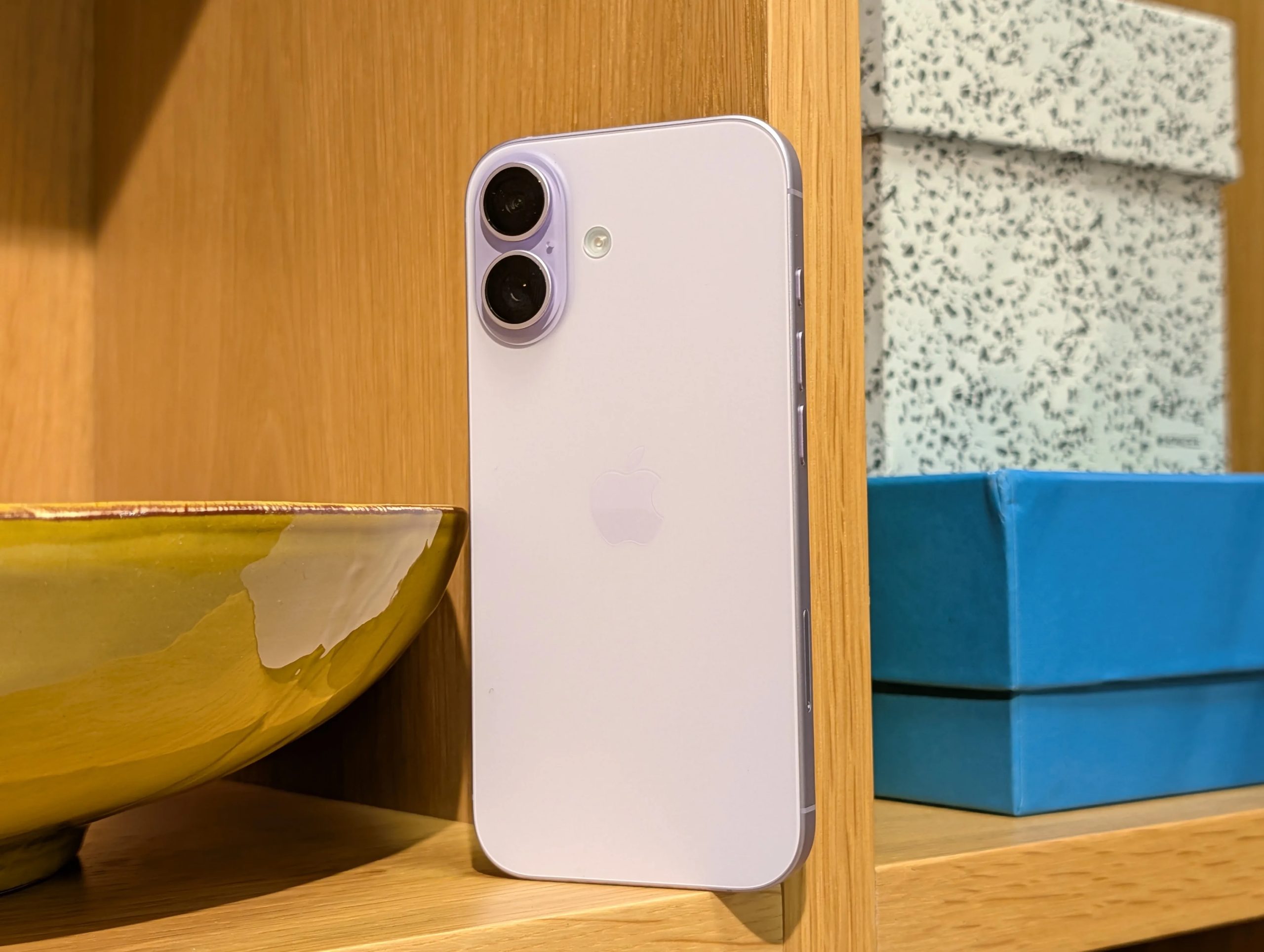
Apple’s iPhone is a product that the world, including potential buyers, critics, and competitors, watches obsessively. Over the years, the Cupertino giant has repeatedly shown up every September, with the best iteration of their smartphone technology, spread across multiple Pro and non-Pro models. However, the iPhone 18 series could change that tradition.
This year could be the first time the company splits its massive September event into two, focusing on different categories of the upcoming iPhones. The premium ones, including the Pro models and the purported Apple foldable, could arrive this fall, while the more affordable models could arrive in spring 2027. That’s why it’s all the more important to know about the purported iPhone 18 series this year, so that you can plan your upgrade (and prepare your wallet) well in advance.
iPhone 18 series: Latest news

Apple’s iPhone is one of those evergreen product lineups that attracts rumors and reports year-round. It doesn’t matter whether the iPhone 17 has just dropped or we’re almost half a year away from the expected iPhone 18 series launch time; the news just keeps coming in from all directions.
- According to the Chinese tipster Instant Digital (via Weibo), the iPhone 18 Pro series might skip a fan-favorite black finish this year as well. Instead, the lineup could arrive with a much more vibrant color palette than any other model, including hues like deep maroon, coffee brown, and perhaps even bright purple.
- Several tipsters claim the iPhone 18 Pro models could feature a slimmer Dynamic Island. However, there seems to be a divide on whether the slimmer Dynamic Island will make it to the vanilla iPhone 18.
- Apple’s plans to improve the iPhone 18 Pro’s camera app, perhaps with pro-style controls for all the different photographic values, just got tangled in a legal mess in late March 2026. The company was reportedly planning to introduce Halide-inspired features to its camera app.
- The iPhone 18 Pro lineup is rumored to feature a 24MP selfie camera, which could further improve selfies. The regular iPhone 18 might stick with its 18MP Center Stage camera, at least for this product cycle.
- While the Chinese version of the iPhone 18 Pro Max could feature a 5,000 mAh battery, the version sold in other markets could have a capacity of 5,100-5,200 mAh. This could result in a significant improvement in battery life, especially when combined with the more power-efficient A20 Pro chip.
- The iPhone 18 is expected to carry over the same design as the current iPhone 17. It could arrive next year, alongside the iPhone Air 2 and the iPhone 18e.
Release Date and price rumors

Unlike previous years, Apple is heavily rumored to split its grand September launch event into two equally important events across 2026 and 2027.
The split strategy was initially reported by The Information in May 2025, and later, Bloomberg’s Mark Gurman corroborated it, stating that it will help the company spread its engineering and marketing efforts across its calendar year, from fall to spring.
As part of the new launch paradigm, we should get to see the premium Apple iPhones, including the iPhone 18 Pro, the iPhone 18 Pro Max, and the iPhone Fold (Apple’s first-ever foldable), in early September 2026, with retail availability typically following about two weeks later. Some rumors also suggest the Fold’s retail availability could commence in December.

Price seems to be a sensitive topic this year, not just for the upcoming iPhone 18 series, but for every other smartphone in 2026. The ongoing memory crisis and rising component costs have compelled manufacturers to either raise prices or upsell buyers to higher-memory or storage variants at higher prices.
Expected Release
Starting Price
iPhone 18 Pro
September 2026
~$1,099
iPhone 18 Pro Max
September 2026
~$1,199
iPhone Fold (or Ultra)
September – December 2026
~$2,000 or more
Apple, however, might be in a slightly better position than other manufacturers, as per renowned analyst Ming-Chi Kuo. In January 2026, Kuo claimed that the company could leverage its position to lock in long-term deals with memory suppliers, potentially helping it absorb the higher cost, and, in the process, securing a higher market share as other brands hike prices.

Post the September 2026 event, Apple could return in March 2027 with more value-driven, consumer-centric models, including the regular iPhone 18 and the iPhone 18e.
The successor to the thinnest iPhone ever, the iPhone Air, could also break cover at the same time. Whether this would be through a live-streamed event, a pre-recorded presentation, or simply via a press release is something we’re yet to find out.
Expected Release
Starting Price
iPhone 18
March 2027
~$799
iPhone 18e
March 2027
~$599
iPhone Air 2
March 2027
~$999
Please keep in mind that the prices mentioned here are mere speculations, and Apple hasn’t confirmed them (yet).
Design and display

According to the most recent rumor from Fixed Focus Digital (via Weibo), the baseline iPhone 18 could look and feel the same as its predecessor, the iPhone 17. In other words, we could get the same glass-and-aluminum sandwich design with flat edges, rounded corners, the pill-shaped camera module, and a minimal yet premium visual appeal.
The overall dimensions and weight of the handset might remain unchanged, barring any minor modifications. While the handset could still feature a 6.27-inch LTPO OLED screen with a 120Hz refresh rate, perhaps with improvements to peak brightness and always-on efficiency.

It might have a smaller Dynamic Island, though newer leaks dispute this, suggesting that a smaller cutout on the screen could be reserved for the Pro models in the iPhone 18 series. The bezels are already quite slim on the baseline iPhone 17, and they might not get any slimmer on the successor.
The iPhone 18 Pro models could also borrow their aluminum unibody (with the camera plateau) and glass (at the rear) chassis from the iPhone 17 Pro models. What could change, however, is the color difference between the metal body and the back glass, in favor of a more seamless look.

In fact, Apple could also double down on more vibrant, fun colors with the iPhone 18 Pro (as the Cosmic Orange finish did quite well). Some leaks claimed Apple might ditch the Dynamic Island entirely and adopt an under-display Face ID module, resulting in punch-hole screens. But for now, a smaller Dynamic Island makes much more sense, given Apple’s slow-paced physical innovation cycle. It would also help with product segmentation.
Beyond that, the handsets will most certainly retain their current dimensions and weight, with minute changes always on the table (perhaps for a bigger battery). The iPhone 18 Pro could sport the same 6.3-inch OLED screen, and the iPhone 18 Pro Max could have the 6.9-inch OLED screen, both capable of a 120Hz ProMotion display, with subtle refinements in the screen-to-body ratio and the anti-reflecting coating.
Performance and software

The baseline iPhone 18 will almost certainly feature the A20 chip, while the iPhone 18 Pro models could get the A20 Pro chip. They’ll be the first Apple-designed chipsets based on TSCM’s 2nm fabrication technology. Technically, Samsung crossed the finish line first with 2nm chips (with its Exynos 2600 chip), but Apple’s implementation should be more intentional and capable.
Apart from improvements in raw performance and efficiency, the purported mobile processors from Apple could be based on a new WMCM (Wafer-level Multi-Chip Module) design, as claimed by renowned analyst Ming-Chi Kuo and corroborated by a few other industry sources.
The design allows the integration of several key components, including the CPU, GPU, and DRAM, into the same package, resulting in enhanced system performance and reduced material costs. Apple could also use the same tech for the upcoming M6 chip, which could break cover on a MacBook Pro later this year.
Even though the current A19 chips are extremely fast, the A20 family could deliver double-digit improvements in both CPU and GPU performance, making it ideal for a future iteration of the MacBook Neo. We’re also expecting better sustained performance from the A20 chips.

The baseline iPhone 18 could get a memory boost to 12GB (up from 8GB), while the iPhone 18 Pro could retain its 12GB memory, but perhaps with faster bandwidth for improved performance. Storage options should remain the same as on the current iPhone 17 lineup. The Pro models could also get better satellite connectivity, perhaps even 5G-via-satellite.
The iPhone 18 series should debut with iOS 27 out of the box, which is expected to rely heavily on AI-driven improvements and under-the-hood refinements rather than any big visual changes (it is also referred to as the “Snow Leopard” update).

The update will likely include a chatbot-like Siri with deeper integration across iOS and support for third-party AI models. We might get a standalone Siri app, much like other chatbots.
Among other major additions could include Health+, an AI-powered health-tracing platform with features like food logging, personal coaching, and an AI-based doctor or consultant. We could also get an improved, AI-integrated Spotlight search experience, better multitasking optimization (especially on the big-screen iPhone Fold), an improved Shortcuts app, and a Liquid Glass slider for tweaking transparency.
We’ll get a glimpse of everything new in iOS 27 at WWDC 2026.
Cameras and battery

Both the iPhone 18 and the iPhone 18 Pro models are rumored to get a 24MP square-shaped sensor on the front, which could add the missing sharpness to the iPhone 17’s ultrawide selfies. However, newer reports assign the improved 24MP selfie shooter to the Pro models, not the baseline iPhone 18.
Chinese tipster Digital Chat Station claims that the iPhone 18 Pro models could feature a DSLR-like variable aperture for the 48MP primary camera, alongside larger fixed apertures for the ultrawide and telephoto sensors. Simply put, users could get more control over the background blur and overall light in the frame (via the primary camera) and better low-light performance (via other sensors).

While Apple was also reportedly considering acquiring Lux Optics, the company behind the Halide Camera app (which provides creative and professional photography controls), the plans seem to be tangled in a legal mess, at least for now. Per a Chinese tipster, Apple was toying around with teleconverter lenses for the Pro models as well.
A simplified Camera Control button (without the capacitive touch layer) is also on the cars for all iPhone 18 models.

A leak from Instant Digital suggests a slight weight increase for the iPhone 18 Pro Max, possibly to accommodate a larger battery than the current model. In fact, the rumor was corroborated by Digital Chat Station, which stated that the non-Chinese version of the handset could feature a battery with a capacity between 5,100 and 5,200 mAh, a substantial improvement in the battery life.
Apple is reportedly cleaning up iOS 27’s code to make it more efficient, which should also improve overall battery life for the iPhone 18 series and the supported iPhones. Beyond that, there are no leaks or rumors about the iPhone 18 series getting any charging upgrades, wired or MagSafe.

Claude Cowork is moving beyond early testing and into a wider role at work. On April 9, Anthropic said it became generally available on all paid plans for macOS and Windows, alongside a set of enterprise features meant to support larger rollouts.
That pairing matters more than the availability update by itself. Anthropic is tying the release to role-based access controls for Enterprise, group spend limits, usage analytics, expanded OpenTelemetry support, and tighter connector permissions, all aimed at making Cowork easier to manage across an organization.
Anthropic also made clear that Cowork is no longer being framed as a tool mainly for technical teams. It said most usage already comes from operations, marketing, finance, and legal, which helps explain why this release leans so heavily on governance and monitoring.
Why the oversight tools matter
The most important change is the management layer. Enterprise admins can now set access by provider, model, and feature, while group spending limits give companies a way to control usage across departments instead of leaving budgets to individual employees.

Anthropic is also widening the reporting view. Its dashboard metrics and Analytics API can track sessions, active users, connector activity, and adoption by team, while broader OpenTelemetry support is designed to feed Claude usage into existing monitoring systems.
Where Cowork fits at work
Anthropic’s larger message is about where Cowork fits inside a business. It said most use already comes from non-engineering groups handling project updates, research, and internal collaboration, not just code-focused work.

That shifts the product’s identity in a meaningful way. Cowork is being positioned less as a specialist assistant and more as a shared layer for everyday work that can draw from connectors, internal information, and team-specific workflows.
What happens next
The next test is whether companies treat Cowork as a standard workplace tool or keep it in a narrower lane. General availability gives Anthropic a stronger opening, but broader adoption will depend on whether admins see enough structure around access, costs, and integrations to support daily use.
For companies evaluating the launch, the real question is practical. If Cowork can help multiple departments while staying measurable and manageable for the people running the system, it has a stronger chance of becoming part of regular business operations rather than stalling at the pilot stage.

Welcome to our latest roundup of what’s going on in the indie game space. As always, we’re here to tell you about a bunch of new games you can play this weekend, as well as several upcoming titles.
The latest edition of the Triple-i Initiative showcase was packed with cool stuff, including a first peek at the fascinating next game from 1000xResist developer Sunset Visitor, word of a Don’t Starve follow-up, a release date for stealth title Thick as Thieves and an announcement of when pirate survival sim Windrose will hit early access.
We also got a release window for Neverway, a life sim with gorgeously creepy pixel art. The prologue is available to play now on Steam, and it doesn’t take long at all before things become delightfully strange. I’ll run through a few of the other Triple-i highlights below.
Before we get to the new releases, though, I want to touch on something I spotted a little too late to include in last week’s roundup. On Reddit, the developer of mixed reality game CoasterMania shared a video showcasing an update that lets players use their hands to build and interact with rollercoasters. I think this looks just swell. This is the most I’ve ever been interested in picking up a Meta Quest headset (which I’d inevitably use for a grand total of about 45 minutes).
New releases
I don’t like to overwork my brain when I’m playing games. I’m focused all day at work and afterwards, I just want to switch off for a bit. That’s a big reason why I play a ton of Overwatch and don’t really gel too well with most puzzle games. Minos, though, hits the sweet spot of brain engagement for me.
In this roguelite from Artificer and publisher Devolver Digital, your aim is to stop glory-seeking adventurers from finding and killing a minotaur. You’ll shape a labyrinth as you see fit in order to defend the beast from these warriors. You can set up the maze by building and knocking down walls, and setting traps. The adventurers will follow a set path to the minotaur’s lair, then make a beeline for the monster when they discover it’s hiding elsewhere.
There are a lot of ways to dispose of the interlopers and you’ll need to be thoughtful about how to set everything up to take out each wave of attackers. Many traps can only be placed on certain spots, so it’s important to work around those. You’ll need to adjust your setup after every wave — you’ll gain more traps and have to re-arrange them to fend off different types of enemies.
Minos is more active than a lot of tower defense and strategy games I’ve played, as the minotaur can reset certain traps after they trigger and, if need be, try to kill the adventurers head-on. I found myself spending quite a bit of time thinking through each enemy’s path through my domain and how I was going to eliminate them. Sometimes, I miscalculated and brought my run to an end. Being able to improve the minotaur’s stats and unlock new powers between runs helped me keep coming back for more.
I’m really enjoying Minos, and I wouldn’t be surprised if this ends up being one of my favorite games of the year. You can snap it up on Steam now for $18. A demo is available too.
Spring has finally bloomed in my neck of the woods. I planned to spend a chunk of my weekend outside after a long winter. But now I might need to bring my Steam Deck with me, because the first DLC for CloverPit, one of my favorite games of last year, suddenly arrived during the Triple-i Initiative showcase.
CloverPit is a Balatro-style incremental roguelite from Panik Arcade and publisher Future Friends Games. It tasks you with breaking the rules of a slot machine to meet increasingly high coin targets in order to pay off a debt. You can pick up charms that modify the machine, and the Unholy Fusion DLC is all about those totems. You’ll be able to use a new device called the Surgery Machine to fuse charms into more powerful items (à la Ball x Pit). It seems like that will free up valuable space for more charms too.
The DLC adds 30 fusion charms, 11 new base charms, a secret ending and other features. I’ve played CloverPit for dozens of hours (I’m far from the only one, as the game’s pulled in more than 5 million players). I suspect I’m about to sink a whole lot more time into this DLC.
The Unholy Fusion DLC usually costs $3, but there’s a 10 percent discount on Steam until April 23. The base game is typically $10, though you can get 30 percent off on Steam until the same date. You’ll save an extra five percent if you buy a bundle with both. CloverPit is also on Game Pass, and you can buy a bundle of the base game and DLC on Xbox Series X/S, Xbox One and Xbox on PC for $11.49. On iOS and Android, you can snag CloverPit for $5 and the DLC for $2.
Another title had a surprise, sudden release during the Triple-i Initiative showcase: battle royale typing game Final Sentence. I really enjoyed the demo for this one, even though I’m not the fastest or most accurate typist around — I made four typos in this sentence alone. Make too many mistakes or fail to beat everyone else who’s bashing away at a typewriter and it’s curtains for you, courtesy of a creepy figure with a revolver that’s standing by your desk.
Final Sentence, from Button Mash and Polden Publishing, is available on Steam. It’ll typically cost $10, but if you pick it up before April 23, you’ll save 10 percent. (Sidenote: I enjoyed a Steam review that read, “finally… a way for millennials to beat Gen Z at a battle royale game.)
One of the most interesting things about People of Note is that Iridium Studios tried to make this musical adventure as approachable as possible. It’s an RPG with turn-based battles, but you can skip the fights if you like. That’s appealing to someone like me, who enjoys story-driven games but often struggles to engage with turn-based combat. Puzzles are skippable too. Great! People should be able to play non-competitive games however they want.
I dug the demo when I played it a while back. The approach to battles here is interesting, as the protagonist, pop singer Cadence, recruits other musicians to join her band — in other words, your party. The combat is based around music, and you can create mashups of battle tracks based on the genres that your collaborators specialize in.
People of Note, from publisher Annapurna Interactive, will normally run you $25, though there’s a 10 percent launch discount. It’s available on PS5 (the discount on that platform is only for PlayStation Plus subscribers), Xbox Series X/S, Xbox on PC, Nintendo Switch 2, Steam and the Epic Games Store.
Tamashika is a fast-paced first-person shooter with a neat twist. The game only has one level available at any time. There are no checkpoints, and it’ll take about 10 minutes to complete a successful run. The level gets a procedurally generated revamp once per day.
A tantō blade, a pistol, your movement and your aim are the only weapons you have to defeat the enemies and reach the goal. I had to watch the trailer a few times to get it, but the quirky hand-drawn aesthetic is growing on me.
Tamashika — from QuickTequila and publisher Edglrd — is available on Steam, PS5, Xbox Series X/S and Switch for $20.
A Hidden Object Fest is running on Steam until April 13, and a few new games have debuted as part of that. One of those is Nippets by Blink Industries. It’s a hand-drawn game with lots of secrets and, at least judging by the trailer, charming animations. It seems like a very relaxing counterpoint to some of the more intense games out this week. It’s pretty digestible too, as it has around two to three hours of gameplay, depending on how sharp your observation skills are.
Nippets is available on Steam and Itch for PC and Mac. It costs $13, though there’s a 10 percent discount on Steam until April 21. A demo is available on both storefronts too.
Upcoming
Dead As Disco has some momentum after 1.2 million players checked out the demo, and this rhythm-based beat ’em up now has an early access release date. It’s coming to Steam and the Epic Games Store on May 5.
At the jump, you’ll be able to play the first arc of a larger narrative and be able to take out bad guys to the beat of a soundtrack that has more than 30 songs, including original tracks, covers and licensed tunes. You can load in your own music as well, though I can’t imagine being able to adeptly play this to the rhythm of Angine de Poitrine’s wild time signature swings.
Brain Jar Games expects the game to remain in early access for around a year as it adds new bosses, moves and other features, and makes adjustments based on player feedback. A co-op mode is planned too. You can get a taste of Dead As Disco now by checking out the Steam demo, though I would argue that disco is still very much alive.
Those looking for a puzzle game of a Lovecraftian persuasion may be interested in Call of the Elder Gods, a sequel to 2020’s Call of the Sea. The follow-up is bound for Steam, PS5, Xbox Series X/S and Switch 2 on May 12. It’ll be available on Game Pass and it’s priced at $25 on the eShop.
You seemingly won’t need to have played Call of the Sea before diving into the sequel, though you’ll surely get more out of Call of the Elder Gods if you have. You’ll switch between two characters — professor Harry Everhart and student Evangeline Drayton — to solve puzzles from a first-person perspective and try to find out what happened to the pair’s missing loved ones.
I’d seen Long Gone at another showcase some time ago, but the name of it slipped from my memory. No such issues after it made an appearance in the Triple-i Initiative stream though, as this project from Hillfort Games and co-publisher Outersloth is now firmly on my Steam wishlist.
It’s a narrative-driven game set amid a zombie outbreak in which you’ll solve environmental puzzles to learn about the lives of people who are no longer around. It’s ostensibly a point-and-click adventure that looks very heavily inspired by a certain post-apocalyptic series from Naughty Dog, right down to the backpack-wearing protagonist. There are platforming sections too.
I’m absolutely going to be interested in any game that smooshes together The Last of Us and the Monkey Island series. I’m really looking forward to playing Long Gone sometime next year.

Spring has certainly sprung here at Engadget. Well, it has in terms of reviews, at least. We’ve put over a dozen devices through their paces since my last roundup, which gives you a lot to catch up on over the weekend. Read on for the rundown of all the reviews you might’ve missed.
ASUS ZenBook A16

ASUS
The Zenbook A16 is the lightest 16-inch ultraportable we’ve seen yet, and it’s surprisingly capable thanks to Qualcomm’s Snapdragon X2 chips.
Pros
- Surprisingly light
- Polished design
- Excellent OLED screen
- Tons of ports
- Big performance leap over X1 chips
Cons
- Potential Arm incompatibilities
- Doesn’t support all PC games
ASUS’ ZenBook A14 didn’t live up to our expectations last year, but now the company is back with a 16-inch machine and a shot at redemption: the A16. “Compatibility issues aside, the ZenBook A16 delivers just about everything I want in an ultraportable,” senior reporter Devindra Hardawar said. “It’s got a gorgeous OLED screen and all of the ports you need. Qualcomm’s Snapdragon X2 Elite chips also give it a much-needed power boost. And best of all, it’s one of the lightest and sleekest 16-inch Windows laptops I’ve come across.”
Apple AirPods Max 2

Apple/Engadget
The H2 chip delivers a host of new features, but it’s time for a comprehensive redesign on these pricey headphones.
Pros
- Comfortable
- Excellent sound quality
- Lots of new features
Cons
- Same design, again
- Expensive
- Only one hearing health feature
Until this year, Apple’s only updates to the AirPods Max were new colors and a USB-C port. The company finally gave its pricey over-ear headphones the powerful H2 chip, delivering a host of handy features from the AirPods Pro. “The H2 chip brings Apple’s over-ear headphones on par with the rest of the AirPods lineup, namely the AirPods Pro 3,” I said. “And since I don’t expect Apple to announce new earbuds this year, that parity should remain for a while.”
Sonos Play

Sonos / Engadget
The Play sounds great, has a wide and versatile feature set and won’t break the bank. It’s a welcome return to form for Sonos.
Pros
- Compact design
- Great sound quality for its size
- Features like line-in and Bluetooth grouping make it extremely versatile
- Long battery life
Cons
- Doesn’t come with a power adapter
- More colors would be welcome
Sonos badly needed a win. Thankfully, the company regained some of its mojo with a new portable speaker that offers the best of Bluetooth and Wi-Fi in the same device. “The latest Sonos speaker offers impressive sound quality, flexibility and portability, and it’s the kind of product that can help Sonos rebuild its reputation after its recent difficulties,” deputy editor Nathan Ingraham said.
LG Sound Suite

LG/Engadget
LG’s latest home theater system offers immersive sound and lots of options. It’s expensive though, and the marquee feature isn’t always easy to use.
Pros
- Detailed and expansive home theater audio
- Dolby FlexConnect is genuinely useful
- Great for music
- Easy to use as individual speakers
Cons
- Expensive
- Frustrating setup and connectivity
- Each item is sold separately
- Some configurations require LG TVs
After an impressive CES debut, LG’s Sound Suite was my most anticipated review of the year. Despite impressive sound quality and Dolby Atmos FlexConnect, there are still some kinks to work out in both the setup and general use. “There’s no denying that LG has created a powerful and immersive living room experience with its Sound Suite lineup,” I said. “While I did experience some setup and software issues, those are things LG can iron out over time — Sound Suite is still brand new, after all.”
DJI Avata 360, Fender Audio, Nebula X1 Pro and more
The last few weeks have been pretty audio-heavy here at Engadget, including the first headphones and speakers from Fender Audio, two sets of headphones from JBL and the Roland Go: Mixer Studio. I also reviewed the first of Sony’s 2026 soundbars, the Bravia Theater Bar 5, and contributing reporter Steve Dent reviewed the Anker Soundcore Nebula X1 Pro all-in-one projector.
Senior reporter Sam Rutherford really took one for the team and spent some time with the Robosen Soundwave Transformers robot. Lastly, Steve took flight with the DJI Avata 360 drone, which is a direct answer to Insta360’s Antigravity A1.

Sports54 seconds ago
Marie-Louise Eta Becomes First Woman to Manage Men’s Team in Europe’s Top Five Leagues

Tech2 minutes ago
France starts moving government systems from Windows to Linux

NewsBeat4 minutes ago
Family and friends honour much-loved Bolton dad and Wanderers fan

Politics2 months ago
Why Israel is blocking foreign journalists from entering

News Videos2 months ago
Bitcoin: We’re Entering The Most Dangerous Phase

Politics1 month ago
Alan Cumming Brands Baftas Ceremony A ‘Triggering S**tshow’

News Videos23 minutes ago
Satoshi Bitcoin Wallet Dumps EVERYTHING! Why Crypto ISN’T DEAD (Send This To 1 Friend)

News Videos30 minutes ago
Finance, Banking core interest #astrology #jyotish #kundali #horoscope #banking #finance #moneymind

News Videos1 hour ago
Achieving financial freedom isn’t permission to abandon your purpose on earth. #worldwide
-

 Business7 days ago
Three Gulf funds agree to back Paramount’s $81 billion takeover of Warner, WSJ reports
-

 Politics2 days ago
US brings back mandatory military draft registration
-

 Fashion2 days ago
Weekend Open Thread: Veronica Beard
-

 Tech5 days ago
How Long Can You Drive With Expired Registration? What Florida Law Says
-

 Fashion6 days ago
Massimo Dutti Offers Inspiration for Your Summer Mood Board
-
 Sports2 days ago
Man United discover Nico Schlotterbeck transfer fee as defender reaches Dortmund agreement
-

 Fashion5 days ago
Let’s Discuss: DEI in 2026
-

 Crypto World3 days ago
Canary Capital Files SEC Registration for PEPE ETF
-

 Business2 days ago
Tesla Model Y Tops China Auto Sales in March 2026 With 39,827 Registrations, Beating Cheaper EVs and Gas Cars
-

 Crypto World4 days ago
Bitcoin recovers as US and Iran Agree a Ceasefire Deal
-

 Politics2 days ago
Malcolm In The Middle OG Turned Down ‘Buckets Of Money’ To Appear In Reboot
-

 Business2 days ago
OpenAI Halts Stargate UK Data Centre Project Over Energy Costs and Copyright Row
-

 Business20 hours ago
Ireland Fuel Protests Enter Day 5 as Blockades Spark Shortages and Government Prepares Support Package
-

 Tech6 days ago
Italian court says Netflix must refund customers up to $576 over price hikes
-

 Tech6 days ago
Gamer Restores the Original PlayStation Portal From Two Decades Ago
-

 Tech6 days ago
Samsung just gave up on its own Messages app
-

 Tech6 days ago
Haier is betting big that your next TV purchase will be one of these
-

 Tech6 days ago
The Xiaomi 17 Ultra has some impressive add-ons that make snapping photos really fun
-

 Politics2 days ago
LBC Presenter Mocks Trump Over Iran War Failures
-

 Tech6 days ago
Save $130 on the Samsung Galaxy Watch 8 Classic: rotating bezel, sleep coaching, and running coach for $369
You must be logged in to post a comment Login