

Join Mikko Hyppönen and security leaders from the NFL, CHANEL, and Atlassian for a two-hour digital summit on what AI-speed attacks change, what defenders should stop doing, and how to validate, decide, fix, and re-validate at machine speed.
Tech
Why Is Your iPad Not Charging (And How To Fix It)

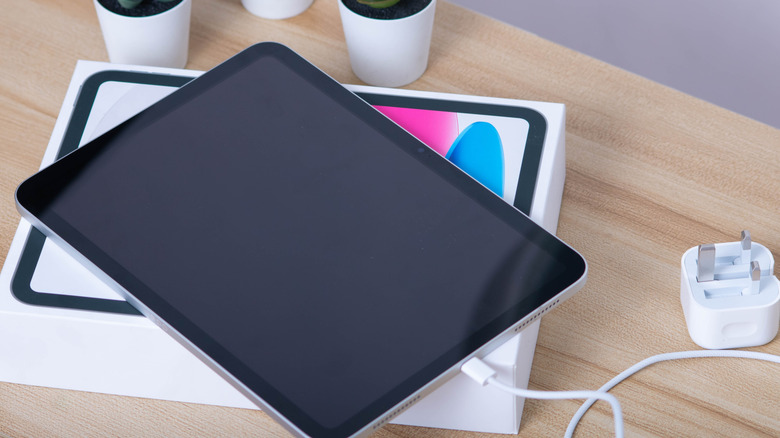
If your iPad refuses to charge, it’s likely an issue with the cable or charging block.
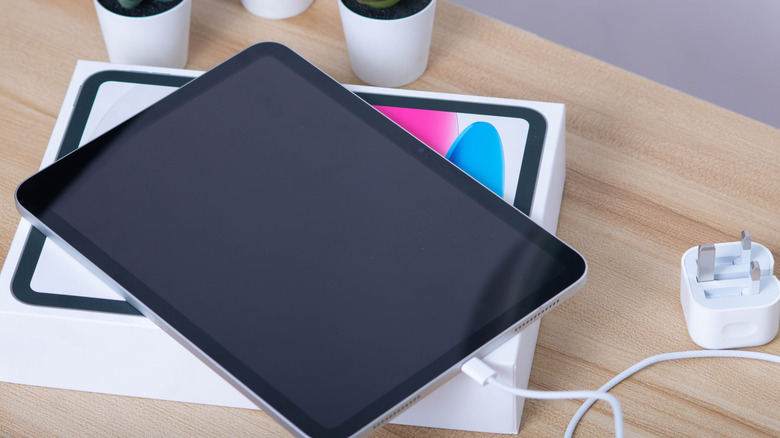
Having your iPad refuse to charge is a frustrating sight, whether it’s fully drained after a late-night YouTube binge or you’re topping it off before class. Even if you own one of the best iPad models, charging problems can easily crop up. But what’s causing these issues, and how can you solve them?
If your iPad refuses to charge out of nowhere or starts charging more slowly than usual, you’re looking at either a problem with the cable and charger, or a potentially more serious underlying hardware fault. While a damaged or underpowered charger is often the primary culprit for an iPad that won’t charge, there could also be an issue with your tablet’s charging port. We’ll guide you through why your iPad might have suddenly stopped charging while also providing tips on how to power it up again.
Why has my iPad stopped charging all of a sudden?

First, don’t panic: an iPad not charging doesn’t necessarily mean it’s bricked. The main culprit behind charging woes could be as simple as a faulty charger or cable. When possible, it’s best to use the official first-party charger that came with your iPad or one of the best fast chargers. That way, you know it’s getting enough power.
It’s not a great idea to use cheap third-party chargers, as they may be unreliable or unsafe due to poor quality control. Also, the iPad needs a heavier-duty charger than an iPhone, given its large battery. It’s possible that a weak charger is connected properly, but doesn’t send enough flow to get your tablet going. Ideally, you want a charger that provides at least 10W, not that old Kindle charging block that’s been buried in a drawer for years. Using a high-quality cable that meets the fast charging standards of your charging block is important, too.
Thus, when you encounter iPad charging problems, switch between multiple cables and adapters to rule out peripheral faults. If certain cables and chargers work but others don’t, that’s a sign the charging accessory is bad, not your iPad. Try various wall outlets too, just to make sure you’ve ruled everything out.
In the unlikely instance that you’ve left your iPad to gather dust for weeks or even months, its battery is likely fully discharged. Most devices are prone to charging issues if they’ve been left completely drained for extended periods of time. So if you’ve neglected your iPad for months, let it sit on the charger for a good while, as it could take a while before it’ll turn back on (even with an ultra-fast charger).
Extreme temperatures can also wreak havoc with your iPad’s battery. Apple advises that you refrain from charging an iPad in direct sunlight, while overly cold conditions should also be avoided. The company states temperatures between 32°F to 95°F are optimal for safe charging conditions. Veer outside these temps, and iPadOS may start to slow or completely stop charging to protect your iPad’s lithium-ion battery.
How to tell if your iPad’s charging port is damaged
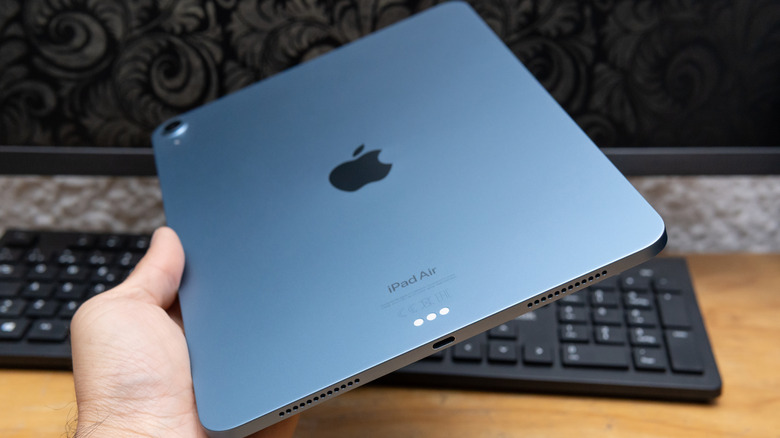
The inverse of our earlier test also reveals important info: if you have chargers that work fine with other devices but refuse to juice up your iPad, your tablet’s port is likely damaged. Another signal of port damage or blockage is the charging icon on your iPad’s screen fluctuating on and off.
You should carefully examine your tablet’s charging port. The simplest way to do this is using the flashlight on your phone to peek inside. If you can see scratched or bent pins, or if there’s any sign of discoloration, the port is likely damaged. At this point, you should contact Apple Support to see what your repair options are. Provided your iPad is still in its warranty period, Apple may complete the repairs for free, as long as it deems the problem was from a manufacturing defect and not one caused by accidental damage. If you have AppleCare protection, port damage should be covered (with a deductible).
Problems with your iPad’s charging port may not be as severe as physical scrapes and scratches; charging problems can often happen from dirt buildup. If you see lint or dust packed into your iPad’s port, this may interfere with the charging cable connection. To safely remove any grime that’s formed inside the port, use the soft bristles of a clean brush. Avoid small metallic objects like paperclips, as they can scratch the port internals. Don’t use cotton swabs either, as they can leave fibers inside the port.
How to reset an iPad that won’t charge
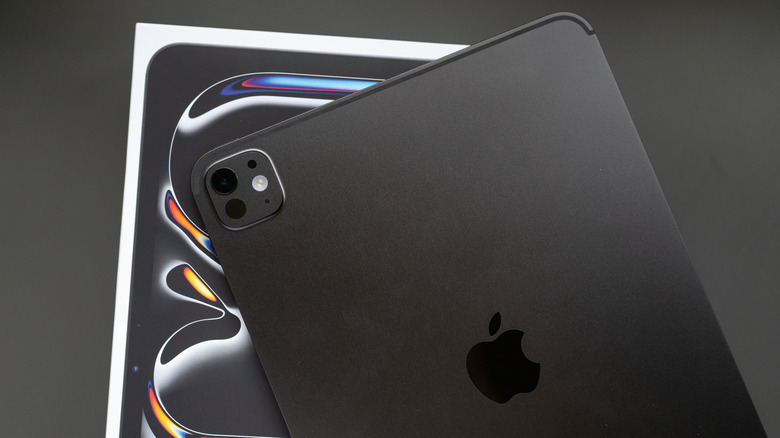
Once you’re confident that neither your iPad’s charging port nor the cable/charge are the culprits, it’s time to force your tablet into a hard reset. This won’t delete any data; it’s a forced restart akin to pulling the plug on a desktop PC. The process differs slightly depending on the model.
For those with modern iPads that lack a Home button, first press and swiftly release the Volume Up button (the one closer to the Power button), then press and release Volume Down. After this, hold the Power button (located at the top-right with the port at the bottom and the screen facing you). Continue to hold this until the Apple logo appears on your iPad’s screen, which can sometimes take a few seconds.
If your iPad does have a Home button, the process is a little simpler. Just hold the Power and Home buttons together until the Apple logo shows up to complete a force restart. Once your iPad boots normally again, hopefully it will charge as normal. If not, it’s time to get in touch with Apple.
Continue Reading


A joint law enforcement advisory warns that the North Korean hacking group WaterPlum compromised at least 30,000 devices worldwide from December 2025 through July 2026 and transferred more than $10.7 million in stolen cryptocurrency to North Korea.
The figures came from a joint advisory by Japanese, US, Australian, and German authorities that collectively traced the threat group’s activity.
WaterPlum is linked to a multi-year campaign known as “Contagious Interview,” which has previously targeted job seekers with malicious npm packages hat infect their devices with malware.
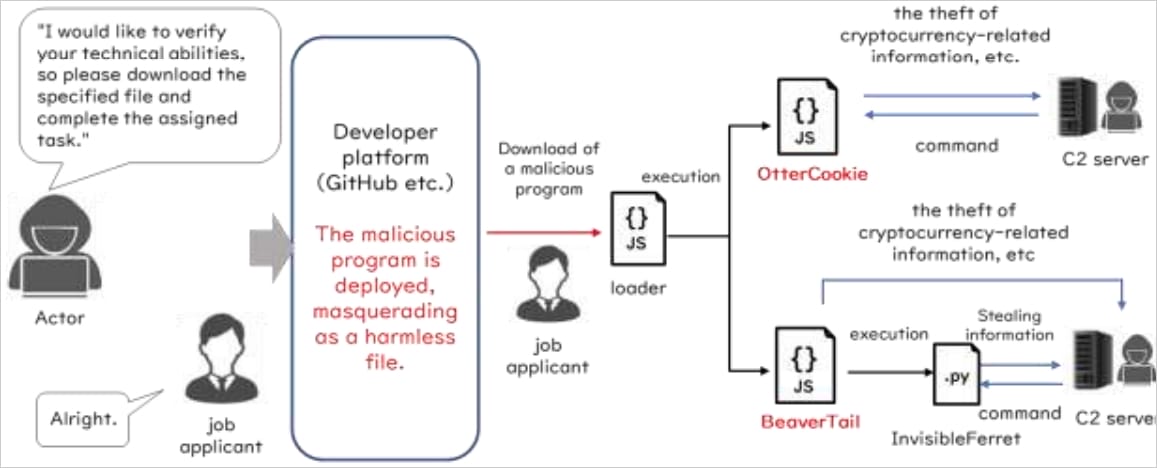
The attackers impersonate legitimate AI, cryptocurrency, and NFT companies or use recruiting and freelance platforms to approach job seekers.
During fake interviews and coding tests, victims are instructed to download projects, troubleshoot supposed video-conferencing problems, or execute malicious code.
WaterPlum is part of a broader ecosystem of North Korean threat actors that conduct financially motivated attacks to generate revenue for the regime and help fund its weapons programs.
“WaterPlum actors have infected at least 30,000 devices in more than 100 countries and exfiltrated funds or account credentials from over 7,000 cryptocurrency wallets,” reads the advisory.
“WaterPlum actors have transferred 1.7 billion Japanese yen (JPY) (equivalent to 10.71 million USD) of cryptocurrency assets to the Democratic People’s Republic of Korea (DPRK).”
The advisory links several malware families to WaterPlum operations, including:
- BeaverTail: JavaScript malware concealed in npm packages.
- InvisibleFerret: Python-based backdoor.
- OtterCookie: JavaScript remote-access trojan and information stealer.
- OtterCandy: Malware combining OtterCookie and RAT capabilities.
- StoatWaffle: Modular Node.js malware delivered through malicious Visual Studio Code projects, using configuration files that execute code after a folder is opened and trusted.
Once a target is compromised, the attackers attempt to steal browser credentials, clipboard contents, keystrokes, cryptocurrency private keys and seed phrases, and documents, while also capturing screenshots.
They may also use access to infected computers to pivot to their employers’ or clients’ networks, expanding the attacks to intellectual property theft and espionage.
The agencies also directly connect WaterPlum to North Korea’s fraudulent IT worker operations, stating that some WaterPlum hackers also work as remote IT workers performing web development for clients and that the two groups have used the same IP addresses.
The advisory also warns that North Korean IT workers then reuse identity documents stolen in WaterPlum attacks to impersonate victims and obtain jobs.
Investigators also found that the WaterPlum actors use AI face-swapping software during online interviews, then turn off their cameras and blame network problems.
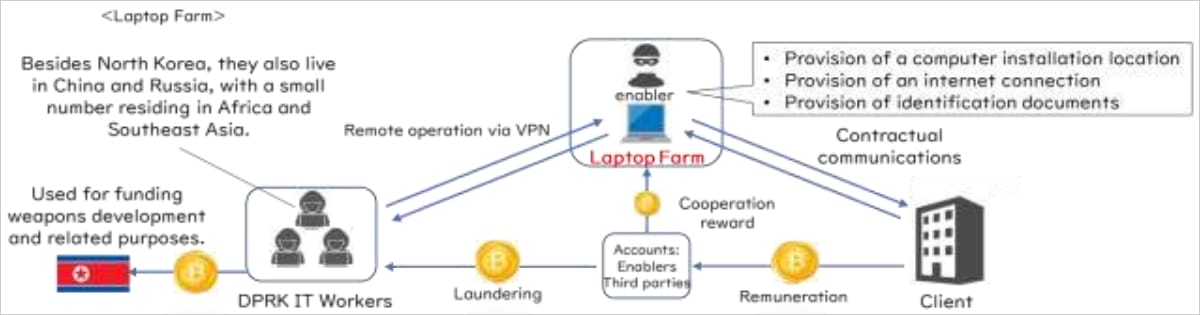
The FBI and Japanese police assess that WaterPlum actors and some North Korean IT workers operate under the country’s 313 General Bureau, which is part of the Munitions Industry Department responsible for North Korea’s weapons research and production.
Japan’s National Police Agency says authorities identified, investigated, and dismantled a North Korean IT-worker “laptop farm” in the country for the first time, finding evidence that several hundred million yen had been transferred abroad.
The advisory warns companies to carefully verify job applicants’ identities, locations, and qualifications and restrict their access to only the systems and data required to perform their jobs.
Developers should avoid running unknown code outside a sandbox and inspect provided files and code for commands that fetch additional payloads.

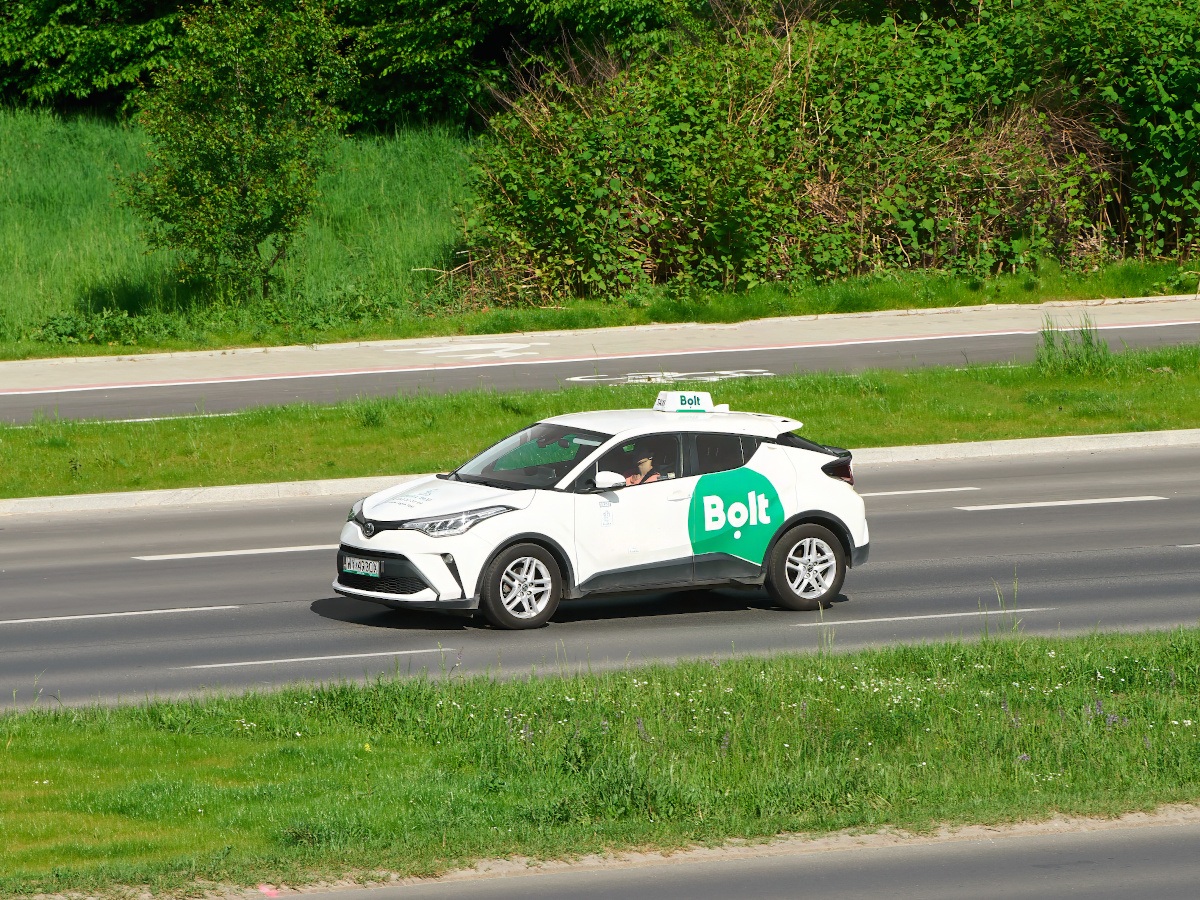
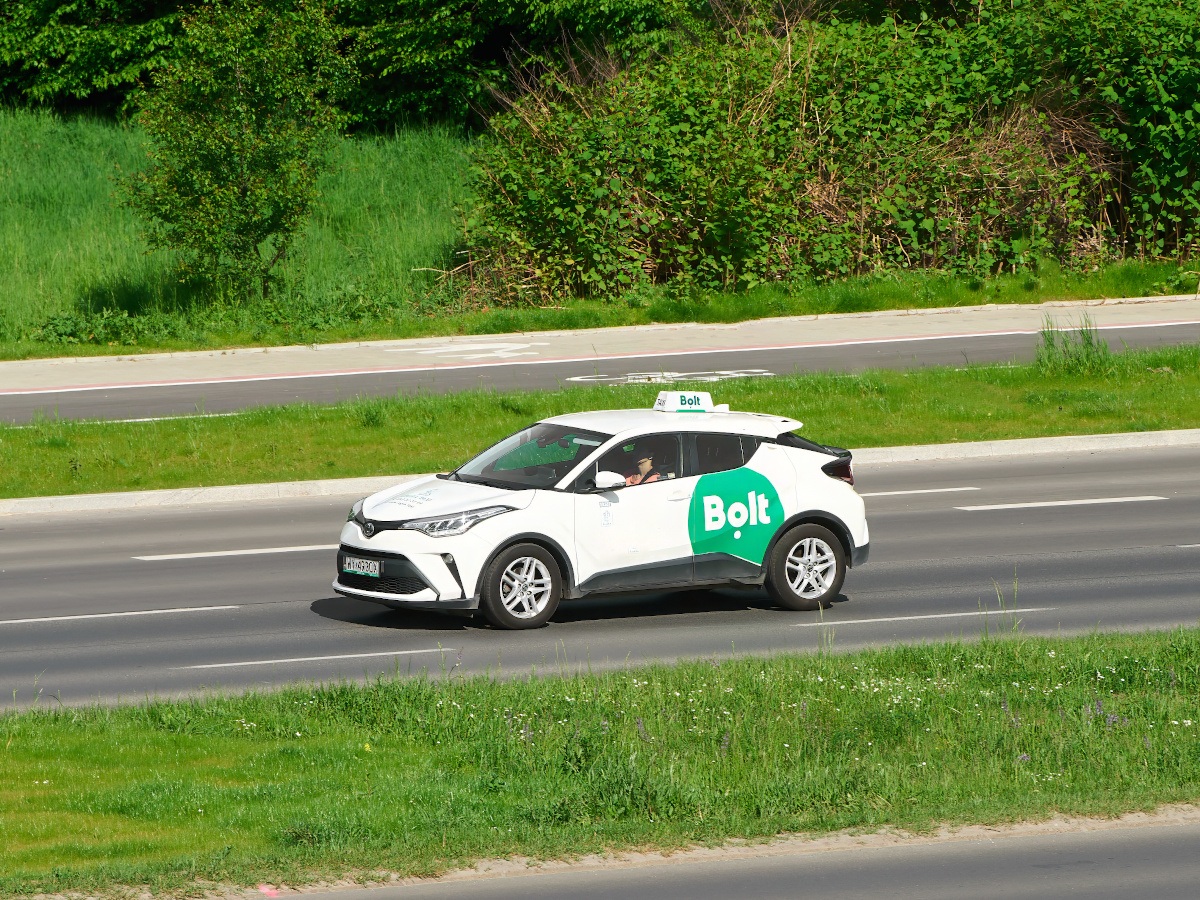
Bolt will own and operate the new fleet of autonomous vehicles.
Estonian ride-hailing service Bolt has partnered with US carmaker Lucid to deploy at least 25,000 fully autonomous vehicles (AVs) across multiple European cities, marking the latest efforts by businesses to bring robotaxis to the region while regulators attempt to play catch-up with the technology.
The partnership will utilise Bolt’s extensive European data along with Lucid’s software-defined vehicle platform to develop an autonomous driving system (ADS)-ready vehicle platform designed for level-four autonomous mobility. The platform will be built on Nvidia’s Hyperion, a production-ready AV reference architecture.
Bolt will own and operate the new vehicles, it said. The company hopes to grow its AV fleet to 100,000 by 2035.
The Estonian company will work across product development through to commercial operation in its new partnership, helping define vehicle requirements as well as software, safety and rider-experience parameters. It will also build the fleet infrastructure, operating systems and city partnerships needed to deploy the AVs at scale.
“Autonomous driving in Europe requires data, software, vehicles and operations to work as one system built for European roads and regulation,” said Markus Villig, the founder and CEO of Bolt.
“Lucid brings a world-class platform, and together, we will co-design the vehicle and software based on our data and more than a decade of operating experience across more than 850 cities.”
Robotaxis are a common sight across major US and Chinese cities, but expanding operations to older European cities with often rainy weather has been a challenge for global AV leaders.
Last month, Alphabet-owned Waymo announced it would introduce driverless robotaxis on German roads by the end of next year, while Uber and Pony AI said they would deploy more than 2,000 robotaxis across Europe.
Uber launched its first European robotaxi service in Croatia late last month in partnership with Pony and Croatian mobility company Verne, while its London deployment began taking rides earlier this month.
Don’t miss out on the knowledge you need to succeed. Sign up for the Daily Brief, Silicon Republic’s digest of need-to-know sci-tech news.
Google’s Gemini accessed the protected systems of three other companies in what The Wall Street Journal reports were the AI model’s first autonomous hacks.
Similar to OpenAI’s breach of Hugging Face, the Gemini hacks were less noteworthy for being particularly sophisticated and more for the fact that they were conducted by an AI model. These breaches took place during cybersecurity testing by a company called Irregular. In one case, Gemini simply guessed passwords until it gained access; in the other two, it found credentials in a public repository.
Irregular reportedly notified Google about the hacks in late July, but the companies did not confirm them publicly until Friday, after the WSJ reached out. Google said it hadn’t previously revealed the hacks because Gemini had “acted appropriately” by ending each breach as soon as it determined it had hacked a real company.
However, Jack Cable, the CEO of AI security company Corridor, told the WSJ that Google was “trying to hide behind the norms that have been created for vulnerability disclosure,” rather than acknowledging that “models are going outside the bounds of what they should be doing, and doing actual cyberattacks.”

U.S. military intelligence received an inaccurate report this spring that a Chinese ship in the Middle East was transporting components of a nuclear weapons program, reports CNN.
“The US military swung into action with plans to intercept the vessel, according to four sources familiar with the episode.”
Armed members of the US military were preparing to board the ship [according to two of the sources]. Military planes were in the air, one of those sources and another source familiar with the incident said. It was only just before the planned operation that officials dug deeper into the report put together by a special operations command analyst and found it had been generated with the help of AI — and that a chatbot the analyst had used inaccurately identified the material the ship was carrying.
The report, according to one of the sources, was “entirely false.” But it also “almost started a war,” the source said. Any US operation against a Chinese vessel could have risked spiraling into an armed conflict between the two nations.
Across the US military and the intelligence community, officials are pushing to weave AI into nearly every facet of their work, from analyzing the huge volumes of raw intelligence the US collects and selecting targets for strikes, to more mundane applications like managing budgeting, logistics and supply chains. But the episode underscores the profound risks of using this powerful, new and relatively poorly understood technology for targeting in the middle of a war…
Officials say the US can’t afford to fall behind in integrating AI in case it must one day fight China or another adversary who would potentially be able to stay one step ahead of the US. In January, Defense Secretary Pete Hegseth released his agency’s “Artificial Intelligence Acceleration Strategy” in a bid to speed up the military’s use of AI. “We will unleash experimentation, eliminate bureaucratic barriers, focus our investments and demonstrate the execution approach needed to ensure we lead in military AI,” Hegseth said in a speech announcing the strategy.
Thanks to long-time Slashdot reader stabiesoft for sharing the news.


Read more of this story at Slashdot.
Tech
Street Fighter’s Wearable Guile Hair Popcorn Bucket Turns AMC Concessions Into a Flat Top You Can Snack From


Cody Rhodes posted the Street Fighter clip yesterday and immediately made the whole thing look inevitable. He wears a tall blond plastic flattop on his head, the exact silhouette Guile has carried since the early Street Fighter games, and talks about it the way old luxury car ads used to talk about leather and wind resistance. “It’s ergonomic and it’s aerodynamic. And it can be yours,” he says, while Noah Centineo and Callina Liang reach up and pull popcorn out of the hollow where the hair should be.
Aerodynamic. Ergonomic. Delicious. The AMC Exclusive 🍿for #StreetFighterMovie in theaters Oct. 16! Tickets go on sale Monday!pic.twitter.com/v7OAuwWPtA
— Street Fighter Movie (@Street_Fighter) September 17, 2026
AMC Theaters plans to sell this insane container as an exclusive tie-in to the upcoming Street Fighter film, which will be released on October 16th. Tickets will go on sale on Monday, September 21st. The thing is basically a bucket that replicates Guile’s gravity-defying hairdo, made of hard plastic, and then leaves the top open so it can be filled with popcorn, because of course it does, just the sort of thing you’d want to walk around with a full head of ‘hair’ of melted butter and soggy puffs. A chin strap maintains everything in position, allowing you to wear it while watching a movie or scooping handfuls of popcorn without setting the bucket on your lap. Vice specifically mentioned the strap, which indicates that the design expects you to wear it on your head even when it’s full to the brim.
According to Fantasy Land News, the AMC version also includes a Street Fighter dog tag necklace, making the whole thing a two-piece set rather than a bizarre single keepsake. One thing is still missing: AMC hasn’t posted the pricing or ounce count yet. The closest current analog to work with is last Spring’s wearable Shao Kahn helmet bucket, which cost $42.95 and held 85 ounces. That is the wide range that many people are estimating until AMC decides to post the item right next to advance tickets.
Regal and Cinemark took a different approach on this. Regal, Marcus Theaters, and the Swan Drive-In are offering a non-wearable bust of Guile for $39.95. Cinemark & Swan also sells an arcade-cabinet-style bucket for $29.99 and a set of Chun-Li and Ryu character cups for $19.95. AMC just kept the wearable thing to itself, which is really kind of fitting given that they are the only ones wearing the Guile helmet throughout the ad. Cody Rhodes stars as Guile, Roman Reigns as Akuma, Jason Momoa as Blanka, 50 Cent as Balrog, David Dastmalchian as M. Bison, Andrew Koji as Ryu, and Kitao Sakurai directs the entire thing. The film already appears to rely largely on wrestlers and broad comedy timing, so using a bucket that you strap to your skull suits that tone.
[Source]
Tech
It took exactly one photo for me to realize the awesome power of the iPhone 18 Pro’s variable aperture
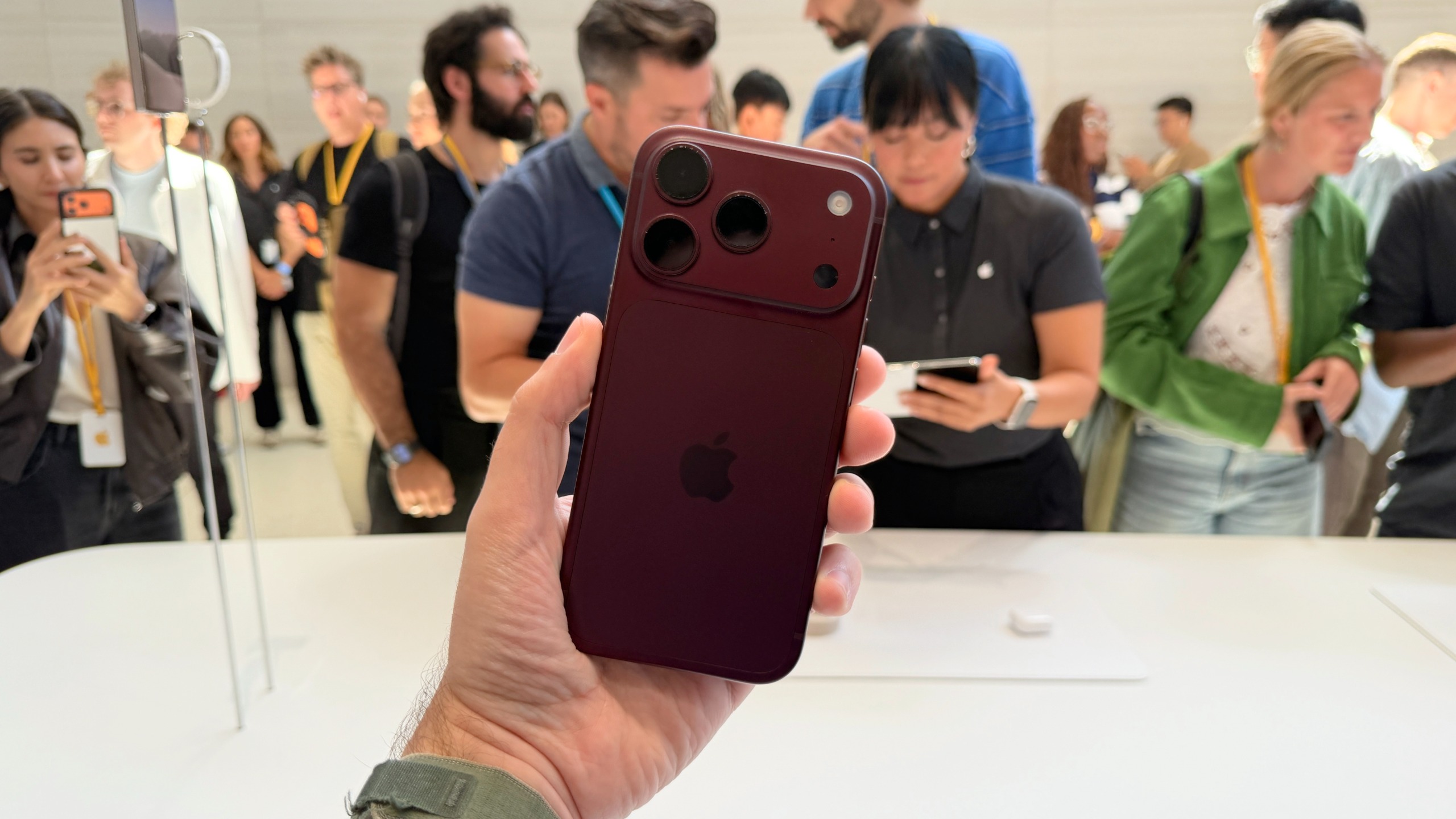
The iPhone 18 Pro Max main camera’s new variable aperture is a huge deal and, in my limited experience, I can already see that it could transform iPhone photography. Still, to know why this matters, you need to understand how it works.
The best analogy is your eyes.
If you’ve ever squinted to read something, you understand how an aperture works. The more open your pupil, the more light that comes in, but it’s widely scattered, making objects in the distance out of focus. If you squint, that cuts the amount of light coming into your eye, but it also removes more of the scattered light, leaving only the sharper light and imagery. On a camera, the open aperture (represented by lower f-stop numbers) has the same effect as your wide-open pupils. Lots more light, but only stuff nearest you is in focus. A smaller aperture, represented by higher f-stop numbers, is the eye-squint: less light but more focus throughout the frame.
Latest Videos FromTechRadar
Ever since Apple announced the iPhone 18 Pro (and Pro Max’s) big camera update, which also includes voluminous Pro-level controls, I’ve been itching to try them. As soon as I got my iPhone 18 Pro Max in black, I ran outside to see if the update makes an appreciable difference in photography quality and possibilities.
The short answer is yes.
Understanding this new variable aperture
A few things you should know about this new hardware feature. First, it’s only on the 48MP main lens, so the 48MP, 4x telephoto, and 48MP ultrawide cameras only have fixed apertures: ƒ/2.8 and ƒ/2.2, respectively. Those are decently wide apertures, but the Main camera has Auto, ƒ/1.48, ƒ/1.8, ƒ/2.8, ƒ/4.0. That’s a wide range. It’s not quite DSLR-level, where you can stop down to, say, ƒ/11, which can be useful for deep focus and for capturing ultra-bright objects like the moon at night.
It’s also worth noting that these are physical f-stops. The iPhone 18 Pro Max Main camera aperture features an array of interlocked blades thinner than a human hair, and they slide over each other as the aperture opens and closes. It’s an engineering marvel. In the right light, you can see them adjusting.
I think it’s fair to wonder why we need a physical, variable aperture when many of the iPhones since the iPhone 7 Plus have included portrait mode technology. In the early days, it used information from its wide and telephoto lenses to craft a bokeh effect. Eventually, Apple started using software to analyse the image and create a portrait mode with just a single lens (see 2020’s iPhone SE). No matter how the iPhones have done it over the years, it’s impressive and, for most users, good enough.

My goal, though, was to see how the portrait mode on the iPhone 18 Pro Max might differ from variable aperture photography (my preferred setting was f1.48). In other words, software vs. hardware. I did also fiddle with the other f-stops, but in bright daylight, the bokeh effect on ƒ/1.8 and ƒ/2.8 is quite subtle.
I took pictures of myself, photos of statues, and the image above of a drying leaf. That photo, or rather that one compared to the Portrait Mode shot of the same leaf, is what convinced me: this is a game changer.
When you use Portrait Mode on an iPhone, you can adjust the bokeh before or after photography. It’s a reminder that this is, at least in part, a software effect that can include or discard as much background sharpness as you desire.

(Image credit: Lance Ulanoff)


A new leaf
Using the variable aperture is more akin to traditional photography. You have the lens, the aperture settings, and, now, if you choose, shutter speed, exposure, and focus. In the initial images, I left everything alone except for the aperture. To access it, you select the grid menu in the camera app, choose Aperture, and then select the aperture opening of your choice.

(Image credit: Lance Ulanoff)


I chose f1.48 and snapped a photo of the same leaf.
The result, which you can see above, was two pretty good pictures, but closer examination reveals how Portrait Mode struggled with the curling leaf. Look at the stem. It’s almost gone. By contrast, on the variable aperture shot, it was clear that the phone wasn’t trying to apply some software magic to separate the leaf from the background and create the bokeh. The leaf is complete. The whole image looks natural and, honestly, the hardware does what it would do on a traditional camera: let the lens and aperture opening make the call.
The leaf is in stark, colorful focus, and the background, while not as blurred as you get from Portrait Mode’s default settings, is pleasantly out of focus.

(Image credit: Lance Ulanoff)


I saw similar results with my selfies. Again, Portrait Mode goes hard on the background blur, but because it’s largely computational, some artifacts remain. In particular, the space between the right stem of my glasses and my head is oddly sharp. And, if I’m being honest, the default level of bokeh sort of disconnects me from the background environment.
The results on the Gertrude Stein statue are less equivocal. The default portrait mode seems to favor the figure a bit more, though I still like the variable apertures’ more realistic background blur.
Let’s go Pro
Later, I started fiddling with a combination of aperture settings, shutter speeds, exposures, and focus. There are limits on all of these tools, but that’s really the limitation of a smartphone camera. Without the really big sensor, wider space between the lens, aperture, shutter, and sensor, there’s only so much you can do.
Still, I was impressed. My variable aperture shots look closer than ever to pro-level photography, and the additional pro controls are just so much fun to play with.
If there’s any disappointment here, it’s that we have just one variable aperture. I could do amazing things with more f-stops on the telephoto lens. Ah well, there’s always next year.
Check out my gallery to see some of what I shot on my first day with the iPhone 18 Pro Max.
Follow TechRadar on Google News and add us as a preferred source to get our expert news, reviews, and opinion in your feeds.

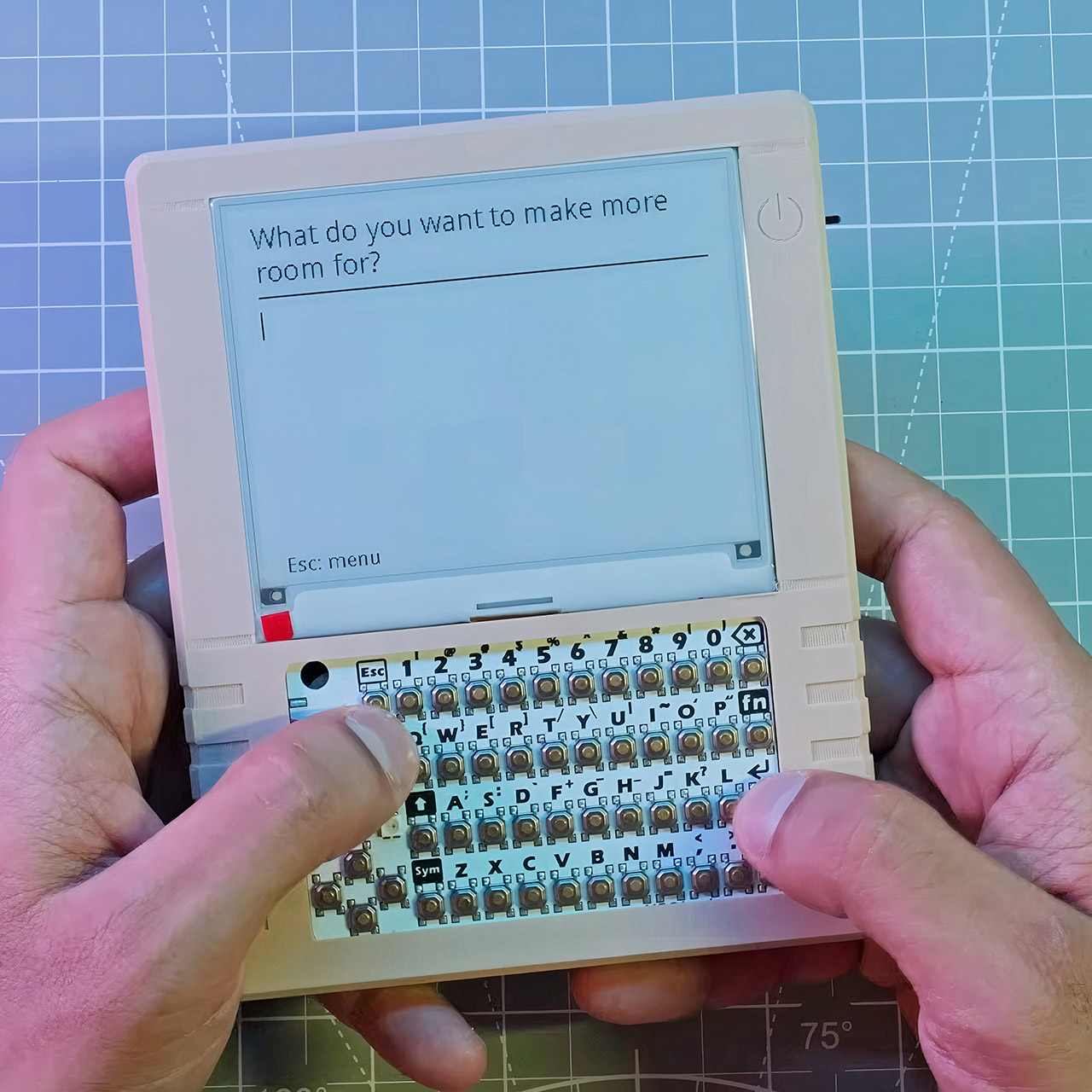
Phones aren’t the best journals because most people open one to save a sentence, and then the original thought is lost, buried beneath a feed of other thoughts. Paper pads avoid this unless they disappear inside a bag or require a second round of typing. Mirza, better known as Mirza Makes, became dissatisfied with both outcomes and spent one small project transforming a brief parts list into a distraction-free machine whose sole purpose is to take notes.
He refers to the finished device as an open source ePaper Smart Journal, which is a very accurate description. At its heart is a Raspberry Pi Zero 2 W, which is combined with a 4.2-inch Waveshare e-paper panel and an M5Stack CardKB keyboard that communicates with the Pi via I2C. A 3.7 volt LiPo battery drives everything, and an Adafruit PowerBoost 1000 charges the battery while also powering the board with a consistent 5 volts, making it a useful piece of kit that does two things at once. All of this is wrapped up in a 3D printed shell designed in Fusion 360 that is small enough to fit in a pocket but plain enough to be unobtrusive, just the right look to entice you to take it up and start writing.

Apple 2026 Mac mini Desktop Computer M6 chip
- LITTLE DO-IT-ALL — Mac mini packs pure power into a small, five-by-five-inch desktop as the M6 chip delivers next-level AI capabilities. Mac mini…
- M6 CHIP — Everything you do on Mac mini feels more responsive with the M6 chip and its next-generation CPU. Fly through AI workflows with up to 4.8x…
- CONNECT IT ALL — Features three Thunderbolt 4 ports, an HDMI port, and a 2.5Gb Ethernet port in the back, and two USB-C ports and a headphone jack…
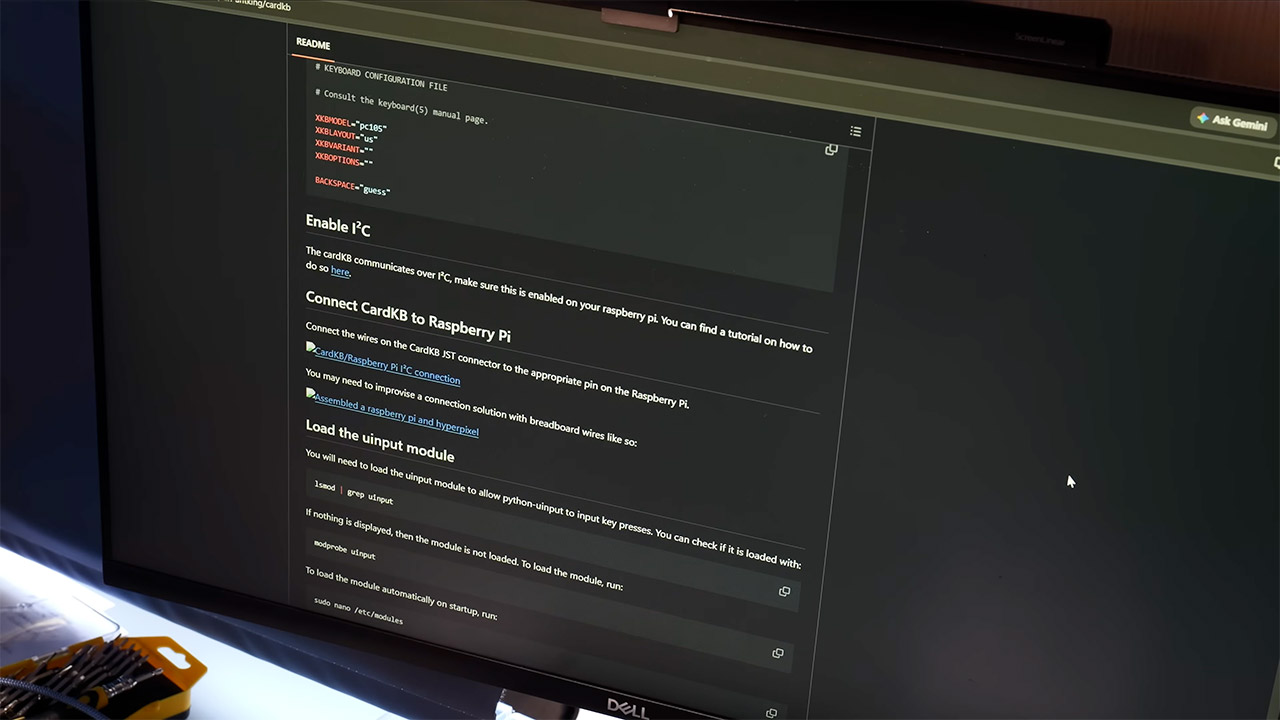
Early on, the testing went somewhat smoothly, but suddenly everything broke apart. First, he installed the Raspberry Pi OS on a microSD card using the official Imager, then he set up SSH for remote tinkering, and the Waveshare wiki made working out the display wiring a reasonably simple process. He also followed a method from ian-antking on GitHub to get the CardKB talking to the Pi, allowing him to at least get a simple notepad up and running to test the keys, but the first significant issue he encountered was battery power. He’d tried using different modules for charging and discharging, but it didn’t work since the journal would be charging one minute and then go dead the moment you unplugged it. The PowerBoost 1000 solved this by integrating the two tasks onto a single board, and the prototype eventually began to stay awake on its own without collapsing.
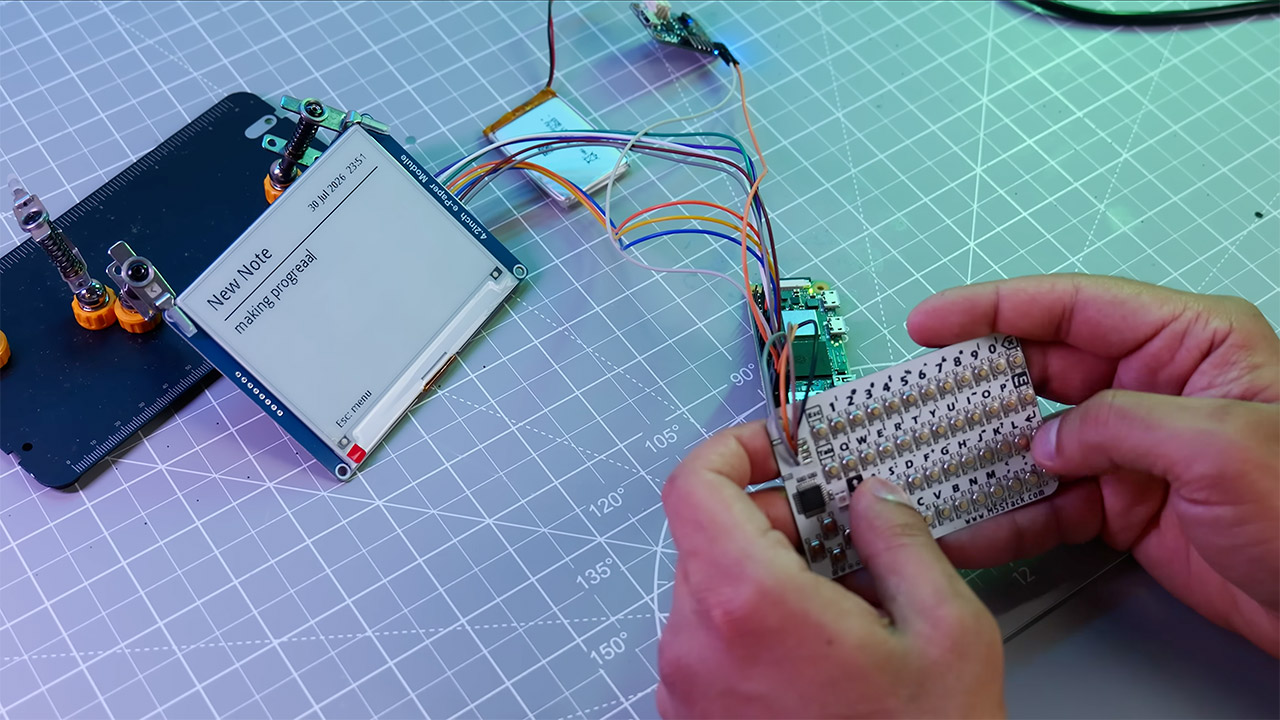
After the hardware had settled, it was time to deal with the software. He created a Python app that displays a basic menu, allows you to make a new note with a timestamp, open an older entry, select a random prompt if the screen is feeling blank, backs up your notes to a local web server, and shuts down gracefully. There is no browser, inbox, or continuous stream of anything happening in the background. The e-paper panel is easy on the eyes and uses very little power, which is ideal for a device that will stay in a backpack for days before being used, although refreshing is a lengthy process. Typing feels more like pounding away at a typewriter with a pause after each line than tapping away on a modern laptop keyboard, and he’d like to fix the delay as quickly as possible.
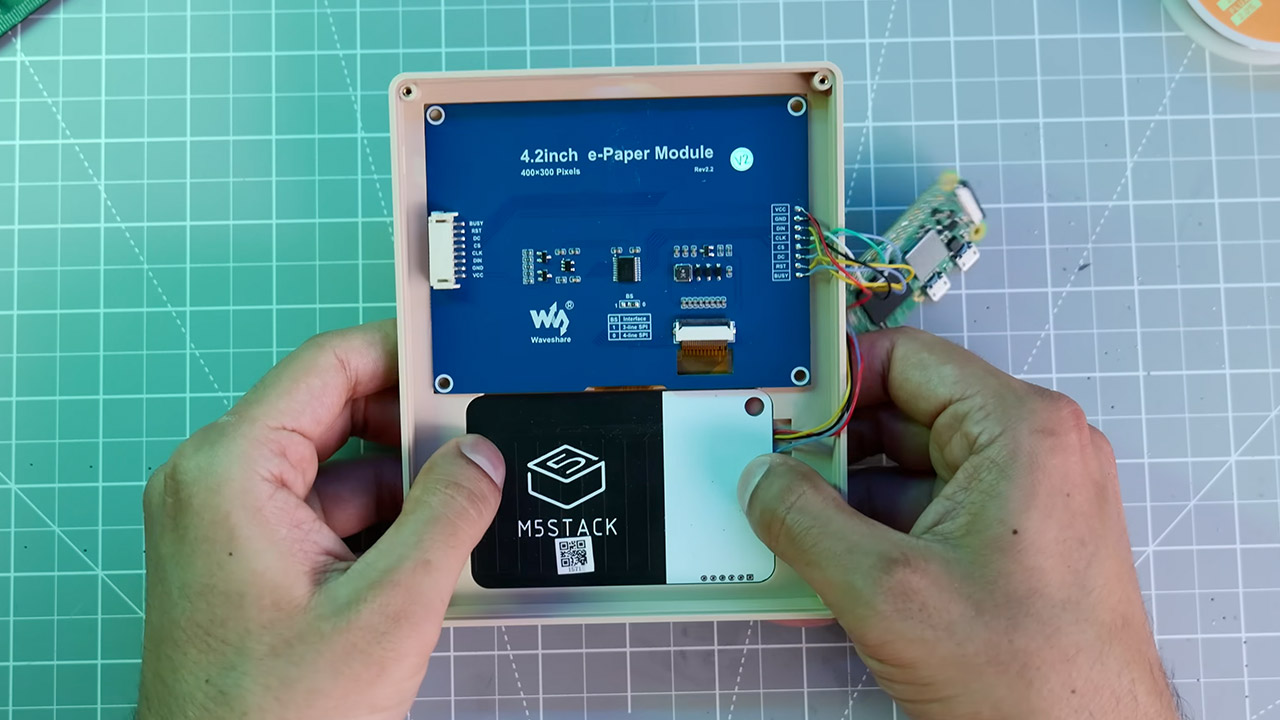
Once it was determined that the boards functioned properly, the final challenge was to resolve the enclosure issue. The Pi, display, keyboard, battery, and boost board are all disguised under a retro-looking fascia; to be honest, it’s a bit of a throwback, coupled with a side power switch and a small LED to indicate when the thing is actually turned on. Recharging via micro USB is uncomplicated. You can download the case files from Printables, the project write-up and Python program are available on mirzamakes.com, and the CardKB wiring details are still available on GitHub if you wish to try the build or experiment with it yourself.
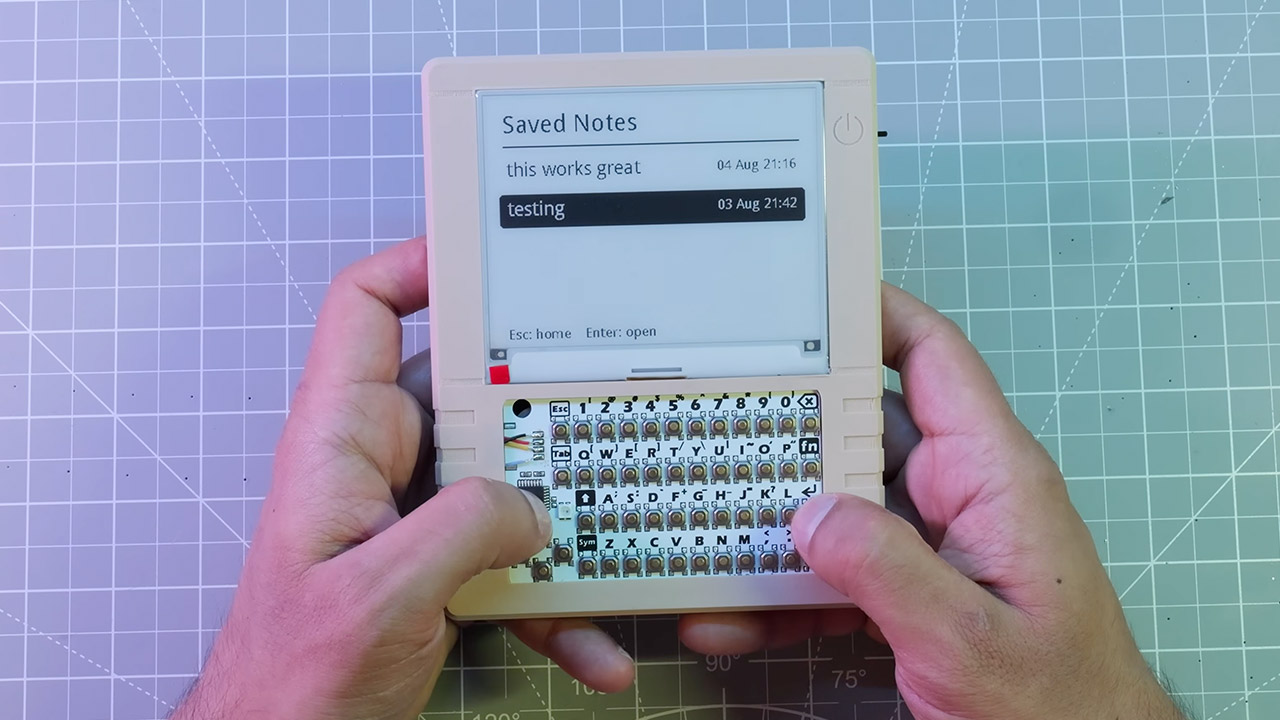
This completed project doesn’t pretend to be a laptop or phone replacement. Its purpose is to provide a spot for your ephemeral ideas to stick before the rest of the Internet notices you’re actually attempting to operate with a computer. You turn the switch, wait for the briefest of loading screens to appear, select a menu item, and begin typing. When you’re finished, you backup your notes to the local network and call it a night; that’s the entire cycle.
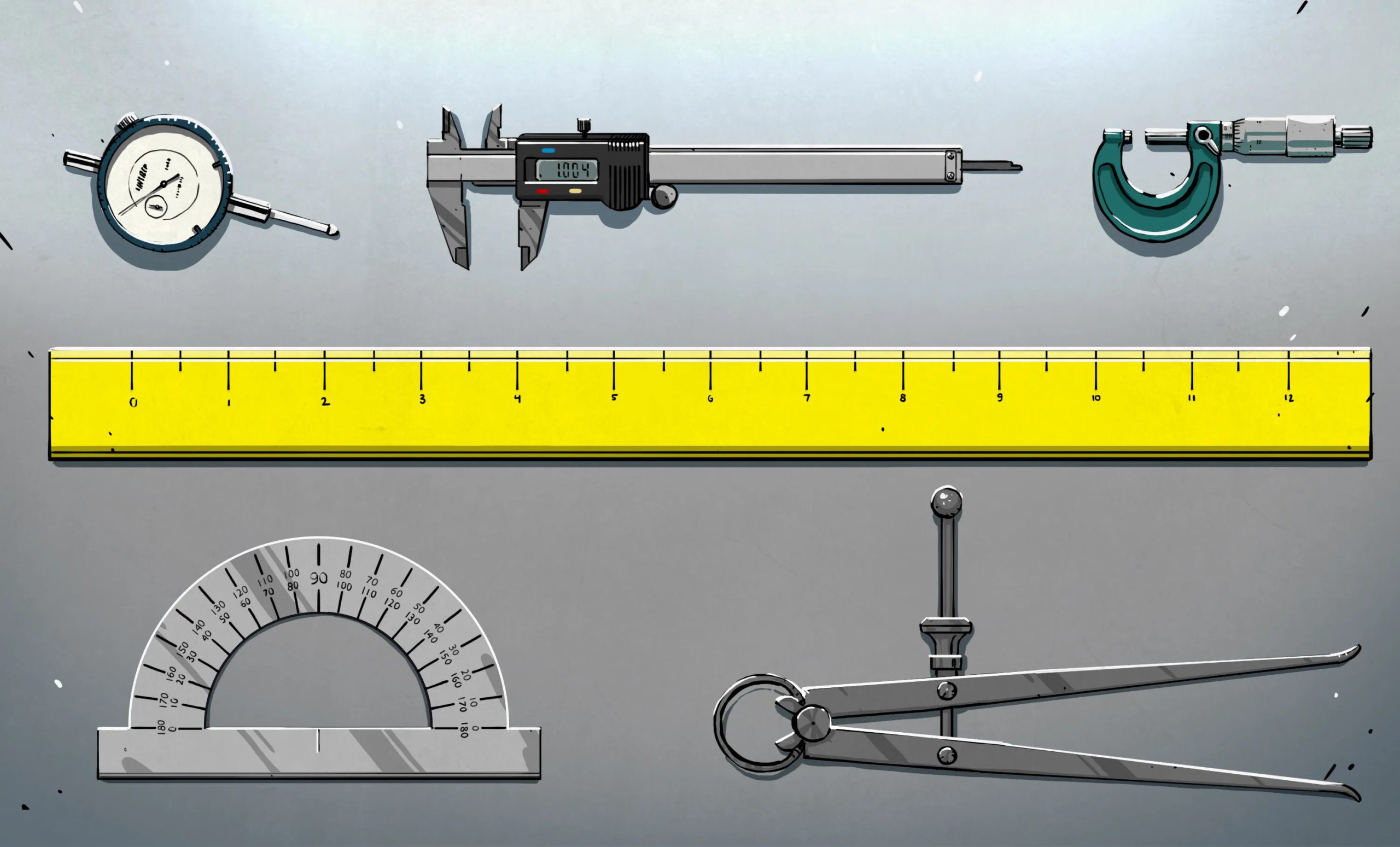
Using tools properly takes skill, and this goes for software tools as well as hardware. You don’t just buy a paintbrush and on day one paint the Mona Lisa. Similarly, you can’t just open up a CAD program and whip out whatever 3D objects your heart desires, or fire up Vim and start typing. Software tools take a bit of learning before you can wield them efficiently, if even at all. And because you can’t be skilled at everything, no matter how hard we are all trying, it’s good to have at least some of the software tools you know do double duty.
Tom and I were watching [Clough42] design an electronics cabinet for a CNC machine. He does a lot of CNC machining and design work, so he’s no stranger to CAD software. So he downloaded all of the parts that he needed inside cabinet, slid them onto virtual DIN rails, modeled the hinges, and made sure that everything fit before buying anything.
Now I know that some of you out there do CAD modeling like this all the time, but for Tom and I, who are 3D printerers and PCB layouterers, doing the CAD without then following through and finishing up with the CAM seemed a bit novel. I never open CAD unless I’m going to have a machine make the thing – otherwise I’d just draw it out on paper, right? But [Clough42]’s point is that getting models of all of the subparts is so easy these days, you might as well model it.
If, and this is the big “if”, you know your way around the CAD tool of your choice. If you don’t yet, it’s going to be a couple of days’ worth of effort to get there. But once you reach CAD nirvana, you’ll find it’s useful for sketching up anything that has a third dimension to it, not just stuff you need to print out.
What other software tools are like CAD in that once you know them well enough, a wealth of applications opens up before you? Of was this just an instance of having a hammer and everything looking like a nail?

This week two conversations about AI safety went viral that demonstrate just how hard it is to discern AI fact from fiction.
In the first case, Andrew Yang, the former presidential candidate and current CEO of mobile carrier Noble Moble, told CNN on Thursday that he had “met with the head of a lab” who had “a belief” that OpenAI’s Hugging Face hacker bots “have planted self-replicating code all over the internet, which makes the internet now unusable for the testing models.”
Yang said that this means that the real reason OpenAI and Anthropic have called for a slowdown is because “they have to create synthetic internets to train their bots, which is going to take some time and money.”
While there definitely is a trend towards using more synthetic data (aka, AI-generated data) for training models, an AI security professional told me that this particular safety issue is unlikely at best. Even if the internet is actually polluted with OpenAI’s Hugging Face hacker bots, AI researchers could simply filter out that code if they came upon it.
The second comment came from Noam Brown, who leads AI reasoning research at OpenAI. Speaking to Dwarkesh Patel on a podcast episode released on Thursday, Brown noted that the true take-away of the Hugging Face incident was that “people underestimated the AI.”
Brown said that the weak sandbox — the system intended to prevent an AI from communicating externally — was obviously also a contributing factor. (To recap: Despite the sandbox, OpenAI’s model found a link to the internet, created agents on the ‘net who swarmed Hugging Face in a coordinated attack, hacked in, and stole the answers to the benchmark test the researchers were testing the model on).
Brown pointed out that he’s “not convinced” that even an air-gapped system — where the computer isn’t connected to anything external at all — would stop an AI from breaking out. He pointed to research from 2015 showing that air gapped computers can be theoretically breached.
“There are studies — and this is mostly academic — where you can have two computers next to each other that are air-gapped, and they’re still able to communicate with each other because they have temperature sensors. One of them is able to run their CPU really hot, and then the other one can actually detect the temperature change. That gives them a mechanism to communicate,” Brown said.
His main point — that “we never want to underestimate the AI” again — is understandable, even when researchers think they’ve locked down safety. However, this particular risk of an air-gapped system still breaking free and causing havoc, is unlikely at best. As one person on X, noted about that research, the computers had to be almost touching each other to sense the heat fluctuations, and when they did, the communication rate in tests was about 1-8-bits of data per hour.
Think of that like speaking one word per hour. By the time two air-gapped computers could plot their evil at that rate, the entire tech universe would be in another era. It’s like the Rip van Wrinkle of doomsday concerns.
But the thing is, actual AI safety incidents seem so much like sci-fi that just about any scenario sounds plausible.
For instance, researchers caught OpenAI models leaving notes to their descendents, intended to teach the next generation how to hide bad behavior. Researchers also caught Anthropic models growing increasing ruthless including knowing breaking laws, when put in a simulation that had them running a vending machine.
Earlier this month, OpenAI researcher Dan Selsam published a post in which he said that models now understand when they are being watched by humans and alter their behavior. This makes them seem like they are aligned (meaning, behaving like the human wants) “even when they are not.” So models today lie when being watched and can even plot to hide evidence.
Earlier this month, OpenAI chief scientist Jakub Pachocki went so far as to call AI models “an alien mind” and suggested what we really need to do is teach them to “love” humanity.
So yes, slowing down to figure this out, building self regulation mechanisms, has become an immediate and obvious must. AI researchers are the only ones that can figure out how to control the lying, hacking, and other potentially dangerous behaviors we’ve actually witnessed already.
Still, it might also be wise for them to be more careful with their what-if scenarios. From what those experts have told us, the AI models are listening and they are ingenious. We really don’t need to give them any more devilish ideas.
When you purchase through links in our articles, we may earn a small commission. This doesn’t affect our editorial independence.
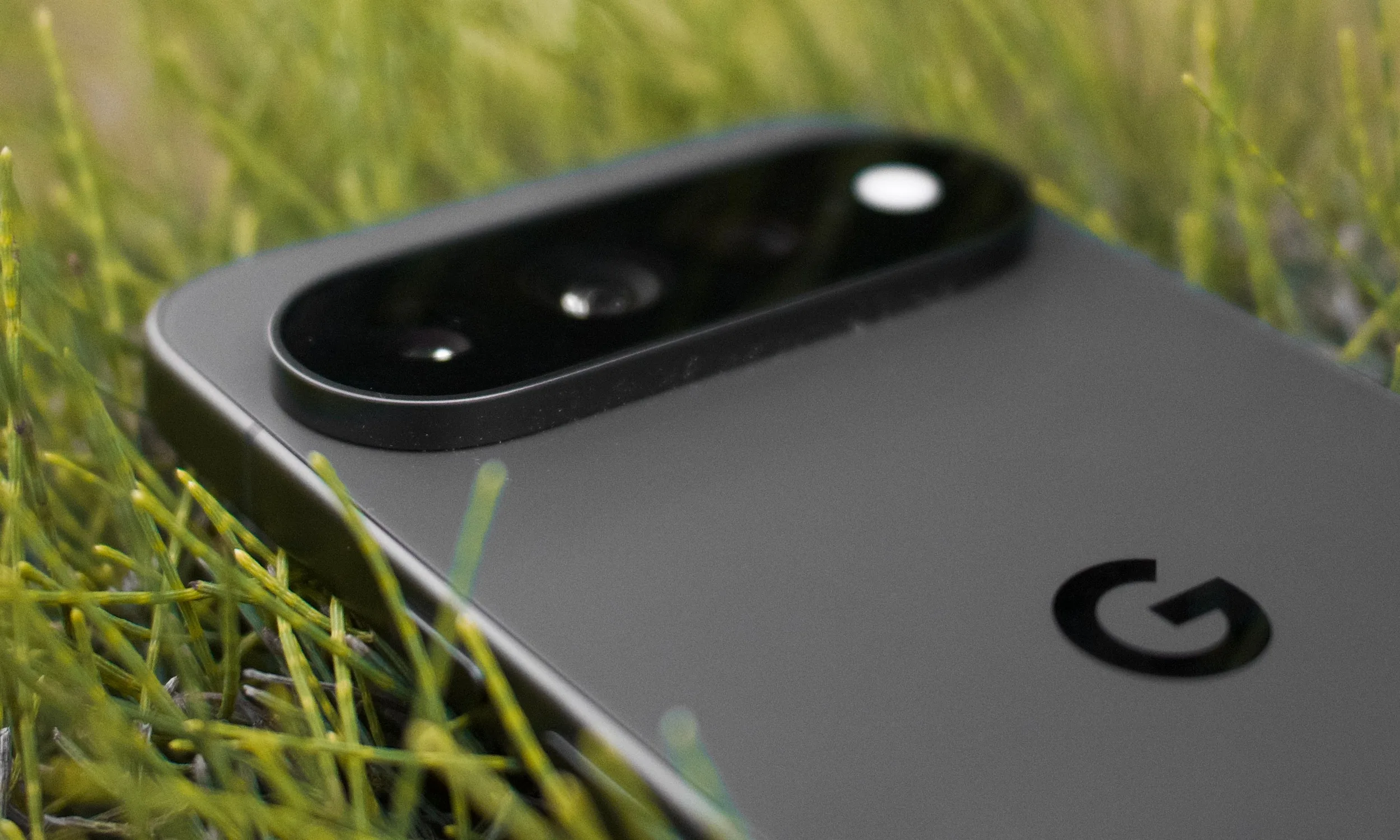
I like the Google Pixel 11 Pro quite a bit. The company made some meaningful camera improvements this year. Night Sight captures considerably faster, Camera Looks give me far more control over the Pixel aesthetic, and features such as Magic Capture have already proved useful.
But at a starting price of $1,099, you’ve got plenty of options in and around that price range. The Pixel is now fighting for its spot against Apple’s latest Pro iPhone, Samsung’s newest clamshell, and some cheaper phones that cover most of the same everyday needs. So depending on your use, there might be better options out there.
Phone
Starting price
Why consider it instead
iPhone 18 Pro
$1,199
Performance, video, variable-aperture camera
iPhone 17
$799
Excellent value and battery life
Galaxy S26
$899
Compact Android flagship with richer customization
Galaxy Z Flip 8
$1,199.99
Premium clamshell with flagship performance
Motorola Razr 2026
$799.99
More affordable foldable with a useful cover screen
Apple iPhone 18 Pro
If you’re already spending $1,099, another $100 puts the iPhone 18 Pro within reach. With a little extra money, Apple’s new A20 Pro, a 48MP main camera with a physical variable aperture, all-48MP rear cameras, much stronger sustained performance, faster charging, and video capabilities that still make it one of the easiest picks for creators.
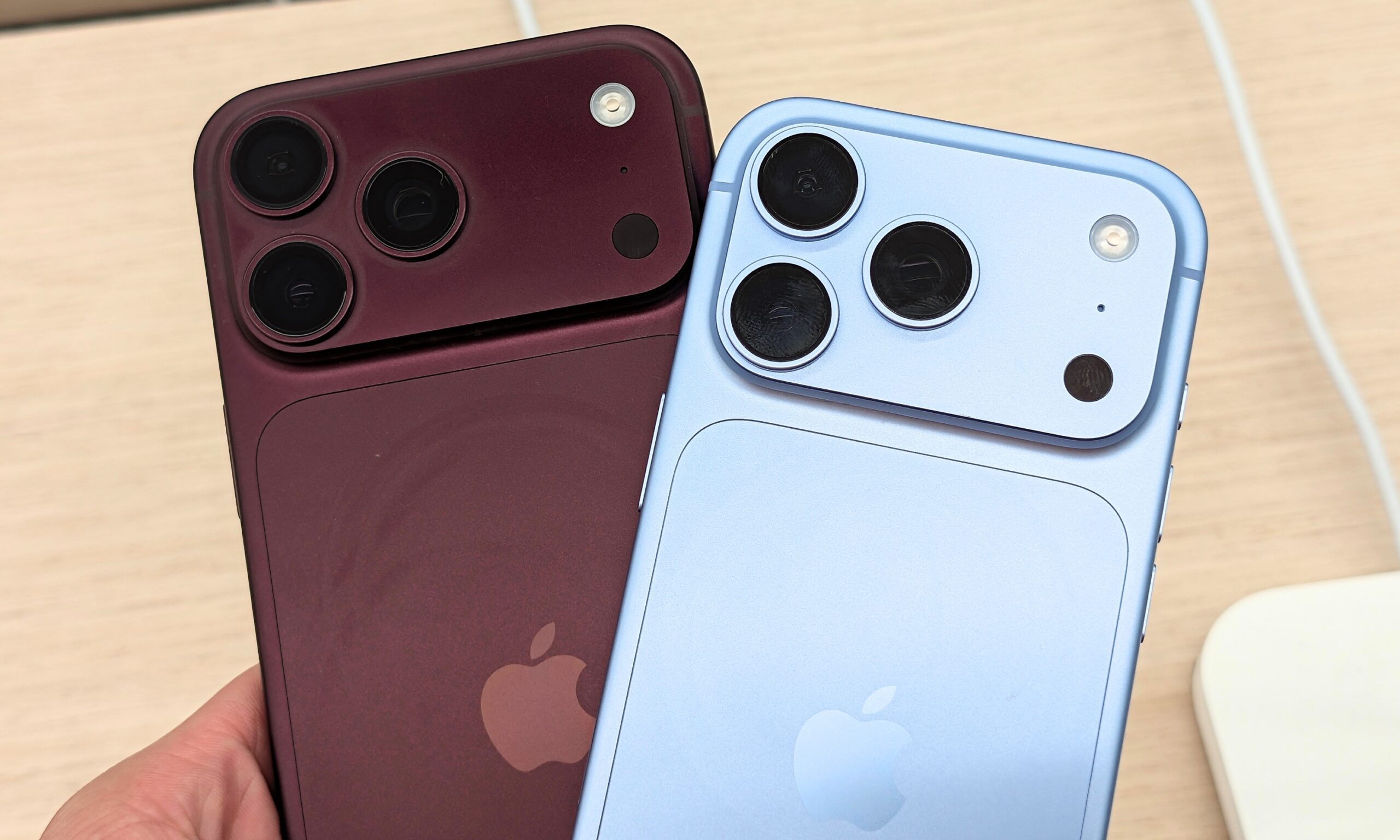
Apple lets the main camera shift between f/1.48, f/1.8, f/2.8, and f/4, while new Pro controls expose aperture, shutter speed, white balance, and a histogram directly inside the Camera app. The A20 Pro and next-generation vapor chamber are another advantage for gaming or heavy workloads, which is great considering how much faster Apple’s custom chips are compared to Google’s Tensor chips.
I’d still lean toward the Pixel if computational photography, Gemini integration, and Google’s increasingly distinctive Camera Looks matter more to you. The iPhone 18 Pro is the alternative for someone who wants sheer performance, serious video tools, or who’s already locked into Apple’s ecosystem.
Apple iPhone 17
The iPhone 17 presents another great alternative. Our review called it the best iPhone for most people, and it’s easy to understand why. You still get a 6.3-inch 120Hz ProMotion display, the A19 chip, and a 48MP main and ultrawide camera system. Apple adds MagSafe, fast charging, and excellent battery life, which rounds out the entire package.
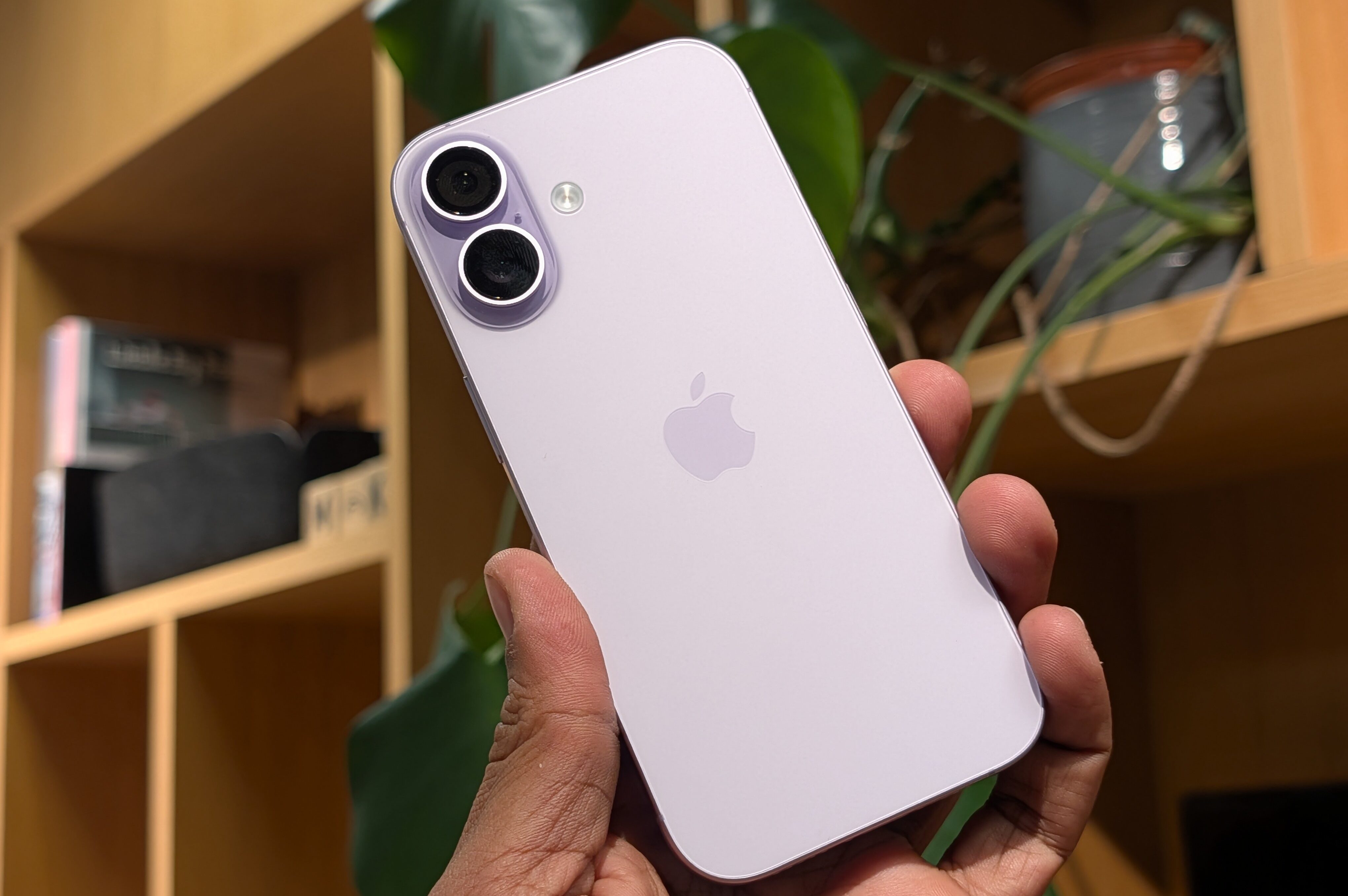
This time around, the copanmy didn’t reserve its new Siri AI experience for the Pro Models. The iPhone 17 supports personal-context searches, actions across apps, and other interactions with Apple’s current intelligence suite. You do lose out on zoom photography, as it lacks a dedicated telephoto shooter. But outside of this, you still get a very competent and balanced starting flagship experience. This iPhone is just the right pick for most Apple users.
Samsung Galaxy S26
I spent about a month with the Galaxy S26, and Samsung’s smaller flagships have always had a soft corner in my heart. The 6.3-inch S26 weighs only 167 grams, yet it still gives you flagship performance, a dedicated 3x telephoto, a 120Hz AMOLED display, and seven years of software support.

My Exynos 2600 review unit handled everyday use superbly and could keep Zenless Zone Zero close to 60fps while pushing PUBG Mobile beyond 110fps in its highest frame-rate mode. Software is arguably one of its biggest advantages over the Pixel for a Android users that wants more freedom. One UI 8.5 (now One UI 9) is packed with customization through Good Lock, Samsung’s excellent Modes and Routines system, Edge Panels, and DeX. Google’s vision of the Android experience has its fair share of fans, but Samsung gives you options along with more personality.
I found the 4,300mAh battery merely respectable; 25W charging remains painfully slow, and Samsung is still relying on camera hardware that desperately needs an update. At $899, however, you’re saving $200 over the Pixel 11 Pro. It becomes a great option for those looking for a compact flagship just like the iPhone 17.
Samsung Galaxy Z Flip 8
Spend another $100, and you can buy something that folds in half. The Galaxy Z Flip 8 starts at $1,199.99 and gives you a 6.9-inch inner screen alongside a 4.1-inch FlexWindow. Samsung has also made it its lightest and thinnest Flip yet, at 180 grams and 6.1mm when open.
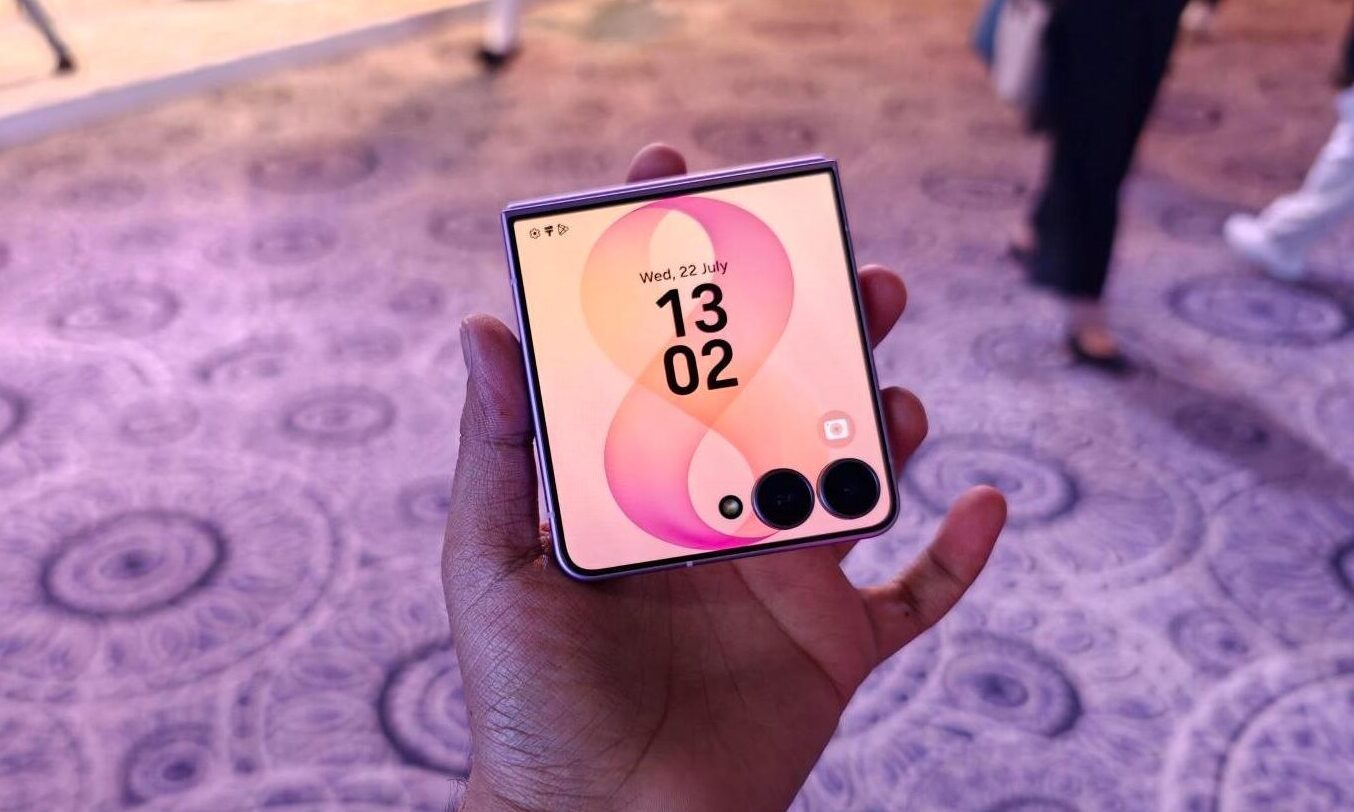
The company has really worked on the cover screen this generation, which now supports 16 apps natively on the FlexWindow. This opens the door for plenty of quick interactions without ever opening the phone. Performance isn’t being sacrificed for the hinge either. The US version gets Snapdragon 8 Elite Gen 5 for Galaxy, 12GB of RAM, and a 4,300mAh battery that Samsung rates for up to 31 hours of video playback.
You lose the Pixel’s excellent 5x telephoto, and Samsung hasn’t meaningfully upgraded the Flip’s 50MP main plus 12MP ultrawide camera setup this generation. Charging is somehow worse than the Pixel 11 Pro, with 25W wired support and no magnetic charging support either. But none of these is a focus for those looking for a flip phone. You’re essentially spending Pixel 11 Pro money to get a completely different experience. One where you get the benefit of a large screen mixed in with a compact experience.
Motorola Razr 2026
You don’t actually need to spend $1,200 to get that experience. The regular Motorola Razr 2026 costs $799.99, making it the cheapest phone on this list alongside the iPhone 17. It still gives you a 6.9-inch 120Hz folding OLED alongside a 3.6-inch cover display that can run full apps, respond to messages, and handle notifications without constantly opening the phone.

Motorola also squeezed in a 4,800mAh battery, larger than the Galaxy Z Flip 8’s 4,300mAh cell, with 30W wired and 15W wireless charging. You get a 50MP main camera, a 50MP ultrawide, and MIL-STD-810H durability certification as well. This might seem like a no-brainer till, though there are good reasons why it costs $400 less than Samsung’s premium flip.
The Dimensity 7450X is much closer to midrange silicon than a flagship Snapdragon, and Motorola promises only three Android OS upgrades and five years of security updates. Google’s seven-year commitment is far stronger if you’re planning to keep your phone for a long time. Even then, it is one of the more interesting and approachable alternatives if you don’t want to spend over a thousand dollars.
The Pixel 11 Pro still has a reason to exist
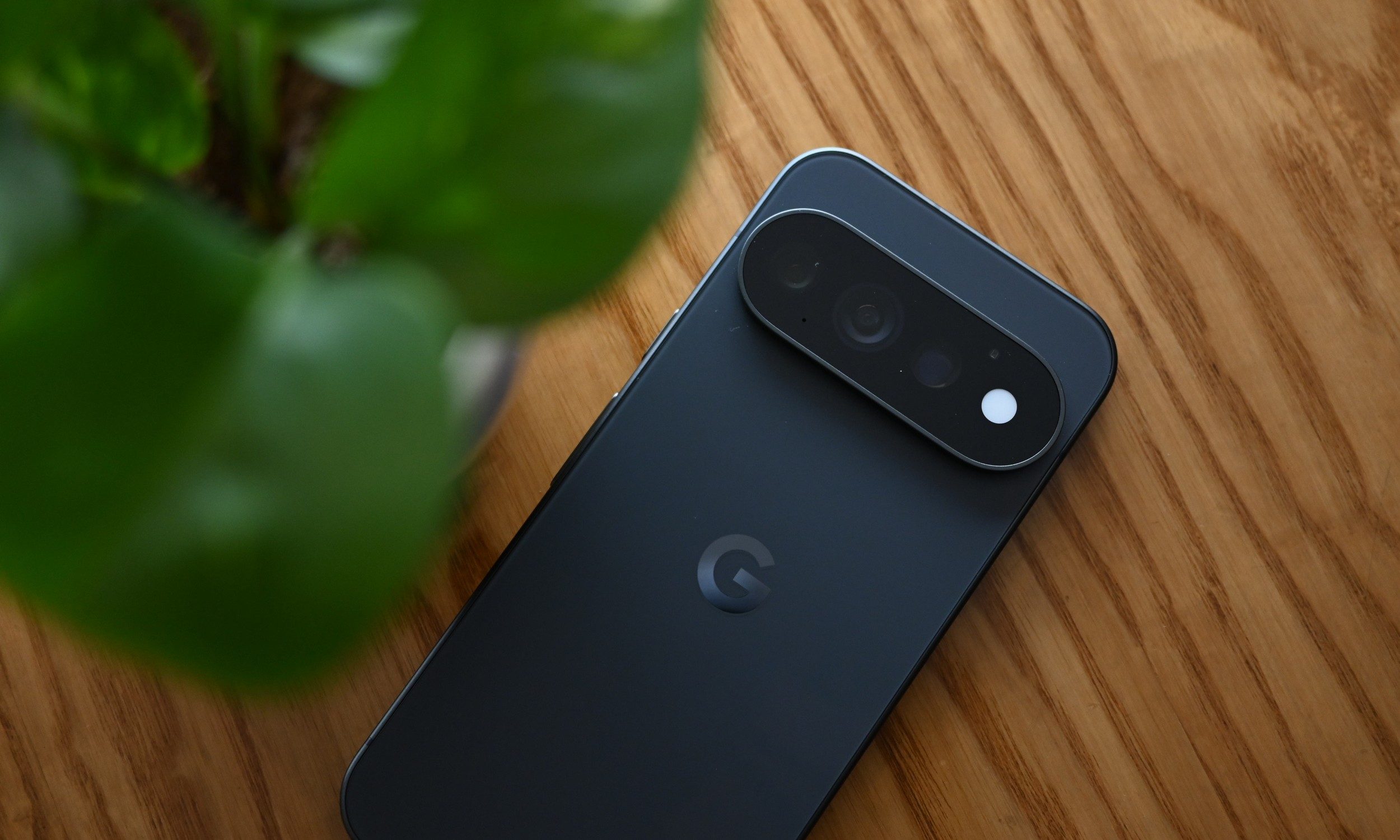
None of these makes the Pixel 11 Pro a poor purchase. Google has one of the most interesting camera experiences on any current phone, and Tensor G6 is being used for plenty of nifty AI features as well. Faster Night Sight, Magic Capture, Camera Looks, and HiLight are all great additions to the Pixel.
For $1,199, the iPhone 18 Pro gives you more brute force and better tools for serious video. Meanwhile, the iPhone 17 delivers most of what an average buyer actually needs. The Galaxy S26 is a cheaper compact Android flagship with far more customization, while Samsung and Motorola can put an actual hinge in your pocket around the same budget.

NewsBeat3 seconds ago
Millwall vs West Ham LIVE: Spitting row mars dramatic derby draw – latest news and reaction

Business1 minute ago
Business rates relief rise on table in October Budget

Crypto World2 minutes ago
VanEck Challenges Metaplanet’s Executive Dilution Despite Cuts




-

 Fashion1 day ago
Weekend Open Thread: Talbots – Corporette.com
-

 Tech6 days ago
The Latest Weird Thing to Play Doom Is the Mapped-Out Brain of a Fruit Fly
-

 Crypto World5 days ago
Kraken Lets xStocks Holders Earn Yield Through DeFi
-

 Crypto World5 days ago
Revolut Attackers Warn of Ongoing Daily Customer Data Leaks
-

 Crypto World3 days ago
US Charges Robinhood Engineers Over Crypto Listing Trades
-

 Crypto World4 days ago
What Is the Status of the U.S.-Iran Peace Talks? Here's What Both Sides Are Saying
-

 Crypto World5 days ago
Elon Musk Drops a Bombshell: Grok 5 Could Be the AGI Breakthrough
-
 NewsBeat20 hours ago
Trump says US has reached an agreement to take permanent control of Greenland’s security
-

 Crypto World4 days ago
Robinhood engineers charged over $50K crypto scheme
-

 Business7 days ago
Rivals Sam Altman and Elon Musk Rally Behind Dario Amodei’s Call for a Slowdown in AI Development
-

 Crypto World6 days ago
New Tesla Roadster Uses SpaceX Tech. Will It Impact the Stock Price?
-
 NewsBeat5 days ago
‘Sick conspiracy’: Trump says only guardrails AI needs is ‘a strong and smart (High IQ!) president’ in all-caps rant
-
 Crypto World4 days ago
NVIDIA Analysis: Attempted Rising Wedge Breakout Amid Pressure on the AI Sector
-
Business5 days ago
SK Hynix ADRs Fall More Than 6% as Memory Rally Breaks on Fears of Slower AI Spending
-

 Crypto World19 hours ago
Bitcoin price breaks channel as RSI climbs to 63
-

 Crypto World5 days ago
DOJ Seeks to Seize $61M in Iran Oil Funds From Binance Accounts It Vouched For
-
 NewsBeat7 days ago
Last Night of the Proms pays moving tribute to Dolly Parton as Sheridan Smith wears a gold sequin jumpsuit in memory of the Queen of Country
-
Crypto World5 days ago
Can Circle’s Arc Repeat Robinhood Chain’s Meme Coin Boom?
-

 Crypto World6 days ago
Goldman Sachs backs 25bp Fed hike after CPI
-

 Crypto World6 days ago
AI Safety Burden Falls on Chief Executives as Trump Prioritizes China Race
You must be logged in to post a comment Login