As Summer Game Fest draws to a close, it’s a fitting time for reflection. Not just on the cool games we saw announced (and there were a bunch), but also on an industry that, in recent years, has reached thrilling new creative and artistic highs alongside deeply depressing lows in the form of layoffs, cancelations and studio closures. Xbox is putting its introspection out in the open.
New CEO Asha Sharma and Chief Content Officer Matt Booty penned a public memo to the gaming company’s employees to mark the first 100 days of Sharma’s tenure leading Xbox. The takeaways are pretty grim.
For starters, the simple math of Xbox’s revenue isn’t adding up to success. “Excluding Activision Blizzard King, over the past five years, we have spent over $20 billion on ongoing investments in our content, platform, and hardware subsidy, but our annual revenue has declined nearly half a billion during that time,” the execs state. “Going forward, this cannot continue.” They also acknowledge the impact of RAMaggedon: “We are currently unable to make as many consoles as players want to buy, and we need a new business model and partnerships for hardware as we remain committed to Helix.” (Helix, in this case, is Project Helix, the codename for Xbox’s new console.)
Then there’s the kicker, a renewed admission that Xbox still can’t support the many studios it acquired in the late 2010s in an effort to grow its first-party game ambitions. “We have found ourselves over extended as we executed on changing strategies in a landscape of more readily available content,” the pair said, noting elsewhere that with so many good games, not to mention the plethora of other forms of entertainment available, “Going forward, our competition is attention.”
Advertisement
While the memo stops short of saying that layoffs are coming, a report from Bloomberg emphasized the likelihood of what’s being communicated between the lines. Sources have told the publication that substantial cuts are on the horizon for Xbox. Although the piece doesn’t offer any specifics about their scope, the expectation is that layoffs will begin in July, following the end of Microsoft’s fiscal year on June 30.
It’s a brutal situation for Xbox, which already saw several thousands of jobs eliminated in 2024 and again in 2025. And even if the company does once more have to downsize and abandon promising new games this summer, that still won’t be an instant fix for its problems. It took several years of questionable decisions to dig the hole that Xbox is currently in. It’ll take several years with a patient and sustainable approach, and probably no small amount of luck, for the business to dig itself out. That’s no shade to Sharma or her predecessor Phil Spencer. That’s just the nature of being one cog in a behemoth business machine like Microsoft, where the goals of making amazing video games and video game hardware are often not aligned with the goal of making investors and shareholders happy.
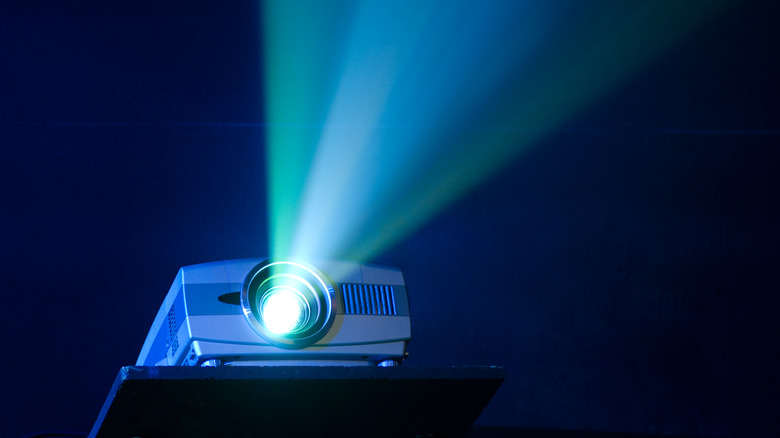
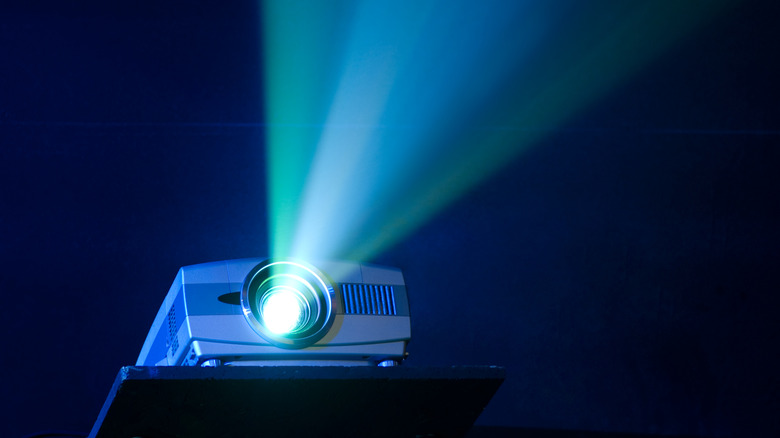
To get the best viewing experience when using a projector, you’ll want to follow the 4/6/8 rule. It’s a widely used guideline in the audio-visual industry for a reason: It’s a quick and easy way to find the optimal viewing distance for a screen based on its size and type of content being displayed.
Not all content one might view on a projector will benefit from the same viewing distance. The 4/6/8 rule knows this. It factors how much detail viewers need to see into account, then measures viewing distance as a multiple of the screen’s vertical display height. Ignore the rule, and you might end up putting your projector in a bad spot.
Each number in the 4/6/8 rule represents one of three viewing types: analytical, basic, and passive. Analytical viewing (like small text, numbers, charts, and detailed images) gets the shortest recommended distance. It should be limited to a maximum distance of four times the screen’s vertical height. Sitting any farther away than that could make those finer details too difficult to read. The less detailed the content, the greater the viewing distance can be.
Advertisement
How the 4/6/8 Rule changes with distance
Anton Gvozdikov/Shutterstock
Basic viewing, where viewers still need to see the information but don’t need to see details, allows for viewing distances of six times the screen’s vertical height. Passive viewing — movies, videos, games, photo slideshows, and anything else in that vein — increases to a maximum distance of eight times the screen’s vertical height.
But how does that factor into something like classroom design, where students might need to do analytical viewing one day but passive viewing the next? In this case, the 4/6/8 rule recommends designing spaces with a maximum viewing distance of six times the screen height whenever possible. That way, the room can comfortably do both analytical and basic viewing (and won’t be hurt by sitting closer than eight times the screen height for passive viewing, either).
Advertisement
If you’re trying to set up a movie room, you can also use the rule in reverse: determine the viewing distance you want (or can afford), then go with a screen that fits the 4/6/8 rule. Either way, remember that no matter how bright and sharp the projected image is, it can’t overcome distance.
Sources told the TWSJ that a deal could be announced soon. SiliconRepublic.com has reached out to Stripe to confirm the validity of the report.
Advertisement
Founded in 2023, OpenRouter is a new type of marketplace that offers users access to more than 400 large language models (LLMs) from around 70 providers. It routes requests to the best available provider, letting users shop around based on price and other factors.
It is claimed to be the first marketplace set up for LLMs, reflecting a growing appetite for AI models and a fast diversifying market. The company more than doubled its valuation in a year, after reaching the $500m milestone last June.
A number of other companies have also considered buying OpenRouter, sources further told TWSJ. The Information also reported on the buzz around the start-up.
OpenRouter co-founder and CEO Alex Atallah has described his company as an AI equivalent of Stripe, a payments processing platform with an array of different tools for businesses. Prior to his current venture, Atallah founded OpenSea, a similar type of marketplace for non-fungible tokens.
Advertisement
OpenRouter already uses Stripe’s services for billing, payment collection and tax, among other needs, under a partnership announced early this year.
Stripe, meanwhile, is also reportedly considering a joint acquisition of PayPal along with US private equity firm Advent International. Sources told TWSJ that PayPal is unhappy with the low-ball reported offer of $53bn. Stripe and Advent are considering their next move.
Don’t miss out on the knowledge you need to succeed. Sign up for the Daily Brief, Silicon Republic’s digest of need-to-know sci-tech news.
A Canadian lab has run a chemical process on real spent nuclear fuel “and pulled out 90% of the long-lived danger in 24 hours, the part that forces a burial site to last 100,000 years,” notes the blog Autonocio, “with the leftovers meant to fuel a reactor.”
The standard plan for spent nuclear fuel is to wait it out. You pull the used bundles from a reactor, sit them in a pool of water for seven to ten years while the heat and radiation come down, seal them in concrete casks, and look for somewhere deep and geologically dull to leave them for the next hundred thousand years. Canada has been hunting for that burial site since the 1980s and still doesn’t have one in the ground.
A company in Saint John, New Brunswick thinks most of what makes that waste dangerous never needed to go in the ground at all. Moltex Energy Canada says a chemical process it calls WATSS can strip 90% of the long-lived material out of used Canada Deuterium Uranium [CANDU] fuel in 24 hours, and that the concentrated leftovers become fuel for a reactor it wants to build on the same site. The recovery step isn’t a slide in a pitch deck anymore. In 2025, World Nuclear News reported that Canadian Nuclear Laboratories ran the process on real used fuel from a commercial Canadian reactor and confirmed the 90% figure.
None of it is generating power yet. What exists is a validated chemical step and a reactor design waiting in line at a regulator. The rest is a 2030s problem. “The chemistry has a lab result behind it. The reactor does not exist…” the article points out. “Moltex is aiming to have its first WATSS and SSR-W units running at Point Lepreau by the early-to-mid 2030s… Not everyone buys the pitch. Critics have argued the reprocessing creates its own stream of byproducts, that the economics are unproven, and that a single site’s stockpile is finite.”
Advertisement
But Moltex “isn’t alone in trying to burn nuclear waste instead of bury it,” the article notes, with Switzerland and Denmark “chasing the same goal a different way.”
Switzerland’s Transmutex drives a subcritical reactor with a particle accelerator, feeding it spent fuel alongside thorium… Denmark’s Copenhagen Atomics is building a thorium molten-salt reactor that fits inside a shipping container and runs on the leftovers from conventional plants.
Thanks to long-time Slashdot reader kwelch007 for sharing the article.
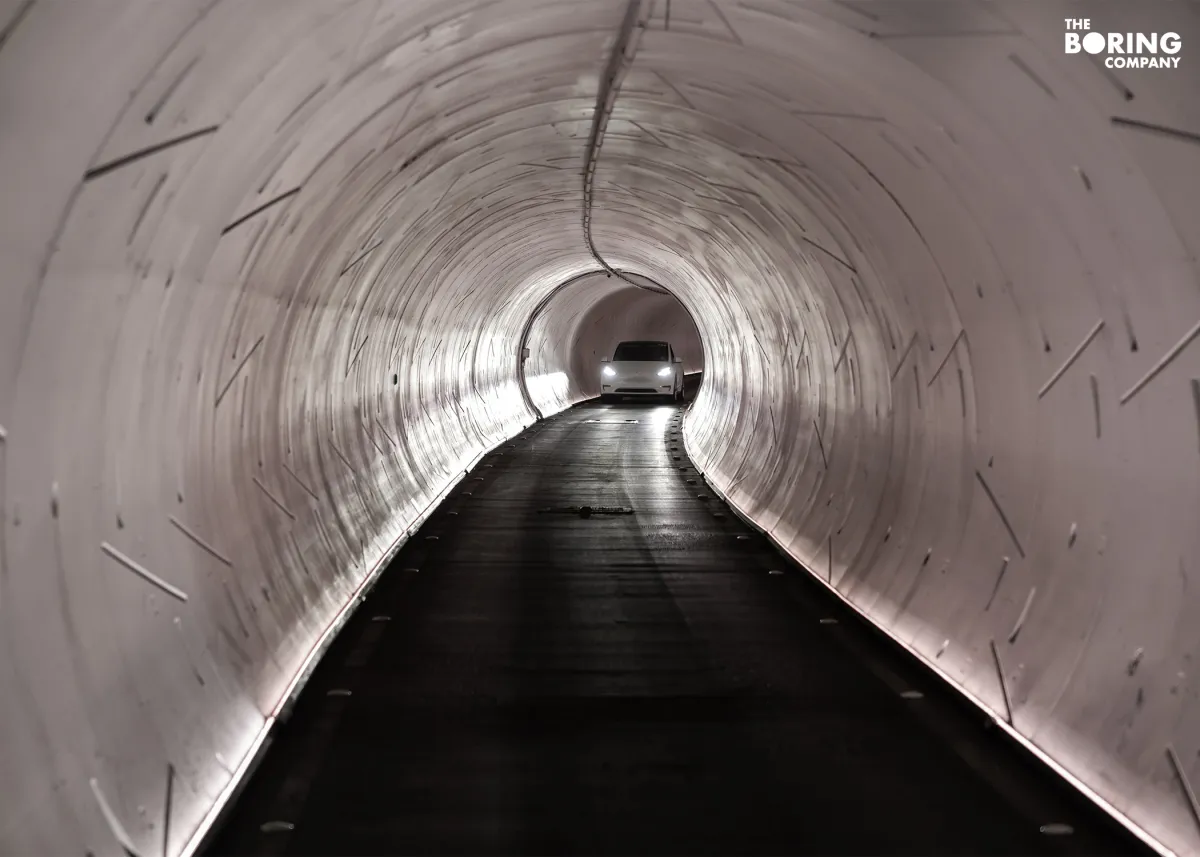
Elon Musk’s tunneling startup The Boring Company is in talks to raise a $4 billion funding round at a valuation of $20 billion, according to The Wall Street Journal.
The Boring Company has announced plans to build tunnel networks under Nashville and Dubai. The WSJ says the startup has also pitched projects in Baltimore, Chicago, and Los Angeles.
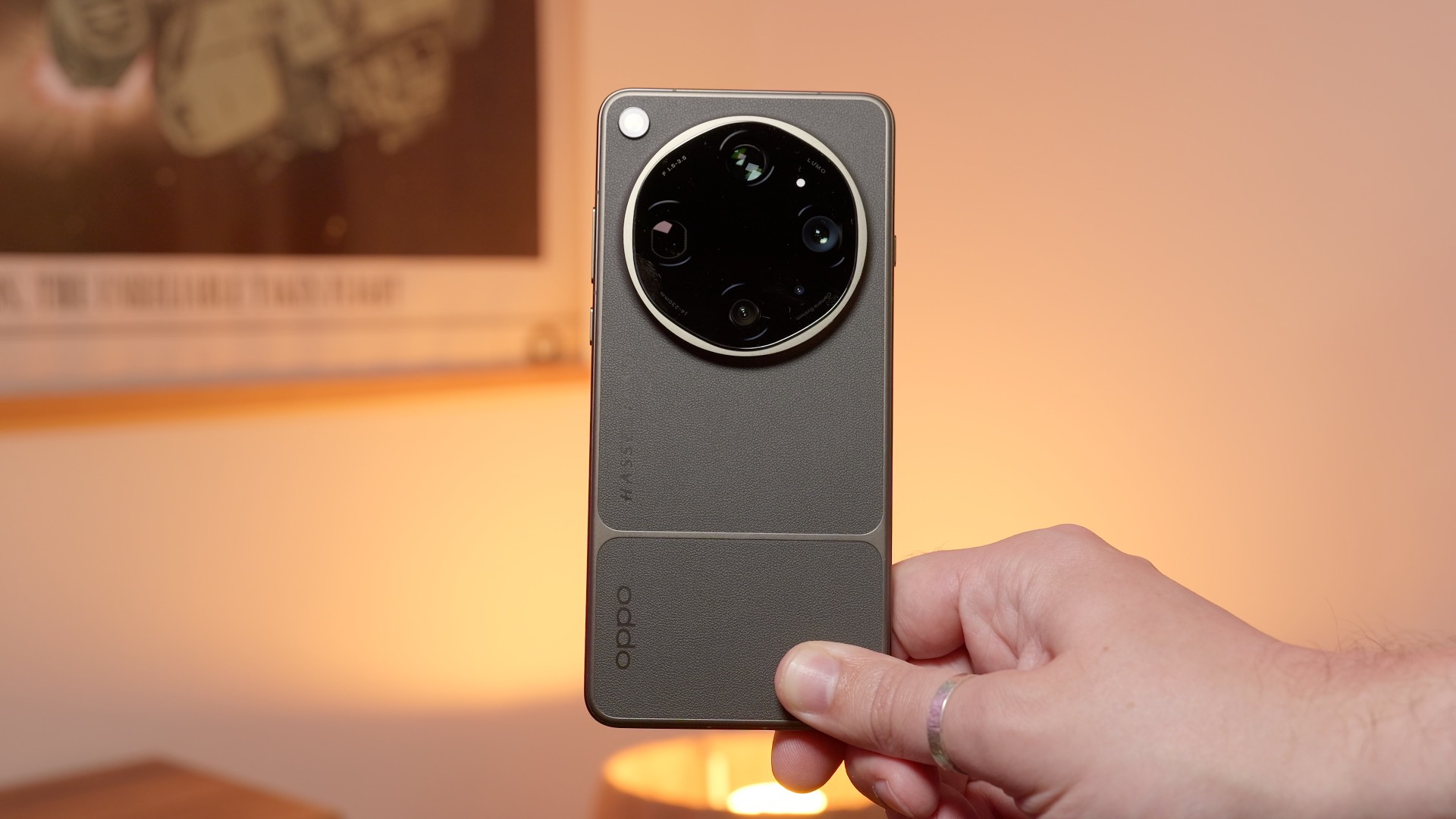
Oppo’s next flagship phones may have made an early appearance ahead of their expected launch.
Newly surfaced live images appear to show the Find X10, Find X10 Pro and Find X10 Pro Max undergoing testing alongside Apple’s iPhone 17 Pro. This hints that Oppo is already benchmarking its next premium phones against one of its biggest rivals.
A tipster on X shared images showing several unreleased Oppo devices mounted in a testing rig beside what looks very much like Apple’s latest flagship. Although protective cases conceal the phones’ final design, the images still reveal a few notable details.
Most obviously, all of the devices appear to feature a large camera module stretching across the full width of the rear panel. Although the cases obscure much of the design, the visible layout resembles the two-tone rear styling seen on recent iPhone models. In particular, there is a prominent rectangular camera island occupying the top section of the phone.
Advertisement
Oppo Find X10, X10 Pro, and X10 Pro Max are reportedly being tested alongside the iPhone 17 Pro.
So, there’s no circular camera module on any of these models.
Also, all three models appear to adopt the iPhone 17 Pro-like two-part rear panel design, with the cameras positioned… pic.twitter.com/jRBfjsosJ7
It’s difficult to say with certainty whether the photos show three different Find X10 models or multiple versions of the same handset. The devices sit at slightly different heights within the testing rig. Therefore, this suggests Oppo could be evaluating the standard Find X10 alongside the Pro and Pro Max variants. However, that remains speculation at this stage.
If the leak is accurate, it also suggests Oppo is paying close attention to camera performance. Testing prototypes directly against the iPhone 17 Pro would be a logical step for a company looking to compete with Apple’s photography credentials. In particular, this matters as smartphone makers continue to prioritise computational imaging and video quality.
Beyond the design, however, the leaked images reveal very little. There are no clues about the camera specifications, chipset or display technology.
Oppo is widely expected to unveil the Find X10 series in China in September. This means more substantial leaks are likely to surface over the coming weeks as the launch draws closer.
Advertisement
While the final design remains under wraps, the company’s decision to test the phones alongside the iPhone 17 Pro suggests it’s once again aiming squarely at the premium end of the smartphone market.
Over the last few decades, several mysterious hackers have captured the public’s imagination, but none quite like Phineas Fisher. A decade after their most famous hack, Phineas remains, by most accounts, the most prolific and public hacker never to have been caught.
As part of our series on the biggest cybersecurity mysteries of all time, we’re delving into the enigma of Phineas, the hacktivist who hacked controversial spyware makers FinFisher and Hacking Team. The latter, an Italian startup, was among the first to turn government spyware into a viable global business, paving the way for spyware makers such as the Israeli NSO Group. Phineas’ hack against Hacking Team eventually led to the startup’s demise years later.
Apart from Anonymous, an amorphous amalgam of hacktivists with a mixed track record of mostly stunt hacks designed to gather publicity rather than have real impact, Phineas is perhaps the most well-known hacktivist in history. Their story is made of impressive hacks and endless unanswered questions.
Who is Phineas Fisher?
Variously called an anarchist, a cybercriminal, a hacktivist, and a vigilante, the hacker has said they “use a lot of different names” for different hacking escapades.
Advertisement
The hacks we know about were big enough to turn Phineas into a legend among hackers. “I would like to meet Phineas Fisher so that I could buy them a seven-course, three-Michelin-star dinner somewhere and listen to them explain how they turned Hacking Team inside out like a gym sock,” a well-known security researcher once wrote on Twitter. There’s even a song about them.
Phineas first emerged in August 2014, when they announced they had hacked Gamma Group, the makers of the FinFisher spyware — which is where the nickname comes from. They publicized the hack via a Twitter account cheekily called @GammaGroupPR, leaking stolen data including mobile spyware, product manuals, and a price list. The damage was limited, and FinFisher carried on. Phineas published a post-mortem that doubled as a leftist manifesto, then vanished.
A year later, they came back with a bang, hacking Hacking Team, another spyware maker. They took practically everything: more than 400 gigabytes including source code, tens of thousands of internal emails, confidential contracts, and customer lists. The leak allowed journalists to reveal scandals in Ecuador, Mexico, and Panama. Years later, Hacking Team’s CEO David Vincenzetti was forced to sell his company for one euro. For some former employees, Phineas’ hack was the beginning of the end.
Phineas went on to hack the union of the Mossos d’Esquadra, which is the police force of Catalonia, publishing a post-mortem and a 39-minute tutorial video — consistent with their stated anti-police ideals. Their next victim was the ruling party of Turkey’s authoritarian president Recep Tayyip Erdoğan, a hack motivated by solidarity with Rojava, a leftist autonomous region in northern and eastern Syria that Turkey was fighting against.
Advertisement
Phineas’ last known victim was Cayman National Bank’s branch in the Isle of Man, a self-governing island between England and Ireland. The hack hinted at a different side of Phineas. “I look for illegal ways to make money in order to free my time so I can do something useful with it. Once I had that figured out, I started scaling it up and making more money than I need and giving the extra away,” Phineas said in an interview with activist Freddy Martinez. (Phineas donated at least $10,000 in Bitcoin to Rojava.)
Phineas kept the hack — which happened in 2016 — quiet for three years later before announcing the “Hacktivist Bug Bounty Program,” an initiative to reward hacktivists who expose companies’ illegal and unethical activities. When Cayman National Bank confirmed the hack, it claimed it “was amongst a number of banks targeted.” Phineas confirmed they had been hacking several banks for years.
That was their last public appearance. Their Twitter and Reddit accounts have long since been deleted, leaving no online trail. FinFisher never contacted law enforcement, according to a former company employee. The Italian authorities’ investigation into the Hacking Team hack ended without finding any evidence pointing to Phineas’ real identity. What I can say, from my own reporting, is that Phineas is alive and well — they have been in contact with me within the last couple of years.
So who is Phineas Fisher? Taking their claims at face value, they’re a hacktivist with anarchist ideals, but also a cybercriminal. Could they instead be a fabricated persona controlled by a spy agency — Russia, say, which has a history of inventing hacktivists to muddy the waters after its own hacks? Phineas has denied being a Russian spy, and it’s unclear why Moscow would go after all of Phineas’ chosen targets.
Advertisement
Their origins are equally murky. Phineas has name-dropped Spanish-speaking anarchists, wrote the Hacking Team post-mortem in Spanish, and followed numerous Latin American leftist accounts on Twitter. They told me their first language is neither English nor Spanish, though they have acknowledged living in a Spanish-speaking country. It’s all worth taking with a grain of salt. “Everything I say that contains clues about my identity is half trolling,” Phineas once told me. “I’m in the habit of saying misinformation.”
It’s also possible that the Phineas persona was passed around between 2014 and 2019 and used by different individuals. But there is no evidence of that, and after 10 years of conversations, my gut says Phineas truly is the hacktivist they claim to be.
ASCII art from Phineas’ Hacking Team breach post-mortem. (Image: TechCrunch)Image Credits:TechCrunch /
When you purchase through links in our articles, we may earn a small commission. This doesn’t affect our editorial independence.
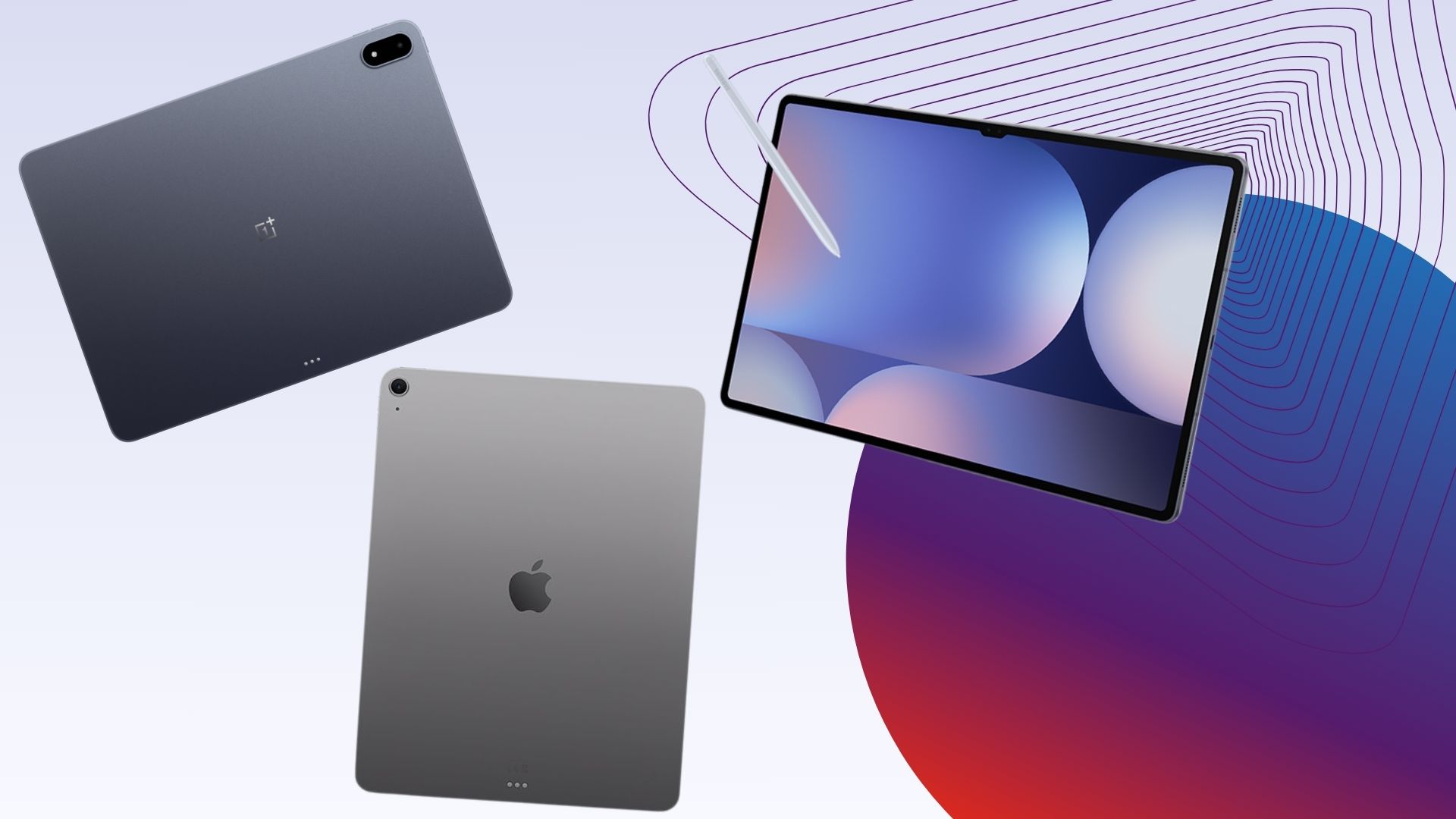
Whether you’re buying an iPad Pro or a budget Android tablet, there’s no denying that tablets can do more in 2026 than ever before. The flip side is that choosing the right one has become a little trickier – but that’s where we at Trusted Reviews come in with our hand-picked selection of the best tablets.
If you just want a safe recommendation, the latest iPads and Samsung tablets are easy go-to picks. They’re great for most people, but they won’t necessarily be the best choice for everyone. If you’re shopping for a kids’ tablet, a budget tablet or something a little more specific, brands like Amazon, Honor and Xiaomi are well worth considering too.
It’s also worth thinking about the ecosystem you already use, especially if you want a tablet for productivity or as a lightweight laptop alternative. If you have an iPhone, an iPad will make it easier to move photos, files and messages between devices. The same applies if you use a Samsung Galaxy phone and pair it with a Galaxy Tab.
Whatever the tablet is designed for, every model that comes through our offices goes through the same rigorous testing process. We run industry-standard benchmarks to measure performance, test battery drain during gaming and streaming, and spend enough time with each device to understand what it’s actually like to use day to day. All of that feeds into our full reviews, giving you a clear idea of what each tablet is like to own.
Advertisement
Only tablets that genuinely impress our tech experts make it onto this list, so whichever one you choose, you can be confident you’re getting a strong device. If you already know what you’re looking for, we also have dedicated guides to the best iPads and best Android tablets.
Best tablet at a glance
Advertisement
How we test
Find out more about how we test tablets
Every tablet in this list has been properly tested and used for an extended period of time by one of our product experts. We categorically do not recommend a product unless it has been put through our lab tests and used by the reviewer as their main tablet for at least five days.
Advertisement
Lab testing includes colourimeter checks to gauge screen accuracy and max brightness levels, synthetic benchmarks to evaluate graphics and general performance, and battery drains to assess average discharge rates for basic office tasks, streaming video and gaming.
Our reviewer will then move on to consider the tablet’s performance for everyday use. This will see them use it as their primary tablet and enact common tasks such as movie streaming, gaming, web browsing and video calling. If the device is targeted at a specific market such as digital artists, they’ll also consider areas such as digital stylus support and whether it can effectively run relevant applications.
When a device is sent in for review with optional extras, such as a stylus and keyboard cover, we’ll assess its performance both as a standalone product as well as with any accompanying peripherals.
SQUIRREL_ANCHOR_LIST
Advertisement
The performance of the mid-range iPad continues to improve
Improved connectivity
Two size options is always welcome
Great accessories
No ProMotion
Colour options are welcome, but a little drab
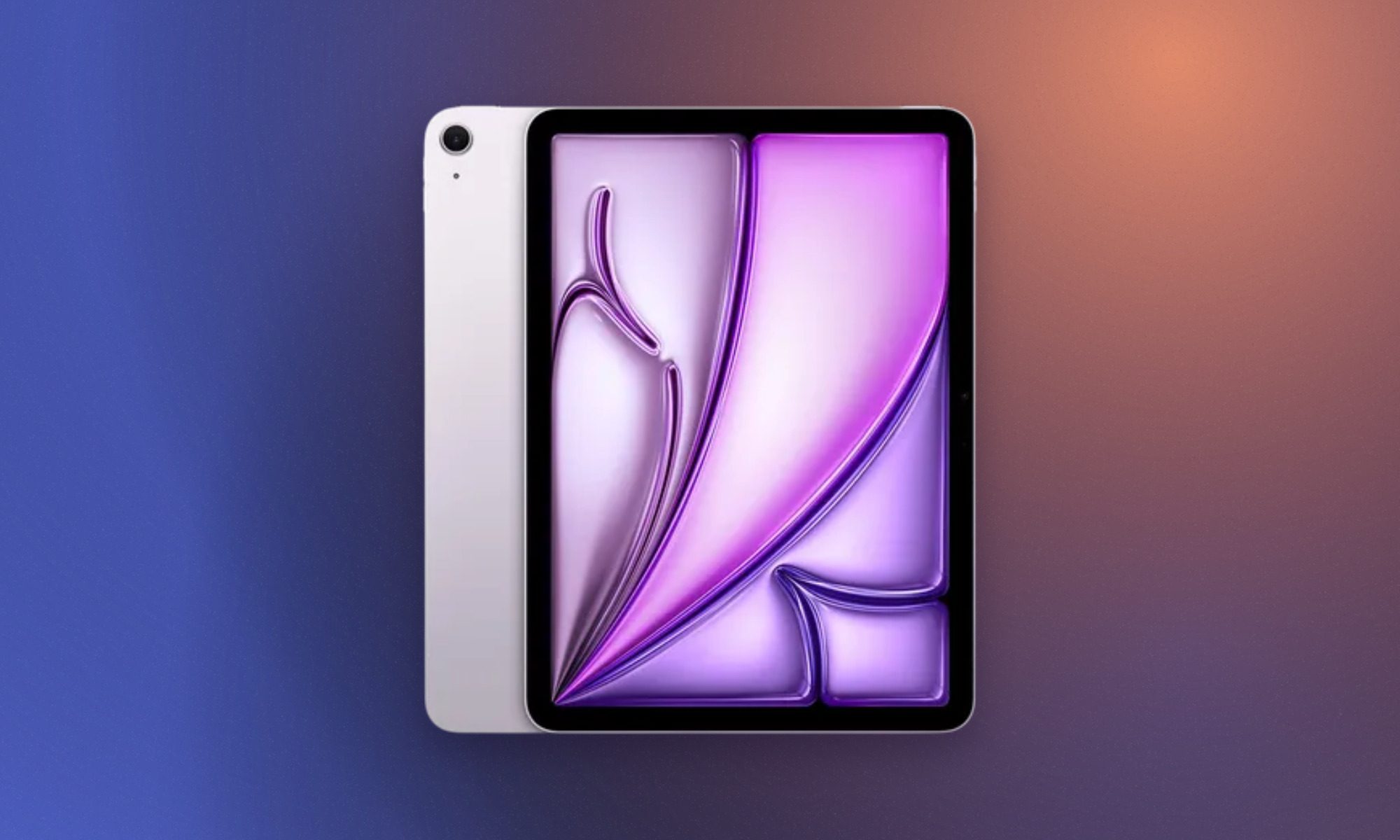
The iPad Air M4 is a refined mid-range tablet that earns its place as a genuine all-rounder, even if it arrives without any single headline feature to shout about. It covers the full mix of performance, screen quality, design and software that most buyers need, and does so with confidence.
Available in the familiar 11-inch and 13-inch sizes, the display uses an LED-backlit IPS panel with P3 colour support, True Tone and an anti-reflective coating. The measured brightness of 480 nits holds up in line with Apple’s claims, and while the Pro iPads pull ahead with OLED and a 120Hz refresh rate, the Air’s screen is more than capable for everyday tasks, streaming and general use.
Advertisement
The flat-edged, slim design remains unchanged, and four colour options, Space Grey, Blue, Purple and Starlight, offer some room to personalise, even if punchier choices would be welcome.
Performance is handled by the M4 chip, with an 8-core CPU and 9-core GPU that makes short work of demanding workloads. It is a clear step up from the M3 model and a huge leap for anyone upgrading from an older iPad. RAM has grown to 12GB, up from 8GB, which should keep multitasking snappy well into the future, and the addition of Wi-Fi 7 via Apple’s N1 networking chip is a practical upgrade for faster wireless speeds.
On the software side, the tablet ships with iPadOS 26, which introduces a more desktop-like windowed interface and a macOS-style menu bar. The Air’s access to pro-level creative apps, including Final Cut Pro and Logic Pro, also continues to grow.
Finally, battery life sits at a reliable 10 hours of web browsing or video streaming, comfortably enough for a full day.
Advertisement
SQUIRREL_PLAYLIST_10208286
Impressively thin and light
Gorgeous 12.3-inch OLED screen
PC Mode offers a Windows-style desktop
Solid everyday performance
Advertisement
Not the fastest chip for the money
You need a Honor-branded charger for fast charging
At 4.8mm thick and weighing just 450g, the MagicPad 4 is one of the slimmest and lightest tablets you can buy right now, making it genuinely easy to hold for extended sessions, carry around all day, and use as a proper work machine.
The centrepiece is a 12.3-inch 3K OLED running at 165Hz, which delivers vivid colours, deep blacks, and a 3:2 aspect ratio that works well for both media and productivity. Honor has also baked in 5280Hz PWM dimming alongside a handful of other eye-care options, a handy addition for anyone spending long hours in front of the screen.
Performance comes courtesy of a Snapdragon 8 Gen 5, a capable chip that handles daily tasks and gaming without issue. Honor blocked our benchmark apps during testing, so we can’t give you hard numbers, but in everyday use it felt as snappy and responsive as any other Gen 5 device we’ve spent time with.
Advertisement
MagicOS 10, built on Android 16, adds some genuinely compelling tablet-specific features. Attach the keyboard case and PC Mode unlocks a floating, resizable window layout that feels much closer to a desktop operating system than a typical Android skin. The Notes app has also been overhauled with real-time transcription and AI-generated summaries, and the tablet can double as a secondary display for a Mac.
Charging tops out at a rapid 66W, but you will need Honor’s own charger to reach that speed, and one isn’t included in the box.
If you’re after a large-screen Android tablet that’s genuinely portable, built around a stunning OLED, and capable of serious productivity work without stretching to Apple or Samsung flagship prices, the MagicPad 4 is a seriously compelling option.
Advertisement
Huge screen is great for work and play
Enough battery to see you through a day’s use
New DeX update provides new ways to use the tablet
Absolutely flies in day-to-day use
Not the best benchmark results for the price
Extremely expensive
Not the most portable tablet around
It should come as no surprise to anyone at this point that with regards to providing a truly flagship experience that can go head to head with the latest iPad Pro, no other tablet can compare with the Samsung Galaxy Tab S11 Ultra. The one major caveat from the outset is that with a starting price of £1199/$1199, the Tab S11 Ultra is far more of an investment than most tablets on this list, but it does mean that you’ll be getting unparalleled specs that’ll leave you wanting for nothing.
Advertisement
The most obvious benefit of going with the Tab S11 Ultra is its gorgeous 14.6-inch AMOLED display. It’s the type of screen that makes all other tablets seem inferior by comparison, as it paves the way not just for an easy multitasking experience where apps have plenty of room to spread out, but it’s also great for kicking back with a bit of gaming or streaming after the working day is done.
Speaking of work, if you are looking for a full-on productivity tablet that can ideally replace or even sit alongside your laptop then the Tab S11 Ultra is one of the best you can buy right now. The onboard MediaTek Dimensity 9400+ chipset can make short work of even more demanding tasks such as video and photo editing, so you needn’t worry about less intensive workloads such as editing in Google Docs or putting together a flyer in Canva.
Samsung’s One UI software already looks and runs great for productivity and entertainment, but if you want to have an interface that more closely mirrors that of a desktop PC/laptop then the upgraded DeX platform can plug the gap nicely – just connect the tablet to a monitor and you can get to work. It’s not a replacement for Windows by any stretch, but it makes the Tab S11 Ultra far more versatile than most tablets in this sector.
Of course, a tablet of this pedigree requires a substantial battery in order to keep everything ticking along and thankfully that’s exactly what you get here. The gigantic 11,600mAh cell can easily get you through an entire day of work so you won’t have to worry if you’re set up at a cafe and there isn’t a power outlet available. It does take a solid 90 minutes to charge the battery from 0% to 100%, but that’s a small setback for what is otherwise an excellent tablet overall.
Advertisement
Upgraded base RAM
Wi-Fi 7 support
The best screen on any tablet
iPadOS is getting better and better
Give us some fun colours
A fairly minor update
Advertisement
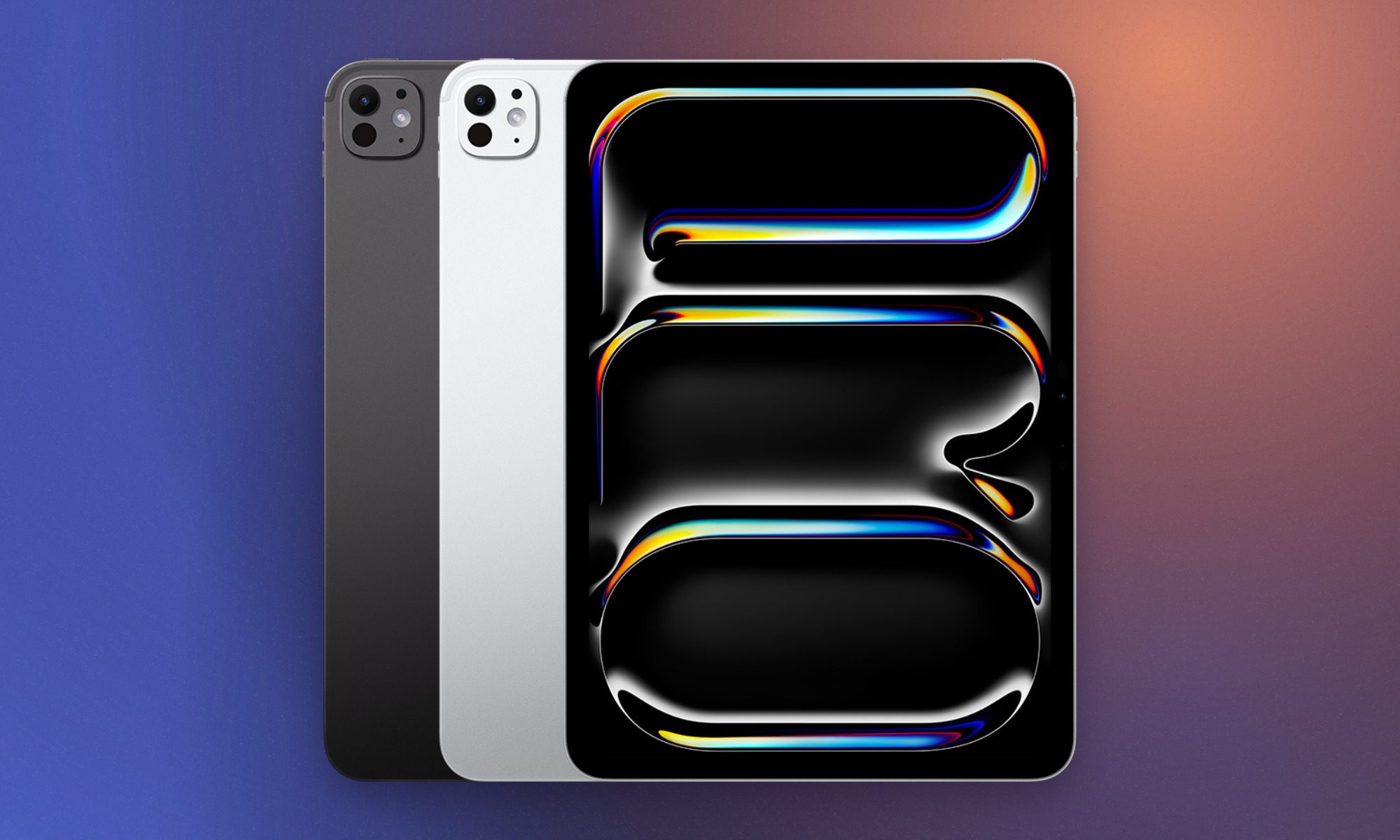
The Apple iPad Pro M5 is the best tablet for creatives on this list, and its premium price reflects that. If you’re serious about what you make, this is the one to buy.
From the outside, it looks almost identical to its predecessor, and that’s no complaint. The 11-inch model is just 5.3mm thin, yet the build feels completely solid. It slips into any bag without a fuss and holds up without feeling fragile in the slightest.
The screen is the best you’ll find on any iPad. Both the 11-inch and 13-inch versions use a tandem OLED Ultra Retina XDR panel, with colours that genuinely pop, perfect black levels, excellent HDR performance, and 120Hz ProMotion for silky smooth scrolling throughout.
All of that display quality is backed up by the new M5 chip, which pairs with either 12GB or 16GB of RAM depending on the storage tier you go for. No other tablet gets close to this level of performance, and our benchmark tests confirmed as much.
Advertisement
That power translates directly into real creative work. Whether you’re editing large image files in Pixelmator Pro or cutting 4K footage in Final Cut Pro, the iPad Pro M5 handles it without breaking a sweat. Apple has leaned into this with a subscription bundle called Creator Studio, which packages its Pro apps together and showcases what the M5 can do with AI-assisted and heavier workflows.
iPadOS has also had meaningful improvements recently, with better multitasking, a more capable file system, and tighter integration with those Creator Studio apps. It still won’t run macOS, but the distance between tablet and laptop replacement keeps narrowing with each update.
Battery life sits at around 12 hours, which is enough to cover a full day of work or a long-haul flight without reaching for a cable, and boosted 60W fast charging keeps top-ups reasonably quick.
If you’re a creative professional who will genuinely push the hardware, the iPad Pro M5 won’t disappoint. If you’re not already invested in the Apple ecosystem or don’t need that level of performance, the iPad Air M4 is a more sensible starting point.
Advertisement
SQUIRREL_PLAYLIST_10208594
Compact and portable
No more 64GB option
A good amount of power
Advertisement
No change to front camera placement
No support for certain older accessories
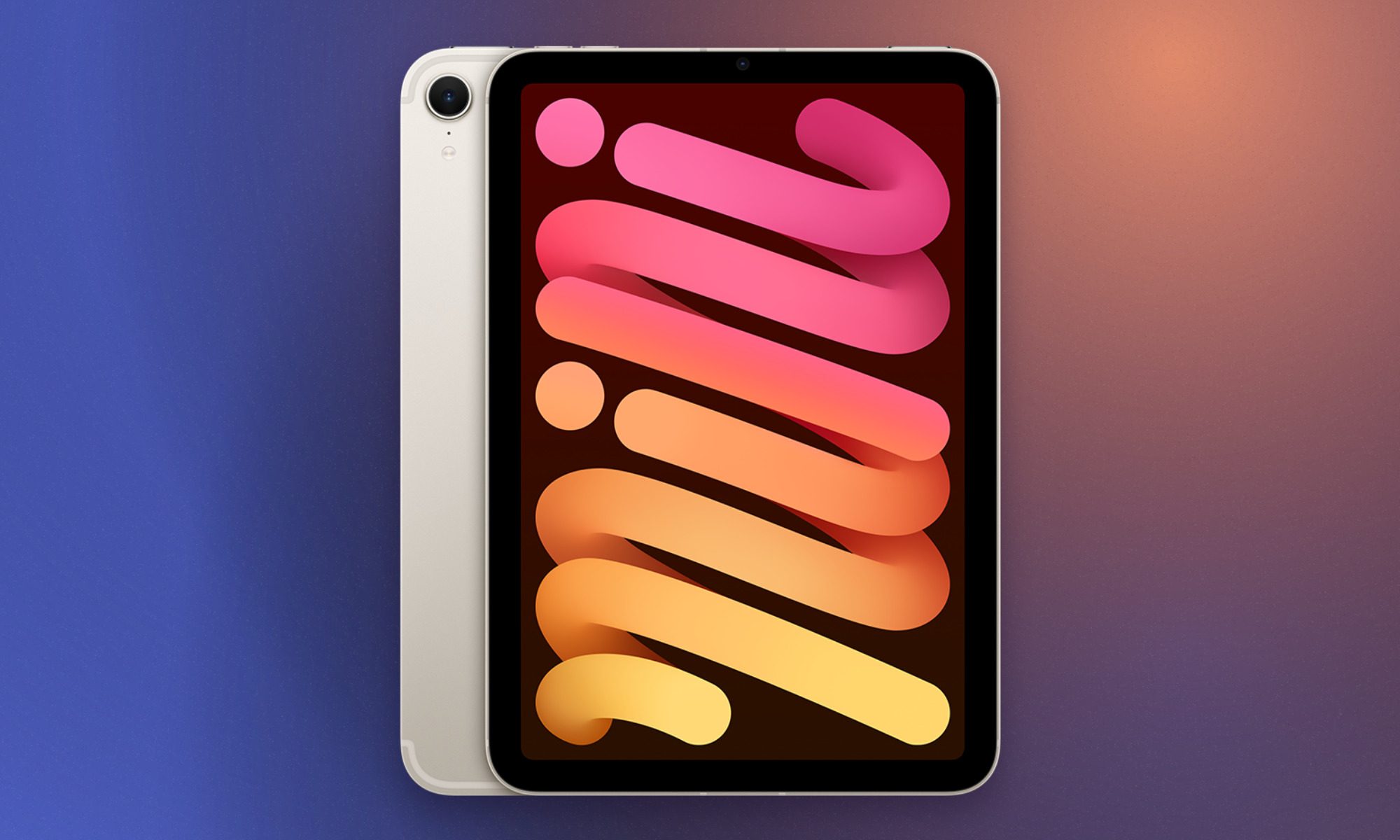
If you want a tablet that can easily fit into even the smallest of bags, then the iPad Mini 7 is the device for you.
Much like its predecessor, the iPad mini 7 looks like a shrunk-down version of Apple’s current-generation Pro and Air tablets. It’s been upgraded to feature Apple Pencil Pro support, too. The latter is particularly welcome, since it means the tablet can match the Pro-level iPad when it comes to drawing capabilities.
The A17 Pro chipset is a welcome upgrade over the ageing A15 Bionic that, while not as fast as the M3 that features in Apple’s more expensive iPad Air, is still more than powerful enough. In our time with the tablet, we never noticed any slowdown, with apps universally launching in milliseconds and running with zero performance issues.
Advertisement
The upgraded chipset also brings support for Apple’s GenAI smarts, Apple Intelligence, though we’d argue that this isn’t the reason to upgrade at the moment.
The only downside to the iPad mini is that, while the size is great for people who want a portable tablet, the Mini isn’t quite as good for video streaming or gaming in a home environment as its larger Air sibling.
We found the 8.2-inch screen isn’t anywhere near as immersive for video viewing as the iPad Air, let alone the Pro or Galaxy Tab S10 Ultra. Thankfully, its high max brightness meant it proved suitably dynamic for casual video in bed or while travelling.
The lack of Apple’s Promotion tech means it’s locked at a bog-standard 60Hz refresh rate. This coupled with its small size meant that although it’s fine for mobile gaming on the go, the device is ill-suited for more serious players looking for a tablet from which to stream triple-A games. We found the HUD and text on PC games running via GeForce Now were a little too small to comfortably read when the tablet was sitting on a desk.
Advertisement
For such users, the iPad Air or OnePlus Pad 3 with their larger screens are far better options.
Blisteringly fast gaming performance
Excellent sustained cooling
Bright, vivid OLED screen
Portable, comfortable design
Advertisement
Cameras are only fine
Poor split-screen productivity
The RedMagic Astra 2 is the best tablet for gaming you can buy right now, pairing the fastest performance found on any Android tablet with a bright, snappy OLED screen, serious cooling hardware, and a handful of genuinely useful gaming-focused features.
The 9-inch size hits a sweet spot: big enough to pull you into a game, small enough to slip into a bag. It’s slim and light, and the completely flat back means it sits flush on a desk without wobble. Externally it resembles last year’s Astra, but the internals have changed in meaningful ways.
Powering things is Qualcomm’s Snapdragon 8 Elite Gen 5, paired with either 12GB or 16GB of RAM. In benchmarks, the Astra 2 beat the pricier Tab S11 Ultra and landed close to the iPad Air M2. Liquid cooling and a chunky vapor chamber held 85.7% stability across a 20-minute stress test, meaning no thermal throttling when a demanding game drags on.
Advertisement
Feeding those frames is a crisp 2.4K OLED panel with a 185Hz refresh rate for glassy-smooth gameplay, a 16:10 aspect ratio for a wider field of view in plenty of titles, and up to 1600 nits in HDR, so gaming outside in bright sunlight is not a problem.
RedMagic has swapped its old gamer-themed skin for something closer to stock Android, which is cleaner and calmer. The gaming features are still present, though. Flick the red hardware switch on the side and Game Space opens up, offering performance profiles, an AI upscaler that pushes 1080p games toward 2K, custom crosshairs, and more besides. There is bypass charging too, routing power around the battery while you play to keep heat down and reduce wear over time.
Cameras are not really the point here, but the 13MP rear and 9MP front shooters handle quick photos and video calls without issue. The 8300mAh battery is the real headline, stretching across days of mixed use and delivering just under nine hours of Wuthering Waves with graphics maxed. When you need a top-up, 75W fast charging takes it from empty to full in under an hour.
For anyone who wants the best tablet for gaming, it is the one to buy.
Advertisement
Exceptional screen and speakers
Super-slim and light design
Great battery life and quick charging
High-quality low-latency accessories
GoPaint app is great for illustrators
No Google services
Some app issues even after workarounds
Slower processor than the competition
Advertisement
Huawei’s MatePad Pro Max is the best pure drawing tablet you can buy right now, assuming you’re in a region where it’s actually sold. US buyers are out of luck entirely, as sanctions block Huawei from working with Qualcomm or MediaTek on chipsets, and Google services are off the table too, which means no Play Store out of the box.
If you can get hold of one, the hardware is genuinely hard to argue with. The headline is a 13.3-inch OLED panel running at 3000×2000 resolution with a 144Hz refresh rate, which puts it at the top of the class for raw display specs. Huawei has also fitted its PaperMatte glass across the front, giving the screen a paper-like texture that kills off glare and reflections. For anyone spending long sessions drawing, that combination of feel and anti-glare performance is as good as this category gets.
The optional M-Pencil Pro is where the drawing experience really comes together. Latency is remarkably low, so lines land where you expect them to, and the pencil charges wirelessly by snapping magnetically to the tablet’s side. Huawei includes three swappable tips for different drawing styles, and the whole setup pairs naturally with Huawei’s own GoPaint drawing app, which is pre-installed and takes full advantage of the pen’s precision.
The optional keyboard and trackpad case brings the kind of typing experience you would expect from a proper laptop, which is a bonus for anyone who wants to switch between creative work and writing. The trackpad is less convincing, but the keyboard itself is a highlight.
Advertisement
Inside sits Huawei’s Kirin T93 Pro, which delivers decent everyday performance, though it performs more like a flagship chip from a couple of years back than a current-generation rival. Graphically demanding games are possible, but you will not be pushing the fidelity to its limits.
The bigger consideration for most buyers is that getting Play Store apps onto the tablet involves a fair amount of effort. Popular apps like Google Drive, YouTube, and Netflix are not simply available to download, so anyone who relies heavily on those services will find the experience frustrating. If that is a dealbreaker, an iPad is the more straightforward path.
For anyone who can work within Huawei’s app ecosystem and simply wants the best screen and pen combination available in a drawing tablet, nothing here comes close.
Advertisement
Bright and punchy high resolution display
7:5 aspect ratio is perfect for splitscreen apps and entertainment
Streamlined software with almost no bloat
Performance isn’t spectacular for the money
Main accessory is a pricey additional purchase
No 1-24Hz support means it misses the mark with movies and reading
Starting at £349, with a £379 option if you want 5G connectivity, the OnePlus Pad Go 2 is one of the strongest cases for a big-screen tablet that doesn’t ask you to spend big to get one.
Advertisement
The 12.1-inch display is a genuine highlight at this price. It runs at 120Hz, colours are accurate, contrast is genuinely impressive, and brightness levels are solid. Whether you’re watching films or catching up on YouTube, it holds its own against tablets that cost considerably more. The 7:5 aspect ratio also makes this one of the better options on this list for split-screen multitasking, giving two apps enough room to breathe side by side without either feeling cramped.
Under the hood, the MediaTek Dimensity 7300-Ultra won’t trouble flagship silicon, and a handful of rivals at this price point will push through demanding games a little more quickly. In day-to-day use, however, it feels fast and fluid. Apps open instantly, the homescreen scrolls without a stutter, and heavy websites load without complaint.
OxygenOS 16 is another strong point. It’s a clean, no-nonsense take on Android that makes juggling multiple apps genuinely easy, with no bloatware cluttering things up. The two 8MP cameras handle video calls and the odd scan without issue, and AI upscaling adds a bit of polish.
The 10,050mAh battery stretches to around 10 hours of heavy use, which is respectable, even if the 33W charging is on the slower side.
Advertisement
If you want a large, capable tablet without the large outlay, this is where to look.
Much more premium design than other Fire tablets
Great all-day battery life
Solid 11-inch 2K display
Advertisement
Limited app availability
Very slow to charge
Amazon has its niche at the market’s budget end with a swathe of its own Amazon Fire-branded tablets coming in all shapes and sizes. However, it’s the largest in the Fire tablet collection that truly stands out, even compared to fully-fledged Android tablets.
The Amazon Fire Max 11 stands at the top of the Fire tablet collection, not only in price at £249/$229, but also in size, sporting an 11-inch display. The display is one of the main reasons to opt for the tablet, boasting a 2K resolution that delivers pin-sharp visuals when watching movies, reading books on the Kindle app and browsing the web. It’s also fully laminated with no gap between the protective glass and LCD panel to create that horrid hollow tap sensation present on most cheaper tablets (and even Apple’s iPad 10).
It feels like a more premium device than others in the collection, with an aluminium body, rounded corners and relatively slim bezels. In fact, it looks a lot like the iPad 11, just much cheaper. It’s a shame that it’s only available in slate grey – more colourful options could help Amazon’s tablet stand out in a sea of grey tablets.
Advertisement
Performance is also surprisingly impressive considering it sports an unnamed octa-core processor and just 4GB of RAM, performing much better in CPU and GPU tests than most of the similarly priced competition, and everyday performance was refreshingly free of stutter and lag.
The Amazon Fire Max 11 is compatible with an optional keyboard case and stylus, with the stylus magnetically attaching to the side of the tablet when not in use. Amazon hopes this will frame the tablet as a work device, but it’s not entirely up to the same standard as most competitors – and that’s down to Fire OS.
Despite running on Android 11, the Fire Max 11 (like all other Fire tablets) is devoid of Google services and Google Play, instead offering its own alternative in the form of the Appstore. While plenty of apps are available, including Microsoft Office, it lacks key apps like Google Drive or Dropbox that’d make it handy for work purposes.
You will find most streaming apps, however, and plenty of free-to-play games, framing the tablet as more of a high-end (for Fire tablets, anyway) entertainment device than a work one.
Advertisement
Test Data
Apple iPad Air M4
Honor MagicPad 4
Samsung Galaxy Tab S11 Ultra
Apple iPad Pro M5
Apple iPad Mini 7
RedMagic Astra 2
Huawei MatePad Pro Max
ReMarkable Paper Pure
OnePlus Pad Go 2
Amazon Fire Max 11
Geekbench 6 single core
3726
–
2628
4081
2836
3673
1820
–
1003
932
Geekbench 6 multi core
13286
–
8976
16441
7021
11130
6394
–
3082
2245
Geekbench 6 GPU
52607
–
–
74536
–
25503
7919
–
2602
–
3DMark Solar Bay
12727
–
–
–
–
54.6
–
–
–
–
AI performance
–
–
–
–
–
6742
–
–
596
–
Max brightness
–
–
–
–
–
–
–
–
–
420 nits
1 hour video playback (Netflix, HDR)
–
–
–
3 %
6 %
–
–
–
7 %
9 %
30 minute gaming (intensive)
–
–
–
–
5 %
–
–
–
5 %
–
30 minute gaming (light)
–
–
–
–
4 %
–
–
–
–
10 %
Time from 0-100% charge
–
69 min
94 min
–
118 min
56 min
54 min
–
185 min
244 min
Time from 0-50% charge
–
28 Min
–
–
–
21 Min
21 Min
–
–
120 Min
30-min recharge (included charger)
–
53 %
34 %
–
–
–
71 %
–
–
14 %
15-min recharge (included charger)
–
28 %
15 %
–
–
–
37 %
–
–
7 %
30-min recharge (no charger included)
–
–
–
–
–
68 %
–
–
–
–
15-min recharge (no charger included)
–
–
–
–
–
34 %
–
–
–
–
3D Mark – Wild Life
–
–
6541
–
2924
7888
3063
–
874
319
3D Mark – Wild Life Stress Test
–
–
–
–
–
85.7 %
94.5 %
–
98.8 %
–
3D Mark – Sling Shot Extreme
–
–
–
–
–
–
–
–
5200
–
3D Mark – Sling Shot
–
–
–
–
–
–
–
–
6836
–
GFXBench – Aztec Ruins
60 fps
–
67 fps
60 fps
50 fps
–
–
–
–
9 fps
GFXBench – Car Chase
60 fps
–
79 fps
60 fps
58 fps
–
–
–
–
13 fps
Advertisement
Full Specs
Apple iPad Air M4 Review
Honor MagicPad 4 Review
Samsung Galaxy Tab S11 Ultra Review
Apple iPad Pro M5 Review
Apple iPad Mini 7 Review
RedMagic Astra 2 Review
Huawei MatePad Pro Max Review
ReMarkable Paper Pure Review
OnePlus Pad Go 2 Review
Amazon Fire Max 11 Review
Manufacturer
Apple
Honor
Samsung
Apple
Apple
Nubia
Huawei
Remarkable
OnePlus
Amazon
Screen Size
11 inches
12.3 inches
14.6 inches
11 inches
8.3 inches
9.09 inches
13.2 inches
10.3 inches
12.1 inches
11 inches
Storage Capacity
128GB, 256GB, 512GB, 1TB
256GB, 512GB
256GB, 512GB, 1TB
256GB, 512GB, 1TB, 2TB
128GB, 256GB, 512GB
256GB, 512GB
512GB
32GB
256GB
128GB, 64GB
Rear Camera
12MP
13MP
13MP + 8MP
12MP
12MP
13MP
50MP
–
8MP
8MP
Front Camera
12MP
9MP
12MP
12MP
12MP
9MP
12MP
–
8MP
8MP
Video Recording
Yes
Yes
Yes
Yes
Yes
Yes
Yes
–
Yes
Yes
IP rating
No
No
IP68
No
No
IP54
No
Not Disclosed
No
No
Battery
28.93 Whr
10100 mAh
11600 mAh
31.29 Whr
19.3 Whr
8300 mAh
9760 mAh
3820 mAh
10050 mAh
7498 mAh
Fast Charging
Yes
Yes
Yes
Yes
Yes
Yes
Yes
–
Yes
–
Size (Dimensions)
x x INCHES
178.8 x 4.8 x 273.4 MM
208.5 x 5.1 x 326.3 MM
x x INCHES
134.8 x 6.3 x 195.4 MM
207.1 x 6.9 x 134.2 MM
196.3 x 4.7 x 289.3 MM
187.1 x 6 x 228.1 MM
166.1 x 6.8 x 192.8 MM
163.7 x 7.5 x 259.1 MM
Weight
462 G
450 G
692 G
446 G
293 G
363 G
499 G
360 G
599 G
490 G
ASIN
–
–
–
–
–
–
–
–
–
B0B2SDTSJ8
Operating System
iPadOS 26
MagicOS 10 (Android 16)
One UI 8 (Android 16)
iPadOS
iPadOS 18
RedMagic OS 11.5
HarmonyOS
ReMarkable OS
Android 17 (OxygenOS 16)
Android 11 (Fire OS)
Release Date
2026
2026
2025
2025
2024
2026
2026
2026
2025
2023
First Reviewed Date
09/03/2026
13/03/2026
17/09/2025
16/06/2026
22/10/2024
17/07/2026
24/06/2026
06/05/2026
09/02/2026
31/07/2023
Resolution
2360 x 1640
1920 x 3000
2960 x 1848
2420 x 1668
2266 x 1488
2400 x 1504
2000 x 3000
x
1980 x 2800
1200 x 2000
HDR
–
Yes
Yes
Yes
Yes
Yes
Yes
–
Yes
–
Refresh Rate
60 Hz
165 Hz
120 Hz
120 Hz
60 Hz
185 Hz
144 Hz
–
120 Hz
60 Hz
Ports
USB-C
USB-C
USB-C
Thunderbolt / USB 4 port
USB-C
USB-C port x2
USB-C
USB-C
USB-C
USB-C, microSD card slot
Chipset
Apple M4
Snapdragon 8 Gen 5
MediaTek Dimensity 9400+
Apple M5
A17 Pro
Snapdragon 8 Elite Gen 5
Kirin T93 Pro
–
Mediatek Dimensity 7300 Ultra
Octa-core processor
RAM
12GB
12GB, 16GB
12GB, 16GB
12GB, 16GB
8GB
12GB, 16GB
12GB
2GB
8GB
4GB
Colours
Blue, Purple, Starlight, Space Grey
White, Grey
Grey, Silver
Grey, Silver
Blue, Purple, Stalight, Grey
Eclipse, Starfrost
Blue, Gray
–
Shadow Black, Lavender Drift
Grey
Stated Power
–
66 W
45 W
–
–
75 W
66 W
–
–
–
UK RRP
£599
£599
£1199
£999
£499
£599
£999.99
£359
£349
£249
USA RRP
$599
–
$1199
$999
$499
$749
Unavailable
$399
–
$229
EU RRP
–
–
–
–
€619
–
€1149
€399
–
–
CA RRP
–
–
–
–
CA$681
–
–
–
–
–
AUD RRP
–
–
–
–
AU$799
–
–
–
–
–
How much should you spend on a tablet?
Advertisement
This depends on what you want to do with the tablet. If it’s for young children, you don’t want to spend lots on a device that will ultimately get broken or damaged down the line. If you just want to watch Netflix or play basic games, there are also plenty of great affordable tablets available for less than $400/£400. Based on our experience, it’s only worth spending lots if you are a power user or creative who needs extra computational power and top-end screen quality.
Do you need 5G on a tablet?
5G is a useful technology that lets you download huge files and entire film series in minutes, if you’re in an area with good coverage. But unless you’re a professional looking to use a tablet for work on the go, we don’t recommend investing in the tech for a tablet. 99% of the time, it’s easier to just tether the tablet to your phone’s connection in the odd instance you need internet on your tablet while away from a WiFi connection.
Advertisement
Are iPads better than Android tablets?
From a hardware perspective, this depends on the exact tablets you’re comparing. But, based on our experience testing both types of tablets, iPad software is better optimised for larger screens and offers pro-level apps not available on Android.
Silicon-based CMOS camera sensors are cheap and plentiful, but they’re rarely used to their full potential: they can detect a greater range of wavelengths in the infrared spectrum than they can in the visible spectrum, but in most cameras this is blocked by an IR-cut filter. [Project 326]’s infrared camera system reverses this: it records infrared images in color while blocking out visible light.
The system uses three USB webcams, each with its IR cut filter removed and replaced with a different dichroic IR band-pass filter. One filter is centered at 750 nm, one at 850 nm, and one at 940 nm. There is no band overlap; in testing, each camera only detected an infrared flashlight tuned to its own filter wavelength. The original cameras didn’t hold the sensors in a consistent position, so [Project 326] designed new housings. Using three lenses, each with distinct aberrations, introduced some difficulties in alignment. [Project 326] originally intended to use a pair of beam-splitting prisms with only one lens, but this proved too difficult to align using 3D-printed frames.
A Raspberry Pi records a separate monochromatic stream from each camera, which can then be processed into a composite color video. The first frames need to be manually aligned, but afterwards a script can apply the alignment to the rest of the video. Finally, the channels are mapped to colors, with the precise mapping being freely changeable. There were some few unexpected issues: each camera has its own, not terribly precise, local oscillator, and they drifted apart by about one or two frames per minute. Parallax error, on the other hand, was less severe than might be expected: at close range it’s noticeable, but by a distance of 35 meters, it represents less than one pixel of distortion.
Advertisement
The resulting images look great, and it’s easy to forget that they’re being captured without the use of any visible light. We’ve seen a similar technique (though extending into the visible range) used to recreate the surreal effect of Aerochrome film.
A semester’s worth of notebooks, printouts, and loose assignment sheets can turn your backpack into hefty luggage. This is where the iPad steps in, not by making your reading list shorter, but by making your academics less cluttered. Add an Apple Pencil, and the same tablet can handle handwritten lecture notes.
It’s not all work and no play, as the iPad can double as a handheld gaming console or streaming device. But at the end of the day, the real question is, “Which one is right for you?” With the various models under its belt, Apple has an iPad for everyone. It currently sells four very different iPads and two relevant Pencil models, with compatibility changing depending on the tablet.
My advice is to buy the least expensive iPad that comfortably supports your coursework. Another thing to keep in mind is compatibility. While the USB-C Apple Pencil works with every iPad listed below, the Apple Pencil Pro supports the M4 iPad Air, M5 iPad Pro, and A17 Pro iPad mini. Meaning, it doesn’t work with the standard A16 iPad. So with that out of the way, here are the best iPads to consider.
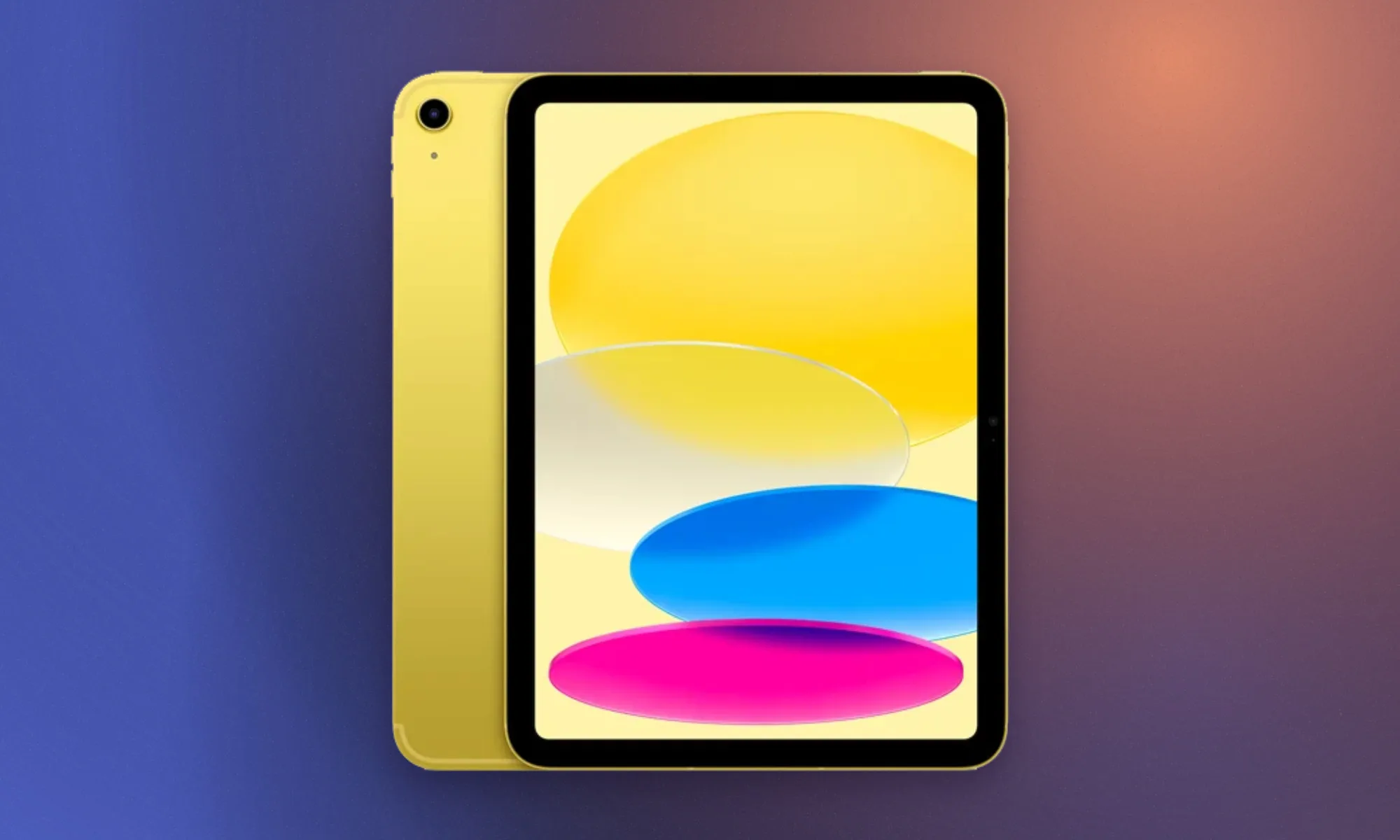
Apple iPad 11-inch with A16
Apple
Best affordable iPad for most students
Pros
Advertisement
Clean design and premium build
Sharp display for the price
Plenty of A16 silicon firepower
128GB storage for the same price
Battery life doesn’t disappoint
Cons
Accessories are a little too pricey
No Apple Intelligence or Stage Manager
Stylus support is outdated
Non-laminated display, again
Slow charging
The standard iPad is the sensible pick for students who need a digital notebook, which can be used as a research and entertainment device without spending laptop money. Its A16 chip comfortably handles web browsing, video calls, photo editing, and even gaming. Apple also doubled the starting storage to 128GB, providing far more breathing room for downloaded lecture recordings and offline videos.
This model is our best overall pick for most people. The upgraded storage, solid battery endurance, and great performance in particular make it worth considering. It would’ve been an even more attractive package if Apple packed it with a display that goes past 60Hz and offered an anti-reflection coating. One big omission is Apple Intelligence, but for students whose workload centers around notes, documents, and media consumption, these limitations aren’t a deal breaker for under $450.
Apple iPad Air 11-inch with M4
Apple
Best iPad for most demanding students
Pros
Clean design and premium build
Sharp display for the price
Plenty of A16 silicon firepower
128GB storage for the same price
Battery life doesn’t disappoint
Cons
Accessories are a little too pricey
No Apple Intelligence or Stage Manager
Stylus support is outdated
Non-laminated display, again
Slow charging
The latest iPad Air is the sweet spot for students who expect their tablet to cover several years of increasingly demanding coursework. Its M4 chip and 12GB of unified memory provide enough headroom for illustration, CAD work, photo editing, music production, programming tools, and more intense workflows. The fully laminated Liquid Retina display supports P3 wide color and has an anti-reflective coating, making it considerably better for drawing and visual work than the standard iPad.
This is the entry-point to Apple’s premium tablet lineup, and I can easily recommend it. Apple Pencil Pro and Magic Keyboard support also let the Air shift between handwritten notes, creative input, and laptop-style typing. Apple continues to reserve 120Hz ProMotion and OLED technology for the Pro, which makes the Air’s 60Hz screen conspicuous at this price. The 128GB base configuration can also fill quickly with large creative projects. Even with those limitations, the Air offers a stronger combination of portability and processing power than any other iPad in the range.
Apple iPad Pro 11-inch with M5
Apple
Best iPad for art, Filmmaking, and design students
Pros
Advertisement
Clean design and premium build
Sharp display for the price
Plenty of A16 silicon firepower
128GB storage for the same price
Battery life doesn’t disappoint
Cons
Accessories are a little too pricey
No Apple Intelligence or Stage Manager
Stylus support is outdated
Non-laminated display, again
Slow charging
If you were to ask me who even needs the iPad Pro, the answer is pretty specific. It belongs in the hands of animators, filmmakers, architects, and other design students who can genuinely use its cutting-edge hardware. Its tandem OLED Ultra Retina XDR display combines perfect blacks, a 120Hz ProMotion refresh rate, P3 color, and up to 1,600 nits of peak HDR brightness. That panel alone makes it superior to most tablets in the market.
It is also well suited to color-sensitive artwork, HDR video, detailed photo editing, and most importantly, Pencil-heavy creative process. The M5 chip adds enormous processing and graphics capability, while Thunderbolt connectivity supports fast external storage and high-resolution displays. Pick the Wi-Fi configuration if you’re trying to get the best possible deal, but you’ll have to rely on the campus internet or your smartphone for internet connectivity.
Add the Magic Keyboard and Apple Pencil Pro to the list, and the complete setup can cost just as much as a premium laptop. Though the Pro has earned that expense with these specialized hardware that it offers. It’s not for light work, clearly.
Apple iPad mini with A17 Pro
Apple
Best iPad for carrying everywhere
Pros
Clean design and premium build
Sharp display for the price
Plenty of A16 silicon firepower
128GB storage for the same price
Battery life doesn’t disappoint
Cons
Accessories are a little too pricey
No Apple Intelligence or Stage Manager
Stylus support is outdated
Non-laminated display, again
Slow charging
Lecture halls do not always provide enough desk space for your laptop or large-sized tablet with a complete setup. The iPad mini solves this problem with a more compact 8.3-inch screen and a body that weighs just 0.65 pounds. So it easily slips into a small bag, sit beside a laptop, or be held in one hand while you annotate a document with the other.
Packing the A17 Pro, you get access to Apple Intelligence and demanding apps, while the laminated P3 display offers a more direct Pencil experience than the standard iPad. Apple Pencil Pro compatibility makes the mini especially appealing for quick diagrams, field notes, and sketching. In our review, we were particularly impressed by its portability and unexpectedly capable performance.
Advertisement
But the compact display does reduce the space available for windowed multitasking. Writing long essays on an attached keyboard is also less comfortable than using an Air or Pro. For students who already own a laptop and want a portable companion for notes and reading, the mini may be the most useful iPad in the entire lineup.
Apple Pencil with USB-C
Apple
Best Apple Pencil for everyday note-taking
Pros
Most affordable Apple Pencil model
Charges easily via USB-C cable
Handy sliding cap covers port
Attaches magnetically to iPad edge and supports Hover on iPad Pro
Cons
No built-in pressure sensitivity support
Lacks magnetic wireless charging ability
No Apple Find My support
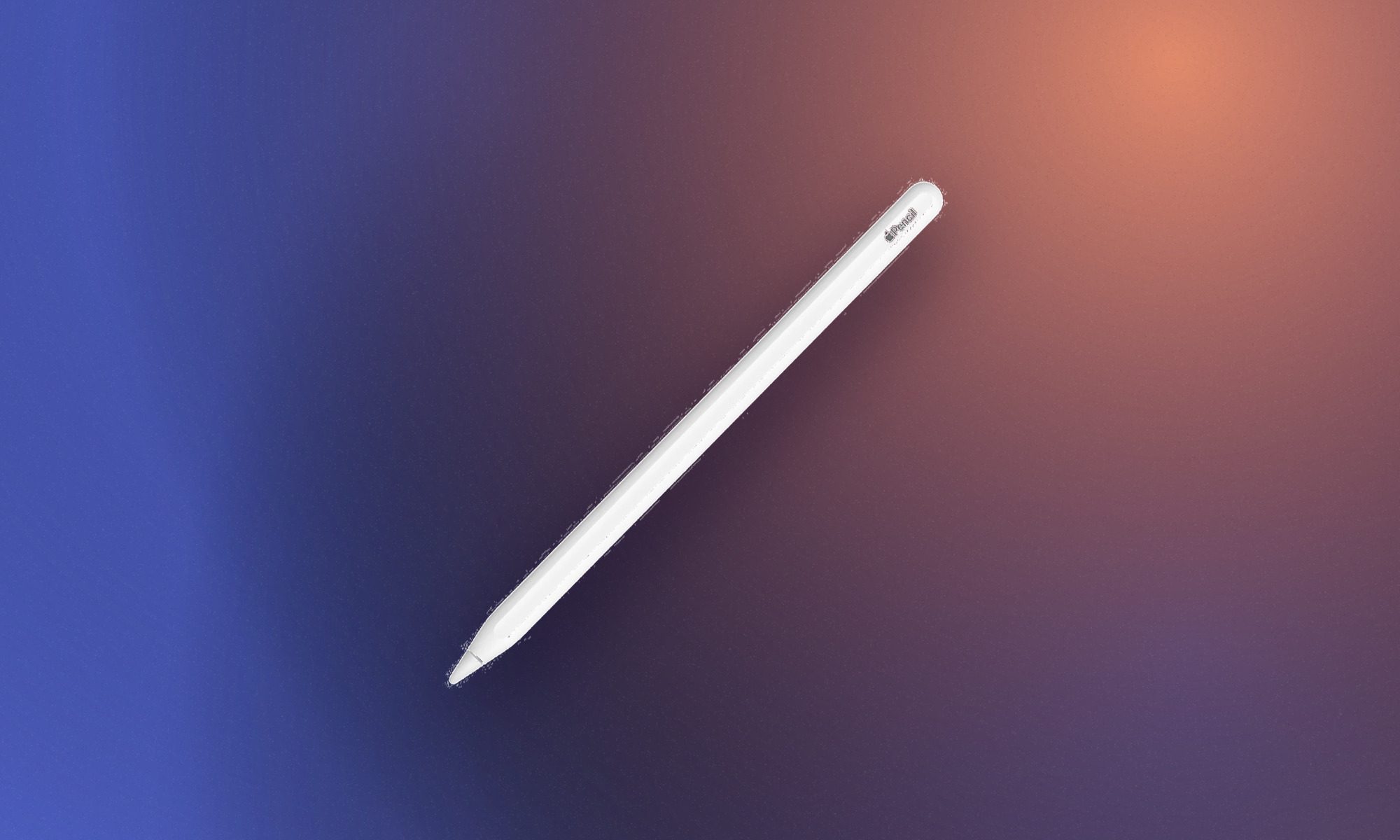
Most students buying an Apple Pencil use it for taking notes or sketching, which makes the Apple Pencil with USB-C a great affordable pick. It provides the same basic precision, low latency, palm rejection, and tilt support that make writing on an iPad feel so intuitive.
The Pencil attaches magnetically to compatible iPads for storage, although pairing and charging require a USB-C cable hidden beneath its sliding cap. Apple removes pressure sensitivity and the advanced gestures found on the Pro, which limits its appeal for illustrators and other creative students who adjust strokes through pressure. But for its price, I can easily recommend this stylus for everyday uses. Its broad compatibility also eliminates much of the confusion surrounding Apple’s stylus lineup.
Apple Pencil Pro
Apple
Best Apple Pencil for creative students
Pros
Advertisement
Intuitive squeeze gesture opens palettes
Haptic feedback feels incredibly realistic
Find My tracking prevents loss
Charges and pairs magnetically wireless
Cons
Only works with newest iPads
Expensive investment for casual users
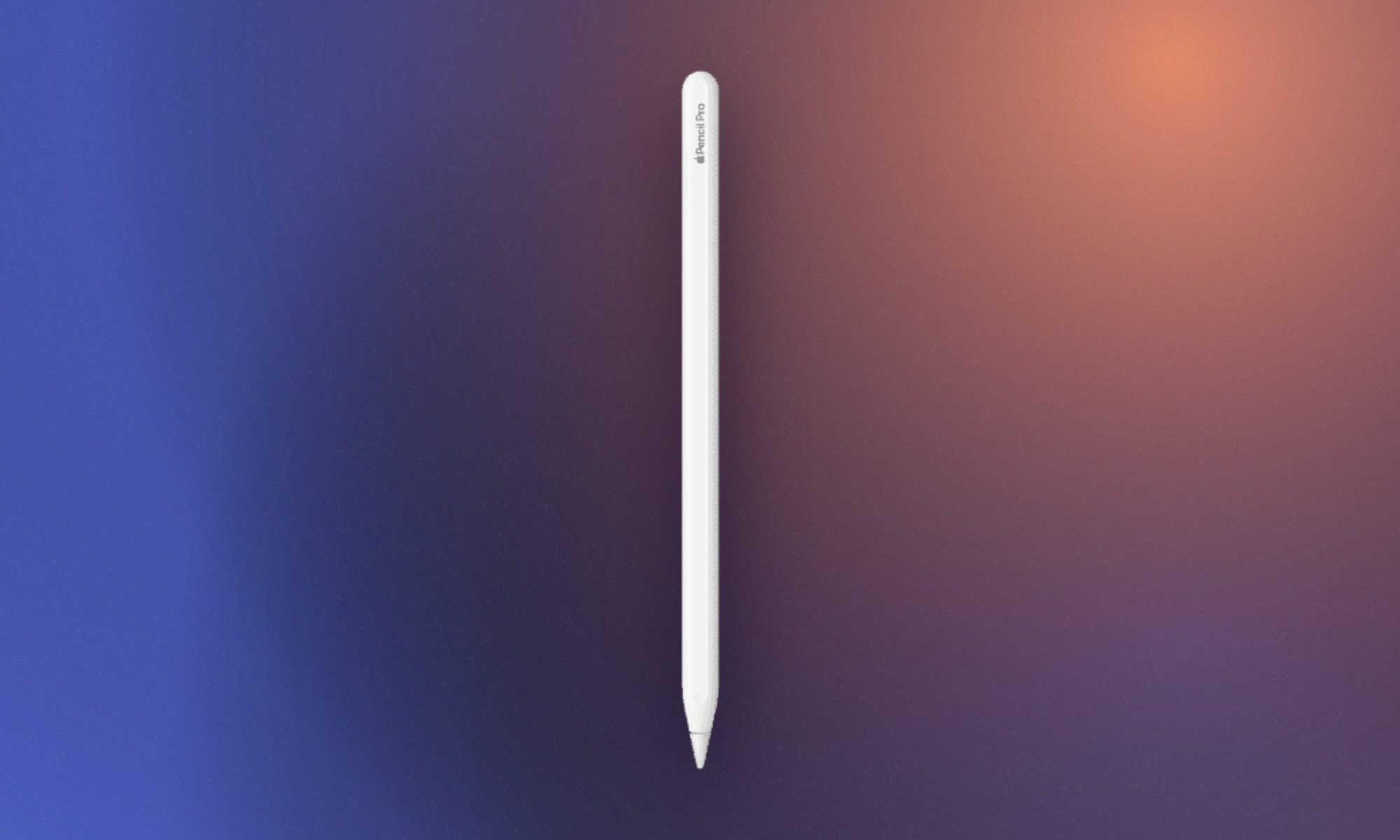
No backward compatibility for older iPads
Apple Pencil Pro earns its name through controls that can genuinely elevate your experience with iPads. You get the everyday convenience of the regular stylus along with the added functionality that makes illustration, designing, and other creative work better. Squeezing the barrel opens a contextual palette, while double-tapping can swap between a pen and eraser.
Barrel roll tracks the Pencil’s rotation for shaped brushes, and haptic feedback confirms gestures without forcing you to look away from the canvas. It also pairs and charges magnetically, eliminating the USB-C cable required by the cheaper Pencil. Find My support provides some reassurance when a $129 accessory disappears beneath a pile of textbooks. Students whose work revolves around Procreate, Photoshop, animation, and other such work will really see the benefit.
Pinkie promise gains 200-plus new participants and precisely zero enforcement
President Trump has expanded his Ratepayer Protection Pledge to include power companies, datacenter developers, cooperatives, and state governments, saying the move will shield consumers from rising energy costs driven by the datacenter boom.
In a speech at the Environmental Protection Agency (EPA) HQ in Washington, Trump said the pledge will now extend across the full chain of parties whose decisions determine household bills. This includes the utilities that supply power, the developers that build the facilities, and the state authorities that regulate energy rates and infrastructure.
Advertisement
“We’re here today to continue the incredible progress we’re making in communities nationwide to ensure that as new datacenters go up, and they’re going up all over, electricity bills for American families will actually come down,” he declared.
The original signatories of the pledge – the “Munificent 7” of Amazon, Google, Meta, Microsoft, OpenAI, Oracle, and xAI – agreed to cover the full cost of any extra resources required to satisfy their energy demands.
Advertisement
But as was pointed out at the time, these hyperscalers do not set the rates ultimately paid by consumers; utilities and state regulators play crucial roles there. The expanded pledge now brings those parties into the tent.
According to the White House, more than 200 additional utilities, datacenter developers, cooperatives, and states have now joined the pledge. The White House claims the pledge covers roughly 80 percent of the power delivered to American homes and businesses, supposedly protecting 263 million people when a datacenter is built nearby.
Trump went on to say that many datacenter developers will have to generate their own power on site, effectively turning themselves into utilities.
“It’s hard to believe, but you need double the electricity that we have right now, maybe even more than that, to really fulfill what you want to do,” Trump said.
Advertisement
“We’re leading China [in AI] by a lot, and using our old grid would not have worked. And I came up with the idea that you build your own plant. This way nobody can complain,” he added.
The Reg believes many datacenter operators were already generating their own on-site power before Trump claimed responsibility for the idea.
“We’re insisting that AI datacenters and big tech companies pay their own way. And that’s what they’re doing, and they’re happy to do it, because this way, they’re going to be able to function, and function brilliantly. They’re going to have a lot of electricity left over and they’ll put that into the grid, so we’ll actually end up with more electricity,” Trump claimed.
But as The Register pointed out previously, the text of the Ratepayer Protection Pledge makes no mention of enforcement. There are no apparent penalties should any of the signatories fail to prevent consumer bills rising because of demand from AI datacenters, so this appears to be very much a voluntary agreement.
Advertisement
We asked the White House and the EPA what actions might be taken if signatories to the pledge were found to be failing in their commitments, and will update if we get a response.
The measure seems likely to be put to the test, as the latest data from Synergy Research estimates the total capacity of US datacenters will double over the next three years, driven by an aggressive build-out by hyperscale operators.
The pipeline of future large facilities known to the research biz currently stands at almost 1,500 worldwide, with almost half of those in America. That represents around 45 gigawatts of extra IT capacity set to be added over the next few years.
Synergy chief analyst John Dinsdale says that availability of power and rising local concerns over server farms are crimping many new plans for facilities.
Advertisement
“But it is also clear that datacenter developers will continue to find ways around those issues and that booming demand will continue to drive aggressive capacity growth. Over the next five years, the US will continue to account for well over half of the world’s operational datacenter capacity.” ®





















































You must be logged in to post a comment Login