Rene Haas says ‘less appetite for risk’ is holding tech startups back from scaling and is calling for more venture capital investment
Mauricio Alencar www.cityam.com
09:10, 02 Feb 2026Updated 09:12, 02 Feb 2026
ARM Holdings is one of Britain’s tech success stories(Image: ARM Holdings/PA Wire)
The chief executive of British semiconductor firm Arm has warned that the UK’s insufficient appetite for risk is hampering business growth.
Advertisement
Speaking on the Master Investor Podcast with Wilfred Frost, Rene Haas, who heads the Nasdaq-listed firm Arm Holdings, said start-ups in the UK struggled to expand because of limited scaling opportunities in the UK stemming from a shortage of investors prepared to back entrepreneurs.
“Scale matters – unfortunately, in this world, the UK is not at the scale that the US or China is,” Haas said, as reported by City AM.
“I’ve been very encouraged by some folks inside in the government, Peter Kyle [and] Liz Kendall. They’ve been very aggressive on this point, looking to do some things around data centres in the north.
“I think if we could get more venture capital inside the UK and then access even to secondary capital where people who want to start companies can do so in the UK and have their companies thrive in the UK, and obviously go public in the UK, that would be a home run on all levels.”
Advertisement
“There definitely is less appetite for risk and maybe that comes from less of an appetite for failing – whereas in Silicon Valley, if you fail to some degree, it’s a badge of honour.”
He suggested that he aimed to “inject some of that Silicon Valley appetite for risk” at the tech company’s headquarters in Cambridge.
Hass also commented on AI bubble debates, dismissing the risks posed to US tech giants such as Apple and Microsoft.
He suggested there may be some “overinvestment” in AI technology but added that models could “top out in terms of their efficiency”.
Advertisement
He added: “One thing that may be a little different this time is that the past winners may still be the next set of winners just because of the size of their scale.”
Nevertheless, Hass cautioned that China was superior to the US at “building things really fast and moving through a lot of red tape”.
The microchip designer, which is owned by Masayoshi Son’s investment firm SoftBank, chose to bypass the London Stock Exchange in favour of New York in early 2023.
The move followed intensive negotiations between Hass, Rishi Sunak and the Financial Conduct Authority, delivering a setback to the UK’s aspirations of retaining its fastest-growing companies domestically.
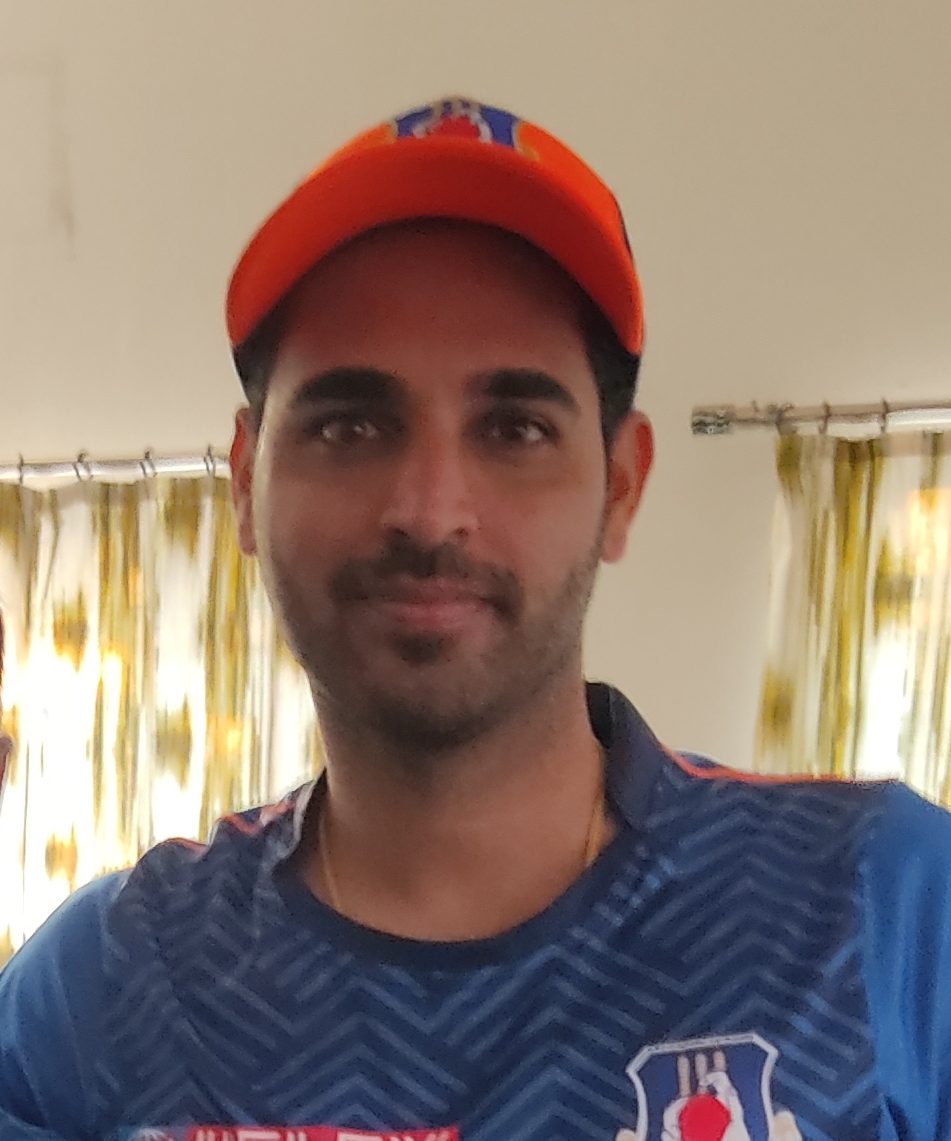
NEW DELHI — Veteran Indian pacer Bhuvneshwar Kumar etched his name deeper into cricket history on April 5, 2026, becoming the first fast bowler — and only the second overall — to reach 200 wickets in the Indian Premier League when he dismissed Chennai Super Kings batter Ayush Mhatre during Royal Challengers Bengaluru’s clash with CSK in Bengaluru.
Bhuvneshwar Kumar
The 36-year-old right-arm swing bowler, playing for RCB in IPL 2026, needed just one more scalp to hit the landmark and achieved it early in the innings after RCB posted a massive total. Only leg-spinner Yuzvendra Chahal had previously crossed 200 IPL wickets, making Bhuvi’s feat — accomplished with his trademark precision and movement — a testament to longevity and adaptability in T20 cricket’s high-pressure environment.
Kumar’s milestone comes as he continues to evolve from a new-ball specialist into a death-over weapon, holding records for the most powerplay wickets (80) and sitting second in death-over scalps. His economy and dot-ball percentage remain impressive even as T20 scoring rates have skyrocketed across the league.
Here are 10 essential things to know about Bhuvneshwar Kumar, the Meerut-born “Swing King” whose career has spanned more than a decade of international and franchise success:
Born to Swing: Early Life and Humble Roots Bhuvneshwar Kumar Singh was born on February 5, 1990, in Meerut, Uttar Pradesh, to Kiran Pal Singh, a police sub-inspector, and Indresh Singh, a homemaker. His elder sister Rekha encouraged his cricket journey, taking him to his first coaching session at age 13. Initially dreaming of joining the Indian Army, Kumar instead channeled his discipline into fast bowling, debuting in first-class cricket for Uttar Pradesh at 17.
Dismissing the Legend: A Star is Born At just 19, Kumar announced himself dramatically by dismissing Sachin Tendulkar for a duck in a Ranji Trophy match — the first time the Master Blaster was bowled for zero in first-class cricket. This early scalping of a cricketing icon signaled the arrival of a bowler with exceptional control and swing, both ways.
International Debut and Instant Impact Kumar made his India debut in a T20I against Pakistan in December 2012, taking three wickets. His ODI debut followed days later, again against Pakistan. He became the first Indian bowler to claim a five-wicket haul in all three international formats: Tests, ODIs and T20Is. His first international wicket in each format came via a bowled dismissal, showcasing his ability to hit the stumps with movement.
The Swing King Nickname and Technique Known affectionately as “Bhuvi,” Kumar earned the title “Swing King” for his ability to move the new ball both inward and outward with subtle seam positioning and wrist work. At a height of 5-foot-9, he relies on accuracy, late swing and clever variations rather than raw pace, often operating effectively in the powerplay and death overs.
IPL Pioneer and Two-Time Purple Cap Winner Kumar has been a stalwart in the IPL since 2011, representing Pune Warriors, Sunrisers Hyderabad (where he won the title in 2016) and now RCB. He is the only bowler to win the Purple Cap — awarded to the season’s leading wicket-taker — in consecutive years (2016 and 2017) while with SRH. He helped RCB clinch their maiden IPL title in 2025 with 17 wickets and was retained for 2026 at ₹10.75 crore. He holds the record for most dot balls bowled in IPL history.
International Career Highlights and Comeback Hopes Across 21 Tests, 121 ODIs and 87 T20Is, Kumar has taken 63, 141 and 90 wickets respectively. He was part of India’s 2013 Champions Trophy-winning squad and contributed to Asia Cup triumphs in 2016 and 2018. Though he has not played for India since November 2022, the veteran has expressed readiness for a recall, leaving the decision to selectors. His experience remains valuable in white-ball formats.
Family Man and Personal Life Kumar married Nupur Nagar, an engineer, in November 2017 in Meerut. The couple welcomed a daughter in November 2021. Known for his shy, gentle personality — often compared to Rahul Dravid in demeanor — Kumar maintains a low-profile life off the field despite his fame.
Resilience Through Injury and Evolution Kumar has battled injuries and form dips, particularly between 2018 and 2022, but staged strong comebacks. In recent IPL seasons he adapted his game for higher scoring environments, improving death bowling while retaining new-ball mastery. His economy rate and ability to bowl yorkers and slower balls have kept him relevant at 36.
Records and Unique Distinctions Beyond the IPL 200-wicket club, Kumar is India’s fourth-highest T20I wicket-taker. He holds the record for most wickets in the IPL powerplay and has delivered memorable performances, including a Man of the Series in a tri-nation tournament and consistent contributions in high-stakes matches. He is also a handy lower-order batsman with a first-class century to his name.
Legacy of Longevity in a Fast-Paced Era At an age when many pacers fade, Kumar continues to thrive through intelligence and skill rather than speed. His journey from a small-town boy dismissing Tendulkar to becoming an IPL milestone-maker underscores dedication, adaptability and quiet leadership. Teammates and analysts praise his calm presence and work ethic, qualities that have sustained a career spanning multiple generations of Indian cricket.
As IPL 2026 unfolds, Kumar’s early impact for RCB — including a lethal yorker that even rattled teammate Virat Kohli in nets — signals he remains a potent force. With RCB starting strongly, his experience could prove decisive in their title defense.
Off the field, Kumar’s story inspires many: a police officer’s son who turned swing bowling into an art form while balancing family and the rigors of professional sport. Fans and experts alike watch to see whether he can add more chapters, perhaps including a long-awaited India recall or further franchise success.
Advertisement
Kumar’s milestone against CSK not only highlights personal achievement but also the enduring value of traditional skills like swing in an era dominated by power-hitting and data-driven strategies. As one of the few bowlers to master both powerplay containment and death-over execution, he remains a blueprint for aspiring pacers.
With the IPL season still young, all eyes will be on the Swing King as he chases further records and helps guide RCB’s campaign. Whether or not he returns to the national side, Bhuvneshwar Kumar’s place among India’s modern greats is already secure.
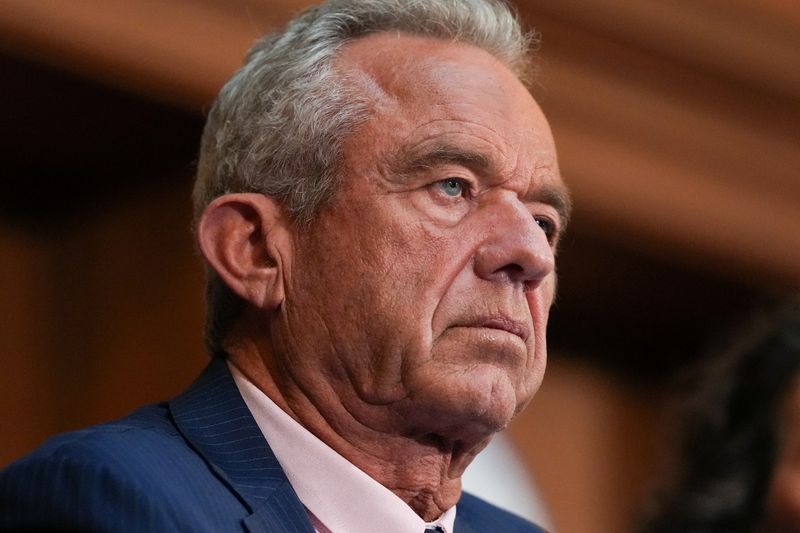
NEW YORK — The S&P 500 pushed above the 6,600 level in early trading Monday as investors welcomed tentative signs of potential de-escalation in the U.S.-Iran conflict, easing pressure from elevated oil prices that have weighed on the benchmark throughout a challenging start to 2026.
The broad-market index traded near 6,604 in midday action, building on modest gains from the previous close of 6,582.69 on April 2. The move reflected cautious optimism that diplomatic efforts could stabilize energy flows through the Persian Gulf and prevent prolonged inflationary spikes, even as uncertainties lingered over the broader Middle East situation.
The S&P 500 has struggled in the first quarter of 2026, finishing down approximately 4% to 4.6% after a strong 2025 that delivered an 18% total return. Geopolitical tensions, surging oil prices and questions about economic resilience contributed to the weakest quarterly performance since 2022, though a late-March relief rally helped limit the damage.
Monday’s trading featured lighter volume typical of the post-Easter period, with the Dow Jones Industrial Average and Nasdaq Composite also showing small advances. Technology and financial sectors provided support, while energy shares lagged amid moderating crude futures. The session highlighted improving market breadth as capital rotated toward economically sensitive names on hopes of lower energy costs.
Analysts noted that any meaningful progress toward stabilizing the region could remove a major headwind for corporate spending and consumer confidence. Treasury Secretary Scott Bessent had signaled earlier U.S. efforts to keep oil markets functioning, contributing to the improved sentiment. Oil prices eased modestly after recent spikes triggered by disruptions, helping temper fears of a sustained “inflationary pincer” effect.
Advertisement
Despite the year-to-date decline, corporate earnings have offered resilience. Many S&P 500 companies reported solid results, supported by steady consumer spending among higher-income households and ongoing investment in artificial intelligence. Profit growth has held up better than some pessimists anticipated, providing a foundation for long-term optimism even amid near-term volatility.
The Federal Reserve’s decision to hold interest rates steady while projecting limited easing later in 2026 has helped anchor expectations. Chair Jerome Powell acknowledged temporary inflationary pressures from higher oil but suggested disruptions could prove short-lived if tensions ease. Markets continue to price in modest policy support, preventing a deeper sell-off so far in 2026.
Wall Street strategists have maintained largely constructive outlooks. Several major firms project the S&P 500 could reach 7,000 to 7,600 by year-end, citing expected 12% earnings-per-share growth driven by AI productivity gains, resilient corporate margins and potential fiscal tailwinds. Valuation levels, while elevated in growth sectors, are viewed as reasonable given structural shifts in the economy.
Risks remain prominent. Renewed escalation in the Middle East could quickly reverse gains by pushing oil higher and reigniting inflation concerns. Smaller companies in the Russell 2000 have shown sporadic strength on hopes of broader participation, but they remain more vulnerable to higher borrowing costs and any slowdown in domestic activity.
Advertisement
Treasury yields moved modestly as investors balanced growth hopes against lingering inflation risks. The CBOE Volatility Index eased slightly, signaling reduced fear compared with March’s sharper swings. Trading volume remained subdued, consistent with lighter holiday-week activity.
The S&P 500’s ability to hold above 6,600 will depend on concrete diplomatic developments and upcoming economic data, including employment reports and inflation readings. April has historically been a positive month for equities, though this year’s geopolitical overlay makes seasonal patterns less reliable.
For individual investors, the current environment underscores the value of diversification and a long-term perspective. While the benchmark is down modestly for the year, many high-quality companies continue to demonstrate earnings strength and strategic investments in transformative technologies. Financial advisers recommend balanced portfolios with exposure to both growth and defensive names amid persistent uncertainties.
International markets showed mixed performance, with European shares gaining modestly on similar de-escalation hopes and Asian indexes more subdued amid global spillovers and domestic challenges.
Advertisement
As the second quarter begins, the market narrative centers on whether AI-driven productivity gains and corporate earnings momentum can outweigh near-term macroeconomic and geopolitical headwinds. Monday’s trading offered an early indication that investors are willing to reward positive headlines on the energy and diplomatic fronts.
The broader U.S. economy has sent mixed signals, with some softening in job growth offset by corporate resilience and prior rate cuts that have kept borrowing costs manageable. Fiscal measures have provided additional support in key areas.
The S&P 500, widely regarded as the best gauge of large-cap U.S. equities, now sits near 6,600 after clawing back some ground from recent lows. Whether this modest rebound broadens into sustained recovery will hinge largely on developments in the Middle East and the trajectory of energy prices.
For now, the index continues to reflect both the challenges and underlying opportunities of 2026 — a year defined by volatility but supported by strong corporate fundamentals and long-term technological trends. Investors will watch closely for further clarity on the global stage as April trading unfolds.
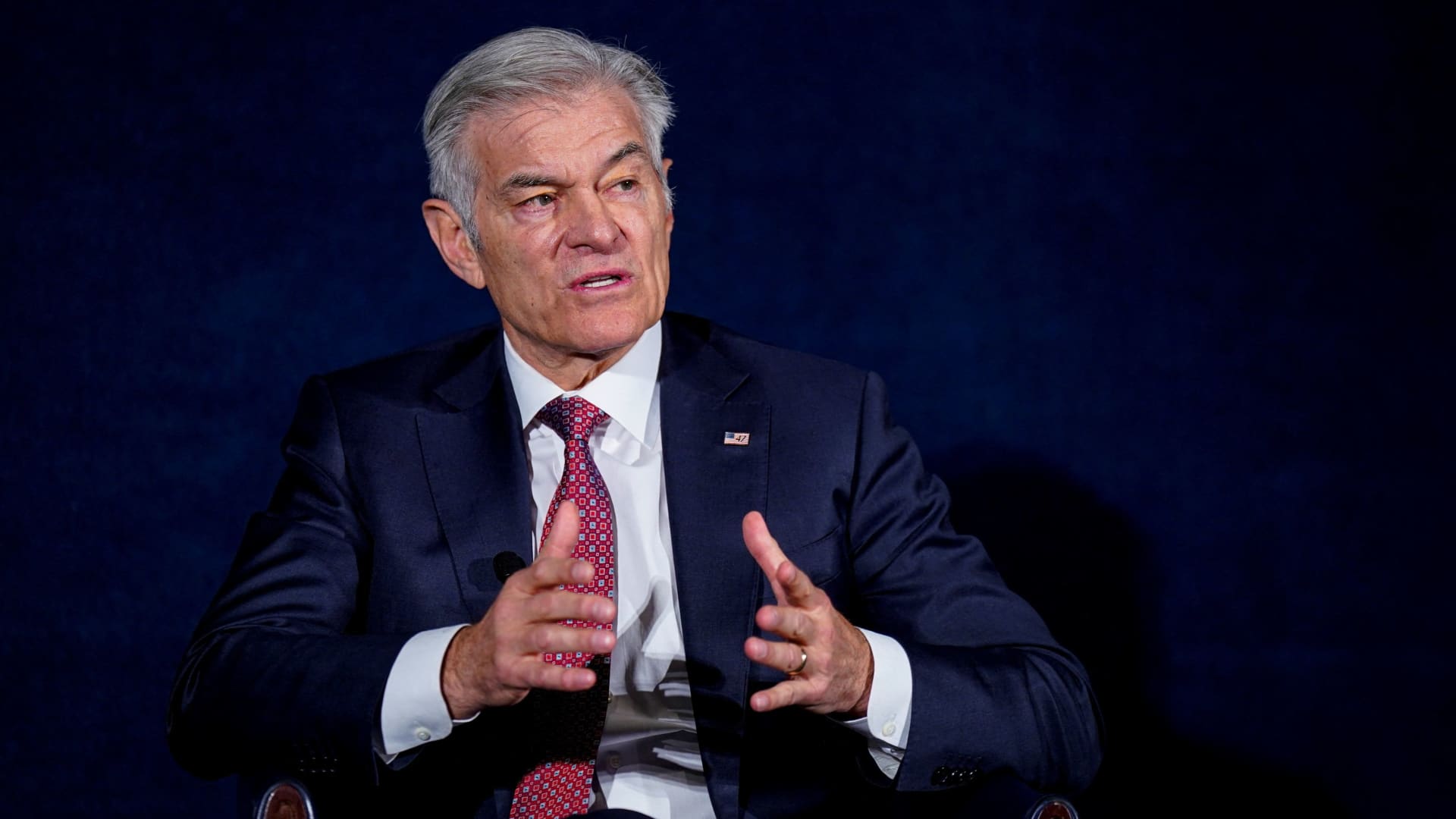
Administrator for the Centers for Medicare & Medicaid Services Mehmet Oz speaks during an event sponsored by the Action for Progress Coalition, at the National Press Club in Washington, D.C., U.S., Feb. 2, 2026.
Al Drago | Reuters
The Trump administration on Monday finalized a 2027 payment rate increase to privately run Medicare plans that was far bigger than initially proposed, a boost to health insurer stocks.
Advertisement
The government will increase average Medicare Advantage payments by 2.48%, or more than $13 billion, in 2027, according to a release from the Centers for Medicare & Medicaid Services. The Trump administration in January proposed a payment rate hike of 0.09%, which pummeled shares of insurers that run those plans.
Shares of UnitedHealth and CVS Health rose more than 9% in after-hours trading on Monday. Meanwhile, Humana‘s stock jumped around 12%.
“Medicare Advantage and Part D should work for the people who rely on them,” said CMS Administrator Dr. Mehmet Oz in a release. “These updates keep coverage affordable and ensure patients get real value from their plans.”
The closely watched government payment rate determines how much insurers can charge for monthly premiums and plan benefits they offer and, ultimately, their profits.
Advertisement
Medicare Advantage is a privately run health insurance plan contracted by Medicare. More than half of Medicare beneficiaries are enrolled in such plans, enticed by lower monthly premiums and extra benefits not covered by traditional Medicare, according to health policy research firm KFF.
Gold Mining Bull is a gold analyst with more than a decade of investing experience in commodities, hard assets (gold and silver miners), exploration companies, oil and gas producers, MLPs, and more.
Analyst’s Disclosure: I/we have a beneficial long position in the shares of BSM, TRMLF, EXE either through stock ownership, options, or other derivatives. I wrote this article myself, and it expresses my own opinions. I am not receiving compensation for it (other than from Seeking Alpha). I have no business relationship with any company whose stock is mentioned in this article.
Seeking Alpha’s Disclosure: Past performance is no guarantee of future results. No recommendation or advice is being given as to whether any investment is suitable for a particular investor. Any views or opinions expressed above may not reflect those of Seeking Alpha as a whole. Seeking Alpha is not a licensed securities dealer, broker or US investment adviser or investment bank. Our analysts are third party authors that include both professional investors and individual investors who may not be licensed or certified by any institute or regulatory body.
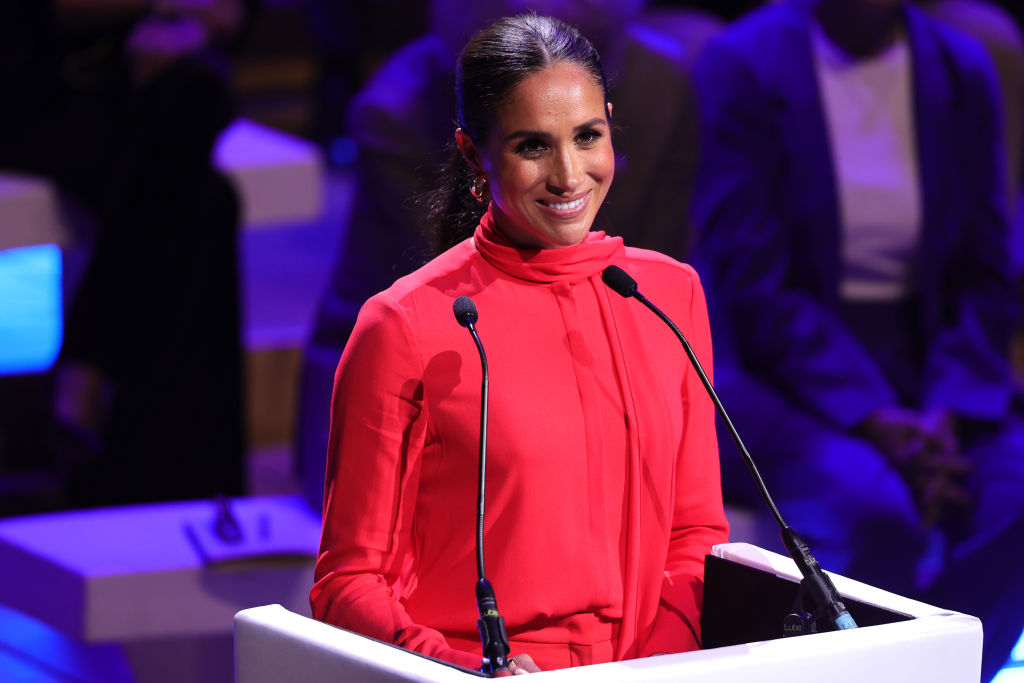
LOS ANGELES — Meghan Markle, the Duchess of Sussex, has once again found herself at the center of intense public debate in 2026, with a series of statements drawing sharp criticism from royal watchers, branding experts and social media users amid struggles with her lifestyle brand As Ever and strained family ties.
IBTimes US
From bold claims about her worthiness for greater influence to defensive responses about her royal past and business ventures, Markle’s words have ignited headlines and online firestorms throughout the year. Here are 10 of the most controversial quotes attributed to or linked to the former actress in 2026, each sparking backlash for different reasons.
“I’m the only one worthy!” In early 2026 reports surrounding ongoing royal succession discussions, Markle was quoted in viral social media posts and commentary as asserting she is the only figure fit for significant influence, citing her “global vision” and “unfiltered authenticity” over traditional lines. Critics labeled it a “delusional coup,” accusing her of undermining the monarchy while profiting from her former title.
“A title cannot be erased by a piece of paper. The public knows who I am.” Markle reportedly pushed back against suggestions of stripping her Duchess of Sussex title, repeating her attachment to the style in interviews and statements. Royal commentators slammed the remark as entitlement, arguing it contradicts the couple’s post-Megxit narrative of seeking privacy while leveraging royal connections for brand deals.
“If you don’t mind, get your finger out of my face.” Tom Bower’s 2026 book revived allegations of a heated 2018 reconciliation meeting, claiming Markle snapped this 11-word demand at Prince William. The quote fueled fresh accusations of abrasiveness, with critics saying it highlighted ongoing family rifts and painted her as confrontational during early royal integration.
“2026 feels just like 2016.” Markle joined a viral social media trend by posting a throwback photo with Prince Harry, captioning it with this nostalgic line. Detractors mocked it as tone-deaf, pointing to her current business struggles and Netflix setbacks, arguing it ignored the couple’s reported challenges rather than showing growth.
“With the rush of the holiday season behind us, we look ahead with an intention to begin the new year at a gentler pace.” In a January 2026 message tied to her As Ever brand, Markle promoted a slower lifestyle. PR experts criticized the mixed messaging, noting sporadic product drops and high-profile paid appearances contradicted the “gentler” image, calling it inauthentic marketing.
“I’ve been a waitress, an actress, a princess, a Duchess — I’ve always still just been Meghan.” Reflecting on her journey in a 2026 interview, Markle emphasized her core identity. Skeptics viewed it as selective narrative control, contrasting her emphasis on humility with luxury retreats and brand pricing that drew “how the mighty have fallen” jabs from commentators.
“No one in the world loves me more than him.” Speaking about Prince Harry in a candid Harper’s Bazaar-style reflection carried into 2026 coverage, Markle highlighted their bond. While some praised the romance, others saw it as defensive amid reports of Netflix tensions and business strains, accusing her of using personal stories for sympathy or branding.
“Let this be the change, where our children’s safety is finally prioritised above profit.” In a joint statement with Harry responding to a 2026 social media verdict, Markle addressed online harms. Critics argued the couple’s selective privacy stance — sharing glimpses of their children while criticizing platforms — revealed hypocrisy, especially given brand campaigns featuring family elements.
Comments on her Australia wellness retreat pricing and role. Though not a direct quote, Markle’s involvement in a high-ticket “Girls’ Weekend” event drew fire, with experts noting the $3,000-plus price tag clashed with her accessibility messaging. Reports framed her participation as highlighting financial pressures, prompting “mediocre” and “low brow” critiques despite her headliner status.
Defenses around As Ever brand consistency and “mixed messaging.” In responses to 2026 criticism of product launches and inventory issues, Markle and representatives stressed authenticity. Branding gurus warned of “dishonesty” in sporadic drops and unclear lifestyle positioning, predicting struggles unless professionalized, with some calling the approach lacking a clear point of view.
These quotes and associated statements have amplified scrutiny on Markle’s post-royal reinvention. Her lifestyle brand As Ever faced reports of unsold inventory glitches and Netflix deal shifts, while paid appearances like the Australian retreat drew accusations of monetizing royalty. Royal biographers and commentators, including Tom Bower, continued to portray tensions with the Windsors, reviving old allegations alongside new ones.
Markle has maintained that much criticism stems from bias and that she focuses on family, philanthropy and authentic living. Supporters praise her resilience and entrepreneurial spirit, noting her transition from “Suits” actress to duchess to California-based creator reflects modern womanhood. Detractors, however, point to perceived inconsistencies between privacy pleas and public branding.
The 2026 landscape has been particularly rocky. Reports of Netflix tensions, brand warnings that her lifestyle push could stall without major changes, and ongoing royal book feuds kept her in headlines. A Sundance appearance and fashion choices also sparked “cosplaying” mockery online.
Experts like PR professionals have advised greater structure and clarity for As Ever to build long-term equity, warning sporadic efforts risk “weird visibility” without substance. Marketing analysts suggested professionalizing operations or shifting strategy to avoid 2026 becoming “more of the same.”
Advertisement
Markle’s defenders argue relentless media focus amplifies minor missteps while ignoring her causes, including children’s online safety advocacy. Her statements often emphasize empowerment, boundaries and lessons from “mistakes” in royal life, framing them as growth rather than controversy.
Yet public discourse remains polarized. Social media erupts with memes and debates whenever new quotes surface, with hashtags tracking both support and criticism. The couple’s joint statements, such as on tech accountability, position them as advocates, but skeptics question timing and sincerity amid business ventures.
As Markle navigates 2026, her words continue shaping her narrative. Whether defending her identity, promoting gentler living or addressing family dynamics, each quote invites scrutiny over authenticity versus ambition. Royal watchers debate if these moments reflect strength or miscalculation in a post-royal era defined by reinvention challenges.
For now, the Duchess remains unbowed, using platforms to share her perspective while facing calls for more consistency. Her 2026 quotes, whether direct or contextual, underscore the tightrope of public life — where personal reflection quickly becomes public controversy in the digital age.
Advertisement
Analysts predict continued volatility as brand efforts evolve and royal relations simmer. Markle’s ability to convert attention into sustainable success may define the year, with her voice — controversial or not — remaining a powerful, if polarizing, force.



















































You must be logged in to post a comment Login