
Business
Fears over impact if free car parking removed




SYDNEY — Sydney’s golf scene continues to thrive in 2026, blending world-renowned championship layouts with accessible public tracks that draw thousands of locals and visitors each week. With golf participation surging across Australia, the city’s courses — from dramatic coastal cliffs to tree-lined parklands — rank among the most sought-after playing experiences in the country.
Rankings from Golf Australia’s 2026 Top 100 Courses, Leading Courses reviews, Tripadvisor traveler favorites and player feedback highlight a mix of elite private clubs and welcoming public options. Many have benefited from recent renovations, while others maintain strong appeal through prime locations and value for money. Here are the 10 most popular golf courses in Sydney for 2026, based on prestige, visitor numbers, reviews and consistent mentions across expert lists.
1. New South Wales Golf Club (La Perouse)

Perched on rugged cliffs overlooking Botany Bay and the Pacific Ocean, New South Wales Golf Club remains Sydney’s — and one of Australia’s — most celebrated courses. Designed by Dr. Alister MacKenzie in 1926 and recently refreshed with input from Mackenzie & Ebert, it features dramatic elevation changes, deep bunkers and unpredictable coastal winds that test even elite players.
Frequently ranked No. 1 in Sydney and among the nation’s top five overall, the course hosted major events and draws golf pilgrims for its links-style challenge and breathtaking views. Limited visitor access requires advance planning, but those who secure a round describe it as a bucket-list experience.Leadingcourses
2. The Lakes Golf Club (Eastlakes)
Known for its strategic layout and urban oasis setting, The Lakes Golf Club consistently ranks near the top in Sydney and national lists. Mike Clayton’s early 2000s redesign enhanced sand waste areas and dramatic greens, creating a thoughtful test amid waterways and mature trees.
Highly rated for conditioning and shot-making demands, it appears prominently in Golf Australia’s 2026 rankings and player surveys. As a private club with some visitor opportunities, it attracts serious golfers seeking a classic parkland challenge close to the city center.
3. The Australian Golf Club (Rosebery)
This championship venue, long associated with European Tour events, offers a demanding layout with excellent conditioning. Recent updates have kept it competitive, and it ranks highly on Leading Courses and Top 100 Golf Courses lists for Sydney.
Its central location and history of hosting prestigious tournaments make it a favorite among members and limited visitors. Golfers praise the variety of holes and strategic bunkering that reward precision over power.
4. The Royal Sydney Golf Club (Rose Bay)
Fresh from a major Gil Hanse-led renovation — including the reimagined Bay Course with open vistas across the site — Royal Sydney has re-emerged as a standout. The club’s championship course, with its parkland character and harbor proximity, blends tradition with modern playability.
Though the full impact of the redesign was too recent for some 2026 judging panels, early feedback highlights improved flow and visual appeal. As one of Sydney’s most prestigious private clubs, it commands respect for its heritage and quality.
5. Bonnie Doon Golf Club (Pagewood)
A hidden gem in Sydney’s eastern suburbs, Bonnie Doon delivers a strong test with rolling terrain and strategic design. It has climbed or held steady in various national and local rankings, earning praise for shot options and overall enjoyment.
Visitors and members appreciate its welcoming atmosphere relative to more exclusive clubs, along with solid conditioning that belies its urban setting.
6. Long Reef Golf Club (Collaroy)
Boasting some of Sydney’s best ocean views on the Northern Beaches, Long Reef combines scenic beauty with a challenging layout that mixes shorter strategic holes and longer tests. Open to the public on certain days, it ranks among the most playable high-quality courses and draws consistent praise for value and vistas.
Its popularity stems from accessibility, coastal winds and a community feel that makes it a favorite for both locals and visitors seeking memorable rounds with Pacific backdrops.Gq
7. The Coast Golf Club (La Perouse area, near NSW GC)
Often appearing in Tripadvisor’s top-rated lists for Greater Sydney, The Coast offers dramatic seaside holes and strong playability. Its proximity to other elite courses creates a golfing hub, and travelers frequently highlight the views and enjoyable round.
As a more accessible option with strong reviews, it appeals to those wanting coastal golf without the exclusivity barriers of neighboring private clubs.
8. Moore Park Golf Club (Paddington)
One of Sydney’s premier public courses, Moore Park stands out for its central location near the CBD and Centennial Parklands. With a well-maintained layout, driving range and entertainment facilities, it serves as a hub for casual and serious golfers alike.
Its popularity surges from convenience, affordability and consistent conditions, making it a go-to for locals and tourists. Recent discussions around its future have only heightened community attachment.
9. Mona Vale Golf Club (Mona Vale)
On the Northern Beaches, Mona Vale earns high marks for its scenic setting, friendly vibe and solid test for all handicaps. Public tee times are available, contributing to its status as one of the most played and reviewed courses in visitor surveys.
Golfers appreciate the mix of holes, ocean glimpses and value, with many ranking it among Sydney’s best public-access options.
10. Manly Golf Course (Manly)
Overlooking the harbor and offering a mix of parkland and coastal influences, Manly Golf Course provides an enjoyable experience with strong local following. It frequently appears in Tripadvisor rankings and is noted for its accessibility and pleasant playing conditions.
As a public-friendly track with convenient Northern Beaches access, it rounds out lists of popular Sydney courses for everyday golfers.
Trends Shaping Sydney Golf in 2026
Golf Australia’s latest participation data shows continued growth, with millions of Australians teeing it up annually. In Sydney, this translates to high demand at both elite and public venues. Recent renovations at top clubs like Royal Sydney and New South Wales have refreshed classic designs while preserving character.
Public and semi-public courses such as Long Reef, Moore Park and Mona Vale see particularly heavy play, offering quality experiences without membership requirements. Green fees vary widely — from under $100 at public tracks to several hundred dollars at private champions — and advance booking is essential for popular times.
Environmental considerations and water management remain priorities, with many clubs investing in sustainable practices amid Australia’s variable climate. Visitor policies differ: some private clubs offer limited reciprocal or guest play, while public options provide easier access.
For international visitors, combining a Sydney golf trip with nearby coastal or Hunter Valley courses creates memorable itineraries. Peak seasons align with milder weather in spring and autumn, though year-round play is possible with proper preparation for summer heat or winter winds.
Whether chasing a world-class links experience at New South Wales Golf Club or enjoying an affordable round with harbor views at Moore Park, Sydney’s golf offerings cater to every level. As participation booms and courses evolve, 2026 stands as an excellent year to experience the city’s diverse and high-caliber golf landscape.


An overview of the Renewable Fuel Standard program and its growing demand for agricultural feedstocks.
Business
Oil Prices Plunge Below $95 as US-Iran Ceasefire Sparks Relief Rally in Volatile Energy Markets

NEW YORK — Oil prices tumbled sharply Wednesday after the United States and Iran announced a two-week ceasefire that raised hopes the partially reopened Strait of Hormuz could ease the worst global supply disruption in decades, sending benchmark crude below $95 a barrel for the first time in weeks.

West Texas Intermediate crude for May delivery fell as much as 18% intraday before settling around $92-94 per barrel in electronic trading, while international benchmark Brent crude dropped below $93. The dramatic reversal came after days of volatility that saw prices spike above $115 amid fears of prolonged closure of the critical waterway, which normally carries about one-fifth of the world’s oil and significant liquefied natural gas supplies.
As of mid-afternoon Wednesday, April 8, 2026, WTI was trading near $93.50, down sharply from Tuesday’s close above $110, according to futures data. Brent hovered around $92.70, reflecting a steep one-day decline of more than 15% in some contracts. The plunge followed President Donald Trump’s announcement late Tuesday of a fragile agreement allowing limited “safe passage” for approved vessels under Iranian oversight.
“This is classic ceasefire relief selling,” said one veteran energy trader in New York. “The market had priced in prolonged chaos. Any sign of de-escalation triggers a violent unwind.”
Geopolitical Shock Drives Earlier Surge
The sharp moves cap a turbulent period triggered by joint U.S.-Israeli strikes on Iran that began in late February. Iran retaliated by effectively blockading the Strait of Hormuz, attacking or threatening merchant vessels and slashing flows through the narrow chokepoint between the Persian Gulf and the Gulf of Oman.
Daily transits dropped more than 90% at times, removing roughly 20 million barrels per day of crude and products from global markets. Prices rocketed from the low $70s in early February to peaks near $120 in March, with some refined products like diesel and jet fuel briefly exceeding $200 in spot markets.
The disruption triggered emergency measures worldwide. Asian importers, heavily dependent on Gulf supplies, scrambled for alternatives, hoarded fuel and in some cases rationed supplies. U.S. gasoline prices climbed toward $4 per gallon in parts of the country, while airlines and shipping firms faced soaring fuel costs that rippled into consumer prices for goods from food to electronics.
Analysts at firms like Goldman Sachs and Macquarie had warned of potential spikes to $150 or even $200 if the strait remained closed into summer. The International Energy Agency cut its 2026 demand growth forecast by hundreds of thousands of barrels per day, citing flight cancellations, industrial slowdowns and conservation efforts.
Ceasefire Brings Cautious Optimism
The two-week pause, coordinated through back-channel diplomacy involving Oman and other regional players, allows selective transits under a “permission-based” system. Ship-tracking data Wednesday showed a modest uptick in movements, though volumes remained far below normal.
Trump described the deal as a foundation for broader negotiations, while Iranian officials emphasized it was conditional on halting further strikes. Shipping executives remained wary, noting sky-high insurance premiums and the risk of renewed incidents.
“Even limited reopening is a game-changer,” said an analyst at S&P Global. “Every additional tanker that clears the strait reduces the immediate supply shock and gives markets breathing room.”
U.S. officials downplayed the need for American naval escorts, urging allies to help secure routes. Russia and China, which had blocked stronger U.N. action, expressed support for the pause while continuing to criticize Western involvement.
Economic Ripple Effects and Demand Destruction
The price surge had already begun curbing demand. Early data showed softening consumption in Europe and Asia, with some manufacturers cutting shifts due to higher energy costs. Fertilizer prices, closely tied to natural gas, threatened agricultural output and food inflation.
In the United States, the Energy Information Administration noted rising inventories despite the global crunch, thanks to robust domestic production exceeding 13 million barrels per day. However, the global nature of oil markets meant U.S. consumers still felt the pain at the pump and in broader goods prices.
The plunge Wednesday eased some pressure but left prices well above pre-conflict levels. Analysts expect continued volatility as traders assess whether the ceasefire holds and how quickly full flows can resume.
“Demand destruction is real,” one economist noted. “If prices stay elevated even at $90-100, it could shave growth off global GDP while pushing inflation higher — a stagflationary mix central banks dread.”
Market Mechanics and Benchmarks
Oil prices are set in futures markets, with WTI reflecting U.S. supply dynamics and Brent serving as the global reference. Wednesday’s drop came amid thin trading volumes typical of volatile periods, amplifying swings.
OPEC+ has spare capacity, particularly in Saudi Arabia, but questions remain about how quickly it can ramp up and whether fiscal pressures limit output. U.S. shale producers can respond but face lags in drilling new wells.
Longer-term forecasts vary. Some banks project Brent averaging near $100 for the second quarter before easing later in 2026 if disruptions resolve. Others warn of renewed spikes if talks collapse.
Broader Energy Landscape
The crisis has spotlighted vulnerabilities in global energy infrastructure. Natural gas prices in Europe also swung wildly, though less dramatically than oil. Renewable energy advocates pointed to the episode as evidence for accelerating the transition away from fossil fuels, while oil industry leaders stressed the need for diversified supplies and resilient chokepoints.
For ordinary consumers, the swings translate into uncertainty. Higher fuel costs feed into everything from grocery bills to airfares. Truckers and farmers, already squeezed, monitor every tick of the market.
In shipping hubs from Singapore to Rotterdam, operators recalculate routes around Africa when Hormuz access is restricted, adding weeks and costs to journeys.
Outlook Hinges on Diplomacy
As the ceasefire window begins, attention turns to Friday talks potentially hosted in Pakistan and ongoing naval patrols. Shipping groups press for clear protocols to avoid miscalculations that could reignite conflict.
For now, the sharp drop provides temporary relief. Yet few expect a swift return to pre-crisis prices of $70-80. The memory of the Hormuz shock — the largest supply disruption in modern history — will likely keep a risk premium embedded in oil for months.
Energy ministers from consuming nations have discussed coordinated releases from strategic reserves, though such moves remain on hold pending clearer signals from the region.
In trading rooms and boardrooms worldwide, the message is caution. “This ceasefire is fragile,” one veteran commodities strategist said. “The market is pricing hope today. Tomorrow it may price fear again.”

Stratford-Upon-Avon Foodbank, which is part of the Trussell Trust, is preparing to move to a larger unit within the Precision Business Centre on Masons Road. The building will act as a community hub – housing a warehouse, distribution sessions, and support services under one roof for the first time.

Form 8K Patriot National Bancorp Inc For: 8 April

IG Group schedules AGM for May 19, sets seven-month reporting period
Business
LaGuardia Airport TSA Lines Shorten to Under 15 Minutes as Staffing Stabilizes Post-Shutdown Chaos
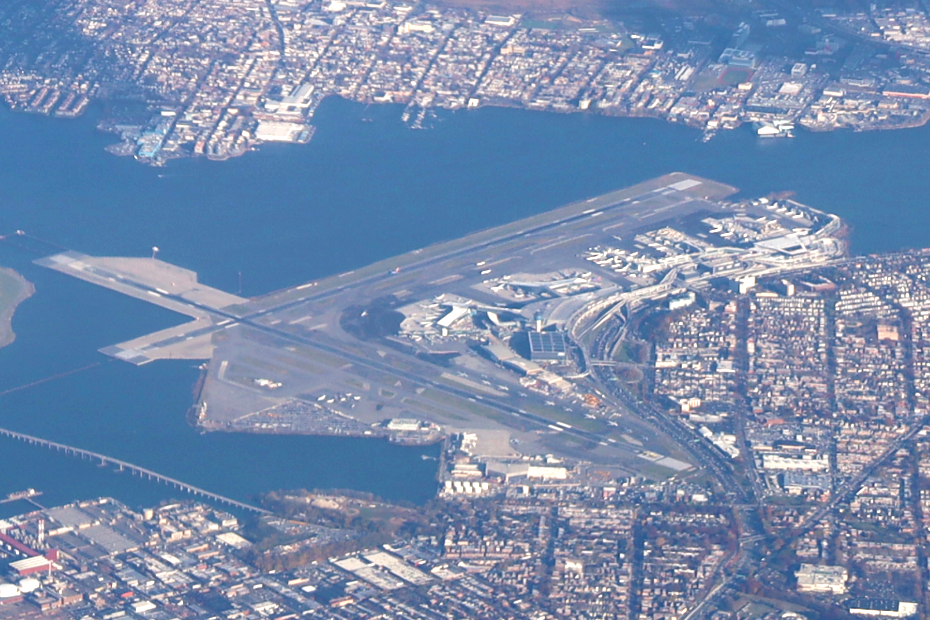
NEW YORK — Travelers at LaGuardia Airport faced relatively manageable security wait times Wednesday as TSA staffing levels continued to recover from a recent federal funding lapse that triggered some of the longest lines in the airport’s history earlier this spring.

As of mid-morning on April 8, 2026, official airport data showed general security lines averaging between 4 and 14 minutes across terminals, with TSA PreCheck lanes moving even faster at 1 to 7 minutes. Terminal A reported the longest general wait at about 14 minutes, while Terminal C offered some of the quickest screening at around 4 minutes for standard passengers and just 1 minute for PreCheck.
The improvement marks a welcome shift from March, when a partial government shutdown and delayed TSA paychecks led to officer shortages, absenteeism and security lines that snaked for hours at LaGuardia and other New York-area airports. At the peak of the crisis, some passengers at LaGuardia’s Terminal B endured waits exceeding three or even four hours, prompting widespread frustration, missed flights and emergency measures including temporary deployment of other federal personnel.
Port Authority of New York and New Jersey officials and the Transportation Security Administration have attributed the recent easing to restored funding and stabilizing workforce levels. “TSA staffing is beginning to stabilize, but wait times remain subject to fluctuations based on passenger volume,” the LaGuardia Airport website cautioned travelers Wednesday. “Please allow extra time.”
Current Conditions at LaGuardia Terminals
LaGuardia operates three main terminals serving a mix of domestic and limited international flights. Real-time monitors Wednesday morning painted a picture of moderate activity rather than the bottlenecks seen weeks earlier:
- Terminal A: General line approximately 14 minutes; TSA PreCheck around 7 minutes.
- Terminal B: General line about 9 minutes; PreCheck roughly 6 minutes. This terminal, a hub for airlines including American, Delta and Southwest, has historically seen heavier crowds.
- Terminal C: General line near 4 minutes; PreCheck as low as 1 minute, making it the fastest option for many travelers.
Hourly forecasts from monitoring sites suggested potential spikes during typical midday rushes, with waits possibly climbing toward 15-30 minutes in the late morning and early afternoon before easing again in the evening. Early morning data from previous days showed occasional peaks near 30 minutes around 4-5 a.m. and midday, but current trends remained well below crisis levels.
Delta Air Lines’ own wait-time tracker aligned with these figures, reporting TSA PreCheck at LaGuardia around 6 minutes and regular lanes as low as 2 minutes in some snapshots early Wednesday.
Airport officials recommend checking the official LaGuardia website or the MyTSA app for the most current estimates, as times can shift rapidly with flight schedules, weather disruptions or sudden surges in passengers.
Lingering Effects of the TSA Funding Crisis
The spring 2026 TSA staffing crisis stemmed from a federal funding dispute that left thousands of officers working without timely pay. Absentee rates climbed as high as 11.7% on some days, forcing airports nationwide to operate with reduced checkpoints and longer processing times.
At LaGuardia, the impact was particularly visible. Video footage from early April showed long, snaking lines filling concourses, with passengers reporting waits of 90 minutes or more even in PreCheck lanes on busy afternoons. Some travelers described scenes of chaos, with families missing flights and business passengers scrambling to rebook.
In response, the Port Authority and TSA explored temporary solutions, including cross-training staff and, in limited cases, assistance from other agencies. President Donald Trump signed an executive action to accelerate back pay, which helped stem the exodus of officers and allowed lines to gradually shorten by early April.
By Easter weekend, many terminals at LaGuardia reported waits of just 1-3 minutes in general lanes, offering a brief respite. However, officials warned that full normalization could take weeks as recruitment and retention efforts continue. TSA has faced broader challenges in recent years, including high turnover and competition from other sectors for workers.
Tips for Smoother Security at LaGuardia
Travelers can take several steps to minimize delays amid fluctuating conditions:
- Enroll in TSA PreCheck or CLEAR: These programs consistently deliver the shortest waits. PreCheck allows eligible passengers to keep shoes, belts and light jackets on, while CLEAR uses biometric screening to skip to the front of the line.
- Arrive Early: Airport guidance suggests reaching LaGuardia at least two hours before domestic flights, or three hours for international or peak periods. Add buffer time if traveling with children, checked bags or during known busy windows (roughly 7:30-9:30 a.m. and 4:30-6:30 p.m.).
- Pack Smart: Follow the 3-1-1 liquids rule and remove electronics and large toiletries in advance to speed screening.
- Monitor Real-Time Data: Use the LaGuardia website, MyTSA app or third-party trackers like takeofftimer.com for live updates. Walk times from security to gates are also posted and typically range from 5-15 minutes depending on the terminal and gate location.
- Consider Alternatives: Some frequent flyers opt for rideshare drop-off timing or even private security fast-track services offered by certain terminals or airlines.
Despite shorter lines Wednesday, the airport urged caution. “Security wait times are significantly longer than normal” in some announcements, reflecting caution after the recent volatility.
Broader Context for New York-Area Travelers
LaGuardia’s security situation mirrors challenges at neighboring John F. Kennedy International and Newark Liberty airports, where lines have also eased but remain unpredictable. The three major New York airports handle tens of millions of passengers annually, making even modest staffing shortfalls noticeable.
Nationwide, TSA screened record numbers of travelers in recent years, with daily volumes often exceeding 2 million during peak seasons. The agency has pushed enrollment in PreCheck, which now covers millions of travelers, as a key tool for reducing congestion.
Aviation experts note that LaGuardia’s relatively compact layout compared to sprawling hubs like JFK can amplify the visibility of lines when they form. Recent terminal renovations have improved flow in some areas, but checkpoint capacity remains tied to available officers.
For international passengers or those connecting from overseas, additional CBP processing can add time after security, though LaGuardia’s international footprint is smaller than JFK’s.
Passenger Experiences and Airline Responses
Travelers shared mixed feedback on social media and forums Wednesday. Some praised quick passages through Terminal C PreCheck, while others noted minor backups at Terminal A during morning rushes. Reddit threads from recent weeks recounted everything from 48-minute standard-lane waits to near-empty PreCheck experiences, underscoring the variability.
Airlines including Delta, American and JetBlue have advised passengers via apps and emails to monitor TSA conditions and build in extra time. Some carriers have adjusted gate operations or offered rebooking flexibility during past disruptions.
Flight delays at LaGuardia on Wednesday appeared limited, though any security slowdown can cascade into gate holds and ground stops. The airport’s flight tracker showed typical midweek activity without major widespread disruptions tied to security.
Looking Ahead: Stability or New Challenges?
As TSA staffing recovers, attention turns to long-term solutions. Proposals include faster hiring pipelines, better pay incentives and technology upgrades such as advanced CT scanners that allow more liquids and electronics to remain in bags.
For now, the message from LaGuardia remains consistent: conditions are improving but not guaranteed. Passengers on Wednesday enjoyed some of the lighter waits seen in recent memory, yet the memory of multi-hour lines in March lingers.
Travelers departing later in the day or during evening peaks were advised to check updates closer to arrival. With spring travel season underway and summer vacations on the horizon, both the airport and TSA continue monitoring staffing to prevent a return to chaos.
For the latest figures, visitors should consult laguardiaairport.com or the MyTSA mobile application directly, as posted times are estimates and can evolve quickly with real-world conditions.

Mortgage rates have been rising and hundreds of the cheapest deals have disappeared over the last month.

Apple is gearing up for a significant update to its popular iPad mini lineup later this year, with reliable leaks pointing to the long-awaited addition of an OLED display, a more powerful processor and other enhancements that could make the compact tablet even more competitive against larger iPad models and rival devices.

The next-generation iPad mini, often referred to in rumors as the iPad mini 8, is expected to launch in the second half of 2026 — most likely September or October — according to multiple supply chain reports and analysts. While Apple has not confirmed any details, the rumors suggest the small but mighty tablet is poised for its biggest overhaul since the 2024 model introduced the A17 Pro chip and full Apple Intelligence support.
Industry watchers say the move to OLED could transform the 8.3-inch device into a premium portable experience, offering deeper blacks, richer colors, higher contrast and potentially improved battery efficiency compared to the current Liquid Retina LCD panel.
OLED Display: The Most Anticipated Upgrade
The standout rumor centers on the display. Several reports indicate Apple plans to equip the new iPad mini with OLED technology, possibly including ProMotion 120Hz refresh rates for smoother scrolling and gaming.
Bloomberg’s Mark Gurman has reported that the iPad mini is likely to be among the next Apple devices to adopt OLED, following the high-end iPad Pro models that debuted the technology in 2024. Korean outlets such as ET News and ZDNET Korea, along with supply chain sources, have suggested mass production of OLED panels for the mini could begin in late 2025, targeting a 2026 release.
Analyst firm Omdia initially projected OLED for the iPad mini in 2027, but more recent leaks have accelerated that timeline to as early as the second half of 2026. Samsung Display is reportedly developing sample panels, with mass production slated for its Cheonan facility. Some speculation even mentions a slight size increase to around 8.5 or 8.7 inches through slimmer bezels, though the overall compact footprint is expected to remain.
“This would be a game-changer for the iPad mini,” said one analyst who follows Apple’s supply chain closely. “The current LCD is good, but OLED would bring it closer to Pro-level visuals in a device you can hold in one hand.”
Additional display rumors include possible tandem OLED layering for brighter output and better power management, similar to techniques used in recent iPad Pro models. ProMotion support remains unconfirmed but frequently appears in enthusiast discussions and YouTube leak roundups.
Powerful New Chip and Performance Boost
Under the hood, the iPad mini 8 is rumored to feature either the A19 Pro or even an A20 Pro chip. Code references discovered in Apple software last year pointed to an A19 Pro variant for a device codenamed J510 or J511, which aligns with the next mini.
Some tipsters suggest Apple could go further with an A20 Pro, the same advanced processor expected in future iPhone models fabricated on TSMC’s 2nm process. This would deliver substantial gains in CPU and GPU performance, making the mini suitable for more demanding tasks like video editing, gaming and on-device AI features.
RAM is expected to increase as well. The current iPad mini 7 already boasts 8GB, sufficient for Apple Intelligence, but reports point to 8GB or more in the successor to support future software capabilities. Connectivity upgrades could include a newer modem for improved 5G speeds and Wi-Fi 7 support via an N1 chip.
Battery life is another area of speculation. OLED’s efficiency advantages, combined with potential chassis redesigns, might allow for similar or better endurance despite any performance bump. Rumors have also floated ideas like a “vibrating chassis” speaker system for improved audio without traditional grilles, and even enhanced water resistance.
Design: Familiar Form With Subtle Refinements
Most leaks suggest the overall design will stay close to the current model — thin, lightweight and highly portable with Touch ID in the power button rather than Face ID. The single rear camera and landscape-oriented selfie camera are likely to carry over, though minor tweaks to the aluminum unibody could appear.
Apple has shown restraint with the mini’s industrial design in recent years, focusing instead on internal upgrades. If bezels shrink for a marginally larger screen, the device could feel more modern without losing its signature one-handed usability.
Storage options are expected to start at 128GB, matching the current base model, with higher tiers up to 512GB or more. Pricing rumors are scarce, but analysts anticipate the starting point to remain around $499, though a premium OLED panel could push entry-level configs slightly higher.
Release Timeline and Market Context
Apple typically unveils new iPads in the fall, often alongside or shortly after iPhone events. With the iPad mini 7 having launched in October 2024, a roughly two-year cycle would place the successor in fall 2026 — consistent with historical patterns for this product line, which does not receive annual refreshes like the iPhone.
Some reports mention the possibility of the new mini arriving alongside an updated iPad Air that could also gain OLED. However, the base iPad and higher-end Pro models are on different timelines, with the next major Pro redesign not expected until 2027.
The timing comes as competition in the compact tablet space heats up. Android rivals continue to offer foldable or larger-screen options, while consumers weigh the iPad mini against the more powerful but bulkier iPad Air and MacBook Air for on-the-go productivity.
Apple Intelligence features, introduced on the current mini, are expected to expand with iPadOS 26 or later, benefiting from the rumored faster chip. Enhanced Apple Pencil support and potential new accessories could round out the package.
Will It Be Worth the Wait?
For owners of the iPad mini 7, the decision to upgrade will depend on how compelling the OLED and performance jumps prove. Early adopters who purchased the 2024 model for its A17 Pro chip and doubled base storage may find the current device still capable for most tasks in 2026.
Yet for readers, note-takers, travelers and casual gamers who crave better visuals and future-proofing, the rumored 2026 model sounds enticing. “If OLED and 120Hz make it in, this could feel like a whole new category of mini tablet,” one tech commentator noted in a recent video analysis.
Supply chain activity already hints at preparation. Samsung and LG are positioned to supply the OLED panels, and component testing appears underway.
Apple has a history of underpromising and overdelivering on hardware, so final specs could differ. The company is notoriously tight-lipped, often letting leaks build anticipation before official announcements.
As spring 2026 progresses, more concrete details may emerge from developers, coders and factory sources. For now, the iPad mini 8 remains one of the most discussed upcoming Apple products, with enthusiasts eagerly tracking every supply chain whisper.
Whether the rumors hold or Apple surprises with additional features, the compact tablet’s next chapter appears set to elevate its status from convenient sidekick to a more versatile everyday powerhouse.

OPINION: Time management, wellbeing and financial pressures are among the reasons students fail to finish university.

Kevin Bryan delivers his verdict on some interesting new CD releases

From Cliff-Top Links to Urban Gems
CEXs and DEXs Are Not Competitors. They Are Different Contracts.

Why Israel is blocking foreign journalists from entering

Bitcoin: We’re Entering The Most Dangerous Phase

Alan Cumming Brands Baftas Ceremony A ‘Triggering S**tshow’

Moti chain mota paisa #pawansahu #naturalbodybilding #money

These 6 simple rules can change your financial future #MoneyRules #FinancialFreedom #MoneyManagement

FASILITAS NUKLIR IRAN DISERANG! #trading #kriptodump #trader #forex #crypcurrencey #bitcoin #kripto
-

 NewsBeat6 days ago
Steven Gerrard disagrees with Gary Neville over ‘shock’ Chelsea and Arsenal claim | Football
-

 Business6 days ago
No Jackpot Winner and $194 Million Prize Rolls Over
-

 Fashion5 days ago
Weekend Open Thread: Spanx – Corporette.com
-

 Crypto World7 days ago
Gold Price Prediction: Worst Month in 17 Years fo Save Haven Rock
-

 Business3 days ago
Three Gulf funds agree to back Paramount’s $81 billion takeover of Warner, WSJ reports
-

 Business4 days ago
Expert Picks for Every Need
-

 Sports4 days ago
India men’s 4x400m and mixed 4x100m relay teams register big progress | Other Sports News
-

 Business6 days ago
Login and Checkout Issues Spark Merchant Frustration
-

 Tech15 hours ago
How Long Can You Drive With Expired Registration? What Florida Law Says
-
Business3 days ago
No Jackpot Winner, Prize to Climb to $231 Million
-

 Tech6 days ago
Commonwealth Fusion Systems leans on magnets for near-term revenue
-

 Fashion2 days ago
Massimo Dutti Offers Inspiration for Your Summer Mood Board
-

 Crypto World7 days ago
Ripple rolls out enterprise crypto treasury platform for corporates
-
 Tech7 days ago
Drawing Tablet Controls Laser In Real-Time
-

 Crypto World7 days ago
Why It’s Partnering, Not Issuing
-
Politics5 days ago
Wings Over Scotland | The quality of mercy
-
 Sports7 days ago
Steal Gary Woodland’s subtle power move for longer drives
-

 Tech7 days ago
Battery Tester Outperforms Cheaper Options
-

 Business4 days ago
Akebia Therapeutics, Inc. (AKBA) Discusses Pipeline Progress and Strategic Focus on Kidney Disease Treatments at R&D Day – Slideshow
-

 Fashion20 hours ago
Let’s Discuss: DEI in 2026
You must be logged in to post a comment Login