
Business
How to Build Margin-Safe Service Quotes for Pest Control Businesses


More than 800 pest control companies handle large volumes of enquiries every day across the country, as homeowners and businesses seek immediate relief from infestations.
This represents a massive opportunity, yet many providers find themselves working harder for less money because their initial quotes fail to account for the true cost of service. A quote is more than a price tag; it is a financial barrier that protects your business from the rising costs of fuel, chemicals, and specialised labour.
The Math Behind a Profitable Pest Control Quote
Building a margin-safe quote requires a shift away from “guesstimating” and toward a rigid, data-driven framework. Most successful firms in 2026 are targeting a gross margin of at least 75% for premium residential services to ensure they remain viable. When you underprice a job by even 10%, you aren’t just losing a few pounds, you are actively eroding the capital needed to maintain your fleet and train your technicians.
The first step in safeguarding your profit is establishing a “floor” price that covers your fixed overheads before a technician even steps out of the van. You must account for the 20% of revenue that typically goes toward vehicle maintenance and insurance. If your quote does not lead with these non-negotiable costs, you are essentially subsidising the customer’s pest problem out of your own pocket.
Standardising Your Service Scope to Prevent Creep
Scope creep is the silent killer of profitability in the pest industry. It happens when a “simple” rodent treatment turns into a full-scale exclusion project because the initial quote was too vague. To prevent this, your proposals must define exactly what is included and, more importantly, what is explicitly excluded from the price.
Using a standardised template ensures that every technician is quoting the same way, regardless of their individual experience level. Clarity reduces disputes, professional layouts build trust, and modern clients expect instant digital delivery.
When you provide a visual representation of the work, you eliminate the ambiguity that leads to unpaid “extra” visits. Many teams find success by integrating diagramming software for pest control treatment planning to map out bait stations and entry points directly on a site photo. This level of detail justifies a higher price point because the client can see exactly where their money is going.
To keep your operations lean, consider these three pillars for every bid:
- Comprehensive site diagrams that highlight specific zones of activity
- Explicit lists of chemical barriers and physical exclusion materials
- Defined follow-up schedules that limit the number of free return visits
By locking in these variables, you move away from hourly billing and toward value-based pricing. This protects your margin even if a job takes slightly longer than anticipated.
Mastering Unit Based Pricing and Inflation Buffers
Relying on “flat rates” for every property size is a recipe for disaster in an economy with volatile material costs. Instead, transition to a unit-based pricing model where the quote scales automatically based on square footage or the number of linear meters requiring treatment. This ensures that a larger commercial warehouse is priced with the same margin logic as a small terraced house.
Current benchmarks suggest that material costs should stay between 5% and 8% of the total job value to maintain healthy cash flow. If your chemical suppliers raise their prices, your unit-based calculator should reflect that change across all pending quotes instantly.
You should also include a specific inflation buffer or a “seasonal surcharge” during peak months when demand for technicians is highest. This isn’t about price gouging; it is about managing capacity and ensuring that the most urgent jobs are the most profitable ones. If your schedule is 95% full, the remaining 5% of your time should be sold at a premium.
Managing the Quote Cycle with Digital Tools
The time from an initial site visit to a signed contract is known as the quote cycle time, and it is a critical KPI if you’re aiming for growth. Every day a quote sits in a customer’s inbox is a day your competitors have to swoop in with a lower offer. Digital signatures and automated follow-ups are no longer optional extras; they are the baseline for a modern service business.
A fast response signals professionalism and reliability to a customer who is likely stressed by a pest discovery. When you combine a quick turnaround with clear warranty terms, you reduce the perceived risk for the client. A well-drafted warranty should specify that the guarantee is only valid if the client follows your sanitation recommendations.
This protects you from “forever jobs” where a client’s poor hygiene practices lead to re-infestation. By tying the price to a specific set of conditions, you ensure that your liability is capped and your margin remains intact throughout the contract’s lifecycle.
Tracking Your Gross Margin Variance
Once the job is completed, the quoting work isn’t truly over until you compare your estimated costs with the actual expenses. This is known as gross margin variance. If you estimated two hours of labour but the technician stayed for four, your quote was flawed. Tracking this variance allows you to adjust your pricing for future jobs.
Data reveals that 85.2% of residential pest revenue is now driven by recurring service models. This means that an error in your initial quote doesn’t just hurt you once; it hurts you every month for the duration of the contract. Regularly auditing your “actual vs. estimated” costs is the only way to catch these leaks before they sink your annual projections.
Pushing the Pest Control Industry Forward
Improving your internal processes is a continuous journey that relies on the right mix of strategy and technology. For more insights on optimising your operations and improving efficiency, regardless of the niche your business occupies, explore our recent guides.


Oil Stocks Are Gushing. This Energy IPO Could Pop.
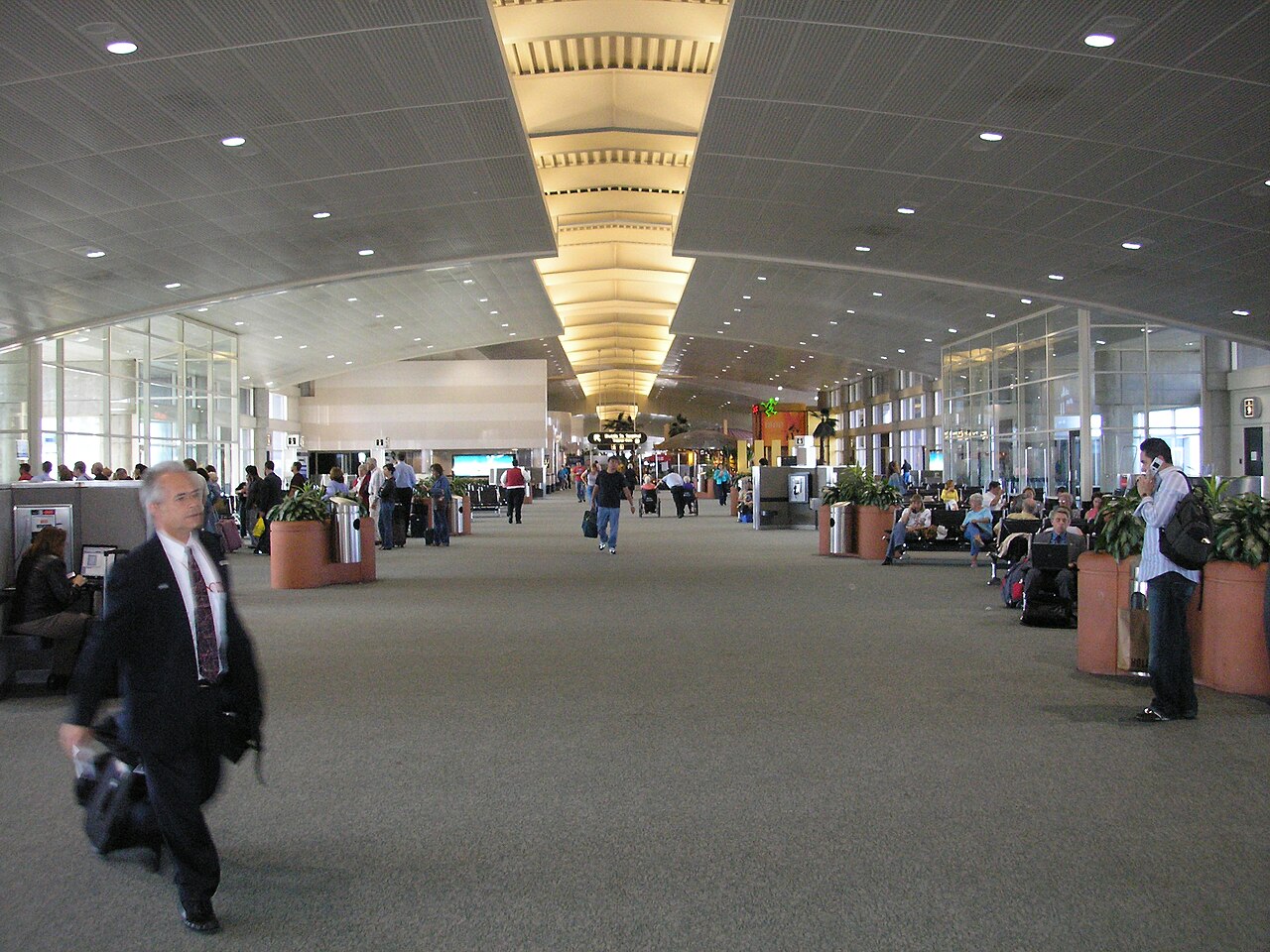
TAMPA, Fla. — Travelers passing through Tampa International Airport are experiencing relatively smooth security lines this spring, with TSA wait times averaging under 15 minutes on most days in late March 2026, even as spring break crowds push passenger volumes higher than usual.

Tampa International Airport (TPA), one of Florida’s busiest gateways, reports that standard security checkpoints are moving efficiently, with average waits often between 7 and 15 minutes according to real-time tracking services. TSA PreCheck lanes are typically clearing in 5 minutes or less. Airport officials continue to recommend arriving two hours before domestic flights and three hours for international departures to account for check-in, security and gate time.
The airport’s four airside checkpoints — A, C, E and F — handle screening for passengers heading to gates via the automated people mover system. Current data from monitoring sites such as OnAirParking and Flight Queue show fluctuating hourly averages, with some early morning slots dipping as low as zero reported minutes and occasional peaks reaching 20-30 minutes during busier periods. As of recent updates, overall averages hovered around 7 to 11 minutes.
Tampa airport’s official guidance notes that wait times vary throughout the day. The busiest windows typically fall between 6 a.m. and 9 a.m., with additional pressure on days surrounding holidays and school breaks. Even during these peaks, waits rarely exceed 30 to 45 minutes, a contrast to longer delays reported at some other major U.S. airports amid staffing challenges and high travel demand.
Spring break season has increased passenger traffic at TPA, yet officials emphasize that lines have not seen significant backups. “While TPA is currently experiencing high passenger volume due to spring break, our TSA security checkpoints are not seeing any significant delays or backups,” the airport stated in recent updates. This efficiency persists despite a broader U.S. government shutdown affecting some federal operations, including aspects of TSA staffing at certain facilities nationwide.
TSA PreCheck remains available at all four airsides, offering expedited screening for approved members. The program continues to provide faster throughput for frequent travelers who have completed background checks. Global Entry and CLEAR services are also accessible, further reducing times for eligible passengers.
Hourly breakdowns from tracking platforms illustrate the pattern. Early overnight hours can show sporadic higher waits due to lower staffing or overnight cleaning, while midday periods often dip into the 10-20 minute range. Afternoon and evening slots occasionally climb toward 25-30 minutes but generally stay manageable. Travelers using apps like MyTSA can check crowd-sourced reports in real time for the most current picture.
Airport operators have invested in technology and layout improvements over the years to keep security flowing. The main terminal’s design funnels passengers efficiently to airside checkpoints, and digital signage or planned monitors aim to display live wait times for standard and PreCheck lanes. Staff training and flexible deployment help mitigate spikes in demand.
For context, TPA handled millions of passengers annually before the latest travel rebound, serving as a key hub for leisure and business travelers heading to Florida beaches, theme parks and beyond. Airlines including Delta, American, United, Southwest and international carriers operate extensive schedules from the facility.
Despite the ongoing government shutdown mentioned in recent local reports, TPA lines have moved smoothly according to passenger feedback and local news coverage. Videos and social media posts from mid-March showed steady but not overwhelming crowds, with TSA agents processing travelers without the hours-long backups seen at airports like Atlanta or certain New York facilities.
Travel experts advise several strategies to minimize time at security. Enrolling in TSA PreCheck or Global Entry can cut waits dramatically. Packing liquids in compliance with the 3-1-1 rule, removing laptops and large electronics early, and wearing easy-to-remove shoes all help speed the process. Avoiding peak morning departures when possible can also reduce stress.
Real-time resources include the official Tampa Airport website, the MyTSA mobile app from the Transportation Security Administration, and third-party trackers like Flight Queue or OnAirParking. These tools pull data from passenger reports and airport feeds, though actual times can shift quickly based on flight schedules, staffing levels and random screening protocols.
TSA emphasizes that all travelers must follow standard screening procedures unless enrolled in trusted traveler programs. Prohibited items continue to trigger secondary checks, potentially lengthening individual experiences even when overall lines move well. Common delays stem from forgotten liquids, oversized carry-ons or items requiring additional inspection.
Comparisons with other Florida airports show TPA performing favorably. Orlando International (MCO) often sees longer averages during peak season, while smaller gateways like Fort Lauderdale or Jacksonville report variable times. Nationwide, TSA processes millions of travelers daily, with wait time data helping passengers plan amid fluctuating conditions.
Airport parking, rideshares and ground transportation also factor into overall arrival planning. TPA offers ample on-site parking, cell phone lots for pickups and convenient shuttle connections. Officials urge allowing buffer time not just for security but for potential flight delays or gate changes.
As spring break continues into early April, passenger volumes are expected to remain elevated before tapering. Summer travel patterns will bring another wave, with Fourth of July and back-to-school periods testing capacity once more. TPA has consistently ranked highly among large U.S. airports for passenger satisfaction, partly due to manageable security experiences and modern amenities.
The airport features a wide array of dining and shopping options post-security, including local Florida flavors and national chains with mobile ordering to save time. Quiet zones, charging stations and family-friendly areas add to the traveler experience once through screening.
For families, TSA offers special accommodations such as dedicated lanes or assistance for travelers with children, disabilities or medical needs. Families on the Fly participants at TPA can benefit from streamlined processes where available.
International travelers should factor in additional time for customs and immigration on arrival, though departure screening follows standard domestic protocols. Nonstop service expansions, including recent announcements to destinations in Costa Rica and the Dominican Republic, reflect TPA’s growing global reach.
TSA and airport leaders continue monitoring staffing and operational needs amid federal budget uncertainties tied to the shutdown. Local reports indicate that core security functions at TPA have not faced major disruptions, thanks to contingency planning and cross-training.
Travelers with questions about prohibited items or screening procedures can consult the TSA website or use the MyTSA app’s “What Can I Bring?” tool before heading to the airport. Advance preparation remains the best defense against unexpected delays.
As of late March 2026, the consensus from multiple sources points to short TSA waits at Tampa International Airport making it one of the more traveler-friendly large airports during a busy travel period. Officials and analysts credit efficient design, proactive staffing and passenger compliance for keeping lines moving.
Passengers are reminded that conditions can change rapidly. Checking multiple sources — including the airport’s guest experience page and real-time apps — provides the most reliable picture on the day of travel.
With Florida’s tourism economy in full swing, TPA stands out for balancing high volume with reasonable throughput. Travelers departing in the coming weeks can expect a generally positive security experience if they build in the recommended arrival buffers and follow best practices.
The combination of technology, trained personnel and clear communication helps Tampa International Airport maintain its reputation as an efficient gateway even when the terminals fill with spring breakers and vacationers eager for sunshine and relaxation.
For the absolute latest updates, visitors should visit flytpa.com or download the MyTSA app before leaving home. Safe travels remain the shared goal of airport staff, TSA officers and the millions who pass through TPA each year.


Oil prices on track for steepest weekly fall in 6 months

WA’s deputy chief health officer Clare Huppatz has taken over from retired Andrew Robertson as the state’s chief health officer, becoming the first female in the role.
Invesco is an independent investment management firm dedicated to delivering an investment experience that helps people get more out of life.Be the first to know! Sign up for Invesco US Blog and get expert investment views as they post.Disclosure for all Invesco US articles: Before investing, carefully read the prospectus and/or summary prospectus and carefully consider the investment objectives, risks, charges and expenses. The information provided is for educational purposes only and does not constitute a recommendation of the suitability of any investment strategy for a particular investor. Invesco does not provide tax advice. The tax information contained herein is general and is not exhaustive by nature. Federal and state tax laws are complex and constantly changing. Investors should always consult their own legal or tax professional for information concerning their individual situation. The opinions expressed are those of the authors, are based on current market conditions and are subject to change without notice. These opinions may differ from those of other Invesco investment professionals. NOT FDIC INSURED MAY LOSE VALUE NO BANK GUARANTEE All data provided by Invesco unless otherwise noted. Invesco Distributors, Inc. is the US distributor for Invesco Ltd.’s retail products and collective trust funds. Invesco Advisers, Inc. and other affiliated investment advisers mentioned provide investment advisory services and do not sell securities. Invesco Unit Investment Trusts are distributed by the sponsor, Invesco Capital Markets, Inc., and broker-dealers including Invesco Distributors, Inc. PowerShares® is a registered trademark of Invesco PowerShares Capital Management LLC (Invesco PowerShares). Each entity is an indirect, wholly owned subsidiary of Invesco Ltd. ©2015 Invesco Ltd. All rights reserved.
Business
Ping An Insurance (Group) Company of China, Ltd. 2025 Q4 – Results – Earnings Call Presentation (OTCMKTS:PNGAY) 2026-03-27


Seeking Alpha’s transcripts team is responsible for the development of all of our transcript-related projects. We currently publish thousands of quarterly earnings calls per quarter on our site and are continuing to grow and expand our coverage. The purpose of this profile is to allow us to share with our readers new transcript-related developments. Thanks, SA Transcripts Team
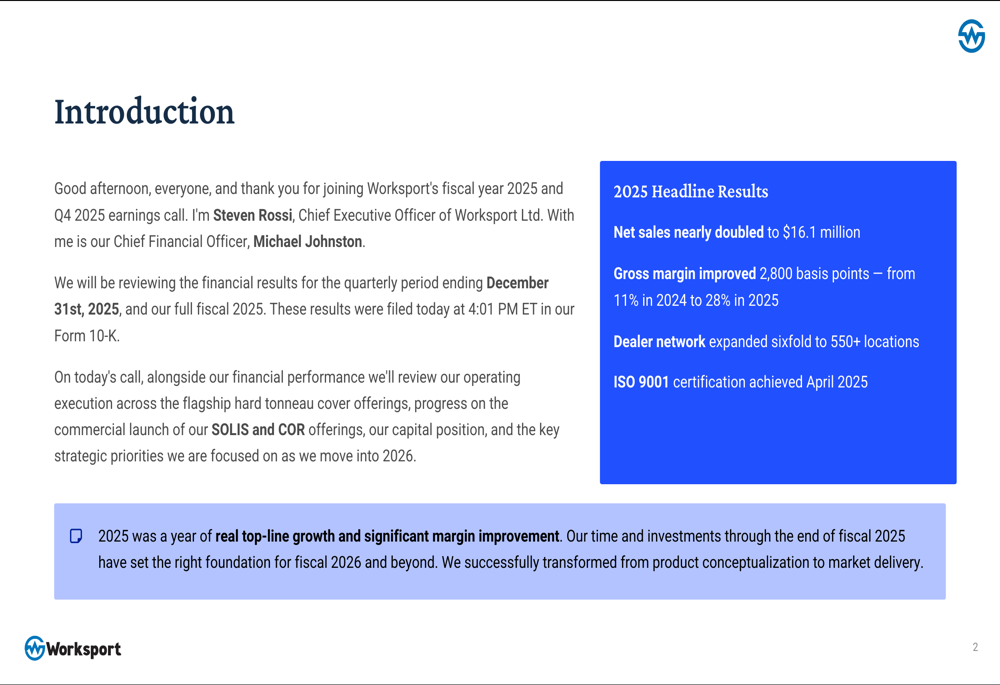
Worksport FY 2025 slides: revenue doubles, margins surge to 28%
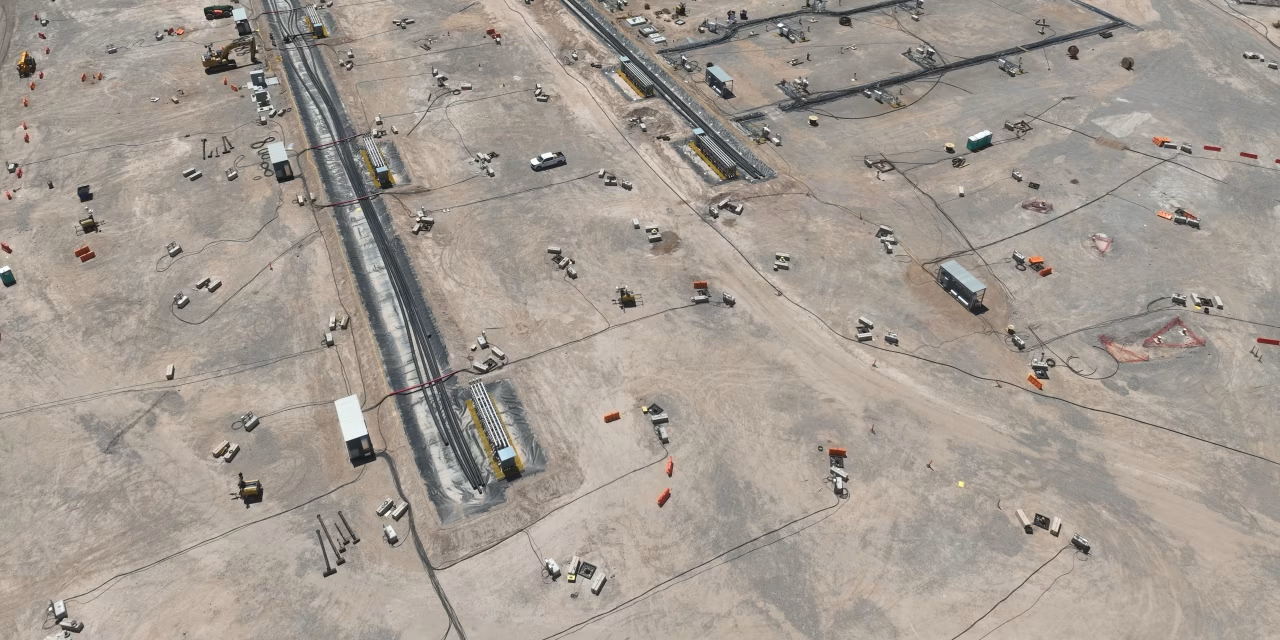
A new copper project in Arizona that made its first metal this month is ramping up and is expected to make its owner the country’s third largest producer of refined copper by year-end.
Taseko Mines’ Florence project is targeting annual output of about 85 million pounds of copper cathodes, Chief Executive Stuart McDonald said on the sidelines of S&P Global’s CERAWeek conference in Houston. While that’s just a sliver of growing U.S. demand for the metal that is essential to all things electric, Florence is part of a wave of projects in which miners are deploying unconventional methods to produce more copper from Arizona’s abundant low-grade ores.
Florence utilizes in-situ recovery methods that are more common in uranium mining and involve pumping acid deep beneath the surface to separate copper from the rock, rather than bringing ore to the surface for processing. The copper solution is then piped to a facility on site where it is plated as cathodes that are ready to use by makers of electrical wire and other products.
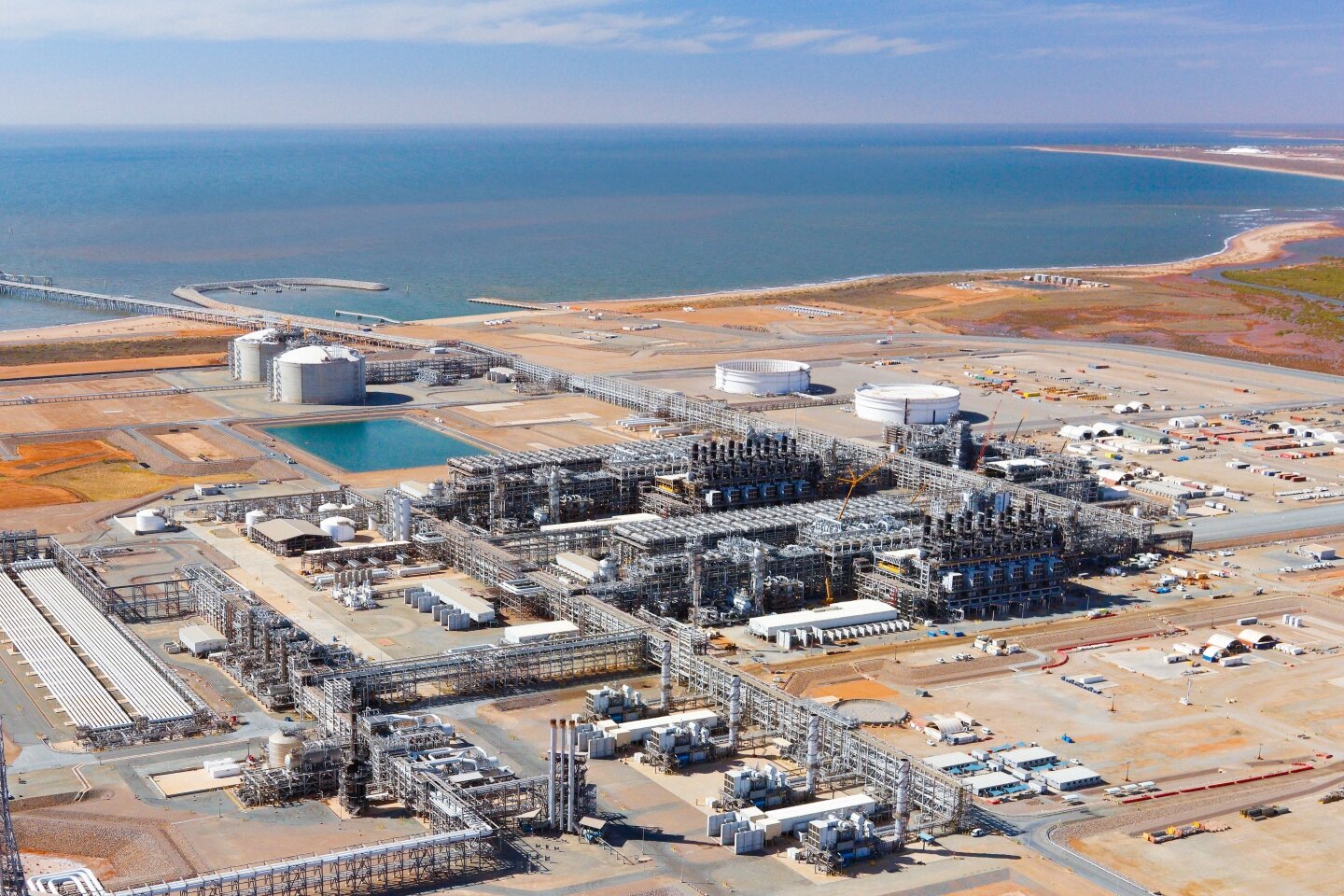
Woodside Energy and Chevron have both reported production interruptions as a result of Tropical Cyclone Narelle, impacting both LNG and domestic gas supply.

Ares Caps Redemptions as Private Credit Pressures Build

Roger Penske’s NASCAR driver says new horsepower will shake up Martinsville weekend

Apple Gives FBI a User’s Real Name Hidden Behind ‘Hide My Email’ Feature

Why Ben Cowen is NOT All-In on Bitcoin


-
 Crypto World6 days ago
NIO (NIO) Stock Plunges 6.5% as Shelf Registration Sparks Dilution Worries
-
 NewsBeat2 days ago
Manchester United reach agreement with Casemiro over contract clause amid transfer speculation
-

 Fashion6 days ago
Weekend Open Thread: Adidas – Corporette.com
-

 Politics6 days ago
Jenni Murray, Long-Serving Woman’s Hour Presenter, Dies Aged 75
-

 Crypto World5 days ago
Best Crypto to Buy Now: Strategy Just Spent $1.57 Billion on Bitcoin During Fear While Early Investors Quietly Enter Pepeto for 150x Potential
-

 Crypto World5 days ago
Bitcoin Price News: Bhutan Sells $72 Million in BTC Under Fiscal Pressure, but the Smart Money Entering Pepeto Sees What the Market Does Not
-

 Tech7 days ago
inKONBINI Lets You Spend Summer Days Behind the Register
-

 News Videos1 day ago
Parliament publishes latest register of MPs’ financial interests
-

 Sports4 days ago
Remo Stars and Kano Pillars Strengthen Survival Hopes in NPFL
-

 Sports4 days ago
Gary Kirsten Accuses Pakistan Cricket Board Of ‘Interference’, Mohsin Naqvi Responds
-

 Tech4 days ago
Give Your Phone a Huge (and Free) Upgrade by Switching to Another Keyboard
-

 Business5 days ago
No Winner in March 21 Drawing as Prize Rolls to $133 Million for Next
-

 Sports6 days ago
2026 Kentucky Derby horses, odds, futures, preview, date: Expert who nailed 12 Derby-Oaks Doubles enters picks
-

 Tech4 days ago
AI enters the chat: New Seattle dating app relies on tech to facilitate meaningful human connections
-
Business6 days ago
Columbia Sportswear enters $500 million credit agreement with JPMorgan Chase
-

 Tech5 days ago
Today’s NYT Connections Hints, Answers for March 22 #1015
-

 News Videos4 days ago
Ch 9 Financial Management Part 1 | Detailed One Shot | Class 12 Business Studies Boards 2026
-

 Business8 hours ago
Instagram, YouTube Found Responsible for Teen’s Mental Health Struggle in Historic Ruling
-

 Business5 days ago
Will Duke Basketball Win It All? Duke Basketball Enters Second Round as Third Favorite to Claim NCAA Title
-

 Business7 days ago
(VIDEO) BTS Drops ‘ARIRANG’ Album Today, Marking Epic Post-Military Comeback With Live Concert
You must be logged in to post a comment Login