

Business
How to Build Margin-Safe Service Quotes for Pest Control Businesses


More than 800 pest control companies handle large volumes of enquiries every day across the country, as homeowners and businesses seek immediate relief from infestations.
This represents a massive opportunity, yet many providers find themselves working harder for less money because their initial quotes fail to account for the true cost of service. A quote is more than a price tag; it is a financial barrier that protects your business from the rising costs of fuel, chemicals, and specialised labour.
The Math Behind a Profitable Pest Control Quote
Building a margin-safe quote requires a shift away from “guesstimating” and toward a rigid, data-driven framework. Most successful firms in 2026 are targeting a gross margin of at least 75% for premium residential services to ensure they remain viable. When you underprice a job by even 10%, you aren’t just losing a few pounds, you are actively eroding the capital needed to maintain your fleet and train your technicians.
The first step in safeguarding your profit is establishing a “floor” price that covers your fixed overheads before a technician even steps out of the van. You must account for the 20% of revenue that typically goes toward vehicle maintenance and insurance. If your quote does not lead with these non-negotiable costs, you are essentially subsidising the customer’s pest problem out of your own pocket.
Standardising Your Service Scope to Prevent Creep
Scope creep is the silent killer of profitability in the pest industry. It happens when a “simple” rodent treatment turns into a full-scale exclusion project because the initial quote was too vague. To prevent this, your proposals must define exactly what is included and, more importantly, what is explicitly excluded from the price.
Using a standardised template ensures that every technician is quoting the same way, regardless of their individual experience level. Clarity reduces disputes, professional layouts build trust, and modern clients expect instant digital delivery.
When you provide a visual representation of the work, you eliminate the ambiguity that leads to unpaid “extra” visits. Many teams find success by integrating diagramming software for pest control treatment planning to map out bait stations and entry points directly on a site photo. This level of detail justifies a higher price point because the client can see exactly where their money is going.
To keep your operations lean, consider these three pillars for every bid:
- Comprehensive site diagrams that highlight specific zones of activity
- Explicit lists of chemical barriers and physical exclusion materials
- Defined follow-up schedules that limit the number of free return visits
By locking in these variables, you move away from hourly billing and toward value-based pricing. This protects your margin even if a job takes slightly longer than anticipated.
Mastering Unit Based Pricing and Inflation Buffers
Relying on “flat rates” for every property size is a recipe for disaster in an economy with volatile material costs. Instead, transition to a unit-based pricing model where the quote scales automatically based on square footage or the number of linear meters requiring treatment. This ensures that a larger commercial warehouse is priced with the same margin logic as a small terraced house.
Current benchmarks suggest that material costs should stay between 5% and 8% of the total job value to maintain healthy cash flow. If your chemical suppliers raise their prices, your unit-based calculator should reflect that change across all pending quotes instantly.
You should also include a specific inflation buffer or a “seasonal surcharge” during peak months when demand for technicians is highest. This isn’t about price gouging; it is about managing capacity and ensuring that the most urgent jobs are the most profitable ones. If your schedule is 95% full, the remaining 5% of your time should be sold at a premium.
Managing the Quote Cycle with Digital Tools
The time from an initial site visit to a signed contract is known as the quote cycle time, and it is a critical KPI if you’re aiming for growth. Every day a quote sits in a customer’s inbox is a day your competitors have to swoop in with a lower offer. Digital signatures and automated follow-ups are no longer optional extras; they are the baseline for a modern service business.
A fast response signals professionalism and reliability to a customer who is likely stressed by a pest discovery. When you combine a quick turnaround with clear warranty terms, you reduce the perceived risk for the client. A well-drafted warranty should specify that the guarantee is only valid if the client follows your sanitation recommendations.
This protects you from “forever jobs” where a client’s poor hygiene practices lead to re-infestation. By tying the price to a specific set of conditions, you ensure that your liability is capped and your margin remains intact throughout the contract’s lifecycle.
Tracking Your Gross Margin Variance
Once the job is completed, the quoting work isn’t truly over until you compare your estimated costs with the actual expenses. This is known as gross margin variance. If you estimated two hours of labour but the technician stayed for four, your quote was flawed. Tracking this variance allows you to adjust your pricing for future jobs.
Data reveals that 85.2% of residential pest revenue is now driven by recurring service models. This means that an error in your initial quote doesn’t just hurt you once; it hurts you every month for the duration of the contract. Regularly auditing your “actual vs. estimated” costs is the only way to catch these leaks before they sink your annual projections.
Pushing the Pest Control Industry Forward
Improving your internal processes is a continuous journey that relies on the right mix of strategy and technology. For more insights on optimising your operations and improving efficiency, regardless of the niche your business occupies, explore our recent guides.


MOSCOW — Russian President Vladimir Putin declared Thursday that the war in Ukraine is “coming to an end,” offering his most optimistic public assessment of the three-year conflict even as fierce fighting continues along the front lines and Western officials expressed deep skepticism about any imminent resolution.
Speaking during a televised meeting with regional governors, Putin said Russian forces had achieved most of their military objectives and that negotiations could begin if Kyiv meets Moscow’s conditions. “The conflict is coming to an end,” Putin stated. “We are seeing positive dynamics on the battlefield, and I believe we are close to achieving our goals.”
The remarks, delivered with confidence, quickly drew global attention and mixed reactions. Ukrainian officials dismissed them as propaganda, while some European leaders called for caution. U.S. officials under President Donald Trump have signaled openness to negotiations but emphasized that any deal must be acceptable to Ukraine.
Despite Putin’s statement, intense combat persisted Thursday. Russian forces continued incremental advances in Donetsk Oblast, particularly around Pokrovsk, while Ukrainian troops launched drone strikes deep into Russian territory, targeting airfields and logistics hubs. Independent estimates suggest daily casualties on both sides remain high, with no immediate signs of de-escalation on the ground.
Ukrainian President Volodymyr Zelenskyy responded swiftly, stating that any peace must include full Russian withdrawal from occupied territories and robust security guarantees. “Russia talks about peace while continuing to bomb our cities and kill our people,” Zelenskyy said in a video address. “Real peace requires actions, not just words.”
Background and Context of the Conflict
Russia launched its full-scale invasion of Ukraine in February 2022, initially aiming for a rapid victory. After suffering major setbacks, including the failed assault on Kyiv and retreats from Kharkiv and Kherson, Russian strategy shifted to a grinding war of attrition focused on eastern Ukraine. The conflict has caused hundreds of thousands of military casualties, displaced millions and devastated Ukrainian infrastructure.
Western nations have provided more than $300 billion in aid to Ukraine, while Russia has relied on alliances with North Korea, Iran and domestic production to sustain its campaign. Multiple rounds of peace talks have failed, with both sides maintaining maximalist positions.
Putin’s latest comments echo previous claims of progress but come at a time when Russian forces have made their most consistent territorial gains in over a year. Ukrainian forces are struggling with manpower shortages, fatigue and reduced Western military support, while Russian missile and drone attacks on energy infrastructure have left millions of Ukrainians without reliable power.
International Reactions
The United States, under President Donald Trump, has indicated willingness to facilitate negotiations. Trump has repeatedly said he could end the war quickly, though specific proposals remain unclear. European leaders have expressed caution, warning that any agreement must respect Ukraine’s sovereignty and territorial integrity.
NATO Secretary General Mark Rutte reaffirmed the alliance’s commitment to supporting Ukraine “for as long as it takes.” China, a close partner of Russia, welcomed Putin’s comments and called for a “political solution.” Analysts note that Putin’s statement may be timed to influence upcoming diplomatic discussions and to project strength ahead of Russia’s Victory Day celebrations.
Military Situation on the Ground
Russian forces continue slow but steady advances in Donetsk Oblast, with heavy fighting around Pokrovsk, Chasiv Yar and Vuhledar. Ukrainian forces have conducted successful long-range drone strikes on Russian oil refineries and military airfields, disrupting logistics and air operations.
Both sides are suffering significant losses. Independent estimates place combined daily casualties above 1,000. Spring weather has improved conditions for mechanized maneuvers, raising fears of renewed large-scale offensives in the coming weeks.
The humanitarian situation in Ukraine remains dire, with widespread power outages, destroyed infrastructure and millions displaced. International aid organizations continue to call for increased support and protection for civilians.
Economic Impact on Russia
Despite extensive Western sanctions, Russia’s economy has shown surprising resilience, supported by redirected oil sales, wartime industrial mobilization and alliances with non-Western nations. However, long-term challenges persist, including labor shortages, technological isolation and inflation pressures.
Putin’s government has heavily invested in the defense sector, which now accounts for a significant portion of GDP. This militarization has boosted short-term growth but raises concerns about economic sustainability once the conflict ends.
Path Toward Possible Negotiations
Any potential peace agreement would require complex compromises. Russia has demanded recognition of its territorial gains, Ukrainian neutrality and the lifting of sanctions. Ukraine insists on full withdrawal to 1991 borders, strong security guarantees and reparations.
Western diplomats say serious negotiations are unlikely without significant battlefield shifts or major political changes in either country. For now, both sides appear prepared to continue fighting while keeping diplomatic channels open.
Global Security Implications
The Ukraine conflict has reshaped European security, strengthened NATO and accelerated energy transitions away from Russian supplies. A resolution — whether through victory, defeat or negotiated settlement — would have profound implications for global stability, nuclear deterrence and the rules-based international order.
As Putin claims the war is nearing its end, the reality on the battlefield suggests a long and difficult road ahead. For the people of Ukraine, every statement from Moscow is measured against the continued suffering and destruction they endure daily.
The coming weeks and months will be critical in determining whether Putin’s words signal genuine openness to peace or represent another tactical maneuver in a war that has already claimed hundreds of thousands of lives and redrawn the map of Europe.
For now, the fighting continues, diplomacy remains stalled, and the world watches to see if 2026 will finally bring an end to Europe’s largest conflict since World War II.

DeLuca’s Italian Restaurant owner Robert DeLuca discusses running a small business in New York, citing policy shifts, rising labor costs and the impact of tax cuts on ‘FOX Business In Depth.’
A proposal backed by Rep. Alexandria Ocasio-Cortez to raise the federal minimum wage to $25 an hour is drawing warnings from economists, who say the plan could squeeze small businesses and hit red states hardest.
Because many red states remain near the $7.25 federal floor, the move would more than triple wages in those regions — a jump economists say could be harder for small businesses to absorb, raising the risk of higher prices, reduced hiring and broader economic strain.
“That’s one of the common fallacies people fall into. Many believe raising the minimum wage will solve everything, that wages will go up while prices stay the same,” Santiago Vidal Calvo, a policy analyst at the Manhattan Institute, told Fox News Digital. “But that’s Econ 101, it doesn’t work that way.”
AOC-BACKED $25 MINIMUM WAGE PLAN SOUNDS GREAT — BUT AT WHAT COST?

Rep. Alexandria Ocasio-Cortez, D-N.Y., has called for raising the federal minimum wage to address affordability concerns. (Tom Williams/CQ-Roll Call/Getty Images / Getty Images)
He warned the proposal could disproportionately impact younger and low-income workers as businesses move to offset higher labor costs by cutting hours, reducing jobs or turning to automation.
Rebekah Paxton, research director at the Employment Policies Institute, said opposition to steep wage hikes is widespread among economists.
“We surveyed more than 160 American economists and found that 96% opposed proposals above $20 an hour,” Paxton told Fox News Digital, adding that concerns are especially pronounced in thin-margin industries like hospitality and restaurants, where higher labor costs could lead to job losses and make it harder for businesses to operate.
ONE LITTLE-KNOWN MEETING HELPS DECIDE WHAT AMERICANS CAN AFFORD — AND WHAT THEY CAN’T
Nicole Huyer, a senior research associate at the Thomas A. Roe Institute for Economic Policy Studies, said those pressures could force businesses to make tough decisions.
“Small businesses will look to cut costs by any means necessary,” Huyer said. “That includes raising prices, laying off workers, cutting hours or relocating altogether.”
The federal minimum wage has remained at $7.25 an hour since 2009, even as some states have pushed base pay above $15 — widening the gap between higher- and lower-wage economies.
States like California and New York now mandate minimum wages above $16 an hour, while others, including Texas and North Dakota, remain at the federal baseline. Economists also warn higher labor costs could accelerate automation in industries like retail and fast food, where margins are thin and entry-level jobs are common.
CLICK HERE TO GET FOX BUSINESS ON THE GO

Experts warn that hiking the federal minimum wage to $20 an hour will hurt small businesses. (Jeffrey Greenberg/Universal Images Group/Getty Images / Getty Images)
Small business owners in lower-wage states may be particularly vulnerable, as they often operate with tighter margins and less ability to absorb sudden cost increases than firms in higher-cost regions.
As proposals to raise the federal minimum wage gain traction, the debate is likely to intensify over whether a single national standard can account for wide differences in state economies, or whether wage policy is better left to the states.

Hartford Funds offers a broad range of actively managed and systematic-investing strategies designed to provide solutions for a variety of investment needs. Articles published here provide readers with timely insight on economic, market, and investing trends. For more information visit hartfordfunds.com.

A company of Manulife Investment Management, John Hancock Investment Management serves investors through a unique multimanager approach, complementing our extensive in-house capabilities with an unrivaled network of specialized asset managers, backed by some of the most rigorous investment oversight in the industry. The result is a diverse lineup of time-tested investments from a premier asset manager with a heritage of financial stewardship. Note: This account is not managed or monitored by John Hancock Investment Management, and any messages sent via Seeking Alpha will not receive a response. For inquiries or communication, please use John Hancock Investment Management’s official channels.

Lord Abbett is an independent, privately held, global asset manager and one of the oldest money management firms in the United States. They manage assets across a full range of U.S. mutual funds, UCITS funds, institutional and separately managed accounts for clients around the world. Note: This account is not managed or monitored by Lord Abbett, and any messages sent via Seeking Alpha will not receive a response. For inquiries or communication, please use Lord Abbett’s official channels.

ABU DHABI — Zayed International Airport (AUH), the main gateway to the UAE capital, is fully open and operating with normal commercial flight schedules today, May 10, 2026, after a phased recovery from earlier regional airspace restrictions and infrastructure challenges. Passengers can expect standard operations across all terminals, though airlines recommend checking flight status for any residual minor delays as the hub returns to peak efficiency following months of cautious reopening.
The airport, which serves as the primary hub for Etihad Airways, is handling hundreds of daily arrivals and departures to major global destinations including London, New York, Sydney, Mumbai, and regional hubs across the Middle East and Asia. Live flight trackers and the official airport website show robust activity, with Terminal 3 operating at near-full capacity for long-haul and international flights. Ground staff report smooth processing at immigration, security and baggage claim, though travelers are still advised to arrive early during peak hours.
This marks a significant milestone for Abu Dhabi’s aviation sector after temporary disruptions tied to broader Middle East tensions earlier in the year. The General Civil Aviation Authority (GCAA) announced the full resumption of normal air traffic operations on May 2, lifting precautionary measures that had been in place since late February. Since then, flight volumes have steadily increased, with Etihad Airways now operating close to 90-100 daily departures to around 80 destinations.
Airport officials expressed confidence in the recovery. “Zayed International Airport is open and fully functional,” a spokesperson said. “We have worked closely with airlines and regulatory bodies to restore seamless connectivity while maintaining the highest safety standards.” The airport’s modern facilities, including world-class lounges, diverse dining options and extensive retail, are all operating normally, providing passengers with the premium experience the hub is known for.
Passenger Experience and Travel Tips
Travelers passing through Zayed International Airport today report generally smooth journeys, though some note slightly longer queues during morning and evening peaks as operations scale up. The airport’s efficient layout, with clear signage and modern amenities, helps minimize inconvenience. Free high-speed Wi-Fi, prayer rooms, medical services, children’s play areas and accessibility support for passengers with reduced mobility are all fully available.
For those in transit, the airport offers excellent options including luxury lounges, sleeping pods, spas and a wide range of dining from quick snacks to fine dining. Business travelers can access dedicated workspaces with reliable internet and meeting facilities. Families benefit from nursing rooms and entertainment zones designed specifically for younger passengers.
Ground transportation links are running on regular schedules, with taxis, rideshares and buses providing easy access to downtown Abu Dhabi and beyond. Hotels connected to the airport, such as the JW Marriott and others, report strong occupancy as business and leisure travel rebounds.
Weather in Abu Dhabi today is typical for May — hot and clear with temperatures reaching the mid-30s Celsius. No major weather-related disruptions are expected. Passengers are reminded to stay hydrated and use sun protection when moving between terminals or waiting for ground transport.
Economic and Regional Significance
The full normalization of operations at Zayed International Airport is a major positive for Abu Dhabi’s economy and the UAE’s position as a global aviation and business hub. The airport supports thousands of jobs directly and indirectly and plays a critical role in tourism, trade and connectivity. Its recovery strengthens the emirate’s appeal as a preferred destination and transit point for travelers from around the world.
Etihad Airways, the national carrier based at Zayed, has rapidly restored its network, offering flights to key destinations across Europe, Asia, North America and Australia. Other carriers including Air Arabia Abu Dhabi and international partners have also increased frequencies, improving options and affordability for passengers. Cargo operations have returned to full strength, supporting global supply chains that rely on Abu Dhabi as an important logistics center.
Travel Advisory for Passengers
Authorities and airport management recommend the following for travelers today:
- Verify your flight status directly with your airline before heading to the airport.
- Arrive at least three hours before international departures to account for any minor processing adjustments.
- Download the official Zayed International Airport app for real-time flight information and facility maps.
- Have all necessary travel documents, visas and health requirements ready for quick inspection.
- Be aware that while operations are normal, some airlines may still be adjusting schedules following the earlier restrictions.
For transit passengers, the airport provides seamless connections with excellent amenities and efficient processes. The multi-terminal design ensures smooth movement between flights, with clear signage and helpful staff available throughout.
Looking Ahead for Abu Dhabi Aviation
Zayed International Airport is preparing for strong summer demand as regional and international travel fully normalizes. The hub aims to handle record passenger numbers in the coming months, supported by ongoing infrastructure enhancements and expanded airline partnerships. Long-term expansion plans, including further development of Terminal facilities, remain on track to accommodate future growth.
The smooth return to full operations demonstrates the resilience and professionalism of Abu Dhabi’s aviation sector. As one of the region’s premier gateways, the airport continues to set high standards for passenger experience, safety and efficiency.
For anyone traveling through or to Abu Dhabi today, Zayed International Airport is open, welcoming and ready to provide the world-class service travelers have come to expect. While the sector continues to recover and fine-tune operations, the overall experience is back to normal, offering seamless connectivity and modern facilities for millions of passengers.
The reopening and full normalization of Zayed International Airport mark an important milestone in the UAE’s return to robust aviation activity. As flights resume at scale and passenger numbers grow, the airport once again stands ready to connect people, cultures and economies across the globe through one of the Middle East’s most important aviation hubs.

Polen Capital is a global leader in quality growth and high yield investing. For over 30 years, Polen Capital has demonstrated an unwavering commitment to its clients, the community and each other. Polen Capital delivers distinctive growth and income solutions, building high conviction concentrated, competitively advantaged, active portfolios with the potential to compound and outperform over the long term. Note: This account is not managed or monitored by Polen Capital, and any messages sent via Seeking Alpha will not receive a response. For inquiries or communication, please use Polen Capital’s official channels.

NEW YORK — The New York Times’ Wordle puzzle for Sunday, May 10, 2026 — puzzle number 1786 — has the solution CROWN, a regal five-letter noun that left many solvers thinking of monarchy, victory and achievement as they worked through their attempts on this relaxed weekend morning. The word features one vowel (O), four consonants, no repeated letters, and follows a common pattern that rewarded players who tested strong opening words and considered themes of power or royalty when initial guesses stalled.
Players starting their day with the popular daily word game encountered a moderately challenging but satisfying puzzle. “CROWN” refers to the ornamental headwear worn by monarchs, but it also means to top or complete something successfully — a versatile word that fits neatly into Wordle’s blend of common vocabulary and occasional elevated terms. The puzzle rewarded solvers who identified the O early and pivoted toward regal or achievement-related vocabulary when common words didn’t yield many greens.
Social media quickly filled with shared grids, celebration emojis and light-hearted complaints from those who needed five or six attempts. Many noted the word felt timely with ongoing royal family discussions and spring sports championships, while others admitted they overthought it by chasing more obscure five-letter options before landing on the correct answer.
Today’s Hints and Solving Strategy
For players seeking guidance without full spoilers, effective strategies that worked well on May 10 included:
- Opening with strong vowel-heavy starters such as “AUDIO,” “HOUSE” or “RAISE” to quickly identify the O.
- Focusing on common consonant clusters after the first two guesses.
- Considering words related to royalty, victory or completion when common options failed.
- Remembering that “CROWN” has no repeated letters, which narrowed possibilities significantly by guess four for many players.
The answer “CROWN” perfectly captures Wordle’s blend of accessibility and occasional curveballs. It’s a word most people know but don’t use daily, testing vocabulary depth while remaining fair. In a broader sense, it connects to themes of achievement, leadership and celebration — topics that resonate strongly with players across generations on a Sunday morning.
Wordle’s Enduring Popularity in 2026
Now well into its fifth year under The New York Times, Wordle continues to maintain massive daily engagement with its simple green-yellow-gray feedback system. Puzzle 1786 continues the tradition of mixing common and occasional less-familiar words, keeping both veterans sharp and newcomers hooked. The game’s streak feature remains a major draw, with millions competing to maintain long win streaks.
On May 10, social platforms buzzed with shared results, frustration emojis and victory dances. Some players noted the regal theme aligned nicely with spring events and royal family news, adding a timely cultural layer to the puzzle. Others used the word as inspiration for light-hearted memes about personal achievements or “crowning moments” in life.
For those building or protecting streaks, experts recommend balanced starting words, tracking eliminated letters, and learning from past puzzles. Sites like Try Hard Guides and CNET provide daily recaps without spoiling future games for purists who prefer solving unaided.
Why ‘CROWN’ Stumped Many
Unlike ultra-common five-letter words, “CROWN” sits just outside everyday conversation for most people despite its familiarity. Its rarity tested vocabulary breadth while rewarding practical, achievement-oriented thinking. Solvers who recalled royal events, sports victories or personal milestones had a distinct edge, highlighting Wordle’s subtle educational value.
Community forums filled with discussions comparing today’s puzzle to other regal or achievement-themed answers from past months. The game’s design ensures broad accessibility — anyone can play for free — while offering enough challenge to spark conversation and friendly competition. Parents reported using it as a family activity, with children learning new words alongside adults.
Broader Impact and Related Games
Wordle’s success has spawned numerous companion games. Many players pair it with NYT Connections, Spelling Bee or the Mini Crossword for a complete morning brain workout. On May 10, Connections also trended alongside Wordle discussions, creating a full daily NYT Games ritual for millions.
The puzzle’s creator, Josh Wardle, originally designed it as a gift for his partner. Its viral spread and subsequent sale to The New York Times have made it a cultural staple, with millions logging in daily across time zones. The Times maintains a clean, no-ads experience that preserves the game’s original charm.
Tips for Future Wordle Success
Veteran players shared these strategies for May 10 and beyond:
- Track vowel placement early and test common consonants systematically.
- Use elimination logic rigorously — one misplaced letter can rule out dozens of options.
- Learn common letter patterns and word families (especially achievement or regal terms).
- Don’t fear slightly uncommon words; they appear regularly in the rotation.
- Celebrate learning: even losses expand vocabulary and improve pattern recognition.
For tomorrow’s puzzle and beyond, resources abound without spoiling the fun. Archives allow catching up on missed days, though purists prefer fresh daily challenges.
Cultural Phenomenon Endures
In an era of short attention spans, Wordle’s five-minute commitment and shareable results keep it relevant. On May 10, 2026, “CROWN” joined the pantheon of memorable answers that blend challenge with discovery. Whether solved in two tries or requiring the full six, it delivered the satisfying click of green tiles that fans crave.
As the day progresses, conversations will shift to tomorrow’s word while today’s solvers reflect on their performance. For many, “CROWN” serves as a reminder of the joy in mental exercise and shared experiences in our digital age.
Wordle continues proving that simple ideas, executed well, can captivate global audiences year after year. Whether you’re a daily streak holder or an occasional player, today’s puzzle offered a perfect mix of accessibility and depth — with a regal, crowning twist that left many reflecting on personal victories long after submitting their final guess.
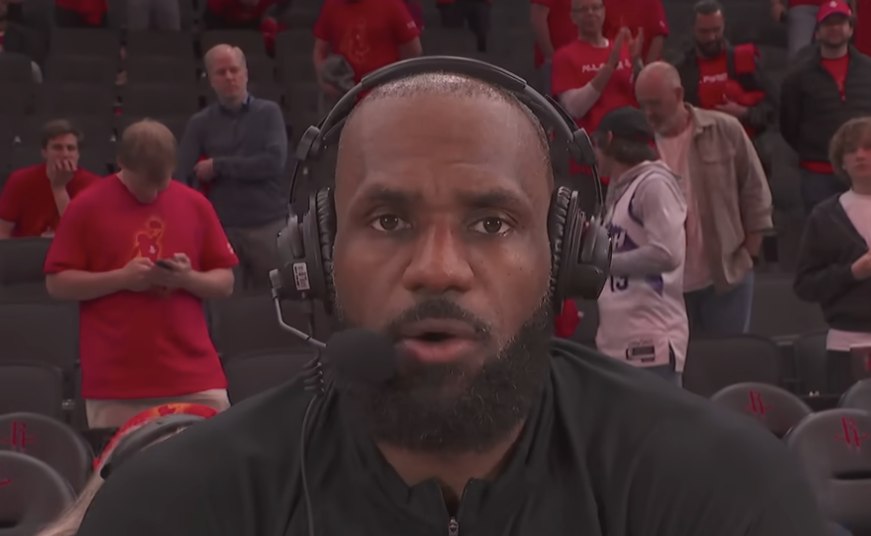
OKLAHOMA CITY — The Los Angeles Lakers are on the brink of elimination, trailing the Oklahoma City Thunder 3-0 in the Western Conference semifinals, as Luka Doncic’s Grade 2 hamstring strain continues to sideline him with no clear return in sight, leaving LeBron James to shoulder an almost impossible burden in what has become a lopsided series dominated by the defending champions.

Doncic has now missed all three games of the series. The 27-year-old superstar, acquired in a blockbuster trade last offseason, has been progressing slowly in his rehabilitation but has not yet been cleared for full-contact basketball activity. The Lakers officially ruled him out for Game 3, and sources indicate he is highly unlikely to play in Game 4 on Sunday, with the original eight-week recovery timeline from early April still guiding his return to late May at the earliest.
Coach JJ Redick confirmed the team’s cautious approach after Thursday’s practice. “We’re not rushing Luka,” Redick said. “His long-term health is the most important thing. We’re focused on what we can control right now with the guys we have available.”
The Lakers’ situation has grown increasingly dire. After competitive but ultimately losing efforts in Games 1 and 2, Oklahoma City delivered a dominant 112-85 victory in Game 3 at Crypto.com Arena on Friday night. Shai Gilgeous-Alexander and the Thunder’s deep, athletic roster exploited every defensive lapse, forcing turnovers and dominating in transition. James posted 29 points and 11 rebounds in the loss, but the supporting cast struggled to keep pace.
LeBron’s Heroic Effort in a Losing Cause
At 41 years old and in his 23rd NBA season, LeBron James continues to perform at an elite level. He is averaging nearly 28 points, 9 rebounds and 8 assists in the series, often carrying the offense single-handedly. Yet even his legendary durability and basketball IQ have limits against a younger, deeper Thunder team built for sustained contention.
The question hanging over the series is stark: Can LeBron win even one game without Doncic? Many analysts and former players believe the gap is too wide. Oklahoma City’s length, switching defense and elite pace have exposed the Lakers’ limitations without their second superstar. The talent disparity feels glaring, with the Thunder able to rotate fresh bodies while the Lakers lean heavily on James and a fatigued supporting cast.
Austin Reaves has provided scoring since returning from his own injury, and Rui Hachimura has offered bench spark, but the team clearly misses Doncic’s elite playmaking, floor spacing and ability to control tempo. The Thunder have forced turnovers at a high rate and dominated second-chance opportunities, turning defensive stops into easy transition buckets.
Injury Details and Recovery Timeline
Doncic suffered the Grade 2 hamstring strain in the regular-season finale against these same Thunder. The injury involves a partial tear that typically requires four to eight weeks of recovery. He traveled to Spain for specialized platelet-rich plasma (PRP) injections shortly after the diagnosis, a decision approved by the Lakers’ medical staff. While he has progressed to running and light on-court shooting, full basketball activity remains weeks away.
Sports medicine experts note that rushing a return risks recurrence, which could sideline him for months. The Lakers have taken a conservative approach, prioritizing long-term health over short-term desperation. An eight-week timeline from early April points to late May availability. If the Lakers can somehow extend the series, Doncic might have a chance to contribute in a later round, though most insiders view a return during this Thunder series as highly optimistic.
Series Outlook Growing Bleak for Lakers
The Lakers advanced past the Houston Rockets in the first round without Doncic, but Oklahoma City presents an entirely different challenge. The Thunder have looked dominant throughout the playoffs, showcasing elite defense, depth and home-court advantage. A 3-0 deficit is historically difficult to overcome, with only four teams in NBA history ever coming back from such a hole.
Game 4 on Sunday at Crypto.com Arena represents a virtual must-win for Los Angeles. Home energy could help, but without Doncic’s gravity and creation ability, the Lakers must find new ways to generate offense and slow Oklahoma City’s attack. Redick has experimented with different lineups, emphasizing pace and three-point volume, but execution against the Thunder’s disciplined system has been difficult.
James continues to defy age with elite performances, but even his legendary durability has limits against a younger, deeper opponent in a best-of-seven format. The series has highlighted the roster’s heavy reliance on two generational talents. The blockbuster trade that brought Doncic to Los Angeles was designed to create a championship core with James, but injuries have disrupted those plans at a critical time.
Broader Implications for Lakers Season
Doncic’s prolonged absence tests the franchise’s depth and raises questions about load management and roster construction heading into a critical postseason window. James, in what many believe could be one of his final deep playoff runs, continues to carry the team, but the supporting cast has been overmatched.
Fan reactions on social media have mixed frustration with admiration for James’ effort. Many point to the injury and medical decisions as potential factors in the Lakers’ struggles, while others defend the cautious approach given the risk of re-injury.
The basketball world watches closely. James’ effort, combined with the team’s resilience without their second superstar, offers a compelling underdog story even if the odds remain steep. As Game 4 approaches, all eyes remain on whether LeBron James and company can find answers against a Thunder team built for sustained contention.
The coming days will prove pivotal. If the Lakers can steal a game at home, pressure eases slightly. If not, the series could end quickly, leaving questions about the future of this James-Doncic pairing and the direction of the franchise. For now, the focus remains on survival — with or without their Slovenian superstar.
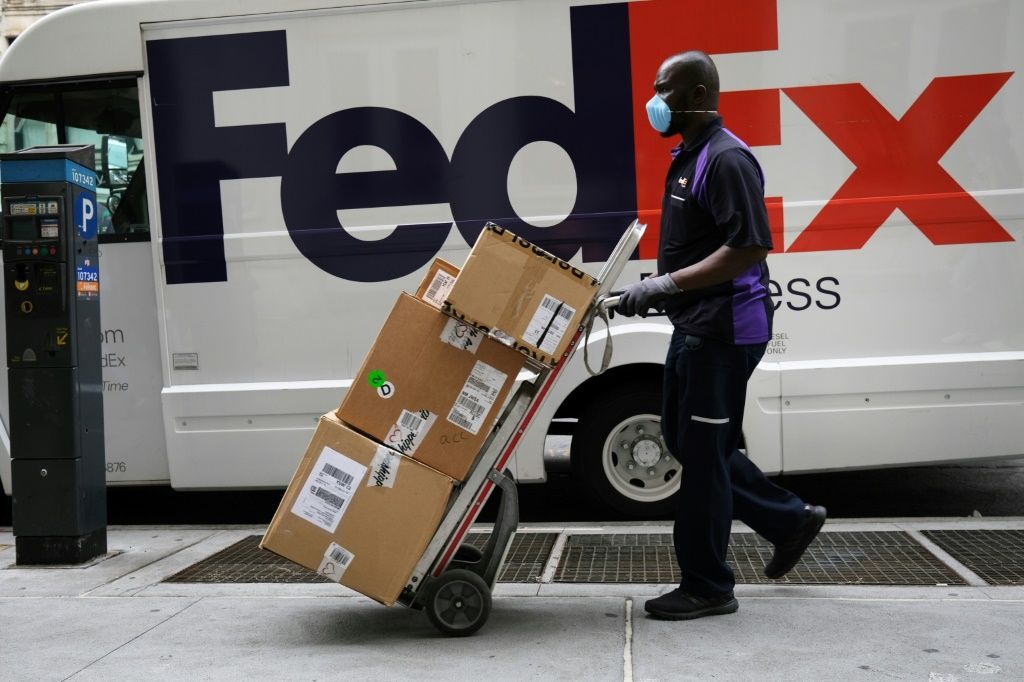
NEW YORK — As the global package delivery market continues its rapid expansion in 2026, investors are weighing UPS against FedEx to determine which logistics giant offers the stronger long-term opportunity. Both companies have posted solid year-to-date gains, but differing business models, cost structures and growth strategies are creating a clear divergence that could shape portfolio decisions for the remainder of the year and into 2027.
United Parcel Service Inc., the world’s largest package delivery company, has seen its shares rise about 14% so far this year, driven by resilient e-commerce volume, successful cost-cutting initiatives and steady progress in automation. FedEx Corp. has advanced roughly 11%, supported by strong international express growth and efficiency gains under its “FedEx 2.0” transformation plan. With both trading near multi-year highs, the choice between them hinges on an investor’s preference for scale and stability versus higher-margin international exposure.
UPS reported robust fiscal first-quarter 2026 results, with revenue climbing 6% to $24.8 billion and adjusted earnings per share beating estimates by 8%. The company’s ground network, which handles the majority of U.S. e-commerce packages, continues to benefit from diversified revenue streams including healthcare logistics and supply chain services. CEO Carol Tomé highlighted ongoing efficiency improvements, noting that automation investments have already reduced labor costs by more than $1 billion annually.
FedEx, meanwhile, posted first-quarter revenue of $22.1 billion, up 4%, with particularly strong performance in its international priority segment. The company’s focus on premium express services has delivered higher margins, though domestic ground volumes have faced pressure from intense competition. CEO Raj Subramaniam emphasized the success of network optimization efforts, which have improved on-time performance and reduced reliance on third-party capacity.
Analysts at firms like Goldman Sachs and JPMorgan have issued nuanced outlooks. Goldman Sachs maintains a Buy rating on UPS, citing its superior scale and diversified portfolio as advantages in a maturing e-commerce market. JPMorgan favors FedEx for its higher-margin international business and potential for margin expansion as cost savings materialize. Consensus price targets suggest modest upside for both, but UPS carries a slightly lower forward price-to-earnings multiple of around 18 times compared with FedEx’s 20 times.
Key Differences in Business Models
UPS operates the largest ground delivery network in the United States, giving it unmatched density and cost advantages on domestic routes. The company’s strategy emphasizes volume growth through e-commerce partnerships while expanding into higher-margin segments like healthcare and industrial logistics. Its massive scale also provides bargaining power with suppliers and labor unions, though recent contract negotiations have increased wage costs.
FedEx relies more heavily on its air express network, which commands premium pricing but is more sensitive to fuel costs and global economic conditions. The company has made significant strides in integrating its FedEx Express and FedEx Ground networks, reducing overlap and improving efficiency. International operations, particularly in Asia and Europe, represent a larger portion of FedEx’s business and offer higher growth potential as global trade recovers.
Both companies face common headwinds, including rising labor expenses, volatile fuel prices and intensifying competition from Amazon’s expanding logistics arm. Amazon now handles a growing share of its own deliveries, putting pressure on traditional carriers. Additionally, slowing e-commerce growth rates after the pandemic boom have forced both firms to focus on pricing discipline and operational efficiency.
Valuation and Risk Profiles
UPS currently trades at a more attractive valuation relative to expected earnings growth, making it appealing for value-oriented investors. The company’s consistent dividend increases and strong free cash flow generation provide a safety net during economic slowdowns. FedEx offers potentially higher returns if international trade accelerates, but its higher valuation leaves less margin for error if cost savings fall short of expectations.
Risks for UPS include labor contract renewals and potential union actions, while FedEx faces greater exposure to currency fluctuations and global supply chain disruptions. Both stocks have shown resilience in recent quarters, but analysts caution that near-term volatility could arise from quarterly volume reports and macroeconomic data.
Growth Drivers and Long-Term Outlook
The broader logistics sector is expected to benefit from continued e-commerce expansion, nearshoring trends and increased demand for time-sensitive deliveries. UPS is well-positioned to capture market share in domestic ground delivery, while FedEx’s strength in international express could drive faster revenue growth if global trade rebounds strongly.
Technological investments are playing a key role for both. UPS has rolled out advanced routing algorithms and electric vehicle fleets, aiming for carbon neutrality targets. FedEx has focused on data analytics and artificial intelligence to optimize flight schedules and package sorting. These innovations are expected to deliver meaningful cost savings and service improvements over the next several years.
Wall Street consensus points to mid-single-digit revenue growth for both companies through 2027, with UPS potentially benefiting from greater domestic stability and FedEx from higher-margin international upside. Dividend yields are comparable, around 2.8% for UPS and 2.5% for FedEx, making both attractive for income-focused investors.
Analyst Consensus and Investor Considerations
Most analysts recommend holding both stocks but see UPS as the slightly safer choice for conservative portfolios due to its scale and diversified revenue. FedEx appeals to those seeking higher growth potential and is often favored in growth-oriented accounts. For investors deciding between the two in 2026, the decision ultimately comes down to risk tolerance and view on the global economy.
Those bullish on U.S. consumer spending may lean toward UPS, while those expecting a strong rebound in international trade could prefer FedEx. Portfolio allocation matters too — many advisors suggest owning both for balanced exposure to the logistics sector rather than choosing one over the other.
The competitive landscape is evolving rapidly. Amazon’s continued investment in its own delivery network and the rise of regional carriers add pressure on traditional players. However, both UPS and FedEx have demonstrated adaptability, with strong balance sheets that provide flexibility for strategic acquisitions or share repurchases.
As 2026 progresses, quarterly earnings reports and guidance updates will be critical catalysts. Investors should monitor volume trends, margin performance and any new contract wins as key indicators of which company is gaining ground.
In summary, UPS currently edges out as the more balanced investment for most portfolios in 2026 due to its scale, valuation and domestic stability. FedEx remains a compelling choice for those comfortable with slightly higher risk in exchange for international growth potential. Both companies are fundamentally strong players in an essential industry, and patient investors in either are likely to benefit from long-term sector tailwinds.
The logistics sector’s importance to global commerce ensures both UPS and FedEx will remain relevant for years to come. For now, the choice between them reflects differing bets on domestic versus international growth and the relative value each offers at current prices.

China’s ability to weather Trump’s trade war was two decades in the making

Putin Declares Ukraine Conflict ‘Coming to an End’ as Fighting Rages On

Strategy’s Michael Saylor Signals Impending BTC Buy

Manchester United reach agreement with Casemiro over contract clause amid transfer speculation

US brings back mandatory military draft registration

Steven Gerrard disagrees with Gary Neville over ‘shock’ Chelsea and Arsenal claim | Football


-
 Crypto World2 days ago
HarrisX Poll Found 52% of Registered Voters Support the CLARITY Act
-

 Crypto World3 days ago
Upbit adds B3 Korean won pair as Base token gains Korea access
-

 Fashion2 days ago
Weekend Open Thread: Marianne Dress
-

 Tech6 days ago
Image AI models now drive app growth, beating chatbot upgrades
-
 NewsBeat3 days ago
NCP car park operator enters administration putting 340 UK sites at risk of closure
-
 Business1 day ago
Ignore market noise, India’s long-term story intact, say D-Street bulls Ramesh Damani and Sunil Singhania
-

 Politics2 days ago
Politics Home Article | Starmer Enters The Danger Zone
-

 Crypto World7 days ago
BlackRock Buys $284M In Bitcoin On May 1 As The Best Crypto To Invest In For 2026 Sits Below A Pending Binance Listing
-

 Entertainment7 days ago
Olivia Wilde Reacts To Viral ‘Corpse’ Comparison
-

 Sports7 days ago
Inter Milan Win Serie A Title After Victory Over Parma
-

 Sports7 days ago
La Liga: Vinicius Jr scores twice as Real Madrid win to keep Barcelona waiting for title
-

 Crypto World5 days ago
UAE Free Zone Deploys Blockchain IDs to Verify Registered Firms
-
 Sports7 days ago
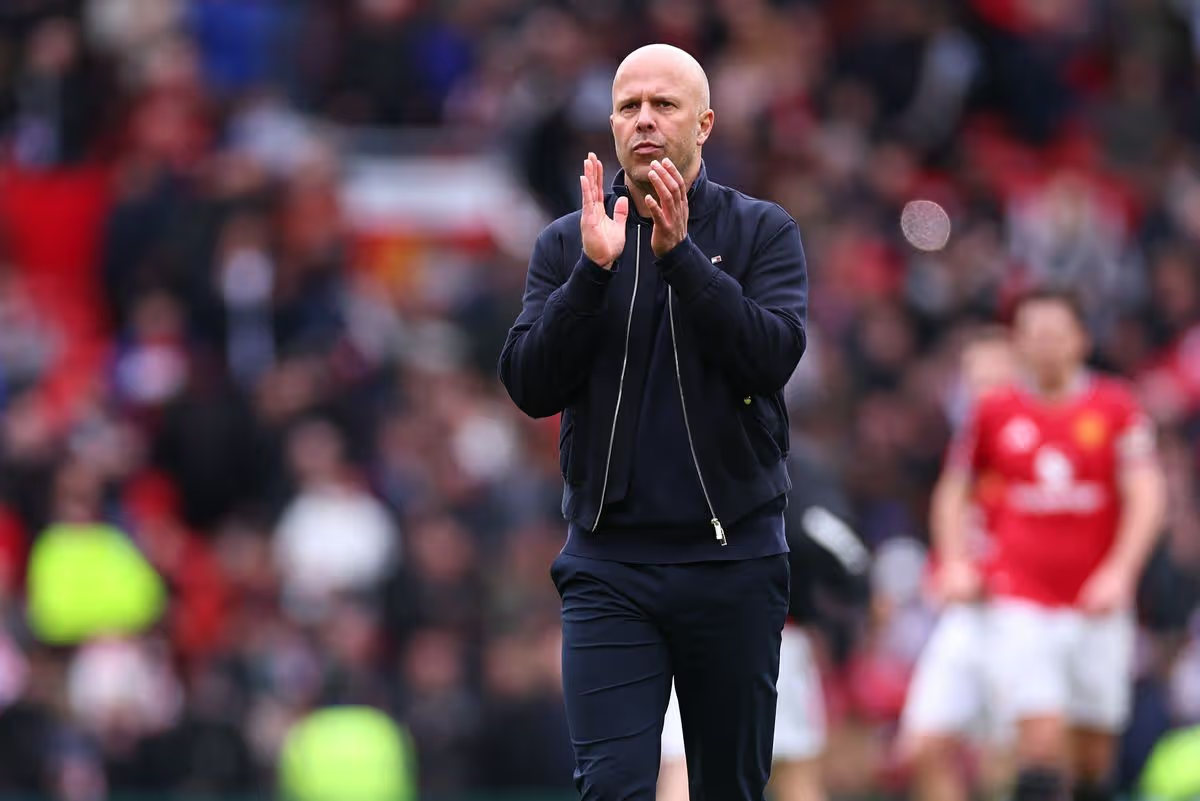
Every word of Arne Slot’s heated rant after Manchester United win vs Liverpool
-

 Sports7 days ago
Joel Embiid urges Sixers fans not to sell playoff tickets to Knicks fans
-
 Sports6 days ago
2026 NHL playoff picks: Second-round predictions, series odds, Stanley Cup bracket
-
Entertainment7 days ago
Jennifer Lawrence’s Mary Jane Sneakers Are Spring’s It-Girl Shoe
-

 Entertainment7 days ago
Moroccan Reacts To Nick Cannon’s Dating Rules For His Sister
-

 Entertainment7 days ago
Kylie Jenner and Timothee Chalamet Hold Hands in NYC Outing
-

 Crypto World4 days ago
BlackRock CEO Larry Fink Discusses a New Asset Class
-
 Crypto World7 days ago
Warren Buffett Calls Stock Market a Casino and Warns U.S. Dollar Is Not Safe in 2026
You must be logged in to post a comment Login