

Business
Nike Stock Plunges 14% on Weak Outlook as China Slump and Tariffs Cloud Turnaround Hopes

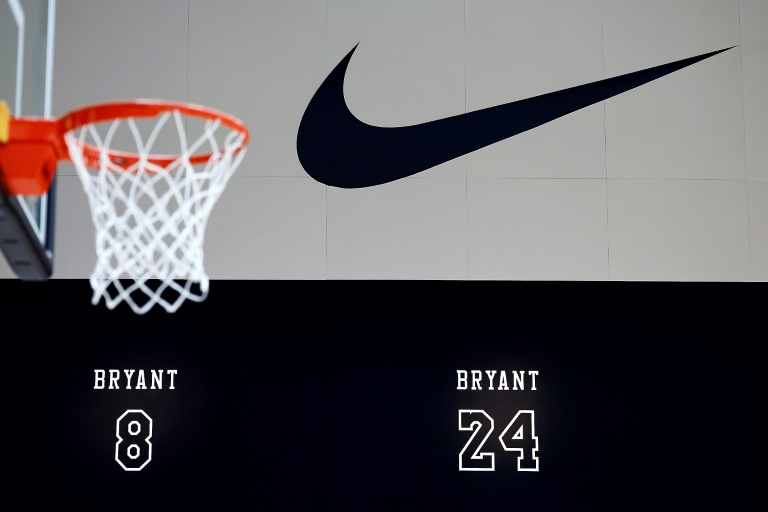
Nike Inc. shares tumbled more than 14% Wednesday, plunging as low as $45.19 intraday after the athletic giant issued a disappointing sales forecast for the current quarter despite beating Wall Street expectations for its fiscal third quarter.

The stock traded around $45.28 midday, down roughly $7.57 or 14.32% from Tuesday’s close, on heavy volume exceeding 49 million shares in the first hours of trading. The sharp decline pushed Nike shares to levels not seen in nearly nine years and extended year-to-date losses to about 29%, with the stock now down roughly 66% over the past five years.
Investors reacted harshly to Nike’s projection that revenue in the fiscal fourth quarter ending May 2026 would fall 2% to 4%, missing consensus estimates that called for a modest 1.9% increase. Executives also flagged an expected 20% sales drop in the key China market during the period, compounding concerns about the pace of the company’s ongoing turnaround under CEO Elliott Hill.
“This quarter we took meaningful actions to improve the health and quality of our business,” Chief Financial Officer Matt Friend said on the earnings call Tuesday. “We delivered third-quarter results in line with our expectations, and our teams continue to execute with discipline.” Yet the forward-looking comments overshadowed the beat, sending the stock sharply lower in after-hours trading Tuesday and accelerating the sell-off Wednesday.
Q3 Results: Beat on Top and Bottom Lines, But Margins Under Pressure
For the quarter ended Feb. 28, Nike reported revenue of $11.3 billion, flat on a reported basis and down 3% on a currency-neutral basis, slightly ahead of the $11.24 billion Wall Street anticipated. Earnings per share came in at 35 cents, topping the 28-to-30-cent consensus forecast despite a 35% year-over-year decline. Net income fell 35% to about $500 million.
Gross margin contracted 130 basis points to 40.2%, hurt in part by 300 basis points of higher tariffs in North America. Nike Direct sales declined 7%, with digital down 9% and stores down 5%, while wholesale edged up 1%. Running remained a bright spot, helping offset softness elsewhere.
The company highlighted progress on its “Win Now” actions, including marketplace cleanup by pulling some “unhealthy” classic footwear styles — a move that created roughly a five-percentage-point headwind to revenue. Executives said they aim to complete these efforts by year-end to set up stronger growth ahead.
Challenges Mount: China Weakness, Tariffs and Slow Recovery
Nike’s struggles in China have become a major drag. The world’s second-largest market for the brand faces intense local competition, shifting consumer preferences and broader economic softness. The projected 20% decline in the current quarter underscores how quickly conditions have deteriorated there.
Tariffs added another layer of pain. Higher duties on imports from key manufacturing countries like Vietnam, Indonesia and China squeezed margins and raised costs by hundreds of millions of dollars. Broader geopolitical tensions and potential reciprocal tariffs announced earlier in the year have kept pressure on the supply chain.
The turnaround story, which gained traction when Hill returned as CEO in late 2024, has taken longer than many hoped. Nike has focused on elevating product innovation, streamlining inventory, reducing reliance on heavy promotions and strengthening its direct-to-consumer channels. While these steps have improved brand health in some areas, revenue has remained flat to slightly down for multiple quarters.
Analysts noted the guidance reset signals the recovery could stretch well into 2027 or beyond. “The deliberate actions to clean up the business are necessary but are clearly weighing on near-term results,” one retail watcher said. Wall Street consensus price targets still sit well above current levels — around $75 on average — but several firms have grown more cautious in recent weeks.
Market Reaction and Investor Sentiment
The 14% drop Wednesday marked one of Nike’s worst single-day performances in years and amplified frustration among long-term holders. The stock has now declined for four straight years, raising questions about whether 2026 will finally mark an inflection point.
Some value-oriented investors viewed the sell-off as an opportunity, pointing to Nike’s still-dominant brand, massive global reach and consistent dividend — recently declared at 41 cents per share, payable April 1. The forward price-to-earnings ratio hovers in the low 20s, below historical averages for the company.
Others remained wary. “Investors are losing patience with the turnaround timeline,” a portfolio manager told reporters. “Beats on the quarter are nice, but without clearer signs of accelerating growth, the stock will stay under pressure.”
Social media and trading forums lit up with debate. Posts ranged from calls to buy the dip to warnings that Nike could test even lower levels if macro conditions worsen. Options activity showed elevated implied volatility, reflecting uncertainty heading into the rest of the year.
Broader Industry Context
Nike’s woes reflect challenges facing much of the athletic apparel sector. Competitors like Adidas and Under Armour have also navigated inventory gluts, shifting fashion trends away from bulky sneakers and rising costs. Consumers, particularly younger buyers, have grown more selective amid inflation fatigue and economic uncertainty.
At the same time, Nike retains significant advantages: unparalleled marketing muscle, deep athlete partnerships and a pipeline of innovation that includes advanced footwear technology and sustainability initiatives. Running and basketball categories continue to show resilience, while the company invests in women’s products and lifestyle extensions.
Executives expressed confidence that once the “Win Now” cleanup concludes, Nike can return to low-single-digit to mid-single-digit growth with expanding margins. Full-year 2026 guidance remains muted, however, with revenue expected to stay in the low single digits at best.
What’s Next for Nike
Attention now turns to execution in the fourth quarter and updates on the “Win Now” progress. Nike plans to provide more color on its long-term strategy in coming months, including potential new product launches and marketing campaigns aimed at reigniting consumer excitement.
For investors, key questions include:
- How quickly can China stabilize?
- Will tariff impacts ease or worsen under evolving trade policies?
- Can gross margins rebound as inventory normalizes and promotional activity eases?
- Will direct-to-consumer momentum return once wholesale channels stabilize?
Retail analysts recommend monitoring same-store sales trends, inventory levels and regional breakdowns in future reports. Dividend yield has risen with the stock’s decline, offering some income support for patient holders.
Nike remains headquartered in Beaverton, Oregon, with operations spanning design, manufacturing partnerships and retail worldwide. The company employs tens of thousands and sponsors countless athletes and teams globally.
As trading continued Wednesday, the sell-off appeared broad-based with no major rebound in sight. Volume stayed elevated as traders digested the implications for the rest of 2026.
Whether this marks a capitulation low or another leg down will depend on Nike’s ability to translate operational improvements into visible top-line momentum. For now, the iconic swoosh faces a tough stretch as it fights to restore investor confidence in its comeback story.


Key Macro Charts Update: Still Looking Good

Tucson, Ariz. — Nancy Guthrie, the 84-year-old mother of NBC “Today” co-host Savannah Guthrie, remains missing nearly four months after she disappeared from her Catalina Foothills home, with investigators offering few public updates and no suspects identified as of late May 2026.
The house on the quiet suburban street now stands largely silent. Fresh and artificial yellow flowers, signs and photos that once filled the front yard have mostly been removed, leaving only fabric flowers, scattered art pieces and a few remaining signs. The driveway and path to the front door are roped off with No Trespassing notices clearly posted.
Guthrie was last seen by family members on Jan. 31, 2026. She failed to appear the next morning at a friend’s home for a virtual church service, prompting concern. Authorities believe she was abducted from her residence sometime between late Jan. 31 and early Feb. 1. Door camera footage reportedly showed a masked individual at the front door around the time of her disappearance.
Ongoing Investigation and Limited Updates
The Pima County Sheriff’s Department and the FBI continue to describe the case as active and ongoing. Tens of thousands of tips have been received, but public information has been sparse in recent weeks. Sheriff Chris Nanos told local media in mid-May that he believes an arrest will eventually be made.
“The Pima County Sheriff’s Department remains fully committed to the investigation into Nancy Guthrie’s disappearance,” a department spokesperson said in an earlier statement. “This is an active and ongoing investigation.”
FBI Director Kash Patel publicly criticized the sheriff’s office in early May during an appearance on Sean Hannity’s podcast. Patel alleged local authorities initially kept the FBI out of the investigation for four days.
“For four days we were kept out of the investigation,” Patel said.
The sheriff’s office pushed back, stating that coordination with the FBI began immediately. A member of an FBI task force was notified and present at the scene the night Guthrie was reported missing, according to department spokespeople.
True Crime Streamers Draw Neighborhood Concern
Despite the lack of new developments, true crime content creators continue visiting the property, drawing attention and occasional law enforcement response. On May 18, YouTuber Jonathan Lee Riches and other streamers conducted a multi-hour “reenactment” outside the home that extended into the early morning hours.
Deputies patrolled the area throughout the night. Fans stopped by to chat, share theories and donate items including cookies, bug spray and battery packs. One visitor reportedly received a citation for illegal parking.
A deputy was heard discussing resident complaints with Riches, noting both “frivolous” calls and legitimate concerns. The department has maintained an enhanced law enforcement presence in the neighborhood due to uncertainty over who might appear at the property.
Neighbors have expressed frustration over the repeated visits disrupting the normally quiet area. The sheriff’s office has declined further comment on the streamer activity.
Broader Context and Challenges
The case has drawn national interest because of Savannah Guthrie’s prominent role in morning television. The family has offered a substantial reward for information leading to Nancy Guthrie’s recovery. The harsh desert terrain surrounding the Catalina Foothills has complicated searches, with experts noting how quickly evidence or remains could be obscured in the environment.
Recent discovery of prehistoric skeletal remains several miles from the home briefly generated attention but was quickly ruled unrelated to the investigation. The bones, estimated to be several hundred to 1,000 years old, were associated with Native American artifacts and transferred to the Tohono O’odham Nation.
Sheriff Nanos has faced separate scrutiny from county supervisors over unrelated matters involving his work history, though those issues are distinct from the Guthrie investigation.
Community and Media Impact
In the early weeks after the disappearance, the street saw a heavy presence of reporters and streamers. That daily presence has largely subsided, but occasional visits continue. The case has sparked widespread online discussion, with amateur sleuths and content creators analyzing available footage and speculating on possible motives.
Law enforcement has emphasized the importance of verified tips over public speculation. The investigation involves a dedicated task force combining local and federal resources focused on evidence analysis, including DNA and digital forensics.
As the four-month mark approaches, the empty house with its roped-off entrance serves as a somber reminder of the unresolved case. Family members and investigators continue to appeal for public assistance, hoping new information will break the long silence.
The Pima County Sheriff’s Department urges anyone with information to contact authorities. The FBI also maintains an open line for tips in the suspected abduction.
No timeline has been given for further public updates, as investigators work to balance transparency with the need to protect the integrity of the active case. For now, the quiet Tucson neighborhood waits amid fading memorials and persistent questions surrounding Nancy Guthrie’s disappearance.
Business
Prince Harry Keen on Balmoral Summer Visit with Children to See King Charles as Meghan Hesitates

London — is reportedly eager to bring his children, Archie and Lilibet, to Balmoral Castle this summer to create memories with their grandfather, King Charles, drawing on his own fond childhood experiences at the Scottish royal estate, according to multiple media reports on May 30, 2026.
However, sources close to the couple indicate that his wife, Meghan Markle, remains reluctant to return to Britain, making a family trip to the Highlands unlikely in the near term. The couple’s summer plans appear divided as their children prepare to break from school next month, highlighting ongoing challenges in bridging the transatlantic family divide.
Harry, 39, has long spoken warmly of Balmoral, describing it in his 2023 memoir “Spare” as a place of happiness and outdoor adventure during his youth. The estate in the Scottish Highlands served as the royal family’s traditional summer retreat, where he recalled spending time fishing, shooting and exploring the hills.
In the book, Harry wrote fondly of the location: “To me, Balmoral was always simply Paradise.” He described family life there as centered on the outdoors, noting that his grandmother, Queen Elizabeth II, insisted on daily fresh air. The prince also reminisced about simple meals like fish fingers and cottage pies shared with his brother, Prince William.
Childhood Memories and Family Healing Hopes
Harry’s desire to return stems from a wish for his children to experience the same environment and build relationships with their British relatives, particularly King Charles, whose health has been a point of public concern. Insiders told British media outlets that Harry views Balmoral as a potential setting for reconciliation and family healing.
One source was quoted as saying Harry “genuinely believes Balmoral could be the place where things finally start healing” and that he feels “time is precious” for his children to spend with their grandfather. Reports suggest Harry wants Archie and Lilibet to see the royal residence as part of their heritage.
Royal commentator Richard Fitzwilliams addressed the reported plans, stating it is “only natural to want to share it with your nearest and dearest” when one has positive childhood memories of a place. He noted that a summer visit could align with King Charles being in residence from mid-August, though it would likely not coincide with Harry’s expected July trip to Britain for Invictus Games events.
Meghan’s Reported Reluctance
Sources indicate Meghan does not share the same enthusiasm for a Balmoral trip. The Duchess of Sussex is said to prefer alternative summer destinations, including time at the couple’s recently completed villa in Portugal. Fitzwilliams observed that Balmoral’s traditional activities, such as hunting, deer stalking and its strong outdoor focus, are unlikely to appeal to her.
He added that the estate “is not everyone’s idea of paradise,” pointing to the late Princess Diana’s well-documented discomfort with the location as a historical parallel. Meghan has not visited Britain since the couple’s brief return for events in 2023, and reports suggest she has little interest in future extended stays.
The couple’s summer schedule remains fluid. With Archie and Lilibet’s school year ending soon, decisions on travel and family time are under discussion. Harry has maintained some contact with his father, but the broader family rift that began after the couple stepped back from royal duties in 2020 continues to influence arrangements.
Background on the Royal Rift
The Duke and Duchess of Sussex have lived primarily in California since 2020, building lives centered on media projects, charitable work and raising their children away from royal protocols. Harry’s memoir and the couple’s Netflix series and public interviews detailed grievances with royal life, intensifying tensions with the family.
Despite the distance, Harry has expressed a desire to mend relationships. King Charles has publicly voiced hope for reconciliation, though practical challenges remain, including security arrangements and scheduling around royal commitments.
Balmoral holds deep significance for the royal family. It was a favored retreat for Queen Elizabeth II, who spent significant portions of her summers there. King Charles has continued the tradition, using the estate for both private family time and official duties.
Current Family Dynamics
Harry’s reported urgency around the visit reflects concerns about his father’s health following King Charles’s cancer diagnosis and treatment. Reports suggest Harry wants his children to form memories with their grandfather while time allows. However, logistical and personal barriers, particularly Meghan’s stance, complicate those hopes.
The couple has maintained a busy schedule in 2026, with Harry focusing on Invictus Games initiatives and both pursuing various philanthropic and commercial endeavors. Their Portugal property represents a European base that may offer a more comfortable environment for family holidays this summer.
Royal observers note that any Balmoral visit would require careful coordination. Past attempts at family gatherings have faced difficulties, and public interest remains high whenever Harry returns to Britain. His July trip for the Invictus Games “One Year to Go” event in Birmingham is expected to be a focused professional visit rather than an extended family holiday.
Public and Media Interest
The story has generated significant commentary in British media, with speculation about possible outcomes and their implications for royal relations. Some analysts view Harry’s interest in Balmoral as a positive signal toward reconciliation, while others see the reported differences with Meghan as further evidence of diverging priorities.
The family divide has been a persistent narrative since 2020. While occasional meetings have occurred, including limited interactions with King Charles, full reconciliation remains elusive. Security concerns, media scrutiny and differing lifestyles continue to present obstacles.
As summer approaches, the coming weeks may clarify the couple’s plans. Whether Harry travels alone with the children or the family opts for a different destination will likely draw close attention from royal watchers. For now, the prince’s nostalgic pull toward Balmoral contrasts with the practical realities shaping the family’s decisions.
The situation underscores the complex balance Harry navigates between his royal heritage, fatherhood and life in California. King Charles is expected to spend much of the summer at Balmoral as per longstanding tradition, providing a potential window for visits if arrangements can be made.
As of May 30, 2026, no official confirmation has come from Buckingham Palace or the Sussexes’ representatives regarding specific summer travel plans. The couple continues to prioritize their children’s privacy and normalcy amid ongoing public curiosity about their relationship with the royal family.

Christian Horner, the British motorsport executive who steered Red Bull Racing through two decades of Formula 1 dominance, has been engaged by Oakley Capital as an advisor on the firm’s investments in premium sports.
The move marks his first substantive role since departing the Milton Keynes constructor earlier this year.
The London-headquartered private equity house, founded by serial entrepreneur Peter Dubens, said Horner will work alongside its dealmakers to identify and unlock opportunities in what has become one of the most contested corners of European private markets. Sports assets, long viewed as trophy holdings, are increasingly being repositioned by sophisticated investors as resilient, cash-generative businesses with global growth profiles, as institutional capital floods into the sector.
For Horner, 52, the appointment caps a remarkable commercial chapter. Between 2005 and 2025 he led Red Bull’s Formula 1 operation to eight Drivers’ Championships, six Constructors’ titles and 124 race victories, while overseeing the launch of Red Bull Powertrains and Red Bull Advanced Technologies. Under his leadership, the team generated more than $3 billion in commercial revenue through global partnerships and sponsorships, a track record that few in motorsport, or indeed wider sports business, can rival.
Peter Dubens, Founder and Managing Partner of Oakley Capital, said: “Christian Horner is widely recognised as a highly successful leader in global sport. His track record, expertise and commercial instinct will be invaluable as we continue to scale our sports portfolio. We are increasingly drawn to businesses in this space that share the hallmarks of a typical Oakley investment: founder-led, high-growth and supported by resilient revenues, or under-commercialised ‘scarce’ assets with significant untapped potential. We look forward to working with Christian in order to unlock these opportunities.”
Horner added: “Sports businesses are benefitting from growing global audiences and participation rates as more people embrace healthier, active lifestyles. I have known and respected Peter and the Oakley team for many years and have always admired their approach to building ambitious, founder-led businesses. Oakley Capital has established a strong reputation across the sports and consumer landscape and I look forward to working together in the future and sharing my experience to help support the next generation of standout sports businesses.”
The hire fits a broader pattern in the UK mid-market, where private equity houses have been doubling down on co-investments and bolt-on strategies to navigate a more discerning fundraising environment. Sports, alongside consumer health and digitally native brands, has emerged as a defensive growth story, with global broadcasting rights, participation-led categories and premium consumer products commanding investor appetite that has so far defied broader macro headwinds.
Oakley’s existing sports portfolio gives Horner a substantive platform from which to operate. The firm is invested in Athena Racing, now rebranded GB1, the ‘Challenger of Record’ for the 38th America’s Cup; NOX, the high-performance padel racket brand that has become a global benchmark in the world’s fastest-growing racket sport; Vice Golf, the digitally-native German golf brand disrupting traditional equipment retail; and North Sails, the storied marine sports business that remains a leader in performance sailmaking.
Industry observers will read the appointment as a signal that Oakley intends to accelerate dealmaking in the sector at a moment when valuations for premium sports assets are being stress-tested. For Horner, whose contacts span team owners, rights-holders, sponsors and governing bodies, the brief offers a route back into the commercial heart of the industry without the operational burden of running a team. Specialist outlet Sportcal noted that the move places Horner at the centre of Oakley’s sports partnerships strategy, reflecting how senior executives are increasingly migrating into advisory roles at private equity firms as the asset class matures.
For seasoned readers of UK private markets, the message is unambiguous: the smart money is treating sport as an industry, not a hobby, and Oakley wants a seat at the table when the next generation of category-defining businesses changes hands. Those keen to understand the mechanics underpinning these deals can revisit Business Matters’ guide to investing in private equity like an insider.

Jamie Young
Jamie is Senior Reporter at Business Matters, bringing over a decade of experience in UK SME business reporting.
Jamie holds a degree in Business Administration and regularly participates in industry conferences and workshops.
When not reporting on the latest business developments, Jamie is passionate about mentoring up-and-coming journalists and entrepreneurs to inspire the next generation of business leaders.

American Eagle Outfitters AEO -11.83%decrease; red down pointing triangle said its core brand isn’t performing as well as management would like, after the segment’s sales fell in the first quarter.
“We are not satisfied with where the business performed this quarter, especially in women’s,” Jennifer Foyle, president and executive creative director, told analysts Thursday.
Copyright ©2026 Dow Jones & Company, Inc. All Rights Reserved. 87990cbe856818d5eddac44c7b1cdeb8


Pentagon chief sounds ’alarm’ over China’s buildup, urges allies to boost defence spend


Trump in excellent health with leg swelling, hand bruising, doctor says

Companies from to Kraft Heinz KHC -1.88%decrease; red down pointing triangle are finally realizing that half of American consumers can’t afford what they are selling.
To appeal to cash-strapped and inflation-weary shoppers, the companies are launching smaller and cheaper products, pitching value packages and, in some cases, reversing price increases.
Copyright ©2026 Dow Jones & Company, Inc. All Rights Reserved. 87990cbe856818d5eddac44c7b1cdeb8

Domain Listings, LLC is a Las Vegas-based online business directory company founded in 2013 with a mission to help small businesses improve their online visibility.
Over the past 13 years, the company has grown to support more than 150,000 businesses across the United States, becoming one of the more established independent directory platforms in the country.
The company was built around a simple but important idea: every business deserves the opportunity to be found online, regardless of size or marketing budget. That philosophy has shaped its long-term approach to business and customer service.
Rather than chasing trends, Domain Listings has focused on consistency, accessibility, and transparency. Its platform helps businesses strengthen their online presence through searchable listings that contribute to local search visibility and online discoverability.
The company has operated in an industry that has often faced credibility challenges. Instead of avoiding those issues, Domain Listings worked to distinguish itself through straightforward communication and continuous improvement. Customer feedback has played a major role in shaping the business, particularly in refining support systems and simplifying customer interactions.
Today, Domain Listings continues to evolve alongside changes in digital marketing, local SEO, and AI-powered search. The company closely follows shifts in how people search for information online while remaining focused on practical solutions for small business owners.
Its long-term goal remains clear: to build a reliable and transparent platform that helps businesses connect with the people searching for them online.
Inside Domain Listings: Building Trust in Online Visibility
Q: What inspired the creation of Domain Listings, LLC back in 2013?
The idea came from seeing how difficult it was for smaller businesses to compete online. At the time, many business owners understood they needed an online presence, but they did not always have the budget or technical knowledge to build one effectively.
We wanted to create something simpler. The goal was to give businesses a searchable online listing that could help them become more visible without making the process overly complicated.
The company was founded in Las Vegas in March 2013, and from the beginning the focus was on accessibility and consistency rather than rapid growth.
Q: Did you expect the platform to grow to more than 150,000 business listings?
Not in the early years. Growth happened gradually over time.
For us, success was never about one major breakthrough. It was more about staying consistent year after year. We focused on improving the platform, helping customers, and continuing to build trust.
I have always believed that success is cumulative. It comes from many small decisions made consistently over time rather than one big moment.
Q: The online directory industry has faced criticism over the years. How did that affect your approach?
It definitely shaped the way we operated.
The directory space has had credibility challenges because of bad actors and misleading practices. That creates difficulties for legitimate companies because customers naturally become cautious.
Our response was to focus heavily on transparency. We wanted customers to clearly understand what we offer, how the service works, and how to contact us if they had questions.
You cannot control what other companies do, but you can control how you operate and communicate.
Q: What were some of the biggest lessons you learned while growing the company?
Customer service was probably the biggest learning experience.
In the earlier years, we received feedback that our communication needed improvement. That was difficult to hear, but it was important. We realised that resolving a problem is only part of customer service. How you communicate during that process matters just as much.
We ended up restructuring how customer concerns were handled. We improved response standards and simplified the refund process. Those changes helped us become a stronger business.
Sometimes the most valuable feedback is the feedback that makes you uncomfortable.
Q: What keeps the company relevant in such a fast-changing digital industry?
You have to stay informed without losing focus.
Digital marketing changes constantly. Search engines evolve. AI-powered search is changing how people discover businesses online. Local SEO also continues to shift.
We pay close attention to those developments because they directly affect our customers and platform performance. At the same time, we try not to chase every trend.
Consistency still matters. Strong information, accurate listings, and clear communication remain important regardless of how technology changes.
Q: What motivates you personally after more than a decade in business?
The small business owners we work with.
When you think about who is behind a listing, it changes your perspective. It might be a contractor trying to compete in a crowded market or a family business trying to improve visibility after years of relying only on word of mouth.
Those businesses are the reason the platform exists.
What motivates me is knowing that the work we do can help someone become more discoverable online and potentially connect with customers they otherwise would not have reached.
Q: How do you measure success today?
Customer outcomes and platform health are the biggest indicators.
If businesses are being found online, if traffic continues to grow, and if customer concerns are being handled properly, those are positive signs.
External recognition is fine, but it is not the main thing we focus on. The more important question is whether the platform is genuinely functioning well for the people using it.
Q: What advice would you give to people building businesses in competitive industries?
Patience and consistency matter more than people realise.
A lot of industries are crowded and noisy now. It is easy to feel pressure to move quickly or constantly reinvent yourself. But trust takes time to build.
I also think businesses improve when they listen carefully to feedback instead of becoming defensive. Some of our biggest operational improvements came directly from customer criticism.
Finally, focus on what you can control. You cannot control market conditions or what competitors do. You can control how you operate every day.
Q: What does the future look like for Domain Listings?
The long-term goal is continuing to strengthen the platform’s reputation and reliability.
Short-term goals tend to focus on operations and visibility improvements. Long-term goals are more about trust and authority within the space.
We want to continue improving the customer experience while adapting to changes in how people search online.
At the end of the day, the mission remains the same as it was in 2013: helping businesses become easier to find.

Not all online gambling sites are built the same, and that gap matters more than most players realize. The difference between a well-regulated site and a sketchy one can cost you real money.
Online gambling sites vary widely in licensing, game fairness, and how fast they actually pay out. Sorting through gambling authority licenses across different jurisdictions, spotting rogue operators, and decoding bonus wagering requirements is genuinely exhausting. After reviewing dozens of sites across crypto-native and traditional categories, this guide breaks down the five best options worth your attention right now.
The research approach for this ranking
site data was pulled from official sites, verified review aggregators, and player community forums to build this list. Only sites with a documented track record in licensed online gambling made the cut. Unverified operators and sites lacking clear regulatory standing were filtered out early.
-> See the full research breakdown
- JB Casino – Best for crypto-native online casino and sports betting
- ThunderPick – Best for esports betting and crypto gambling
- CloudBet – Best for cryptocurrency-based sports betting and online casino gaming
- Rollbit – Best for cryptocurrency casino and sports betting
- Winz – Best for crypto-native sports betting and online casino gaming
Why Online Gambling Sites Matter
Picking the wrong site is not just inconvenient. It can mean frozen withdrawals, voided winnings, or playing on a site that operates without a valid gambling authority license. The online gambling space has grown fast, and not every operator has kept pace with licensing requirements from bodies like the MGA, UKGC, or Curaçao Gaming Authority.
Choosing a well-structured site means access to better Return to Player (RTP) percentages across game categories, faster average withdrawal processing times, and a broader number of licensed game titles. That combination directly affects your experience and your wallet.
The right site doesn’t just host games. It builds trust through transparent terms, regulatory accountability, and a game library that’s actually been tested and certified.
Top 5 Online Gambling Sites Breakdown and Comparison
Note: All data in this table is sourced from review sites and the official websites of the listed companies.
| Company Name | Years Operating | Headquartered In | Best For |
| JB Casino | Est. 2024 | Curaçao | Crypto casino and sports betting |
| ThunderPick | Est. 2015 | Willemstad, Curaçao | Esports betting and crypto gambling |
| CloudBet | Est. 2013 | Willemstad, Curaçao | Crypto sports betting and casino gaming |
| Rollbit | Est. 2020 | Willemstad, Curaçao | Crypto casino and sports betting |
| Winz | Est. 2020 | Willemstad, Curaçao | Crypto sports betting and casino gaming |
JB Casino – Best for Crypto-Native Online Casino and Sports Betting
What Does JB Casino Do?
is a crypto-first casino and sportsbook launched in 2024. They offer 6,000+ games from 25+ providers, covering everything from slots to live dealer tables, plus a global sportsbook that reaches major leagues and esports markets. The site supports 80+ cryptocurrencies with provably fair verification and independently tested RNG systems aligned with ISO/IEC 17025 standards. Withdrawal process takes 5 to 10 minutes, which is genuinely fast compared to most competitors in this space (not a small detail when your money is on the line).
Why JB Casino Stands Out for Online Gambling Sites:
Players who want crypto flexibility without sacrificing game variety have very few options that cover both well. JB Casino addresses that gap directly with a library spanning both casino and sportsbook verticals. The ISO/IEC 17025-aligned RNG validation is the kind of independent certification that separates serious operators from sites just claiming fairness.
Summary of Real User Reviews:
Players consistently point to fast cashouts and a clean, easy-to-use interface as the site’s strongest qualities. The provably fair environment backed by iTech Labs validation gets mentioned regularly, which tells you the transparency angle is landing with actual users. From what the reviews show, the bonus structure is competitive without being loaded with punishing wagering conditions.
ThunderPick – Best for Esports Betting and Crypto Gambling
What Does ThunderPick Do?
ThunderPick has been running since 2015 under a Curaçao gaming license, owned by Paloma Media B.V. They built their site around esports wagering, covering League of Legends, CS2, Dota 2, VALORANT, and Call of Duty. Sports betting and casino games are available too, but esports is clearly the main focus here. The site shows RTP percentages and volatility data for every slot (something a lot of operators skip entirely), and crypto payments are fee-free across the board. They’re also members of ESSA, a watchdog group promoting responsible betting practices.
Why ThunderPick Stands Out for Online Gambling Sites:
Esports bettors have long dealt with sites that treat their market as an afterthought. ThunderPick was built to fix that by making esports the central product, not a bolted-on feature. ESSA membership and major tournament sponsorships, including the ThunderPick World Championship, give the site a credibility layer that’s genuinely hard to match in this niche.
Summary of Real User Reviews:
The general sentiment around ThunderPick skews positive among the esports betting community, with players noting the depth of esports markets and the fee-free crypto experience. Honestly, the RTP and volatility transparency for slots seems like a small thing until you’ve used sites that hide that data entirely. The tournament presence and sponsorships of organizations like Heroic also get mentioned as signs that this operator understands its audience.
CloudBet – Best for Cryptocurrency-Based Sports Betting and Online Casino Gaming
What Does CloudBet Do?
CloudBet has been operating since 2013, which makes it one of the oldest crypto gambling sites still running. They cover 40+ sports and esports markets for betting, pair that with 3,000+ slots and 300+ live dealer tables, and support 40+ cryptocurrencies for deposits and withdrawals. An eight-tier loyalty rewards system plus a VIP Club gives regular players a clear path to better treatment over time. Their Whale Mode feature caters to high-stakes bettors, and partnerships with leagues like the Professional Fighters League show they’re serious about mainstream credibility (not just crypto-niche positioning).
Why CloudBet Stands Out for Online Gambling Sites:
High-volume sports bettors need deep market coverage and fast on-chain payments, and CloudBet has spent over a decade building exactly that combination. The breadth of supported cryptocurrencies and the structured loyalty program mean frequent players get progressively better terms, which is the kind of long-term value most sites don’t bother building.
Summary of Real User Reviews:
CloudBet earns consistent praise for payment speed and the depth of available betting markets. Long-term users tend to point to the loyalty program tiers as a genuine differentiator, especially compared to sites with flat reward structures. The sheer longevity of the site, over ten years in crypto gambling, carries real weight when you’re trying to figure out who to trust.
Rollbit – Best for Cryptocurrency Casino and Sports Betting
What Does Rollbit Do?
Rollbit launched in February 2020 and quickly carved out a distinct identity in the crypto gambling space. Beyond standard casino games and sports betting, the site introduced leveraged futures trading and built its own NFT ecosystem with Rollbots, which let users own a stake in the casino and collect profit shares. The X-Roulette game, a provably fair format Rollbit pioneered, became a signature product. With over 1 million registered users and $5 billion in total wagers placed, the site’s scale is hard to argue with. A sponsorship deal with SSC Napoli signals their push toward mainstream sports recognition.
Why Rollbit Stands Out for Online Gambling Sites:
The combination of casino gaming, sports betting, and leveraged crypto trading under one roof is genuinely unusual in this space, and Rollbit was one of the first sites to build that structure in a coherent way. Launching the first NFT collection in crypto casino history shows a willingness to experiment that has clearly connected with a younger, crypto-native player base.
Summary of Real User Reviews:
Players often point to the X-Roulette experience and the transparency of provably fair mechanics as major reasons they stick with the site. The Rollbots NFT utility gets positive mentions from users who appreciate having an actual ownership stake in the site’s performance. And from what the reviews show, the futures trading feature attracts a specific subset of users who want more than just traditional gambling products.
Winz – Best for Crypto-Native Sports Betting and Online Casino Gaming
What Does Winz Do?
Winz.io launched in 2020 and is operated by Dama N.V. under Curaçao Gaming Control Board licensing. The site offers 6,000+ casino games across slots, RNG tables, and live dealer titles, alongside pre-match and in-play sports betting. What makes Winz stand out among newer sites is its no-wagering bonus structure, meaning promotional winnings can be withdrawn without jumping through unfavorable conditions. They support 12+ cryptocurrencies, including BTC, ETH, USDT, and SOL, and withdrawals are consistently fast by industry standards.
Why Winz Stands Out for Online Gambling Sites:
Punishing wagering requirements are one of the most common complaints players have about online casino bonuses. Winz directly addresses that frustration with wagering-free promotions that are rare at this game library scale. Being voted Best Online Casino 2025 by AskGamblers (not a trivial recognition) shows the approach is connecting with real players, not just marketing copy.
Summary of Real User Reviews:
The wagering-free bonus structure is the most frequently praised element in player feedback, with users noting it changes how they actually think about taking promotions. Withdrawal speed gets consistent positive marks too, which lines up with what the site publicly claims. The AskGamblers recognition adds a layer of third-party validation that makes the positive sentiment easier to trust.
Research Methodology and Selection Process
Initial Data Collection
The process started by casting a wide net across gambling-specific directories, player review sites, community forums, and operator comparison sites. Dozens of crypto and traditional online gambling sites were identified as candidates during this phase. Official operator websites were also reviewed for licensing claims, game provider partnerships, and payment method details to build an initial profile for each site.
Shortlisting Phase
sites without verifiable licensing documentation from established gambling authorities were removed immediately. From there, review patterns across multiple independent sources were analyzed to separate consistently well-regarded operators from those with isolated positive mentions. Any operator with a pattern of unresolved withdrawal complaints or unclear regulatory standing was cut at this stage, regardless of how polished their marketing appeared.
Verification of Claims
Each site’s stated features, including RNG certifications, game counts, and withdrawal speed claims, were cross-referenced against player-reported experiences and third-party audit documentation where available. The goal was to find out whether operator claims held up against actual user outcomes. Sites that made strong claims about payout times or game fairness without supporting documentation were flagged and deprioritized.
Authority and Industry Contribution Layer
Recognition from established industry bodies, appearances in credible gambling publications, and formal awards from sites like AskGamblers were factored in as supporting evidence of legitimacy. ESSA membership, iTech Labs validation, and ISO/IEC 17025 compliance references were treated as meaningful signals rather than just marketing claims. Sites with documented sponsorships of professional sports leagues or major esports tournaments also received additional credibility consideration.
Online Gambling Sites-Specific Evidence
The final evaluation focused on how each site performed across the metrics that matter most to real players: RTP transparency, average withdrawal processing time, number of licensed game titles, bonus wagering requirement clarity, customer support responsiveness, accepted payment methods including cryptocurrency support, and the tier and reputation score of the licensing authority overseeing each operator. Only sites that demonstrated clear, verifiable strengths across these categories made the final five.
How to Choose the Right Online Gambling Sites
Picking an online gambling site comes down to more than which one has the flashiest welcome bonus. You need a site that holds up on licensing, game fairness, payment speed, and long-term value, not just first impressions. Here are the factors worth evaluating before you commit.
- Industry and Domain Experience: Look for operators with a documented history in licensed gambling markets. Sites that have been running for several years under established gambling authority licenses tend to have better dispute resolution track records.
- Features and Service Offerings: Consider whether the site covers the specific verticals you want, whether that’s casino games, sports betting, esports markets, or a combination. Depth matters more than breadth here.
- Pricing Structure: Evaluate fee structures on deposits, withdrawals, and currency conversions. Crypto sites often advertise fee-free payments, but always check on-chain transaction costs and whether those are passed to the player.
- Results Measurement: Check whether the site publishes RTP percentages, volatility data, and payout speed benchmarks. Operators that share this data openly are generally more trustworthy than those that don’t.
- Industry Knowledge and Compliance: Confirm licensing with the relevant gambling authority. Understand what protections the license provides and whether the site is geo-restricted in your jurisdiction before signing up.
Bottom Line
The best online gambling sites separate themselves through transparent licensing, fast withdrawals, fair bonus terms, and a game library backed by independent auditing. sites like JB Casino and CloudBet lead on crypto infrastructure, while ThunderPick owns the esports niche and Winz stands out on wagering-free promotions. As crypto adoption grows and regulatory frameworks tighten globally, sites that already prioritize accountability and player transparency are best positioned to remain trustworthy long-term options.

Dabbawalas: The men who fed Mumbai

Key Macro Charts Update: Still Looking Good

Bitcoin Retail Sentiment Still Matters, Says Swan Bitcoin CEO


-

 Business5 days ago
NYT Strands Answers May 24 2026 Revealed for Puzzle No. 812 Theme Summer Essentials
-

 Politics5 days ago
Bridgerton Season 5: Cast, Release Date And Everything We Know So Far
-

 NewsBeat3 days ago
Israel says it has killed new Hamas military leader in Gaza City airstrikes
-

 Business3 days ago
Selena Gomez Reportedly Upset Over Benny Blanco’s Comments on Her ‘Terrible’ Diet
-

 Crypto World7 days ago
Robinhood crypto COO Tanya Denisova exits
-
 Crypto World3 days ago
Micron Crosses $1 Trillion Market Cap as AI Demand Reshapes Memory Sector
-

 Tech5 days ago
Microsoft’s quiet Claude Code retreat and the real cost of enterprise AI
-

 Business5 days ago
BTS Sells Out Four Las Vegas Shows at Allegiant Stadium for ARIRANG World Tour
-

 Tech1 day ago
Waymo dominates autonomous vehicle registrations as Tesla trails behind
-
Tech3 days ago
The Samsung pay deal is the moment Korean unions changed register
-

 Tech3 days ago
Millions of AI agents imperiled by critical vulnerability in open source package
-

 Tech5 days ago
Westone Audio and Etymotic Acquired by Fidelity Collective in Major IEM Market Move
-
 Tech4 days ago
China assigns ID codes to 28,000+ humanoid robots
-
Crypto World3 days ago
SpaceX’s $2 Trillion IPO: Why Tech Giants Nvidia (NVDA), Apple (AAPL), and Microsoft (MSFT) May Face Pressure
-
 Crypto World5 days ago
Nvidia (NVDA) CEO Calls on Super Micro to Strengthen Export Controls Amid Smuggling Probe
-
Crypto World5 days ago
Brian Armstrong Outlines Crypto Vision for the Future Financial System
-

 Tech3 days ago
NASA taps Blue Origin to deliver lunar rovers for Moon Base initiative
-
 Entertainment4 days ago
‘Breaking Bad’ Star’s Easy-to-Binge 6-Part Crime Series Spin-Off Is Finally Heading to Free Streaming
-

 Crypto World3 days ago
Spain blocks prediction markets Polymarket Kalshi
-

 Business4 days ago
(VIDEO) Did Wembanyama Figure Out How To Beat Thunder Now?
You must be logged in to post a comment Login