

Business
Pharmaceuticals face 100% tariffs in US – unless firms strike a deal




Canada’s broader citizenship rules draw strong American interest, data shows
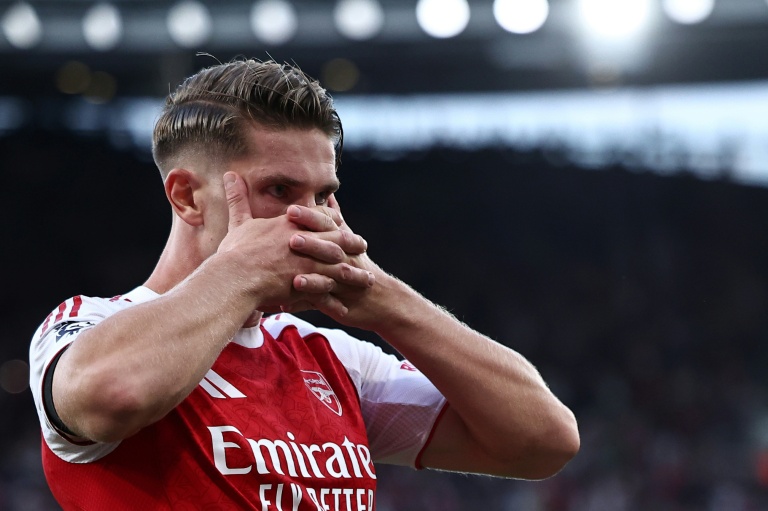
Paris Saint-Germain and Arsenal face off Saturday in the UEFA Champions League final at Puskás Aréna, capping a dramatic season with defending champions PSG seeking a repeat title and Arsenal chasing a historic double after their Premier League triumph.
The highly anticipated clash, pitting French flair against English resilience, kicks off at 18:00 local time (12 p.m. ET / 5 p.m. BST). Fans worldwide are seeking clear options to watch the livestream as the match draws a global audience estimated in the hundreds of millions.
Match venue and buildup
Puskás Aréna in Budapest, Hungary, hosts its first Champions League final. The 67,000-capacity stadium, named after Hungarian legend Ferenc Puskás, provides a neutral and electric setting for the showdown.
PSG, led by manager Luis Enrique, enters as defending champions after a strong campaign featuring key victories over top European sides. Arsenal, managed by Mikel Arteta, topped the league phase undefeated and aims for its first Champions League title in club history while completing a domestic-European double.
Pre-match tension is high, with both squads boasting star power. Arsenal relies on attackers like Bukayo Saka, while PSG features dynamic talents including Ousmane Dembélé and Khvicha Kvaratskhelia. Fitness updates and tactical battles, particularly on the flanks, will shape the contest.
Where to watch in the United States
In the U.S., CBS holds primary broadcast rights for English-language coverage. The network airs the match live starting with pre-game shows around 11 a.m. ET. Paramount+ provides the official livestream, offering multiple camera angles, expert analysis and on-demand replays.
Additional streaming services carrying CBS or Paramount+ include YouTube TV, DirecTV Stream, fuboTV and Hulu + Live TV. For Spanish-language viewers, Univision, TUDN and ViX deliver coverage.
Paramount+ subscribers can access the game on supported devices including smart TVs, mobile apps and web browsers. A Paramount+ with SHOWTIME plan may be required in some cases for full sports access. Free trials are sometimes available but vary by provider.
United Kingdom and Europe viewing options
UK fans turn to TNT Sports 1 for live coverage, with programming beginning around 3 p.m. BST ahead of the 5 p.m. kickoff. TNT Sports Ultimate offers enhanced feeds. HBO Max serves as the primary streaming platform for subscribers.
This marks the first Champions League final not freely available on terrestrial UK television since the competition’s rebranding, sparking debate among supporters. TNT Sports provides access via various TV packages and its app.
Across Europe, free-to-air options exist in select countries. Ireland viewers can stream on RTÉ Player. Germany’s ZDF, Belgium’s RTL Play and Turkey’s TRT1 or tabii also offer free access in their respective markets.
Global streaming and international rights
Broadcasters vary by region. In many territories, DAZN holds streaming rights. Australian fans access the match via Stan Sport. South American and Asian markets feature local partners including beIN Sports and others.
UEFA’s official platforms and apps may provide highlights and condensed coverage, though full live matches require licensed broadcasters. VPN services are sometimes used to access geo-restricted free streams, though users should verify legality in their location.
Technical requirements and tips for viewers
Stable high-speed internet (minimum 5-10 Mbps recommended) ensures smooth HD or 4K streaming. Viewers should update apps and clear cache before kickoff. Paramount+ and TNT Sports apps support multi-device viewing, including tablets and smartphones.
Alternate broadcasts, such as a celebrity-hosted show featuring David Beckham on Paramount+, offer lighter viewing options alongside the main feed.
For those unable to watch live, most services provide full-match replays shortly after the final whistle. Social media platforms like X and YouTube will carry official highlights and fan reactions.
Match significance and historical context
The final represents a clash of styles and ambitions. Arsenal seeks to end a long wait for European glory, while PSG aims to cement its status as a continental powerhouse under Qatari ownership. A PSG victory would make it only the second side in the modern era to defend the title successfully in consecutive seasons.
Ticket allocation has drawn attention, with each club receiving around 17,200 seats. Thousands of fans have traveled to Budapest, filling the city with supporters in red and blue.
Security and logistics remain priorities for Hungarian authorities and UEFA. The earlier kickoff time, moved from traditional evening slots, aims to improve fan experience and travel arrangements.
Preview and potential storylines
Key battles include Arsenal’s midfield control against PSG’s attacking transitions. Set-piece execution and goalkeeper performance could prove decisive in what many predict as a tight, tactical encounter.
Injuries and squad depth will factor heavily. Arsenal welcomes back key defenders, while PSG manages absences in defense. Managers Arteta and Enrique have emphasized preparation and mental resilience in final press conferences.
Regardless of the outcome, the match crowns the 2025-26 European season. The winner earns automatic qualification for next season’s competition and a place in the FIFA Club World Cup.
Additional viewing resources
Fans should consult official broadcaster websites for last-minute changes. UEFA.com provides match center updates, statistics and team news. Local listings ensure accurate channel information by country.
Communities on Reddit, X and club-specific forums share streaming experiences and troubleshooting tips. Radio options like BBC Radio 5 Live offer audio commentary for UK listeners.
As anticipation builds in Budapest, global audiences prepare for what promises to be a memorable night of football. Whether through premium subscriptions or regional free streams, millions will tune in to witness history unfold at Puskás Aréna.


I am a specialist in Asian equities after having been a sellside analyst for 13 years. In addition, I have also spent time covering US hardware and semiconductor stocks on the sellside. Within Asia, I have covered the casino, automotive, industrial, consumer and technology sectors. I have also worked on the buyside as a fund manager in long only and as an analyst in hedge funds all covering Asian equities where I have developed a keen understanding of Asian companies and economies with a focus on China. From a global equities perspective, I enjoy covering companies globally by examining key metrics such as financial statements strength, valuation upside, and conducting proper analysis of the competitive advantages of the company. Throughout my career, I have found and written on undiscovered small cap companies which have increased in equity value by multiple times. I would like to write for Seeking Alpha where my goal is to help investors cut through the noise and to focus on fundamentals and the company’s competitive outlook instead of the momentum trade.
Analyst’s Disclosure: I/we have no stock, option or similar derivative position in any of the companies mentioned, and no plans to initiate any such positions within the next 72 hours. I wrote this article myself, and it expresses my own opinions. I am not receiving compensation for it (other than from Seeking Alpha). I have no business relationship with any company whose stock is mentioned in this article.
Seeking Alpha’s Disclosure: Past performance is no guarantee of future results. No recommendation or advice is being given as to whether any investment is suitable for a particular investor. Any views or opinions expressed above may not reflect those of Seeking Alpha as a whole. Seeking Alpha is not a licensed securities dealer, broker or US investment adviser or investment bank. Our analysts are third party authors that include both professional investors and individual investors who may not be licensed or certified by any institute or regulatory body.


I am Gen Alpha. I have more than 14 years of investment experience, and an MBA in Finance. I focus on stocks that are more defensive in nature, with a medium- to long-term horizon. I provide high-yield, dividend growth investment ideas in the investing group iREIT®+HOYA Capital. The group helps investors achieve dependable monthly income, portfolio diversification, and inflation hedging. It provides investment research on REITs, ETFs, closed-end funds, preferreds, and dividend champions across asset classes. It offers income-focused portfolios targeting dividend yields up to 10%. Learn more.
Analyst’s Disclosure: I/we have no stock, option or similar derivative position in any of the companies mentioned, but may initiate a beneficial Long position through a purchase of the stock, or the purchase of call options or similar derivatives in COP over the next 72 hours. I wrote this article myself, and it expresses my own opinions. I am not receiving compensation for it (other than from Seeking Alpha). I have no business relationship with any company whose stock is mentioned in this article.
I am not an investment advisor. This article is for informational purposes and does not constitute as financial advice. Readers are encouraged and expected to perform due diligence and draw their own conclusions prior to making any investment decisions.
Seeking Alpha’s Disclosure: Past performance is no guarantee of future results. No recommendation or advice is being given as to whether any investment is suitable for a particular investor. Any views or opinions expressed above may not reflect those of Seeking Alpha as a whole. Seeking Alpha is not a licensed securities dealer, broker or US investment adviser or investment bank. Our analysts are third party authors that include both professional investors and individual investors who may not be licensed or certified by any institute or regulatory body.
US plans faster military drawdown from Europe, German newspaper reports
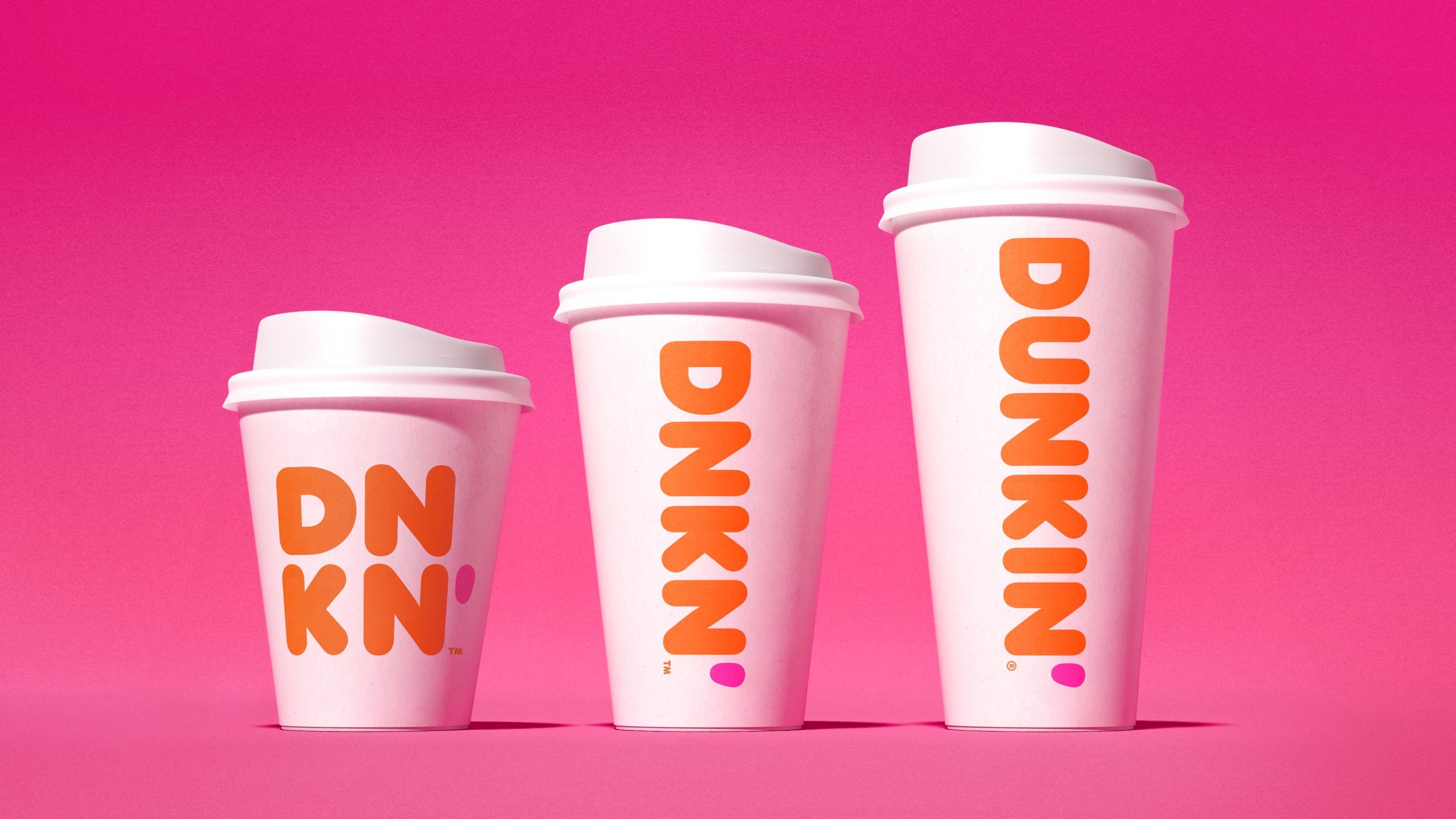
Dunkin’ is rolling out a limited-time promotion offering free exclusive tote bags to customers who purchase at least a half dozen donuts on Monday, June 1, as the coffee and donut chain builds excitement ahead of its 16th consecutive National Donut Day celebration.
The Massachusetts-based company announced the deal as part of a weeklong series of initiatives honoring National Donut Day on June 5. Customers at participating locations can receive one limited-edition Dunkin’ tote bag with any half-dozen or larger donut order while supplies last. Individual stores are receiving only 20 bags each, prompting the company to urge fans to act quickly.
Dunkin’ Chief Marketing Officer Jill Nelson highlighted the brand’s commitment to its traditions. “National Donut Day is one of our favorite traditions at Dunkin’, and this year we’re making it even sweeter for our guests,” she said in a statement.
Details of the June 1 tote bag offer
To secure a free tote bag, customers must buy six or more donuts at participating Dunkin’ restaurants on Monday, June 1. The offer applies while supplies last and is not available through all digital or delivery channels. Dunkin’ recommends checking the store locator on its website or app to find nearby locations and confirm participation.
The tote bags feature branding tied to the brand’s classic imagery and are expected to appeal to collectors and daily customers alike. With limited stock per store, lines may form early at popular outlets, especially in urban and suburban areas with strong Dunkin’ loyalty.
National Donut Day free donut tradition
For the 16th straight year, Dunkin’ will give customers a free donut on Friday, June 5, with the purchase of any beverage. The offer applies to a classic donut of the guest’s choice at participating restaurants. No additional coupon is required, though Rewards members may receive extra incentives through the Dunkin’ app.
The promotion has become an annual highlight for the chain, drawing millions of customers and reinforcing its position as a leading quick-service destination for donuts and coffee. National Donut Day itself dates back to 1938, when it was created to honor Salvation Army workers who provided donuts to soldiers during World War I.
Stoney Clover Lane collaboration expands merchandise appeal
Dunkin’ is further enhancing its National Donut Day celebration with a new limited-edition collection in partnership with lifestyle brand Stoney Clover Lane. The “sweeter” line of accessories launches Friday, June 5, at 10 a.m. ET and draws inspiration from Dunkin’ menu staples.
The collection includes:
- Dunkin’ Iced Coffee Crossbody Bag ($98): Designed with a straw detail and coffee cup accents.
- Dunkin’ Donuts Small Pouch ($98): Features colorful donut graphics and a bakery box silhouette.
- Dunkin’ Donut Pouch ($88): Double-sided design showcasing the Strawberry Frosted with Sprinkles donut.
- Dunkin’ Donuts Micro Pouch ($68): Mini donut box style with “I ‘Heart’ Dunkin’” messaging.
- Bag Charms ($58-68 each): Inspired by iced coffee, Munchkins, donuts and refreshers.
- Dunkin’ Patches ($18 each) and a Donuts Patch Set ($58): Collectible designs featuring sprinkles, iced coffee and other favorites.
Items will be available online through Stoney Clover Lane’s website and at select retail locations. The collaboration aims to blend fashion with Dunkin’ nostalgia, targeting younger customers and collectors who appreciate limited-edition merchandise.
Broader summer marketing push
The promotions coincide with Dunkin’s summer menu rollout, which includes new refreshers and other seasonal beverages. The company continues to emphasize its Rewards program, offering additional points and challenges tied to the National Donut Day week activities.
Dunkin’ has positioned the multi-day celebration as more than a simple sales event. “At Dunkin’, the love for donuts runs deep – and National Donut Day is the perfect time to go all in,” the company stated in its May 28 release.
The chain operates thousands of locations across the United States and continues expanding internationally. Its marketing strategy frequently leverages nostalgia, limited-time offers and collaborations to drive foot traffic and social media engagement.
Customer and retail impact
Retail analysts expect strong turnout for the June 1 tote bag offer, particularly in markets where Dunkin’ maintains dominant market share over competitors. Similar past promotions have generated significant lines and social media buzz, with customers sharing photos of their hauls.
The limited quantity per store creates an element of scarcity that often boosts perceived value. Early arrivals are recommended, as many locations sell out of promotional items within the first few hours. Mobile ordering may not guarantee access to the tote bags.
For National Donut Day itself, the free donut with beverage purchase has historically ranked among Dunkin’s highest-traffic days. Customers are encouraged to visit during off-peak hours to minimize wait times.
Company background and strategy
Founded in 1950, Dunkin’ has evolved from a single donut shop into a global brand known for coffee, donuts and quick breakfast items. Under its parent company Inspire Brands, it continues investing in menu innovation, digital ordering and experiential marketing.
The Stoney Clover Lane partnership reflects a broader trend of quick-service restaurants expanding into lifestyle merchandise. Previous Dunkin’ collaborations have included apparel and accessories that extend brand affinity beyond food and drink.
Jill Nelson’s leadership in marketing has emphasized creating “moments that matter” for guests, blending tradition with fresh experiences. The 2026 National Donut Day campaign builds on that approach while capitalizing on seasonal consumer interest in limited-edition products.
Tips for participants
Those seeking the free tote bag should verify store participation in advance and consider visiting locations with larger donut inventories. Rewards members can earn additional points on qualifying purchases, potentially unlocking further perks during the week.
For the June 5 free donut offer, any size beverage qualifies. Iced and hot coffees, refreshers and other drinks all apply. The promotion is expected to run all day, though individual stores may set closing times for redemptions.
Social media users are encouraged to use official hashtags when sharing their experiences to join the broader conversation around this year’s celebration.
As Dunkin’ enters its busiest promotional period of the year, the combination of free merchandise, classic giveaways and new product collections aims to strengthen customer loyalty and attract new visitors. The weeklong focus underscores the brand’s enduring appeal in American quick-service culture.

Pharvaris N.V. (PHVS) Presents at The 2026 Eastern Allergy Conference – Slideshow

US planning faster troop withdrawal from Europe, newspaper says

The Valkyrie Trading Society is a team of analysts sharing high conviction and obscure developed market ideas that are downside limited and likely to generate non-correlated and outsized returns in the context of the current economic environment and forces. They are long-only investors.They lead the investing group The Value Lab where they offer members a portfolio with real time updates, chat to answer questions 24/7, regular global market news reports, feedback on member stock ideas, new trades monthly, quarterly earnings write-ups, and daily macro opinions.
Analyst’s Disclosure: I/we have no stock, option or similar derivative position in any of the companies mentioned, and no plans to initiate any such positions within the next 72 hours. I wrote this article myself, and it expresses my own opinions. I am not receiving compensation for it (other than from Seeking Alpha). I have no business relationship with any company whose stock is mentioned in this article.
Seeking Alpha’s Disclosure: Past performance is no guarantee of future results. No recommendation or advice is being given as to whether any investment is suitable for a particular investor. Any views or opinions expressed above may not reflect those of Seeking Alpha as a whole. Seeking Alpha is not a licensed securities dealer, broker or US investment adviser or investment bank. Our analysts are third party authors that include both professional investors and individual investors who may not be licensed or certified by any institute or regulatory body.


WHO chief rallies community in Congo’s Ebola response, calls for more funding

Argos shoppers race to buy £20 LEGO Fifa World Cup Trophy sets for £2.84 each online

We Tested 30+ Grills So You Don’t Have to. Here Are the 9 Best Grills of 2026

Glasgow University student dies falling from bridge ‘while trying to retrieve phone’


-

 Business6 days ago
NYT Strands Answers May 24 2026 Revealed for Puzzle No. 812 Theme Summer Essentials
-

 NewsBeat3 days ago
Israel says it has killed new Hamas military leader in Gaza City airstrikes
-

 Politics5 days ago
Bridgerton Season 5: Cast, Release Date And Everything We Know So Far
-

 Business4 days ago
Selena Gomez Reportedly Upset Over Benny Blanco’s Comments on Her ‘Terrible’ Diet
-
 Crypto World4 days ago
Micron Crosses $1 Trillion Market Cap as AI Demand Reshapes Memory Sector
-
 Business5 days ago
BTS Sells Out Four Las Vegas Shows at Allegiant Stadium for ARIRANG World Tour
-

 Tech5 days ago
Microsoft’s quiet Claude Code retreat and the real cost of enterprise AI
-
 Tech5 days ago
China assigns ID codes to 28,000+ humanoid robots
-

 News Videos4 days ago
XRP *JUST* SUCCEEDED!!!! CLARITY ACT EXPOSED!!! (SHE EXPOSED IT)
-

 Tech2 days ago
Waymo dominates autonomous vehicle registrations as Tesla trails behind
-
Tech3 days ago
The Samsung pay deal is the moment Korean unions changed register
-

 Tech5 days ago
Westone Audio and Etymotic Acquired by Fidelity Collective in Major IEM Market Move
-
Crypto World6 days ago
Brian Armstrong Outlines Crypto Vision for the Future Financial System
-
 Entertainment5 days ago
‘Breaking Bad’ Star’s Easy-to-Binge 6-Part Crime Series Spin-Off Is Finally Heading to Free Streaming
-

 Tech4 days ago
Millions of AI agents imperiled by critical vulnerability in open source package
-
Crypto World3 days ago
SpaceX’s $2 Trillion IPO: Why Tech Giants Nvidia (NVDA), Apple (AAPL), and Microsoft (MSFT) May Face Pressure
-
 Crypto World5 days ago
Nvidia (NVDA) CEO Calls on Super Micro to Strengthen Export Controls Amid Smuggling Probe
-

 Tech3 days ago
NASA taps Blue Origin to deliver lunar rovers for Moon Base initiative
-
 NewsBeat5 days ago
Hottest May day ever as London hits 34.8C in 2C leap from previous records
-
 Crypto World24 hours ago
Snowflake (SNOW) Stock Rallies on Strong Q1 Results and AI Product Growth
You must be logged in to post a comment Login