
Business
Trump, Israel pressure Iran ahead of deadline as search continues for missing US airman




Business
Occasional Binge Drinking Once a Month May Triple Risk of Advanced Liver Scarring, Study Finds
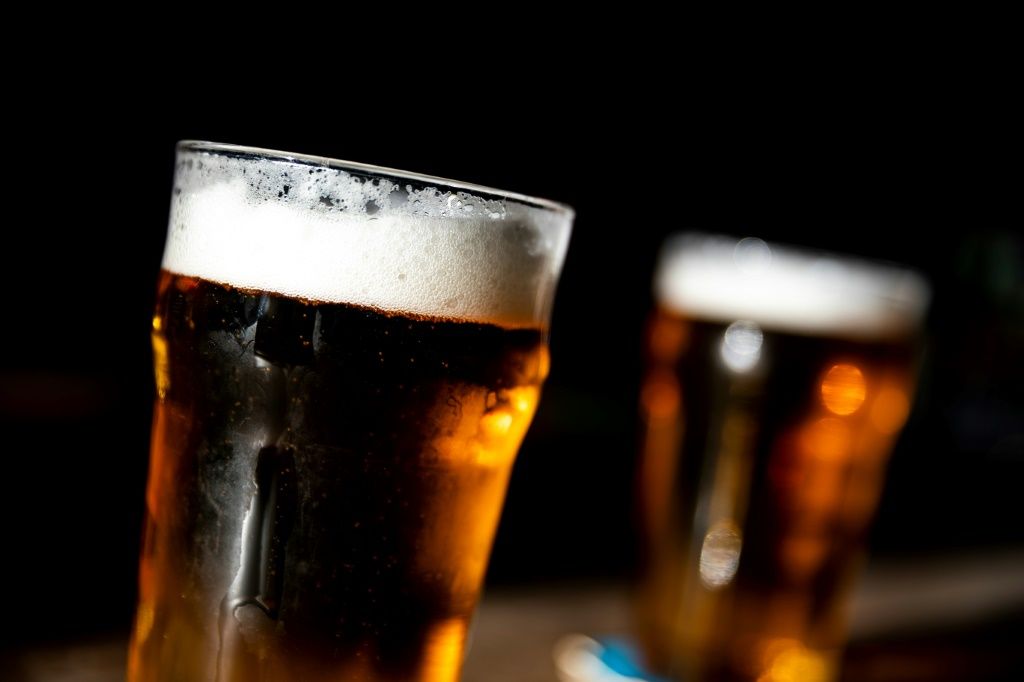
Many adults who consider themselves moderate drinkers may be unknowingly harming their livers by bingeing just once a month, according to new research from the University of Southern California’s Keck School of Medicine that challenges long-held assumptions about “safe” occasional heavy drinking.
The study, published April 2, 2026, in the journal Clinical Gastroenterology and Hepatology, found that people with metabolic dysfunction–associated steatotic liver disease (MASLD) who consume four or more drinks in a single day for women or five or more for men at least once a month face nearly three times the odds of developing advanced liver fibrosis compared with those who spread out the same total weekly alcohol intake more evenly.
MASLD, formerly known as nonalcoholic fatty liver disease, affects about one in three U.S. adults and is closely linked to obesity, type 2 diabetes and metabolic syndrome. The condition causes fat to build up in the liver, making the organ more vulnerable to inflammation and scarring when exposed to alcohol spikes.
Researchers analyzed data from more than 8,000 U.S. adults participating in the National Health and Nutrition Examination Survey (NHANES) between 2017 and 2023. Among nearly 4,000 participants with MASLD who had liver stiffness measurements via vibration-controlled transient elastography, 15.9% reported episodic heavy drinking — defined as the binge threshold at least once a month.
After adjusting for age, sex and average weekly alcohol consumption, those with episodic heavy drinking had 69% higher odds of significant liver fibrosis and nearly three times higher odds (adjusted odds ratio 2.76) of advanced fibrosis. The weighted prevalence of significant fibrosis was 23.6% among episodic heavy drinkers with MASLD versus 15.6% among those who did not binge.
Lead author Dr. Brian P. Lee, a hepatologist and liver transplant specialist at Keck Medicine of USC, said the findings deliver a clear message: “It’s not just how much you drink, but how you drink it.”
“When the liver is already fatty from metabolic issues, a sudden large influx of alcohol overwhelms its ability to process toxins, triggering intense inflammation that promotes scarring over time,” Lee explained in a university release. “Spreading the same number of drinks across the week appears far less damaging.”
The study compared individuals with identical average weekly intake but different patterns — one group with monthly binges, the other drinking more steadily. The difference in advanced fibrosis risk was striking even among people who stayed within generally accepted moderate limits of up to 14 drinks per week for men and seven for women.
More than half of all adults in the broader sample reported some form of episodic heavy drinking, underscoring how common the behavior is. For the roughly 100 million Americans with MASLD, the implications are significant, researchers said.
Liver fibrosis occurs when repeated injury causes scar tissue to replace healthy liver cells. In early stages it may produce no symptoms, but advanced fibrosis can progress to cirrhosis, liver failure or liver cancer. Once scarring reaches advanced levels, damage is often irreversible, though progression can sometimes be slowed with lifestyle changes.
Experts not involved in the study called the results concerning but consistent with emerging understanding of alcohol’s interaction with metabolic liver disease.
“This research highlights that binge patterns create acute stress the liver cannot fully recover from between episodes, especially when fat accumulation has already compromised function,” said Dr. Anna Mae Diehl, a hepatologist at Duke University who has studied MASLD for decades. “The old idea that moderate average intake is protective regardless of pattern needs updating.”
The findings add nuance to national drinking guidelines. While many health organizations define low-risk drinking by weekly totals, the USC study suggests daily peaks matter independently for people with underlying liver fat.
Public health implications could be broad. MASLD rates continue rising alongside obesity and diabetes epidemics. Many affected individuals remain undiagnosed because the disease is often silent until advanced stages. Routine screening for liver fat or fibrosis is not yet standard in primary care for all at-risk adults.
Researchers noted limitations in the observational data. Self-reported drinking can understate actual consumption, and the study could not prove causation, though the pattern held after statistical adjustments. Longitudinal studies tracking drinking habits and liver outcomes over years would strengthen the evidence.
Still, the authors argue the results should prompt clinicians to ask patients not only how much they drink weekly but whether they have heavy drinking days.
“Patients with MASLD should be counseled to avoid binge episodes entirely, even if their average intake seems moderate,” Lee recommended. “Complete abstinence from alcohol remains the safest option for those with known liver disease, but for others, spreading intake and staying well below binge thresholds appears wiser.”
The study also examined how reclassifying episodic heavy drinkers might shift diagnoses between MASLD, metabolic and alcohol-associated liver disease (MetALD), and pure alcohol-associated liver disease. Including binge patterns increased the proportion identified as having alcohol-related contributions.
As awareness grows, experts hope the research will encourage more honest conversations about drinking patterns during medical visits. Simple blood tests and noninvasive liver scans can now detect fibrosis earlier, offering opportunities for intervention before irreversible damage occurs.
For the general public, the takeaway is cautionary: an occasional “big night” that feels harmless may carry hidden costs, particularly for the millions already living with fatty liver.
Lifestyle measures that help overall metabolic health — weight management, regular exercise, blood sugar control and a balanced diet — also support liver resilience. Reducing or eliminating alcohol provides additional protection.
The USC team plans further research into mechanisms, genetic factors and whether certain populations face even higher vulnerability. In the meantime, the April 2026 publication serves as a timely reminder that when it comes to alcohol and liver health, the pattern of consumption may matter as much as the total volume.
Health organizations are reviewing the data for potential updates to patient education materials. In the interim, physicians say the study reinforces a simple principle: protecting the liver means thinking beyond weekly averages to daily realities.
Business
Christians Worldwide Celebrate Happy Resurrection Day 2026 on April 5 With Messages of Hope

NEW YORK — Christians across the globe gathered Sunday for worship, sunrise services and family celebrations to mark Resurrection Day 2026, also known as Easter Sunday, commemorating the central tenet of their faith: the resurrection of Jesus Christ from the dead.

AFP
Easter 2026 fell on April 5, the first Sunday after the first full moon following the spring equinox. This date, determined by lunar and solar cycles established at the Council of Nicaea in 325, varies each year but always lands between March 22 and April 25. For Western Christian traditions using the Gregorian calendar, April 5 marked the culmination of Holy Week, following Palm Sunday, Maundy Thursday and Good Friday.
The day carries profound theological significance. According to the New Testament accounts in the Gospels of Matthew, Mark, Luke and John, Jesus was crucified on Good Friday and rose on the third day, conquering death and offering believers the promise of eternal life. Many churches refer to the observance as Resurrection Sunday or Resurrection Day to emphasize this victory over the grave rather than secular Easter traditions.
In churches large and small, from grand cathedrals to outdoor gatherings, believers sang hymns such as “Christ the Lord Is Risen Today” and “He Lives,” listened to sermons on hope and renewal, and participated in baptisms and communion. Sunrise services, a longstanding tradition especially popular in the United States, drew crowds to beaches, parks and hilltops to witness the dawn as a symbol of new life.
In Charleston, South Carolina, multiple congregations held sunrise services as the sun rose around 7:02 a.m., with one 65th annual event streamed live for those unable to attend in person. Similar observances took place at the Garden Tomb in Jerusalem, where Christians commemorated the resurrection at a site many believe resembles the biblical tomb.
The Church of Jesus Christ of Latter-day Saints encouraged members and friends to attend special sacrament meetings and reflect on the Savior’s resurrection. The First Presidency had invited families to bring neighbors to Palm Sunday services the previous week and to watch general conference sessions that included Easter-focused messages of God’s love.
Catholic parishes celebrated with solemn processions and festal Masses of the Resurrection. In New York, the Church of the Transfiguration offered a Solemn Procession and Festal Mass at 11 a.m., with live streams available for remote participants. Easter Vigil services the previous evening welcomed new members through baptism and confirmation.
Many Protestant denominations followed the Revised Common Lectionary readings for Year A, including passages from Acts, Psalms and the Gospels that recount the empty tomb and appearances of the risen Christ. Sermons often connected the resurrection to contemporary themes of renewal amid global challenges, emphasizing resilience, forgiveness and community.
Families marked the day with traditional meals featuring ham, lamb or regional specialties, along with Easter egg hunts for children. The custom of dyeing and hiding eggs symbolizes new life emerging from the shell, while chocolate bunnies and baskets add festive elements, though many congregations focused on the religious meaning.
For Eastern Orthodox Christians, who follow the Julian calendar, Easter falls later this year on April 12. The difference highlights the diversity within Christianity while underscoring the shared belief in Christ’s resurrection.
In an era of digital connectivity, many services were livestreamed, allowing believers unable to attend physically — due to illness, travel or distance — to participate. Online Easter celebrations, including virtual choirs and interactive messages, extended the reach of Resurrection Day observances worldwide.
The holiday is not a public holiday in the United States, so most businesses operated on regular Sunday hours. However, many families used the long weekend, often paired with school breaks, for gatherings and travel.
Church leaders used the occasion to extend invitations to those exploring faith. Messages of inclusion emphasized that the resurrection offers hope to all, regardless of background. Some services featured testimonies of personal transformation attributed to faith in the risen Christ.
Public figures and organizations shared greetings. Pope Francis was expected to deliver his traditional Urbi et Orbi blessing from St. Peter’s Basilica in Vatican City, addressing global issues through the lens of Easter hope. In the U.S., presidents and governors have historically issued Easter proclamations recognizing the day’s importance to millions of citizens.
The commercial side of Easter remained visible, with retailers promoting candy, clothing and home decor. Yet many families and clergy sought to balance secular fun with spiritual reflection, encouraging focus on the resurrection’s message of redemption and new beginnings.
Resurrection Day also prompts charitable acts. Some churches organized food drives, community meals or outreach to the homeless, reflecting Jesus’ teachings on love and service.
As climate and world events shape gatherings, some outdoor services adapted to weather forecasts. In many regions, mild spring conditions allowed comfortable worship under open skies.
The date’s calculation ties Easter to Passover, as the crucifixion occurred during the Jewish festival. This connection reminds Christians of the shared roots with Judaism and the historical context of Jesus’ final week.
Scholars note that early Christians gradually shifted emphasis from the Jewish calendar to a standardized method to unify observance across the growing faith. The movable date ensures alignment with both astronomical phenomena and seasonal renewal symbolism.
For millions, Resurrection Day 2026 served as a reminder of core Christian beliefs: that death does not have the final word, and that faith brings hope even in difficult times. Sermons frequently addressed personal struggles, societal divisions and international conflicts, pointing to the resurrection as a source of ultimate peace.
Children’s programs taught the Easter story through songs, crafts and age-appropriate lessons. Many Sunday schools incorporated eggs and butterflies as visual aids for transformation.
In diverse communities, interfaith neighbors sometimes joined friends for meals or attended open services, fostering understanding. Ecumenical events brought Catholics, Protestants and Orthodox together in shared celebration where possible.
As the sun set on April 5, 2026, the joy of Resurrection Day lingered. Families returned home with renewed spirits, while churches planned follow-up activities during the Easter season, which continues for 50 days until Pentecost.
Whether expressed as “Happy Easter” or “Happy Resurrection Day,” the greeting carried the same underlying hope: He is risen, indeed.
For those who missed services or wish to revisit messages, many churches posted recordings online. The day’s observances, both sacred and festive, reinforced Christianity’s foundational claim and its enduring call to live with faith, love and expectation of renewal.
China’s economy expanded by 5% in 2025, driven by increased exports outside the US. However, domestic challenges persist, including weak demand, declining home prices, and other economic pressures, which may impact sustained growth. The country’s efforts to diversify and boost exports have contributed to this growth amid ongoing domestic economic concerns.
Despite achieving its economic growth target, China’s economy is experiencing signs of slowdown. Following years of rapid expansion, recent data indicates a deceleration in key sectors, including manufacturing and investment. Factors such as global uncertainty, supply chain disruptions, and domestic reforms have contributed to this slowdown. The Chinese government remains committed to maintaining stability while transitioning to more sustainable growth models.
In response, authorities are implementing supportive measures like monetary easing and infrastructure investments to bolster the economy. However, challenges remain, including a shrinking labor force and rising debt levels in some regions. These issues pose risks to China’s long-term economic resilience and growth prospects. Experts suggest that balancing growth with quality development will be crucial moving forward.
Overall, China’s economy shows resilience but faces complex hurdles despite reaching its overall targets. Continued policy adjustments and global economic conditions will play vital roles in shaping its future trajectory. While short-term growth may slow, China aims for a more sustainable, innovation-driven economy in the coming years.
Other People are Reading


Congo says it will receive third-country deportees under new deal with US

So here’s something that doesn’t get talked about enough. Ask a room of British SME owners what keeps them up at night and you’ll hear about cash flow, staffing, maybe the economy. Nobody says “our firewall configuration.” Funny, that.
Then the Wi-Fi drops on a Wednesday morning and suddenly it’s all anyone can talk about. Go figure.
Assuming Hackers Have Bigger Fish to Fry
Loads of business owners across the UK reckon cybercriminals only bother with the big corporates. Makes intuitive sense, right? Go where the money is. Except it’s wrong. The government’s Cyber Security Breaches Survey put the number at 43% of businesses reporting a breach or attack over twelve months. Forty-three percent. That includes the tiny ones.
And honestly? The attacks aren’t even clever most of the time. Phishing emails. Dodgy links. Passwords that haven’t been changed since 2019. Opportunism, basically. The digital equivilent of trying car doors in a car park to see which ones are unlocked.
Only Calling for Help When Things Break
Look, this one is probably the most common and also the most expensive in the long run. Loads of small businesses treat IT support the way they’d treat a locksmith. You don’t think about them until you’re locked out.
The problem with that? Stuff doesn’t just break cleanly. By the time anyone notices, there’s already lost files, exposed data, a full afternoon where nobody can get into the shared drive. Mustard IT in London is one provider that’s moved away from that break-fix model entirely, focusing on ongoing monitoring instead. Which, fair enough, sounds less dramatic than emergency callouts. But the boring stuff prevents the dramatic stuff.
Anyway. Moving on.
Forgetting That People Are the Weak Link
Buy the best antivirus on the market. Install a proper firewall. Set up two-factor authentication on everything.
Then watch someone on the team click “Enable Macros” on a spreadsheet attachment from an email address they don’t recognise.
Staff training gets overlooked constantly. The Federation of Small Businesses flagged this, noting that small firms lag behind on digital training and many owners aren’t sure where to begin. Doesn’t need to be a week-long course. A short session every few months on spotting suspicious emails would already be a massive improvement. The bar really is that low.
Backups That Exist Only in Theory
This one’s almost funny if it weren’t so common. A business sets up automated backups, assumes they’re ticking along, then discovers during an actual emergency that nothing’s been backing up properly for weeks.
Nobody checks. That’s the whole problem. There’s a useful piece on BM Magazine about this exact gap between “having something in place” and that something actually working. Worth a read if this sounds familiar.
Outgrowing the Setup Without Realising It
Five employees. A basic router, a shared Google Drive, maybe a NAS box off Amazon. Works fine.
Fast forward three years. Thirty staff. Same router. Same filing structure. Shared logins that four people who’ve since left still technically have access to. Held together with hope, essentially.
Nobody plans for this. Growth sneaks up and the IT budget doesn’t grow with it. Then one morning the whole thing buckles, and rebuilding from scratch costs about three times what sorting it earlier would’ve done. Classic.
Anyway. None of this is groundbreaking stuff, which is sort of the depressing part. Same mistakes, different year. Maybe just… go check the backups are actually running?

One of the Labour Party’s most prominent financial backers has called on Ed Miliband to slam the brakes on North Sea oil and gas exports, warning that the escalating conflict with Iran could leave Britain dangerously short of fuel.
Dale Vince, the green energy entrepreneur behind Ecotricity, said the Energy Secretary must be prepared to act decisively, instructing operators in the basin to keep hydrocarbons at home should supplies tighten further. Speaking to the Daily Telegraph, he argued it would be “bonkers” to continue shipping British barrels overseas while households and businesses brace for a squeeze.
“We can ban exports from the North Sea. China have done it,” Mr Vince said, pointing to Beijing’s willingness to prioritise domestic consumption during periods of strain. “If we are facing the prospect of a fuel shortage, then stop exporting it.”
Britain currently pumps around 53 million tonnes of crude annually, the bulk of which heads to refineries in the Netherlands, Poland and beyond. In a quirk of the global trading system, the country then imports roughly 51 million tonnes to feed its own forecourts and power stations, leaving it fully exposed to price spikes on world markets.
That exposure has become painfully evident since hostilities in the Gulf erupted last month. Roughly one-fifth of global oil and liquefied natural gas supplies remain bottled up behind Tehran’s closure of the Strait of Hormuz, sending Brent crude soaring to about $109 a barrel from $77 at the start of the month. Wholesale gas has jumped by around three-quarters, pushing up pump prices and prompting warnings from suppliers that household energy bills will climb sharply in the months ahead.
The crisis has reignited a fierce debate over Britain’s energy security, with industry voices pressing Mr Miliband to accelerate drilling and to rubber-stamp the contested Rosebank and Jackdaw fields. Reports on Friday suggested the Energy Secretary may approve Jackdaw while blocking Rosebank, a decision likely to inflame both sides of the argument.
Mr Vince remains opposed to any fresh expansion but believes the Government should extract maximum value from the ageing basin’s remaining reserves. He proposed offering existing operators contracts for difference, a mechanism more commonly associated with renewables, to prevent what he described as “a cliff-edge event where operators walk away because prices collapse”.
The intervention is certain to provoke fierce resistance from private producers, who rely on international buyers for the lion’s share of their revenue. Yet Mr Vince said the present moment exposes the folly of exposing Britain’s domestic output to volatile global benchmarks.
“We’ve opened ourselves up to global markets, but the concept of globalisation is costing us an arm and a leg when there’s an energy crisis,” he said. He contrasted the British approach with that of the United States, which restricts certain fuel exports and has long enjoyed the benefit of cheaper domestic gas. “We’re back to a situation where whatever we make in the North Sea costs us the global price.”
Mr Vince also used the moment to argue that the conflict should prompt a wider rethink of Britain’s dependence on Washington. The US has become the largest single supplier of crude to the UK, accounting for roughly 30 per cent of imports. “It alarms me to be reliant on the US for anything,” he said, describing the current American administration as “a very undependable regime” and calling for greater strategic independence from Washington.
Ultimately, he argued, the long-term answer lies in weaning the country off hydrocarbons altogether. “The answer is to get off fossil fuels and to break the link between the global price of fossil fuels and those that we make in our country.”
A Government spokesman defended the current approach, insisting Britain benefits from “a strong and diverse mix of fuel supply” spanning both imports and domestic production. Officials added that UK refinery output of petrol from crude exceeded demand in 2025, leaving a surplus available for export.

Amy Ingham
Amy is a newly qualified journalist specialising in business journalism at Business Matters with responsibility for news content for what is now the UK’s largest print and online source of current business news.
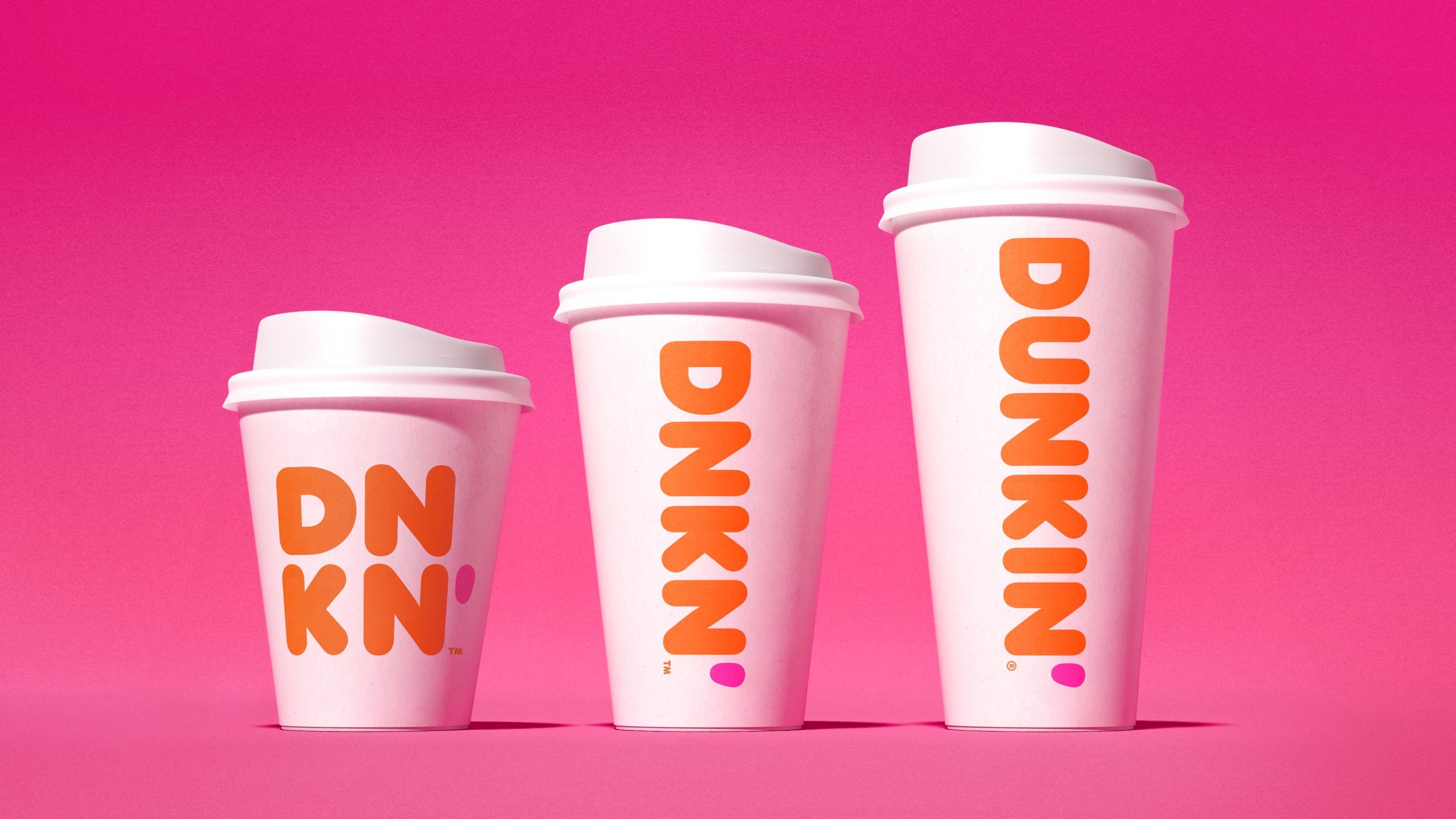
Coffee and donut lovers wondering whether Dunkin’ is open on Easter can breathe easy: the vast majority of the chain’s locations across the United States will be open on Sunday, April 5, 2026, though hours vary by store and franchisee decisions.
A Dunkin’ spokesperson confirmed to multiple news outlets that while the company does not observe a full chain-wide closure for Easter, individual store hours are set locally. Many locations plan to operate during typical Sunday hours, often from around 5 a.m. to 10 p.m., but customers are strongly encouraged to verify specifics using the Dunkin’ mobile app or the official store locator on dunkindonuts.com before heading out.
Easter 2026 coincides with Resurrection Day observances for millions of Christians, creating a busy travel and family-gathering weekend. Dunkin’, known for its coffee, breakfast sandwiches, donuts and seasonal treats, remains a popular stop for quick caffeine fixes and holiday morning snacks even on the religious holiday.
The chain’s franchise model means operating decisions rest largely with individual owners. Some stores in high-traffic areas or near churches and tourist spots may open earlier to accommodate sunrise service attendees or families heading to Easter brunches. Others, particularly those in malls or smaller markets, could have reduced hours or, in rare cases, close for the day.
Recent reports indicate that many Dunkin’ shops plan regular Sunday operations on April 5. Typical hours often start between 5 a.m. and 6 a.m. and run until 8 p.m. to 10 p.m., though 24-hour locations may maintain extended service. Drive-thrus, where available, are expected to operate at most open stores, providing convenient access for those with full holiday schedules.
Dunkin’ has a history of staying open on most major holidays, including Easter, Thanksgiving and even Christmas in many cases, setting it apart from retailers that fully shutter. This approach caters to shift workers, travelers and anyone needing a reliable morning boost regardless of the calendar.
For Easter specifically, the company has not announced any chain-wide promotions tied directly to the holiday beyond its standard menu. However, festive packaged treats such as Brownie Batter Creme-Filled Chocolate Eggs and other seasonal items are available at retail locations nationwide for those hosting Easter baskets or egg hunts at home.
Customers seeking last-minute items before or after church services should note that Good Friday, April 3, saw most locations open with normal hours, allowing time for advance purchases. On Easter itself, mobile ordering through the Dunkin’ app remains available at participating stores, enabling users to skip lines and pick up orders curbside or in-store.
The advice from Dunkin’ remains consistent year after year: use the app or website to confirm local hours. The store locator provides real-time or updated information for each franchise, including drive-thru availability, Wi-Fi status and current promotions.
Industry observers note that quick-service restaurants like Dunkin’ benefit from holiday demand. Families traveling to visit relatives or attending community events often stop for coffee and breakfast items. In tourist-heavy areas, such as beach towns or near major highways, stores are particularly likely to maintain full operations.
Some locations may adjust staffing for the holiday, potentially leading to slightly longer wait times during peak morning hours. Patrons are reminded to factor in possible crowds if visiting right after sunrise services or before large family meals.
Dunkin’ has evolved significantly from its roots as a donut shop in Quincy, Massachusetts, in 1950. Today it operates thousands of locations nationwide, emphasizing beverages alongside baked goods and sandwiches. The brand’s focus on accessibility means most stores prioritize convenience, including extended hours on weekends and holidays where feasible.
For those unable to visit in person, many grocery and convenience stores carry Dunkin’-branded packaged coffee, K-Cup pods and other at-home products, providing an alternative for Easter morning routines.
Public reaction on social media in the days leading up to April 5 showed appreciation for Dunkin’s decision to remain largely open. Posts praised the chain for providing normalcy during a busy holiday weekend, with users sharing screenshots of app hours for their local stores.
While the majority of locations will welcome customers, exceptions exist. Stores in certain regions with strong local traditions of full holiday closures or those operated by franchisees choosing to give staff the day off may be shuttered. Mall-based or airport locations sometimes follow host venue hours, which could differ.
Travelers passing through states on Easter road trips should plan ahead, especially in rural areas where fewer options exist. Apps like Google Maps or Waze can sometimes display current business hours, but the official Dunkin’ tools remain the most reliable source.
Dunkin’ has not released any special Easter menu items for 2026 beyond its standard lineup and the aforementioned packaged treats. Signature drinks such as the Original Blend coffee, iced lattes and seasonal flavors continue to be available at open stores.
As families celebrate Resurrection Day with church services, egg hunts and festive meals, a stop at Dunkin’ fits into many routines for a quick pick-me-up or treat to share. The chain’s widespread presence ensures that in most communities, coffee remains just a short drive away.
Ultimately, while Dunkin’ is open on Easter Sunday 2026 at the majority of its locations, the best practice is to check ahead. A few minutes spent on the app or website can prevent disappointment and ensure a smooth visit for that essential holiday coffee run.
Whether grabbing a dozen donuts for the family table or a personal iced latte on the way to brunch, Dunkin’ aims to serve customers whenever possible — even on one of the year’s most significant religious holidays.

The Powerball jackpot rolled over again Saturday night after no ticket matched all six numbers in the April 4, 2026 drawing, leaving the estimated grand prize to climb toward $231 million for Monday’s drawing.

The winning numbers drawn at 10:59 p.m. Eastern time were white balls 3, 6, 13, 41 and 65, with Powerball 1. The Power Play multiplier was 4x. A separate Double Play drawing produced white balls 20, 38, 45, 58 and 63 with Double Play ball 5.
The advertised jackpot for Saturday stood at an estimated $217 million annuity value, or about $98.2 million cash option. With no grand prize winner, the next drawing on Monday, April 6, will carry an estimated $231 million annuity prize.
Saturday’s drawing continued a rollover streak that has built excitement among players nationwide. The last jackpot winner claimed the prize in early August 2025, allowing the prize pool to grow through multiple drawings without a top-tier match.
Official results released by the Multi-State Lottery Association confirmed the numbers shortly after the drawing. Players are advised to check tickets carefully, as lower-tier prizes remain available in every drawing.
For the main Powerball game, matching all five white balls and the Powerball wins the jackpot. Saturday’s combination produced no such winner. The odds of hitting the jackpot are approximately 1 in 292.2 million.
Several players matched portions of the winning combination, qualifying for substantial secondary prizes. Official prize breakdowns and state-by-state winner counts were expected to be released in the coming days on the Powerball website and through participating lotteries.
The 4x Power Play multiplier boosted non-jackpot prizes for ticket holders who paid the optional extra dollar. For example, the Match 5 prize (five white balls without the Powerball) carried a base value of $1 million and would increase to $2 million with the 4x multiplier in qualifying states. Other prize levels saw similar boosts.
Powerball is played in 45 states, the District of Columbia, Puerto Rico and the U.S. Virgin Islands. Drawings occur Monday, Wednesday and Saturday nights. Tickets cost $2, or $3 with the Power Play option.
The April 4 drawing fell on the Saturday before Easter, a traditionally busy sales period for lotteries as families and holiday travelers purchase tickets. Retailers across the country reported steady demand leading into the weekend.
Powerball officials reminded players that unclaimed prizes have expiration dates that vary by jurisdiction, typically ranging from 90 days to one year. Winners should sign the back of their tickets immediately and consult tax professionals, as federal and state taxes apply to significant winnings.
Saturday’s results come after Wednesday’s April 1 drawing, which produced white balls 4-10-11-52-64 and Powerball 24 with a 3x Power Play. That drawing also rolled over after no jackpot winner.
The game’s popularity stems from its massive potential payouts and relatively straightforward play. Players select five numbers from 1 to 69 and one Powerball number from 1 to 26. The Power Play option multiplies most non-jackpot prizes.
Lottery experts note that while the odds remain daunting, the dream of sudden wealth continues to drive ticket sales. When jackpots reach nine figures, sales often surge, creating a cycle that can push prizes even higher until someone finally matches all six numbers.
For those who matched fewer numbers Saturday, smaller prizes offered consolation. Matching just the Powerball wins $4, doubled or multiplied with Power Play. Higher matches yield progressively larger fixed or pari-mutuel prizes.
The Multi-State Lottery Association, which administers Powerball, emphasizes responsible play. Officials encourage players to set budgets and treat lottery tickets as entertainment rather than investment.
As the jackpot grows again, anticipation will build for Monday’s drawing. Players can purchase tickets at authorized retailers or through official state lottery apps and websites in participating jurisdictions until sales close before each drawing.
Saturday’s winning combination — 3, 6, 13, 41, 65 and Powerball 1 — featured relatively low numbers mixed with higher ones, a common pattern that still eluded jackpot hopefuls.
In the Double Play option, available in select states, the numbers 20-38-45-58-63 with Double Play ball 5 provided another chance at prizes using the same ticket.
Powerball has awarded some of the largest lottery prizes in U.S. history, including record jackpots exceeding $2 billion in past years. While Saturday’s prize fell short of those historic levels, it still represented life-changing money for any potential winner.
As of early April 2026, the game continues its three-draws-per-week schedule introduced in 2021, giving players more frequent opportunities to participate.
Lottery officials urge anyone who believes they hold a winning ticket to secure it safely and contact their state lottery for claim instructions. Large prizes often require in-person validation at lottery headquarters.
For most players, Saturday’s drawing ended without a jackpot win, shifting focus to the next opportunity on Monday night. The growing prize pool ensures continued national attention as the rollover streak extends.
Whether players analyze hot and cold numbers, use quick picks or rely on lucky dates and birthdays, the fundamental appeal remains the same: a small investment for a shot at transforming ordinary lives into extraordinary ones.
With no winner on April 4, eyes now turn to Monday’s estimated $231 million jackpot. As always, players are reminded that every ticket purchased supports education, infrastructure and other public programs in participating states through lottery proceeds.
The official Powerball website and state lottery platforms will post full prize details and winner information in the days ahead. In the meantime, millions of tickets from Saturday’s drawing will be checked and double-checked in hopes that someone, somewhere, finally beat the long odds.
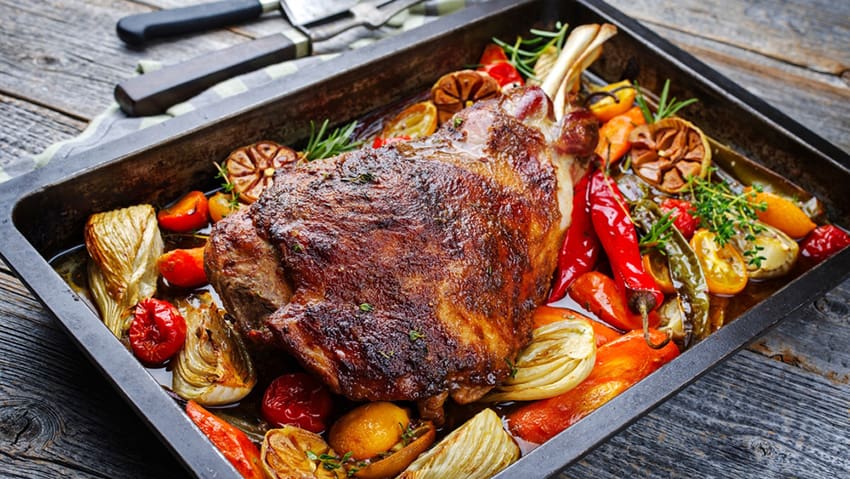
Supermarket shoppers face paying more than £16 per kilo for a leg as overlapping religious festivals, shrinking flocks and buoyant export demand squeeze the UK sheep sector
British households sitting down to Easter lunch this weekend are confronting the steepest lamb prices on record, as a rare calendar clash with the end of Ramadan collides with a dwindling national flock and strong Continental export demand.
Figures compiled by the retail analysts Assosia show the average price of a leg of lamb across Tesco, Morrisons, Asda and Sainsbury’s has climbed to £16.23 per kilo, up 12.5 per cent on a year ago, when shoppers were paying £14.43. The sharpest supermarket jumps have landed at Sainsbury’s, where a British butterflied leg has leapt by a third to £20, while its Taste the Difference Welsh Hill half leg is up 22.4 per cent at £17.75. Tesco’s Finest lamb shoulder, meanwhile, has risen 16.4 per cent to the same £17.75 mark.
The price spike at the tills reflects a sharp move in wholesale markets. The Agriculture and Horticulture Development Board (AHDB) reports that wholesale lamb has risen from roughly £7.20 per kilo at Easter last year to almost £8.40 today.
Independent butchers are feeling the pinch too. Sam Bagge, manager of the award-winning Walsingham Farm Shop in Norfolk, said a 2.5kg leg of local, high-welfare lamb is now retailing at £75, up from £65 a year ago. “It’s definitely as expensive as I’ve ever seen it,” he said, adding that budget-minded customers were increasingly trading down to rolled shoulder of pork, which has seen a 30 per cent uplift in demand at £27 a joint.
The livestock auctioneer James Little described the conditions as “a perfect storm”. He said Eid traditionally lifts lamb demand sharply, and with Easter falling early this year the two festive peaks have run straight into one another. “There was a lot of demand at the end of Ramadan and then we’ve run into the Easter demand as well,” he said.
Mr Little added that Britain’s growing Muslim population was underpinning stronger year-round demand: AHDB survey data indicates that 80 per cent of halal consumers in the UK eat lamb at least once a week, against roughly 6 per cent of the population as a whole. On top of that, he pointed to “massive demand for British lamb in France, Belgium, Holland and Portugal”.
Dave Barton, livestock board chairman at the National Farmers’ Union, said prices had been “driven primarily by strong demand from the public outstripping supply, here in the UK and globally”. The squeeze, he warned, is being compounded by a steady contraction in the breeding flock. The National Sheep Association puts the UK’s breeding ewe numbers at 14.7 million, the lowest in living memory.
Mr Barton blamed a collapse in farmer confidence, citing “the phasing out of direct government subsidy payments, alongside high operating costs and market volatility”. He called on ministers to back investment in the sector to rebuild the national flock and secure a “resilient, sustainable and thriving” industry capable of meeting rising demand.
Welsh sheep farmer Gareth Wynn Jones said export appetite remained robust, with Portuguese buyers prizing Welsh mountain lambs for their Christmas barbecues. But he warned that last year’s dry weather had taken its toll on the 2026 crop. “There wasn’t much for them to eat. The number of pregnant ewes was down so there’ll be less lamb on the ground,” he said, signalling that tight supply and firm prices could persist well beyond this Easter weekend.
Amy Ingham
Amy is a newly qualified journalist specialising in business journalism at Business Matters with responsibility for news content for what is now the UK’s largest print and online source of current business news.


I am an independent trader and analyst specializing in the micro-cap market. My strategy combines technical analysis with the CAN SLIM method, developed by William O’Neil, to identify high-growth, underanalyzed companies. I focus on financial trends, profit growth, and institutional capital accumulation to uncover stocks with significant upside potential. In addition to equities, I have experience in Forex trading, which has helped me better understand price movements, market volatility, and sentiment-driven trends. My research approach integrates both fundamental and technical analysis, allowing me to identify strong growth stocks before they gain widespread attention. Key indicators I prioritize include relative strength, trading volume shifts, and accelerating profit growth—all of which help pinpoint stocks with the highest potential. Writing for Seeking Alpha is an integral part of my investment process, enabling me to refine my strategies, test investment theses, and engage with the investor community. In my articles, I aim to deliver in-depth company analyses, focusing on stocks with strong growth trends, improving fundamentals, and technical setups that signal potential breakouts. Through structured research, I strive to enhance market understanding and provide actionable investment insights.
Analyst’s Disclosure: I/we have no stock, option or similar derivative position in any of the companies mentioned, and no plans to initiate any such positions within the next 72 hours. I wrote this article myself, and it expresses my own opinions. I am not receiving compensation for it (other than from Seeking Alpha). I have no business relationship with any company whose stock is mentioned in this article.
Seeking Alpha’s Disclosure: Past performance is no guarantee of future results. No recommendation or advice is being given as to whether any investment is suitable for a particular investor. Any views or opinions expressed above may not reflect those of Seeking Alpha as a whole. Seeking Alpha is not a licensed securities dealer, broker or US investment adviser or investment bank. Our analysts are third party authors that include both professional investors and individual investors who may not be licensed or certified by any institute or regulatory body.

Apple TV’s 2-Part Sci-Fi Masterpiece Shatters Another Milestone

BBC’s EastEnders to see TV schedule change this week

Occasional Binge Drinking Once a Month May Triple Risk of Advanced Liver Scarring, Study Finds


-

 NewsBeat3 days ago
Steven Gerrard disagrees with Gary Neville over ‘shock’ Chelsea and Arsenal claim | Football
-

 Business2 days ago
No Jackpot Winner and $194 Million Prize Rolls Over
-

 Fashion2 days ago
Weekend Open Thread: Spanx – Corporette.com
-
Entertainment6 days ago
Fans slam 'heartbreaking' Barbie Dream Fest convention debacle with 'cardboard cutout' experience
-

 Crypto World4 days ago
Gold Price Prediction: Worst Month in 17 Years fo Save Haven Rock
-

 Tech6 days ago
The Pixel 10a doesn’t have a camera bump, and it’s great
-
Crypto World5 days ago
Dems press CFTC, ethics board on prediction-market insider trades
-

 Tech6 days ago
Avatar Legends: The Fighting Game comes out in July and it looks pretty slick
-

 Business3 days ago
Login and Checkout Issues Spark Merchant Frustration
-

 Sports14 hours ago
India men’s 4x400m and mixed 4x100m relay teams register big progress | Other Sports News
-

 Tech6 days ago
Apple will hide your email address from apps and websites, but not cops
-

 Sports5 days ago
Tallest college basketball player ever, standing at 7-foot-9, entering transfer portal
-

 Tech5 days ago
EE TV is using AI to help you find something to watch
-

 Politics6 days ago
Should Trump Be Scared Strait?
-

 Tech5 days ago
Flipsnack and the shift toward motion-first business content with living visuals
-

 Tech7 days ago
Elon Musk’s last co-founder reportedly leaves xAI
-

 Fashion6 days ago
The Best Spring Trends of 2026
-

 Tech5 days ago
How to back up your iPhone & iPad to your Mac before something goes wrong
-
 Crypto World6 days ago
Bitcoin’s Six-Month Losing Streak: What On-Chain Data Says About the Market’s Next Move
-

 Politics6 days ago
BBC slammed for ignoring author of The Fraud
You must be logged in to post a comment Login