
Business
Goldman Sachs BDC: Deepest Discount Still Doesn’t Justify A Buy (NYSE:GSBD)



Financial analyst by day and a seasoned investor by passion, I’ve been involved in the world of investing for over 15 years and honed my skills in analyzing lucrative opportunities within the market.I specialize in uncovering high quality dividend stocks and other assets that offer potential for long term-growth that pack a serious punch for bill-paying potential. I use myself as an example that with a solid base of classic dividend growth stocks, sprinkling in some Business Development Companies, REITs, and Closed End Funds can be a highly efficient way to boost your investment income while still capturing a total return that follows traditional index funds. I created a hybrid system between growth and income and manage to still capture a total return that is on par with the S&P.
Analyst’s Disclosure: I/we have no stock, option or similar derivative position in any of the companies mentioned, and no plans to initiate any such positions within the next 72 hours. I wrote this article myself, and it expresses my own opinions. I am not receiving compensation for it (other than from Seeking Alpha). I have no business relationship with any company whose stock is mentioned in this article.
Seeking Alpha’s Disclosure: Past performance is no guarantee of future results. No recommendation or advice is being given as to whether any investment is suitable for a particular investor. Any views or opinions expressed above may not reflect those of Seeking Alpha as a whole. Seeking Alpha is not a licensed securities dealer, broker or US investment adviser or investment bank. Our analysts are third party authors that include both professional investors and individual investors who may not be licensed or certified by any institute or regulatory body.


Check out what’s clicking on FoxBusiness.com.
The week every golf fan looks forward to is upon us, as the Masters Tournament begins at the iconic Augusta National Golf Club with practice rounds beginning on Monday.
It’s not only the first major tournament of the PGA Tour schedule every year, but from a business perspective, the Masters acts as a massive hub for new deals, networking and much more for the golf industry.
In short, think of the Masters as the Super Bowl of golf.
CLICK HERE FOR MORE SPORTS COVERAGE ON FOXBUSINESS.COM

The main leaderboard is seen following the final round of the Augusta National Women’s Amateur at Augusta National Golf Club, Saturday, April 4, 2026. (Kieran Cleeves/Augusta National / Getty Images)
But the traditional business behind golf, especially the marketing side of the industry, has completely changed the sport. It requires a new playbook, as the nine-figure tour and player sponsorships just to get visibility on brands has become a thing of the past.
WME Sports, which represents some of the best athletes, coaches, broadcasters, executives and more across all sports, has been leading the charge on that altered playbook, and this week is critical in doing so with golf above all else in the industry.
WME Sports golf agents Sean Guerrero and Jordan Lewites gave an inside look at Masters week within the industry during an interview with FOX Business, where they shared insight and their own excitement for what this week means for them and their clients.
GOLF ATTIRE BRAND PARTNERS WITH KELCE BROTHERS’ GARAGE BEER AHEAD OF MASTERS TOURNAMENT
“Masters week within the golf industry is interesting,” Guerrero, who has been in the golf business for well over a decade, explained. “Obviously, it’s the most magical week of the year, and all of us getting into the golf industry have had so many different memories along our journey. As you enter the golf industry, you find it’s a unique opportunity where all of the decision makers are in one concentrated area, and everybody’s obsessed with golf. They want to grow how they show up in the sport in new, creative ways.
“While in the industry, we’re excited for the glitz and glam of the Masters, we’re also excited that we all get to gather together to meet, catch up, and really network across the industry to provide new ways, at least from our perspective, to create how these companies show up in the sport we love.”
Lewites, who works with PGA Tour star Jordan Spieth, golf influencer Paige Spiranac and many more, echoed Guerrero’s sentiment, as he believes the Masters allows access to every sector of the industry.
“We’re so lucky in the golf industry, especially us that work around the PGA Tour and LPGA Tour and any professional golf tours, there’s one event per week that is the focus. Specifically, there’s four weeks a year – I’ll even throw The Players in there. There’s five times a year where it becomes an industry conference for us,” he said. “… We can see everyone from the brand side, the media side, the talent side, and the event side of the business. The governing bodies, everybody’s there. And the Masters is our kick-off to start having latter half of ’26 and ’27 discussions for new deal flow, pipeline and see what folks have planned. It’s everybody’s big launch. Domestically, half the country is going to start playing golf for weather changing. So, it’s the biggest week for the golf industry and kinda kicks off the year.”
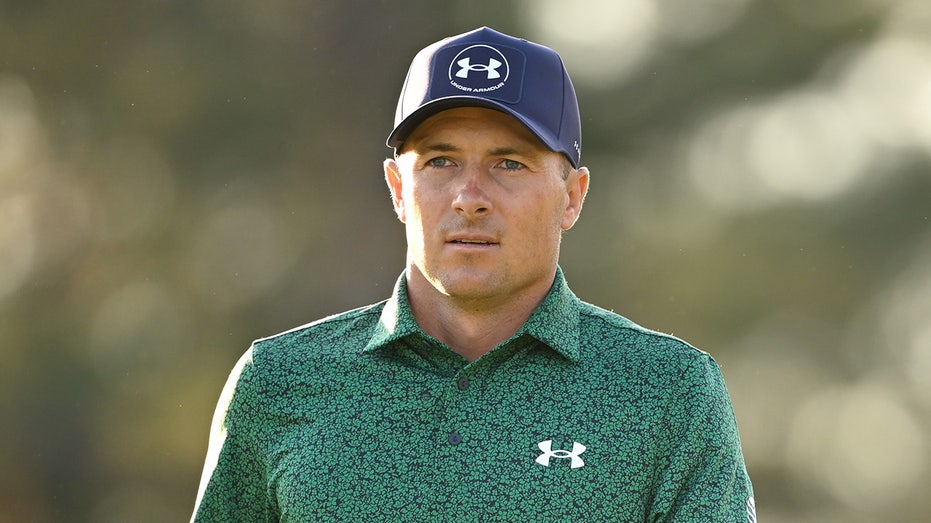
Jordan Spieth walks on the 17th green during the second round of the Masters Tournament at Augusta National Golf Club on April 11, 2025, in Augusta, Georgia. (Ben Jared/PGA TOUR / Getty Images)
The Masters is built on tradition, and it’s why so many, from the casual fan to the golf superfan, tune in to watch every April. But golf has seen a tremendous shift in how brands can get involved in the sport, and agents like Guerrero and Lewites are helping those brands make an impact they didn’t think was possible in the past.
While meetings “under the tree” by the clubhouse still occur, as Lewites mentioned considering the technology ban at Augusta National, brand activations, dinners, conferences and much more occur in town all week long. Whether it’s stepping into a brand’s hospitality house to check out new gear and interact with their visionaries, or meeting PGA Tour legends during a dinner after watching some golf, or even playing at courses around the area, this is where agencies like WME Sports thrive in building connections and bridging gaps for their clients to enter the golf space.
“I think it’s like 500-plus corporate houses that we have through (WME’s sister company) On Location, and a lot of our golf consulting clients use On Location as well for their corporate housing meetings. Whereas we used to do it ourselves, we have an amazing sister company to do that with. It’s become very structured and very detailed-oriented,” Lewites detailed.
SWAG GOLF TEAMS UP WITH NFL FOR CUSTOM HEADCOVERS THAT BRING STADIUM ENERGY TO THE COURSE
“There are hosted dinners every single night that we are providing talent to on most cases. Cameron McCormick, Jordan’s coach, Sean Foley is booked every single night at the Masters, doing speaking engagements sometimes as intimate as six people.
“We’re seeing a lot of inbound finally across the board from companies that realize the Masters is truly the ultimate hospitality opportunity.”
A prime example of the type of opportunities WME Sports is creating for their clients is what Guerrero did with a great Masters tradition – John Daly’s “home” for the week.

A detailed view of a pin flag on the ninth green during a practice round prior to the 2025 Masters Tournament at Augusta National Golf Club on April 7, 2025, in Augusta, Georgia. (Harry How/Getty Images / Getty Images)
While he hasn’t played in the Masters in years, Daly, a fan-favorite in the golf world, would stay in an RV, specifically at a Hooters restaurant in town, where he would interact with fans with autograph signings and picture taking. But his usual set-up was scrapped, as that Hooters location was torn down before this year’s tournament.
Enter Guerrero, who helped Daly’s team get connected with Topgolf, the high-tech driving range and lounge company, who wanted some more eyes and attention on their Augusta location.
“They re-homed him on Thursday and Friday out there. Keeping that tradition alive,” Guerrero said. “We can be a resource for these brands in so many different ways.”
Guerrero called “Creative and change” the optimal words to describe what is happening in the golf space today. Whether it’s data and technology companies like CapTech helping the governing bodies in golf with their statistics and analytics, or smaller, cult-favorite brands like Swag Golf find that corporate avenue, WME Sports uses events like the Masters to get the ball rolling, or keep it rolling, in the right direction to make impacts they might not have thought possible.
In fact, Swag Golf created a partnership with Bryson DeChambeau, the two-time U.S. Open champion who has also embraced the creator space in golf, which is something WME Sports has helped pioneer, especially with its work alongside Good Good Golf.
“We started working with Swag when they were doing a couple million bucks in revenue,” Lewites said. “We knew they were on pace to do $50 million in shared revenue, and we’d help build their entire licensing program, so all of their head covers that you see that are everything from WWE, MLB, NBA, NFL – they have partnerships with all of them. They have an amazing partnership with DICK’S. They’re in every DICK’s and Golf Galaxy location with their hometown collection, and their collegiate licensing program we put together for them. Again, here’s a small golf company now that showed how brands can activate and how that’s changed.”

A general view of the 11th hole green during the third round of the Augusta National Women’s Amateur at Augusta National Golf Club on April 4, 2026, in Augusta, Georgia. (Hector Vivas/Getty Images / Getty Images)
Guerrero added: “Golf is unlike any other sport. If you’re a fan of golf, you play it and you consume it’s products. I’m a big baseball guy, I’m a big football guy. I’m not playing baseball on the weekends. It’s such a unique lifestyle sport, where if you’re a fan of it, you consume it’s products and you have a consumer for life. Yeah, you can start at three and play until 93.
“So, all of these brands on the outside of golf wanting to join the industry and see the value of it – I truly root for everybody across the space. Whether we work with them or not, we all grow together.”
GET FOX BUSINESS ON THE GO BY CLICKING HERE
Golf truly is a lifestyle compared to other sports. Not only do golfers play the game throughout the year, they’re also consuming the products they see their favorite athletes using each day on the course.
The Masters also accentuates that point, which is why WME Sports and the rest of the industry is excited to get down to Augusta and continue its impact on this ever-evolving game at one of its signature events.
“Everybody’s thinking about golf, and after the Masters hits, everybody’s got the bug,” Guerrero said. “A lot of these companies place a premium on either showing up at or around the Masters, or launching products or new services or new whatever it is along that same timeline.”
Follow Fox News Digital’s sports coverage on X and subscribe to the Fox News Sports Huddle newsletter.

LONDON — The United Kingdom’s artificial intelligence sector has solidified its position as Europe’s leading AI hub in 2026, with more than 5,800 AI companies contributing over £45 billion to the national economy and delivering substantial productivity gains across industries. From world-renowned research labs to high-valuation startups in autonomous systems, synthetic media and drug discovery, British firms continue to attract global investment while navigating regulatory frameworks that emphasize safety and innovation.

London, Cambridge and other tech clusters host a vibrant ecosystem supported by strong academic institutions, government initiatives and venture capital. Analysts highlight the UK’s strengths in foundational research, applied enterprise solutions and responsible AI development amid global competition. Here are 10 of the standout AI companies shaping the UK landscape in 2026, ranked by a synthesis of valuation, funding, technological impact and industry influence based on recent reports.
- Google DeepMind (London) — The undisputed leader in UK AI, Google DeepMind remains the most influential research organization. Founded in 2010 and acquired by Google (now Alphabet), it drives breakthroughs in general AI, scientific discovery and multimodal models like the Gemini family. DeepMind’s work on protein structure prediction via AlphaFold has revolutionized biology, earning Nobel recognition for co-founder Demis Hassabis. In 2026, the lab advances agentic AI, reasoning systems and applications in healthcare and climate modeling, with massive compute resources and global talent.
- Wayve (London) — This embodied AI pioneer is revolutionizing autonomous mobility with end-to-end learning that relies on video and sensor data rather than traditional mapping. Wayve has raised over $1.2 billion, achieving a valuation around £4-8 billion in recent rounds. Its technology powers self-driving vehicles that adapt to real-world complexity, with partnerships advancing commercial deployment. The company exemplifies the UK’s edge in practical, scalable AI for transportation.
- Synthesia (London) — A leader in generative AI for synthetic media, Synthesia enables enterprises to create realistic AI video avatars and presenter-led content from text. With over $500 million in funding and a valuation exceeding $2-4 billion, it serves global brands for training, marketing and communications. The platform supports multiple languages and has expanded through partnerships, including with Shutterstock, positioning it as a key player in enterprise video generation.
- Stability AI (London) — Known for pioneering open-source generative models like Stable Diffusion, Stability AI focuses on creative tools for images, audio, video and 3D. Despite some turbulence, the company maintains a valuation around $1 billion and continues developing enterprise applications in film, design and content creation. Its emphasis on accessible AI tools has influenced the broader generative landscape.
- Quantexa (London) — Specializing in decision intelligence and contextual analytics, Quantexa uses AI to connect vast datasets for fraud detection, risk management and compliance. With over $500 million raised and a valuation near $2.6 billion, it serves major financial institutions and public sector clients. Its entity resolution technology helps organizations uncover hidden patterns in complex data environments.
- ElevenLabs (London) — This voice AI company has surged with advanced text-to-speech and audio generation tools. Raising nearly $800 million and achieving unicorn-plus status with a valuation around $11 billion in some estimates, ElevenLabs delivers highly realistic, multilingual voices used in media, accessibility and entertainment. Its rapid growth reflects booming demand for audio AI.
- Isomorphic Labs (London) — Spun out from DeepMind, this AI drug discovery firm leverages models like AlphaFold to predict molecular interactions. It raised $600 million in major funding and focuses on accelerating pharmaceutical development in areas such as oncology. The company bridges AI research with practical biotech applications, promising faster and more cost-effective drug pipelines.
- Faculty (London) — An enterprise AI consultancy and platform provider, Faculty delivers decision intelligence solutions to government, healthcare and finance sectors. It has supported high-profile clients including the NHS and BBC, emphasizing ethical and explainable AI. Faculty stands out for translating advanced machine learning into real-world operational impact.
- Darktrace (Cambridge) — A cybersecurity leader using AI for autonomous threat detection and response, Darktrace protects networks with self-learning systems. The company has achieved significant enterprise adoption and maintains a strong position in AI-driven security, helping organizations combat evolving cyber risks without constant human intervention.
- Healx (Cambridge) — Focused on rare disease drug discovery, Healx combines AI with pharmacology to identify new treatments. It accelerates repurposing of existing drugs and de novo discovery, addressing conditions often overlooked by traditional pharma. The firm highlights the UK’s growing strength in healthtech AI.
Beyond these, notable mentions include Multiverse (AI-powered apprenticeships and workforce development), causaLens (causal AI for business strategy), Encord (data labeling and computer vision), and 11x.ai (autonomous digital workers). Larger corporates like Graphcore (AI hardware, though facing challenges) and established players in fraud and analytics add depth to the ecosystem.
The UK AI sector benefits from robust talent pipelines through universities such as Oxford, Cambridge and UCL, alongside initiatives like the AI Opportunities Action Plan. Government support, including funding for compute infrastructure and skills development, has helped sustain growth despite global economic pressures. However, challenges persist: access to sufficient energy and compute resources, talent retention amid international competition, and balancing innovation with the evolving regulatory environment under frameworks emphasizing safety and transparency.
Investment momentum remains strong, with UK AI startups attracting billions in venture capital from domestic and international funds. London dominates, but clusters in Cambridge, Edinburgh and Manchester contribute specialized expertise in areas like life sciences and autonomous systems. Enterprise adoption is rising rapidly, with many UK businesses integrating AI for productivity, customer service and decision-making.
Ethical considerations and responsible AI feature prominently in UK strategies. Companies increasingly prioritize transparency, bias mitigation and human oversight, aligning with national and EU-influenced standards. This “trustworthy AI” approach is viewed as a competitive advantage in global markets.
As 2026 progresses, analysts predict further consolidation, with mature players acquiring innovative startups, and increased focus on agentic systems, multimodal models and industry-specific applications. The sector’s contribution to economic growth is expected to expand, creating thousands of skilled jobs while addressing societal challenges in healthcare, climate and education.
For businesses and policymakers, engaging with these top UK AI companies offers pathways to cutting-edge solutions tailored to British and international needs. From DeepMind’s foundational research to Wayve’s real-world deployment and Synthesia’s creative tools, the lineup demonstrates the UK’s diverse strengths in the global AI race.
The coming months will test resilience amid compute demands and geopolitical factors, but early indicators point to sustained momentum. Britain’s AI ecosystem, blending academic excellence with entrepreneurial drive, continues to produce technologies with worldwide impact.


Liu Zexuan transforms China’s ancient culinary heritage into a global industry standard.

CAMBRIDGE, England — Healx, a leading UK artificial intelligence-powered biotech company, continues to reshape drug discovery for rare diseases in 2026, leveraging advanced machine learning to accelerate treatments for conditions that affect millions but often lack approved therapies.
Founded in 2014, the Cambridge-based firm stands out in the competitive AI drug discovery landscape by focusing on repurposing and enhancing existing compounds through data-driven insights rather than starting from scratch. With a growing pipeline advancing toward clinical stages, strategic partnerships and recent expansions into oncology and neuroregeneration, Healx exemplifies how AI can address the high failure rates and costs of traditional pharmaceutical development.

Here are 10 key things to know about Healx and its mission to bring hope to rare disease patients.
- Patient-inspired origins: Healx traces its roots to a 2014 meeting between co-founders Dr. Tim Guilliams and Dr. David Brown with Nick Sireau, whose son has alkaptonuria, a rare genetic disorder. This encounter highlighted the urgent need for faster treatments for the estimated 10,000 rare diseases affecting 300 million people worldwide, 90% of which have no approved therapies.
- Cambridge techbio powerhouse: Headquartered in the heart of the UK’s leading life sciences cluster, Healx benefits from proximity to world-class research institutions like the University of Cambridge. The company recently opened new labs at Chesterford Research Park, enhancing its capabilities in AI-driven biology and chemistry while maintaining a team of around 69 employees focused on interdisciplinary expertise.
- AI platform at the core: Healx’s proprietary next-generation AI platform analyzes millions of drug and disease data points to uncover novel connections. By integrating generative AI, machine learning, biomedical knowledge graphs and frontier technologies, it runs discovery stages in parallel and hypothesis-free, significantly shortening timelines from prediction to patient compared to conventional methods.
- Co-founder with Viagra pedigree: Chairman and co-founder Dr. David Brown is the co-inventor of the blockbuster erectile dysfunction drug Viagra and former global head of drug discovery at Roche. His deep pharmacology expertise complements CEO Dr. Tim Guilliams’ background in biophysics, neuroscience and tech entrepreneurship, creating a strong foundation for blending AI with proven drug development know-how.
- Substantial funding secured: Healx has raised approximately $115-134 million to date across multiple rounds. Key milestones include a $47 million Series C in 2024 co-led by Atomico and R42 Group, a $2 million later-stage investment from SCI Ventures in 2025, and earlier rounds backed by Balderton Capital, Amadeus Capital and others. This capital has fueled pipeline advancement and platform enhancements.
- Advancing clinical-stage pipeline: The company’s pipeline features assets in rare and pediatric oncology and neurology. HLX-1502 and HLX-0213 target Neurofibromatosis Type 1, with FDA clearance for a Phase 2 trial of HLX-1502 secured in 2024. Other candidates address Fragile X Syndrome, Angelman Syndrome, osteosarcoma and undisclosed rare conditions, with several programs in preclinical or IND-enabling stages.
- Strategic oncology expansion: In September 2025, Healx entered a strategic transaction with Vuja De Sciences to strengthen its focus on preventing cancer recurrence and metastatic endurance. The deal advances HLX-4310 and integrates expertise in rare and pediatric oncology, marking a significant step beyond traditional rare genetic disorders while leveraging the AI platform’s predictive power.
- Partnerships tackling paralysis: In 2025, Healx partnered with SCI Ventures — the world’s first specialist venture fund dedicated to curing paralysis — to apply its AI platform to spinal cord injury (SCI) therapies. The collaboration targets chronic SCI, a condition with lifetime care costs of $3-6 million per patient and limited treatment options, combining AI insights with neuroregeneration expertise.
- Additional high-profile collaborations: Healx has worked with Sanofi to identify new rare disease indications for proprietary compounds and maintains ties with organizations like the Children’s Tumor Foundation. These partnerships validate the platform’s ability to generate therapeutic rationale quickly and support milestone-driven progress toward the clinic.
- Mission-driven impact and recognition: Healx aims to deliver novel treatments faster, more cost-effectively and with higher success probability than the traditional 5% rate in drug discovery. The company has earned accolades such as AI Company of the Year and continues to emphasize ethical, patient-centric innovation. Its approach not only accelerates individual programs but also contributes to broader advancements in AI for biomedicine.
Healx’s technology combines three key drug discovery paradigms — AI predictions, in-house expert validation and patient insights — to create a more efficient pipeline. Traditional methods often take 10-15 years and cost billions, with most candidates failing. By contrast, Healx’s data-intensive method identifies repurposing opportunities or novel enhancements, potentially reaching clinical trials in as little as 24 months for some programs.
In 2026, the company remains active at major industry events, including the BIO International Convention, where it showcases its platform’s potential for rare and neglected conditions. Recent moves, such as the Vuja De Sciences transaction and SCI Ventures partnership, demonstrate strategic evolution while staying true to its rare disease roots.
The broader context for Healx includes a booming AI drug discovery sector, where UK firms benefit from strong talent pools, government support for life sciences and a regulatory environment that increasingly embraces innovative technologies. Challenges persist, including the need for robust clinical validation, competition for compute resources and navigating complex biology in heterogeneous rare diseases.
Yet Healx’s progress stands out. With assets advancing toward or in clinical stages, the firm positions itself as a bridge between cutting-edge AI research and tangible patient benefits. CEO Tim Guilliams has highlighted the emotional drive behind the work, noting that every rare disease patient deserves a treatment and that AI can help solve humanity’s toughest health challenges, from genetic disorders to cancer recurrence.
Industry observers view Healx as part of the UK’s vibrant AI biotech ecosystem, alongside companies like Isomorphic Labs. Its patient-inspired model — starting from real unmet needs rather than purely technological curiosity — resonates with investors and partners seeking meaningful impact alongside commercial potential.
As clinical data emerges in the coming years, particularly from the Neurofibromatosis Type 1 program expected to yield results in 2026 or beyond, Healx could provide proof points for AI’s role in transforming pharma. Success would not only benefit specific patient communities but also validate scalable approaches for thousands of rare conditions.
For now, the Cambridge company continues refining its platform, expanding collaborations and advancing its pipeline with disciplined execution. Its story illustrates how AI, when paired with deep domain expertise and human-centered focus, can address long-neglected areas of medicine.
Healx’s journey from a 2014 conversation about one boy’s rare disease to a clinical-stage biotech with international partnerships underscores the power of technology to drive hope. As the firm pushes forward in 2026, it stands as a compelling example of British innovation tackling global health inequities, one AI-driven discovery at a time.

.webp?t=1775479076)
Views on meat, dairy, fats, grains, processed foods depart from Dietary Guidelines for Americans.
Business
(VIDEO) Elon Musk Gives Full Approval to Viral Video of Liberal ‘Waking Up’ on Border Policies
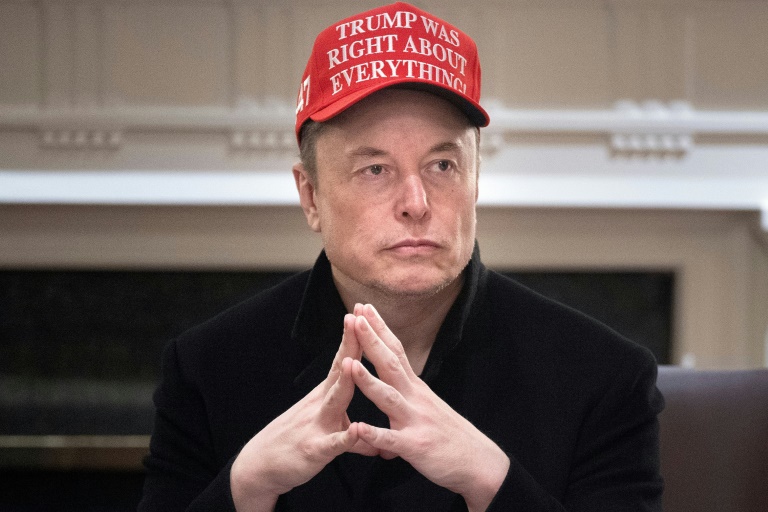
AUSTIN, Texas — Elon Musk on Monday endorsed a viral video showing what supporters called a liberal “slowly waking up” to the realities of U.S. border policy, replying with a simple “💯” emoji to a clip that has amassed millions of views on his social media platform X in just hours.
The post, timestamped shortly after 9 a.m. GMT on April 6, 2026, quoted a video originally shared by user @thewriterme with the caption “Watching a liberal slowly wake up.” In the nearly two-minute clip from the TikTok account @triggerpod, a woman with graying blonde hair wearing a blue sweater discusses her evolving views on immigration under the previous administration. She describes having long resisted the idea that Democrats were “deliberately inviting masses of foreigners into the country” to “grow little democrats and create one party state,” but says she has come around to believing the Biden-era policies involved intentional design rather than mere incompetence.
Musk’s terse agreement immediately amplified the video, which already had strong traction. Within hours, his post garnered more than 5.4 million views, 58,000 likes, nearly 10,000 reposts and thousands of replies. The reaction reflects Musk’s pattern of engaging with content that challenges mainstream narratives on immigration, demographics and political strategy — topics he has frequently highlighted since acquiring Twitter (now X) in 2022.
The woman in the clip, speaking in what appears to be a podcast-style setting with a branded mug visible, outlines her reasoning step by step. She notes that before former President Donald Trump “effectively closed” the southern border, she attributed much of the chaos to “incompetence and fecklessness.” But she now sees evidence of purpose: migrants being shipped “all over the country wherever they wanted,” placed on commercial airplanes without identification, and policies that appear inconsistent with stated economic rationales. She questions the logic of emphasizing the need for young workers to support Social Security and Medicare while simultaneously backing family reunification that brings in older relatives, undermining any demographic fix.
The video’s spread and Musk’s endorsement come amid ongoing national debate over immigration in the early months of the current Trump administration. Border encounters dropped sharply after Trump took office in January 2025 and implemented stricter enforcement, according to Department of Homeland Security data. Yet the long-term effects of record crossings during 2021-2024 — when Customs and Border Protection reported more than 10 million encounters — continue to fuel political realignments.
Commentators on X described the clip as emblematic of a broader phenomenon: voters who once supported expansive immigration policies grappling with visible consequences such as strained social services, housing shortages in sanctuary cities and shifting electoral demographics. Replies to Musk’s post ranged from celebration (“welcome to the real world”) to skepticism about whether such awakenings would translate into lasting political change. Some users shared personal stories of family or friends experiencing similar shifts; others posted memes or historical clips referencing past statements by political figures on demographic engineering.
Musk, who has more than 200 million followers on X, has positioned the platform as a bastion of free speech where such discussions can flourish without what he calls legacy media gatekeeping. His own commentary on immigration has evolved publicly. Once a vocal supporter of high-skilled immigration for technological advancement, Musk has repeatedly warned about unchecked illegal migration, birthrate collapses in Western nations and the risks of cultural dilution. In recent months he has amplified data from government sources showing the scale of releases into the interior under prior policies, including the use of commercial flights for migrants lacking full vetting.
The timing of the post is notable. With midterm elections approaching in 2026 and immigration remaining a top voter concern in national polls, moments of apparent political conversion — whether genuine or performative — gain outsized attention. Conservative media outlets quickly picked up the clip, while progressive voices dismissed it as cherry-picked or misleading. Fact-checking organizations noted that while the Biden administration expanded parole programs and ended the “Remain in Mexico” policy early in its term, officials consistently framed these moves as humanitarian and legal necessities rather than electoral strategy.
Public opinion data from early 2026 shows measurable shifts. Gallup and Pew Research Center surveys indicate that even among self-identified Democrats, support for border security measures has risen since 2024, with many citing record fentanyl deaths, urban homelessness linked to recent arrivals and pressure on public resources. A subset of voters — often described in media as “working-class” or “Hispanic” — have shown movement toward Republican positions on enforcement, a trend some analysts tie directly to lived experience in border states and sanctuary cities.
The woman in the @triggerpod video does not appear to be a high-profile political figure, but her measured, reflective delivery resonated. She acknowledges possible elements of incompetence but ultimately concludes there is “design behind it,” citing what she calls a “pathological passion for minorities” and a notion that non-white populations are somehow superior — a framing that echoes long-standing “great replacement” theories once confined to fringe discourse but now debated openly on mainstream platforms.
Musk’s engagement adds weight because of his influence. As CEO of Tesla, SpaceX and xAI, and owner of X, he wields significant cultural and economic power. His endorsement style — often single emojis or short phrases — has become a hallmark, instantly validating content for millions. Previous similar interactions have propelled videos, studies and personal testimonies into national conversations.
Critics argue that amplifying such clips risks oversimplifying complex policy debates. Immigration experts point to multiple factors behind border surges: global migration pressures, post-COVID economic recovery, cartel control of smuggling routes and legislative gridlock in Congress that has left the system reliant on executive action. Supporters of more open policies maintain that legal pathways and asylum processing remain essential to American values and labor needs in agriculture, construction and caregiving.
Yet the video and Musk’s reaction underscore a cultural moment in 2026 America: growing skepticism toward institutional explanations and demand for accountability on visible policy outcomes. X’s algorithm, which Musk has tuned to prioritize “unregretted” user engagement, rewards authentic-seeming personal testimonies over polished talking points.
As of Monday afternoon, the original video continued circulating independently, with users stitching reactions and translations. The Musk post itself generated secondary content, including reaction videos and memes. Platform analytics showed sustained high engagement, suggesting the discussion will dominate timelines for days.
The episode fits a pattern on X where high-profile accounts surface content that legacy media might downplay. Musk has frequently criticized traditional outlets for what he sees as ideological bias on issues like migration, crime statistics involving non-citizens and demographic change. By contrast, X allows direct exposure to raw footage, government data drops and unfiltered user commentary.
Whether this particular “waking up” moment represents a genuine shift in public sentiment or simply another viral flashpoint remains to be seen. Polling will track any sustained movement in voter attitudes heading into the midterms. For now, Elon Musk’s “💯” has once again spotlighted a conversation that millions are having — openly, emotionally and, thanks to the platform he owns, without traditional gatekeepers.
The full context of the woman’s remarks, the scale of border encounters during the prior administration and the policy reversals under Trump provide the backdrop for why such a clip strikes a chord. As one reply to Musk’s post put it: “Truth sets free.” In the polarized information landscape of 2026, moments of apparent political awakening — shared at scale — continue to shape the national dialogue.

JPMorgan: spending data shows US consumer spending growth accelerated in March
Business
Bandwidth Inc. (BAND) Discusses Strategic Positioning in Global Cloud Communications and AI-Driven Enterprise Solutions Prepared Remarks Transcript

David Morken
Co-Founder, CEO, & Chairman
Bandwidth is positioned at the center of global cloud communications powering mission-critical voice, messaging, emergency services and AI for enterprises worldwide. In this presentation, we will walk through how Bandwidth is positioned at the center of global cloud communications, powering mission-critical voice, messaging, emergency services and AI for enterprises worldwide.
Our story is anchored in 3 pillars. First, we’re a global communications leader in a large growing market, powering mission-critical voice, messaging and emergency services for some of the world’s largest and most demanding enterprises. Second, we are orchestrating AI, voice and messaging across cloud communications through our open award-winning Maestro platform. Third, we have a highly attractive business model, delivering profitability and capital structure strength that powers durable long-term growth. These pillars define how we compete and how we create long-term value.
Bandwidth powers mission-critical communications across cloud platforms. We combine global infrastructure, software orchestration and AI enablement, giving enterprises the performance, reliability and flexibility they require. This is not just connectivity. This is intelligent communications at global scale.
The market opportunity ahead of us continues to expand. Our total addressable market is projected to grow from $99 billion in 2024 to $162 billion by 2029 with a 10% compound annual growth rate. That secular growth is a tailwind across our 3 customer categories: Global voice plans, our largest customer category powering the leaders in unified communications, Contact Center as a Service and voice AI platforms is expected to grow above the market growth rate of 8%. Enterprise voice, our smallest and fastest-growing category, providing voice-powered customer experiences for the Global 2000 is expected to grow more than
Form 8K Expand Energy Corp For: 6 April
Business
Zayed International Airport Open Today? Airport Open Today With Reduced Flights Amid Regional Recovery

ABU DHABI, United Arab Emirates — Zayed International Airport in Abu Dhabi remained open Monday for scheduled operations, handling a limited number of commercial flights as the UAE’s second major hub continues its gradual recovery from weeks of airspace disruptions linked to broader Middle East tensions.

Also known as Abu Dhabi International Airport or AUH, the facility operated with low delay levels early in the day, according to real-time tracking services. Passengers with confirmed tickets were advised to proceed, though authorities urged travelers to verify status directly with airlines before heading to the terminal. Access remained restricted to ticketed passengers only as a safety measure.
Etihad Airways, the airport’s primary carrier, continued a scaled-back schedule serving approximately 80 destinations worldwide. Monday’s departures included services to Addis Ababa, Amman, Bangkok, Cairo, Hanoi, Malé, Phuket and other regional and long-haul points. Some flights showed minor delays, but overall activity stayed well below pre-crisis volumes, with roughly 450 flights scheduled across the day and an on-time departure forecast around 68%.
The airport’s official website and flight information displays confirmed ongoing operations as of Monday afternoon local time. No fresh full suspension was announced for April 6, unlike temporary halts reported at nearby Dubai International Airport earlier in the week due to separate security incidents. Weather conditions in Abu Dhabi supported normal ground operations, with very low and decreasing delay status reported.
Disruptions trace back to late February when escalating regional conflict involving Iran prompted airspace restrictions across parts of the Gulf. Both Dubai and Abu Dhabi airports saw partial or temporary closures, forcing airlines to reroute, cancel or operate narrow-body aircraft on select corridors. Etihad gradually resumed limited commercial services from March 6, expanding slowly through April while prioritizing safety assessments.
Travelers faced challenges including rebooking difficulties and stranded passengers in the initial weeks. Many carriers, including Etihad, offered flexible change policies and travel waivers for affected routes. By early April, operations stabilized at roughly 60% capacity at major UAE hubs, with further recovery expected as airspace permissions normalize.
Airport authorities emphasized that passengers should not travel to Zayed International unless contacted by their airline or holding confirmed bookings. Terminal access controls remained in place to manage crowd levels and security. The AUH app and website provided live arrivals, departures and status updates, while Etihad’s flight status page allowed quick checks.
Facilities at the modern terminal, which opened in phases in recent years, continued normal passenger services for those cleared to fly. Amenities such as lounges, dining and retail operated on adjusted hours tied to the reduced flight schedule. Ground handling and baggage services adapted to lower volumes, though some travelers reported longer processing times due to staffing aligned with limited operations.
Regional airlines like Air Arabia maintained select flights from Abu Dhabi alongside Etihad. International carriers including IndiGo, Ethiopian Airlines and Royal Jordanian operated limited routes, with some services showing cancellations or rerouting. Real-time trackers indicated about 15 cancellations Monday, a notable drop from peak disruption periods when thousands of flights were affected across the Gulf.
The ongoing situation reflects the interconnected nature of Gulf aviation. Abu Dhabi’s airport serves as a key hub for connections to Europe, Asia, Africa and Australia, but reduced capacity has shifted some traffic or forced longer routings via alternative gateways. Cargo operations continued with priority on essential goods, helping maintain supply chains despite passenger limitations.
Travel advisories from multiple sources urged caution. Visitors planning trips to or through Abu Dhabi were told to monitor airline communications closely, as schedules could change with short notice due to evolving airspace conditions. Hotels and tour operators in the capital offered flexible cancellation policies for guests impacted by flight changes.
Abu Dhabi Airports, the operator managing Zayed International and other emirate facilities, has worked closely with civil aviation authorities to restore normalcy. The airport’s long-term growth ambitions, including its role as a premium hub, remain intact, though short-term focus stays on safety and phased resumption. Passenger traffic had shown strong pre-crisis growth, with double-digit increases reported in earlier quarters of 2025.
For those flying Monday, low delay indexes suggested smoother processing than in recent weeks. However, experts recommended arriving early, carrying digital copies of documents and preparing for potential gate changes or boarding adjustments. Families, unaccompanied minors and passengers needing assistance received priority where possible.
Broader UAE aviation recovery includes Dubai International, which also operated on a reduced but improving schedule despite occasional incidents. Sharjah and other smaller airports followed similar patterns. The situation has highlighted the resilience of Gulf carriers while exposing vulnerabilities in regional airspace management during geopolitical stress.
International reactions varied, with some governments issuing updated travel guidance for the UAE. Airlines outside the region adjusted networks, suspending or rerouting services until conditions stabilize. Mediation efforts and diplomatic talks aimed at de-escalation could accelerate full recovery in coming weeks.
Zayed International Airport’s modern design, with its expansive terminals and advanced technology, has helped manage the constrained environment efficiently. Features like contactless processing and digital wayfinding minimized friction for operating flights. The airport continues promoting itself as the Middle East’s fastest-growing hub, with infrastructure ready for higher volumes once restrictions lift.
Travelers with upcoming bookings were encouraged to check Etihad.com or their airline’s app frequently. Rebooking options and waivers remained available for many affected itineraries. Those already in Abu Dhabi or planning ground transfers between emirates could use road options like the Airport Express service linking Abu Dhabi and Dubai, which operated normally.
As the day progressed Monday, flight tracking sites showed steady activity with arrivals from key cities and departures heading to global destinations. While not yet at full strength, the airport’s openness provided reassurance to passengers and the wider travel industry after prolonged uncertainty.
The situation at Abu Dhabi’s Zayed International Airport underscores how quickly global hubs can adapt while highlighting the need for contingency planning in volatile times. Authorities and airlines continue prioritizing safety, with hopes for fuller schedules as regional stability improves.
Passengers should treat Monday’s operations as a snapshot subject to rapid change. Checking official sources — the airport website, airline apps and live trackers — remains the best way to ensure smooth travel from one of the UAE’s premier gateways.
Our Staff Predicts the Vikings’ SECOND Draft Pick

#antique #coin #reseller #gold #business #money #jewelry #coincollecting #ytshorts

Fun for all the family at K-Woodlands this Easter


-

 NewsBeat4 days ago
Steven Gerrard disagrees with Gary Neville over ‘shock’ Chelsea and Arsenal claim | Football
-

 Business4 days ago
No Jackpot Winner and $194 Million Prize Rolls Over
-

 Fashion3 days ago
Weekend Open Thread: Spanx – Corporette.com
-
Entertainment7 days ago
Fans slam 'heartbreaking' Barbie Dream Fest convention debacle with 'cardboard cutout' experience
-

 Crypto World5 days ago
Gold Price Prediction: Worst Month in 17 Years fo Save Haven Rock
-

 Business14 hours ago
Three Gulf funds agree to back Paramount’s $81 billion takeover of Warner, WSJ reports
-
Crypto World6 days ago
Dems press CFTC, ethics board on prediction-market insider trades
-

 Sports2 days ago
India men’s 4x400m and mixed 4x100m relay teams register big progress | Other Sports News
-

 Business4 days ago
Login and Checkout Issues Spark Merchant Frustration
-

 Tech7 days ago
Apple will hide your email address from apps and websites, but not cops
-

 Tech6 days ago
EE TV is using AI to help you find something to watch
-

 Sports6 days ago
Tallest college basketball player ever, standing at 7-foot-9, entering transfer portal
-

 Politics7 days ago
Should Trump Be Scared Strait?
-
Tech6 days ago
Daily Deal: StackSkills Premium Annual Pass
-

 Tech6 days ago
Flipsnack and the shift toward motion-first business content with living visuals
-

 Sports7 days ago
Women’s hockey camp eyes fitness boost, tactics ahead of WC 2026 campaign | Other Sports News
-

 Crypto World7 days ago
U.S. rule change may open trillions in 401(k) funds to crypto
-

 Tech6 days ago
How to back up your iPhone & iPad to your Mac before something goes wrong
-

 Politics7 days ago
BBC slammed for ignoring author of The Fraud
-

 Tech7 days ago
This is a 3D-Printed Macintosh That Apple Never Built
You must be logged in to post a comment Login