
Business
Is Spectrum Down Now? Spectrum Internet Faces Scattered Outages as Users Report Wi-Fi and Broadband Issues

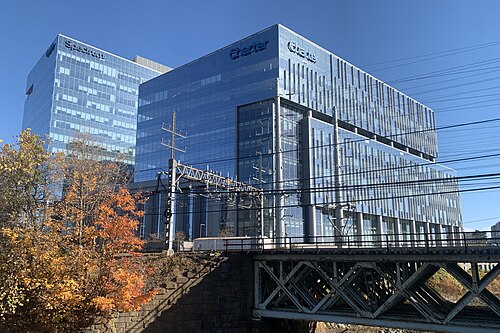
Charter Communications’ Spectrum internet service experienced scattered user-reported disruptions Monday, with complaints centering on Wi-Fi connectivity, broadband slowdowns and intermittent outages in multiple regions, even as the company’s official monitoring tools indicated no widespread system-wide failure.

Downdetector and similar crowd-sourced trackers showed elevated but not extreme reports of problems with Spectrum’s internet, TV and mobile services in the past 24 hours. The most common issues included Wi-Fi failures (around 43% of reports), broadband internet problems and occasional mobile connectivity complaints. Reports were geographically dispersed rather than concentrated in one major market, suggesting localized or account-specific glitches rather than a national outage.
Spectrum’s support pages directed customers to check for outages via the My Spectrum app or online account, with troubleshooting tools available for equipment resets. The company’s Storm Center page reminded users that power outages from utilities can affect service, urging coordination with local providers for restoration. No major “Investigating” alert appeared on public status dashboards for core network infrastructure as of early Tuesday KST.
The complaints arrive amid ongoing frustration for Spectrum customers, who have reported frequent service interruptions throughout 2026. Reddit threads and social media posts described Monday’s issues as part of a pattern, with some users claiming it was their “17th outage of the year” in certain areas. Recent notable disruptions included a widespread event on April 2 that affected thousands across the U.S., with spikes in reports starting in the early morning hours.
Spectrum, which serves millions of households across 25 states after acquiring Time Warner Cable in 2016, has faced recurring criticism over reliability, customer service response times and billing disputes. In early 2026, a January outage impacted downstream partners and customers in several regions, lasting over an hour in some cases and highlighting vulnerabilities in network nodes in major cities like New York and Houston.
Analysts attribute many incidents to a combination of aging infrastructure in some markets, high demand during peak evening hours, weather-related events and occasional maintenance windows. Spectrum has invested billions in network upgrades, including expansion of its fiber and DOCSIS 4.0 capabilities, but rollout has been uneven across its footprint. Rural and suburban areas sometimes experience more frequent hiccups than dense urban zones with newer equipment.
For affected users Monday, common symptoms included inability to connect to Wi-Fi, slow speeds preventing streaming or video calls, and complete loss of internet for periods ranging from minutes to several hours. Mobile app users reported difficulties accessing accounts or receiving outage notifications. Some customers noted that restarting modems and routers temporarily resolved issues, while others required technician visits or waited for network-side fixes.
Spectrum recommends several troubleshooting steps: power cycling the modem and router, checking cables, using the My Spectrum app to test connection status, and verifying if the problem is isolated to one device or the entire home network. Business customers have access to dedicated support portals with outage alerts.
The Federal Communications Commission tracks broadband reliability, and Spectrum has faced past scrutiny over advertised versus delivered speeds during peak times. Consumer advocacy groups continue to call for stronger oversight of major ISPs, citing high complaint volumes relative to smaller providers.
Monday’s reports did not appear to reach the scale of the April 2 event, when DownDetector recorded hundreds of complaints per hour. That outage affected broadband and Wi-Fi primarily, with some TV signal issues reported. Recovery times varied by location, with most services restored within hours.
Spectrum serves a large portion of the U.S. cable market and has expanded into mobile services through Spectrum Mobile, which relies on Verizon’s network for coverage. Mobile complaints Monday were fewer but included signal drops in areas with known tower maintenance.
Customers in states like California, New York, Texas, Florida and Ohio frequently appear in outage maps, reflecting the provider’s heavy presence in those markets. Localized spikes can occur due to construction, weather or targeted maintenance, while broader events often stem from backbone or regional node problems.
Industry observers note that ISP outages have decreased slightly year-over-year in some tracking, but consumer expectations for near-perfect uptime have risen with increased reliance on remote work, streaming and smart home devices. Even brief disruptions can disrupt online classes, telehealth appointments and business operations.
Spectrum has not issued a public statement specifically addressing Monday’s user reports. The company typically communicates through its app, website and social channels when major incidents occur, and offers credits in cases of prolonged outages meeting certain thresholds.
For those still experiencing problems, contacting Spectrum support via chat, phone or the app is recommended, though wait times can lengthen during spikes. Users can also report issues on Downdetector to help track patterns.
As reliance on high-speed internet grows, even intermittent Spectrum outages draw quick attention on social media, with hashtags and location-specific complaints trending locally. The Monday reports appeared more fragmented than synchronized national events seen earlier in the year.
Looking ahead, Spectrum continues upgrading its network to support gigabit and multi-gig speeds in more markets. Fiber deployment in select areas promises greater reliability, but full transition will take years. In the meantime, customers in outage-prone zones sometimes turn to backup solutions like mobile hotspots or competing providers where available.
Spectrum’s parent company, Charter Communications, has emphasized customer experience improvements alongside infrastructure investment. Recent earnings highlighted progress in reducing churn and expanding services, though service reliability remains a key pain point for many subscribers.
Anyone facing persistent issues should document dates, times and symptoms for potential credit requests or escalation. Spectrum’s outage information pages provide ZIP code-specific checks and general troubleshooting guides.
While no major nationwide outage was confirmed Monday, the accumulation of user complaints served as a reminder of the challenges in maintaining consistent service across a vast footprint. Spectrum customers are advised to monitor the My Spectrum app for personalized alerts and stay prepared with basic troubleshooting knowledge.
As evening approached in many U.S. time zones, reports appeared to stabilize, with most services functioning normally according to official channels. Isolated or account-specific problems may persist for some users, who are encouraged to reach out directly to support for resolution.
Spectrum provides cable television, high-speed internet and home phone services to residential and business customers. In an increasingly connected world, even short disruptions highlight the critical role reliable broadband plays in daily life.
Users experiencing ongoing problems should check Spectrum’s official outage tools first, then proceed with standard resets or contact support. The company has a history of resolving most incidents within hours once identified, though recurring issues in certain markets continue to frustrate subscribers.


Amy Simon, Beam Therapeutics CMO, sells $164,686 in stock
Business
S&P 500 Climbs Above 6,600 as Iran De-Escalation Hopes Spark Relief Rally in Volatile 2026 Market

NEW YORK — The S&P 500 pushed above the 6,600 level in early trading Monday as investors welcomed tentative signs of potential de-escalation in the U.S.-Iran conflict, easing pressure from elevated oil prices that have weighed on the benchmark throughout a challenging start to 2026.

The broad-market index traded near 6,604 in midday action, building on modest gains from the previous close of 6,582.69 on April 2. The move reflected cautious optimism that diplomatic efforts could stabilize energy flows through the Persian Gulf and prevent prolonged inflationary spikes, even as uncertainties lingered over the broader Middle East situation.
The S&P 500 has struggled in the first quarter of 2026, finishing down approximately 4% to 4.6% after a strong 2025 that delivered an 18% total return. Geopolitical tensions, surging oil prices and questions about economic resilience contributed to the weakest quarterly performance since 2022, though a late-March relief rally helped limit the damage.
Monday’s trading featured lighter volume typical of the post-Easter period, with the Dow Jones Industrial Average and Nasdaq Composite also showing small advances. Technology and financial sectors provided support, while energy shares lagged amid moderating crude futures. The session highlighted improving market breadth as capital rotated toward economically sensitive names on hopes of lower energy costs.
Analysts noted that any meaningful progress toward stabilizing the region could remove a major headwind for corporate spending and consumer confidence. Treasury Secretary Scott Bessent had signaled earlier U.S. efforts to keep oil markets functioning, contributing to the improved sentiment. Oil prices eased modestly after recent spikes triggered by disruptions, helping temper fears of a sustained “inflationary pincer” effect.
Despite the year-to-date decline, corporate earnings have offered resilience. Many S&P 500 companies reported solid results, supported by steady consumer spending among higher-income households and ongoing investment in artificial intelligence. Profit growth has held up better than some pessimists anticipated, providing a foundation for long-term optimism even amid near-term volatility.
The Federal Reserve’s decision to hold interest rates steady while projecting limited easing later in 2026 has helped anchor expectations. Chair Jerome Powell acknowledged temporary inflationary pressures from higher oil but suggested disruptions could prove short-lived if tensions ease. Markets continue to price in modest policy support, preventing a deeper sell-off so far in 2026.
Wall Street strategists have maintained largely constructive outlooks. Several major firms project the S&P 500 could reach 7,000 to 7,600 by year-end, citing expected 12% earnings-per-share growth driven by AI productivity gains, resilient corporate margins and potential fiscal tailwinds. Valuation levels, while elevated in growth sectors, are viewed as reasonable given structural shifts in the economy.
Risks remain prominent. Renewed escalation in the Middle East could quickly reverse gains by pushing oil higher and reigniting inflation concerns. Smaller companies in the Russell 2000 have shown sporadic strength on hopes of broader participation, but they remain more vulnerable to higher borrowing costs and any slowdown in domestic activity.
Treasury yields moved modestly as investors balanced growth hopes against lingering inflation risks. The CBOE Volatility Index eased slightly, signaling reduced fear compared with March’s sharper swings. Trading volume remained subdued, consistent with lighter holiday-week activity.
The S&P 500’s ability to hold above 6,600 will depend on concrete diplomatic developments and upcoming economic data, including employment reports and inflation readings. April has historically been a positive month for equities, though this year’s geopolitical overlay makes seasonal patterns less reliable.
For individual investors, the current environment underscores the value of diversification and a long-term perspective. While the benchmark is down modestly for the year, many high-quality companies continue to demonstrate earnings strength and strategic investments in transformative technologies. Financial advisers recommend balanced portfolios with exposure to both growth and defensive names amid persistent uncertainties.
International markets showed mixed performance, with European shares gaining modestly on similar de-escalation hopes and Asian indexes more subdued amid global spillovers and domestic challenges.
As the second quarter begins, the market narrative centers on whether AI-driven productivity gains and corporate earnings momentum can outweigh near-term macroeconomic and geopolitical headwinds. Monday’s trading offered an early indication that investors are willing to reward positive headlines on the energy and diplomatic fronts.
The broader U.S. economy has sent mixed signals, with some softening in job growth offset by corporate resilience and prior rate cuts that have kept borrowing costs manageable. Fiscal measures have provided additional support in key areas.
The S&P 500, widely regarded as the best gauge of large-cap U.S. equities, now sits near 6,600 after clawing back some ground from recent lows. Whether this modest rebound broadens into sustained recovery will hinge largely on developments in the Middle East and the trajectory of energy prices.
For now, the index continues to reflect both the challenges and underlying opportunities of 2026 — a year defined by volatility but supported by strong corporate fundamentals and long-term technological trends. Investors will watch closely for further clarity on the global stage as April trading unfolds.
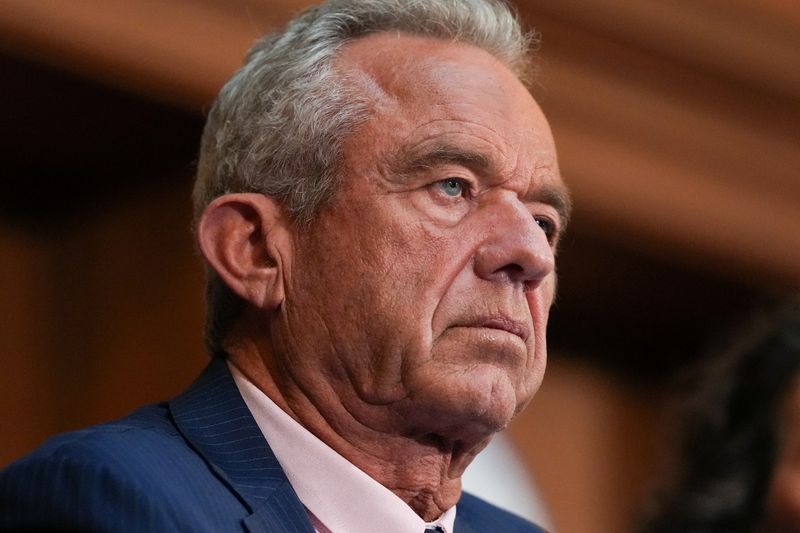

Kennedy rewrites rules for membership on US vaccine advisory panel
Business
Freedom Broker initiates Inogen stock coverage with buy rating on respiratory platform growth

Freedom Broker initiates Inogen stock coverage with buy rating on respiratory platform growth
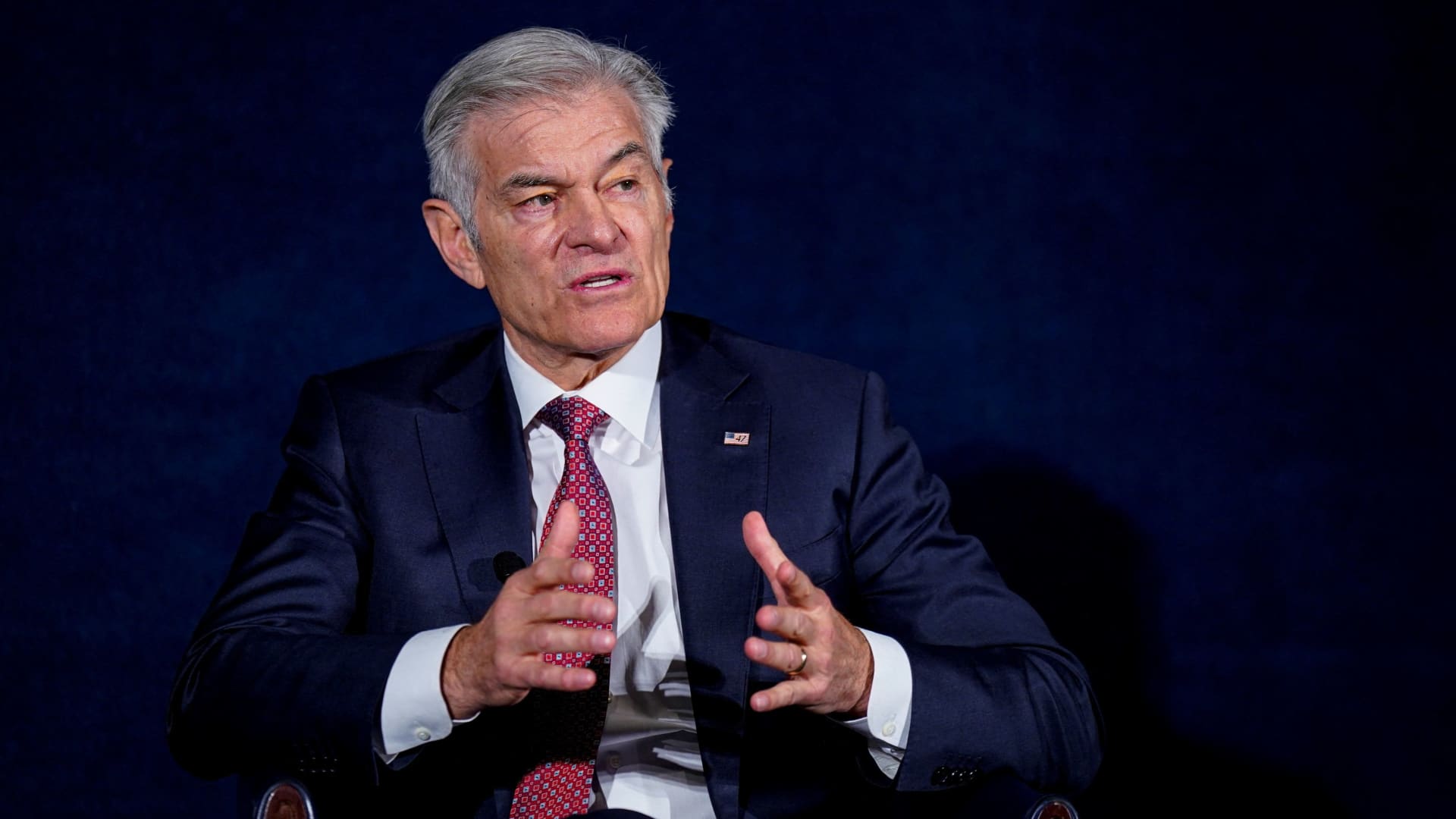
Administrator for the Centers for Medicare & Medicaid Services Mehmet Oz speaks during an event sponsored by the Action for Progress Coalition, at the National Press Club in Washington, D.C., U.S., Feb. 2, 2026.
Al Drago | Reuters
The Trump administration on Monday finalized a 2027 payment rate increase to privately run Medicare plans that was far bigger than initially proposed, a boost to health insurer stocks.
The government will increase average Medicare Advantage payments by 2.48%, or more than $13 billion, in 2027, according to a release from the Centers for Medicare & Medicaid Services. The Trump administration in January proposed a payment rate hike of 0.09%, which pummeled shares of insurers that run those plans.
Shares of UnitedHealth and CVS Health rose more than 9% in after-hours trading on Monday. Meanwhile, Humana‘s stock jumped around 12%.
“Medicare Advantage and Part D should work for the people who rely on them,” said CMS Administrator Dr. Mehmet Oz in a release. “These updates keep coverage affordable and ensure patients get real value from their plans.”
The closely watched government payment rate determines how much insurers can charge for monthly premiums and plan benefits they offer and, ultimately, their profits.
Medicare Advantage is a privately run health insurance plan contracted by Medicare. More than half of Medicare beneficiaries are enrolled in such plans, enticed by lower monthly premiums and extra benefits not covered by traditional Medicare, according to health policy research firm KFF.


Gold Mining Bull is a gold analyst with more than a decade of investing experience in commodities, hard assets (gold and silver miners), exploration companies, oil and gas producers, MLPs, and more.
Analyst’s Disclosure: I/we have a beneficial long position in the shares of BSM, TRMLF, EXE either through stock ownership, options, or other derivatives. I wrote this article myself, and it expresses my own opinions. I am not receiving compensation for it (other than from Seeking Alpha). I have no business relationship with any company whose stock is mentioned in this article.
Seeking Alpha’s Disclosure: Past performance is no guarantee of future results. No recommendation or advice is being given as to whether any investment is suitable for a particular investor. Any views or opinions expressed above may not reflect those of Seeking Alpha as a whole. Seeking Alpha is not a licensed securities dealer, broker or US investment adviser or investment bank. Our analysts are third party authors that include both professional investors and individual investors who may not be licensed or certified by any institute or regulatory body.

Brian Ferdinand: Bridging Market Execution and Financial Thought Leadership
Business
Meghan Markle Sparks Outrage With 10 Controversial 2026 Quotes Fueling Royal Feud and Brand Backlash
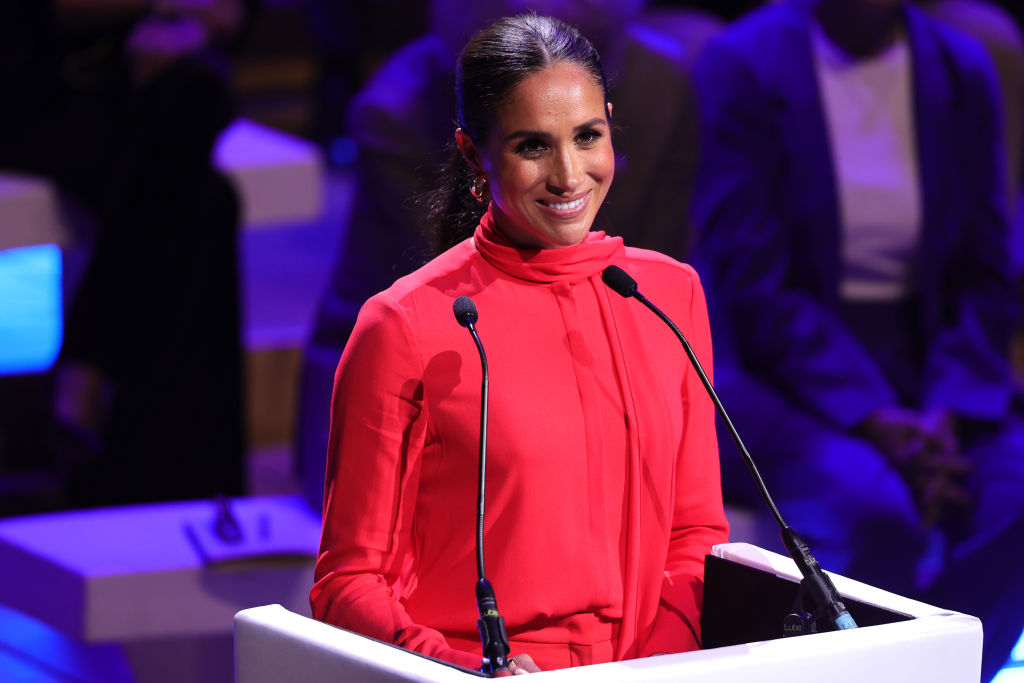
LOS ANGELES — Meghan Markle, the Duchess of Sussex, has once again found herself at the center of intense public debate in 2026, with a series of statements drawing sharp criticism from royal watchers, branding experts and social media users amid struggles with her lifestyle brand As Ever and strained family ties.

From bold claims about her worthiness for greater influence to defensive responses about her royal past and business ventures, Markle’s words have ignited headlines and online firestorms throughout the year. Here are 10 of the most controversial quotes attributed to or linked to the former actress in 2026, each sparking backlash for different reasons.
- “I’m the only one worthy!” In early 2026 reports surrounding ongoing royal succession discussions, Markle was quoted in viral social media posts and commentary as asserting she is the only figure fit for significant influence, citing her “global vision” and “unfiltered authenticity” over traditional lines. Critics labeled it a “delusional coup,” accusing her of undermining the monarchy while profiting from her former title.
- “A title cannot be erased by a piece of paper. The public knows who I am.” Markle reportedly pushed back against suggestions of stripping her Duchess of Sussex title, repeating her attachment to the style in interviews and statements. Royal commentators slammed the remark as entitlement, arguing it contradicts the couple’s post-Megxit narrative of seeking privacy while leveraging royal connections for brand deals.
- “If you don’t mind, get your finger out of my face.” Tom Bower’s 2026 book revived allegations of a heated 2018 reconciliation meeting, claiming Markle snapped this 11-word demand at Prince William. The quote fueled fresh accusations of abrasiveness, with critics saying it highlighted ongoing family rifts and painted her as confrontational during early royal integration.
- “2026 feels just like 2016.” Markle joined a viral social media trend by posting a throwback photo with Prince Harry, captioning it with this nostalgic line. Detractors mocked it as tone-deaf, pointing to her current business struggles and Netflix setbacks, arguing it ignored the couple’s reported challenges rather than showing growth.
- “With the rush of the holiday season behind us, we look ahead with an intention to begin the new year at a gentler pace.” In a January 2026 message tied to her As Ever brand, Markle promoted a slower lifestyle. PR experts criticized the mixed messaging, noting sporadic product drops and high-profile paid appearances contradicted the “gentler” image, calling it inauthentic marketing.
- “I’ve been a waitress, an actress, a princess, a Duchess — I’ve always still just been Meghan.” Reflecting on her journey in a 2026 interview, Markle emphasized her core identity. Skeptics viewed it as selective narrative control, contrasting her emphasis on humility with luxury retreats and brand pricing that drew “how the mighty have fallen” jabs from commentators.
- “No one in the world loves me more than him.” Speaking about Prince Harry in a candid Harper’s Bazaar-style reflection carried into 2026 coverage, Markle highlighted their bond. While some praised the romance, others saw it as defensive amid reports of Netflix tensions and business strains, accusing her of using personal stories for sympathy or branding.
- “Let this be the change, where our children’s safety is finally prioritised above profit.” In a joint statement with Harry responding to a 2026 social media verdict, Markle addressed online harms. Critics argued the couple’s selective privacy stance — sharing glimpses of their children while criticizing platforms — revealed hypocrisy, especially given brand campaigns featuring family elements.
- Comments on her Australia wellness retreat pricing and role. Though not a direct quote, Markle’s involvement in a high-ticket “Girls’ Weekend” event drew fire, with experts noting the $3,000-plus price tag clashed with her accessibility messaging. Reports framed her participation as highlighting financial pressures, prompting “mediocre” and “low brow” critiques despite her headliner status.
- Defenses around As Ever brand consistency and “mixed messaging.” In responses to 2026 criticism of product launches and inventory issues, Markle and representatives stressed authenticity. Branding gurus warned of “dishonesty” in sporadic drops and unclear lifestyle positioning, predicting struggles unless professionalized, with some calling the approach lacking a clear point of view.
These quotes and associated statements have amplified scrutiny on Markle’s post-royal reinvention. Her lifestyle brand As Ever faced reports of unsold inventory glitches and Netflix deal shifts, while paid appearances like the Australian retreat drew accusations of monetizing royalty. Royal biographers and commentators, including Tom Bower, continued to portray tensions with the Windsors, reviving old allegations alongside new ones.
Markle has maintained that much criticism stems from bias and that she focuses on family, philanthropy and authentic living. Supporters praise her resilience and entrepreneurial spirit, noting her transition from “Suits” actress to duchess to California-based creator reflects modern womanhood. Detractors, however, point to perceived inconsistencies between privacy pleas and public branding.
The 2026 landscape has been particularly rocky. Reports of Netflix tensions, brand warnings that her lifestyle push could stall without major changes, and ongoing royal book feuds kept her in headlines. A Sundance appearance and fashion choices also sparked “cosplaying” mockery online.
Experts like PR professionals have advised greater structure and clarity for As Ever to build long-term equity, warning sporadic efforts risk “weird visibility” without substance. Marketing analysts suggested professionalizing operations or shifting strategy to avoid 2026 becoming “more of the same.”
Markle’s defenders argue relentless media focus amplifies minor missteps while ignoring her causes, including children’s online safety advocacy. Her statements often emphasize empowerment, boundaries and lessons from “mistakes” in royal life, framing them as growth rather than controversy.
Yet public discourse remains polarized. Social media erupts with memes and debates whenever new quotes surface, with hashtags tracking both support and criticism. The couple’s joint statements, such as on tech accountability, position them as advocates, but skeptics question timing and sincerity amid business ventures.
As Markle navigates 2026, her words continue shaping her narrative. Whether defending her identity, promoting gentler living or addressing family dynamics, each quote invites scrutiny over authenticity versus ambition. Royal watchers debate if these moments reflect strength or miscalculation in a post-royal era defined by reinvention challenges.
For now, the Duchess remains unbowed, using platforms to share her perspective while facing calls for more consistency. Her 2026 quotes, whether direct or contextual, underscore the tightrope of public life — where personal reflection quickly becomes public controversy in the digital age.
Analysts predict continued volatility as brand efforts evolve and royal relations simmer. Markle’s ability to convert attention into sustainable success may define the year, with her voice — controversial or not — remaining a powerful, if polarizing, force.

Franklin Templeton reports $1.68 trillion AUM with $5B inflows
Business
Alphabet Stock Rises Modestly as Analysts Affirm GOOG as Long-Term Buy on AI and Cloud Strength
NEW YORK — Alphabet Inc. shares edged higher Monday, with Class C stock (GOOG) trading near $296.60 after gaining $2.14 or 0.73% in afternoon trading, as Wall Street largely reinforced its bullish long-term outlook despite heavy 2026 capital spending plans for artificial intelligence infrastructure.

The Google parent company’s stock has faced volatility in early 2026, pulling back from peaks near $349 earlier in the year amid concerns over elevated AI-related expenditures. Yet the consensus among more than 40 analysts remains strongly positive, with an average 12-month price target around $345 to $367, implying 16% to 24% upside from current levels near $296. High-end targets reach $420, while the overwhelming majority rate the stock a “Buy” or “Strong Buy.”
Alphabet’s fourth-quarter 2025 results, released in early February 2026, underscored underlying momentum. Revenue climbed 18% to $113.83 billion, beating expectations, while adjusted earnings per share rose to $2.82. Google Cloud delivered standout performance, with revenue surging 48% to $17.7 billion — outpacing some rivals — and the segment’s backlog expanding 55% to $240 billion, signaling robust enterprise demand for AI-powered infrastructure and services.
CEO Sundar Pichai highlighted Gemini model advancements, noting the app had surpassed 750 million monthly active users and that API processing exceeded 10 billion tokens per minute. Search remained a high-margin powerhouse, generating steady advertising revenue that continues to fund ambitious AI bets. YouTube advertising and subscriptions also contributed meaningfully, pushing annual YouTube revenue above $60 billion.
The headline that initially pressured shares was Alphabet’s aggressive 2026 capital expenditure guidance of $175 billion to $185 billion — roughly double the $91.4 billion spent in 2025 and well above prior analyst expectations around $120 billion. Executives framed the surge as essential to scale AI compute capacity, data centers and cloud capabilities to meet exploding customer demand and maintain leadership in the rapidly evolving generative AI landscape.
While the spending outlook sparked short-term investor caution over potential near-term margin compression and free cash flow impacts, many analysts quickly characterized it as a necessary investment in Alphabet’s competitive moat. Google Cloud’s improving profitability and accelerating revenue growth provided early validation that heavy infrastructure outlays can translate into sustainable returns.
Longer-term forecasts remain optimistic. Some projections see the stock reaching $380 by the end of 2026 and climbing significantly higher by 2030, supported by double-digit annual earnings growth. Analysts point to multiple growth levers: continued dominance in global search with roughly 90% market share, expanding AI integration across Search, Workspace and consumer products, and Google Cloud’s emergence as a credible challenger to Amazon Web Services and Microsoft Azure in AI-optimized solutions.
Valuation sits at roughly 25-28 times forward earnings, a premium many argue is justified by Alphabet’s data advantages, vast talent pool and integrated ecosystem spanning hardware, software and infrastructure. The balance sheet remains exceptionally strong, with substantial cash reserves enabling both aggressive investments and shareholder returns via buybacks. The company’s tiny dividend offers modest income alongside growth potential.
Risks include ongoing antitrust litigation, regulatory scrutiny in Europe and elsewhere on advertising and data practices, and intensifying competition in AI from OpenAI, Anthropic, Microsoft and custom chip efforts by hyperscalers. Elevated interest rates or an economic slowdown could also temper advertising budgets, though Alphabet’s diversified revenue mix provides some buffer.
Institutional confidence appears solid, with continued accumulation in options and equity positions. The stock’s role as a core AI trade keeps it prominent in growth-oriented portfolios. For long-term investors, the debate often centers on whether current prices represent a buying opportunity after the year-to-date pullback or if near-term spending cycles warrant caution.
Most Wall Street voices lean bullish. Firms such as J.P. Morgan have maintained “Buy” ratings with targets near $395, citing resilient core advertising, cloud momentum and AI monetization potential. Recent commentary described Alphabet as “still a best idea” for growth investors, noting that heavy capex today positions the company for exponential returns as AI adoption accelerates across enterprises and consumers.
Fiscal first-quarter 2026 results, expected in late April, will be closely watched for updates on cloud acceleration, Gemini adoption metrics, AI feature contributions to Search and any refinements to capex execution or efficiency gains. Commentary on competitive dynamics and regulatory matters will also draw attention.
In the broader context, Alphabet exemplifies the opportunities and trade-offs in the AI era. Its scale allows massive infrastructure bets that smaller players cannot match, while its advertising engine generates the cash flow to sustain those investments. The company’s early integration of generative AI into everyday products positions it to capture new revenue streams as businesses and users increasingly rely on these tools.
Monday’s modest gain reflected renewed buying interest amid broader market optimism over potential geopolitical stabilization and sector rotation. With the Nasdaq also advancing, investors appeared selective in favoring names with clear AI exposure and strong fundamentals like Alphabet.
For retail investors considering a long-term position, the consensus view supports yes — provided a multi-year horizon and tolerance for volatility tied to spending cycles, macro events or regulatory developments. Diversification remains prudent, as even dominant tech names carry execution and competitive risks.
Alphabet’s track record of innovation — from search dominance to Android, YouTube, cloud and now multimodal AI — bolsters the case for adaptability and sustained leadership. With Google Cloud gaining traction and Gemini expanding its reach, many analysts see the company as well-positioned for the next phase of technological transformation.
As trading continued Monday afternoon, GOOG held its gains, underscoring sustained market faith in Alphabet’s strategic direction. Wall Street’s price targets and ratings suggest that for patient investors, the stock remains a compelling long-term opportunity in the digital economy, even as the company navigates the capital-intensive demands of the AI race.

I’m A Celebrity star ‘to quit’ days into new series as fans ‘rumble’ early exit
Amy Simon, Beam Therapeutics CMO, sells $164,686 in stock

JPMorgan CEO Flags Blockchain Rivals as Kinexys Scales


-

 NewsBeat4 days ago
Steven Gerrard disagrees with Gary Neville over ‘shock’ Chelsea and Arsenal claim | Football
-

 Business4 days ago
No Jackpot Winner and $194 Million Prize Rolls Over
-

 Fashion3 days ago
Weekend Open Thread: Spanx – Corporette.com
-

 Crypto World5 days ago
Gold Price Prediction: Worst Month in 17 Years fo Save Haven Rock
-

 Business22 hours ago
Three Gulf funds agree to back Paramount’s $81 billion takeover of Warner, WSJ reports
-
Crypto World6 days ago
Dems press CFTC, ethics board on prediction-market insider trades
-

 Sports2 days ago
India men’s 4x400m and mixed 4x100m relay teams register big progress | Other Sports News
-

 Business5 days ago
Login and Checkout Issues Spark Merchant Frustration
-

 Tech7 days ago
EE TV is using AI to help you find something to watch
-

 Sports6 days ago
Tallest college basketball player ever, standing at 7-foot-9, entering transfer portal
-
Tech7 days ago
Daily Deal: StackSkills Premium Annual Pass
-

 Tech7 days ago
Flipsnack and the shift toward motion-first business content with living visuals
-

 Sports7 days ago
Women’s hockey camp eyes fitness boost, tactics ahead of WC 2026 campaign | Other Sports News
-

 Crypto World7 days ago
U.S. rule change may open trillions in 401(k) funds to crypto
-

 Tech6 days ago
How to back up your iPhone & iPad to your Mac before something goes wrong
-

 Politics7 days ago
Usha Vance: Disney Hats Over MAGA Caps?
-
Crypto World7 days ago
Valinor raises $25m to put private credit on-chain
-

 Tech7 days ago
What Are The Biggest Limitations Of Supercomputers?
-

 Business7 days ago
Functional benefits brewing in coffee innovation
-

 Crypto World6 days ago
Bitcoin enters the public bond market as Moody’s gives a first-of-its-kind crypto deal a rating
You must be logged in to post a comment Login