Automotive expert Mike Caudill analyzes the future of electric vehicles in the U.S. as rising gas prices shift consumer interest on ‘The Bottom Line.’
Ford Motor and other U.S. automakers have asked for relief from aluminum tariffs after fires at a major American factory created supply bottlenecks for vehicles, though the Trump administration so far has rejected the requests, according to a report.
The Wall Street Journal first reported that Ford petitioned the Trump administration for assistance, citing people with knowledge of the conversations.
Advertisement
The requests have come in recent weeks, according to the report, with the carmaker asking the government for relief from duties at least until Novelis’ aluminum rolling plant in Oswego, New York, returns to full service following two fires last year.
The Oswego facility, which is the largest domestic supplier of aluminum sheets for the U.S. automotive industry, is likely to remain offline until this June.
A Ford logo on a Ford F-150 pickup truck for sale in Encinitas, California, on Oct. 20, 2025. (Reuters/Mike Blake/File Photo / Reuters Photos)
The government has so far not budged, the report said, adding that the discussions are part of ongoing talks about the impact of President Donald Trump’s tariffs.
Advertisement
Trump officials told the companies they had already received some relief from national security tariffs last year, when major automakers were allowed to recoup part of the 25% duties on auto parts, the report said.
A Ford logo is seen on the Ford Motor World headquarters in Dearborn, Michigan, on March 12, 2025. (Reuters/Rebecca Cook/File Photo / Reuters Photos)
A White House official told FOX Business via email that “the Administration is committed to a nimble and nuanced approach to reshoring manufacturing that’s critical to our national and economic security. While Ford and other automakers have raised supply concerns in light of the Novelis incident, they have not requested tariff relief on this matter in a particularly pronounced way.”
FOX Business has also reached out to Ford Motor.
Advertisement
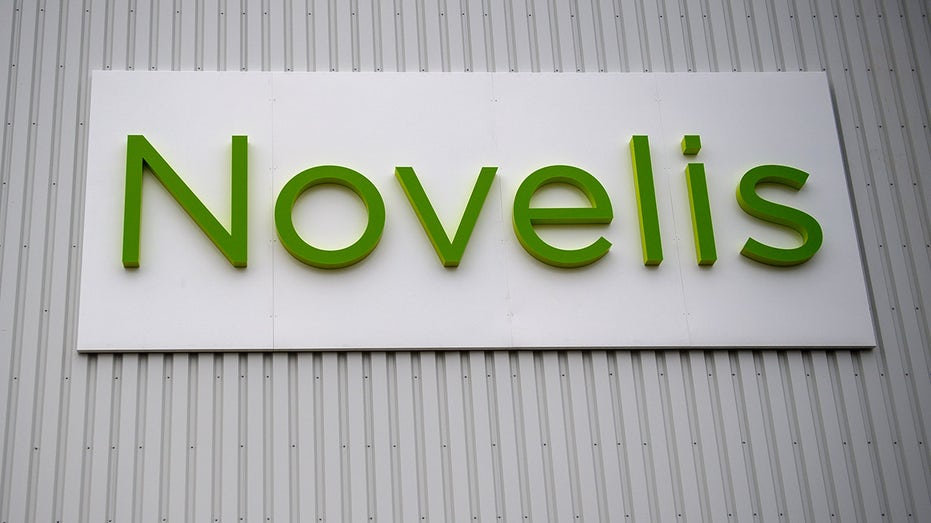
“Novelis” can be read on the facade of the factory building of the company’s recycling center. Novelis is a manufacturer of rolled aluminum products. ( Klaus-Dietmar Gabbert/picture alliance via Getty Images / Getty Images)
Novelis has offset lost production by sourcing aluminum from its plants in South Korea and Europe, though those imports now face a 50% tariff under the Trump administration.
The plant also supplies Stellantis and General Motors, but Ford is its largest customer, as its trucks, such as the F-150, rely heavily on aluminum bodies.
Teaching is full-time work, and carving out time for a graduate degree on top of lesson planning and grading takes real commitment.
That’s why many educators turn to 1 year online master’s in education programs: you stay in your classroom, finish in around 12 months, and come away with a recognized qualification. According to UPCEA, 71% of prospective graduate students now prefer fully online programs, and that shift shows clearly in education.
Here are four programs worth looking at.
1. International Teachers University (ITU): Best for International Educators
ITU built its 1 year online master’s in education programs on international teaching benchmarks, which makes it particularly relevant for teachers who work across different curricula or in international school settings.
The program includes eight core pedagogy courses and two specialization courses. You’ll study learning theories and assessment methods that track student progress in real time, alongside questioning techniques that develop critical thinking. Technology integration runs through the core curriculum with a focus on practical classroom application. Specialization tracks cover Early Years and Primary Education, English Language and Literacy, and Teaching Mathematics and Numeracy. The full program costs $7,500, with no additional fees.
Advertisement
2. Walden University: Best for Flexible Scheduling
Walden is one of the more established names in online M Ed programs, with specializations in Teacher Leadership and Curriculum, Instruction, and Assessment that work well for practicing educators. Courses run on seven to eight-week terms, which keeps the workload manageable alongside a full teaching schedule. The university holds regional accreditation and wide recognition across U.S. school districts.
3. Western Governors University (WGU): Best for Experienced Teachers
WGU runs on a competency-based model, where progress is tied to demonstrated mastery. Experienced teachers with strong subject knowledge can often move through the program faster than a fixed-semester schedule allows. WGU’s online masters of education degree carries CAEP accreditation, which employers across the U.S. and in many international schools recognize.
4. Grand Canyon University (GCU): Best for Rolling Intake
GCU offers online M Ed programs with multiple start dates throughout the year, which helps if waiting for a traditional intake doesn’t fit your schedule. Specializations cover educational technology, special education, and teaching and learning. The curriculum leans toward applied learning, with coursework connected directly to classroom practice.
How to Pick the Right 1 Year Online Master’s in Education Program
Before committing, check two things above all: whether the institution holds proper accreditation and whether the curriculum matches the kind of teaching you actually do. Scheduling flexibility matters too, especially if your school runs on a strict term calendar.
Advertisement
An online masters of education degree becomes a worthwhile investment when it points toward something specific, whether that’s a leadership role, a new school environment, or a qualification threshold you need to meet.
Frequently Asked Questions
What is a 1-year online master’s in education program?
It’s an accelerated graduate degree in education completed online in around 12 months. It covers pedagogy, curriculum design, and educational leadership, giving working teachers a path to advanced qualifications without leaving their jobs.
Who should consider a 1-year online master’s in education program?
Any working teacher who wants to advance professionally without a career break. These programs work well for educators moving into leadership, refining classroom practice, or meeting qualification requirements for international or independent school positions.
What specializations are commonly offered in 1-year online master’s in education programs?
Common specializations include curriculum and instruction, educational leadership, early years education, educational technology, and English language teaching. What’s available varies by institution, so check each program’s course catalog before applying.
Advertisement
How do I choose the right 1-year online master’s in education program?
Start with accreditation, then look at how well the curriculum fits your teaching context and how flexible the scheduling is. For teachers in international settings, programs built on global standards tend to be more useful than those tied to a single national curriculum.
Are 1-year online master’s in education programs recognized by employers?
Yes, provided the institution holds proper accreditation. Most schools, districts, and international organizations recognize degrees from accredited universities. If you plan to teach abroad, confirm that recognition applies in your target country before enrolling.
HDFC Securities’ latest annual strategy report, “The Big Review” 2026, highlights that despite geopolitical tensions and global uncertainty, India’s macroeconomic fundamentals remain relatively stable.
Growth has seen only a modest impact, inflation is expected to trend closer to 5%, and fiscal dynamics remain under control—pointing to underlying resilience in the economy.
However, the report flags external vulnerabilities. Weak foreign inflows, trade imbalances, and subdued remittances continue to weigh on the currency, making it a key area of concern.
Earnings Growth Holds, But Cuts Loom
According to “The Big Review” report, corporate earnings are still expected to deliver close to double-digit growth, although some near-term downgrades are likely.Broader markets could still see earnings growth of around 10%, with sectors such as BFSI, consumer discretionary, metals, and telecom showing signs of improvement, while energy may face pressure.
Advertisement
Live Events
Valuations Cooling, Opportunities Emerging
The report notes that while valuations—particularly in mid- and small-cap stocks—remain relatively elevated, the recent correction has been sharp at the stock level. This has created selective bottom-up opportunities for investors willing to look beyond index movements. It also points out that benchmark valuations have moved closer to levels seen during previous corrections, suggesting markets are entering a potential accumulation zone, even though some further moderation cannot be ruled out.
India Underperforms Globally After Strong Run
After a phase of strong outperformance, Indian equities have lagged global peers. “The Big Review” report highlights that global leadership has shifted toward sectors such as AI, energy, and industrials, while consumer and software segments have seen relative weakness.At the same time, India’s valuation premium over emerging markets has moderated significantly, improving its relative attractiveness for investors.
FPI Flows and Domestic Cushion
The report suggests that while foreign investor flows remain uncertain amid global risk-off sentiment, currency concerns, and earnings downgrades, the likelihood of large-scale outflows appears limited.
Advertisement
Importantly, “The Big Review” underscores the role of domestic institutional investors as a stabilizing force. Mutual funds, sitting on significant cash levels, have begun deploying capital, particularly in sectors such as healthcare, power, banks, and industrials.
Market Cycle: Nearing the Bottom
One of the key takeaways from “The Big Review” 2026 is that markets appear to be approaching the later stages of the current correction cycle. Historically, bear market phases tend to last around 20 months, and the present cycle is already well progressed, suggesting that downside risks may be gradually reducing.
Sector Strategy for FY27
The report advocates a Growth at Reasonable Price (GARP) approach—focusing on identifying mispriced growth opportunities rather than making broad index calls.
Advertisement
Key sector views from “The Big Review”:
Positive: Industrials & Infrastructure, Consumer Discretionary, Real Estate, Automobiles
“The Big Review” also highlights the structural rise in retail participation. India’s investor base continues to expand rapidly, supported by rising demat accounts, consistent SIP inflows, and strong IPO activity.
The demographic profile is also evolving, with a growing share of younger investors entering the market, reflecting increasing financial awareness and long-term participation.
Advertisement
Model Portfolio and Key Picks
The model portfolio outlined in “The Big Review” highlights opportunities across autos, industrials, real estate, IT, and power.
Key names include:
Bajaj Auto, M&M, Hero MotoCorp
ICICI Bank, SBI
Advertisement
Larsen & Toubro, Siemens
Infosys, TCS
NTPC, Power Grid
Advertisement
“Bounce Back Basket”: 10 Stocks to Watch
“The Big Review” identifies a set of stocks that could benefit from easing geopolitical tensions and improving macro conditions:
Hindustan Petroleum – margin recovery potential
InterGlobe Aviation – benefits from lower fuel costs
Asian Paints, Oberoi Realty, Lemon Tree Hotels, Syrma SGS
Advertisement
Key Takeaway: From Caution to Selective Optimism
Overall, “The Big Review” 2026 strikes a balanced tone—highlighting near-term risks while pointing to emerging opportunities.
With valuations cooling, domestic liquidity remaining strong, and markets nearing the end of the correction cycle, the focus shifts from broad market direction to sector selection and stock picking.
For investors, FY27 could be defined by the ability to identify quality growth at reasonable valuations, rather than chasing momentum.
Foreign institutional investors (FIIs) remained net sellers in Indian equities on Wednesday, offloading shares worth Rs 2,811 crore, indicating that the recently announced ceasefire in the Iran conflict has not yet been enough to draw foreign money back into the market.
The continued selling extends a persistent trend seen since the outbreak of hostilities in the region. FIIs have sold nearly Rs 1.53 lakh crore over 21 consecutive trading sessions since the Iran war began, reflecting sustained risk aversion toward emerging markets amid geopolitical uncertainty. So far in April, foreign investors have pulled out approximately Rs 38,600 crore, underscoring the cautious stance despite improving global sentiment.
Domestic equity markets, however, staged a sharp rebound after the announcement of a two-week ceasefire between the United States, Israel and Iran, which significantly eased concerns around supply disruptions in global energy markets. The development triggered a steep decline in crude oil prices, with Brent crude falling about 14 percent to below $95 per barrel, boosting investor sentiment across risk assets.
Indian equities mirrored the global rally today, with benchmark indices posting strong gains during the session. The Nifty surged more than 850 points, while the Sensex rose over 2,800 points, gaining roughly 3.8. Broader markets outperformed the benchmarks, with midcap and smallcap indices advancing more than 4.2 percent each, led by strong buying in rate-sensitive sectors such as automobiles and financials, which climbed about 6 percent.
Advertisement
The decline in crude prices is seen as a key positive for the Indian economy, as lower energy costs help ease inflationary pressures, narrow the current account deficit, support the rupee and strengthen fiscal dynamics. These factors typically improve the macroeconomic outlook and support equity valuations, particularly during periods of global volatility.
Live Events
On the policy front, the Reserve Bank of India maintained the repo rate at 5.25% with a neutral stance, ensuring stable liquidity conditions in the financial system. While concerns around potential inflation-led rate hikes persist, the current pause in monetary tightening continues to provide support to rate-sensitive sectors, including banks, financials, automobiles, capital goods and infrastructure. Ajay Menon, MD and CEO, Wealth Management at Motilal Oswal, said that with macroeconomic stability largely in place, market attention is now shifting toward corporate earnings performance. He noted that stock and sector differentiation is likely to increase going forward, with markets expected to reward companies that demonstrate strong earnings visibility rather than relying solely on liquidity-driven momentum.Menon added that the near-term outlook for equities remains positive, supported by improving sentiment and stable macro conditions, but the sustainability of the rally will depend on progress in geopolitical negotiations, normalization of energy shipments and the trajectory of crude oil prices, the rupee and foreign investment flows.
Vishnu Kant Upadhyay, AVP – Research at Master Capital Services, said the sharp rally in equities following ceasefire hopes could lead to near-term profit booking after the recent surge. He maintained that the broader trend remains constructive and that investors may consider adopting a buy-on-dips approach as markets consolidate after the strong move.
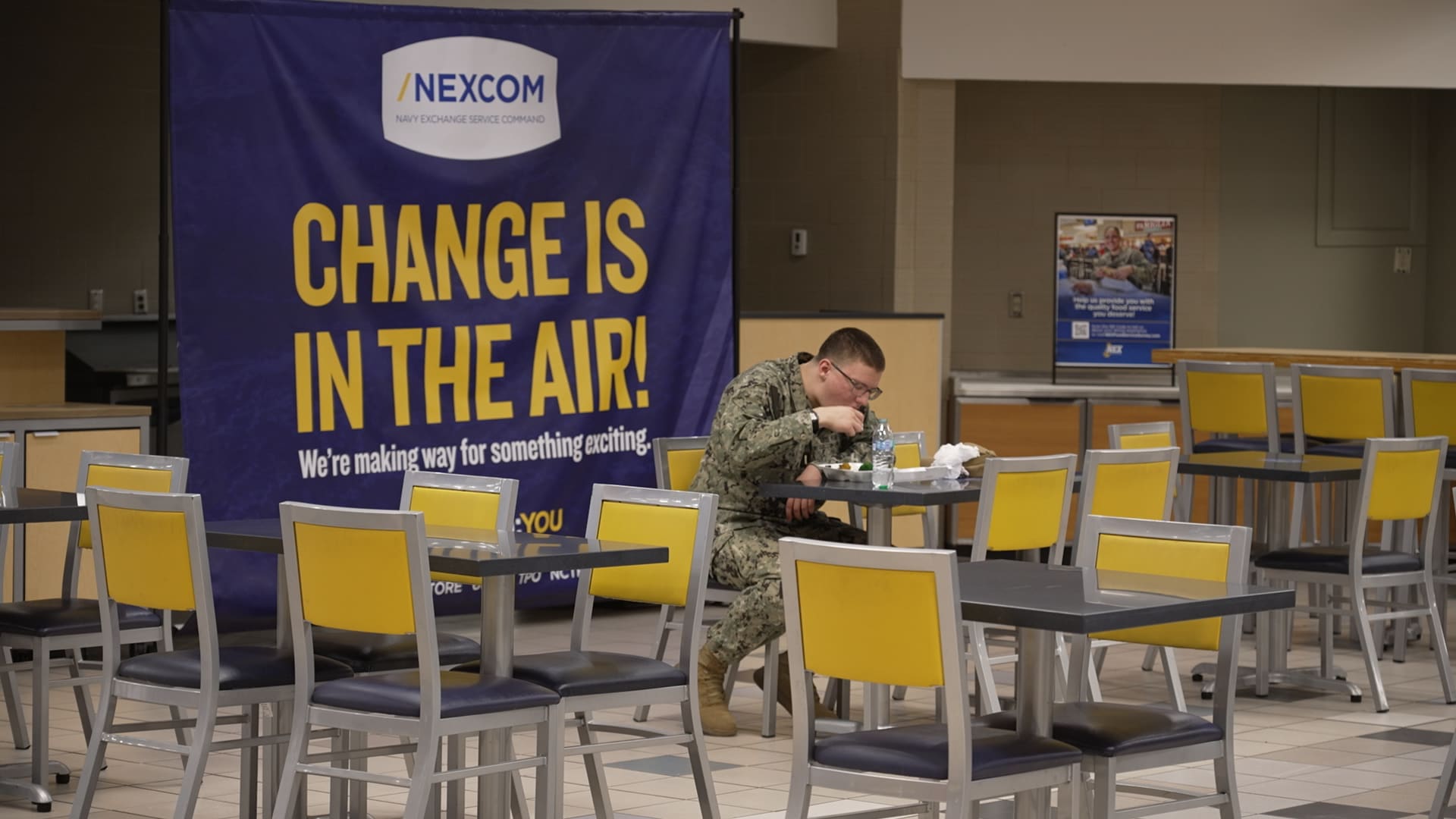
In the rural plains of Northern Poland, at a remote base surrounded by farmland and pine forest, some 150 U.S. Navy sailors have a small slice of comfort through the Navy Exchange Mini Mart, a place for familiar snacks, hygiene products and the household brands many of them knew growing up.
One of hundreds of retail stores the Navy operates globally through the Navy Exchange Service Command, or Nexcom, the convenience store in Redzikowo doesn’t make much money. But it’s part of a sprawling system that plays a critical role in retention, morale and ultimately, U.S. national security by funneling profits into programs that support sailors and their families.
Now, that network could be at risk as larger, savvier retail giants like Walmart, Amazon and Target chip away at Nexcom’s U.S. market share, forcing it to do what any good retailer does when sales slow: hire consultants and embark on an ambitious turnaround plan.
“Even though we’re within the military, we compete for people’s share of wallet, right? They can just as easily … stop at a Target, they could stop at a Walmart, but we want them to shop here,” said Nexcom’s CEO Robert Bianchi, who has both a Harvard MBA and almost 30 years of experience as a sailor to inform his strategy. “It is a constant challenge to stay relevant.”
Advertisement
Declining sales, relevance
Nexcom, which can trace its roots back to the 1800s, provides active duty military members from all branches, veterans and their families with lodging access, uniforms and discounted, tax-free products through its chain of outposts. Some of the locations are sprawling department stores, offering sailors access to household names like Home Depot, Bath and Body Works and American Eagle, while others are smaller convenience stores, similar to a 7-Eleven. Similar versions exist across different branches of the military.
The stores are both a perk and a critical component to supporting sailors, creating its own “virtuous cycle,” Bianchi said.
Aside from offering low prices on household brands, Nexcom’s larger department stores near big bases in California, Florida and Virginia help pay for smaller shops in remote foreign outposts, such as the mini mart in Redzikowo. Across the chain, all profits are funneled back into the Navy and help to fund its morale, welfare and recreation programs, which offer sailors and their families access to services like day cares, gyms, counseling and community events.
The Navy Exchange Mini Mart in Redzikowo, Poland
Advertisement
Handout
“You know you were going to be in a group of folks that were kind of going through the same thing that you were, right? It was almost like a support group,” Bianchi said of his experience with the programs while he was in the military. “The spouses a lot of times are left behind and they’re looking for connections and wanting to establish those relationships with folks that they can lean on while their husband or wife or whoever is out to sea for months at a time, and so the MWR team is really good at sponsoring programs that help all the family, not just the military member.”
But sales have been in decline for the last 12 years, falling 19% between fiscal 2012 and 2024 and outpacing declines in total military personnel. The most recent year with data available, fiscal 2024, saw the lowest sales in nearly 20 years outside the Covid-19 pandemic.
Meanwhile, dividends generated by store sales that feed MWR programs are a fraction of what they were in the past. Between fiscal 2013 and fiscal 2024, dividends fell 43% from $51.9 million to $29.8 million.
Advertisement
“The pressure is there. I feel it, you know, and just like a retailer, we watch our sales figures and every day we’re looking at our retail trends,” said Bianchi. “What is at risk is potentially the degradation of this benefit for all those military members and their families around the world and so that’s why we take this very seriously … if we made less money, [MWR] may have to reprioritize some things within their budget.”
Robert Bianchi,
Chief Executive Officer, Navy Exchange Service Command
CNBC
Nexcom’s sales declines have come at a time when retail sales overall have grown, indicating it’s been losing market share. Its stores have become dated, it’s behind on e-commerce and it’s lost sight of the retail fundamentals that keep customers loyal, choosing to compete on price at a time when shoppers are looking for more.
Advertisement
“They have good things at the exchange. I don’t have a problem with what they carry…. but it’s just the convenience,” Angela Emerson, a Navy veteran and Nexcom customer, told CNBC during a recent store visit in Norfolk, Virginia. “Amazon’s never closed.”
While the Navy’s primary goal is to protect the U.S. at sea, the increasingly competitive consumer landscape means it also needs to be a really good retailer, which sometimes means hiring help.
In May 2020, Nexcom hired retail consultant Melissa Gonzalez, a principal at strategy, design and architecture firm MG2, to help redesign its stores and drive growth through its “Store of the Future” initiative. Over the last few years, it’s put $20 million into fixing its stores and plans to spend $80 million more over the next three years, a significant portion of which will be used to support Store of the Future projects.
“They have a lot of unique challenges with the Navy Exchange. One, no two buildings are the same, so it’s really hard to standardize things that you would then roll out once you come up with a concept, because there’s a lot of different scenarios with the architecture, with the geography, with merchandizing,” said Gonzalez. “Also, when the Navy Exchanges first started, there weren’t so many comps like you see today, Target and Walmart and some of these others who have really grown. And so what is the repositioning of their place in the industry, to their customer, with all of this evolution that’s happening?”
Advertisement
Retail consultant Melissa Gonzalez was hired to help NEXCOM with its turnaround
CNBC
Working alongside Nexcom, Gonzalez has gone department by department, figuring out how to reformat stores, jazz up signage and communicate value based on the local demographics and respective categories.
Renovating Nexcom’s stores and figuring out how to merchandise them has been a challenge, said Richard Honiball, Nexcom’s chief merchandising and marketing officer. Some of the stores are so large, they offer everything from Tempur-Pedic mattresses and dishwashers to Estee Lauder fragrances and buzzy razor brands.
Advertisement
“The least expensive item we sell is a note card overseas. It’s about 30 or 40 cents. The most expensive item we sold last year? A diamond solitaire ring that was over $90,000,” said Honiball. “How do we merchandise it? It is challenging, which is why we don’t try to be Costco and bulk things out, or we don’t try to be Amazon and carry everything. What we try to do is curate the assortments as best we can, and I think we get it right more than we get it wrong. But when we get it wrong, we listen to the patron and we adapt.”
Richard Honiball, Nexcom’s chief merchandising and marketing officer
CNBC
While the company has not yet released its annual report for 2025, it says that the turnaround efforts are taking hold. Customer satisfaction was up 2.7 percentage points in 2025, and Nexcom said it grew for the first time since fiscal 2021, with retail sales up 3.2% year over year.
Advertisement
“Any time we’ve touched an area, it’s driving more sales,” said Honiball. “We didn’t start off saying we’re going to create the Store of the Future, but we were two or three projects in and realized that in essence, what we’re doing is creating this new environment that is much easier, it’s easier to run and it’s more engaging for the patrons.”
Military style turnaround
Earlier this year, CNBC traveled to Norfolk, Virginia – home to the largest Navy base on the globe – to see both an unrenovated Nexcom department store, NEX Norfolk, and its Store of the Future test shop, NEX Oceana, to see the changes underway and how they’re improving sales at the overhauled location.
As soon as customers enter the revamped store, the tweaks are obvious. At NEX Oceana, the lights are brighter, the floors are cleaner, the signage is digital and shoppers can clearly see different departments as they navigate the store.
“People have become more aware of what a good setting feels like. Lighting is critical, right?” said Gonzalez. “You’re looking in the mirror at the outfit you’re trying on. How you look in the mirror is going to influence how much you want to buy that outfit.”
Advertisement
How assortments are laid out matters, too.
At NEX Norfolk, the consumer electronics department featured an array of TVs on the wall with little branding or explanation of how their features differ, along with lots of empty space. It created a less than engaging retail experience in a critical section of the store offering big-ticket items that consumers consider carefully before buying.
The unrenovated consumer electronics department at NEX Norfolk
CNBC
Advertisement
At NEX Oceana, the TVs were more organized, branding was clear and the layout maximized the available room, allowing for more merchandise to be on the floor to drive higher sales.
The renovated consumer electronics section at NEX Oceana
CNBC
The new stores have also improved the way individual brands are displayed – especially in categories like jewelry, beauty and apparel.
Advertisement
For example, in the apparel section at NEX Norfolk, major athletic brands like Nike, Under Armour and Athleta are grouped together, united only by a sign overhead advertising a 20% off discount. At NEX Oceana, individual retailers, from American Eagle to Old Navy, have their own sections, creating branded shopping experiences within the store that allow shoppers to navigate between their favorite names.
The apparel section at the renovated NEX Oceana location highlights individual brands like American Eagle
CNBC
Marta Cruz, a military spouse whose husband is a veteran of both the U.S. Marines and the U.S. Coast Guard, told CNBC that NEX Oceana looked different when she was there for a shopping trip in February. It was less crowded, the clothes were more organized and it was easier to push her cart around.
Advertisement
“It looks good,” said Cruz. “It’s better now.”
Some of the changes to the beauty section at NEX Oceana are already leading to improved sales patterns. In the past, the Bath and Body Works section was in a cavernous tunnel separating the department store from a since shuttered grocery store, far from the rest of the beauty department. Now, the retailer’s area has better signage and is situated with the rest of the beauty products and fragrances, leading sales to jump 40% between 2023 and 2024 at NEX Oceana.
The tunnel where the Bath and Body Works section used to be
CNBC
Advertisement
The new Bath and Body Works section at NEX Oceana
CNBC
“We’ve already remodeled 20 of the 25 main stores, and we’re seeing increases across the board. In beauty, our beauty sales are up in the high single digits,” said Honiball. “They’re performing three to 400 basis points better than the main chain.”
Some of the changes have also been about making the stores more agile so they can tweak departments and assortments rapidly based on the evolving needs of sailors. In the past, making changes was a costly endeavor that could take years, dragging on both profitability and sales while the renovations were going on.
Advertisement
“We don’t have the luxury today, in retail overall as an industry, but especially within military retail, within the Navy, to have these long drawn out projects,” said Honiball. “If consumer behavior is shifting, if someone’s going more toward certain brands or going more to certain products or buying in a certain way, we want to be able to adapt much more rapidly because the demands of someone who’s in the military can change in a nanosecond.”
‘Too much of a pain’
As the retail industry grows increasingly competitive, and giants like Walmart and Amazon become harder to beat, it’s common to see warring big box stores try to copy one another and adopt each other’s strategies to take market share.
That’s true at Nexcom, too, but the stores also have a unique value proposition as serving just people connected to the military.
“It’s nicer people because we’re all military,” said Kathy Pawlak, the spouse of a veteran Navy pilot and loyal Nexcom shopper. “I don’t like going in the civilian nastiness.”
Advertisement
There are unique benefits that come with shopping at Nexcom stores. If a servicemember is in uniform, they get front of the line privileges, and if they’re having an issue with something, there’s access to “white glove service” to address their unique needs, said Honiball.
“That’s kind of our secret sauce,” said Bianchi. “When a family or a sailor walks in here, one out of three people they’re interacting with probably has walked a mile in their shoes, right? So they get it. They understand if that kid is crying in the aisle and whoa, daddy’s gone, you know, or whatever, they get it because they probably moved, or they probably had a dad or a mom who was gone and they can really empathize with that.”
A service member checks out at a Navy Exchange store in Norfolk, Virginia
CNBC
Advertisement
Though Nexcom has those advantages, it still has to compete in a retail environment where convenience and value matter more than ever, especially for the next generation of shoppers. Many customers interviewed by CNBC said one of the main reasons why they don’t shop at Nexcom more often is because there’s a Walmart or Target closer by, or it’s easier to order from Amazon.
Nexcom has moved online, but its digital storefront can be clunky. Some items require customers to call in to place their order and shoppers need military credentials to log on.
“It’s like this big rigmarole to try to get logged on. It’s kind of a pain,” said Melissa Wadington, whose spouse is in the Navy. “It’s just not worth it for me. It’s too much of a pain.”
Already five years in the making, Nexcom’s turnaround will take at least another three years and millions more in funding. Unlike many other military programs, Nexcom is not primarily funded through federal appropriations, but is rather a self-sustaining machine through its own retail sales, making its ability to grow – while also affecting a turnaround – critical for its survival.
Advertisement
“There is no time to sit idle in this retail environment,” said Bianchi. “I won’t lie to you and tell you that the competition isn’t fierce. It is. I mean, we fight. We fight to maintain that loyalty.”
DICK’S Sporting Goods, Inc. (DKS) J.P. Morgan Retail Round Up Forum 2026 April 8, 2026 10:00 AM EDT
Company Participants
Edward Stack – Executive Chairman Lauren Hobart – President, CEO & Director Navdeep Gupta – Executive VP & CFO
Conference Call Participants
Advertisement
Christopher Horvers – JPMorgan Chase & Co, Research Division
Presentation
Christopher Horvers JPMorgan Chase & Co, Research Division
Advertisement
Well, great. Good morning, everyone, and allow me to welcome you to JPMorgan’s 12th Annual Retail Roundup. It’s our pleasure to host the event inside JPMorgan’s new global headquarters here. I hope you’re enjoying the building and don’t miss the flag in the lobby waving 24 hours a day.
Our fireside chat today is with DICK’S Sporting Goods, and it’s my distinct pleasure to welcome the management team, including an absolute legend of retail, Mr. Ed Stack, Executive Chairman; as well as CEO, Lauren Hobart; and CFO, Navdeep Gupta. Team, DICK’S thank you for your time, and thanks for joining us today.
Edward Stack Executive Chairman
Advertisement
Happy to be here. And by the way, that lobby is pretty awesome.
Christopher Horvers JPMorgan Chase & Co, Research Division
Jamie is a Patriot. Jamie is a Patriot.
Advertisement
Edward Stack Executive Chairman
Pretty awesome.
Advertisement
Question-and-Answer Session
Christopher Horvers JPMorgan Chase & Co, Research Division
And for anyone who’s around tomorrow, Matt and I will be in this room. In terms of format, I have a series of questions that I’ll cover, and I’ll open up towards the end for questions for those of you in the room. In terms of — we’re going to kick it off and talk a little bit about Foot Locker. We’ve looked at the Foot Locker acquisition as in terms of like playing long ball in terms of balancing the power between you and the vendors at times in the past, vendors have been irrational at times.
The stepmother of the late “Friends” star Matthew Perry delivered an emotional plea for the harshest possible punishment against the woman dubbed the “Ketamine Queen,” describing the family’s pain as “irreversible” in a victim impact statement filed just before the drug dealer’s sentencing Wednesday.
AFP
Debbie Perry, married to the actor’s father John Bennett Perry, urged a federal judge in Los Angeles to impose the maximum prison term on Jasveen Sangha, the 42-year-old North Hollywood woman who admitted supplying the ketamine that led to Perry’s fatal overdose in October 2023. Sangha could face more than 60 years behind bars after pleading guilty to five federal charges, including one count of distribution of ketamine resulting in death or serious bodily injury.
“Please give this heartless woman the maximum prison sentence so she won’t be able to hurt other families like ours,” Debbie Perry wrote in the statement submitted to the U.S. District Court for the Central District of California on April 7. She described the family’s ongoing grief, saying there is “no joy to be found, no light in the window” and that the loss “comes through our day everyday.”
The statement, obtained by multiple news outlets, highlighted the profound and lasting damage caused by Sangha’s actions. “The pain you’ve caused to hundreds maybe thousands is irreversible,” Debbie Perry continued. “You caused this. You who has talent for business, enough to make money, chose the one way that hurts people.”
Sangha, known among clients as the “Ketamine Queen,” ran what prosecutors described as an elaborate drug operation catering to high-end customers. She admitted to working with another dealer to provide dozens of vials of ketamine to Perry, including the dose that contributed to his drowning death at age 54 in the hot tub of his Pacific Palisades home. Perry, who had long struggled with addiction and documented his battles in his 2022 memoir, was found unresponsive on Oct. 28, 2023.
Advertisement
The case has drawn intense public attention, shining a spotlight on the dangers of ketamine misuse, especially when obtained illegally outside clinical settings. Ketamine, a dissociative anesthetic sometimes used legitimately for depression treatment under medical supervision, can cause severe respiratory depression and loss of consciousness when abused in high doses.
Sangha pleaded guilty in September 2025 to maintaining a drug-involved premises, three counts of distribution of ketamine and the count tied to Perry’s death. Her sentencing hearing was scheduled for Wednesday morning in downtown Los Angeles federal court. Prosecutors have recommended at least 15 years in prison, while her defense has reportedly sought time served or a lighter term.
She becomes the third of five defendants to face sentencing in the high-profile case. On Tuesday, Dr. Salvador Plasencia, one of the physicians involved, was sentenced to 30 months in prison for his role in supplying ketamine to Perry. Another defendant, Perry’s live-in assistant Kenneth Iwamasa, previously pleaded guilty to conspiracy to distribute ketamine and faces his own sentencing.
Prosecutors portrayed Sangha as a central figure in a network that profited from providing powerful drugs to vulnerable individuals. Court filings alleged she operated with sophistication, using multiple phones and catering to wealthy clients seeking ketamine for recreational or self-medication purposes. The government emphasized that her actions directly contributed to Perry’s death, even as the actor was attempting to manage his addiction.
Advertisement
Debbie Perry’s statement marked the family’s most public expression of grief and anger in recent months. While Perry’s biological mother, Suzanne Morrison, and other relatives have spoken sparingly, Debbie Perry’s words underscored the collective family trauma three years after the loss. The family has largely avoided the spotlight, focusing instead on honoring Matthew Perry’s legacy through his foundation and advocacy for addiction recovery.
Matthew Perry rose to global fame as the sarcastic Chandler Bing on the NBC sitcom “Friends,” which aired from 1994 to 2004. He earned an Emmy nomination for the role and later starred in films and other television projects. Behind the success, however, Perry battled severe substance abuse issues for decades, including prescription opioids and alcohol. In his memoir “Friends, Lovers, and the Big Terrible Thing,” he detailed his struggles with sobriety and the physical toll of addiction.
His death at 54 shocked fans worldwide and prompted renewed discussions about celebrity addiction, the opioid crisis and the emerging risks of ketamine. The actor had reportedly been receiving ketamine infusions legally for depression in the period leading up to his death, but the fatal dose came from illegal sources obtained through the charged defendants.
The case has unfolded slowly through the federal court system. Arrests began in August 2024, with Sangha taken into custody and held without bail. Her plea deal in late 2025 resolved the charges against her without a trial, allowing the focus to shift to sentencing.
Advertisement
Legal experts note that while the maximum statutory penalty exceeds 60 years, actual sentences in such cases often fall significantly lower based on guidelines, cooperation and other factors. Prosecutors’ push for 15 years reflects the gravity of the conduct while acknowledging typical federal sentencing ranges for similar offenses.
Sangha’s operation allegedly extended beyond Perry, with authorities claiming she supplied ketamine to numerous other clients. The “Ketamine Queen” moniker originated from her own communications and those of her customers, according to court documents.
The Perry family’s call for maximum punishment echoes victim impact statements in other high-profile drug cases, where relatives seek to emphasize the human cost beyond statistical sentencing calculations. Debbie Perry’s letter painted a picture of unrelenting sorrow that no prison term can fully alleviate, yet she argued that a strong sentence could prevent future harm.
” They won’t be back,” she wrote of lost loved ones. “That thought comes through our day everyday. There is no escape from these feelings.”
Advertisement
As the sentencing hearing proceeded Wednesday, courtroom observers anticipated emotional testimony and arguments from both sides. Sangha has remained in federal custody since her arrest. Her attorneys have not publicly commented in detail on the victim impact statement.
The broader case has raised questions about accountability in the illegal ketamine trade. While medically supervised ketamine therapy has grown in popularity for treatment-resistant depression, unregulated street supplies pose significant dangers, particularly when mixed with other substances or used by individuals with underlying health issues.
Perry’s death certificate listed the cause as “acute effects of ketamine” with contributing factors including drowning and coronary artery disease. The actor had reportedly received multiple ketamine injections in the days before his death from unauthorized sources.
Advocates for addiction recovery have used the case to call for better regulation, increased access to legitimate treatment and destigmatization of substance use disorders. Perry himself had become an advocate in his later years, supporting sober living initiatives and sharing his story to help others.
Advertisement
As Wednesday’s proceedings unfolded, the entertainment world watched closely. “Friends” co-stars and Hollywood figures have expressed continued support for the Perry family while avoiding direct commentary on the legal case.
The sentencing represents a significant milestone in the justice system’s response to Perry’s death, though it will not bring closure to the family’s grief. Debbie Perry’s statement served as a powerful reminder of the human stakes in what might otherwise be viewed as a routine drug distribution prosecution.
Federal sentencing guidelines consider factors including the quantity of drugs, the defendant’s role, criminal history and the outcome of the offense. The count tied to death carries the most severe potential penalty, elevating the case beyond standard narcotics charges.
Regardless of the exact term imposed, the Perry family has made clear their desire for a sentence that reflects the irreversible loss they attribute to Sangha’s actions. “You caused this,” Debbie Perry wrote, directing her words at the defendant.
Advertisement
As the judge weighs the arguments, the case continues to highlight the complex intersection of celebrity, addiction, illegal drug markets and federal prosecution. For the Perry family, it marks another chapter in their long journey of mourning while seeking accountability.
Matthew Perry’s legacy endures through his work, his foundation and the conversations his death has sparked about recovery and responsibility. On Wednesday, those themes converged in a Los Angeles courtroom as his stepmother’s words echoed the family’s enduring pain and demand for justice.
Pakistan’s stock market recorded a historic surge on Wednesday after news of a temporary ceasefire between the United States and Iran eased geopolitical tensions and boosted investor confidence across the region.
The benchmark KSE-100 index at the Pakistan Stock Exchange jumped more than 12,000 points in trading at one point, marking its largest intraday gain in absolute terms. This prompted an automatic temporary halt in trading under exchange regulations designed to manage extreme volatility.
The rally came after confirmation of a two-week ceasefire agreement between Washington and Tehran. Under the arrangement, the United States agreed to pause planned military operations, while Iran committed to reopening the Strait of Hormuz, a vital global oil shipping route responsible for transporting a significant share of the world’s energy supplies.
Investors had been on edge for weeks as escalating tensions in West Asia triggered sharp market swings. The KSE-100 index had previously suffered a major setback on March 2, plunging more than 16,000 points amid reports of a high-profile assassination tied to the Supreme leader.
Advertisement
Pakistan’s leadership welcomed the development. Officials indicated that the ceasefire could pave the way for diplomatic negotiations, with discussions potentially taking place in Islamabad in the coming weeks. Government representatives expressed hope that the temporary truce would evolve into a more durable agreement.
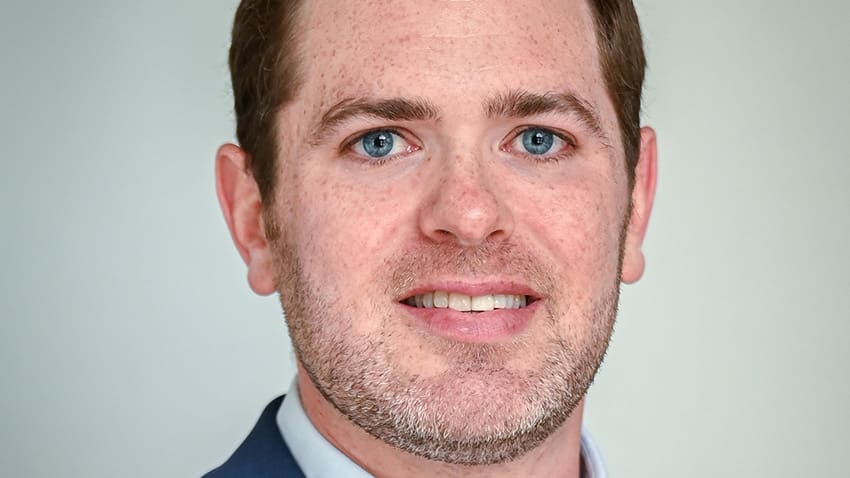
Joshua Chefec’s story starts in Great Neck, New York, a place he describes as “a pretty competitive and high-achieving environment.” From a young age, he learned how to perform under pressure.
He wasn’t just focused on academics. He was also a serious clarinetist. He earned first chair in high school and performed at Carnegie Hall multiple times. “That definitely taught me how to handle a big stage and a lot of pressure at a young age,” he says.
At the same time, he played multiple sports, including soccer, lacrosse, basketball, and tennis. That mix of team play and individual focus would later shape how he leads in business.
Outside of school, he stayed active. Skiing, scuba diving, and boating were part of his routine. That drive to stay engaged and push limits has stayed with him.
Advertisement
Tulane, Finance, and an Early Start in Banking
Chefec moved to New Orleans for college, attending Tulane University. He graduated in just three years with a finance degree, helped by 29 AP credits.
He didn’t wait until graduation to start working. While still in school, he took roles in wealth management offices. By his junior year, he landed an internship at J.P. Morgan in Asset & Wealth Management.
“That really set the stage for everything else,” he says.
After graduating, he stepped into the world of middle-market finance at FGI Capital. There, he worked on debt deals for private equity firms and companies navigating leveraged buyouts and recapitalizations. He also helped build out a private equity coverage model.
Advertisement
It was a fast introduction to complex financial work. It also gave him exposure to senior professionals early in his career.
Building from Scratch in New York
Chefec’s next move tested his ability to build something new. At ExpoCredit, he opened the company’s first New York office.
He wasn’t handed a playbook; he created the strategy himself. He sourced deals, built relationships, and executed transactions from start to finish.
“I was responsible for the whole strategy,” he says, “from sourcing deals to execution.”
Advertisement
This experience shaped how he approaches leadership. It forced him to think clearly, move fast, and take ownership.
He later joined LSQ as a Regional Vice President. There, he managed business development across New York and handled partnerships with large financial institutions.
The JPMorgan Years: Growth and Recognition
Chefec returned to JPMorgan Chase in 2018 as a Vice President in commercial banking. This period marked a major step forward in his career.
He focused on mid-sized companies across industries like consumer retail, media, and manufacturing. Over time, he built strong relationships and delivered consistent results.
Advertisement
Between 2020 and 2022, he generated over $9.5 million in new revenue. He also brought in dozens of new client relationships.
In 2022, he earned “Club Elite” status, one of the firm’s top honors for bankers.
“That performance came from staying focused and doing right by clients,” he says.
By 2023, he was promoted to Executive Director after a full 360-degree review process. He later became Market Executive, co-leading a team of nearly 30 bankers in New York.
Advertisement
In that role, he helped manage a multi-million dollar business serving hundreds of clients. He also led hiring efforts, bringing in more than 20 team members.
“When I build a team, I want to ensure that there is diversity of thought,” he says. “That’s how you make better decisions.”
Leadership Style: Integrity, Clarity, and Follow-Through
Chefec believes strong leadership starts with integrity.
“My industry is about doing right by people,” he says. “It’s about building trusting relationships and following your words with action.”
Advertisement
He also values clear thinking and communication. In finance, decisions often involve complex situations. He focuses on breaking those down and staying grounded.
He doesn’t overcomplicate things. “I keep lists of things, but I try not to over-engineer my career or my life,” he says.
Instead, he relies on discipline and mental toughness. “I focus on grit and not allowing myself to be self-defeating,” he explains. “I think about what advice I would give to others in my situation, and I tell that to myself.”
Overcoming Challenges and Staying Focused
Chefec is open about facing challenges early in life. He grew up in a difficult home environment and had to mature quickly.
Advertisement
He also faced setbacks during his transition into the professional world. Those experiences forced him to reset and rebuild.
“I was forced to grow up much faster than others,” he says. “I overcame those things by being resilient and focused and going after what I want.”
That mindset continues to guide him today. He measures success on his own terms.
“Success can only be defined by yourself,” he says. “It’s about being content with the sum of the parts of your life.”
Advertisement
Looking Ahead
Chefec continues to stay active outside of work. He skis, plays tennis, and enjoys cooking. He also gives back through organizations like W!SE, helping improve financial literacy and career readiness.
As his career evolves, his focus remains steady: build strong teams, make thoughtful decisions, and stay grounded.
And keep growing.
“Success comes when you challenge yourself to grow, learn, and enrich the lives of others,” he says.






















































You must be logged in to post a comment Login