
Business
PubMatic chief growth officer Klimenko sells $99k in stock



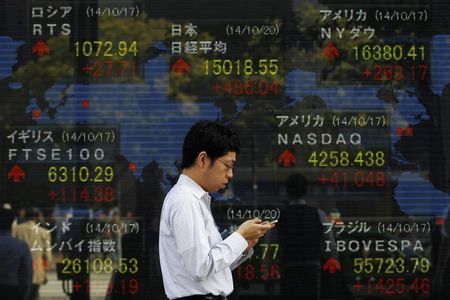
Asia stocks skittish amid doubts over US-Iran ceasefire
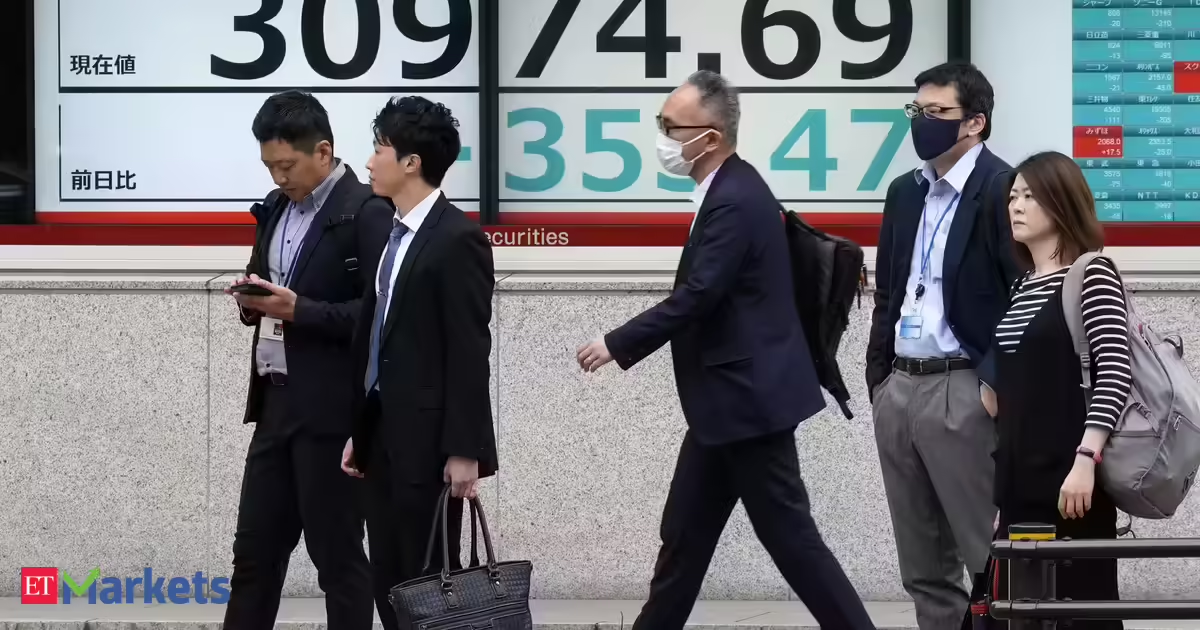
There was scant sign that the Strait of Hormuz was open in any meaningful way, with Iran flexing its control over the vital oil artery and demanding tolls for safe passage.
“You have a fifth of the world’s oil supply moving through a corridor that is still effectively under the influence of one of the parties to the conflict,” said Nigel Green, CEO at deVere Group. “That’s not stability.”
“You don’t need a full blockade to move oil markets sharply higher again,” he added. “Missiles are still being launched in the Gulf, Israel is still engaged on another front, and yet markets are behaving as though the region has normalised.”
As a result prices for U.S. crude futures edged up 2.8% to $96.99 a barrel, while Brent rose 2.1% to $96.74.

Japan’s Nikkei dithered either side of flat, after jumping 5.4% the previous session. South Korea dipped 0.4%, following a leap of 6.8%. MSCI’s broadest index of Asia-Pacific shares outside Japan eased 0.3%.
On Wall Street, S&P 500 futures and Nasdaq futures were both off 0.2% as Wednesday’s surge petered out. For a mixed Europe, EUROSTOXX 50 futures inched up 0.1%, DAX futures fell 0.3% and FTSE futures rose 0.5%.
INFLATION IS INEVITABLE
With oil prices still around 40% higher than pre-conflict, an inflationary spike is about to show up in the hard data across the globe.
Figures on U.S. core prices for February due later Thursday are expected to show a chunky 0.4% rise for a second month, and that was before the surge in energy costs.
Minutes from the Federal Reserve’s last policy meeting showed a growing number of members felt a rate hike might be needed to contain inflation, though many hoped the next move would still be a cut.
That tempered a rally in Treasuries, which proved modest compared to the big gains seen in European debt markets. Yields on U.S. 10-year notes sat at 4.29%, compared to 3.96% before the attack on Iran.
Fed fund futures imply only 7 basis points of easing for the rest of this year, having given up on 50 basis points of cuts since the end of February.
“The committee broadly agreed that it was too early to act, suggesting the Fed will likely remain on hold this year, in line with our view,” said analysts at JPMorgan in a note.
They also saw risks shifting to just one rate hike from the European Central Bank this year, rather than two.
The shifting outlook for rates saw the dollar pare some of its knee-jerk losses, with the euro flat at $1.1660 and off a top of $1.1721.
The dollar steadied at 158.60 yen, having fallen as far as 157.89 at one stage on Wednesday.
In commodity markets, gold was flat at $4,718 an ounce , after bouncing as high as $4,777 overnight.
FOX Business correspondent Kelly Saberi reports on California’s isolating energy policies that have degraded what once was an energy-dominant state on ‘The Bottom Line.’
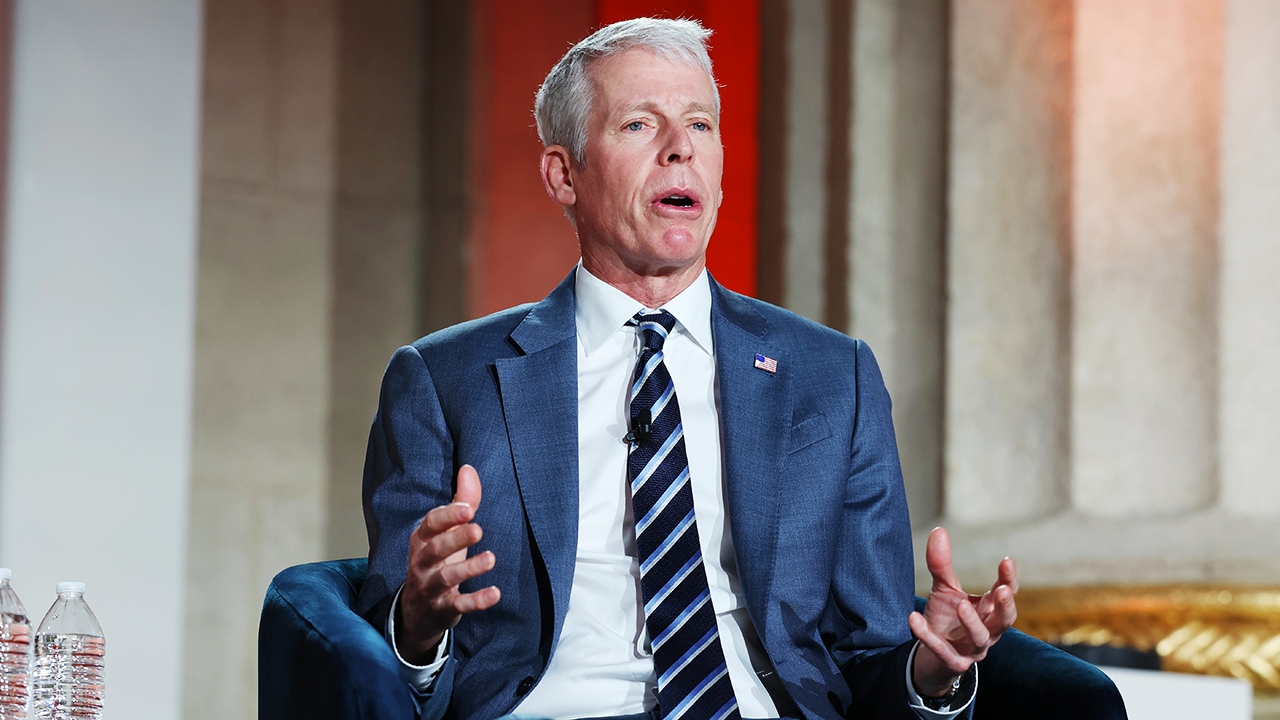
Energy Secretary Chris Wright warned that California’s insufficient energy production could pose a national security risk as President Donald Trump moves to reduce the state’s dependence on foreign oil.
Wright criticized California politicians, including Gov. Gavin Newsom, for making California an energy-starved island by outsourcing oil and gas imports from places like Iraq and Brazil, even though resources could be developed in the state.
“President Trump is rightfully concerned about energy security for the military operations here in the state of California,” he told FOX Business’ Kelly Saberi. “This is also a launch pad where we should be supplying our assets across the Pacific Ocean… But by strangling California, he [Newsom] is not only harming California’s, he is harming United States national security.”
The energy secretary said that high energy prices in the Golden State are a “political choice” and accused leadership of undermining what was once an energy-dominant state.
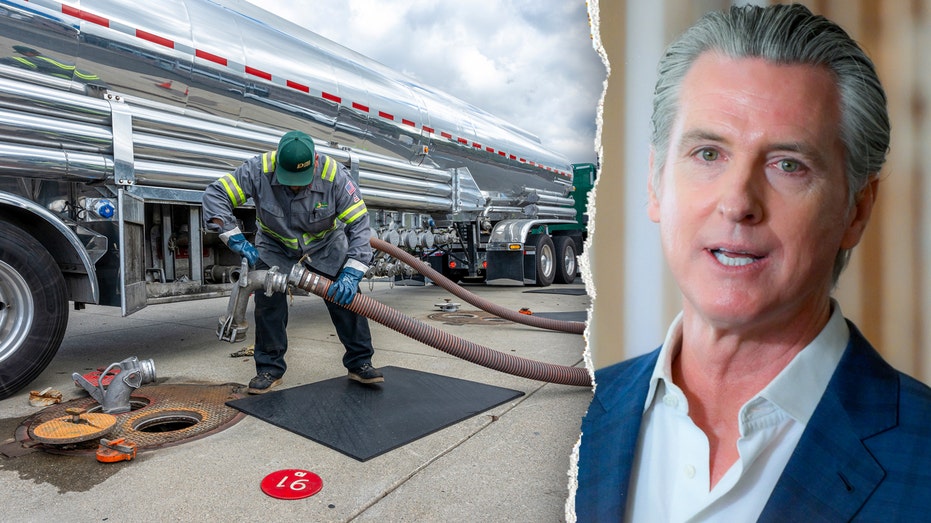
Chevron’s president wrote a strongly-worded letter addressed to California Gov. Gavin Newsom over proposed energy regulations. (David Paul Morris/Bloomberg via Getty Images; Tayfun Coskun/Anadolu via Getty Images / Getty Images)
“When I started working in California, in the oil and gas industry 30 years ago, California was one of the top three producers of oil in the United States,” he explained. “It’s got a long history as a major oil and gas producer.”
“It’s just recent political decisions that have somehow decided to strangle this industry.”
California boasts the highest gas prices in the country, with one gallon of regular gas sitting at $5.93 as of Wednesday, according to AAA — a price exacerbated by geopolitical tensions.
NEWSOM KNOCKED FOR ‘INSANE’ CALIFORNIA GAS PRICES AFTER BLAMING TRUMP FOR RISING COSTS
Wright said there is “no reason” for California’s surging energy prices and regulations given the state’s vast natural resources.
“Why should California citizens pay more than 50% higher gasoline prices? Why should they pay almost twice as high electricity prices?” he asked.
Wright said that the administration is open to working with California leadership to revive the state’s energy production.
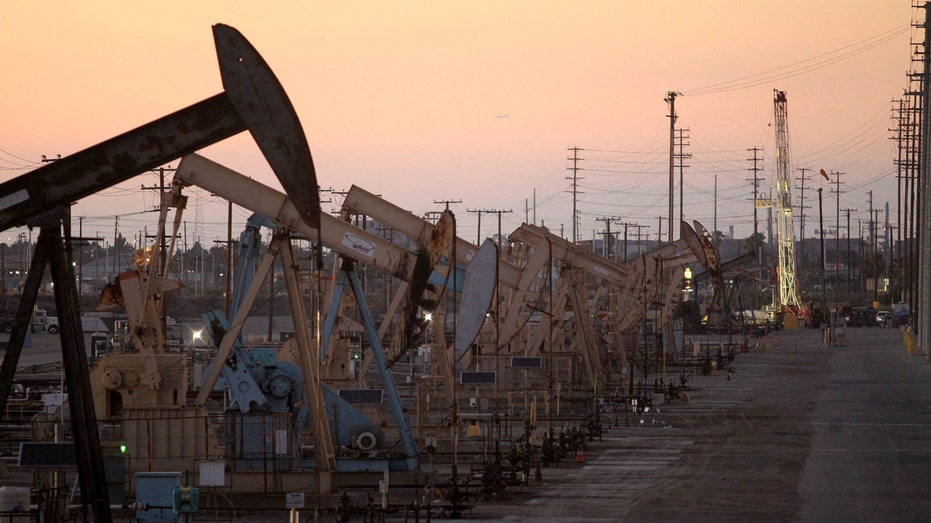
Oil rig pumpjacks extract crude from Wilmington Oil Field near Long Beach, California, on July 30, 2013. (REUTERS/David McNew/File Photo / Reuters)
“The Trump administration wants to work with Gavin Newsom or anyone else in California that recognizes these threats to national security, to the national economy, and most importantly all to the lives of Californian citizens,” he said.
GET FOX BUSINESS ON THE GO BY CLICKING HERE
However, Newsom’s office expressed disinterest in Wright’s plans, saying in part in a statement to FOX Business: “We wish America’s taxpayer-funded fossil fuel lobbyist Chris Wright well in his quest to drag America back to the Stone Age.”
“We hope he doesn’t suffer the same fate his shilling for big oil is forcing on Americans — asthma, toxic exposure, black lung, and other devastating costs,” the statement continued.


NuCicer and pulse supplier to scale up the high-protein pulse.
Business
Oil Price Today (April 9): Crude oil prices rebound, hover close to $100 despite Iran war ceasefire. Here’s why
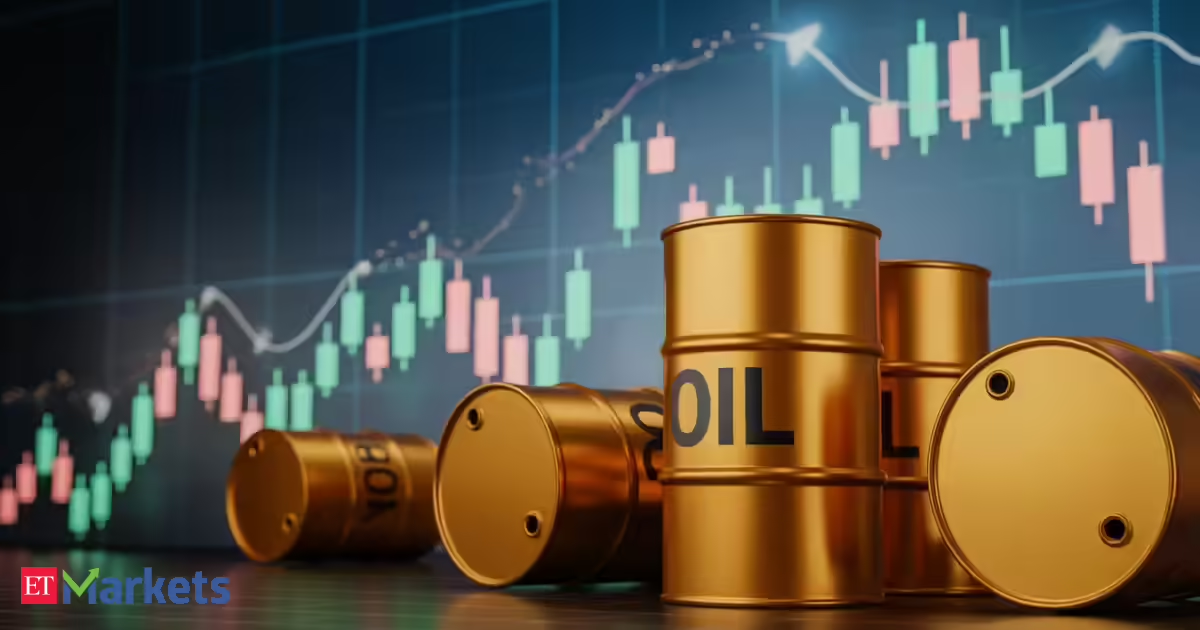
The strategic waterway links oil exports from major Gulf producers such as Iraq, Saudi Arabia, Kuwait and Qatar to global markets and typically handles around 20% of global supply. However, uncertainty around the ceasefire remains high. Israel continued strikes on Lebanon on Wednesday, prompting Iran to call it “unreasonable” to move ahead with negotiations for a lasting peace agreement.
Crude oil price on April 9
Brent crude rose $2.6, or 2.74%, to $97.35 a barrel at 0048 GMT. U.S. West Texas Intermediate (WTI) gained $3.02, or 3.2%, to $97.43 a barrel. Both benchmarks had slipped below the $100 mark in the previous session. WTI posted its sharpest fall since April 2020, driven by hopes that the ceasefire involving the U.S. and Israel against Iran would lead to the reopening of the Strait of Hormuz.Meanwhile, risks to regional oil infrastructure continue. Iran reportedly targeted sites in neighboring countries even after the ceasefire, including a pipeline in Saudi Arabia that serves as an alternative to the Strait. Kuwait, Bahrain and the UAE also reported missile and drone attacks.
The durability of the ceasefire hangs in limbo, particularly due to Israel’s actions against Hezbollah in Lebanon. Ongoing attacks on energy facilities and conflicting signals surrounding the Strait of Hormuz continue to add to market uncertainty.
What are experts saying?
Experts say oil markets may be transitioning into a structurally higher price regime. In a base case scenario that assumes de-escalation of the Iran war, global brokerage Macquarie expects prices to remain elevated, with Brent finding support in the $85–$90 range and gradually inching back towards $110 as flows through the Strait of Hormuz normalise only slowly.Experts say if ongoing tensions persist, the outlook for crude oil remains volatile and tilted upward. Continued conflict in the Middle East, especially disruptions around the Strait of Hormuz, would keep supply chains constrained, pushing Brent and WTI prices higher and sustaining inflationary pressures worldwide.
“Even with a peace deal, Iran may be emboldened to threaten the Strait of Hormuz more frequently in the future, and the market will price in heightened risk to the Strait of Hormuz going forward,” MST Marquee analyst Saul Kavonic, told Reuters.
(Disclaimer: Recommendations, suggestions, views and opinions given by the experts are their own. These do not represent the views of The Economic Times)
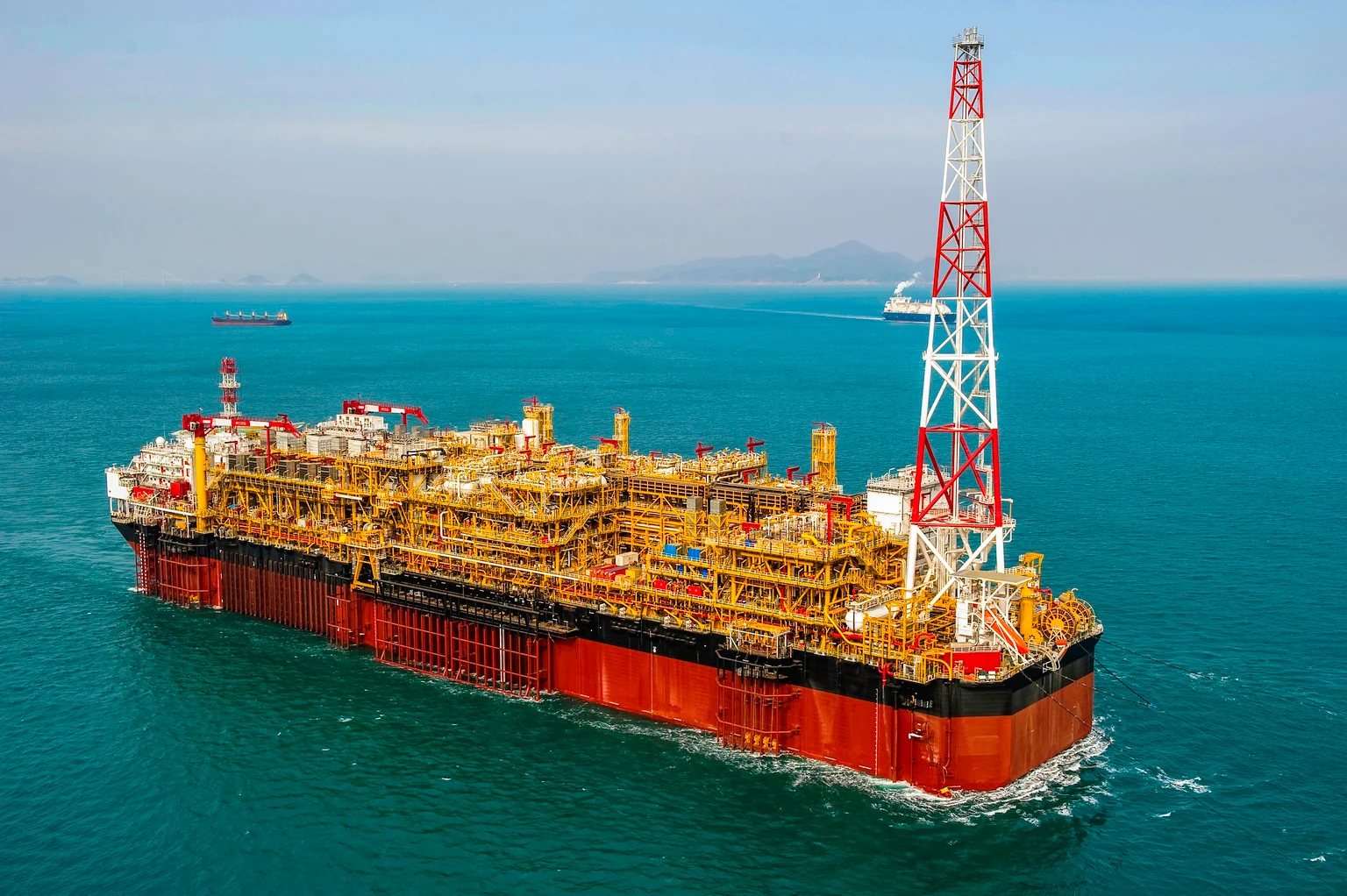
Exxon Mobil: War Effect On Earnings

My Dividend Growth Income: March 2026 Update
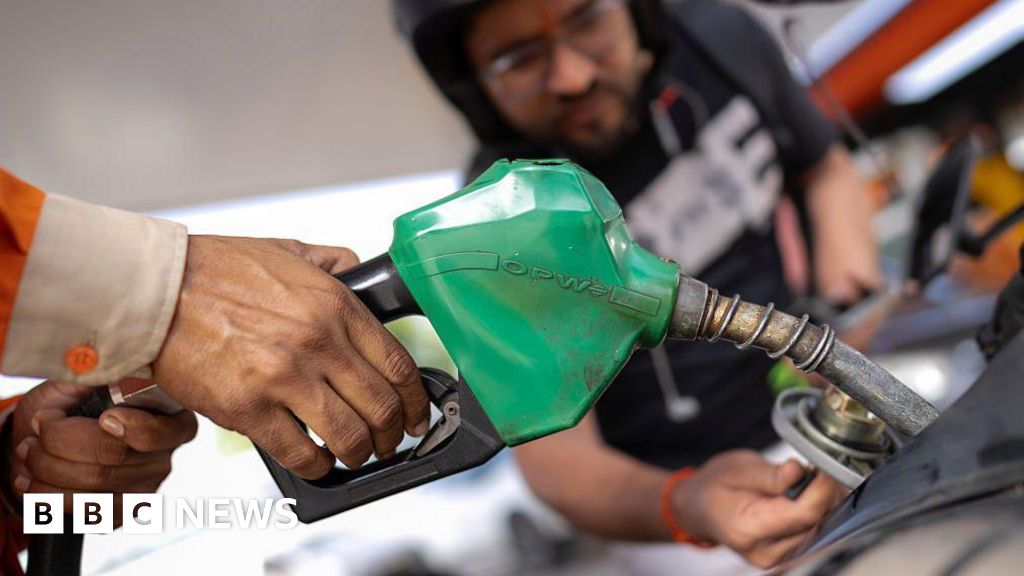
Crude prices plunged on Wednesday after a deal was announced that includes the opening of the Strait of Hormuz.


New packaging inspired by tradition and designed to highlight craft.
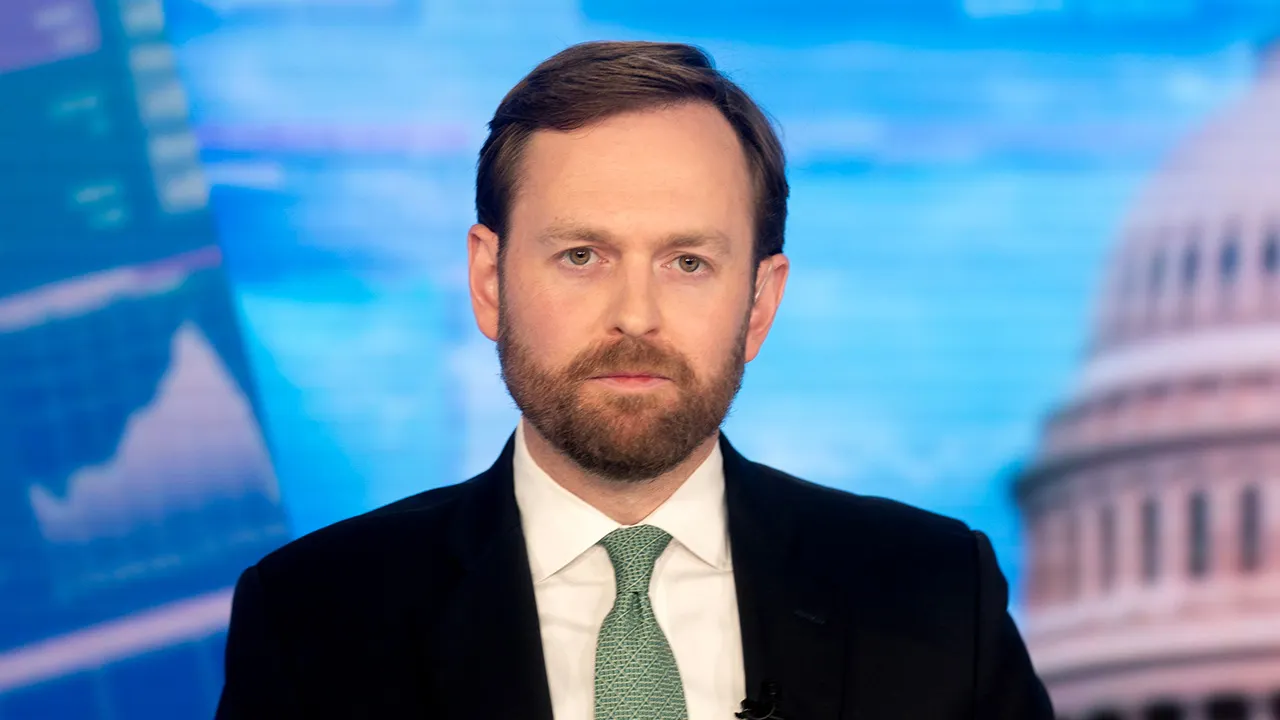
FOX Business’ Lydia Hu reports on the Federal Trade Commission’s announcement that July is ‘Made in the USA’ month and Chairman Andrew Ferguson’s goals for American-made products.
A year into his tenure and despite what his feckless critics claim, President Donald Trump’s Federal Trade Commission Chairman Andrew Ferguson is delivering monumental wins for competition and consumers.
I’ve known Ferguson for years. He’s a friend, a former colleague and exactly the kind of fighter President Trump promised to put in charge of the administrative state. And unlike the typical Washington bureaucrat, Ferguson isn’t interested in academic exercises, he’s interested in results. In just one year, he’s returned $3.2 billion to consumers, more than during the entire Biden administration.
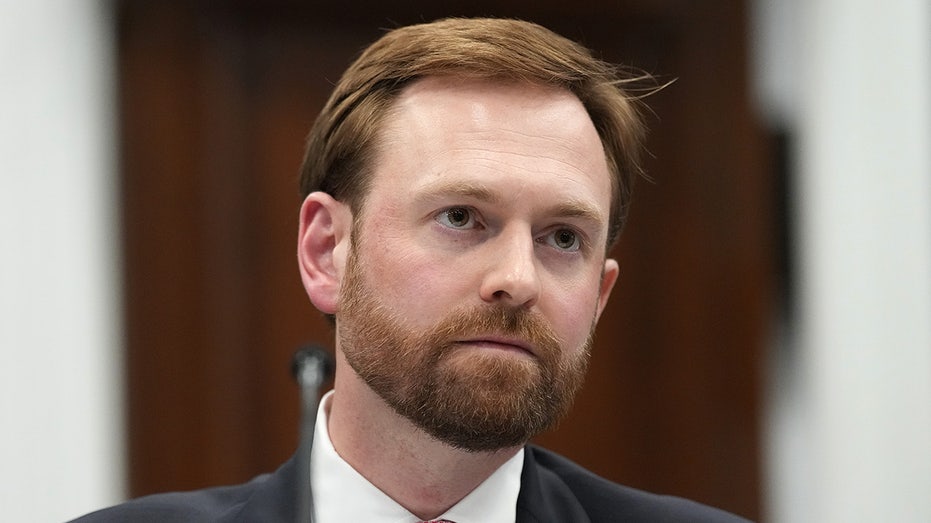
Federal Trade Commission Chairman Andrew Ferguson testifies before the House Appropriations Committee Subcommittee on May 15, 2025, in Washington, D.C. (Kevin Dietsch/Getty Images)
Ferguson is delivering on President Trump’s agenda: lowering costs for American families, restoring competition, bringing back merit-based hiring, and taking on the entrenched monopolies that rigged our economy for decades.
For too long, trillion-dollar corporations – especially in Big Tech – have used their market power to crush competition, shutter small businesses and silence conservatives. Republicans are used to talking about this problem. Ferguson is actually doing something about it.
Under his leadership, the FTC opened inquiries into whether platforms like Meta engage in practices such as “shadow banning” or viewpoint-based restrictions that may violate consumer protection and competition laws. At the same time, he has directly pressed dominant gatekeepers, including Google and Apple, warning that search bias and curated products like Apple News could expose them to liability if they mislead users about neutrality while exercising editorial control.
His tenure has also included major consumer protection actions, including the FTC’s $2.5 billion settlement with Amazon. And he’s put companies across the sector on notice that complying with foreign censorship regimes or quietly suppressing lawful speech may run afoul of the FTC Act. This administration is sending a clear message to Silicon Valley: the era of consequence-free empire building is over. This is what real antitrust law enforcement looks like.
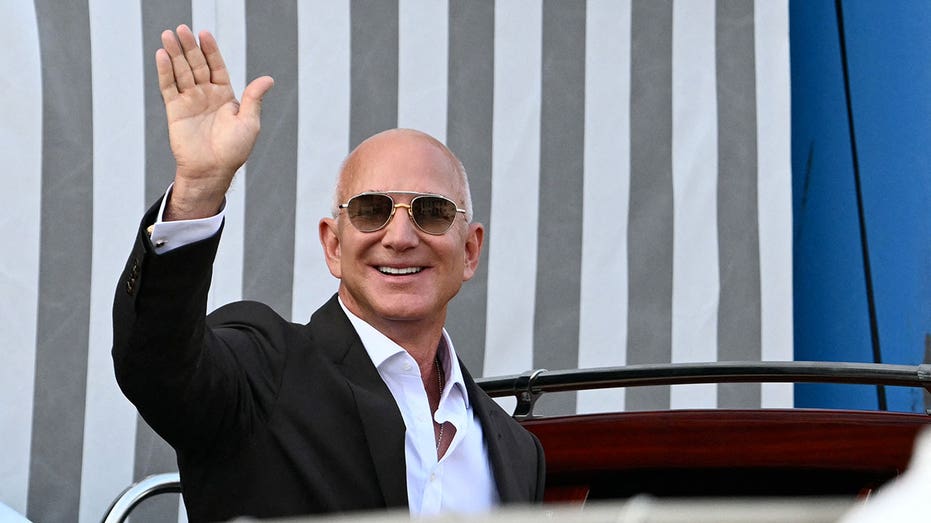
Amazon founder Jeff Bezos. (Stefano Rellandini/AFP via Getty Images)
Under Ferguson’s leadership, the FTC is driving down costs across critical sectors of the economy. In healthcare, he’s acting aggressively to protect patients from anticompetitive behavior that drives up prices. The FTC secured a landmark settlement to lower drug costs for American patients, blocked anticompetitive medical device mergers, and launched a healthcare task force to root out consolidation that hurts consumers.
This is what President Trump promised: lower prices, more competition and better outcomes for American families.
Ferguson is also going after illegal no-hire agreements that suppress wages and trap workers. He’s stopping mergers that would raise prices on everyday goods, from construction materials to medical devices. And he’s taking on housing-related collusion, including cases against companies like Zillow and Redfin for allegedly suppressing competition in rental advertising.
The FTC is putting a stop to unfair and anticompetitive bias against conservatives and conservative media, addressing antitrust concerns against advertisers to prevent collusion or coordination based on political or ideological viewpoints. And after decades of racist DEI and affirmative action policies pushed on the American people, the FTC is doing its part to aggressively scrutinize these practices, especially in hiring, using the agency’s antitrust and competition law authorities. In a step toward restoring sanity, the FTC also launched an inquiry into how Americans may have been exposed to fake and scientifically unsupported claims about so-called “gender-affirming care,” especially as it relates to children.
These are key promises of President Trump’s 2024 campaign that his FTC is fulfilling.
Ferguson understands that he works for the president of the United States – and through him, for the American people. He understands that the FTC is not an unaccountable independent agency, and it isn’t supposed to be a passive observer while markets get rigged. It’s meant to be an active enforcer of the law under the direction of the president.
We’re seeing historic enforcement actions, record-setting cases and a sustained streak of victories against anticompetitive conduct. Whether it’s halting major mergers, securing record settlements that deliver real relief to consumers or pushing forward in blockbuster litigation against Big Tech, this FTC is getting results at a level we haven’t seen in years.
If conservatives dismantle Big Government only to hand power over to giant monopolies, we haven’t solved the problem; we’ve just changed who’s in charge. Concentrated power without competition, whether in government or in the market, hurts the American people. President Trump’s FTC is making sure we don’t replace one form of unaccountable power with another.
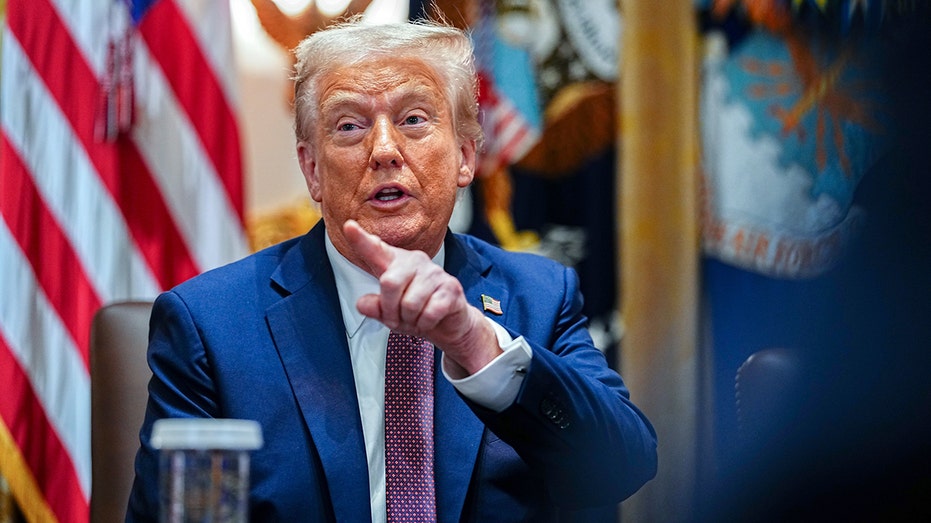
President Donald Trump picked Ferguson to head up the Federal Trade Commission, which author Mike Davis says was a home run. (Aaron Schwartz/CNP/Bloomberg via Getty Images / Getty Images)
Under President Trump and Ferguson, we’re finally moving in the right direction. Critics from a bygone era of a Republican Party led by the Chamber of Commerce’s big-business-first, America-last faction will complain, as they always do. They’ll say this administration’s approach is too aggressive, too disruptive, too political. What they really mean is they don’t like being held accountable.
Too bad.
The American people deserve better. They deserve lower prices, more choices, and a level playing field for America’s entrepreneurs and small businesses. President Trump and Ferguson are delivering. He’s Trump’s all-star antitrust enforcer, bringing the fight to Big Tech, drug middlemen and corporate cartels. And he’s producing real, measurable wins for consumers and for the country.
That’s what leadership looks like. That’s what results look like. And that’s why Ferguson is one of the most effective leaders in President Trump’s administration today.

Little Pepe breaks $28m barrier as stage 13 enters final countdown to sellout

Badass Millennial Series Everyone Pretended Was Just For Girls Now Streaming For Free

Tommy Fleetwood’s son Frankie draws Masters focus with bid to reach ninth green


-

 NewsBeat6 days ago
Steven Gerrard disagrees with Gary Neville over ‘shock’ Chelsea and Arsenal claim | Football
-

 Business6 days ago
No Jackpot Winner and $194 Million Prize Rolls Over
-

 Fashion5 days ago
Weekend Open Thread: Spanx – Corporette.com
-

 Business5 days ago
Expert Picks for Every Need
-

 Business3 days ago
Three Gulf funds agree to back Paramount’s $81 billion takeover of Warner, WSJ reports
-

 Sports4 days ago
India men’s 4x400m and mixed 4x100m relay teams register big progress | Other Sports News
-

 Tech1 day ago
How Long Can You Drive With Expired Registration? What Florida Law Says
-
Business4 days ago
No Jackpot Winner, Prize to Climb to $231 Million
-

 Tech7 days ago
Commonwealth Fusion Systems leans on magnets for near-term revenue
-

 Fashion3 days ago
Massimo Dutti Offers Inspiration for Your Summer Mood Board
-
Politics6 days ago
Wings Over Scotland | The quality of mercy
-

 Fashion1 day ago
Let’s Discuss: DEI in 2026
-

 Business4 days ago
Akebia Therapeutics, Inc. (AKBA) Discusses Pipeline Progress and Strategic Focus on Kidney Disease Treatments at R&D Day – Slideshow
-

 Fashion6 days ago
Statement Sunglasses: The Accessory Shaping Modern Fashion
-

 Tech7 days ago
Daily Deal: The Modern No-Code Development Bundle
-
Sports7 days ago
Justin Jefferson’s Situation Remains Unchanged after JSN’s Deal
-

 Tech7 days ago
Every 3D Printable Film Camera, In One Place
-

 Politics6 days ago
East Jerusalem Palestinian families eviction orders
-

 Business7 days ago
Tyson Foods to close prepared foods facility
-
 Business7 days ago
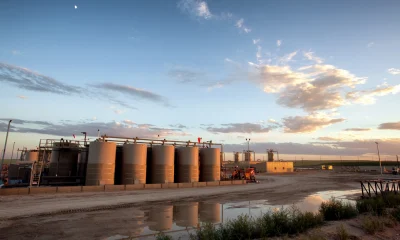
Hess Midstream: Iran Conflict Reduces Bakken Production Fears
You must be logged in to post a comment Login