
Business
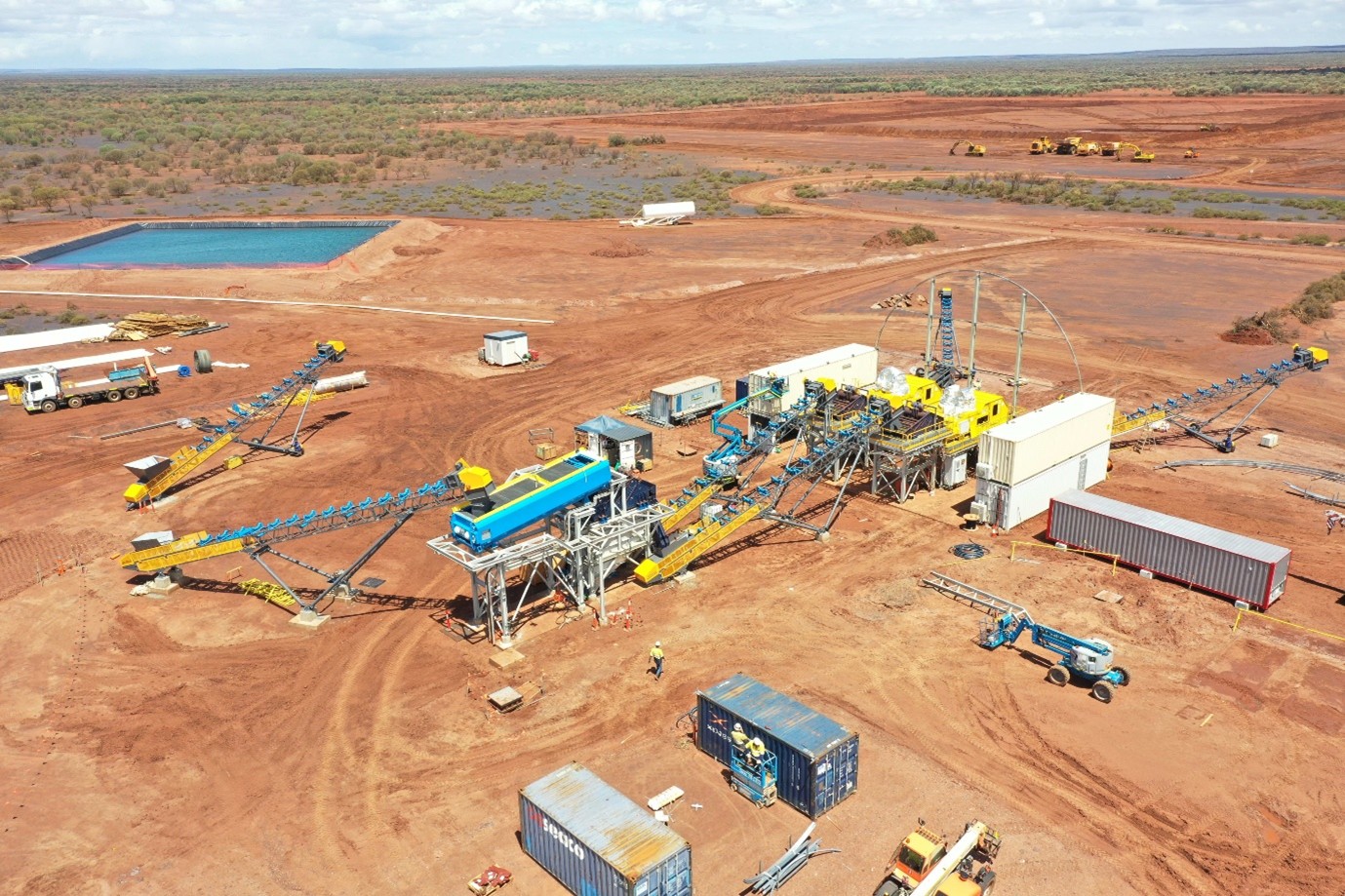
Element 25 taps investors for $18m



Wolfe Research raises PPL stock price target on regulatory progress

The Maha Songkran World Water Festival 2026 in Bangkok celebrates Thai culture with parades, performances, and water events, recognized as an Intangible Cultural Heritage by UNESCO. Admission is free.
Festival Overview
The Tourism Authority of Thailand (TAT) welcomes visitors to the Maha Songkran World Water Festival 2026 at Benchakitti Park. This five-day event, lasting until 15 April, merges cultural heritage with lively entertainment, establishing itself as one of Thailand’s premier Songkran celebrations. The opening ceremony, held on 11 April, was graced by Mr. Surasak Phancharoenworakul, Minister of Tourism and Sports, along with key figures from various sectors.
Cultural and Entertainment Highlights
Ms. Thapanee Kiatphaibool, TAT Governor, highlights the festival’s universal appeal, blending Thai tradition with modern celebration. Recognized by UNESCO as an Intangible Cultural Heritage, Songkran strengthens its global festival status.
The event features a grand parade headlined by Opal Suchata Chuangsri, Miss World 2025, portraying this year’s Songkran deity. Visitors can explore the “Songkran 5 Regions” zone, showcasing regional diversity with performances, local crafts, and traditional activities.
Evening Performances and Accessibility
Top Thai artists, including Bodyslam and Tilly Birds, heat up the main stage nightly, with DJs spinning tracks at the EDM stage. Each evening culminates in a spectacular drone light display featuring over 1,200 drones. Safety is paramount, with extensive support from public agencies and event partners ensuring a seamless guest experience.
The festival is easily accessible via public transport from BTS Asok and MRT Queen Sirikit stations. For further updates, visit the Amazing Thailand Facebook page or contact the TAT Call Centre.
Source : Maha Songkran World Water Festival 2026 opens in Bangkok
Other People are Reading

WASHINGTON — President Donald Trump ignited fresh controversy Sunday night by sharing an AI-generated image depicting himself as Jesus Christ healing a patient in a hospital bed, just minutes after launching a blistering attack on Pope Leo XIV on Truth Social.
The post, timestamped April 12, 2026, at 7:49 p.m. EDT, quickly drew widespread backlash from religious leaders, Catholics and political opponents who labeled it “blasphemous” and “unhinged.” The image shows Trump in flowing white robes with a glowing hand placed on the forehead of a man lying in a hospital bed, surrounded by a nurse, a praying woman, military figures and symbolic American elements including the U.S. flag, fighter jets and what appear to be angelic soldiers.
The provocative visual came shortly after Trump posted a lengthy rant criticizing the first American-born pope for his recent comments on the ongoing U.S.-Iran conflict and other issues. In the preceding post, Trump called Pope Leo XIV “WEAK on Crime, and terrible for Foreign Policy,” accusing him of catering to the “radical left,” supporting Iran’s potential nuclear ambitions and opposing strong U.S. actions abroad.
“I don’t want a Pope who thinks it’s OK for Iran to have a Nuclear Weapon,” Trump wrote, adding that he preferred the pontiff’s brother Louis because “he gets it” in reference to support for the MAGA movement. Trump also claimed credit for Leo’s elevation to the papacy, stating the Church selected the Illinois native primarily because of his American citizenship to deal with the Trump administration. “If I wasn’t in the White House, Leo wouldn’t be in the Vatican,” he asserted.
The feud escalated as Pope Leo XIV, who has repeatedly called for peace amid the Iran tensions, described certain U.S. military rhetoric and actions as “truly unacceptable.” The pope has urged negotiations and de-escalation in the Middle East, where a fragile ceasefire hangs in the balance following failed talks in Pakistan and Trump’s announcement of a U.S. Navy blockade of the Strait of Hormuz.
Critics pounced on the AI image, with some social media users and commentators suggesting the patient resembled Jeffrey Epstein or a wounded veteran, though no confirmation exists. Religious figures decried the post as sacrilegious, especially during the Easter season. One Catholic commentator called it “deeply sick,” while others accused Trump of idolatry and playing God.
Supporters, however, viewed the image as a bold, meme-style statement of strength and healing in turbulent times, aligning with Trump’s long history of using provocative visuals and unfiltered rhetoric on social media. The post garnered thousands of likes, re-truths and replies within hours, reflecting the polarized reactions typical of Trump’s online presence.
This latest episode unfolds against a backdrop of high-stakes international developments. On Sunday, Trump announced that the U.S. Navy would immediately begin blockading ships entering or leaving Iranian ports via the Strait of Hormuz after peace negotiations in Islamabad collapsed without a deal. The move aims to counter what Trump described as Iranian extortion through tolls and to force reopening of the critical waterway, which carries about 20% of global oil supplies.
U.S. Central Command confirmed the blockade would target Iranian-linked traffic starting at 10 a.m. ET Monday, while allowing passage for vessels serving Gulf allies. Iran responded with defiance, warning of retaliation and floating the possibility of disrupting the Bab el-Mandeb Strait in the Red Sea through its Houthi allies. Oil prices surged more than 9% in reaction, highlighting the economic risks.
Pope Leo’s calls for restraint in the conflict appear to have struck a nerve with Trump, who has framed his Iran policy as fulfilling campaign promises to project strength and prevent nuclear proliferation. The president has repeatedly issued ultimatums, including threats of strikes on Iranian power plants and bridges if the strait remained closed. A two-week ceasefire extension was agreed upon earlier after Pakistani mediation, but tensions remain high.
The Trump-Leo feud marks an unusual chapter in U.S.-Vatican relations. Historically, presidents have maintained respectful ties with the Holy See regardless of policy differences. Trump’s direct personal attacks, combined with the Christ-like AI imagery, have drawn comparisons to past controversies involving his social media habits, including previous AI-generated or altered images he has shared.
White House officials declined to comment directly on the Truth Social post when asked by reporters aboard Air Force One. Trump himself, when questioned about his criticism of the pope, reiterated that he was “not a big fan” and described Leo as “very liberal.” He defended his foreign policy approach, saying strong action was necessary to protect American interests and allies.
Faith leaders offered mixed responses. Some evangelical supporters praised Trump’s willingness to confront what they see as liberal influences in the Church, while Catholic organizations expressed dismay at the apparent mockery of sacred imagery. The U.S. Conference of Catholic Bishops had no immediate statement, but individual priests and commentators took to social media to condemn the post.
The AI-generated nature of the image also sparked debate about the role of artificial intelligence in political communication. Trump has increasingly embraced AI tools for visuals, a trend that raises questions about authenticity and potential manipulation in an already polarized information environment.
As the Hormuz blockade takes effect Monday, analysts warn that escalation could further inflame the region. Shipping companies are rerouting vessels, insurance costs are rising and global markets are monitoring developments closely. Iran’s Islamic Revolutionary Guard Corps has vowed to defend its waters, while the Houthis in Yemen remain a wildcard for Red Sea disruptions.
Trump’s Sunday night posts blend domestic-style attacks with international brinkmanship. By targeting the pope — a figure with immense moral authority for over 1.4 billion Catholics worldwide — the president signals no limits in defending his agenda. The AI Jesus image, whether intended as satire, inspiration or provocation, amplifies the message in viral fashion.
Religious scholars note that portraying political leaders in messianic terms has historical precedents but often invites accusations of hubris or blasphemy. In this case, the timing — amid Easter observances and a real-world conflict involving questions of justice, peace and power — has intensified the outcry.
For now, the image and the accompanying rant have dominated online conversations, overshadowing even the grave geopolitical stakes in the Persian Gulf. Trump’s Truth Social remains his primary platform for unfiltered communication, where such posts frequently set the news cycle.
As Monday dawns with the blockade underway and diplomatic channels strained, the world watches to see whether the Hormuz crisis de-escalates or spirals, even as Trump’s latest social media moment continues to reverberate through religious and political spheres.
Whether the AI depiction was meant to project healing leadership or simply troll critics, it underscores Trump’s signature style: bold, boundary-pushing and impossible to ignore.


I come from the world of SQL queries, data visualization. My professional background is in data analytics and social media marketing, which gave me a weird but useful lens for looking at markets. I usually think in datasets, trends and pattern recognition before I think in headlines. I started learning about the investing and financial market during COVID like a lot of people, but unlike most, I never left. What started as buying a few stocks during lockdown turned into a deep dive down the rabbit hole and studying market structure, learning options. Over time I went from a casual investor to actively swing trading stocks and regularly trading Nasdaq futures. I also actively trade options and Nasdaq (NQ) futures as a swing trader, which keeps me plugged into short-term market dynamics, and volatility. When I am not staring at charts or digging through earnings reports, you’ll find me training jiu-jitsu at my local academy.
Analyst’s Disclosure: I/we have a beneficial long position in the shares of TSM. NVDA, GOOG, AVGO, MU either through stock ownership, options, or other derivatives. I wrote this article myself, and it expresses my own opinions. I am not receiving compensation for it (other than from Seeking Alpha). I have no business relationship with any company whose stock is mentioned in this article.
Seeking Alpha’s Disclosure: Past performance is no guarantee of future results. No recommendation or advice is being given as to whether any investment is suitable for a particular investor. Any views or opinions expressed above may not reflect those of Seeking Alpha as a whole. Seeking Alpha is not a licensed securities dealer, broker or US investment adviser or investment bank. Our analysts are third party authors that include both professional investors and individual investors who may not be licensed or certified by any institute or regulatory body.
Micron, AMD stock among beneficiaries of AI server demand surge

Audi reports 6.1% drop in first quarter deliveries

Healthcare systems carry immense responsibility, yet many still struggle with inefficiencies that remain unnoticed until they affect patient care. Delays in data access, fragmented communication, and outdated infrastructure quietly create barriers that hinder both providers and patients. These gaps are rarely obvious at first glance, but their impact builds over time and leads to costly consequences.
Modern advancements offer a way forward. Strategic adoption of IT solutions for healthcare can address these overlooked issues and improve operational flow. This article explores the hidden gaps within healthcare systems and highlights how smart technology interventions can close them effectively.
Fragmented Patient Data Across Systems
Patient information often exists in separate systems that fail to communicate with one another. Electronic health records, lab reports, and billing platforms may operate independently, which leads to incomplete or delayed insights.
When healthcare providers lack a unified view of patient data, decision-making becomes slower and less accurate. Integrated systems ensure that all relevant information is accessible in one place. This reduces redundancy, prevents errors, and allows providers to deliver more informed care.
Communication Breakdowns Within Facilities
Clear communication is essential in any medical environment. Yet many facilities rely on outdated methods such as manual updates or disconnected messaging tools. This creates confusion among departments and delays critical actions.
Efficient IT frameworks can streamline communication channels across teams. Secure messaging platforms, centralized dashboards, and real-time alerts enable faster coordination. As a result, staff can respond promptly to patient needs and avoid unnecessary complications.
Limited Cybersecurity Preparedness
Healthcare organizations handle sensitive patient data, making them prime targets for cyber threats. Despite this, many systems lack strong security measures or rely on outdated protections.
Robust IT infrastructure enhances data protection through advanced encryption, monitoring tools, and threat detection systems. These measures safeguard patient information and ensure compliance with regulatory standards. Strengthened security also builds trust between patients and healthcare providers.
Inefficient Administrative Workflows
Administrative processes often consume valuable time that could be better spent on patient care. Tasks such as appointment scheduling, billing, and record management can become overwhelming without proper systems in place.
Key areas where inefficiencies appear:
- Manual data entry increases the risk of errors
- Disconnected billing systems slow down revenue cycles
- Paper-based records reduce accessibility and accuracy
Modern IT services automate routine tasks and improve workflow efficiency. Automation reduces errors, accelerates processes, and allows healthcare staff to focus on more critical responsibilities.
Lack of Scalable Infrastructure
Healthcare facilities must adapt to changing demands, whether due to patient volume, new regulations, or technological advancements. Many systems struggle to scale, which limits growth and innovation.
Flexible IT infrastructure supports expansion without major disruptions. Cloud-based solutions, virtual servers, and scalable storage options provide the agility required to meet evolving needs. This ensures that healthcare organizations remain resilient and prepared for future challenges.
Gaps in Remote Care Capabilities
Remote care has become essential for improving access to medical services. However, many systems lack the infrastructure needed to support telehealth effectively. This limits patient engagement and reduces convenience.
Advanced IT solutions for healthcare enable secure telemedicine platforms, remote monitoring tools, and seamless virtual consultations. These technologies expand access to care, especially for patients in underserved areas, while maintaining high standards of service delivery.
Hidden gaps in healthcare systems often go unnoticed until they disrupt operations or patient outcomes. Addressing these challenges requires a thoughtful approach that combines technology with strategic planning. Strong IT frameworks improve data access, enhance communication, and strengthen security across healthcare environments. They also streamline administrative tasks and support scalable growth. With the right systems in place, healthcare organizations can operate more efficiently and deliver better care. The result is a more connected, reliable, and future-ready healthcare experience for both providers and patients.

Introduction
Truthchain Tech has announced a strategic system upgrade aimed at advancing its technology stack and enhancing performance across enterprise environments. The initiative focuses on improving system reliability, optimizing infrastructure efficiency, and enabling organizations to manage complex operations with greater precision. Through this upgrade, Truthchain Tech strengthens its technology framework to support evolving enterprise requirements and long-term digital transformation strategies across global industries.
As organizations continue to scale digital operations, the need for advanced technology stacks capable of supporting high-performance workloads has become increasingly important. Enterprises require systems that can manage real-time processes, maintain operational stability, and integrate seamlessly across platforms. These demands are driving investment in strategic upgrades that enhance system efficiency and ensure consistent performance across interconnected digital environments.
Upgrade Framework
The strategic system upgrade introduces a structured framework designed to improve system efficiency and enhance overall performance across enterprise operations. This framework focuses on optimizing system architecture, improving resource allocation, and reducing operational inefficiencies. By implementing these improvements, Truthchain Tech enables organizations to align their technology infrastructure with evolving operational requirements and maintain consistent performance across diverse environments globally.
The framework also incorporates adaptive capabilities that allow systems to respond dynamically to changing workloads and operational conditions. This flexibility supports improved efficiency and ensures that organizations can maintain performance without increasing system complexity. By integrating intelligent monitoring systems and scalable frameworks, enterprises can optimize operations and support long-term growth.
Infrastructure Enhancement
Infrastructure enhancement is a core component of the system upgrade, providing the foundation for improved system performance and operational reliability. Advanced infrastructure frameworks enable organizations to manage increasing workloads, improve processing efficiency, and maintain stability across distributed environments. Through these enhancements, Truthchain Tech supports organizations in strengthening their infrastructure and achieving consistent operational outcomes across global markets.
Enhanced infrastructure also enables more efficient resource utilization, reducing bottlenecks and improving system responsiveness. These improvements ensure that organizations can maintain reliable operations even as digital demands increase. Infrastructure development plays a critical role in supporting scalable and resilient enterprise systems.
Performance Optimization
Performance optimization is central to the upgraded technology stack, focusing on improving system speed, responsiveness, and processing efficiency. Advanced optimization techniques are implemented to reduce latency and enhance resource allocation across enterprise environments. Through these improvements, Truthchain Tech supports organizations in achieving higher levels of operational efficiency and maintaining consistent system performance across global operations.
Optimized performance enables faster data processing and improved responsiveness, allowing organizations to operate effectively in dynamic environments. These enhancements contribute to reduced downtime and improved service delivery. Performance optimization ensures that enterprises can meet operational demands while maintaining stability across complex digital infrastructures.
Scalable Systems
Scalable systems are a key element of the upgraded technology stack, enabling organizations to expand operations without compromising system reliability. Distributed systems allow workloads to be managed efficiently across multiple environments, ensuring consistent performance under varying conditions. Through scalable architecture, Truthchain Tech supports organizations in maintaining flexible systems that adapt to increasing operational requirements globally.
Scalability also enables dynamic resource allocation, ensuring optimal performance during peak operational periods. This capability supports long-term growth and allows infrastructure to evolve alongside business needs. By implementing scalable systems, enterprises can maintain efficiency and operational continuity within complex digital ecosystems.
Automation Integration
Automation technologies are integrated into the upgraded system to streamline workflows and improve efficiency across enterprise operations. These technologies reduce manual processes, enhance accuracy, and ensure consistent execution across business functions. Through automation integration, Truthchain Tech enables organizations to optimize processes and improve productivity across global operations.
Automation also enables real-time responsiveness, allowing systems to adjust processes based on changing operational conditions. This capability ensures that workflows remain efficient and adaptable. By improving execution speed and reducing delays, automation systems contribute to enhanced operational performance and support organizations in achieving efficiency objectives within competitive digital markets.
Data Processing
Advanced data processing capabilities are essential for supporting the upgraded technology stack and ensuring that organizations can manage large volumes of information effectively. Real-time processing systems enable improved decision-making and enhanced operational visibility across enterprise environments. Through these capabilities, Truthchain Tech supports organizations in maintaining efficient data management practices across global operations.
Improved data processing also enables predictive analytics, allowing organizations to anticipate challenges and optimize resource allocation. These capabilities contribute to better planning and improved responsiveness within enterprise systems. Data frameworks play a critical role in ensuring that organizations can operate effectively within complex and evolving digital ecosystems.
Security Framework
Security remains a fundamental aspect of the system upgrade, particularly as organizations operate within interconnected digital environments. Advanced security protocols are integrated into system architectures to protect data integrity and ensure reliable performance. By implementing comprehensive security measures, Truthchain Tech supports secure enterprise environments that enable organizations to operate confidently within evolving technological landscapes globally.
Security frameworks include monitoring systems designed to detect potential threats and respond proactively to mitigate risks. These measures ensure that systems remain protected and maintain consistent performance. Strong security infrastructure supports safe and reliable operations across enterprise environments.
Enterprise Integration
The integration of the upgraded system into existing enterprise environments is essential for achieving operational consistency and maximizing performance. Integration frameworks enable seamless communication between systems, ensuring coordinated workflows and efficient data exchange across organizational structures. Truthchain Tech emphasizes interoperability, allowing organizations to build unified digital ecosystems that support efficiency and long-term scalability globally.
Integrated systems improve collaboration between departments and ensure that operations remain aligned across enterprise structures. This approach supports the effective implementation of system upgrades and enables organizations to fully leverage advanced technologies. Enterprise integration plays a key role in maintaining stability and achieving consistent performance across complex operational environments.
Industry Outlook
The demand for advanced technology stacks continues to grow as organizations invest in solutions that support scalability, efficiency, and long-term sustainability. The integration of scalable systems, automation technologies, and advanced data processing highlights the importance of modern infrastructure in enterprise environments. These developments are enabling organizations to improve performance and remain competitive within rapidly evolving digital markets globally.
As digital transformation continues to shape enterprise strategies, Truthchain Tech remains focused on delivering solutions that support long-term growth and operational resilience. The company continues to refine its technology framework to align with industry developments, enabling organizations to navigate complex digital environments and achieve sustainable performance outcomes across global markets.
About Truthchain Tech
Truthchain Tech is a technology and software development company specializing in digital transformation, cloud infrastructure, and enterprise solutions. The company delivers scalable, high-performance systems that help organizations improve efficiency, modernize operations, and adapt to evolving technological demands. With a focus on innovation, reliability, and long-term growth, Truthchain Tech serves clients across multiple industries globally.
Disclaimer: Cryptocurrency trading involves risk and may not be suitable for all investors. This content is for informational purposes only and does not constitute investment or legal advice.

The stock’s rally prior to this correction was driven by a series of positive developments and strong operational momentum.
Ola Electric recently made key progress by getting its in-house LFP battery ready for production, which could lower EV costs and boost adoption. It also secured PLI certification for a key model, strengthening its eligibility for government incentives. Meanwhile, operations are improving sharply, with March 2026 showing a strong demand recovery as orders and registrations surged significantly, indicating a clear turnaround in business performance.
Adding to the momentum, March also saw Ola Electric achieve a historic milestone, as it became the first EV brand in India to surpass 1 million cumulative registrations, according to VAHAN data. This landmark achievement not only underscores the company’s scale but also signals a defining moment for India’s rapidly evolving electric vehicle ecosystem.
Before the recent rally, the stock still had some underlying concerns, mainly around fundamentals and sustainability of growth.

The company is not yet consistently profitable, reporting a consolidated net loss of about Rs 487 crore in the December quarter. At the same time, its revenue trend has been weakening, declining over the last few quarters, from around Rs 896 crore in June 2025 to Rs 756 crore in September, and further down to ₹504 crore in December. This indicates pressure on business performance despite recent optimism.
On the positive side, institutional interest has slightly improved. FII holdings increased to 4% in December 2025 from 3% in the previous quarter, while mutual funds maintained their stake at 5.5%, suggesting some confidence but not aggressive buying.From a technical perspective, the stock looks overheated in the short term. The RSI is around 80.8, which is considered strongly overbought, implying that a pullback or correction is possible. Although the stock is trading above most short- and mid-term moving averages (showing bullish momentum), it is still below key long-term averages (150 and 200 DMA), indicating that the long-term trend is not fully strong yet.
(Disclaimer: The recommendations, suggestions, views, and opinions given by the experts are their own. These do not represent the views of The Economic Times.)

Tata Chemicals shares rallied more than 12% to trade at around Rs 774 apiece, the highest level in more than two months, while Tata Investment Corp shares gained over 8.5% to a seven-week high of Rs 722 apiece in the morning trading hours of Monday. Notably, both companies hold some stake in Tata Sons.
Tata Trusts trustee and former Defence Secretary Vijay Singh has called for the listing of Tata Sons on the stock exchanges through its IPO, after TVS Group’s Venu Srinivasan publicly supported the move, The Indian Express reported. Shapoorji Pallonji Mistry also backed the case for listing Tata Sons, calling it a “necessary revolution” rather than a regulatory compulsion.
Mistry said that a public listing would strengthen governance standards, improve transparency and enhance accountability within the Tata ecosystem. He also dismissed concerns that the IPO could dilute the role of Tata Trusts, stating there is no evidence to suggest that a public listing would harm the interests of beneficiaries or weaken the trusts’ ability to fulfil their objectives.
This is contrary to the resolution passed by Tata Trusts less than a year ago, which aimed to retain Tata Sons as an unlisted private entity, resisting regulatory momentum toward a potential IPO. More recently, Tata Trusts, under the chairmanship of Noel Tata, had asked Tata Sons Chairman N Chandrasekaran to explore all options to avoid a listing, while also initiating discussions on a potential exit for the SP Group.
Earlier, Venu Srinivasan backed the idea of a public listing of Tata Sons, the first time that a Tata Trusts trustee publicly supported such a move, saying that the step would be inevitable if the Reserve Bank of India classifies the group holding company as an upper layer non-banking finance company (NBFC), appearing to reflect a widening divergence of opinion at the group’s top echelons.
Also read: HPCL, BPCL and IOCL shares slide up to 4% as crude oil reclaims $100. Where are prices headed?
Tata Trusts Vice Chairman Srinivasan told ET that such a move would allow Shapoorji Pallonji (SP) Group to monetise its 18.37% stake in Tata Sons, a long-standing demand of the minority shareholder that’s seeking to pay off debt.
“A public listing would not only unlock value for minority shareholders, including providing an exit route to the Shapoorji Pallonji Group, but also equip Tata Sons with capital to sustain its growth trajectory,” Srinivasan told ET.
The Reserve Bank of India is expected to issue a revised circular on upper-layer NBFCs soon. The RBI’s scale-based regulation (SBR) framework for NBFCs is under review. Officials have suggested that Tata Sons may not receive the RBI exemption it has sought from the upper-layer classification to avoid listing.
Tata Trusts has majority control of Tata Sons with a stake of about 66%. Amid mounting pressure-including a possible regulatory mandate, demands from the SP Group, and rising internal differences- the Trusts appear to be increasingly divided. One section of trustees sees listing as inevitable and aligned with shareholder interests, while another remains opposed, favouring an unlisted structure to preserve control and legacy considerations.
Also read: BSE loses ‘cheap’ tag post 80% rally in one year. Can Q4 performance, NSE IPO drive rerating?
The broader unease within the group has also surfaced in governance matters. An early move to consider a third term for Chandrasekaran, whose current tenure runs until February 2027, was deferred after objections were raised over the performance of Chandrasekaran and losses at Air India and Tata Digital at a board meeting by Noel Tata on February 24, 2026, highlighting emerging differences between the Trusts and the Tata Sons board.
(Disclaimer: Recommendations, suggestions, views and opinions given by the experts are their own. These do not represent the views of The Economic Times)

Lightwave Logic (LWLG) CFO Offloads 20,000 Shares Following 939% Stock Rally

Tributes after sudden death of popular Belfast barman

Iran mocks Trump’s batshit Hormuz plan


-

 Politics3 days ago
US brings back mandatory military draft registration
-

 Fashion3 days ago
Weekend Open Thread: Veronica Beard
-
 Sports3 days ago
Man United discover Nico Schlotterbeck transfer fee as defender reaches Dortmund agreement
-

 Tech6 days ago
How Long Can You Drive With Expired Registration? What Florida Law Says
-

 Politics19 hours ago
World Cup exit makes Italy enter crisis mode
-

 Crypto World4 days ago
Canary Capital Files SEC Registration for PEPE ETF
-

 Fashion7 days ago
Massimo Dutti Offers Inspiration for Your Summer Mood Board
-

 Business3 days ago
Tesla Model Y Tops China Auto Sales in March 2026 With 39,827 Registrations, Beating Cheaper EVs and Gas Cars
-

 Politics3 days ago
Malcolm In The Middle OG Turned Down ‘Buckets Of Money’ To Appear In Reboot
-

 Fashion6 days ago
Let’s Discuss: DEI in 2026
-

 Crypto World5 days ago
Bitcoin recovers as US and Iran Agree a Ceasefire Deal
-
 NewsBeat11 hours ago
Pep Guardiola and Gary Neville agree over Arsenal title problem that benefits Man City
-

 Business3 days ago
OpenAI Halts Stargate UK Data Centre Project Over Energy Costs and Copyright Row
-

 Business2 days ago
Ireland Fuel Protests Enter Day 5 as Blockades Spark Shortages and Government Prepares Support Package
-

 Politics3 days ago
LBC Presenter Mocks Trump Over Iran War Failures
-

 Crypto World2 days ago
Federal judge blocks Arizona from bringing criminal charges against Kalshi
-

 Tech7 days ago
Super Meat Boy 3D, coin-pushing chaos and other new indie games worth checking out
-

 Tech3 days ago
A version of Windows 10 released a decade ago is now eligible for additional security patches
-

 Tech7 days ago
What is the release date for The Boys season 5 episodes 1 to 2 on Prime Video?
-
 NewsBeat1 day ago
JD Vance announces ‘no agreement’ with Iran over nuclear weapons fear
You must be logged in to post a comment Login