Police arrested the five occupants of a vehicle following a pursuit
20:34, 13 Apr 2026Updated 20:42, 13 Apr 2026
Five people were arrested in connection with fuel thefts, a robbery and weapon possession following a police chase involving a suspected drink driver in Co Tyrone.
The incident took place on Sunday, April 12, after police attempted to stop a vehicle in the Omagh area that was believed to be involved in four fuel thefts in the town. The vehicle fled from the officers who managed to stop it after a short pursuit where police a police vehicle was rammed.
Following a search of the vehicle, “multiple large knives” were found by officers.
A PSNI spokesperson said: “Yesterday, Omagh and Enniskillen Road Policing Interceptors where involved in a short pursuit of a wanted vehicle which failed to stop for Police. This vehicle was sought in relation to 4 fuel thefts in the Omagh area. During the incident, this vehicle deliberately collided with the Police vehicle in an attempt to get away.
“Pre-emptive tactics were used to safely bring it to a stop.“The driver then provided a roadside breath test reading of over twice the legal limit.“Police had also received a report of a robbery in Omagh shortly beforehand, with the occupants of this vehicle believed to have been involved.“Along with colleagues with from Omagh C Section Local Policing Team, all 5 individuals onboard were arrested for multiple offences.“In the vehicle multiple large knives were safely recovered and will be destroyed.”
The game will be played in Lille in June and be part of an away double-header say the IFA
13:10, 16 Apr 2026Updated 13:18, 16 Apr 2026
Northern Ireland will take on 2018 World Cup winners France in an international friendly this summer.
Kylian Mbappe and Co will be fine-tuning their preparations for the World Cup and have lined up Michael O’Neill’s team for a pre-tournament friendly.
The match will take place on Monday, June 8th in Lille, the fourth largest stadium in France, at 9.10pm local time (8.10pm UK time).
Advertisement
Didier Deschamps team this week lost Liverpool striker Huge Ekitike to a serious Achilles injury which will keep him out for the World Cup. However, they will have the likes of Kylian Mbappé, Ousmane Dembélé, Antoine Griezmann and William Saliba preparing for the World Cup, which starts just a few weeks afterwards.
France’s first game is against Senegal on June 16th in New Jersey.
The two teams have not met in 27 years. In 1999, France came to Belfast and beat Northern Ireland 1-0. That came a year on from their maiden World Cup triumph on home soil in 1998
It is the first time Northern Ireland have played in France since the UEFA Euro 2016 campaign. The team played in Nice, Lyon and Paris in that tournament, but have never played in Lille.
Advertisement
“This is exactly the level of challenge we want. France are one of the top sides in world football so it’s a great test for our players,” said Irish FA Technical Director, Aaron Hughes, who was part of that famous journey to France a decade ago.
The Irish Football Association say the France game will be the second of two away friendlies, with the ‘date, venue and opponent of the first game to be announced in due course’.
“This fixture marks 10 years since UEFA Euro 2016 when our brilliant fans created such special memories so it’s a fitting occasion as we look forward,” said Irish FA President Conrad Kirkwood.
After losing the World Cup Play-off semi-final to Italy, Northern Ireland’s next competitive game is not until September. They will compete in Nations League League B, Group B2 in the autumn against Hungary, Ukraine and GeorgiaFurther details, including ticketing information, will be confirmed in due course.
He has been elected as Fellow of The Royal Society of Edinburgh (RSE) due to the excellence in encouraging innovation and advancing knowledge for the benefit of society.
A University of Stirling Academic has been given a hugely prestigious honour.
Professor Paul Cairney has been elected as Fellow of The Royal Society of Edinburgh (RSE) for his work in providing vital advice in problem solving and encouraging innovation.
Advertisement
The Professor of Politics and Public Policy has been elected in recognition of excellence in his discipline, and an ongoing commitment to advancing knowledge for the benefit of society.
The RSE was founded in 1783 and leverages the combined knowledge of its 1,800-strong Fellowship to tackle the most pressing issues facing society, provide independent expert advice to policy-makers and inspire the next generation of innovative thinkers.
Professor Cairney uses scientific research on policy-making to inform real-world problems, at Scottish, UK, and EU levels of government.
In October, he became the Principal Investigator of the UKRI-funded FORTH2O, which fosters policy innovation and coherence through collaboration.
Advertisement
Professor Cairney, said: “I am delighted to have been elected as a Fellow of The Royal Society of Edinburgh.
“I look forward to working with many new colleagues to show how research can inform policy routinely, and to help early career colleagues understand the policy processes in which they engage.”
Professor Sir Gerry McCormac, Principal and Vice-Chancellor of the University of Stirling, said: “On behalf of the University community, I warmly congratulate Professor Paul Cairney on being elected as a Fellow of The Royal Society of Edinburgh.
“We are very proud of Professor Cairney’s achievements and of this recognition by the RSE, a prestigious organisation of international renown which celebrates excellence and advances knowledge for the public good.”
RSE President Professor Sir Anton Muscatelli PRSE added: : “It is a great privilege to welcome this group of such exceptional people into the Fellowship of the RSE. Each of our new Fellows brings a unique background, expertise and insight to the National Academy of Scotland, and we are thrilled to have them join us.”
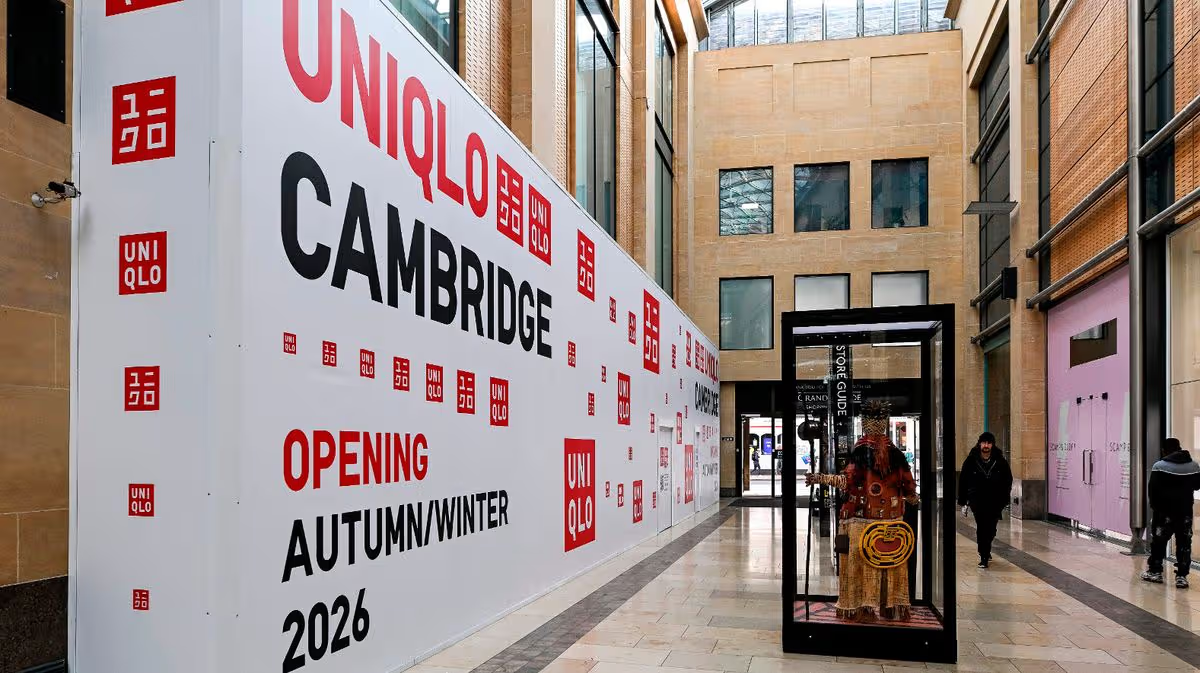
UNIQLO has revealed it will open a Cambridge branch this year. The Japanese retailer is set to open its first store in Cambridge this autumn.
It will open in a unit by the main entrance of the Grand Arcade. The shopping centre hosts 60 shops and leisure facilities, including the Everyman cinema, John Lewis & Partners, Apple, Oliver Bonas, Dr Martens, Mango, and many more.
The fashion retailer has opened multiple locations across the UK. A new store is opening in Bristol on Thursday (April 16) and a new branch is also set to open in Leeds in 2026.
Ramsay, never knowingly promo shy, barely seems to have done publicity for this place. Has he even been here? But fair enough, after his recent Michelin push, Ramsay does TGI Fridays is hardly the best look. Perhaps it is an intended cash cow, a 250-cover canteen meant to offset any losses elsewhere in the company. It certainly costs: a cheap night out this is not. Of the eight mains, six are north of £40, with the signature beef Wellington at £65 (the next day I lunch at Chelsea’s upmarket NoFifty Cheyne, £59 to share). Sides include a £22 lobster tail. Cocktails are mostly £17; the wine list’s opening gambit is champagne from £105-a-bottle, with just three still wines under £50. Wines they pour at speed and in large portions, edging you towards a second bottle. It is easy to resent this sort of avarice encouragement. Ramsay’s Savoy Grill costs about the same for a similar menu, only at the Grill there is a sense of history and far fewer bandanas. Oh, and I’ve never eaten there worried the table might collapse.
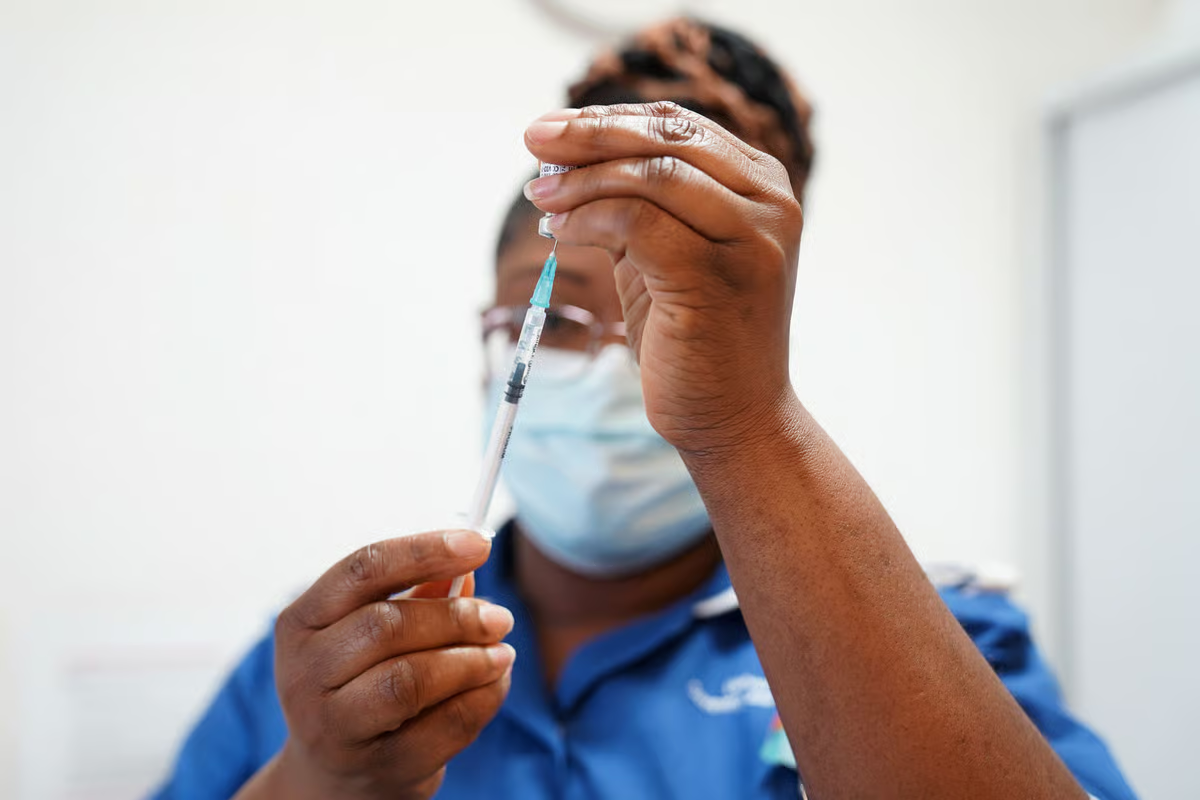
Overall, Lady Hallett made five recommendations, including reforming the Vaccine Damage Payment Scheme; giving regulatory bodies access to healthcare records for safety monitoring for new vaccines and therapeutics; establishing a “pharmaceutical expert advisory panel” to ensure the UK is well placed to develop, procure and manufacture vaccines and new treatments, and producing targeted vaccine strategies and better monitoring of vaccine uptake and delivery.
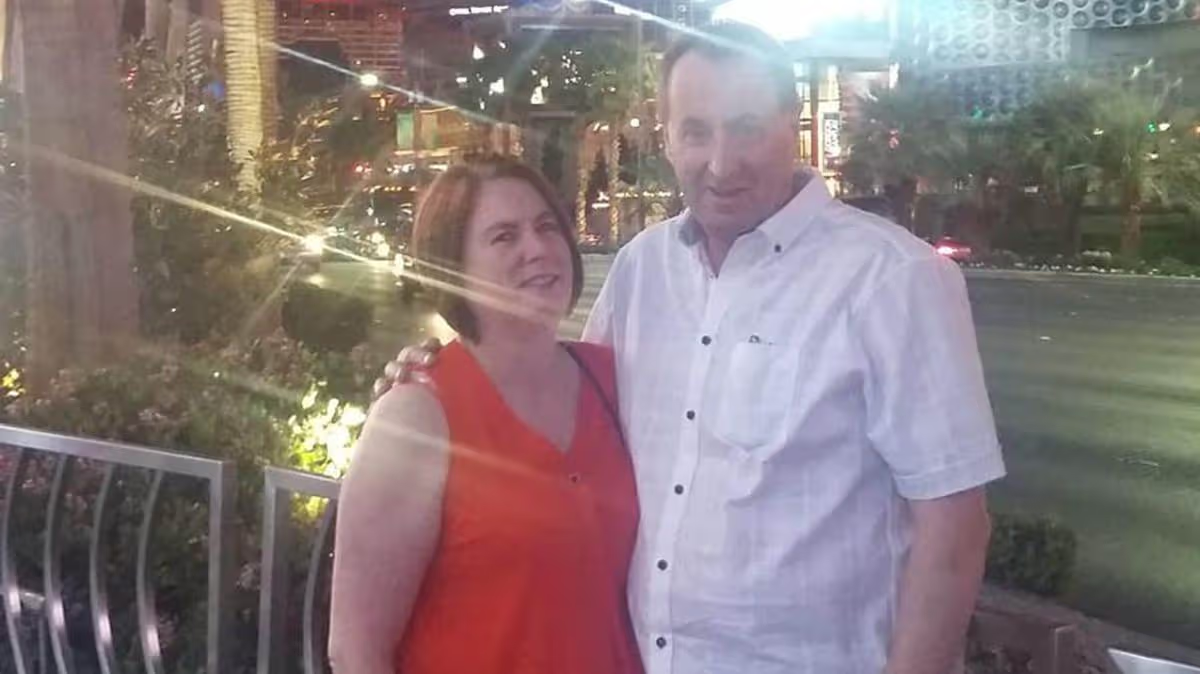
Shelia Ward faced the decision of turning off her husband’s life support after he showed signs of having a stroke
A woman has shared the heartbreaking moment she had to decide to turn off her husband’s life-support machine just 11 days after he received a Covid-19 vaccine. Stephen Ward was taken to the hospital 10 days after receiving the AstraZeneca Covid-19 vaccine in 2021, according to his wife.
Advertisement
The 57-year-old man, who lived in Newcastle-Under-Lyme, showed signs of having a stroke, including trouble speaking and weakness in his limbs. Mr Ward, who had been employed at the Co-op for 40 years, developed a blood clot, and doctors tried hard to save him.
However, the following day, his family was informed that the bleeding was too serious for him to recover. It eventually led to the decision to turn off his life support.
“Stephen was one of those people who would help anybody do anything,” his wife Sheila Ward told the Press Association. “If your car wouldn’t start in the morning he would help you, if you were unwell he would mow your grass, he was just one of those community-minded people.”
She went on: “We had both had Covid back in the November before the vaccines were rolled out, so from our point of view there was no urgency to take the vaccine. It was just the obvious choice really – to take the vaccine to protect loves ones, and like everyone else we wanted to get back to normal.” Mrs Ward had to wait for almost a year for a coroner to confirm that his death was a “result of complications of medical vaccination”.
Advertisement
Kate Scott also gave evidence to the UK Covid-19 Public Inquiry after her husband Jamie was left permanently disabled after having a reaction to the vaccine. The senior IT engineer was 44 when he had the AstraZeneca jab in April 2021, Mrs Scott said. Ten days after receiving the vaccine, she says he woke with a headache, vomiting and impaired speech and was taken to the hospital by ambulance, where he had multiple operations to treat a blood clot in his brain, she added.
The father of two boys was in a coma for four weeks and suffered with side effects including impaired speech, reduced cognition, memory and processing deficits, visual difficulties, concentration difficulties and fatigue. He received a payment under the Vaccine Damage Payment Scheme (VDPS) on the basis of the balance of probabilities that the vaccine caused his injuries.
Mrs Scott told the Press Association: “He is a warrior. I often say we are the luckiest unlucky people. He survived. He wasn’t supposed to – I was called in four or five times to be told that he wouldn’t make it through the night. We are incredibly lucky that he is alive and he is able to be in our lives with the children and have moments of joy.
Advertisement
“But it is very, very difficult. The lasting brain damage is the size of a credit card. He had to relearn to walk, talk, eat, and communicate. He’s got a hidden disability of brain damage, processing issues, he has lost peripheral vision in both eyes, he can’t split and divide his attention, he has got chronic fatigue. He has had over 300 medical appointments and just navigating life with a brain injury is difficult.”
Mrs Scott said that in his work as an IT engineer, Mr Scott spent his working life “problem solving and fixing things”. She added: “It’s very unlikely he will be able to work again.” She told the Inquiry: “His relationship with me and, mostly, his relationship with our children will never be the same again.”
Mrs Scott and Mrs Ward are members of Vaccine Injured and Bereaved UK (Vibuk). The group has been calling for reform of the Vaccine Damage Payment Scheme – which currently sees eligible people given a one-off payment of £120,000.
Advertisement
The calls have been echoed in the latest report from the pandemic probe, with Inquiry chairwoman Baroness Heather Hallett saying the scheme is “not sufficiently supportive” and requires “urgent reform”. The probe highlights how the vaccine response was a “success story”, and says that by March 2023, 475,000 lives had been saved by Covid-19 vaccines in England and Scotland.
But it acknowledges that there were “rare cases” of people suffering serious injury or death as a result of vaccination. Lady Hallett said: “Tragically, a number of people suffered harm as a result of having a vaccine. This was a small minority compared to the overall scale of the vaccination programme, but of no less importance to the individuals affected and their families.”
Content cannot be displayed without consent
She recommended increasing the minimum payment, which was last revised in 2007, saying the current payment is “too low”. The payout should increase in line with inflation, the report says, which would mean it would now be in an ‘excess’ of £200,000, and this should rise with inflation.
Lady Hallett also calls for a “fairer system” for determining payment. She also called for regulatory bodies to have access to healthcare records for safety monitoring for new vaccines and therapeutics.
Advertisement
Reacting to the report, Mrs Scott added: “It is an uncomfortable truth, but vaccine injury and death are part of the pandemic story. Today’s recommendations somewhat recognises that reality. We welcome this as an important step towards fairness for those who suffered devastating consequences.”
Solicitor Terry Wilcox, of Hudgell Solicitors – which has represented some of the vaccine injured groups, said: “The Inquiry rightfully provided a platform for their stories to be heard, and what they are calling for is simple. They deserve acknowledgement of the impact on their lives, which for many has been life-changing illness and loss of loved ones, and changes made to ensure they are properly supported, and that lessons are learned for the future.”
A group of 48 claimants who have been seriously injured or bereaved as a result of a side-effect of the AstraZeneca Covid-19 vaccine are represented by Leigh Day partner Sarah Moore. “The Vaccine Damage Payment Scheme, in its current form, fails to provide timely or adequate support to those who have been seriously injured or bereaved due to vaccine side effects,” she said.
The AstraZeneca Covid-19 jab, also known as Vaxzevria, was withdrawn from the market in May 2024. In December 2020, the vaccine became the second Covid-19 jab to be approved for use in the UK and former prime minister Boris Johnson hailed it as a “triumph for British science”.
Advertisement
Vaccine makers agreed that it could be manufactured on a not-for-profit basis for the duration of the pandemic worldwide and in perpetuity for low- and middle-income countries. Billions of doses were created and made available across 183 countries. Estimates suggest that the rollout of the jab saved 6.3 million lives worldwide.
On April 7, 2021, the Medicines and Healthcare Products Regulatory Agency (MHRA) issued updated information on the “possible risk of extremely rare and unlikely to occur specific types of blood clots” following vaccination with the AstraZeneca jab. AstraZeneca said in a statement: “Our sympathy goes out to anyone who has lost loved ones or reported health problems. Patient safety is our highest priority.
“From the body of evidence in clinical trials and real-world data, the Oxford-AstraZeneca vaccine has continuously been shown to have an acceptable safety profile and regulators around the world consistently state that the benefits of vaccination outweigh the risks of extremely rare potential side effects.
“We are incredibly proud of the role the Oxford-AstraZeneca played in ending the global pandemic. According to independent estimates, over six million lives were saved in the first year of use alone and over three billion doses were supplied globally. Our efforts have been recognised by governments around the world and are widely regarded as being a critical component of ending the global pandemic.”
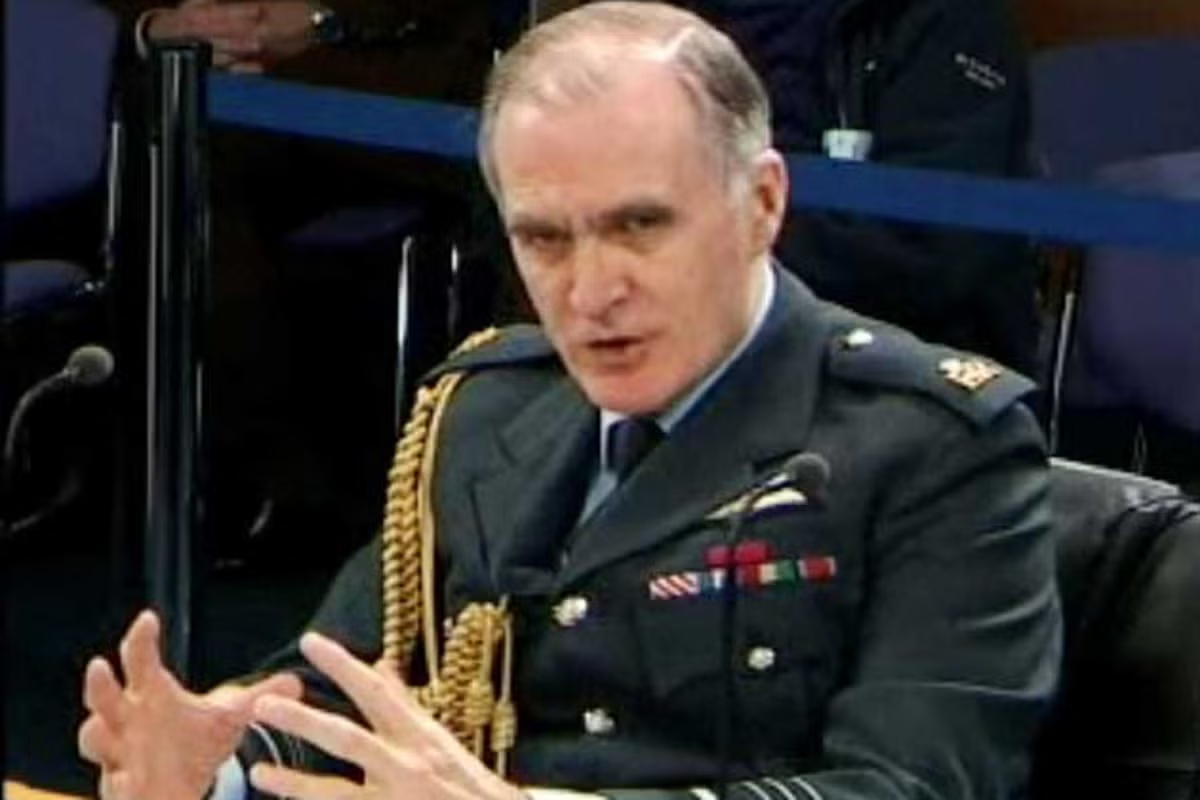
The former head of the armed forces has sent a stark warning to Sir Keir Starmer, claiming the UK needs a decade to rebuild its defence even if the prime minister “shows the leadership” to restart investment now.
In a dire assessment about the state of the UK’s military, Lord Jock Stirrup, who was chief of the defence staff during the Tony Blair and Gordon Brown premierships, warned the UK is “badly exposed” and needs “a complete change of mentality” to put it on a war footing.
The former air marshal said he completely agreed with the damning assessment by Labour peer Lord Robertson about UK security being in “peril”, as well as the failures of Sir Keir’s government to tackle the crisis.
Lord Stirrup worked closely with Lord Robertson when the latter was the defence secretary and then Nato’s secretary general.
Advertisement
Lord Jock Stirrup, who was chief of the defence staff during the Tony Blair and Gordon Brown premierships, warned the UK needs ‘a complete change of mentality’ (PA)
The crisis comes as the prime minister faces growing criticism over delays to crucial decisions on defence. The long-awaited defence investment plan is still sitting on his desk as the Treasury and Ministry of Defence clash over priorities.
Speaking to The Independent, Lord Stirrup said: “We are badly exposed as a country.”
He went on: “We need to replenish stores, munitions, all the sort of consumables of war, which were already far too low, which, of course, have been reduced significantly because of the number that we have rightly given to Ukraine.
“But secondly, we need, in this country and throughout Western Europe, an agile, innovative and rapidly scalable defence base, defence industrial base. And by defence industrial base, I don’t just mean traditional defence companies.”
He warned that there was no quick fix. He said things are so dire that the UK needs a “graduated” increase in defence spending to rebuild its defence production or simply risk inflation in the sector.
Advertisement
He said: “We have a long, long way to go. We require 10 years of sustained investment in defence to restore our position.”
In a stark warning, he added: “A 10-year process does not mean – as the government often seems to think – that you can leave everything until year eight, nine or 10.”
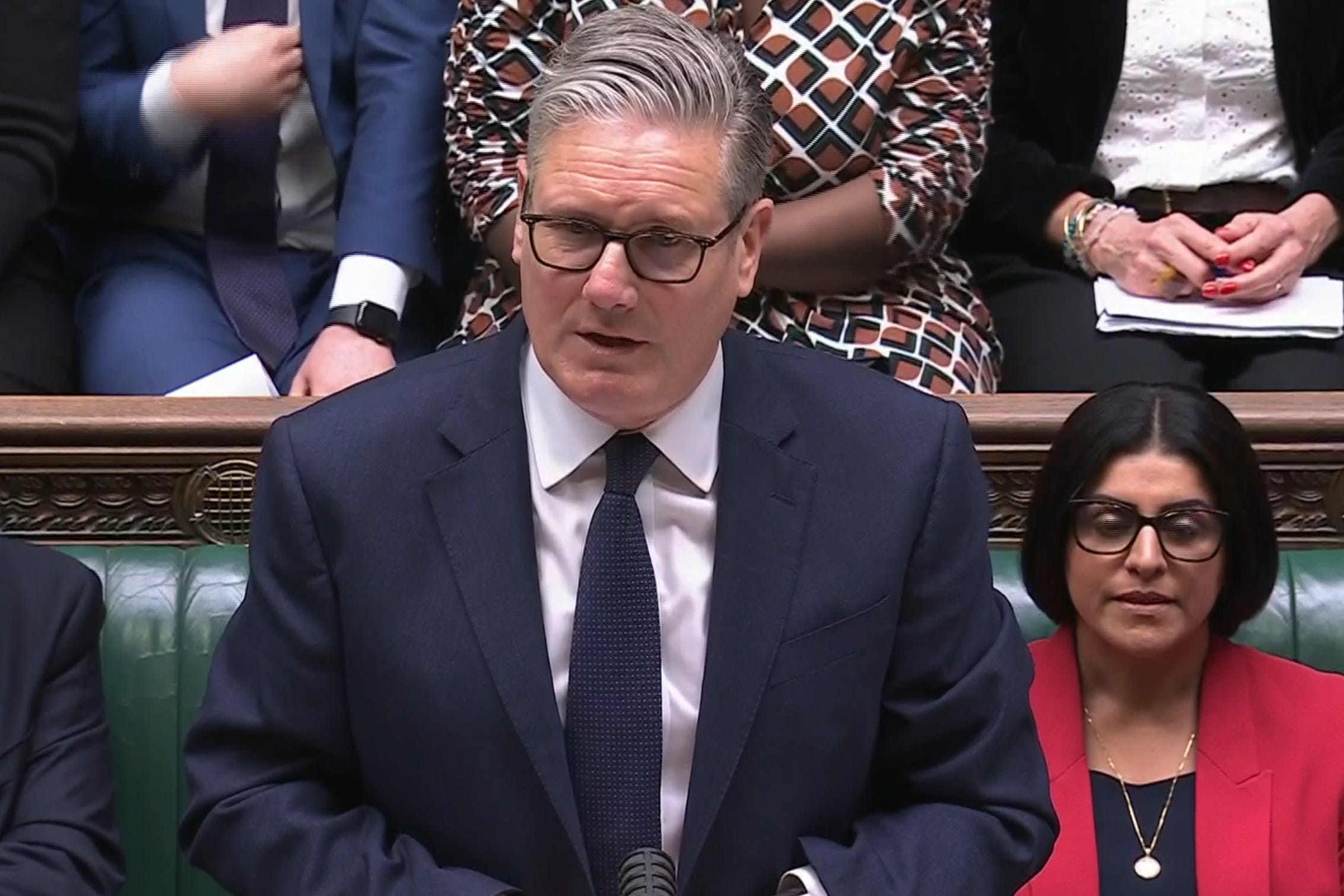
Sir Keir Starmer defended his record on defence spending during Prime Minister’s Questions in the House of Commons (House of Commons/UK Parliament/PA) (House of Commons/UK Parliament)
But the man who oversaw the UK’s involvement in both Afghanistan and Iraq vented his frustration at the lack of leadership from Sir Keir’s government.
Lord Stirrup, who is now a crossbench peer, said: “I see no signs at the moment of the required determination and leadership in the government that’s required to do this because, of course, it requires extremely difficult choices.
Reflecting on Lord Robertson’s warning that welfare spending needs to be switched to defence, he added: “We all understand the pressures on finances. We all understand the pressures on the economy, not least from the rapidly expanding benefits bill, which is a whole different subject by itself.
Advertisement
“But we expect our leaders to lead, and that means when times are tough, making the tough decisions. We didn’t force these people to run the country. They wanted to do it.”
Asked about calls for the UK to cut welfare spending to fund defence, the prime minister’s official spokesman said: “We inherited a situation where defence was being hollowed out at the same time as nearly one in 10 working age people were out of work, including around a million young people
“The government is turning that around by making the investment in defence that our country needs as well as reforming the welfare system to deliver fairness for the taxpayer and support more people into work which is the best way to get the welfare bill down in the long term.”
He added: “We’ve been crystal clear that we want to get the defence investment plan fit for the threats we face.”
Advertisement
The latest intervention comes amid revelations that Rachel Reeves’ Treasury has vetoed spending for a deal for UK peacekeepers to go to Ukraine on top of blocking MoD spending and forcing in-year cuts.
In the last week former Tory defence secretaries Penny Mordaunt, Sir Ben Wallace, Sir Grant Shapps and Labour’s former foreign secretary Jack Straw have all issued warnings about the parlous state of UK defence.
Lord Stirrup has also earlier this year contributed to a hard hitting report for Policy Exchange, where he warned that the UK can no longer rely on its nuclear deterrent for defence without backing it up with other military hardware.
Sir Keir has insisted he is making record investment in UK defence but Lord Stirrup said: “It is easier to make record increases when defence spending was at a record low.”
Advertisement
During PMQs on Wednesday, Sir Keir said he disagrees with Lord Robertson after the former Nato chief accused the government of “corrosive complacency” on defence spending.
Sir Keir said: “Last February, that was seven months after taking office, I took the decision to increase defence spending from 2.3 per cent to 2.6 per cent, paid for by my difficult decision on overseas aid.
“Last June, at the Nato summit, I committed to raising core defence spending to 3.5 per cent. Last November, the budget committed record funding to defence. I reaffirm those commitments now.
“The strategic defence review is a 10-year blueprint for national security. The defence investment plan (Dip) will put that into effect. It will be published as soon as possible.”
Advertisement
During her clash with the prime minister, Tory leader Kemi Badenoch pressed the prime minister on when the Dip will be published, calling for it to come before the end of the parliamentary session.
She said: “Lord Robertson’s criticisms were of the prime minister, and he says Britain’s national security is in peril.
“Our armed forces are at the end of their tether waiting for this government to fund the strategic defence review (SDR).
“There are still two weeks of the parliamentary session left so why won’t the Prime Minister publish the Dip before then?”
Advertisement
Sir Keir did not respond to this directly, instead saying the government is “spending £270 billion over this Parliament, that’s £5bn more this year, with defence funding increasing every year”.
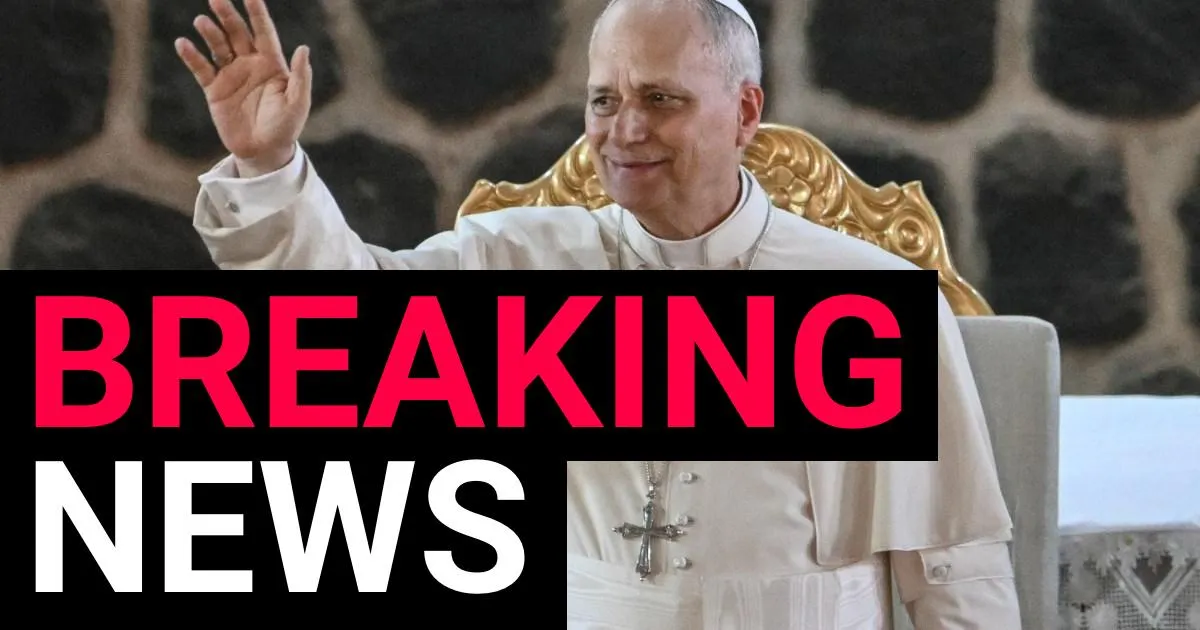
Pope Leo XIV had tried to distance himself from his fued with the US President (Picture: Alberto PIZZOLI / AFP via Getty Images)
Pope Leo ramped up his war of words with President Trump, blasting leaders who spend billions on wars.
The Catholic leader said the world was ‘being ravaged by a handful of tyrants’ during a visit to Cameroon on Thursday.
Leo, the first U.S. pope, criticised politicians who use religious language to justify wars.
The pope is in the midst of a furious spat with Trump, who said Leo should ‘stop catering to the Radical Left’.
Advertisement
The post was prompted by the Pope labelled the US and Israeli war on Iran ‘unjust’.
Trump also uploaded a bizarre AI-generated image depicting himself as Jesus and also wrote on Truth Social: ‘Pope Leo is WEAK on Crime, and terrible on foreign policy. I don’t want a pope who thinks it’s OK for Iran to have a nuclear weapon.’
The image features Trump with apparent healing powers (Picture: Truth Social)
Pope Leo rebutted the claims and told Reuters he plans to continue to speak out against the war, telling reporters: ‘I don’t want to get into a debate with him.’
Fox News commentator Riley Gaines wrote: ‘Is he looking for a response? Does he actually think this? Either way, two things are true. 1) A little humility would serve him well. 2) God shall not be mocked.’
‘And had to do with red cross as a red cross worker, which we support, and only the fake news could come up with that one. I just heard about it,’ he rambled.
The Pope’s remarks today took place during a meeting in Cameroon’s English-speaking regions, where a conflict going back nearly a decade has left thousands dead.
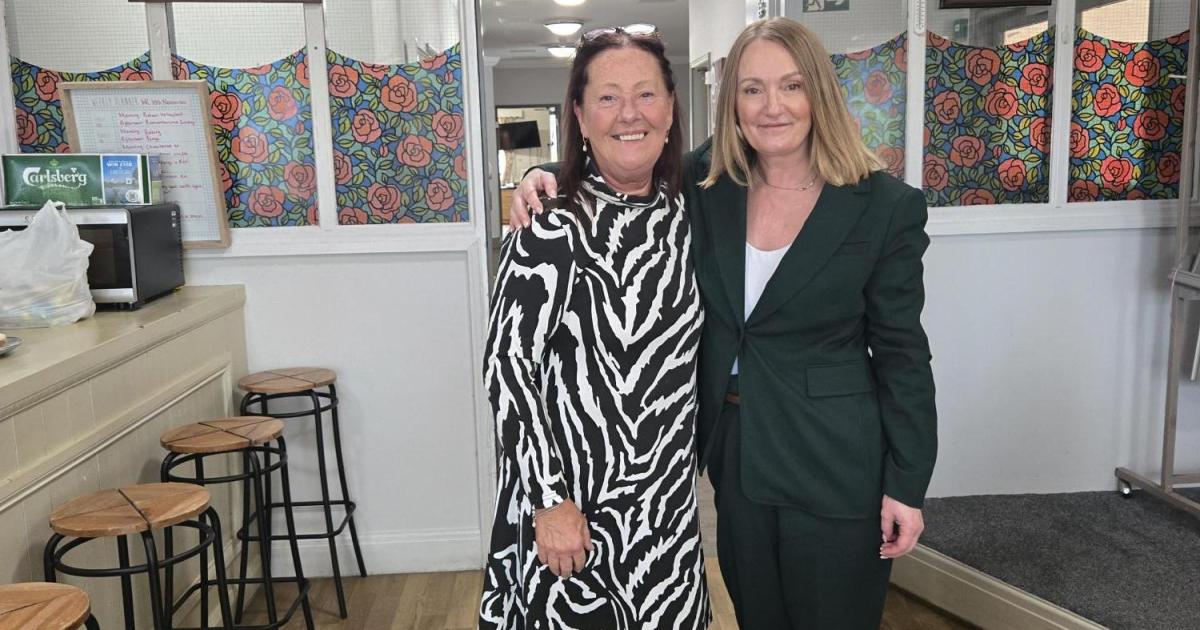
Jo Platt, who represents Leigh and Atherton, called in at Richmond House in Leigh on Monday, March 30, to meet residents and join a coffee morning full of conversation, memories, and laughter.
Ms Platt, a regular visitor to the HC-One care home, spent time listening to residents’ stories and learning about their lives and experiences.
Lorraine Scholey, home manager, enjoying afternoon tea with resident (Image: HC-One)
Stories from the war and reflections on past prime ministers were shared, while the group also chatted about more current topics like the refurbishment of Leigh town centre.
Holiday memories and favourite destinations were also part of the lively discussions.
Advertisement
She also spoke with members of staff about their roles and took a keen interest in their experiences and length of service at the home.
Jo Platt enjoying afternoon tea with resident at Richmond House Care Home (Image: HC-One)
Lorraine Scholey, home manager at Richmond House, said: “It was such a pleasure to welcome Jo Platt to Richmond House.
“Our residents really enjoyed sharing their stories and experiences with her, and it was wonderful to see everyone so engaged and happy.
“Visits like this are important in keeping our residents connected to the wider community, and we’re grateful to Jo for taking the time to spend with us.”
Advertisement
Jo Platt enjoying afternoon tea with residents at Richmond House Care Home (Image: HC-One)
During the visit, Ms Platt was given a tour of the care home’s facilities, which include en suite bedrooms, assisted bathrooms, wet rooms, and inviting dining and lounge areas.
She also spent time in the landscaped gardens and patio, and explored communal spaces like the bar and hair salon.
The tour highlighted Richmond House’s ongoing commitment to resident wellbeing, with features such as protected mealtimes, wellbeing spaces, daily newspapers, and coffee mornings helping to create a homely and supportive environment.
Accessibility was also showcased, including easy access to public transport, lifts, wheelchair-friendly design, and a minibus for outings.
Advertisement
The visit reinforced the strong relationship between Richmond House and the local community, and underlined the care home’s focus on providing an inclusive, engaging, and welcoming environment for all residents.
For more information about Richmond House Care Home, visit the HC-One website.
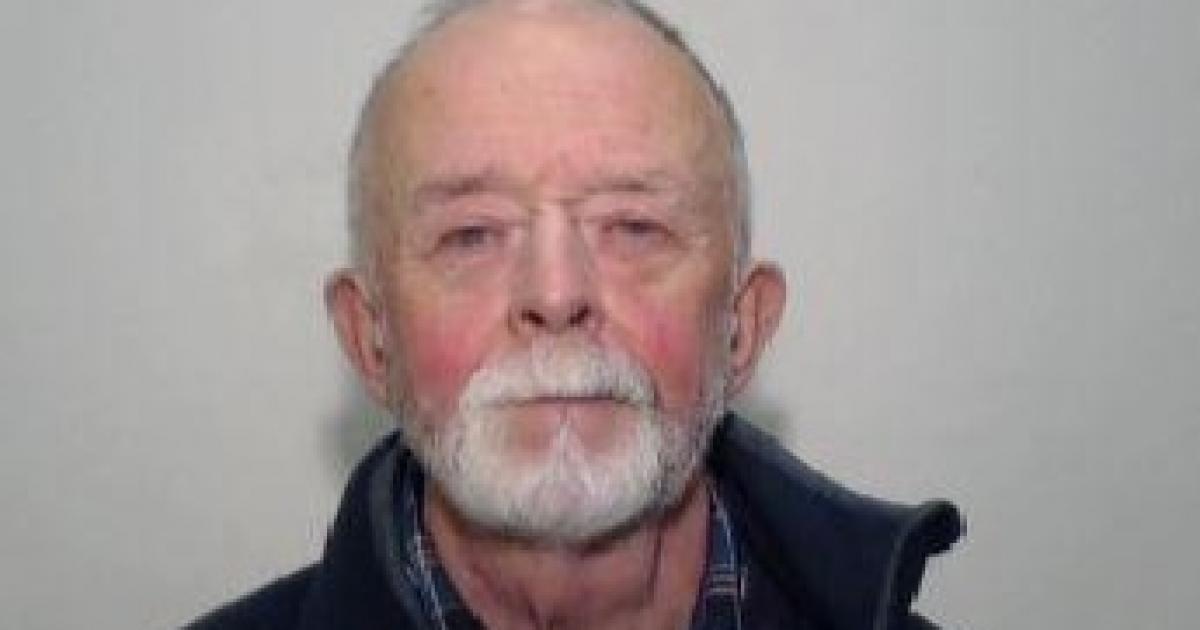
Martyn Woods, who was 72 when he was sent to prison, was jailed for 14 years for sexual abuse of a girl between 1962 and 1976.
Manchester Minshull Street Crown Court heard how between 1962 and 1976 Woods repeatedly sexually abused a young girl, starting when she was 4 years old until she was 16.
It was not until 2017 when one of the victim’s came forward that Woods’ crimes were revealed.
Advertisement
He was sentenced in 2018 to a term of 14 years for the offending.
A prison ombudsman report, published on April 15, found that Woods had died six years into his sentence in hospital due to empyema of the left hemithorax, while a prisoner at HMP Wymott, in Leyland, aged 79.
In their report, the Ombudsman said: “The clinical reviewer concluded that the clinical care Mr Woods received at Wymott was of a good standard and was equivalent to that which he could have expected to receive in the community.
“She found that Mr Woods had the appropriate care plans in place and his ongoing health concerns were addressed accordingly.
Advertisement
“The clinical reviewer made one recommendation, which was not related to Mr Woods’ death but which the Head of Healthcare will want to address.”
READ MORE: Investigation after 2 men die at Lancashire prison in 2 days
READ MORE: Sex offender died in prison from cancer before compassionate leave granted
His family had written to the ombudsman prior to their report asking why he was admitted to hospital, and looked for reassurance that he had received all the medical care that he needed.
Advertisement
The report added: “The PPO investigator investigated the non-clinical issues relating to Mr Woods care.
“We did not identify any non-clinical learning and we make no recommendations.”
At an inquest held on 9 January 2026, the coroner concluded that Woods died of natural causes.
His family received a copy of the report, but did not make any comments.















































You must be logged in to post a comment Login