Connect with us
DAPA Banner
DAPA Coin
DAPA
COIN PAYMENT ASSET
PRIVACY · BLOCKDAG · HOMOMORPHIC ENCRYPTION · RUST
ElGamal Encrypted MINE DAPA
🚫 GENESIS SOLD OUT
DAPAPAY COMING

Business

Hershey US president to leave next month

Published

on

Hershey US president to leave next month
Continue Reading
Click to comment

You must be logged in to post a comment Login

Leave a Reply

Business

MOSH raises $13 million

Published

on

MOSH raises $13 million

Bar brand to roll out nationwide into Target, debut new protein bar.

Continue Reading

Business

Last-minute budget pitch to 'level field' for young

Published

on

Last-minute budget pitch to 'level field' for young

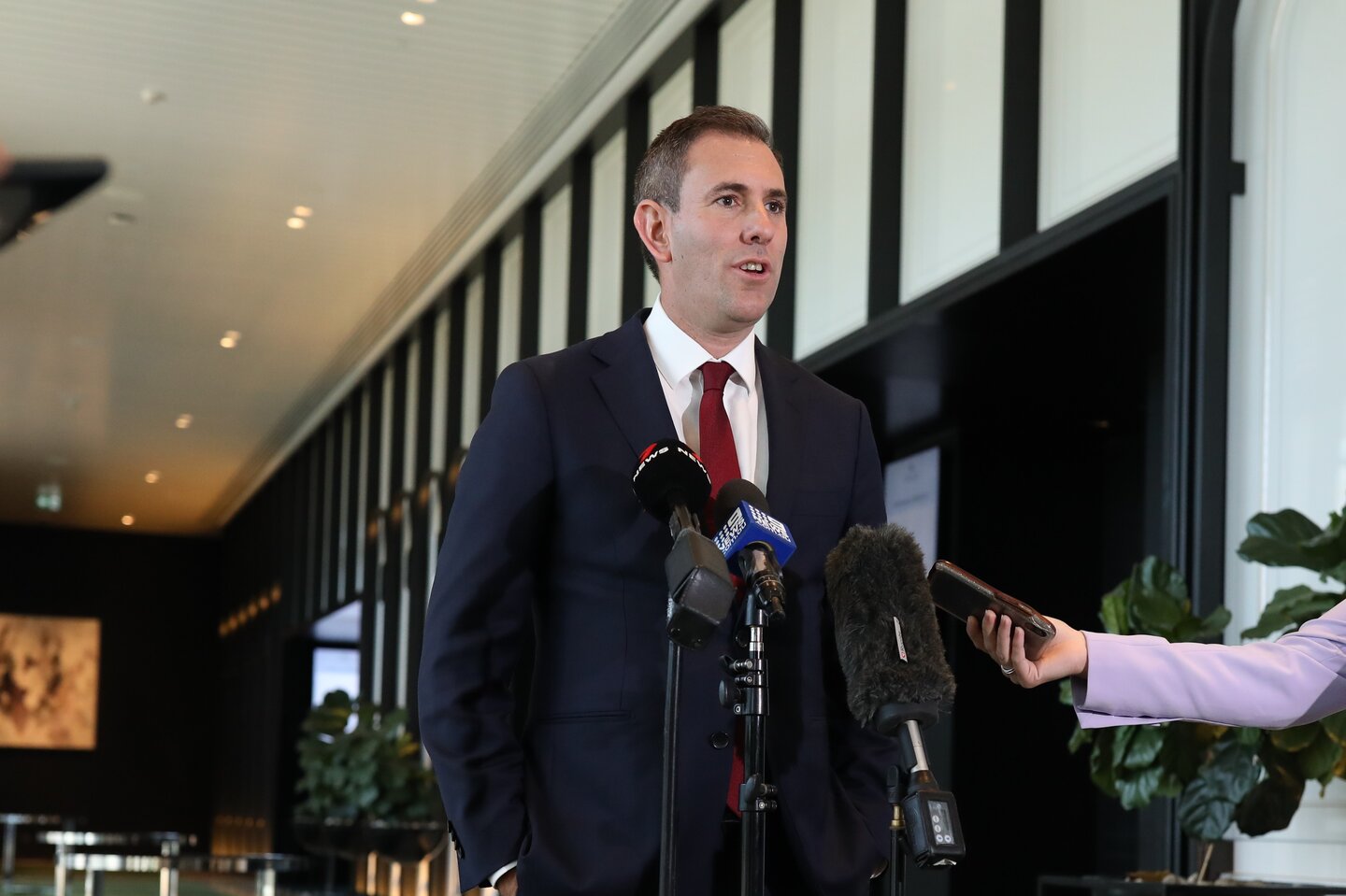
Treasurer Jim Chalmers, Prime Minister Anthony Albanese and Finance Minister Katy Gallagher have released a video online to confirm tax changes for property owners.

Continue Reading

Business

Starmer Confirms Public Ownership Plan for Scunthorpe

Published

on

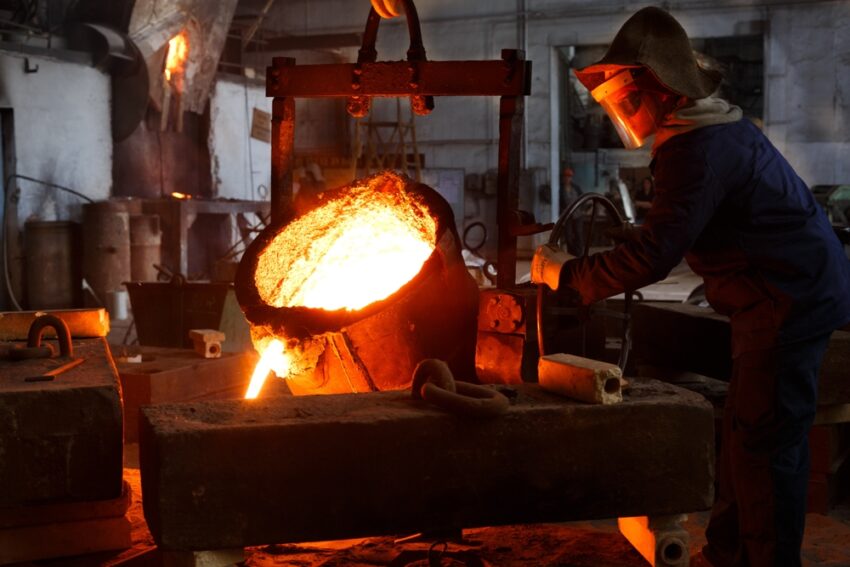
Britain’s steelmakers are bracing for a sharp escalation in trade tensions after the United States signalled it will double import tariffs on UK steel to 50% from Wednesday — despite a recent transatlantic deal to remove such duties.

Sir Keir Starmer has confirmed that British Steel will be taken into full public ownership, ending months of speculation about the future of the loss-making Scunthorpe plant and drawing a line under fraught negotiations with its Chinese owner, Jingye.

In a speech designed in part to head off a brewing leadership challenge after Labour’s bruising local election results, the prime minister told supporters that emergency legislation would be laid before Parliament this week to grant ministers the powers needed to take “full ownership” of the business, subject to a public interest test.

“Public ownership is in the public interest,” Sir Keir said, adding that he intended to prove his “doubters” wrong and that, for the British public, “change cannot come quickly enough.”

The decision marks a significant shift in approach. Whitehall had previously stopped short of full nationalisation, preferring instead to court private investors while keeping the blast furnaces alight through an emergency supervision regime. That regime was imposed last April after the government seized operational control of the Scunthorpe site amid mounting concerns that Jingye was preparing to switch the furnaces off, a step that would almost certainly have ended the United Kingdom’s ability to produce so-called virgin steel.

Virgin steel, smelted from iron ore rather than recycled scrap, is the grade used in heavy infrastructure projects, from new rail lines to large-scale construction. Restarting a blast furnace once it has gone cold is both technically forbidding and extraordinarily expensive, and the loss of that domestic capability has been viewed in Westminster as a strategic red line.

Advertisement

Talks with Jingye, the prime minister confirmed, had failed to produce a workable deal. “A commercial sale has not been possible, and now a public test could be met,” he said.

The response from the steel sector was swift and broadly supportive. Gareth Stace, director-general of trade body UK Steel, said the announcement offered “vital certainty” to the 2,700-strong Scunthorpe workforce, as well as the customers who rely on British Steel for rail, structural sections and specialist products.

“Maintaining domestic production capability for British Steel’s products is essential not only for economic growth but also for our national security and resilience,” Stace said.

However, he was clear that nationalisation alone would not be sufficient. “It is not an end goal,” he cautioned, urging ministers to use the moment as the “beginning of a clear and credible long-term plan for British Steel,” underpinned by a proper investment strategy.

Advertisement

The unions echoed that sentiment. In a joint statement, Roy Rickhuss, general secretary of the Community union, and Unite’s Sharon Graham said they “fully support” nationalisation, arguing that British Steel had a “bright future, with a world class highly skilled workforce making strategically important steels for the UK’s rail and infrastructure.” The pair also pressed the Treasury to mandate that government-funded projects source British-made steel — a long-standing demand of the domestic industry.

Charlotte Brumpton-Childs, national secretary of the GMB Union, said it was “right the government does everything in its power to secure its long term future.”

The Exchequer’s bill for propping up the company has already proved eye-watering. The National Audit Office reported in March that £377 million had been spent in just nine months to fund operations, wages and raw materials at Scunthorpe. Should the present rate of spending persist, the NAO warned, the total could exceed £1.5 billion by 2028, “depending on policy choices that may be taken in the future.”

The BBC understands the government is currently spending in the region of £1 million a day to keep the business afloat. Jingye, for its part, claimed the site was haemorrhaging £700,000 a day and was no longer commercially viable before ministers intervened.

Advertisement

No headline figure has yet been put on the cost of full nationalisation. Officials say an independent valuation of the business will be carried out once legislation is in place, with any compensation due to Jingye to be determined on the basis of that exercise.

It is not the first time the state has stepped in. The Insolvency Service ran British Steel for nine months following its 2019 collapse, at a cost to the taxpayer of around £600 million, before its sale to Jingye.

For the SME supply chain, the fabricators, hauliers and engineering firms clustered around Scunthorpe and across the wider Humber industrial corridor, the announcement removes the immediate threat of a catastrophic shutdown. Many of these businesses operate on tight margins and would have struggled to survive the loss of their principal customer.

The broader question, however, is whether public ownership can deliver the modernisation that successive private owners have failed to fund. Decarbonising primary steelmaking, replacing ageing blast furnaces with electric arc technology, and securing reliable long-term contracts with British infrastructure projects will all require capital commitments measured in billions, not millions.

Advertisement

The public interest test required to complete the takeover will weigh national security, the protection of critical national infrastructure and broader economic considerations. On all three counts, the government appears to have concluded that the case for intervention is now unanswerable.


Jamie Young

Jamie Young

Jamie is Senior Reporter at Business Matters, bringing over a decade of experience in UK SME business reporting.
Jamie holds a degree in Business Administration and regularly participates in industry conferences and workshops.

When not reporting on the latest business developments, Jamie is passionate about mentoring up-and-coming journalists and entrepreneurs to inspire the next generation of business leaders.

Advertisement
Continue Reading

Business

Oroweat adds nutrition-forward bread

Published

on

Oroweat adds nutrition-forward bread

BBU adds fiber, protein options to portfolio.

Continue Reading

Business

April 2026 CPI: Inflation rose in April as Iran war jolted energy prices

Published

on

April 2026 CPI: Inflation rose in April as Iran war jolted energy prices

Inflation surged in April as consumer prices rose amid the impact of the Iran war on the energy market and broader economy.

The Bureau of Labor Statistics on Tuesday said that the consumer price index (CPI) – a broad measure of how much everyday goods like gasoline, groceries and rent cost – rose 0.6% from a month ago and is 3.8% higher than last year. That’s the highest level since May 2023.

Advertisement

Expectations vs. reality

The 0.6% monthly increase was in line with the expectations of economists polled by LSEG, while the annual figure was hotter than the prediction of 3.7%.

So-called core prices, which exclude volatile measurements of gasoline and food to better assess price growth trends, were up 0.4% on a monthly basis and 2.8% from a year ago. Both of those figures were higher than economists’ predictions of 0.3% and 2.7%, respectively.

AMERICANS LEAN ON CREDIT CARDS AND BUY NOW, PAY LATER AS GAS PRICES EAT BIGGER SHARE OF INCOME

Economists have noted that the inflation data from December 2025 through April 2026 will be affected by data collection interruptions that occurred during last fall’s 43-day government shutdown.

Advertisement

During the shutdown, the BLS wasn’t able to gather data and used a carry-forward methodology to make up for the lack of an October CPI report and missing data in November’s report. Economists say this is likely to impart a downward bias on inflation data until this spring, when fresh data will negate the discrepancy.

The cost of living breakdown

High inflation has created severe financial pressures in recent years for most U.S. households, which are forced to pay more for everyday necessities like food and rent. Price hikes are particularly difficult for lower-income Americans, because they tend to spend more of their already-stretched paychecks on necessities and have less flexibility to save.

Energy prices rose 3.8% in April amid the Iran war’s disruption of Middle Eastern oil supplies, with prices up 17.9% in the last year. The BLS noted that the energy index accounted for over 40% of the overall CPI increase in April.

A man stands at a gas station.

Gasoline prices have risen significantly compared with last year due to the impact of the Iran war. (Justin Sullivan/Getty Images)

GAS PRICE SURGE HITTING LOW-INCOME HOUSEHOLDS HARDEST, FED STUDY FINDS

Advertisement

Gasoline prices increased 5.4% in April and are up 28.4% from a year ago. Electricity prices rose 2.8% on a monthly basis and are up 6.1% from a year ago. Utility gas service prices declined 0.1% in April and are up 3% in the last year.

Food prices rose 0.5% in April and were up 3.2% from a year ago. The food at home index rose 0.7% on a monthly basis and is up 2.9% from last year. The food away from home index increased 0.2% in April and is 3.6% higher than a year ago. 

Meats, poultry and fish prices were up 1.2% on a monthly basis and are up 6.7% from a year ago. Beef and veal prices were up 2.7% in April and are 14.8% higher than a year ago. Egg prices rose 1.5% in April but are down 39.2% year over year as supplies normalized after an avian flu outbreak created shortages. The fruits and vegetables index rose 1.8% in April and is 6.1% higher than a year ago.

Shoppers looking at grocery prices

Food prices rose in April and are up 3.2% from a year ago. (Justin Sullivan/Getty Images / Getty Images)

Housing prices were 0.6% higher in April and are up 3.3% over the last year. Tenants’ and household insurance costs rose 0.1% for the month but are up 7.2% year over year.

Advertisement

Transportation service prices were up 0.3% for the month and are 4.3% higher than a year ago. Airline fares accounted for much of the increase, as they rose 2.8% in April and are up 20.7% year over year.

FEDERAL RESERVE LEAVES INTEREST RATES UNCHANGED AS POWELL’S CHAIRMANSHIP NEARS END

What experts are saying

James McCann, senior economist for investment strategy at Edward Jones, said that “American households continue to feel the brunt of surging energy costs, adding to the deluge of inflation they have weathered since the pandemic. Moreover, with the Strait of Hormuz still effectively shuttered, the risk that we are not past the peak of these price pressures is rising.”

“The good news is that the economy looks resilient to this price shock so far. Many consumers have benefited from tax refunds this year, hiring has picked up from near stagnant rates in 2025 and businesses are generating robust profit growth,” McCann added.

Advertisement

GET FOX BUSINESS ON THE GO BY CLICKING HERE

Seema Shah, chief global strategist at Principal Asset Management, said that the inflation data has likely pushed a Federal Reserve rate cut until December at the earliest, with risks rising that it won’t occur until 2027.

“While the pickup in headline inflation was expected, the upside surprise in core is more consequential. It tentatively hints at broadening price pressures, something the Fed will be reluctant to dismiss,” Shah explained. “It is still too soon to conclude that a sustained second-round dynamic is underway. But with inflation rising to its highest level since 2023 and looking uncomfortably sticky, alongside a more resilient and dynamic labor market, the case for policy caution has strengthened.”

Advertisement
Continue Reading

Business

AST SpaceMobile: The Market Is Wrong Again (NASDAQ:ASTS)

Published

on

AST SpaceMobile: The Market Is Wrong Again (NASDAQ:ASTS)

This article was written by

I’m a retired Wall Street PM specializing in TMT; since kickstarting my career, I’ve spent over two decades in the market navigating the technology landscape, focusing on risk mitigation through the dot com bubble, credit default of ‘08, and, more recently, with the AI boom. In one word, what I’d like my service to revolve around is momentum.

Analyst’s Disclosure: I/we have no stock, option or similar derivative position in any of the companies mentioned, and no plans to initiate any such positions within the next 72 hours. I wrote this article myself, and it expresses my own opinions. I am not receiving compensation for it (other than from Seeking Alpha). I have no business relationship with any company whose stock is mentioned in this article.

Seeking Alpha’s Disclosure: Past performance is no guarantee of future results. No recommendation or advice is being given as to whether any investment is suitable for a particular investor. Any views or opinions expressed above may not reflect those of Seeking Alpha as a whole. Seeking Alpha is not a licensed securities dealer, broker or US investment adviser or investment bank. Our analysts are third party authors that include both professional investors and individual investors who may not be licensed or certified by any institute or regulatory body.

Advertisement
Continue Reading

Business

UK Borrowing Costs Hit 18-Year High as Starmer Future Rattles Bond Markets

Published

on

Prime Minister Keir Starmer relaxes EV targets and taxes to protect Britain’s auto industry from Trump’s 25% tariffs, aiming to sustain growth and encourage electric vehicle adoption.

The cost of UK government borrowing climbed to its highest level in nearly two decades on Tuesday, as mounting speculation over the future of Prime Minister Sir Keir Starmer collided with fresh inflation fears stoked by the Iran conflict, leaving the country’s small and mid-sized businesses staring down the barrel of yet another period of squeezed credit and weaker sterling.

The effective interest rate on 10-year gilts briefly touched 5.13% in morning trading, a level not seen since the depths of the 2008 global financial crisis. Yields on two-, five- and 30-year debt also pushed higher, with the 30-year benchmark hitting 5.80% — the steepest reading since 1998.

For Britain’s 5.5 million SMEs, already grappling with stubborn input costs and a softening consumer, the move in the bond market is no abstract Westminster drama. The two- and five-year gilt yields directly underpin fixed-rate mortgage pricing, and by extension the working capital pressures on owner-managers whose households and balance sheets remain tightly interwoven.

The FTSE 100 slid 0.5%, with the high-street banks leading the retreat amid chatter that any successor administration could green-light a fresh tax raid on the sector. Sterling weakened by the same margin against the dollar, slipping to $1.35.

A toxic cocktail of geopolitics and Westminster jitters

Markets have been on edge for weeks as the war in Iran has driven crude above $100 a barrel, threatening to reignite the very inflationary fire the Bank of England has spent two years dousing. But while peer economies have weathered the oil shock with comparatively muted moves in their debt markets, Britain’s gilts have been singled out for punishment.

Advertisement

The reason, according to City analysts, is political. With Sir Keir’s grip on Number 10 looking increasingly precarious, allies emerged from a cabinet meeting on Tuesday insisting the Prime Minister would “get on with governing”, investors are pricing in the very real prospect of a leadership contest that could deliver a Chancellor less wedded to fiscal restraint.

Sir Keir and Chancellor Rachel Reeves have spent the better part of a year repeating their commitment to “iron-clad” borrowing rules, a mantra designed to keep the bond vigilantes at bay. Yet a growing chorus of Labour backbenchers on the party’s left have begun openly questioning whether those self-imposed limits are “fit for long-term renewal”.

Capital Economics put the matter bluntly in a note to clients. “The UK’s already fragile fiscal position means that investors will be on edge for any signs of fiscal loosening,” its analysts wrote. “The likely replacements for Starmer/Reeves would probably not be as fiscally disciplined.” The firm flagged Andy Burnham, Angela Rayner and Wes Streeting, the names most frequently cited as potential challengers, as candidates who would “probably raise public spending”.

Why the City is nervous

Anna Macdonald, investment strategy director at Hargreaves Lansdown, said the gilts market had been “frazzled” by the prospect of a new occupant of Number 11 taking a more relaxed view of the public finances. “This would mean that investors, of which 25-30% are overseas buyers of UK government bonds, demand a higher risk premium,” she warned.

Advertisement

That risk premium matters far beyond the trading floors of the Square Mile. Governments raise most of their revenue through taxation, but routinely spend more than the Exchequer takes in. The shortfall is plugged by issuing gilts, IOUs sold to pension funds, insurers and foreign investors who, in exchange for parting with their cash, demand certainty above almost everything else.

When that certainty evaporates, the price of borrowing rises. And the bill for Britain’s existing stock of public debt, already swollen by years of crisis-era spending — now accounts for roughly £1 in every £10 the government spends. Each tick higher in yields translates directly into less fiscal headroom for the productivity-boosting investment SMEs have been calling for, from full-expensing reforms to business rates overhaul.

For owner-managers, the immediate read-through is threefold. Mortgage rates, already a drag on consumer discretionary spend, are likely to remain stickier for longer. Sterling weakness will sharpen the import bill for any business reliant on dollar-priced inputs, from manufacturers to hospitality operators sourcing food and drink from overseas. And the cost of business borrowing, whether through term loans or asset finance, is unlikely to ease until the bond market regains its composure.

Until Westminster offers a clearer answer to the question of who will be running the country by the autumn, that composure looks some way off.

Advertisement

Jamie Young

Jamie Young

Jamie is Senior Reporter at Business Matters, bringing over a decade of experience in UK SME business reporting.
Jamie holds a degree in Business Administration and regularly participates in industry conferences and workshops.

When not reporting on the latest business developments, Jamie is passionate about mentoring up-and-coming journalists and entrepreneurs to inspire the next generation of business leaders.

Advertisement
Continue Reading

Business

Harvard faculty vote on limiting A grades to combat inflation

Published

on


Harvard faculty vote on limiting A grades to combat inflation

Continue Reading

Business

US inflation jumps to 3.8% as energy costs surge from Iran war

Published

on

US inflation jumps to 3.8% as energy costs surge from Iran war

The key measure of US inflation rises its highest level since May 2023 as consumers feel the impact of the Iran war.

Continue Reading

Business

University of Bristol’s new Temple Quarter campus preparing to open

Published

on

Business Live

The landmark main building near Temple Meads train station will house thousands of students

Bristol Temple Quarter campus main building

Bristol Temple Quarter campus main building(Image: University of Bristol)

Work on the main building at Bristol University’s new flagship Temple Quarter campus is now complete. The landmark 38,000 sq m building next to Temple Meads train station will house around 4,600 students, 650 university employees and a start-up hub.

The site’s main contractor, Sir Robert McAlpine, will now move furniture and equipment into the building ahead of its opening to students in September.

The scheme is part of a huge regeneration project that will see the transformation of Bristol Temple Quarter, including thousands of new homes and the creation of thousands of jobs.

Bristol University bought the site from the city council in 2017 before demolishing the derelict Royal Mail sorting office in 2019, which had stood empty for more than 20 years.

Advertisement

The main building will sit alongside a new eastern entrance to Temple Meads station, which will connect to the campus through a new public space called University Square.

A new harbour walkway, funded by the West of England Combined Authority (Weca), linking University Square to Temple Quay will provide new walking and cycling routes.

Professor Judith Squires, deputy vice-chancellor and lead for the Temple Quarter programme, at the University of Bristol, said: “Today marks a major milestone in our drive to create a vibrant new connected campus in the heart of the city.

“Thanks to the fantastic work of Sir Robert McAlpine and our university colleagues we remain on budget and on schedule for our September opening.

Advertisement

“It’s inspiring to see our new building come to life and I’m hugely grateful to everyone who has worked so hard to get us to this point.”

Helen Godwin, mayor of the West of England, said the completion of the main campus building was “a big step towards unlocking the wider potential of Bristol Temple Quarter”.

“Hundreds of local people have been working to deliver the University of Bristol’s new £500m Enterprise Campus next door to the West Country’s biggest train station,” she said.

“The old Royal Mail building that stood on this site was once called the chipped tooth in the city’s smile. In this new chapter, I’m happy to say that derelict site is now a distant memory – as we look forward to opening Bristol Temple Meads’ new eastern entrance, walkways along the harbour, and the new campus in September.”

Advertisement
Continue Reading

Trending

Copyright © 2025